Industry Briefing
A single destination for timely, editor-curated robotics news from around the world.
Response to Drone Overflights During Spokane Wildfires Disrupts Firefighting Efforts
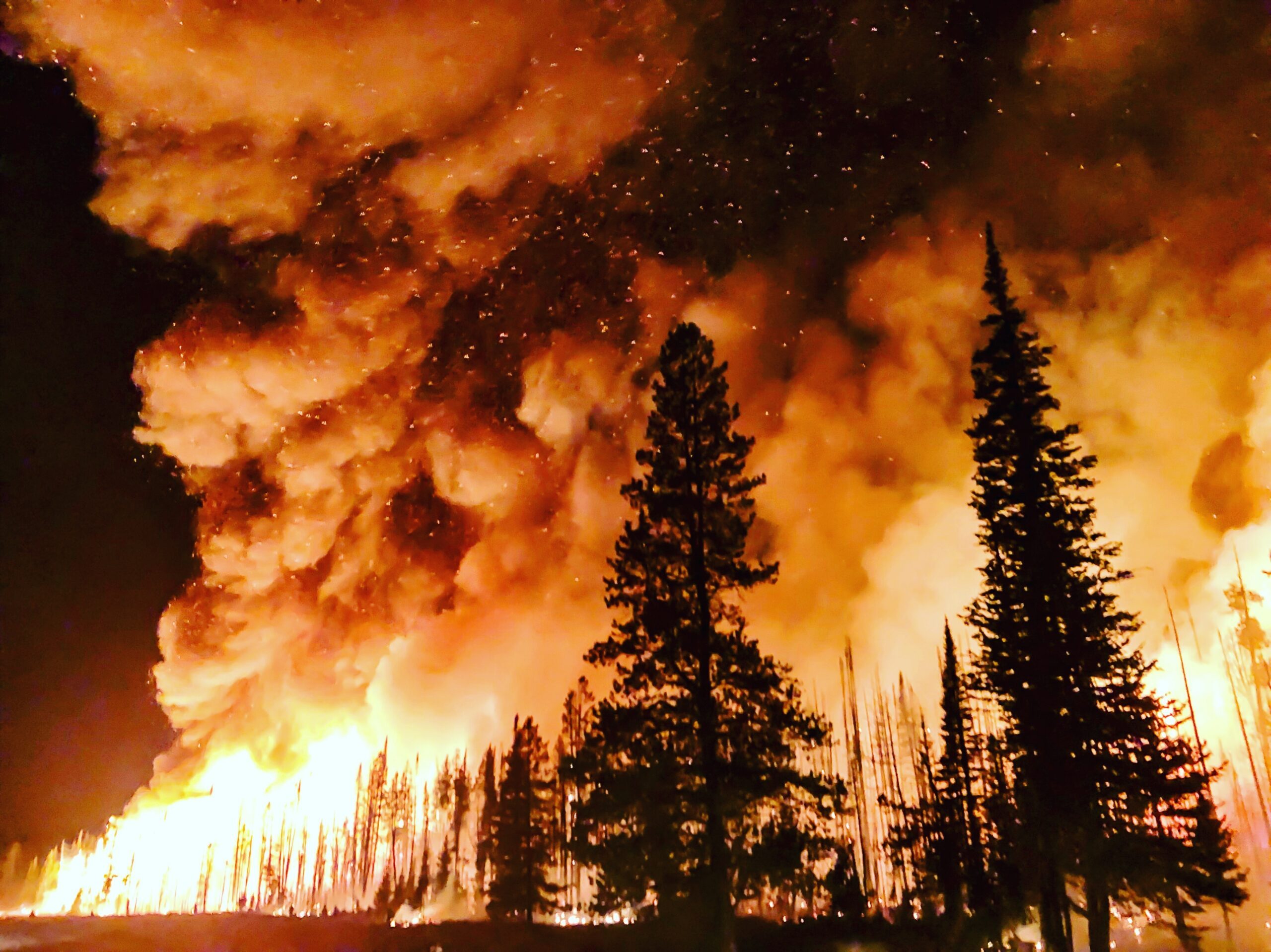
Federal and local officials have condemned drone overflights during recent wildfires in eastern Washington, which led to the temporary grounding of firefighting aircraft. The wildfires, which affected Spokane, resulted in the destruction of approximately 800 buildings and the evacuation of tens of thousands of residents. In response, the FAA issued a temporary flight restriction from August 2 to August 15, limiting airspace up to 7,000 feet MSL. The presence of unauthorized drones in the restricted airspace raised significant concerns for firefighting operations. Phil Randolph, a supervisory special agent with the FBI’s Seattle office, highlighted the potential impact on firefighting efforts, questioning whether the grounding of aircraft delayed critical operations that could have saved neighborhoods. The FBI Counter-UAS Task Force, which includes local law enforcement agencies, was deployed to monitor the situation and mitigate risks associated with drone activity. On August 2, the Task Force detected 26 unauthorized drones, followed by an additional 13 the next day, prompting the grounding of firefighting aircraft due to safety concerns. Although no arrests were made, the Task Force collected pilot information for potential FAA investigation. The ongoing situation underscores the need for stricter enforcement of airspace regulations during emergencies.
Anti-drone technology Drone News Drone News Feeds Drones in the News emergency response Fire and Police
Northeastern University Develops Cryogenic Robot to Combat Wildfires Using Liquid Nitrogen
Yiannis Levendis, a professor at Northeastern University, has created a robotic firefighting prototype that utilizes liquid nitrogen to extinguish wildfires effectively and environmentally safely. This innovation aims to protect human firefighters from extreme danger, as deploying autonomous or remote-controlled robots is preferable to risking lives in hazardous conditions. The significance of this development is underscored by the alarming statistics of wildfires, with over 5.13 million acres burned in the United States in 2025 alone. Traditional firefighting methods often involve large quantities of water or chemical retardants, which can harm aquatic ecosystems. In contrast, liquid nitrogen offers a solution that not only extinguishes fires but does so without leaving harmful residues. Looking ahead, the focus will be on refining the delivery mechanism for this cryogenic fire suppression technology to ensure it can be deployed effectively in the field. No further timeline was disclosed at the time of publication.
AI and Robotics
Northeastern University Professor Develops Robot to Combat Wildfires Using Cryogenic Spray
Yiannis Levendis, a professor at Northeastern University, has developed a robot capable of extinguishing wildfires using a cryogenic spray. This innovative approach aims to provide an effective solution to the increasing threat of wildfires, which have become more frequent and severe due to climate change. The robot's unique technology could revolutionize firefighting methods, offering a safer and more efficient way to manage wildfires. The significance of this development lies in its potential to address the growing challenges posed by wildfires. As climate change continues to exacerbate fire conditions, traditional firefighting methods may not suffice. The cryogenic spray technology could enhance firefighting capabilities, potentially saving lives and property while minimizing environmental impact. Looking ahead, the effectiveness of this robot in real-world wildfire scenarios will be crucial to its adoption. Further testing and validation of its capabilities are expected, but no further timeline was disclosed at the time of publication.
Robotics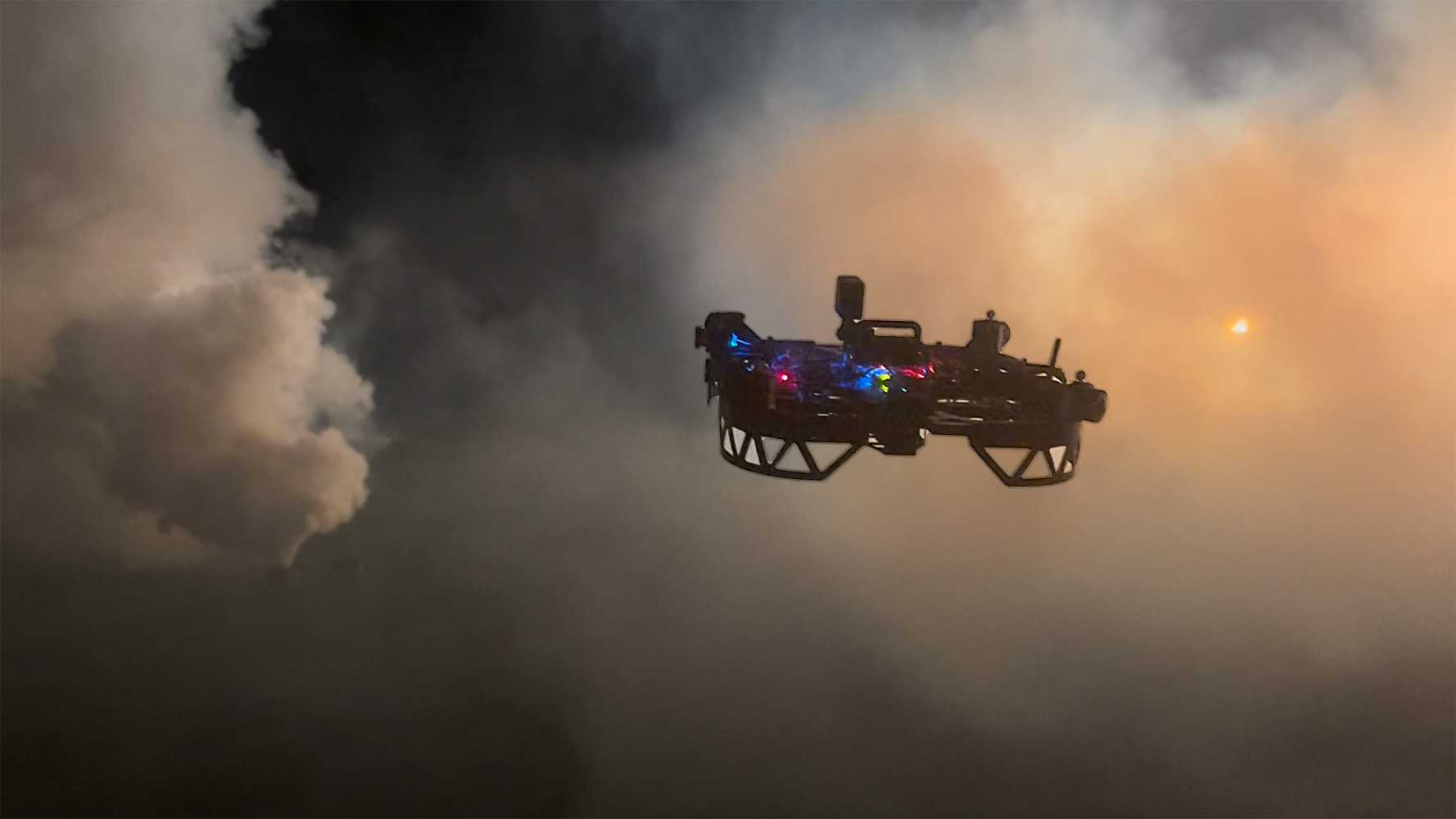
Robotics Institute Developing Drones To Fight Wildfires
Researchers at Carnegie Mellon University's Robotics Institute are developing drones aimed at combating wildfires, a project inspired by the brown haze that enveloped Pittsburgh and other U.S. cities last summer. This haze was a result of unprecedented wildfires in Canada, which served as a stark reminder of the growing threat posed by such natural disasters. The initiative seeks to enhance firefighting capabilities and mitigate the impacts of wildfire smoke on urban areas. By leveraging drone technology, the Robotics Institute aims to improve monitoring and response efforts during wildfire events, ultimately contributing to better environmental management and public safety.
UncategorizedRobotics needs a service framework.
RSF defines a common language for robot service capability, lifecycle operations, certification pathways, and service-provider networks.
Join the RobotToday community on LinkedIn
Daily robotics news, in-depth analysis, conference highlights, and discussions with professionals worldwide.