A single destination for timely, editor-curated robotics news from around the world.
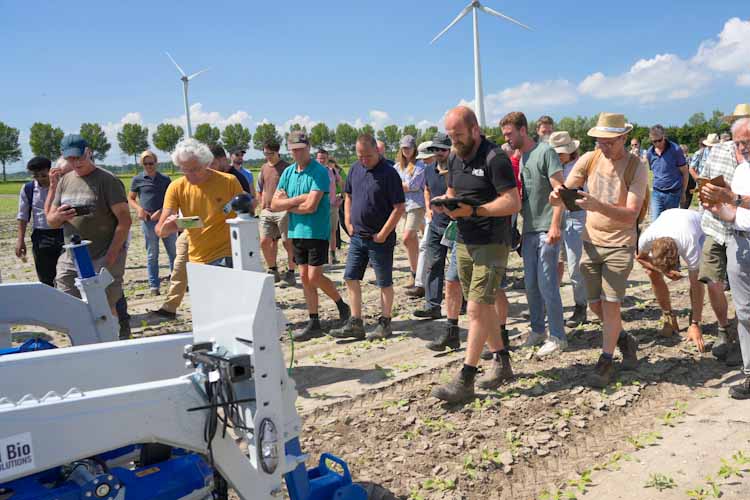
Mechanical weeding has entered a new era. At the Dutch Organic FieldDay, visitors no longer questioned whether robots work, but compared how accurately they remove weeds within the crop row. Future Farming visited the demonstrations, where AI-guided hoes, laser weeders and a new hot-water robot highlighted how automation is reshaping organic crop production. Visitors soon […]
FutureFarming By Leo Tholhuijsen Jul 07, 2026 Uncategorized
A recent field trial at Wageningen University & Research (WUR) in Valthermond, Netherlands, has highlighted the necessity for growers to adopt additional methods beyond weeding robots to effectively manage weed control. The trial, which draws on practical experiences expected to be implemented by 2025, underscores the challenges faced by agricultural producers in maintaining crop health and productivity. As the agricultural sector increasingly seeks innovative solutions to combat weeds, the findings from WUR suggest that a multifaceted approach will be essential for sustainable farming practices.
FutureFarming By Janet Beekman May 11, 2026 Smart farming mechanical weeder precision spraying weeding robots
A new Dutch manufacturer, Cropr, has launched its innovative laser weeding robots, with five units now actively operating in the fields this season. All of these robots have already been sold to growers, marking a significant step in agricultural technology. Future Farming recently took the opportunity to examine one of these machines in action, noting its distinctive light-blue design as it navigates through a chicory field. This development highlights the growing interest in automated solutions for weed management, reflecting a broader trend towards precision farming aimed at improving crop yields and reducing reliance on chemical herbicides.
FutureFarming By Lucas van de Weijer Jul 09, 2026 Uncategorized
On April 15, the GOFAR Field Day Spain will showcase over 15 agricultural robots in action at John Deere’s Parla Innovation Center, located near Madrid. This event aims to illustrate the transition of robotics from theoretical concepts to practical applications within European agriculture. By demonstrating these advanced technologies in real field conditions, the event seeks to highlight the potential benefits and efficiencies that robotics can bring to farming practices across the continent.
FutureFarming By Geert Hekkert Apr 08, 2026 Field robots agricultural robots crop monitoring GOFAR mechanical weeding
A recent study published in the Journal of Field Robotics highlights advancements in autonomous robotic systems designed for agricultural applications. Researchers from a leading university conducted the study to address the growing need for efficient farming solutions amid increasing global food demands. The research, which took place over the past year, focused on developing robots capable of performing tasks such as planting, weeding, and harvesting with minimal human intervention. The team utilized cutting-edge technologies, including machine learning and computer vision, to enhance the robots' ability to navigate complex agricultural environments. By integrating these technologies, the robots can adapt to varying crop conditions and optimize their performance. The findings indicate that these autonomous systems could significantly reduce labor costs and improve productivity in the agricultural sector. The study's implications are particularly relevant as farmers face challenges related to labor shortages and the need for sustainable practices. By demonstrating the effectiveness of robotic solutions, the researchers aim to encourage wider adoption of automation in farming, ultimately contributing to food security and sustainability efforts worldwide. The research underscores the potential for robotics to transform traditional agricultural practices, paving the way for a more efficient and resilient food production system.
JournalofFieldRobotics By Shuo Yang, Zhanhua Song, Shakeel Ahmed Soomro, Kai Wang, Yinfa Yan, Weizheng Shen, Zhenwei Yu, Fuyang Tian Jun 10, 2026 RESEARCH ARTICLE
A recent study published in the Journal of Field Robotics explores advancements in autonomous robotic systems designed for agricultural applications. Conducted by a team of researchers from various universities, the study highlights the growing importance of robotics in enhancing efficiency and sustainability in farming practices. The research, which was completed in October 2023, focuses on the development of robots capable of performing tasks such as planting, weeding, and harvesting crops with minimal human intervention. The motivation behind this research stems from the increasing demand for food production amid a global population surge and the need for sustainable farming methods that reduce environmental impact. By integrating advanced sensors and artificial intelligence, the robots are designed to optimize resource use, reduce labor costs, and improve crop yields. Field tests conducted in various agricultural settings demonstrated the robots' effectiveness in performing tasks traditionally done by human laborers. The study's findings suggest that these autonomous systems could significantly transform the agricultural landscape, making it more efficient and less reliant on chemical inputs. As the agricultural sector faces challenges related to labor shortages and climate change, the research underscores the potential of robotics to address these issues and pave the way for a more sustainable future in food production. The study calls for further investment and development in this technology to fully realize its benefits for farmers and the environment.
JournalofFieldRobotics By Kavitha Devi K, Rubin Bose S., M. Saravanan, Sathya Selvaraj Sinnasamy, L. Sasikala, Judy Flavia B., R. Vinoth Jun 10, 2026 RESEARCH ARTICLE
AgriPass, an Israeli agricultural technology company, is advancing its AI-driven weeding robot towards large-scale deployment following the acquisition of $7.5 million in funding. The company aims to revolutionize the vegetable crop industry by replacing manual labor with an innovative system that utilizes computer vision and real-time artificial intelligence for precise mechanical weed control. This funding will enable AgriPass to enhance its technology and expand its market reach, addressing the growing demand for efficient and sustainable farming solutions.
FutureFarming By Geert Hekkert Mar 25, 2026 Field robots ai israel mechanical weeder weed control
Robot manufacturer Odd.Bot provided an exclusive glimpse into the assembly process of its Maverick weeding robot during an open day hosted by its assembly partner, Stalero. This event, aimed at showcasing the innovative technology behind the Maverick, attracted attention from industry professionals and enthusiasts alike. The open day highlighted Odd.Bot's commitment to advancing agricultural technology, as the Maverick is designed to enhance efficiency in weeding while reducing the reliance on chemical herbicides. By offering this behind-the-scenes look, Odd.Bot aims to strengthen its brand presence and demonstrate the capabilities of its products to a wider audience. Future Farming, a publication focused on agricultural advancements, took the opportunity to delve deeper into the features and benefits of the Maverick, further solidifying Odd.Bot's reputation in the market.
FutureFarming By René Koerhuis Mar 18, 2026 Field robots field robots
The Journal of Field Robotics has published an early view article highlighting recent advancements in autonomous robotic systems. Researchers from leading universities and technology firms presented their findings on October 15, 2023, during a virtual conference focused on robotics innovation. The study emphasizes the growing importance of these systems in various sectors, including agriculture, search and rescue, and environmental monitoring. The motivation behind this research stems from the increasing demand for efficient and reliable robotic solutions capable of operating in complex environments. By integrating advanced artificial intelligence and machine learning algorithms, the researchers demonstrated how these autonomous systems can enhance operational capabilities and decision-making processes. The article details various case studies showcasing successful implementations of robotic technologies, illustrating their potential to revolutionize traditional practices. The findings suggest that as technology continues to evolve, the integration of autonomous robots will become crucial in addressing global challenges, such as food security and disaster response. This publication marks a significant contribution to the field of robotics, providing insights into future trends and encouraging further exploration of autonomous systems' applications. Researchers and industry professionals are urged to collaborate and innovate, ensuring that the benefits of these technologies are realized across multiple domains.
JournalofFieldRobotics By Rui‐Feng Wang, Chang‐Tao Zhao, Yu‐Hao Tu, Zi‐Qiu Chen, Wen‐Hao Su Apr 27, 2026 RESEARCH ARTICLE
A recent study published in the Journal of Field Robotics highlights advancements in robotic technology aimed at enhancing agricultural efficiency. Researchers from various institutions collaborated to develop a new autonomous robot capable of performing tasks such as planting, weeding, and harvesting crops. This innovative technology was tested in fields across California during the summer of 2023, showcasing its potential to significantly reduce labor costs and increase productivity for farmers. The motivation behind this development stems from the growing demand for sustainable farming practices and the need to address labor shortages in the agricultural sector. By integrating advanced sensors and machine learning algorithms, the robot can navigate complex field environments and make real-time decisions, improving its operational effectiveness. The study emphasizes the importance of robotics in modern agriculture, particularly as the industry faces challenges related to climate change and food security. The researchers believe that widespread adoption of such technology could lead to more efficient resource use and a reduction in the environmental impact of farming practices. As the agricultural landscape continues to evolve, this breakthrough represents a significant step toward the future of farming, where robotics play a crucial role in meeting global food demands.
JournalofFieldRobotics By Guoqiang Fu, Yina Wang Apr 21, 2026 RESEARCH ARTICLE
In May 2026, researchers published a significant study in the Journal of Field Robotics, focusing on advancements in robotic technology. The study, appearing in Volume 43, Issue 3, pages 1973-1987, highlights innovative methodologies for enhancing the autonomy and efficiency of field robots. Conducted by a team of experts in robotics and artificial intelligence, the research aims to address the growing demand for automated solutions in various industries, including agriculture, construction, and disaster response. The motivation behind this research stems from the need to improve operational capabilities in challenging environments, where human intervention may be limited or hazardous. By employing advanced algorithms and machine learning techniques, the researchers demonstrated how robots can better navigate complex terrains and perform tasks with minimal human oversight. The findings are expected to have a profound impact on the future of robotics, paving the way for more reliable and versatile machines capable of operating in diverse settings. This study not only contributes to the academic field but also offers practical applications that could revolutionize industries reliant on automation. As the demand for efficient robotic systems continues to rise, this research represents a crucial step towards achieving greater autonomy in robotic operations.
JournalofFieldRobotics By Boyang Deng, Yuzhen Lu, Daniel Brainard Apr 08, 2026 RESEARCH ARTICLE
Twenty Australian vegetable and onion growers participated in a 10-day study tour across the UK and the Netherlands, organized under the VegMech project. This initiative, led by the Department of Primary Industries (Queensland) and funded by Hort Innovation, aimed to showcase how European farmers are integrating automation and robotics into their agricultural practices. The tour provided firsthand insights into the use of technologies like the Farming GT hoeing robot, which has been effective in managing weeds in crops such as celeriac and pumpkins. With about 40 units sold in Europe, the Farming GT can hoe 8 to 10 hectares daily, addressing labor shortages and promoting sustainable weed management. Looking ahead, Australian growers are keen to explore precision agriculture solutions to enhance crop health while minimizing herbicide use. The interest in technologies like laser weeding indicates a shift towards more sustainable farming practices. No further timeline was disclosed at the time of publication.
FutureFarming By René Koerhuis Jul 13, 2026 Smart farming field robots laser weeding mechanical weeding robotic harvesting sustainable farming
A recent study published in the Journal of Field Robotics explores advancements in robotic technology aimed at enhancing agricultural efficiency. Conducted by a team of researchers from various universities, the study highlights the development of autonomous robots capable of performing tasks such as planting, weeding, and harvesting crops. This research, which was initiated in early 2023, took place at agricultural fields across multiple locations in the Midwest United States. The motivation behind this initiative stems from the growing need for sustainable farming practices and the increasing labor shortages faced by the agricultural sector. By integrating advanced robotics into farming operations, the researchers aim to reduce reliance on manual labor while simultaneously increasing productivity and minimizing environmental impact. The study details the design and implementation of these robots, which utilize machine learning algorithms to navigate fields and make real-time decisions based on environmental conditions. Initial trials have shown promising results, indicating that these robots can significantly improve crop yields while reducing resource consumption. As the agricultural industry faces mounting challenges, this research represents a critical step toward the future of farming, showcasing how technology can play a pivotal role in addressing food security and sustainability. The findings are expected to influence future developments in agricultural robotics and encourage further investment in this innovative sector.
JournalofFieldRobotics By Wenqing Zhang, Ke Liang, Imran, Suiyuan Shen, Yu Chen, Jia Lv, Miguel Martinez, Jiyu Li Jun 17, 2026 RESEARCH ARTICLE
A recent study published in the Journal of Field Robotics highlights advancements in autonomous robotic systems designed for agricultural applications. Researchers from a leading university conducted the study to address the growing need for efficient farming solutions amid increasing global food demand. The findings, released in early October 2023, provide insights into how these robotic systems can enhance crop monitoring and management. The research was conducted in various agricultural settings, demonstrating the robots' capabilities in navigating complex terrains and performing tasks such as planting, weeding, and harvesting. By employing advanced sensors and machine learning algorithms, the robots can analyze environmental conditions and optimize farming practices, ultimately aiming to increase yield while reducing labor costs. The motivation behind this innovation stems from the challenges faced by farmers due to labor shortages and the need for sustainable farming methods. The study emphasizes the potential of robotics to transform traditional agriculture, making it more resilient and productive in the face of climate change and resource constraints. As the agricultural sector continues to evolve, these findings could pave the way for broader adoption of robotic technologies, enhancing food security and sustainability worldwide.
JournalofFieldRobotics By Tenghui Wang, Zhijun Chen, Yunpeng Yin, Limin Yang, Liangyu Wang, Fangyong Yu, Feng Gao Jun 12, 2026 RESEARCH ARTICLE
A recent study published in the Journal of Field Robotics highlights advancements in robotic technology aimed at improving agricultural efficiency. Researchers from a leading university conducted experiments to develop autonomous robots capable of performing tasks such as planting, weeding, and harvesting crops. The study, which took place over the summer of 2023, was conducted on various farms in California, showcasing the robots' adaptability to different agricultural environments. The motivation behind this research stems from the increasing demand for sustainable farming practices and the need to address labor shortages in the agricultural sector. By integrating advanced sensors and artificial intelligence, the robots are designed to optimize crop yields while minimizing resource use. The research team employed a series of field trials to test the robots' performance, collecting data on their effectiveness and efficiency compared to traditional farming methods. Preliminary results indicate that these autonomous systems can significantly reduce labor costs and increase productivity, offering a promising solution for modern agriculture. As the agricultural industry faces challenges such as climate change and population growth, this innovative approach could play a crucial role in ensuring food security and sustainability in the coming years. The findings from this study are expected to pave the way for further developments in agricultural robotics, potentially transforming the way food is produced globally.
JournalofFieldRobotics By Jiangdong Wu, Tengfei Zhang, Qun Chao, Chengliang Liu Jun 01, 2026 SURVEY ARTICLE
A recent study published in the Journal of Field Robotics highlights advancements in autonomous robotic systems designed for agricultural applications. Researchers from various institutions collaborated to develop innovative algorithms that enhance the efficiency and precision of robotic farming equipment. The findings, released in early October 2023, emphasize the growing importance of automation in agriculture, particularly in response to labor shortages and the need for sustainable farming practices. The research was conducted in multiple agricultural settings, showcasing how these robotic systems can adapt to different crop types and environmental conditions. By integrating machine learning and sensor technology, the robots are capable of performing tasks such as planting, weeding, and harvesting with minimal human intervention. This development aims to address the challenges faced by farmers, including the rising costs of labor and the increasing demand for food production. The study underscores the potential for these autonomous systems to revolutionize the agricultural sector, making it more efficient and environmentally friendly. As the agricultural industry continues to evolve, the implementation of such technologies could lead to significant improvements in productivity and sustainability.
JournalofFieldRobotics By Thomas Hickling, Maxwell Hogan, Abdulla Tammam, Nabil Aouf May 25, 2026 RESEARCH ARTICLE
A recent study published in the Journal of Field Robotics highlights the advancements in autonomous robotic systems designed for agricultural applications. Conducted by a team of researchers from various universities, the study was released in early October 2023. The research focuses on the increasing need for efficient farming solutions amid growing global food demands and labor shortages. The team developed a series of robotic prototypes capable of performing tasks such as planting, weeding, and harvesting with minimal human intervention. These innovations aim to enhance productivity and sustainability in agriculture, addressing critical challenges posed by climate change and population growth. By utilizing advanced sensors and artificial intelligence, the robots can navigate complex environments and make real-time decisions, significantly improving operational efficiency. The findings underscore the potential of robotics to transform traditional farming practices and contribute to food security. This research not only showcases the technological capabilities of modern robotics but also emphasizes the importance of integrating such systems into agricultural practices to meet future demands. The implications of this work could lead to widespread adoption of robotic solutions in farming, ultimately benefiting both producers and consumers.
JournalofFieldRobotics By Doglas Negri, Gabriela Wessling Oening, Felipe Augusto Carvalho de Faria, Sarah Maria Schroeder, Ricardo De Medeiros Apr 28, 2026 FIELD REPORT
In May 2026, researchers published a study in the Journal of Field Robotics that explores advancements in robotic technology aimed at enhancing agricultural efficiency. The study, conducted by a team of engineers and agricultural scientists, focuses on the development of autonomous robots capable of performing tasks such as planting, weeding, and harvesting crops. The research was carried out in various agricultural settings to assess the robots' performance in real-world conditions. The motivation behind this initiative stems from the increasing demand for sustainable farming practices and the need to address labor shortages in the agricultural sector. By integrating advanced robotics, the team aims to improve productivity while minimizing environmental impact. The findings indicate that these autonomous systems can significantly reduce the time and labor required for farming tasks, leading to higher yields and lower costs for farmers. The study highlights the potential for robotics to revolutionize traditional farming methods, making them more efficient and sustainable. This research not only contributes to the field of robotics but also addresses critical challenges facing modern agriculture, paving the way for future innovations in the industry.
JournalofFieldRobotics By Sun Xiaoyao, Shen Yuong Wong Apr 08, 2026 RESEARCH ARTICLE
In May 2026, the Journal of Field Robotics published a significant study highlighting advancements in robotic technology. Researchers from various institutions collaborated to explore innovative applications of robotics in field environments, aiming to enhance efficiency and safety in agricultural practices. The study was conducted over several months, focusing on the integration of autonomous systems in crop management and monitoring. The research team utilized a combination of machine learning algorithms and sensor technologies to develop robots capable of performing tasks such as planting, weeding, and harvesting with minimal human intervention. This initiative was driven by the need to address labor shortages in agriculture and to improve productivity in the face of increasing global food demands. Field tests were conducted in diverse agricultural settings, demonstrating the robots' ability to adapt to varying conditions and perform complex tasks autonomously. The findings suggest that the implementation of these robotic systems could revolutionize farming practices, reduce costs, and promote sustainable agriculture. The study's implications extend beyond agriculture, as the methodologies developed could be applied to other sectors requiring automation and precision in fieldwork. As the demand for innovative solutions grows, this research marks a pivotal step towards the future of robotics in various industries.
JournalofFieldRobotics By Lei Ye, Jin Li, Lei Yin, Junfeng Gao, Yunchao Tang Apr 08, 2026 RESEARCH ARTICLE
A recent study published in the Journal of Field Robotics highlights advancements in robotic technology aimed at enhancing agricultural efficiency. Researchers from various institutions collaborated on this project, which was initiated in early 2023 and conducted across multiple farms in the Midwest. The primary goal of the research was to develop autonomous robots capable of performing tasks such as planting, weeding, and harvesting with minimal human intervention. The motivation behind this innovation stems from the growing need for sustainable farming practices and the challenges posed by labor shortages in the agricultural sector. By integrating advanced sensors and machine learning algorithms, the robots can adapt to varying field conditions and optimize their operations in real-time. Field trials demonstrated that these robots significantly reduced the time and labor required for farming tasks, ultimately leading to increased crop yields and reduced environmental impact. The research team plans to continue refining the technology and expanding its applications to further support the agricultural industry.
JournalofFieldRobotics By Binxuan Qi, Hongde Qin, Xiaojian Cao, Yifan Xue Mar 01, 2026 SURVEY ARTICLERSF defines a common language for robot service capability, lifecycle operations, certification pathways, and service-provider networks.