Industry Briefing
A single destination for timely, editor-curated robotics news from around the world.
Hai Robotics Chosen for Largest Deployment of Rack-Climbing Warehouse Robots Worldwide
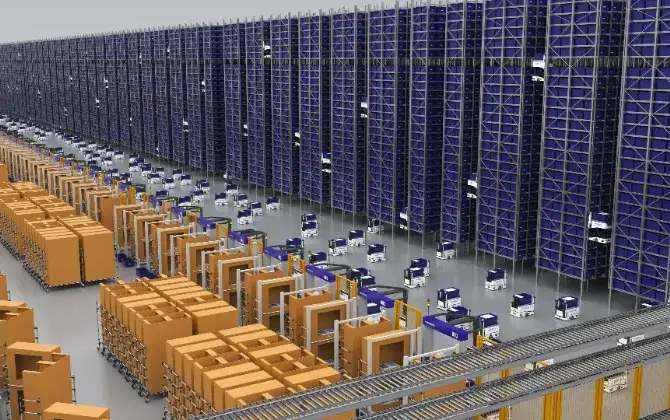
Hai Robotics has been selected to implement automation technology for a new large-scale e-commerce fulfillment center operated by a major European fashion retailer. This project features the HaiPick Climb system, marking the largest deployment of rack-climbing warehouse robots globally, with over 1,500 units set to enhance operational efficiency. The significance of this deployment lies in its potential to revolutionize warehouse automation, establishing a new benchmark in the industry. The retailer's expansion of its partnership with Hai Robotics underscores the reliability of the HaiPick Climb solution in managing high-volume online orders, with a throughput exceeding 24,000 totes per hour across a 30,000m² automated fulfillment operation. Looking ahead, the project exemplifies the increasing trend towards scalable robotic automation in large-scale fulfillment operations. No further timeline was disclosed at the time of publication, but the successful integration of over 1,500 HaiPick Climb robots is expected to enhance the retailer's capacity for omnichannel fulfillment significantly.
Warehouse Automation E-commerce Fulfillment Robotic Systems Logistics Supply Chain Management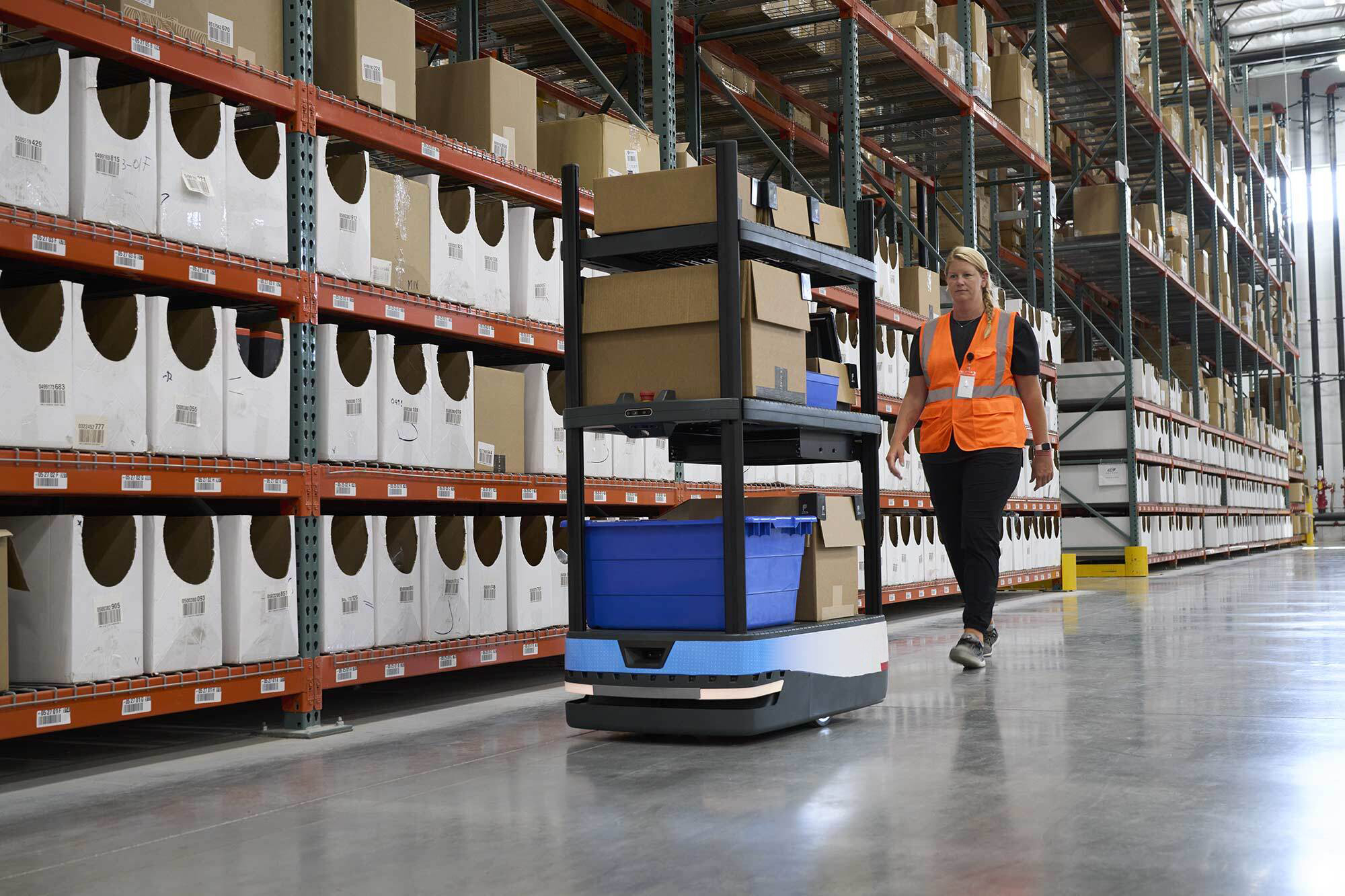
Ocado Group Highlights Decision-Making Over Robots in Warehouse Automation
Ocado Group emphasizes that the future of warehouse automation lies in intelligent decision-making rather than merely increasing the number of robots. As 3PLs, retailers, and e-commerce operators face challenges such as tighter service levels and unpredictable demand, the focus is shifting towards orchestrating operations effectively. Autonomous mobile robots (AMRs) have proven their ability to enhance productivity, but the real challenge is coordinating tasks and workflows seamlessly. The Ocado IQ system exemplifies this shift by continuously evaluating operational factors and adjusting workflows in real-time, ensuring that all aspects of warehouse operations work in harmony. This intelligent orchestration allows for a leaner fleet of robots, reducing congestion and improving overall efficiency on the warehouse floor. The integration of manual and automated processes further enhances visibility and coordination across the operation. Looking ahead, the demand for adaptable automation solutions will grow as 3PLs and retailers navigate complex order profiles and service commitments. The ability to configure automation platforms to meet diverse needs without extensive reconfiguration will be crucial. No further timeline was disclosed at the time of publication.
AMR and AGV Automation Systems and Shuttles Jobs and Training Magazine Features Materials Handling Warehousing
Could Warehouse Robots Face Trust Issues Similar to Huawei's Challenges?
Warehouse automation has traditionally focused on productivity, labor savings, and ROI, but trust may soon become a critical metric. Recent U.S. restrictions on foreign robotic devices for national security raise questions about the implications for warehouse automation. As autonomous mobile robots generate data and connect to cloud platforms, the origin of these technologies and data security will be paramount. The global supply chain for warehouse robots includes components from various countries, making the industry vulnerable to geopolitical tensions. If concerns about technology control escalate, North American and European robotics companies may find that local manufacturing becomes a significant selling point. This shift could lead to a fragmented market, impacting competition and potentially raising prices for consumers. While it remains uncertain whether warehouse robots will face the same scrutiny as Huawei, the industry must prepare for potential changes. The focus is shifting from mere functionality to trustworthiness, which could reshape investment and innovation in warehouse automation. No further timeline was disclosed at the time of publication.
AMR and AGV Automation Systems and Shuttles Materials Handling AGV AMR Bulletin
AI Robots Achieve 3,500 Garment Sorts Per Hour in South Korean Warehouse
In a warehouse located in Icheon, South Korea, a fleet of AI-guided robots is sorting garments at a remarkable rate of 3,500 items per hour, approximately four times the output of human workers. Since their deployment, the women's clothing company has reported 'zero losses'—no picking errors and no stockouts due to logistics mistakes. Despite this advancement, the sewing automation challenge remains unsolved, often referred to as the 'last mile' of textile automation. The system, developed by Baba Fashion in collaboration with South Korean automation firm Cotek Electronics, utilizes autonomous mobile robots equipped with SLAM navigation technology, eliminating the need for ground magnetic strips or embedded wires. The logistics deployment by Baba Fashion serves as a successful commercial case, while other companies, such as the leading fashion platform MUSINSA, are also investing in automated logistics solutions. The ongoing challenge of sewing automation, likened to the complexities of autonomous driving, continues to impact the future of millions of garment workers as the industry transitions into a more automated era.
AI Robotics Warehouse Automation Sewing Automation Fashion Technology
JD Logistics Implements Diverse Robots to Transform Warehouse Automation
JD Logistics has deployed 11 different types of robots across over 20 provinces in China, including a dexterous arm that has surpassed the single-machine economic model threshold. This approach contrasts with the industry's focus on humanoid robots, emphasizing that the shape of robots should be determined by their operational requirements. The significance of JD's strategy lies in addressing the automation gap in logistics, where over 70% of warehouses still rely heavily on manual labor. JD's dexterous arm, known as 'Yilong,' can adapt its grip for various packaging types, resulting in over a 20% reduction in operational costs compared to traditional manual sorting. Looking ahead, JD aims to replicate its successful model across multiple projects, with a projected payback period of around two years for its first airport project. As JD continues to refine its robotic systems, the industry will need to consider the viability of humanoid robots in comparison to JD's efficient, specialized solutions.
Warehouse Automation Logistics Robotics AI Robotic Arms
Maven Robotics Raises $100 Million to Advance Warehouse Automation with Humanoid Robots
On September 10, Maven Robotics announced the completion of a $100 million Series A funding round. Founded in 2024, the company, co-founded by Hamza Derbas, started with minimal resources but has since deployed eight robots in a Fortune 250 consumer goods company's warehouse, operating 16 hours a day with over 99% uptime. These robots perform mixed palletizing, a task that traditionally relies on human labor. The significance of Maven's approach lies in its focus on automating the most monotonous and repetitive physical tasks in warehouses rather than pursuing humanoid capabilities. With over 480,000 job vacancies in U.S. manufacturing and a projected 2.1 million unfilled positions by 2030 due to skill gaps, automation is becoming a necessity rather than an option. The funding landscape for robotics has also shifted, with a record $18.8 billion raised in 2026, indicating a growing interest in practical automation solutions. Looking ahead, Maven plans to use the funding to produce 250 third-generation robots and initiate the design of a fourth-generation platform. The company aims to achieve over 100,000 hours of autonomous operating time by the end of 2026 and surpass 1 million hours by the end of 2027. However, the company acknowledges that expanding into more complex material handling and assembly tasks will require capabilities that currently do not exist in their robots.
Warehouse Automation Robotics Manufacturing AI
Nomagic's Josh Cloer Discusses Advancements in Warehouse Robotics
In Episode 256 of The Robot Report Podcast, Josh Cloer, the general manager for North America at Nomagic, discusses the company's efforts to enhance warehouse operations. Cloer is focused on deploying physical AI systems that improve intelligence and adaptability in order-fulfillment processes, marking a significant step forward in robotics technology. This initiative is crucial as it addresses the growing demand for efficient and intelligent solutions in logistics and warehousing. By expanding Nomagic's presence in North America, Cloer aims to leverage breakthrough robotics technology to deliver tangible business results, which is essential for companies looking to optimize their supply chains. Listeners should keep an eye on Nomagic's developments in the North American market, as the deployment of these advanced systems could reshape order fulfillment operations. No further timeline was disclosed at the time of publication.
Artificial Intelligence Autonomous Mobile Robots (AMRs) Humanoids Logistics News Opinion
Renault Group Enhances Warehouse Automation with Exotec's Skypod Robots in France and Germany
Renault Group has partnered with Exotec to automate its spare parts operations across warehouses in France and Germany. The deployment of Exotec's Skypod robots has reduced order processing time from two hours to just 15 minutes, significantly improving efficiency and customer satisfaction. This transformation comes as Renault addresses challenges in managing the delivery and distribution of vehicle parts, particularly in France, which represents 37 percent of its parts and accessories business. The collaboration with Exotec has led to a complete reorganization of Renault's spare parts warehouses, including the closure of the older Cergy site and the establishment of a new facility in Puiseux. The Villeroy warehouse now features 167 Skypod robots and is capable of processing 4,130 bins per hour, allowing for the storage and picking of over 1.6 million items. This modernization aims to handle 20,000 order lines daily while stabilizing the workforce and reducing reliance on temporary staff. Looking ahead, Renault Group's partnership with Exotec is expected to further enhance operational efficiency and inventory management. The integration of specialized machines alongside the Skypod system is set to improve traceability and stock management. No further timeline was disclosed at the time of publication.
News Warehouse robots automated warehouse automotive logistics exotec exotec skypod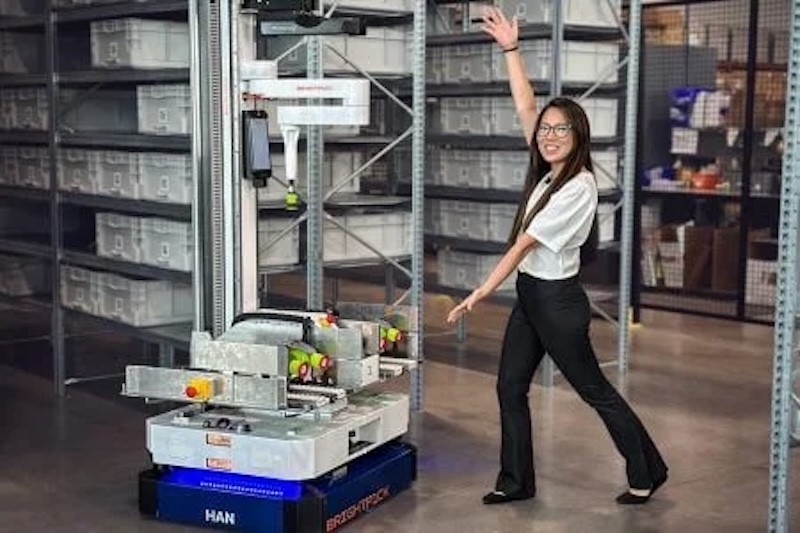
Brightpick Expands Partnership with Dr. Max Group to Deploy 44 More Robots
Brightpick, a leader in AI-driven warehouse automation, is significantly enhancing its collaboration with Dr. Max Group, the largest pharmacy chain in Europe. Following successful operations at Dr. Max’s Prague distribution center, Brightpick will deploy an additional 44 Autopicker autonomous mobile robots across various facilities in the Czech Republic and Slovakia, bringing the total to 74 units. This expansion is crucial as it demonstrates the effectiveness of Brightpick's technology in improving operational efficiency within pharmaceutical logistics. The initial deployment of nine Autopicker robots at Viapharma's Prague warehouse has led to remarkable results, including a 95 percent reduction in manual picking labor and a 40 percent increase in warehouse capacity, showcasing the system's ability to process up to 20,000 items daily. Looking ahead, two new projects in the Czech Republic and Slovakia are set to be completed in the latter half of the year. Jan Zizka, CEO of Brightpick, emphasized the importance of accuracy and speed in pharmaceutical logistics, while Rudolf Zurek from Viapharma highlighted the benefits of increased picking accuracy and optimized warehouse processes due to the deployment of Brightpick technology.
News Warehouse robots autonomous mobile robots autopicker brightpick dr max group
DEEP Robotics Integrates Quadruped Robots and AI for Warehouse Inventory Management and Safety Monitoring
DEEP Robotics has launched an innovative warehouse operation solution that combines quadruped robots with advanced AI models. This system, unveiled on July 31, 2026, enables one-click inventory management, significantly enhancing end-to-end operational efficiency in logistics and warehouse management. The technology automates tasks traditionally reliant on human resources, accelerating the digital transformation of warehouses. DEEP Robotics' quadruped robots autonomously navigate the warehouse, performing various tasks such as automatic identification of goods through QR code and RFID tag scanning, thus building accurate inventory data. Additionally, the integration of digital twin technology allows real-time visualization of the entire warehouse environment. This solution not only improves inventory accuracy but also enhances safety through early fire detection and unauthorized entry monitoring. DEEP Robotics is setting new standards in the logistics industry by merging inventory management, safety monitoring, and data-driven decision-making.

Advances in Robots to See & Interpret within Warehouse Environments
Computation is the largest hurdle. 360-degree sensor data that is granular enough to detect small obstacles in the environment is very large. For Stretch to have a real time reaction, that data has to be processed at a very high rate.
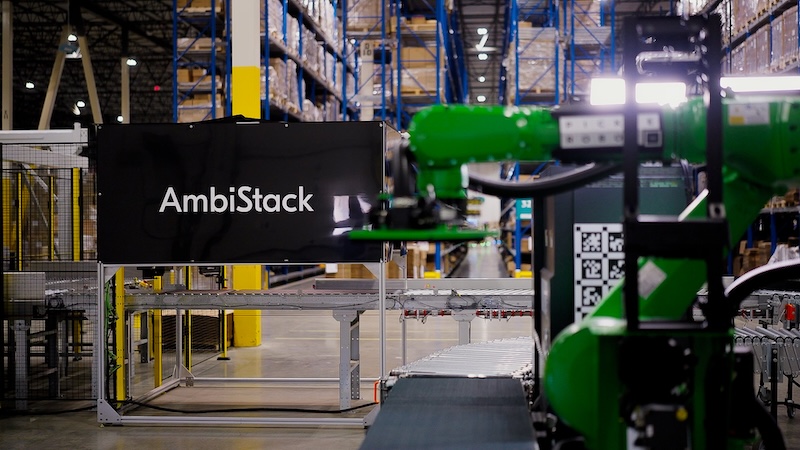
Ambi Robotics and Pickle Robot integrate AI-powered robots to automate inbound warehouse logistics
Ambi Robotics and Pickle Robot Company have integrated their AI-powered robotic systems to automate one of the most labor-intensive parts of warehouse operations, creating an end-to-end inbound logistics solution that handles everything from trailer unloading to pallet stacking. Developed in response to demand from Fortune 500 retailers and logistics providers, the combined system links Pickle Robot’s […]
Artificial Intelligence News Warehouse robots ambi robotics artificial intelligence intralogistics
People want robots in warehouses and factories, not hospitals or schools, Hexagon study finds
A recent study by Hexagon, part of its global Robot Generation research, reveals a growing acceptance of robots in the workplace among both adults and children. The findings indicate that while there is a willingness to integrate robots into various tasks, respondents are establishing clear guidelines regarding their use. Adults showed a preference for robots to perform physical and repetitive tasks, suggesting a desire for efficiency and productivity in the workplace. The study highlights a significant shift in attitudes towards automation, reflecting a balance between embracing technological advancements and maintaining human oversight in job roles. As industries increasingly look to incorporate robotic solutions, understanding these preferences will be crucial for successful implementation.
Artificial Intelligence Culture Robotics ai automation news factory automation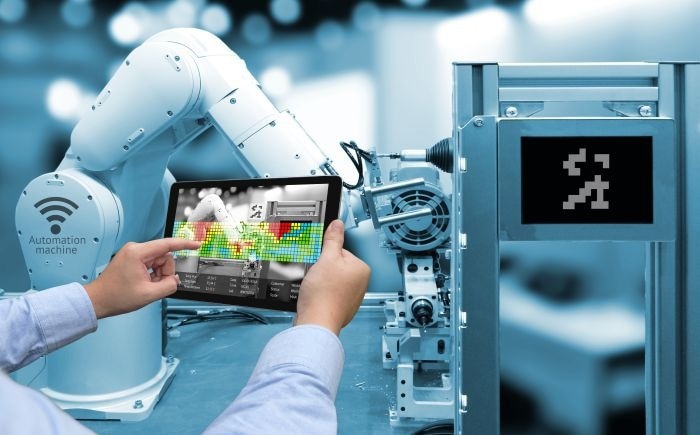
People Want Robots in Warehouses and Factories, not Hospitals or Schools, Hexagon Study Finds
A recent study conducted by Hexagon has revealed that both adults and children are increasingly receptive to the integration of robots in the workplace. The findings indicate a growing acceptance of robotic assistance, yet respondents emphasized the importance of establishing clear guidelines regarding the roles and environments in which these machines should operate. The study highlights a nuanced perspective on automation, reflecting a desire for collaboration between humans and robots while ensuring that ethical and practical boundaries are respected. This research, part of Hexagon's global Robot Generation initiative, underscores the evolving attitudes towards technology in professional settings as of October 2023.

IERA Award 2026 Goes to Flying Warehouse Robots by Verity from Switzerland
Verity, a leading technology company, has been acknowledged for its innovative development and successful market launch of a cutting-edge warehouse intelligence system. This recognition comes as the company aims to enhance operational efficiency and streamline logistics processes within the supply chain sector. The system, which leverages advanced data analytics and artificial intelligence, was officially unveiled in October 2023, positioning Verity at the forefront of warehouse management solutions. The initiative is part of Verity's broader strategy to address the growing demand for smarter, more efficient inventory management in an increasingly competitive market. By integrating real-time data insights, the warehouse intelligence system is designed to optimize inventory tracking, reduce operational costs, and improve overall productivity for businesses.

People want robots in warehouses and factories, not hospitals or schools, Hexagon study finds
A recent global study by Hexagon reveals significant attitudes toward robots among adults, highlighting a clear preference for their use in specific tasks. While 68% of respondents favor robots for heavy lifting, only 12% are comfortable with robots taking on caregiving roles. The study, which surveyed adults worldwide, indicates that acceptance of robotic assistance is conditional; for instance, 52% of participants support robots for monitoring hazards, and half would welcome them for cleaning shared spaces or information retrieval. However, a substantial 86% emphasize the necessity of establishing clear guidelines regarding the capabilities and limitations of robots. Interestingly, the research also points to a generational shift in attitudes, with children showing a greater openness to robotic integration in various settings. They are 50% more likely than adults to view robots as "full colleagues" in the workplace, suggesting a growing acceptance of technology in everyday life. This evolving perspective on robotics underscores the importance of addressing concerns and establishing frameworks to facilitate their integration into society.

SAP SE (SAP), Cyberwave Deploy Autonomous AI Robots in Logistics Warehouse
SAP SE and Cyberwave have successfully deployed fully autonomous, AI-powered robots in SAP's logistics warehouse located in St. Leon-Rot, Germany, as of May 11, 2026. This initiative represents a significant advancement for SAP, transitioning its Physical AI technology from research to practical application. The robots, powered by SAP’s cloud-native Logistics Management solution and the SAP Business Technology Platform, are now capable of performing various tasks including box folding, packaging, and shipping fulfillment. The deployment addresses common challenges in logistics robotics, such as unpredictable environments and diverse object shapes that often hinder traditional systems. Cyberwave's innovative platform utilizes Vision-Language-Action and Reinforcement Learning models, enabling non-expert operators to teach robots new tasks through simple demonstrations. This approach significantly reduces training time from weeks to hours and allows robots to adapt to dynamic conditions in real-time. As a result of this integration, SAP has reported increased warehouse throughput and a decrease in physically demanding tasks for human workers. The project serves as a successful reference implementation, showcasing how a robust digital infrastructure combined with adaptive AI can enhance logistics operations. Both SAP and Cyberwave are now focused on further developing these Embodied AI capabilities to support future large-scale deployments.

Autonomous Mobile Picking Robots: Bridging the Gap Between Warehouse Automation and Retail Fulfillment
A new integrated autonomous picking system has been developed to tackle challenges in automated material handling. This innovative system combines a lightweight six-degree-of-freedom robotic arm with depth-camera-based vision, adaptive grasping capabilities, and intelligent task management. The deployment of this technology aims to enhance efficiency and accuracy in various industrial applications. The system was designed to streamline operations and reduce labor costs, addressing the growing demand for automation in the logistics and manufacturing sectors. By leveraging advanced robotics and artificial intelligence, the integrated system promises to improve productivity and operational effectiveness in environments where precision and speed are critical.
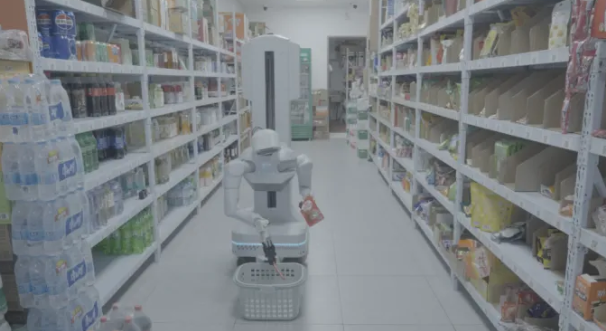
China's Solution for Unmanned Front Warehouses: Why Youliqi Robots Are the Right Fit
Youliqi Robots has released a video showcasing the operational capabilities of humanoid robots in front warehouses, marking a significant advancement in robotics technology. This unveiling comes at a critical time for China's retail sector, which is grappling with inefficiencies in delivery processes. By integrating humanoid robots into warehouse operations, Youliqi aims to enhance efficiency and streamline workflows in these fast-paced environments. The demonstration illustrates the potential for robotics to transform logistics and address ongoing challenges in the industry.
Humanoid Robots Warehouse Automation AI E-commerce Logistics
SAP and Cyberwave Deploy Fully Autonomous AI-Powered Robots in Live SAP Logistics Warehouse
SAP has taken a significant step in its strategic expansion of Physical AI capabilities by operationalizing advanced robotics within its facilities. This initiative, announced last year, represents a major milestone for the company as it seeks to enhance its operational efficiency and innovation. By integrating advanced robotics into its operations, SAP aims to streamline processes and improve productivity. This development not only showcases SAP's commitment to leveraging cutting-edge technology but also positions the company at the forefront of the evolving landscape of automation in the industry. The implementation of these robotics is expected to take place in the coming months, reflecting SAP's ongoing efforts to transform its business practices and adapt to the demands of a rapidly changing market.
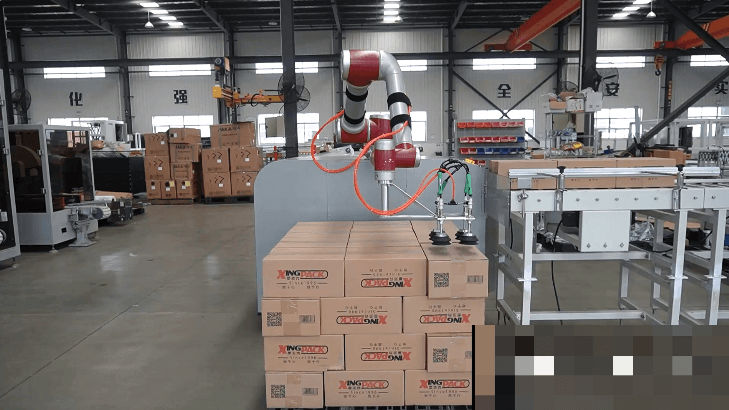
5 Reasons Why Palletizing Robots Are Essential for Warehouse Throughput
In response to the growing demands of global supply chains for faster delivery and higher volume, companies are increasingly turning to automated palletizing solutions. Traditional manual stacking methods, which are labor-intensive and prone to errors, are becoming inadequate. The shift towards high-performance industrial robot arms, such as the JAKA Zu 20, is now seen as essential for maintaining competitiveness in logistics. This transition, which is taking place across various facilities, aims to enhance warehouse throughput by ensuring consistent speed and reliability. Automated systems can operate continuously without fatigue, significantly increasing the number of pallets processed daily. Additionally, by reducing the physical strain on workers, these robots help minimize musculoskeletal injuries, lower insurance costs, and allow human employees to focus on more complex tasks. The precision offered by automated palletizing systems is crucial for maintaining product integrity during transit, as they utilize advanced sensors to ensure accurate stacking. Furthermore, modern robots are designed to optimize floor space, allowing for efficient use of warehouse layouts. They also provide rapid adaptability to changing inventory needs, accommodating a wider variety of Stock Keeping Units (SKUs) with ease. JAKA's solutions exemplify this trend, offering user-friendly setups and safety features that promote human-machine collaboration. With a quick return on investment, often within six to twelve months, these innovations are revolutionizing logistics and setting new standards for warehouse efficiency.
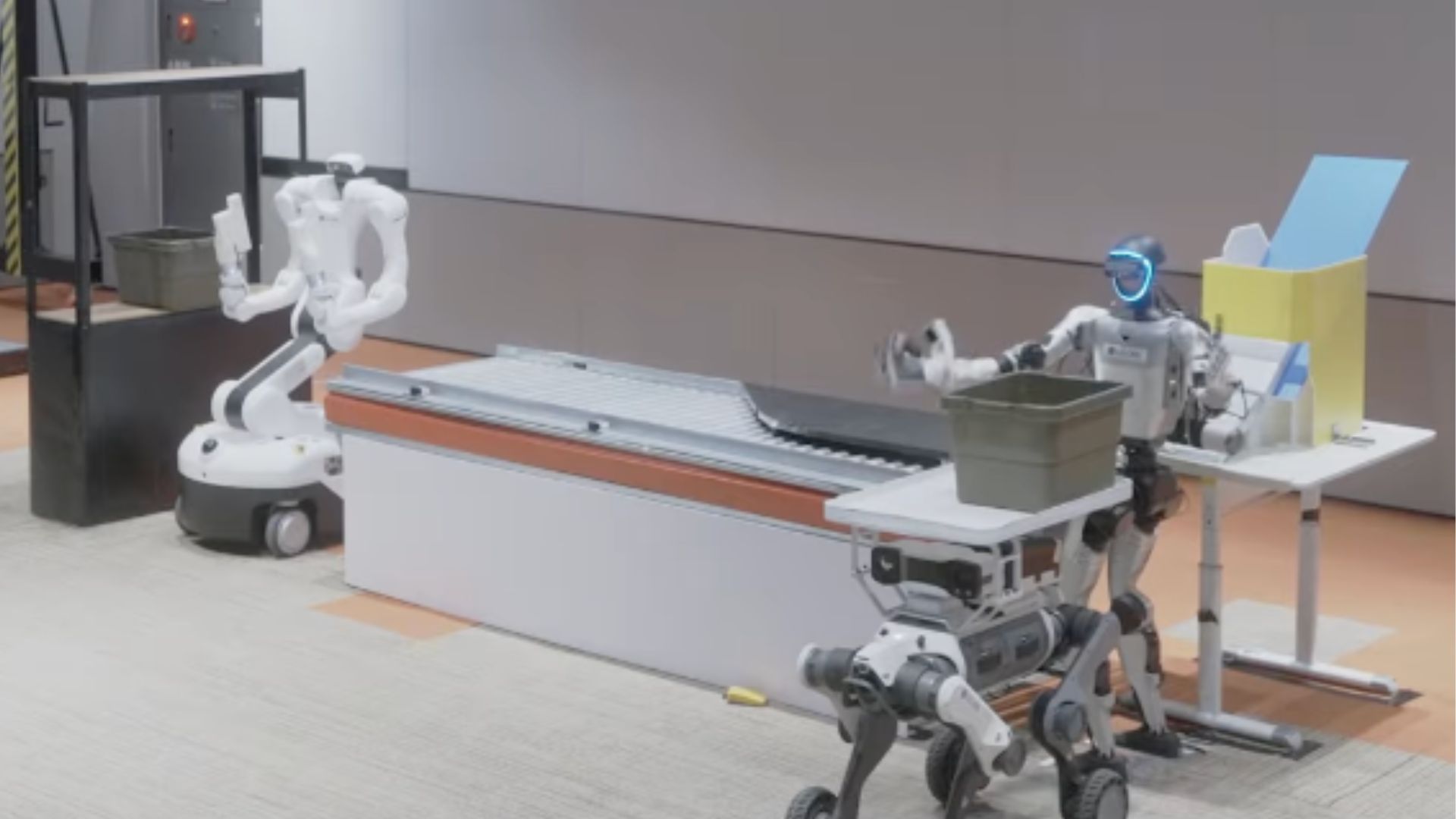
Watch humanoid and dog-like robots team up to handle warehouse work together at LG
A subsidiary of LG has unveiled an innovative logistics workflow featuring multiple autonomous robots designed to enhance efficiency in supply chain operations. This demonstration took place at the company's headquarters in Seoul, South Korea, on October 15, 2023. The initiative aims to address the growing demand for automation in logistics, driven by the need for faster and more reliable delivery systems in an increasingly competitive market. By integrating advanced robotics and artificial intelligence, LG's new system is set to streamline processes, reduce human error, and optimize resource management. The robots are capable of navigating complex environments and collaborating seamlessly with each other, showcasing the potential for significant advancements in the logistics sector. This initiative reflects LG's commitment to innovation and its strategic focus on leveraging technology to meet evolving industry challenges.
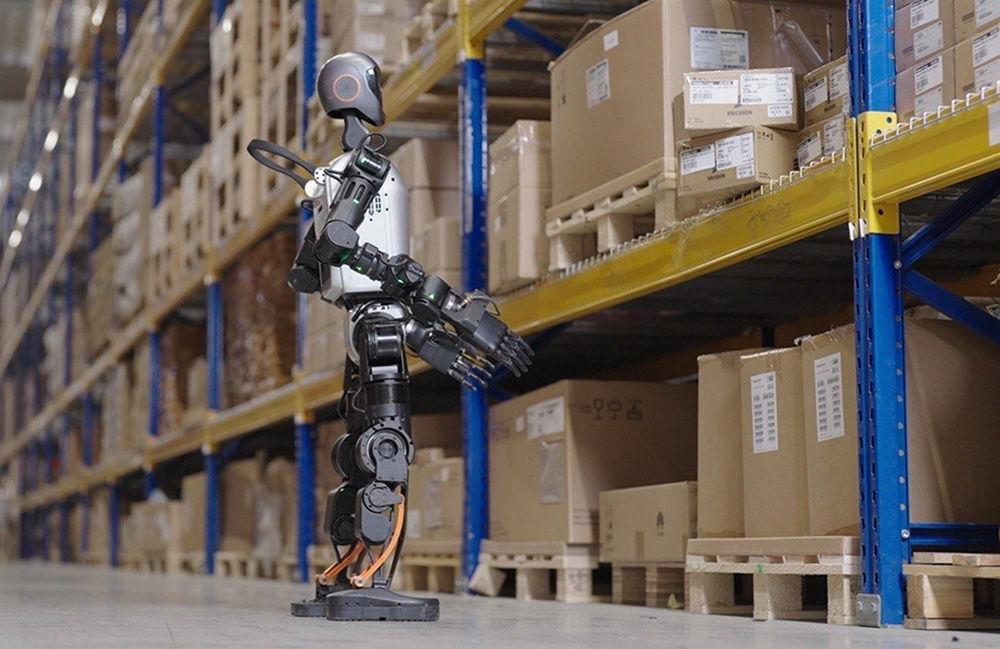
Accenture, Vodafone, and SAP to pilot humanoid robots in the warehouse
Accenture, Vodafone, and SAP have launched a pilot program to deploy humanoid robots in a warehouse setting, utilizing Accenture's advanced Robot Brain technology. This initiative aims to enhance operational efficiency by allowing the robots to interact seamlessly with human workers. The pilot is set to take place in a warehouse environment, where the integration of these humanoids is expected to streamline processes and improve productivity. This collaboration reflects the companies' commitment to innovation and the exploration of robotics to address challenges in logistics and supply chain management.
Autonomous Mobile Robots (AMRs) Humanoids Logistics News Accenture Vodafone
The Path to AI Robots in the Home is Being Shaped in the Warehouse
Recent advancements in warehouse robotics are significantly propelling the development of artificial intelligence (AI) robots for home use. As companies invest in enhancing robotic technology, they are overcoming critical challenges related to safety, perception, and autonomy that have previously hindered the integration of robots into domestic environments. This acceleration in innovation is occurring against the backdrop of increasing consumer demand for smart home solutions, prompting researchers and engineers to focus on creating robots that can effectively navigate and operate within the complexities of everyday home life. By leveraging breakthroughs in machine learning and sensor technology, developers are working to ensure that these robots can perform tasks safely and efficiently, ultimately aiming to enhance the quality of life for users. The ongoing evolution in this field suggests that AI robots may soon become a common feature in households, transforming how people interact with technology in their daily routines.

Podcast: Revolutionising Warehouses – The Rise of Autonomous Robots
Autonomous mobile robots (AMRs) are revolutionizing warehouse operations by enhancing scalability, integrating artificial intelligence, and allowing for flexible deployment strategies. This transformation is particularly significant in the logistics sector, where companies are increasingly adopting AMRs to improve efficiency and reduce operational costs. As of October 2023, the implementation of these robots is gaining momentum, with businesses recognizing the need to adapt to the fast-paced demands of e-commerce and supply chain management. By automating tasks such as inventory management and order fulfillment, AMRs are not only streamlining processes but also enabling warehouses to scale their operations more effectively. The integration of AI allows these robots to learn and adapt to their environments, further optimizing their performance. As a result, many organizations are investing in this technology to stay competitive in an evolving marketplace.
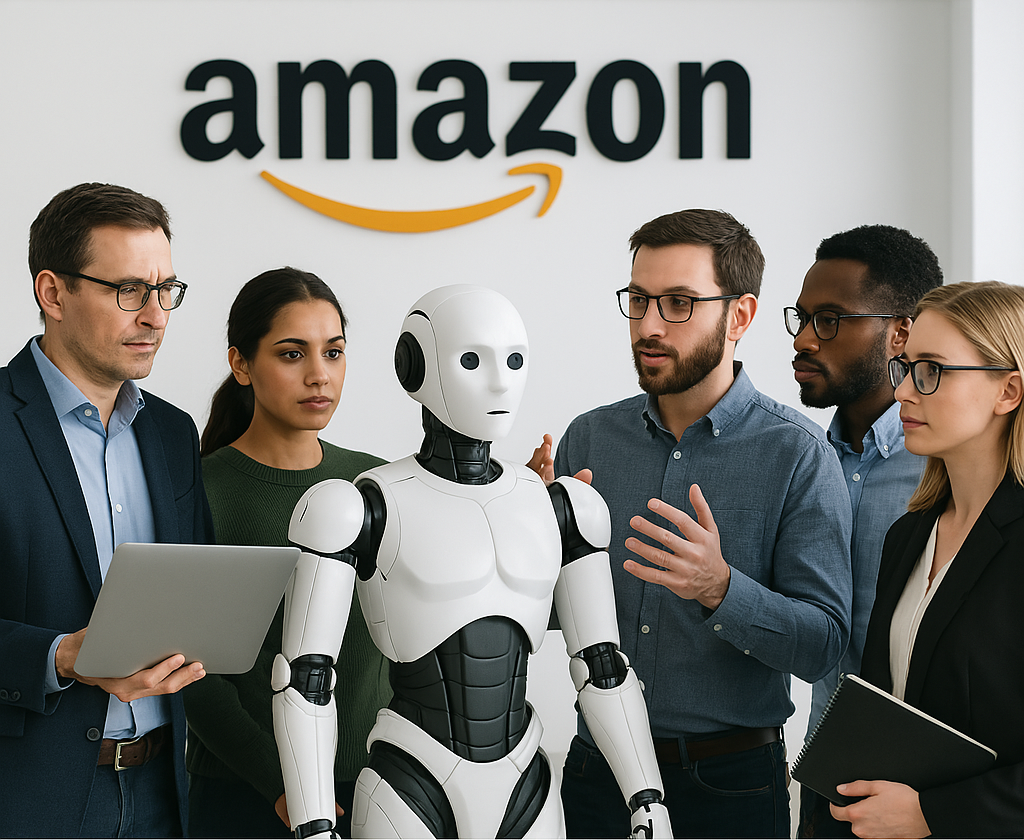
Report: Amazon Building Team to Develop Humanoid Robots for Warehouses and Beyond
Amazon is reportedly assembling a team to develop humanoid robots for various applications, including warehouse operations, home assistance, and healthcare. This initiative, which may involve collaboration with members from Covariant, aims to explore both wheeled and bipedal robot designs through simulation. The project underscores Amazon's commitment to advancing automation and robotics technology in response to growing demands for efficiency in logistics and service sectors.
Covariant AmazonRobotics needs a service framework.
RSF defines a common language for robot service capability, lifecycle operations, certification pathways, and service-provider networks.
Join the RobotToday community on LinkedIn
Daily robotics news, in-depth analysis, conference highlights, and discussions with professionals worldwide.