Industry Briefing
A single destination for timely, editor-curated robotics news from around the world.

F-Drones Unveils LITAVR+ Interceptor Drone to Combat Shahed Kamikaze Drones
A Ukraine-based defense company, F-Drones, has introduced the LITAVR+ interceptor drone designed to target the Shahed kamikaze drones utilized by Russia in the ongoing conflict. The Shahed drones, developed in Iran, are favored by Russian forces due to their cost-effectiveness and precision in attacks. The LITAVR+ can intercept these drones at speeds exceeding 250 mph, providing a significant advantage in air defense. The introduction of the LITAVR+ is crucial as the Shahed-136 drones, priced around $35,000, pose a substantial threat, especially given the higher costs associated with existing air defense systems. The upgraded LITAVR+ features advanced navigation capabilities that allow it to operate without GPS and a target guidance system for autonomous last-mile engagement. This innovation is expected to enhance Ukraine's defense capabilities against the increasing use of kamikaze drones. Looking ahead, F-Drones is also establishing a manufacturing facility in the United States to produce compliant drones for defense applications. The LITAVR+ represents a significant step in Ukraine's efforts to localize drone production and reduce reliance on foreign components, which is vital for rapid deployment in the current conflict.
Military
DPVR Integrates VR Technology for Real-Time Robot Control at Qingdao's 6S Store
DPVR has officially launched its VR technology at Qingdao's 6S experience store, allowing users to control robotic arms in real-time using the E4 VR headset. This innovative approach eliminates the need for complex programming, creating a direct action mapping channel between the operator and the robot. The integration of DPVR's RoboPilot platform with the E4 headset enables precise tracking of head and controller movements, facilitating efficient robotic operations such as movement and grasping. Additionally, RoboPilot collects data throughout the operation, contributing to AI model training and task validation, enhancing the learning process for the robots. As DPVR continues to expand its RoboPilot ecosystem, partnerships with various robotics companies are being established to create adaptable robotic systems. The 6S experience store exemplifies a new era of human-robot collaboration, where users can operate machines intuitively without extensive training or programming knowledge.
Virtual Reality Robotic Control AI Training Human-Robot Interaction
AI agents enhance autonomous inspections, revamping manual approval processes for drones and ground robots by DataRobot, Chevron, and NVIDIA.
DataRobot has announced a collaboration with Chevron U.S.A. Inc., a subsidiary of Chevron Corporation, to implement agent-based AI in edge environments. This partnership aims to enhance autonomous patrol and inspection operations at Chevron facilities. By leveraging advanced AI technology, the initiative seeks to improve operational efficiency and safety in the company's infrastructure.

Robotics Revolutionizes Precision in Cataract Surgery with Advanced Technologies
Cataract surgery, long regarded as one of the most mastered surgical procedures, is entering a new phase with the introduction of robotics and high-precision lasers. Innovative platforms like the Polaris robot and solutions developed by Keranova assist surgeons with unmatched precision, enhancing the safety of the procedure. Robotic systems can achieve movements as precise as 5 microns, significantly improving surgical accuracy on delicate ocular structures. The integration of robotics in cataract surgery exemplifies the convergence of artificial intelligence, medical robotics, and high-precision imaging. While these technologies are still being deployed in many facilities, they herald a new generation of safer, more reproducible, and personalized ophthalmic surgery. With cataract surgery being the most performed surgical procedure globally, the demand for improved surgical productivity is critical, especially as the aging population increases the number of required interventions. As robotic platforms and next-generation lasers become more mature and accessible, they have the potential to transform the management of millions of cataract patients worldwide. The World Health Organization reports that cataracts affect over 94 million people, making advancements in surgical technology vital for addressing disparities in access to care, particularly in regions like sub-Saharan Africa.
À la une IA Industrie Robotique Santé automatisation médicale
NLrobotics Highlights Need for Smart Preparation in Evolving Robotics Landscape
Robotics is advancing rapidly, driven by artificial intelligence, making robots smarter and more accessible to various businesses. According to Thijs Dorssers, director of NLrobotics, the main challenge lies not in the technology itself but in how organizations prepare for its integration. Modern robots are increasingly capable of learning from humans, shifting robotics from a niche for large companies to a solution available for many. Dorssers emphasizes that now is the time for companies to act, not by immediately purchasing advanced robots, but by first digitizing their processes and knowledge. He advises organizations to document workflows, digitize processes, and gather data to train AI. Companies that start this journey now will be better positioned to leverage the next phase of robotics. Looking ahead, NLrobotics anticipates significant growth in cognitive robotics, where robots can independently perceive, reason, and act. Humanoids are also expected to become more prevalent in workplaces, assisting with repetitive or physically demanding tasks. Dorssers warns that the key to success lies in preparation, as organizations investing in digitalization and AI-ready processes will gain a substantial competitive edge.
Nieuws algemeen Humanoids
Syensqo Expands Havre de Grace Facility to Boost Aerospace Material Production by 30%
Syensqo, a global aerospace company, is expanding its Havre de Grace facility to enhance its manufacturing capabilities by over 30%. This multi-million-dollar investment aims to strengthen the company's U.S. manufacturing footprint and support the growing demand for advanced material solutions in aerospace, defense, and automotive sectors. The expansion focuses on producing high-performance structural adhesives and surfacing products, crucial for commercial aerospace and space exploration applications. The significance of this expansion lies in Syensqo's commitment to supplying high-performance materials that contribute to safer and more sustainable products across various industries. By reinforcing its global manufacturing network, the company aims to improve supply reliability and efficiency, addressing the increasing customer demand for adhesive and bonding materials. This move is part of Syensqo's broader strategy to lead in advanced materials and sustainable specialty chemicals, particularly in the aerospace sector, which is its largest market. Looking ahead, Syensqo's expansion at the Havre de Grace site marks a pivotal milestone in its growth trajectory. The company is expected to accelerate its efforts in supporting customers as they scale production, particularly in high-performance materials. No further timeline was disclosed at the time of publication, but the investment aligns with Syensqo's ongoing initiatives in electric vehicle batteries and clean energy technologies.
Science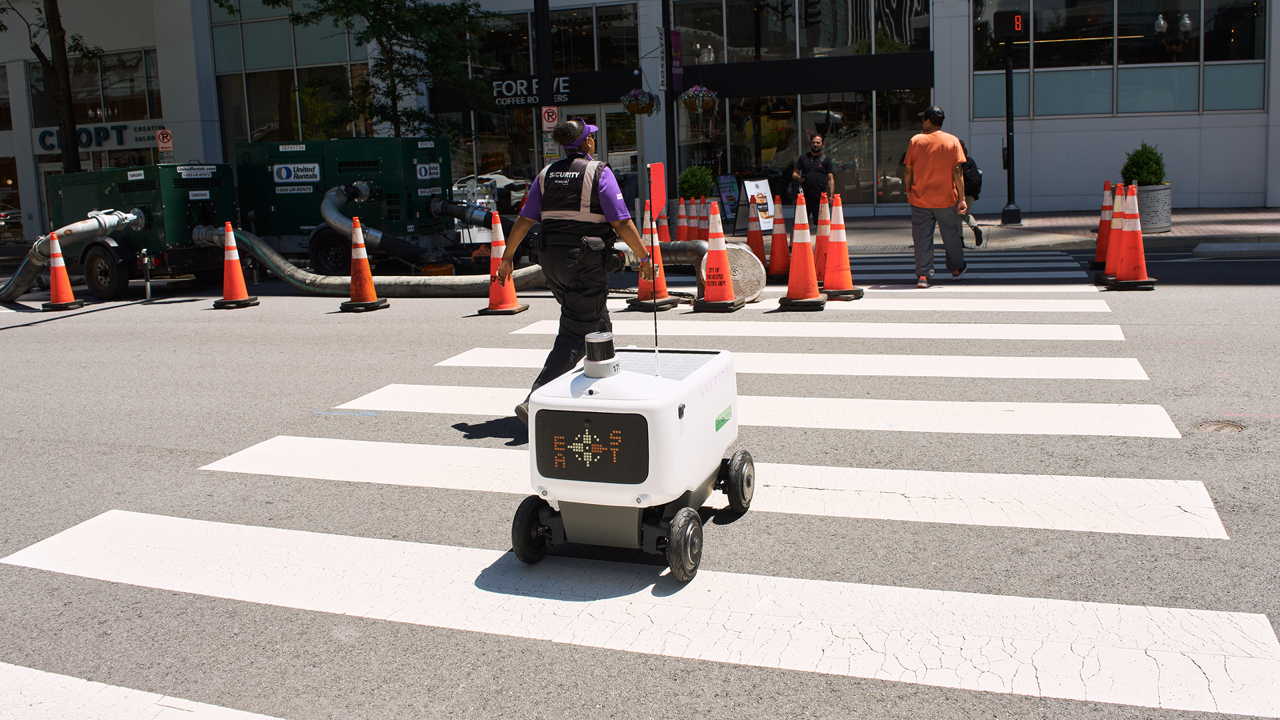
Context is king: How Avride uses cloud VLMs as a safety net for delivery robots
Avride is enhancing the environmental awareness of its delivery robots by utilizing vision-language models (VLMs). This innovative approach aims to improve the safety and efficiency of the robots as they navigate various environments. By integrating cloud-based VLM technology, Avride is able to provide its robots with a better understanding of their surroundings, enabling them to respond more effectively to dynamic conditions. The implementation of these advanced models is part of Avride's ongoing efforts to ensure safer delivery operations and to adapt to the complexities of real-world environments.
Artificial Intelligence Artificial Intelligence / Cognition Autonomous Mobile Robots (AMRs) Logistics Mobility / Navigation News
AI Requires Not Only Smart Software but Also the Right Hardware for Success
Artificial intelligence (AI) is increasingly being adopted across various sectors, from robotics to industrial automation. Edge AI, which processes data directly on devices rather than in data centers, is seen as a significant development by over half of Dutch companies. However, many industrial SMEs face challenges transitioning from experimentation to large-scale implementation due to inadequate IT infrastructure and outdated machinery. The focus on AI is shifting from software and algorithms to the underlying hardware, as AI applications demand powerful processors and systems capable of processing large amounts of data locally and in real-time. Interest in specialized AI boards is growing, as these compact computing platforms are designed for edge AI applications, combining high computing power with low energy consumption. As new generations of AI boards deliver higher performance at lower costs, more organizations can implement AI in production environments. Starter kits and pre-configured platforms facilitate faster experimentation and integration of AI into existing systems, reducing the gap between pilot projects and practical applications. The importance of energy efficiency in modern AI hardware is also rising, underscoring the need for organizations to consider their hardware strategy early on to ensure successful AI projects.
Nieuws algemeen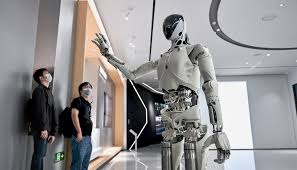
Chevron Inks Deal to Power Microsoft Data Center in Texas
Chevron has announced the launch of "Project Kilby," an initiative aimed at addressing the increasing energy demands associated with artificial intelligence technologies. This project comes in response to the rapid growth in energy consumption driven by AI advancements, highlighting the company's commitment to supporting the evolving energy landscape. The initiative is part of Chevron's broader strategy to innovate and adapt to the changing needs of the market, ensuring a sustainable energy supply for future technological developments. The announcement underscores the importance of balancing energy production with the rising requirements of modern technology, particularly in sectors heavily reliant on AI.

Microsoft and Chevron plan one of the largest gas-powered data center projects in US
Microsoft has secured a long-term power purchase agreement with Chevron, committing to a 20-year deal that will facilitate the supply of energy from a newly established natural gas power plant. This agreement aims to support Microsoft's sustainability goals while providing Chevron with a stable customer for its energy production. The partnership reflects both companies' efforts to navigate the evolving energy landscape, where businesses are increasingly seeking reliable and cleaner energy sources. The deal underscores the growing trend of corporate collaborations in the energy sector, particularly as companies strive to balance operational needs with environmental responsibilities.
Climate Chevron In Brief Microsoft natural gas
US team combines digital twins, VR to boost lunar robot performance for future missions
Researchers at the University of Colorado Boulder are pioneering the use of digital twin technology to enhance environmental monitoring and management. This innovative approach involves creating virtual replicas of physical systems, allowing scientists to simulate and analyze real-world conditions in real time. The project, which commenced in late 2023, aims to address pressing environmental challenges by providing more accurate data and predictive insights. Located in Boulder, Colorado, the initiative seeks to improve understanding of climate change impacts and resource management by integrating advanced modeling techniques with real-time data collection. The motivation behind this research stems from the urgent need to develop effective strategies for sustainability and resilience in the face of environmental degradation. By employing sensors and data analytics, the researchers are able to create dynamic models that reflect current environmental conditions, enabling stakeholders to make informed decisions. This method not only enhances the accuracy of environmental assessments but also facilitates proactive responses to potential ecological threats. The team at CU Boulder is collaborating with various stakeholders, including government agencies and conservation organizations, to ensure that the findings are applicable and beneficial for real-world applications.
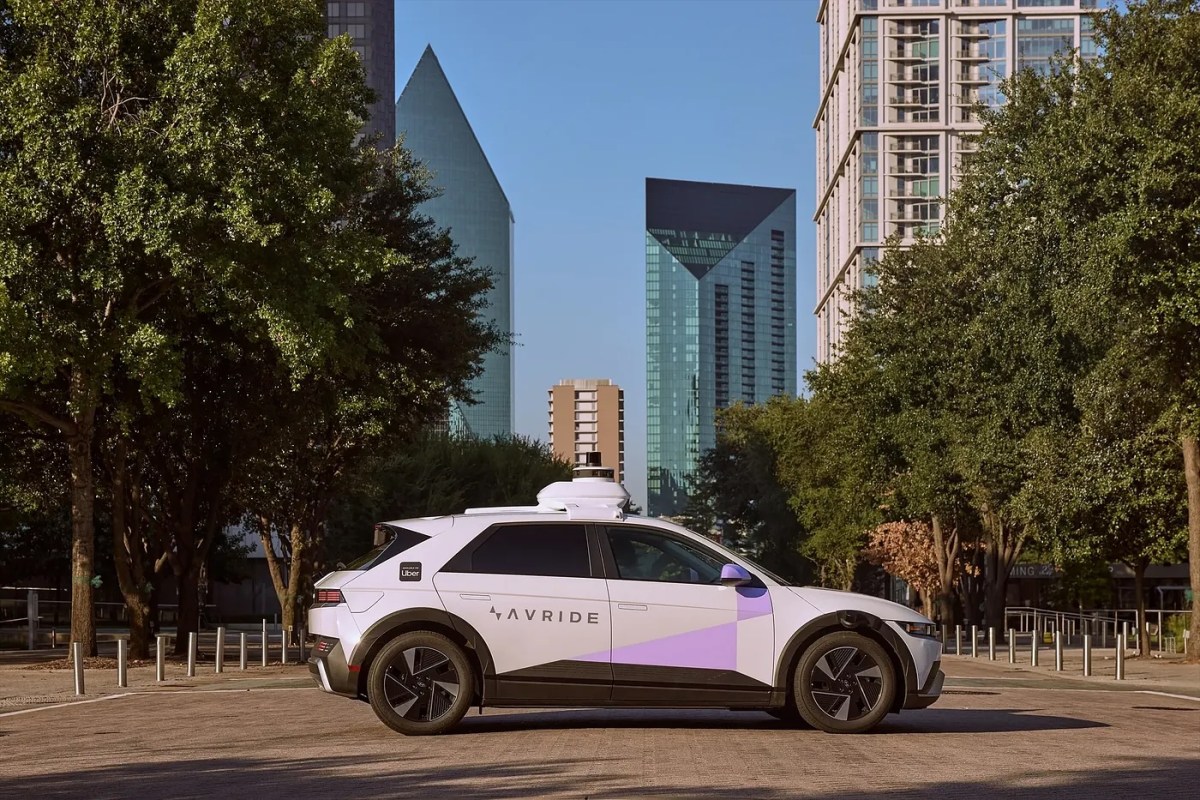
Uber partner Avride is under investigation for self-driving crashes
The National Highway Traffic Safety Administration (NHTSA) has launched an investigation into Avride following reports of over a dozen crashes associated with the ride-sharing service, which have resulted in one minor injury. The inquiry aims to assess the safety protocols and operational practices of the company in light of these incidents. The investigation underscores the agency's commitment to ensuring the safety of transportation services and addressing any potential risks to passengers and other road users. The timeline for the investigation has not been specified, but it reflects growing scrutiny of ride-sharing companies as they expand their operations across various regions.
Transportation autonomous vehicles avride avs nhtsa robotaxis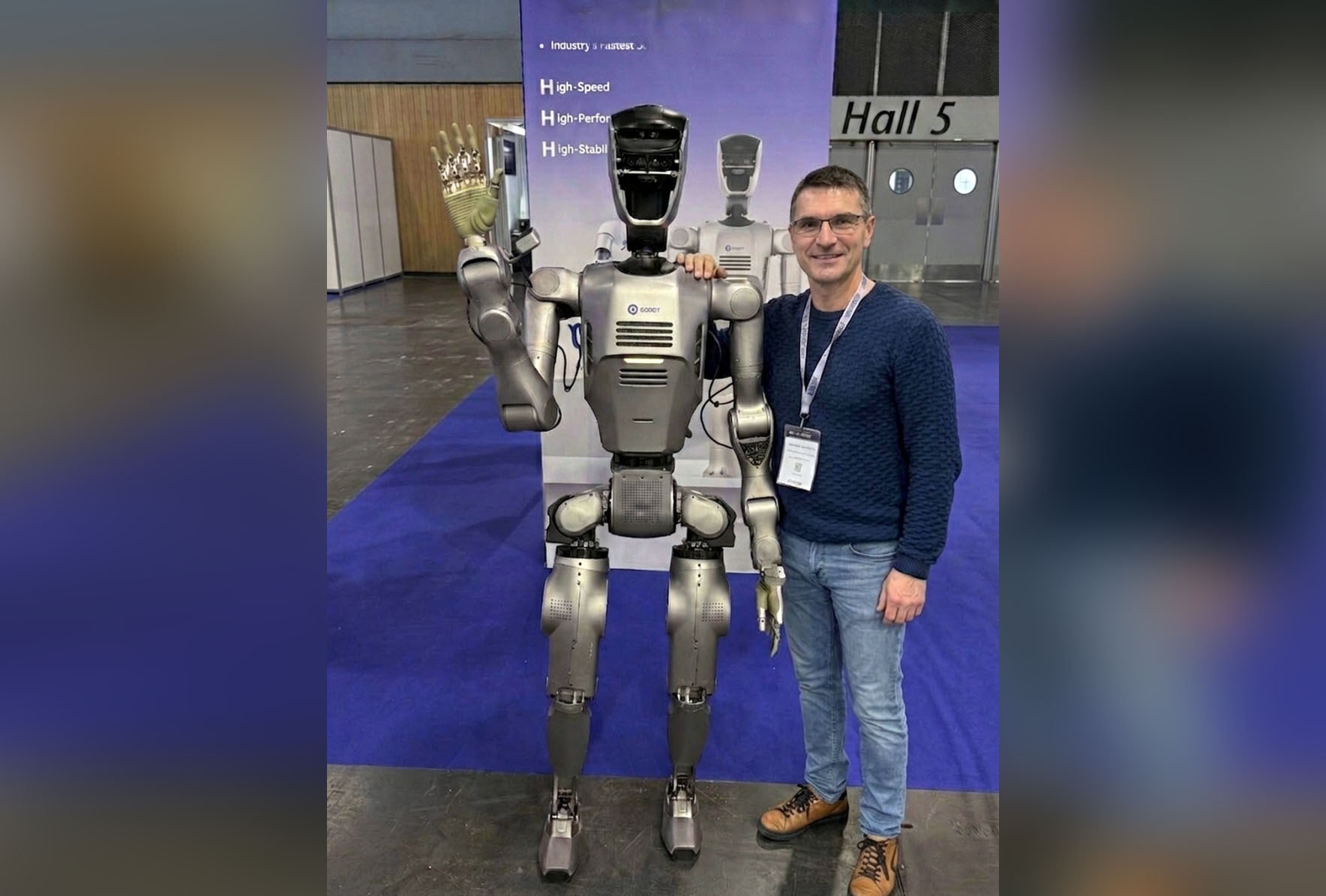
Le vrai défi de la robotique n’est pas technique
On April 16, 2026, Dominique Carricart, a field expert, highlighted the critical challenge facing industries amid the rapid advancement of industrial robotics and the rise of humanoid robots. While companies often prioritize technological performance, Carricart emphasizes that the real issue lies in human acceptance and the integration of teams. His insights suggest that successful implementation of robotics goes beyond technical capabilities, requiring a focus on how workers adapt to and collaborate with these new technologies. This perspective sheds light on the importance of fostering a supportive environment for both employees and robots in the evolving workplace. The article, titled "The Real Challenge of Robotics is Not Technical," was featured in Robot Magazine.
À la une Industriel Robotique Accompagnement au changement cobotique compétences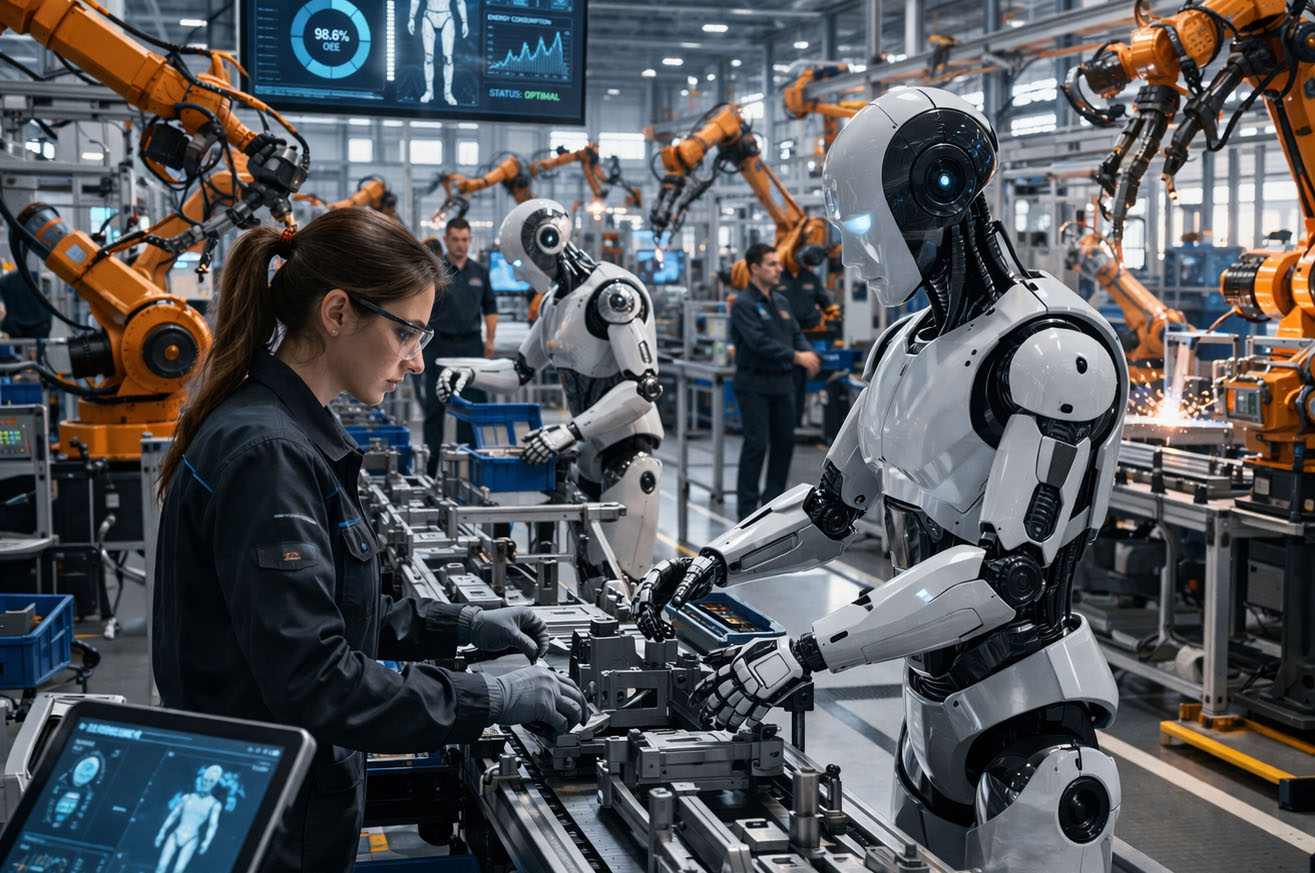
Robotique humanoïde : Le vrai défi n’est plus la technologie, mais le passage à l’échelle
For years, humanoid robotics was viewed primarily as a technological challenge, focusing on the development of machines capable of walking, manipulating objects, and interacting with their surroundings. However, by 2026, this perspective has shifted significantly. The main bottleneck in the market is no longer the mechanical or software capabilities of these robots, but rather the transition to scaling their production and integration into various sectors. This evolution highlights a critical change in the robotics landscape, indicating that the future of humanoid robots will depend more on their widespread adoption and practical application than on further technological advancements. The insights were shared in an article by Robot Magazine, emphasizing the need for the industry to adapt to this new reality.
À la une Alimentation Industriel Robotique automatisation Déploiement Industriel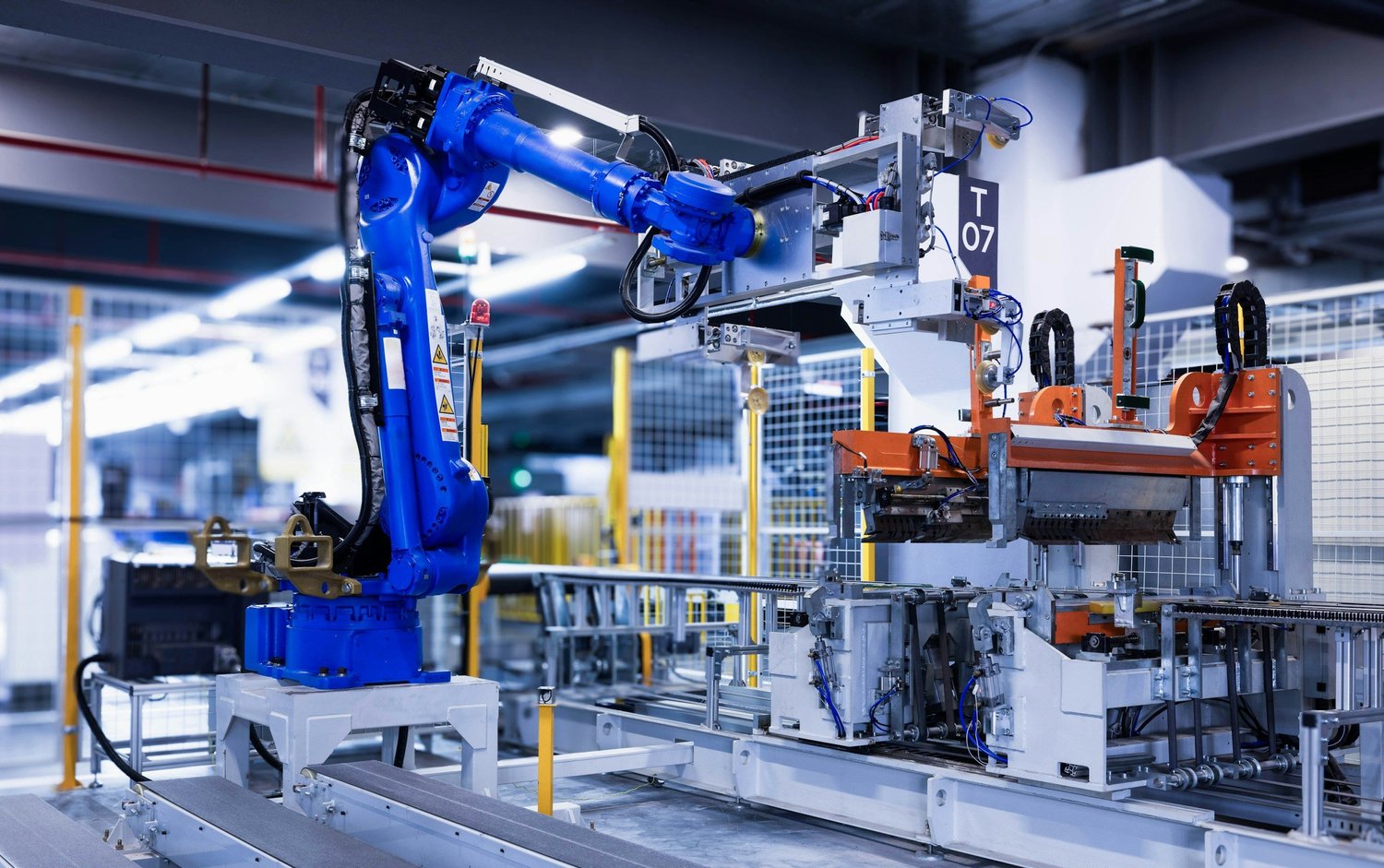
TNO and FME Report Urges Action on Robotics Implementation in Dutch SMEs
A report by TNO and FME highlights that the Netherlands lags in robot adoption, with 264 robots per 10,000 workers compared to South Korea's 1,012. The report emphasizes the urgent need for action, as 70% of new global robot installations occur in Asia. The bottleneck lies not in technology or urgency, but in execution, with a shortage of system integrators and fragmented ecosystems hindering progress. The report stresses that without acceleration, the Netherlands risks losing its competitive edge and production capacity. NLrobotics, with 85 active members, is positioned to bridge the gap between vision and implementation. Mark Courage from TNO underscores that robotics is essential for maintaining the manufacturing sector, while Thijs Dorssers of NLrobotics advocates for doubling the number of robots to quadruple productivity. Going forward, the focus should be on practical pilots and real business cases rather than reports. Recommendations include a national robotics agenda and a central task force to streamline efforts. NLrobotics aims to facilitate this transition, emphasizing the need for coordination and speed in execution to ensure the manufacturing industry's sustainability.
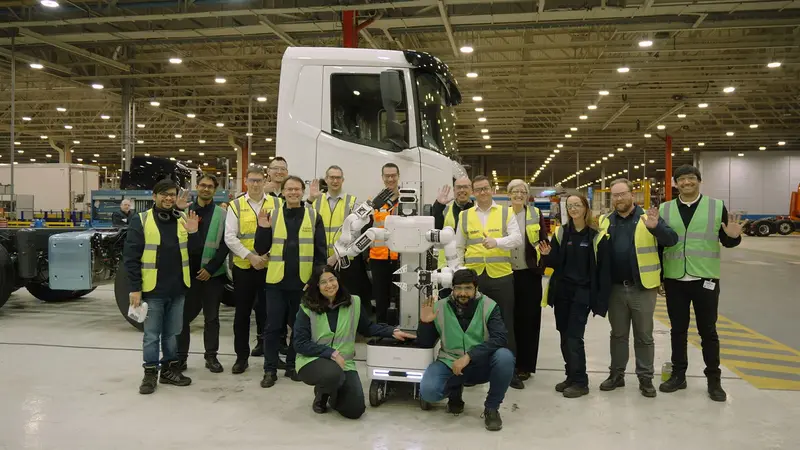
Video: Extend Robotics Tests VR-Controlled Humanoid Robot for Hazardous EV Truck Tasks at Leyland
Extend Robotics and Leyland Trucks are collaborating on innovative trials involving virtual reality-controlled robots aimed at enhancing safety in electric vehicle truck manufacturing. The initial phase of testing, which commenced recently, focuses on the remote operation of robots to safely connect high-voltage components, a task that poses significant hazards to human workers. This initiative not only seeks to mitigate risks associated with dangerous tasks but also explores the potential for artificial intelligence to learn from human demonstrations, thereby improving the efficiency and effectiveness of robotic operations. The partnership underscores a commitment to advancing technology in the automotive industry while prioritizing worker safety.
extend-robotics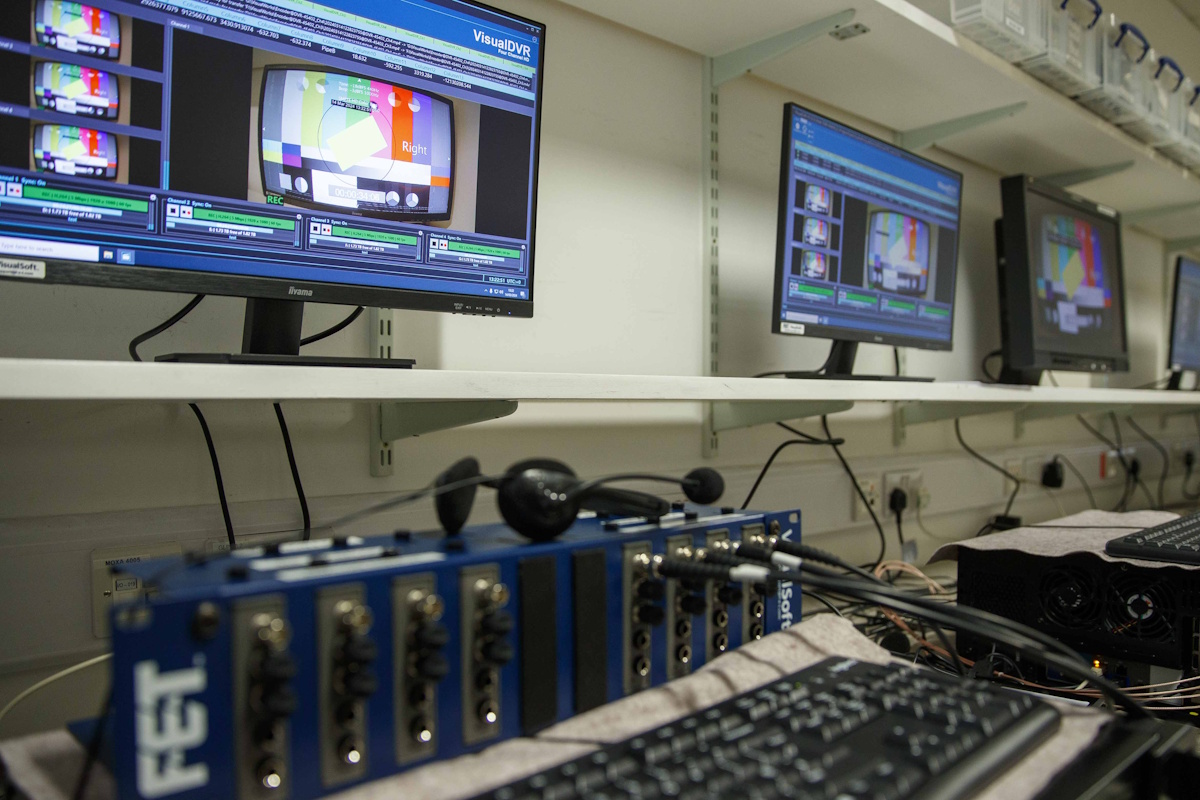
FET Unveils Cutting-edge VisualDVR Software for Enhanced Subsea Video Recording
Forum Energy Technologies, Inc. (FET) has unveiled an upgrade to its video recording solutions aimed at enhancing the survey and inspection of subsea assets. This advancement, announced recently, promises to provide superior video quality along with a versatile range of signal inputs. By improving these capabilities, FET seeks to bolster the efficiency and effectiveness of underwater inspections, catering to the growing demands of the subsea industry. The upgraded technology is expected to facilitate more detailed assessments of underwater structures, ultimately contributing to better maintenance and operational safety in challenging marine environments.
fet visualdvr software subsea video recordingRobotics needs a service framework.
RSF defines a common language for robot service capability, lifecycle operations, certification pathways, and service-provider networks.
Join the RobotToday community on LinkedIn
Daily robotics news, in-depth analysis, conference highlights, and discussions with professionals worldwide.