Industry Briefing
A single destination for timely, editor-curated robotics news from around the world.

CISA gives US federal agencies three days to fix a VPN bug under attack by a ransomware gang
Check Point has reported that a group of hackers successfully infiltrated numerous organizations by taking advantage of a vulnerability in a VPN feature found in several of its products utilized by government entities. This breach highlights significant security concerns, as the affected organizations rely on these VPNs for secure communications. The incident raises alarms about the potential for sensitive data exposure and the implications for national security. The exploitation of this bug underscores the importance of regular software updates and vigilance in cybersecurity practices among organizations that depend on such technology.
Security CISA cybersecurity In Brief zero-day
Tech Professionals Leverage Connectivity Tools for Global Collaboration
Tech professionals are increasingly distributed across various countries and time zones, with companies employing cybersecurity experts in one location and software developers in another. This trend is facilitated by the internet, which 74% of the global population utilizes, enabling borderless work and collaboration. The rise of remote work and digital collaboration tools has transformed the tech industry, allowing professionals to work from anywhere. Reliable mobile connectivity is essential for these workers, with solutions like the Holafly eSIM providing seamless coverage before arrival in a new country. The eSIM's Always On feature ensures uninterrupted connectivity, crucial for remote presentations and system check-ins. As the demand for specialized talent grows, companies are increasingly hiring based on skills rather than location. This shift has led to a rise in global mobile engineering roles, presenting new opportunities and unique cybersecurity challenges for tech workers operating across borders. No further timeline was disclosed at the time of publication.
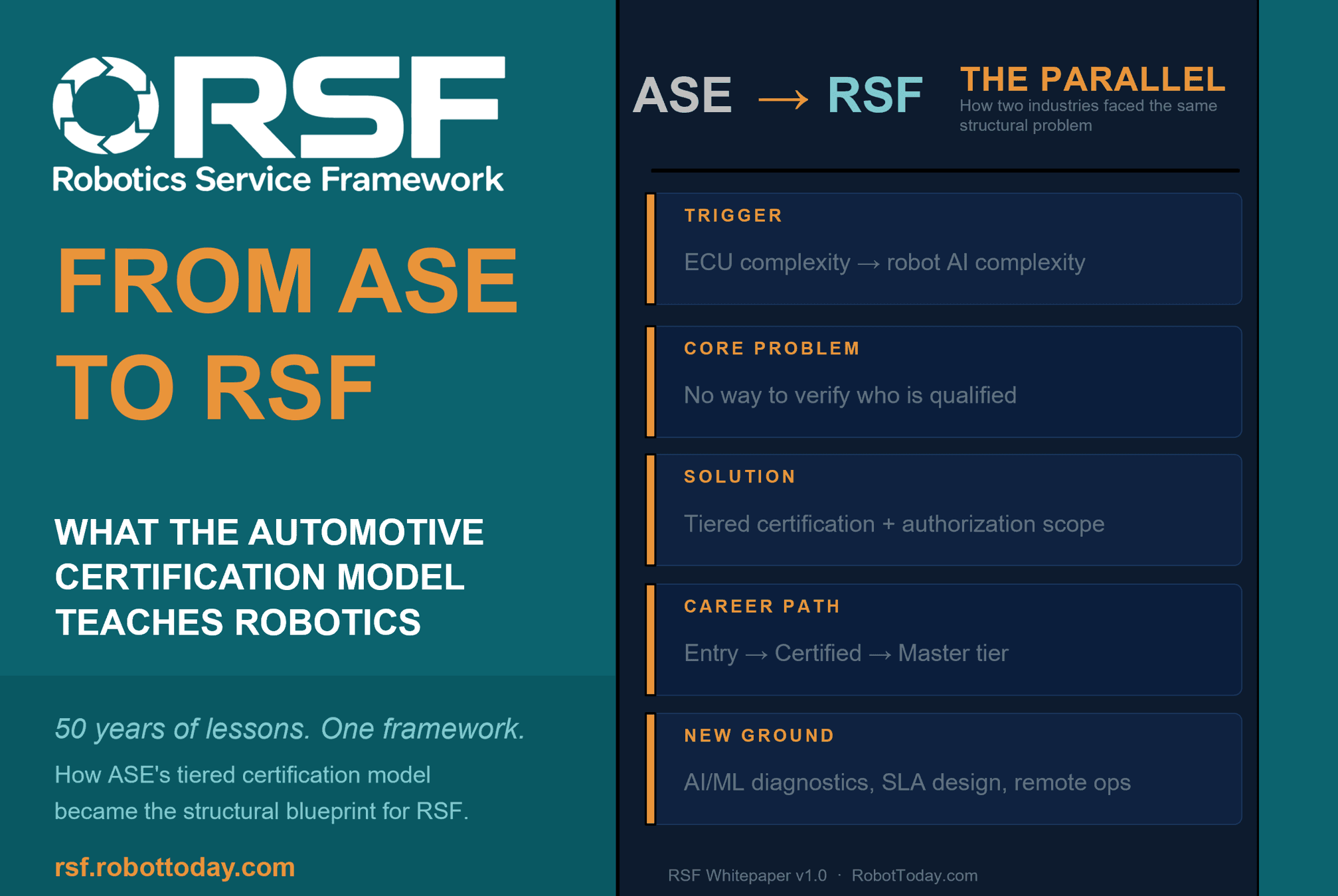
Internet Technology cloud computing cloud infrastructure cybersecurity digital nomadsRobotics needs a service framework.
RSF defines a common language for robot service capability, lifecycle operations, certification pathways, and service-provider networks.