Industry Briefing
A single destination for timely, editor-curated robotics news from around the world.
Australian Growers Gain Insights from European Study Tour on Automation and Robotics
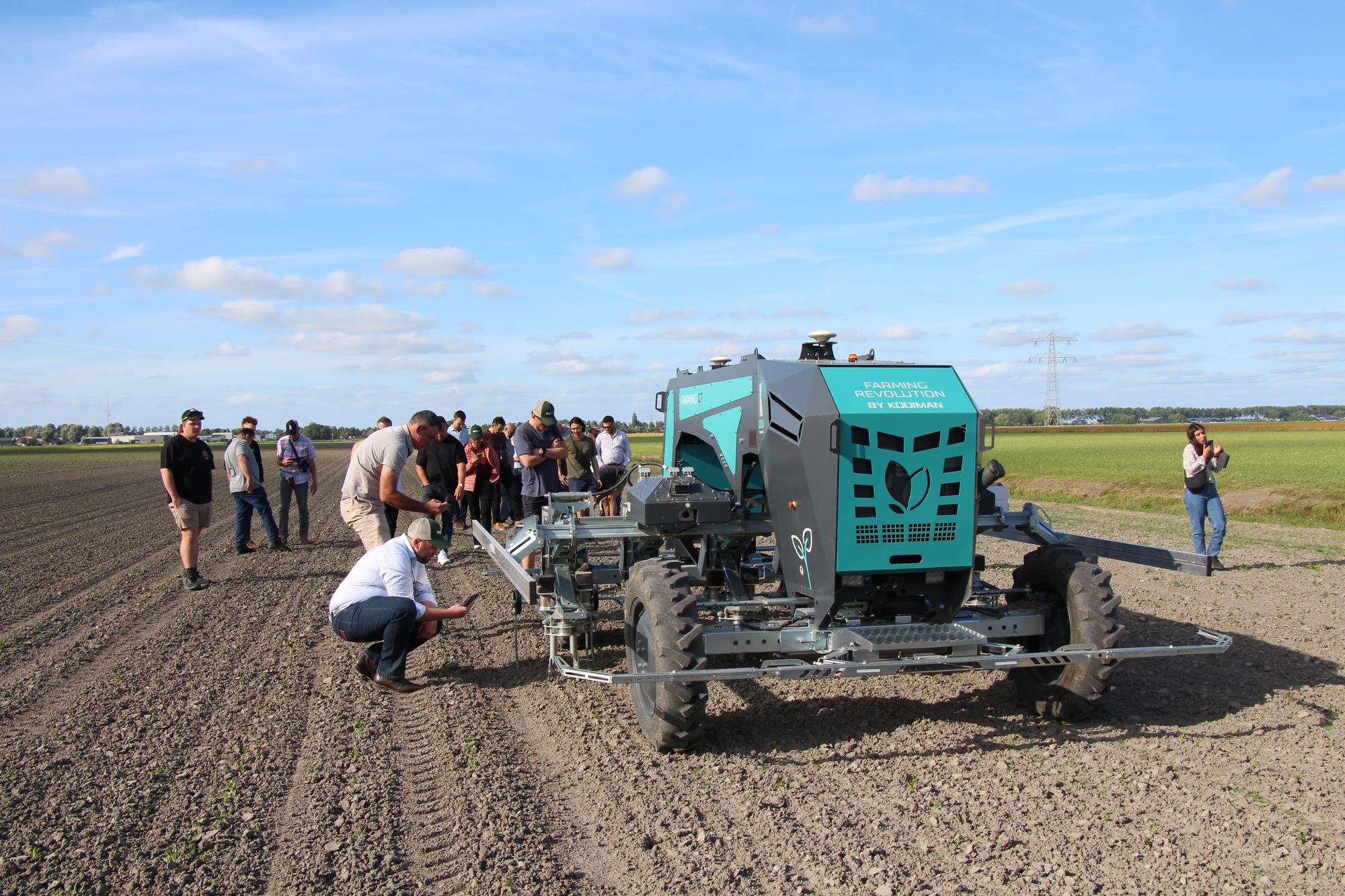
Twenty Australian vegetable and onion growers participated in a 10-day study tour across the UK and the Netherlands, organized under the VegMech project. This initiative, led by the Department of Primary Industries (Queensland) and funded by Hort Innovation, aimed to showcase how European farmers are integrating automation and robotics into their agricultural practices. The tour provided firsthand insights into the use of technologies like the Farming GT hoeing robot, which has been effective in managing weeds in crops such as celeriac and pumpkins. With about 40 units sold in Europe, the Farming GT can hoe 8 to 10 hectares daily, addressing labor shortages and promoting sustainable weed management. Looking ahead, Australian growers are keen to explore precision agriculture solutions to enhance crop health while minimizing herbicide use. The interest in technologies like laser weeding indicates a shift towards more sustainable farming practices. No further timeline was disclosed at the time of publication.
Smart farming field robots laser weeding mechanical weeding robotic harvesting sustainable farming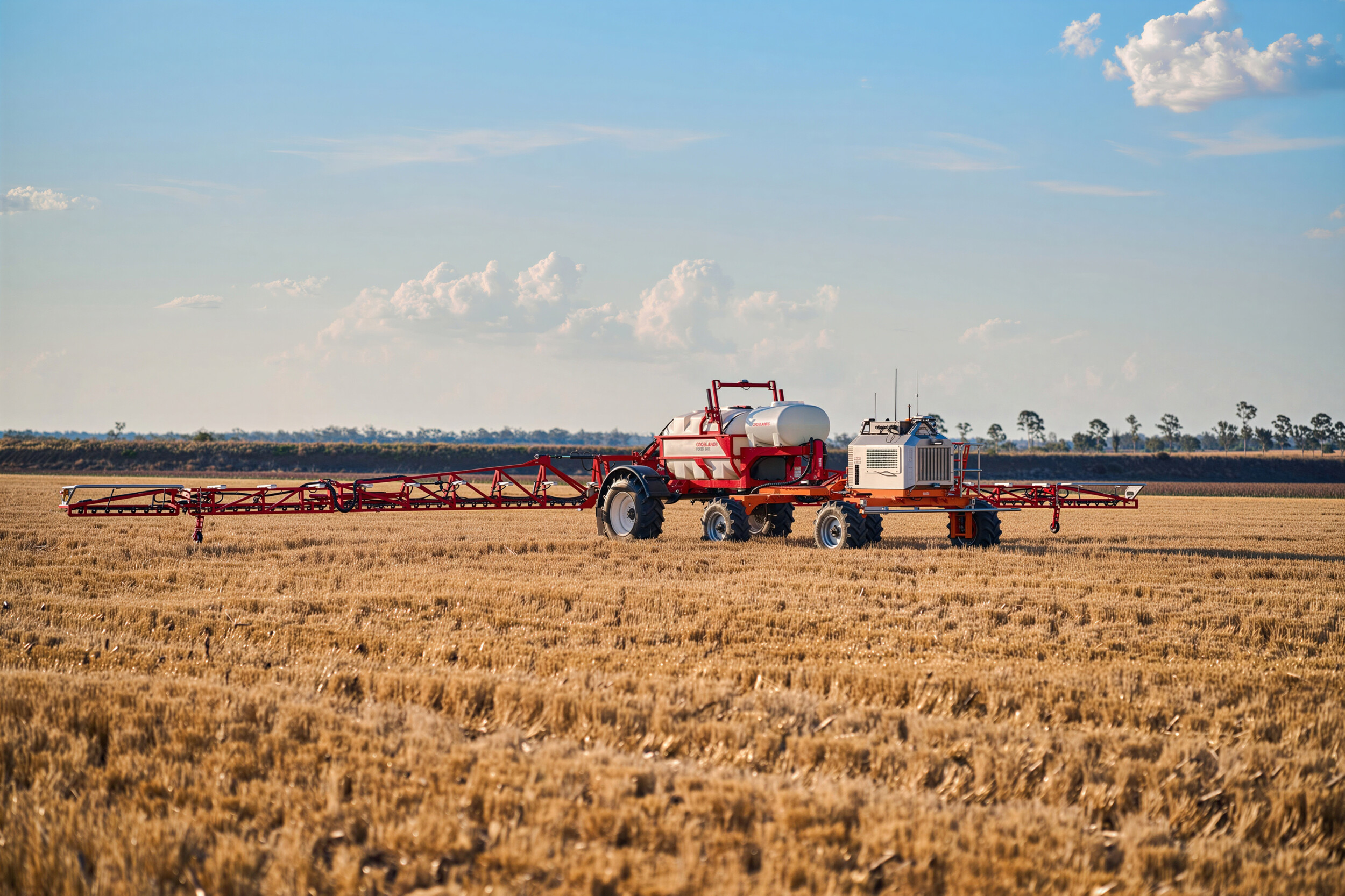
Croplands expands WEED-IT range with new releases, including orchard solution
Australian company Croplands Equipment has introduced a series of innovative technologies in its WEED-IT precision spraying range. The launch features the Series 2 Robot Ready Pinto, along with a large-scale broadacre platform and enhanced retrofit capabilities. Additionally, the company has developed its first optical spot spraying solution specifically designed for orchards. This advancement aims to improve efficiency and precision in agricultural spraying, addressing the growing demand for sustainable farming practices. The new technologies are set to revolutionize the way farmers manage weeds and optimize crop health, reflecting Croplands' commitment to innovation in the agricultural sector.
Smart farming autonomous farm equipment crop management systems precision spraying retrofit kits weed control systems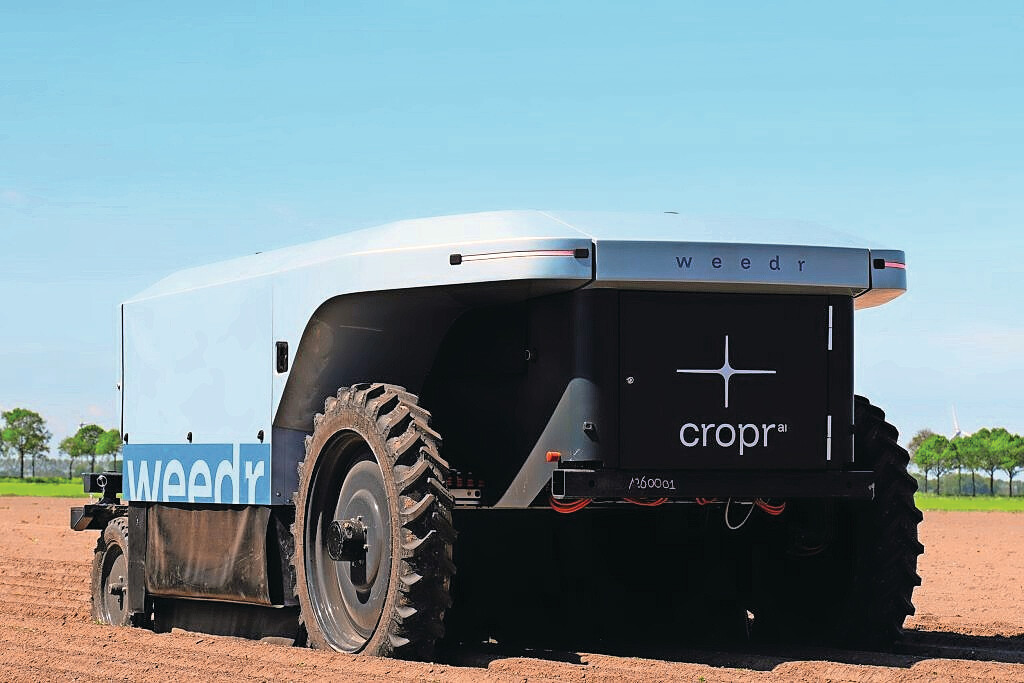
Cropr introduces autonomous laser weeder
Cropr, a robot manufacturer founded in 2025 by the owners of H2L Robotics, has unveiled its latest innovation, the Cropr Weedr, an autonomous laser weeder designed to enhance agricultural efficiency. This cutting-edge technology is set to begin operations at various chicory farms in Flevoland, Netherlands, starting at the end of May. The introduction of the Cropr Weedr aims to address the growing demand for sustainable farming practices by providing an environmentally friendly solution for weed management. By utilizing advanced laser technology, the weeder minimizes the need for chemical herbicides, aligning with the industry’s shift towards more eco-conscious methods.
Smart farming ai autonomous system laser weeding weed control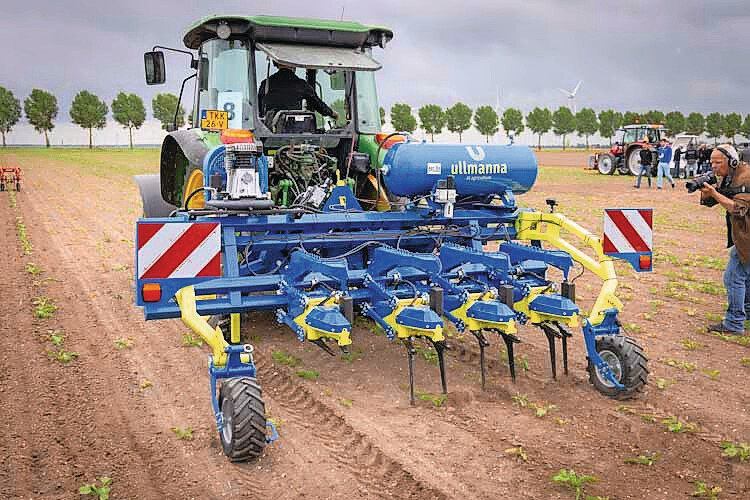
Weeding robot part of integrated weed management
A recent field trial at Wageningen University & Research (WUR) in Valthermond, Netherlands, has highlighted the necessity for growers to adopt additional methods beyond weeding robots to effectively manage weed control. The trial, which draws on practical experiences expected to be implemented by 2025, underscores the challenges faced by agricultural producers in maintaining crop health and productivity. As the agricultural sector increasingly seeks innovative solutions to combat weeds, the findings from WUR suggest that a multifaceted approach will be essential for sustainable farming practices.
Smart farming mechanical weeder precision spraying weeding robots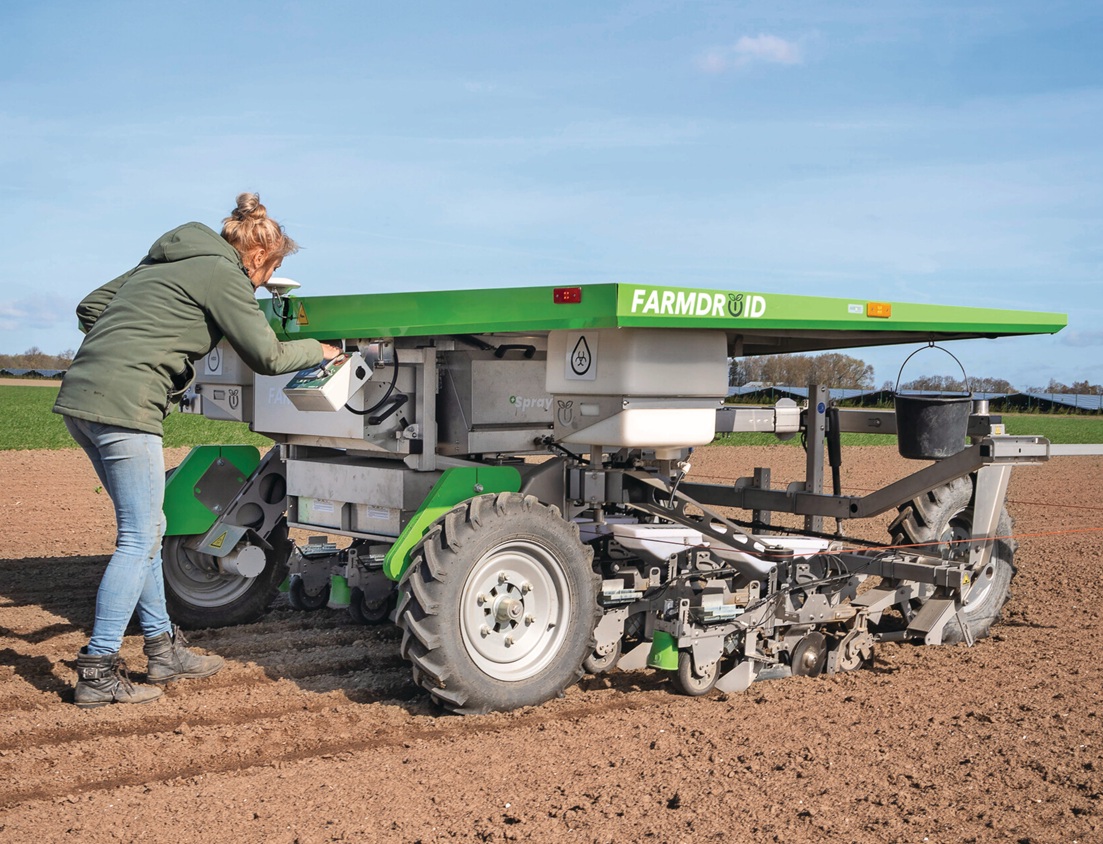
Pioneering in the Dutch polder again with a robot
Mariëlle Keijzer has been utilizing a FarmDroid FD20 field robot for the past three years to enhance her sugar beet farming operations. This innovative technology allows her to efficiently perform tasks such as sowing, spot spraying, and hoeing, marking a significant advancement in agricultural practices. Keijzer's experience with the robot highlights her role as a pioneer in the integration of automation in farming, showcasing the potential benefits of precision agriculture. The ongoing use of the FarmDroid underscores the growing trend towards sustainable farming solutions that aim to improve efficiency and reduce labor costs.
Smart farming Smart Farming
ARA spot sprayer by Ecorobotix receives new algorithms
Ecorobotix, a Swiss manufacturer, has enhanced its ARA spot sprayer with advanced algorithms, enabling the machine to recognize additional crops, including cauliflower, broccoli, and both red and white cabbage. This upgrade reflects the company's commitment to improving agricultural technology and precision farming. The new capabilities are expected to optimize crop management and pesticide application, ultimately promoting sustainable farming practices. The enhancements were announced in October 2023, showcasing Ecorobotix's ongoing innovation in the agricultural sector.
Smart farming algorithms crop scouting precision agriculture spot spraying weed control
A Survey of Dynamic Wireless Power Transfer for Persistent UAV Transportation in Low‐Altitude Economy: The Field–Motion Framework
A recent study published in the Journal of Field Robotics highlights advancements in robotic technology aimed at enhancing agricultural efficiency. Researchers from various universities collaborated to develop an innovative robotic system designed to automate crop monitoring and management tasks. This study, released in early October 2023, emphasizes the growing need for sustainable farming practices amid increasing global food demands. The robotic system utilizes advanced sensors and artificial intelligence to assess crop health, optimize irrigation, and reduce pesticide usage. By integrating these technologies, the researchers aim to support farmers in making data-driven decisions that can lead to higher yields and lower environmental impact. The project was conducted in various agricultural settings, showcasing its adaptability to different crops and farming methods. The motivation behind this initiative stems from the challenges faced by the agricultural sector, including labor shortages and the need for more efficient resource management. By automating routine tasks, the robotic system not only addresses these issues but also promotes sustainable agricultural practices that are essential for future food security. As the agricultural landscape continues to evolve, this research represents a significant step towards the integration of robotics in farming, potentially transforming how crops are cultivated and managed in the years to come.
SURVEY ARTICLE
FLSea: Underwater Visual–Inertial and Stereovision Forward‐Looking Data Sets
A recent study published in the Journal of Field Robotics highlights advancements in autonomous robotic systems designed for agricultural applications. Researchers from various institutions collaborated to develop innovative algorithms that enhance the efficiency and effectiveness of robots in crop monitoring and management. The findings, released in early October 2023, demonstrate how these technologies can significantly reduce labor costs and improve yield predictions, addressing the growing demand for sustainable farming practices. The research was conducted in various agricultural settings, showcasing the robots' adaptability to different environments and crops. By integrating machine learning and real-time data analysis, the team aims to provide farmers with tools that not only optimize their operations but also contribute to environmental sustainability. This study marks a significant step forward in the integration of robotics into agriculture, promising to transform traditional farming methods and support food security in the face of global challenges.
RESEARCH ARTICLE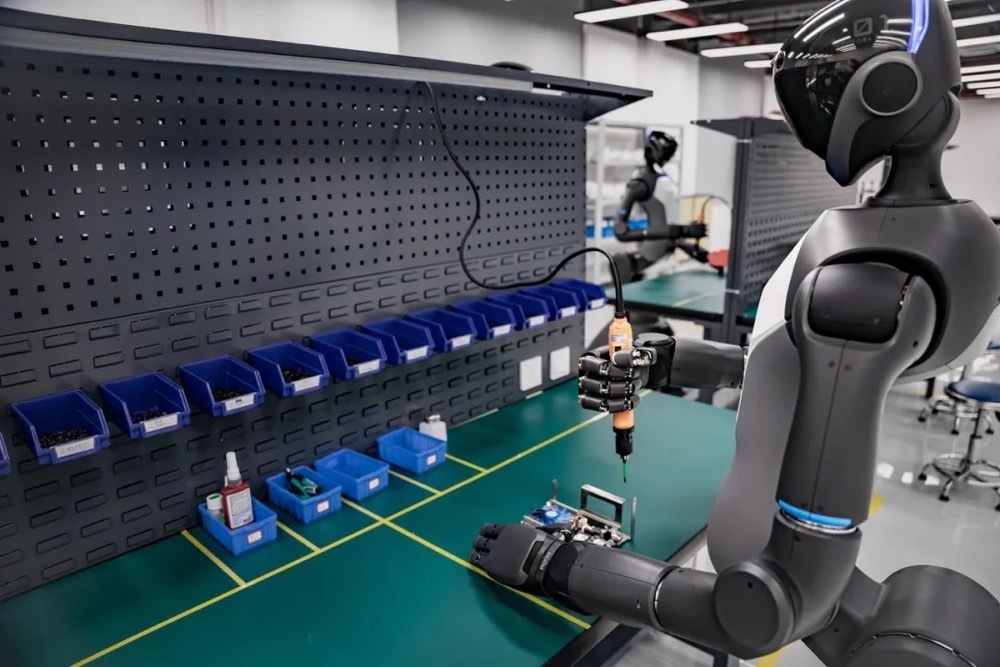
A Vision‐Guided Docking Method for Autonomous Underwater Vehicle From Ice Hole
A recent study published in the Journal of Field Robotics highlights advancements in autonomous robotic systems designed for agricultural applications. Researchers from a leading university conducted experiments to evaluate the efficiency of these robots in crop monitoring and management. The study, released in early October 2023, took place in various agricultural settings across the Midwest. The motivation behind this research stems from the increasing need for sustainable farming practices amid rising global food demands. By integrating advanced robotics and artificial intelligence, the team aimed to enhance productivity while minimizing environmental impact. The robots utilized cutting-edge sensors and machine learning algorithms to collect and analyze data on crop health, soil conditions, and pest activity. Through a series of field trials, the researchers demonstrated that these autonomous systems could significantly reduce labor costs and improve yield predictions. The findings suggest that the implementation of such technology could revolutionize traditional farming methods, making them more efficient and environmentally friendly. This study not only underscores the potential of robotics in agriculture but also paves the way for further innovations that could address the challenges faced by the agricultural sector in the coming years.
RESEARCH ARTICLE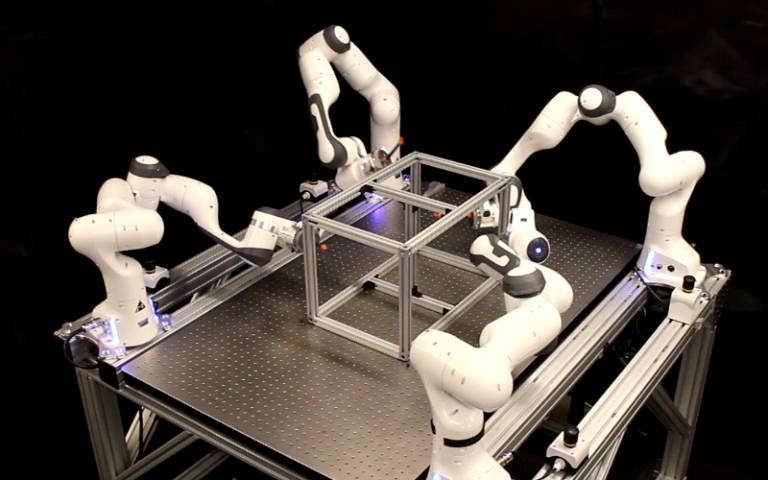
A Hybrid Technique for Active SLAM Based on RPPO Model With Transfer Learning
The Journal of Field Robotics has released an EarlyView article highlighting recent advancements in robotic technology. Researchers from various institutions have collaborated to develop innovative algorithms that enhance the efficiency and autonomy of field robots. This significant study, published in October 2023, aims to address the growing demand for automation in agriculture and environmental monitoring. The research focuses on improving the decision-making capabilities of robots operating in complex outdoor environments. By integrating machine learning techniques, the team has demonstrated how robots can better navigate and adapt to changing conditions, ultimately increasing productivity in agricultural practices. The findings are particularly relevant as the industry seeks to optimize resource use and reduce labor costs. The study was conducted across multiple test sites, showcasing the practical applications of these advancements in real-world scenarios. The researchers emphasize that these developments are crucial for meeting the challenges posed by climate change and the need for sustainable farming practices. By enhancing the operational capabilities of field robots, the team hopes to contribute to a more efficient and resilient agricultural sector. This publication marks a significant step forward in the field of robotics, underscoring the potential for technology to transform traditional practices and improve outcomes in various sectors. As the demand for automation continues to rise, the implications of this research could be far-reaching, paving the way for future innovations in robotic applications.
RESEARCH ARTICLE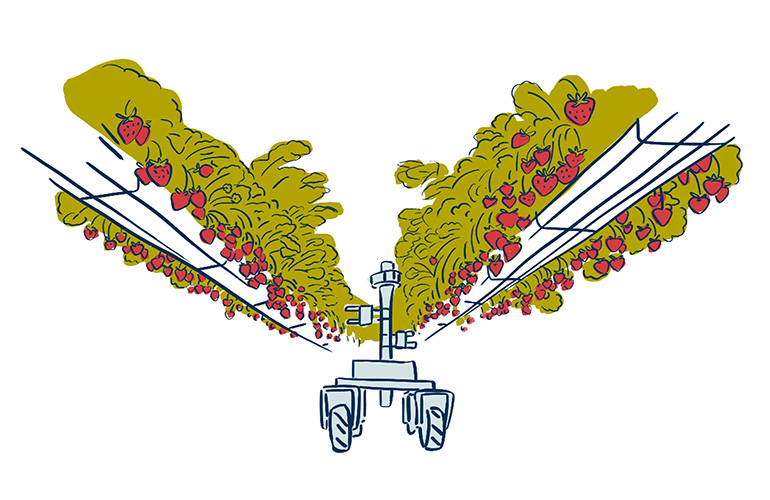
Reservoir acquires Contain to scale agtech startups
Reservoir has announced its acquisition of the agriculture finance platform Contain, with the aim of enhancing the growth of AI-driven startups in the agtech sector. As part of this strategic move, Nicola Kerslake, the founder of Contain, has been appointed as a general partner. This acquisition, which underscores Reservoir's commitment to advancing agricultural technology, is expected to leverage Contain's expertise in financing to support the scaling of innovative agricultural solutions. The deal was finalized recently, reflecting a growing interest in the intersection of technology and agriculture, particularly in the wake of increasing demands for sustainable farming practices.
Agriculture Investments Mergers & Acquisitions News Startups Reservoir
Research on the Application of SSG‐RRT Path Planning Algorithm Integrated With Dynamic Obstacle Avoidance in Wheeled Picking Robot
A recent study published in the Journal of Field Robotics highlights advancements in robotic technology aimed at improving agricultural efficiency. Researchers from various institutions conducted the study to explore how autonomous robots can enhance crop management and reduce labor costs. The findings, released in early October 2023, indicate that these robots can perform tasks such as planting, monitoring, and harvesting with greater precision than traditional methods. The research was conducted in diverse agricultural settings, showcasing the robots' adaptability to different crops and terrains. By integrating advanced sensors and machine learning algorithms, the robots can analyze soil conditions and plant health, allowing for timely interventions that can lead to increased yields. This initiative is driven by the growing need for sustainable farming practices in response to global food demands and labor shortages in the agricultural sector. The study emphasizes that implementing robotic solutions could not only optimize resource use but also address environmental concerns associated with conventional farming techniques. As the agricultural industry faces mounting challenges, the deployment of these innovative robotic systems represents a significant step forward in modernizing farming practices and ensuring food security for the future.
RESEARCH ARTICLE
Heavy‐UUV Docking System for a Fixed Seabed Station Based on Differential Optical‐Guidance Beacons
The Journal of Field Robotics has recently published an early view article highlighting advancements in robotic technology. Researchers from various institutions have collaborated to develop a new autonomous navigation system that enhances the efficiency and safety of field operations. This innovative system was tested in agricultural settings in California during the summer of 2023, where it demonstrated significant improvements in crop monitoring and resource management. The motivation behind this research stems from the growing need for precision agriculture, which aims to optimize farming practices and reduce environmental impact. By integrating advanced sensors and machine learning algorithms, the team was able to create a robotic platform capable of navigating complex terrains while collecting valuable data on soil health and crop conditions. The successful implementation of this technology could revolutionize the agricultural sector, providing farmers with tools to make informed decisions and increase productivity. The findings are expected to contribute to ongoing discussions about sustainable farming practices and the role of robotics in addressing global food security challenges.
RESEARCH ARTICLE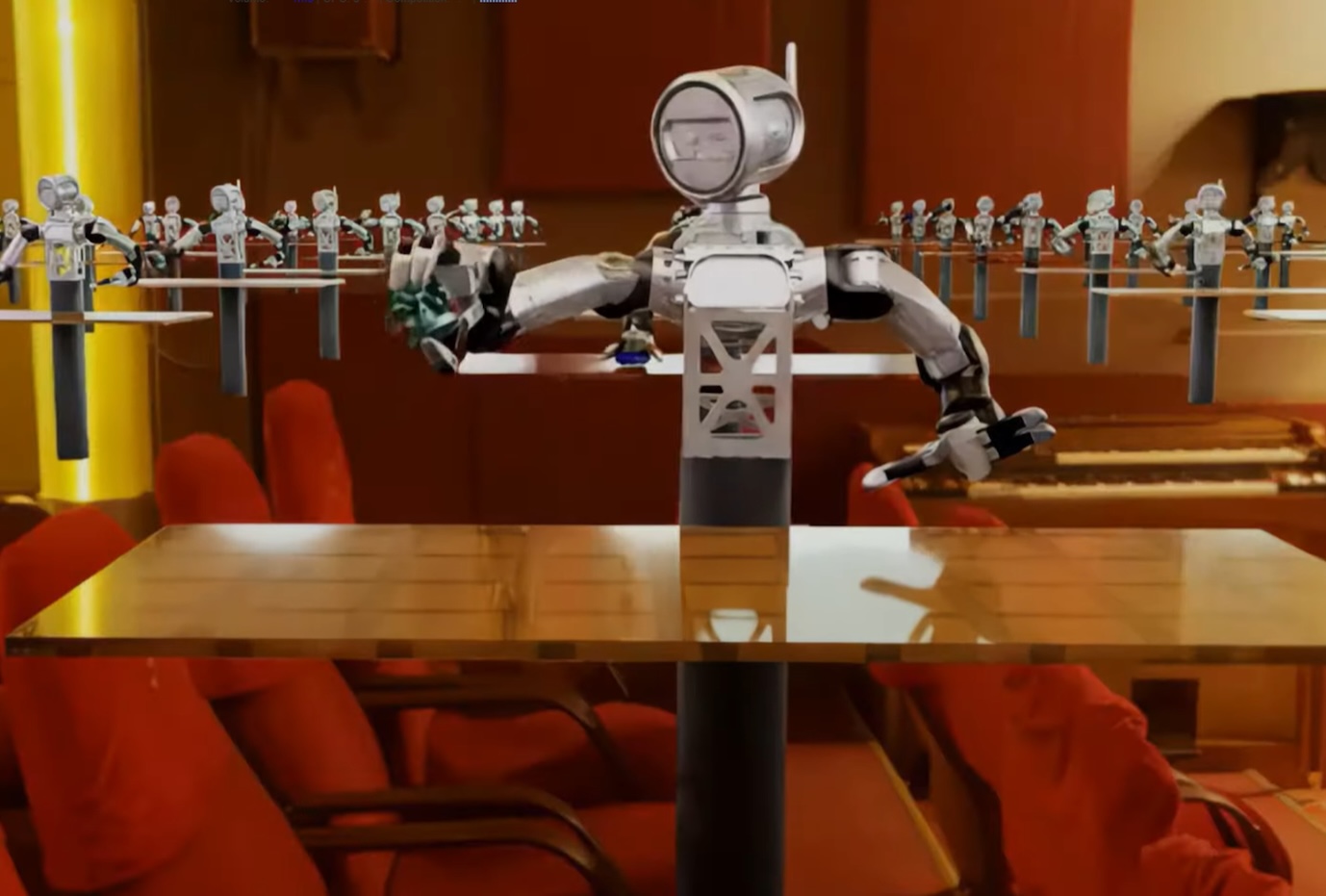
Design and Verification of a Multi‐Feature Wind Field Generation Device Based on Array‐Type Rotors
A recent study published in the Journal of Field Robotics explores advancements in robotic technology aimed at enhancing agricultural efficiency. Conducted by a team of researchers from various universities, the study highlights the development of autonomous robots capable of performing tasks such as planting, weeding, and harvesting crops. This research, which was initiated in early 2023, took place at agricultural fields across multiple locations in the Midwest United States. The motivation behind this initiative stems from the growing need for sustainable farming practices and the increasing labor shortages faced by the agricultural sector. By integrating advanced robotics into farming operations, the researchers aim to reduce reliance on manual labor while simultaneously increasing productivity and minimizing environmental impact. The study details the design and implementation of these robots, which utilize machine learning algorithms to navigate fields and make real-time decisions based on environmental conditions. Initial trials have shown promising results, indicating that these robots can significantly improve crop yields while reducing resource consumption. As the agricultural industry faces mounting challenges, this research represents a critical step toward the future of farming, showcasing how technology can play a pivotal role in addressing food security and sustainability. The findings are expected to influence future developments in agricultural robotics and encourage further investment in this innovative sector.
RESEARCH ARTICLE
DynaSki: A Robust Locomotion Framework for Dynamic Skiing Robot on Challenging Terrains
A recent study published in the Journal of Field Robotics highlights advancements in autonomous robotic systems designed for agricultural applications. Researchers from a leading university conducted the study to address the growing need for efficient farming solutions amid increasing global food demand. The findings, released in early October 2023, provide insights into how these robotic systems can enhance crop monitoring and management. The research was conducted in various agricultural settings, demonstrating the robots' capabilities in navigating complex terrains and performing tasks such as planting, weeding, and harvesting. By employing advanced sensors and machine learning algorithms, the robots can analyze environmental conditions and optimize farming practices, ultimately aiming to increase yield while reducing labor costs. The motivation behind this innovation stems from the challenges faced by farmers due to labor shortages and the need for sustainable farming methods. The study emphasizes the potential of robotics to transform traditional agriculture, making it more resilient and productive in the face of climate change and resource constraints. As the agricultural sector continues to evolve, these findings could pave the way for broader adoption of robotic technologies, enhancing food security and sustainability worldwide.
RESEARCH ARTICLE
Robot hand uses touch and vision to harvest ripe fruit with near-100% accuracy
A team of researchers has created an innovative soft robotic gripper designed to assess the ripeness of fruit and facilitate harvesting. This development, which emerged from ongoing advancements in agricultural technology, aims to address the challenges faced by farmers in determining the optimal time for fruit picking. The gripper, equipped with advanced sensors, can gently handle delicate produce without causing damage, ensuring that only ripe fruits are collected. The project, which began in early 2023, took place at a leading agricultural research facility. The motivation behind this invention stems from the increasing demand for efficient and sustainable farming practices, as well as the need to reduce labor costs and improve the quality of harvested fruits. By automating the inspection and harvesting process, the researchers hope to enhance productivity and minimize waste in the agricultural sector. The robotic gripper operates through a combination of tactile sensing and machine learning algorithms, allowing it to analyze the texture and firmness of the fruit in real-time. This technology not only promises to streamline the harvesting process but also aims to improve the overall quality of produce reaching consumers. As the agricultural industry continues to evolve, innovations like this soft robotic gripper represent a significant step forward in the quest for smarter, more efficient farming solutions.
AI and Robotics
Two Fossa Flat Minima Optimization Algorithm‐Based Enhancement of Ecological Balance Using Carbon‐Neutral Eco‐Robots With Situational Intelligence for Air Quality Monitoring
A recent study published in the Journal of Field Robotics explores advancements in autonomous robotic systems designed for agricultural applications. Conducted by a team of researchers from various universities, the study highlights the growing importance of robotics in enhancing efficiency and sustainability in farming practices. The research, which was completed in October 2023, focuses on the development of robots capable of performing tasks such as planting, weeding, and harvesting crops with minimal human intervention. The motivation behind this research stems from the increasing demand for food production amid a global population surge and the need for sustainable farming methods that reduce environmental impact. By integrating advanced sensors and artificial intelligence, the robots are designed to optimize resource use, reduce labor costs, and improve crop yields. Field tests conducted in various agricultural settings demonstrated the robots' effectiveness in performing tasks traditionally done by human laborers. The study's findings suggest that these autonomous systems could significantly transform the agricultural landscape, making it more efficient and less reliant on chemical inputs. As the agricultural sector faces challenges related to labor shortages and climate change, the research underscores the potential of robotics to address these issues and pave the way for a more sustainable future in food production. The study calls for further investment and development in this technology to fully realize its benefits for farmers and the environment.
RESEARCH ARTICLE
Automated Lawn Maintenance: An Agronomic and Operational Review of Turf Health, Biodiversity, and Field Performance
A recent study published in the Journal of Field Robotics highlights advancements in autonomous robotic systems designed for agricultural applications. Researchers from a leading university conducted the study to explore how these robots can enhance efficiency in farming practices. The research was carried out over the summer of 2023 at various agricultural sites across the Midwest. The motivation behind this initiative stems from the increasing demand for sustainable farming solutions that can address labor shortages and improve crop yields. By integrating advanced sensors and machine learning algorithms, the robots are capable of performing tasks such as planting, monitoring crop health, and harvesting with minimal human intervention. The study involved extensive field tests, where the robots demonstrated their ability to navigate complex terrains and adapt to changing environmental conditions. Results showed a significant increase in productivity compared to traditional farming methods, suggesting that the implementation of these technologies could revolutionize the agricultural sector. As the agricultural industry faces challenges related to climate change and population growth, this research underscores the potential of robotics to provide innovative solutions that promote sustainability and efficiency in food production. The findings are expected to pave the way for further developments in agricultural robotics, ultimately benefiting farmers and consumers alike.
SURVEY ARTICLE
Mobile Manipulator Robot for Autonomous In‐Situ Soil Measurements in Chile Pepper Cultivation
A recent study published in the Journal of Field Robotics highlights the advancements in autonomous robotic systems designed for agricultural applications. Researchers from various institutions conducted the study to explore how these technologies can enhance efficiency and productivity in farming practices. The findings, released in early October 2023, indicate that the integration of robotics in agriculture can significantly reduce labor costs and improve crop yields. The research was conducted in multiple agricultural settings, demonstrating the versatility of robotic systems in different environments. By employing advanced sensors and machine learning algorithms, these robots can perform tasks such as planting, harvesting, and monitoring crop health with minimal human intervention. The motivation behind this innovation stems from the growing need for sustainable farming solutions amid increasing global food demand and labor shortages in the agricultural sector. Through extensive field trials, the researchers documented the robots' performance, revealing their ability to operate efficiently under various weather conditions and terrains. This study not only underscores the potential of robotics to transform agriculture but also emphasizes the importance of continued investment in technology to address future challenges in food production.
RESEARCH ARTICLE
A Design Specifications Template for Wearable Haptic Interfaces: A Case Study for Robotic Gripper Applications
A recent study published in the Journal of Field Robotics highlights advancements in autonomous robotic systems designed for agricultural applications. Researchers from various institutions collaborated to explore the integration of artificial intelligence and machine learning in enhancing the efficiency of farming practices. The study, released in early October 2023, emphasizes the growing need for innovative solutions in agriculture due to increasing global food demands and labor shortages. The research team conducted extensive field tests in multiple agricultural settings to evaluate the performance of these autonomous systems. By employing advanced algorithms, the robots demonstrated improved capabilities in tasks such as planting, harvesting, and monitoring crop health. The findings suggest that these technologies could significantly reduce labor costs and increase productivity, addressing critical challenges faced by the agricultural sector. This initiative aims to provide farmers with reliable tools that can adapt to various environmental conditions and crop types, ultimately contributing to sustainable farming practices. The study's outcomes are expected to influence future developments in agricultural robotics, paving the way for more efficient and environmentally friendly farming solutions.
RESEARCH ARTICLE
From Flybys to Sample Return: A Review of Space Probes and Robotic Sampling Technologies for Small Bodies
A recent study published in the Journal of Field Robotics highlights advancements in robotic technology aimed at enhancing agricultural efficiency. Researchers from various institutions conducted experiments to assess the effectiveness of autonomous robots in crop monitoring and management. The study, released in early October 2023, took place in diverse agricultural settings across the United States. The motivation behind this research stems from the increasing demand for sustainable farming practices and the need to address labor shortages in the agricultural sector. By integrating advanced robotics, the team aims to provide farmers with innovative tools that can optimize crop yields while minimizing environmental impact. The researchers implemented a series of field tests to evaluate the robots' capabilities in tasks such as soil analysis, pest detection, and irrigation management. The findings indicate that these autonomous systems can significantly reduce the time and labor required for traditional farming methods, ultimately leading to more efficient agricultural practices. This groundbreaking work not only showcases the potential of robotics in transforming agriculture but also emphasizes the importance of technological solutions in meeting the challenges posed by a growing global population and climate change. As the agricultural industry continues to evolve, the integration of robotic technology may play a crucial role in shaping the future of food production.
SURVEY ARTICLE
Performance Evaluation of Different Laser SLAM Algorithms for Unmanned Mining Vehicles
A recent study published in the Journal of Field Robotics highlights advancements in robotic technology aimed at improving agricultural efficiency. Researchers from a leading university conducted experiments to develop autonomous robots capable of performing tasks such as planting, weeding, and harvesting crops. The study, which took place over the summer of 2023, was conducted on various farms in California, showcasing the robots' adaptability to different agricultural environments. The motivation behind this research stems from the increasing demand for sustainable farming practices and the need to address labor shortages in the agricultural sector. By integrating advanced sensors and artificial intelligence, the robots are designed to optimize crop yields while minimizing resource use. The research team employed a series of field trials to test the robots' performance, collecting data on their effectiveness and efficiency compared to traditional farming methods. Preliminary results indicate that these autonomous systems can significantly reduce labor costs and increase productivity, offering a promising solution for modern agriculture. As the agricultural industry faces challenges such as climate change and population growth, this innovative approach could play a crucial role in ensuring food security and sustainability in the coming years. The findings from this study are expected to pave the way for further developments in agricultural robotics, potentially transforming the way food is produced globally.
SURVEY ARTICLE
Efficient and Adaptive Autonomous Guidance and Control of Planetary Rover With Improved Traction Controller and Dynamic Cost Map
In June 2026, the Journal of Field Robotics published a significant study highlighting advancements in robotic technology aimed at enhancing agricultural efficiency. Researchers from various institutions collaborated to develop innovative robotic systems capable of performing tasks such as planting, monitoring crop health, and harvesting. This initiative responds to the growing demand for sustainable farming practices and the need to address labor shortages in the agricultural sector. The study, which spans pages 2848 to 2866 in the journal’s fourth issue, showcases how these robots utilize artificial intelligence and machine learning to adapt to diverse farming environments. By integrating advanced sensors and data analytics, the robotic systems can make real-time decisions, optimizing resource use and minimizing environmental impact. The research team conducted extensive field trials across multiple agricultural settings, demonstrating the robots' effectiveness in improving yield and reducing operational costs. The findings are expected to influence future agricultural policies and practices, promoting the adoption of technology in farming to ensure food security in an increasingly challenging climate. This groundbreaking work not only illustrates the potential of robotics in agriculture but also underscores the importance of interdisciplinary collaboration in addressing global challenges.
FIELD REPORT
D2GNet: Efficient 6‐DoF Grasp Detection in Cluttered Scenes via Density‐Aware Dual‐Dimensional Graph Networks
A recent study published in the Journal of Field Robotics highlights advancements in robotic technology aimed at enhancing agricultural efficiency. Conducted by a team of researchers from various universities, the study was released in June 2026 and focuses on innovative robotic systems designed to optimize crop management and reduce labor costs. The research team utilized a combination of machine learning algorithms and autonomous navigation systems to develop robots capable of performing tasks such as planting, monitoring, and harvesting crops. This initiative was motivated by the increasing demand for sustainable farming practices and the need to address labor shortages in the agricultural sector. Field tests were conducted in diverse agricultural environments, demonstrating the robots' ability to adapt to varying conditions and improve overall productivity. The findings suggest that integrating robotics into farming not only enhances efficiency but also contributes to more sustainable practices by minimizing resource waste. As the agricultural industry faces challenges related to climate change and population growth, the implementation of these robotic systems could play a crucial role in ensuring food security and promoting environmentally friendly farming methods. The research underscores the potential of robotics to transform traditional agricultural practices, paving the way for a more automated and sustainable future in farming.
RESEARCH ARTICLE
Deep Reinforcement Learning Based Autonomous Decision‐Making for Cooperative Uncrewed Aerial Vehicles: A Search and Rescue Real World Application
A recent study published in the Journal of Field Robotics highlights advancements in autonomous robotic systems designed for agricultural applications. Researchers from various institutions collaborated to develop innovative algorithms that enhance the efficiency and precision of robotic farming equipment. The findings, released in early October 2023, emphasize the growing importance of automation in agriculture, particularly in response to labor shortages and the need for sustainable farming practices. The research was conducted in multiple agricultural settings, showcasing how these robotic systems can adapt to different crop types and environmental conditions. By integrating machine learning and sensor technology, the robots are capable of performing tasks such as planting, weeding, and harvesting with minimal human intervention. This development aims to address the challenges faced by farmers, including the rising costs of labor and the increasing demand for food production. The study underscores the potential for these autonomous systems to revolutionize the agricultural sector, making it more efficient and environmentally friendly. As the agricultural industry continues to evolve, the implementation of such technologies could lead to significant improvements in productivity and sustainability.
RESEARCH ARTICLE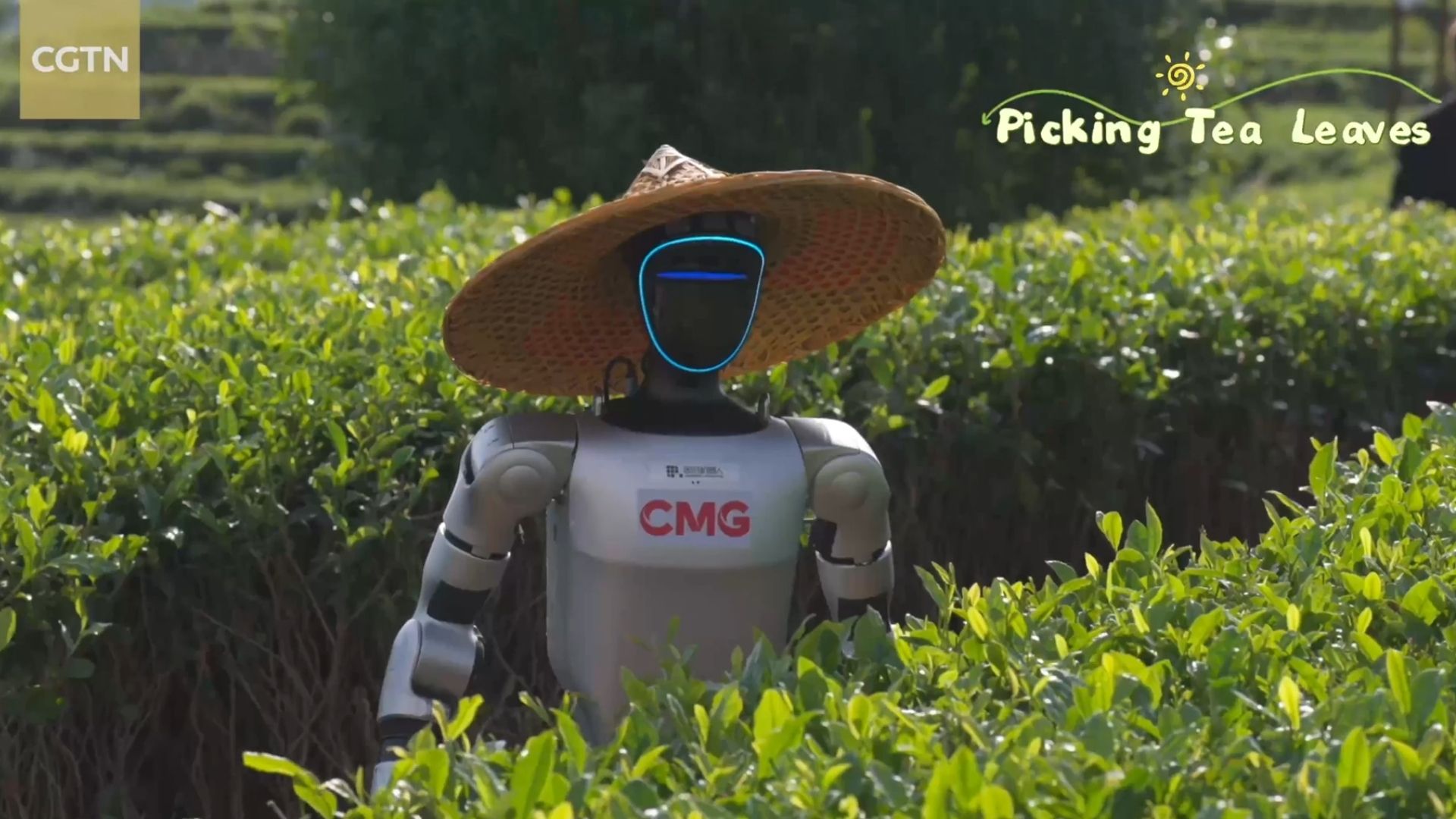
China tests humanoid robots in tea farms before the 2026 World Robot Games
Humanoid robots are making significant strides beyond laboratory demonstrations, now being deployed in tea fields. This advancement marks a notable shift in the application of robotics, showcasing their potential to assist in agricultural tasks. The development comes as part of ongoing efforts to enhance efficiency and productivity in farming, particularly in regions where labor shortages are prevalent. By integrating advanced robotics into everyday agricultural practices, researchers and engineers aim to address the challenges faced by the agricultural sector, including the need for sustainable farming solutions. The implementation of these robots in tea cultivation is expected to streamline operations, allowing for more precise and consistent harvesting methods. As this technology continues to evolve, it holds promise for transforming not only tea production but also other agricultural industries worldwide.
Improved ESO‐LOS Guidance Strategy for AUV: Theory and Experiment Validation
A recent study published in the Journal of Field Robotics highlights advancements in autonomous robotic systems designed for agricultural applications. Researchers from various institutions collaborated to develop innovative algorithms that enhance the efficiency of robots in crop monitoring and management. The findings, released in early October 2023, indicate that these robotic systems can significantly improve yield predictions and reduce labor costs for farmers. Conducted in diverse agricultural settings, the research aimed to address the growing need for sustainable farming practices amid increasing global food demands. By employing cutting-edge technology, the team demonstrated how autonomous robots can collect and analyze data more accurately than traditional methods, enabling farmers to make informed decisions about resource allocation and crop health. The study underscores the potential of robotics to transform the agricultural landscape, offering solutions that not only optimize productivity but also promote environmental sustainability. As the agricultural sector faces challenges such as labor shortages and climate change, these advancements in robotic technology could play a crucial role in ensuring food security for future generations.
RESEARCH ARTICLE
Design and Kinematic Analysis of a Six‐Wheeled Robot With a Passive Suspension for Integrated Terrain Adaptability and Vibration Mitigation
A recent study published in the Journal of Field Robotics highlights advancements in autonomous robotic systems designed for agricultural applications. Researchers from a leading university conducted experiments to assess the effectiveness of these robots in improving crop management and yield. The study, released in early October 2023, took place in various agricultural settings across the Midwest, where the robots were deployed to monitor crop health and optimize resource usage. The motivation behind this research stems from the increasing demand for sustainable farming practices and the need to enhance productivity in the face of climate change challenges. By integrating advanced sensors and machine learning algorithms, the robots are capable of analyzing soil conditions and plant health in real-time, allowing farmers to make informed decisions. The study's findings indicate that the implementation of these autonomous systems can significantly reduce labor costs and increase efficiency in farming operations. As the agricultural sector continues to evolve, this research underscores the potential of robotics to transform traditional farming methods, paving the way for a more sustainable and productive future in agriculture.
RESEARCH ARTICLE
LMBC: Low‐Power Marine Benthos Counting Framework for Underwater Robotic Real‐Time Applications
A recent study published in the Journal of Field Robotics explores advancements in robotic technology aimed at enhancing agricultural efficiency. Researchers from various institutions conducted the study to address the growing need for sustainable farming practices amid increasing global food demand. The findings, released in early October 2023, highlight innovative robotic systems designed to automate tasks such as planting, monitoring crop health, and harvesting. The research was carried out in various agricultural settings, demonstrating the robots' capabilities in real-world environments. By integrating artificial intelligence and machine learning, these robots can adapt to different crop conditions and improve productivity while minimizing resource use. The motivation behind this development stems from the urgent need to reduce labor costs and environmental impact in agriculture. The study outlines the process of designing and implementing these robotic systems, showcasing their potential to revolutionize traditional farming methods. As the agricultural sector faces challenges related to labor shortages and climate change, the introduction of such technology could play a crucial role in ensuring food security for the future. The research underscores the importance of innovation in addressing the complexities of modern agriculture and highlights the collaborative efforts of scientists and engineers in this field.
RESEARCH ARTICLE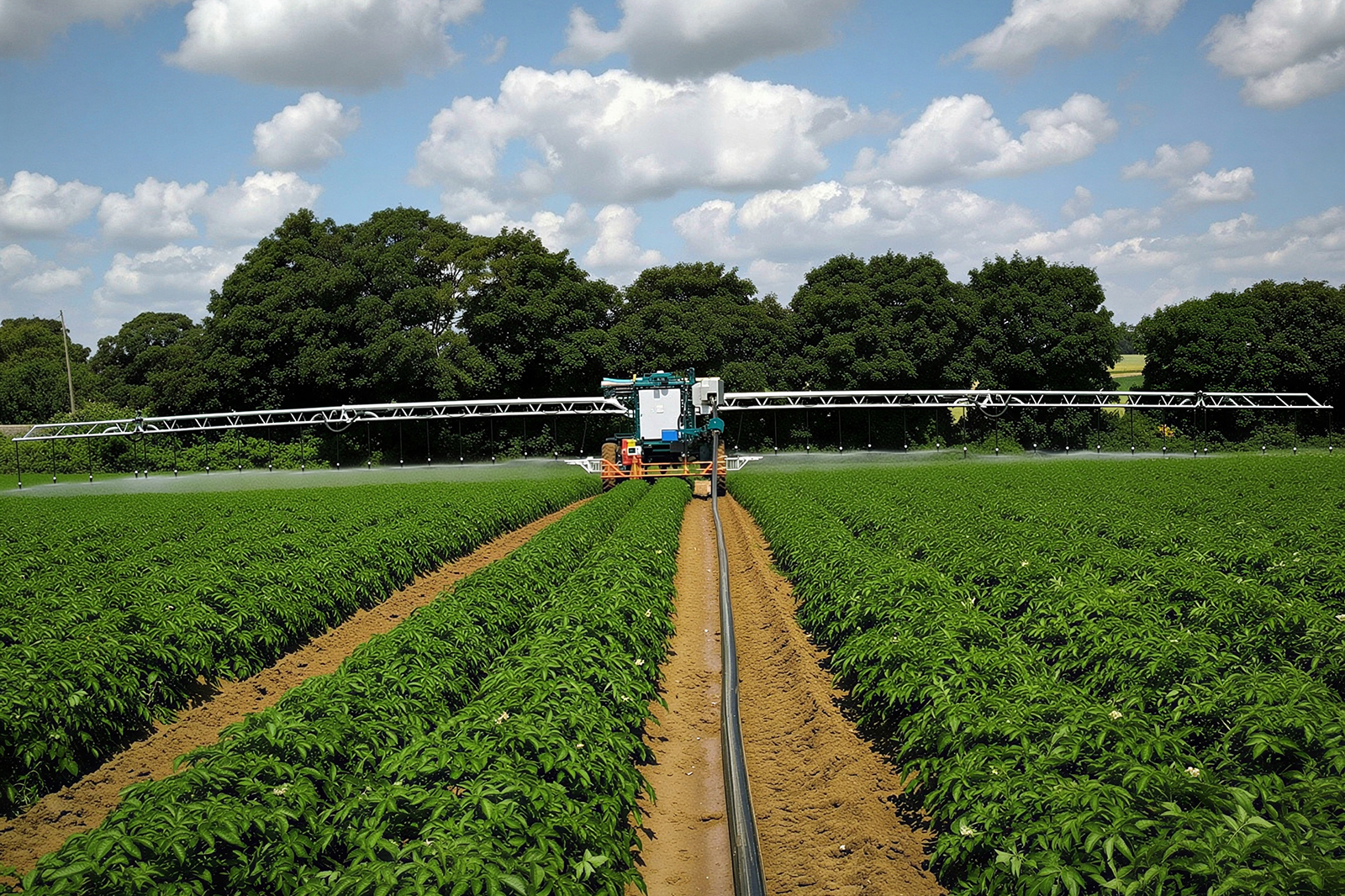
Robot OSCAR brings automation to irrigation and nutrient application
A new four-wheel field robot named OSCAR has been developed to enhance irrigation and fertigation practices in row crops. This innovative technology aims to improve agricultural efficiency by delivering precise amounts of water and nutrients directly to plants. The introduction of OSCAR comes as farmers seek solutions to optimize resource use and increase crop yields amidst growing environmental concerns and the need for sustainable farming practices. The robot operates autonomously, utilizing advanced sensors and data analytics to monitor soil conditions and plant health, ensuring that each crop receives tailored care. This development represents a significant step forward in agricultural technology, promising to support farmers in meeting the challenges of modern agriculture while promoting sustainability.
Field robots field robot irrigation manure
Fault Tolerant Attitude Control for Spacecraft Considering Input Delay and Actuator Saturation: Theory and Experiment
A recent study published in the Journal of Field Robotics highlights the advancements in robotic technology aimed at enhancing agricultural efficiency. Researchers from various institutions collaborated to develop an autonomous robot capable of performing complex tasks such as planting, weeding, and harvesting crops. This innovative project, which began in early 2023, took place at several test farms across the Midwest. The motivation behind this initiative stems from the growing need for sustainable farming practices and the increasing labor shortages in the agricultural sector. By integrating advanced sensors and artificial intelligence, the robot can adapt to different crop types and environmental conditions, thereby optimizing yield and reducing resource waste. Field tests demonstrated the robot's ability to navigate diverse terrains and execute tasks with precision, significantly reducing the time and labor required for traditional farming methods. The research team aims to further refine the technology and expand its applications, potentially revolutionizing the way food is produced and addressing challenges faced by farmers worldwide.
RESEARCH ARTICLE
Visual 3D Spatiotemporal Fields‐Driven Obstacle Avoidance Using Model Predictive Control for Nursing Robots in Unstructured Environments
A recent study published in the Journal of Field Robotics highlights advancements in robotic technology aimed at enhancing agricultural efficiency. Researchers from various institutions collaborated to develop a new autonomous robot capable of performing tasks such as planting, weeding, and harvesting crops. This innovative technology was tested in fields across California during the summer of 2023, showcasing its potential to significantly reduce labor costs and increase productivity for farmers. The motivation behind this development stems from the growing demand for sustainable farming practices and the need to address labor shortages in the agricultural sector. By integrating advanced sensors and machine learning algorithms, the robot can navigate complex field environments and make real-time decisions, improving its operational effectiveness. The study emphasizes the importance of robotics in modern agriculture, particularly as the industry faces challenges related to climate change and food security. The researchers believe that widespread adoption of such technology could lead to more efficient resource use and a reduction in the environmental impact of farming practices. As the agricultural landscape continues to evolve, this breakthrough represents a significant step toward the future of farming, where robotics play a crucial role in meeting global food demands.
RESEARCH ARTICLE
Biomimetic Multifinger Tactile Sensing and Contact‐Regulated Palpation for Autonomous Breast Tumor Localization
A recent study published in the Journal of Field Robotics highlights advancements in autonomous robotic systems designed for agricultural applications. Researchers from a leading university conducted experiments to evaluate the effectiveness of these robots in optimizing crop management and enhancing productivity. The study took place over the summer of 2023 on various farms across the Midwest, where the robots were deployed to monitor crop health, assess soil conditions, and automate harvesting processes. The motivation behind this research stems from the increasing demand for sustainable farming practices and the need to address labor shortages in the agricultural sector. By integrating advanced robotics and artificial intelligence, the team aimed to demonstrate how these technologies can improve efficiency and reduce the environmental impact of farming. Through a series of field tests, the researchers collected data on the robots' performance, analyzing their ability to navigate complex terrains and make real-time decisions based on environmental inputs. The findings indicate that these autonomous systems not only enhance productivity but also contribute to more precise resource management, ultimately supporting the goal of sustainable agriculture. This study represents a significant step forward in the application of robotics in farming, showcasing the potential for technology to transform traditional agricultural practices and meet the challenges posed by a growing global population.
RESEARCH ARTICLE
Review of Essential Generic Technologies for Visual Perception in Underground Coal Mine Robots
A recent study published in the Journal of Field Robotics highlights advancements in autonomous robotic systems designed for agricultural applications. Researchers from various institutions conducted experiments to evaluate the efficiency and effectiveness of these robots in crop monitoring and management. The study, released in early October 2023, took place in diverse agricultural settings, showcasing the robots' capabilities in real-time data collection and analysis. The motivation behind this research stems from the increasing need for sustainable farming practices and the demand for improved crop yields amidst growing environmental challenges. By integrating advanced sensors and artificial intelligence, the robotic systems demonstrated significant potential in reducing labor costs and enhancing precision in farming operations. Through a series of field tests, the researchers assessed the robots' performance in various tasks, including soil analysis, pest detection, and irrigation management. The findings indicate that these autonomous systems can operate efficiently under different weather conditions and terrains, offering a promising solution for modern agriculture. The study underscores the importance of innovation in addressing food security and environmental sustainability, paving the way for further developments in agricultural robotics.
RESEARCH ARTICLE
The Shifting Paradigms of Disaster Robotics Three Decades of Research
A recent study published in the Journal of Field Robotics highlights advancements in robotic technology aimed at improving agricultural efficiency. Researchers from a leading university conducted experiments over the past year, focusing on the integration of autonomous robots in crop monitoring and management. The trials took place in various agricultural settings across the Midwest, where the team sought to address the growing challenges of labor shortages and the need for sustainable farming practices. The motivation behind this research stems from the increasing demand for food production and the necessity to optimize resource use in agriculture. By employing cutting-edge robotics, the researchers aimed to demonstrate how these machines can enhance precision in tasks such as planting, watering, and pest control. The study involved deploying multiple robotic prototypes equipped with advanced sensors and AI algorithms to gather data and perform tasks autonomously. Results from the trials indicate that the use of these robots not only improved operational efficiency but also reduced the environmental impact of farming activities. The findings suggest that integrating robotics into agricultural practices could be a viable solution to meet the demands of a growing population while promoting sustainable farming methods. As the agricultural sector continues to evolve, this research paves the way for further innovations in the use of robotics to support food production and resource management.
RESEARCH ARTICLE
Soft Computing Techniques Applied to Adaptive Hybrid Navigation Methods for Tethered Robots in Dynamic Environments
A recent study published in the Journal of Field Robotics highlights advancements in robotic technology aimed at enhancing agricultural efficiency. Researchers from various institutions conducted experiments over the past year, focusing on the integration of autonomous robots in crop monitoring and management. The study, carried out in multiple agricultural settings across the Midwest, demonstrates how these robots can significantly reduce labor costs and increase yield by providing real-time data on soil conditions and crop health. The motivation behind this research stems from the growing need for sustainable farming practices amid rising global food demands. By employing sophisticated sensors and machine learning algorithms, the robots are designed to analyze vast amounts of agricultural data, allowing farmers to make informed decisions quickly. The findings indicate that the use of these robotic systems can lead to a more precise application of resources, ultimately promoting environmental sustainability. As the agricultural sector faces challenges such as labor shortages and climate change, the implementation of robotic technology presents a viable solution to improve productivity and resilience in farming operations. The research team plans to continue refining these technologies, aiming for broader adoption in the industry.
RESEARCH ARTICLE
Foundation Model‐Driven Grasping of Unknown Objects via Center of Gravity Estimation
A recent study published in the Journal of Field Robotics highlights advancements in autonomous robotic systems designed for agricultural applications. Conducted by a team of researchers from various universities, the study was released in early October 2023. The research focuses on enhancing the efficiency and precision of farming practices through the integration of robotics and artificial intelligence. The study addresses the growing need for sustainable agricultural solutions amid increasing global food demand and labor shortages. By employing advanced algorithms and machine learning techniques, the researchers developed a prototype robotic system capable of performing tasks such as planting, monitoring crop health, and harvesting with minimal human intervention. Field tests were conducted in diverse agricultural settings, demonstrating the robot's ability to navigate complex terrains and adapt to varying environmental conditions. The findings suggest that these robotic systems could significantly reduce labor costs and improve crop yields, ultimately contributing to more sustainable farming practices. This innovative approach not only aims to alleviate some of the pressures faced by the agricultural sector but also seeks to pave the way for future developments in the field of robotics, emphasizing the importance of technology in addressing global challenges.
RESEARCH ARTICLE
SensHB.Q: A Cost‐Effective Force‐Sensitive Handlebar to Control Omnidirectional Robots and Wheelchairs
In a recent study published in the Journal of Field Robotics, researchers explored advancements in robotic technologies aimed at enhancing agricultural efficiency. The study, which appears in the May 2026 issue, highlights innovative robotic systems designed to optimize crop management and reduce labor costs. Conducted by a team of engineers and agricultural scientists, the research took place over several months at various test farms across the Midwest. The motivation behind this initiative stems from the increasing demand for sustainable farming practices amid a growing global population. By integrating cutting-edge robotics into agricultural processes, the researchers aim to address labor shortages and improve productivity. The study details the implementation of autonomous robots equipped with advanced sensors and AI algorithms that can monitor crop health, automate planting, and facilitate precision irrigation. Through a series of field trials, the team demonstrated the robots' capabilities in real-world farming conditions, showcasing their potential to revolutionize traditional agricultural methods. The findings suggest that these robotic systems could significantly enhance yield while minimizing environmental impact, paving the way for smarter farming solutions in the future.
RESEARCH ARTICLE
A Review on Path Planning for Autonomous Underwater Vehicles: From Models, Classical Methods, and Learning‐Based Intelligence Perspectives
In a recent study published in the Journal of Field Robotics, researchers explored advancements in robotic technologies aimed at enhancing agricultural efficiency. The findings, released in May 2026, highlight innovative methods for deploying autonomous robots in farming environments to improve crop management and yield. Conducted by a team of experts in robotics and agriculture, the research took place in various agricultural settings, focusing on the integration of artificial intelligence and machine learning to optimize planting, monitoring, and harvesting processes. The motivation behind this initiative stems from the growing need for sustainable farming practices and the increasing global demand for food production. By utilizing advanced robotics, the study aims to address labor shortages and reduce environmental impacts associated with traditional farming methods. The researchers conducted extensive field trials to assess the effectiveness of these robotic systems, demonstrating significant improvements in efficiency and productivity. This work not only contributes to the field of robotics but also offers practical solutions for the agricultural sector facing modern challenges.
SURVEY ARTICLE
Design and Performance Analysis of a Delta Robot for High‐Speed Seed Cutting
In a recent study published in the Journal of Field Robotics, researchers explored advancements in robotic technology aimed at enhancing agricultural efficiency. The findings, released in May 2026, highlight innovative methods for integrating autonomous systems into farming practices. Conducted by a team of experts in robotics and agriculture, the research took place in various agricultural settings to assess the practical applications of these technologies. The motivation behind this study stems from the growing need for sustainable farming solutions that can address labor shortages and increase productivity in the face of climate change. By employing advanced robotics, the team demonstrated how these systems can optimize crop management and reduce resource waste. The research involved extensive field trials, where robotic systems were tested for their ability to perform tasks such as planting, monitoring crop health, and harvesting. The results indicated significant improvements in efficiency and yield, suggesting that the integration of robotics could revolutionize traditional farming methods. This study not only contributes to the body of knowledge in agricultural robotics but also underscores the potential for these technologies to transform the agricultural landscape, making it more resilient and sustainable for future generations.
RESEARCH NOTE
Performance Evaluation and Improvement for RGB‐D Cameras on High‐Throughput Phenotyping Robots
In a recent study published in the Journal of Field Robotics, researchers have explored advancements in robotic technology aimed at enhancing agricultural efficiency. The study, which appears in the May 2026 issue, highlights innovative methods for deploying autonomous robots in crop management. Conducted by a team of experts in robotics and agriculture, the research took place over several months at various test sites across the Midwest. The motivation behind this research stems from the growing need for sustainable farming practices that can meet the demands of an increasing global population. By integrating advanced robotics into agricultural processes, the team aims to reduce labor costs and improve crop yields while minimizing environmental impact. The researchers utilized a combination of machine learning algorithms and sensor technology to develop robots capable of performing tasks such as planting, monitoring crop health, and harvesting. Through rigorous field tests, they demonstrated that these robots could operate efficiently in diverse conditions, adapting to changes in weather and soil quality. This groundbreaking work not only showcases the potential of robotics in transforming agriculture but also addresses critical challenges faced by farmers today. As the agricultural sector continues to evolve, the findings from this study could pave the way for more widespread adoption of robotic solutions, ultimately contributing to a more sustainable and productive future for farming.
RESEARCH ARTICLE
YOLO v9‐S Net: YOLO V9 Squeeze SegNet for Object Detection Using Vehicle Image
A recent study published in the Journal of Field Robotics highlights advancements in robotic technology aimed at enhancing agricultural efficiency. Researchers from a leading university conducted experiments to evaluate the effectiveness of autonomous robots in crop monitoring and management. The study, released in May 2026, demonstrates how these robots can significantly reduce labor costs and improve yield through precise data collection and analysis. The research was carried out in various agricultural settings, showcasing the robots' ability to navigate diverse terrains and adapt to different crop types. By employing advanced sensors and machine learning algorithms, the robots can identify plant health issues and optimize resource usage, such as water and fertilizers. This initiative stems from the growing need for sustainable farming practices amid rising global food demand and labor shortages in the agricultural sector. The findings suggest that integrating robotic technology into farming operations not only addresses these challenges but also promotes environmental stewardship by minimizing waste and maximizing productivity. The study's implications could reshape the future of agriculture, offering a viable solution to enhance food security while reducing the environmental impact of farming practices. As the agricultural landscape continues to evolve, the role of robotics is expected to become increasingly pivotal in achieving sustainable growth.
RESEARCH ARTICLE
HK‐MEMS, a Multi‐Sensor Data Set With MEMS LiDAR on Degenerate and Dynamic Urban Scenarios
In May 2026, the Journal of Field Robotics published a significant study focusing on advancements in robotic technology. Researchers from various institutions collaborated to explore innovative applications of robotics in field environments, aiming to enhance efficiency and safety in agricultural practices. The study highlights the integration of artificial intelligence and machine learning to improve the decision-making processes of autonomous robots. Conducted in diverse agricultural settings, the research emphasizes the growing need for automation in response to labor shortages and the increasing demand for food production. By employing advanced sensors and data analytics, the robots demonstrated improved performance in tasks such as planting, harvesting, and monitoring crop health. The findings are expected to influence future developments in agricultural robotics, potentially leading to widespread adoption of these technologies in the industry. As the global population continues to rise, the study underscores the importance of leveraging robotics to meet food security challenges while promoting sustainable farming practices.
RESEARCH ARTICLE
Formation Control and Experiment for Propeller‐Driven Car‐Like Robots With Amplitude and Rate Saturation Under Jointly Connected Topology
In a groundbreaking study published in the May 2026 issue of the Journal of Field Robotics, researchers have unveiled innovative advancements in robotic technology aimed at enhancing agricultural efficiency. Conducted by a team of engineers and agricultural scientists, the research focuses on the development of autonomous robots capable of performing complex tasks such as planting, monitoring crop health, and harvesting. The study was initiated in response to the growing need for sustainable farming practices and the increasing labor shortages in the agricultural sector. By integrating advanced sensors and machine learning algorithms, the robots can adapt to varying environmental conditions and optimize their operations, ultimately reducing waste and increasing yield. Field tests were conducted across multiple farms in the Midwest, demonstrating the robots' ability to navigate diverse terrains and perform tasks with precision. The results indicate a significant reduction in resource consumption, including water and fertilizers, while also enhancing productivity. This research not only highlights the potential of robotics in transforming agriculture but also addresses critical issues related to food security and environmental sustainability. The findings are expected to influence future agricultural policies and inspire further innovations in the field, paving the way for a more efficient and sustainable agricultural industry.
RESEARCH ARTICLE
Optimizing Resource Allocation in Multi‐Robot Systems Through Game‐Theoretic Strategies: A Two‐Stage Model Approach
In May 2026, researchers published a study in the Journal of Field Robotics that explores advancements in robotic technology aimed at enhancing agricultural efficiency. The study, conducted by a team of engineers and agricultural scientists, focuses on the development of autonomous robots capable of performing tasks such as planting, weeding, and harvesting crops. The research was carried out in various agricultural settings to assess the robots' performance in real-world conditions. The motivation behind this initiative stems from the increasing demand for sustainable farming practices and the need to address labor shortages in the agricultural sector. By integrating advanced robotics, the team aims to improve productivity while minimizing environmental impact. The findings indicate that these autonomous systems can significantly reduce the time and labor required for farming tasks, leading to higher yields and lower costs for farmers. The study highlights the potential for robotics to revolutionize traditional farming methods, making them more efficient and sustainable. This research not only contributes to the field of robotics but also addresses critical challenges facing modern agriculture, paving the way for future innovations in the industry.
RESEARCH ARTICLE
Autonomous Transportation Robots for Finished Vehicle Docking in RORO Logistics Terminal: Design, Control, and Implementation
In a recent study published in the Journal of Field Robotics, researchers explored advancements in robotic technologies aimed at enhancing agricultural efficiency. The research, conducted by a team of scientists from various institutions, was released in May 2026 and highlights the integration of autonomous systems in farming practices. The study emphasizes the growing need for innovative solutions in agriculture due to increasing global food demands and labor shortages. By implementing advanced robotics, the team aims to address these challenges, demonstrating how autonomous machines can improve crop monitoring, pest control, and harvesting processes. The researchers employed a combination of field tests and simulations to assess the performance of these robotic systems in real-world agricultural settings. Their findings indicate significant improvements in productivity and resource management, suggesting that the adoption of such technologies could lead to more sustainable farming practices. This research not only contributes to the field of robotics but also offers practical solutions for the agricultural sector, potentially transforming how food is produced and managed in the future.
RESEARCH ARTICLE
Design of a Hybrid Robot Based on a Tensegrity Structure
In May 2026, researchers published a significant study in the Journal of Field Robotics, highlighting advancements in robotic technology. The study focuses on the development of autonomous robots designed for agricultural applications, aiming to enhance efficiency and productivity in farming practices. Conducted by a team of engineers and scientists, the research was carried out at various agricultural sites to test the robots' capabilities in real-world conditions. The motivation behind this initiative stems from the increasing demand for sustainable farming solutions amid growing global food shortages. By integrating advanced robotics, the team seeks to address labor shortages and improve crop management through precision farming techniques. The robots utilize cutting-edge sensors and artificial intelligence to navigate fields, monitor crop health, and optimize resource usage. The findings indicate that these autonomous systems can significantly reduce operational costs while increasing yield, marking a potential turning point in agricultural practices. As the study gains attention, it is expected to influence future research and development in the field of agricultural robotics, paving the way for more innovative solutions to meet the challenges of modern farming.
RESEARCH ARTICLE
Issue Information
In May 2026, the Journal of Field Robotics published a significant study highlighting advancements in robotic technology aimed at enhancing agricultural efficiency. Researchers from a leading university collaborated with industry experts to develop innovative robotic systems capable of performing complex tasks such as planting, harvesting, and monitoring crops. This initiative was driven by the increasing demand for sustainable farming practices and the need to address labor shortages in the agricultural sector. The study, appearing in Volume 43, Issue 3, pages 1249-1254, details the methodologies employed in creating these robots, which utilize advanced sensors and artificial intelligence to optimize farming operations. By integrating these technologies, the research aims to improve crop yields while minimizing environmental impact. The findings suggest that the implementation of such robotic systems could revolutionize traditional farming methods, making them more efficient and sustainable. As the agricultural industry faces mounting pressures from climate change and population growth, this research underscores the potential of robotics to play a crucial role in modernizing farming practices and ensuring food security for the future.
ISSUE INFORMATION
A Cascaded Strategy With Embodied Artificial Intelligence: Forward Kinematics Solutions for CCRobot‐S
A recent study published in the Journal of Field Robotics highlights advancements in robotic technology aimed at enhancing agricultural efficiency. Conducted by a team of researchers from various universities, the study was released in May 2026 and focuses on the integration of autonomous robots in farming practices. The research aims to address the growing challenges faced by the agricultural sector, such as labor shortages and the need for sustainable farming methods. By employing sophisticated algorithms and machine learning techniques, the robots are designed to perform tasks such as planting, monitoring crop health, and harvesting with minimal human intervention. The study was conducted in various agricultural settings, showcasing the robots' adaptability to different crops and environmental conditions. The findings suggest that these robotic systems can significantly increase productivity while reducing the environmental impact of traditional farming practices. This innovative approach not only promises to alleviate labor pressures but also aims to contribute to food security by optimizing resource use. As the agricultural industry continues to evolve, the integration of robotics may play a crucial role in shaping the future of food production.
RESEARCH ARTICLE
Design and Development of an Automatic Soft Robotic Parallel Manipulator Device to Aid in Cardiopulmonary Resuscitation
In the May 2026 issue of the Journal of Field Robotics, researchers published a study exploring advancements in robotic technology aimed at enhancing agricultural efficiency. The study, conducted by a team of engineers and agricultural scientists, highlights innovative robotic systems designed to optimize crop monitoring and harvesting processes. The research was carried out over the course of two years, with field tests conducted in various agricultural settings across the Midwest. The motivation behind this initiative stems from the growing need for sustainable farming practices and the increasing labor shortages in the agricultural sector. By integrating advanced robotics, the team aims to address these challenges and improve productivity while minimizing environmental impact. The study details the development and implementation of autonomous robots equipped with sensors and machine learning algorithms that enable them to analyze soil conditions, monitor plant health, and perform precise harvesting tasks. The results indicate significant improvements in crop yield and resource management, demonstrating the potential of robotics to revolutionize traditional farming methods. This research not only contributes to the field of robotics but also offers practical solutions for modern agricultural challenges, paving the way for a more sustainable and efficient future in food production.
RESEARCH ARTICLERobotics needs a service framework.
RSF defines a common language for robot service capability, lifecycle operations, certification pathways, and service-provider networks.