Industry Briefing
A single destination for timely, editor-curated robotics news from around the world.
Oceaneering Becomes Authorized Starlink Reseller to Enhance Digital Operations
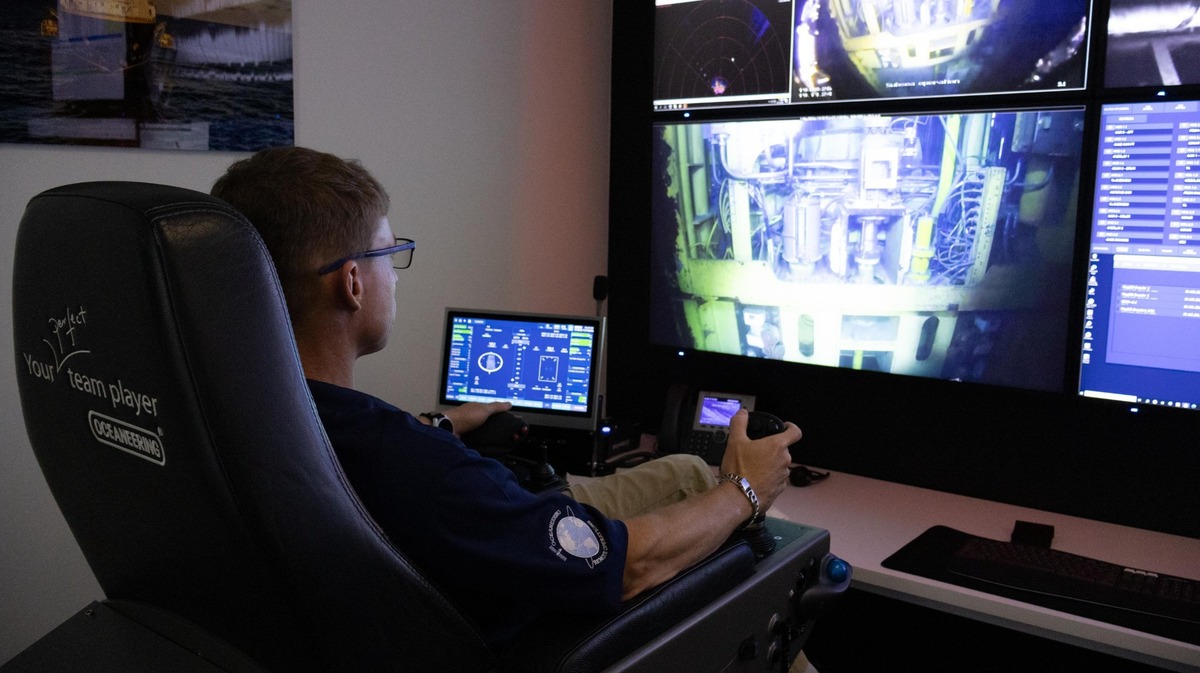
Oceaneering International, Inc. has announced its status as an authorized Starlink reseller, broadening its digital solutions for offshore and industrial clients. This move allows Oceaneering to integrate Starlink's connectivity into its offerings, enhancing operational continuity in remote environments. The significance of this development lies in the critical role reliable connectivity plays in modern offshore operations. By offering Starlink as part of its digital solutions, Oceaneering aims to improve data access, remote collaboration, and operational visibility for its customers, thereby supporting informed decision-making. Looking ahead, Oceaneering's expanded connectivity options will cater to various applications, including remote monitoring and technical support. No further timeline was disclosed at the time of publication.
oceaneering digital operations starlink
Starlink's Manufacturing Operations: Key Figures and Supply Chain Insights for 2026
Starlink operates two of the highest-volume manufacturing facilities in the space sector, producing approximately 70 satellites weekly in Redmond, Washington, and around 15,000 user terminals daily in Bastrop, Texas. These figures were disclosed in SpaceX's IPO filing, highlighting the scale of Starlink's operations. This information is significant as it positions Starlink not merely as a space venture but as a consumer electronics manufacturer with a unique supply chain. The Redmond facility is among the highest-volume spacecraft factories historically, with production figures vastly exceeding competitors like Amazon's satellite constellation. Looking ahead, Starlink plans to double its terminal production capacity in 2026, supported by a substantial state grant. The focus on in-house printed circuit board manufacturing has also allowed for cost reductions and increased resilience against tariffs, marking a pivotal shift in the supply chain dynamics for consumer electronics in the space industry.
SpaceX Launches Starmind Project for 1 Million AI Satellites by 2028
SpaceX has officially named its orbital AI infrastructure project 'Starmind,' which aims to deploy a constellation of up to 1 million satellites. This initiative, confirmed by Elon Musk on June 22, 2026, will enable AI inference directly in space, utilizing solar energy rather than terrestrial power sources. The first satellite, designated AI1, was unveiled on June 8, 2026, and is designed to operate in sun-synchronous orbits. The significance of Starmind lies in its potential to overcome the limitations faced by ground-based data centers, such as land, power, and water constraints. By running AI computations in orbit, Starmind can provide a more efficient solution to the growing demand for AI computing power. The project leverages the existing Starlink infrastructure for data transmission, distinguishing its function from Starlink's internet relay capabilities. Looking ahead, SpaceX plans to begin hardware deployment with the AI1 satellite, while full-scale production and deployment of the satellite constellation are targeted for 2028. As of now, no Starmind satellites have been launched, and further engineering challenges remain to be addressed, particularly regarding the scalability of the satellite design.

SpaceX's Starmind Project: Supplier Strategy and Chip Manufacturing Plans for 2026
SpaceX's Starmind project, aimed at deploying up to 1 million AI satellites, was filed with the FCC on January 30, 2026. The initiative is designed to minimize reliance on external suppliers, with CEO Elon Musk stating that current chip production capabilities only meet 2% of the projected needs. The first satellite, AI1, is set for prototype launches in early 2027, featuring a 70-meter wingspan and a modular payload system that allows for interchangeable chips from various suppliers. The significance of Starmind lies in its ambitious supply chain strategy, which seeks to transition from external hardware suppliers to a fully integrated Musk-owned facility by 2028. The Gigasat manufacturing site in Bastrop, Texas, is expected to be operational by the end of 2027, with plans for high-volume production of the D3 chip, specifically designed for space applications. This approach aims to consolidate chip manufacturing processes under the Terafab joint venture, which has an estimated initial investment of $55 billion. Looking ahead, the next milestone for Starmind is the launch of AI1 prototypes in early 2027, while the full-scale chip production at Terafab is projected to ramp up significantly thereafter. However, analysts express skepticism regarding the feasibility of achieving Musk's ambitious compute goals, which may require substantial investment and time to establish the necessary manufacturing capabilities.

SpaceX's Starmind Plans 1 Million AI Satellites Amid Collision Risks
SpaceX has announced its ambitious Starmind project, which aims to deploy 1 million AI satellites in orbits between 500 and 2,000 km. This initiative, confirmed by Elon Musk on June 23, 2026, follows a merger with xAI, valuing the combined entity at $1.25 trillion. The satellites will function as orbital data centers, processing AI workloads powered by solar arrays and linked by optical lasers. The significance of Starmind lies in its potential to add 100 gigawatts of AI compute capacity annually, contingent on the successful operation of the Starship launch system. However, the project raises concerns regarding space debris, as the current orbital environment is already congested, with a 20% increase in collision risk reported since 2024. The European Space Agency has highlighted that the density of debris in low Earth orbit is now comparable to that of active satellites, complicating the operational landscape for new entrants like Starmind. Looking ahead, the first operational orbital AI deployments are targeted for 2028, with test launches expected in early 2027. However, the project faces scrutiny regarding its impact on space debris, as even a 1% failure rate could significantly increase the number of uncontrollable objects in orbit, exacerbating existing risks. No further timeline was disclosed at the time of publication.

Tesla's Optimus Robots to Support Starmind Satellite Production, Not Maintenance
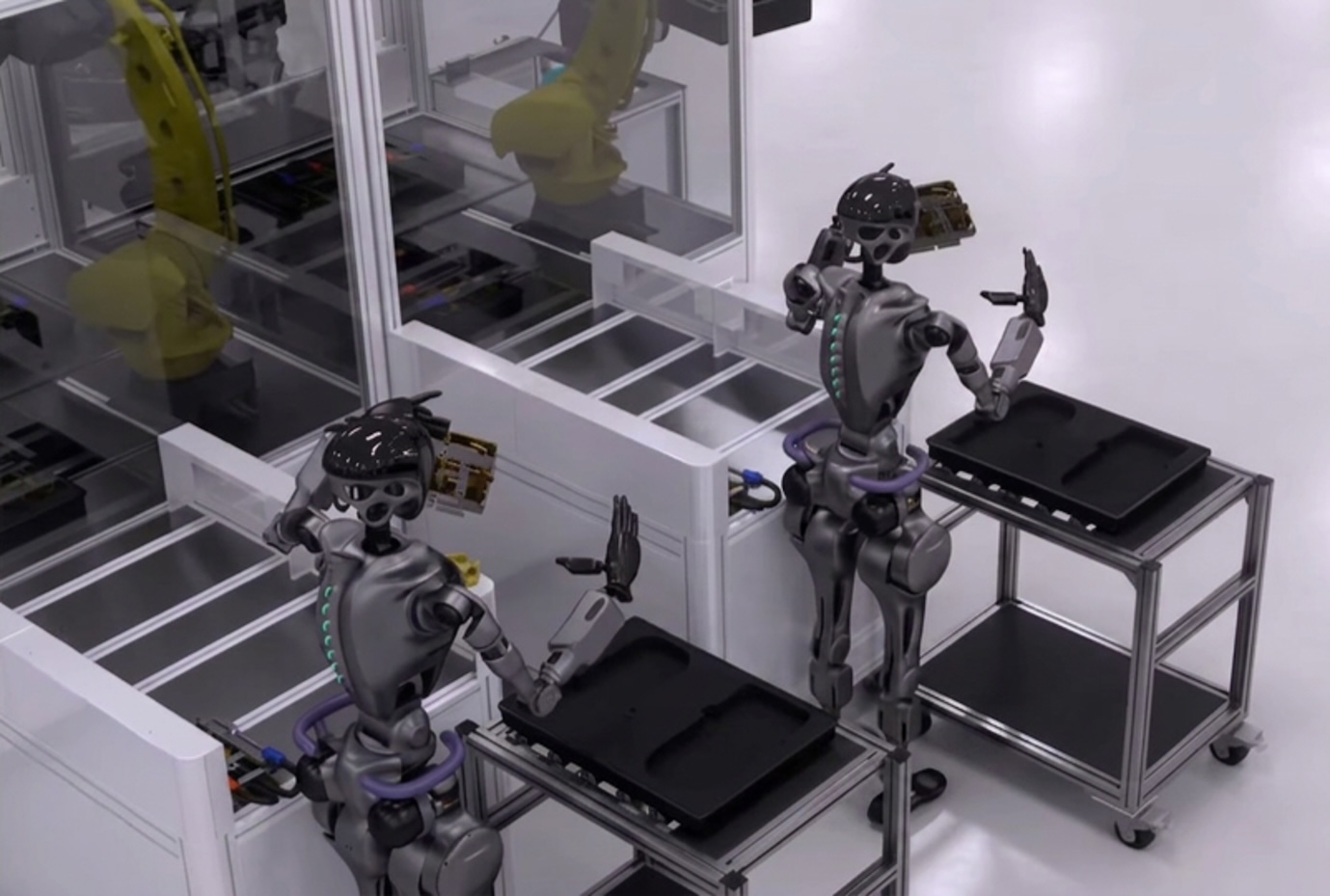
Tesla's Optimus robots will not be used to repair Starmind satellites in orbit, as confirmed by recent statements from Elon Musk. Instead, these robots are intended to assist in the construction and operation of the Terafab chip manufacturing facility in Texas. The AI1 satellites, designed to disintegrate upon reentry, highlight the company's swap-and-replace strategy rather than traditional maintenance practices. This approach is significant as it reflects a broader trend in satellite management, where mass-produced satellites are replaced rather than repaired. The economics of servicing missions are prohibitive, with the cost of launching a replacement satellite being significantly lower than conducting a repair mission. This model aligns with SpaceX's operational history, where rapid replacement of satellites is more efficient than attempting to maintain them in orbit. Looking ahead, the focus will remain on the production capabilities of the Gigasat factory, which is expected to support the continuous replacement of satellites. No further timeline was disclosed at the time of publication, but the demand for rapid satellite turnover suggests a robust future for Optimus robots in terrestrial manufacturing rather than in-space servicing.
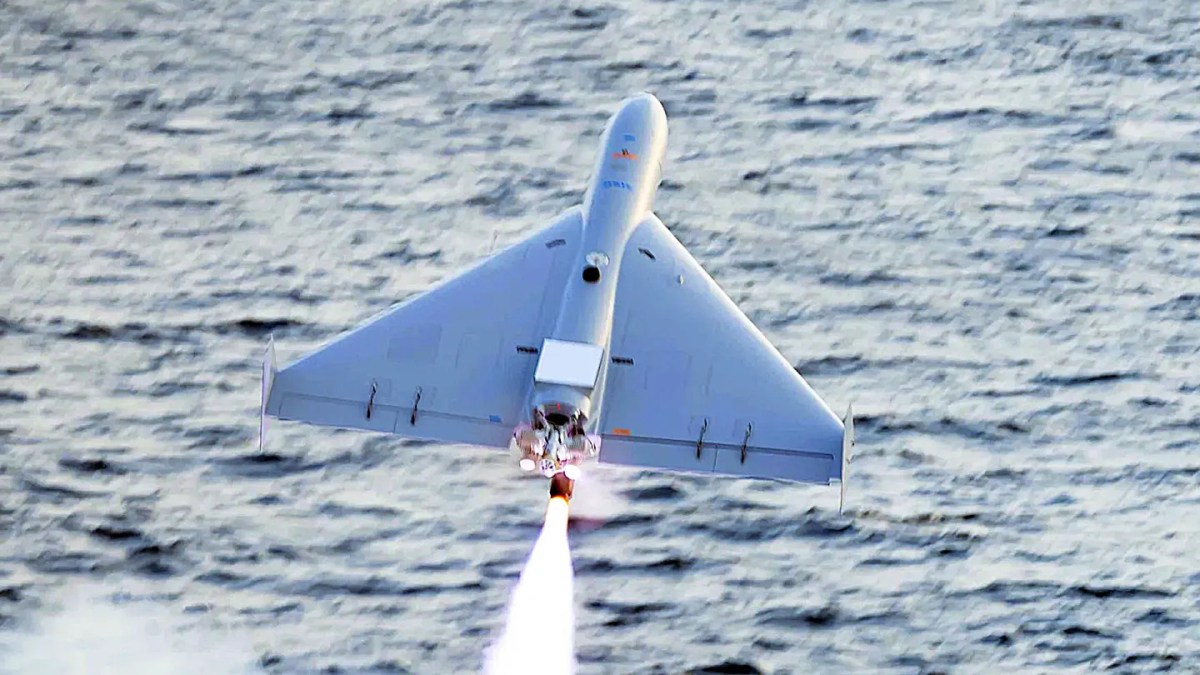
Cost To Link LUCAS Kamikaze Drones To Starlink Highlights Pentagon’s Ever-Growing Dependence On SpaceX
The Pentagon has responded to concerns regarding significant increases in fees associated with linking LUCAS kamikaze drones to SpaceX's Starlink satellite network. Despite the pushback on these reports, the military's reliance on SpaceX's technology has become increasingly crucial for U.S. operations. This situation underscores the growing dependence of the Pentagon on private aerospace companies for essential services and capabilities in modern warfare. The ongoing integration of commercial satellite systems into military operations highlights the evolving landscape of defense logistics and technology.
News & Features Air Airborne Communications Drones Unmanned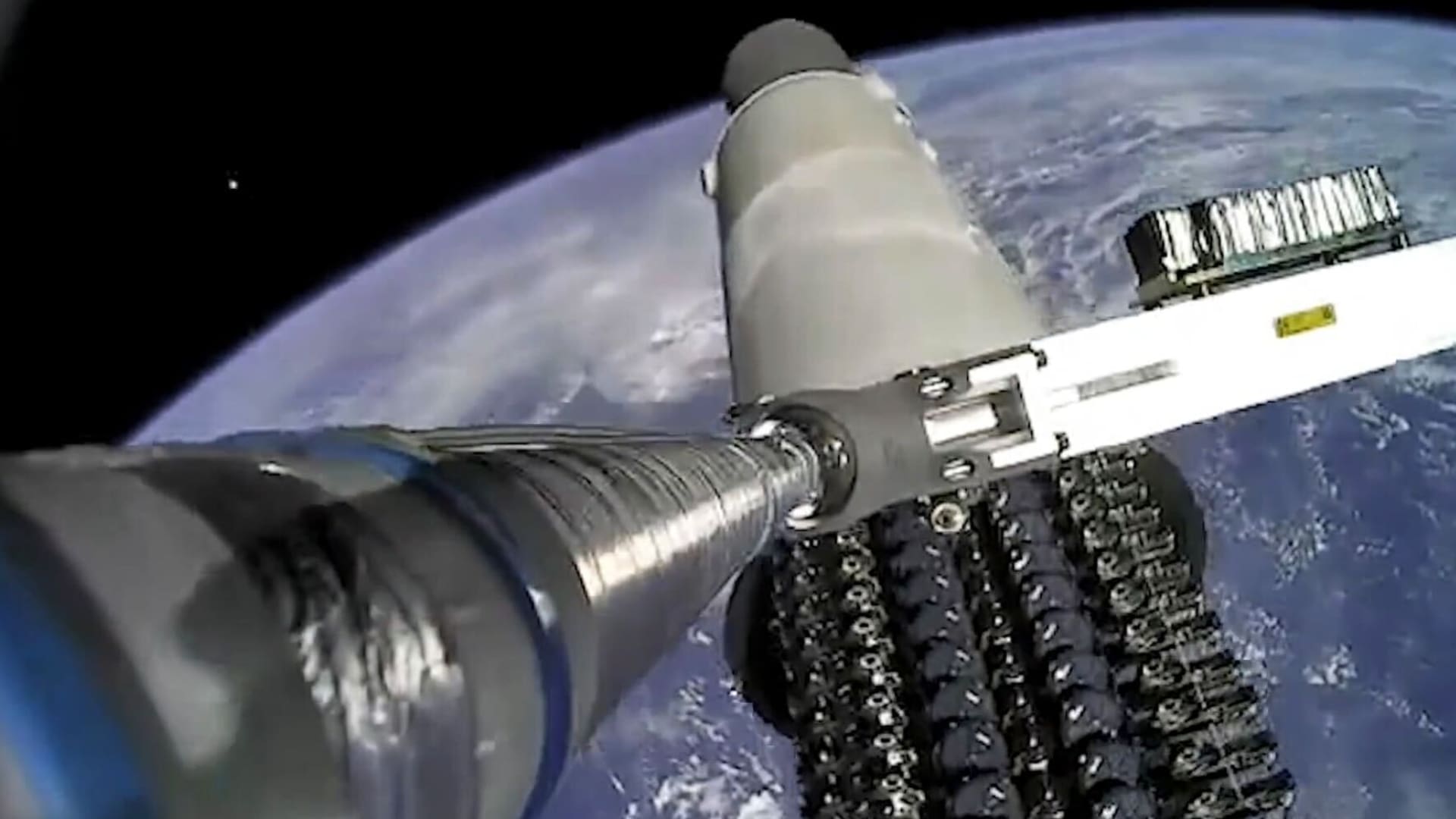
SpaceX is heavily reliant on Starlink for growth and profit as it marches toward Nasdaq listing
SpaceX has highlighted the critical role of its Starlink satellite internet service in its initial public offering (IPO) prospectus, emphasizing the service's significance to the company's overall operations. The prospectus, released recently, outlines how Starlink not only supports SpaceX's revenue streams but also positions the company for future growth in the competitive telecommunications market. By detailing the advancements and potential of Starlink, SpaceX aims to attract investors by showcasing its innovative approach to providing global internet coverage. The emphasis on Starlink reflects the company's strategy to leverage its technological advancements to enhance its market presence and financial stability as it prepares for the IPO.
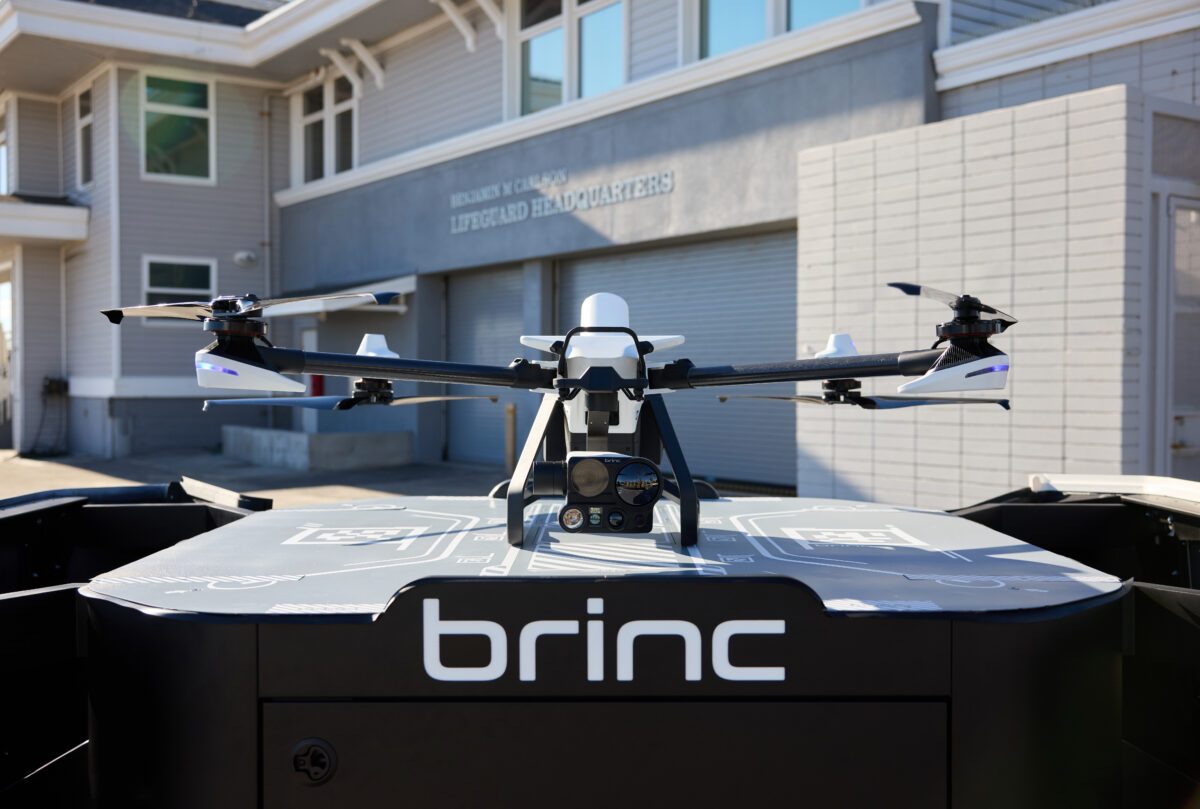
What Starlink Actually Changes for Police Drones: A Look at BRINC’s Guardian
At the recent Motorola Solutions Summit, Blake Resnick discussed the innovative capabilities of BRINC's new Guardian drone, which features integrated Starlink satellite connectivity. This advancement is poised to significantly enhance police drone operations by providing improved connectivity, redundancy, and extended range. The integration of Starlink technology could reshape how law enforcement agencies utilize drones in real-world scenarios, allowing for more effective responses in critical situations. As public safety continues to evolve, the Guardian drone represents a potential new standard for first responders, leveraging cutting-edge technology to meet the demands of modern policing.
Applications DL Exclusive Drone News Drone News Feeds Drones in the News Featured – Safety and SecurityRobotics needs a service framework.
RSF defines a common language for robot service capability, lifecycle operations, certification pathways, and service-provider networks.
Join the RobotToday community on LinkedIn
Daily robotics news, in-depth analysis, conference highlights, and discussions with professionals worldwide.