Industry Briefing
A single destination for timely, editor-curated robotics news from around the world.
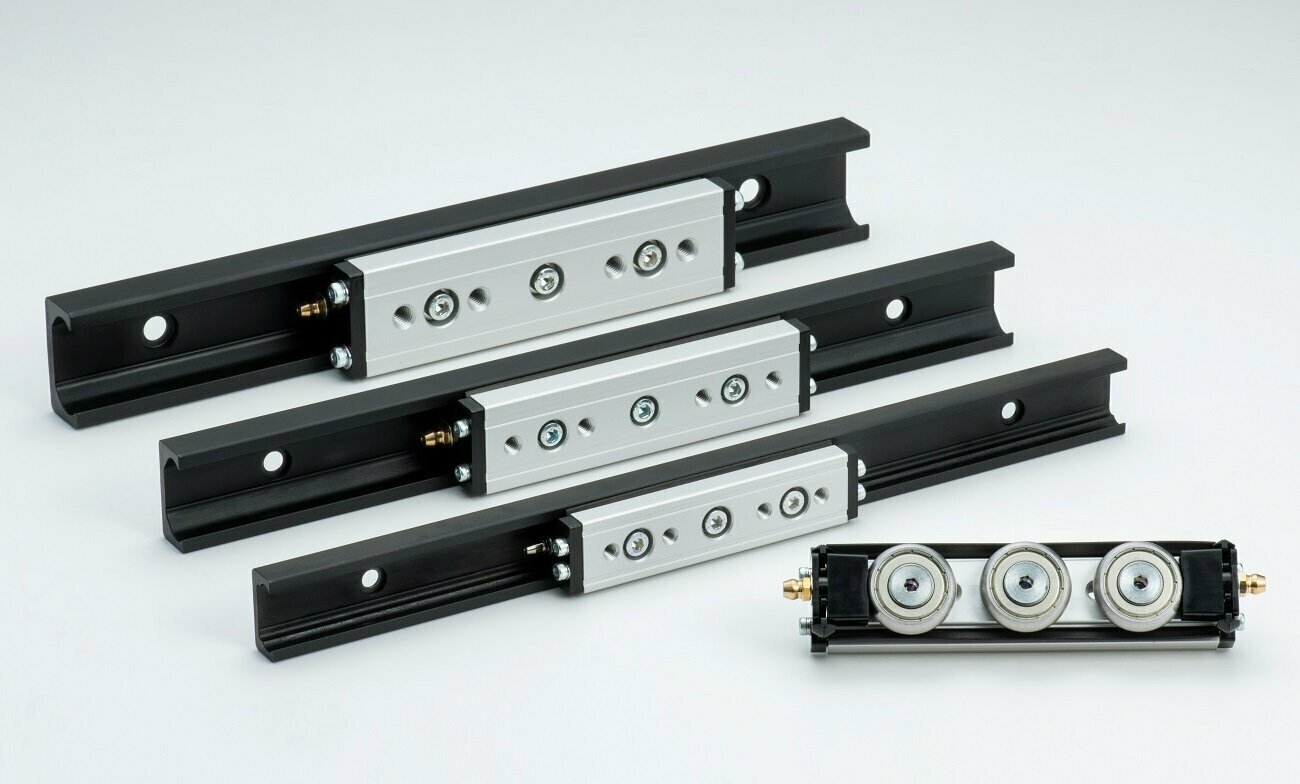
Utility Slide Advanced Wheel Guide Lineup Expanded with New Compact Model AWG18
THK, a leading manufacturer of mechanical components, has announced its ongoing commitment to innovation and quality in the production of various products, including Linear Motion systems, LM Guides, Ball Splines, Ball Screws, and electric actuators. The company serves a global clientele, providing essential components for a wide range of industries. In addition to its core mechanical offerings, THK also specializes in the development and distribution of mechatronics products, automobile parts, and advanced seismic isolation systems. This strategic focus on diverse product lines aims to enhance operational efficiency and safety in various applications, reflecting THK's dedication to meeting the evolving needs of its customers worldwide.
THK Linear Motion LM Guides Linear bearing Linear Guide Ball Splines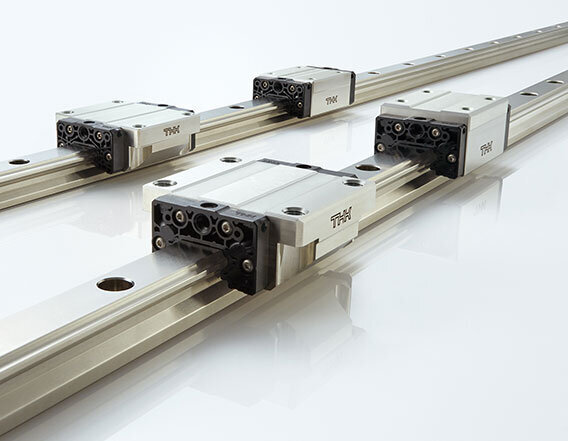
The Low-Magnetic Permeability LM Guide Model HSR-M3: Consistent, Accurate Linear Motion Even in Strong Magnetic Fields
THK, a leading manufacturer of mechanical components, has announced its ongoing commitment to innovation and quality in the development of its products, which include Linear Motion systems, LM Guides, Ball Splines, Ball Screws, and electric actuators. The company serves a global clientele, providing essential components for various industries. In addition to its core offerings, THK also specializes in mechatronics products, automobile parts, and seismic isolation systems. This strategic focus on diverse product lines aims to meet the evolving needs of customers worldwide and enhance operational efficiency across multiple sectors. As of October 2023, THK continues to leverage advanced manufacturing techniques to ensure the reliability and performance of its products, reinforcing its position as a key player in the mechanical components market.
THK Linear Motion LM Guides Linear bearing Linear Guide Ball Splines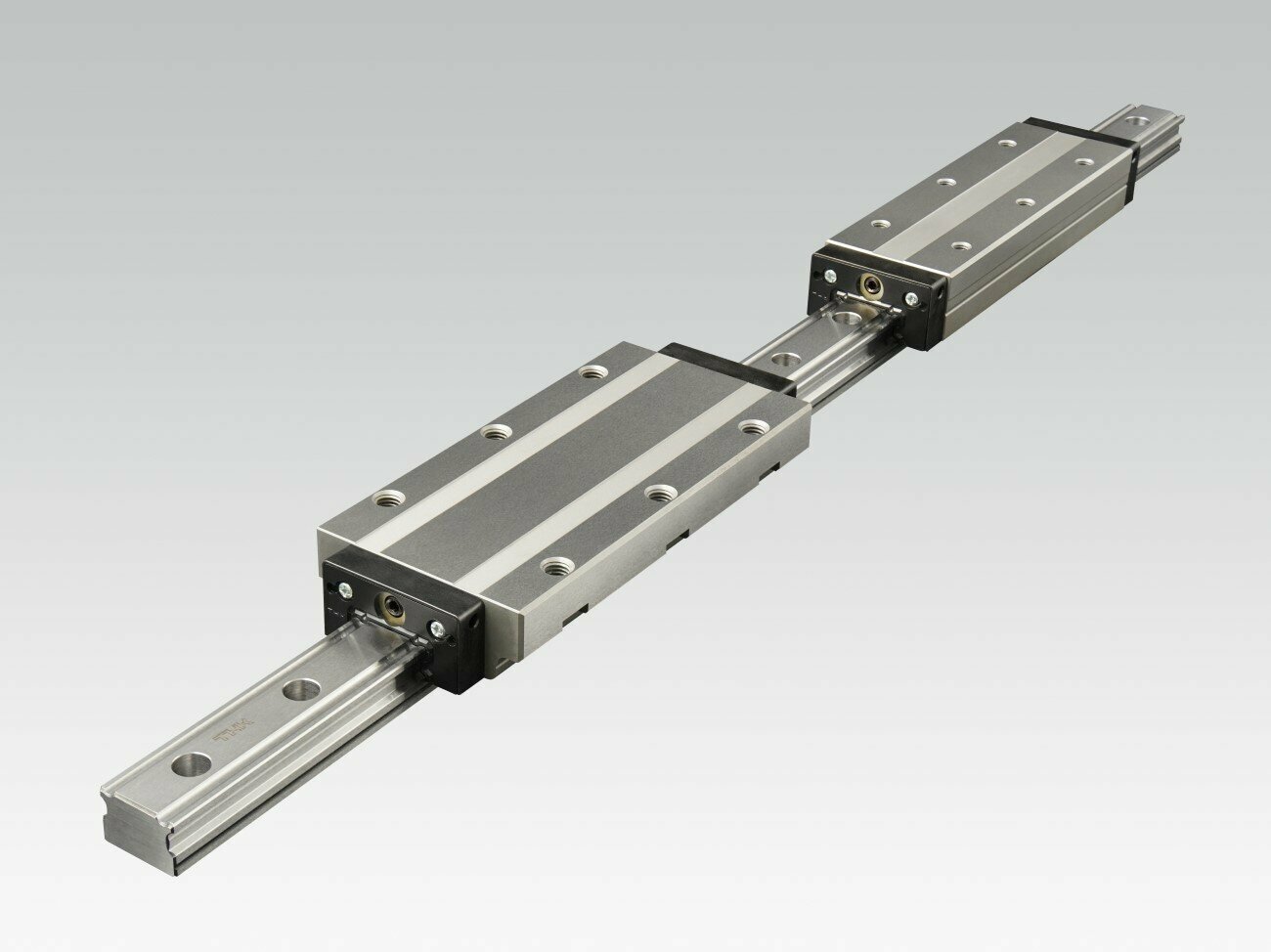
Expanded Lineup of Super-Heavy Load LM Guide Model NR-X/NRS-X for Machine Tools: 24 Super-Long Block Model Types Added
THK, a leading manufacturer of mechanical components, has announced its ongoing commitment to innovation and quality in the production of essential technologies. The company specializes in the development and manufacturing of a wide range of products, including Linear Motion systems, LM Guides, Ball Splines, Ball Screws, and electric actuators. With a global client base, THK also focuses on mechatronics products, automotive parts, and seismic isolation systems. This strategic expansion aims to meet the growing demand for advanced mechanical solutions across various industries. By leveraging cutting-edge technology and engineering expertise, THK continues to enhance its product offerings, ensuring they remain at the forefront of the mechanical components market.
THK Linear Motion LM Guides Linear bearing Linear Guide Ball Splines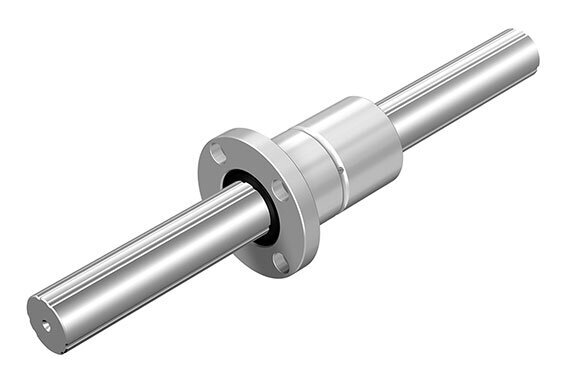
Medium-Torque Ball Spline Model LF Product Lineup Expanded with New Models LF80 and LF100
THK, a leading manufacturer of mechanical components, has announced its ongoing commitment to innovation and quality in the development of various products, including Linear Motion systems, LM Guides, Ball Splines, Ball Screws, and electric actuators. Serving clients globally, the company also specializes in mechatronics products, automobile parts, and seismic isolation systems. With a focus on meeting the diverse needs of its customers, THK continues to enhance its product offerings and expand its market reach as of October 2023.
THK Linear Motion LM Guides Linear bearing Linear Guide Ball Splines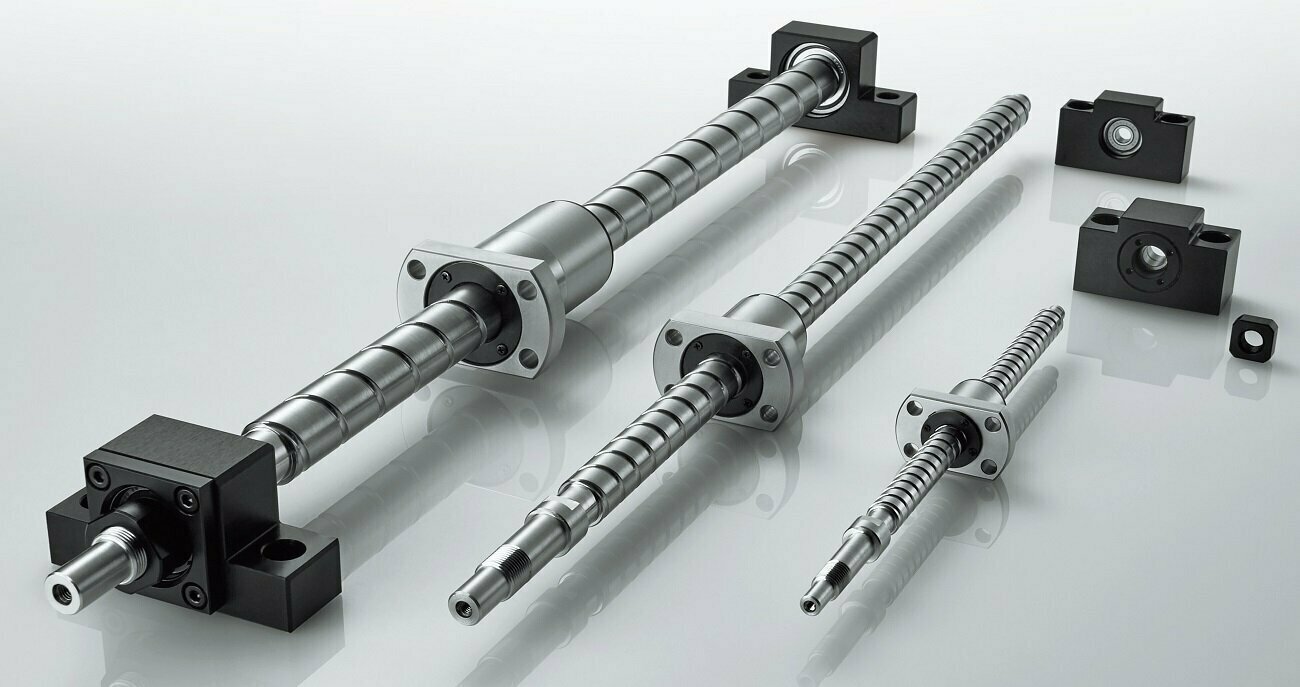
Precision Ball Screw with Finished Shaft Ends Model SDA-VZ Lineup
THK, a leading manufacturer of mechanical components, has announced its ongoing commitment to innovation and global distribution. The company specializes in products such as Linear Motion systems, LM Guides, Ball Splines, Ball Screws, and electric actuators, catering to a diverse clientele worldwide. In addition to these offerings, THK also develops and distributes a range of mechatronics products, automobile parts, and seismic isolation systems. This strategic focus on advanced manufacturing and product diversity positions THK as a key player in the mechanical engineering sector, responding to the evolving needs of industries around the globe.
THK Linear Motion LM Guides Linear bearing Linear Guide Ball Splines
Key Considerations for Robotics Manufacturers Ensure Secure Connected Systems
In a recent discussion among technology experts, the importance of integrating security into the design of modern robotic platforms was emphasized. The experts highlighted that security should be a foundational principle, advocating for the implementation of architectural controls that promote least-privilege execution. This approach ensures that each component of the system operates with the minimum level of access necessary, thereby reducing potential vulnerabilities. Additionally, strong isolation between system components was recommended to prevent breaches from spreading across the platform. The experts also stressed the need for robust fault containment measures to protect against failures that could compromise the system's integrity. This dialogue took place in October 2023, reflecting a growing awareness of the critical role that security plays in the development of advanced robotics. The motivation behind these recommendations is to enhance the resilience of robotic systems against cyber threats and operational failures, ensuring safer and more reliable technology in various applications.

Microsoft announces customizable isolation environment "Microsoft Execution Containers" for AI agents, compatible with OpenClaw.
Microsoft has unveiled a new customizable isolated environment for AI agents, known as Microsoft Execution Containers (MXC). This announcement was made recently as part of the tech giant's ongoing efforts to enhance AI development and deployment capabilities. The MXC aims to provide developers with a secure and flexible platform to create and manage AI applications, ensuring that they can operate independently while maintaining high levels of performance and security. By offering this innovative solution, Microsoft seeks to address the growing demand for robust AI systems that can be tailored to specific needs, thereby facilitating more efficient and effective AI integration across various industries.
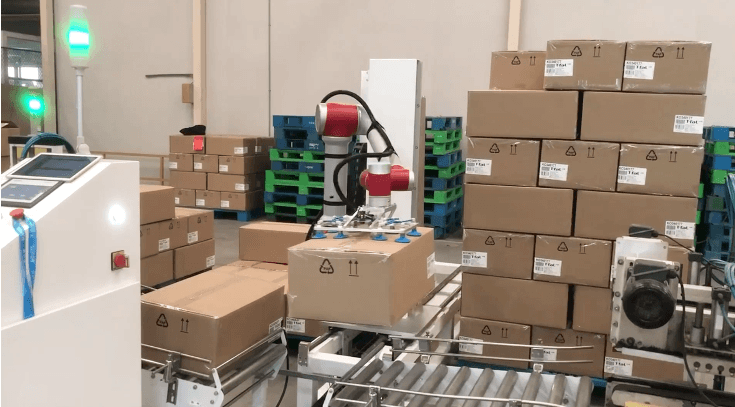
Optimizing Reach and Payload: Choosing the Right Robot Arm Type for Palletizing
JAKA, a leader in industrial automation, is addressing the challenges of palletizing efficiency for manufacturers by offering tailored solutions that optimize robot arm selection. The company highlights the importance of balancing reach, payload, and precision in selecting the right industrial robot arm, particularly in environments with limited space. By understanding the specific operational needs of manufacturers, JAKA aims to enhance palletizing performance without disrupting existing production layouts. The JAKA Zu12 robot arm, designed for versatility, features a payload capacity of 12 kg and a reach of 1327 mm, making it suitable for various palletizing tasks and finishing processes like polishing and grinding. Its innovative design allows for close collaboration between operators and machines, eliminating the need for isolation fences and enhancing safety. The robot's integrated joint design simplifies installation and maintenance, while its stable motion control ensures consistent processing accuracy, reducing defects during palletizing operations. As manufacturers face evolving production demands, JAKA emphasizes the importance of selecting adaptable automation systems. The JAKA Zu12 can accommodate different pallet patterns and product dimensions, allowing for seamless integration into existing workflows and future upgrades. By aligning technical specifications with real-world application needs, JAKA is committed to providing practical and flexible palletizing solutions that enhance productivity and minimize operational risks.

Opinion: The AI infrastructure risk robotics leaders can’t afford to ignore
The robotics industry is experiencing a significant transformation, marked by advancements in autonomous mobile robots that are now navigating warehouses with enhanced precision and intelligence. As of October 2023, industrial robots are evolving to become smarter and more adaptable, while AI-powered vision systems are revolutionizing sectors such as manufacturing, logistics, and defense. This surge in technological capabilities is driven by the increasing demand for efficiency and automation across various industries, highlighting the critical role of innovation in shaping the future of robotics.
Aircraft Artificial Intelligence Engineering Features AI deployment AI infrastructure
The History and Development of Collaborative Robot Technology
The landscape of robot technology is undergoing a significant transformation, shifting from isolationist industrial automation to a more integrated approach that emphasizes collaboration. Traditionally, industrial robots were powerful machines confined behind barriers, posing safety risks to human workers due to their lack of environmental awareness. However, the introduction of collaborative robots has marked a pivotal change, focusing on safety, flexibility, and shared workspaces. This evolution began in the late 1990s, with early research aimed at creating machines that assist rather than replace humans. Innovations such as power and force limiting (PFL) technology have enabled robots to detect external resistance and respond accordingly. As sensor technology advanced, robots became capable of perceiving their surroundings through sophisticated sensors and vision systems. Modern robotic systems now prioritize user-friendly programming, allowing small manufacturers to implement advanced automation without the need for specialized engineers. This shift has made collaborative robots essential for high-mix, low-volume production environments, where rapid re-tasking is crucial for competitiveness. JAKA Company, established in 2014, is at the forefront of this technological shift. The company’s name reflects its commitment to pushing the boundaries of collaborative robotics. JAKA has developed the A series of robots, designed for high-speed and precision tasks in various industries, including automotive and pharmaceuticals. With a repeatability of ±0.02 mm, these robots ensure high-quality performance in delicate operations. By adopting JAKA's technology, manufacturers can streamline their processes and reduce setup costs, reinforcing the company's mission to empower the future of global manufacturing.
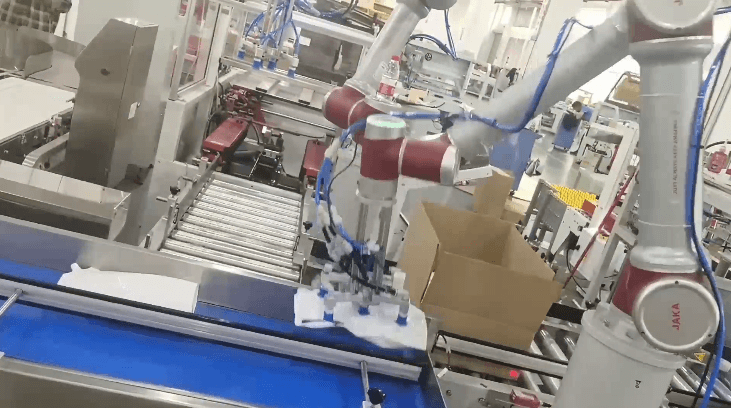
The Role of Collaborative Robots in the Future of Smart Factory Automation
As smart factories evolve, JAKA highlights a significant shift towards collaborative automation, where robots work alongside human operators rather than in isolation. This transition is driven by the need for flexible automation solutions that can adapt to changing production demands. Collaborative robots, designed for shared workspaces, assist in repetitive and precision-critical tasks, allowing manufacturers to respond swiftly to variations in product designs and smaller batch sizes without extensive reconfiguration of production lines. A notable example of this collaborative approach is the JAKA Zu7, engineered for automated screwdriving tasks that require high accuracy and stability. With adjustable torque settings tailored to specific product needs, the Zu7 ensures consistent assembly quality while integrating seamlessly into existing manufacturing processes. This capability enhances operational efficiency and quality control, reducing manual strain on workers. The integration of collaborative robots into broader automation systems is crucial for maintaining production rhythm and scalability. By combining human oversight with automated precision, these robots contribute to a balanced and sustainable production environment. JAKA envisions collaborative robot technology as essential for creating adaptable, people-centered automation systems that evolve with the manufacturing landscape, reinforcing the importance of collaboration in the future of smart factory automation.
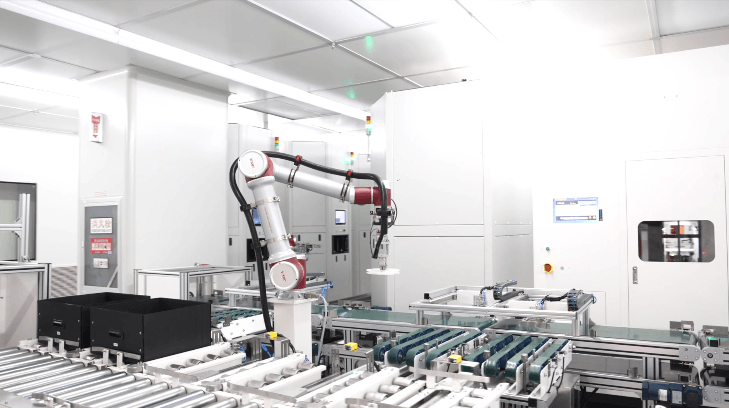
Optimizing Cycle Time with High-Speed Pick and Place Robots for Packaging
JAKA, a supplier of collaborative robots for packaging manufacturers, is enhancing cycle time optimization in packaging operations through advanced automation systems. By focusing on the reliable management of motion, speed, and coordination, JAKA aims to balance throughput with stability in repetitive handling tasks. The company’s high-speed pick and place robots are designed to address constraints such as acceleration limits and positioning accuracy, ultimately improving efficiency in carton loading, tray packing, and sorting. The deployment of JAKA's Zu5 robot, which supports a 5 kg payload and has a reach of 954 mm, is particularly beneficial for compact packaging cells where space is limited. Its integrated joint design allows for quick assembly and disassembly, reducing downtime during line reconfigurations. This collaborative robot system operates safely alongside human workers without the need for isolation fences, facilitating rapid deployment and adaptability to changing production conditions. By integrating these high-speed robots into existing workflows, JAKA is helping packaging lines achieve shorter idle times and stable throughput, ultimately optimizing cycle times. The company emphasizes that successful cycle time reduction is not solely about increasing speed but also about how well automation adapts to real-world operational challenges. Through their innovative solutions, JAKA is enabling packaging manufacturers to enhance operational efficiency while fostering effective collaboration between humans and robots.
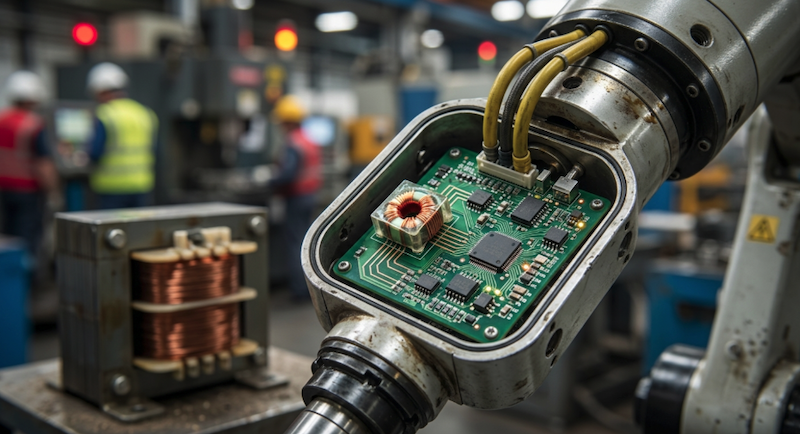
The Small Component Problem Behind More Reliable Industrial Robots
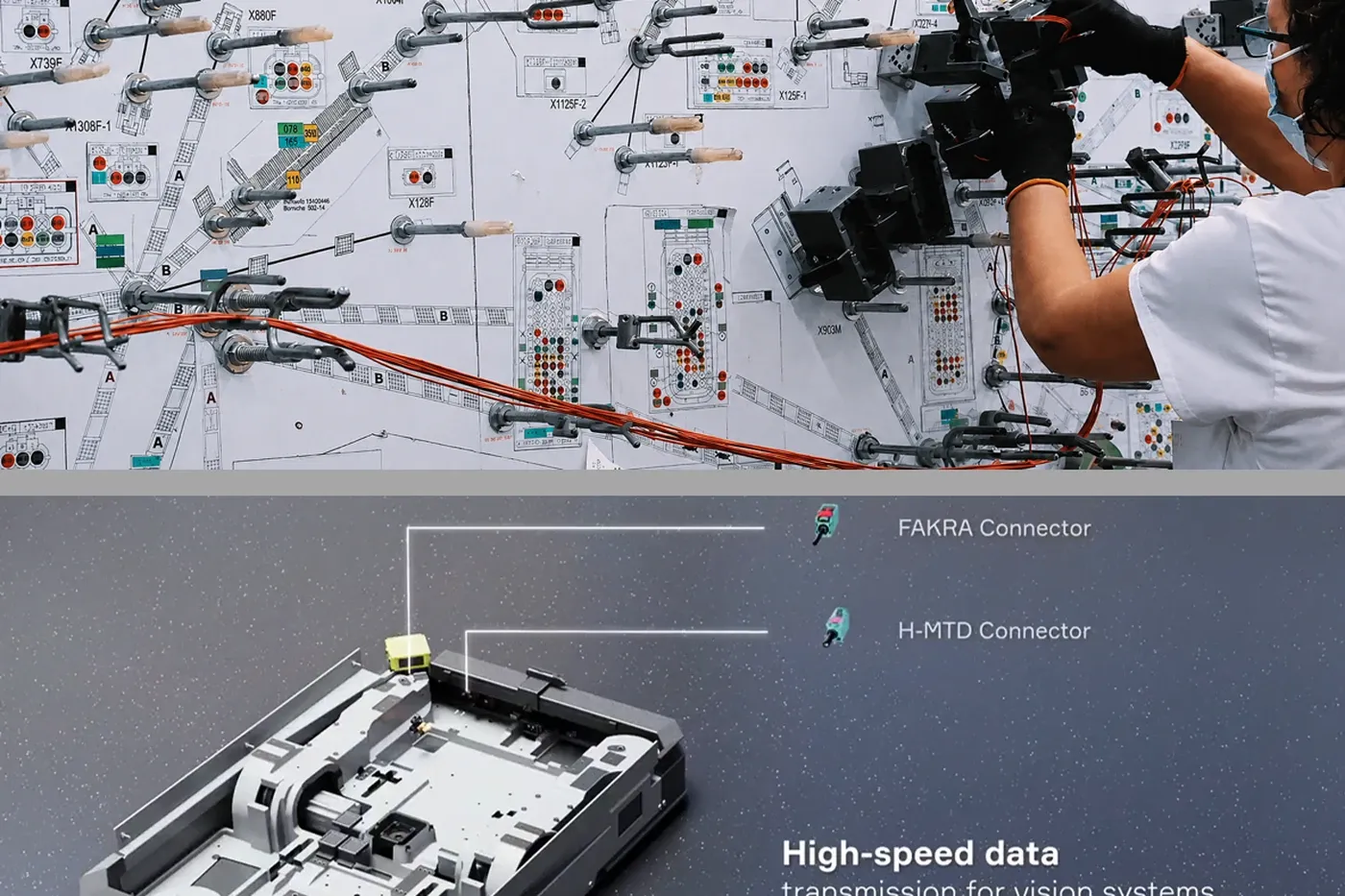
In a groundbreaking development for the manufacturing industry, advanced automation technology is transforming assembly lines and semiconductor packaging facilities. A robotic arm, capable of executing movements with sub-millimeter precision at an impressive rate of 300 cycles per minute, is at the forefront of this innovation. These robotic systems are enhanced by machine vision technology, remote input/output blocks, and sensitive microcontrollers, allowing for seamless coordination and efficiency in production processes. This technological advancement is taking place in various industrial settings, where multiple machines share a common power source through an industrial rail system. The integration of heavy CNC machines into this grid further exemplifies the collaborative nature of modern manufacturing, where precision and speed are paramount. The motivation behind this shift towards automation is to increase productivity and reduce human error in manufacturing processes. By leveraging sophisticated robotics and interconnected systems, companies aim to streamline operations and enhance overall output. As industries continue to adopt these cutting-edge technologies, the future of manufacturing looks increasingly automated and efficient, promising significant advancements in production capabilities.
Components Design Engineering Industrial robots amrs automation newsRobotics needs a service framework.
RSF defines a common language for robot service capability, lifecycle operations, certification pathways, and service-provider networks.