Industry Briefing
A single destination for timely, editor-curated robotics news from around the world.
Humanoid Robotics Momentum: London and Shanghai Host Major Industry Summits Concurrently
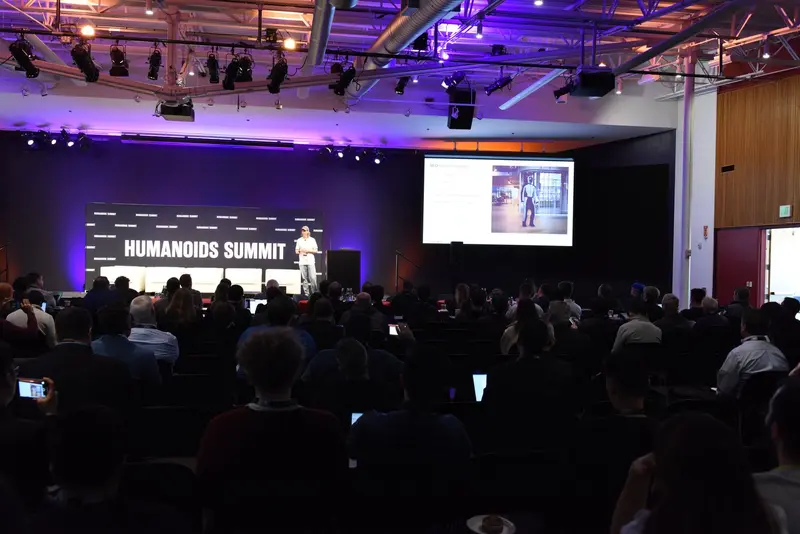
On May 29-30, 2025, two significant robotics events are set to occur concurrently in London and Shanghai, marking a pivotal moment in the humanoid robotics sector. The Humanoids Summit in London will convene industry leaders to discuss mass production and investment strategies, aiming to drive economic growth and innovation in robotics. Meanwhile, the Embodied Intelligence Developer Conference in Shanghai will emphasize the importance of policy support, talent development, and practical applications, reflecting China's commitment to advancing humanoid robotics. This dual event highlights a global push towards accelerating advancements in humanoid technology, showcasing the diverse approaches taken by different regions to foster growth in this rapidly evolving field.
Unitree Robotics Neura Robotics kepler-robotics pollen-robotics AGIBOT hugging-face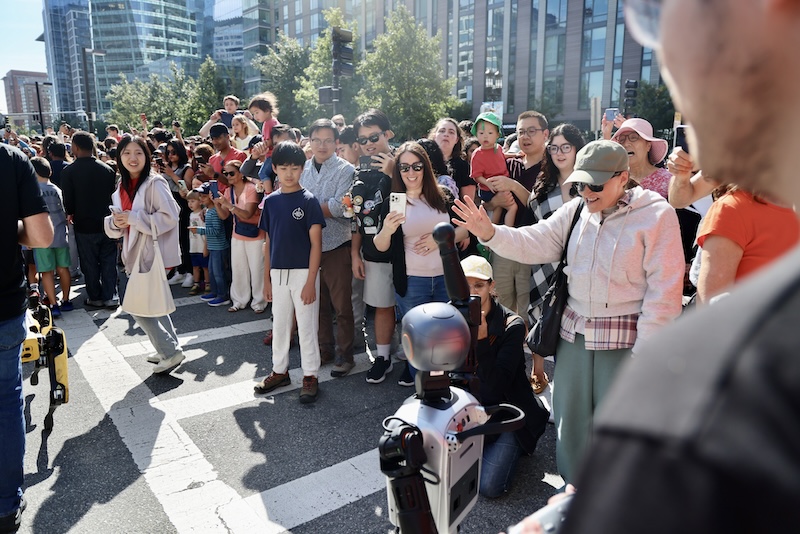
MassRobotics Launches Sponsorships for RoboBoston 2026 and AI Career Fair Announcement
MassRobotics has revealed plans for RoboBoston 2026, its ninth annual Robot Block Party, scheduled for September 26, alongside a Robotics & AI Technical Career Fair on September 25. The event will take place at Boston’s Seaport and is expected to host over 50 robotics companies, universities, and student teams, showcasing interactive exhibits and demonstrations. The significance of RoboBoston lies in its role in highlighting the region’s robotics ecosystem, uniting industry, academia, and students. Attendees will experience a variety of activities, including a Sidewalk Robot Parade and a ribbon-cutting ceremony, while exhibitors will present new technologies and research projects. MassRobotics has opened sponsorship opportunities, inviting organizations to support the event and promote STEM education and robotics innovation. Looking ahead, the Robotics & AI Technical Career Fair on September 25 aims to connect employers with technical talent in the robotics and AI sectors. Previous events have drawn over 800 job seekers, making it a valuable opportunity for both companies and candidates. No further timeline was disclosed at the time of publication.
Business Features ai careers artificial intelligence automation boston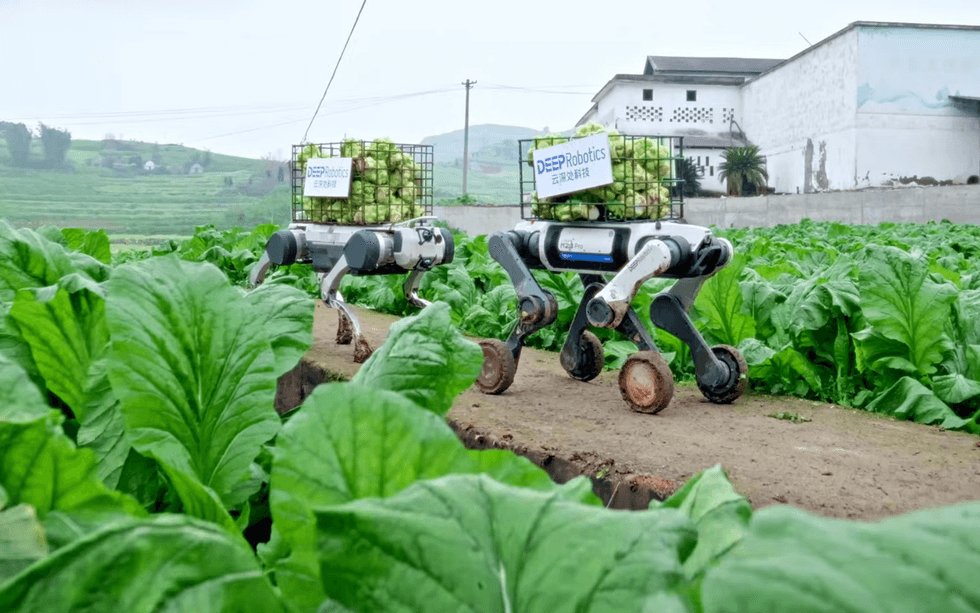
Video Friday: Robot Dogs Haul Produce From the Field
IEEE Spectrum's weekly feature, Video Friday, showcases a variety of innovative robotics videos and highlights upcoming robotics events, including the International Conference on Robotics and Automation (ICRA) scheduled for June 1-5, 2026, in Vienna. This week’s selection includes demonstrations of the Lynx M20 robots, which are designed to address the logistical challenges of transporting harvested crops in mountainous regions. Research from a collaboration between the Max Planck Institute for Intelligent Systems, the University of Michigan, and Cornell University reveals that magnetic microrobot swarms can manipulate larger objects without direct contact, showcasing their potential for complex tasks such as assembly and movement of small items. Meanwhile, Georgia Tech is investigating how bipedal robots can recover from balance loss in unpredictable environments, aiming to enhance their functionality in real-world applications. In a separate initiative, Carnegie Mellon University's TartanAUV team is refining their autonomous underwater vehicle, Osprey, in preparation for the annual RoboSub competition. Additionally, advancements in tilt-rotor aerial robots are being explored to improve control and maneuverability through reinforcement learning techniques. The feature also includes educational tools like the Astorino robot, designed for teaching robotics in schools, and discussions on the need for more realistic datasets for autonomous driving. Overall, the content reflects the ongoing evolution and application of robotics across various fields, emphasizing both technical advancements and educational initiatives.
Humanoid-robots Video-friday Swarm-robotics Quadruped-robots Farm-robots Bipedal-robots
Video Friday: Humanoid Robots Celebrate Spring
In the latest edition of Video Friday, IEEE Spectrum robotics highlights significant advancements in robotics and upcoming events. Among the featured developments, NASA's Perseverance rover has gained the ability to autonomously determine its location on Mars using a new technology called Mars global localization, which enhances its exploration capabilities. The rover utilizes an algorithm that compares panoramic images with orbital terrain maps, achieving location accuracy within 10 inches. Additionally, various robotics projects are showcased, including the progress of the Shiva robot in strawberry picking and the Corvus One for Cold Chain, designed to operate in extreme cold environments. The video series also includes insights into the rapid development of humanoid robots by the U.K.-based company Humanoid, which aims to create reliable and safe robots in increasingly shorter timeframes. Experts from institutions like Microsoft and Carnegie Mellon University discuss the future of human-robot collaboration and the challenges of scaling robot learning. As billions of dollars are invested in robotics, the potential for general-purpose humanoid robots appears closer than ever, promising to revolutionize interactions in both physical and digital realms. The weekly calendar of upcoming robotics events, including ICRA 2026 in Vienna, is also available for enthusiasts and professionals in the field.
Humanoid-robots Video-friday Agility-robotics Perseverance-rover Insect-robots Industrial-robotics
MIT and EPFL Develop Aerial-Aquatic Robot for Enhanced Environmental Studies
In a groundbreaking demonstration, two full teams of humanoid robots engaged in an 11-vs-11 soccer match at RoboCup 2026 in Incheon, South Korea, marking a significant milestone in robotic sports. This event showcased the advancements in humanoid robotics, with Tech United competing against IRIS, bringing the vision of robot soccer closer to reality. The significance of this event lies in its potential to drive interest and investment in humanoid robotics and AI technologies. As robots like Boston Dynamics' Atlas perform in front of large audiences, the market for humanoid robots in entertainment and practical applications is expected to grow. Additionally, the introduction of advanced robotic hands by 1X, featuring 25 degrees of freedom, highlights the ongoing evolution in dexterity and manipulation capabilities. Looking ahead, the next major robotics events include the Summer School on Multi-Robot Systems in Prague from July 29 to August 4, 2026, and IROS 2026 in Pittsburgh from September 27 to October 1, 2026. These gatherings will likely showcase further advancements in robotics and provide a platform for collaboration and innovation in the field. No further timeline was disclosed at the time of publication.
Video-friday Humanoids Robotics World-cup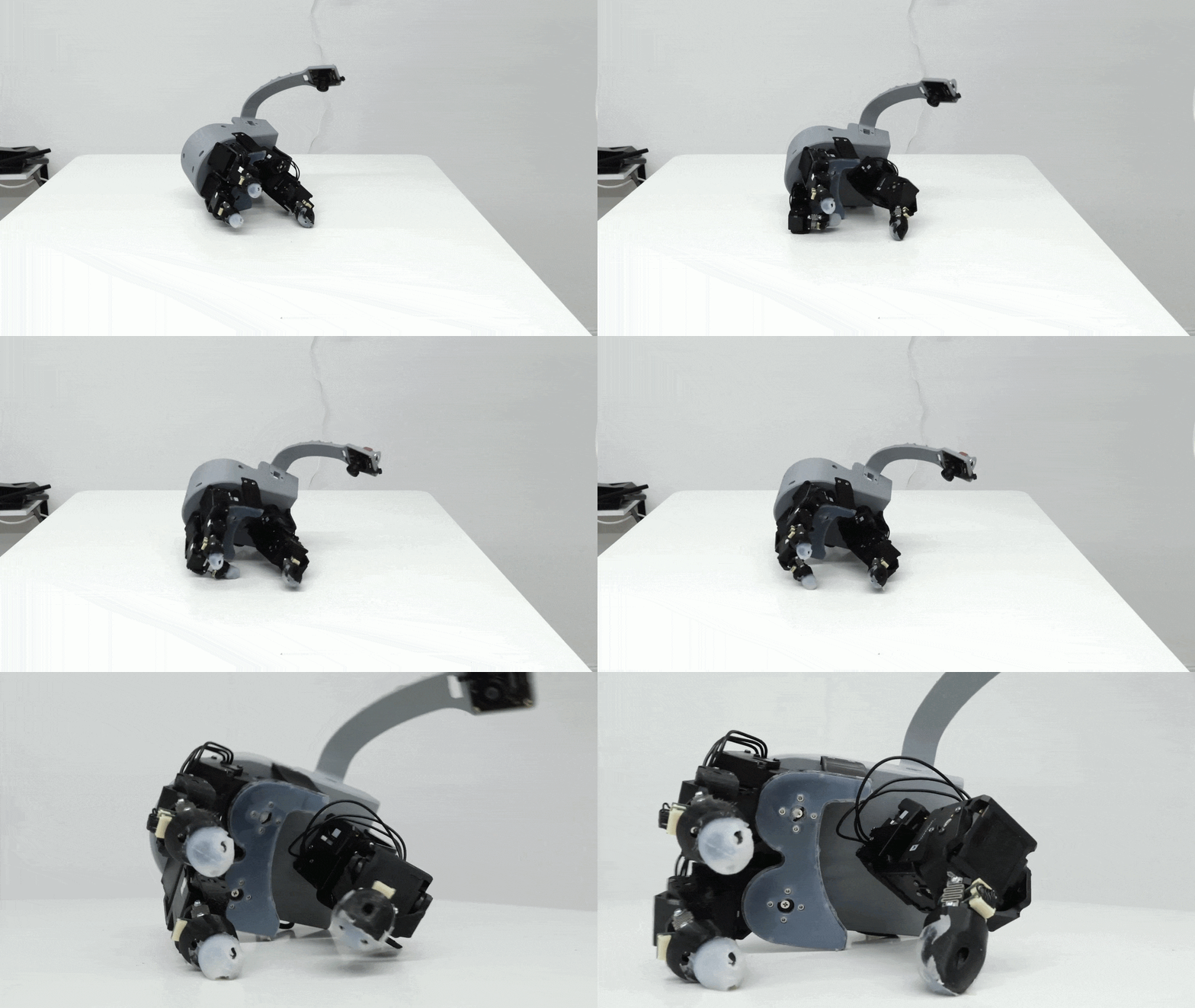
Video Friday: Give Robots a Hand
IEEE Spectrum robotics has released its latest edition of "Video Friday," showcasing a collection of innovative robotics videos along with a calendar of upcoming robotics events scheduled for 2026. The events include the RSS conference in Sydney from July 13-17, the Summer School on Multi-Robot Systems in Prague from July 29 to August 4, Actuate in San Francisco on August 18-19, and IROS in Pittsburgh from September 27 to October 1. Among the featured videos, Pulkit Agrawal from MIT CSAIL discusses his "SoftMimic" approach to enhancing robot safety around humans. The DARPA Lift Challenge, taking place from August 6-9 at the National Museum of the US Air Force, invites public participation. Notable demonstrations include Agility Robotics' Digit, which showcases advanced footstep planning to navigate obstacles, and DEEP Robotics' aggressive firefighting robot. Additionally, the potential for AI-driven robots to understand whale behavior and communication is explored by Harvard SEAS Professor Stephanie Gil. The edition also highlights discussions with Rodney Brooks, the creator of the Roomba, about the future of robotics. The content aims to engage the robotics community and stimulate interest in technological advancements and their applications.
Humanoid-robots Video-friday Robot-hands Quadruped-robots Robot-videos Firefighting-robots
Video Friday: Watch This Running Robot Not Fall Down Stairs
IEEE Spectrum robotics has released its latest edition of "Video Friday," showcasing a selection of impressive robotics videos and announcing upcoming robotics events scheduled for 2026. Notable events include RSS 2026 in Sydney from July 13-17, the Summer School on Multi-Robot Systems in Prague from July 29 to August 4, and Actuate 2026 in San Francisco on August 18-19. Among the featured videos, a humanoid robot from DEEP Robotics demonstrated remarkable recovery skills, raising questions about the role of luck in robotics. The DARoS Lab shared insights on their MPC-based balance controller, while Generative Bionics revealed their new robot, GENE01, designed and produced in just three months. A significant milestone was achieved by IHMC Robotics with their humanoid robot, Alex, which successfully took its first steps outdoors in preparation for a demonstration in Maryland. Flexiv Robotics introduced the Flexiv MICO, a compact dual-arm system designed for safe collaboration in various workspaces. Additionally, ICRA 2026 showcased CCRobot-S, a team of cable-climbing robots capable of collaboratively inspecting and maintaining bridge cables. Boston Dynamics provided a behind-the-scenes look at how their Atlas robot learned to play football, exploring the possibilities of robotics in sports without biological constraints. These developments highlight the rapid advancements in robotics technology and the ongoing exploration of their capabilities across diverse applications.
Humanoid-robots Video-friday Robot-arms Robot-videos Bipedal-robots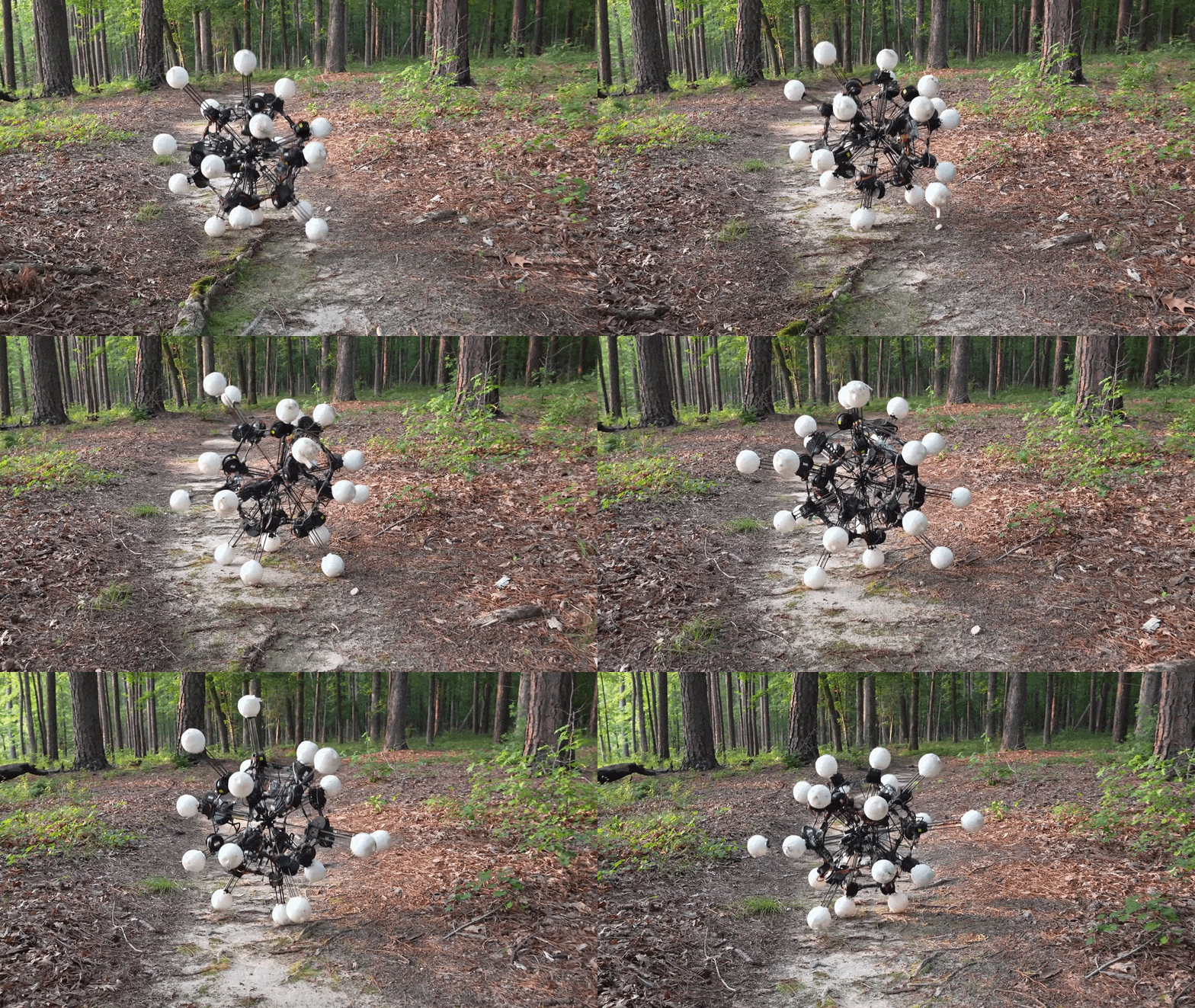
Video Friday: Extreme Omnidirectional Robot
IEEE Spectrum robotics has released its latest edition of "Video Friday," showcasing a variety of innovative robotics videos that highlight the growing integration of robots into daily life. The weekly roundup includes a calendar of upcoming robotics events, such as the International Conference on Robotics and Automation (ICRA) scheduled for June 1-5, 2026, in Vienna, and the Robotics Summer School on Multi-Robot Systems from July 29 to August 4, 2026, in Prague. Among the featured videos, one introduces the Eco-Score for Robots, a new framework aimed at assessing the environmental impact of robotic systems, akin to eco-labels in other industries. Another video demonstrates advancements in robotic manipulation, showcasing AthenaZero's ability to juggle using multi-fingered hands, while a collaboration between the University of Texas and Sony Group Corporation presents the ARISTO hand, designed for delicate object manipulation. Additionally, the segment includes insights from Kacper Nowicki, CEO of Nomagic, who discussed the ongoing debate between humanoid and purpose-built robots at the Web Summit in Vancouver. As robots continue to evolve, these developments raise important questions about their performance, cost, and sustainability in various applications.
Video-friday Robot-videos Humanoid-robots Omnidirectional Quadruped-robots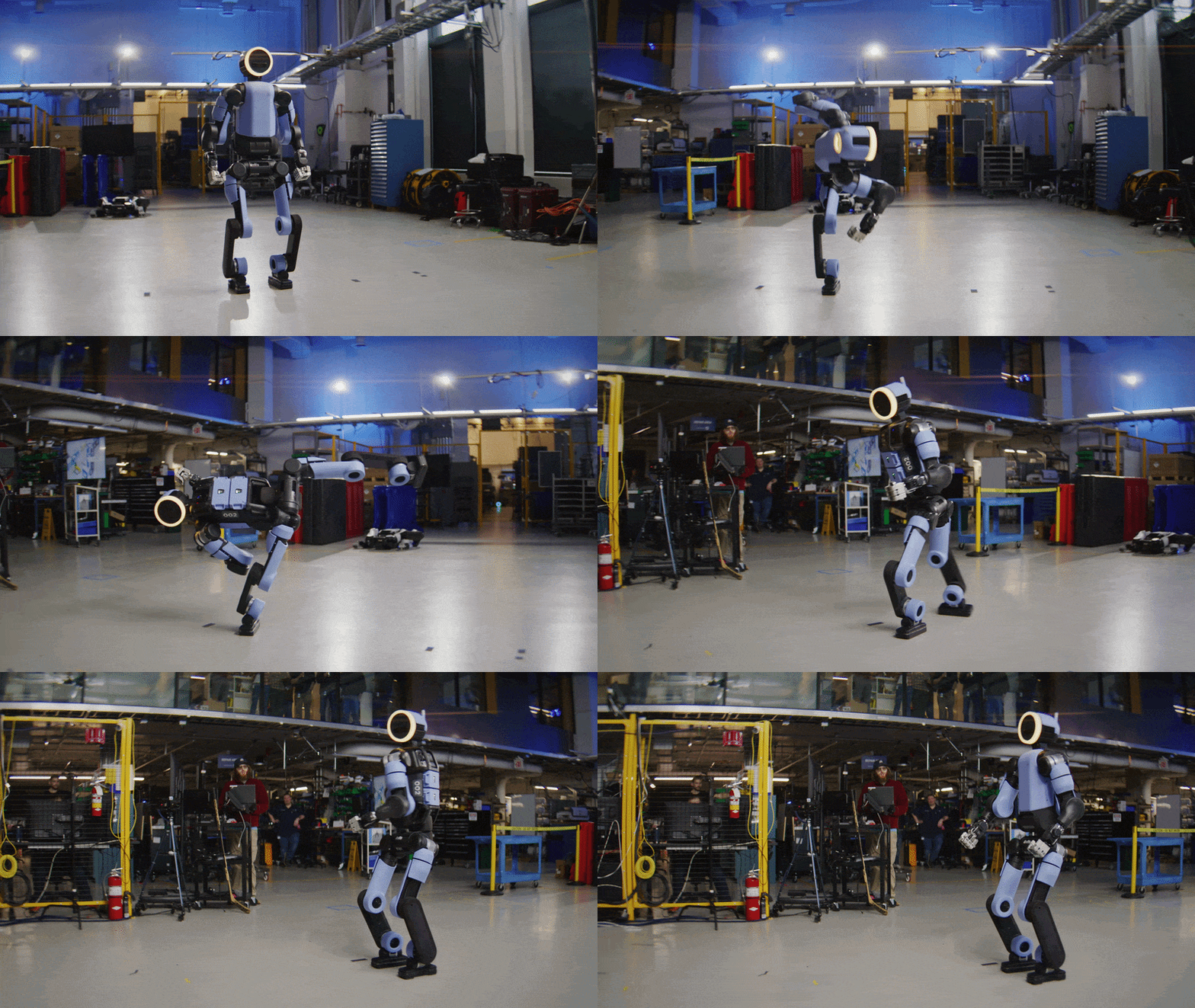
Video Friday: Atlas Versus a Fridge
IEEE Spectrum robotics has released its latest edition of "Video Friday," showcasing a variety of innovative robotics videos and announcing upcoming robotics events scheduled for 2026. Notable events include ICRA 2026 in Vienna from June 1-5, and the Summer School on Multi-Robot Systems in Prague from July 29 to August 4. Among the highlights, Boston Dynamics' Atlas robot demonstrates significant advancements in strength and adaptability, showcasing its ability to lift heavy objects and navigate complex environments using advanced reinforcement learning and control systems. This marks a pivotal moment for humanoid robots as they transition from laboratory settings to dynamic industrial applications. Additionally, the SpikerBot, a robot designed to be programmed by wiring neurons instead of traditional coding, has successfully reached its funding goal on Kickstarter. Other innovations include wheeled-legged robots that enhance mobility and a biomimetic robotic hummingbird developed at the Advanced Vertical Flight Laboratory, which mimics natural flight dynamics. The release also features advancements in construction technology, with Dusty Robotics introducing the FieldPrinter 2, a more efficient and intelligent version of its predecessor, and Noble Machines showcasing their autonomous robots designed for hazardous industrial tasks at NVIDIA GTC 2026. These developments reflect a broader trend in robotics, where technology is increasingly integrated into real-world applications, enhancing efficiency and safety across various industries.
Humanoid-robots Video-friday Robot-videos Educational-robots Biomimetics Quadruped-robots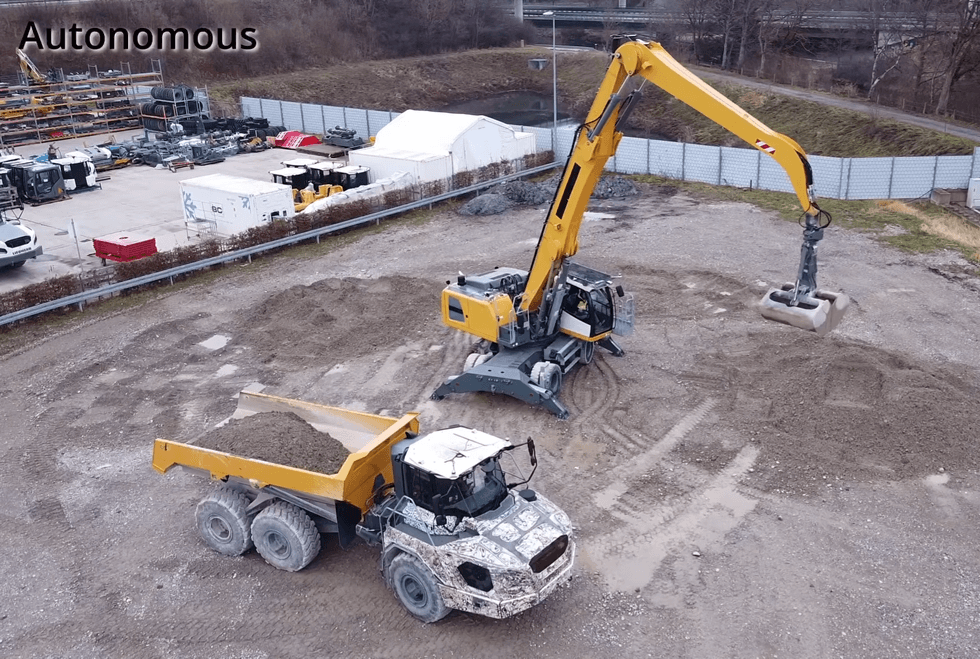
Video Friday: Heavy Robotic Machinery Operates Itself
IEEE Spectrum robotics has released its latest edition of "Video Friday," showcasing a variety of innovative robotics videos and announcing upcoming robotics events. Notable conferences include ICRA 2026 in Vienna from June 1-5, and the Summer School on Multi-Robot Systems in Prague from July 29 to August 4, 2026. Among the featured content is a groundbreaking autonomous material-handling solution developed by ETH Zurich, capable of operating a 40-ton material handler, traditionally a labor-intensive task. Other highlights include the introduction of the world's first production-ready manned mecha by Unitree, and the launch of NIX, an embodied AI exploring dance and movement, which will be made available for free to select partners. NTNU has unveiled the Unified Autonomy Stack, a robust system designed for aerial and ground robots, enhancing their autonomy through advanced perception and navigation capabilities. This system has been validated in challenging environments, showcasing its effectiveness in exploration and object discovery. Robotics expert Rodney Brooks, cofounder of Robust AI, shared insights on the challenges of innovation in robotics and the implications of the current AI surge during a Q&A session ahead of his panel at the Forbes America Innovates event in San Francisco. As the field continues to evolve, the integration of data collection methods remains a significant challenge, with the Koala platform exemplifying innovative approaches to enhance robotic manipulation tasks.
Home-robots Humanoid-robots Video-friday Material-handling-technology Robot-videos Robot-grippers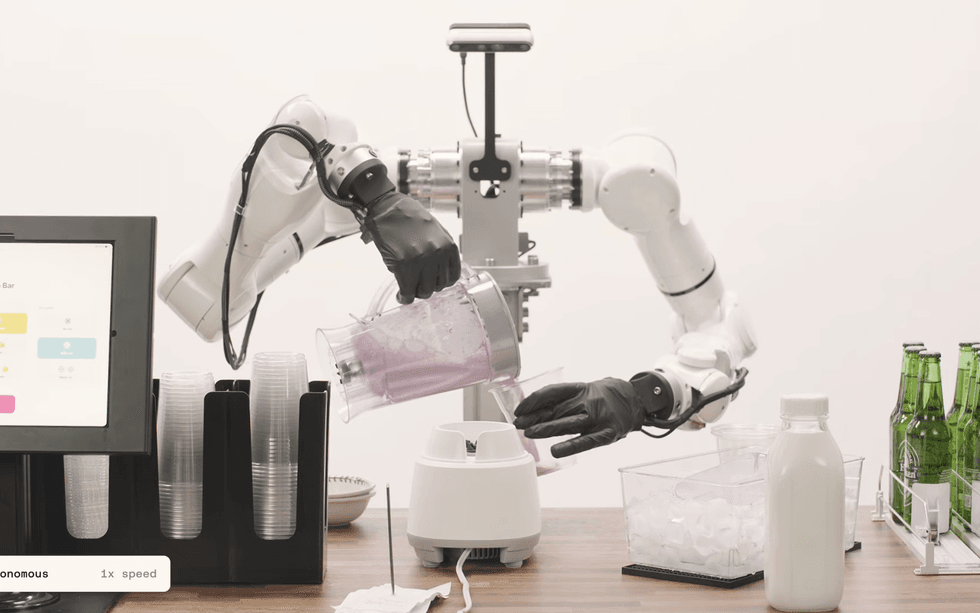
Video Friday: AI Gives Robot Hands Human-Like Dexterity
IEEE Spectrum robotics has released its weekly roundup of notable robotics videos, along with a calendar of upcoming robotics events scheduled for 2026. Key events include ICRA 2026 in Vienna from June 1-5, and the Summer School on Multi-Robot Systems in Prague from July 29 to August 4. Among the highlights is the introduction of GENE-26.5, an AI brain that enables robots to perform complex tasks such as cooking, conducting lab experiments, and playing the piano, showcasing significant advancements in robotic capabilities. Another featured robot, Labububot, is a unique creation that critiques social robots through its design, merging various pop culture elements into a single entity. In other developments, NASA's Jet Propulsion Laboratory is testing next-generation helicopter rotor blades on Mars, achieving speeds that exceed Mach 1 in a simulated Martian atmosphere. Additionally, Boston Dynamics is balancing commercial interests with robotics research through its Atlas robot, while the Robomechanics Lab has introduced Sally, a magnetic-wheeled robot designed for inspecting steel structures, capable of navigating challenging interior corners. These innovations reflect the ongoing evolution in robotics, driven by advancements in AI and engineering, as the field continues to explore new applications and capabilities.
Humanoid-robots Video-friday Manipulation Robot-videos Autonomous-robots Quadruped-robots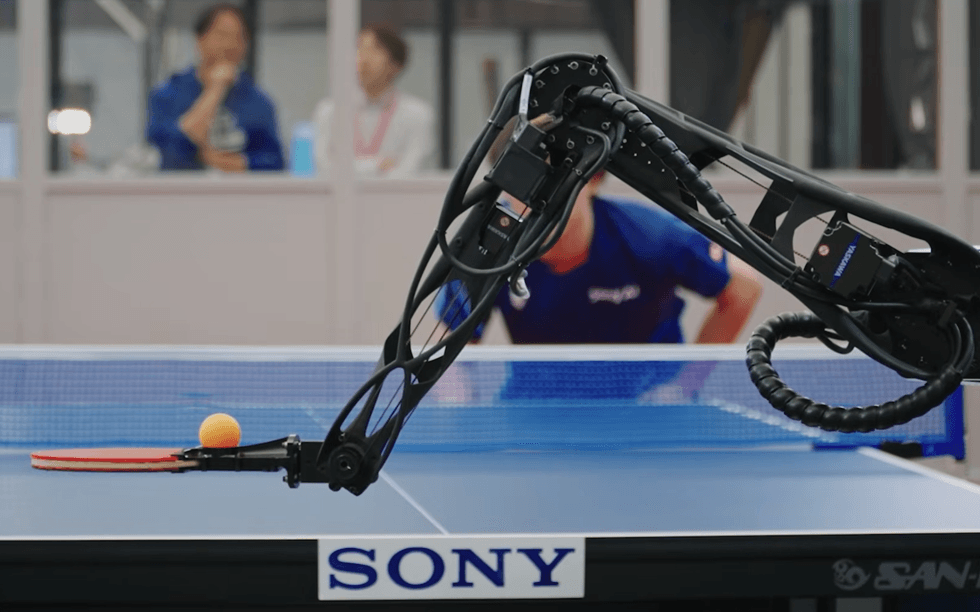
Video Friday: Who Wins in Robot Versus Pro Ping-Pong Player?
In a recent showcase of advancements in robotics, IEEE Spectrum highlighted several innovative developments and upcoming events in the field. Notably, Sony AI's latest research, featured on the cover of Nature, explores the potential of high-speed autonomous systems to master complex perception and dynamic control, aiming to compete with professional athletes. Among the exciting projects is the Ringbot Quad, a unique monocycle robot that integrates wheeled and legged locomotion, allowing it to navigate diverse terrains by switching between driving and walking modes. Meanwhile, in a significant milestone for China's robotics industry, humanoid robots outpaced human runners in a half-marathon in Beijing, with three robots finishing ahead of 12,000 participants. Other highlights include AthenaZero, a robot capable of juggling using only on-board sensory feedback, and advancements from the Max Planck Institute for Intelligent Systems, which reported a method to enhance the efficiency of soft electrostatic actuators, achieving conversion rates of up to 63.6%. As the field continues to evolve, discussions at Carnegie Mellon University emphasize the implications of Artificial General Intelligence (AGI) for society, proposing a future where humans collaborate with robots in supervisory roles, potentially transforming essential services and labor dynamics. Upcoming robotics events include ICRA 2026 in Vienna and the Summer School on Multi-Robot Systems in Prague, offering platforms for further exploration and innovation in robotics.
Robotics Humanoid-robots Video-friday Quadruped-robots Robot-videos Industrial-robots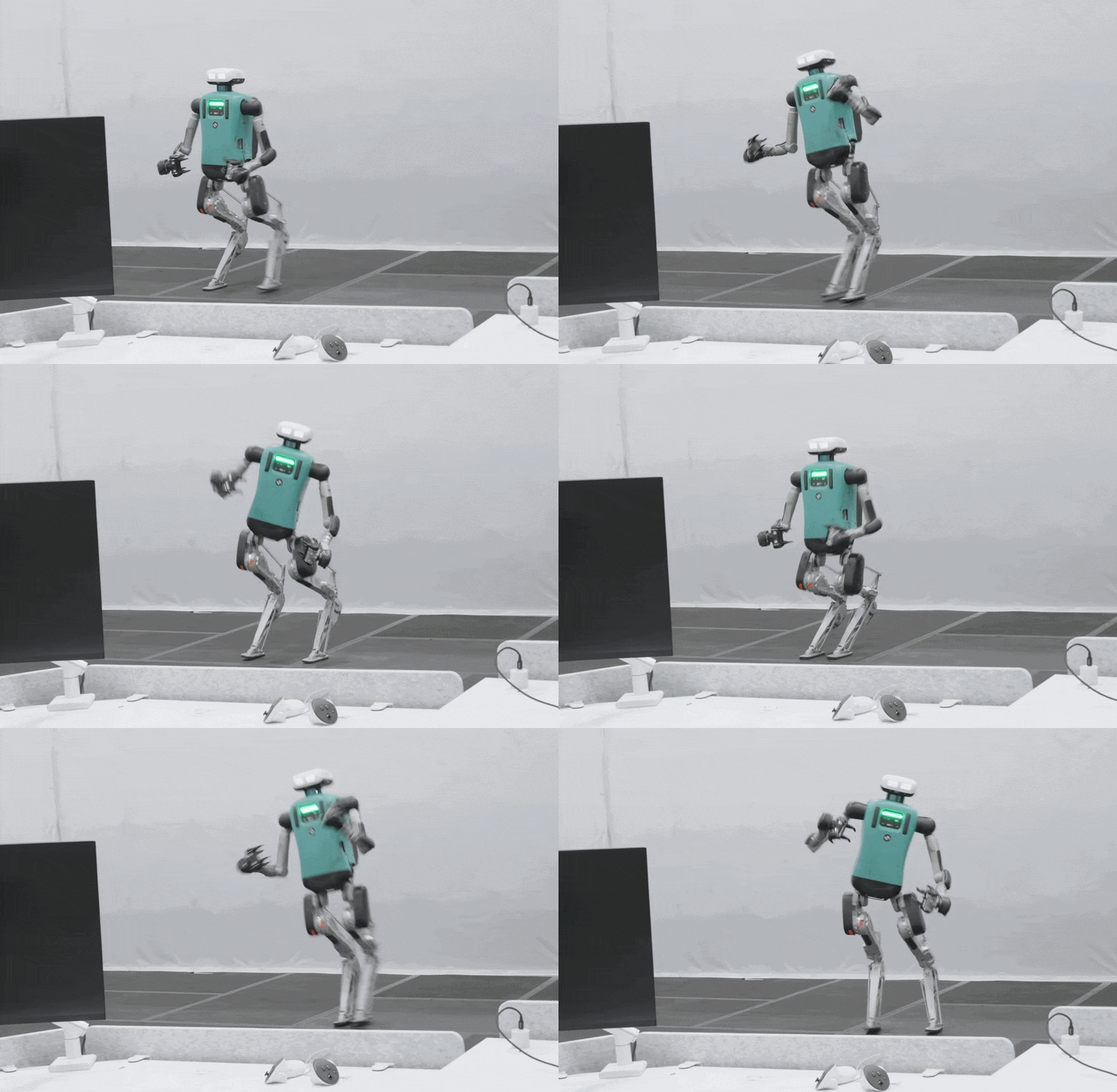
Video Friday: Digit Learns to Dance—Virtually Overnight
In a recent roundup of advancements in robotics, IEEE Spectrum highlighted several notable developments and upcoming events in the field. Among the key innovations is Digit, a humanoid robot that can learn new whole-body control capabilities overnight through sim-to-real reinforcement training, enhancing its performance in various tasks. Additionally, the introduction of GEN-1 marks a significant milestone in robot learning, achieving a 99% success rate in simple physical tasks and drastically reducing task completion time. Unitree has made strides by open-sourcing the UnifoLM-WBT-Dataset, a comprehensive dataset for humanoid robot teleoperation, which has been available since March 5, 2026. Meanwhile, researchers presented MRReP, a Mixed Reality interface that allows users to guide autonomous mobile robots in human-shared environments through hand gestures. In other developments, Sanctuary AI showcased its advanced hydraulic hands capable of dexterous manipulation, while China’s Yuxing 3-06 satellite successfully completed an in-orbit refueling test, paving the way for future satellite servicing. Furthermore, Japan Railway West collaborated with Serendix to utilize 3D printing technology for rapid construction at Hatsushima station, demonstrating innovative solutions to infrastructure challenges. Upcoming robotics events include ICRA 2026 in Vienna from June 1-5, and the Summer School on Multi-Robot Systems in Prague from July 29 to August 4, 2026, providing platforms for further exploration and collaboration in the robotics sector.
Humanoid-robots Video-friday Robot-ai Human-robot-interaction Teleoperation Industrial-robots
Video Friday: These Robots Were Born to Run
IEEE Spectrum's weekly feature, Video Friday, showcases a collection of innovative robotics videos and highlights upcoming robotics events, including the International Conference on Robotics and Automation (ICRA) scheduled for June 1-5, 2026, in Vienna. This week’s videos introduce advanced modular building blocks that allow for the automatic design and rapid assembly of agile robots capable of navigating unstructured outdoor environments, a significant advancement from traditional legged robots that rely on predefined designs. Additionally, the RIVR project presents a concept for an ideal urban delivery robot, while KIMLAB introduces TRIP-Bag, a portable teleoperation system designed for high-fidelity data collection in various settings. TUM has developed an open-vocabulary semantic exploration system that enhances robots' ability to map and locate objects in dynamic environments. In a practical demonstration, a reconfigurable robot assists a team responding to a simulated radiation leak at a nuclear facility, showcasing its adaptability in challenging conditions. Meanwhile, Carnegie Mellon University's Robomechanics Lab reflects on a devastating flood that destroyed many of its robots, honoring them with a tribute video. Lastly, the 2025 Silicon Valley Humanoids Summit features a keynote by Disney Research's Moritz Baecher, discussing insights into robotic character development.
Robotics Humanoid-robots Video-friday Modular-robots Robot-videos Quadruped-robots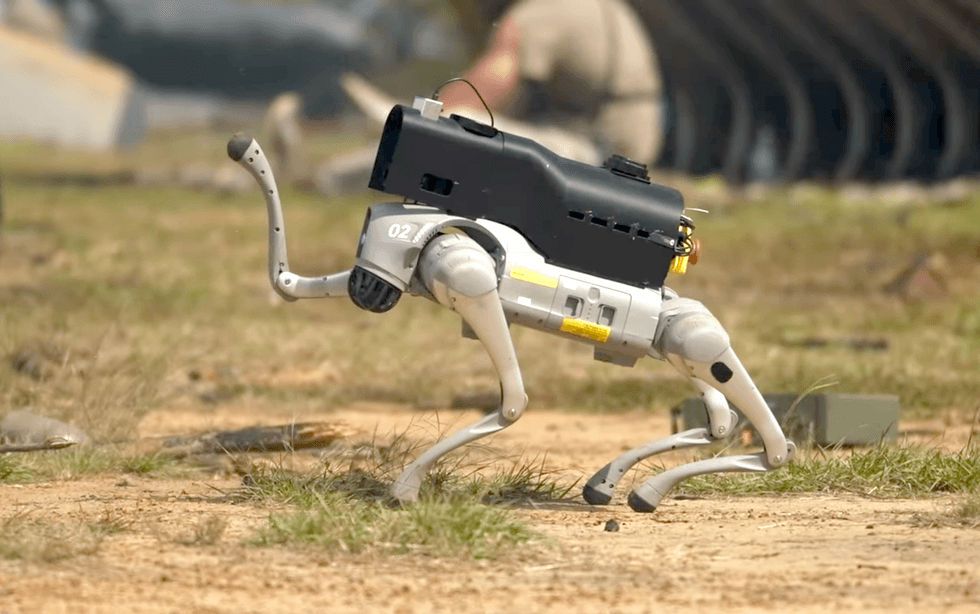
Video Friday: Humans and Robots Team Up in Battlefield Triage
IEEE Spectrum robotics has released its latest edition of "Video Friday," showcasing a collection of innovative robotics videos and a calendar of upcoming robotics events. Among the featured highlights is the Lynx M20 quadruped robot, which successfully completed a field test in extreme cold conditions in Yakeshi, Hulunbuir, demonstrating its reliability in temperatures as low as -30°C. Additionally, a teaser video from KIMLAB presents a new teleoperation robot, set against the backdrop of the University of Illinois at Urbana-Champaign's Main Quad, where students enjoy the serene environment. The publication also includes commentary on the practicalities of using humanoid robots for specific tasks, emphasizing that just because a humanoid can perform a task, it does not necessarily mean it should. Other notable mentions include an autonomous urban delivery robot and the development of CLIO, an embodied tour-guide robot created by an undergraduate team at the University of Hong Kong, which utilizes advanced technologies such as large language models and computer vision to enhance visitor experiences. This weekly roundup not only highlights the advancements in robotics but also encourages collaboration and engagement between researchers and the public, reflecting the ongoing evolution of the field.
Robotics Video-friday Darpa Human-robot-interaction Quadruped-robots Humanoid-robots
VinRobotics makes global debut of "Make In Vietnam" humanoid robot at leading global tech events
On the opening day of ICRA 2026, VinRobotics showcased its latest humanoid robot, captivating attendees with its advanced remote operation capabilities. The robot's functionality is powered by motion-capture technology seamlessly integrated into a virtual reality headset, allowing users to control it without the need for any additional external devices. This innovative approach highlights VinRobotics' commitment to enhancing human-robot interaction and streamlining operational efficiency in various applications. The event, held in a prominent venue, attracted a diverse audience eager to witness the future of robotics firsthand.

Global Underwater Hub Launches Underwater Robotics and Autonomy Forum ahead of 2026 Annual Conference
The Global Underwater Hub (GUH), a prominent organization dedicated to the advancement of the UK's underwater industries, has introduced a new Underwater Robotics and Autonomy Forum. This initiative aims to foster collaboration and drive innovation within the subsea robotics sector. The forum is expected to serve as a platform for industry stakeholders to share insights, develop new technologies, and enhance operational efficiencies in underwater robotics. By bringing together experts and businesses, GUH seeks to position the UK as a leader in this rapidly evolving field, responding to the growing demand for advanced underwater solutions. The launch of the forum marks a significant step in GUH's ongoing efforts to support the development of the underwater economy and address the challenges faced by the industry.
events global underwater hub (guh) underwater robotics and autonomy forum
Global Underwater Hub conference to dive into future of subsea robotics
The Global Underwater Hub (GUH) is set to host its annual Underwater Robotics Conference in Aberdeen, inviting companies to contribute their insights and expertise in the advancement of subsea robotic technologies. This year's event aims to foster collaboration and innovation within the industry, highlighting the importance of cutting-edge robotics in underwater exploration and operations. The conference will take place in the coming months, providing a platform for industry leaders and experts to discuss the latest developments and challenges in the field. By bringing together key stakeholders, GUH seeks to enhance the capabilities of underwater robotics and promote sustainable practices in subsea environments.
global underwater hub conference events subsea robotics
Children nationwide compete in the WRO 2026 international robotics competition, with qualifying rounds starting July 11 in 31 regions.
NPO法人WRO Japan has announced the official qualifying rounds for the World Robot Olympiad (WRO), an international robotics competition featuring participation from over 100 countries and regions. These qualifying events will take place across 31 locations nationwide, starting on July 11. The initiative aims to foster interest and innovation in robotics among students and young engineers in Japan, providing them with an opportunity to showcase their skills and creativity in a competitive environment.
IEEE Honors Robotics Pioneer Toshio Fukuda
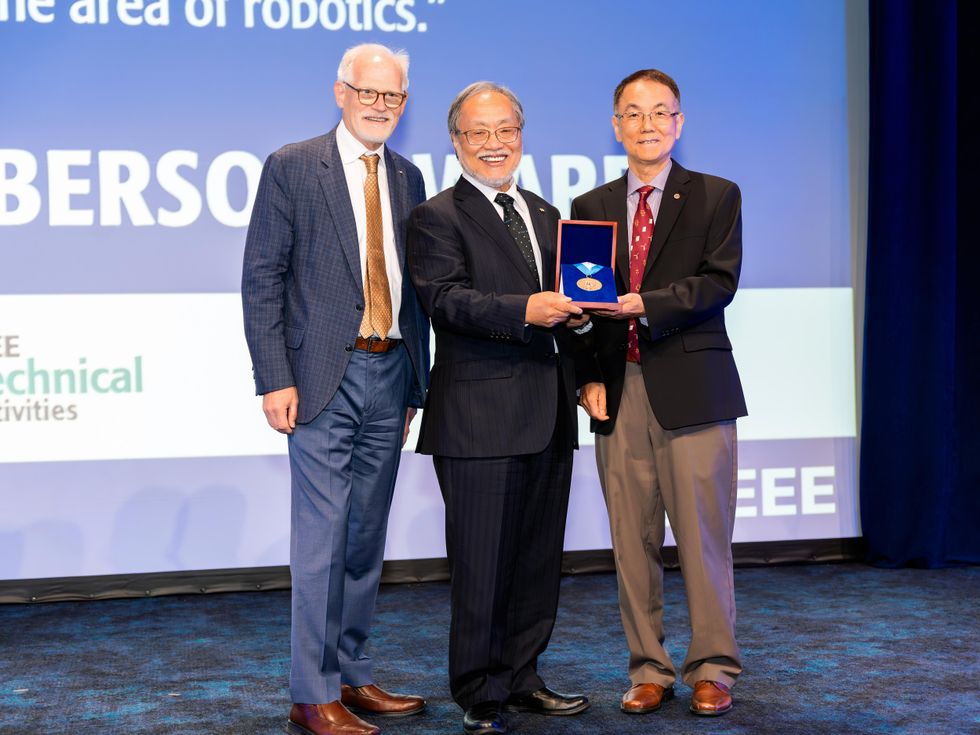
Toshio Fukuda has been blazing trails for most of his career. He is considered to be one of the most prolific scholars in robotics, writing more than 2,000 research papers and authoring several books on the field. He’s an influential figure thanks to his pioneering work developing biomedical robotic systems, industrial robots, micro-nano robotics, mechatronics, and AI-driven automation.Fukuda launched one of the first robotics conferences, the IEEE/RSJ International Conference on Intelligent Robots and Systems (IROS). It is still popular almost 40 years later.Toshio FukudaEmployerEgypt-Japan University of Science and Technology, in Alexandria TitleProfessor and vice president of research Member gradeLife Fellow Alma matersWaseda University, in Tokyo; University of Tokyo An IEEE Life Fellow, he is a professor emeritus in the department of micro-nano systems engineering and a visiting professor at Nagoya University, in Japan, where he taught for nearly 25 years. Currently, he is a vice president of research at the Egypt-Japan University of Science and Technology, in Alexandria, Egypt.Within IEEE, Fukuda has held top volunteer positions including the organization’s highest office: He served as IEEE president in 2020, becoming the first person of Asian descent to hold the role.He’s a former program director of Japan’s Moonshot program, which by 2050 intends to develop advanced AI robots.Born in Japan, Fukuda has been recognized by the country for his contributions to science with two of its highest awards: the Medal of Honor with a purple ribbon in 2015 and the Order of the Sacred Treasure in 2022.IEEE honored him with this year’s Richard M. Emberson Award for “distinguished service advancing the technical objectives of IEEE, especially in the area of robotics.” The IEEE Board-level award is sponsored by the IEEE Technical Activities Board. Fukuda received the award on 24 April at a ceremony in New York City.As a former IEEE president who has served as a master of ceremonies at several of the organization’s major award events, Fukuda noted that he is more accustomed to bestowing awards than receiving them.“It’s very interesting to be on the receiving end,” he says.The journey into robotics researchAs a teenager, Fukuda spent his summer breaks teaching himself how to build things including transistor radios and steam engines.“It was very nice to have a hands-on hobby and make these kinds of things myself,” he says. His experimentation led him to study engineering.He earned a bachelor’s degree in engineering in 1971 from Waseda University, in Tokyo. He says one of his professors there—Ichiro Kato, regarded as the father of Japanese robotics research—was a good mentor who made a positive impact.Fukuda’s research interests were robotics and mechatronics, a field that combines robotics, electronics, computer science, and control systems.He went on to earn a master’s degree and a doctorate in science from the University of Tokyo, in 1971 and 1977. During those years, he also attended Yale, where he conducted research on advanced control theory in 1973.He reflects fondly on his time at Yale: “It was a very nice environment and a kind of free-thinking atmosphere. It motivated me to study more.”“IEEE doesn’t care who you are, what you do, what country you are from, or whether you are male or female. IEEE accepts people who have energy and passion.”While at Yale, Fukuda served as an assistant to his advisor—which led him to consider a career in academia, he says, because he enjoyed the freedom that research work afforded him.But he realized that such freedom comes with a price. University researchers are expected to raise the money that funds their work. He compares researchers to small-business owners who have to bring in money to keep their enterprise afloat.That realization led him to select robotics as his field because he intended to develop technologies useful to industry, he says.After earning his doctorate, he returned to Japan in 1977 to work as a research scientist at the government’s Mechanical Engineering Laboratory, later renamed the National Institute of Advanced Industrial Science and Technology, in Tsukuba.“There was a lot of research going on at the lab, including practical robotics and theory,” he says.He left Japan in 1979 to become a visiting research fellow at the University of Stuttgart, in Germany. During his year there, he studied systems, software problems, and related topics.He returned to Japan and was hired as an associate professor of mechanical engineering at the Tokyo University of Science. He conducted research into practical uses for robots by visiting industrial plants. He decided to develop robots that inspect industrial equipment such as those used in assembly plants, oil refineries, and power stations—places that “can be hostile environments for humans,” he says.His work drew interest from chemical, oil, and utility companies.“I got a lot of money from them for this very practical application, which funded my research,” he says, laughing.Developing popular robotic systemsFukuda grew tired of making those robots, he says, so he switched to creating ones for scientific applications. He developed many techniques, but he probably is best known for his modular, cellular robotic systems (CEBOTs), which he introduced in 1985.He has described how CEBOTs work in numerous papers published in the IEEE Xplore Digital Library.The CEBOT system is composed of a number of autonomous robotic cells that stick together like interlocking Lego plastic bricks, he says.Each cell is a fundamental modular unit that has a function. When a simple task is given, the system can analyze it and generate the structure of the cellular manipulator. The cells connect to and detach from each other through connection mechanisms and cooperate mutually, creating complex structures and configurations.“You start developing from the component-wise to the cell-wise to a small functional unit—and then you come up with clusters that make bigger systems. We can make a society of robot beings like that,” he explained in his oral history published on the Engineering and Technology History Wiki. “It’s a distributed robotic system, a self-organized robotic system, and also an evolutionary robotic system.“It’s also a fault-tolerant robot system because if something is wrong, you just remove those things and make a new one. You keep the system working. That’s a great thing.”Today CEBOTs are used for a variety of tasks such as delivering medication in hospitals, assisting with planting crops, and transporting products in distribution centers. Check out IEEE Spectrum’s Robots Guide for news from the world of robotics.In 1989 Fukuda joined Nagoya University as a professor of mechanical engineering and micro-nano systems engineering. During his 24-year career there, he was director of the university’s Center for Micro-Nano Mechatronics. He developed a long list of technologies at the university, including many for medical applications. He also conducted groundbreaking research into intelligent robotic systems and micro- and nano-robotics.Another technology he is known for is brachiation robots, which he helped develop in 1988. He calls them monkey robots because they’re based on the pendulum-like movement of monkeys swinging from tree to tree. The gravity-based locomotion enables continuous movement.Brachiation robots now are inspecting high-voltage transmission towers and bridges, searching damaged buildings for survivors, and performing maintenance on pipelines and cables.Fukuda retired from the university in 2013 and was named professor emeritus.He didn’t stay retired for long, though. He next held a teaching appointment at Meijo University, in Nagoya, until he left in 2022 to join the Egypt-Japan University.A prominent volunteerHe joined IEEE in 1980 at the encouragement of one of his research advisors, Professor Fumio Harashima, now an IEEE Life Fellow. After attending conferences and reading the organization’s publications, Fukuda says, he looked forward to becoming more involved.“I wanted to know how to organize a conference and how to edit a paper for one of its Transactions,” he says. “I wanted to know what was going on from inside the organization, not just the outside.”In 1988 he was the founding chair and organizer of IROS, in Tokyo. The conference had 330 attendees that year, and was supported by Harashima. Today it is one of the largest and most prestigious conferences on the topic, attracting more than 9,000 people annually. Out of 120,000 conferences, it was the only conference in the Nature Index database for this year, Fukuda says.In 1996 he and other members launched IEEE Transactions on Mechatronics.He was the founding president of the IEEE Nanotechnology Council, which was established in 2002. He is considered a pioneer in nanotechnology research, particularly regarding how it relates to robotics.Over the years, he has held numerous volunteer positions on IEEE editorial boards and committees.He was the 1998–1999 president of the IEEE Robotics and Automation Society, becoming the first non-U.S. member to hold the title.He was director of IEEE Division X (2001–2002 and 2017–2018), which covers intelligent systems, biological engineering, robotics, control systems, and photonic technologies. He served as the 2013–2014 director of IEEE Region 10 (Asia-Pacific).As the 2020 IEEE president, Fukuda saw the organization through the early part of the COVID-19 pandemic. Because of travel restrictions, he realized IEEE should change how it offered its in-person services, specifically educational programs. He encouraged IEEE Educational Activities to develop an online learning platform. The IEEE Learning Network started with just three courses and now offers nearly 2,000 courses, webinars, and learning materials.An award-winning memberThe Emberson Award joins a slew of other recognitions Fukuda has received from IEEE. They include several from the IEEE Robotics and Automation Society: a 2004 Pioneer Award, a 2009 Saridis Leadership Award, and the 2011 Harashima Award for Innovative Technologies. He is also a recipient of the Board-level 2010 IEEE Robotics and Automation Technical Field Award.He says he feels strongly that IEEE should be a diverse organization that is welcoming to all. As IEEE president, he led efforts to devise a diversity, equity, and inclusion program. Several policies, procedures, and bylaws were revised to give members a safe, inclusive place for discourse.“It’s important for IEEE to make everyone feel comfortable,” he says. “DEI programs are important. All people should be equal. IEEE doesn’t care who you are, what you do, what country you are from, or whether you are male or female. IEEE accepts people who have energy and passion.“It accepted me, from the Far East. That’s why I like it.”You can learn more about Fukuda and his career from the oral history conducted by the IEEE History Center.
Robotics Robots Ieee-member-news Type-ti Ieee-awards Toshio-fukuda
ABB Robotics delivers new industry-ready physical AI at Automate 2026
At Automate 2026, ABB Robotics will showcase its latest advancements in physical AI, including the debut of its Physical AI Toolchain, designed to enhance the capabilities of industrial robots. The event, taking place at Booth #1241 on June 17, 2026, will feature demonstrations of the Autonomous Versatile Robotics (AVR™) system, which equips robots with advanced sensory and mobility functions to operate more efficiently across various applications. Marc Segura, President of ABB Robotics, emphasized that physical AI is transforming traditional robotic operations, allowing for faster, safer, and smarter performance. The new toolchain facilitates the training of robots using simulated and real-world data, bridging the gap between simulation and practical application with high precision. This initiative follows ABB's partnership with NVIDIA, which aims to enhance robot training through advanced simulation technologies. Among the highlights will be the introduction of ABB's high-speed PoWa™ cobot family and a collaboration with Aura Sensae, integrating intelligent sensing technology for improved human-robot interaction. Visitors can expect to see demonstrations of AI-powered palletizing systems, intuitive interfaces, and real-time interaction capabilities, showcasing ABB's commitment to human-centric robotics. Additionally, ABB Robotics will host special events focused on automotive and software innovations on June 23 and 24, respectively, further engaging with industry stakeholders.
Your guide to the last day of the 2026 Robotics Summit & Expo
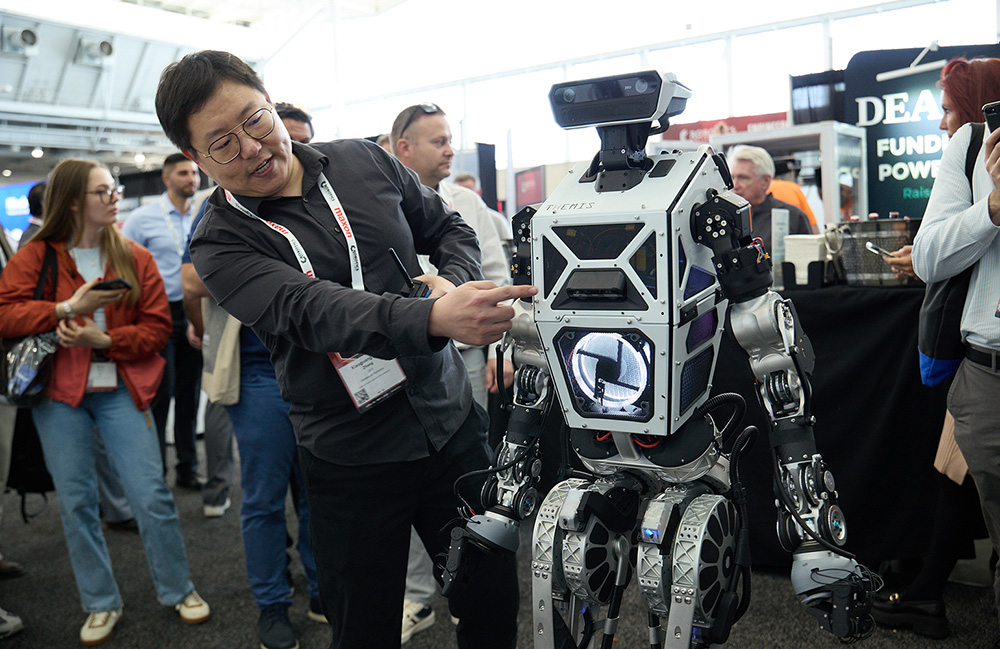
The Robotics Summit & Expo is currently in its second day in Boston, featuring a variety of events aimed at fostering innovation and collaboration in the robotics industry. Among the highlights is the Women in Robotics breakfast, which seeks to empower and connect women professionals in the field. The summit serves as a platform for industry leaders and enthusiasts to share insights, showcase advancements, and discuss the future of robotics. This year's event emphasizes the importance of diversity and inclusion, reflecting a growing recognition of the need for varied perspectives in technology development. Attendees can expect a range of sessions, networking opportunities, and discussions that will shape the trajectory of robotics in the coming years.
Artificial Intelligence Design / Development Events Healthcare Robotics News Robots / Platforms
Allient Inc. to Demonstrate Advanced Motion Solutions at Robotics Summit & Expo 2026
Allient Inc., a global leader in specialty motion, controls, and power solutions, will showcase its advanced motion technologies at the Robotics Summit & Expo 2026 on May 27-28 at the Boston Convention and Exhibition Center in Massachusetts. The company aims to highlight its innovative solutions for robotics and automation applications, demonstrating its capabilities through live and static displays at Booth #222. Attendees can expect to see a range of products, including the Pyxmos™ drive operating a frameless motor, custom integrated motors, and various frameless motor assemblies designed for specific applications. Allient’s offerings also feature high-performance motors such as the Electroflux Series and the Megaflux™ torque motors, which are engineered for demanding robotic environments. Robert Mastromattei, Chief Commercial Officer & Group President at Allient, emphasized that the event will showcase the precision and performance required in advanced robotics systems, underscoring the company's commitment to delivering high-value solutions across multiple industries. For more details on Allient's participation and other upcoming events, interested parties can visit their official website.
Affordable humanoid robot kit at $15,000 pushes advanced robotics into public hands
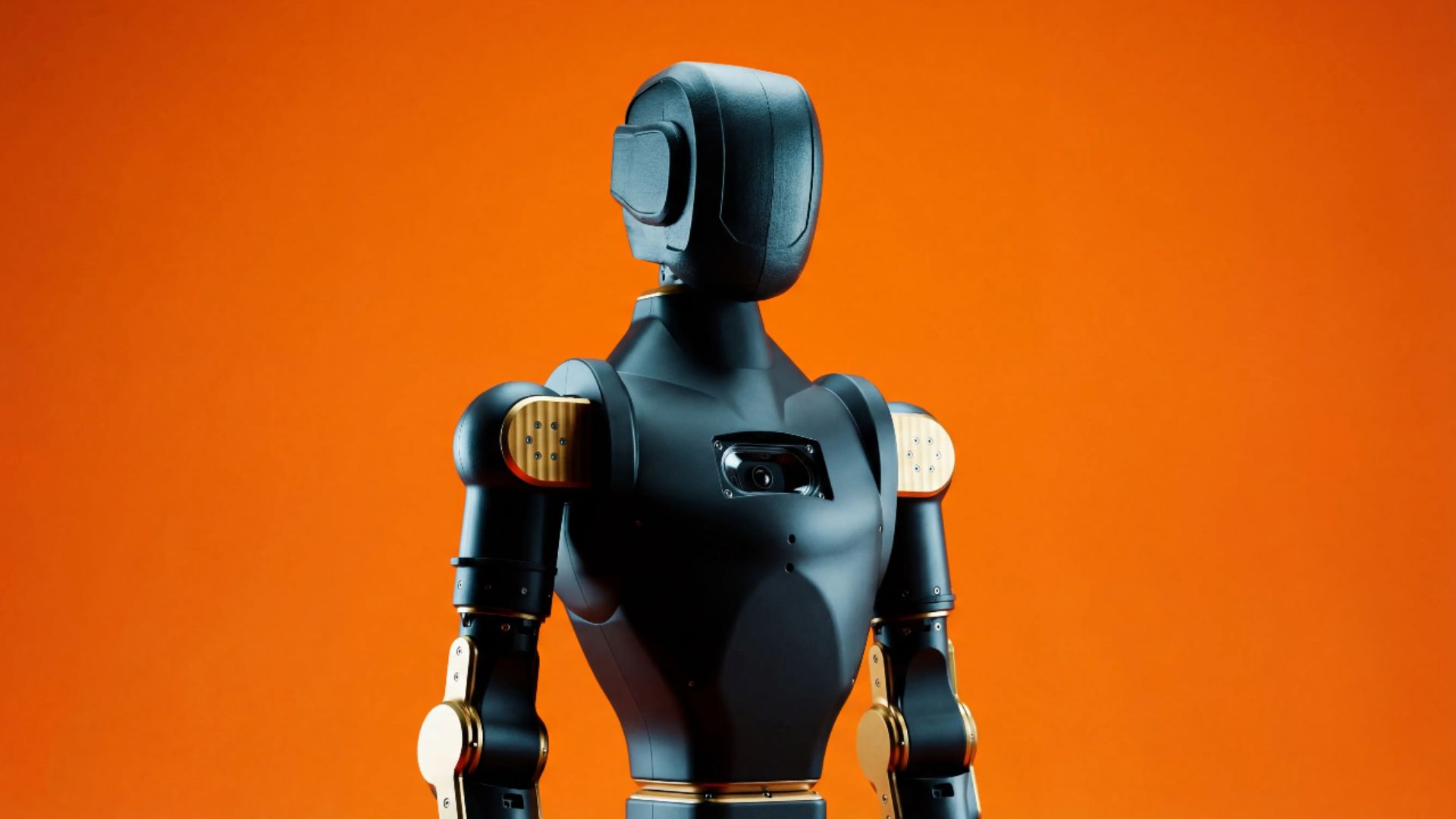
The development of humanoid robots is increasingly shifting from confidential corporate laboratories to public demonstrations and collaborations. Major technology companies and startups are unveiling their advancements in robotics at various industry events and exhibitions, showcasing their latest prototypes and capabilities. This transition is occurring in 2023, as organizations aim to attract investment and public interest in the burgeoning field of robotics. The motivation behind this shift is to accelerate innovation and foster partnerships that can enhance the functionality and integration of humanoid robots into everyday life. By engaging with the public and potential investors, these companies hope to highlight the practical applications of their technologies, ranging from healthcare assistance to customer service. Demonstrations often involve live interactions with the robots, allowing audiences to witness their abilities in real-time. This hands-on approach not only showcases the robots' advanced features but also addresses public curiosity and concerns about the future of human-robot interaction. As the race to develop humanoid robots intensifies, the industry is poised for significant advancements that could reshape various sectors and redefine the relationship between humans and machines.

GoLabs Launches Custom Robotics Security Initiative Using Unitree Quadrupeds
GoLabs, a newly established U.S.-based robotics company, has unveiled its innovative robotic security solutions featuring Unitree quadrupeds. Announced on May 8, 2026, these advanced four-legged robots are designed to enhance security measures for businesses by providing 24/7 autonomous surveillance without the burden of international shipping costs. Equipped with high-definition cameras, thermal imaging, and infrared sensors, these robots can operate in complete darkness and navigate challenging environments, including those hazardous to human health. GoLabs aims to streamline security operations by integrating these robots into existing systems, offering programming, setup, and troubleshooting support. Utilizing an integrated 4D LiDAR system and SLAM technology, the robots can create detailed 3D maps of facilities, allowing companies to establish automated patrol paths and checkpoints. This capability enables a wide range of applications, from monitoring AI warehouses to securing large events. GoLabs is committed to bridging innovation with practical applications, providing businesses with efficient and reliable robotic security solutions tailored to meet diverse needs. For more information, visit their website.
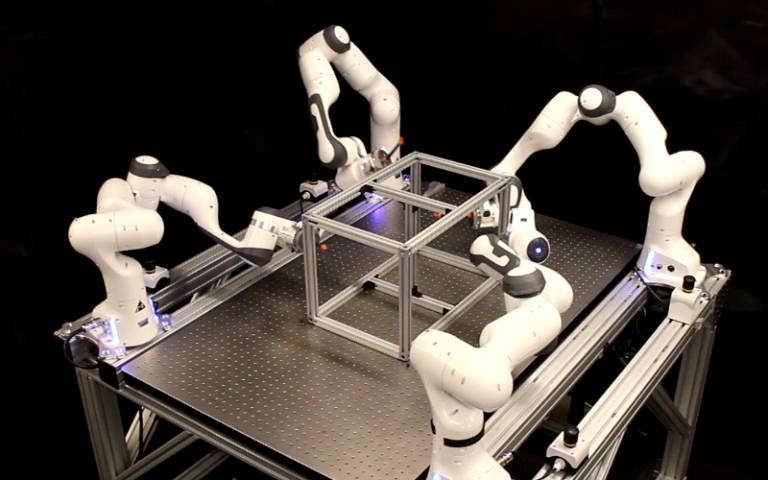
KUKA to Highlight Advanced Robotics for Easy Machine Tool Tending, Handling and Milling at IMTS 2026
KUKA is set to showcase advancements in robotic machine tool automation through a series of integrated demonstrations in collaboration with several CNC machine tool OEM partners, including EMAG, Matsuura, and SYIL. Scheduled for later this year, these demonstrations will take place at various industry events, emphasizing the versatility and efficiency of KUKA's standardized robotic systems. The initiative aims to provide flexible machine-tending solutions that streamline deployment across diverse production environments, responding to the growing demand for automation in manufacturing. By integrating robotics with CNC machines, KUKA seeks to enhance productivity and simplify operations for manufacturers, ultimately driving innovation in the industry.
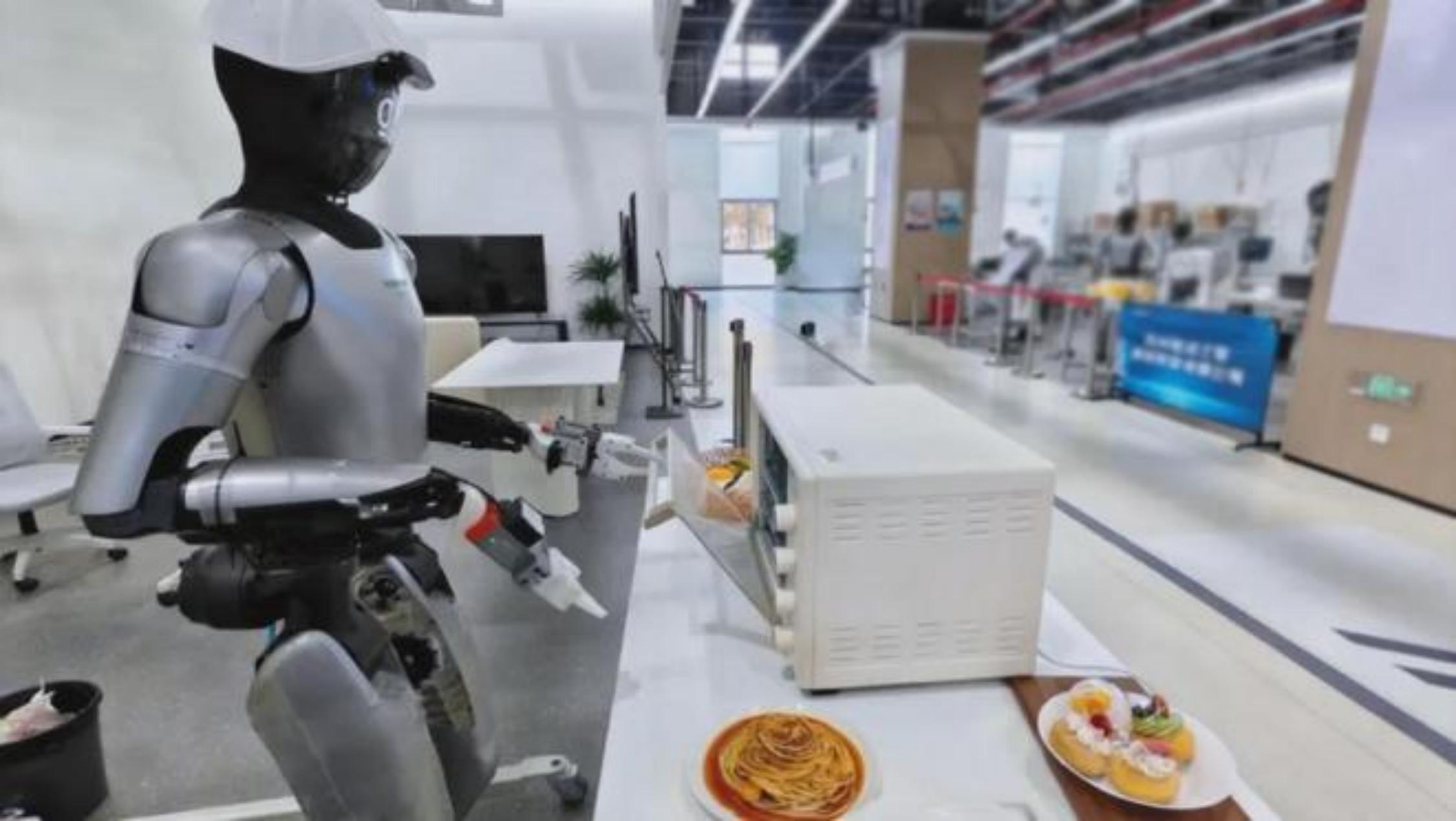
Robotics Sector Raises Over 10 Billion Yuan in Q1 2026: Humanoid and Embodied Intelligence as Key Focus
In the first quarter of 2026, China's robotics industry experienced a surge in investment, highlighted by 173 financing events that collectively raised between 28.27 billion and 34.57 billion yuan. This influx of capital predominantly flowed into the sectors of humanoid robots and embodied intelligence, reflecting a significant shift in the industry toward product commercialization and technological advancements. The growing interest in these areas underscores the potential for innovation and market growth within China's rapidly evolving robotics landscape.
Humanoid Robots Embodied Intelligence Robotics Investment Industrial Automation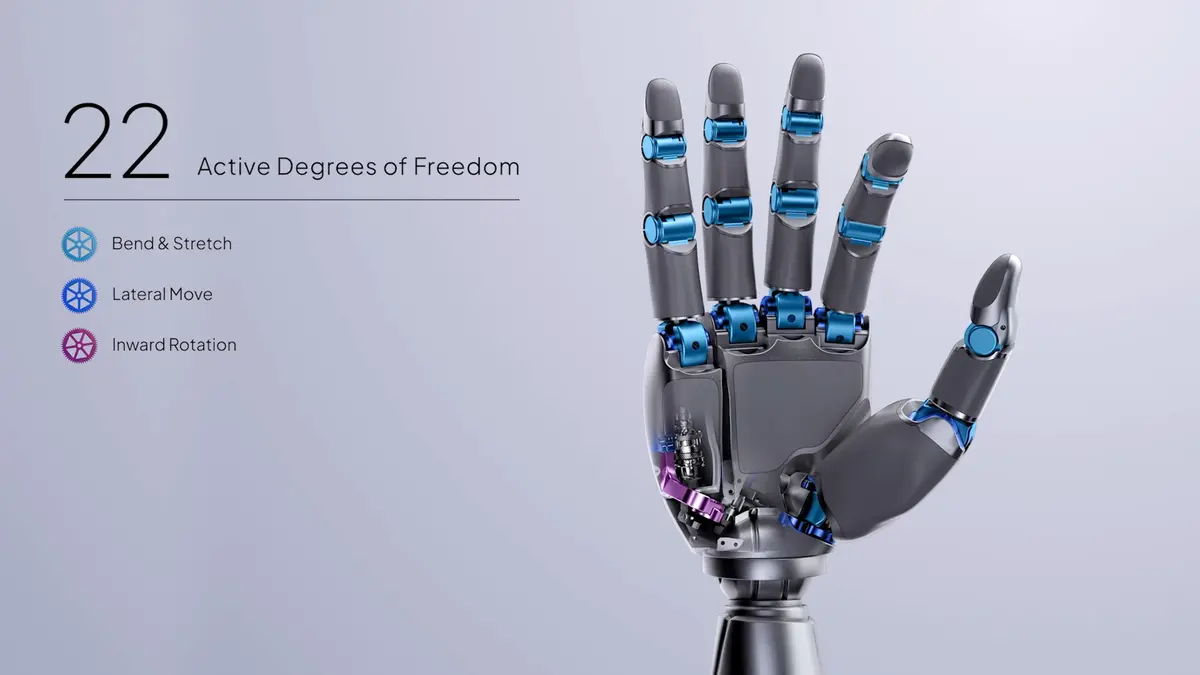
Sharpa Robotics Begins Shipping Its SharpaWave Hand, Targeting Human-Level Tactile Sensing
Sharpa Robotics has officially launched mass production of its innovative SharpaWave hand, which incorporates a proprietary Dynamic Tactile Array technology. This announcement follows a successful debut at various industry events, where the advanced capabilities of the hand garnered significant attention. The company is now shipping the product to customers, marking a significant milestone in the development of robotic technology aimed at enhancing tactile feedback. This move is expected to advance applications in various fields, including healthcare and manufacturing, where precise manipulation and sensory feedback are crucial.
SharpaWave tactile sensing hand Sharpa Robotics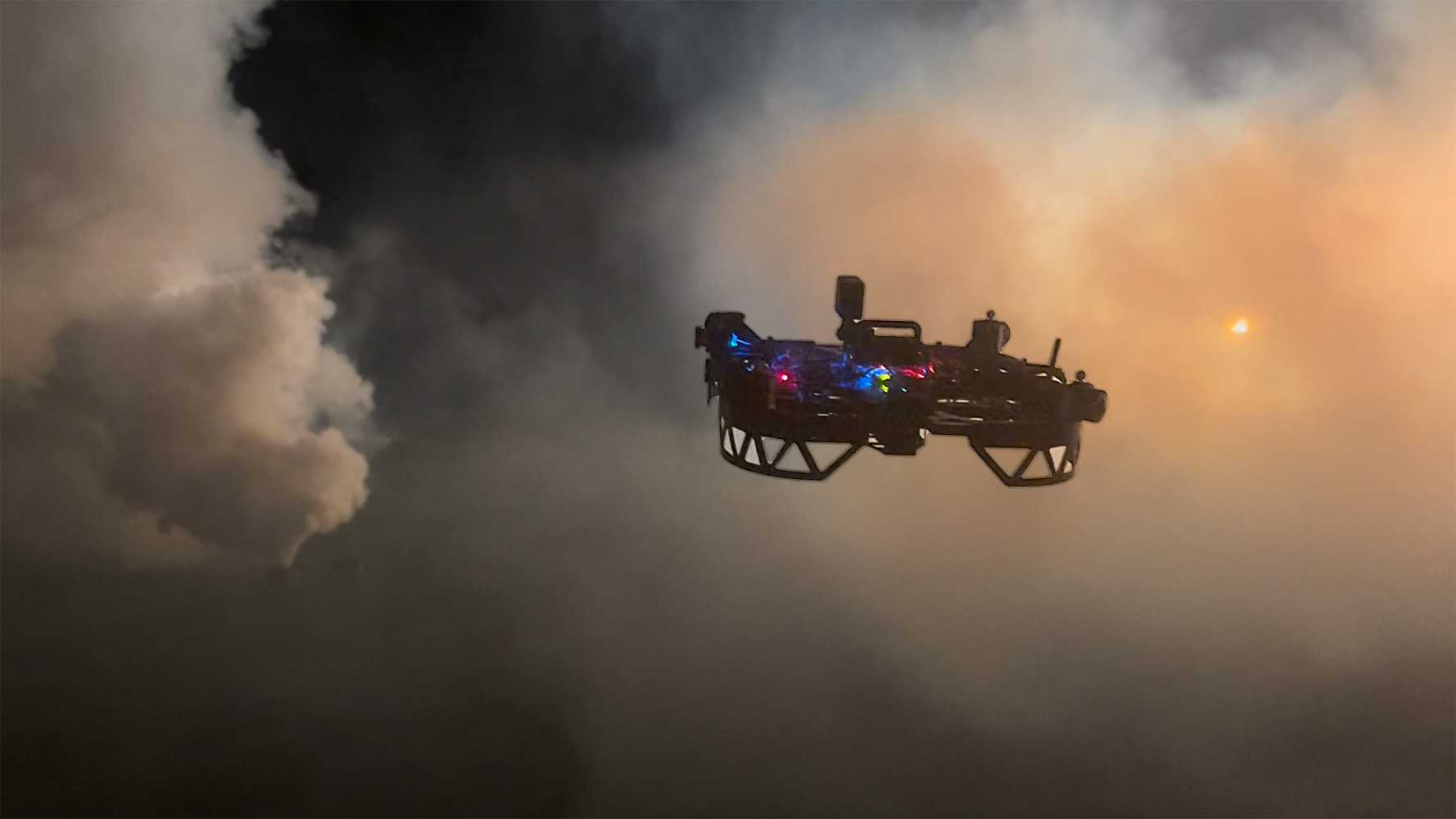
Robotics Institute Developing Drones To Fight Wildfires
Researchers at Carnegie Mellon University's Robotics Institute are developing drones aimed at combating wildfires, a project inspired by the brown haze that enveloped Pittsburgh and other U.S. cities last summer. This haze was a result of unprecedented wildfires in Canada, which served as a stark reminder of the growing threat posed by such natural disasters. The initiative seeks to enhance firefighting capabilities and mitigate the impacts of wildfire smoke on urban areas. By leveraging drone technology, the Robotics Institute aims to improve monitoring and response efforts during wildfire events, ultimately contributing to better environmental management and public safety.
Uncategorized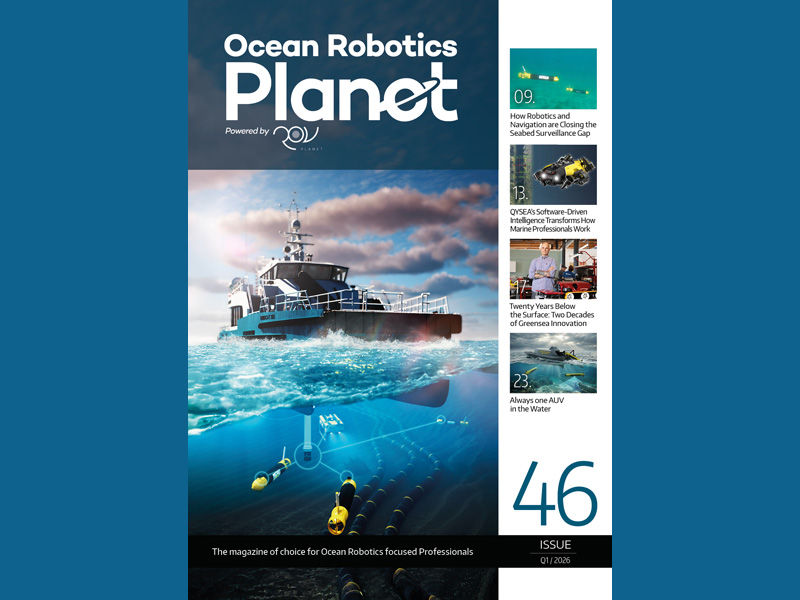
Ocean Robotics Planet Magazine Issue 46 is out NOW!
A new online publication has been launched, providing readers with access to a variety of articles and resources. The platform, which went live recently, aims to enhance digital engagement by offering a user-friendly interface and a diverse range of content. Users can explore topics ranging from current events to lifestyle features, all designed to cater to a broad audience. The initiative seeks to fill a gap in the market for accessible and informative digital media, responding to the growing demand for online information. Readers can access the publication through its website or directly via a link to the platform, ensuring easy navigation and a seamless reading experience.
ocean robotics planet magazine rov planet magazine issue 46 2026
Ocean Robotics Planet Buyer's Guide 2025
A new report has been released by the World Health Organization (WHO) detailing the global impact of climate change on public health. The document, published on October 10, 2023, highlights alarming trends in health risks associated with rising temperatures, air pollution, and extreme weather events. The report emphasizes that vulnerable populations, particularly in low-income countries, are disproportionately affected due to limited resources and inadequate healthcare systems. The WHO urges governments worldwide to take immediate action to mitigate climate change and protect public health. This includes implementing policies aimed at reducing greenhouse gas emissions, promoting sustainable practices, and enhancing healthcare infrastructure to better prepare for climate-related health challenges. The findings underscore the urgent need for a coordinated global response to address the intertwined crises of climate change and health, as the effects are expected to worsen in the coming years if no significant measures are taken. This comprehensive analysis serves as a call to action for policymakers, health professionals, and communities to prioritize environmental health and work collaboratively towards sustainable solutions that safeguard both the planet and public health.
ocean robotics planet buyer's guide 2025 rov/auv parts & equipment suppliers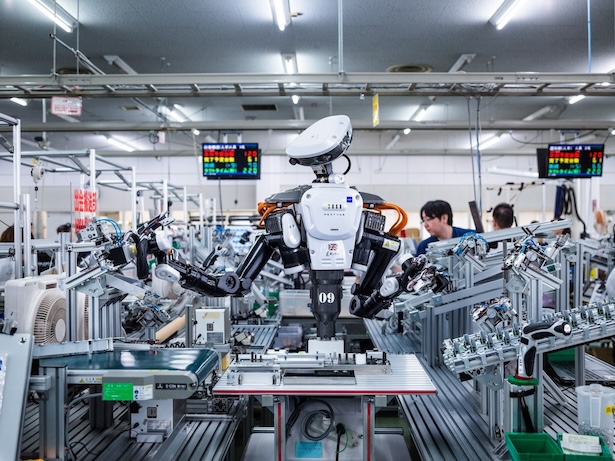
Tesla Optimus at AWE 2026 Shanghai: Gen 3 Reveal Events
At the Augmented World Expo (AWE) 2026 in Shanghai, Tesla unveiled its latest iteration of the humanoid robot, Optimus Gen 3, marking a significant advancement in robotics technology. The event took place on June 1, 2026, and attracted considerable attention from industry experts and tech enthusiasts alike. Tesla's decision to showcase Optimus at AWE instead of the Consumer Electronics Show (CES) was driven by the desire to reach a more specialized audience focused on augmented reality and robotics innovations. During the presentation, Tesla highlighted the robot's enhanced capabilities, including improved mobility, advanced AI integration, and practical applications in various sectors such as manufacturing and healthcare. The company provided a detailed timeline of the development process, emphasizing the rigorous testing and iterative improvements that led to the Gen 3 model's launch. This strategic move not only reinforced Tesla's commitment to leading in robotics but also aimed to position the company as a key player in the future of automation. By opting out of CES, Tesla sought to engage directly with a community that shares its vision for the future of technology, fostering collaboration and innovation in the field. The unveiling of Optimus Gen 3 represents a pivotal moment for Tesla as it continues to push the boundaries of what is possible in robotics and artificial intelligence.

Aetina Demonstrates Edge AI Platforms for Robotics, Vision AI and Enterprise Automation at COMPUTEX 2026
NVIDIA is set to showcase its cutting-edge edge AI systems, robotic automation, lightweight VLM deployment, and agentic AI workflows through live demonstrations. These events will highlight the capabilities of real-time AI processing at the edge, illustrating the potential applications and advancements in technology. The demonstrations are scheduled to take place in the coming weeks, providing attendees with a firsthand experience of the latest innovations in AI. By presenting these technologies, NVIDIA aims to emphasize the importance of edge computing in enhancing efficiency and performance across various industries. The demonstrations will allow participants to observe how these systems operate in real-time, showcasing their practical applications and benefits.

Coco Robotics Unveils Largest Multi-Brand Campaign on Autonomous Miami Delivery Fleet Across F1 Window
Coco, a company specializing in autonomous deliveries, has deployed over 100 robots in Miami, showcasing brand wraps that transform everyday deliveries into a prominent advertising platform. This initiative coincides with one of the year's major cultural events, leveraging the high visibility of the robots to enhance brand exposure. By integrating advertising into their delivery service, Coco aims to capitalize on the increased foot traffic and attention generated by the event. The robots navigate the city, providing a unique blend of convenience and marketing, thereby creating a new out-of-home advertising channel that engages consumers in a dynamic way.
New frontiers in robotics at CES 2026
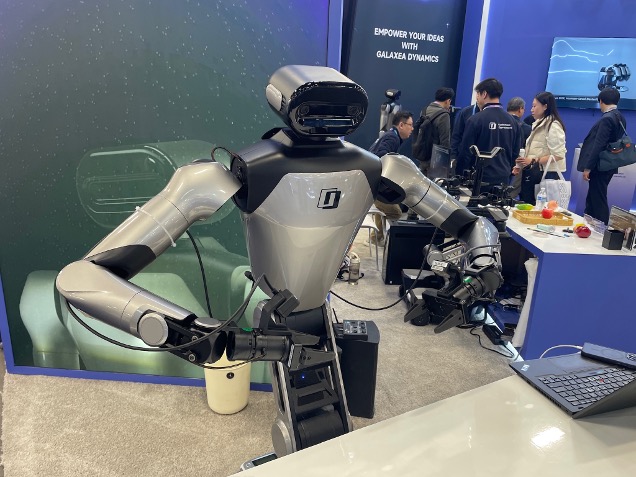
The Consumer Electronics Show (CES), one of the largest trade events globally, is set to attract over 100,000 attendees this year. Taking place annually, the event serves as a platform for thousands of companies, including industry giants and innovative startups, to unveil cutting-edge technologies. This year, CES will highlight emerging trends and showcase new products, drawing significant attention from media and tech enthusiasts alike. The event not only facilitates networking among global leaders in the tech sector but also provides insights into the future direction of technology. With its reputation for launching groundbreaking innovations, CES continues to be a pivotal moment in the tech calendar, shaping the industry’s landscape for the year ahead.
Video Friday: Digit Learns to Deadlift
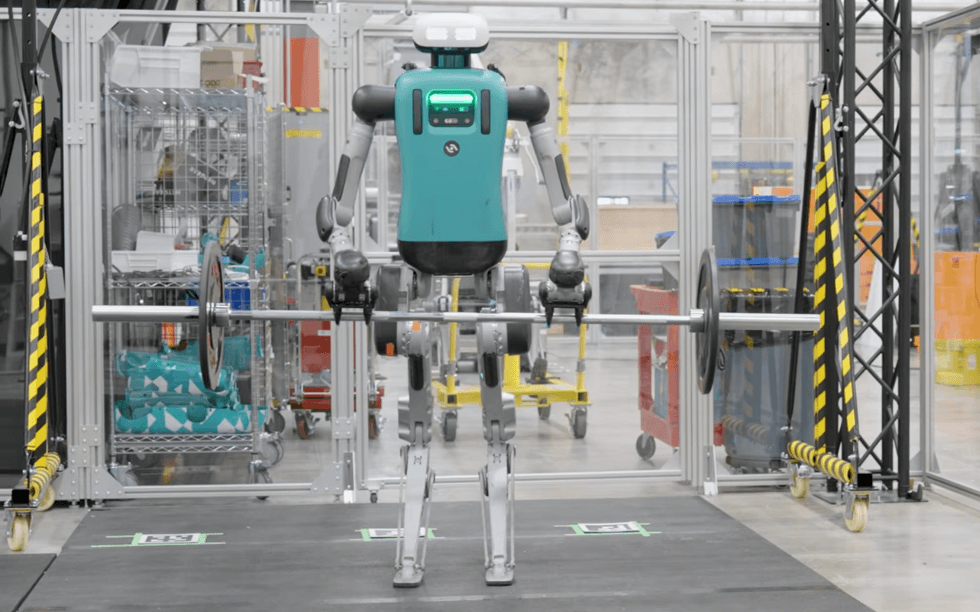
IEEE Spectrum robotics has released its latest edition of "Video Friday," showcasing a selection of innovative robotics videos and announcing upcoming events in the field. The events include the International Conference on Robotics and Automation (ICRA) scheduled for June 1-5, 2026, in Vienna, the Robotics Science and Systems (RSS) conference from July 13-17, 2026, and a Summer School on Multi-Robot Systems taking place from July 29 to August 4, 2026, in Prague. Among the featured videos, researchers are training the robot Digit to perform a deadlift with a 65-pound object, emphasizing the importance of whole-body coordination and resilience in its actuators. This training allows for the development of a policy that enables Digit to execute a dynamically balanced lift in real-world scenarios. Additionally, Gatlin Robotics has introduced its first commercial showcasing robots in action as part of its Robot-as-a-Service (RaaS) contract. Dexterity highlights the expressive potential of motion intelligence in robotics, while Harvard researchers present a swarm of simple antlike robots capable of constructing and dismantling structures through adaptive group behavior. Lastly, a project from Michigan Robotics demonstrates a microcombustion actuator that rapidly inflates to launch colorful water droplets, challenging conventional notions about the capabilities of soft actuators. These advancements reflect the ongoing evolution and application of robotics technology across various domains.
Industrial-robots Humanoid-robots Video-friday Swarm-robotics Dancing-robot Bipedal-robots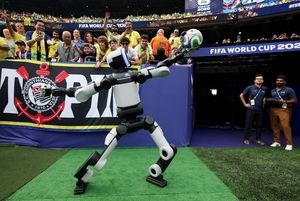
Atlas takes the World Cup stage
Hyundai Motor Group's Atlas humanoid robot made its live public debut on Monday in New Jersey, delivering the FIFA World Cup match ball ahead of the Round of 16 clash between Brazil and Norway. This event is part of Hyundai's "Next Starts Now" campaign, showcasing the company's commitment to innovation and technology in the automotive industry. The robot's appearance not only highlights advancements in robotics but also aligns with Hyundai's efforts to engage with global audiences during one of the world's most-watched sporting events.
All News
June 2026 Robot Financing: Key Trends and Major Investments
In June 2026, the robot financing market experienced a surge with 59 investment events, 27 of which surpassed 100 million yuan. This activity highlights a continued interest in early-stage projects, particularly in the sectors of humanoid robots and essential components. The concentration of significant investments suggests a strategic shift in capital towards high-tech innovations and projects that present substantial barriers to entry. This trend underscores a strengthening valuation system within the robotics industry, indicating a growing confidence among investors in the potential of advanced robotics technologies.
Robot Financing Humanoid Robots Core Components AI Robotics Investment Trends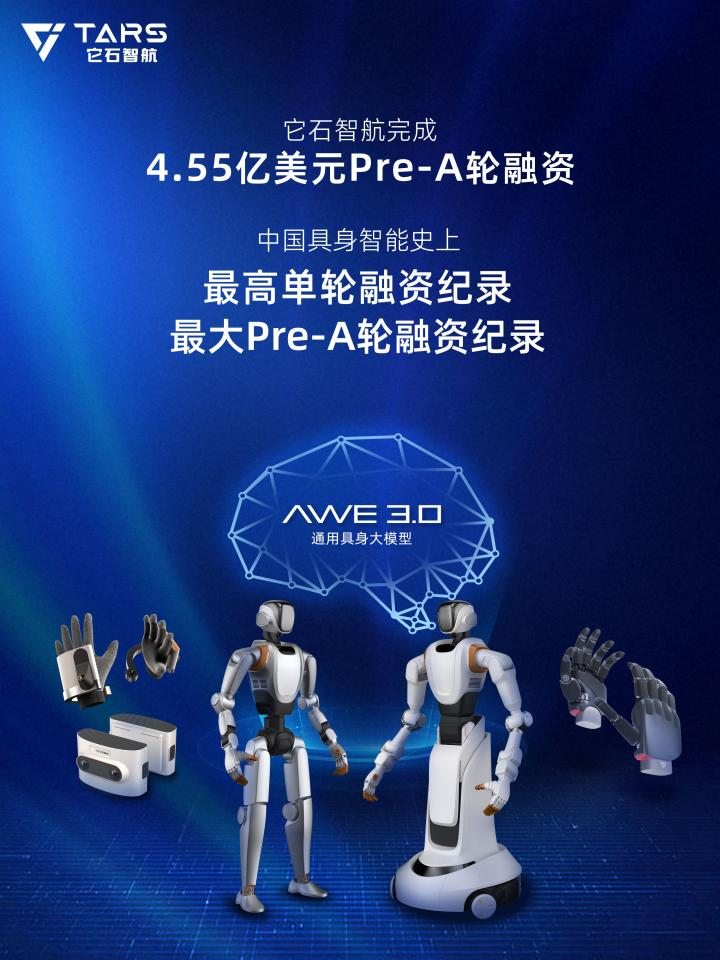
Tax Data Reflects Capital Enthusiasm as Market Faces Evaluation Moment
In the first half of 2026, China's embodied intelligence and robotics sector experienced a remarkable surge, with 288 financing events generating over 46 billion yuan. This represents a 22.4% increase in sales revenue compared to the previous year, highlighting a robust demand from downstream factories. The significant influx of investment and favorable tax data underscores a pivotal moment for the commercialization of embodied intelligence in the country. However, the industry continues to face challenges, including disparities in funding and supply chain issues, which could impact its future growth trajectory.
Embodied Intelligence Robotics Market Trends Investment Commercialization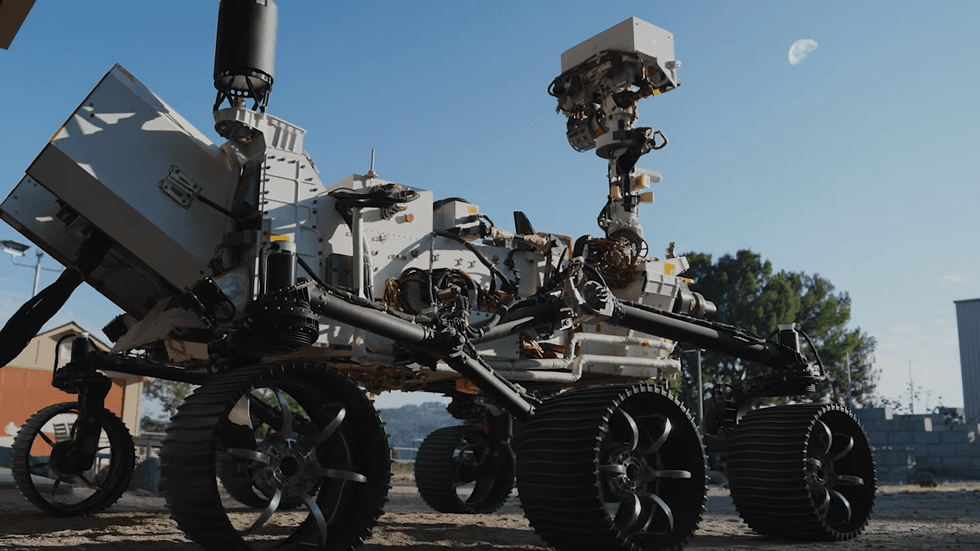
Video Friday: An Earthbound Mars Rover for the Moon
IEEE Spectrum robotics has released its latest edition of Video Friday, showcasing a variety of innovative robotics videos and announcing upcoming events in the field. Notable events include the RSS 2026 conference in Sydney from July 13-17, the Summer School on Multi-Robot Systems in Prague from July 29 to August 4, and IROS 2026 in Pittsburgh from September 27 to October 1. Among the featured projects is NASA's proposed PROMISE mission, which aims to send an advanced, nuclear-powered rover to the Moon's South Pole as part of its Moon Base initiative. This mission will utilize technology from the Curiosity and Perseverance Mars rovers, showcasing the adaptability of existing space exploration technology. In other developments, Weave Robotics is set to launch its home robot, Isaac 1, this fall, offering basic task autonomy for $500 per month. Meanwhile, UBTech Robotics has introduced a humanoid robot with lifelike features and emotional AI, reflecting a growing trend of integrating robots into domestic settings. Additionally, Carnegie Mellon’s Dr. Sebastian Scherer emphasizes the importance of developing robots capable of performing tasks in unpredictable environments, aiming to make them more functional and tool-like. The ongoing advancements in robotics, including soft, floating robots designed for social interaction and innovative applications like spatial audio technology from Georgia Tech, highlight the industry's commitment to enhancing human-robot collaboration and everyday life.
Video-friday Home-robots Rovers Humanoids
China's Robots Try World Cup-Style Penalty Kicks
At the Mobile World Congress in Shanghai, Chinese humanoid robots are capturing attention with their impressive capabilities, showcasing a range of skills from executing penalty kicks to playing the piano. Bloomberg's Stephen Engle conducted a hands-on evaluation of these robots, testing their performance and adaptability in a lively environment. The event, which highlights advancements in technology and robotics, raises questions about the robots' ability to engage with the excitement and spirit of global events like the World Cup. As the congress unfolds, the demonstration of these robots serves to illustrate the rapid development of artificial intelligence and robotics in China, reflecting the country's ambition to lead in innovative technology.
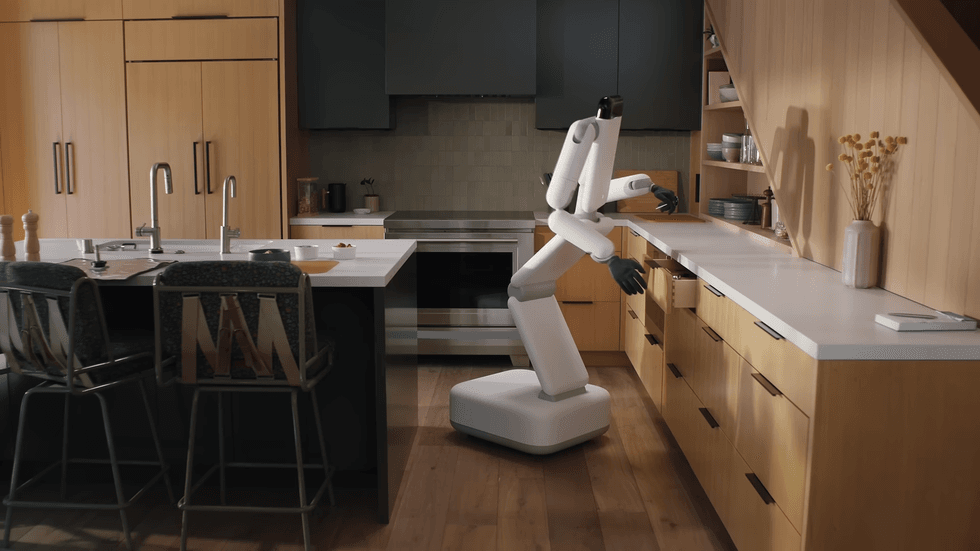
Video Friday: Do Robots Even Need Legs?
In the latest edition of Video Friday, IEEE Spectrum robotics showcases a variety of innovative robotics videos and announces upcoming events in the field. Notable events include RSS 2026 scheduled for July 13-17 in Sydney, the Summer School on Multi-Robot Systems from July 29 to August 4 in Prague, Actuate 2026 on August 18-19 in San Francisco, and IROS 2026 from September 27 to October 1 in Pittsburgh. Among the featured projects, Eno, an advanced AI and general-purpose robot developed by Genesis, exemplifies a new generation of robots designed to enhance human capabilities. Meanwhile, NASA's Jet Propulsion Laboratory is testing the ERNEST rover in California's Colorado Desert, which is being developed for future lunar missions and can operate autonomously over challenging terrain. Sony AI's Ace project demonstrates a robotic system capable of adapting to unpredictable scenarios in table tennis, while ANYbotics highlights the economic benefits of their quadruped robots in industrial inspections, preventing significant production losses. GITAI is preparing for a robotic satellite servicing demo, and Bi-AQUA is exploring underwater photography challenges for robots. Sanctuary AI has achieved impressive results in wire plugging tasks for a major automotive supplier, showcasing a success rate exceeding 99.5%. Additionally, various other robotics projects are highlighted, including a bipedal robot named GrowBot, which operates on a low-cost Raspberry Pi and aims to make physical AI accessible to a broader audience.
Video-friday Robot-videos Lunar-rover Inspection-robots Robot-hands Robot-ai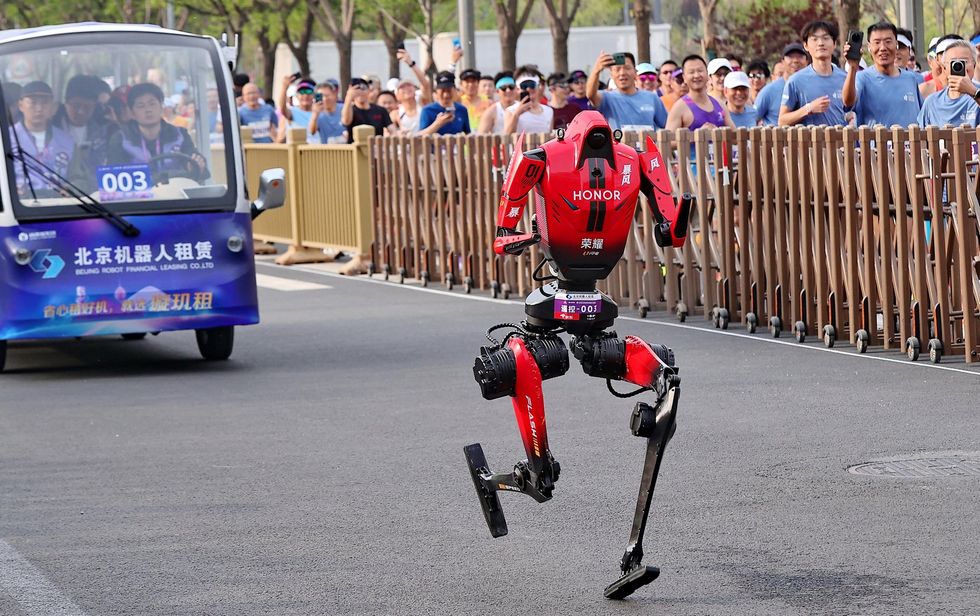
The Secret to Marathon-Winning Humanoid Robots
On April 19, 2026, the Honor Lightning humanoid robot set a remarkable record by completing a half-marathon in just 50 minutes and 26 seconds, surpassing the previous human world record by seven minutes and outperforming the best robot time from 2025 by nearly two hours. This achievement has sparked interest in the technology behind its performance, particularly in comparison to competitors like Unitree, which struggled with overheating issues during the race. The Lightning's success can be attributed to its innovative design, particularly its advanced liquid cooling system that prevents overheating during prolonged exertion. Unlike traditional air cooling methods, the robot utilizes capillary-like liquid cooling pipes that circulate over four liters of coolant per minute through its motors, allowing it to maintain optimal performance without succumbing to heat-related limitations. While the robot's motor specifications remain undisclosed, its engineering emphasizes an optimal gear ratio of 45:1, which balances torque and speed effectively for running. This design contrasts with other humanoid robots, which may be optimized for walking but struggle with the demands of running, resulting in higher power consumption and inefficiencies. Honor's achievement highlights not only the potential of humanoid robots in athletic endeavors but also the engineering trade-offs necessary for different tasks. While the Lightning excels in speed, it may not be as versatile for other applications, underscoring the importance of targeted engineering in robotics. The event has reignited discussions about the capabilities of machines versus humans, emphasizing that comparisons between the two should be approached with caution, as their strengths and limitations differ significantly.
Robotics Running-robots Robot-sports Humanoid-robots
Video Friday: Robotic Motion Discovery Reveals Unusual Behaviors
IEEE Spectrum robotics has released its latest edition of Video Friday, showcasing an array of innovative robotics videos and announcing upcoming events in the field. Notable events include RSS 2026 in Sydney from July 13-17, the Summer School on Multi-Robot Systems in Prague from July 29 to August 4, and Actuate 2026 in San Francisco on August 18-19. Among the featured videos is MotionDisco, a framework that autonomously discovers complex humanoid loco-manipulation motions, highlighting the challenges of coordinating fluid movements across multiple joints. Additionally, the Human Support Robot (HSR) from Toyota is demonstrated in real home environments, assisting residents with daily tasks, showcasing the potential for robots to become long-term companions. Other highlights include the MIDAS Hand, an open-source robotic hand designed for manipulation and research, and a novel flight maneuver by a bipedal robot that showcases advanced aerial control. The European Space Agency shares a timelapse of Dextre, a robotic handyman, efficiently unloading equipment in space, while ROBOTIS introduces AI Sapiens, which learns humanoid motions using just a smartphone camera. In a collaborative effort, LUMOS Robotics has launched Project EDGE, inviting global innovators to explore humanoid robotics, while Sphero emphasizes its educational products designed to nurture computational thinking from early childhood through high school. These developments illustrate the rapid advancements and collaborative spirit within the robotics community.
Humanoid-robots Video-friday Quadruped-robots Robot-videos Home-robots Dexterity
From ball to rover: Transformable palm-sized rover SORA-Q for autonomous lunar exploration
In June 2026, a groundbreaking study published in Science Robotics highlights advancements in robotic technology, showcasing innovative designs and applications that could revolutionize various industries. Researchers from leading institutions collaborated to develop these robots, which are engineered to enhance efficiency and safety in sectors such as manufacturing, healthcare, and logistics. The study emphasizes the integration of artificial intelligence and machine learning, enabling robots to adapt to complex environments and perform tasks with greater precision. This research is particularly timely as industries seek to recover and innovate following disruptions caused by global events in previous years. The findings were presented at an international robotics conference held in Tokyo, where experts gathered to discuss the future of automation and its implications for the workforce. The motivation behind this research stems from the increasing demand for automation solutions that can address labor shortages and improve productivity. By employing advanced algorithms and sensor technologies, the robots demonstrated their ability to collaborate with human workers, paving the way for safer and more efficient workplace environments. This study not only marks a significant milestone in robotic development but also sets the stage for further exploration into the ethical and economic impacts of widespread robotic integration in society.
Research Article
indie Launches Edge AI SoC to Power Smarter Perception Systems for Automotive and Humanoids
indie, an automotive solutions innovator based in Aliso Viejo, CA, has announced the launch of its next-generation edge AI system-on-chip (SoC), the iND881, designed to enhance smart camera technology for automotive and robotic applications. Unveiled on June 10, 2026, the iND881 integrates an AI compute engine with indie’s advanced low-latency multi-camera image signal processor (ISP), providing an efficient solution for developers. The iND881 is engineered for low power consumption and real-time responsiveness, featuring a Neural Processing Unit (NPU), a versatile Digital Signal Processor (DSP), and a quad-core ARM Cortex-A53 CPU. This architecture is tailored for demanding edge perception tasks, making it particularly beneficial for advanced driver assistance systems, including driver and occupant monitoring and smart mirrors with blind-spot detection. In addition to automotive applications, the iND881 supports robotics and physical AI automation, facilitating accurate sensing and navigation for autonomous mobile robots. The device's capabilities include multi-channel video compression, high-dynamic-range ISP, and compatibility with various sensor modalities such as infrared and LiDAR, ensuring robust performance in complex environments. The iND881 is ASIL-B compliant and automotive qualified, currently available for sampling. It will be showcased at the upcoming AutoSens and InCabin USA 2026 events. Fred Jarrar, indie's senior vice president, emphasized that the launch not only expands their product portfolio but also positions indie as a comprehensive solutions provider in the edge AI market.

Jensen Huang courts Korea's AI ecosystem on packed Seoul tour
Nvidia CEO Jensen Huang is currently on a high-profile visit to South Korea, engaging with local tech leaders and fans in a series of events designed to strengthen the company's partnerships in artificial intelligence and robotics. His trip, which includes appearances at popular PC bangs and interactions with renowned figures from the gaming community, highlights Nvidia's commitment to fostering collaboration in the region. Scheduled activities through Monday night involve enjoying traditional Korean cuisine, such as fried chicken and samgyetang, and attending a baseball game, all while discussing advancements in next-generation technologies. Huang's visit underscores Nvidia's strategic focus on enhancing its presence and influence within the South Korean tech landscape.
All News
X2robot Unleash 'Game-Changer': Wall-WM Redefines World Model Paradigms with Event-Level Thinking
X2robot has unveiled Wall-WM, a groundbreaking 'event-level' world model that redefines conventional approaches to video-action learning. This innovative model conceptualizes 'events' as the smallest semantic units, effectively integrating text, vision, and action to improve training and performance outcomes. By addressing previously overlooked discrepancies among different modalities, Wall-WM is poised to drive substantial advancements in the fields of robotics and artificial intelligence. The introduction of this technology marks a significant milestone in enhancing the capabilities of AI systems, potentially transforming how machines learn from and interact with their environments.
World Models Event-Level Learning Robotics AI Video-Action Models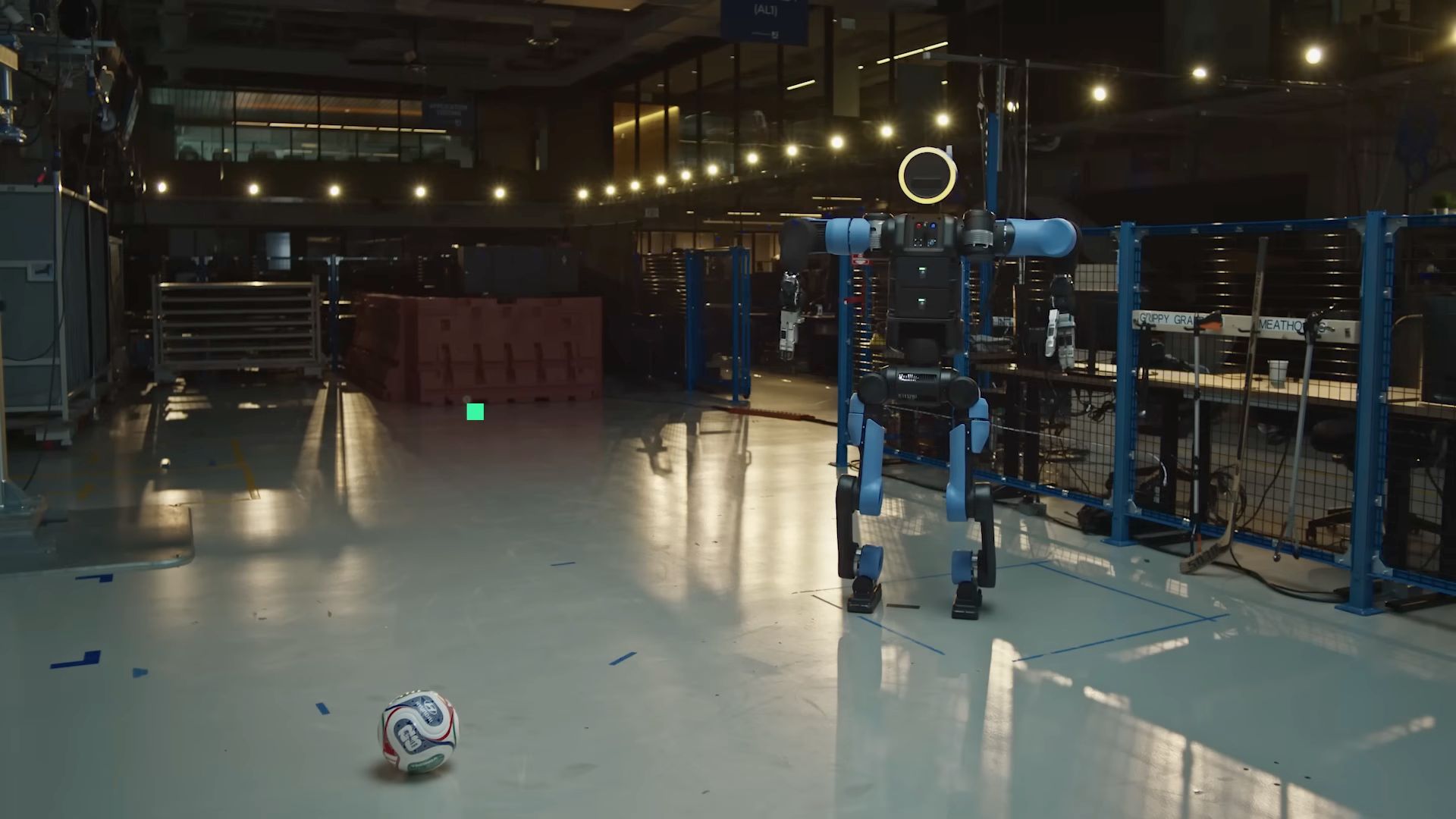
Video: Atlas humanoid robot learns soccer skills from World Cup game footage
Boston Dynamics has unveiled a new video featuring its Atlas humanoid robot, showcasing its advanced capabilities in preparation for the 2026 World Cup. Released recently, the video highlights the robot's agility and precision as it performs a series of complex movements, including running, jumping, and navigating obstacles. This demonstration aims to illustrate the potential applications of robotics in sports and entertainment, particularly as the world gears up for the highly anticipated tournament. The release comes as part of Boston Dynamics' ongoing efforts to push the boundaries of robotic technology and its integration into various fields. By showcasing Atlas's skills, the company hopes to inspire innovation and spark discussions about the future role of robots in athletic events and beyond.

"The era of VLA has not ended!" Guo Yandong, founder of Zhifengfang, sets the tone for industry disputes while launching the world's first one-stop ...
On April 19, the 2026 Beijing Yizhuang Humanoid Robot Half Marathon took place, showcasing significant advancements in robotics. The Honor "Lightning" robot achieved a remarkable net time of 50 minutes and 26 seconds, breaking the human men's half marathon world record and improving upon the previous year's robot champion's time by an impressive 110 minutes. The event drew enthusiastic crowds, reflecting a growing interest in the embodied intelligence sector. A notable shift in participation methods was observed, with nearly 40% of the competing robots operating autonomously, a departure from the reliance on remote control seen in last year's inaugural event, where technicians managed the robots manually. This transition to autonomous operation not only highlights rapid technological progress but also positions the event to potentially set a Guinness World Record for the most autonomous humanoid robots in a half marathon. The advancements in robotics within just one year indicate a significant leap in the industry, marking a new era for robotic participation in competitive events. Following the marathon, on April 22, Qianxun Positioning announced further developments in the field, underscoring the momentum generated by this groundbreaking event.
Robotics Automation AIRobotics needs a service framework.
RSF defines a common language for robot service capability, lifecycle operations, certification pathways, and service-provider networks.