Top News

Industry Briefing

A single destination for timely, editor-curated robotics news from around the world.

Path Robotics Enhances Welding Efficiency with AI and Boston Dynamics Robots

Path Robotics Enhances Welding Efficiency with AI and Boston Dynamics Robots

In a recent episode of The Robot Report Podcast, Andy Lonsberry, co-founder and CEO of Path Robotics, detailed the company's innovative approach to robotic welding. Based in Columbus, Ohio, Path Robotics utilizes AI to optimize the welding process by identifying torch paths and employing real-time vision guidance. This technology aims to streamline operations in manufacturing environments, addressing longstanding challenges in the industry. The significance of Path Robotics' advancements lies in their application of physical AI to enhance robotic systems. By integrating AI-driven solutions, the company is not only improving the efficiency of welding operations but also expanding the capabilities of robots in complex production settings. The deployment of Boston Dynamics' Spot robots for mobile welding applications in shipbuilding further exemplifies the potential of combining AI with robotics to tackle industry-specific challenges. Looking ahead, the focus will be on the continued integration of AI in robotic systems and the potential for further advancements in welding technology. No further timeline was disclosed at the time of publication, but the ongoing development in this area suggests a promising future for AI-enhanced manufacturing solutions.

Artificial Intelligence Assembly Cameras / Imaging / Vision Controllers Humanoids Manufacturing
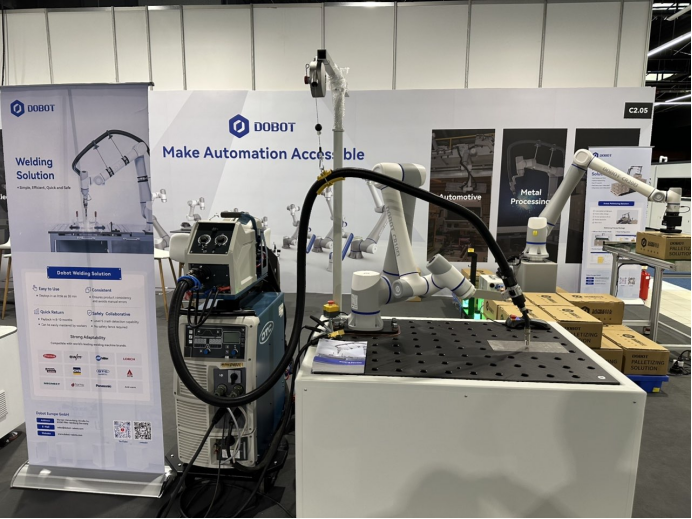
Robotic Welding Automation: How Cobot Welders Transform Manufacturing

Robotic Welding Automation: How Cobot Welders Transform Manufacturing

Robotic welding, a cutting-edge technology in manufacturing, has gained significant attention for its efficiency and precision. This innovation, particularly through the use of collaborative robots (cobots), has revolutionized traditional welding processes. As industries seek to enhance productivity and reduce labor costs, cobot welders have emerged as a solution, allowing for safer and more effective operations alongside human workers. The rise of robotic welding has been particularly notable in recent years, with advancements in automation technology driving its adoption across various sectors. Manufacturers are increasingly integrating these systems into their production lines to streamline processes and improve output quality. The ability of cobots to work in tandem with human operators not only boosts efficiency but also minimizes the risk of workplace injuries, addressing safety concerns prevalent in welding environments. As companies continue to embrace this technology, the impact of robotic welding on the manufacturing landscape is becoming increasingly evident. By automating complex tasks, businesses can focus on higher-level operations and innovation, ultimately leading to greater competitiveness in the market. The ongoing evolution of robotic welding signifies a transformative shift in how products are manufactured, highlighting the importance of adapting to technological advancements in the industry.

robot arm collaborative robot cobot dobot dobot robotics
Robotic Welding Arm Trends: Focus on Precision, Compactness, and Ease of Programming

Robotic Welding Arm Trends: Focus on Precision, Compactness, and Ease of Programming

Recent advancements in automated welding technology are addressing key industrial demands for consistent joint quality, space efficiency, and user-friendly operation. JAKA, a leader in robotic solutions, is focusing on the development of a modern robotic welding arm that integrates enhanced precision, compact design, and simplified programming. To ensure reliable weld quality, JAKA emphasizes synchronized control, where the robot's motion is precisely aligned with welding parameters like voltage and current. This integration allows for consistent arc characteristics along the weld seam, which is crucial for structural integrity and compliance with industry standards. The company employs real-time communication protocols and adaptive control algorithms to maintain uniform weld bead geometry. Recognizing space constraints in manufacturing environments, JAKA is also optimizing the kinematics of its robotic arms. The design features slimmer links and a minimized base, enabling the robots to operate effectively in tight spaces without requiring significant changes to existing production layouts. Furthermore, JAKA aims to make robotic welding more accessible by simplifying programming interfaces. The introduction of intuitive features, such as hand-guided teaching and graphical software with pre-configured settings, allows welding technicians to leverage their expertise without extensive coding knowledge. This approach not only reduces deployment time but also empowers skilled welders to efficiently manage automated processes. Overall, JAKA's commitment to combining accuracy, spatial efficiency, and operational accessibility positions its robotic welding arm as a practical solution for the evolving needs of the metal fabrication and manufacturing sectors.

HD Hyundai Robotics Secures Order for Robotic Welding Solutions, Enters US Shipbuilding Automation Market

HD Hyundai Robotics Secures Order for Robotic Welding Solutions, Enters US Shipbuilding Automation Market

HD Hyundai Robotics, a subsidiary of HD Hyundai specializing in robot manufacturing and solutions, has officially entered the U.S. shipyard automation market. This strategic move is part of the company's commitment to advancing productivity within the shipbuilding industry, as outlined by the MASGA initiative. By establishing a presence in the U.S., HD Hyundai Robotics aims to expand its influence and capabilities in shipyard automation, responding to the growing demand for innovative solutions in this sector. The initiative reflects the company's broader goal of enhancing efficiency and productivity in shipbuilding through advanced robotics technology.

AI Capital Markets Robotics Chouset Group robotic welding robots
Robotic Welding Cells: Why the Robot Shouldn’t Be Your First Area of Focus

Robotic Welding Cells: Why the Robot Shouldn’t Be Your First Area of Focus

In the evolving landscape of industrial automation, the efficiency of welding cells is increasingly under scrutiny, with experts emphasizing the critical role of each component in ensuring a successful investment. As manufacturers seek to optimize their operations, the focus has shifted to the importance of power sources and fixturing tolerances, which are pivotal in determining the overall performance of automated welding systems. This trend has gained momentum in recent months, as companies strive to enhance productivity and reduce downtime. By understanding the intricate relationship between various components, businesses can avoid costly mistakes that lead to underutilized equipment. The insights gathered from industry specialists highlight that a well-integrated welding cell can significantly improve operational efficiency and return on investment. The push for improved automation in welding is not just a response to market demands but also a proactive measure to stay competitive in a rapidly advancing technological environment. As manufacturers invest in automation, they are urged to consider the compatibility and quality of each element within the welding cell to maximize their potential benefits. In summary, the ongoing dialogue among industry leaders underscores the necessity of a holistic approach to welding automation, where attention to detail in every component can mean the difference between success and stagnation.

Factory / Robotics
Path Robotics Launches Rove, Bringing Mobility to Welding Automation Powered by Physical AI

Path Robotics Launches Rove, Bringing Mobility to Welding Automation Powered by Physical AI

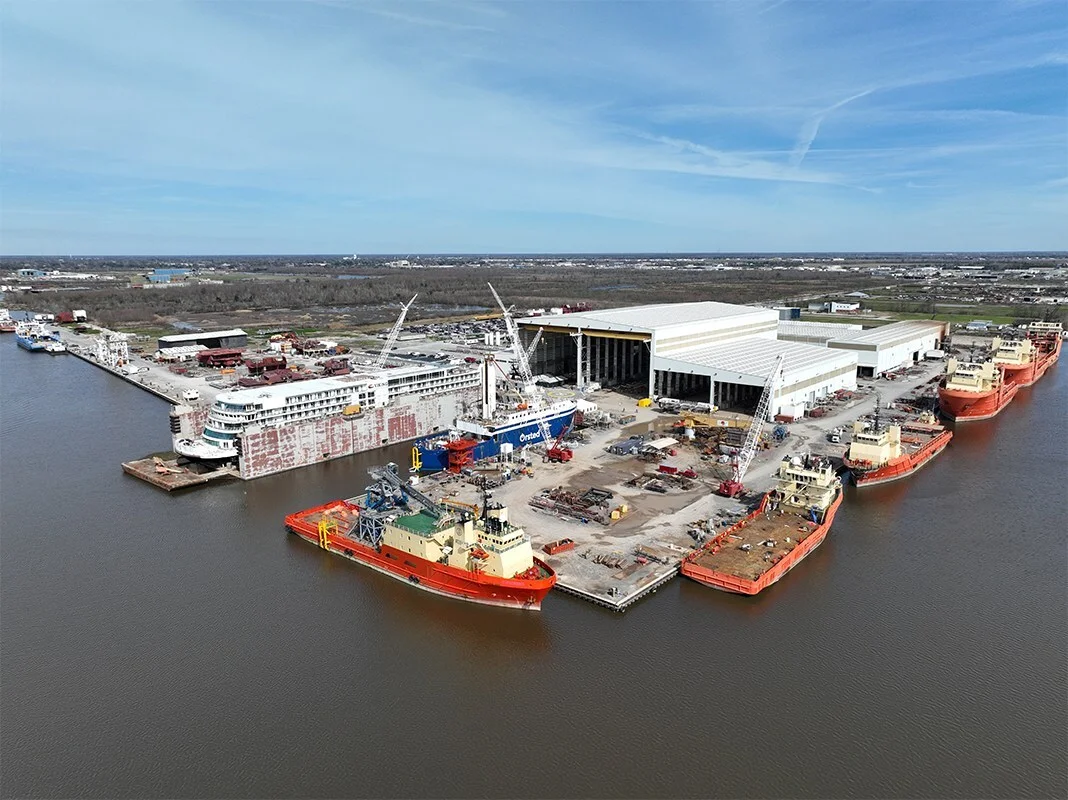
Path Robotics has unveiled Rove™, a mobile robotic welding system that integrates its advanced Obsidian™ physical AI model with a quadruped robot, marking a significant advancement in welding automation. Announced on April 16, 2026, this innovative system allows for intelligent welding directly at the workpiece, rather than requiring the part to be moved to a fixed welding cell. This development comes at a crucial time as industries face skilled welder shortages and the challenges of large-scale fabrication environments, such as shipbuilding and heavy construction. Rove is designed to operate effectively in high-variability settings, overcoming the traditional limitations of legged robots in precision welding. Early adopter Saronic Technologies, a leader in autonomous maritime vessels, is set to evaluate Rove's capabilities in its shipbuilding operations in Franklin, Louisiana. John Morgan, Head of Manufacturing at Saronic, emphasized the importance of adaptable tooling in modernizing shipyard operations. The Rove system will be showcased at the Sea-Air-Space 2026 maritime expo in National Harbor, Maryland, from April 19 to 22, where attendees can witness its capabilities firsthand. Path Robotics aims to revolutionize manufacturing processes by combining artificial intelligence, machine learning, and computer vision to enhance production quality and efficiency. For more information, interested companies can visit Path Robotics' website.

ROKAE Next-Generation Collaborative Welding Robots for a Smarter, More Flexible Welding Experience

ROKAE Next-Generation Collaborative Welding Robots for a Smarter, More Flexible Welding Experience

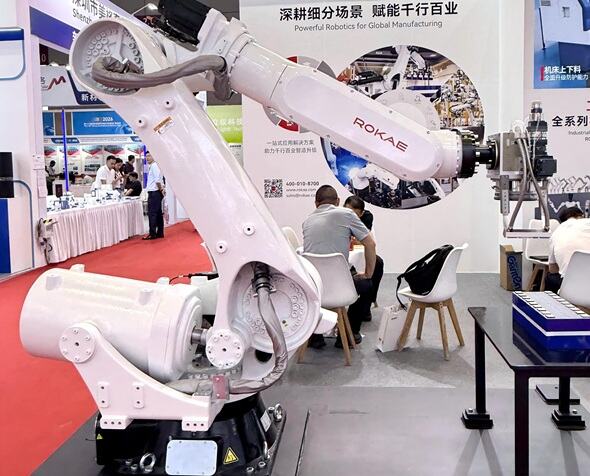
ROKAE is making significant strides in robotic welding technology, leveraging its comprehensive range of collaborative welding solutions known for their strong performance and adaptability. The company has successfully implemented its innovations across various sectors, including steel structures and shipbuilding, which has allowed it to gather extensive practical experience in the field. This advancement not only showcases ROKAE's commitment to enhancing industrial processes but also positions the company as a leader in the evolving landscape of automated welding solutions.

3Srobotics Secures Hundreds of Millions in Series B Funding for Smart Welding Solutions

3Srobotics Secures Hundreds of Millions in Series B Funding for Smart Welding Solutions

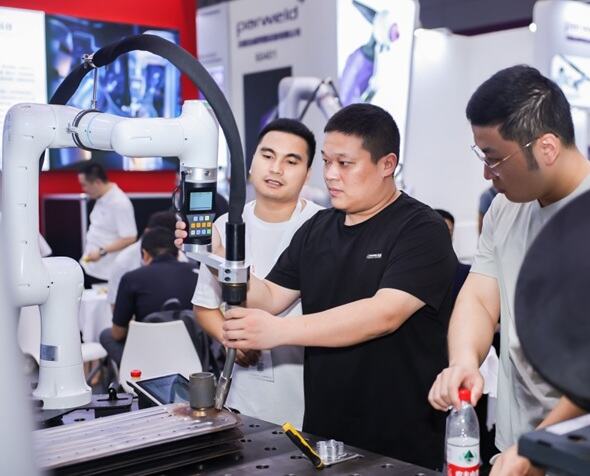
3Srobotics, a company specializing in embodied intelligent robotics for industrial manufacturing, announced the completion of a Series B funding round on July 9, raising hundreds of millions. The round was led by Shanghai Semiconductor Investment and Jinqiao Fund, with participation from several venture capital firms. The funding aims to enhance their smart welding robotics capabilities and expand production capacity. The significance of this investment lies in addressing the critical shortage of skilled welders in China, where the average age of registered welders exceeds 45. With an estimated shortfall of millions of welding engineers by 2025, 3Srobotics' technology aims to improve welding quality, efficiency, and stability. The smart welding robot market is projected to reach hundreds of billions in the next decade, highlighting the urgent need for automation in this sector. Looking ahead, 3Srobotics plans to leverage its smart welding robots to introduce a range of industrial automation products, including grinding, cutting, assembly, and handling robots. The company aims to penetrate the entire manufacturing process, with a revenue target of several hundred million by 2026. No further timeline was disclosed at the time of publication.
Smart Welding Robots Industrial Automation AI Robotics Manufacturing Technology
At VinFast’s plant, Vietnam’s global EV ambitions take shape

At VinFast’s plant, Vietnam’s global EV ambitions take shape

HAI PHONG, Vietnam — Inside VinFast’s sprawling factory complex in northern Vietnam, sparks fly from robotic welding arms behind safety fences as workers inspect panels and assemble vehicles moving overhead along the line. The scene captures both the industrial ambition and manufacturing drive of a young automaker trying to turn Vietnam’s homegrown electric vehicle brand into a global contender. The Hai Phong factory, about two hours from Hanoi, sits at the center of VinFast’s effort to make its

All News
NOVARC LAUNCHES NovAI AUTONOMY AS PART OF NovAI SUITE AND EXPANDS INTEGRATION TO YASKAWA AND ABB ROBOTS

NOVARC LAUNCHES NovAI AUTONOMY AS PART OF NovAI SUITE AND EXPANDS INTEGRATION TO YASKAWA AND ABB ROBOTS

Novarc Technologies, an industrial AI company focused on welding automation, unveiled its latest innovations at the Automate 2026 trade show in Chicago, running from June 22-25. The company introduced NovAI™ Autonomy, a cutting-edge solution that integrates machine vision and real-time adaptability into robotic welding processes, alongside NovHub™, its Enterprise Welding Intelligence platform. These technologies are designed to enhance the capabilities of ABB and Yaskawa robots, addressing critical challenges in the fabrication industry, such as a shortage of skilled welders and the need for greater automation flexibility. CEO Soroush Karimzadeh emphasized that NovAI aims to retrofit existing robotic cells, improving quality and efficiency by adapting to variations in parts and reducing manual rework. Demonstrations at the event showcased how NovAI Autonomy can automatically adjust welding parameters in response to misalignments and gaps, promising increased return on investment for manufacturers. The partnership with Yaskawa, formalized through a Memorandum of Understanding, aims to accelerate the deployment of vision-enabled welding cells, further enhancing productivity in heavy fabrication sectors. As demands for precision and efficiency grow, Novarc's advancements position it as a leader in AI-powered welding solutions, enabling manufacturers to optimize their operations and remain competitive.

Modern Entry Solutions for Automation

Modern Entry Solutions for Automation

Compact robotic welding cells are now making it easier for small and medium-sized enterprises (SMEs) to economically adopt robotic welding technology. This modern solution aims to streamline the automation process, allowing businesses to enhance their production capabilities without significant investment. The introduction of these systems is expected to facilitate a smoother transition into automation for SMEs, which often face challenges in scaling operations. By providing accessible and efficient tools for welding, these robotic cells are set to revolutionize the manufacturing landscape, enabling smaller companies to compete more effectively in the market.

Allgemein
Fanuc launches 11 kg ‘lightest’ collaborative welding robot

Fanuc launches 11 kg ‘lightest’ collaborative welding robot

Fanuc has introduced its CRX-3iA collaborative robot in Europe, marking the launch of the lightest and smallest model in its CRX lineup. Weighing only 11 kg, this new robot is designed to be compact, portable, and user-friendly, making it particularly suitable for welding applications. The launch responds to an increasing demand in industries such as shipbuilding and steel manufacturing, where precision and efficiency are critical. The CRX-3iA aims to enhance productivity and streamline operations in these sectors, showcasing Fanuc's commitment to innovation in automation technology.

Industrial robots News agv integration automation news cobot collaborative automation
MTC launches new Robot Experience Centre to accelerate UK automation adoption

MTC launches new Robot Experience Centre to accelerate UK automation adoption

The Manufacturing Technology Centre (MTC) in the UK has inaugurated a new Robot Experience Centre (REC) at its Ansty Park facility in Coventry. This innovative, vendor-neutral center aims to support UK manufacturers in accelerating the integration of robotics and automation technologies into their operations. By providing a space for manufacturers to explore, test, and validate various robotics solutions, the REC facilitates informed investment decisions. The initiative responds to the growing need for advanced manufacturing solutions, enabling businesses to enhance efficiency and competitiveness in an increasingly automated industry landscape.

News Technology automation news automation training cobots collaborative robots
6 Key Considerations When Integrating Robotics With HF Welding Machines

6 Key Considerations When Integrating Robotics With HF Welding Machines

In a recent industry development, experts emphasize that the effective integration of robotics with high-frequency (HF) welding machines goes beyond mere installation. This advancement is crucial for enhancing manufacturing efficiency and ensuring worker safety. By properly implementing robotic systems, manufacturers can significantly accelerate production cycles, reduce the risk of workplace hazards, and minimize errors such as burn-through, which can compromise product quality. The insights reflect a growing recognition of the importance of strategic planning and training in the adoption of robotic technology within the welding sector. As companies seek to modernize their operations, understanding the nuances of this integration will be essential for maximizing the benefits of automation in manufacturing processes.

ROKAE Robotics Partners with China Welding Association on Smart Welding Training

ROKAE Robotics Partners with China Welding Association on Smart Welding Training

ROKAE Robotics has announced a partnership with the China Welding Association (CWA) to collaboratively develop and implement professional training programs focused on intelligent welding technology. The agreement was formalized during a visit from Wu Jiupeng, Deputy Secretary-General of the CWA, to ROKAE's facilities. This initiative aims to bridge the existing skills gap between theoretical knowledge of welding and practical operation of robotic systems, which both organizations have identified as a critical challenge in the industry. The collaboration is expected to enhance the skill set of welding professionals, ensuring they are better equipped to meet the demands of modern welding technology.

Milestone for Valk Welding

Milestone for Valk Welding

Valk Welding has achieved a significant milestone in the field of automatic robot programming, reaching a total of 100 active licenses worldwide. This accomplishment highlights the company's growing influence and expertise in robotics, marking a pivotal moment in its development. The announcement underscores Valk Welding's commitment to advancing automation technology and enhancing operational efficiency across various industries.

Allgemein
ROKAE Robotics at CIBF 2026: Force-Controlled Welding Solutions for Battery Manufacturing

ROKAE Robotics at CIBF 2026: Force-Controlled Welding Solutions for Battery Manufacturing

ROKAE Robotics showcased its advanced automation solutions for lithium battery manufacturing at the 2026 China International Battery Fair (CIBF), held at the Shenzhen World Exhibition & Convention Center. The company highlighted its innovative technologies focused on force-controlled assembly and robot-integrated laser welding, aimed at enhancing efficiency and precision in battery production. This exhibition provided ROKAE Robotics with a platform to demonstrate its commitment to advancing the battery manufacturing industry, responding to the growing demand for high-quality and reliable lithium batteries in various applications.

Guangdong Welding Industry Association Visits ROKAE Robotics to Explore the Future of Intelligent Welding

Guangdong Welding Industry Association Visits ROKAE Robotics to Explore the Future of Intelligent Welding

A delegation from the Guangdong Welding Industry Association, featuring representatives from more than 50 prominent member enterprises, recently visited the Shenzhen branch of ROKAE Robotics. This visit, which took place to facilitate an in-depth exchange and exploration, focused on promoting the integration of welding robotics within the broader manufacturing sector. The initiative aims to identify viable pathways for technological innovation and to invigorate the intelligent transformation of Guangdong’s welding industry. By fostering collaboration and sharing insights, the delegation seeks to enhance the region's competitiveness in the evolving landscape of manufacturing technology.

Interview with MTC’s Mike Wilson: ‘Automation is not optional if the UK wants to rebuild manufacturing’

Interview with MTC’s Mike Wilson: ‘Automation is not optional if the UK wants to rebuild manufacturing’

During the 1980s, the UK underwent a significant economic transformation, often associated with the policies of then-Prime Minister Margaret Thatcher. This period marked a decisive shift from a manufacturing-based economy to one increasingly dominated by services, finance, retail, and consumer spending. As the country embraced these changes, the manufacturing sector diminished in importance, reflecting broader trends seen in other Western economies, particularly the United States. This evolution was driven by a combination of government policies aimed at deregulation and privatization, which sought to stimulate economic growth and enhance competitiveness in a rapidly changing global market. The lasting impact of this transition continues to shape the UK’s economic landscape today.

Economy Features Manufacturing Technology automation news British manufacturing
Over 200 Estun Robots Deployed on a Single Production Line: Fully Autonomous Robotic Automotive Parts Welding Line Officially Launched at Scale

Over 200 Estun Robots Deployed on a Single Production Line: Fully Autonomous Robotic Automotive Parts Welding Line Officially Launched at Scale

In 2025, China solidified its position as a global leader in the new energy vehicle (NEV) industry by producing 16.626 million NEVs, which represented around 74.5% of the world's total NEV output. This remarkable achievement was fueled by advancements in indigenous technologies, exceptional manufacturing efficiency, and a robust automotive equipment sector. The surge in NEV production underscores China's commitment to transitioning towards sustainable transportation solutions and reducing carbon emissions, aligning with global efforts to combat climate change. The country's strategic investments and innovations in the automotive sector have not only bolstered its domestic market but also positioned it as a key player in the international NEV landscape.

ESTUN AUTOMATION ROBOTICS SERVO SYSTEMS
"Shengshi Weisheng secures hundreds of millions in Series B funding for its smart welding brain model."

"Shengshi Weisheng secures hundreds of millions in Series B funding for its smart welding brain model."

3Srobotics, a company specializing in embodied intelligent robots for industrial manufacturing, has successfully raised several hundred million yuan in its Series B funding round. The investment was led by Shanghai Semiconductor Investment and Jinqiao Fund, with participation from Zero One Venture Capital, New Ding Capital, Zhongguan Dinghua, and existing shareholder Weiguang Venture Capital. The funds will be utilized to upgrade their intelligent welding systems, expand manufacturing capacity, and enhance their research and development and market service teams, aiming to accelerate the nationwide deployment of their products across various industries. Founded in 2020, 3Srobotics received national high-tech enterprise certification in 2023 and was recognized as a specialized and innovative small enterprise in Shanghai in 2024. This funding round marks a significant step in the company’s growth, leveraging its proprietary "intelligent brain and motor control system" to advance the development of scalable industrial-grade intelligent robots, particularly in the welding sector. The company focuses on addressing the growing labor shortage in welding, a critical process in industrial production that faces high risks and technical demands. With an aging workforce and a projected shortfall of millions of welding engineers by 2025, 3Srobotics aims to fill this gap with its AI-driven robots that can autonomously adapt to complex welding tasks, significantly improving efficiency and quality. 3Srobotics plans to expand its product offerings beyond welding to include grinding, cutting, assembly, and logistics, striving to create a comprehensive ecosystem of intelligent industrial robots that can transform manufacturing processes.

Welding Robots: Evolving Beyond Just Mechanical Arms

Welding Robots: Evolving Beyond Just Mechanical Arms

At the Shenzhen Essen Welding Exhibition, industry leaders addressed the ongoing challenges of integrating robotics into flexible production systems. Despite advancements in welding automation, the reliance on skilled workers remains crucial, as conventional robots often falter with complex tasks. The introduction of 'welding intelligent agents,' which utilize artificial intelligence for enhanced decision-making and adaptability, signifies a transformative development in the sector. This innovation aims to bridge the workforce gap created by the retirement of experienced welders and the increasing demand for customized production solutions.

Welding Robots AI in Manufacturing Industrial Automation Smart Manufacturing
Productive Robotics Equips Manufacturers With Zero Programming End-To-End Automation At IMTS

Productive Robotics Equips Manufacturers With Zero Programming End-To-End Automation At IMTS

Productive Robotics, based in Santa Barbara, California, is set to showcase its innovative end-to-end automation solutions at the International Manufacturing Technology Show (IMTS) 2026, taking place on July 1. The company will exhibit at two booths, highlighting its 7-axis OB7 collaborative robots, which require no programming and offer a plug-and-play setup. This technology aims to address acute labor shortages, rising costs, and global competition faced by manufacturers. In Booth #339186, the focus will be on automating metal removal processes, while Booth #237138 will emphasize abrasive machining, sawing, and gear production. Zac Bogart, president of Productive Robotics, emphasized the importance of CNC machining for U.S. manufacturers, particularly in defense, aerospace, and automotive sectors, as well as for reshoring efforts to stabilize supply chains. The demonstrations will include automated vision inspection systems, MIG welding, and laser welding applications, showcasing the versatility of the company's robots. With their unique 7-axis design, these collaborative robots offer enhanced dexterity, allowing them to perform a wide range of tasks without the need for workspace redesign. The user-friendly interface enables operators with no robotics experience to quickly teach the robots tasks, significantly boosting productivity and safety in various manufacturing environments. For more information, visit Productive Robotics' website.

Vention and Teradyne Robotics Collaborate on Digital Twin Creation Platform Optimized for UR Robotic Cells

Vention and Teradyne Robotics Collaborate on Digital Twin Creation Platform Optimized for UR Robotic Cells

At Automate 2026, live demonstrations highlighted the innovative integration of Vention's Rapid Operator AI with NVIDIA's Isaac open robotics platform. The event showcased advanced welding applications facilitated by Universal Robots' UR12e and UR20 collaborative robot models. These demonstrations, taking place in a cutting-edge robotics environment, aimed to illustrate the potential of AI-driven automation in enhancing manufacturing processes. By combining these technologies, the event underscored the growing importance of robotics in streamlining operations and improving efficiency in various industrial applications.

Doosan Robotics Unveils AI Palletizing Solution PalletizHD+ at Automate 2026

Doosan Robotics Unveils AI Palletizing Solution PalletizHD+ at Automate 2026

A new solution has been introduced that integrates artificial intelligence, robotics, and PalletizOS, aimed at enhancing throughput and streamlining palletizing operations for manufacturers. This innovative technology was showcased at a recent industry event, highlighting its potential to transform production processes. In addition to the palletizing advancements, the exhibition also featured advanced sanding and welding solutions that utilize Physics-Informed AI and 3D vision, demonstrating the growing intersection of AI and manufacturing. The developments reflect a broader trend towards automation and smart manufacturing, driven by the need for increased efficiency and productivity in the industry.

N Ways Robotic Arms Are Transforming the Automotive Assembly Line

N Ways Robotic Arms Are Transforming the Automotive Assembly Line

The automotive manufacturing industry is experiencing a significant transformation driven by the integration of advanced robotic arms, particularly collaborative robots, which enhance production efficiency, precision, and flexibility. JAKA, a leader in intelligent manufacturing, is at the forefront of this shift, implementing its robotic technology to address challenges such as low efficiency, inconsistent quality, and high labor costs in automotive assembly. As consumer demand evolves towards smaller batches and diverse product varieties, JAKA's collaborative robots, exemplified by the JAKA S12, offer high-precision adaptive assembly capabilities. With built-in force sensors and a lightweight design, these robots can be quickly deployed on assembly lines, minimizing downtime and adapting to various workpiece shapes and sizes. In the critical welding phase of automotive assembly, JAKA's robotic arms improve quality and efficiency by optimizing the welding process. Their user-friendly configuration interface and safety features ensure reliable operation, while compatibility with various welding machine brands enhances their versatility. Moreover, JAKA's collaborative robots lower the barriers to automation with zero-cost deployment and straightforward operation, allowing companies to implement these systems without specialized technical staff. This innovation not only reduces training costs but also enables manufacturers to quickly adapt to automation in their assembly lines. As the automotive sector increasingly embraces intelligent and flexible manufacturing, JAKA is committed to continuous innovation, providing high-quality robotic solutions that empower enterprises to enhance production efficiency and sustainability in the evolving market landscape.

Collaborative Welding Robots: The Dark Horse Reshaping China's Welding Automation

Collaborative Welding Robots: The Dark Horse Reshaping China's Welding Automation

In a significant development for China's manufacturing automation sector, collaborative welding robots are gaining traction as a promising solution for enhancing productivity and efficiency. These advanced robots, designed to work alongside human operators, are being increasingly adopted by various industries to streamline welding processes. The rise of collaborative welding robots comes at a time when manufacturers are seeking innovative ways to address labor shortages and improve operational efficiency. As companies strive to remain competitive in a rapidly evolving market, the integration of these robots allows for greater precision and consistency in welding tasks, reducing the risk of human error. Manufacturers across China are investing in this technology, recognizing its potential to transform traditional welding practices. By combining human skills with robotic capabilities, businesses can optimize workflows and increase output while maintaining high-quality standards. The growing interest in collaborative welding robots reflects a broader trend towards automation in the manufacturing sector, driven by the need for enhanced productivity and cost-effectiveness. As this technology continues to develop, it is expected to play a crucial role in shaping the future of manufacturing in China.

Robotics
The Future of Welding Cobot Technology: AI Path Planning and Simulation

The Future of Welding Cobot Technology: AI Path Planning and Simulation

The welding industry is experiencing a significant digital transformation in response to a global shortage of skilled welders and an increasing demand for high-precision manufacturing. This shift is marked by the introduction of collaborative robots, or welding cobots, which are evolving from traditional automated tools into intelligent partners capable of executing complex welding tasks. These advancements allow small-to-medium enterprises to achieve high-quality welding standards with reduced setup times. Key innovations include AI-driven path planning and vision integration, which address the challenges posed by variability in workpieces. By employing technologies such as "Through-the-Arc" sensing and laser vision systems, these cobots can analyze seams in real-time and adjust their movements to compensate for any misalignments. Additionally, "Lead-through" programming enables human welders to guide the robotic arm, which the AI then refines into a precise trajectory. The use of simulation and digital twin technology further enhances the welding process. Engineers can create virtual models of welding cells to optimize operations without interrupting production. This capability allows for the prediction of thermal effects and minimizes heat distortion, significantly reducing the time required to deploy welding cobots from days to hours. At the forefront of this innovation is JAKA, which is integrating these intelligent features into its collaborative platforms. Their welding cobots, equipped with advanced sensors and motion control, are designed for various welding applications. JAKA also offers a user-friendly software package that simplifies complex path planning, enabling operators to monitor and adjust weld parameters remotely, thereby enhancing craftsmanship while ensuring precision.

Robotic Packaging Solutions for Perishables: Meeting Strict Hygiene Standards

Robotic Packaging Solutions for Perishables: Meeting Strict Hygiene Standards

JAKA has introduced advanced industrial welding robots and robotic packaging solutions aimed at enhancing the safety and quality of perishable goods. As manufacturers grapple with the challenges of maintaining hygiene standards during high-volume production, JAKA's automation technology offers a solution. The JAKA Zu30 palletizing robot, designed for compact spaces, can operate across multiple production lines, significantly reducing operational costs while minimizing human contact to lower contamination risks. These robotic systems automate repetitive tasks such as palletizing and product sorting, thereby eliminating potential human errors and ensuring sanitary packaging operations. They are easy to clean and maintain, aligning with the strict hygiene requirements of the food, pharmaceutical, and sensitive product industries. By providing flexible integration capabilities, the JAKA Zu30 can adapt to various packaging formats and load sizes, making it suitable for a wide range of perishable goods. JAKA's commitment to automation not only improves production efficiency but also creates a cleaner and safer workspace for operators. By leveraging these innovative solutions, companies can achieve reliable packaging performance while adhering to stringent industry standards, ultimately safeguarding product quality and worker safety.

Designing Flexible Robotic Handling Systems for Irregular Product Shapes

Designing Flexible Robotic Handling Systems for Irregular Product Shapes

In the evolving landscape of manufacturing, JAKA is addressing the significant challenge of efficiently handling irregular product shapes through advanced robotic systems. These systems, designed for flexibility and precision, can adapt to complex geometries and unconventional designs while maintaining high performance. By employing sophisticated control algorithms and modular components, JAKA's robotic handling solutions seamlessly accommodate variations in size, weight, and shape, ultimately enhancing production rates and reducing management costs. The JAKA Zu30, a key innovation, exemplifies the importance of precision and repeatability in industrial applications. Its ability to spray complex curves with accuracy ensures that products meet stringent quality standards, minimizing rework and scrap, which lowers operational costs. The adaptable end-effectors of the system enable secure manipulation of diverse items, reducing the risk of damage during handling. JAKA's robotic solutions are engineered for smooth integration into existing production lines, supporting various tasks from welding to packing without extensive retooling. This modular design allows manufacturers to quickly adapt to new product lines, responding efficiently to market demands while maintaining high quality. By replacing repetitive manual tasks, JAKA's systems not only optimize operational efficiency but also enhance product quality. The JAKA Zu30's precision control reduces human error in processes like painting and welding, facilitating scalable production that accommodates design changes. As manufacturers face the need for flexibility in an ever-changing market, JAKA's commitment to balancing adaptability, precision, and efficiency positions them as a leader in robotic handling solutions.

ABB Robotics launches high-speed PoWa cobot family

ABB Robotics launches high-speed PoWa cobot family

ABB Robotics has launched its new PoWa™ cobot family, designed to enhance industrial automation by combining high-speed performance with higher payload capacities. Announced on April 22, 2026, this launch aims to address the growing demand for collaborative robots (cobots) among small and medium-sized enterprises (SMEs) as well as large corporations, as the global market for collaborative robotics is projected to grow by 20 percent annually until 2028. The PoWa cobots, which can handle payloads ranging from 7kg to 30kg and achieve top speeds of 5.8 m/s, fill a crucial gap in the market by offering industrial-grade capabilities in a compact design. This makes them suitable for various applications, including machine tending, palletizing, screwdriving, and arc welding. The cobots are powered by the ABB OmniCore™ controller platform, ensuring superior motion control and precision, and are compatible with ABB’s suite of AI-powered software tools for easy programming and deployment. Andrea Cassoni, Head of Collaborative Robots at ABB Robotics, emphasized that the PoWa family meets the needs of manufacturers looking for efficient automation solutions without the complexity of traditional industrial robots. With user-friendly features, including programmable buttons and no-code programming, the PoWa cobots can be operational within an hour, enabling manufacturers to automate processes quickly and effectively. This launch reflects ABB Robotics' commitment to advancing the capabilities of collaborative robots, making them faster, safer, and more versatile for a wide range of industrial applications.

Understanding Weld Seam Tracking in Collaborative Welding Systems

Understanding Weld Seam Tracking in Collaborative Welding Systems

In the evolving landscape of automated manufacturing, JAKA has unveiled advancements in weld seam tracking technology that enhance precision and flexibility in collaborative welding environments. This innovative approach addresses challenges such as part tolerances and thermal deformation by integrating advanced sensing, control algorithms, and motion accuracy. The JAKA Zu30, a collaborative welding robot, exemplifies this system-level capability, boasting a 30 kg payload, a reach of 1350 mm, and repeat positioning accuracy of ±0.05 mm. These features enable the robot to maintain stable tool motion while effectively handling heavier welding equipment, even in environments filled with welding fumes and metal particles due to its IP65 protection rating. Weld seam tracking allows the robotic system to accurately identify the position of weld joints and adjust its motion in real time, significantly reducing welding defects and improving bead consistency. This technology supports higher process continuity in mixed production lines by accommodating part variations without frequent manual adjustments. Designed for intuitive setup and consistent performance, the Zu30 is capable of executing complex welding tasks, including heavy workpiece processing and precision joint applications. By focusing on the integration of mechanical stability, control algorithms, and environmental adaptability, JAKA aims to advance collaborative welding precision, making automation more accessible in modern manufacturing settings.

From Prototype to Production: Persona AI and HD Hyundai Solidify Humanoid Welding Partnership

From Prototype to Production: Persona AI and HD Hyundai Solidify Humanoid Welding Partnership

Persona AI and HD Hyundai have officially moved from a preliminary memorandum of understanding to a formal agreement to implement bipedal welding robots in shipyards throughout South Korea. This decision follows successful prototype testing, which demonstrated the robots' capabilities in enhancing efficiency and precision in welding tasks. The collaboration aims to revolutionize shipbuilding processes by integrating advanced robotics, thereby addressing labor shortages and improving productivity in the industry. The deployment of these innovative machines is expected to begin shortly, marking a significant advancement in the use of artificial intelligence and robotics within the maritime sector.

US South Korea Persona AI
Automation and Industrial Robotics for Education: Training Programs and Platforms

Automation and Industrial Robotics for Education: Training Programs and Platforms

JAKA, a leader in industrial automation and robotics, is revolutionizing technical education by integrating hands-on experience with industrial cobot systems into learning environments. This initiative aims to prepare students for future careers in manufacturing and engineering by providing practical knowledge that complements traditional theoretical studies. The company has developed training programs centered around the JAKA Pro16, an industrial cobot designed to operate in challenging environments, allowing students to engage in tasks such as palletizing, machine tending, and precision welding without damaging sensitive equipment. This hands-on approach helps learners understand the practical challenges of modern industrial settings. JAKA's modular platforms facilitate both individual and collaborative learning, enabling students to program trajectories, test automation sequences, and analyze data from integrated sensors. This immersive experience connects theoretical concepts with real-world applications, enhancing problem-solving skills and technical confidence. The goal of these educational programs is to equip students with the skills necessary for careers in manufacturing, engineering, and technology. By interacting with advanced robotics like the JAKA Pro16, students gain insights into mechanical operations, control systems, and safety protocols. JAKA also provides instructor guides and safety materials to ensure effective and secure learning. Through this commitment to integrating automation and robotics into education, JAKA is helping to bridge the gap between classroom learning and industry requirements, ultimately preparing the next generation for the evolving challenges of modern manufacturing.

Top 5 Trends of the Industrial Robotics Solutions Industry in 2026 (Focus on AI & Cloud)

Top 5 Trends of the Industrial Robotics Solutions Industry in 2026 (Focus on AI & Cloud)

The automation sector is witnessing significant advancements, particularly in industrial robotics, as companies like JAKA adapt to evolving demands for flexibility, intelligence, and connectivity. As the industry heads toward 2026, five key trends are shaping the future of robotic solutions. Manufacturers are increasingly focusing on adaptive and accessible automation, enabling easier deployment and reconfiguration of sophisticated systems. JAKA is leading this shift with user-friendly interfaces that allow shop-floor personnel to quickly set up industrial welding robots, minimizing downtime and skill barriers. Another trend is the growth of cloud-connected system management, which facilitates centralized monitoring and data analytics across multiple robotic arms. This connectivity allows manufacturers to optimize maintenance and streamline operations, particularly in welding applications where real-time tracking of consumable usage is crucial. Artificial intelligence is also playing a pivotal role, moving beyond vision inspection to enhance real-time process control. JAKA's AI-enhanced welding robots can make instantaneous adjustments, improving efficiency and reducing rework by compensating for material variations. The expansion of human-robot collaboration is evident as collaborative robots (cobots) become smarter and more integrated into workflows. JAKA's cobots assist operators in welding tasks, allowing humans to focus on quality inspection and decision-making, thereby boosting productivity. Lastly, the integration of digital twin technology is gaining traction, enabling manufacturers to simulate robotic processes without disrupting production. JAKA's compatibility with simulation platforms allows for pre-validation of welding paths, reducing debugging time and accelerating return on investment. These trends underscore a shift toward more connected and intelligent automation, with JAKA committed to developing user-centric solutions that meet the demands of the smart factory era.

What is Palletizing in Robotics?

What is Palletizing in Robotics?

In modern logistics and production facilities, the automation of palletizing—stacking products onto pallets—is gaining traction, particularly through the use of robotic arms. JAKA, a leader in robotics, emphasizes the importance of palletizing robots, which are designed to efficiently handle, organize, and stack items, thereby replacing the physically demanding and repetitive tasks traditionally performed by human workers. These robotic arms automate the placement of various items onto pallets for storage or shipment, enhancing operational efficiency while minimizing the risk of injury associated with manual labor. The precision control technology employed by JAKA ensures that each item is placed accurately, contributing to the stability and integrity of the pallets. The compact design of these robots allows them to operate effectively within the confined spaces of packaging lines. Implementing a palletizing robot involves critical considerations such as payload capacity, reach, and speed, which collectively influence the throughput of production lines. Unlike industrial welding robots that follow complex paths, palletizing robots utilize efficient path planning for pick-and-place operations. JAKA’s systems are adaptable, allowing for quick reprogramming to accommodate various product types and box patterns. Moreover, palletizing robots are integrated into broader automation systems that include conveyors and vision sensors, enhancing their functionality within smart workflows. JAKA's robots are designed for seamless communication with these peripheral devices, ensuring reliable operation even in noisy factory environments. By streamlining the final stages of production and handling, JAKA's palletizing robots represent a significant advancement in logistics automation, improving efficiency and alleviating the physical burden on workers.

Three Factors to Evaluate Before You Buy a Robotic Arm for Machine Tending

Three Factors to Evaluate Before You Buy a Robotic Arm for Machine Tending

JAKA, a leader in industrial automation, emphasizes the importance of strategic evaluation when purchasing robotic arms for machine tending operations. The company highlights that beyond basic specifications, successful integration into existing production environments is crucial for enhancing efficiency and consistency. In a space-constrained workshop, traditional industrial welding robots can be impractical. JAKA's compact Zu series robotic arms offer a lightweight solution that can be easily mounted on various surfaces, allowing for flexible deployment as production needs change. Durability is another key consideration, as workshop environments often present challenges such as dust and temperature fluctuations. The JAKA Zu30 model, for instance, features an IP65 rating for dust and water resistance, ensuring reliable performance in demanding conditions. A comprehensive total-cost analysis is essential when evaluating robotic arm investments. JAKA stresses the importance of factors like deployment speed and programming ease, which can significantly impact long-term operational costs. Their intuitive design allows for quick setup and minimal reliance on specialized labor, ultimately reducing downtime and enhancing overall productivity. By focusing on compact design, environmental resilience, and user-friendly controls, JAKA aims to make automation accessible and sustainable for a broader range of manufacturing applications, enabling workshops to optimize their operations and free personnel for more valuable tasks.

The Impact of Welding Cobots on Reducing Material Waste

The Impact of Welding Cobots on Reducing Material Waste

Manufacturers are increasingly turning to JAKA's industrial robot arms to enhance the efficiency of their welding operations by significantly reducing material waste. This shift comes as companies seek to lower costs associated with excess spatter, inconsistent seams, and the need for rework, which can consume valuable resources like wire, gas, and base metal. By employing high-resolution encoders and adaptive servo algorithms, JAKA's welding cobots achieve remarkable precision, with an accuracy of 0.2mm. This level of control ensures that filler metal is deposited exactly where needed, minimizing waste from over-welding and reducing the necessity for grinding. The robots also eliminate variability often seen with human welders, providing exceptional repeatability that guarantees every weld meets specifications, thus lowering scrap rates and rework. Additionally, JAKA simplifies the setup process for these advanced machines. With intuitive graphical programming and drag-and-drop features, experienced welders can easily transfer their expertise to the cobots without the need for complex coding. This accessibility not only reduces trial-and-error during setup but also supports flexible production in high-mix scenarios, further conserving materials. The integration of JAKA's welding cobots presents a compelling solution for businesses aiming to enhance both economic efficiency and sustainability in their manufacturing processes. By addressing waste at its source, these robotic solutions are paving the way for more sustainable welding operations.

HII Teams with Path Robotics to Integrate Physical AI into Manned and Unmanned Shipbuilding

HII Teams with Path Robotics to Integrate Physical AI into Manned and Unmanned Shipbuilding

HII and Path Robotics have entered into a memorandum of understanding to explore the integration of Path's physical artificial intelligence for welding into HII's shipbuilding operations. The agreement, signed today at Path Robotics' headquarters, aims to enhance production efficiency, bolster the maritime industrial base, and support the shipbuilding workforce. The ceremony was attended by HII's executive vice president of maritime systems and corporate strategy, Eric Chewning, and Path Robotics CEO and co-founder, Andy Lonsberry. This collaboration reflects a commitment to advancing technology in the shipbuilding sector.

hii
Integrator Insights: Akon Robotics (Germany)

Integrator Insights: Akon Robotics (Germany)

AKON Robotics, a Bremen-based system integrator specializing in custom automation solutions, is addressing the manufacturing sector's pressing challenges, including a skilled labor shortage and rising quality expectations. In an interview with Design Engineer Ihsen Ben Gaied, the company highlighted the increasing complexity of production environments characterized by small batch sizes and high product variety, which traditional automation often struggles to accommodate. As manufacturers seek to enhance productivity and flexibility, AKON Robotics emphasizes the strategic role of automation, particularly through collaborative robots (cobots). These systems can stabilize processes and ensure consistent quality, freeing skilled workers for more complex tasks. However, misconceptions about cobots persist, such as the belief that they are universally safe or a low-cost alternative to industrial robots. AKON stresses the importance of a comprehensive approach to automation, which includes thorough process analysis, safety compliance, and proper integration of peripherals. The German automation market is evolving, driven by labor shortages and heightened demands for quality and safety. AKON Robotics partners with JAKA to leverage their cobots, which offer easy integration and robust performance for medium-batch, high-mix production. A notable project involved integrating a JAKA S cobot into a welding cell, resulting in improved productivity and reduced scrap rates. Ultimately, AKON Robotics advocates for a differentiated approach to automation, recommending cobots for environments requiring flexibility and rapid deployment, while recognizing that traditional industrial robots remain essential for high-speed, heavy-load applications.

ASK-100-CB – A Practical Entry into Cobot Welding

ASK-100-CB – A Practical Entry into Cobot Welding

Akon Robotics has unveiled the ASK-100-CB, a cobot-assisted welding cell designed to tackle the challenges faced by small and medium-sized manufacturers, such as fluctuating batch sizes and a shortage of skilled welders. Launched recently, this innovative solution combines a JAKA collaborative robot with a Kemppi welding system, providing a compact and mobile unit that simplifies the automation of welding processes. The ASK-100-CB is engineered for flexible, high-mix welding applications, allowing manufacturers to adapt quickly to changing components without extensive reprogramming. Operators can easily program the system through a user-friendly drag-and-drop interface and access controls via PC, tablet, or smartphone, enhancing usability on the shop floor. Key features include a 180° rotary table for simultaneous loading and unloading, which maximizes efficiency and minimizes idle time, crucial for achieving rapid returns on investment in low-volume production. Safety is prioritized with a protective enclosure and compliance with CE risk assessments, while connections for fume extraction promote a clean working environment. Customers who have implemented the ASK-100-CB report significant improvements, including reduced scrap rates, enhanced productivity, and better ergonomic conditions for operators. The fully integrated solution ensures that all components work seamlessly together, allowing manufacturers to focus on production outcomes rather than system integration challenges. This development illustrates how collaborative robotics can make welding automation both practical and economically viable for modern manufacturing.

What Role Does Robotics Play in the Manufacturing Supply Chain?

What Role Does Robotics Play in the Manufacturing Supply Chain?

Recent advancements in robotics have transformed the industry from isolated applications to integral components of the entire supply chain. This evolution signifies a shift from robots performing singular tasks, such as welding or picking, to becoming versatile systems that enhance operational efficiency across various processes. As of October 2023, these developments highlight the increasing reliance on robotics to streamline workflows and improve productivity in manufacturing and logistics sectors. The integration of robotics into supply chains is driven by the need for greater automation and efficiency, allowing companies to respond more effectively to market demands. This ongoing progression underscores the importance of robotics in modern industry, paving the way for more sophisticated and interconnected systems in the future.

Doosan Robotics Maximizes Synergy Through Integrated R&D Capabilities, Accelerating Technology and Product Innovation

Doosan Robotics Maximizes Synergy Through Integrated R&D Capabilities, Accelerating Technology and Product Innovation

Doosan Robotics has officially opened the Doosan Robotics Innovation Center on October 15, a state-of-the-art facility aimed at enhancing collaboration in robot research and development. Situated in Gumi-dong, Bundang-gu, Seongnam, Gyeonggi Province, the center spans approximately 6,600 square meters, making it the largest robotics research facility in South Korea. The center will house around 80 researchers, representing 40% of the company's workforce, who will work together to innovate intelligent robot solutions and humanoid technologies. This facility consolidates essential R&D resources, focusing on the development of core robot components, AI-based motion research, and quality testing. The center features rigorous testing areas where robots undergo extensive trials, including power cycling and movement tests, as well as temperature and humidity chambers to ensure reliability in extreme conditions. Specialized workspaces are also equipped to prioritize worker safety during tasks like sanding and welding. In a strategic move to enhance AI and software development, Doosan Robotics has appointed Oh Chang-hoon, former CTO of Toss Securities, as Executive Vice President. Oh's expertise in software architecture will support the advancement of intelligent robot solutions. CEO Keven Kim emphasized the company's commitment to becoming a leader in intelligent robotics, following their AI innovation declaration in April. The Innovation Center is expected to accelerate the development of new technologies, setting new industry standards in intelligent automation.

Humanoid Robot Debuts With 15+ Full-Scenario Solutions: ROKAE Robotics Shines at Shandong Robot Conference

Humanoid Robot Debuts With 15+ Full-Scenario Solutions: ROKAE Robotics Shines at Shandong Robot Conference

ROKAE, a prominent player in the field of intelligent robotics, showcased its advanced AI embodied intelligence technologies at the Shandong Robot Conference. The event, held recently, featured ROKAE's innovative humanoid and dual-arm robots, along with over 15 cutting-edge solutions for various applications including welding, grinding, palletizing, and force-controlled assembly. In addition to its product demonstrations, ROKAE also hosted and participated in two high-level forums, emphasizing its expertise and leadership in the intersection of robotics and artificial intelligence. The company's participation reflects its commitment to advancing the robotics industry and promoting the integration of AI technologies in practical applications.

ROKAE Showcases Intelligent Welding Solutions at 2025 Construction Machinery Smart Manufacturing Conference

ROKAE Showcases Intelligent Welding Solutions at 2025 Construction Machinery Smart Manufacturing Conference

The 2025 China Construction Machinery and Agricultural Machinery Smart Manufacturing Conference took place recently in Nanjing, showcasing advancements in the industry. ROKAE Robotics, a prominent company in collaborative welding, presented its innovative intelligent welding solutions at the event. This conference brought together various industry leaders to discuss and explore strategies for enhancing smart manufacturing processes, highlighting the growing emphasis on technological upgrades in the construction and agricultural machinery sectors.

Doosan Robotics to Unveil 'AI Robot Solution' at Automatica 2025

Doosan Robotics to Unveil 'AI Robot Solution' at Automatica 2025

Doosan Robotics has announced its participation in Automatica 2025, Europe’s leading automation exhibition, set to take place in Munich, Germany, starting June 24. The company will showcase its innovative 'AI Robot Solution' across two exhibition zones: 'Automation in Action' and 'Automation to Reality.' In the 'Automation to Reality' area, attendees will have the opportunity to explore a variety of AI-integrated robotic solutions, including technologies developed in collaboration with NVIDIA and AWS. Among the highlights is 'Voice to Real,' a voice-recognition solution co-developed with AWS, and an enhanced version of *Mixmaster Moodie*, which features a 3D vision camera to understand everyday language and execute tasks autonomously. The Material Handling Solution will demonstrate three collaborative robots capable of recognizing and manipulating objects without prior training, utilizing Doosan's Multi-Arm Dynamic Manipulation Engine for complex tasks. Additionally, the Sanding Solution will enable robots to autonomously polish intricate surfaces, while the Inspection Solution will conduct real-time vehicle inspections using a 3D scanning system. Another key feature is "Sim to Real," a motion control solution that leverages NVIDIA Isaac Sim for simulating AI-driven robots, allowing for rapid computation of robot trajectories and seamless transfer to physical robots. The 'Automation in Action' zone will exhibit practical applications of robotics in manufacturing processes such as welding, assembly, and quality inspection. These solutions, co-developed with European partners, are already in use by major companies like General Motors, Danone, Heineken, and Royal Mail, highlighting their commercial viability in the European market.

Persona AI and HD Hyundai Forge Alliance for Humanoid Welding Robots in Shipyards

Persona AI and HD Hyundai Forge Alliance for Humanoid Welding Robots in Shipyards

Persona AI, a newly-established humanoid robotics firm, has entered into a memorandum of understanding with HD Hyundai Group and Vazil Company to create AI-driven humanoid robots designed for intricate welding operations in the shipbuilding industry. The collaboration aims to enhance productivity and safety within shipyards. Prototypes of these advanced robots are anticipated to be ready by late 2026, with plans for deployment commencing in 2027.

Figure Jerry Pratt Nicolaus Radford Persona AI
ROKAE Robotics Highlights at HANNOVER MESSE 2025

ROKAE Robotics Highlights at HANNOVER MESSE 2025

ROKAE Robotics showcased its advanced robotic solutions at HANNOVER MESSE 2025, which commenced on March 31, attracting 4,000 companies from over 60 countries. Located at Hall 6, Booth C67, ROKAE presented seven innovative applications, including intelligent welding and mobile manipulators, emphasizing the integration of robotics with artificial intelligence to demonstrate China's manufacturing prowess. During the event, German Chancellor Olaf Scholz highlighted the importance of technological innovation, particularly in AI and robotics, as central themes for this year's exhibition. ROKAE's commitment to a global strategy has seen its products exported to over 100 countries, with a particular focus on the European market, especially Germany, which has a strong demand for automation in its automotive and machinery sectors. ROKAE's robots are designed to meet the high standards of precision and reliability required by European clients, offering high-speed performance and safety features. The company has gained trust in the European market through its efficient services and quality products, establishing partnerships with leading manufacturers. To further enhance its presence, ROKAE is setting up a branch in Germany to leverage local expertise. As ROKAE continues to innovate and collaborate within the robotics ecosystem, it aims to contribute significantly to the smart transformation of global manufacturing, positioning itself as a key player in the international robotics arena.

Kawasaki Heavy and Nvidia Collaborate on AI-Driven Shipyard in Japan

Kawasaki Heavy and Nvidia Collaborate on AI-Driven Shipyard in Japan

Kawasaki Heavy Industries and Nvidia have announced a partnership to create a cutting-edge shipyard in Japan that will utilize artificial intelligence. This initiative aims to enhance productivity and address labor shortages in the shipbuilding sector by leveraging Nvidia's digital twin technology. The collaboration is significant as it represents a strategic move by Kawasaki Heavy to modernize its operations and improve efficiency through advanced technology. By integrating AI and robotics, the shipyard is expected to streamline processes such as welding, which is critical in ship construction, thereby mitigating the impact of the ongoing labor crunch in the industry. Looking ahead, the development of autonomous robots capable of performing essential tasks at shipyards will be a key focus of this partnership. No further timeline was disclosed at the time of publication.
Japan Pioneered Humanoid Robots—Can It Now Catch China?

Japan Pioneered Humanoid Robots—Can It Now Catch China?

“In the future, the relationship between humans and robots will deepen, and the distinction between them will probably disappear.” This prediction, from one of the attendees at the recent Humanoids Summit in Tokyo, might have been unremarkable had it not come directly from an android that was first introduced to the world 20 years ago. Geminoid HI-6 is the sixth-generation of a robot originally designed in 2006. The mechanical twin of Osaka University professor Hiroshi Ishiguro, Geminoid HI-6 is now equipped with a large language model trained on Ishiguro’s own writings and interviews. It has advanced conversational skills and can even have a chat with its creator, an eerie spectacle. But at the Humanoids Summit, Geminoid was one of the few humanoid robots from Japan, the country that pioneered the form factor.While the event in Tokyo only had about 40 robots on display, Chinese systems outnumbered Japanese by roughly three to one. Some Japanese robotics firms were even using Chinese robots in their own technology demonstrations, something that would have been unthinkable in the recent past—one Japanese engineer described the situation as “sad.” The conference was a stark reminder of how Japan has ceded its early lead in humanoid robot development to overseas competitors, and the challenge it now faces to secure a place in an ecosystem increasingly dominated by general-purpose robots powered by AI. Twenty-five years ago, Japan was turning out groundbreaking humanoids that were showstopping in their abilities, but they were not commercialized as practical machines in any meaningful way. Heavily influenced by science fiction and lacking practical applications, they were mostly expensive technology demonstrations that were eventually mothballed. What Japan retains, however, is robotics design and know-how, which it must leverage to be a key player in the rapidly evolving humanoid ecosystem. Learning to Walk—Then Standing StillTo anyone who has seen recent videos of Chinese humanoids doing kung-fu and synchronized acrobatics, as well as half-marathon races, China’s remarkable progress in the field is nothing new. At the Humanoids Summit, Toyota showed a video of its latest basketball-playing robot, and Honda exhibited its latest robot hand, but the full-scale humanoids on the floor were mostly Chinese–the kid-size K1 machines from Booster Robotics of Beijing were dancing to Michael Jackson tunes. The full-scale G1 humanoid from Unitree Robotics of Hangzhou was also doing demos. “You cannot sell these bipedal systems in Japan for safety and compliance reasons,” says Shuichi Nagao, a frequent visitor to China as CTO of Omakase Robotics, a division of Zeals, a Japanese humanoid robot developer. Omakase was exhibiting a G1 modified with an external PC controller, a dextrous hand, a suction-cup manipulator and a sensor “hat” with an extra speaker, mic and camera. “In China, the government is pushing humanoid development. They didn’t have an industry 20 years ago. The people pushing it are young, in their 20s and 30s. It’s a really different mentality out there,” says Nagao. “Big players in Japan are still looking for use cases for humanoids. In China, they’re already doing mass production and reducing the cost, so other countries can’t compete with them anymore.”Another Japanese company showing off G1 bots was summit sponsor GMO AI & Robotics, a subsidiary of Japanese internet company GMO. It’s using the robots in partnership with Japan Airlines to load and unload cargo containers at Tokyo’s Haneda airport. The cargo project is a trial—like many other humanoid experiments—but the fact that Chinese machines have penetrated so far into Japan’s ecosystem upends a long history. In 1973, scientists at Waseda University in Tokyo built WABOT-1, considered the first full-scale humanoid robot and capable of slow bipedal locomotion, grasping objects and simple communication. It inspired Honda’s groundbreaking Asimo humanoid, but it was never commercialized. Asimo was eventually retired in 2022, the year ChatGPT was released. Two years later, Unitree’s G1 went on sale for US $16,000. China’s High Torque Technology Co. showed off its Mini Pi biped, customized with an anime-inspired head, at Humanoids Summit in Tokyo. The regular version is priced at $3,500. Tim HornyakSupply and DemandJapan’s development of humanoids happened before practical applications or widespread demand were in place, but bad timing is only part of the story—Japan also has a history of developing technologies that might appeal to domestic consumers but not necessarily those overseas. For example, decades after they first appeared, its highly engineered, multifunction toilets have only recently found a following abroad. Japan’s humanoid prowess was partly built on the back of its legendary industrial automation, yet even that stronghold has eroded. Ani Kelkar, a partner from McKinsey & Company in Boston who produces analytical reports about the robotics industry, told the summit audience that while Japan occupied the top spot in the world in manufacturing robot density (the number of multipurpose industrial robots in operation per 10,000 employees) from at least 1994 to 2009, it then slipped to second in 2014, third in 2019 and fifth in 2024. In that year, South Korea was at the top of the leaderboard with a robot density of 1,220 compared to Japan’s 446. The International Federation of Robotics estimates China now has the most operational industrial robots in the world, with around 2 million total units, approximately 4.5 times more than Japan. “The annual installation numbers are impressive too: 54 percent of all robots installed worldwide in 2024 were deployed in China,” the IFR said in a release in April 2026. “I think the loss of Japanese leadership is more to do with the rise of China as a manufacturing powerhouse including for sectors that Japan had high export levels,” Kelkar said in an email interview. “The recovery has not yet happened as Japan ‘missed’ the rapid acceleration in AI for robotics and is now playing catchup.”How Japan Can Adapt Kelkar believes Japan has a US $100 billion opportunity in general-purpose robotics, which are machines that can perform a wide variety of tasks, and it cannot rely on the slower-growing industrial robot market, which is centered on factory machines that do one simple and predictable task like welding car parts. He points to a McKinsey white paper suggesting that while Japan has much of the hardware and technology experience needed to support general purpose robot development, it must change its strategy to capture more share in AI, software, data collection and robotics platforms.Tetsuya Ogata is a professor of engineering and director of the Institute for AI and Robotics at Waseda University, the birthplace of humanoids in Japan. He briefed the summit on how a nonprofit he chairs, the AI Robot Association (AIRoA), is working with Toyota and other members to develop foundational technologies for collaborative use. For instance, AIRoA has collected some 80,000 hours of data on remote operation of mobile manipulators, and Ogata believes it’s the largest dataset of its kind. Using the data, it built and verified Vision-Language-Action (VLA) models, and it has also started data collection for dual-arm mobile manipulation. In an interview, Ogata acknowledged Japan’s struggle to find its place in the changing landscape. “The world of AI is inherently a game of scale,” says Ogata. “Therefore, Japan’s absolute prerequisite is to secure a competitive baseline of scale—in data, computing resources, and talent. Beyond that, what I consider most critical is a mindset shift: rather than trying to hoard scale within a single nation or company, we must grow stronger by collaborating with a diverse ecosystem of domestic and international players.” Specifically, this means creating a ‘collaborative domain’ to address data—the single biggest bottleneck—through industry-wide cooperation rather than data-siloing. By collectively nurturing a pre-competitive, shared data infrastructure and foundation model, individual companies can then compete on top of it with their own applications. “By offering this open ‘data ecosystem’ to the world, we can engage global players and establish a ‘third pole’ alongside the US and China,” says Ogata. “I believe this is how Japan can reclaim its global presence.”In 1999, Japan introduced the world’s first mobile internet services platform. But being first didn’t turn Japan into a smartphone manufacturing or design center—it’s now merely a supplier of parts to other countries who are leading the smartphone industry. If Japan can avoid a repeat of that experience and successfully deregulate, diversity, and commercialize its original humanoid dreams, it stands a better chance of influencing the direction of the industry and reaping billions in value. As automobiles and electronics were pillars of Japan’s industrial strategy in the last century, Japan could make humanoid robots one of its key value generators in the 21st century, an approach that would not only deliver economic benefits but give Japan greater clout in how the industry will evolve. Just like Japanese cars, electronics, and even toilets, Japanese humanoids could stand for craftsmanship and reliability. It’s a legacy that Japan can’t afford to give up.

Japan Robotics Humanoids Humanoid-robots
RobotToday Initiative

Robotics needs a service framework.

RSF defines a common language for robot service capability, lifecycle operations, certification pathways, and service-provider networks.