Industry Briefing
A single destination for timely, editor-curated robotics news from around the world.
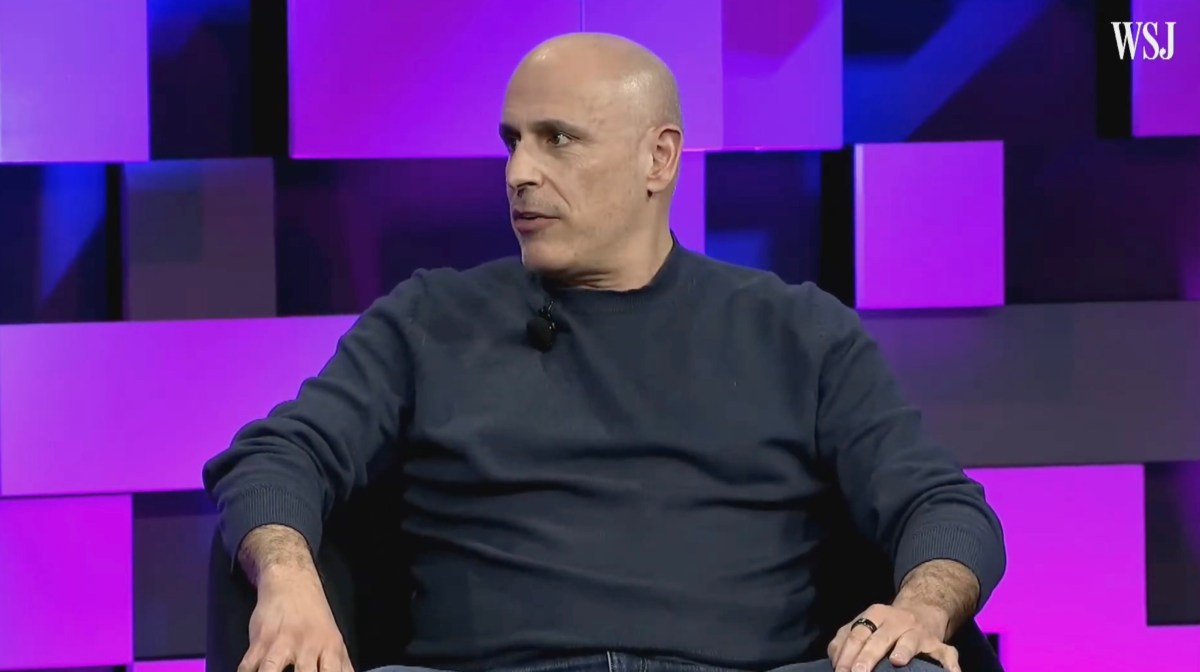
Marc Lore says that AI will soon enable anyone open a restaurant
Wonder, a company specializing in robotic kitchens, is set to transform its operations by launching AI-powered “restaurant factories.” This innovative initiative aims to enable individuals to create virtual food brands simply by providing a prompt. The announcement comes as part of Wonder's strategy to leverage artificial intelligence in the culinary space, enhancing accessibility and creativity in food entrepreneurship. By utilizing advanced technology, the company seeks to streamline the food production process, making it easier for aspiring restaurateurs to enter the market. The rollout of these virtual brands is expected to begin in the coming months, with Wonder's facilities serving as the backbone for this new model. This move not only reflects the growing trend of automation in the food industry but also addresses the increasing demand for diverse dining options in a rapidly evolving market.
AI Commerce Startups TC Cooking food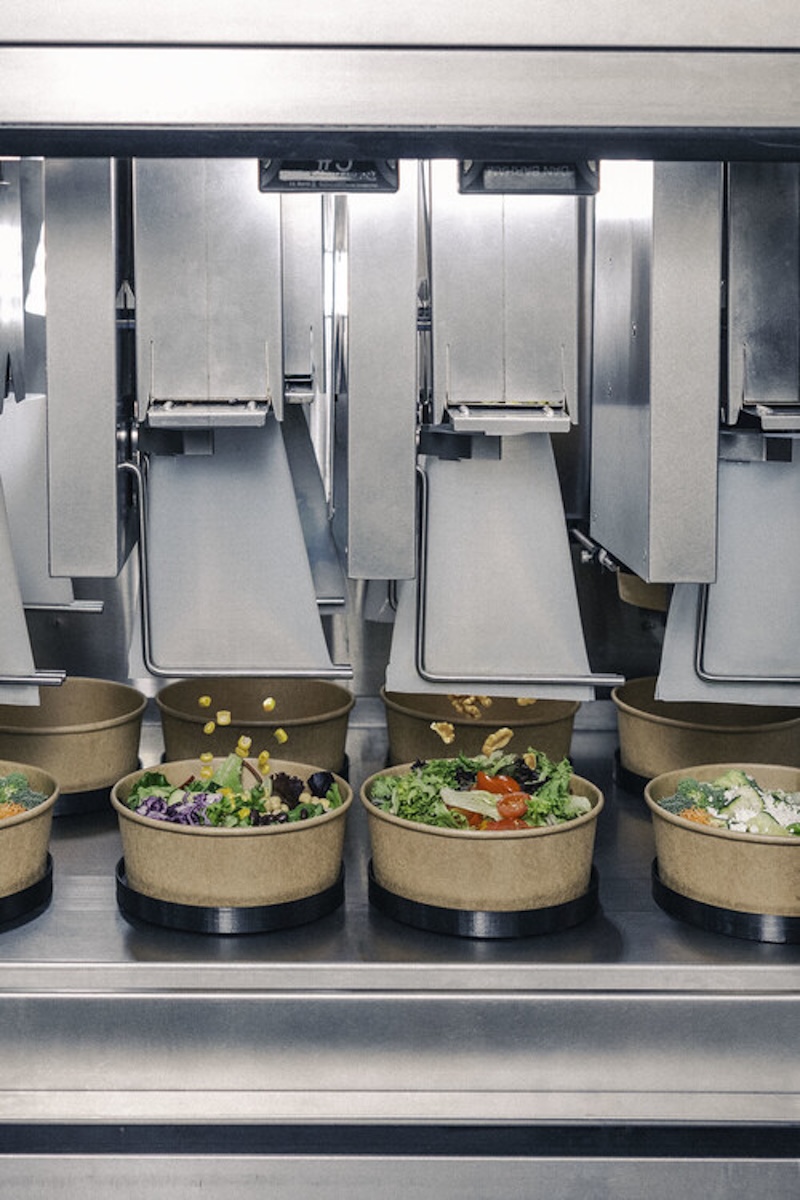
Appetronix acquires Cibotica to expand robotic foodservice automation beyond pizza
Appetronix, a developer specializing in robotic kitchen systems, has acquired Cibotica, a company focused on food robotics, to enhance its automation platform by incorporating a wider range of food categories beyond pizza. The financial details of the acquisition remain undisclosed. This strategic move allows Appetronix to integrate Cibotica’s advanced automated ingredient dispensing and portioning technology into its existing offerings, including the Remy robotic system. The acquisition is part of Appetronix's ongoing efforts to innovate and expand its capabilities in the food service industry.
Engineering AI in foodservice appetronix automation news autonomous kitchens Cibotica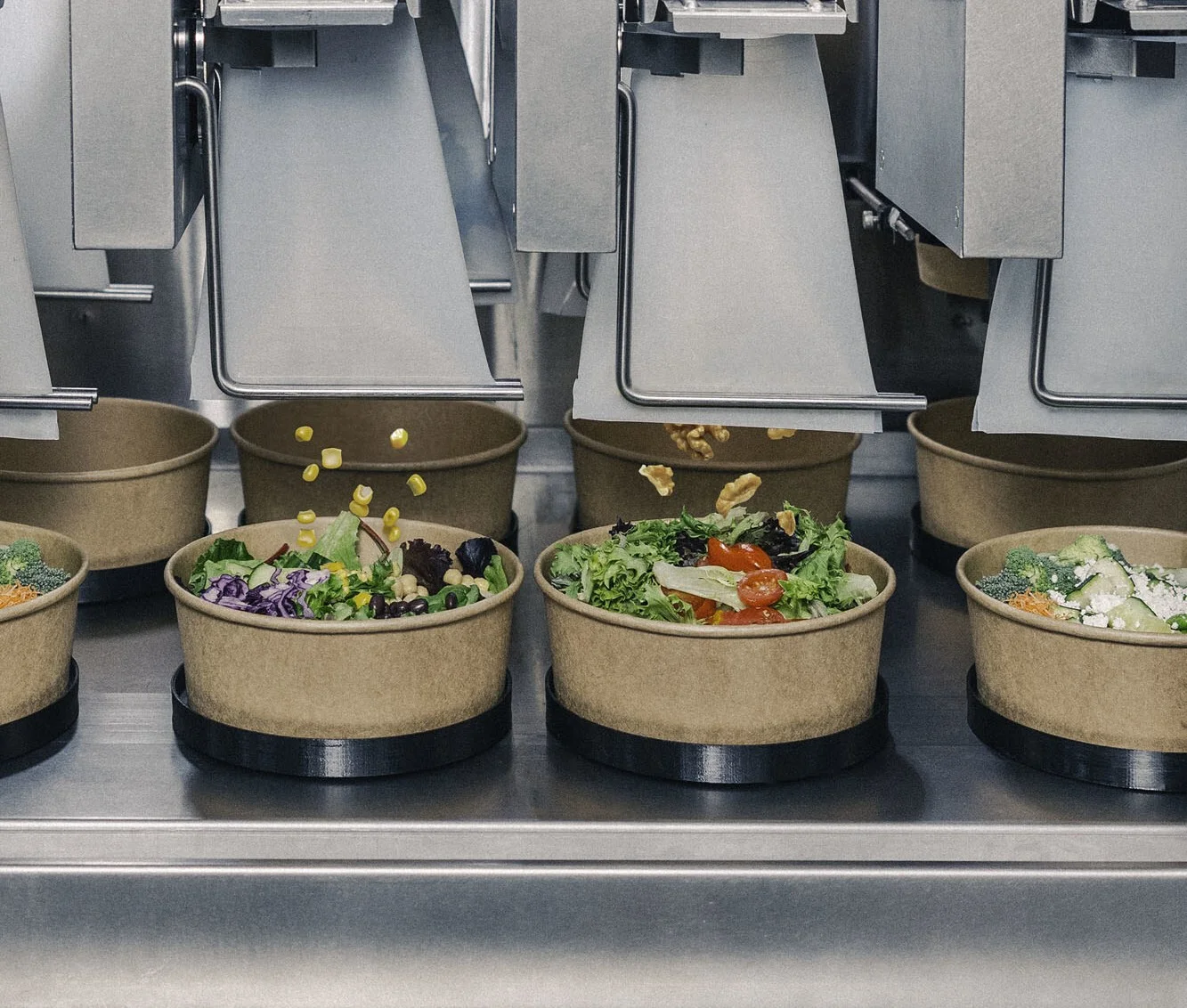
Appetronix Acquires Cibotica to Expand Food Robotics & AI Ecosystem
Appetronix, a leading robotics company specializing in foodservice automation, has announced its acquisition of Cibotica, known for its innovative ingredient dispensing and portioning technology. The transaction, the financial details of which remain undisclosed, will enhance Appetronix's offerings by integrating Cibotica's advanced automated bowl and salad assembly system. This strategic move aims to further Appetronix's mission of revolutionizing the foodservice industry through intelligent automation solutions.
AI Capital Markets Robotics acquisition Appetronix Cibotica
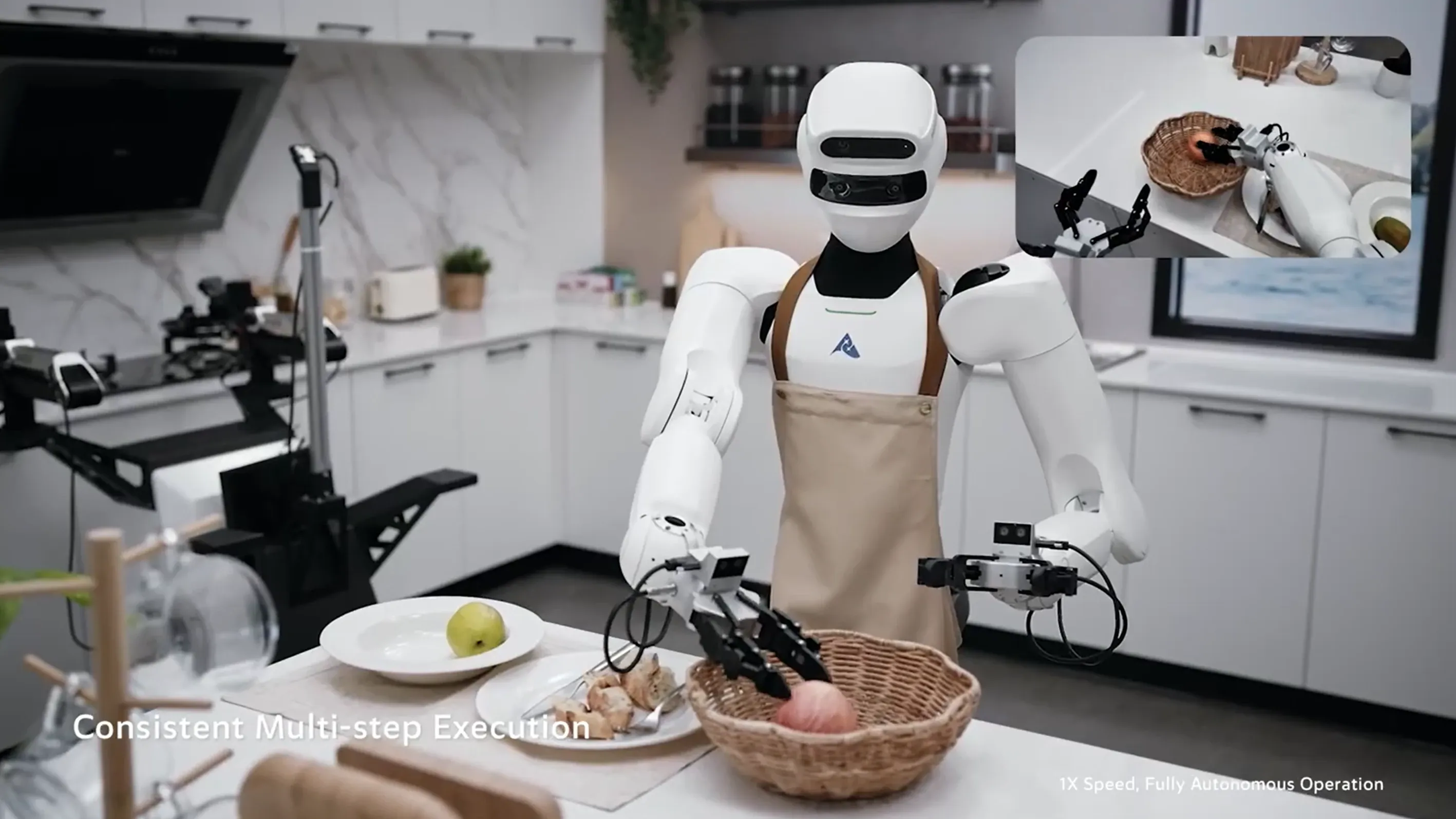
Chef Robotics Advances Bi-Manual Physical AI System for Prep Table Food Assembly Powered by a Food Foundation Model
Chef Robotics has announced the development of a bi-manual physical AI system aimed at enhancing food assembly tasks on prep tables, such as burger and burrito preparation. This innovative system, which is set to launch on May 19, 2026, will cater to various sectors including ghost kitchens, fast-casual restaurants, and catering services, focusing on lower-volume yet more complex meal assembly compared to traditional food manufacturing processes. The new AI system utilizes two robotic arms for coordinated and dexterous manipulation, mimicking human-like capabilities to handle a variety of food items and utensils. It is powered by Chef's Food Foundation Model (FFM), which employs imitation learning to adapt quickly to diverse tasks and environments, overcoming the limitations of existing robotic systems that struggle with the variability of food materials. Chef Robotics aims to automate manual prep table assembly, a critical area in the food industry that has remained largely reliant on human labor. By leveraging the FFM, the system is designed to learn from demonstrations, allowing it to generalize across different tasks and robotic platforms. This advancement is expected to improve operational efficiency, yield, and consistency in food preparation, ultimately transforming how food assembly is approached in various culinary settings.

Former Meituan delivery tech chief starts a venture for an "restaurant world model" in the era of embodied intelligence.
AtomBite.AI, a company specializing in embodied intelligence, has secured a multi-million dollar seed funding round led by InnoTech Venture Capital, with participation from the Tsinghua Alumni Seed Fund and notable individual investors. This funding will primarily support the development of embodied world models for the restaurant industry and the implementation of core products. The company's founding team, which includes Dr. Wang Dong, a former technical lead at Meituan's food delivery division, aims to address inefficiencies in restaurant kitchens, particularly in the packaging and delivery processes that still heavily rely on manual labor. As global food delivery orders continue to rise, AtomBite.AI identifies the kitchen as a promising application area for embodied intelligence, given its universal demand and clear return on investment for businesses. The team plans to create a "World Action Model" tailored for the restaurant sector, emphasizing the integration of visual and tactile feedback to enhance robotic operations. Their approach focuses on developing a system that learns from real-world interactions rather than relying solely on generalized models. Currently, AtomBite.AI is targeting the packaging and transfer stages of food delivery, which are prone to errors and have quantifiable value. The company anticipates deploying its packaging model in commercial kitchens by 2026, with plans to expand into more complex kitchen operations and broader service industry applications in the future.
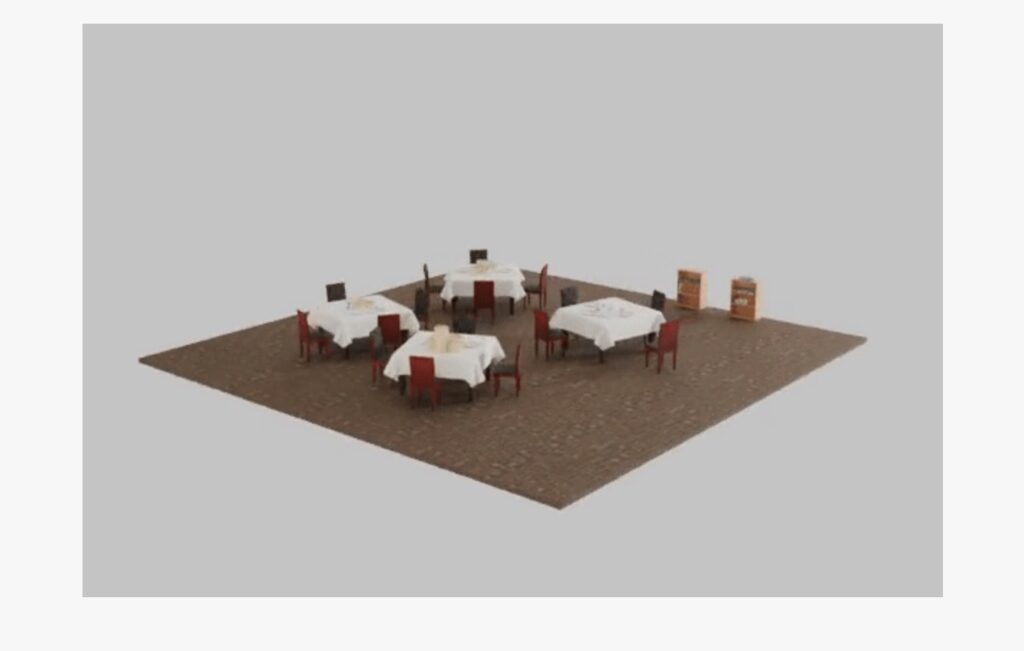
Using generative AI to diversify virtual training grounds for robots
Researchers have developed a new system called "steerable scene generation," designed to create digital environments such as kitchens, living rooms, and restaurants. This innovative technology allows engineers to simulate various real-world interactions and scenarios involving robots. The system aims to enhance the training and performance of robotic systems by providing realistic settings for testing and development. The advancements in generative AI play a crucial role in this process, enabling the creation of dynamic and adaptable scenes that can be tailored to specific needs. This breakthrough could significantly improve how robots are trained to navigate and interact within diverse environments, ultimately leading to more effective and versatile robotic applications.
Robotics needs a service framework.
RSF defines a common language for robot service capability, lifecycle operations, certification pathways, and service-provider networks.