Industry Briefing
A single destination for timely, editor-curated robotics news from around the world.
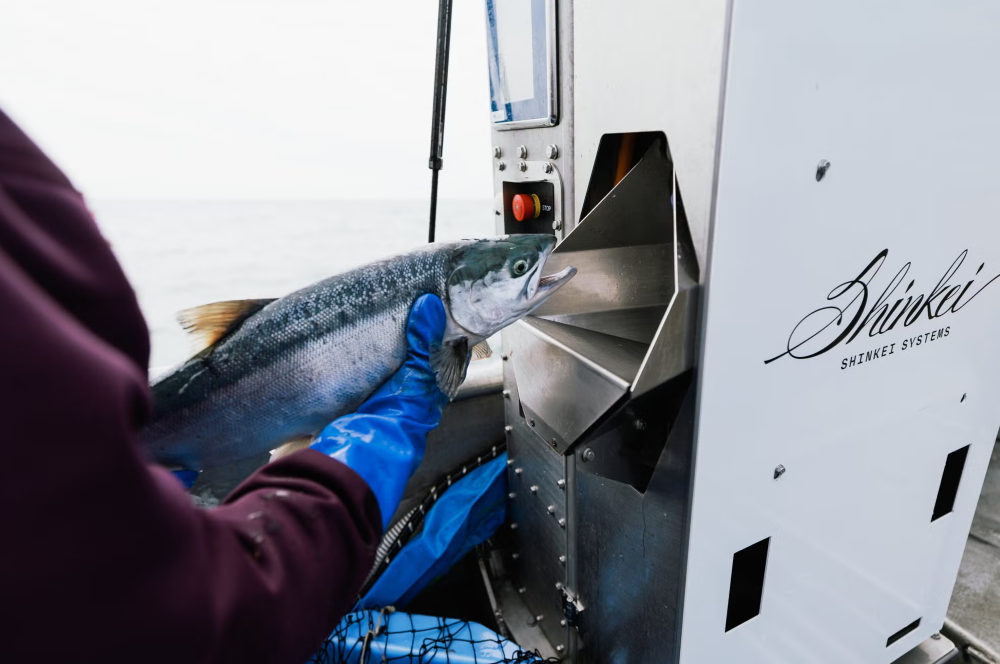
Shinkei Systems Introduces AI Robotics for Enhanced Fresh Fish Processing
Shinkei Systems, based in California, has developed a robotic solution for fish processing on fishing boats. Utilizing computer vision, the robot identifies fish species and performs precise slaughter within six seconds, adhering to the Japanese 'ike jime' technique to maintain meat quality. This innovation addresses the issue of stress hormones affecting fish taste during capture. The significance of this technology lies in its potential to improve the quality of seafood while providing fishermen with a stable supply of premium products. Shinkei offers its robots to Alaskan fishermen for free, purchasing their catch at above-market prices, and markets the fish under the 'Seremoni' brand. The company plans to introduce a new harvesting robot designed for small fishing vessels in the Cook Inlet by 2026. Currently, over 40 Michelin-starred restaurants across the U.S. are using Shinkei's technology, with retail chains like Wegmans and FreshDirect also stocking their products. Shinkei recently secured $22 million in Series A funding to expand its operations, including a new processing center in Tacoma, aiming to make high-quality seafood more accessible while preventing overfishing.
Robotic Processing AI Technology Seafood Industry Sustainable Fishing
U.S. Robotics Market in Packaging and Processing Expected to Nearly Double by 2031
A new report from PMMI indicates that the U.S. robotics market for packaging and processing is set to nearly double by 2031. The report highlights that mobile robots will be a significant driver of this growth as end users increasingly focus on enhancing productivity, reducing costs, and improving quality. This growth is crucial as it reflects the evolving landscape of packaging and processing operations, where robotics technology plays a pivotal role. The findings underscore the importance of adopting advanced technologies to meet the demands of modern manufacturing and supply chain efficiency. Looking ahead, the PACK EXPO International 2026 will serve as a vital platform for showcasing robotics technology in action. No further timeline was disclosed at the time of publication.
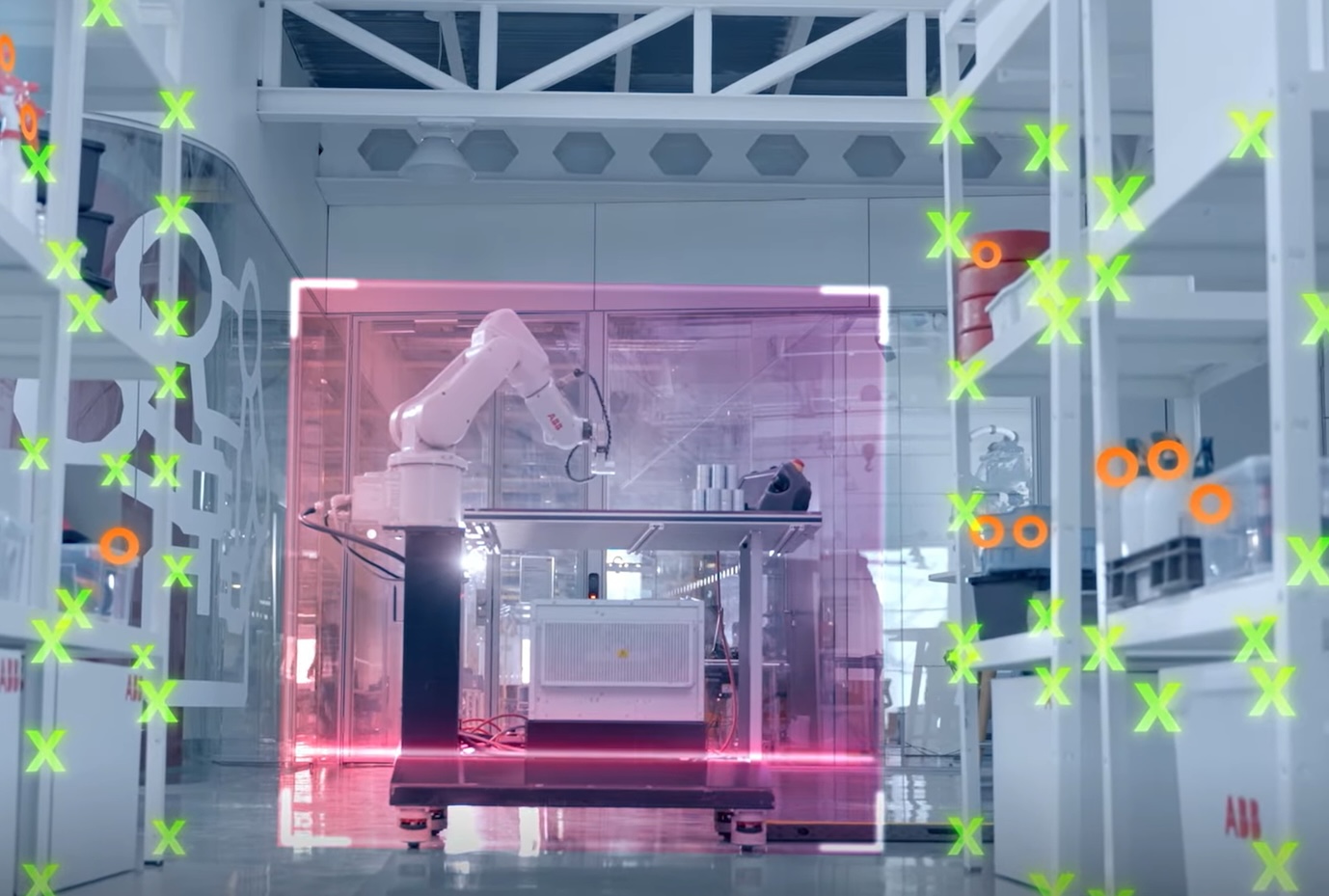
Creation of a Robotic Flying Fish Capable of Operating Across Different Mediums
A new robotic flying fish has been developed, showcasing its ability to operate in both aquatic and aerial environments. This innovative design allows for seamless transitions between water and air, enhancing its versatility for various applications. The significance of this development lies in its potential to revolutionize how robotic systems interact with different environments. By combining functionalities of both aquatic and aerial vehicles, this robotic fish could be utilized in fields such as environmental monitoring, search and rescue operations, and marine research. Looking ahead, the focus will be on further testing and refinement of the robotic fish's capabilities. No further timeline was disclosed at the time of publication.
RESEARCH ARTICLE
EPFL, Duke University, and Instituto Superior Técnico Develop Simulated Zebrafish and Robotic Fish to Study Brain Circuits
A collaborative research team from EPFL, Duke University, and Instituto Superior Técnico has created a realistic simulation of larval zebrafish and a robotic fish to investigate how the body influences brain circuits. This study, published in Science Robotics, reveals the essential neural components required for the optomotor response (OMR), enabling autonomous navigation even in low visibility conditions. The significance of this research lies in its ability to provide insights into the neural mechanisms underlying fish behavior without the limitations of live animal experimentation. By utilizing a physics-based simulation called simZFish, researchers can manipulate various aspects of the fish's body and neural connections, allowing for a deeper understanding of the neural computations involved in swimming and navigation. Looking ahead, the findings from this study could pave the way for advancements in neuroscience and brain-inspired robotics. The ability to dissect and analyze the neural circuits in a simulated environment opens new avenues for research, potentially leading to innovative applications in robotics and artificial intelligence. No further timeline was disclosed at the time of publication.

Developing Reliable Monocular Visual SLAM for Underwater Bionic Robotic Fish Using Image Enhancement and Deep Feature Matching
Recent advancements in monocular visual simultaneous localization and mapping (SLAM) have been applied to underwater bionic robotic fish. This approach integrates image enhancement techniques with deep feature matching to improve the robustness of navigation and mapping in aquatic environments. The significance of this development lies in its potential to enhance the operational capabilities of underwater robotic systems. By leveraging advanced image processing and machine learning techniques, the integration aims to address challenges faced in underwater navigation, such as low visibility and dynamic environments. Looking ahead, further research and testing will be crucial to refine these techniques and ensure their effectiveness in real-world underwater applications. No further timeline was disclosed at the time of publication.
RESEARCH ARTICLE
Intermittent Swimming Enhances Energy Efficiency in Fish-Inspired Robotic Movements
A collaborative research team from EPFL, Duke University, and Instituto Superior Tecnico has developed a robotic platform named ZBot, inspired by larval zebrafish, to explore the energy efficiency of intermittent swimming. This study highlights the advantages of bout-and-glide swimming, which alternates active propulsion with passive gliding, potentially optimizing energy use in robotic systems. The significance of this research lies in its potential to extend operational time for robots while reducing battery load, leading to lighter and more durable designs. By mimicking natural locomotion strategies evolved over billions of years, the ZBot aims to replicate the energy-saving mechanisms observed in aquatic organisms, making it a valuable tool for future robotic applications. Future developments will focus on further refining the ZBot's capabilities and understanding the neural control mechanisms behind intermittent swimming. No further timeline was disclosed at the time of publication.

DeepTrack: A Pressure‐Tolerant Electromagnetically Driven Soft Robotic Fish Platform With Visually Guided Locomotion
The Journal of Field Robotics has published an early view article highlighting advancements in autonomous robotic systems. Researchers from various institutions collaborated to explore innovative algorithms that enhance the navigation and decision-making capabilities of robots in complex environments. This study, released in October 2023, aims to address the growing need for efficient robotic solutions in sectors such as agriculture, search and rescue, and industrial automation. By employing machine learning techniques and real-time data processing, the team demonstrated significant improvements in the robots' ability to adapt to dynamic surroundings. The findings are expected to pave the way for more effective deployment of robotic technologies in real-world applications, ultimately contributing to increased productivity and safety in various industries.
RESEARCH ARTICLE
VeriSilicon Introduces CPP2000 Camera Post-Processing IP for Embodied Robotics and Mobile Vision Applications
Researchers have made significant advancements in improving image quality and visual perception for moving-camera systems. This development, which emerged from ongoing studies in the field of computer vision, aims to enhance the performance of various applications, including autonomous vehicles and drone technology. The breakthrough was announced in October 2023, following extensive testing and refinement of algorithms designed to process and interpret visual data more effectively. The motivation behind this innovation stems from the increasing reliance on moving-camera systems in everyday technology and the need for clearer, more accurate imagery in dynamic environments. By employing advanced machine learning techniques, the researchers have created a system that can better handle motion blur and varying lighting conditions, ultimately leading to more reliable visual outputs. The process involved rigorous experimentation with different data sets, allowing the team to fine-tune their algorithms for optimal performance. As a result, this enhancement is expected to significantly improve the safety and efficiency of systems that rely on real-time visual data, paving the way for broader applications in industries such as transportation, surveillance, and entertainment. This breakthrough not only represents a step forward in technology but also highlights the ongoing commitment to innovation in the realm of visual perception and image processing.
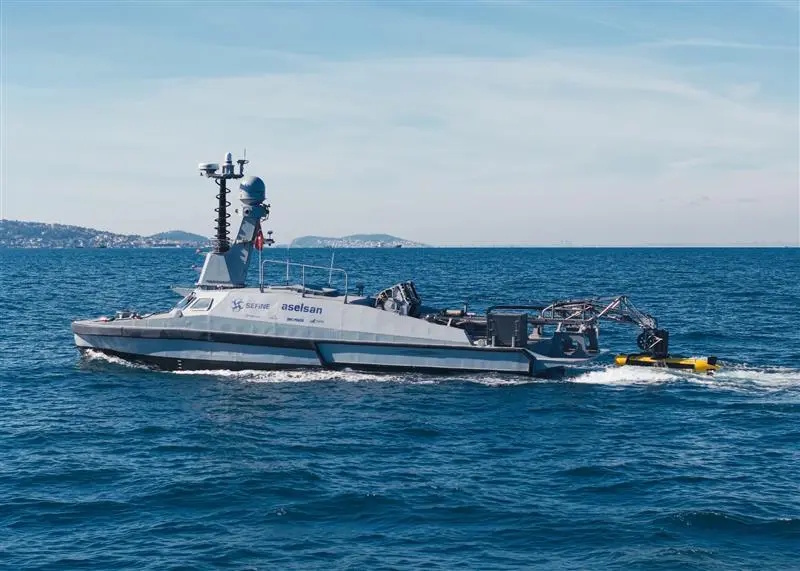
Kraken Robotics Demonstrates KATFISH Autonomous Launch and Recovery from SEFINE USV
Kraken Robotics has successfully integrated and demonstrated its KATFISH towed synthetic aperture sonar system along with an autonomous launch and recovery system (LARS) aboard SEFINE’s RD-22 unmanned surface vessel (USV). This significant event occurred in the first quarter of 2026 off the coast of İstanbul, Türkiye. The collaboration with SEFINE SISAM, the Strategic Unmanned Systems Research Center, highlights the advancements in maritime technology and aims to enhance operational capabilities in underwater exploration and surveillance. The integration of these systems marks a notable achievement in the field of unmanned maritime operations, showcasing Kraken Robotics' commitment to innovation and collaboration in the industry.
kraken robotics katfish autonomous launch and recovery sefine usv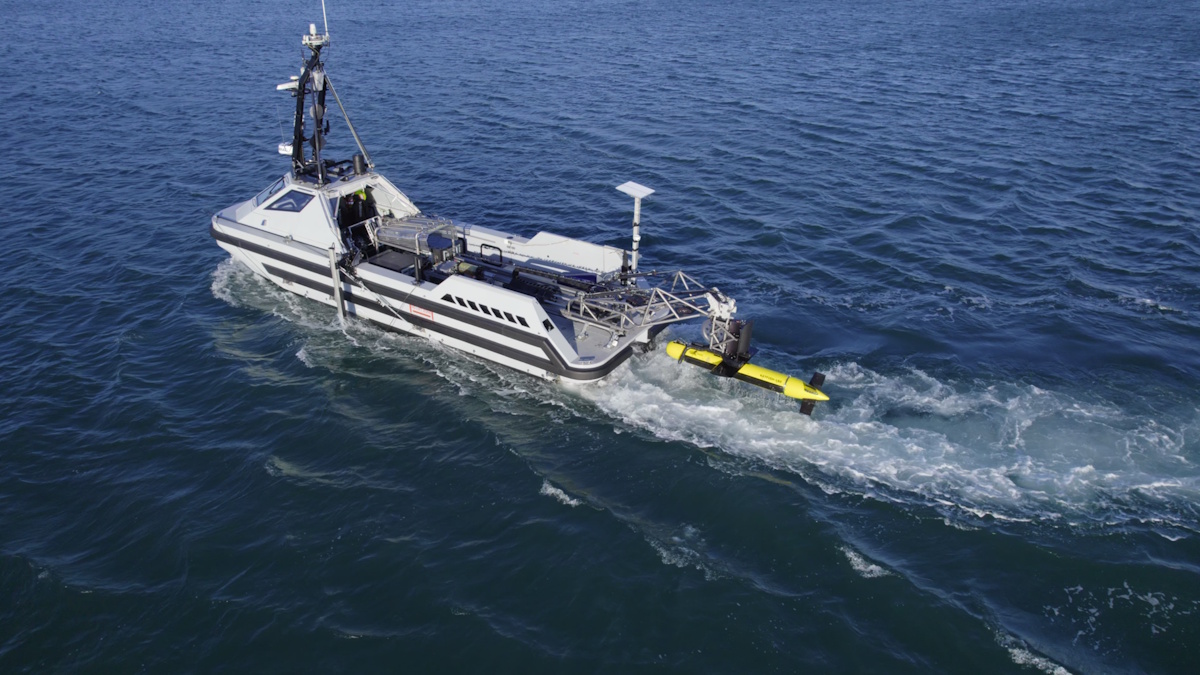
Kraken Robotics and TKMS ATLAS UK Demonstrate KATFISH USV Launch and Recovery System on an in-service UK Royal Navy ARCIMS USV
Kraken Robotics has successfully demonstrated its KATFISH Unmanned Surface Vessel Launch and Recovery System (USV-LARS) aboard TKMS ATLAS UK's 11-meter ARCIMS Unmanned Surface Vehicle (USV). This demonstration highlights a significant advancement in maritime security technology, as the integrated systems deliver a comprehensive autonomous survey solution tailored for mine countermeasure operations and the inspection of critical underwater infrastructure. Notably, the collaboration between ARCIMS and KATFISH USV-LARS marks the introduction of the industry's first air-deployable, 300-meter depth-rated autonomous towed Synthetic Aperture Sonar (SAS) survey system. This innovation aims to enhance operational efficiency and safety in maritime missions.
kraken robotics tkms atlas uk katfish usv launch and recovery system uk royal navy arcims usv
Boxfish Robotics Introduces Reliable and Easy-to-Use Hovering AUV for Marine Research
Boxfish Robotics has unveiled its first generation of fully autonomous tetherless hovering Boxfish AUV (Autonomous Underwater Vehicle), marking a significant advancement in underwater exploration technology. This innovative vehicle, which boasts state-of-the-art autonomy features, aims to redefine standards in the field. The launch took place in October 2023, showcasing the company's commitment to pushing the boundaries of underwater robotics. By eliminating the need for tethering, the Boxfish AUV enhances operational flexibility and efficiency, making it an invaluable tool for researchers and marine explorers. The development of this technology reflects Boxfish Robotics' dedication to advancing marine exploration capabilities and addressing the growing demand for sophisticated underwater vehicles.
boxfish robotics hovering auv marine researchRobotics needs a service framework.
RSF defines a common language for robot service capability, lifecycle operations, certification pathways, and service-provider networks.
Join the RobotToday community on LinkedIn
Daily robotics news, in-depth analysis, conference highlights, and discussions with professionals worldwide.