Industry Briefing
A single destination for timely, editor-curated robotics news from around the world.

Humanoid Robots Enhanced by AI Controller for Translating Commands into Actions
Humanoid robots, designed to mimic human limbs and body structures, are being enhanced by an AI controller that translates virtual reality, video, and language commands into actionable movements. This advancement aims to simplify the teaching process for these robots, which often struggle with executing humanlike movements reliably. The significance of this development lies in its potential to streamline the deployment of humanoid robots across various environments, including homes and workplaces. By improving the efficiency of command translation, the AI controller could reduce the time and effort required to train these robots, making them more accessible for practical applications. Looking ahead, the focus will be on the effectiveness of the AI controller in real-world scenarios and its ability to adapt to diverse tasks. No further timeline was disclosed at the time of publication.
Robotics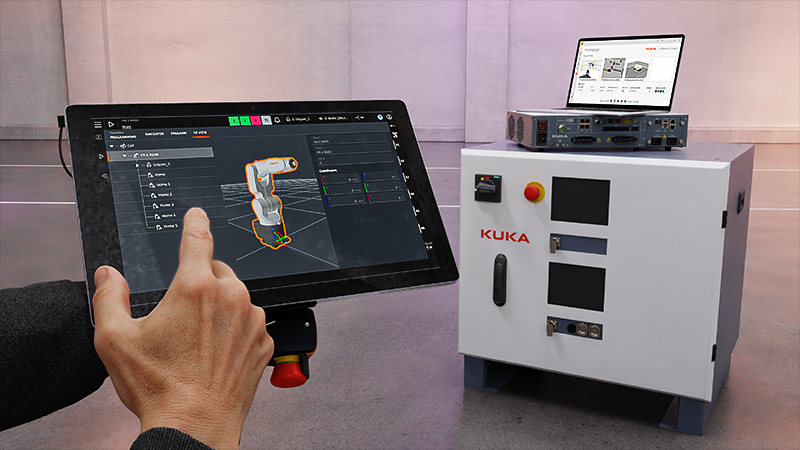
KUKA Achieves Security Level 2 Certification for iiQKA.OS2 and KR C5 Controller
KUKA has achieved Security Level 2 certification for its iiQKA.OS2 operating system and KR C5 controller platform, in accordance with IEC 62443-4-2. This certification signifies that KUKA's robotic systems are equipped to handle the increasing demands for security in digitalized production environments. The importance of this certification lies in its alignment with the growing need for security and regulatory compliance as production processes become more digital and connected. KUKA's compliance with Regulation (EU) 2024/2847 Cyber Resilience and EN ISO 10218-1:2025 positions it as a leader in secure automation solutions. Looking ahead, KUKA's certification sets a benchmark for the robotics industry, emphasizing the necessity of robust security measures in automation. No further timeline was disclosed at the time of publication.
How Motor Controllers Influence Robot Accuracy and Energy Efficiency
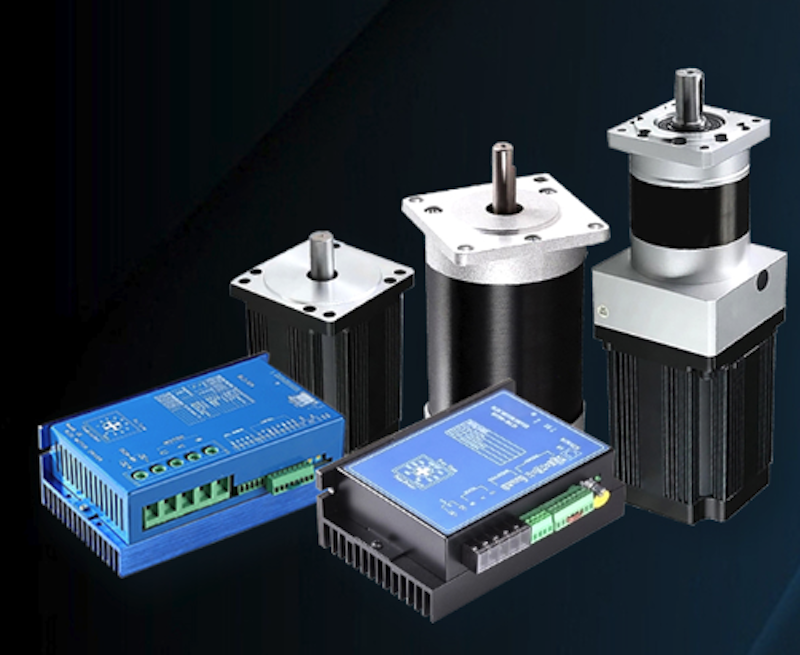
As the robotics sector rapidly evolves, industries including manufacturing, healthcare, logistics, and agriculture are increasingly reliant on advanced motion control technologies. This surge in demand is largely driven by the need for precise and energy-efficient solutions to enhance operational efficiency. Central to many of these modern robotic systems are Brushless DC (BLDC) motors, which are celebrated for their high efficiency, reliability, and extended lifespan. However, the optimal performance of these motors is contingent upon effective control strategies and integration within robotic frameworks. As companies seek to leverage the advantages of BLDC motors, ongoing innovations in motion control technology are expected to further enhance the capabilities of robotic systems across various sectors.
Components Engineering amrs autonomous mobile robots BLDC motor controllers BLDC motors
NEW INDRO CORTEX, CONTROLLER SIMPLIFY ROBOTIC INTEGRATION AND OPERATION
InDro Cortex has emerged as a versatile compute and sensor integrator designed for use on various robotic platforms. This innovative device, measuring 11cm x 14cm x 10cm and weighing just 679 grams, enables seamless data transmission over 5G networks with minimal latency. It also allows remote operators to send instructions to the robotic systems it supports. The platform-agnostic nature of Cortex means it can be integrated with nearly any robotic framework, enhancing operational flexibility and efficiency in diverse applications. This advancement in robotics technology is set to revolutionize how remote operations are conducted, offering real-time communication and control capabilities.

The Steam Controller and an Industrial Robot: An Unexpected Intersection
ENCY Software has highlighted the significance of tactile, analog input in programming industrial robots and collaborative robots (cobots) through its innovative product, ENCY Hyper. This development underscores the relevance of standard wireless controllers, which may initially appear disconnected from the manufacturing environment. By integrating these controllers into robotic programming, ENCY Software aims to enhance the precision and efficiency of robotic operations. The initiative reflects a growing recognition of the importance of user-friendly interfaces in industrial automation, emphasizing how traditional input methods can still play a crucial role in modern technology.

Enhancing Industrial Automation: Why Compact Mini PCs Are Quietly Becoming the Default Choice for Robotic Controllers
In recent years, the evolution of control cabinets in modern factories has significantly transformed, with a notable increase in the complexity of components housed within them. Engineers are now tasked with integrating advanced technologies such as vision systems, sensors, controllers, and networking equipment into increasingly confined spaces. This shift has prompted the adoption of compact industrial computers, which are designed to efficiently manage the growing demands of industrial automation. As manufacturers seek to optimize their operations and streamline processes, these compact solutions are becoming essential for maintaining productivity and enhancing system capabilities. The trend reflects a broader movement towards more sophisticated and space-efficient technologies in the manufacturing sector, driven by the need for innovation and efficiency in an ever-competitive landscape.
Automation Computing Factories Industry automation hardware automation news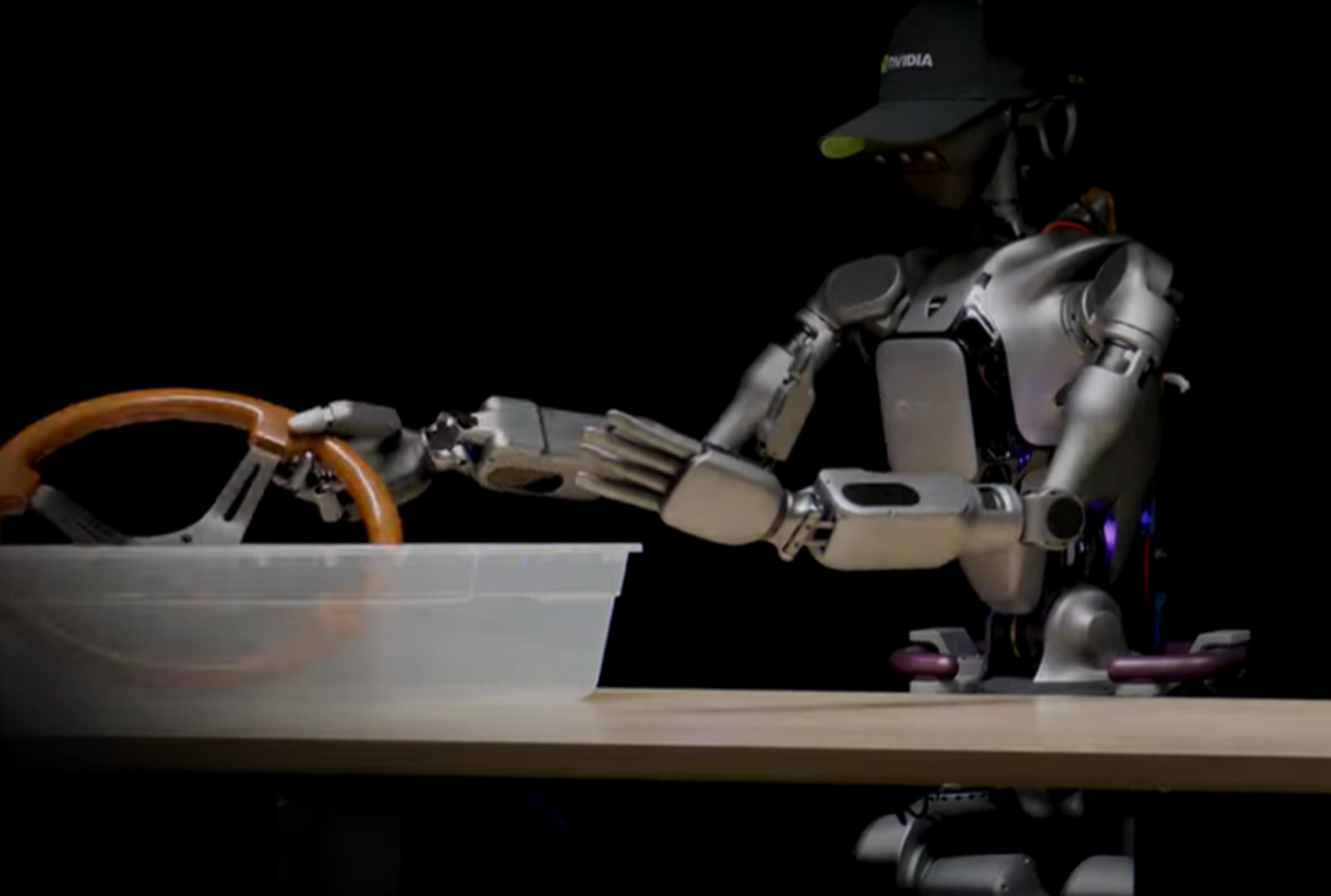
A Novel High‐Voltage‐Wire Stripping Robot and Adaptive Fuzzy RBF Neural Network PID Controller Optimized by PSO‐GA Algorithm
In a recent study published in the Journal of Field Robotics, researchers have unveiled significant advancements in robotic navigation systems. This groundbreaking research, conducted by a team of engineers and scientists, was published in the June 2026 issue and highlights innovative algorithms that enhance the ability of robots to navigate complex environments. The study focuses on improving the efficiency and accuracy of robotic systems, which are increasingly utilized in various sectors, including agriculture, manufacturing, and disaster response. By employing advanced machine learning techniques, the researchers demonstrated how robots can better interpret sensory data and make real-time decisions, ultimately leading to safer and more effective operations. The research was conducted in various simulated environments, allowing the team to rigorously test the new navigation algorithms under different conditions. This work is particularly timely as industries are seeking to automate processes and improve operational efficiency in response to growing demands for productivity and safety. The findings are expected to have a profound impact on the future development of autonomous systems, paving the way for more sophisticated robots capable of performing tasks in unpredictable settings. As the field of robotics continues to evolve, this study represents a significant step forward in the quest for smarter, more adaptable machines.
RESEARCH ARTICLE
The Perfect Marriage: How CNC Solutions Turned ENCY, a Stäubli Robot, and a Beckhoff Controller into a Product
A recent analysis highlights the transformative role of robots in manufacturing environments, emphasizing that while they may appear as mere assemblies of joints and motors, their impact on production floors is profound. This shift in perspective was discussed during a conference held in October 2023, where industry experts gathered to explore advancements in robotics technology. The event took place in a major industrial hub, showcasing the latest innovations that enhance efficiency and productivity in manufacturing processes. The motivation behind this exploration stems from the increasing demand for automation in various sectors, driven by the need for improved precision and reduced labor costs. Experts demonstrated how robots are being integrated into workflows, not only to perform repetitive tasks but also to collaborate with human workers, thereby redefining the dynamics of the workplace. Through live demonstrations and case studies, attendees witnessed firsthand the capabilities of modern robotics, which are designed to adapt and learn from their environments. This evolution in robotics is seen as a crucial step towards achieving smarter manufacturing solutions that can respond to the fast-paced changes in market demands. As companies continue to invest in these technologies, the future of production is poised for significant transformation, promising enhanced operational efficiencies and new opportunities for growth.
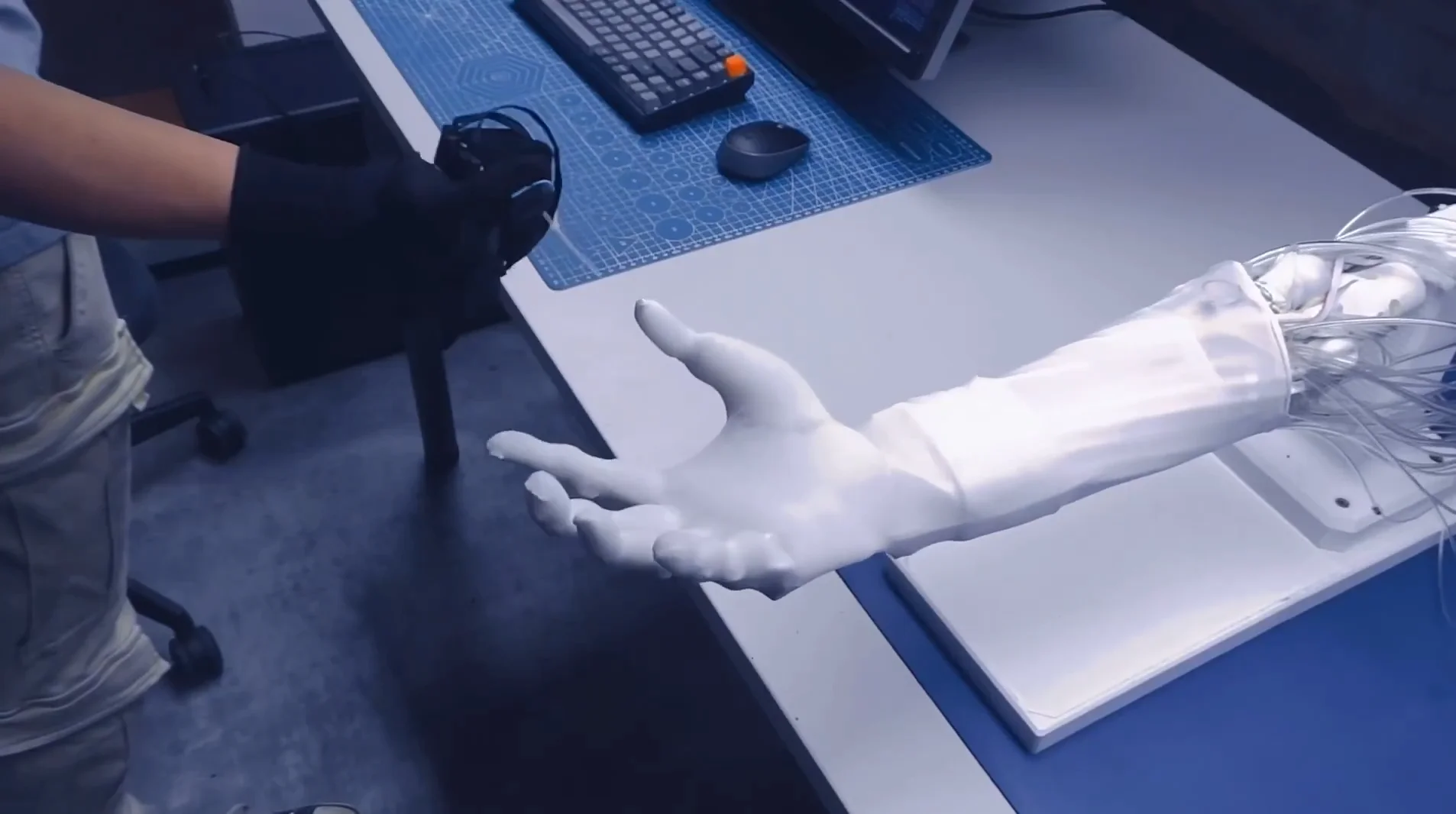
Clone Robotics Demos Startlingly Fast Robotic Hand, Touts Neural Controller
Clone Robotics has released a new video showcasing its advanced 27-degree-of-freedom (DoF) biomimetic hand, which accurately mimics human movements with remarkable speed. This demonstration highlights the company's innovative "neural joint controller," a significant development in their ongoing Clone Alpha project. The video serves as a tangible update on the project's progress, emphasizing the potential applications of this technology in fields such as robotics and prosthetics. By integrating sophisticated control systems, Clone Robotics aims to enhance the functionality and responsiveness of robotic hands, paving the way for more lifelike interactions in various environments.
clone robotics Europe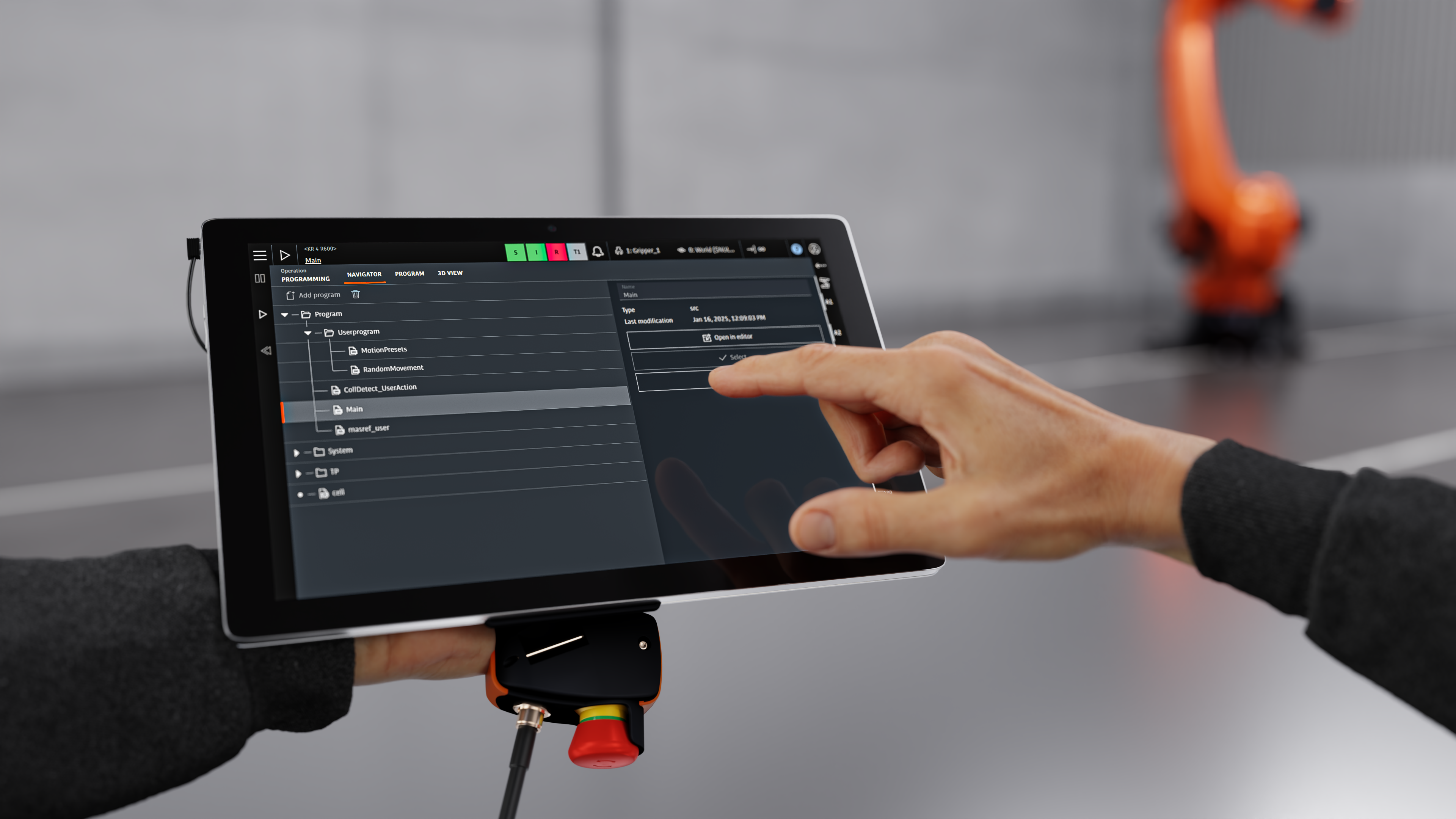
iiQKA.OS2 operating system: Virtual robot controller for production of the future
KUKA has unveiled its innovative iiQKA.OS2 operating system, designed to enhance digital manufacturing capabilities. This scalable and customizable platform features a comprehensive virtual robot controller (VRC) and is equipped with AI capabilities, ensuring compliance with the upcoming ISO 10218:2025 standards and bolstering cyber resilience. The new operating system, which was introduced recently, aims to future-proof manufacturing processes by providing a user-friendly web-based interface. Users can now operate the system with their own teach pendants or the KUKA smartPAD, significantly improving accessibility and ease of use for operators. This advancement reflects KUKA's commitment to advancing automation technology and meeting the evolving needs of the manufacturing industry.

Hydromea Unveils D-FIN™: A Cutting-Edge ESC Motor Controller for Robotic Vehicles
Hydromea, a leader in underwater robotics and wireless communication, has unveiled its latest innovation, the D-FIN™ Electronic Speed Controller (ESC) Motor Controller. This advanced device is designed to enhance the performance of brushless permanent magnet DC (BLDC) motors and thrusters, offering exceptional efficiency, compact design, and precision. The launch reflects Hydromea's commitment to advancing underwater technology, catering to the growing demand for high-performance solutions in marine applications. The D-FIN™ ESC is expected to significantly improve operational capabilities for various underwater robotics, paving the way for more effective exploration and research in aquatic environments.
hydromea d-fin™ esc motor controller robotic vehiclesRobotics needs a service framework.
RSF defines a common language for robot service capability, lifecycle operations, certification pathways, and service-provider networks.
Join the RobotToday community on LinkedIn
Daily robotics news, in-depth analysis, conference highlights, and discussions with professionals worldwide.