Industry Briefing
A single destination for timely, editor-curated robotics news from around the world.

Leidos Autonomy Achieves Key Milestones at RIMPAC and with USS Theodore Roosevelt
Leidos has reached significant milestones in maritime autonomy by deploying Sea Hunter at RIMPAC 2026 and Seahawk with the USS Theodore Roosevelt Carrier Strike Group. Sea Hunter, the only Medium Unmanned Surface Vessel (MUSV) at RIMPAC, successfully operated autonomously over 2,000 nautical miles, showcasing its capabilities in surveillance and manned-unmanned teaming. These achievements highlight the increasing importance of autonomous vessels in U.S. Navy operations, transitioning from experimental phases to integration within the fleet. Seahawk, the first MUSV to operate with a carrier strike group, demonstrated advanced features such as autonomous navigation, collision avoidance, and GPS-denied navigation, reinforcing the operational framework of the strike group. Looking ahead, Leidos plans to leverage its extensive experience in autonomous maritime technology, which includes over 200,000 nautical miles of operation and 14,000 hours of safe autonomous operation. No further timeline was disclosed at the time of publication.
leidos autonomy rimpac carrier strike group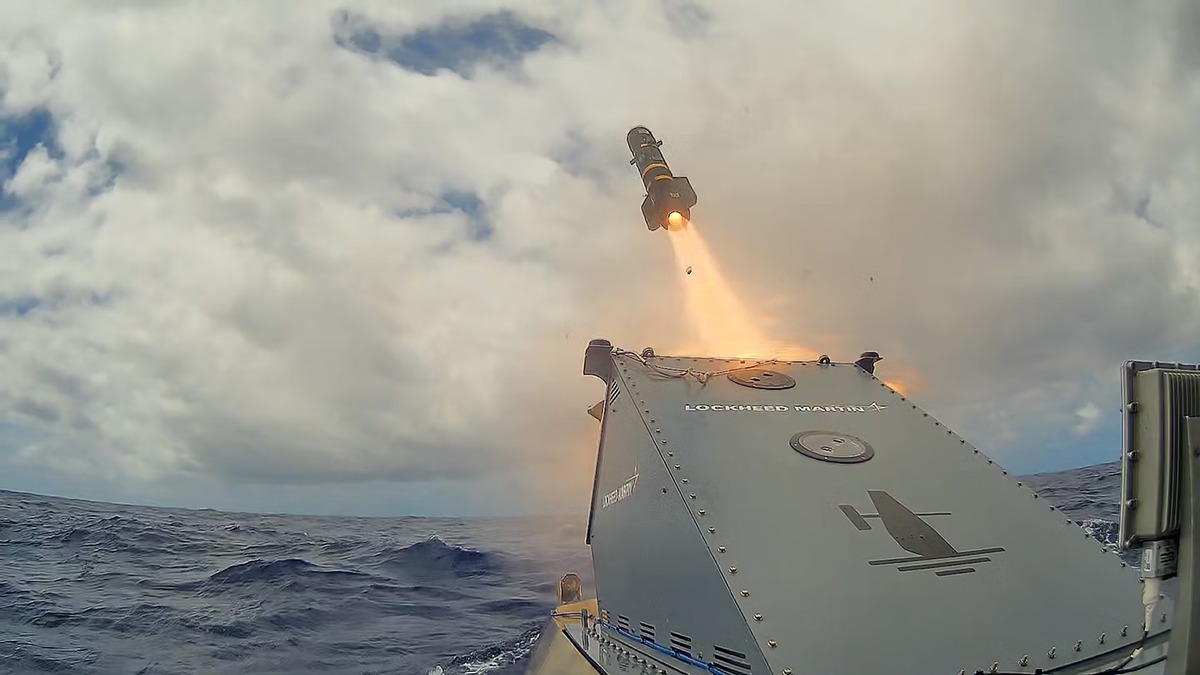
Saildrone and Lockheed Martin Enhance Autonomous Naval Warfare with RIMPAC Missile Launch
Saildrone successfully executed two Joint Air-to-Ground Missile launches from its Surveyor unmanned surface vehicle (USV) during the US Navy's Rim of the Pacific (RIMPAC) exercise. This marks a significant milestone as it is the first-ever missile launch from a Saildrone USV, showcasing the integration of Saildrone's technology with Lockheed Martin's missile capabilities. The demonstration is crucial as it highlights the potential of autonomous systems in modern naval warfare, allowing for extended operational capabilities in contested environments. The collaboration between Saildrone and Lockheed Martin, initiated in October 2025, aims to enhance the operational readiness of unmanned platforms, providing commanders with the necessary tools to project power effectively. Looking ahead, Saildrone plans to further develop its platform capabilities to meet evolving military requirements. The successful integration of electronic warfare sensors during the RIMPAC exercise also indicates the potential for future enhancements in autonomous naval operations. No further timeline was disclosed at the time of publication.
saildrone lockheed martin autonomous naval warfare rimpac demonstration usv
RIMPAC Exercise Serves as Key Testing Ground for Advanced Technologies
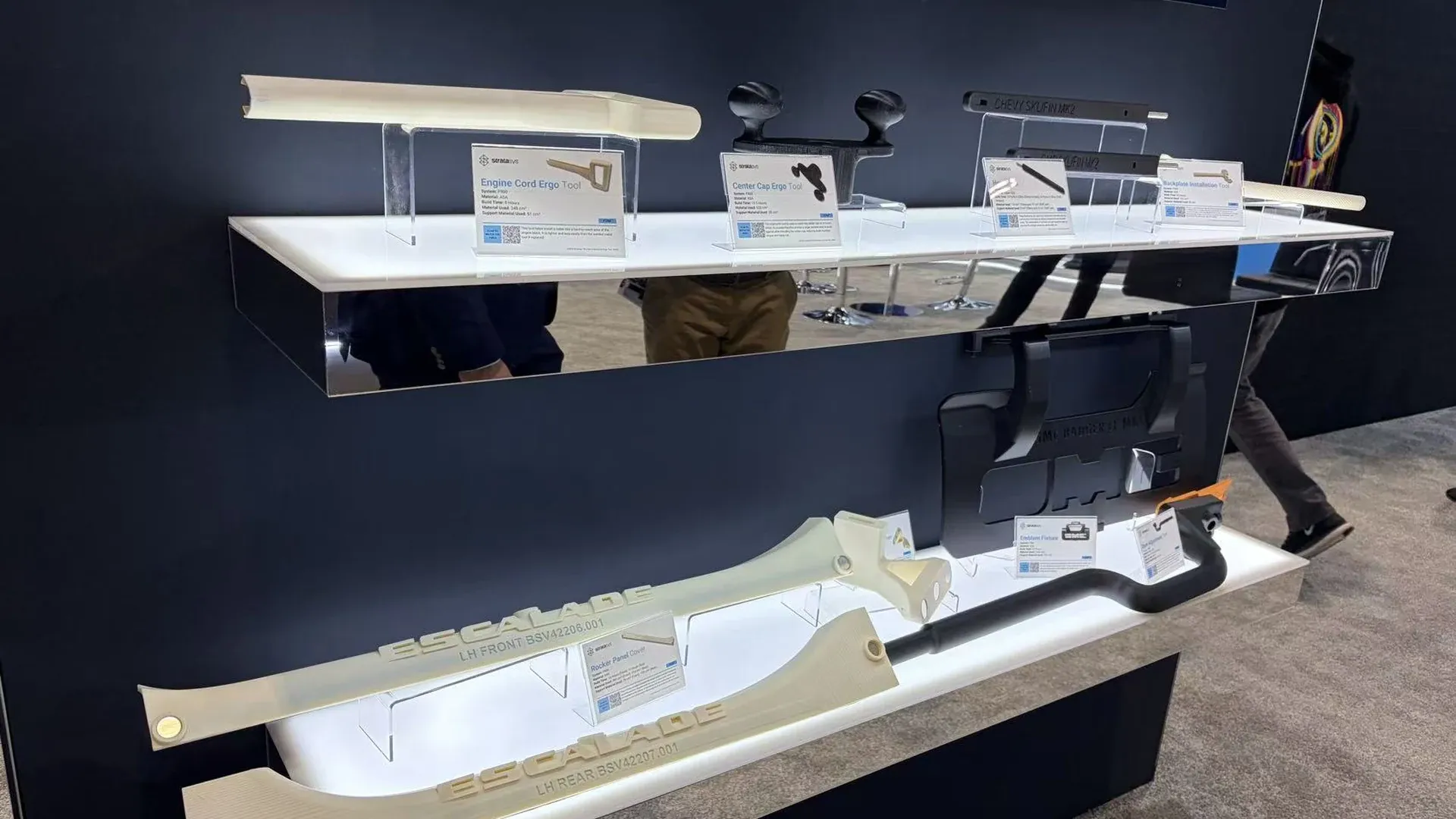
The multinational RIMPAC exercise is set to feature experiments with 3D printing and missile launches from uncrewed vessels. These activities will occur alongside high-end warfighting training, showcasing the integration of cutting-edge technologies in military operations. This exercise is significant as it highlights the military's commitment to exploring innovative solutions for modern warfare. The incorporation of advanced technologies like 3D printing and uncrewed systems reflects a shift towards more efficient and effective combat strategies. Looking ahead, observers should monitor the outcomes of these experiments and their potential implications for future military engagements. No further timeline was disclosed at the time of publication.
All Domain Global 3D printing Asia Drones Indo-Pacific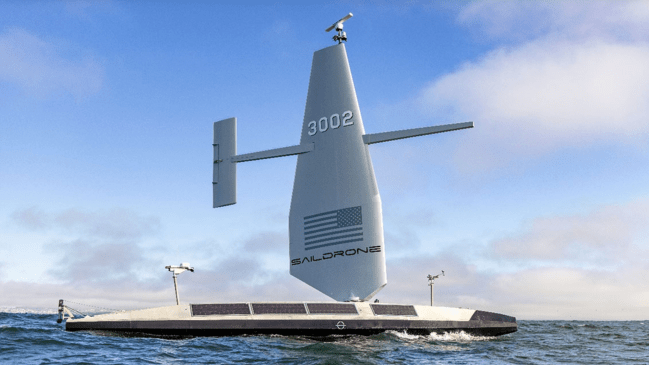
Lockheed Martin and Saildrone Test Missile System on Unmanned Vessel During RIMPAC 2026
Lockheed Martin and Saildrone successfully demonstrated missile launches from an unmanned surface vessel during the RIMPAC 2026 exercise near Hawaii. This integration of Lockheed Martin’s Joint-Air-to-Ground Missile (JAGM) Dual Launcher and Adjunct Remote Engagement System (ARES) on a Surveyor-class Saildrone marks a significant advancement in adapting commercial autonomous platforms for military applications. The demonstration highlights the potential for unmanned vessels to operate alongside traditional naval forces, as evidenced by the vessel's engagement with a surrogate high-speed surface craft while coordinating with the USS Theodore Roosevelt Carrier Strike Group. The rapid development of this system, from concept to live demonstration in just six months, underscores the efficiency of integrating existing defense technologies with commercial platforms. Looking ahead, both companies plan to expand testing capabilities on Saildrone platforms, including the larger Spectre-class vessel. This initiative aims to enhance the operational use of unmanned systems in naval missions, with a focus on integrating advanced weaponry and reducing technical risks associated with deploying new military technologies.
Military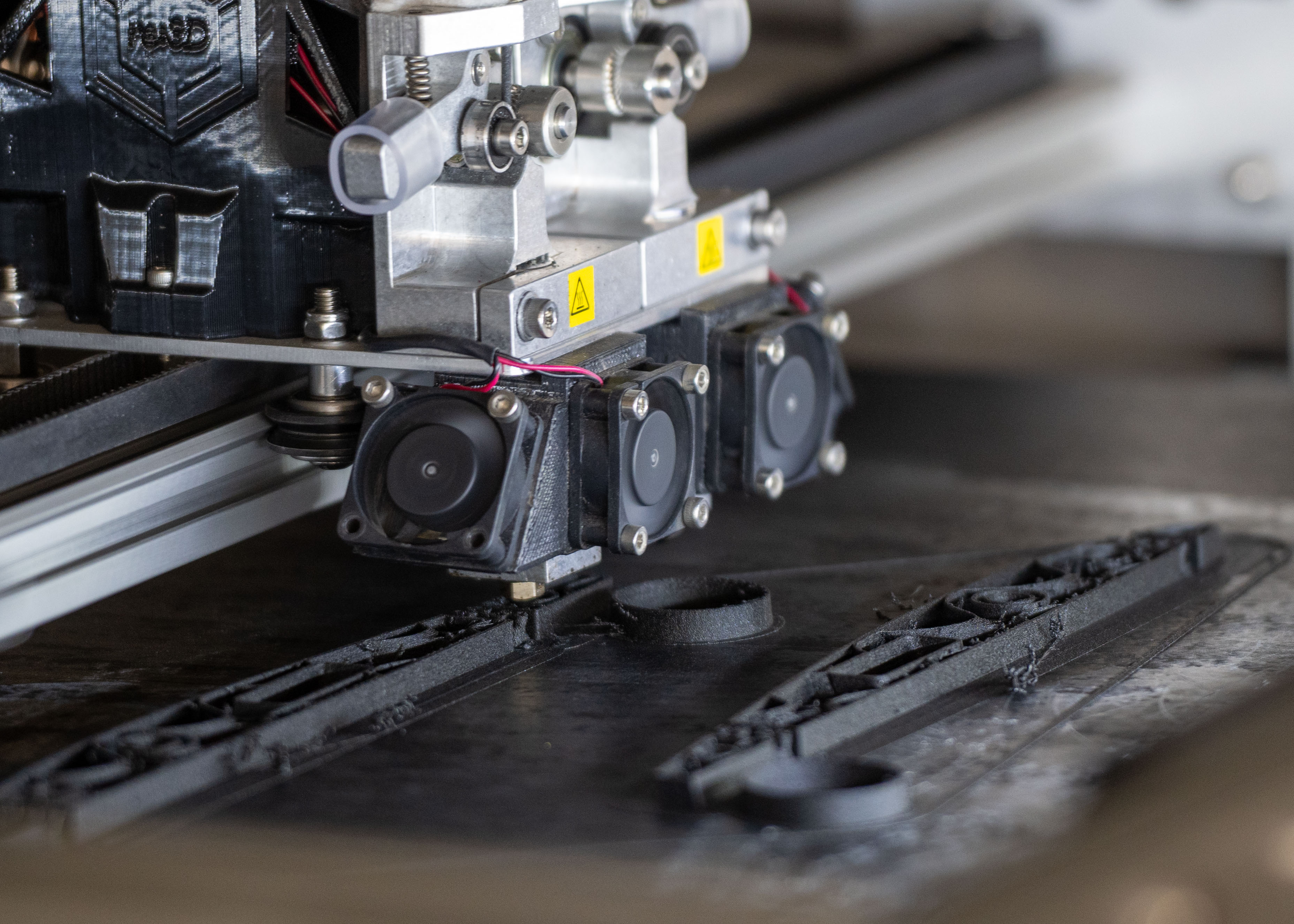
US Naval Postgraduate School to Demonstrate Mobile 3D Printing for Spare Parts in RIMPAC 2026
The US Naval Postgraduate School’s Consortium for Advanced Manufacturing Research and Education is set to showcase mobile 3D printing capabilities during the Rim of the Pacific 2026 exercise. This initiative will involve deploying advanced manufacturing systems on ships and locations throughout Hawaii to produce and distribute spare parts on demand, significantly reducing wait times for critical components. This mobile, distributed factory network aims to enhance operational efficiency by allowing ships to submit digital requests for spare parts while deployed. By leveraging specialized software, the nearest suitable machine or operator can be identified to either locate or 3D print the required part, which may then be delivered via unmanned drone. This capability is particularly crucial in combat scenarios where traditional supply chains may be disrupted. The RIMPAC 2026 exercise will involve 35 nations, 40 warships, 5 submarines, and over 25,000 personnel, providing a comprehensive platform to test this innovative supply chain solution. The focus will be on evaluating the entire network and delivery process rather than just individual 3D printing capabilities, marking a significant step in military logistics and operational readiness.
Innovation MilitaryRobotics needs a service framework.
RSF defines a common language for robot service capability, lifecycle operations, certification pathways, and service-provider networks.
Join the RobotToday community on LinkedIn
Daily robotics news, in-depth analysis, conference highlights, and discussions with professionals worldwide.