Industry Briefing
A single destination for timely, editor-curated robotics news from around the world.

Tech Professionals Leverage Connectivity Tools for Global Collaboration
Tech professionals are increasingly distributed across various countries and time zones, with companies employing cybersecurity experts in one location and software developers in another. This trend is facilitated by the internet, which 74% of the global population utilizes, enabling borderless work and collaboration. The rise of remote work and digital collaboration tools has transformed the tech industry, allowing professionals to work from anywhere. Reliable mobile connectivity is essential for these workers, with solutions like the Holafly eSIM providing seamless coverage before arrival in a new country. The eSIM's Always On feature ensures uninterrupted connectivity, crucial for remote presentations and system check-ins. As the demand for specialized talent grows, companies are increasingly hiring based on skills rather than location. This shift has led to a rise in global mobile engineering roles, presenting new opportunities and unique cybersecurity challenges for tech workers operating across borders. No further timeline was disclosed at the time of publication.
Internet Technology cloud computing cloud infrastructure cybersecurity digital nomads
China’s Xiaomi unveils robotic arm that enables remote, hands-free home EV charging
Xiaomi, the prominent Chinese technology company, recently unveiled its strategic vision for the future of smart home technology during a press event held in Beijing. This announcement, made on October 15, 2023, highlights the company's commitment to enhancing user experience through innovative products and seamless integration of smart devices. The initiative aims to address the growing demand for interconnected home environments, driven by an increase in remote work and digital lifestyles. By leveraging advancements in artificial intelligence and the Internet of Things, Xiaomi plans to create a more intuitive and responsive ecosystem that simplifies everyday tasks for consumers. During the event, executives showcased a range of new products designed to work harmoniously within this ecosystem, emphasizing the importance of user-friendly interfaces and energy efficiency. The company also outlined its plans for expanding partnerships with other tech firms to enhance compatibility and functionality across various platforms. Xiaomi's vision reflects a broader trend in the tech industry, where companies are increasingly focused on creating smart solutions that cater to the evolving needs of consumers. As the market for smart home devices continues to grow, Xiaomi's proactive approach positions it as a key player in shaping the future of home automation.
Energy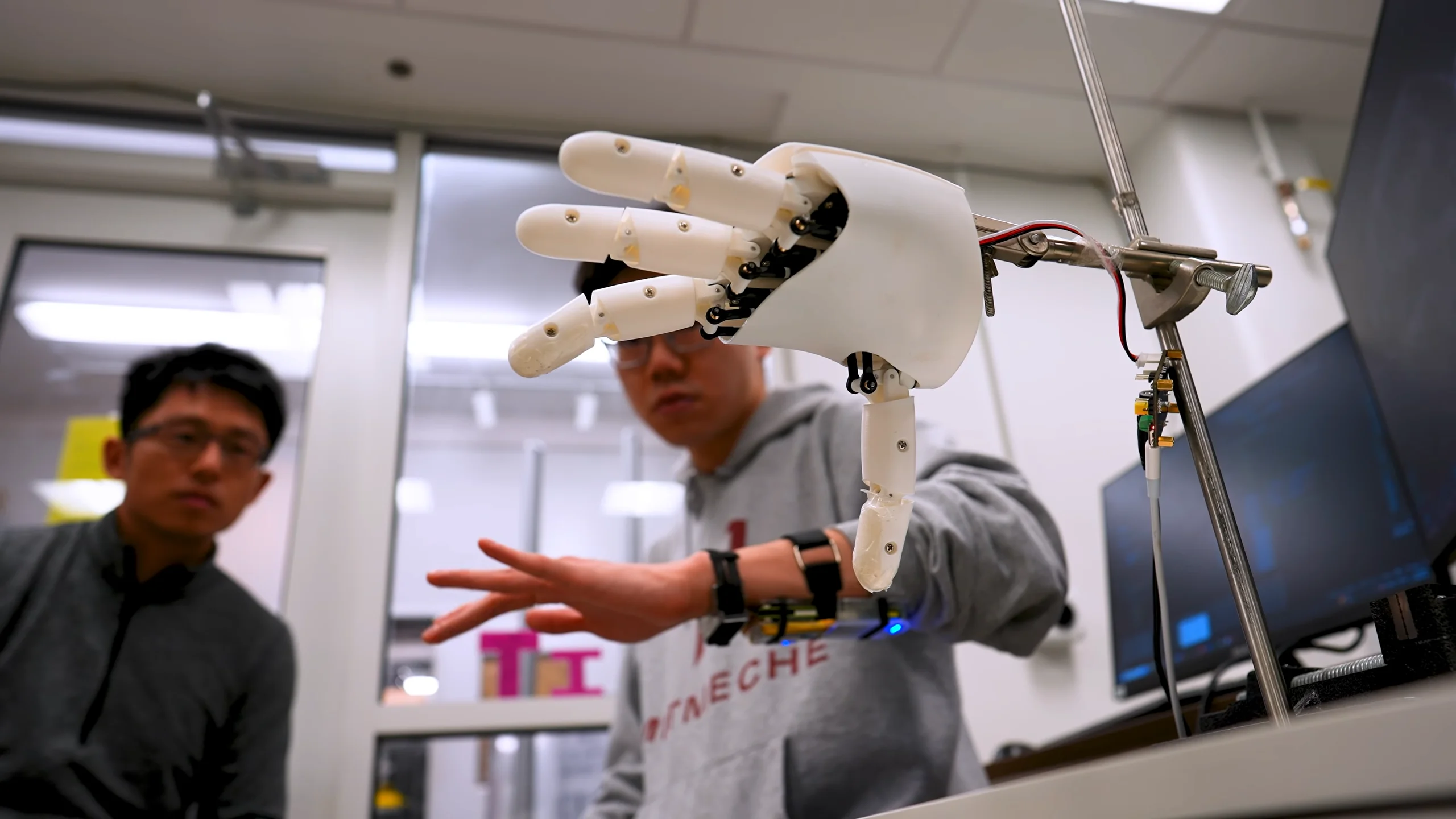
The Puppet Strings of AI: MIT’s Ultrasound Wristband Predicts Hand Dexterity
Engineers at the Massachusetts Institute of Technology (MIT) have unveiled a groundbreaking wearable ultrasound wristband designed to monitor hand movements by capturing images of internal muscle and tendon activity. This innovative technology aims to address the significant data bottlenecks that currently hinder humanoid teleoperation, a field where precise control and feedback are crucial. The wristband's development comes in response to the growing demand for more effective remote manipulation systems, particularly in robotics and telemedicine. By utilizing ultrasound imaging, the device provides real-time insights into muscular and tendinous functions, enhancing the ability to operate humanoid robots with greater accuracy. This advancement could pave the way for improved applications in various sectors, including healthcare and remote work, where effective hand movement tracking is essential.
MIT hand hands
Tech Odyssey Series: We Went Searching for Digital Nomads, but Filmed a Hardware Revolution
Portugal has long been celebrated as a premier destination for relaxation, surfing, and remote work, but a new documentary aims to explore the deeper narrative of the country. A team of filmmakers recently traveled across Portugal, from its industrial northern regions to the vibrant coastal capital, to capture a more comprehensive view of the nation. Their journey, which spanned several weeks, seeks to uncover the diverse experiences and stories that extend beyond the typical tourist attractions. By delving into the cultural, economic, and social aspects of life in Portugal, the filmmakers hope to challenge the prevailing perception of the country as merely a retreat and highlight its multifaceted identity. The documentary is set to provide audiences with a richer understanding of Portugal, showcasing its unique blend of tradition and modernity.
News
NASA Picks Pierce Aerospace for Bay Area Remote ID Sensor Network
Pierce Aerospace has been selected by NASA to develop a Remote ID network throughout Silicon Valley and the San Francisco Bay Area. This initiative is part of NASA's ongoing research into drones and air taxi technologies, specifically at the Ames Research Center. The project will involve the deployment of YR1 and YR2S sensors, facilitated by Metis Technology Solutions, an Indiana-based firm. The collaboration aims to enhance the safety and efficiency of unmanned aerial systems in urban environments, addressing the growing need for regulatory frameworks as drone usage expands. The timeline for the deployment and operational details has not been disclosed, but the network is expected to play a crucial role in advancing aerial mobility solutions in the region.
Drone News Drone News Feeds infrastructure Networking News Sensors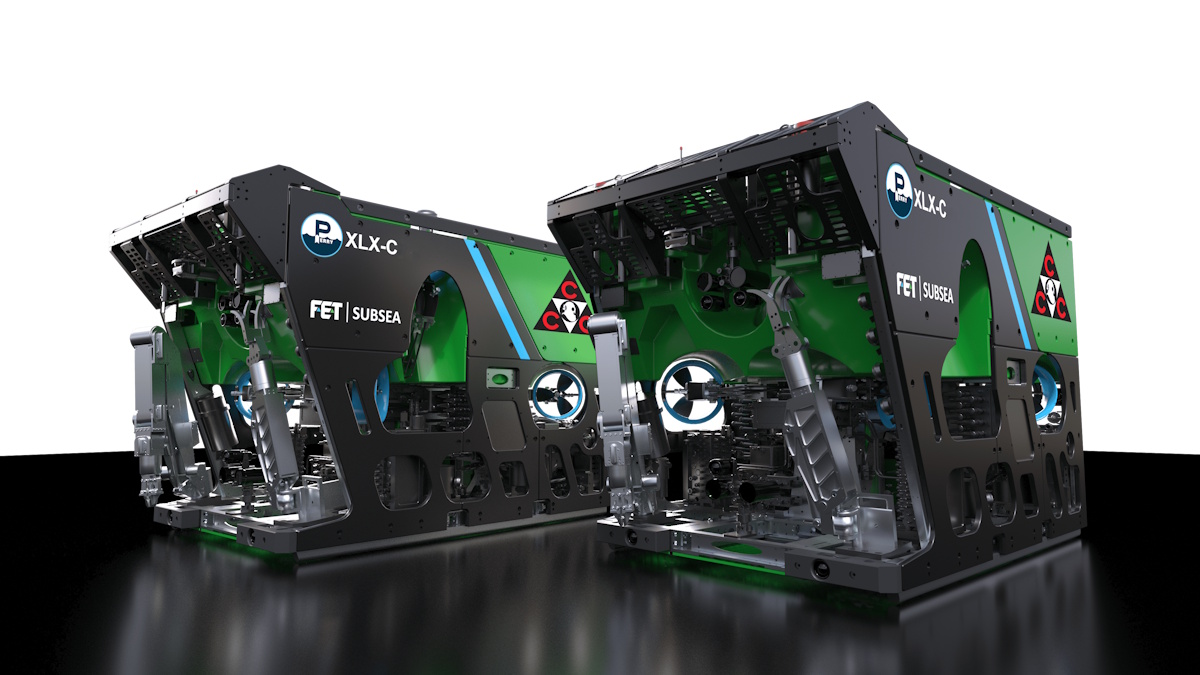
FET to Provide UAE-Based Offshore Construction Firm with Two Work Class Remotely Operated Vehicles
Forum Energy Technologies (FET) has announced that its Subsea product line has been awarded a contract to supply two work class remotely operated vehicles (ROVs) to CCC (Underwater Engineering) S.A.L, a prominent offshore construction company based in the United Arab Emirates. This partnership underscores FET's commitment to enhancing underwater engineering capabilities and supporting CCC (UE) in its ongoing projects. The contract reflects the growing demand for advanced subsea technology in the region, driven by the expanding offshore industry. The ROVs will be utilized for various underwater tasks, showcasing FET's innovative solutions in subsea operations.
fet work class remotely operated vehicles (rov)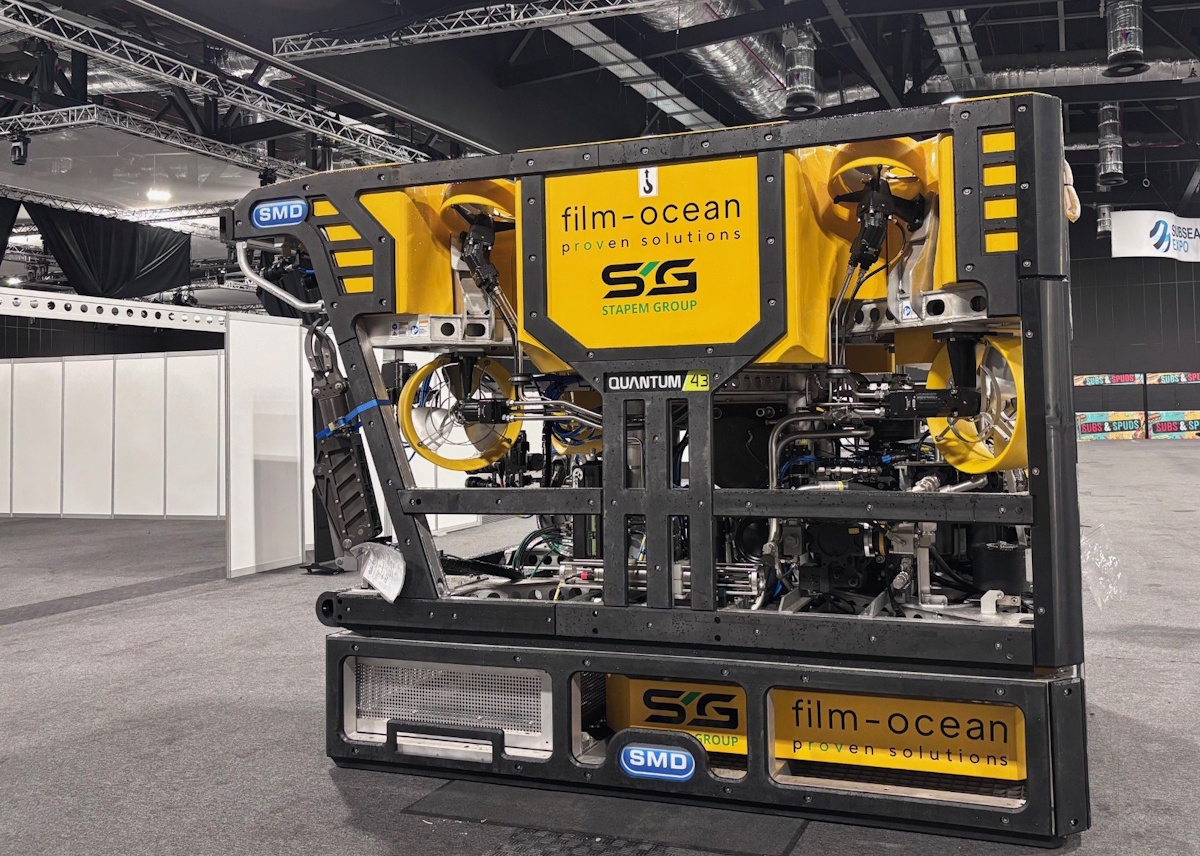
Film-Ocean Showcases New Work Class ROV and Remote Operations Centre at Subsea Expo 2026
Film-Ocean, a leading global subsea services provider and a member of the Stapem Group, is set to unveil its latest Work Class Remotely Operated Vehicle (WROV) and demonstrate its advanced Remote Operations Centre (ROC) at the upcoming Subsea Expo 2026. The event will be held on February 4 and 5, 2026. This showcase aims to highlight the company's innovative technologies and capabilities in subsea operations, reflecting its commitment to enhancing efficiency and safety in the industry. By presenting these cutting-edge solutions, Film-Ocean seeks to engage with industry professionals and stakeholders, emphasizing its role in advancing subsea service offerings.
subsea expo
Best Managed Virtual Assistant Services for Startups in 2026
Startup founders often face the challenge of managing their time effectively, as they typically do not require additional meetings but rather dependable assistance with administrative tasks. This includes inbox management, CRM follow-ups, and front-desk coverage, all without the burden of hiring another full-time employee. The insights shared are particularly aimed at operators in the fields of robotics, automation, and industrial technology, who seek scalable solutions that do not contribute to process inefficiencies. The recommendations provided focus on managed assistant services that can meet these needs, allowing startups to streamline operations while maintaining productivity.
Artificial Intelligence Business administrative support automation news Business Management business operations
SpaceX's Starmind Plans 1 Million AI Satellites Amid Collision Risks
SpaceX has announced its ambitious Starmind project, which aims to deploy 1 million AI satellites in orbits between 500 and 2,000 km. This initiative, confirmed by Elon Musk on June 23, 2026, follows a merger with xAI, valuing the combined entity at $1.25 trillion. The satellites will function as orbital data centers, processing AI workloads powered by solar arrays and linked by optical lasers. The significance of Starmind lies in its potential to add 100 gigawatts of AI compute capacity annually, contingent on the successful operation of the Starship launch system. However, the project raises concerns regarding space debris, as the current orbital environment is already congested, with a 20% increase in collision risk reported since 2024. The European Space Agency has highlighted that the density of debris in low Earth orbit is now comparable to that of active satellites, complicating the operational landscape for new entrants like Starmind. Looking ahead, the first operational orbital AI deployments are targeted for 2028, with test launches expected in early 2027. However, the project faces scrutiny regarding its impact on space debris, as even a 1% failure rate could significantly increase the number of uncontrollable objects in orbit, exacerbating existing risks. No further timeline was disclosed at the time of publication.
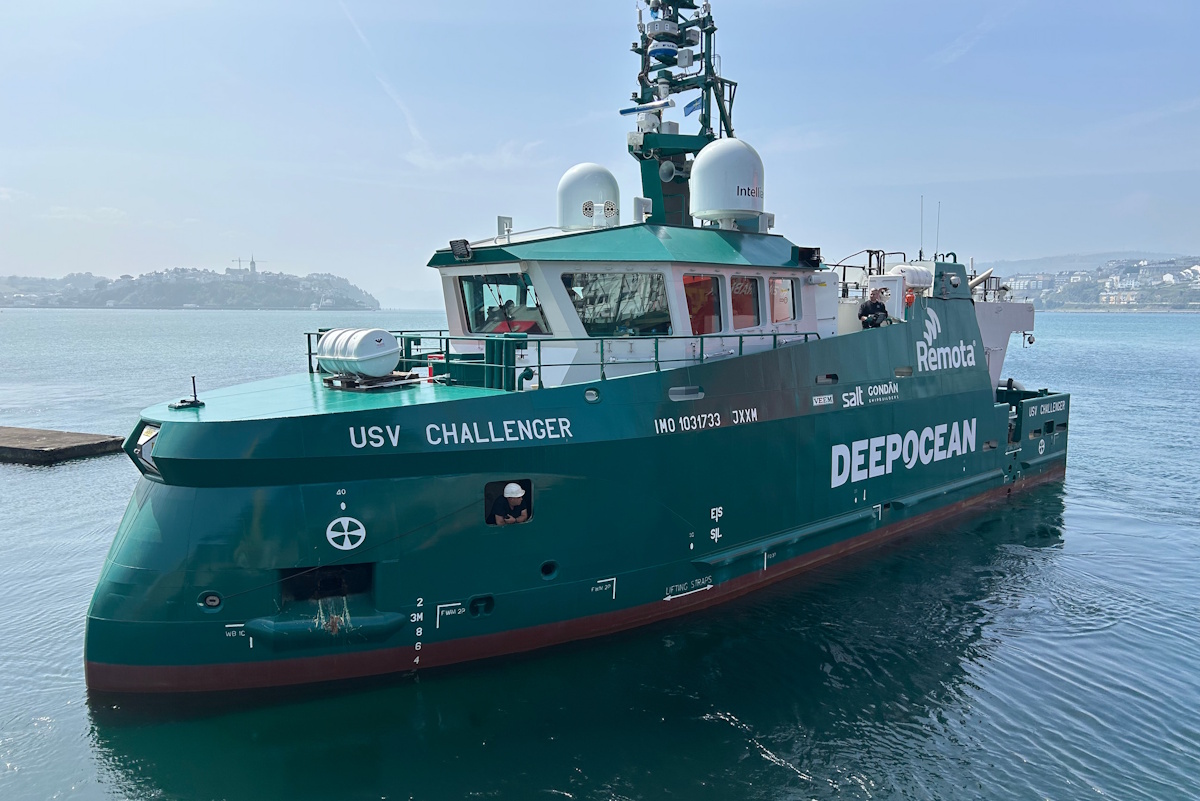
Delivery of Uncrewed Vessel for Remote-Controlled Subsea Work
DeepOcean, in collaboration with its joint venture partners, has successfully received a newly constructed uncrewed surface vessel (USV). This state-of-the-art vessel is set to enhance subsea survey capabilities and facilitate inspection, maintenance, and repair (IMR) operations within the offshore energy sector. The delivery marks a significant advancement in technology aimed at improving efficiency and safety in marine operations. The USV will be deployed across various offshore projects, reflecting the growing trend towards automation in the industry.
deepocean usv usv challenger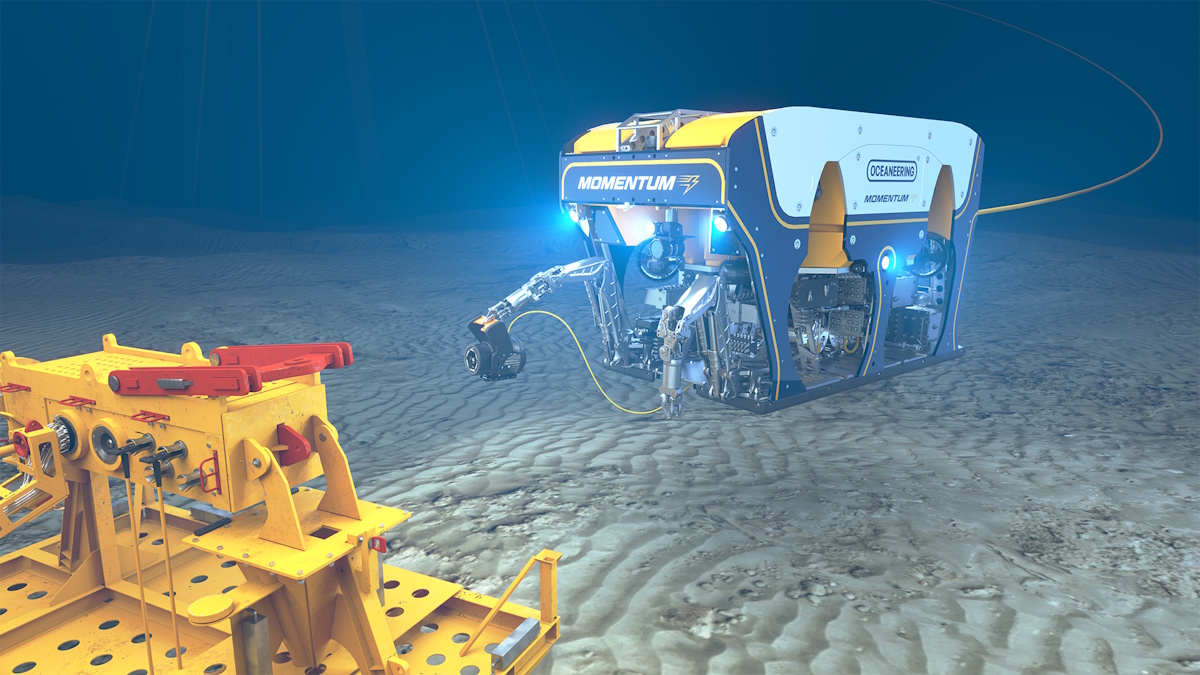
Oceaneering Launches New Electric Propulsion Work Class ROV
Oceaneering International, Inc. has unveiled its latest innovation in subsea technology, the Momentum™ Electric Work Class Remotely Operated Vehicle (ROV), during the Subsea Tieback Forum. This launch marks a significant advancement in the company's Subsea Robotics segment, showcasing their commitment to enhancing underwater operations. The event took place today, highlighting the growing demand for efficient and environmentally friendly solutions in the subsea industry. The Momentum™ ROV is designed to improve operational capabilities and reduce environmental impact, reflecting Oceaneering's dedication to innovation and sustainability in subsea exploration and maintenance.
oceaneering electric propulsion work class rov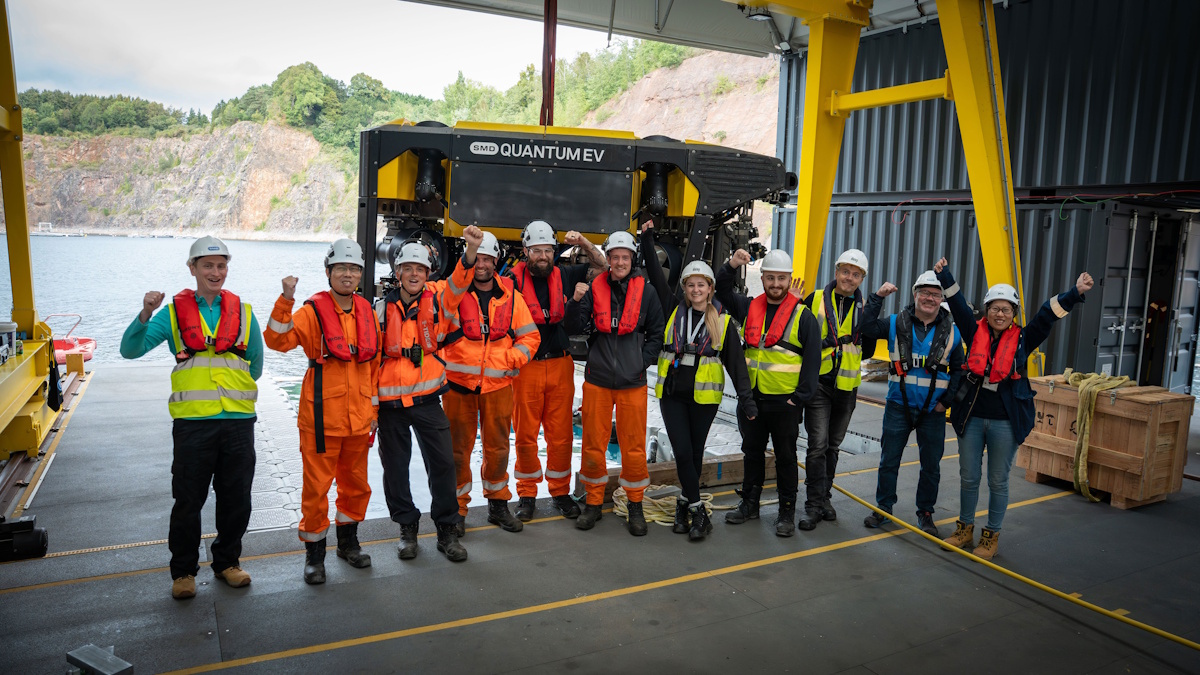
Testing Complete on First SMD Electric Work Class ROV
SMD, a subsea technology and services company, has achieved a significant milestone with the successful completion of Site Acceptance Testing (SAT) for its innovative electric work class remotely operated vehicle (ROV), the SMD Quantum EV. This testing took place at the DEEP Campus located near Bristol. The successful SAT marks a crucial step in the development and deployment of this advanced ROV, which aims to enhance subsea operations while promoting sustainability through its electric design. The completion of this testing phase underscores SMD's commitment to advancing subsea technology and meeting the growing demand for environmentally friendly solutions in the industry.
smd electric work class rov smd quantum ev site acceptance testing (sat) deep campus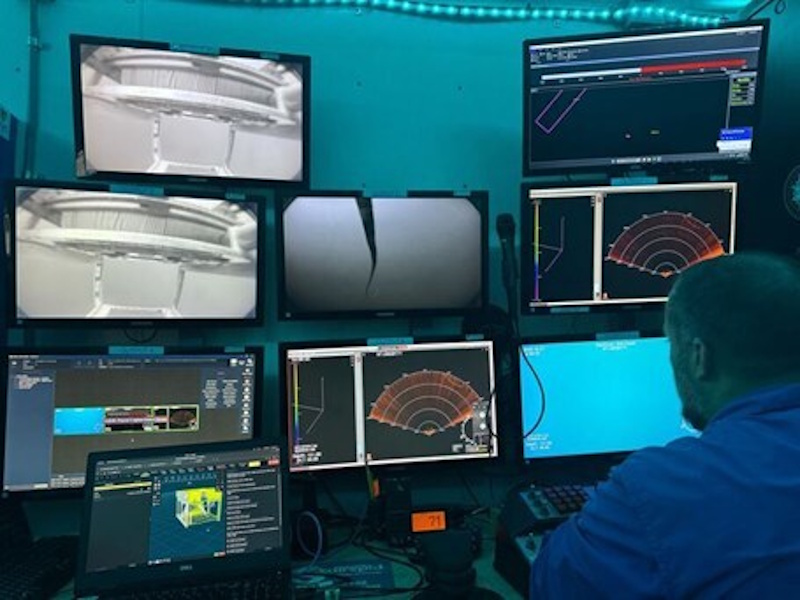
Nauticus Robotics Certifies Nauticus ToolKITT Autonomy Software on Light Work-Class ROVs & Completes First Paid Commercial Operation on a Retrofitted System
Nauticus Robotics, Inc. has successfully certified and deployed its Nauticus ToolKITT™ autonomy software on two light work-class remotely operated vehicles (ROVs) following the acquisition of SeaTrepid International in 2025. This achievement was announced today after the completion of certified pool and open-water testing. The deployment marks a significant milestone for Nauticus, as it represents the company's first paid commercial subsea project utilizing the ToolKITT™ software on a retrofitted ROV platform. This development underscores Nauticus's commitment to advancing its autonomy technology beyond proprietary systems, enhancing its capabilities in the field of autonomous subsea robotics.
nauticus robotics certification nauticus toolkitt autonomy software light work-class rov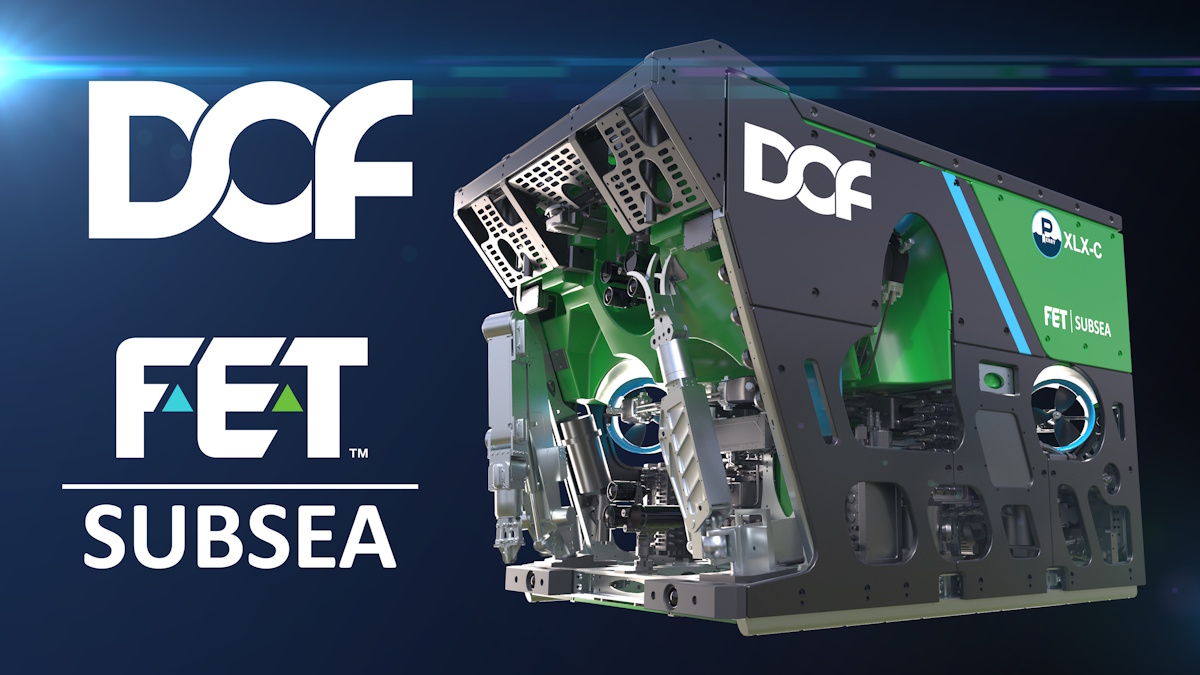
Forum Energy Technologies Secures Work-Class ROV Order
Forum Energy Technologies (FET), a prominent player in subsea robotics, has announced a new contract with its long-term client, DOF. This agreement involves the provision of a work-class remotely operated vehicle (ROV) along with a supporting tether management system. The delivery of this advanced equipment is set for late 2025 and will enhance DOF’s extensive subsea operations in Brazil. This partnership underscores FET's commitment to supporting DOF's operational capabilities in the region.
forum energy technologies (fet) dof xlx-c24 work-class rov
ACCESS reveals experimental results on remote robot control and local-like operations using VLA model and IOWN APN.
ACCESS has announced the successful execution of remote robot control experiments utilizing the Vision-Language-Action (VLA) model. Conducted recently, these experiments demonstrated that by leveraging a high-quality communication network, the responsiveness and operational quality of robot control in remote environments can closely match that of local settings for certain tasks. This advancement highlights the potential for improved remote robotic applications, driven by enhanced communication technologies.
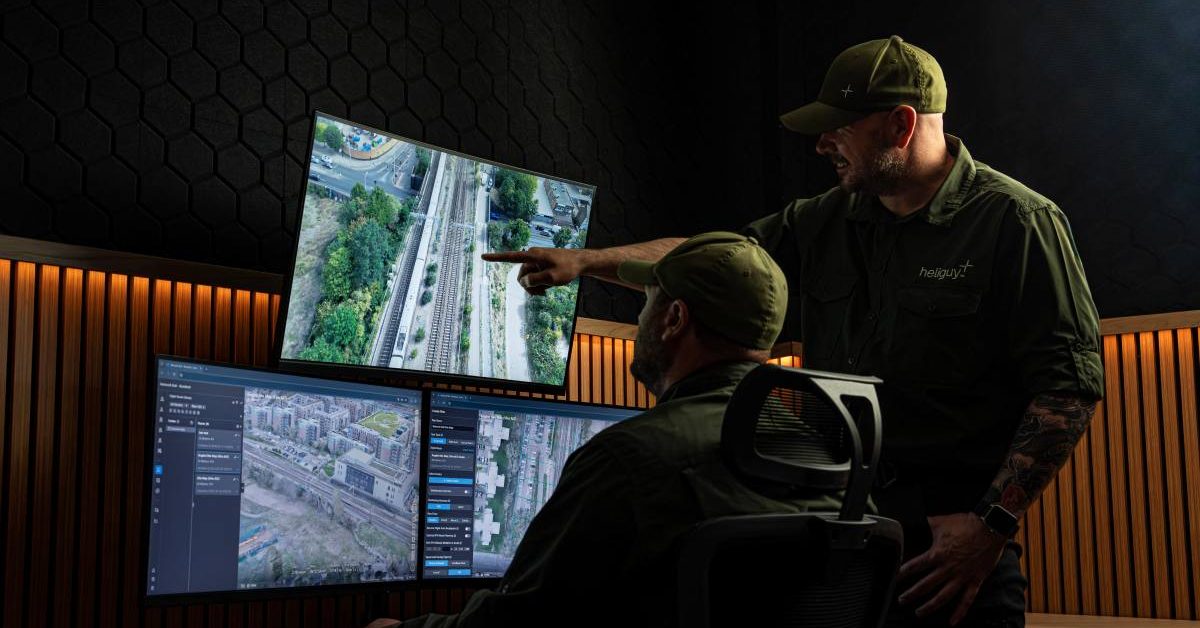
Automated DJI drones are now watching UK railways remotely
Heliguy, a UK-based drone solutions provider, has achieved a pivotal milestone by obtaining a Beyond Visual Line of Sight (BVLOS) authorization from the UK Civil Aviation Authority (CAA). This approval enables Heliguy to perform remote drone operations for Network Rail, a major player in rail infrastructure. The authorization marks a significant advancement in the use of drone technology for railway inspections, potentially eliminating the need for pilots to be physically present trackside. This innovative approach aims to enhance efficiency and safety in monitoring rail infrastructure, reflecting the growing trend of integrating advanced technology in transportation sectors.
News
Tencent launches WorkBuddy productivity AI agent for global users
Tencent Cloud has introduced WorkBuddy, a new AI productivity agent designed for users worldwide, following its initial launch in China. The platform aims to enhance office workflows by utilizing natural language prompts to decompose tasks, integrate with external tools, and produce deliverables for various work and study environments. WorkBuddy also facilitates remote task execution, making it a versatile tool for both professionals and students. This launch reflects Tencent Cloud's commitment to improving efficiency and collaboration in an increasingly digital workspace.
News Feed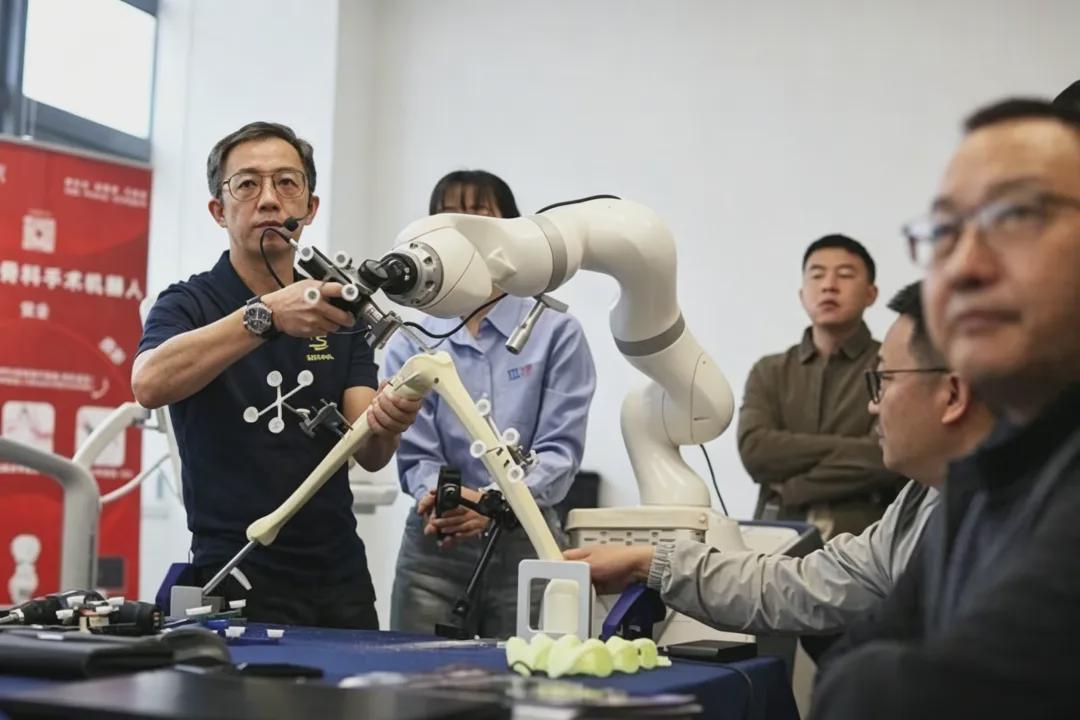
Domestic Orthopedic Robots Enhance Healthcare Access for Remote Patients
On National Science Workers Day, China's orthopedic and sports medicine center showcased the transformative role of domestic surgical robots in enhancing healthcare access in remote areas. The Kunlun® orthopedic surgical robot, developed by Yuanhua Intelligent Technology, is at the forefront of this innovation, enabling high-precision surgeries that are crucial for patients in underserved regions. This advancement not only improves recovery times but also elevates the overall medical experience for those who previously faced significant barriers to quality surgical care.
Orthopedic Robots Healthcare Technology Surgical Innovation Telemedicine
How Drone-Based Construction Progress Monitoring Is Driving Smarter Industrial Workflows
In a significant advancement for the construction industry, drone-based monitoring is being implemented to enhance transparency across projects. This innovative approach allows all stakeholders, including site foremen and remote investors, to access the same high-resolution digital twin of the construction site. By providing a unified visual representation, the technology aims to eliminate uncertainty and guesswork traditionally associated with construction progress and management. This initiative is part of a broader trend towards integrating advanced technologies in construction, with the potential to improve efficiency and accountability. As the industry continues to evolve, the adoption of drone monitoring is expected to play a crucial role in shaping the future of construction practices.

FET to Deliver New Model of Work Class ROV to Nigerian Oil and Gas Firm
Forum Energy Technologies (FET) has announced a significant contract with Nigerian oil and gas company Marine Platforms (MPL) to supply two of its advanced XLX EVO III work class remotely operated vehicles (ROVs). This agreement underscores the enduring partnership between the two companies, as MPL has consistently utilized FET's systems in its operations. The deal highlights FET's commitment to enhancing subsea capabilities in the oil and gas sector, particularly in Nigeria, where the demand for innovative technology is growing. The delivery of the ROVs is expected to bolster MPL's operational efficiency and effectiveness in underwater tasks.
forum energy technologies (fet) marine platforms (mpl) xlx evo iii rov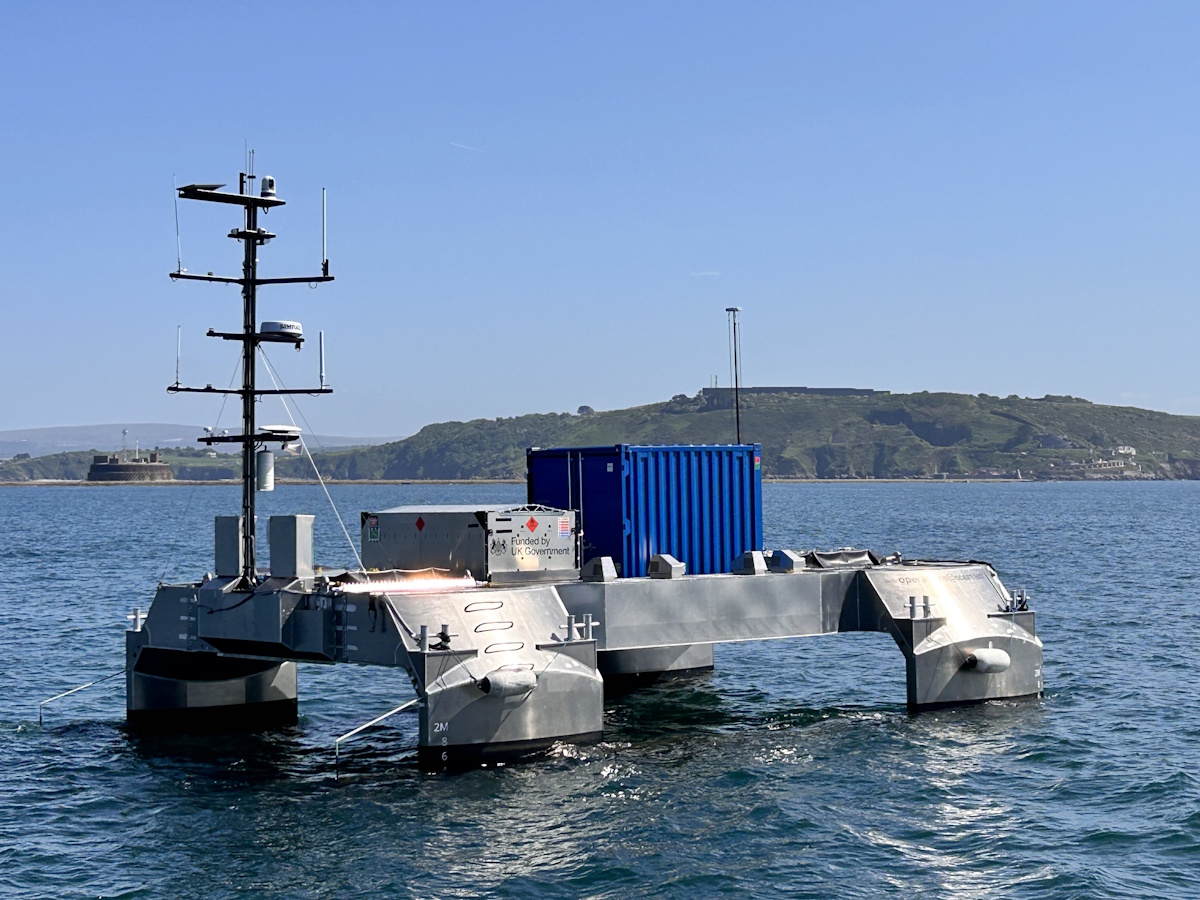
UK’s first ROUV certified under Workboat Code 3 as Lloyd’s Register awards compliance to ACUA Ocean’s PIONEER
Lloyd’s Register has granted the UK’s inaugural certification for a remotely operated and unmanned vessel (ROUV), marking a significant milestone in maritime innovation. The certification was awarded to the hydrogen-powered vessel PIONEER, developed by ACUA Ocean, under the Maritime and Coastguard Agency’s Workboat Code Edition 3 (WBC3) Annex 2. This achievement not only highlights advancements in autonomous maritime technology but also underscores the growing emphasis on sustainable energy solutions within the industry. The certification process involved rigorous assessments to ensure compliance with safety and operational standards, paving the way for the integration of unmanned vessels into commercial maritime operations.
acua ocean usv pioneer vessel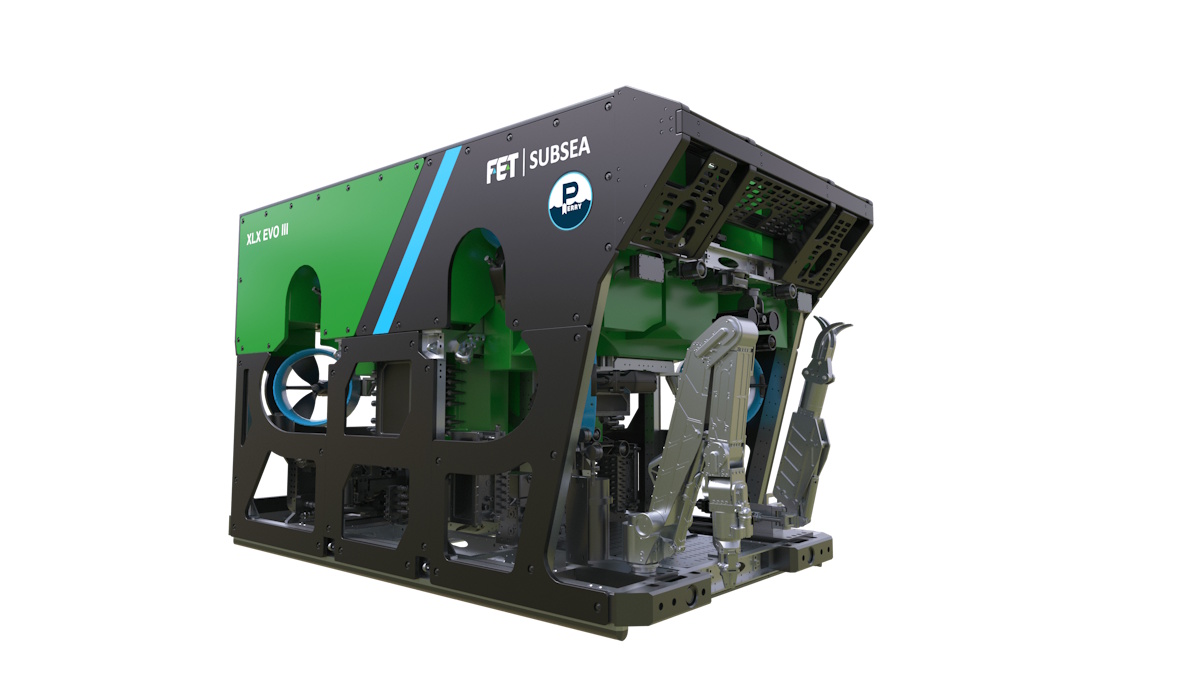
FET Brings New Generation Work Class ROV to Market
Forum Energy Technologies (FET) has unveiled its newest work class Remotely Operated Vehicle (ROV), the XLX EVO III, which represents a significant advancement in Ultra-Heavy-Duty subsea vehicle technology. This launch took place recently, showcasing FET's commitment to innovation in the subsea industry. The XLX EVO III is designed to enhance operational efficiency and safety in challenging underwater environments, addressing the growing demand for robust and reliable ROV solutions. By integrating advanced technology and engineering, FET aims to meet the evolving needs of its clients in sectors such as oil and gas, renewable energy, and underwater construction. The introduction of the XLX EVO III is expected to set new standards in subsea operations, reflecting FET's dedication to pushing the boundaries of underwater exploration and intervention capabilities.
forum energy technologies (fet) rov xlx evo iii ultra-heavy-duty
Autonomous Navigation in Large‐Scale Underground Environments Based on a Purely Topological Understanding of Tunnel Networks
In June 2026, the Journal of Field Robotics published a significant study exploring advancements in robotic technology, specifically focusing on autonomous navigation systems. Researchers from leading universities and tech companies collaborated to investigate the effectiveness of these systems in various environments, including urban areas and remote terrains. The study aimed to address the growing demand for efficient and reliable robotic solutions in fields such as agriculture, disaster response, and transportation. By conducting extensive field tests, the team evaluated how these robots adapt to dynamic conditions and obstacles, ultimately enhancing their operational capabilities. The findings highlight the potential for improved safety and efficiency in robotic applications, paving the way for broader adoption in real-world scenarios. This research not only contributes to the academic discourse on robotics but also offers practical insights for industries looking to integrate autonomous systems into their operations.
RESEARCH ARTICLE
Watch: Figure’s humanoid robots work for 200 hours, process 250k packages without failure
Figure AI, a robotics company based in the United States, has successfully conducted a groundbreaking 200-hour autonomous livestream featuring its advanced humanoid robot, the Figure 03. This significant achievement took place recently, showcasing the robot's capabilities in real-time interaction and operation without human intervention. The livestream aimed to demonstrate the potential applications of robotics in various fields, including entertainment, education, and remote assistance. By utilizing cutting-edge technology, Figure AI has positioned itself at the forefront of innovation in the robotics industry, highlighting the growing importance of autonomous systems in everyday life. The event not only marks a milestone for the company but also serves to inspire further advancements in robotic technology and its integration into society.
BANNER ENGINEERING - RSio Remote Safe I/O Blocks
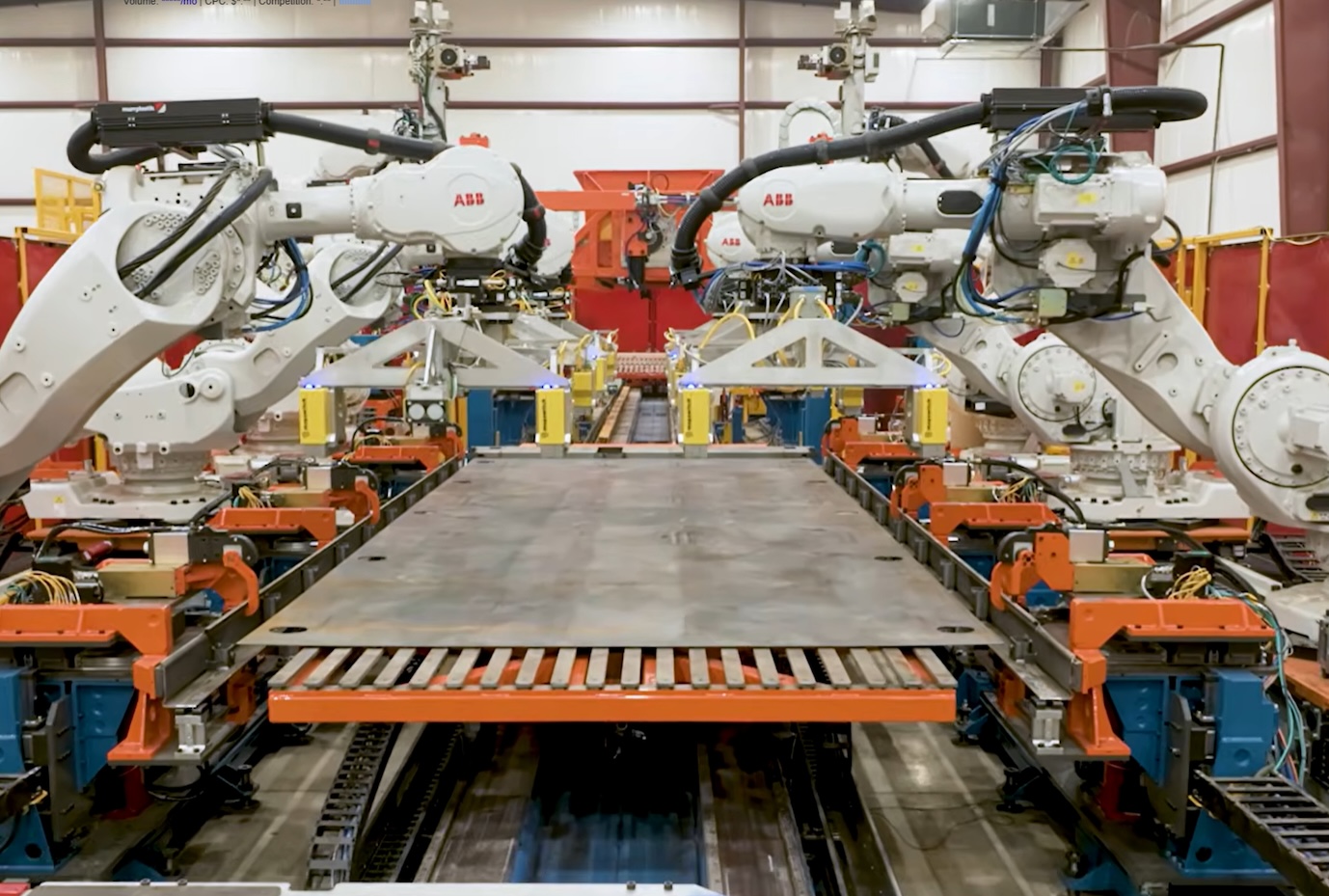
Banner Engineering has introduced a new line of I/O blocks designed to enhance safety architectures in industrial settings. These innovative blocks support EtherNet/IP and CIP Safety™, allowing for configurable inputs for emergency stops, light curtains, and switches. The introduction of in-series diagnostics significantly reduces cable usage, enabling the connection of up to 192 safety devices per block while providing device-level status updates. The RSio series is characterized by its scalability and robustness, making it particularly suitable for large conveyor networks and modular machine designs. This development aims to streamline safety management and improve operational efficiency in manufacturing environments.
Reliable Robotics Pursues FAA Certification for Network-Agnostic UAS Datalink System
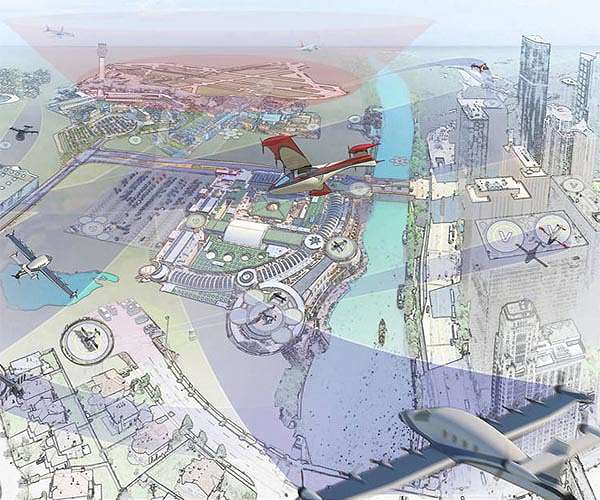
Reliable Robotics, based in Mountain View, California, is making significant strides in enhancing the certifiability of its safety-critical command-and-control datalink system for uncrewed aircraft. On May 4, 2026, the company announced its efforts to demonstrate the capability of remotely piloted aircraft to operate safely within the National Airspace System and existing airport infrastructure. This initiative involves collaboration with industry partners, adherence to established standards, and active flight testing. The advancements aim to ensure that these aircraft can be integrated into commercial airspace, ultimately enhancing the safety and efficiency of air travel.
Kansas City Builds a World Cup-Era Drone Defense Network
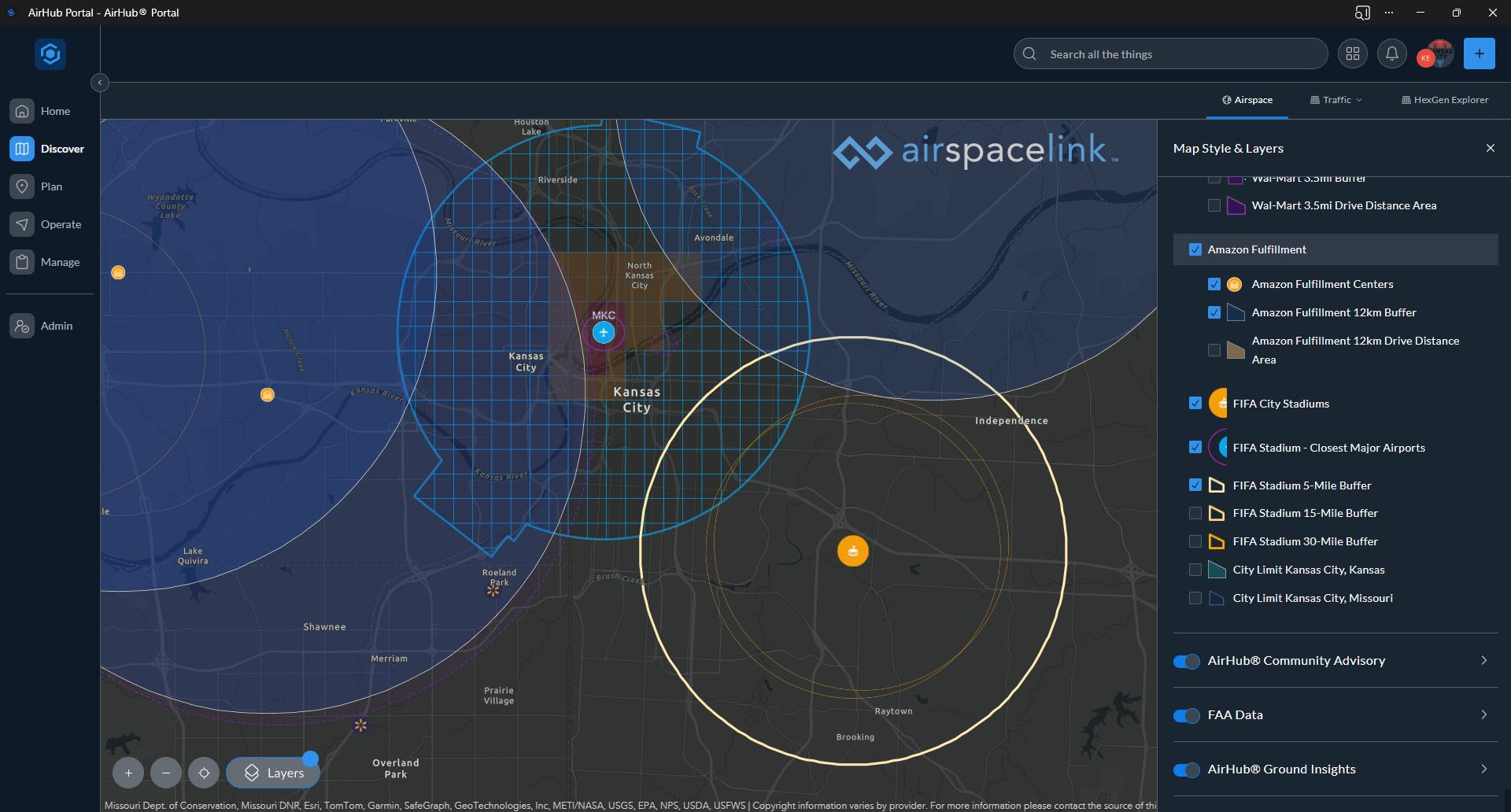
Kansas City, Missouri, has taken a significant step in enhancing public safety by implementing a shared drone coordination and counter-unmanned aerial systems (UAS) platform. This initiative, spearheaded by Airspace Link in collaboration with regional public safety agencies, aims to bolster security during the FIFA World Cup and improve future urban drone operations. The deployment marks Kansas City as one of the first regions in the United States to adopt such an integrated system, reflecting a proactive approach to managing drone traffic and mitigating potential threats. The platform is designed to facilitate coordinated responses to drone-related incidents, ensuring a safer environment for large-scale events and everyday urban activities.
C-UAS defense Drone News Drone News Feeds News UTM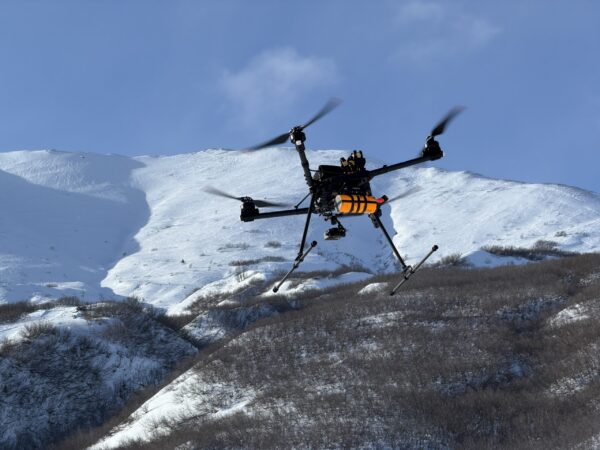
Drone Amplified Receives FAA Approval for MONTIS Avalanche Control Drone Operations
Drone Amplified, a Nebraska-based company, announced on July 8, 2026, that it has received regulatory approval from the Federal Aviation Administration (FAA) for its MONTIS drone, designed for avalanche control operations. This approval establishes a legal framework for the commercial deployment of the remote avalanche mitigation system across the United States, enhancing safety measures in avalanche-prone areas. The FAA's endorsement is significant as it allows Drone Amplified to offer its innovative technology to U.S. customers, potentially transforming avalanche management practices. The MONTIS drone is expected to improve response times and operational efficiency in avalanche control, addressing a critical need in mountainous regions where avalanches pose serious risks to safety and infrastructure. Looking ahead, the company aims to expand its market presence and operational capabilities following this regulatory milestone. No further timeline was disclosed at the time of publication, but stakeholders will be keen to see how quickly Drone Amplified can roll out its services and establish partnerships in the avalanche control sector.
Disaster Response dispatch Drone News Drone News Feeds Drones in the News Environmental Research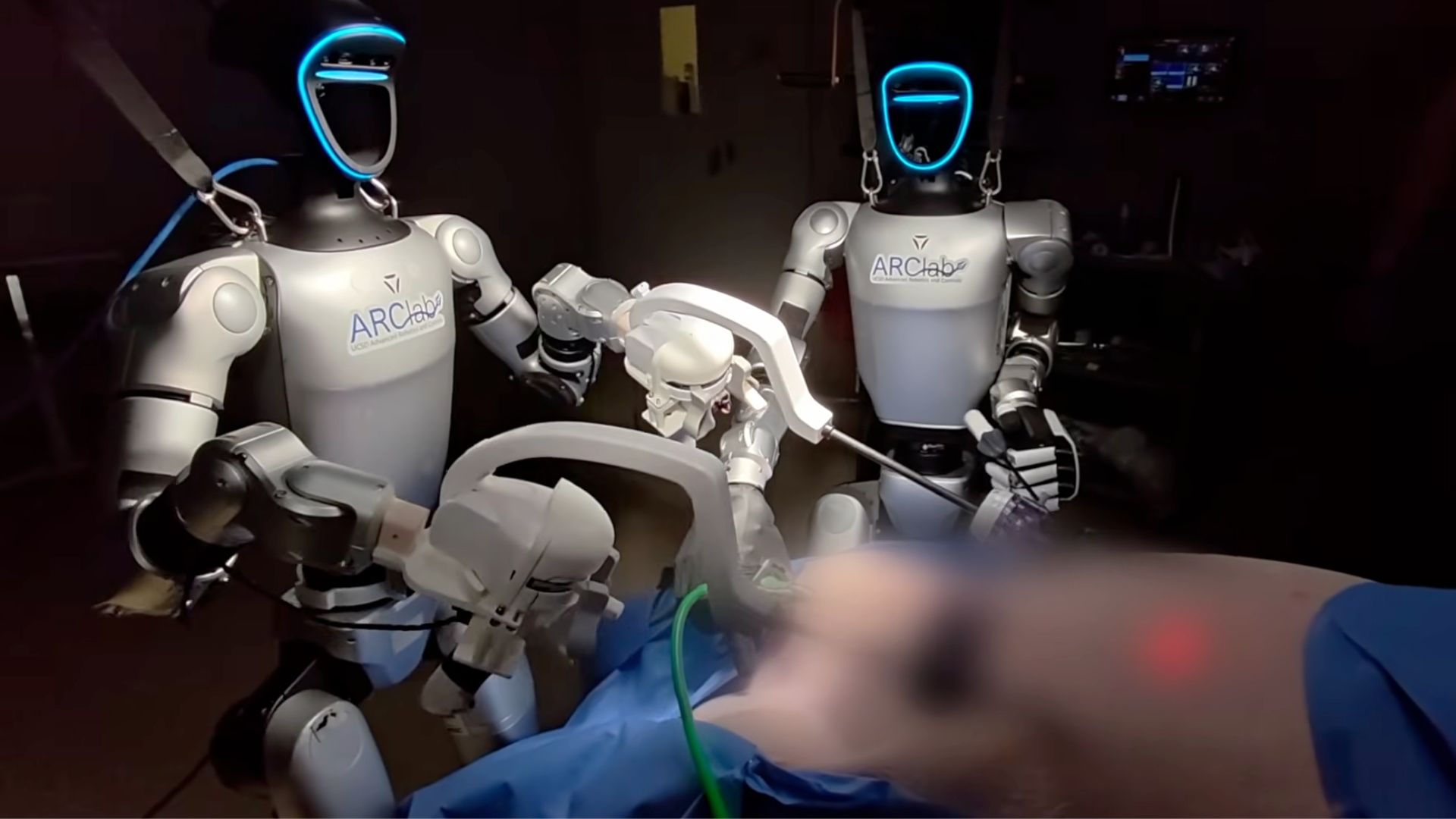
World’s first surgery using teleoperated humanoid robots conducted by US team
A team of researchers has made a groundbreaking advancement by successfully employing teleoperated humanoid robots to carry out two complex tasks. This achievement marks a significant milestone in robotics, showcasing the potential for remote-controlled machines to perform intricate functions that were previously thought to be the domain of human operators. The experiments took place in a controlled environment, allowing the researchers to meticulously assess the robots' capabilities and refine their performance. The motivation behind this innovative project stems from the desire to enhance efficiency and safety in various industries, particularly in situations where human presence may be risky or impractical. By leveraging advanced teleoperation technology, the researchers demonstrated that humanoid robots could effectively mimic human movements and decision-making processes, paving the way for future applications in fields such as disaster response, healthcare, and manufacturing. The successful execution of these tasks not only highlights the progress in robotic technology but also opens new avenues for research and development, potentially transforming how we approach complex operations in challenging environments. As the team continues to refine their methods, the implications of this work could lead to widespread adoption of teleoperated robots in various sectors, ultimately improving productivity and safety for human workers.
AI and Robotics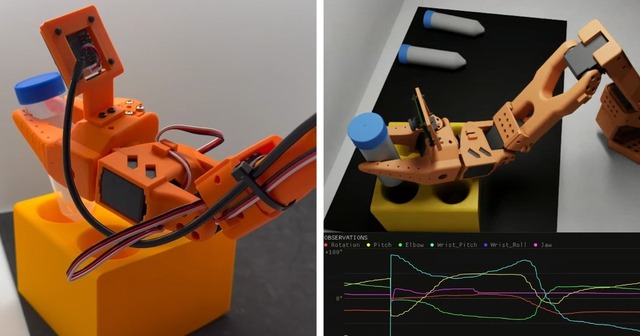
NVIDIA and Hugging Face integrate AI model "GR00T 1.7" into open-source robot development platform "LeRobot."
NVIDIA and Hugging Face have announced the integration of their cutting-edge technologies aimed at enhancing humanoid robots. The collaboration will see the incorporation of NVIDIA's visual language action (VLA) model, known as NVIDIA Isaac GR00T 1.7, along with the remote operation framework, NVIDIA Isaac Teleop, into Hugging Face's open-source robot development library, LeRobot. This initiative is set to advance the capabilities of humanoid robots, enabling more sophisticated interactions and functionalities. The announcement highlights a significant step in the ongoing evolution of robotics, reflecting both companies' commitment to fostering innovation in the field.

Japan Pioneered Humanoid Robots—Can It Now Catch China?
“In the future, the relationship between humans and robots will deepen, and the distinction between them will probably disappear.” This prediction, from one of the attendees at the recent Humanoids Summit in Tokyo, might have been unremarkable had it not come directly from an android that was first introduced to the world 20 years ago. Geminoid HI-6 is the sixth-generation of a robot originally designed in 2006. The mechanical twin of Osaka University professor Hiroshi Ishiguro, Geminoid HI-6 is now equipped with a large language model trained on Ishiguro’s own writings and interviews. It has advanced conversational skills and can even have a chat with its creator, an eerie spectacle. But at the Humanoids Summit, Geminoid was one of the few humanoid robots from Japan, the country that pioneered the form factor.While the event in Tokyo only had about 40 robots on display, Chinese systems outnumbered Japanese by roughly three to one. Some Japanese robotics firms were even using Chinese robots in their own technology demonstrations, something that would have been unthinkable in the recent past—one Japanese engineer described the situation as “sad.” The conference was a stark reminder of how Japan has ceded its early lead in humanoid robot development to overseas competitors, and the challenge it now faces to secure a place in an ecosystem increasingly dominated by general-purpose robots powered by AI. Twenty-five years ago, Japan was turning out groundbreaking humanoids that were showstopping in their abilities, but they were not commercialized as practical machines in any meaningful way. Heavily influenced by science fiction and lacking practical applications, they were mostly expensive technology demonstrations that were eventually mothballed. What Japan retains, however, is robotics design and know-how, which it must leverage to be a key player in the rapidly evolving humanoid ecosystem. Learning to Walk—Then Standing StillTo anyone who has seen recent videos of Chinese humanoids doing kung-fu and synchronized acrobatics, as well as half-marathon races, China’s remarkable progress in the field is nothing new. At the Humanoids Summit, Toyota showed a video of its latest basketball-playing robot, and Honda exhibited its latest robot hand, but the full-scale humanoids on the floor were mostly Chinese–the kid-size K1 machines from Booster Robotics of Beijing were dancing to Michael Jackson tunes. The full-scale G1 humanoid from Unitree Robotics of Hangzhou was also doing demos. “You cannot sell these bipedal systems in Japan for safety and compliance reasons,” says Shuichi Nagao, a frequent visitor to China as CTO of Omakase Robotics, a division of Zeals, a Japanese humanoid robot developer. Omakase was exhibiting a G1 modified with an external PC controller, a dextrous hand, a suction-cup manipulator and a sensor “hat” with an extra speaker, mic and camera. “In China, the government is pushing humanoid development. They didn’t have an industry 20 years ago. The people pushing it are young, in their 20s and 30s. It’s a really different mentality out there,” says Nagao. “Big players in Japan are still looking for use cases for humanoids. In China, they’re already doing mass production and reducing the cost, so other countries can’t compete with them anymore.”Another Japanese company showing off G1 bots was summit sponsor GMO AI & Robotics, a subsidiary of Japanese internet company GMO. It’s using the robots in partnership with Japan Airlines to load and unload cargo containers at Tokyo’s Haneda airport. The cargo project is a trial—like many other humanoid experiments—but the fact that Chinese machines have penetrated so far into Japan’s ecosystem upends a long history. In 1973, scientists at Waseda University in Tokyo built WABOT-1, considered the first full-scale humanoid robot and capable of slow bipedal locomotion, grasping objects and simple communication. It inspired Honda’s groundbreaking Asimo humanoid, but it was never commercialized. Asimo was eventually retired in 2022, the year ChatGPT was released. Two years later, Unitree’s G1 went on sale for US $16,000. China’s High Torque Technology Co. showed off its Mini Pi biped, customized with an anime-inspired head, at Humanoids Summit in Tokyo. The regular version is priced at $3,500. Tim HornyakSupply and DemandJapan’s development of humanoids happened before practical applications or widespread demand were in place, but bad timing is only part of the story—Japan also has a history of developing technologies that might appeal to domestic consumers but not necessarily those overseas. For example, decades after they first appeared, its highly engineered, multifunction toilets have only recently found a following abroad. Japan’s humanoid prowess was partly built on the back of its legendary industrial automation, yet even that stronghold has eroded. Ani Kelkar, a partner from McKinsey & Company in Boston who produces analytical reports about the robotics industry, told the summit audience that while Japan occupied the top spot in the world in manufacturing robot density (the number of multipurpose industrial robots in operation per 10,000 employees) from at least 1994 to 2009, it then slipped to second in 2014, third in 2019 and fifth in 2024. In that year, South Korea was at the top of the leaderboard with a robot density of 1,220 compared to Japan’s 446. The International Federation of Robotics estimates China now has the most operational industrial robots in the world, with around 2 million total units, approximately 4.5 times more than Japan. “The annual installation numbers are impressive too: 54 percent of all robots installed worldwide in 2024 were deployed in China,” the IFR said in a release in April 2026. “I think the loss of Japanese leadership is more to do with the rise of China as a manufacturing powerhouse including for sectors that Japan had high export levels,” Kelkar said in an email interview. “The recovery has not yet happened as Japan ‘missed’ the rapid acceleration in AI for robotics and is now playing catchup.”How Japan Can Adapt Kelkar believes Japan has a US $100 billion opportunity in general-purpose robotics, which are machines that can perform a wide variety of tasks, and it cannot rely on the slower-growing industrial robot market, which is centered on factory machines that do one simple and predictable task like welding car parts. He points to a McKinsey white paper suggesting that while Japan has much of the hardware and technology experience needed to support general purpose robot development, it must change its strategy to capture more share in AI, software, data collection and robotics platforms.Tetsuya Ogata is a professor of engineering and director of the Institute for AI and Robotics at Waseda University, the birthplace of humanoids in Japan. He briefed the summit on how a nonprofit he chairs, the AI Robot Association (AIRoA), is working with Toyota and other members to develop foundational technologies for collaborative use. For instance, AIRoA has collected some 80,000 hours of data on remote operation of mobile manipulators, and Ogata believes it’s the largest dataset of its kind. Using the data, it built and verified Vision-Language-Action (VLA) models, and it has also started data collection for dual-arm mobile manipulation. In an interview, Ogata acknowledged Japan’s struggle to find its place in the changing landscape. “The world of AI is inherently a game of scale,” says Ogata. “Therefore, Japan’s absolute prerequisite is to secure a competitive baseline of scale—in data, computing resources, and talent. Beyond that, what I consider most critical is a mindset shift: rather than trying to hoard scale within a single nation or company, we must grow stronger by collaborating with a diverse ecosystem of domestic and international players.” Specifically, this means creating a ‘collaborative domain’ to address data—the single biggest bottleneck—through industry-wide cooperation rather than data-siloing. By collectively nurturing a pre-competitive, shared data infrastructure and foundation model, individual companies can then compete on top of it with their own applications. “By offering this open ‘data ecosystem’ to the world, we can engage global players and establish a ‘third pole’ alongside the US and China,” says Ogata. “I believe this is how Japan can reclaim its global presence.”In 1999, Japan introduced the world’s first mobile internet services platform. But being first didn’t turn Japan into a smartphone manufacturing or design center—it’s now merely a supplier of parts to other countries who are leading the smartphone industry. If Japan can avoid a repeat of that experience and successfully deregulate, diversity, and commercialize its original humanoid dreams, it stands a better chance of influencing the direction of the industry and reaping billions in value. As automobiles and electronics were pillars of Japan’s industrial strategy in the last century, Japan could make humanoid robots one of its key value generators in the 21st century, an approach that would not only deliver economic benefits but give Japan greater clout in how the industry will evolve. Just like Japanese cars, electronics, and even toilets, Japanese humanoids could stand for craftsmanship and reliability. It’s a legacy that Japan can’t afford to give up.
Japan Robotics Humanoids Humanoid-robots
Smart mobility company becomes top electric motorcycle brand in Indonesia after raising millions from CATL fund.
OMOWAY, a smart two-wheeler mobility company, has successfully completed both Series A and A+ funding rounds, each raising tens of millions of dollars. The A+ round was led by Lochpine Capital, a fund backed by CATL, while Monolith led the A round with participation from CICC Capital and existing investor ZhenFund. Founded less than two years ago, OMOWAY has attracted a strong roster of investors, including Sequoia, ZhenFund, and various funds from the new energy sector. With significant financial backing and industry resources, OMOWAY is accelerating the commercialization of its products globally. In June, the company launched its flagship product, the OMO-X, with its first delivery in Indonesia, where it quickly became the top-selling electric motorcycle in the country during its first month. OMOWAY aims to disrupt the traditional motorcycle market, which has long been dominated by Japanese fuel brands, by addressing common industry challenges such as the high premium on advanced smart products and the lack of technological appeal in affordable options. The OMO-X features advanced technology, including a digital key, automatic side stand, remote control capabilities, and a large 10.25-inch interactive display, significantly enhancing user experience. The OMO-X Smart model focuses on intelligent mobility, while the OMO-X Balance is the world's first mass-produced self-balancing motorcycle, utilizing gyroscopic technology to improve stability. OMOWAY is also developing a reinforcement learning model for real-world driving conditions and has implemented a 360° panoramic vision system for enhanced safety. With a proprietary technology framework that integrates AI and robotics, OMOWAY is expanding its dealer network in Indonesia and plans to enter markets in Thailand, Singapore, and Europe, aiming to evolve transportation into intelligent partnerships for various applications.
Saronic Launches 52-ft Mirage ASV for Maritime Operations in Texas
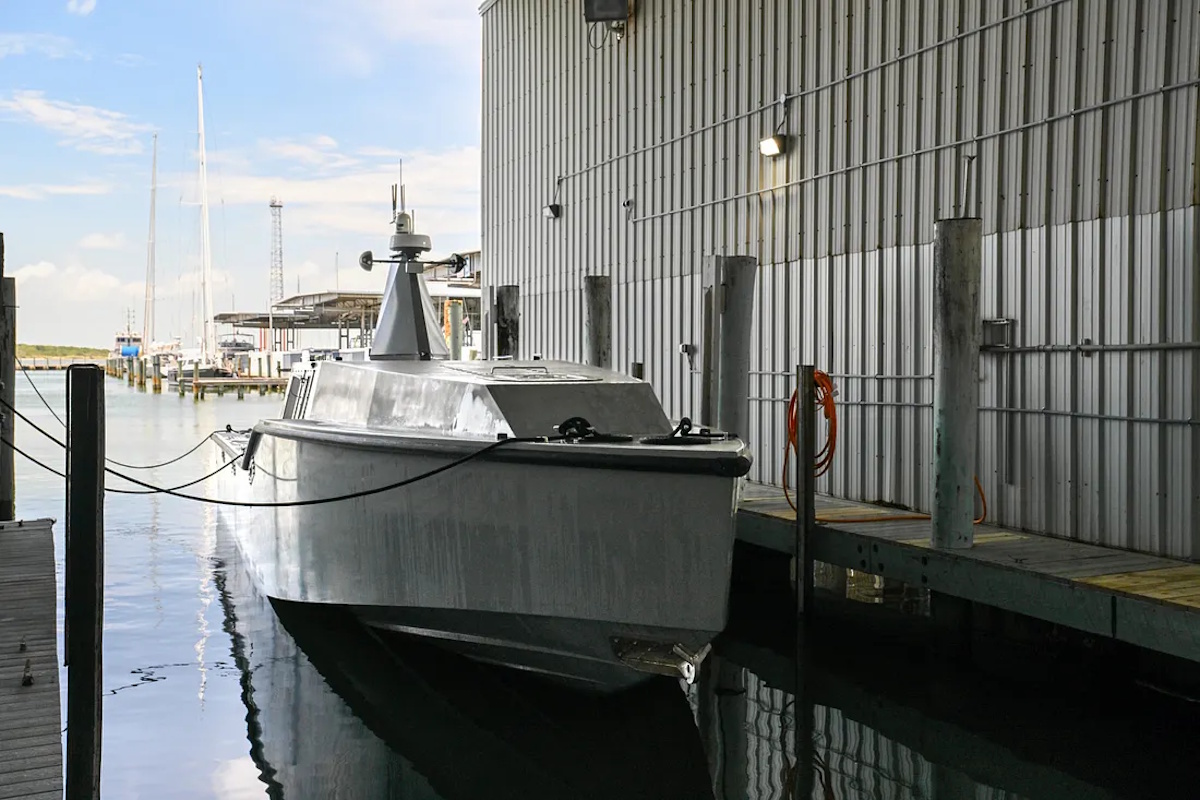
Saronic has officially launched its first Mirage, a 52-foot Autonomous Surface Vessel (ASV), at its test facility in Galveston, Texas. This vessel joins the existing fleet of the 24-foot Corsair and 180-foot Marauder, marking a significant milestone in Saronic's production capabilities. The Mirage, designed for dual-use, is set to undergo on-water trials following its rapid development from design to launch in under a year. The Mirage ASV boasts impressive specifications, including a top speed exceeding 35 knots, a range of over 2,500 nautical miles, and a payload capacity of 3,500 pounds. This new platform enhances maritime operations for both manned and unmanned teams, supporting missions in maritime domain awareness and security. The vessel operates autonomously or under remote supervision via Saronic's Echelon command-and-control platform, leveraging proven technologies from the company's existing fleet. Looking ahead, Saronic is already working on the next hull of the Mirage, with production capabilities at its Austin headquarters allowing for the manufacture of hundreds of these vessels annually. No further timeline was disclosed at the time of publication, but the rapid development and testing of the Mirage indicate a strong commitment to expanding Saronic's fleet and capabilities in the maritime sector.
saronic mirage usv
Interview with Pony.ai's Peng Jun: A "Dissenting Consensus" Autonomous Driving Company
In 2016, Peng Jun founded Pony.ai with the foresight that the widespread implementation of Robotaxi services would require at least a decade of effort, considering technological advancements, legal frameworks, and societal acceptance. Today, companies like Waymo in San Francisco and Pony.ai in Shenzhen have successfully integrated autonomous vehicles into commercial operations. However, Peng noted that the absence of human drivers has created challenges in operational logistics, such as vehicle maintenance and customer assistance, which were previously managed by drivers. In a recent interview, Peng discussed Pony.ai's strategies for supporting its autonomous fleet, including the establishment of an operations team to create logistics standards that encompass remote safety personnel and ground support staff. He emphasized that even as the fleet expands, the ratio of personnel to vehicles will not significantly increase, a factor often overlooked by traditional ride-hailing companies entering the Robotaxi market. Despite the challenges, Pony.ai's seventh-generation vehicles have achieved profitability in cities like Guangzhou and Shenzhen, with plans to scale the fleet to 3,500 vehicles this year. Peng expressed skepticism about the ability of traditional automakers and ride-hailing platforms to transition into the Robotaxi space, highlighting the complexities involved in achieving Level 4 autonomy. While competitors are rapidly announcing their own Robotaxi initiatives, Peng cautioned that execution is far more challenging than mere declarations. He believes that operational efficiency, rather than manufacturing capability, will be the key determinant of success in the Robotaxi sector. As the industry evolves, Pony.ai remains focused on refining its business model while navigating the complexities of autonomous vehicle operations.

NEW INDRO CORTEX, CONTROLLER SIMPLIFY ROBOTIC INTEGRATION AND OPERATION
InDro Cortex has emerged as a versatile compute and sensor integrator designed for use on various robotic platforms. This innovative device, measuring 11cm x 14cm x 10cm and weighing just 679 grams, enables seamless data transmission over 5G networks with minimal latency. It also allows remote operators to send instructions to the robotic systems it supports. The platform-agnostic nature of Cortex means it can be integrated with nearly any robotic framework, enhancing operational flexibility and efficiency in diverse applications. This advancement in robotics technology is set to revolutionize how remote operations are conducted, offering real-time communication and control capabilities.

Student Teams from 16 Countries Compete in St. John’s at 2026 MATE World Championship
The 2026 MATE ROV Competition World Championship is set to take place in St. John’s, Newfoundland & Labrador, Canada, drawing top student teams from across the globe. Celebrating its 24th year, this prestigious event highlights the talents of young innovators in engineering, technology, teamwork, and problem-solving. The competition aims to inspire and challenge students, providing them with a platform to demonstrate their skills and creativity in designing remotely operated vehicles (ROVs). By fostering collaboration and innovation, the championship not only showcases the capabilities of future engineers but also emphasizes the importance of hands-on experience in STEM fields.
2026 mate rov world championship event
Bio-hybrid robotics system ‘listens’ to cyborg insects for collaborative control
Japanese researchers have unveiled an innovative method for controlling cyborg insects, aiming to enhance the understanding of their behavior and capabilities. This groundbreaking development was announced during a recent conference held in Tokyo, where scientists discussed advancements in bioengineering and robotics. The motivation behind this research stems from the potential applications in environmental monitoring and disaster response, where these engineered insects could play a crucial role in collecting data from hard-to-reach areas. The researchers have integrated electronic components into the insects, allowing for remote control and manipulation of their movements. This process involves sophisticated techniques that blend biology with technology, enabling the insects to be guided through various environments. The team believes that by mastering this control, they can create a new class of biohybrid systems that could revolutionize how we interact with the natural world. As the project progresses, the researchers are optimistic about the implications of their work, which could lead to significant advancements in both ecological research and practical applications in urban planning and emergency management. The findings from this study are expected to be published in a leading scientific journal, further contributing to the growing field of cyborg biology.

Scientists build first-of-its-kind robot to clean and inspect underwater bridge piles
Underwater inspections of bridge foundations have been identified as one of the most perilous tasks in the field of civil engineering. Conducted by specialized divers and engineers, these inspections are crucial for ensuring the structural integrity and safety of bridges. The inspections typically take place during scheduled maintenance periods, which can vary throughout the year depending on weather conditions and operational requirements. The inspections are primarily carried out in various locations across the country, where aging infrastructure poses significant risks to public safety. The motivation behind these inspections stems from the need to prevent catastrophic failures and to comply with regulatory standards that mandate regular assessments of bridge conditions. To perform these inspections, teams utilize advanced technology, including remotely operated vehicles (ROVs) and sonar imaging, which allow for detailed examinations of underwater structures without compromising diver safety. Despite these innovations, the inherent risks associated with underwater work, such as strong currents and visibility challenges, remain a concern for professionals in the field. As infrastructure continues to age, the demand for thorough inspections is expected to increase, highlighting the importance of ongoing training and the development of safer inspection methods. This proactive approach aims to enhance the safety of bridges and ensure the reliability of transportation networks for the public.
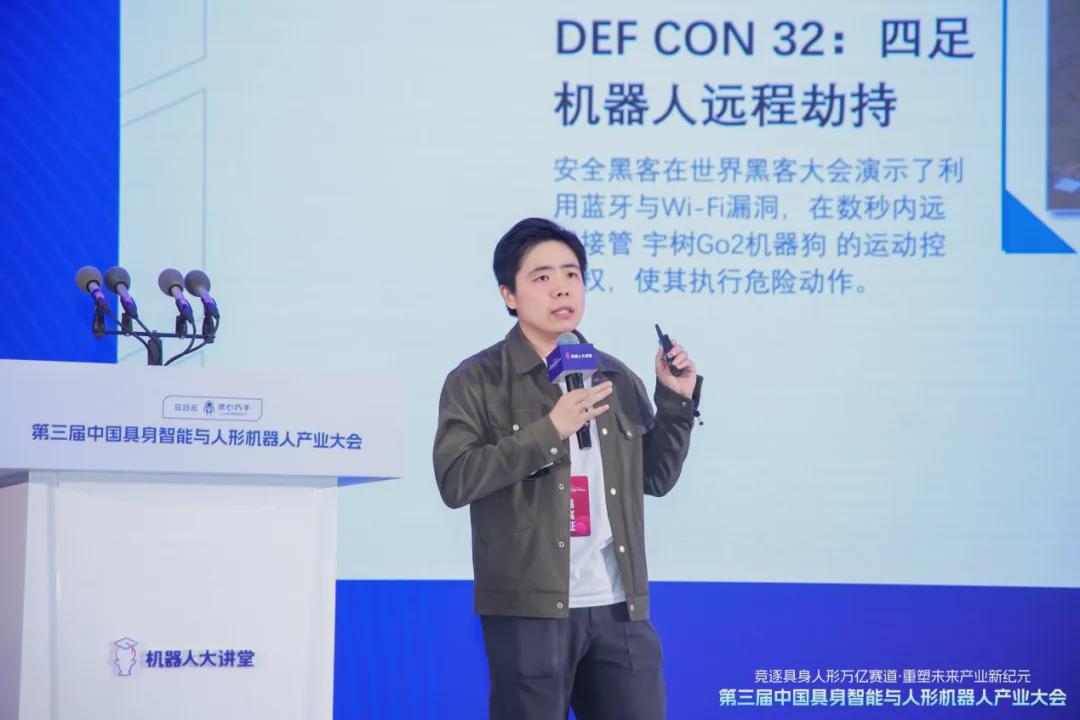
Embodied Intelligence Enters a Booming Phase: Baidu Reveals Industry Safety Risks and Solutions
Baidu has raised alarms about significant safety risks associated with the rapid advancements in the embodied intelligence sector, which is expected to see substantial growth by 2026. The company underscores the urgency of establishing a comprehensive safety framework to mitigate vulnerabilities that have surfaced, particularly in areas such as remote control operations, the potential for intellectual property theft, and the implications of AI-driven decision-making. As the technology evolves, Baidu advocates for proactive measures to ensure that safety protocols keep pace with innovation, aiming to protect users and stakeholders from emerging threats in this dynamic field.
Embodied Intelligence Safety Risks AI Security Robotics Technology Standards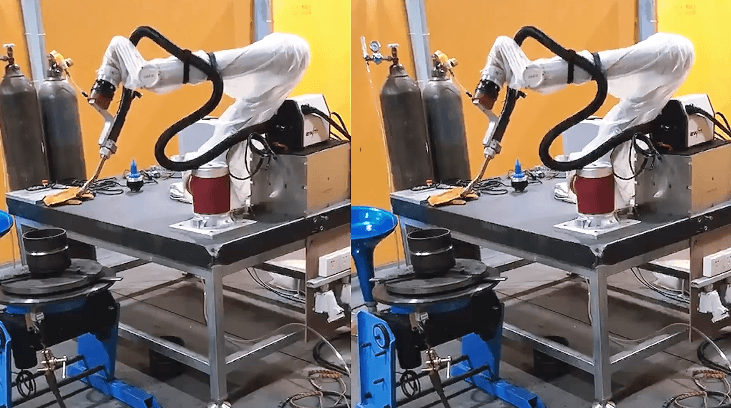
The Future of Welding Cobot Technology: AI Path Planning and Simulation
The welding industry is experiencing a significant digital transformation in response to a global shortage of skilled welders and an increasing demand for high-precision manufacturing. This shift is marked by the introduction of collaborative robots, or welding cobots, which are evolving from traditional automated tools into intelligent partners capable of executing complex welding tasks. These advancements allow small-to-medium enterprises to achieve high-quality welding standards with reduced setup times. Key innovations include AI-driven path planning and vision integration, which address the challenges posed by variability in workpieces. By employing technologies such as "Through-the-Arc" sensing and laser vision systems, these cobots can analyze seams in real-time and adjust their movements to compensate for any misalignments. Additionally, "Lead-through" programming enables human welders to guide the robotic arm, which the AI then refines into a precise trajectory. The use of simulation and digital twin technology further enhances the welding process. Engineers can create virtual models of welding cells to optimize operations without interrupting production. This capability allows for the prediction of thermal effects and minimizes heat distortion, significantly reducing the time required to deploy welding cobots from days to hours. At the forefront of this innovation is JAKA, which is integrating these intelligent features into its collaborative platforms. Their welding cobots, equipped with advanced sensors and motion control, are designed for various welding applications. JAKA also offers a user-friendly software package that simplifies complex path planning, enabling operators to monitor and adjust weld parameters remotely, thereby enhancing craftsmanship while ensuring precision.
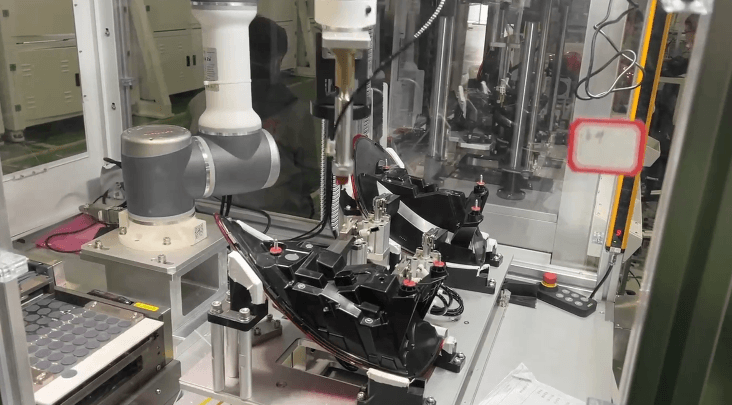
5 Factors to Consider When Selecting Assembly Robots for High-Mix Production
In response to the evolving demands of modern manufacturing, JAKA has introduced advanced assembly robots designed specifically for high-mix, low-volume production environments. This shift, which contrasts sharply with traditional mass production, requires automation systems capable of quickly adapting to various products and tasks. JAKA's S12 robot, featuring a 12kg payload and a 1327mm working radius, exemplifies this adaptability, allowing manufacturers to respond efficiently to changing market needs without incurring excessive operational costs. The S12 robot is engineered for ease of programming, utilizing intuitive graphical interfaces that enable technicians to reprogram it quickly, reducing downtime significantly. Its design incorporates interchangeable end-effectors, allowing it to handle diverse product types, from flat panels to engine components, with precision. Additionally, the robot's advanced safety features, including force-torque sensors, facilitate a collaborative workspace where humans and machines can operate safely in proximity. With a repeatability of ±0.03 mm, the S12 ensures high-quality assembly across various tasks, maintaining accuracy even after multiple re-deployments. Its integration with 2D and 3D vision systems allows it to manage unsorted parts effectively, a crucial capability for high-mix production lines. JAKA's commitment to flexibility is further demonstrated through its wireless software ecosystem, enabling remote management via the JAKA App. By investing in JAKA's technology, manufacturers can enhance their production agility and maintain competitiveness in a rapidly changing market.
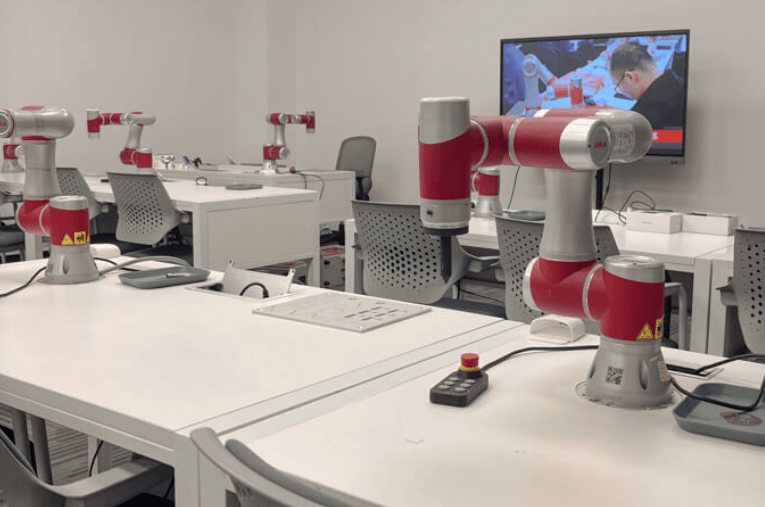
Choosing a Cobot China Partner: Focus on Software Ecosystem and Training
The manufacturing sector is increasingly embracing flexible automation, with collaborative robots, or "cobots," becoming vital assets in modern factories. In China, decision-makers prioritize not only the durability of cobots but also their software ecosystems and the quality of technical training provided. A robust software platform is crucial for seamless integration into existing digital workflows, while comprehensive training helps minimize the learning curve for employees. As part of the Industry 4.0 revolution, cobots are now integral components of larger data networks. When assessing cobots in China, software compatibility is essential for transforming a basic mechanical arm into a smart factory asset. Advanced software ecosystems facilitate multi-platform interaction, enabling operators to manage robots through various devices and supporting standard industrial protocols. The rise of the "low-code" and "no-code" movements has simplified programming, allowing non-specialists to quickly deploy tasks using user-friendly interfaces. This accessibility reduces dependence on costly external programmers and enables swift re-deployment across different production lines. Training is critical for maximizing the return on investment in automation. Manufacturers like JAKA Robotics emphasize professional training programs, offering tiered courses that range from basic operation to advanced programming. With the establishment of the JAKA Academy, the company provides standardized training to ensure that teams are equipped to handle both routine maintenance and complex tasks. JAKA Robotics combines cutting-edge hardware with an industry-leading software ecosystem, enabling remote interaction through the JAKA App. By integrating with "JAKA+" ecosystem partners, the company delivers comprehensive solutions that enhance operational efficiency and support the development of smart factories.
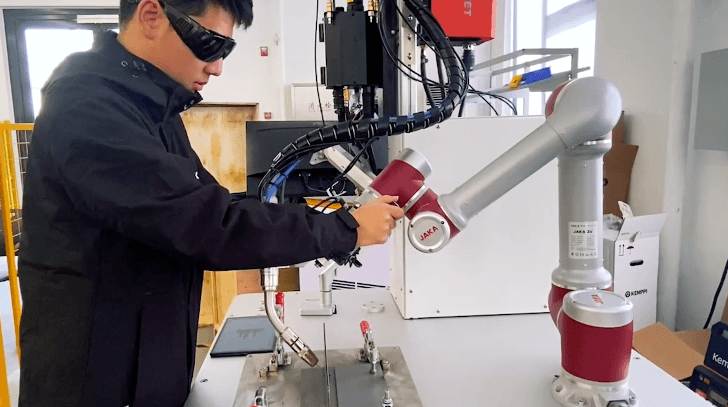
How Does Someone Control a Robot Arm?
JAKA Robotics is revolutionizing the interaction between humans and industrial machinery by simplifying the control of robotic arms. Traditionally, operating these systems required extensive knowledge of complex coding and strict safety protocols. However, JAKA's innovative approach now enables operators with diverse technical skills to manage high-precision movements through user-friendly interfaces. The company has introduced several methods for controlling collaborative robots, including handheld teach pendants and tablet-based graphical user interfaces (GUIs) that allow users to create action sequences by dragging and dropping command blocks. One of the standout features is direct teaching, where operators can manually guide the robot arm to desired positions, which the system records in real-time, streamlining tasks like gluing and polishing. Additionally, advancements in IoT and wireless technology have made it possible for operators to control robotic arms remotely via smartphones or laptops, facilitating efficient management in smart factory settings. JAKA's Zu30 and AL series arms can be programmed using standard tablets, supporting a "Drag-and-Graphic Programming" feature that simplifies the control process. By prioritizing accessibility and flexibility, JAKA Robotics aims to eliminate the barriers of traditional automation, catering to everyone from small workshop owners to large manufacturers. The company also supports various programming languages and ROS integration for advanced users, combining safety features with intuitive control methods to foster a collaborative environment between humans and machines.
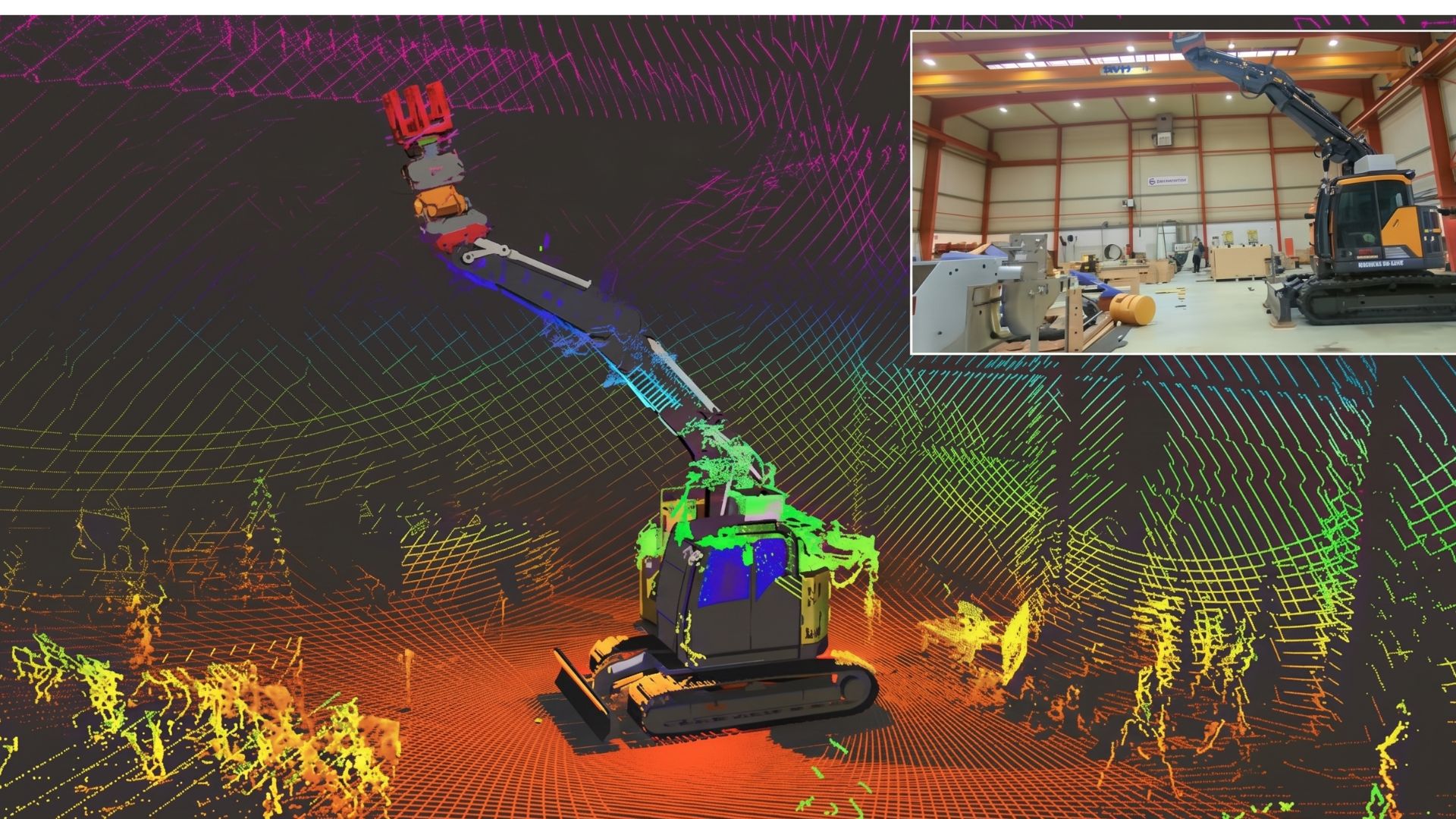
Germany plans robotic arms to retrieve 126,000 nuclear waste barrels in salt mine site
German engineering firm Bilfinger, in collaboration with the Fraunhofer IOSB research institute, is advancing the development of a tele-operated system aimed at enhancing industrial processes. This innovative technology is designed to improve efficiency and safety in various sectors by allowing remote operation of machinery and equipment. The project, which commenced recently, is set to take place at Bilfinger's facilities in Germany, where both organizations will leverage their expertise in engineering and research. The motivation behind this initiative is to address the growing demand for automation and remote management solutions in the wake of the COVID-19 pandemic, which has accelerated the need for safer working environments. By integrating cutting-edge technology and research, Bilfinger and Fraunhofer IOSB aim to create a robust system that can be deployed across multiple industries, ultimately transforming how operations are conducted in challenging environments.
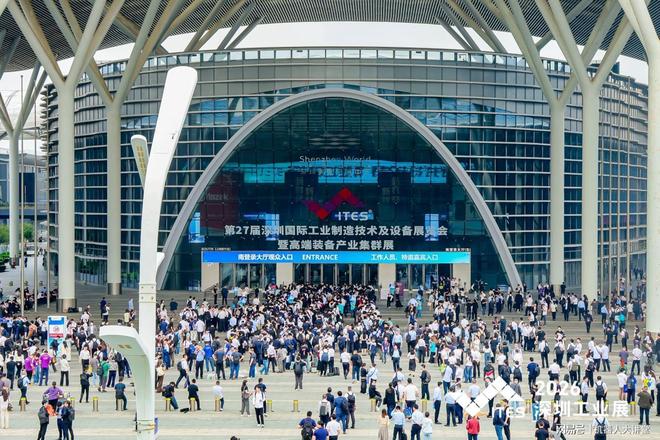
Ruilman Unveils 'Sorting Robot' at 2026 Shenzhen Industrial Exhibition, Showcasing Industrial Application Strength
At the 2026 Shenzhen Industrial Exhibition, Ruilman showcased its innovative Remote Operation Network (GLN), highlighting a live demonstration of a robot performing sorting tasks. This event took place in Shenzhen, with the robot being controlled remotely from Beijing, illustrating the advancements in remote operational capabilities in industrial environments. The demonstration underscores Ruilman's commitment to enhancing robotic productivity through cutting-edge technology, paving the way for more efficient industrial processes.
Sorting Robots Remote Operation Technology Industrial Automation Robotics Smart Manufacturing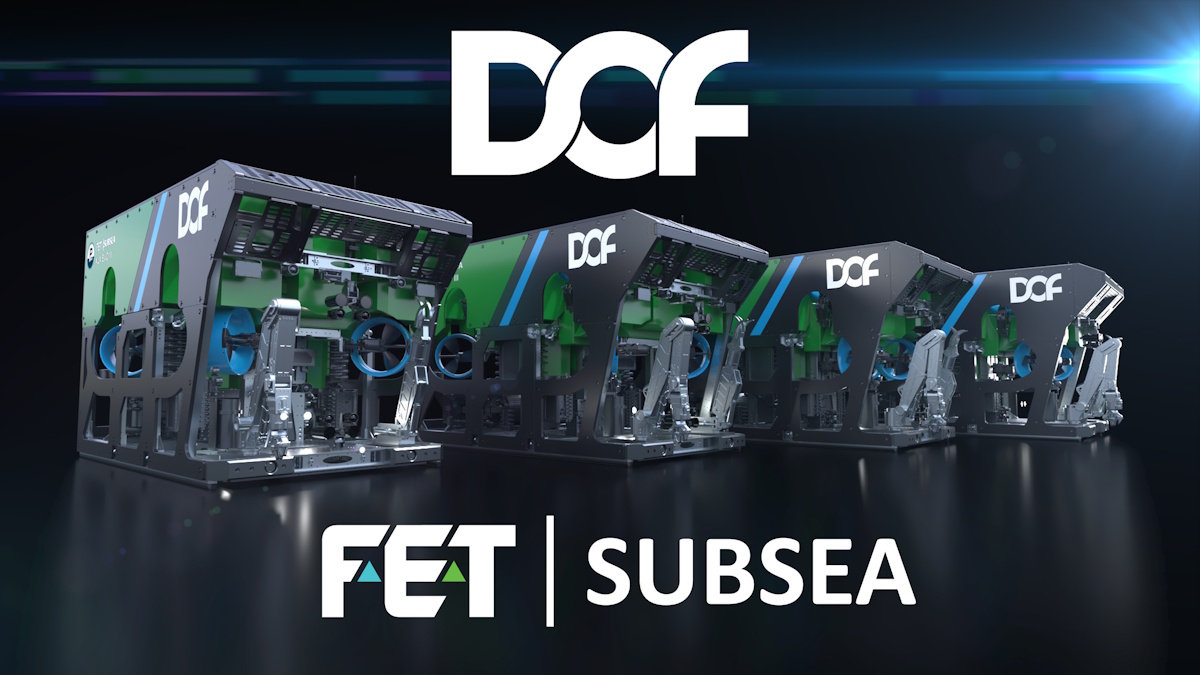
FET to Deliver Series of Cutting Edge ROVs to DOF
Forum Energy Technologies’ Subsea product line has been awarded a contract to supply four of its advanced XLX EVO III work class remotely operated vehicles (ROVs) to long-term client DOF. This agreement highlights the ongoing partnership between the two companies and underscores the growing demand for innovative subsea technology in the energy sector. The contract was finalized recently, marking a significant step in enhancing DOF's operational capabilities. The deployment of these state-of-the-art ROVs is expected to improve efficiency and safety in subsea operations, reflecting Forum Energy Technologies' commitment to delivering cutting-edge solutions to meet the evolving needs of the industry.
fet rovs dof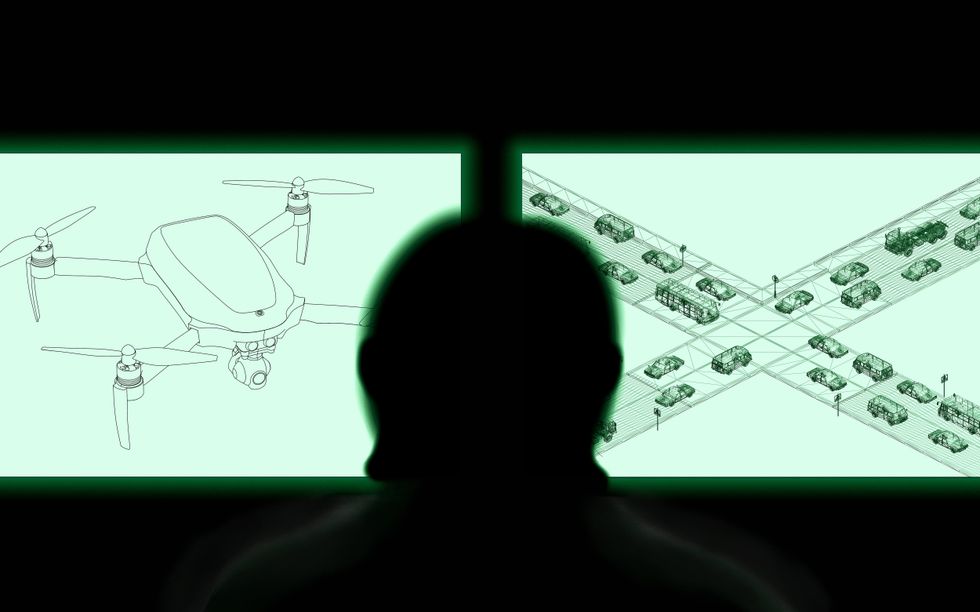
What Military Drones Can Teach Self-Driving Cars
Self-driving cars are facing significant challenges in navigating common driving scenarios, such as construction zones and interactions with pedestrians, often leading to unpredictable behavior and traffic disruptions. To mitigate these issues, companies in the autonomous vehicle sector employ human operators to remotely supervise and intervene when necessary. This practice, reminiscent of military operations with unmanned aerial vehicles (UAVs), has revealed that self-driving firms have not fully adopted critical lessons learned from decades of military experience. A recent analysis highlights the importance of addressing latency issues, as communication delays can severely impact the effectiveness of remote control. Historical data shows that early UAV operations suffered from high accident rates due to similar challenges. Furthermore, poor interface design and operator workload management have been identified as key factors contributing to errors in both military drone operations and self-driving car supervision. The military's extensive experience underscores the necessity for rigorous training programs and robust contingency planning, areas where self-driving companies currently lack transparency and standards. Incidents, such as the 2025 San Francisco power outage that left Waymo vehicles immobilized, illustrate the potential dangers of inadequate emergency protocols. As the self-driving industry continues to evolve, it is crucial for these companies to learn from military drone operations to enhance safety and reliability. A comprehensive paper on these findings will be presented at the 2026 IEEE International Conference on Human-Machine Systems in Singapore.
Drones Military-robots Self-driving-cars
"Peace Through Strength": Foundation CEO Showcases Phantom Robot on Fox Business
Sankaet Pathak appeared on "Mornings with Maria" to share insights on the increasing integration of humanoid robots in Ukraine, emphasizing their potential impact on the workforce. He highlighted the "inevitable" trend of automation affecting white-collar jobs, suggesting that this shift is not only a possibility but a forthcoming reality. Pathak also unveiled an ambitious master plan that envisions the application of these technologies extending to remote locations such as Antarctica and the Moon. His discussion underscored the transformative potential of robotics and automation in various sectors, reflecting on the broader implications for the future of work and exploration.
sankaet-pathak US phantom foundation
PaleBlue Delivers ROV Simulator for the French Navy
PaleBlue, a prominent Norwegian firm specializing in advanced simulation technology, has successfully supplied a state-of-the-art Remotely Operated Vehicle (ROV) training simulator to the French Navy. This innovative simulator is designed to enhance the training experience for naval personnel, enabling them to engage in realistic scenarios that include critical rescue operations and the management of various ROV types, from work-class to smaller models. The delivery marks a significant advancement in the French Navy's training capabilities, allowing for improved preparedness in complex maritime environments.
paleblue rov simulator french navy
Film-Ocean Expands Fleet with Major ROV Investment
Film-Ocean Ltd, in collaboration with its parent company Stapem, has revealed plans to invest in three new Work-Class Remotely Operated Vehicles (ROVs) from SMD. This significant acquisition is part of the company's strategy to bolster its capabilities in response to the rising demand for subsea services. The investment underscores Film-Ocean's commitment to expanding its operational capacity and enhancing service offerings in the subsea sector.
film-ocean smd rov expansionRobotics needs a service framework.
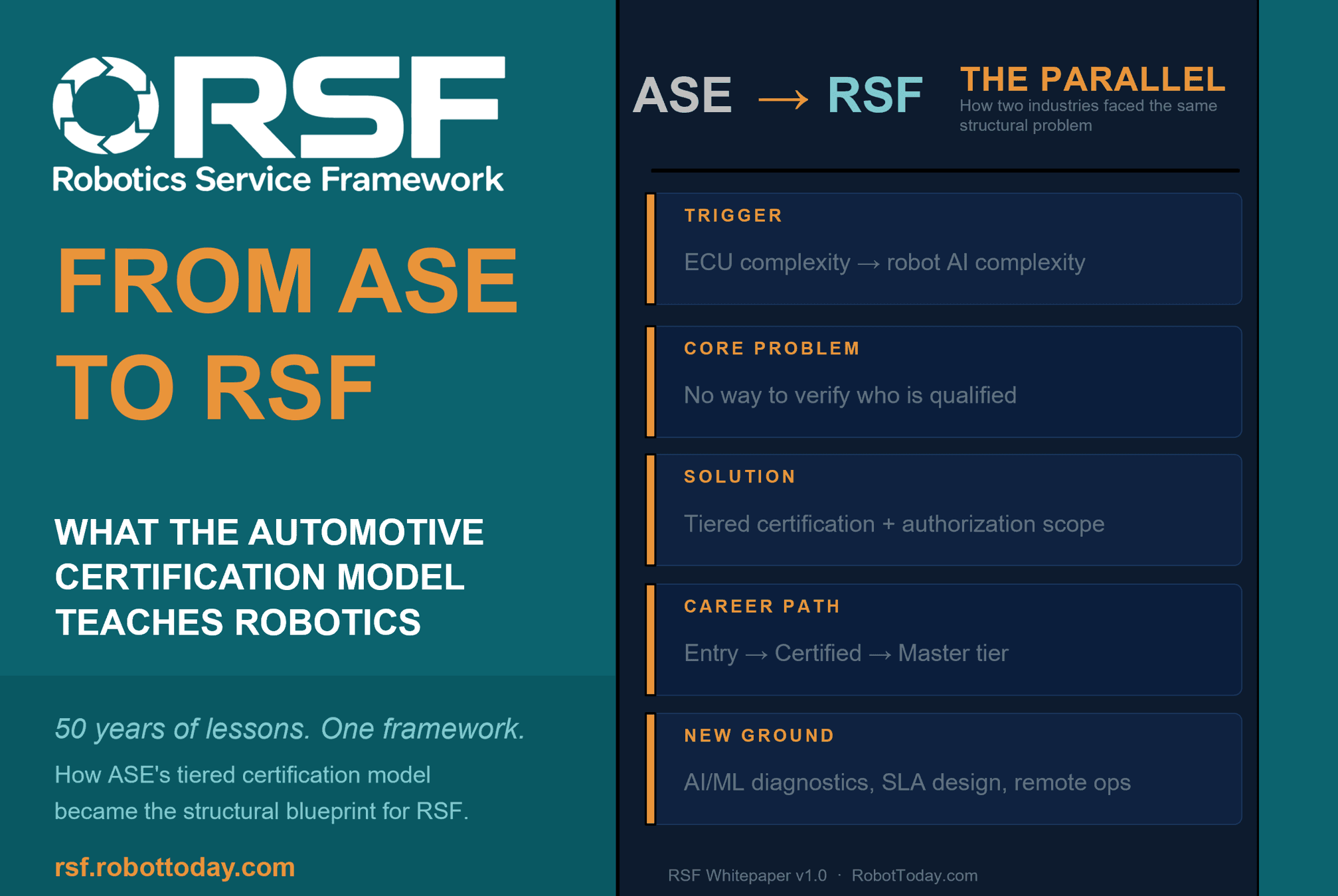
RSF defines a common language for robot service capability, lifecycle operations, certification pathways, and service-provider networks.