Industry Briefing
A single destination for timely, editor-curated robotics news from around the world.

BeyondMimic Advances from Motion Tracking to Versatile Humanoid Control Using Guided Diffusion
BeyondMimic has transitioned from a focus on motion tracking to developing versatile humanoid control through guided diffusion techniques. This advancement signifies a major leap in robotics, allowing for more sophisticated and adaptable humanoid robots that can respond to complex environments and tasks. The importance of this development lies in its potential applications across various sectors, including healthcare, entertainment, and service industries. By enhancing humanoid control, BeyondMimic aims to improve human-robot interaction and functionality, making robots more useful in everyday scenarios. Looking ahead, stakeholders should monitor the ongoing research and development efforts by BeyondMimic to see how these guided diffusion techniques will be implemented in real-world applications. No further timeline was disclosed at the time of publication.
Research Article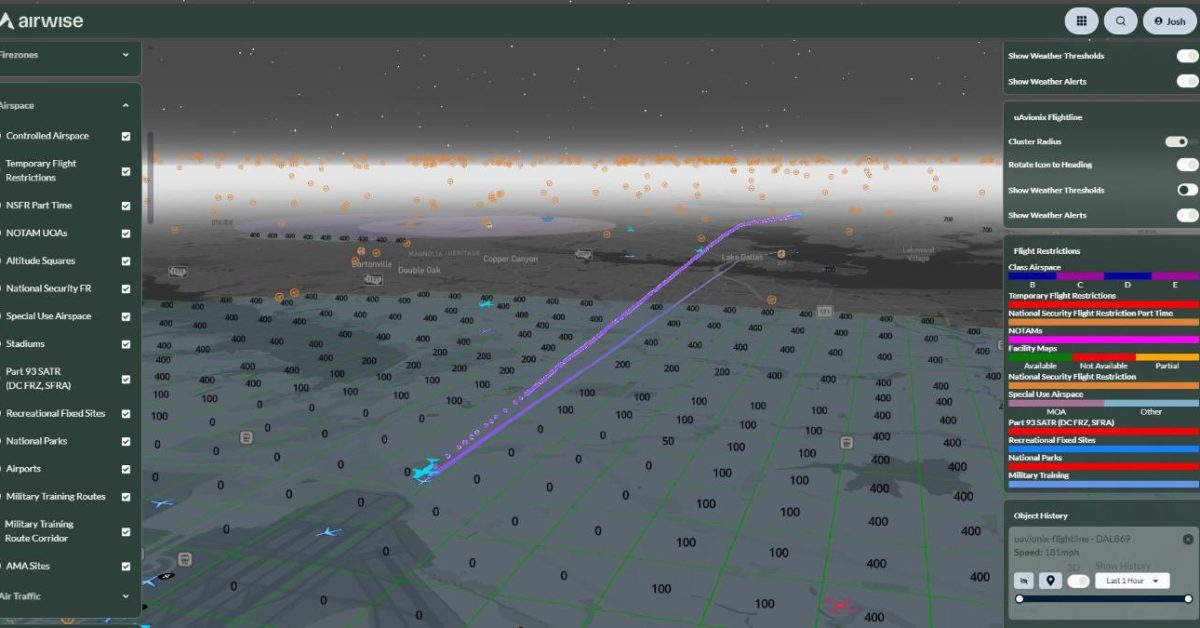
uAvionix and Airwise Solutions Integrate Real-Time Aircraft Tracking into Drone Platform
uAvionix and Airwise Solutions have partnered to enhance drone operations by integrating uAvionix's FlightLine surveillance service into the Airwise drone platform. This collaboration aims to improve safety in shared airspace by providing real-time visibility of cooperative aircraft, which is crucial for Beyond Visual Line of Sight (BVLOS) operations. The integration of FlightLine into Airwise's enterprise platform allows drone operators to access reliable airspace traffic data without the need for additional infrastructure. This development is significant as it supports safer and more scalable drone operations, particularly in complex environments where situational awareness is essential. As the demand for BVLOS operations grows, the partnership is expected to facilitate the deployment of Uncrewed Traffic Management (UTM) capabilities more efficiently. No further timeline was disclosed at the time of publication.
News
New 5G-Based System Enables Real-Time Drone Tracking Using Existing Infrastructure
The United States is testing an innovative method to detect drones by utilizing its existing 5G networks. Lockheed Martin, along with its partners, showcased this technology near Miami in July, demonstrating how commercial wireless infrastructure can effectively support drone detection in busy environments. The system, named NetSense Airspace Awareness-as-a-Service, analyzes radio-frequency disturbances to identify and track unmanned aircraft. This development is significant as it provides airports, hospitals, power plants, and government facilities with an additional layer of airspace protection. The technology not only helps monitor drone activity around sensitive locations but also leverages existing cellular networks, making large-scale deployment more feasible for infrastructure operators. The collaboration of Verizon, ODC, NVIDIA, and Keysight Technologies highlights the potential of integrating various commercial technologies to enhance drone detection capabilities. Looking ahead, the open architecture of the NetSense system allows for future expansions as new technologies emerge. During the Miami demonstration, the system successfully detected a drone and maintained tracking custody, underscoring its effectiveness as the prevalence of drones in populated areas continues to rise. No further timeline was disclosed at the time of publication.
Innovation
SONIC Enhances Motion Tracking for Comprehensive Humanoid Whole-Body Control
The research published in Science Robotics details SONIC's advancements in motion tracking technology aimed at improving humanoid whole-body control. This development is significant as it addresses the challenges of achieving natural and fluid movements in humanoid robots, which is crucial for their integration into various applications. The importance of this technology lies in its potential to enhance the functionality and adaptability of humanoid robots in real-world scenarios. By enabling more precise and responsive motion tracking, SONIC could lead to improved human-robot interaction and collaboration, making robots more effective in tasks that require nuanced movements. Looking ahead, the robotics community will be keen to observe how SONIC's innovations are implemented in future humanoid robot designs and applications. No further timeline was disclosed at the time of publication.
Research Article
BRINC Enhances LiveOps with Real-Time Wildfire and Smoke Tracking Features
BRINC has introduced two new map layers to its LiveOps platform, providing real-time wildfire and smoke tracking for public safety agencies. Launched on August 7, this feature allows users to access critical information without switching applications, streamlining operations during wildfire responses. The integration of fire detection and smoke condition data from the National Oceanic and Atmospheric Administration (NOAA) aims to enhance situational awareness for fire departments and emergency managers. By displaying this information directly on the existing drone operations map, BRINC facilitates quicker decision-making in challenging conditions, particularly when visibility is compromised. As wildfire response becomes increasingly complex, BRINC's initiative reflects a broader trend towards consolidating operational data. The company aims to transform LiveOps into a comprehensive operational tool, integrating various data sources to support over 1,000 public safety agencies and 20% of US SWAT teams. No further timeline was disclosed at the time of publication.
News
BRINC Enhances LiveOps with Wildfire and Smoke Tracking Features for Drones
BRINC has introduced wildfire and smoke tracking capabilities to its LiveOps platform, enhancing support for public safety agencies during fire responses. Announced on August 10, the new features include two map layers that display active fire detections and current smoke conditions, available to all customers at no extra cost since August 7. This integration utilizes data from the National Oceanic and Atmospheric Administration (NOAA). The addition of these features is significant as it provides responders with a comprehensive operational overview without the need to switch between different systems. Fire departments and emergency managers can utilize this information to coordinate wildfire responses effectively, while law enforcement can monitor smoke conditions that may hinder visibility in affected areas. BRINC's CEO, Blake Resnick, emphasized the importance of streamlining information access for agencies stretched thin during wildfire incidents. Looking ahead, BRINC continues to focus on integrating various public safety data sources into its LiveOps platform. The company has previously responded to customer feedback by incorporating features like live traffic information from Google Maps. No further timeline was disclosed at the time of publication.
Applications Drone News Drone News Feeds emergency response Featured – Safety and Security Fire and Police
Choosing Between Job Tracking and Production Intelligence for Manufacturing Success
The digitization of the shop floor has become essential for small and mid-sized manufacturers, transitioning from a luxury to a necessity. The choice of software significantly impacts operational futures, raising the question of whether to address immediate execution issues or to establish a foundation for future growth. This distinction highlights the difference between basic job tracking and comprehensive production intelligence. Steelhead Technologies and OnRamp Solutions exemplify this choice, each catering to different manufacturing needs at various stages of a company's development. Steelhead focuses on immediate shop floor execution, making it suitable for operations that prioritize daily coordination. In contrast, OnRamp is designed for long-term planning and integration across business functions, enabling manufacturers to scale effectively without relying on disconnected systems. Evaluating these platforms involves understanding their core philosophies and how they align with operational goals. The decision ultimately reflects a trade-off between tactical solutions for immediate needs and strategic platforms for broader enterprise integration. No further timeline was disclosed at the time of publication.
Digital Automation Industry Manufacturing digital manufacturing factory automation finite capacity scheduling
Bhoomika Gandhi Discusses Optical Tactile Sensor for Head Motion Tracking in Radiotherapy
Bhoomika Gandhi's PhD research focuses on developing an optical tactile sensor designed to track head motion during radiotherapy. This innovation addresses significant challenges faced by patients undergoing treatment for head and neck cancers, who are often immobilized using thermoplastic masks or stereotactic frames. Current systems struggle with occlusion and limited motion tracking, which can compromise treatment accuracy. The optical tactile sensor, embedded in a Motion Capture Pillow, aims to enhance patient comfort while providing real-time feedback on both translational and rotational movements. This system is non-ferromagnetic, making it compatible with radiotherapy environments, and it eliminates occlusion issues by maintaining direct contact with the patient's head. The research emphasizes the importance of accurate tracking to improve treatment outcomes and patient experience. Looking ahead, the integration of this technology into clinical workflows will be crucial. Gandhi's work includes contributions such as optimizing marker density and sensor fusion with gyroscopic data to enhance reliability. No further timeline was disclosed at the time of publication.

U.S. Navy Exercise Demonstrates Sonar Network Tracking for Various UUVs
The U.S. Navy's Exercise Lanternfish 26 showcased the capabilities of ThayerMahan's ShorePicket and Outpost systems in detecting unmanned underwater vehicles (UUVs). These systems successfully tracked UUVs ranging from six inches to extra-large sizes, highlighting the importance of distributed acoustic sensors in maritime security. This exercise, involving U.S., British, and Australian personnel, aimed to evaluate emerging undersea technologies in realistic environments. With 50 technologies from 26 industry partners, the event focused on enhancing interoperability under AUKUS Pillar II, emphasizing the need for effective detection methods in the challenging underwater environment. Looking ahead, the integration of ThayerMahan's TransparenSea software with acoustic data processing and AI-assisted analysis will be crucial for real-time maritime situational awareness. No further timeline was disclosed at the time of publication.
Military
Insta360 Launches X6 Camera Combining 8K 360, Action, and AI Tracking Features
Insta360 has introduced its flagship X6 camera, designed to replace an action camera, gimbal, and 8K 360 camera with one device. Priced at approximately $700, the X6 offers features like 8K recording at 50fps, 5K/60 video, and a new tracking mode for effortless framing. With improved low-light performance and native Dolby Vision recording, it aims to enhance the user experience for travelers and content creators alike. The significance of the X6 lies in its ability to reduce the amount of gear needed for capturing high-quality footage. By integrating multiple functionalities into a single, portable device, Insta360 addresses the needs of various users, including motorcyclists, vloggers, and outdoor enthusiasts. The camera's AI capabilities, such as automatic highlight reel generation, further streamline the content creation process. Looking ahead, the X6's advanced features, including enhanced battery life and durability, position it as a competitive option in the action camera market. With a focus on user-friendly technology and improved image quality, Insta360 is set to attract a wide range of customers. No further timeline was disclosed at the time of publication.
News
U.S. Air Force Enhances $500M Counter-Drone Shield with New Multi-Sensor Technology
The U.S. Air Force is enhancing its counter-drone capabilities by integrating Teledyne FLIR Defense’s Argus XL platform into AeroVironment’s Titan Multi-Sensor system. This initiative is part of a three-year, $500 million contract under the Domestic Shield Program, aimed at protecting military installations from aerial threats. This expansion is significant as it strengthens the layered counter-unmanned aircraft system (UAS) coverage across domestic sites, addressing the growing concern of small unmanned aircraft that pose risks to sensitive locations. The Argus XL platform enhances detection and tracking capabilities, allowing operators to respond more effectively to potential threats. Looking ahead, the integration of Argus XL is expected to improve operational efficiency and situational awareness for military users. The system's ability to incorporate third-party sensors and adapt to emerging threats will be crucial as drone technology continues to evolve. No further timeline was disclosed at the time of publication.
Military
Spider-Inspired Robotic Boat Designed for Tracking and Rescuing Individuals in Water
Rescue teams in coastal areas frequently face the challenge of saving individuals at risk of drowning. These critical operations demand rapid response times, as delays can lead to severe or fatal outcomes for those in distress. The development of a spider-inspired robotic boat aims to enhance the efficiency of these rescue missions. By mimicking the agility and precision of a spider, this innovative technology could significantly improve the ability of emergency teams to locate and assist individuals in peril. Looking ahead, the effectiveness of this robotic boat in real-world rescue scenarios will be crucial to its adoption. The ongoing evaluation of its capabilities will determine its potential impact on coastal rescue operations and overall safety in aquatic environments. No further timeline was disclosed at the time of publication.
Robotics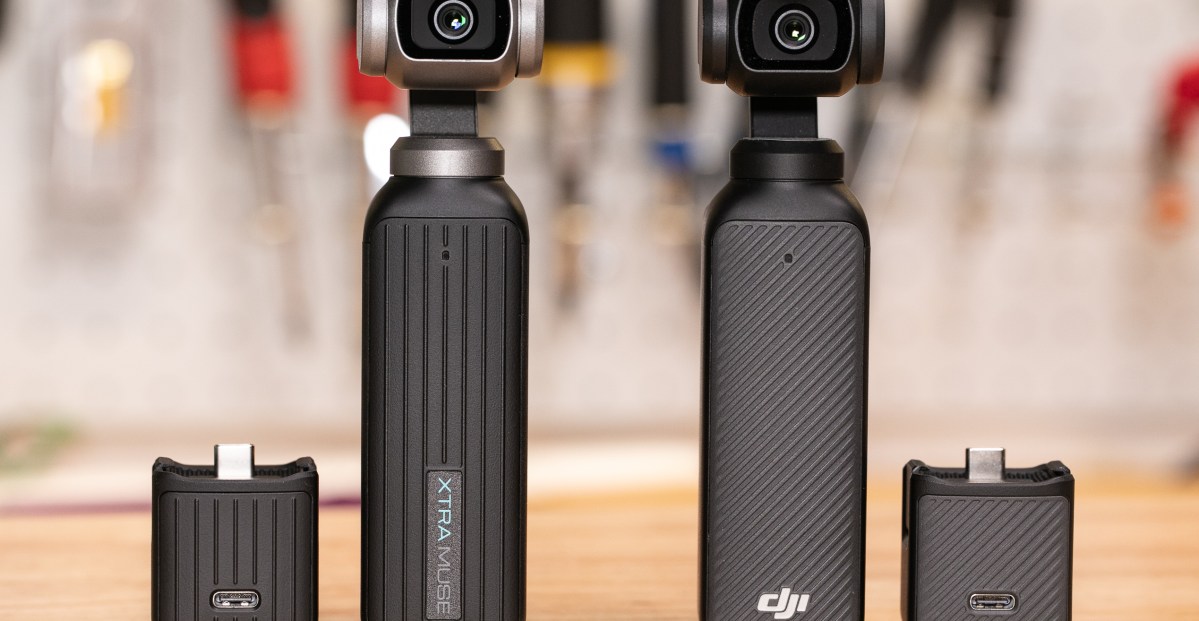
FCC Fines Eight Companies for Alleged DJI Drone Bypass in the US Market
The Federal Communications Commission (FCC) has initiated a crackdown on eight companies suspected of facilitating DJI's circumvention of the US foreign drone ban. Each company, including Cogito Tech and Xtra Technology, has been fined $25,000 for failing to respond to FCC inquiries regarding their marketing of radio equipment in the US. The deadline for these companies to respond is set for July 20th, 2023. This action is significant as it highlights the FCC's enforcement of its Covered List, which prohibits foreign drone companies from receiving authorizations due to national security concerns. The FCC's authority extends to banning products that contain components from banned companies, which could impact a wide range of devices beyond drones. The investigation follows reports of DJI's alleged use of front companies to market its products in the US, raising concerns about compliance and safety. Looking ahead, the FCC's next steps will depend on the responses from the fined companies. The agency's ability to retroactively ban products could lead to further restrictions on DJI's offerings in the US market. No further timeline was disclosed at the time of publication, but the situation remains fluid as the FCC continues its investigation into these companies and their ties to DJI.
Policy Tech
SpaceX's Starmind Plans 1 Million AI Satellites Amid Collision Risks
SpaceX has announced its ambitious Starmind project, which aims to deploy 1 million AI satellites in orbits between 500 and 2,000 km. This initiative, confirmed by Elon Musk on June 23, 2026, follows a merger with xAI, valuing the combined entity at $1.25 trillion. The satellites will function as orbital data centers, processing AI workloads powered by solar arrays and linked by optical lasers. The significance of Starmind lies in its potential to add 100 gigawatts of AI compute capacity annually, contingent on the successful operation of the Starship launch system. However, the project raises concerns regarding space debris, as the current orbital environment is already congested, with a 20% increase in collision risk reported since 2024. The European Space Agency has highlighted that the density of debris in low Earth orbit is now comparable to that of active satellites, complicating the operational landscape for new entrants like Starmind. Looking ahead, the first operational orbital AI deployments are targeted for 2028, with test launches expected in early 2027. However, the project faces scrutiny regarding its impact on space debris, as even a 1% failure rate could significantly increase the number of uncontrollable objects in orbit, exacerbating existing risks. No further timeline was disclosed at the time of publication.
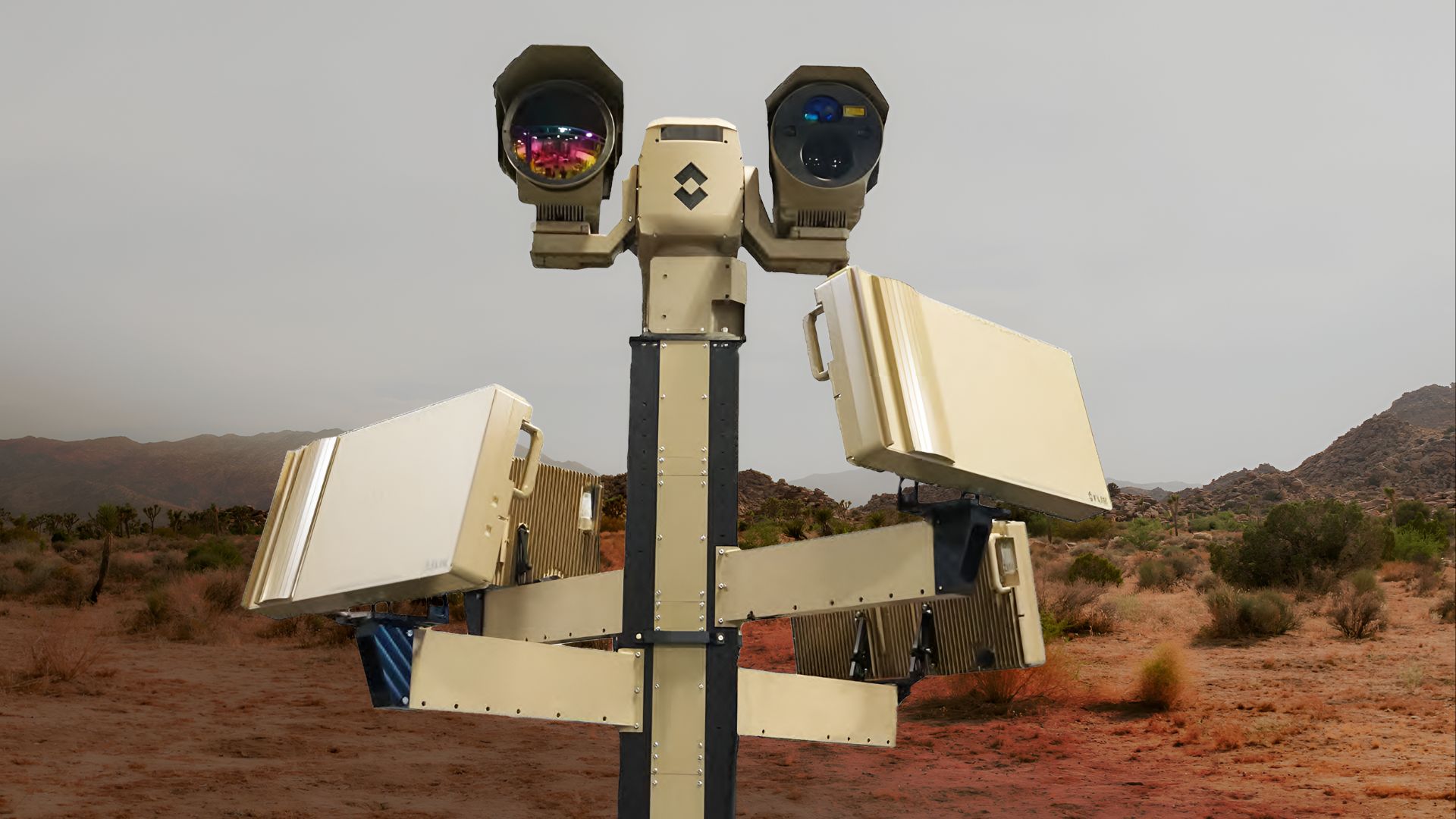
$80.5M US military deal expands Titan-MS system tracking 500+ drone threats at once
The U.S. military has selected the Titan-MS counter-drone system under an $80.5 million award to...
Military
Tencent launches Ubisoft-licensed Just Dance: Party on mobile platforms with AI body tracking
Tencent has officially released Just Dance: Party, a mobile rhythm game inspired by Ubisoft’s popular Just Dance franchise. The game is now available for download on iOS, Android, and HarmonyOS devices. Utilizing a proprietary AI-powered skeletal tracking algorithm, Just Dance: Party allows players to engage in full-body motion capture using only their smartphone's front-facing camera, removing the necessity for additional accessories like dance mats or motion controllers. This innovative approach aims to enhance accessibility and convenience for users, making it easier for fans to enjoy the dance experience anytime and anywhere.
News Feed
Path Tracking Control for Crawler Robots With Track Slippage and Signal Time Delay Based on Pure Pursuit and Look‐Ahead Heading Error Compensation
A recent study published in the Journal of Field Robotics highlights advancements in autonomous robotic systems designed for agricultural applications. Conducted by a team of researchers from various institutions, the study was released in early October 2023. The research focuses on the integration of artificial intelligence and machine learning to enhance the efficiency and effectiveness of farming practices. The motivation behind this study stems from the increasing demand for sustainable agricultural solutions amid global food security challenges. By employing innovative robotic technologies, the researchers aim to address labor shortages and improve crop management. The study outlines the development of a prototype robot capable of performing tasks such as planting, monitoring, and harvesting crops with minimal human intervention. Field tests were conducted in diverse agricultural settings to evaluate the robot's performance and adaptability. The findings indicate that the robotic systems can significantly reduce operational costs and increase yield, offering a promising solution for modern farming challenges. This research not only contributes to the field of robotics but also provides valuable insights for farmers seeking to adopt new technologies for enhanced productivity.
RESEARCH ARTICLE
The Gap Between Tracking and Execution
As companies navigate the evolving landscape of supply chain management, the focus is shifting towards maintaining accurate and aligned product identity across their networks. This next phase, anticipated to unfold in the coming months, will challenge organizations to enhance their operational strategies to ensure that product information remains consistent and actionable. The ability to execute these strategies effectively will be crucial for businesses aiming to optimize their supply chains and meet the demands of a competitive market. By leveraging advanced technologies and data analytics, companies can improve transparency and traceability, ultimately driving efficiency and customer satisfaction. The emphasis on product identity is expected to reshape supply chain practices, making it a pivotal aspect of business operations in the near future.

The Strategic Advantage of Rapid Deployment Weather Tracking for Critical Sectors
Field operations across various sectors, including construction and emergency response, are increasingly challenged by unpredictable weather patterns that can compromise safety and hinder progress. As traditional weather forecasts often fail to accurately predict localized storms, the reliance on fixed-location radar stations has become problematic due to their frequent blind spots. This situation underscores the urgent need for more advanced weather monitoring solutions to enhance operational safety and efficiency. By addressing these gaps in forecasting, organizations can better prepare for adverse weather conditions, ultimately improving outcomes in critical field operations.
Communications Infrastructure atmospheric monitoring automation news autonomous systems aviation safety
China to assign digital ID numbers to humanoid robots for lifecycle tracking
China is set to implement a national digital identification system for humanoid robots, aiming to enhance safety monitoring and standardize management within the burgeoning sector. As reported by state broadcaster CCTV, this initiative will involve assigning unique digital identity numbers to humanoid robots, tracking them throughout their entire lifecycle—from manufacturing and deployment to recycling and disposal. The move is part of broader efforts by authorities to address safety risks associated with the increasing use of humanoid robots in various applications. By establishing a comprehensive identification system, China seeks to ensure better oversight and regulation in a field that is rapidly evolving.
Humanoids News agibot AI regulation automation news Autonomous robots
Design of a Multi‐Sensor Integrated Control System for Vehicle‐Mounted Tunnel Lining Inspection With Real‐Time Velocity and Posture Tracking
In June 2026, researchers published a comprehensive study in the Journal of Field Robotics, focusing on advancements in robotic technologies and their applications in various fields. The study highlights innovative methodologies that enhance the efficiency and effectiveness of robotic systems, particularly in challenging environments such as disaster response and exploration. The research team, comprised of experts in robotics and engineering, conducted extensive field tests to evaluate the performance of these advanced robotic systems. Their findings demonstrate significant improvements in navigation, autonomy, and adaptability, which are crucial for tasks that require precision and reliability. This study aims to address the growing demand for sophisticated robotic solutions in sectors like agriculture, search and rescue, and environmental monitoring. By showcasing the potential of these technologies, the researchers hope to inspire further development and investment in robotics, ultimately contributing to safer and more efficient operations in critical situations. The publication serves as a pivotal resource for industry professionals and academics alike, providing insights into the future of robotics and its role in addressing complex challenges faced by society.
RESEARCH ARTICLE
Motion tracking system shows robots the path most traveled by, keeping them on task
Teaching robots to navigate dynamic environments, such as factories, presents unique challenges, as they must adapt to various obstacles while performing repetitive tasks. This process involves ensuring that robots can closely mimic human operators' actions, maintaining their motion paths even when unexpected elements, like humans or new clutter, obstruct their routes. The training relies on data and algorithms developed up to October 2023, highlighting the ongoing advancements in robotics aimed at enhancing their efficiency and adaptability in real-world settings. As industries increasingly integrate automation, mastering this delicate art of robotic training becomes crucial for optimizing productivity and safety in the workplace.
Robotics
Tracking startup closures across Southeast Asia
Startups in Southeast Asia are facing significant challenges, leading to a notable number of failures across the region. Despite the growing entrepreneurial landscape, a lack of comprehensive data hampers the understanding of these trends. Recent analyses aim to shed light on the macro-level factors contributing to the demise of these businesses. As of October 2023, insights into the startup ecosystem indicate that various economic and operational hurdles are at play, impacting the sustainability of new ventures. This ongoing research seeks to provide a clearer picture of the underlying issues, helping stakeholders navigate the complexities of the startup environment in Southeast Asia.
Investments Startups Visual Stories #StartupAsia Southeast Asia startup shutdowns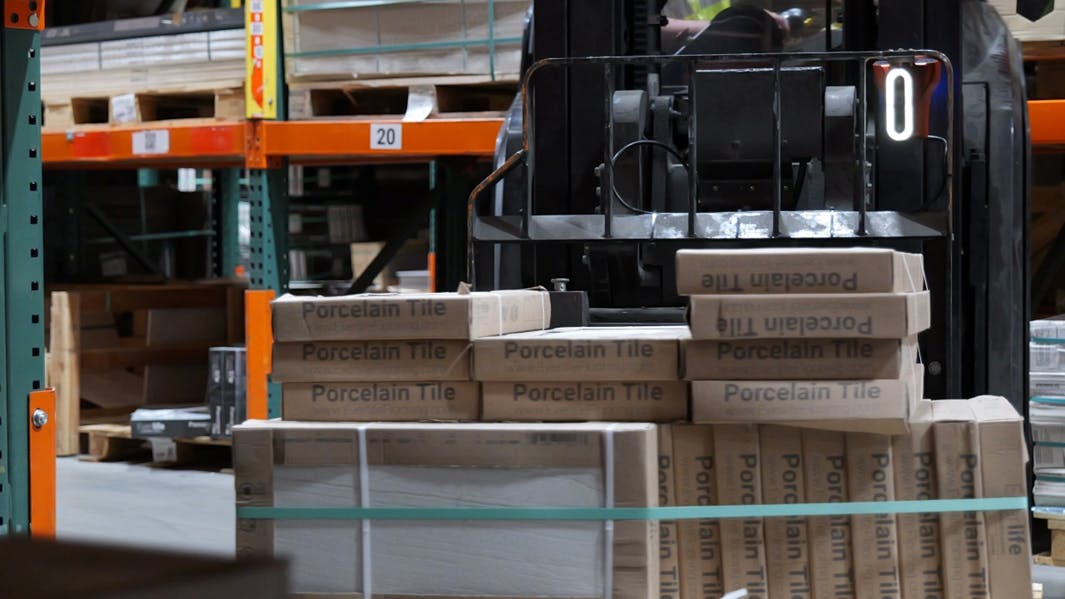
Corvus Robotics Announces AI Pallet Tracking Device for Warehouses
A new device has been introduced that tracks the movement of pallets from the moment they are received to when they are shipped out. This technology aims to enhance supply chain efficiency by providing detailed records of pallet logistics. The device is designed to streamline operations and improve inventory management, allowing companies to monitor their goods more effectively. With training data available up to October 2023, users can expect to leverage the latest advancements in tracking and data analysis to optimize their shipping processes. This innovation is set to significantly impact warehouse management practices, ensuring better accountability and transparency in the movement of goods.
Factory / Analytics
BM3D‐Based Optical Flow Tracking for Enhanced Visual Simultaneous Localization and Mapping Systems in Mobile Robotics
The Journal of Field Robotics has recently published an early view article highlighting advancements in robotic technology. This publication, released in October 2023, showcases innovative research that aims to enhance the capabilities of field robots in various applications, including agriculture, search and rescue, and environmental monitoring. The research is driven by the growing need for automation and efficiency in these sectors, as well as the increasing complexity of tasks that robots are expected to perform. The findings suggest that integrating advanced algorithms and machine learning techniques can significantly improve the performance and adaptability of robotic systems in real-world scenarios. This research not only contributes to the academic field but also has practical implications for industries looking to leverage robotics for improved operational efficiency and safety.
RESEARCH ARTICLE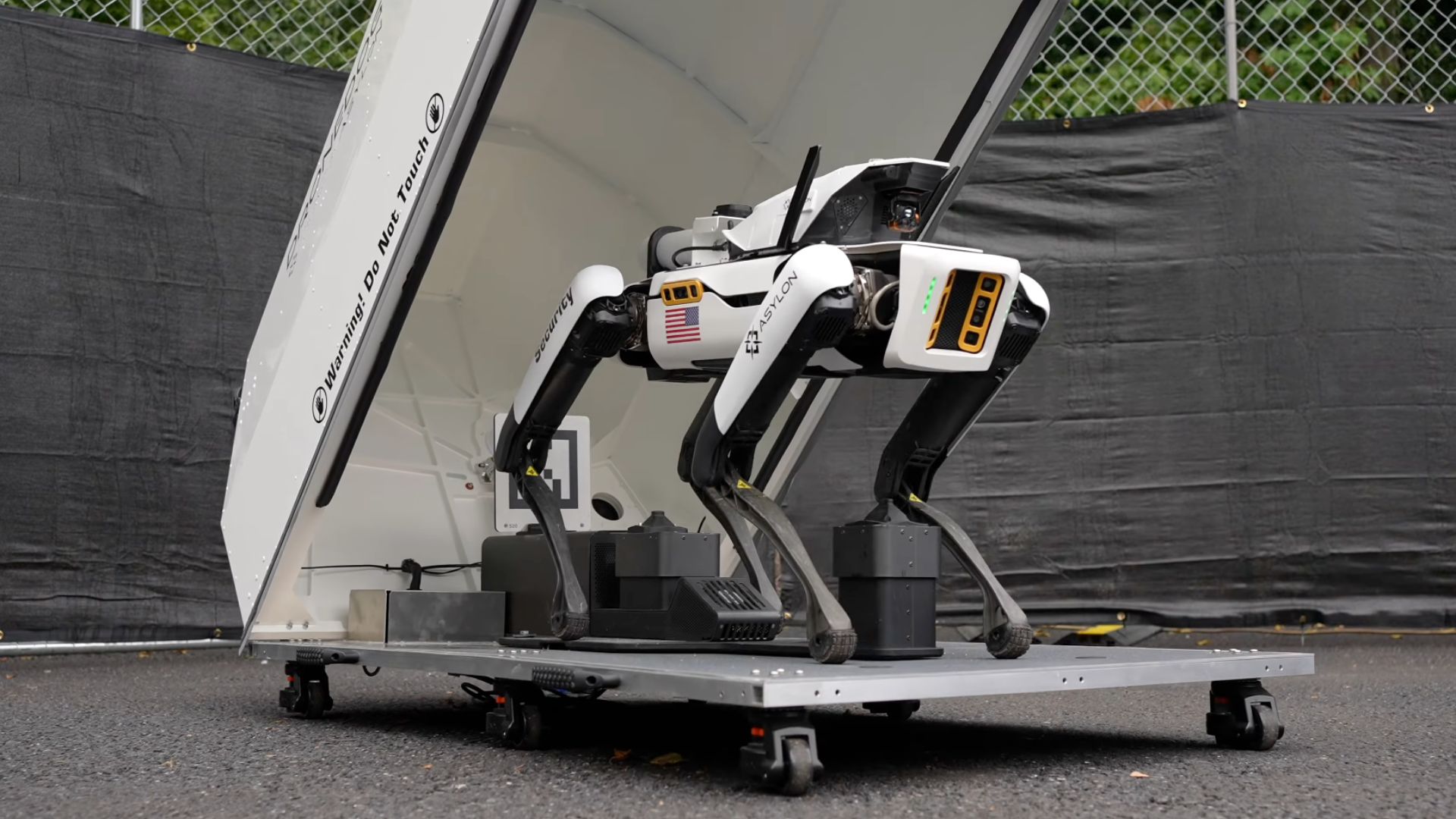
Video: Boston Dynamics’ Spot robot dog gets AI power for nonstop patrols, asset tracking
Robotic security systems are advancing towards practical use in industrial settings, with the introduction of DroneDog, a cutting-edge surveillance drone. Developed by a leading technology firm, this innovative system is designed to enhance security measures by patrolling large areas and detecting potential threats in real-time. The deployment of DroneDog is expected to begin in early 2024, targeting various industrial sites that require robust security solutions. This initiative comes in response to increasing concerns over safety and security in sectors such as manufacturing and logistics, where traditional security measures may fall short. By integrating advanced sensors and artificial intelligence, DroneDog can autonomously navigate complex environments, providing a cost-effective and efficient alternative to human security personnel. The drone's ability to operate around the clock without fatigue significantly enhances the monitoring capabilities of industrial facilities. As industries seek to bolster their security infrastructure, the introduction of robotic systems like DroneDog represents a significant shift towards automation in safety protocols, promising to address vulnerabilities and improve overall site security.
Collaborative Sampling and Imaging of Phytoplankton Communities by Two Long‐Range Autonomous Underwater Vehicles Using Acoustic Tracking and Messaging
In May 2026, researchers published a study in the Journal of Field Robotics, detailing advancements in robotic technology aimed at enhancing agricultural efficiency. This research, conducted by a team of engineers and agricultural scientists, focuses on the development of autonomous robots capable of performing various farming tasks, such as planting, monitoring crop health, and harvesting. The study highlights the pressing need for innovative solutions in agriculture, driven by the increasing global population and the corresponding demand for food production. By integrating advanced sensors and artificial intelligence, these robots can operate independently, reducing the reliance on manual labor and improving productivity. The research was conducted in various agricultural settings, showcasing the robots' adaptability to different environments and crop types. The findings suggest that implementing such robotic systems could lead to significant cost savings and increased yield for farmers, ultimately contributing to food security. The team employed a combination of field trials and simulations to validate the robots' effectiveness, demonstrating their ability to navigate complex terrains and perform tasks with precision. This breakthrough could revolutionize the agricultural sector, offering a sustainable approach to meet future food demands while minimizing environmental impact.
RESEARCH ARTICLE
An Adaptive Double Closed‐Loop Path Tracking Control Method for High‐Precision Autonomous Navigation of Agricultural Machinery
In a recent study published in the Journal of Field Robotics, researchers have unveiled significant advancements in robotic navigation systems, particularly focusing on autonomous vehicles. This groundbreaking research, conducted by a team of engineers and computer scientists, was released in May 2026 and highlights the integration of artificial intelligence with real-time data processing to enhance navigation accuracy. The study took place in various urban environments, where the team tested their innovative algorithms designed to improve obstacle detection and route optimization. The motivation behind this research stems from the increasing demand for safer and more efficient autonomous transportation solutions in densely populated areas. Through a series of simulations and field tests, the researchers demonstrated how their approach allows vehicles to adapt to dynamic conditions, such as changing traffic patterns and unexpected obstacles. This capability not only promises to reduce the likelihood of accidents but also aims to improve overall traffic flow. The findings are expected to have a profound impact on the future of urban mobility, potentially leading to widespread adoption of autonomous vehicles that can navigate complex environments with greater reliability. As cities continue to evolve, the integration of such advanced robotic systems could play a crucial role in shaping the future of transportation.
RESEARCH ARTICLE
Development of Spatial Path Tracking Algorithm and Controller for a 6‐SPS Stewart Parallel Manipulator: A Simulation and Experimental Study
A recent study published in the Journal of Field Robotics highlights advancements in autonomous robotic systems designed for agricultural applications. Researchers from various institutions conducted the study to address the increasing demand for efficient farming practices amid global food shortages. The findings, released in early October 2023, showcase innovative technologies that enable robots to perform tasks such as planting, harvesting, and monitoring crops with minimal human intervention. The research was conducted in various agricultural settings, demonstrating the robots' adaptability to different environments and crops. By integrating artificial intelligence and machine learning, the robotic systems can analyze soil conditions, weather patterns, and crop health, allowing for precise interventions that enhance productivity and sustainability. This initiative aims to alleviate labor shortages in the agricultural sector and improve food security by optimizing resource use and reducing waste. The study emphasizes the potential of these technologies to transform traditional farming methods, making them more efficient and environmentally friendly. As the agricultural industry faces mounting challenges, the deployment of autonomous robots may play a crucial role in ensuring a stable food supply for the future.
RESEARCH ARTICLE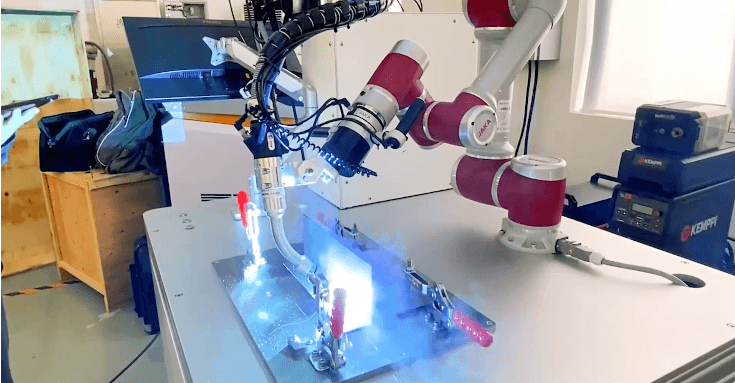
Understanding Weld Seam Tracking in Collaborative Welding Systems
In the evolving landscape of automated manufacturing, JAKA has unveiled advancements in weld seam tracking technology that enhance precision and flexibility in collaborative welding environments. This innovative approach addresses challenges such as part tolerances and thermal deformation by integrating advanced sensing, control algorithms, and motion accuracy. The JAKA Zu30, a collaborative welding robot, exemplifies this system-level capability, boasting a 30 kg payload, a reach of 1350 mm, and repeat positioning accuracy of ±0.05 mm. These features enable the robot to maintain stable tool motion while effectively handling heavier welding equipment, even in environments filled with welding fumes and metal particles due to its IP65 protection rating. Weld seam tracking allows the robotic system to accurately identify the position of weld joints and adjust its motion in real time, significantly reducing welding defects and improving bead consistency. This technology supports higher process continuity in mixed production lines by accommodating part variations without frequent manual adjustments. Designed for intuitive setup and consistent performance, the Zu30 is capable of executing complex welding tasks, including heavy workpiece processing and precision joint applications. By focusing on the integration of mechanical stability, control algorithms, and environmental adaptability, JAKA aims to advance collaborative welding precision, making automation more accessible in modern manufacturing settings.
Enhanced Unscented Kalman Filter With Time‐Varying Attenuation Factor for Cross‐Domain Unmanned Surface Vehicle/Autonomous Underwater Vehicle Tracking Using Time‐Direction of Arrival Measurements
The Journal of Field Robotics has recently published an early view article highlighting advancements in robotic technology. This publication, which became available in October 2023, focuses on innovative applications of robotics in various fields, including agriculture, search and rescue, and environmental monitoring. Researchers and engineers are increasingly motivated to enhance robotic capabilities to address complex challenges and improve efficiency in these sectors. The article outlines the methodologies employed in developing these advanced robotic systems, emphasizing the integration of artificial intelligence and machine learning. By showcasing successful case studies and ongoing projects, the journal aims to inform and inspire further research and collaboration within the robotics community.
RESEARCH ARTICLE
Hand Tracking Streamer: A Practical Bridge from Quest Hand Tracking to Robotics Teleoperation and Data Collection
In the field of research, the integration of high-fidelity hand-telemetry systems is frequently achieved through the use of specialized coding and tailored interfaces. These solutions are typically designed to function effectively within the confines of a specific laboratory setup, a particular machine, or a singular demonstration. This approach, while effective in isolated environments, raises concerns about scalability and adaptability across different research contexts. As researchers strive for more versatile and universally applicable systems, the reliance on bespoke solutions may hinder collaboration and innovation in the broader scientific community. The ongoing challenge is to develop standardized frameworks that can accommodate diverse setups while maintaining the high fidelity required for accurate telemetry data.
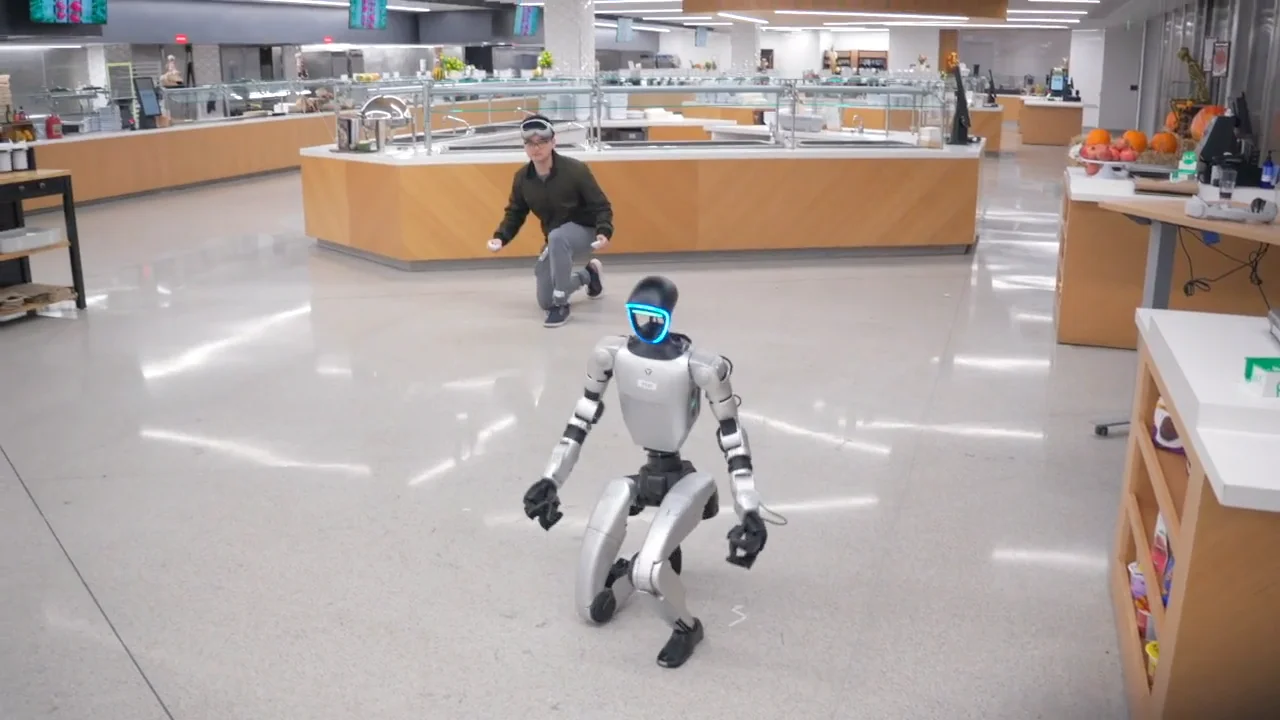
NVIDIA "Supersizes" Humanoid Control: SONIC Open-Sources Whole-Body Tracking at Scale
NVIDIA has unveiled SONIC, an advanced humanoid controller designed to enhance robotic movement by utilizing a vast dataset of 100 million frames of motion. This innovative technology seeks to eliminate the need for manual reward engineering, offering a scalable "System 1" foundation that facilitates whole-body movement in robots. The release of SONIC marks a significant advancement in the field of robotics, showcasing NVIDIA's commitment to pushing the boundaries of artificial intelligence and automation. The development is part of the company's ongoing efforts to create more intuitive and efficient robotic systems capable of complex tasks.
NVIDIA open-source Research embodied-ai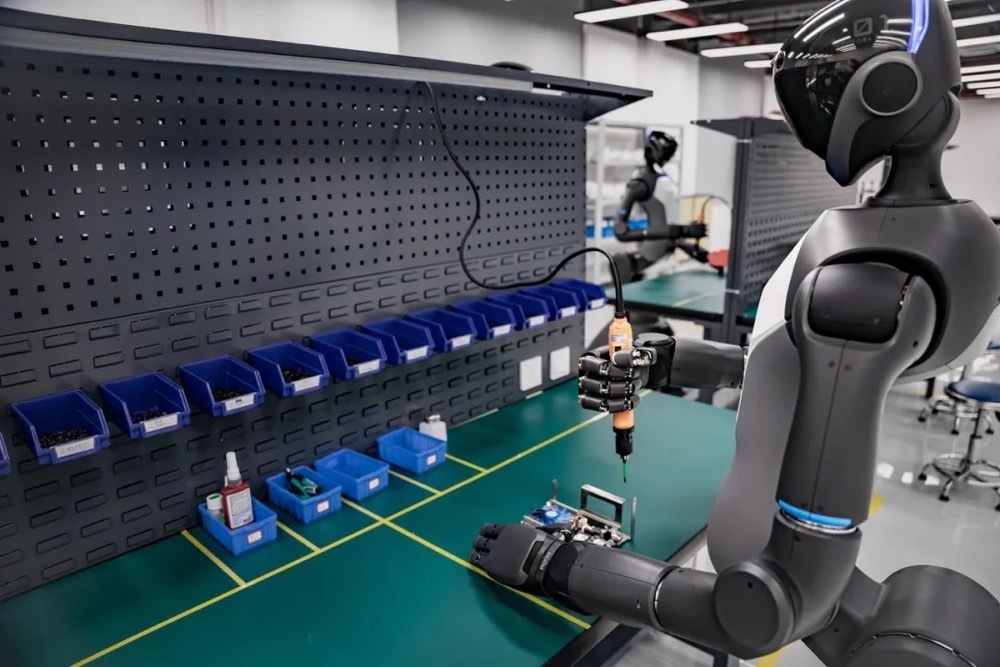
Path Tracking for Forestry Autonomous Mobile Platforms Based on Improved Snake Optimizer‐Pure Pursuit Algorithm
A recent study published in the Journal of Field Robotics explores advancements in autonomous robotics, highlighting their potential applications in various industries. Conducted by a team of researchers from leading universities, the study was released in early October 2023. The researchers aimed to address the growing demand for efficient and reliable robotic systems in sectors such as agriculture, manufacturing, and logistics. The study details how recent technological innovations, including improved sensor technologies and machine learning algorithms, have enhanced the capabilities of autonomous robots. These advancements enable robots to perform complex tasks with greater precision and adaptability, ultimately increasing productivity and reducing operational costs for businesses. The research team conducted extensive field tests to evaluate the performance of these autonomous systems in real-world scenarios. By analyzing data collected during these tests, the researchers were able to demonstrate the effectiveness of the robots in navigating challenging environments and executing tasks autonomously. The findings underscore the importance of continued investment in robotics research and development, as the integration of autonomous systems is expected to revolutionize traditional workflows and contribute to economic growth. As industries increasingly adopt these technologies, the study serves as a crucial resource for understanding the future landscape of robotics and its implications for various sectors.
RESEARCH ARTICLE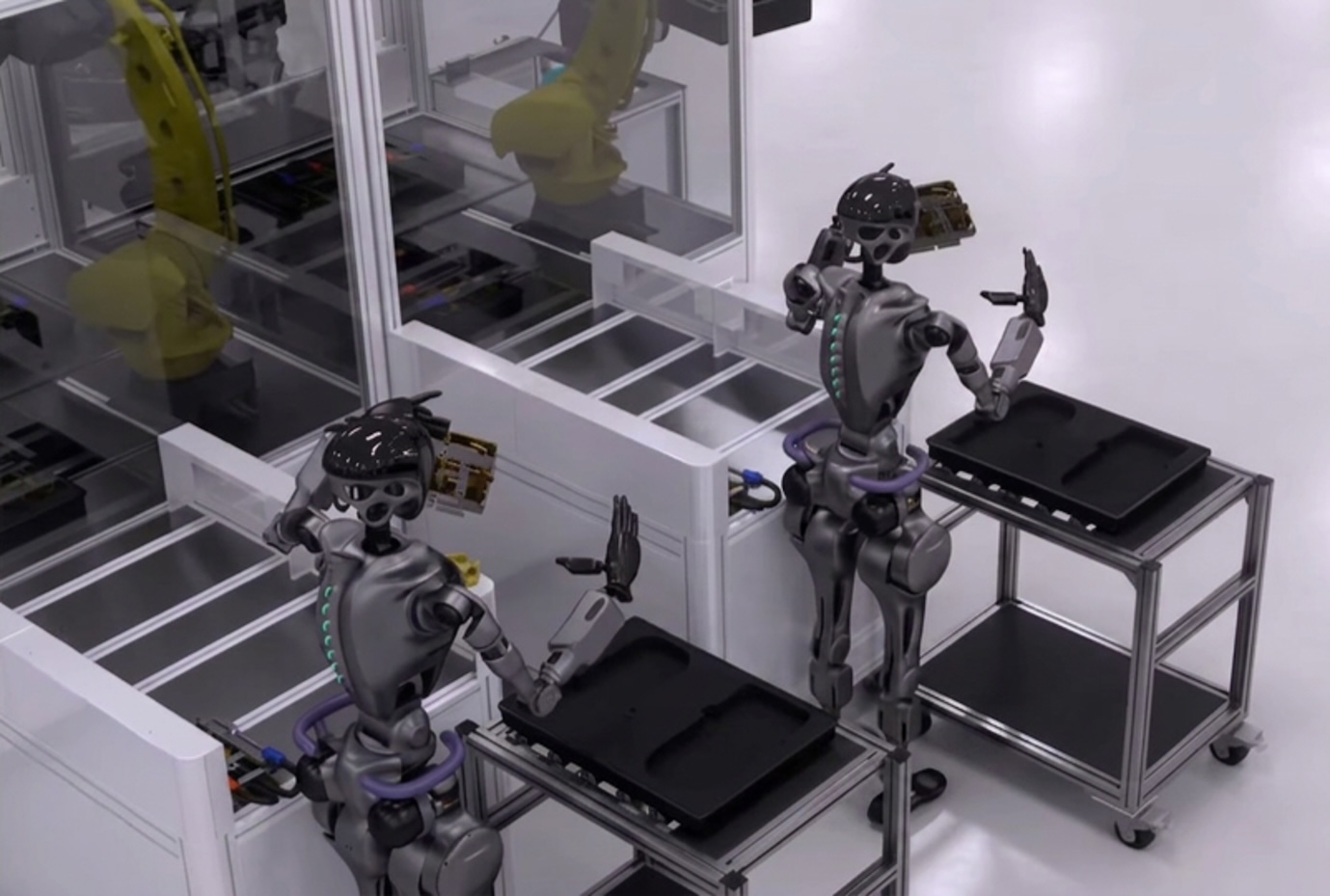
CES 2026: This Motorized Dock Turns Your iPhone Into a Tracking AI Robot
At CES 2026, a new product called DeskMate was introduced, allowing users to transform their iPhones into interactive desktop companions. This innovative motorized dock not only charges the device but also tracks the user's movements. Equipped with three USB-C ports and one USB-A port, DeskMate connects to the iPhone via MagSafe. Utilizing the phone’s screen and camera, it creates an engaging display reminiscent of Pixar-style animations. This development aims to enhance user interaction and productivity by integrating mobile technology into the desktop environment.
News Feed CES 2026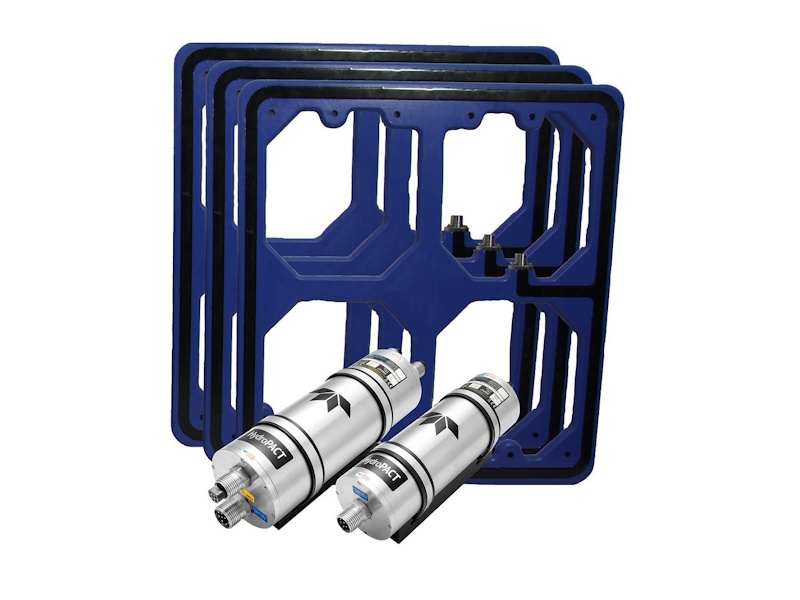
Future-Proof Cable Tracking: Teledyne Marine Releases HydroPACT 440 MK2
Teledyne Marine has unveiled the HydroPACT 440 MK2, an enhanced version of its renowned subsea pipe and cable tracking system. This latest model, which builds on over three decades of reliable offshore performance, has been designed to provide a robust and future-proof solution. The HydroPACT 440 MK2 maintains the familiar user experience and operability that customers have come to expect, while ensuring long-term continuity of supply and operation across various sectors. The launch reflects Teledyne's commitment to advancing technology in subsea operations, catering to the evolving needs of its clientele.
cable tracking teledyne marine hydropact 440 mk2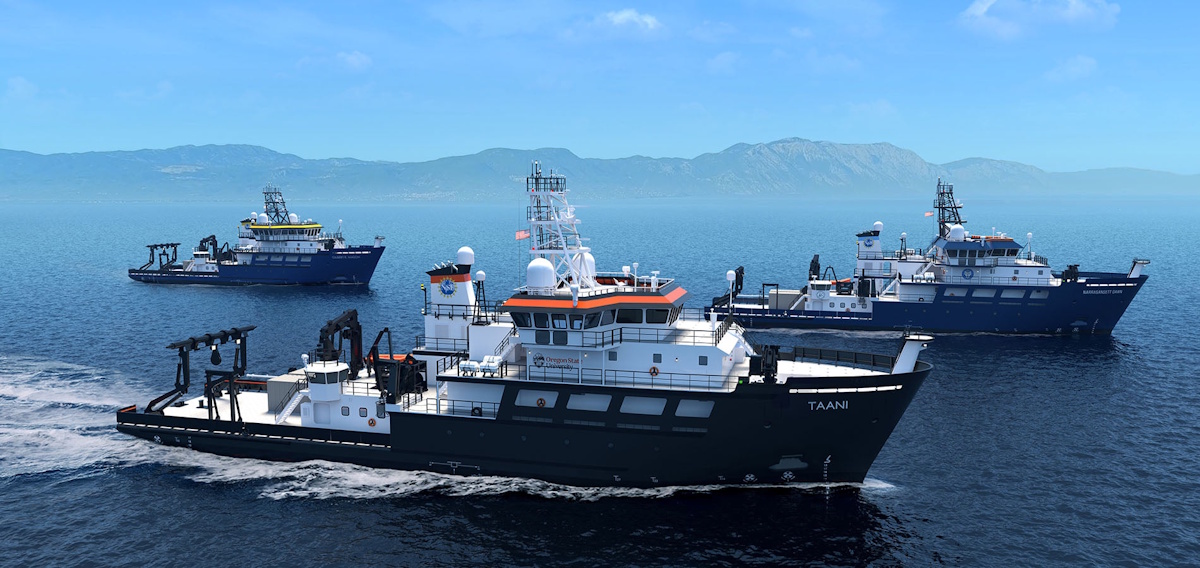
Sonardyne Underwater Positioning and Tracking for US Academic Research Fleet
Sonardyne's underwater positioning and tracking technology has been selected for integration into three new oceanographic research vessels, part of the National Science Foundation's Regional Class Research Vessel (RCRV) construction program. This decision underscores the NSF's commitment to advancing marine research capabilities. The vessels, designed to enhance scientific exploration and data collection in oceanographic studies, will be constructed in the coming years. By utilizing Sonardyne's innovative technology, the NSF aims to improve the accuracy and efficiency of underwater navigation and data acquisition, ultimately supporting a wide range of research initiatives. The program reflects a significant investment in the future of ocean science, addressing the growing need for advanced research tools in understanding marine environments.
sonardyne underwater positioning tracking us academic research fleet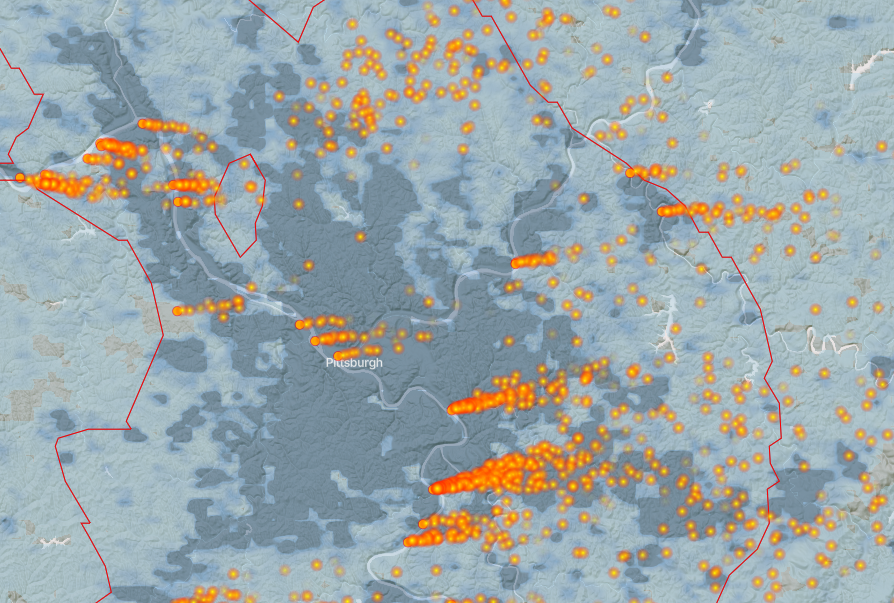
Tracking Pollution Globally
Researchers from Carnegie Mellon University's CREATE Lab have collaborated with Climate TRACE, a nonprofit organization co-founded by former Vice President Al Gore, to develop an innovative air pollution monitoring tool. This tool, recently released by Climate TRACE, visualizes and models the flow of air pollution plumes from their sources, enhancing the understanding of global emissions. The initiative aims to address the growing threat of air pollution by providing clearer insights into its origins and impacts. The collaboration underscores the importance of leveraging advanced technology and research to combat climate change and improve environmental monitoring.
Uncategorized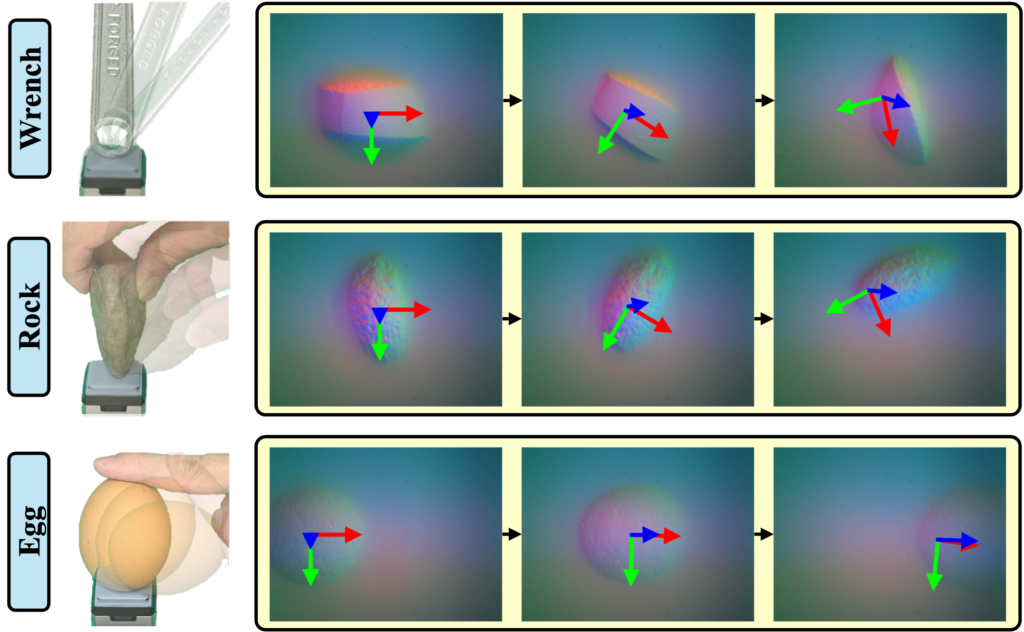
Innovative Algorithm Enhances Robot Tracking for High-Precision Manipulation Tasks
Researchers at Carnegie Mellon University's Robotics Institute are making strides in enhancing robotic capabilities with the development of an innovative algorithm designed to improve tracking for high-precision manipulation tasks. This advancement is particularly significant as it addresses the challenges robots face when handling a diverse range of low-texture objects, which require human-level dexterity for effective manipulation and reconstruction. The work, led by a Ph.D. student, aims to push the boundaries of current robotic tactile sensing technologies. By refining the algorithms that govern how robots perceive and interact with their environment, the team hopes to facilitate more accurate and versatile robotic applications in various fields. This breakthrough could pave the way for robots to perform complex tasks that demand a high degree of precision, ultimately revolutionizing the way robots are utilized in industries that rely on intricate object handling.
ResearchRobotics needs a service framework.
RSF defines a common language for robot service capability, lifecycle operations, certification pathways, and service-provider networks.
Join the RobotToday community on LinkedIn
Daily robotics news, in-depth analysis, conference highlights, and discussions with professionals worldwide.