Industry Briefing
A single destination for timely, editor-curated robotics news from around the world.

NVIDIA Enhances CUDA-Q Platform with Logical Layer for Quantum Computing Advancements
NVIDIA has expanded its CUDA-Q™ open source platform by introducing CUDA-Q Logical, an orchestration layer designed for developing applications for fault-tolerant quantum computers. This enhancement is crucial for enabling quantum processors to manage errors in physical qubits, facilitating larger computations necessary for practical applications like drug discovery and financial modeling. The significance of this development lies in its ability to streamline the complex process of designing applications for fault-tolerant quantum computing. Researchers can now utilize CUDA-Q Logical to easily switch between various components, optimizing system configurations for performance with logical qubits. This flexibility is essential as the field transitions towards logical qubits, which are vital for achieving useful quantum computing. Looking ahead, CUDA-Q Logical is already being utilized by several organizations, including Fermi National Accelerator Laboratory and Sandia National Laboratories, to enhance their quantum computing capabilities. Notably, Fermilab has reported a significant reduction in the time required for developing fault-tolerant algorithms, demonstrating the platform's potential to accelerate advancements in quantum computing technology. No further timeline was disclosed at the time of publication.
New Quantum Hermite Transform Algorithm Enhances AI and Scientific Computing Potential
Researchers from the U.S. Department of Energy’s Brookhaven National Laboratory, Northeastern University, Google Quantum AI, and the University of Texas at Austin have introduced a new quantum computing algorithm called the quantum Hermite transform (QHT). This algorithm aims to broaden the scope of problems that future quantum computers can address, particularly in artificial intelligence and scientific simulations. The significance of the quantum Hermite transform lies in its potential to improve data processing and simulation capabilities of quantum computers. By introducing a new computational building block, the QHT could lead to more efficient quantum algorithms in various fields, including materials science and energy research. The findings were presented at the 58th Annual ACM Symposium on Theory of Computing in Salt Lake City. Looking ahead, the researchers emphasize that expanding the library of reusable quantum primitives like the QHT will facilitate the development of innovative quantum algorithms. This advancement could provide exponential speed advantages over classical methods, marking a pivotal step in the evolution of quantum computing applications. No further timeline was disclosed at the time of publication.
AI and Robotics
Modovolo Integrates Quantum-Inspired Computing to Enhance Drone Propeller Design Efficiency
Drone manufacturer Modovolo is leveraging quantum-inspired computing technology from BQP to accelerate the design process of its next-generation propellers. By incorporating BQP's BQPhy simulation platform into its engineering workflow, Modovolo can evaluate a significantly larger number of propeller designs compared to traditional methods, aiming to enhance drone flight time and payload capacity while minimizing manufacturing costs. This advancement is crucial for Modovolo as it seeks to optimize its patent-pending 3D-printed propellers. Traditional design optimization methods can be time-consuming, often taking days to yield a single viable design. The BQPhy platform, utilizing quantum-inspired algorithms, allows for the compression of tens of thousands of simulations, thereby expediting the design process and enabling engineers to explore a broader range of design variables. Looking ahead, Modovolo's collaboration with BQP is set to transform its approach to drone design, potentially leading to more frequent hardware iterations without a proportional increase in engineering time. The successful application of these optimizations could significantly impact Modovolo's business model, which focuses on maximizing performance per dollar in its Lift drone offerings. No further timeline was disclosed at the time of publication.
Military
Hitachi and Intel Collaborating to Develop Physical AI, Quantum Computing Across Key Industries
Hitachi and Intel have announced a strategic partnership aimed at advancing technologies in physical AI, quantum computing, and digital infrastructure. This collaboration, which was revealed recently, seeks to leverage Hitachi’s strengths in information technology, operational technology, and industrial systems alongside Intel’s capabilities in semiconductor manufacturing and computing. The two companies intend to focus their efforts on developing innovative solutions for various sectors, including manufacturing, energy, and mobility. By combining their expertise, Hitachi and Intel aim to enhance industrial processes and drive technological progress across these critical industries.
AI AI Funding & Investment Robotics Foundry Hitachi Intel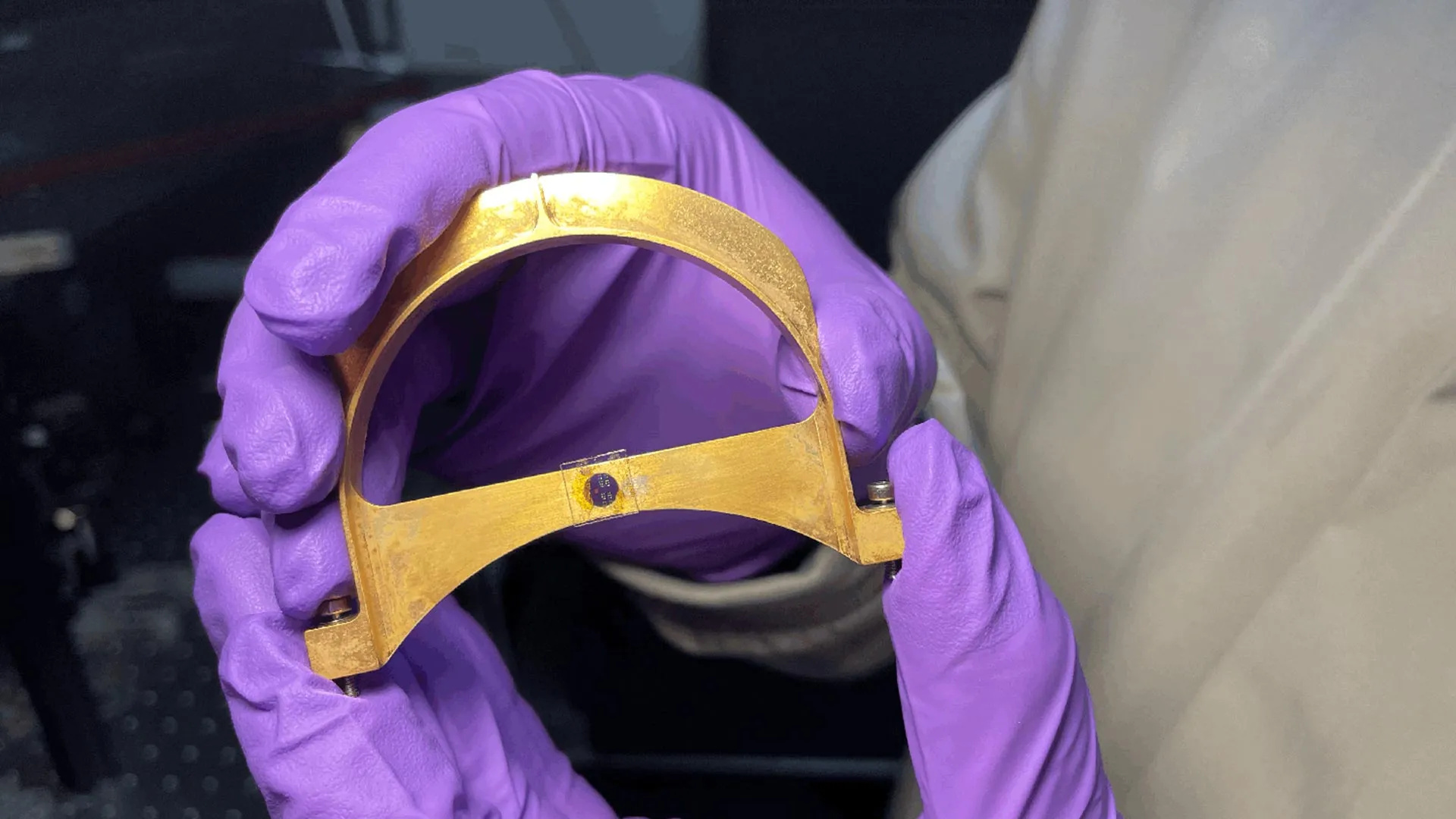
Stanford quantum computing breakthrough uses twisted light to work without extreme cooling
Researchers have developed an innovative room-temperature quantum device that utilizes twisted light to entangle photons and electrons, marking a significant advancement in quantum technology. This breakthrough addresses one of the major challenges in the field, potentially leading to the creation of smaller and more affordable quantum systems. The implications of this technology are vast, with potential applications in secure communications, artificial intelligence, and future computing platforms. This development represents a crucial step forward in making quantum technology more accessible and practical for various industries.
Robotics needs a service framework.
RSF defines a common language for robot service capability, lifecycle operations, certification pathways, and service-provider networks.
Join the RobotToday community on LinkedIn
Daily robotics news, in-depth analysis, conference highlights, and discussions with professionals worldwide.