Industry Briefing
A single destination for timely, editor-curated robotics news from around the world.
Security Vulnerabilities in Embodied Intelligence: Risks and Implications for Physical Safety
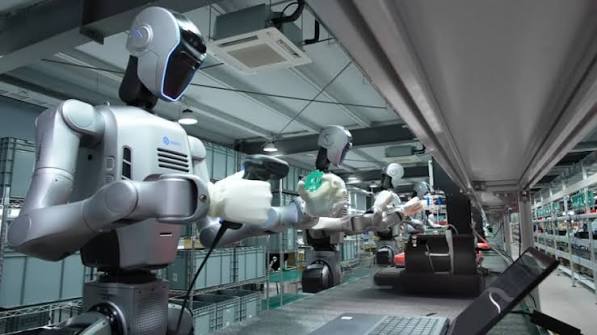
In April 2026, a security demonstration showcased a commercial robotic dog being remotely hijacked, activating its camera to gather information and subsequently attacking a dummy model. Zhou Hongyi, founder of 360 Group, emphasized that the essence of embodied intelligence security issues has evolved from 'data security' to 'production safety' and 'life safety.' The DARKNAVY white paper revealed alarming data: while it takes months to breach a flagship smartphone or a smart car, penetration testing on a well-known brand of embodied intelligent robot can be completed in under eight hours. The paper highlighted that many domestic robots lack even basic security measures, with some shipping with unchangeable hotspot passwords, allowing unauthorized control. In September, a more severe issue was uncovered involving the Yushu G1 humanoid robot, which had a vulnerability chain named 'UniBLEed,' allowing attackers within Bluetooth range to gain full control. The embodied intelligence industry is on the brink of explosive growth, with projections estimating a market size of 19.2 billion yuan by 2025. However, funding primarily focuses on core technology and application development, with little emphasis on security investments.
Embodied Intelligence Robotics Security AI Safety Cybersecurity Industrial Automation
Physical Superintelligence Secures $58 Million to Advance AI Physics Platform Development
Physical Superintelligence (PSI) has successfully raised $58 million in seed funding, led by Breakthrough Energy Ventures, to develop its AI-based physics platform named Emmy. This funding will enable PSI to recruit top talent and enhance its computational models aimed at optimizing data centers. The significance of this funding lies in PSI's ambition to revolutionize the discovery of new physics, particularly in optimizing terrestrial and orbital data centers. CEO Matt Pines emphasized that the initial focus on data centers will pave the way for tackling long-standing physics challenges, making advanced research more accessible. Looking ahead, PSI plans to utilize the funding for expanding its team of physicists and AI researchers, developing Emmy's capabilities, and exploring applications in energy and computing. No further timeline was disclosed at the time of publication.
AI Funding & Investment AI Breakthrough Energy Ventures capital markets funding funding round
United Imaging Intelligence Reveals Meta Hospital Strategy for AI-Orchestrated Care Beyond Hospital Walls
United Imaging Intelligence introduced its Meta Hospital strategy at WAIC 2026, featuring the Yuan Doctor as a central agent. This innovative approach coordinates various AI agents involved in diagnostics, surgery planning, and patient monitoring, extending care beyond traditional hospital settings. This strategy is significant as it represents a shift towards a more integrated healthcare system, where AI plays a crucial role in managing patient care across different environments. By utilizing AI agents, United Imaging Intelligence aims to enhance efficiency and patient outcomes, addressing the growing demand for healthcare solutions that operate outside conventional hospital boundaries. Looking ahead, stakeholders should monitor the implementation of this strategy and its impact on healthcare delivery. The effectiveness of the Yuan Doctor in coordinating care and the response from healthcare professionals and patients will be critical in determining the success of this initiative. No further timeline was disclosed at the time of publication.
Technology
Suxian Micro Unveils TH1100 GPGPU with 100T Computing Power for Embodied AI
Suxian Micro has launched the TH1100 GPGPU, boasting 100 teraflops of computing power specifically designed for embodied artificial intelligence applications. This new product incorporates innovative in-chip compute-storage fusion and AI ROM technology, enhancing its efficiency and performance. The introduction of the TH1100 GPGPU is significant as it represents a leap forward in the capabilities of domestic GPU technology in Tianjin. By utilizing a render-first-then-AI development logic, Suxian Micro aims to address the growing demand for advanced computing solutions in the field of embodied intelligence. Looking ahead, industry observers will be keen to see how the TH1100 GPGPU performs in real-world applications and its impact on the competitive landscape of AI hardware. No further timeline was disclosed at the time of publication.
Technology
World Labs Acquires SceniX to Enhance Physical Robot Training Capabilities
On July 22, World Labs, founded by AI pioneer Li Feifei, announced its acquisition of the American robotics simulation startup SceniX. This marks World Labs' first public acquisition since its inception, expanding its focus from 3D world generation to physical robot training. Li Feifei emphasized that spatial intelligence involves interaction, not just perception and generation. Founded in April 2024, World Labs has quickly positioned itself at the forefront of spatial intelligence, securing $230 million in initial funding and an additional $1 billion in early 2026 from major investors like NVIDIA and AMD. Its flagship product, Marble, generates high-fidelity 3D virtual environments from text and images, but the technology has primarily served creative industries, lacking the physical accuracy required for effective robot training. SceniX aims to address this gap by developing a game engine tailored for robotic learning, integrating high-precision physics simulation and sensor modeling. Their research, in collaboration with Columbia University and Google DeepMind, has demonstrated the potential for high-fidelity transfer from simulation to reality. Following the acquisition, the SceniX team will join World Labs to further advance physical simulation and robot training, highlighting the industry's ongoing challenges in generalizing robotic capabilities despite advancements in hardware.
Robotics Simulation Embodied Intelligence AI Technology Physical Robotics Training
Actuate 26 Robotics Developer Conference Reveals Speaker Lineup with Industry Leaders
Foxglove has announced the speaker lineup for Actuate 26, its annual robotics developer conference, featuring leaders from Wayve, Aurora, Physical Intelligence, and more. The event will take place on August 18-19, 2026, at Fort Mason in San Francisco, showcasing technical talks, keynotes, and hands-on programming. This conference is significant as it aims to gather over 1,000 attendees from various sectors deploying robots, including autonomous vehicles, drones, and industrial automation. The participation of industry leaders highlights the growing interest and advancements in robotics and AI technologies. As the event approaches, attendees should look forward to insights from top experts in the field and opportunities for networking and collaboration. No further timeline was disclosed at the time of publication.
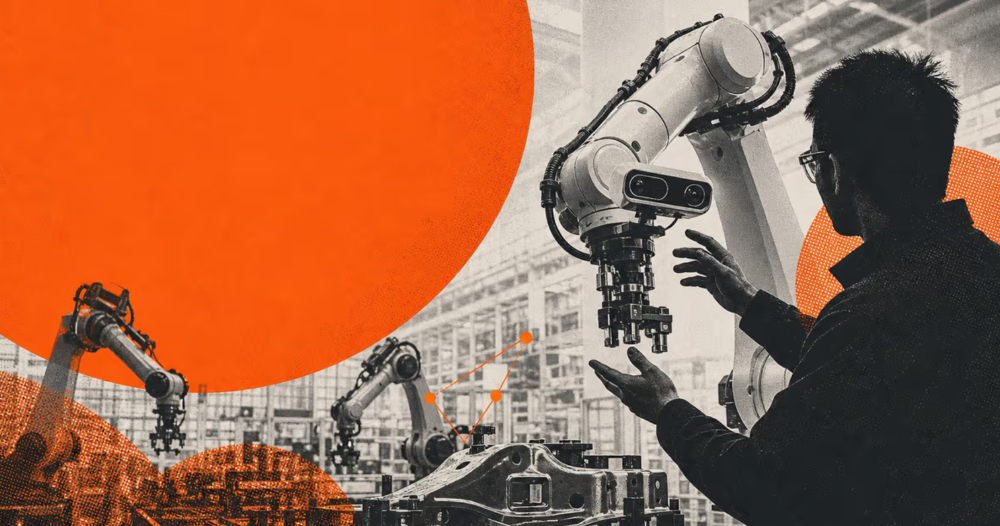
The integration of artificial intelligence and physical robot technology promotes the entry of factory automation into a new era.
The integration of artificial intelligence with physical robotics is ushering in a transformative era for factory automation. This advancement is set to revolutionize manufacturing processes, enhancing efficiency and productivity across various industries. As companies increasingly adopt these technologies, the shift is expected to occur rapidly, with significant developments anticipated in the coming months. The push towards automation is driven by the need for improved operational efficiency, cost reduction, and the ability to meet growing consumer demands. By leveraging AI capabilities, robots can now perform complex tasks with greater precision and adaptability, allowing factories to streamline operations and reduce human error. This evolution in technology not only promises to reshape the manufacturing landscape but also raises questions about the future of the workforce and the skills required in an increasingly automated environment.
Robotics Automation AI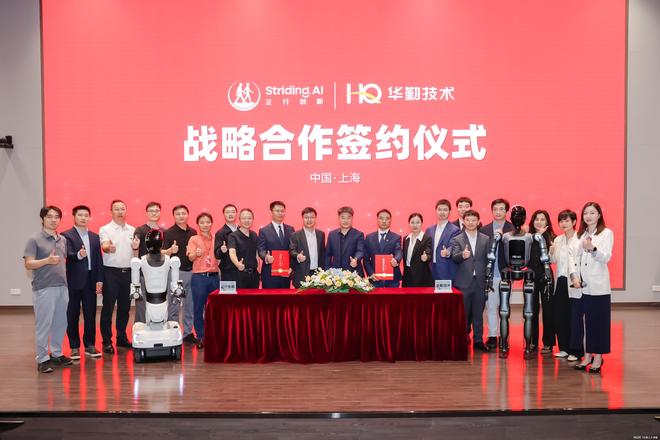
Huaqin Technology and Zhengxing Innovation Reach Strategic Cooperation to Build an Industrial Physical Intelligence "Data Foundation and Smart Brain" Together.
Huaqin Technology and Zhengxing Innovation have announced a strategic cooperation aimed at developing a comprehensive industrial physical intelligence framework, which they refer to as a "Data Foundation and Smart Brain." This partnership, revealed on October 10, 2023, is set to take place in China, where both companies will leverage their technological expertise to enhance data-driven decision-making processes within the industrial sector. The collaboration seeks to address the growing demand for advanced data analytics and intelligent systems, enabling businesses to optimize operations and improve efficiency. By integrating their resources and knowledge, Huaqin Technology and Zhengxing Innovation aim to create innovative solutions that will drive the future of industrial intelligence.
Robotics Automation AI
Boden Intelligence Secures Hundreds of Millions in Funding to Enhance Physical AI Infrastructure
Boden Intelligence, a prominent player in the Physical AI infrastructure sector, has secured hundreds of millions in funding through a series of successful investment rounds. This financial boost will support the company's mission to create a comprehensive ecosystem for the training and validation of real-world AI applications. By shifting the focus from traditional model-based competition to enhancing real-world capabilities, Boden aims to position itself as a significant contributor to the rapidly evolving AI landscape. The company plans to leverage innovative centers and automated data engines to achieve its goals, marking a pivotal step in the advancement of AI technologies.
Physical AI Data Infrastructure AI Training Robotics Automation
Chinese Embodied AI Company Tops RoboArena Benchmark, Beating NVIDIA and Physical Intelligence
At the NVIDIA GTC Taipei 2026 event, a significant milestone was announced for China's embodied intelligence sector. This achievement highlights the advancements made in the field, showcasing the country's commitment to innovation and technology development. The announcement is expected to bolster China's position in the global tech landscape, reflecting ongoing efforts to enhance artificial intelligence capabilities. The event served as a platform for industry leaders to discuss future trends and the implications of these advancements on various sectors.
EmbodiedAI
GigaAI Unveils Physical AGI "Dual Pyramid" System, Targeting the Embodied Intelligence Scaling Wall
GigaAI unveiled the world's first Physical AGI "Dual Pyramid" architecture during a launch event on May 20 in Wuhan's Optical Valley. This innovative dual-track framework is designed to address the data and algorithmic bottlenecks that have hindered the advancement of embodied AI, aiming to facilitate true scaling in the field. The introduction of this architecture marks a significant milestone in artificial intelligence development, as it seeks to overcome existing limitations and enhance the capabilities of AI systems.
AI
Breaking the Data Drought in Physical AI: Can Maniformer Define the Era of Embodied Intelligence as a 'Data Infrastructure Provider'?
On April 16, 2026, Maniformer unveiled a groundbreaking one-stop physical AI data service platform in Shanghai, marking a significant advancement in the field of embodied intelligence. This innovative platform aims to tackle the pressing issue of data scarcity that has hindered the development of intelligent robotics. Central to this initiative is the MEgo series hardware, designed to facilitate efficient data collection processes. By enabling robots to seamlessly transition from simulated environments to real-world applications, Maniformer's launch is poised to enhance the capabilities and deployment of AI-driven technologies across various industries.
Physical AI Data Infrastructure Robotics Data Collection Embodied Intelligence
Moore Threads and Guangyun Intelligence Partner to Build Domestic Physical AI Foundation with Sovereign Compute and Simulation
Moore Threads and Guangyun Intelligence have announced a strategic partnership aimed at developing a high-confidence synthetic data solution tailored for embodied artificial intelligence. This collaboration will leverage Moore Threads' advanced domestic GPU computing capabilities alongside Guangyun's proprietary simulation platform. The initiative is expected to enhance the effectiveness and reliability of AI systems by providing robust synthetic data, which is crucial for training and improving AI models. The partnership marks a significant step in the evolution of AI technology, reflecting the growing importance of synthetic data in the field.
AI
Kinetix AI Unveils KAI: A 115-DoF Humanoid Aiming for "Physical Intelligence"
Kinetix AI, a company based in Shenzhen, has launched KAI, a groundbreaking humanoid robot that boasts an unprecedented 115 degrees of freedom. This advanced robot is equipped with a proprietary world model tailored for use in both domestic and office settings. The introduction of KAI marks a significant advancement in robotics, aiming to enhance human-robot interaction and improve efficiency in everyday tasks. The launch event took place recently, showcasing KAI's capabilities and potential applications in various environments. Kinetix AI's innovation reflects a growing trend in the robotics industry, where the focus is on creating versatile machines that can seamlessly integrate into daily life and workspaces.
KAI China Kinetix AI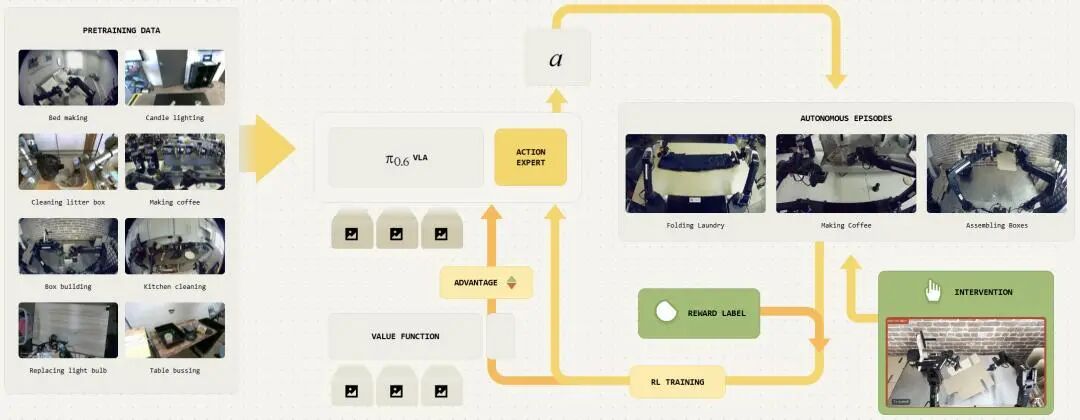
Sergey Levine, Co-founder of Physical Intelligence: Why We Need to Build a 'World-Understanding' General Robot
In a recent interview, robotics expert Sergey Levine addressed the pressing challenges and future prospects of general robotics. He highlighted the necessity for robots capable of adapting to diverse environments and performing a wide range of tasks, rather than being limited to specialized functions. Levine argued that developing a universal model for robotics could pave the way for more sustainable and efficient solutions in the industry. His insights reflect a growing recognition of the importance of versatility in robotic design, suggesting that such advancements could significantly enhance the effectiveness of robots in various applications.
General Robotics Artificial Intelligence Physical Intelligence Robotic Systems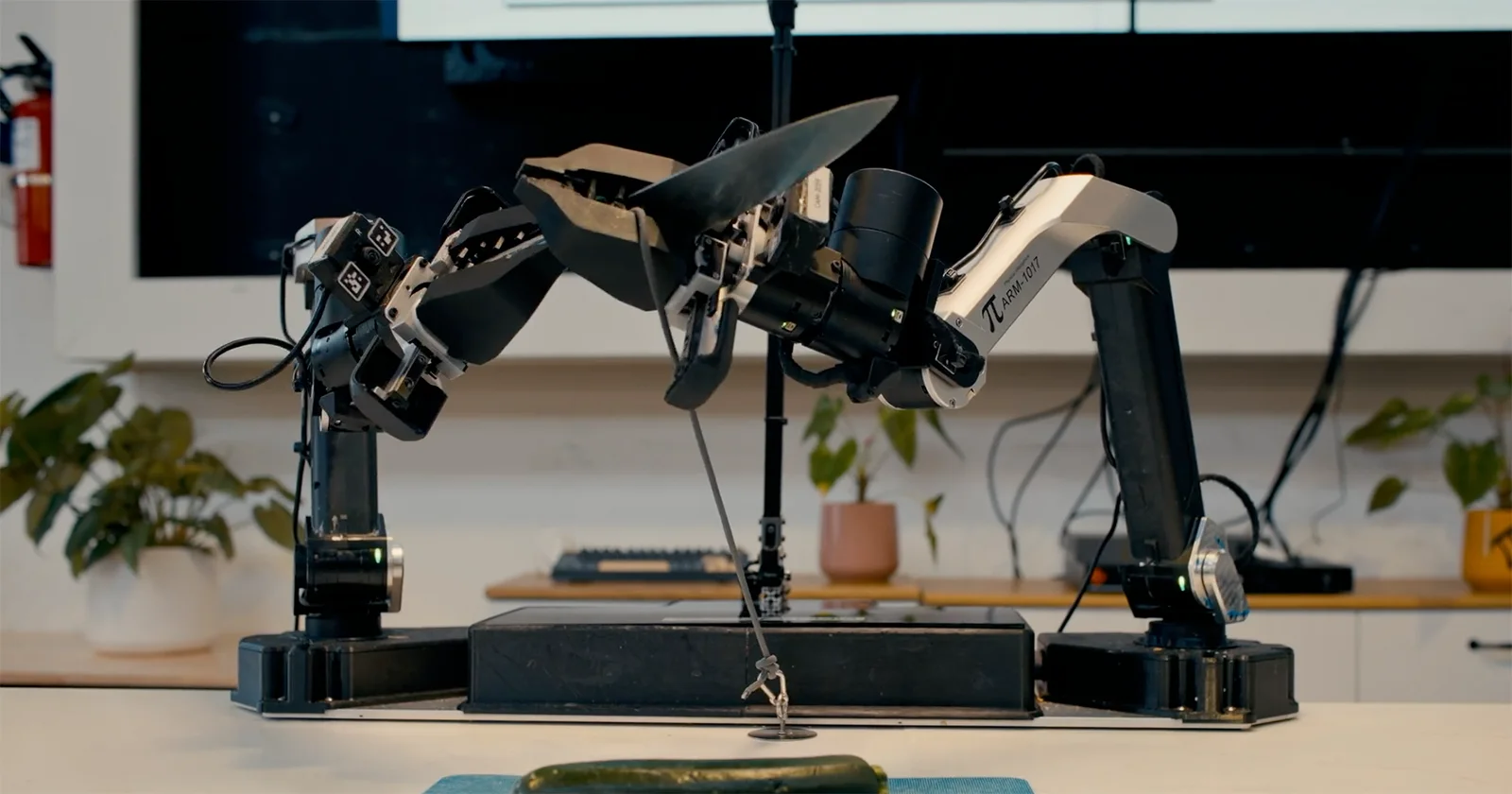
Physical Intelligence Unveils π0.7: The Rise of Compositional Generalization in Robotics
Physical Intelligence has unveiled its latest foundation model, π0.7, which showcases remarkable "emergent" capabilities. This innovative model can seamlessly integrate various skills and adapt to different robotic hardware without the need for task-specific training. The announcement was made recently, highlighting the advancements in artificial intelligence and robotics. By leveraging extensive data and sophisticated algorithms, π0.7 represents a significant step forward in the development of adaptable robotic systems. This breakthrough aims to enhance the efficiency and versatility of robots in diverse applications, potentially transforming industries that rely on automation.
US Physical Intelligence π07
Physical Intelligence in Talks for $1 Billion Round, Eyeing an $11 Billion Valuation
An AI robotics startup is reportedly in the process of seeking new funding just four months after its last significant capital raise. The company aims to double its valuation as it intensifies efforts to develop its innovative "universal brain" technology for robots. This move reflects the growing demand for advanced robotics solutions and the startup's commitment to leading the industry in artificial intelligence applications. The timing of this funding initiative underscores the competitive landscape in the tech sector, where rapid advancements are crucial for maintaining market relevance.
US Market fundraising Physical Intelligence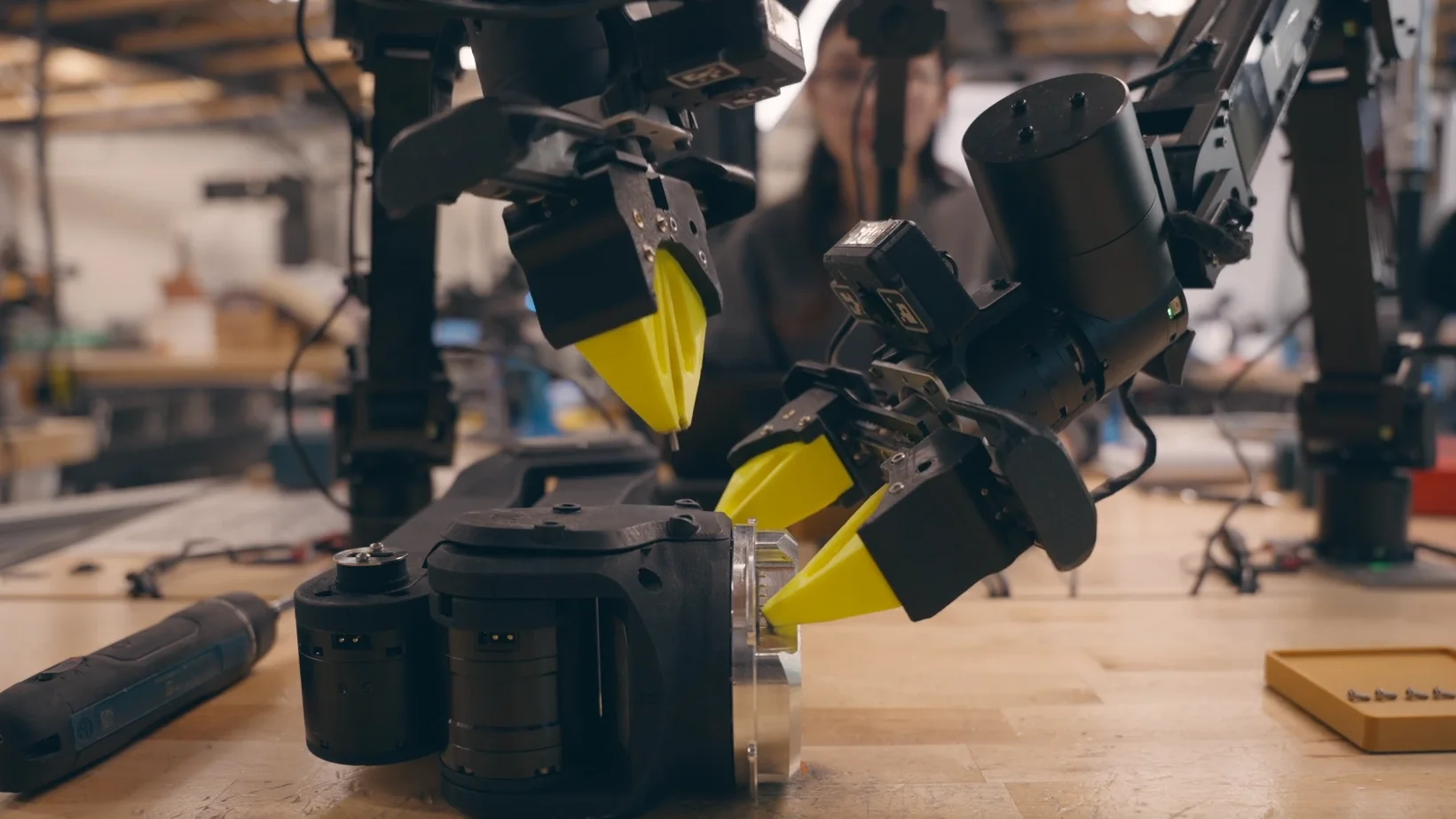
The Last Millimeter: Physical Intelligence Unveils RL Tokens for Hyper-Fast Precision
Physical Intelligence has unveiled a groundbreaking innovation, the RL Tokens (RLT), designed to enhance robotic capabilities in performing intricate tasks such as screwdriving and zip-tying. This advanced method enables robots to learn these skills in as little as 15 minutes, with the potential to surpass human efficiency in speed. The introduction of RLT marks a significant advancement in robotics, aiming to improve automation processes across various industries. By leveraging cutting-edge technology, Physical Intelligence is addressing the growing demand for faster and more precise robotic operations, positioning itself at the forefront of the robotics field.
US Physical Intelligence RL
Don’t Forget the Salt: Physical Intelligence Equips Robots with 15-Minute "Multi-Scale" Memory
Physical Intelligence (Pi) has introduced a groundbreaking technology known as Multi-Scale Embodied Memory (MEM), designed to enhance robotic capabilities in executing complex, long-term tasks. This innovative hybrid architecture integrates short-term video encoding with long-term textual summarization, enabling robots to effectively learn and adapt during activities such as kitchen cleaning and in-context error recovery. The announcement marks a significant advancement in robotics, aiming to improve the efficiency and autonomy of machines in dynamic environments. By leveraging this new system, robots can better understand and respond to their surroundings, ultimately leading to more sophisticated interactions and task completion.
US Research Artificial Intelligence Physical Intelligence embodied-ai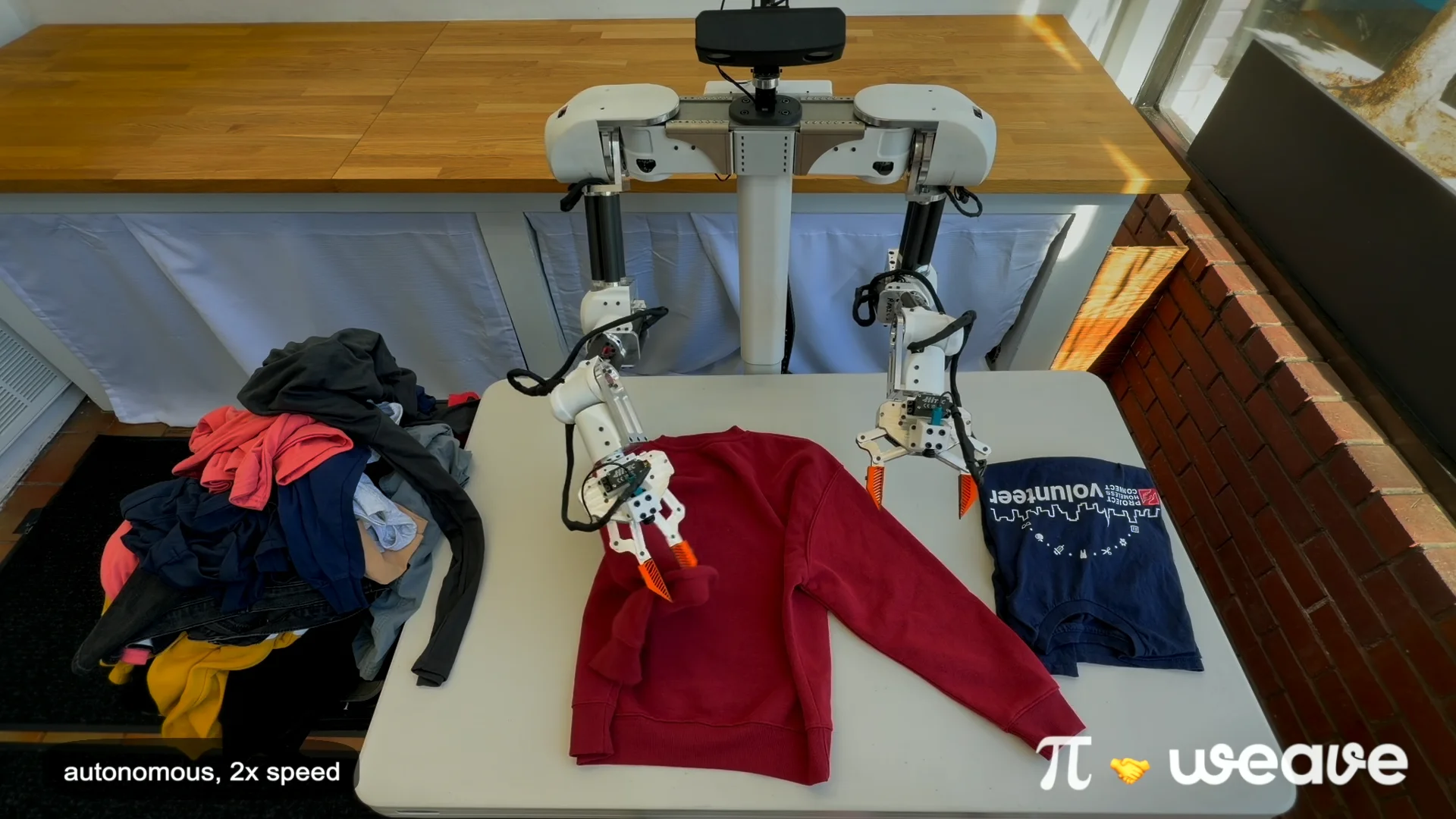
The API-fication of Robotics: Physical Intelligence Unveils Real-World Performance Data with Weave and Ultra
Physical Intelligence (Pi) has announced the launch of its foundation models, which are designed to serve as a universal 'intelligence layer' for various industries. This initiative comes alongside the release of new data demonstrating substantial improvements in the reliability of robots used for laundry folding and industrial packaging. The advancements in these technologies are expected to enhance operational efficiency and effectiveness in sectors that rely heavily on automation. The announcement marks a significant step forward for Pi, as it aims to establish itself as a leader in the development of intelligent robotic solutions.
US Ultra Market Weave Robotics Physical Intelligence Partnership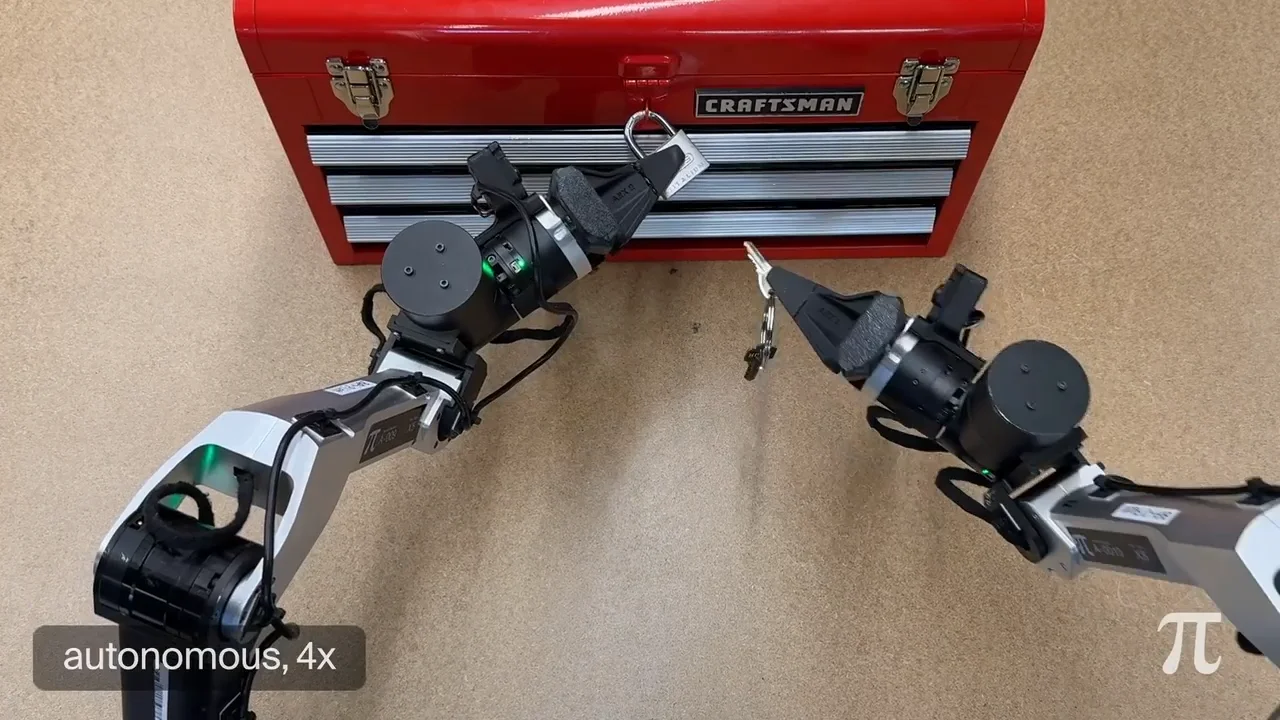
Gold Medals and Greasy Pans: Physical Intelligence Tackles the "Robot Olympics"
Physical Intelligence has successfully enhanced its π0.6 foundation model, showcasing its ability to perform a variety of "common sense" physical tasks, including making sandwiches and cleaning windows. This development highlights the potential for general-purpose robotics, emphasizing the importance of scaling physical data to achieve more versatile robotic capabilities. The advancements were made public in October 2023, marking a significant step forward in the field of robotics and artificial intelligence.
Physical Intelligence embodied-ai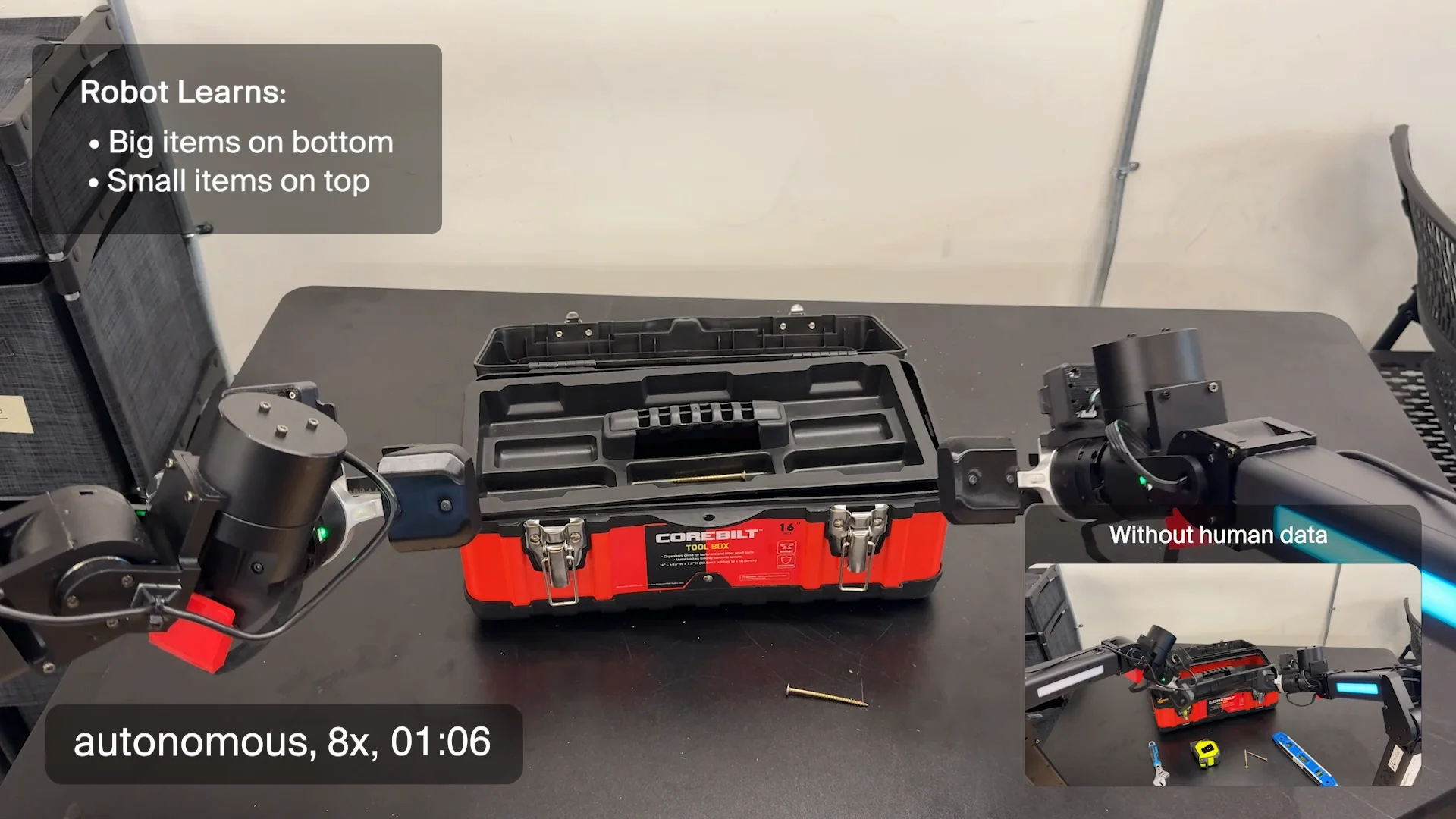
Physical Intelligence Finds 'Emergent' Bridge Between Human Video and Robot Action
A $5.6 billion startup has announced a breakthrough in artificial intelligence, revealing that sufficiently large robot models can autonomously learn to comprehend human video. This development has the potential to address a significant data bottleneck that has long plagued the industry. The startup's findings, which were shared recently, highlight the capabilities of advanced machine learning techniques in enhancing the understanding of visual content. By leveraging large-scale models, the company aims to improve the efficiency and effectiveness of AI systems in processing and interpreting video data, paving the way for more sophisticated applications in various fields. This innovation could transform how machines interact with visual information, ultimately leading to more intuitive and responsive AI technologies.
Data Collection Physical Intelligence embodied-ai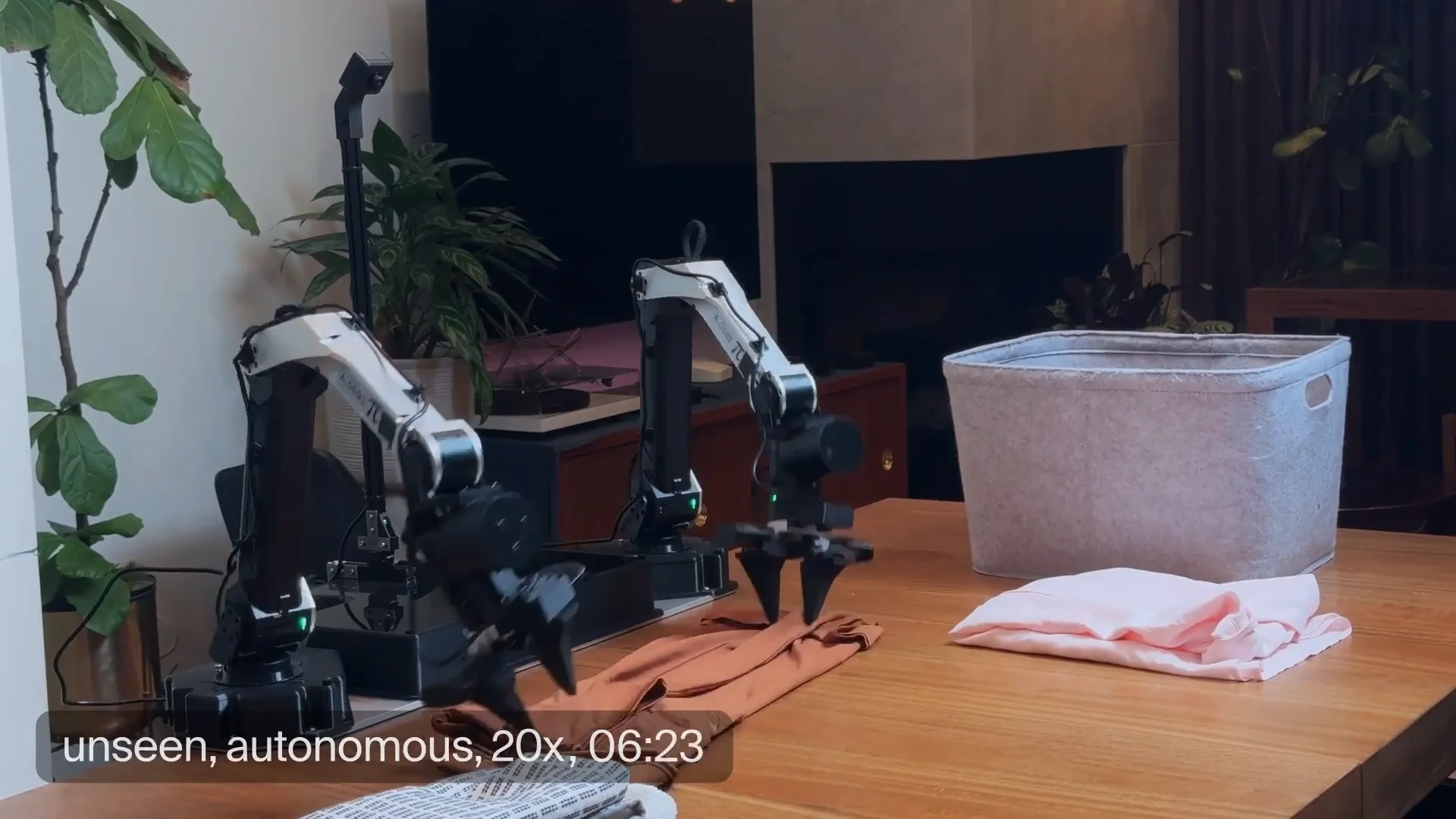
Physical Intelligence Secures $600 Million to Build a Universal Robot Brain, Hitting $5.6 Billion Valuation
A San Francisco startup, supported by CapitalG and Jeff Bezos, is focusing on reinforcement learning to advance general-purpose robotics. This approach distinguishes the company from hardware-centric competitors in the industry. By leveraging advanced algorithms and machine learning techniques, the startup aims to enhance the adaptability and efficiency of robotic systems. The initiative reflects a growing trend in the tech sector, where software-driven solutions are increasingly seen as vital for overcoming the limitations of traditional hardware-based robotics. As the company develops its technology, it seeks to address the diverse challenges faced by various industries, potentially revolutionizing how robots are utilized across different applications.
Physical Intelligence Claims ‘RL is Back’ With New Model That Learns From Its Own Mistakes
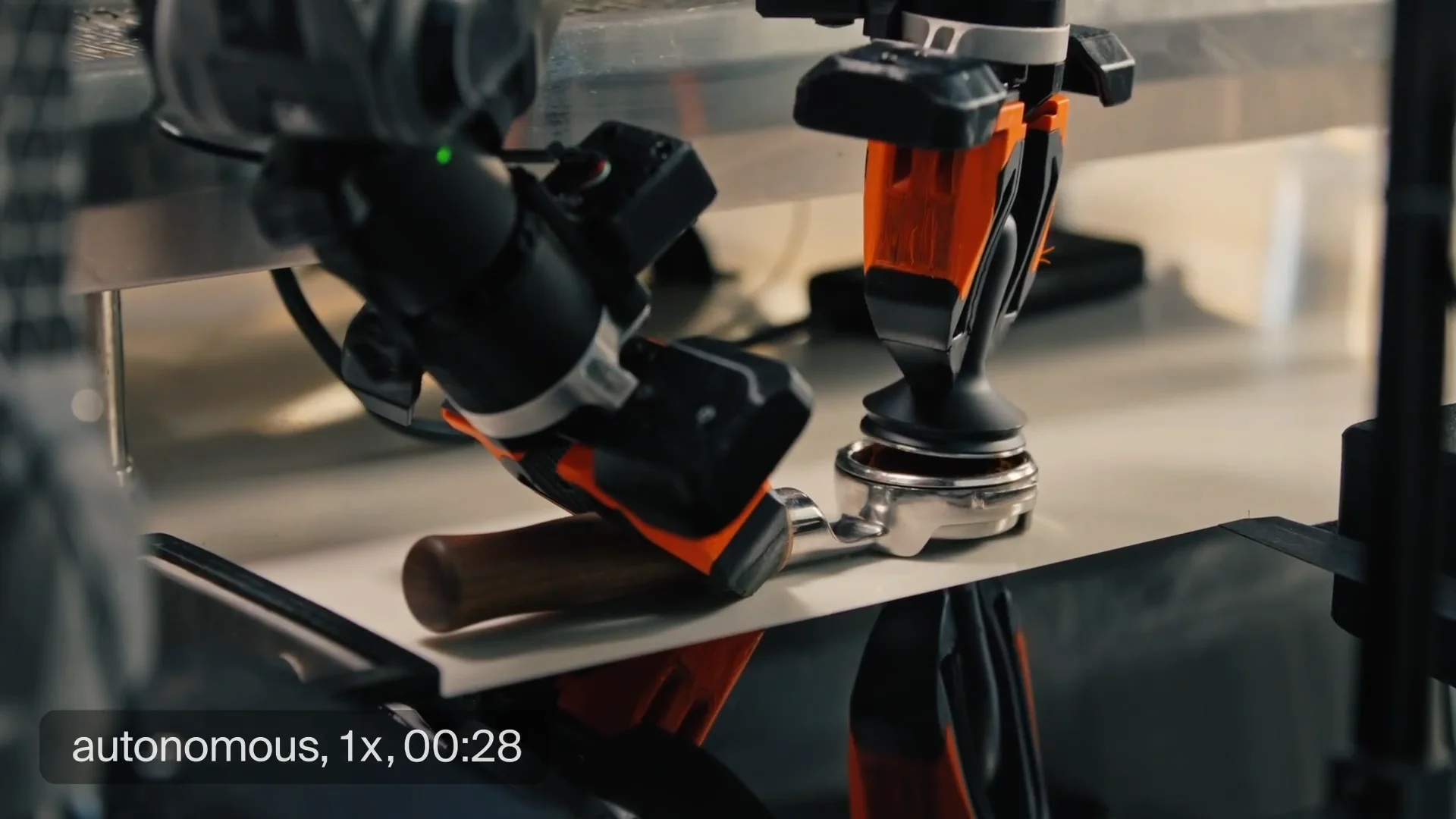
Physical Intelligence has introduced its latest VLA model, π*0.6, which employs an innovative training technique known as "Recap." This method integrates human demonstrations with autonomous reinforcement learning, significantly enhancing the model's capabilities. The company reports that this advancement has resulted in a doubling of performance throughput for intricate tasks, such as laundry folding and espresso preparation. The announcement marks a notable milestone in the development of intelligent automation technologies.
Physical Intelligence
AgiBot and Physical Intelligence Form Partnership for Advanced Embodied AI
Chinese robotics firm AgiBot has announced a partnership with US-based embodied AI specialist Physical Intelligence (Pi), co-founded by renowned researchers Sergey Levine and Chelsea Finn. This collaboration aims to advance the capabilities of robotics, particularly in executing complex tasks. As part of this initiative, AgiBot has appointed Dr. Luo Jianlan, a Berkeley alumnus, as Chief Scientist to spearhead a new research center dedicated to this endeavor. The partnership's initial results have showcased a significant breakthrough, with a single AI policy successfully enabling a robot to perform various tasks, including the intricate action of tying a scarf. This development highlights the potential for enhanced versatility in robotic applications, driven by cutting-edge AI technology.
Physical Intelligence AGIBOTRobotics needs a service framework.
RSF defines a common language for robot service capability, lifecycle operations, certification pathways, and service-provider networks.
Join the RobotToday community on LinkedIn
Daily robotics news, in-depth analysis, conference highlights, and discussions with professionals worldwide.