

Industry Briefing
A single destination for timely, editor-curated robotics news from around the world.
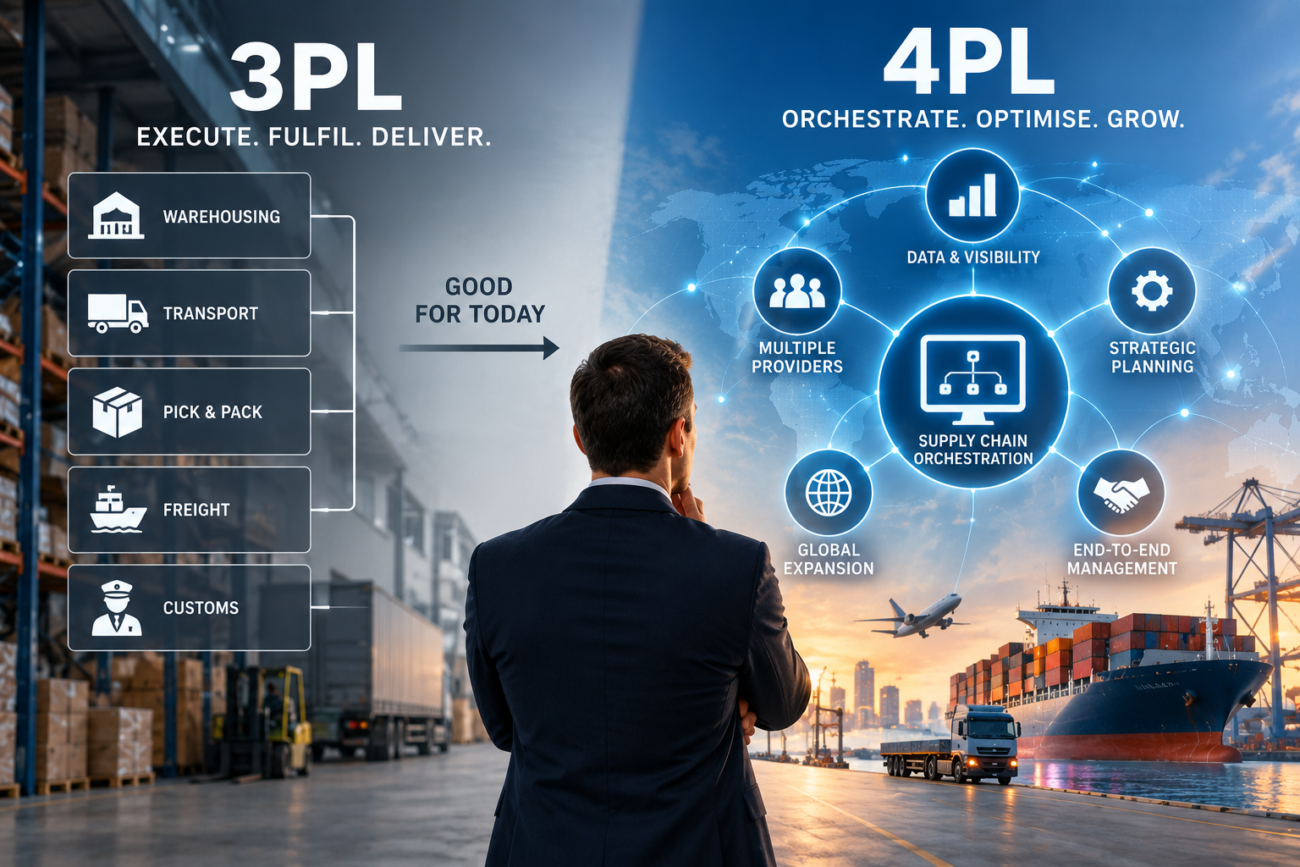
Identifying When Your Business Has Outgrown Its Third-Party Logistics Provider
As businesses grow, they may encounter limitations with their third-party logistics (3PL) provider. Paul Lockwood, Managing Director at SEKO Logistics, outlines four key indicators that suggest a company has outgrown its current 3PL model. These include visibility gaps in inventory management, network limitations when entering new markets, evolving strategic relationships, and fragmented systems across multiple providers. Understanding these signs is crucial for businesses aiming to optimize their supply chain. The 2026 30th Annual Third-Party Logistics Study highlights that 90% of shippers prioritize technological capabilities in their 3PL selection, yet only 57% express satisfaction with their provider's technology. This discrepancy can hinder a company's ability to manage logistics effectively as it scales. Looking ahead, businesses must assess whether their logistics complexity necessitates a transition to a fourth-party logistics (4PL) model or if strengthening their existing 3PL relationship is more beneficial. Lockwood emphasizes that outgrowing a 3PL model is often a sign of success rather than failure, prompting companies to rethink their logistics strategies.
IT in Logistics Road Transport and Haulage Transport and Distribution WMS & SCM Software 3pl 3PL consolidationRobotics needs a service framework.
RSF defines a common language for robot service capability, lifecycle operations, certification pathways, and service-provider networks.
Join the RobotToday community on LinkedIn
Daily robotics news, in-depth analysis, conference highlights, and discussions with professionals worldwide.






