Industry Briefing
A single destination for timely, editor-curated robotics news from around the world.

Oracle sheds 21,000 roles over the past year amid wave of AI layoffs from tech giants
Oracle has announced that the integration of artificial intelligence technologies into its operations has led to workforce reductions and may continue to do so in the future. This statement highlights the company's ongoing efforts to enhance efficiency through automation, which has significant implications for its employees. As Oracle continues to evolve its technological capabilities, the potential for further job cuts raises concerns about the impact on its workforce. The announcement comes amid a broader trend in the tech industry, where companies are increasingly leveraging AI to streamline processes and reduce costs.

Oracle's Post-Q1 Selloff Makes No Sense
Oracle's stock experienced a significant decline of approximately 10% following its fiscal Q4 FY26 earnings report, which raised concerns among investors regarding the company's projected capital expenditures for FY27, estimated between $90 billion and $95 billion. Despite this selloff, Amrita Roy, an investment analyst, maintains a "buy" rating on Oracle, citing a remarkable 363% year-over-year surge in the company's backlog, now totaling $638 billion, which outpaces all other hyperscalers. The anticipated capital investment is deemed essential for accelerating the conversion of this backlog, although it will necessitate an additional $40 billion in debt and equity, potentially diluting shareholder value amid increasing leverage. Roy highlights the promising growth trajectory of Oracle's cloud services, with expectations of a 120% revenue increase to $34 billion in FY27 and a projected 58-64% year-over-year growth in total cloud revenue for the first quarter. Despite the recent stock drop, Roy argues that Oracle's valuation remains attractive, with a forward price-to-earnings ratio of 22.9, expected to compress to 12 by FY29, and consensus price targets indicating a potential upside of 38.5%. As a result, she encourages investors to consider Oracle as a viable addition to their portfolios.
MSFT GOOG AMZN IGV ORCL Amrita Roy
Billionaire Phillipe Laffont Recently Sold Oracle, Tesla, and Nvidia and Purchased a Stock Down 94% Since Its IPO in 2020
Billionaire investor Philippe Laffont, founder of Coatue Management, has made significant changes to his investment portfolio, recently selling off stakes in major tech companies including Oracle, Tesla, and Nvidia. This strategic shift occurred in the first quarter of 2026, as Laffont's fund, which manages over $29 billion in assets, responded to growing concerns over the valuations of artificial intelligence companies. Notably, Coatue completely divested from Oracle amid worries about its reliance on OpenAI contracts and increased capital expenditure forecasts. In a surprising move, Laffont also reduced his Tesla holdings by 96%, following CEO Elon Musk's cautious outlook on the rollout of Tesla's robotaxi fleet and rising capital expenditures for AI initiatives. Additionally, Coatue cut its Nvidia stake by 31%, reflecting broader industry uncertainties. Conversely, Laffont initiated a new position in Lucid Group, acquiring over 295,300 shares valued at approximately $2.8 million. This investment comes as Lucid's stock has plummeted 94% since its IPO in September 2020, amid financial struggles and a challenging electric vehicle market. Analysts, however, remain optimistic about Lucid's potential turnaround, citing new leadership and product launches, as well as a partnership with Uber Technologies. Laffont's recent moves indicate a speculative approach, as he navigates a volatile market landscape while also exploring opportunities in renewable energy stocks.
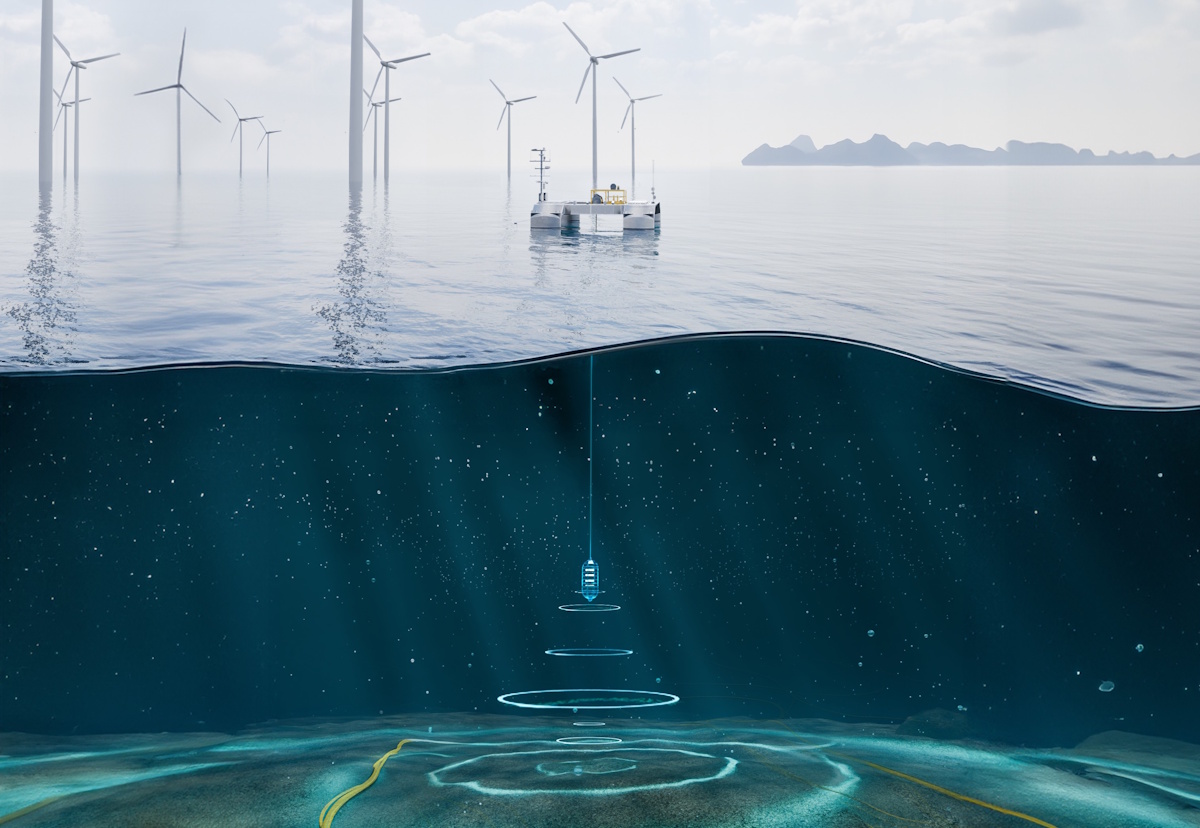
Robosys Automation Leads PROJECT ORACLES Consortium To Transform Consenting Process Of Offshore Wind Farms
Robosys Automation is spearheading Project ORACLES, an initiative aimed at revolutionizing the environmental consenting process for offshore wind farms (OWFs). This collaborative effort involves key partners such as ACUAOcean, MSEIS, Plymouth Marine Laboratories, and the Offshore Renewable Energy Catapult. The project, which seeks to streamline and enhance the regulatory framework for offshore wind energy development, is set to make significant strides in promoting sustainable energy solutions. By leveraging advanced marine autonomy systems, Project ORACLES aims to address the complexities and challenges associated with environmental assessments, ultimately facilitating a more efficient pathway for the growth of renewable energy infrastructure.
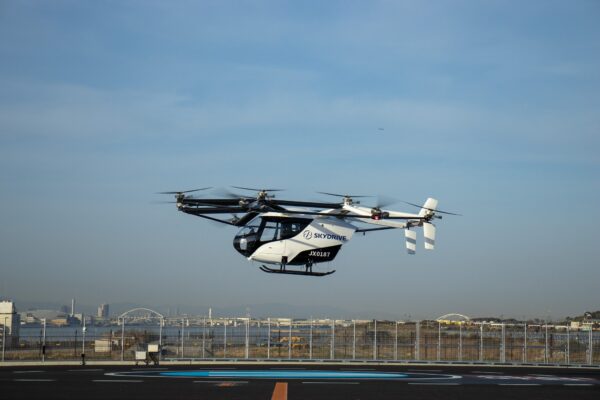
SkyDrive, Osaka Metro Launch Japan’s First eVTOL Vertiport Consortium
SkyDrive, a company specializing in electric vertical takeoff and landing (eVTOL) aircraft and affiliated with Toyota, has announced the formation of Japan's first consortium aimed at commercializing the Osakako Vertiport located on Osaka Bay. This initiative, which includes partners such as Osaka Metro, Marubeni, Soracle, and various local governments, was unveiled on May 8, 2026. The consortium's goal is to facilitate the commercial operation and shared use of the vertiport, marking a significant step in advancing urban air mobility in Japan. By collaborating with key stakeholders, SkyDrive aims to enhance transportation options in the region and promote the integration of eVTOL technology into everyday travel.
Advanced Air Mobility Drone News Drone News Feeds Japan Drone Industry Japan Drone News News
Software Bounced Exactly Where I Wanted; What's Next?
The iShares Expanded Tech-Software Sector ETF (IGV) has experienced an 11% rebound since late June, driven by a shift in capital from semiconductor stocks. This recovery is supported by a strategic increase in the ETF's allocation to cybersecurity leaders, which now comprises 21.27% of its holdings, as these integrated platforms have been outperforming both generic software and the overall market. Major contributors to this growth include Microsoft and Oracle, which together account for 14.33% of IGV and are nearing the end of their selloff, with most downside risks already reflected in their valuations. Amrita Roy, an investment strategist based in Vancouver, plans to increase her holdings in IGV and select software stocks if technical indicators confirm a positive trend. She emphasizes the importance of monitoring price movements relative to the 200-day moving average and broader market trends. Roy, who runs a family office fund focused on sustainable growth investments, aims to provide accessible financial insights through her award-winning newsletter, The Pragmatic Optimist.
SMH ORCL MSFT PANW CRWD FTNT
Chasing rumors: Car CEO's departure untrue; WeChat tests native AI assistant; Apple, Tesla supplier data leaked.
On June 23, the ChiNext Index experienced its largest decline of the year, falling over 4% during trading and closing down 3.84%, dipping below the critical 4200-point mark. This downturn followed a record high set just a day prior. The trading volume for the day reached approximately 901.65 billion yuan, a decrease of 118.9 billion yuan from the previous day. All ten of the index's top-weighted stocks saw declines, particularly those in the AI computing sector. In a separate development, Tata Electronics confirmed a significant data breach, with over 630GB of sensitive information leaked, including design and specification documents for key clients like Apple and Tesla. The company stated that it had initiated a response plan and that operations remained unaffected. Apple is reportedly conducting a thorough investigation into the incident. Meanwhile, SpaceX has entered a multi-billion dollar agreement with AI startup Reflection AI to provide computing resources, with payments set to begin in July and continue through 2029. In the robotics sector, Nvidia unveiled its "Halos for Robotics" safety system aimed at enhancing the security of physical AI applications, while Faraday Future introduced its industrial-grade robotic arm series at a robotics expo in Chicago. Additionally, Meta has paused an internal AI training program that tracked employee mouse movements due to data security concerns, and Oracle announced a workforce reduction of approximately 21,000 employees, marking a 13% decrease in its total workforce as part of a business restructuring.
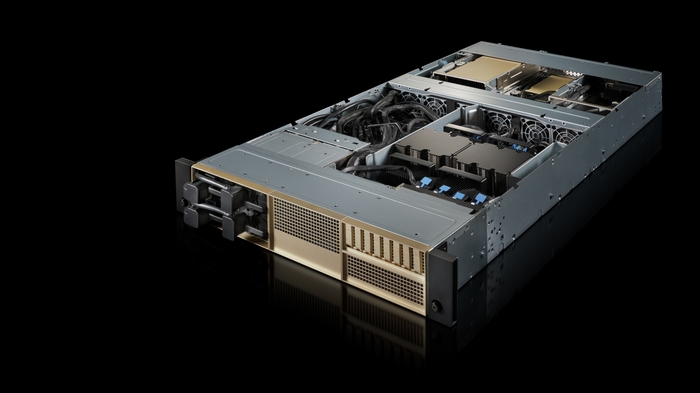
Vera Arrives: NVIDIA’s First CPU Built for Agents Lands at Top AI Labs
NVIDIA has begun delivering its highly anticipated Vera CPUs, with the first units arriving at three prominent AI laboratories on Friday. Anthropic in San Francisco, OpenAI in Mission Bay, and SpaceXAI in Palo Alto received the initial shipments, marking a significant step in advancing AI research and capabilities. Following this, Oracle Cloud Infrastructure in Santa Clara received its delivery on Monday. The introduction of the Vera CPUs is aimed at enhancing computational power for AI applications, enabling these organizations to push the boundaries of artificial intelligence technology. This rollout is part of NVIDIA's ongoing efforts to support the growing demand for advanced AI processing capabilities across various sectors.
Pentagon clears 8 tech firms to deploy their AI on its classified networks
The Defense Department has announced new agreements with several major technology companies, including Amazon Web Services, Google, Microsoft, NVIDIA, OpenAI, SpaceX, and Reflection, with Oracle joining the list shortly thereafter. This initiative, revealed in a morning announcement, aims to enhance the Department's capabilities in various technological fields. By collaborating with these industry leaders, the Defense Department seeks to leverage advanced technologies to improve national security and operational efficiency. The partnerships are expected to facilitate the integration of cutting-edge innovations into defense strategies, reflecting a commitment to staying at the forefront of technological advancements.
Networks & Digital Warfare Pentagon AI & Autonomy Amazon anthropic artificial intelligence AI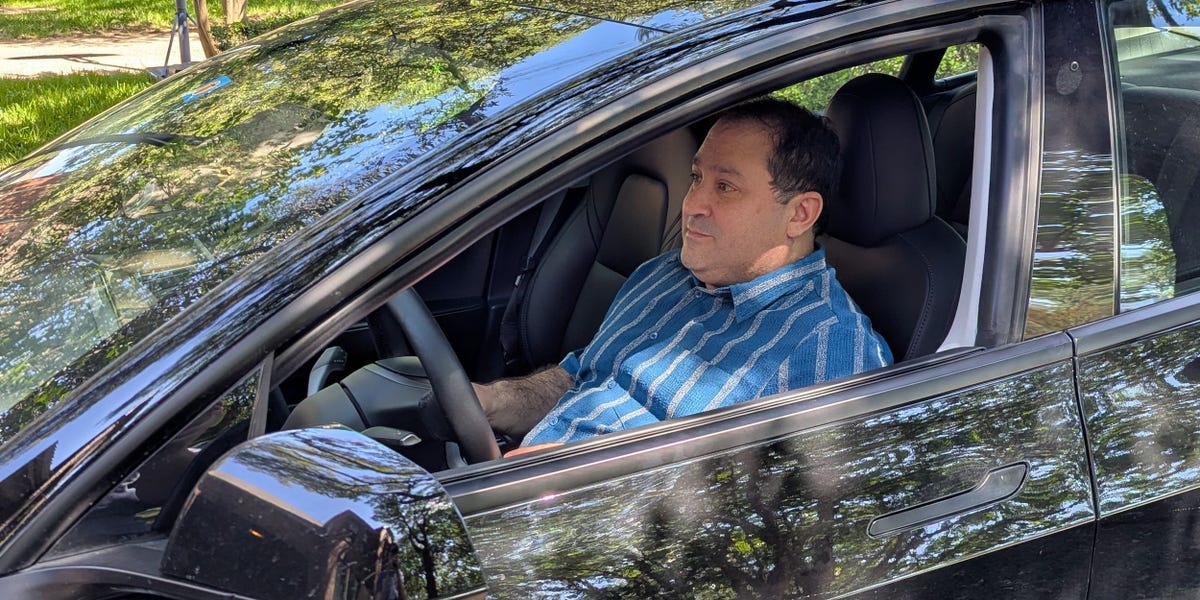
This tech exec sued Tesla over its Full Self-Driving promises — and won
Tesla's recent decision to roll back features of its Full Self-Driving (FSD) system has led to significant frustration among long-time owners of the vehicle. Many of these customers invested thousands of dollars in the promise of fully autonomous driving capabilities. The changes have raised concerns about the reliability and value of the technology, especially for those who anticipated a more advanced driving experience. This situation has unfolded in the wake of ongoing developments in autonomous vehicle technology, prompting discussions about consumer expectations and corporate accountability. As Tesla navigates the complexities of software updates and regulatory scrutiny, the impact on customer satisfaction and trust remains a critical issue for the company.
Tech Transportation tesla fsd robotaxis oracleRobotics needs a service framework.
RSF defines a common language for robot service capability, lifecycle operations, certification pathways, and service-provider networks.