Industry Briefing
A single destination for timely, editor-curated robotics news from around the world.
Oak Ridge National Lab reveals ‘hidden workforce’ behind AI-powered research facilities
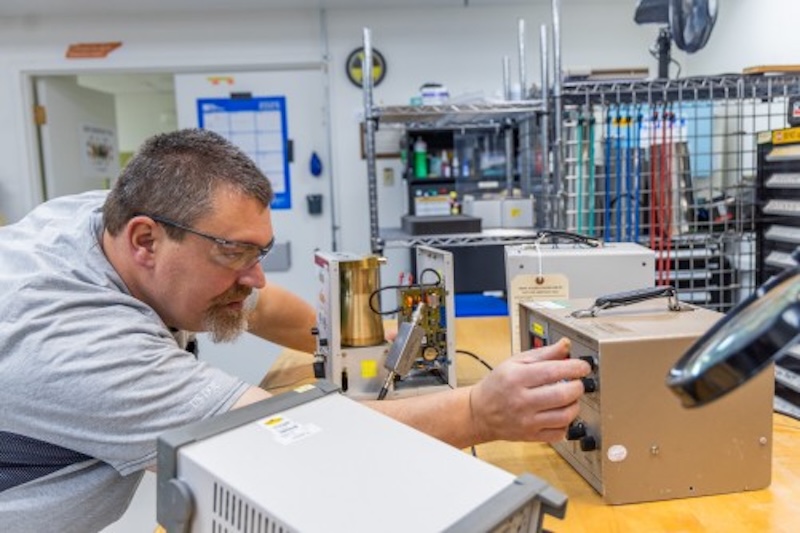
By Clint Keaton Behind every self-driving laboratory at the US Department of Energy’s Oak Ridge National Laboratory is a team most people never see. Facilities and Operations (F&O) workers are building and maintaining the infrastructure that makes autonomous science possible. Autonomous labs run with little human intervention. Instead, they rely on robotics, sensors and automation […]
Autonomous Vehicles Features Science artificial intelligence autonomous laboratories autonomous science
Fusion to quantum: 9 projects lined up for US’ new Discovery supercomputer
America's next major exascale supercomputer, named Discovery, is set to tackle its inaugural scientific challenges. This advanced computing system, which represents a significant leap in processing power, is designed to handle complex simulations and data analysis that were previously unattainable. Scheduled to begin operations in the coming months, Discovery will be located at Oak Ridge National Laboratory in Tennessee. The motivation behind developing such a powerful supercomputer stems from the need for enhanced computational capabilities to address pressing scientific questions and accelerate research across various fields, including climate modeling, drug discovery, and materials science. By leveraging its unprecedented speed and efficiency, researchers aim to gain deeper insights and make breakthroughs that could have far-reaching implications for both science and society. The operationalization of Discovery involves collaboration among leading scientists and engineers who will utilize its capabilities to run extensive simulations and analyze large datasets. This initiative not only underscores America's commitment to maintaining leadership in high-performance computing but also highlights the growing importance of advanced technology in solving some of the world's most complex challenges.
AI and Robotics
NVIDIA Vera CPU Opens the Way for Agentic Scientific AI at Los Alamos National Laboratory
Los Alamos National Laboratory (LANL) is set to enhance its computational capabilities with the development of new supercomputers, named Mission, Vision, and Veritas, in collaboration with HPE and NVIDIA. This initiative aims to harness NVIDIA Vera CPUs to significantly accelerate scientific discovery and advance the integration of agentic AI in scientific research. The project underscores LANL's commitment to leveraging cutting-edge technology to address complex scientific challenges. The supercomputers are expected to play a crucial role in various research domains, facilitating breakthroughs that could have far-reaching implications for science and technology.

Cranfield Aerospace Solutions (CAeS) unveils ST-5 ‘Stingray’ Multi-Role Long-Endurance Drone and signs MoU with National Oceanography Centre to enter into a strategic collaboration
Cranfield Aerospace Solutions (CAeS), a pioneering aerospace company based in the UK, has entered into a Memorandum of Understanding with the National Oceanography Centre (NOC), a prominent institution in oceanographic research with over 60 years of history. This collaboration aims to leverage CAeS's innovative aerospace technologies alongside NOC's extensive expertise in oceanography to advance research and development in marine environments. The agreement was finalized recently, marking a significant step in fostering partnerships that bridge aerospace and marine science. By combining their strengths, both organizations seek to address pressing challenges related to ocean health and sustainability, demonstrating a commitment to addressing environmental issues through technological innovation.
cranfield aerospace solutions (caes) st-5 ‘stingray’ multi-role long-endurance drone mou national oceanography centre (noc)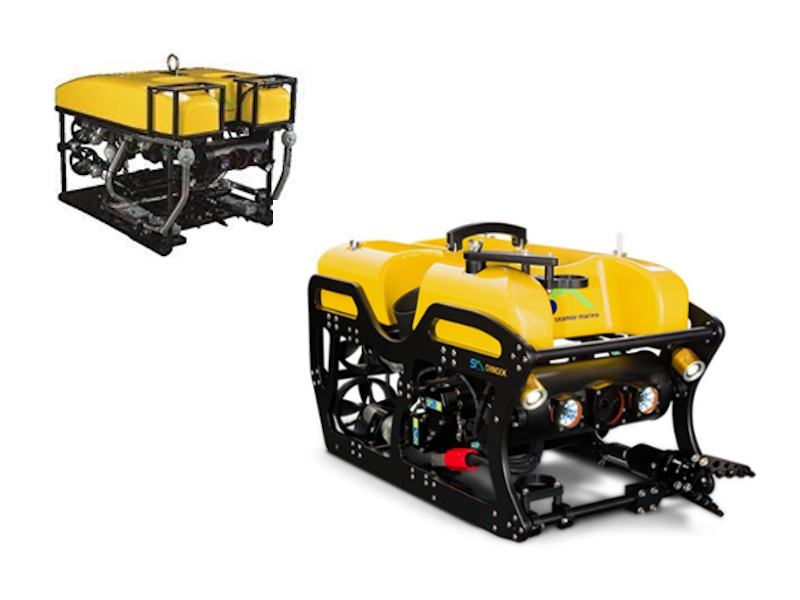
Phoenix International Expands Underwater Inspection Capabilities with Acquisition of Two New ROVs
Phoenix International Holdings, Inc., a leader in underwater solutions, has bolstered its fleet of Remotely Operated Vehicles (ROVs) with the acquisition of two new inspection-class units, a Chinook and a Mako, manufactured by SEAMOR Marine. This strategic enhancement, announced recently, aims to improve the company’s operational capabilities in inland and nearshore environments. The new ROVs will be instrumental in conducting bridge and dam inspections, as well as surveys for offshore wind farms, thereby expanding Phoenix's service offerings in critical infrastructure assessments.
phoenix international expansion acquisition rovs chinook rov mako rov
The NavalX Mid-Atlantic Tech Bridge (MATB) and 757 Collab have launched the Defense Technology Accelerator
The NavalX Mid-Atlantic Tech Bridge (MATB) and 757 Collab have announced the launch of the Defense Technology Accelerator, a program aimed at expediting the development of dual-use technologies that can benefit the Department of Defense (DoD). This initiative is part of a broader effort to enhance technological innovation and collaboration within the defense sector. The application window for the inaugural cohort is set to close on April 30, 2025, providing a limited timeframe for interested participants to submit their proposals. The accelerator seeks to foster partnerships between startups and the DoD, ultimately driving advancements that can address national security challenges.
navalx mid-atlantic tech bridge (matb) 757 collab defense technology accelerator
Cambridge’s new robot could help solve millions of years old evolution mystery
A team of scientists from Cambridge University has unveiled a groundbreaking robot designed to assist in unraveling complex biological processes. This innovative technology, introduced on October 15, 2023, aims to enhance research in the field of genetics and molecular biology. The robot operates by automating intricate laboratory tasks, which traditionally required significant human intervention, thereby increasing efficiency and accuracy in experiments. The motivation behind this development stems from the growing need for advanced tools that can accelerate scientific discovery and improve the understanding of genetic disorders. By streamlining repetitive tasks, the robot allows researchers to focus on more critical aspects of their studies, potentially leading to faster breakthroughs in medical research. The team utilized cutting-edge artificial intelligence and machine learning algorithms to program the robot, enabling it to adapt and learn from its environment. This adaptability is expected to make the robot a valuable asset in various research settings, paving the way for more innovative approaches to tackling biological challenges. As the scientific community continues to seek solutions to pressing health issues, this robot represents a significant step forward in leveraging technology to enhance research capabilities and outcomes.
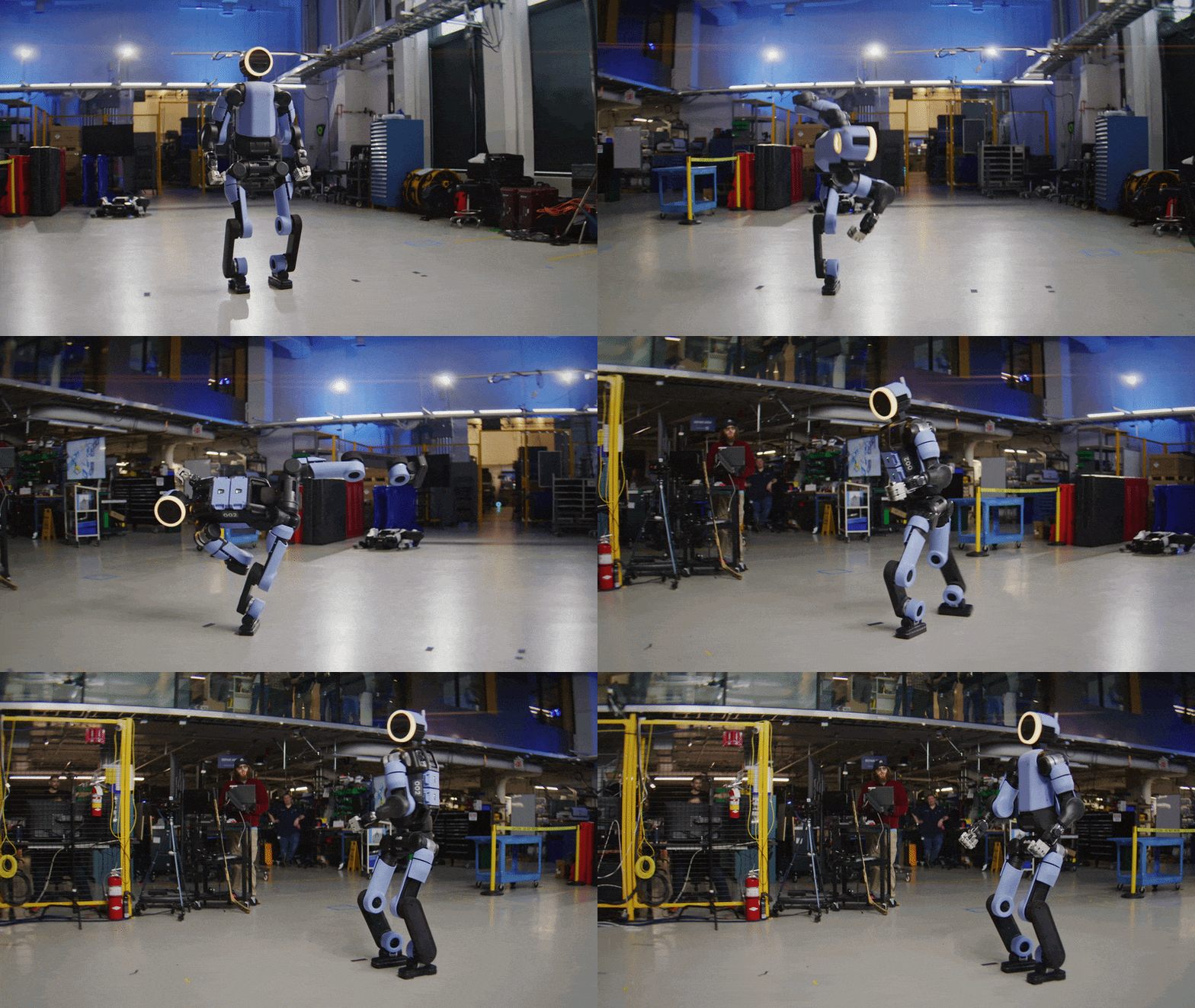
Video Friday: Atlas Versus a Fridge
IEEE Spectrum robotics has released its latest edition of "Video Friday," showcasing a variety of innovative robotics videos and announcing upcoming robotics events scheduled for 2026. Notable events include ICRA 2026 in Vienna from June 1-5, and the Summer School on Multi-Robot Systems in Prague from July 29 to August 4. Among the highlights, Boston Dynamics' Atlas robot demonstrates significant advancements in strength and adaptability, showcasing its ability to lift heavy objects and navigate complex environments using advanced reinforcement learning and control systems. This marks a pivotal moment for humanoid robots as they transition from laboratory settings to dynamic industrial applications. Additionally, the SpikerBot, a robot designed to be programmed by wiring neurons instead of traditional coding, has successfully reached its funding goal on Kickstarter. Other innovations include wheeled-legged robots that enhance mobility and a biomimetic robotic hummingbird developed at the Advanced Vertical Flight Laboratory, which mimics natural flight dynamics. The release also features advancements in construction technology, with Dusty Robotics introducing the FieldPrinter 2, a more efficient and intelligent version of its predecessor, and Noble Machines showcasing their autonomous robots designed for hazardous industrial tasks at NVIDIA GTC 2026. These developments reflect a broader trend in robotics, where technology is increasingly integrated into real-world applications, enhancing efficiency and safety across various industries.
Humanoid-robots Video-friday Robot-videos Educational-robots Biomimetics Quadruped-robots
Hand Tracking Streamer: A Practical Bridge from Quest Hand Tracking to Robotics Teleoperation and Data Collection
In the field of research, the integration of high-fidelity hand-telemetry systems is frequently achieved through the use of specialized coding and tailored interfaces. These solutions are typically designed to function effectively within the confines of a specific laboratory setup, a particular machine, or a singular demonstration. This approach, while effective in isolated environments, raises concerns about scalability and adaptability across different research contexts. As researchers strive for more versatile and universally applicable systems, the reliance on bespoke solutions may hinder collaboration and innovation in the broader scientific community. The ongoing challenge is to develop standardized frameworks that can accommodate diverse setups while maintaining the high fidelity required for accurate telemetry data.
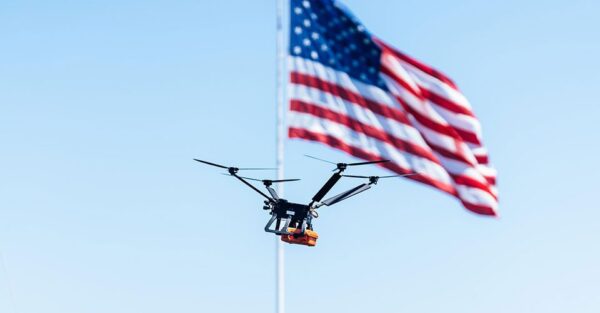
How DHS Is Helping World Cup Host Cities Get Counter-UAS Ready Before FIFA 2026
The Department of Homeland Security (DHS) is enhancing security measures in cities hosting the FIFA World Cup 2026 by providing guidance on counter-drone technology. As part of a broader initiative to establish effective counter-unmanned aerial systems (UAS) protocols, the DHS aims to protect high-profile sporting events and critical infrastructure from potential threats posed by drones. This effort is crucial as the tournament approaches, ensuring that host cities are adequately prepared to mitigate risks associated with careless or hostile drone activity. The collaboration underscores the importance of safeguarding public safety during major international events.
Defense DHS Drone News Drone News Feeds Drones in the News News
New tech keeps power grids stable as data centers put more strain on electricity
Researchers at Sandia National Laboratories have unveiled a groundbreaking software platform designed to enhance the management of distributed energy resources. This innovative tool aims to optimize the integration of renewable energy sources into existing power grids, addressing the growing demand for sustainable energy solutions. The announcement was made on October 10, 2023, during a technology showcase at the laboratory's facilities in Albuquerque, New Mexico. The motivation behind this development stems from the increasing need for efficient energy management systems that can accommodate the variable nature of renewable energy sources, such as solar and wind. By utilizing advanced algorithms and real-time data analytics, the platform enables utilities and energy providers to better predict energy supply and demand, ultimately leading to a more reliable and resilient power infrastructure. The software operates by aggregating data from various energy sources and employing machine learning techniques to enhance decision-making processes. This allows for improved coordination among energy producers, consumers, and grid operators, facilitating a smoother transition to a more sustainable energy landscape. As the world moves towards cleaner energy solutions, this platform represents a significant step forward in harnessing the potential of distributed energy resources.
AI and Robotics
Guide to CIEI 2026: Exhibitor Brands, Events, Transportation, and Accommodation
The Shanghai International Embodied Intelligence Industry Expo is set to debut from July 2 to July 4, 2026, at the National Exhibition and Convention Center. This inaugural event aims to bridge the gap between global supply and demand in the field of embodied intelligence technology. Attendees can expect to engage with leading exhibitors, participate in industry discussions, and witness competitions that highlight the latest advancements in this rapidly evolving sector. The expo seeks to foster collaboration and innovation, positioning itself as a pivotal platform for professionals and enthusiasts alike in the embodied intelligence industry.
Embodied Intelligence Industry Expo Robotics Supply Chain Technology Events
Artificial skin enables robots to simultaneously sense temperature and pressure like humans
A research team from Seoul National University, headed by Professor Seung Hwan Ko, has made significant advancements in artificial skin technology that allows robots to detect both temperature and pressure simultaneously, mimicking the sensory capabilities of human skin. This breakthrough, announced recently, aims to enhance the interaction between robots and their environments, potentially leading to more sophisticated applications in fields such as healthcare, manufacturing, and service industries. By integrating advanced sensors and materials, the team has developed a system that not only improves robotic sensitivity but also paves the way for more intuitive human-robot interactions. The research highlights the ongoing efforts to bridge the gap between human and robotic capabilities, with the ultimate goal of creating machines that can operate safely and effectively alongside people.
Robotics
Agility Robotics to Go Public Through Merger with Churchill Capital Corp XI
On June 24, 2026, a significant breakthrough in renewable energy technology was announced by a team of researchers at the National Renewable Energy Laboratory in Golden, Colorado. The team unveiled a new solar panel design that boasts a 50% increase in efficiency compared to existing models. This advancement comes in response to the growing demand for sustainable energy solutions amid escalating climate change concerns and the need for reduced carbon emissions. The innovative solar panels utilize a novel material that enhances light absorption and conversion, allowing for greater energy output even in low-light conditions. Researchers conducted extensive testing over the past two years to refine the technology, ensuring it is both cost-effective and scalable for widespread use. This development is expected to play a crucial role in accelerating the transition to clean energy sources, potentially reducing reliance on fossil fuels and contributing to global efforts to combat climate change. The team plans to collaborate with manufacturers to bring the new panels to market within the next year, aiming to make renewable energy more accessible to consumers and businesses alike.

US: Los Alamos lab’s new tool detects hallucinations in machine vision models
Researchers at Los Alamos National Laboratory have unveiled a groundbreaking tool named Prelim Attention, designed to enhance the analysis of complex data sets. This innovative tool, which leverages advanced machine learning techniques, aims to streamline the process of identifying significant patterns and insights within large volumes of information. The development was announced in October 2023, highlighting the laboratory's commitment to advancing data science and its applications in various fields. The motivation behind creating Prelim Attention stems from the increasing demand for efficient data analysis solutions in scientific research, national security, and other sectors that rely heavily on data interpretation. By improving the capability to focus on critical data points, the tool is expected to facilitate more informed decision-making and accelerate research outcomes. The researchers employed a combination of algorithms and user-friendly interfaces to ensure that Prelim Attention can be utilized effectively by both experts and non-experts alike. This approach not only enhances accessibility but also broadens the potential user base, allowing a wider range of professionals to benefit from its capabilities. The introduction of Prelim Attention marks a significant advancement in the field of data analysis, promising to transform how researchers and analysts approach complex data challenges in the future.
AI and Robotics
NVIDIA Research Advances Robotics From Simulation to the Real World
At the International Conference on Robotics and Automation (ICRA), NVIDIA Research showcased advancements in robotics that signal a significant shift towards achieving reliable embodied autonomy in real-world applications. This transition marks a departure from traditional controlled demonstrations and scripted automation, emphasizing the need for robots to operate effectively in unpredictable environments. The event, held recently, highlighted eight innovative projects that illustrate how robotics can adapt and function autonomously outside of laboratory settings. This evolution is driven by the increasing demand for robots to perform complex tasks in diverse scenarios, enhancing their utility across various industries. By leveraging cutting-edge technology and research, NVIDIA aims to pave the way for a future where robots can seamlessly integrate into everyday life, improving efficiency and productivity.
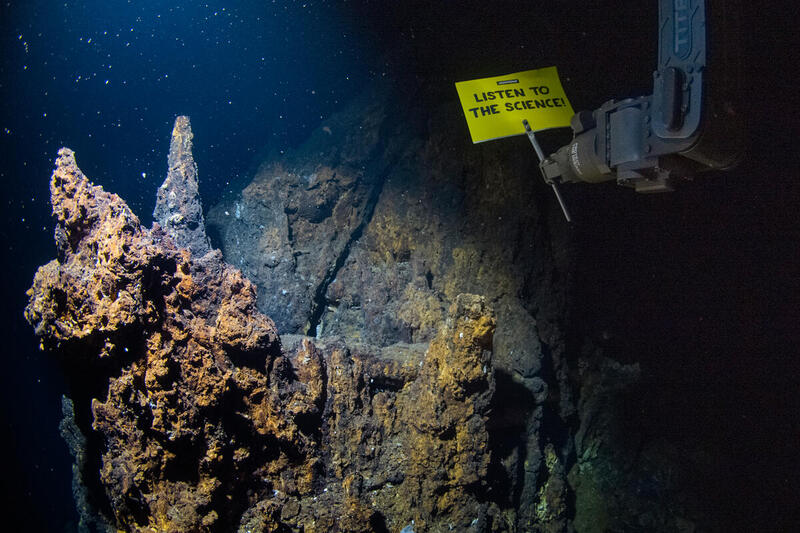
Greenpeace robot stages deepest-ever seabed protest
In a groundbreaking initiative, Greenpeace has launched an underwater robot to conduct a scientific survey of vulnerable deep-sea ecosystems along the Arctic Mid-Ocean Ridge. This event marks the deepest banner protest ever executed from the seabed, occurring at a depth of 2,300 meters. The robot displayed a powerful message urging global leaders to heed scientific advice, stating, “LISTEN TO THE SCIENCE!” The campaign aims to raise awareness about the urgent need for action to protect these unexplored marine environments. Dr. Sandra Schöttner, a key figure in the initiative, emphasized the importance of scientific research in informing policy decisions regarding environmental conservation. This innovative protest not only highlights the threats facing deep-sea ecosystems but also seeks to galvanize international attention and action on climate change and marine protection.
Environment News Arctic Ocean automation news autonomous underwater vehicles climate change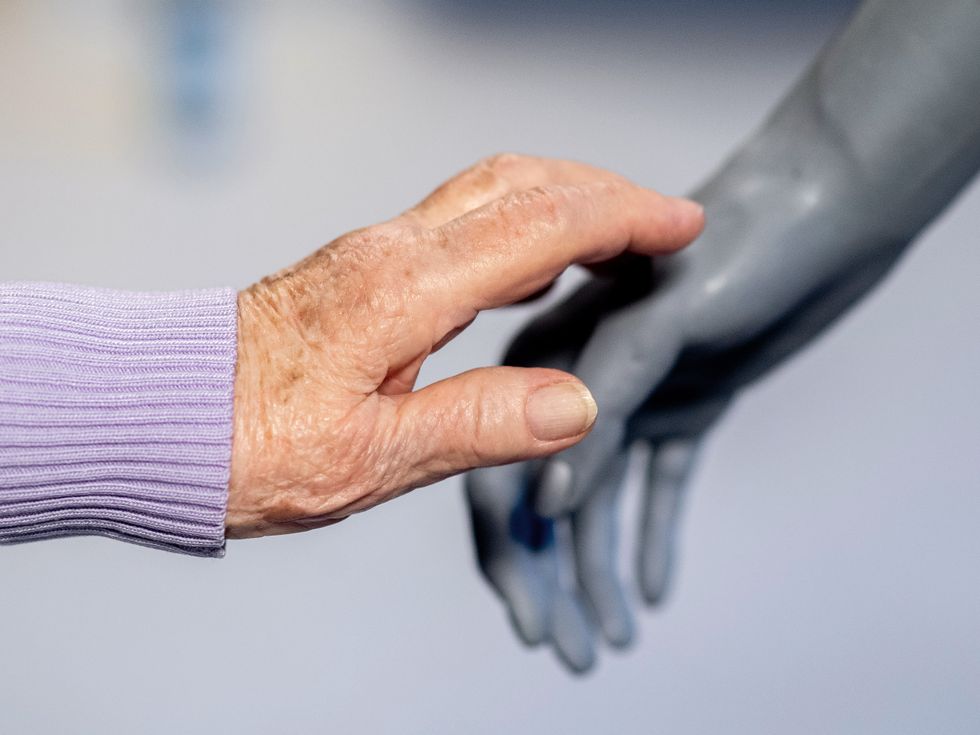
Home Robot Safety Is All About Relationships
The International Standards Organization (ISO) is in the process of updating its safety requirements for personal care robots, a revision that has not occurred in 12 years. This update comes at a crucial time as manufacturers transition from laboratory prototypes to products designed for real-world domestic environments. The proposed changes focus on hazard identification and risk assessment but lack binding compliance criteria and testing methods to address the complexities of human-robot interactions. Jae-Seong Lee, a technology policy researcher from South Korea's Electronics and Telecommunications Research Institute, emphasizes that safety in domestic settings is not merely about avoiding collisions; it involves understanding the dynamic relationship between humans and robots. Current standards, such as ISO 13482, acknowledge various hazards but do not fully translate this knowledge into enforceable rules. The challenge lies in ensuring that robots can operate safely in unpredictable home environments, which differ significantly from controlled industrial settings. Moreover, the standards process has been criticized for not adequately representing the perspectives of older adults, who are often the primary users of these robots. Lee warns that if safety assumptions are embedded in products without thorough scrutiny, it could lead to significant risks, including potential injuries. He advocates for a shift in focus from machine-centric safety measurements to a more holistic approach that considers the interactions between humans and robots. This revision aims to address these pressing concerns, although many unresolved issues remain in advisory language rather than binding regulations.
Home-robots Domestic-robots Standards Iso Robot-safety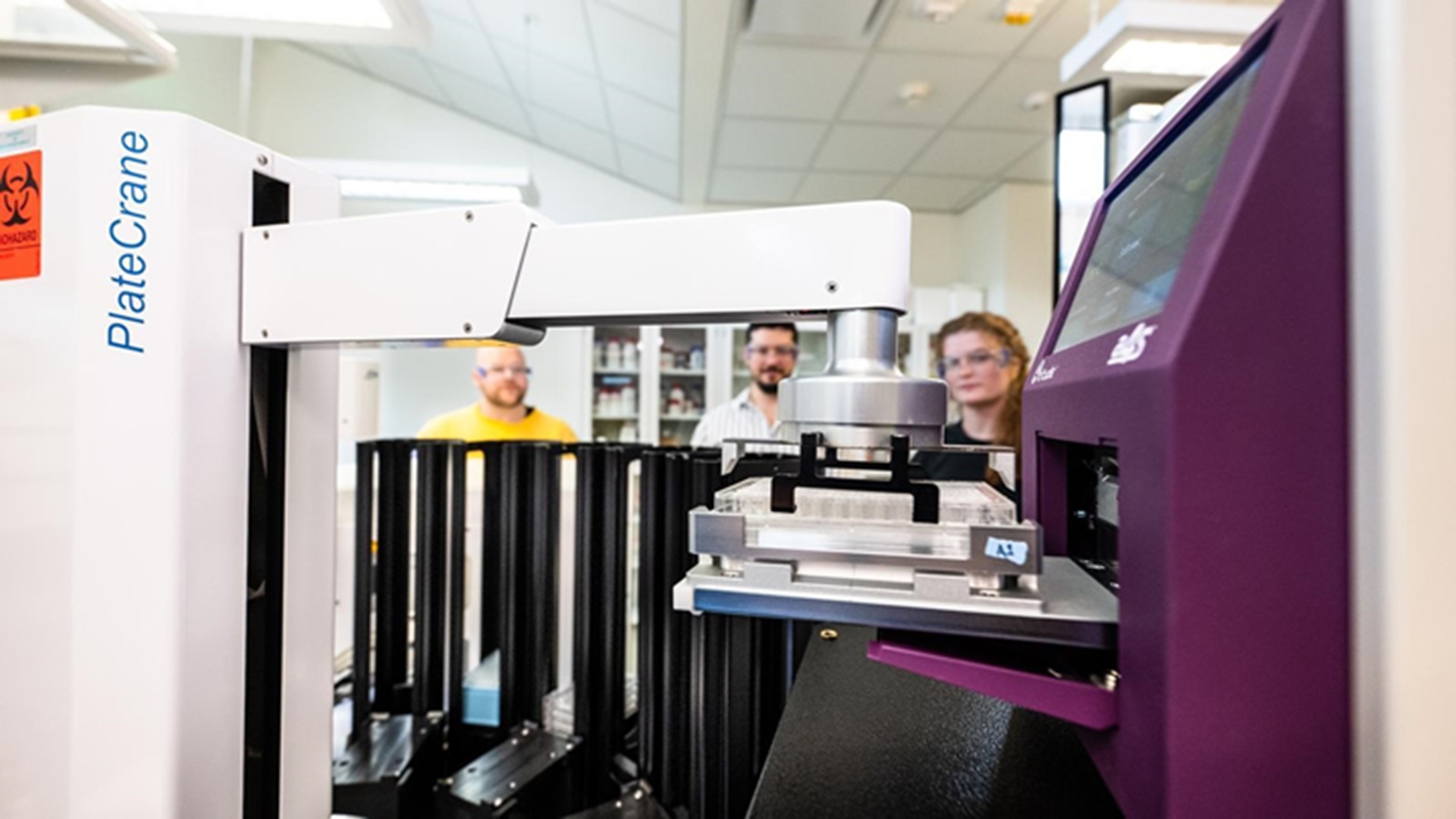
US scientists are building autonomous robots that can learn directly from researchers
Researchers at Argonne National Laboratory are advancing the field of laboratory automation by creating AI-powered robotic assistants capable of learning and performing various laboratory procedures. This innovative project aims to enhance efficiency and accuracy in scientific research, addressing the growing demand for streamlined processes in laboratories. The development is part of a broader effort to integrate artificial intelligence into everyday scientific tasks, allowing researchers to focus on more complex problem-solving. As the project progresses, the team is exploring various machine learning techniques to enable these robots to adapt and improve their skills over time. This initiative is expected to revolutionize how experiments are conducted, ultimately accelerating the pace of scientific discovery.

Defense Department increases microelectronics workforce program contract to $100M
A consortium led by Purdue University, known as SCALE, is working to cultivate a skilled technical workforce to support Department of Defense (DOD) technologies. This initiative involves collaboration with 35 educational institutions, including notable partners like Arizona State University. The program is designed to address the growing demand for specialized skills in the defense sector, ensuring that students are equipped with the necessary training and expertise. By fostering partnerships between academia and the DOD, SCALE aims to enhance the pipeline of talent ready to meet the technological challenges faced by the military. The initiative reflects a strategic effort to bridge the gap between education and industry needs, ultimately strengthening national security through a well-prepared workforce.
New 3D-printed battery electrodes double storage capacity across 7,500 charge cycles
Researchers at Lawrence Livermore National Laboratory (LLNL) have unveiled an innovative 3D-printed electrode design aimed at enhancing electrochemical processes. This breakthrough, announced recently, promises to improve the efficiency and performance of energy storage systems, such as batteries and fuel cells. The development comes in response to the growing demand for advanced energy solutions that can support sustainable technologies and reduce reliance on fossil fuels. By leveraging 3D printing techniques, the team has created a more intricate and optimized electrode structure that allows for better ion flow and increased surface area, ultimately leading to higher energy density and faster charging times. This advancement could play a crucial role in the transition to cleaner energy sources, addressing both environmental concerns and the need for more efficient energy storage solutions in various applications.
What Happened When We Set Up a Robotics Lab in a Mall
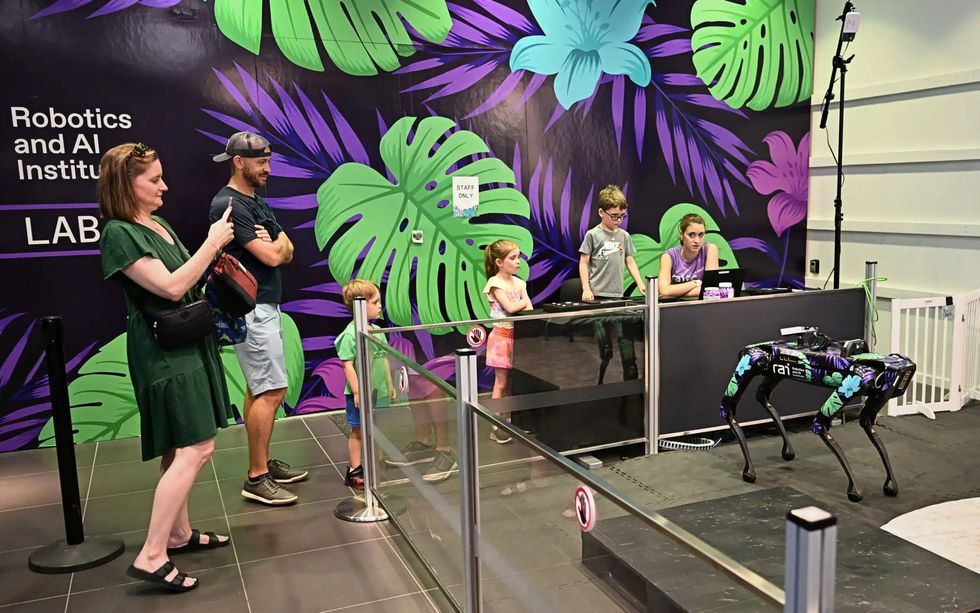
In summer 2025, the RAI Institute launched a free pop-up robot experience at the CambridgeSide mall, aimed at enhancing public understanding and comfort with robotics. This initiative came in response to a growing divide between sensational media portrayals of robots and the public's lack of direct experience with them. The event featured a museum showcasing historical and modern robots, alongside an interactive driving arena where visitors could control the Spot quadruped robot using a specially designed adaptive controller. Over approximately 10,000 visitors, 10 percent participated in surveys before and after their driving experience. Results indicated a significant increase in comfort levels across various contexts, particularly in outdoor and domestic scenarios, where initial skepticism was highest. Many participants reported feelings of excitement and happiness after interacting with the robot, with a notable shift in their perceptions of robots as potential companions rather than mere labor replacements. The findings suggest that hands-on experiences can effectively alter public attitudes towards robots, fostering acceptance in environments where ambivalence is prevalent. The RAI Institute plans to continue exploring these interactions to further understand their impact on societal attitudes towards robotics. This research was presented at the 2026 ACM/IEEE International Conference on Human-Robot Interaction in Edinburgh, Scotland.
Boston-dynamics Legged-robots Spot-robot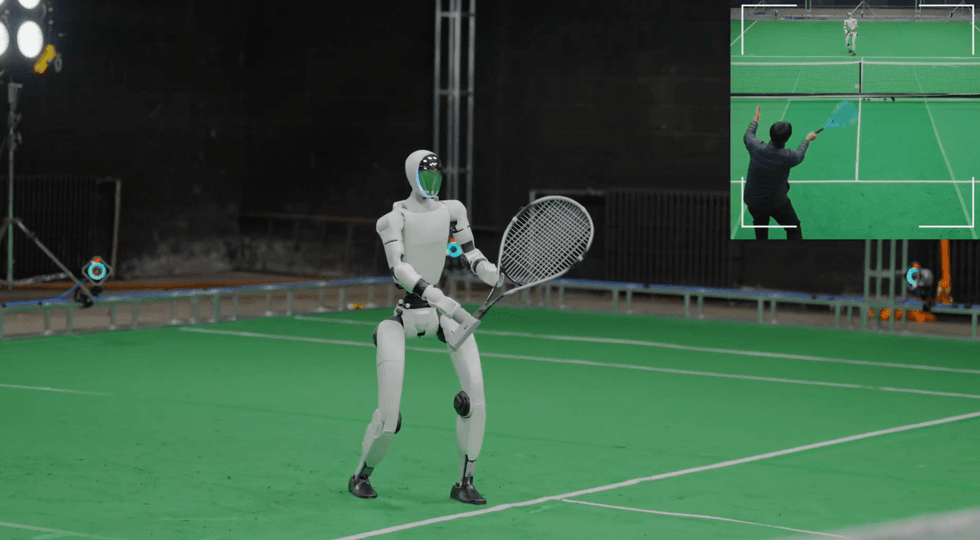
Video Friday: Humanoid Learns Tennis Skills Playing Humans
IEEE Spectrum robotics has released its latest edition of Video Friday, showcasing a variety of innovative robotics videos and announcing upcoming events in the field. Notable events include the International Conference on Robotics and Automation (ICRA) scheduled for June 1-5, 2026, in Vienna, and a Summer School on Multi-Robot Systems from July 29 to August 4, 2026, in Prague. Among the featured advancements, researchers have developed LATENT, a system designed to teach humanoid robots tennis skills by learning from imperfect human motion data. This innovation addresses the challenges of replicating human-like athleticism in robotics. Additionally, a breakthrough has been achieved in robotic manipulation, with a robot successfully peeling an apple using dual dexterous hands, showcasing significant progress in bimanual tasks. The development of MoDE-VLA, a control system that integrates vision, language, force, and touch data, further enhances the robot's ability to perform complex tasks with stability and precision. This shared-autonomy approach allows human operators to guide robots in executing intricate movements. In other highlights, collaborations between Tesollo and Hanyang University have led to advancements in robotic hand technology, while the Fluent Robotics Lab at the University of Michigan is set to present a paper on operational PR2 robots. The KAIST DRCD Lab has also demonstrated the capabilities of its humanoid robot, trained through deep reinforcement learning. As robotics continues to evolve, these innovations reflect the ongoing efforts to bridge the gap between human-like dexterity and robotic functionality.
Humanoid-robots Video-friday Robot-locomotion Nvidia Robot-manipulation Quadruped-robots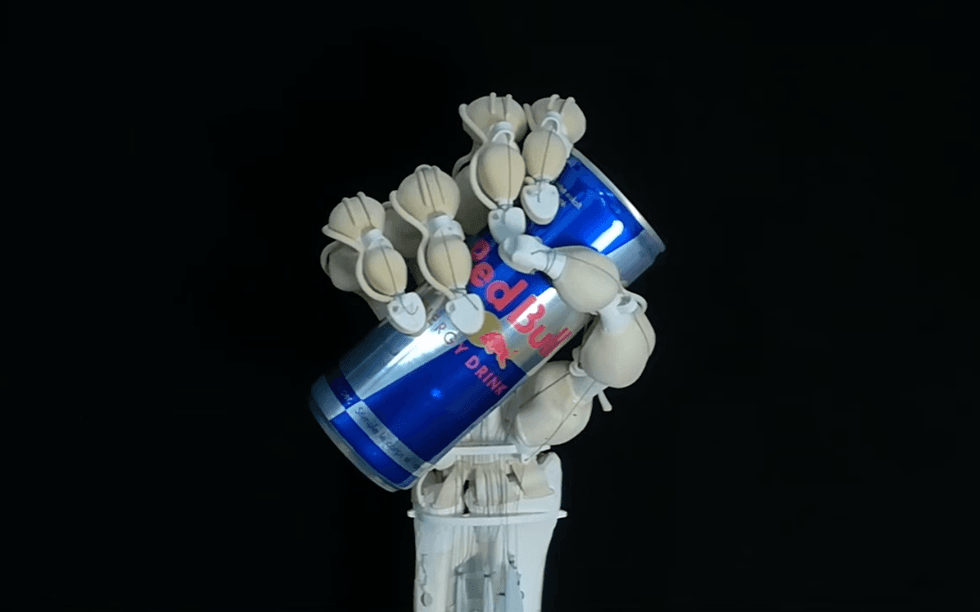
Video Friday: A Robot Hand With Artificial Muscles and Tendons
IEEE Spectrum robotics has released its weekly roundup of notable robotics videos and a calendar of upcoming events, including the International Conference on Robotics and Automation (ICRA) scheduled for June 1-5, 2026, in Vienna. This week's highlights feature advancements in biomimetic design, showcasing a printed hand that integrates soft and rigid components with artificial muscles, enhancing our understanding of natural kinematic structures. Boston Dynamics product managers reflect on classic robots, including LittleDog, which contributed to legged locomotion research over a decade ago. Additionally, DRAGON Lab has introduced a new trajectory planning method for floating-based articulated robots, facilitating exploration in complex environments. Their OmniPlanner tool has been tested extensively across various terrains, including underground mines and forests. The FZI Research Center, in collaboration with ETH Zurich and other institutions, has made strides in preparing for lunar missions by testing cooperative autonomous multirobot teams outdoors. Meanwhile, advancements in humanoid robotics are being discussed, with Kamel Saidi from NIST emphasizing the importance of performance standards for broader adoption. In academia, Junyao Shi from UPenn's GRASP lab will address the challenges of building general-purpose robots, focusing on how human data and foundation models can bridge existing gaps in robotics. This ongoing exploration of robotics technology underscores the field's rapid evolution and its potential impact on various sectors.
Humanoid-robots Video-friday Underwater-robots Bipedal-robots Robot-videos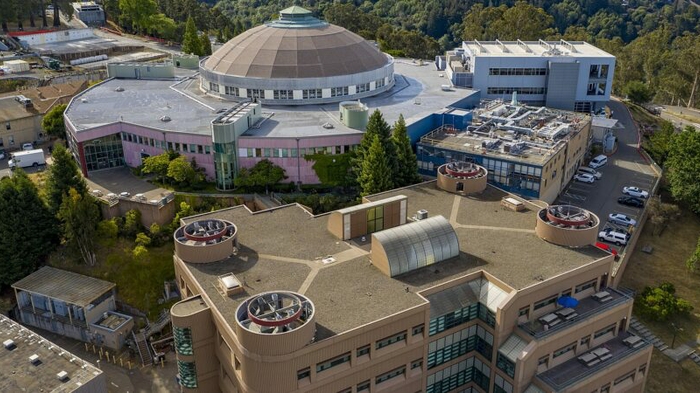
AI Copilot Keeps Berkeley’s X-Ray Particle Accelerator on Track
In Berkeley, California, researchers at the Lawrence Berkeley National Laboratory are utilizing an AI agent to enhance high-stakes physics experiments at the Advanced Light Source (ALS) particle accelerator. This innovative technology aims to improve the efficiency and accuracy of experiments conducted at the facility, which is renowned for its cutting-edge research in particle physics. The deployment of the AI agent marks a significant advancement in the integration of artificial intelligence within scientific research, as it assists scientists in analyzing complex data and optimizing experimental conditions. This initiative, launched in October 2023, reflects the growing trend of leveraging AI to accelerate discoveries in the field of physics and beyond. By streamlining processes and providing real-time insights, the AI agent is expected to contribute to groundbreaking findings at the ALS, further solidifying its position as a leader in particle acceleration research.
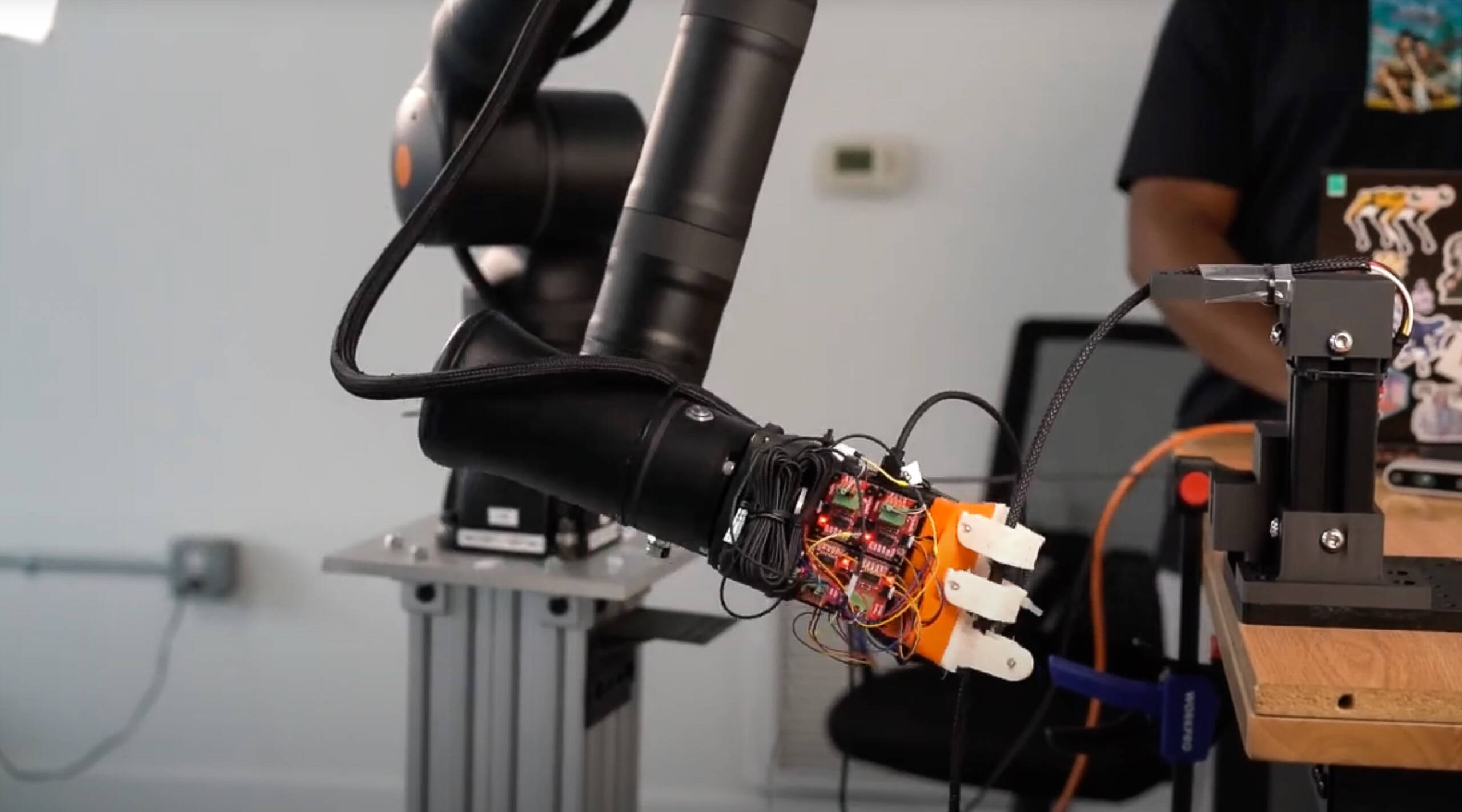
Dexterous Robots Move From Labs to Industry With NSF Support
In July, the National Science Foundation (NSF) held the kickoff meeting for phase two of its Convergence Accelerator program in Pittsburgh, where participants engaged in knowledge transfer, strategic discussions, planning, and demonstrations. Researchers from Carnegie Mellon University are spearheading efforts to develop advanced robotic hands aimed at enhancing applications in health, agriculture, and manufacturing. This initiative will receive further backing from the U.S. government, facilitating the transition of these innovative robotic technologies from laboratory settings to real-world industrial use.
Announcements ResearchRobotics needs a service framework.
RSF defines a common language for robot service capability, lifecycle operations, certification pathways, and service-provider networks.