Industry Briefing
A single destination for timely, editor-curated robotics news from around the world.

A Field‐Adaptive Mechanical Weeding System Coupling Oscillating Pneumatic Mechanism With Deep Learning for Intra‐Row Weed Control in Lettuce
The Journal of Field Robotics has published an early view article highlighting recent advancements in autonomous robotic systems. Researchers from leading universities and technology firms presented their findings on October 15, 2023, during a virtual conference focused on robotics innovation. The study emphasizes the growing importance of these systems in various sectors, including agriculture, search and rescue, and environmental monitoring. The motivation behind this research stems from the increasing demand for efficient and reliable robotic solutions capable of operating in complex environments. By integrating advanced artificial intelligence and machine learning algorithms, the researchers demonstrated how these autonomous systems can enhance operational capabilities and decision-making processes. The article details various case studies showcasing successful implementations of robotic technologies, illustrating their potential to revolutionize traditional practices. The findings suggest that as technology continues to evolve, the integration of autonomous robots will become crucial in addressing global challenges, such as food security and disaster response. This publication marks a significant contribution to the field of robotics, providing insights into future trends and encouraging further exploration of autonomous systems' applications. Researchers and industry professionals are urged to collaborate and innovate, ensuring that the benefits of these technologies are realized across multiple domains.
RESEARCH ARTICLE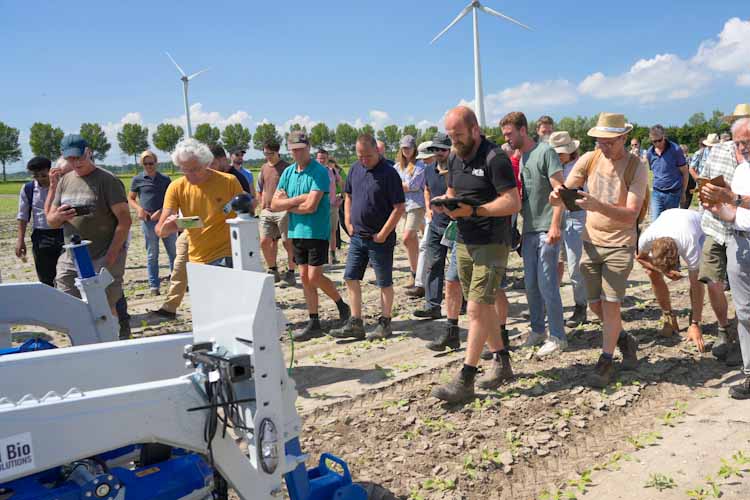
Inside the Dutch organic field day where weeding robots stole the show
Mechanical weeding has entered a new era. At the Dutch Organic FieldDay, visitors no longer questioned whether robots work, but compared how accurately they remove weeds within the crop row. Future Farming visited the demonstrations, where AI-guided hoes, laser weeders and a new hot-water robot highlighted how automation is reshaping organic crop production. Visitors soon […]
Uncategorized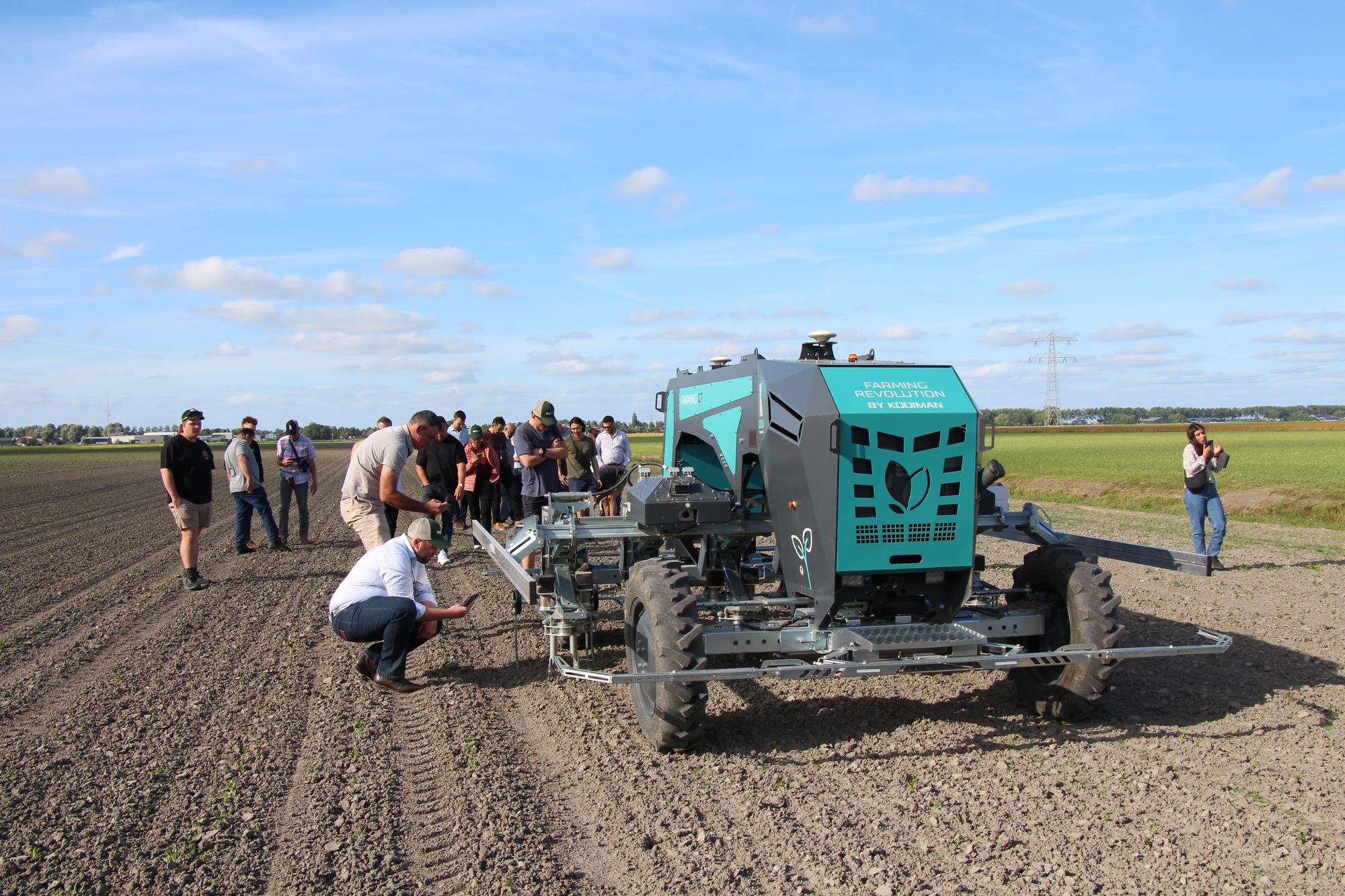
Australian Growers Gain Insights from European Study Tour on Automation and Robotics
Twenty Australian vegetable and onion growers participated in a 10-day study tour across the UK and the Netherlands, organized under the VegMech project. This initiative, led by the Department of Primary Industries (Queensland) and funded by Hort Innovation, aimed to showcase how European farmers are integrating automation and robotics into their agricultural practices. The tour provided firsthand insights into the use of technologies like the Farming GT hoeing robot, which has been effective in managing weeds in crops such as celeriac and pumpkins. With about 40 units sold in Europe, the Farming GT can hoe 8 to 10 hectares daily, addressing labor shortages and promoting sustainable weed management. Looking ahead, Australian growers are keen to explore precision agriculture solutions to enhance crop health while minimizing herbicide use. The interest in technologies like laser weeding indicates a shift towards more sustainable farming practices. No further timeline was disclosed at the time of publication.
Smart farming field robots laser weeding mechanical weeding robotic harvesting sustainable farming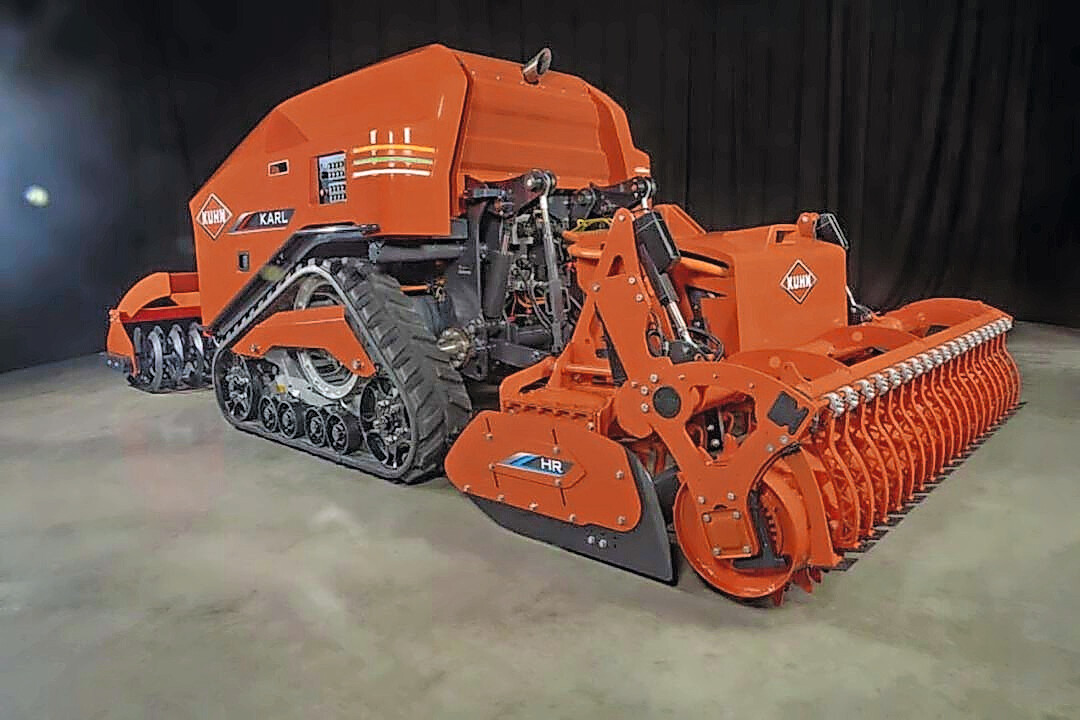
GOFAR brings ag robots to Spain for live field demos
On April 15, the GOFAR Field Day Spain will showcase over 15 agricultural robots in action at John Deere’s Parla Innovation Center, located near Madrid. This event aims to illustrate the transition of robotics from theoretical concepts to practical applications within European agriculture. By demonstrating these advanced technologies in real field conditions, the event seeks to highlight the potential benefits and efficiencies that robotics can bring to farming practices across the continent.
Field robots agricultural robots crop monitoring GOFAR mechanical weeding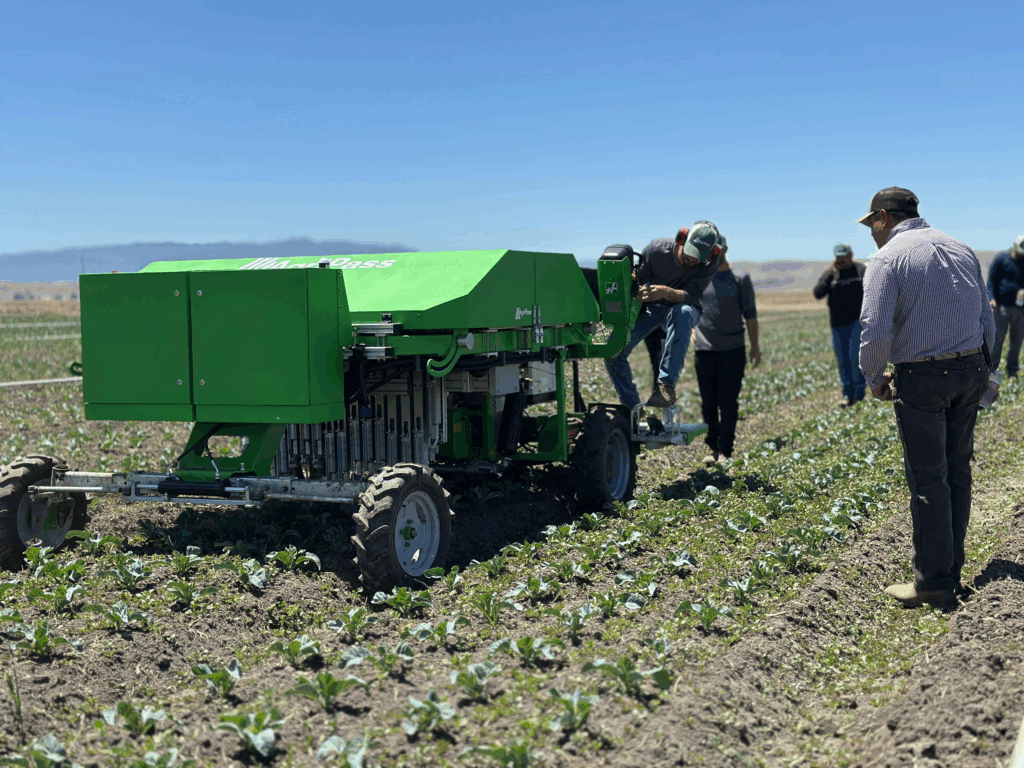
AgriPass scales AI weeding robot with $7.5M funding
AgriPass, an Israeli agricultural technology company, is advancing its AI-driven weeding robot towards large-scale deployment following the acquisition of $7.5 million in funding. The company aims to revolutionize the vegetable crop industry by replacing manual labor with an innovative system that utilizes computer vision and real-time artificial intelligence for precise mechanical weed control. This funding will enable AgriPass to enhance its technology and expand its market reach, addressing the growing demand for efficient and sustainable farming solutions.
Field robots ai israel mechanical weeder weed control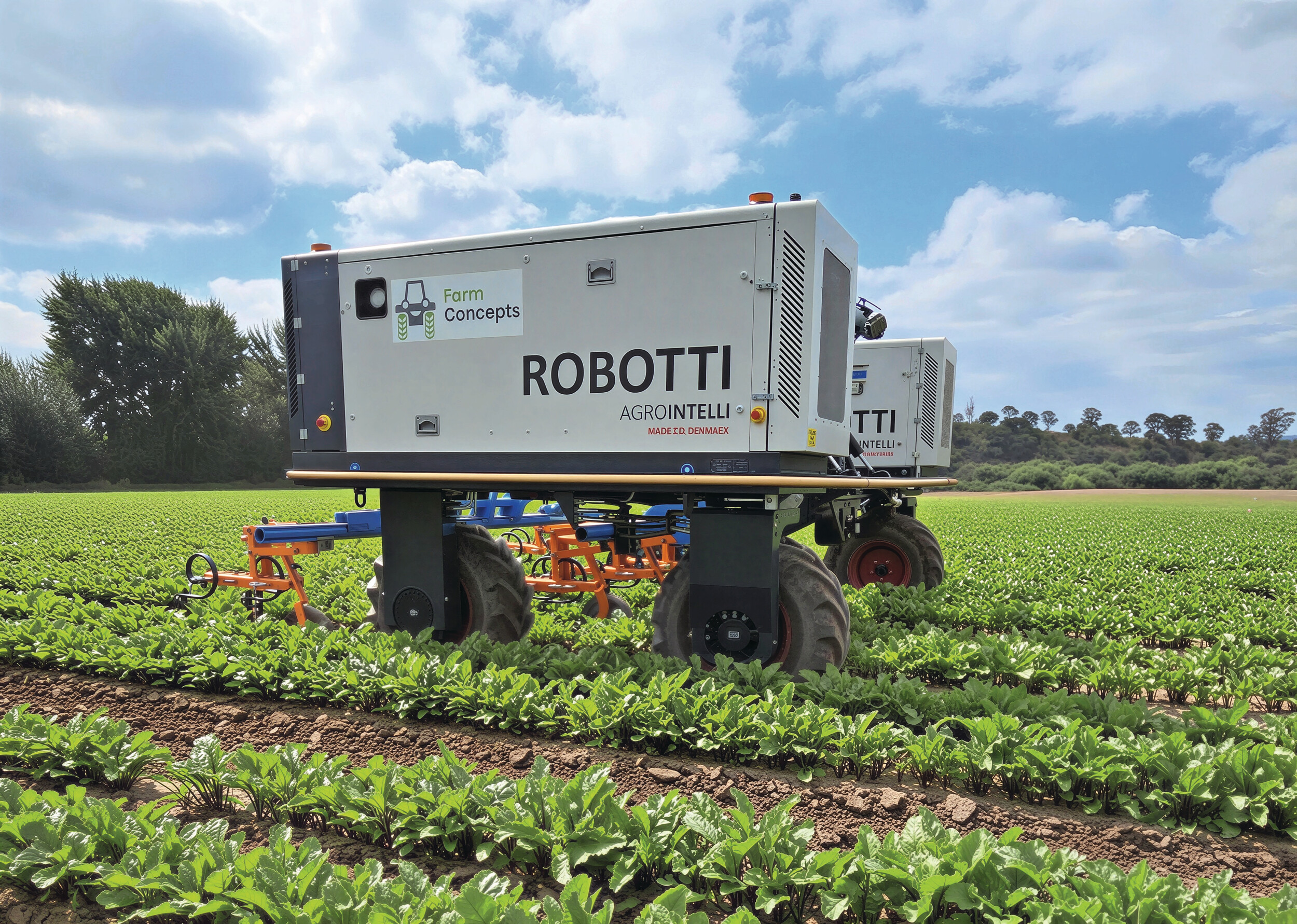
Australian vegetable farm puts 2 weeding technologies to the test
Australian organic grower Busch Organics is facing substantial time and financial burdens due to manual weeding practices. In response to these challenges, the company has conducted field trials utilizing autonomous hoeing and laser weeding technologies. These innovative approaches have shown promise in reducing the labor-intensive nature of weeding, potentially offering a more efficient and cost-effective solution for the organic farming sector. As the trials progress, Busch Organics aims to enhance its operational efficiency and sustainability in agricultural practices.
Crop solutions autonomous technology laser weeding mechanical weeder organic farming robotic harvesting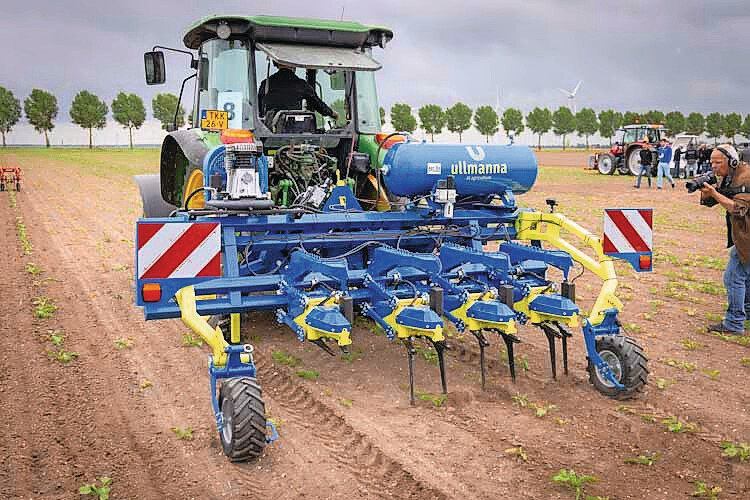
Weeding robot part of integrated weed management
A recent field trial at Wageningen University & Research (WUR) in Valthermond, Netherlands, has highlighted the necessity for growers to adopt additional methods beyond weeding robots to effectively manage weed control. The trial, which draws on practical experiences expected to be implemented by 2025, underscores the challenges faced by agricultural producers in maintaining crop health and productivity. As the agricultural sector increasingly seeks innovative solutions to combat weeds, the findings from WUR suggest that a multifaceted approach will be essential for sustainable farming practices.
Smart farming mechanical weeder precision spraying weeding robotsRobotics needs a service framework.
RSF defines a common language for robot service capability, lifecycle operations, certification pathways, and service-provider networks.