Industry Briefing
A single destination for timely, editor-curated robotics news from around the world.

MASS 2026 Conference Showcases Atlantic Canada's Defence and Technology Strengths
The 13th annual Maritime & Arctic Security & Safety Conference (MASS) is taking place in St. John's, Newfoundland and Labrador, hosted by the Atlantic Canada Aerospace & Defence Association (ACADA) and sponsored by Saab Canada, Inc. This year's conference, featuring 600 participants, is the largest to date and focuses on leveraging Atlantic Canada's capabilities in environmental management and workforce development. Newfoundland and Labrador Premier Tony Wakeham highlighted the province's strategic geopolitical position as a gateway to the Arctic and Atlantic, emphasizing its qualified workforce and unique military and civil capabilities. He stated that the region's diverse strengths create a robust defence and security ecosystem that Canada and its allies can depend on for Arctic and North Atlantic security. The conference has underscored the significance of partnerships, particularly with Indigenous communities, to foster economic participation and workforce development. Discussions included the need for advanced technology in Arctic-capable warship designs and the role of AI and machine learning in maritime surveillance, indicating a strong focus on innovation in harsh conditions.
maritime and arctic security and safety conference (mass) atlantic canada capabilities defence technology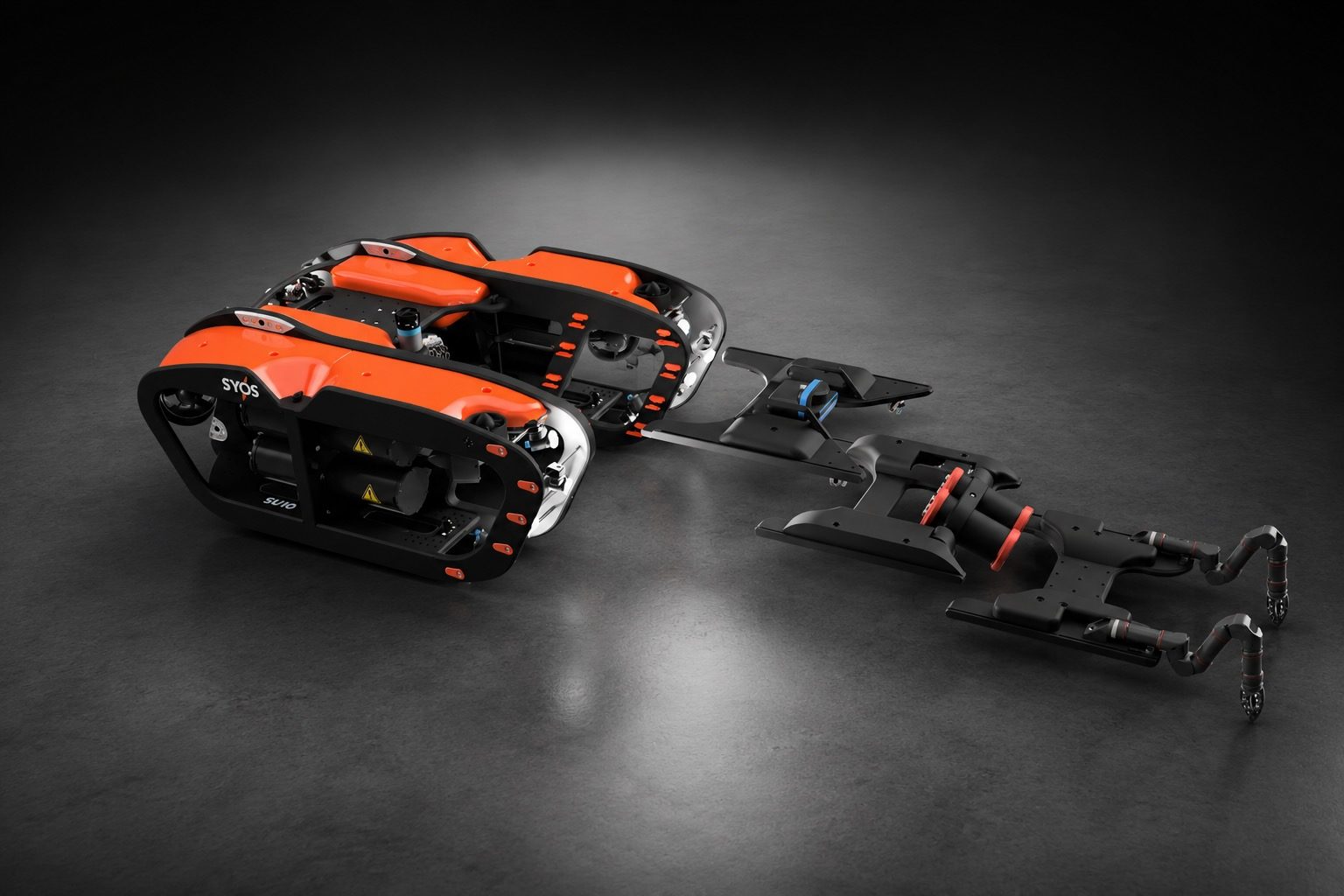
Under the Ice: New SYOS Underwater Drone Targets Maritime Security and Antarctic Exploration
SYOS, an autonomous systems company based in the UK and New Zealand, has unveiled its latest innovation, the SU10 uncrewed underwater vehicle (UUV), aimed at enhancing maritime security and supporting Antarctic exploration. The announcement was made during a recent event, marking a significant expansion of SYOS's portfolio, which previously focused on air and land operations. The introduction of the SU10 allows the company to venture into subsurface missions, addressing the growing demand for advanced technologies in multi-domain operations. This new underwater drone is designed to operate effectively in challenging environments, underscoring SYOS's commitment to developing versatile solutions for both security and exploration purposes.
Applications Arctic Drone News Drone News Feeds Dual Use News
Cellula Robotics Selected for Canadian Technology Accelerators UK Maritime Defence and Security Program
Cellula Robotics, a Canadian company specializing in advanced robotics, has been chosen to join the Maritime Defence and Security Applications of Ocean Technologies program in the United Kingdom. This opportunity comes through the Canadian Technology Accelerators (CTA) initiative, which aims to support Canadian businesses in expanding their reach in international markets. The program, scheduled to take place in the coming months, focuses on enhancing maritime defense and security capabilities through innovative ocean technologies. By participating, Cellula Robotics seeks to leverage this platform to showcase its expertise and foster collaborations that could lead to advancements in maritime safety and security.
cellula roboticsl canadian technology accelerator uk maritime defence and security program
Seasats Introduces the Lightfish Security System: A Cost-Effective, Modular ASV for Persistent Maritime Domain Awareness
Seasats, a U.S. company specializing in autonomous maritime systems, has unveiled its latest innovation, the Lightfish Security System. This advanced autonomous surface vehicle (ASV) is engineered to enhance intelligence, surveillance, and reconnaissance (ISR) capabilities across various environments, including coastal areas, harbors, and open oceans. The launch of the Lightfish Security System aims to address the growing demand for persistent maritime monitoring and security solutions. By integrating cutting-edge technology, Seasats seeks to provide a reliable tool for maritime operations, ensuring enhanced safety and operational efficiency in critical areas.
seasats lightfish security system modular asv persistent maritime domain awareness
MASS and Littoral OpTech Conferences Converge in Atlantic Canada
In a significant development, the U.S. Navy has announced the successful completion of a series of advanced training exercises aimed at enhancing operational readiness among its fleet. Conducted over the past month at various naval bases across the East Coast, these exercises involved multiple ships, submarines, and aircraft, showcasing the Navy's commitment to maintaining a high state of preparedness. The training was designed to simulate real-world scenarios, allowing personnel to refine their skills in navigation, combat tactics, and emergency response. This initiative comes in response to increasing global maritime challenges and aims to ensure that the Navy can effectively respond to potential threats. The exercises included joint operations with allied forces, emphasizing the importance of interoperability and collaboration in modern naval warfare. Participants engaged in complex maneuvers and strategic planning sessions, fostering teamwork and enhancing communication among units. Officials highlighted that the successful execution of these drills not only boosts the confidence of the fleet but also reassures allies and deters potential adversaries. The Navy plans to continue these training efforts regularly, adapting to evolving threats and technologies to ensure mission success in any operational environment.
mass littoral optech conferences atlantic canada events
Unmanned Maritime Systems Technology USA 2026: Save $200 with Early Bird Registration – Book by July 2
SAE Media Group has announced that the Unmanned Maritime Systems Technology USA (UMST USA) 2026 conference will take place in Arlington, Virginia, from September 14 to 16, 2026. This event is recognized as North America’s leading gathering focused on maritime robotics and autonomous systems. It aims to bring together senior naval leaders, government officials, and industry innovators to foster the advancement and operational integration of robotics and autonomous systems (RAS) within the maritime sector. The conference seeks to address the growing need for innovation in maritime technology, highlighting its importance for national security and economic development.
unmanned maritime systems technology usa 2026 early bird registration events
EVENT: Unmanned Maritime Systems Technology USA - Arlington, VA - Sept 14-16, 2026
The 5th Annual Unmanned Maritime Systems Technology (UMST) USA Conference is set to take place, positioning itself as North America’s premier event focused on the development of unmanned and autonomous maritime technologies. Scheduled for later this year, the conference will gather industry leaders, researchers, and technology developers to discuss innovations and advancements in maritime capabilities. The event aims to foster collaboration and knowledge sharing among participants, highlighting the growing importance of unmanned systems in enhancing maritime operations and safety. Attendees will have the opportunity to engage in discussions, attend workshops, and network with experts in the field, all contributing to the ongoing evolution of maritime technology.
events unmanned maritime systems technology usa
EVENT: Maritime Reconnaissance and Surveillance Technology 2026 - London, UK - 27-28th January, 2026
SAE Media Group will host the 11th annual Maritime Reconnaissance and Surveillance Technology conference on January 27-28, 2026. This event aims to bring together industry leaders, experts, and stakeholders to discuss advancements and innovations in maritime surveillance and reconnaissance technologies. The conference will provide a platform for networking, knowledge sharing, and exploring the latest trends shaping the maritime security landscape. Participants will have the opportunity to engage in discussions and presentations that address the evolving challenges and opportunities in maritime operations.
events maritime reconnaissance and surveillance technology 2026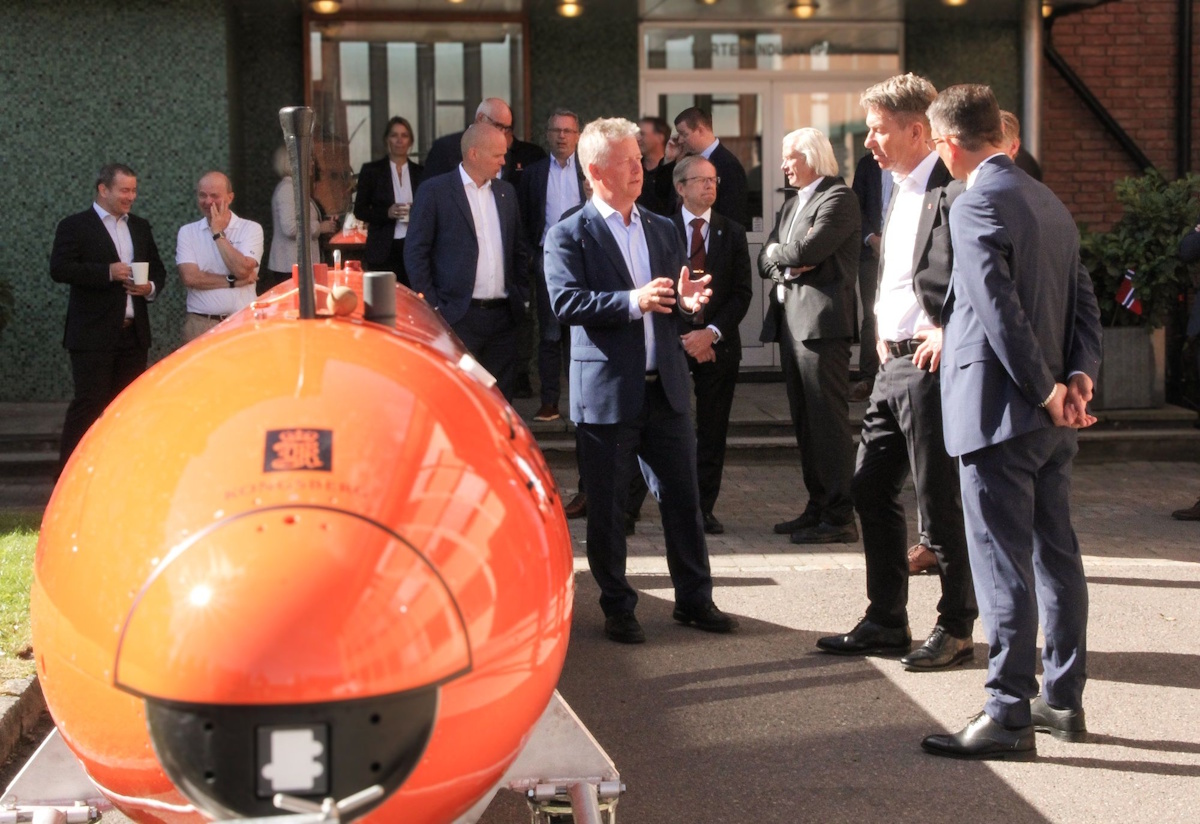
Kongsberg Opens Maritime Test Bed for Protecting Critical Infrastructure
KONGSBERG has announced the launch of the Oslofjord Critical Maritime Infrastructure Protection Test Bed in Horten, Norway, in response to increasing demand for enhanced security measures for vital maritime infrastructure. This initiative aims to address the growing concerns surrounding the protection of maritime assets and operations. By establishing this unique test facility, KONGSBERG seeks to develop and validate innovative solutions that will bolster the resilience and safety of maritime environments. The test bed is designed to facilitate collaboration among industry stakeholders, researchers, and government entities, ensuring a comprehensive approach to maritime security challenges. The initiative underscores KONGSBERG's commitment to advancing technologies that safeguard critical infrastructure in the face of evolving threats.
kongsberg maritime test bed critical infrastructure protection
Kongsberg Maritime Delivers First REACH REMOTE USV
A significant advancement in offshore operations has been marked by the successful delivery of the REACH REMOTE 1, a 24-meter unmanned surface vessel (USV) developed by Kongsberg Maritime. This milestone was achieved through a collaborative effort involving Kongsberg Maritime, REACH SUBSEA ASA, Massterly, and Trosvik Maritime. The delivery took place recently, signaling the beginning of a new era in maritime technology. The REACH REMOTE 1 is expected to enhance operational efficiency and safety in offshore environments, driven by the growing demand for innovative solutions in the maritime industry. The collaboration among these key players demonstrates a commitment to advancing technology and improving offshore operations through the integration of unmanned systems.
kongsberg maritime reach remote usv
Unmanned patrol robot-squad debuts at World Internet Conference 2024
Wuzhen, a city in Zhejiang province, China, has introduced advanced security measures for the 11th World Internet Conference, which commenced on Wednesday. This annual event, dedicated to discussions on internet-related topics and digital innovation, is being supported by a unique police patrol squad featuring robotic dogs, unmanned boats, and driverless cars. The integration of these high-tech resources aims to enhance safety and efficiency during the conference, marking a significant step in the use of technology for public security. The deployment of these smart security tools reflects the event's focus on the future of the internet and digital advancements, showcasing China's commitment to leveraging technology in various sectors.
News Feed
Commercial UAV Expo Launches DRONERESPONDERS Course with FIFA Airspace Security Insights
The Commercial UAV Expo has introduced a two-day DRONERESPONDERS Program Management Course, coinciding with the 2026 DRONERESPONDERS Public Safety Summit. Scheduled for September 1-3, 2026, at Caesars Forum in Las Vegas, the course aims to provide insights from the FIFA World Cup airspace security operations, where over 600 drones were seized across 11 U.S. host cities since the tournament began on June 11. This initiative is significant as it highlights the challenges and lessons learned from managing airspace security during high-profile events like the World Cup. Federal agencies reported detecting more than 1,000 drones near venues, emphasizing the need for effective public safety airspace management. The insights gained will also inform preparations for the upcoming 2028 Summer Olympics in Los Angeles, supported by a $250 million FEMA grant for counter-UAS measures. Looking ahead, the program will feature panels on various topics relevant to public safety agencies, including UAS operations and interagency collaboration. No further timeline was disclosed at the time of publication regarding additional sessions or future developments in the program's curriculum.
Drone News Drone News Feeds Expos and Drone Shows News 2028 LA Olympics AAM
Helsing Unveils Lura and SG-1 Fathom for Autonomous Mass Surveillance
Helsing, a prominent European defense technology firm, has introduced two innovative systems, Lura and SG-1 Fathom, aimed at enhancing maritime security and digitalizing ocean monitoring. Announced today, these advancements draw on the company's extensive expertise in air and land defense to transform maritime surveillance. Lura, a sophisticated software platform powered by advanced artificial intelligence, is designed to rethink traditional approaches to maritime threat detection. It employs autonomous technologies that are both scalable and cost-effective, enabling the identification of potential threats beneath the ocean's surface. This initiative reflects Helsing's commitment to leveraging cutting-edge technology to safeguard maritime environments.
helsing lura sg-1 fathom autonomous mass surveillance
UAE Building Massive ‘Cope Cages’ To Protect Energy Facilities From Iranian Drone Attacks
In response to a series of Iranian missile and drone attacks that have significantly damaged its oil and gas infrastructure, the United Arab Emirates is undertaking a major initiative to enhance the security of its energy facilities. The UAE is constructing large protective structures known as "cope cages" to safeguard these critical sites from future assaults. This proactive measure aims to bolster the resilience of the country's energy sector amid escalating tensions in the region. The decision reflects the UAE's commitment to ensuring the safety and stability of its vital resources in the face of ongoing threats.
News & Features Around The Globe Drones Iran Land Middle East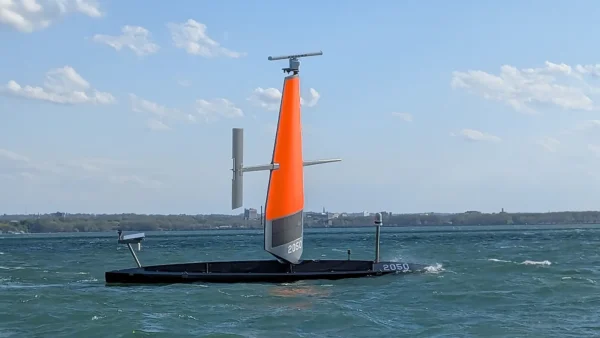
Saildrone Deploys 16 Voyager USVs for Coast Guard Great Lakes Mission
Saildrone, an autonomous maritime company based in Alameda, California, has announced the deployment of 16 Voyager unmanned surface vehicles (USVs) to enhance surveillance capabilities for the US Coast Guard. This initiative, which is part of a $15.5 million contract, aims to support Coast Guard missions across the Great Lakes and the Northeast. The deployment was officially announced on May 11, 2026, marking a significant step in the integration of advanced technology into maritime operations. The use of these unmanned vehicles is intended to improve monitoring and response efforts in these vital waterways, reflecting the Coast Guard's commitment to maintaining safety and security in the region.
Drone News Drone News Feeds News ocean safety and security seadrones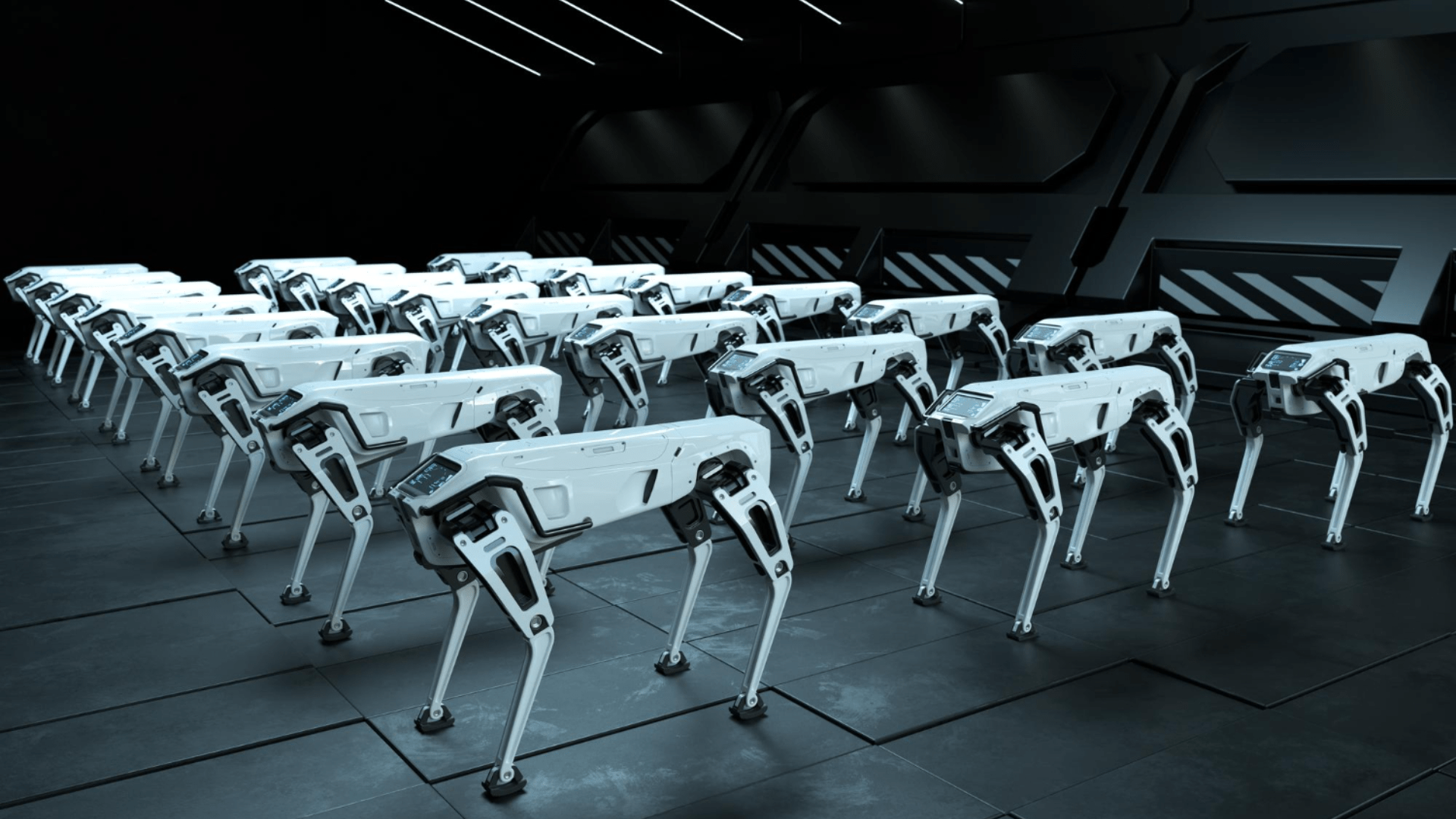
China showcases submarine-launched anti-mine vehicles, robotic combat dogs at defense expo
A new generation of autonomous underwater drones has been developed to detect and neutralize naval mines, marking a significant advancement in maritime security technology. This innovation was unveiled at a recent defense technology conference held in Washington, D.C., where experts gathered to discuss the future of naval warfare. The drones are designed to enhance safety for naval operations by providing a reliable solution to the persistent threat of underwater mines, which pose risks to both military and commercial vessels. The motivation behind this technological breakthrough stems from the increasing need for efficient and effective mine countermeasures in response to evolving maritime threats. By employing advanced sensors and artificial intelligence, these drones can autonomously navigate and identify mines, significantly reducing the risk to human divers and traditional mine-clearing vessels. The development process involved collaboration between defense contractors and military research organizations, leveraging cutting-edge technology to improve operational capabilities. As naval forces worldwide seek to modernize their fleets, this innovation is expected to play a crucial role in enhancing maritime security and ensuring safe passage in contested waters.

FAA and DoD Are Building the Rules for Drones Operating Near Sensitive Airspace
The Federal Aviation Administration (FAA) and the Department of Defense (DoD) are collaborating to address the challenges posed by the increasing presence of drones near airports and military installations. During a recent panel at the XPONENTIAL conference, officials from both agencies discussed the need for effective traffic management and airspace security measures as drone operations expand in proximity to critical infrastructure. This cooperation aims to develop regulations that ensure the safe integration of authorized drones into shared airspace, reflecting the growing demand for drone technology while prioritizing safety and security. The initiative underscores the importance of harmonizing civil and military interests in managing airspace effectively.
Anti-drone technology C-UAS DL Exclusive Drone News Drone News Feeds drone security
Japan Pioneered Humanoid Robots—Can It Now Catch China?
“In the future, the relationship between humans and robots will deepen, and the distinction between them will probably disappear.” This prediction, from one of the attendees at the recent Humanoids Summit in Tokyo, might have been unremarkable had it not come directly from an android that was first introduced to the world 20 years ago. Geminoid HI-6 is the sixth-generation of a robot originally designed in 2006. The mechanical twin of Osaka University professor Hiroshi Ishiguro, Geminoid HI-6 is now equipped with a large language model trained on Ishiguro’s own writings and interviews. It has advanced conversational skills and can even have a chat with its creator, an eerie spectacle. But at the Humanoids Summit, Geminoid was one of the few humanoid robots from Japan, the country that pioneered the form factor.While the event in Tokyo only had about 40 robots on display, Chinese systems outnumbered Japanese by roughly three to one. Some Japanese robotics firms were even using Chinese robots in their own technology demonstrations, something that would have been unthinkable in the recent past—one Japanese engineer described the situation as “sad.” The conference was a stark reminder of how Japan has ceded its early lead in humanoid robot development to overseas competitors, and the challenge it now faces to secure a place in an ecosystem increasingly dominated by general-purpose robots powered by AI. Twenty-five years ago, Japan was turning out groundbreaking humanoids that were showstopping in their abilities, but they were not commercialized as practical machines in any meaningful way. Heavily influenced by science fiction and lacking practical applications, they were mostly expensive technology demonstrations that were eventually mothballed. What Japan retains, however, is robotics design and know-how, which it must leverage to be a key player in the rapidly evolving humanoid ecosystem. Learning to Walk—Then Standing StillTo anyone who has seen recent videos of Chinese humanoids doing kung-fu and synchronized acrobatics, as well as half-marathon races, China’s remarkable progress in the field is nothing new. At the Humanoids Summit, Toyota showed a video of its latest basketball-playing robot, and Honda exhibited its latest robot hand, but the full-scale humanoids on the floor were mostly Chinese–the kid-size K1 machines from Booster Robotics of Beijing were dancing to Michael Jackson tunes. The full-scale G1 humanoid from Unitree Robotics of Hangzhou was also doing demos. “You cannot sell these bipedal systems in Japan for safety and compliance reasons,” says Shuichi Nagao, a frequent visitor to China as CTO of Omakase Robotics, a division of Zeals, a Japanese humanoid robot developer. Omakase was exhibiting a G1 modified with an external PC controller, a dextrous hand, a suction-cup manipulator and a sensor “hat” with an extra speaker, mic and camera. “In China, the government is pushing humanoid development. They didn’t have an industry 20 years ago. The people pushing it are young, in their 20s and 30s. It’s a really different mentality out there,” says Nagao. “Big players in Japan are still looking for use cases for humanoids. In China, they’re already doing mass production and reducing the cost, so other countries can’t compete with them anymore.”Another Japanese company showing off G1 bots was summit sponsor GMO AI & Robotics, a subsidiary of Japanese internet company GMO. It’s using the robots in partnership with Japan Airlines to load and unload cargo containers at Tokyo’s Haneda airport. The cargo project is a trial—like many other humanoid experiments—but the fact that Chinese machines have penetrated so far into Japan’s ecosystem upends a long history. In 1973, scientists at Waseda University in Tokyo built WABOT-1, considered the first full-scale humanoid robot and capable of slow bipedal locomotion, grasping objects and simple communication. It inspired Honda’s groundbreaking Asimo humanoid, but it was never commercialized. Asimo was eventually retired in 2022, the year ChatGPT was released. Two years later, Unitree’s G1 went on sale for US $16,000. China’s High Torque Technology Co. showed off its Mini Pi biped, customized with an anime-inspired head, at Humanoids Summit in Tokyo. The regular version is priced at $3,500. Tim HornyakSupply and DemandJapan’s development of humanoids happened before practical applications or widespread demand were in place, but bad timing is only part of the story—Japan also has a history of developing technologies that might appeal to domestic consumers but not necessarily those overseas. For example, decades after they first appeared, its highly engineered, multifunction toilets have only recently found a following abroad. Japan’s humanoid prowess was partly built on the back of its legendary industrial automation, yet even that stronghold has eroded. Ani Kelkar, a partner from McKinsey & Company in Boston who produces analytical reports about the robotics industry, told the summit audience that while Japan occupied the top spot in the world in manufacturing robot density (the number of multipurpose industrial robots in operation per 10,000 employees) from at least 1994 to 2009, it then slipped to second in 2014, third in 2019 and fifth in 2024. In that year, South Korea was at the top of the leaderboard with a robot density of 1,220 compared to Japan’s 446. The International Federation of Robotics estimates China now has the most operational industrial robots in the world, with around 2 million total units, approximately 4.5 times more than Japan. “The annual installation numbers are impressive too: 54 percent of all robots installed worldwide in 2024 were deployed in China,” the IFR said in a release in April 2026. “I think the loss of Japanese leadership is more to do with the rise of China as a manufacturing powerhouse including for sectors that Japan had high export levels,” Kelkar said in an email interview. “The recovery has not yet happened as Japan ‘missed’ the rapid acceleration in AI for robotics and is now playing catchup.”How Japan Can Adapt Kelkar believes Japan has a US $100 billion opportunity in general-purpose robotics, which are machines that can perform a wide variety of tasks, and it cannot rely on the slower-growing industrial robot market, which is centered on factory machines that do one simple and predictable task like welding car parts. He points to a McKinsey white paper suggesting that while Japan has much of the hardware and technology experience needed to support general purpose robot development, it must change its strategy to capture more share in AI, software, data collection and robotics platforms.Tetsuya Ogata is a professor of engineering and director of the Institute for AI and Robotics at Waseda University, the birthplace of humanoids in Japan. He briefed the summit on how a nonprofit he chairs, the AI Robot Association (AIRoA), is working with Toyota and other members to develop foundational technologies for collaborative use. For instance, AIRoA has collected some 80,000 hours of data on remote operation of mobile manipulators, and Ogata believes it’s the largest dataset of its kind. Using the data, it built and verified Vision-Language-Action (VLA) models, and it has also started data collection for dual-arm mobile manipulation. In an interview, Ogata acknowledged Japan’s struggle to find its place in the changing landscape. “The world of AI is inherently a game of scale,” says Ogata. “Therefore, Japan’s absolute prerequisite is to secure a competitive baseline of scale—in data, computing resources, and talent. Beyond that, what I consider most critical is a mindset shift: rather than trying to hoard scale within a single nation or company, we must grow stronger by collaborating with a diverse ecosystem of domestic and international players.” Specifically, this means creating a ‘collaborative domain’ to address data—the single biggest bottleneck—through industry-wide cooperation rather than data-siloing. By collectively nurturing a pre-competitive, shared data infrastructure and foundation model, individual companies can then compete on top of it with their own applications. “By offering this open ‘data ecosystem’ to the world, we can engage global players and establish a ‘third pole’ alongside the US and China,” says Ogata. “I believe this is how Japan can reclaim its global presence.”In 1999, Japan introduced the world’s first mobile internet services platform. But being first didn’t turn Japan into a smartphone manufacturing or design center—it’s now merely a supplier of parts to other countries who are leading the smartphone industry. If Japan can avoid a repeat of that experience and successfully deregulate, diversity, and commercialize its original humanoid dreams, it stands a better chance of influencing the direction of the industry and reaping billions in value. As automobiles and electronics were pillars of Japan’s industrial strategy in the last century, Japan could make humanoid robots one of its key value generators in the 21st century, an approach that would not only deliver economic benefits but give Japan greater clout in how the industry will evolve. Just like Japanese cars, electronics, and even toilets, Japanese humanoids could stand for craftsmanship and reliability. It’s a legacy that Japan can’t afford to give up.
Japan Robotics Humanoids Humanoid-robots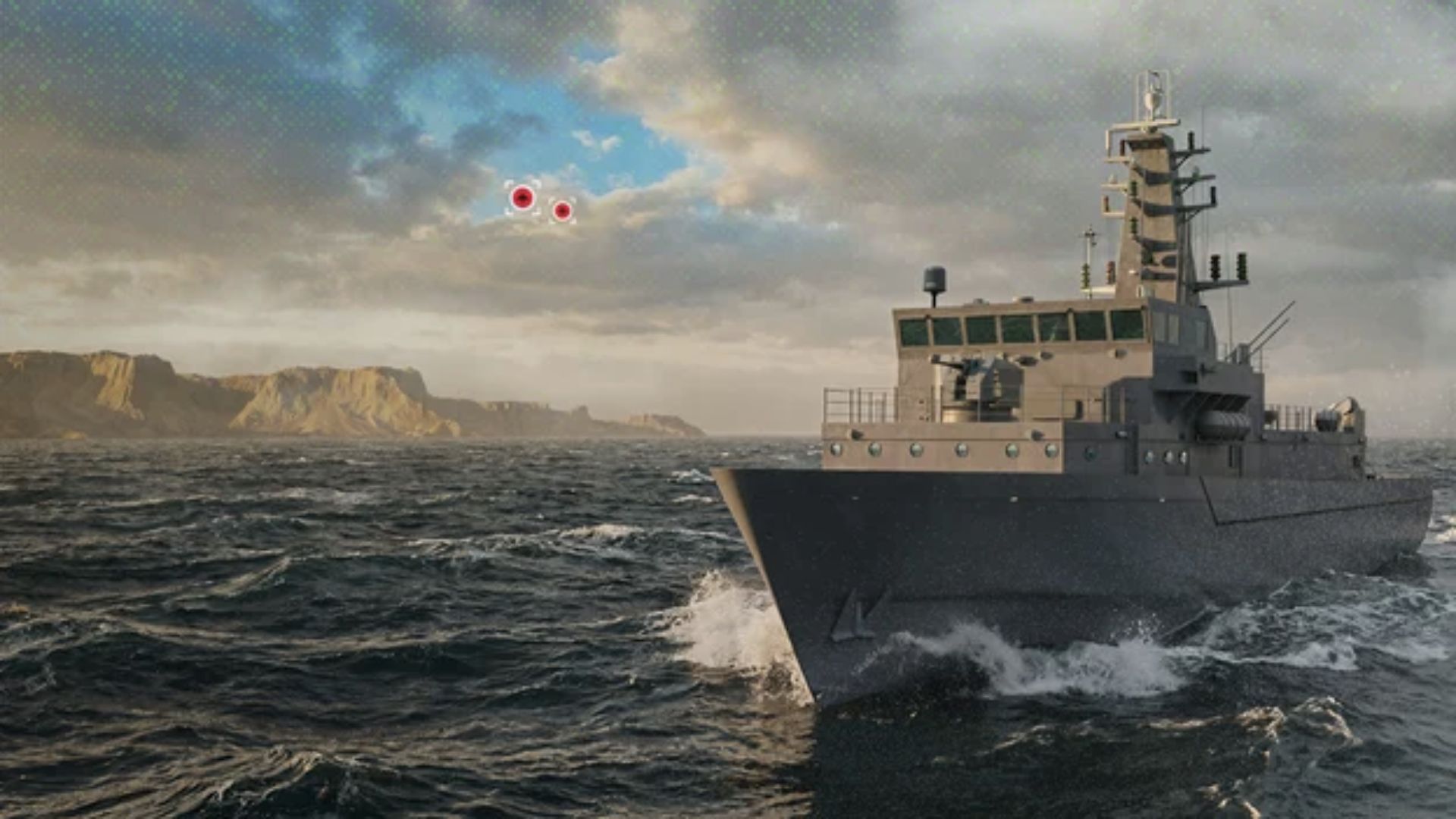
New radar system can detect high-speed drones nearby ports, vessels in extreme environment
A cutting-edge radar system has been developed to enhance the detection of drones operating near ports, vessels, harbors, and other critical maritime areas. This innovative technology aims to bolster maritime security by providing real-time surveillance and threat assessment capabilities. The radar is designed to identify and track drones, which have increasingly become a concern for safety and security in busy maritime environments. The system's deployment is expected to take place in the coming months, with trials set to occur at various strategic locations along coastlines. By integrating advanced detection algorithms and high-resolution imaging, the radar will enable authorities to respond swiftly to potential threats, ensuring the safety of maritime operations and protecting vital infrastructure. This initiative reflects a growing recognition of the need for enhanced security measures in response to the rising prevalence of drone activity in sensitive areas.
Innovation Military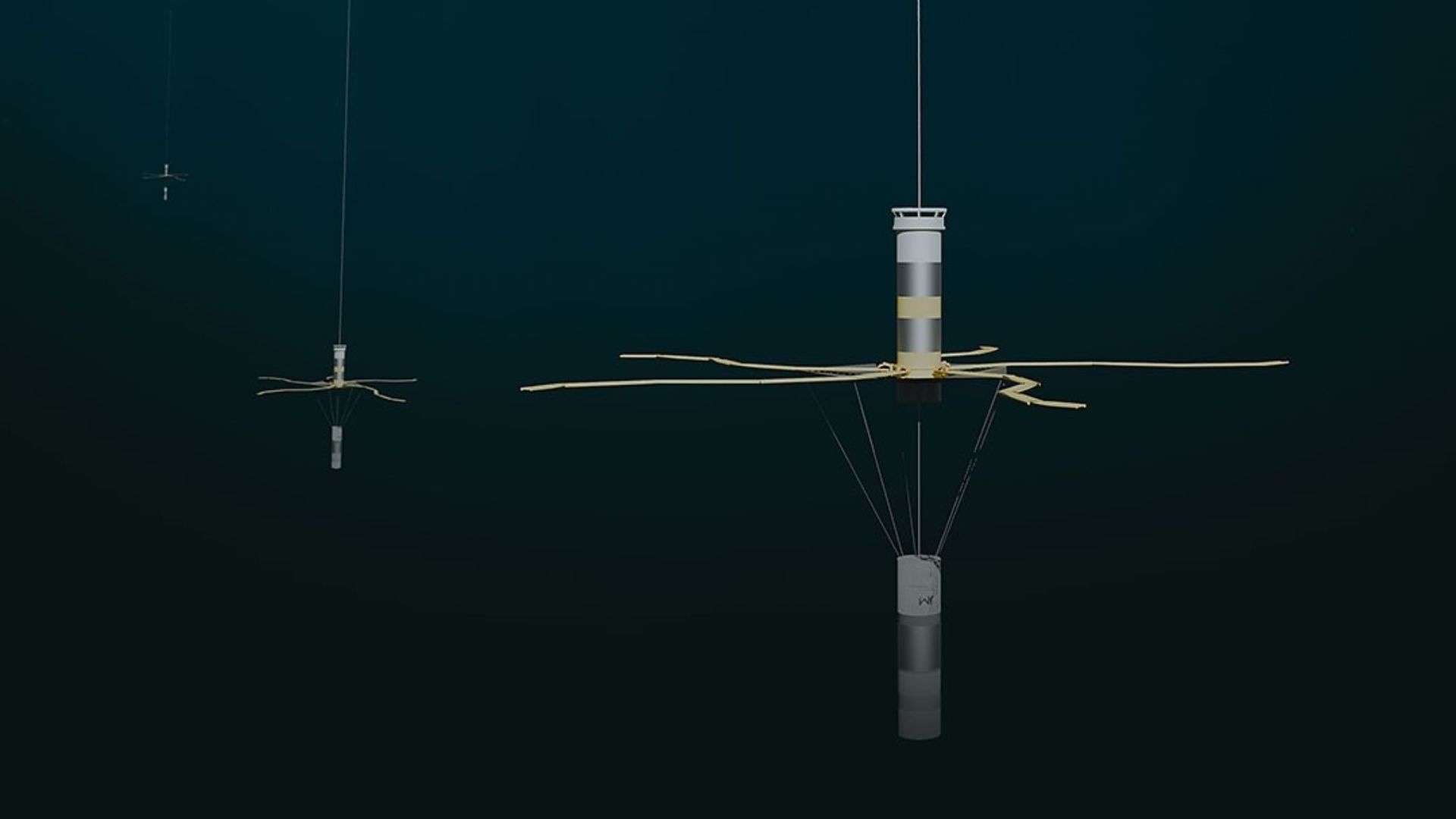
UK trials compact G-size sonobuoy built for autonomous drones hunting submarines
Ultra Maritime has successfully conducted the inaugural in-water deployment trial of its advanced Multistatic Active Receive system. This significant milestone took place recently, marking a key step in the development of the technology designed to enhance maritime surveillance and detection capabilities. The trial was held in a controlled marine environment, allowing the team to assess the system's performance and reliability in real-world conditions. The motivation behind this initiative is to improve the effectiveness of maritime operations, particularly in detecting underwater threats and monitoring marine activities. By utilizing innovative technology and methodologies, Ultra Maritime aims to set a new standard in maritime security solutions. The successful trial demonstrates the potential of the Multistatic Active Receive system to revolutionize the industry and address growing concerns over maritime safety and security.
Military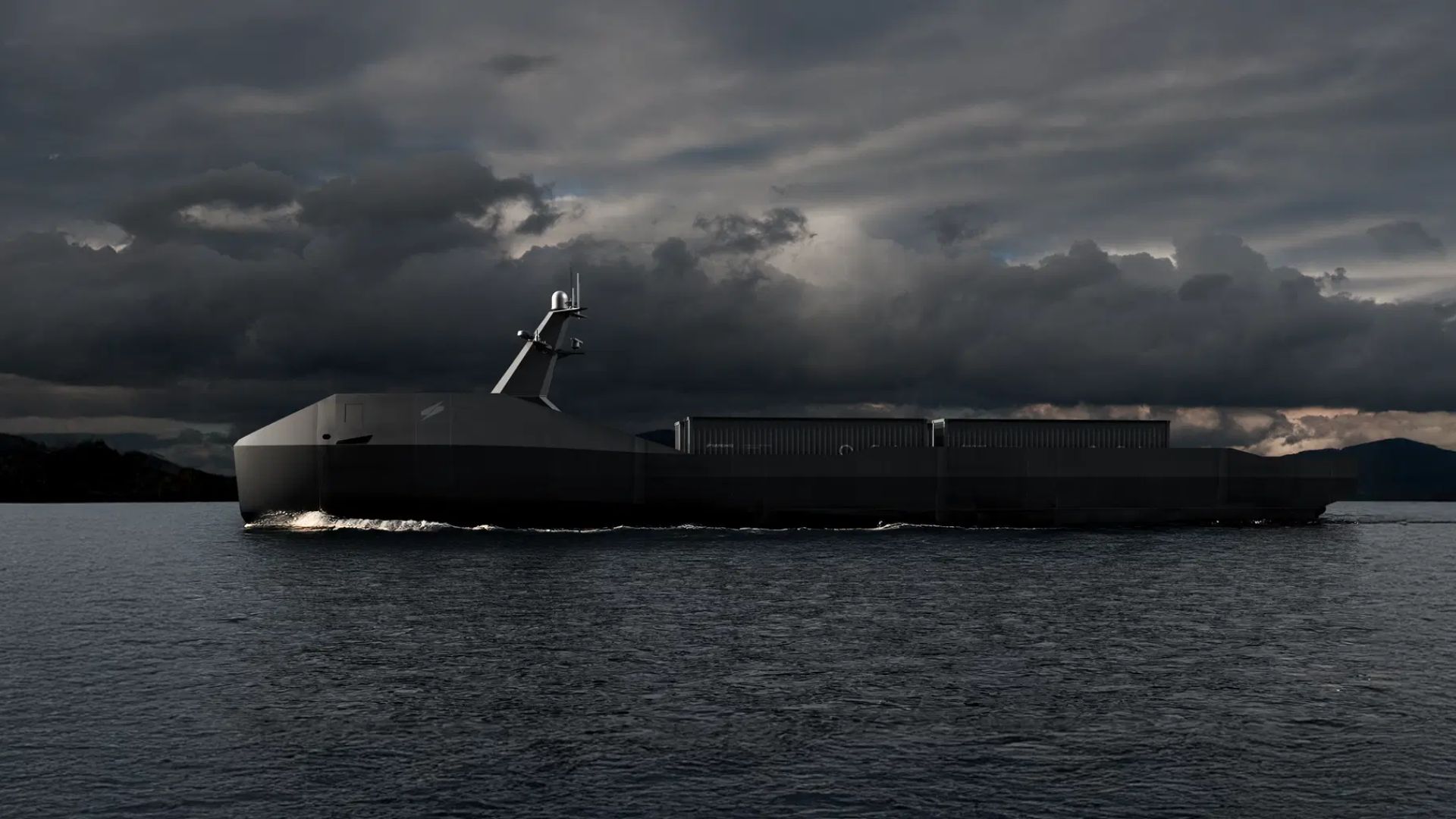
US’ new 180-foot drone ship could launch hypersonic missiles, demo set for 2027
Saronic and Castelion, two prominent defense technology firms, have unveiled their intention to merge efforts in developing an autonomous warship. This strategic collaboration aims to enhance maritime security capabilities and address emerging threats in naval warfare. The announcement was made on October 15, 2023, during a defense technology conference held in Athens, Greece. The motivation behind this partnership stems from the increasing demand for advanced naval solutions that can operate independently in complex environments. By pooling their expertise and resources, Saronic and Castelion seek to accelerate the innovation process and deliver cutting-edge technology to military clients worldwide. The proposed autonomous warship is expected to incorporate advanced artificial intelligence and machine learning systems, enabling it to perform a variety of missions, including reconnaissance, surveillance, and combat operations, without direct human intervention. This development reflects a broader trend in the defense industry towards automation and smart technologies, aimed at enhancing operational efficiency and reducing risks to personnel. As the defense sector continues to evolve, the collaboration between Saronic and Castelion positions them at the forefront of the autonomous naval warfare market, potentially reshaping the future of maritime defense strategies.
Military
Custom-trained AI locks laser onto mosquitoes, eliminates pests in real time
A computer vision and robotics enthusiast has unveiled an innovative AI-powered laser system designed to detect and identify objects with remarkable precision. This groundbreaking technology, which was introduced during a tech conference in San Francisco on October 15, 2023, aims to enhance automation and safety in various industries, including manufacturing and security. The motivation behind this development stems from the increasing demand for advanced automation solutions that can improve operational efficiency and reduce human error. By integrating artificial intelligence with laser detection, the system can analyze its surroundings in real-time, allowing for swift and accurate responses to potential hazards or operational needs. The creator demonstrated the system's capabilities through a series of live tests, showcasing its ability to recognize different objects and respond accordingly. This innovative approach not only promises to streamline processes but also addresses safety concerns by minimizing the risk of accidents in environments where precision is critical. As industries continue to evolve with technology, this AI-powered laser system represents a significant step forward in the quest for smarter, safer operational tools. The developer hopes that this invention will inspire further advancements in robotics and computer vision, ultimately leading to a more automated and secure future.

SYOS Strengthens its Multi-domain Uncrewed Portfolio with the Introduction of the SU10 Uncrewed Underwater Vehicle
SYOS has unveiled the SU10 uncrewed underwater vehicle (UUV) today, expanding its portfolio of autonomous systems across multiple domains, including air, land, sea, and subsurface operations. The introduction of the SU10 aims to enhance capabilities in mine countermeasures, protect critical subsea infrastructure, and ensure persistent surveillance and maritime security. This advanced UUV is equipped to undertake a variety of missions, including search and identification, route clearance, and infrastructure inspection and intervention, thereby addressing growing demands for safety and security in maritime environments.
syos multi-domain uncrewed portfolio su10 uuv rov auv
Open Spirit 2026 Delivers Real World Impact in the Baltic Sea
NATO ships participated in the international mine countermeasures exercise, Open Spirit 26, off the coast of Latvia from May 1 to May 13, 2026. This event involved Allied and Partner navies working collaboratively to enhance regional security and strengthen interoperability among forces. The exercise aimed to address the ongoing threat of historical naval mines in the area, showcasing the commitment of participating nations to ensure maritime safety and security. Through coordinated efforts, the exercise not only improved tactical capabilities but also fostered closer ties among the naval forces involved.
nato open spirit 2026 naval exercise
Video Friday: Figure, 1X Ramp Up Humanoid Robot Production
IEEE Spectrum robotics has released its weekly roundup of notable robotics videos and upcoming events, including major conferences like ICRA 2026 in Vienna and RSS 2026 in Sydney. A significant development in humanoid robotics has occurred with the opening of the NEO Factory in Hayward, California, which is now producing robots at a rate of 55 per week. This facility, which spans 58,000 square feet and employs over 200 staff, allows for complete in-house manufacturing, enhancing safety and efficiency. The first consumer robots are expected to ship in 2026, marking a pivotal step toward the realization of general-purpose home robots. In other news, NASA continues its exploration of Mars with two rovers, Perseverance and Curiosity, studying different geological eras of the planet. Meanwhile, the Chinese-made Unitree G1 humanoid robots are gaining traction in the U.S. tech landscape, being utilized by companies like OpenAI and Nvidia, raising questions about their implications for security and privacy. Additionally, advancements in robotics are showcased through various projects, including a surgical robot designed to streamline Neuralink implant procedures and a tactile-enabled humanoid manipulation system that enhances dexterity and stability in real-world tasks. As robotics technology evolves, experts are also exploring how autonomous systems make decisions in unpredictable environments, emphasizing the importance of AI in coordinating complex operations.
Humanoid-robots Video-friday Robot-videos Robot-manipulation Industrial-robots Robot-hands
Tesla stock higher for week as Semi starts production, company nets $573M in sales from SpaceX, xAI last year
A significant event unfolded recently as local authorities in Springfield announced a new initiative aimed at improving community safety. This initiative, which was unveiled during a press conference on October 15, 2023, at the City Hall, seeks to address rising concerns about crime rates in the area. The program is designed to enhance police visibility and community engagement through increased patrols and the establishment of neighborhood watch groups. The decision to launch this initiative stems from a series of community meetings where residents expressed their worries about safety and security. In response, city officials, including the mayor and police chief, collaborated to develop a comprehensive plan that emphasizes proactive measures and community involvement. The initiative will be implemented over the next six months, with the first phase focusing on high-crime neighborhoods. Local law enforcement will work closely with residents to foster trust and encourage reporting of suspicious activities. Additionally, educational workshops will be held to inform the public about crime prevention strategies. This proactive approach aims not only to reduce crime but also to strengthen the relationship between law enforcement and the community. Officials believe that by empowering residents and increasing police presence, they can create a safer environment for all Springfield inhabitants.

The Navy Sends in the Robots to Clear Hormuz of Mines
The use of drones in maritime operations is emerging as a strategic advantage for the U.S. Navy, particularly in enhancing safety for sailors and potentially influencing negotiations over critical waterways. By deploying drones, the Navy aims to reduce the risks associated with manned missions, allowing for safer reconnaissance and surveillance in contested areas. This technological advancement could provide the U.S. with greater leverage in diplomatic discussions regarding access to vital shipping routes. As tensions rise in various maritime regions, the integration of drones into naval operations is seen as a proactive measure to ensure both operational security and strategic positioning. The ongoing development and utilization of these unmanned systems reflect a broader shift towards modernizing military capabilities in response to evolving global challenges.

Oceanology International 2026 – Uncrewed Vehicles & Vessels Track Q&A
In a recent interview with Ocean Robotics Planet, Justin Manley, Chief Commercial Officer of Seahawk Robotics, discussed the advancements in autonomy within the uncrewed maritime industry. This conversation highlighted key themes that will be addressed during the Uncrewed Vehicles and Vessels conference track at Oi26, scheduled to take place later this year. The conference aims to showcase innovative developments and applications in marine autonomous systems, including technologies such as Robotics, Autonomous Underwater Vehicles (AUVs), Remotely Operated Vehicles (ROVs), and Autonomous Surface Vessels (ASVs). Manley emphasized the growing importance of these technologies in enhancing maritime operations and addressing various industry challenges. The insights shared during the interview and the upcoming conference reflect a significant shift towards automation in marine environments, driven by the need for efficiency and safety in maritime operations.
oceanology international 2026 oi26 uncrewed vehicles & vessels track q&a events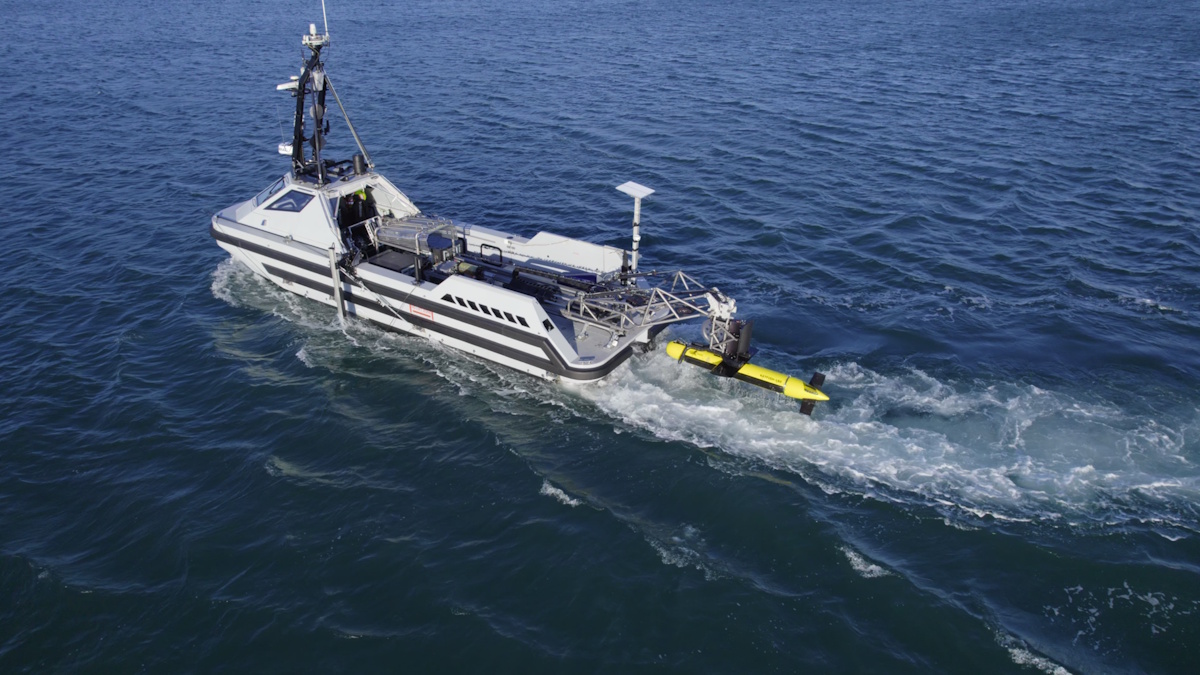
Kraken Robotics and TKMS ATLAS UK Demonstrate KATFISH USV Launch and Recovery System on an in-service UK Royal Navy ARCIMS USV
Kraken Robotics has successfully demonstrated its KATFISH Unmanned Surface Vessel Launch and Recovery System (USV-LARS) aboard TKMS ATLAS UK's 11-meter ARCIMS Unmanned Surface Vehicle (USV). This demonstration highlights a significant advancement in maritime security technology, as the integrated systems deliver a comprehensive autonomous survey solution tailored for mine countermeasure operations and the inspection of critical underwater infrastructure. Notably, the collaboration between ARCIMS and KATFISH USV-LARS marks the introduction of the industry's first air-deployable, 300-meter depth-rated autonomous towed Synthetic Aperture Sonar (SAS) survey system. This innovation aims to enhance operational efficiency and safety in maritime missions.
kraken robotics tkms atlas uk katfish usv launch and recovery system uk royal navy arcims usv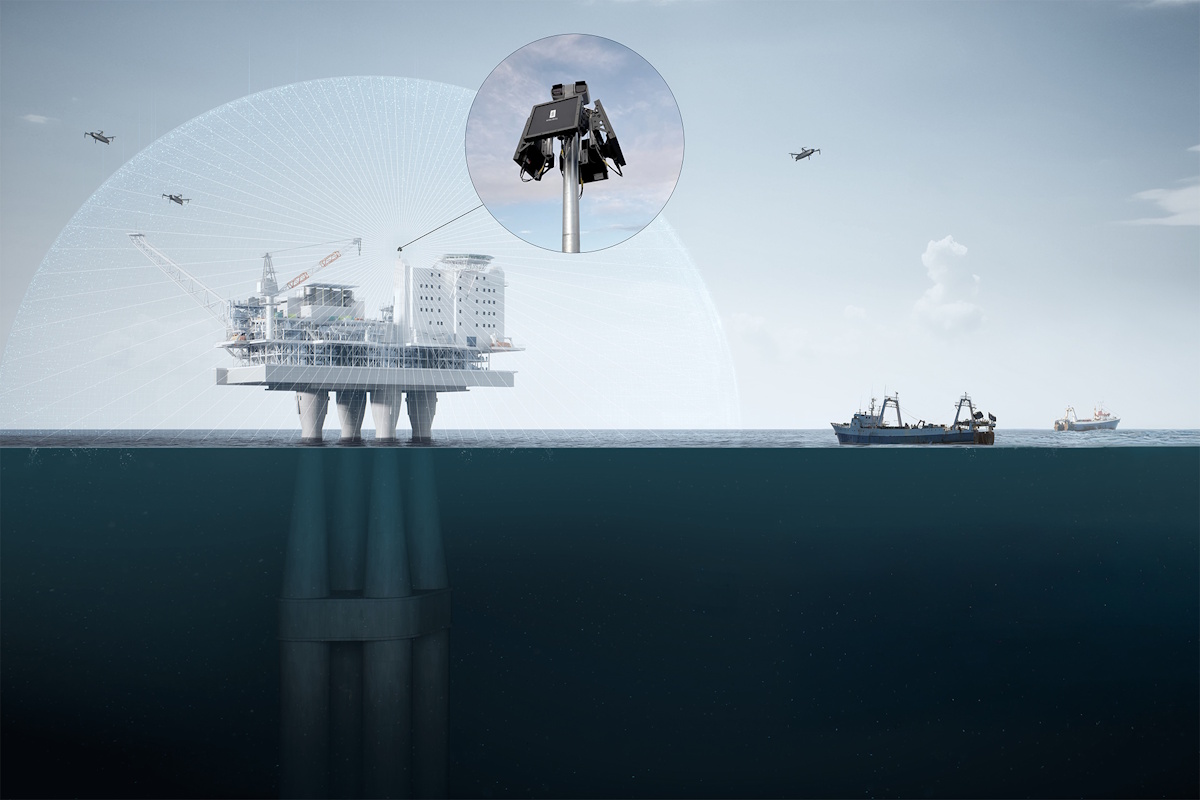
Aker Solutions and Kongsberg Discovery join forces in protecting critical infrastructure
Kongsberg Discovery and Aker Solutions have partnered to unveil a drone detection system in Stavanger, utilizing Kongsberg’s advanced Drone Detection Radar. This initiative represents the initial phase of a larger strategy aimed at deploying infrastructure products across the North Sea, with the goal of improving situational awareness for offshore assets and transit routes. The collaboration underscores the growing importance of drone technology in enhancing safety and security in maritime operations.
aker solutions kongsberg discovery protecting critical infrastructure cui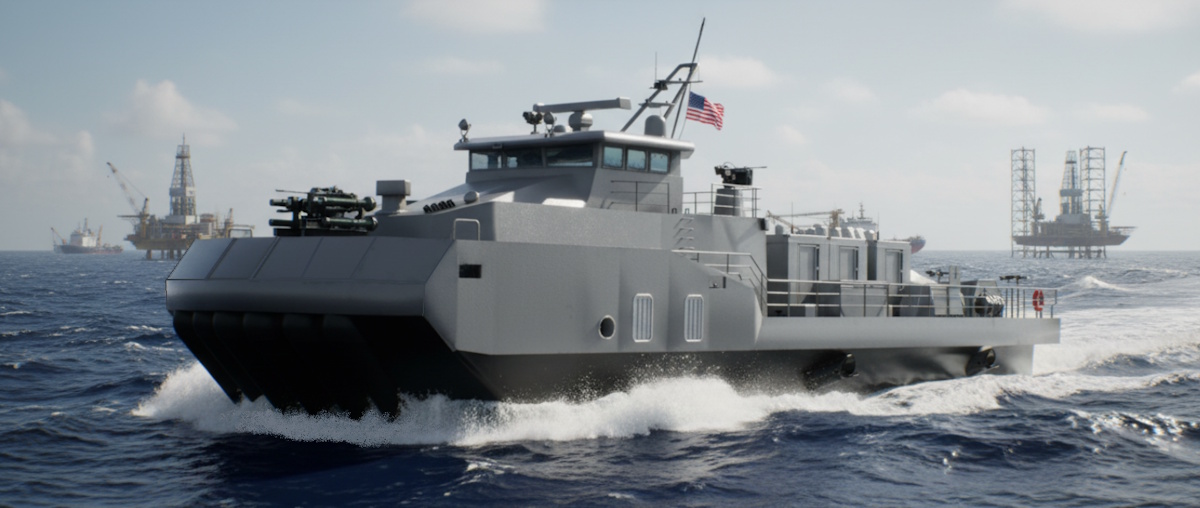
ABS, Eureka Naval Craft, AIRCAT Vessels, Team to Advance Safe, Dual-Use High-Speed Autonomous Vessels for Defense and Offshore Energy
Eureka Naval Craft, AIRCAT Vessels S.A.S., and the American Bureau of Shipping (ABS) have entered into a significant agreement aimed at advancing the safe development of high-speed Unmanned and Autonomous Surface Vessels (USVs/ASVs). This collaboration, announced today, focuses on enhancing naval defense capabilities and improving offshore energy operations. By leveraging their combined expertise, the partners intend to establish rigorous safety standards and innovative technologies that will facilitate the deployment of these advanced vessels. The initiative underscores the growing importance of autonomous maritime solutions in addressing modern security and energy challenges.
First Autonomous Mine Hunting System Delivered to UK Royal Navy
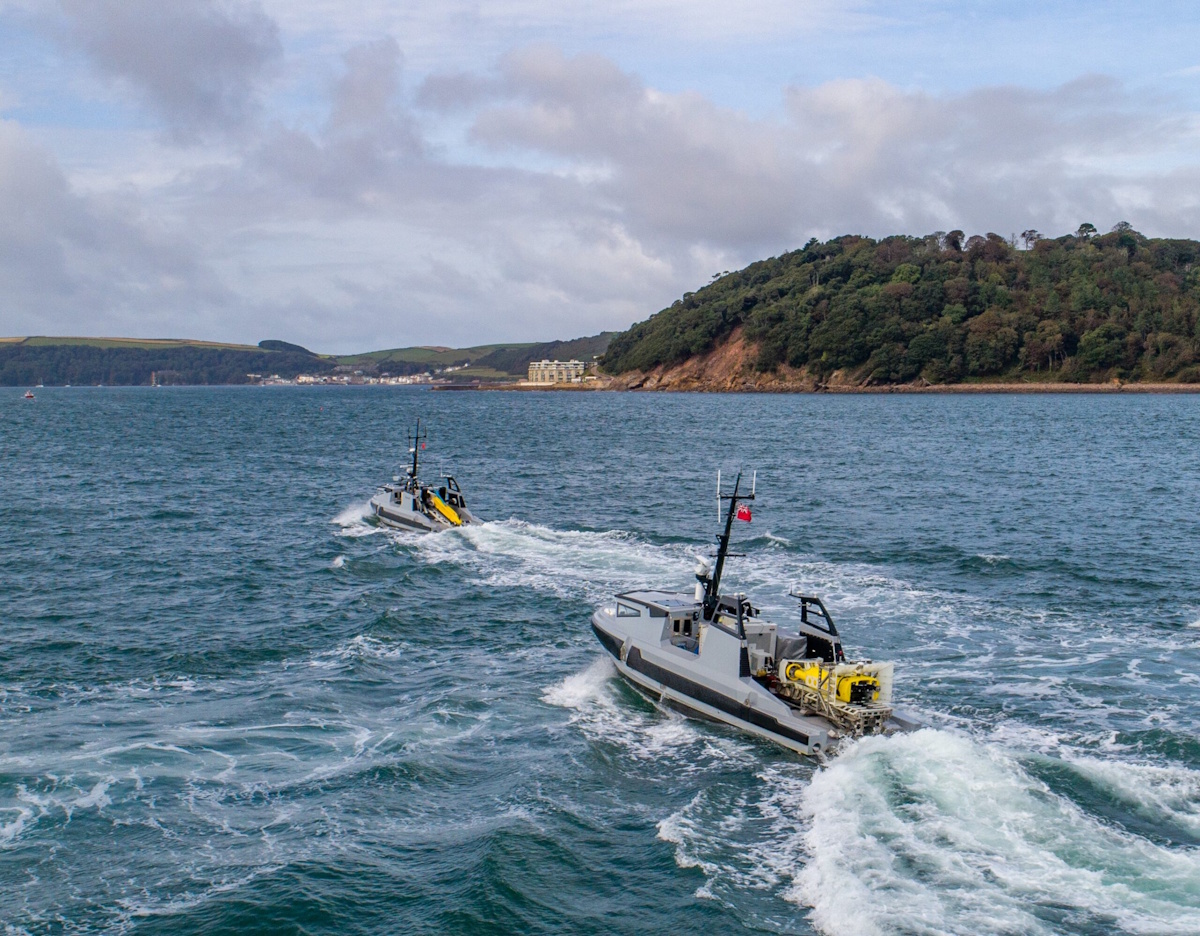
The Royal Navy has received its first advanced Maritime Mine Counter Measure (MMCM) system, marking a significant enhancement in British defense capabilities. This delivery is part of a broader initiative aimed at improving the safety of sailors and strengthening the UK's maritime security. The introduction of this cutting-edge technology comes as part of ongoing efforts to modernize naval operations and address emerging threats in maritime environments. The system is expected to play a crucial role in countering underwater mines, thereby ensuring safer navigation for naval vessels.
usv autonomous mine hunting system delivery uk royal navy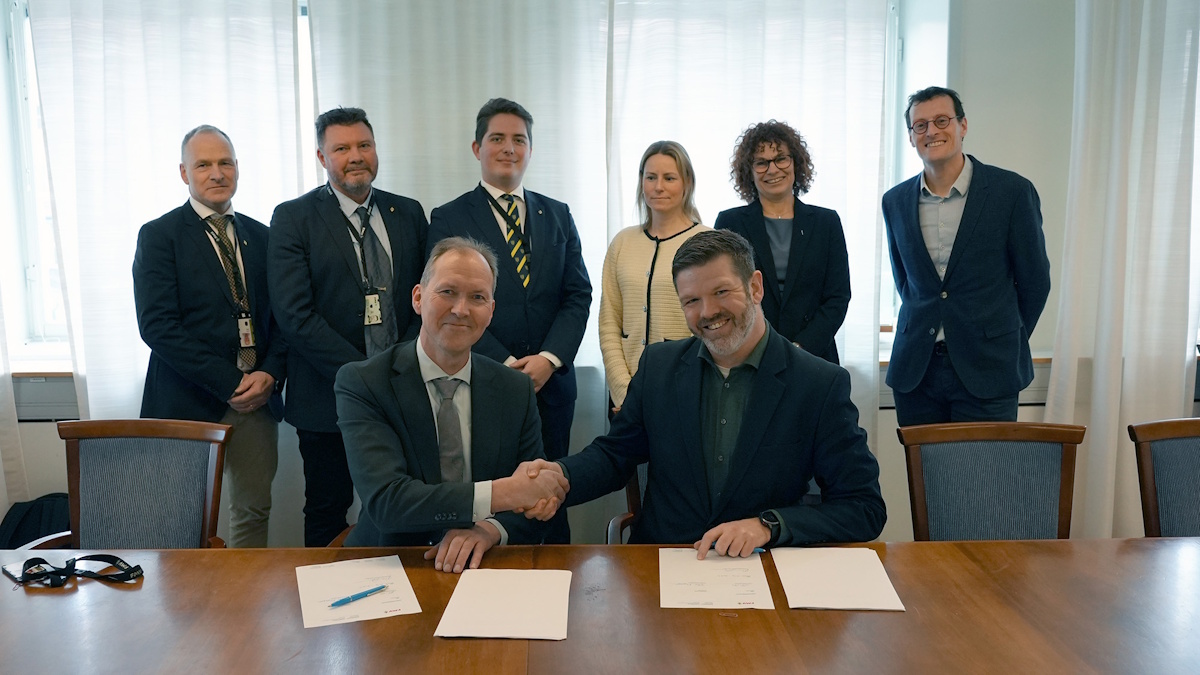
Teledyne Marine Signs a Framework Agreement with Swedish Defense Material Administration (FMV)
Teledyne Gavia has secured a multi-year Framework Agreement with the Swedish Armed Forces (SwAF) to provide and support GAVIA Autonomous Underwater Vehicles (AUV). This agreement, announced recently, focuses on equipping the SwAF with advanced technology specifically for Mine Counter Measures (MCM) operations. The collaboration aims to enhance the Swedish military's capabilities in underwater mine detection and neutralization, addressing critical national security needs. The GAVIA AUVs will play a vital role in ensuring maritime safety and operational efficiency in Swedish waters.
teledyne marine framework agreement swedish defense material administration (fmv)Robotics needs a service framework.
RSF defines a common language for robot service capability, lifecycle operations, certification pathways, and service-provider networks.