Industry Briefing
A single destination for timely, editor-curated robotics news from around the world.
Sanctuary AI Touts Reinforcement Learning Success for Dexterous Robot Hand Manipulation
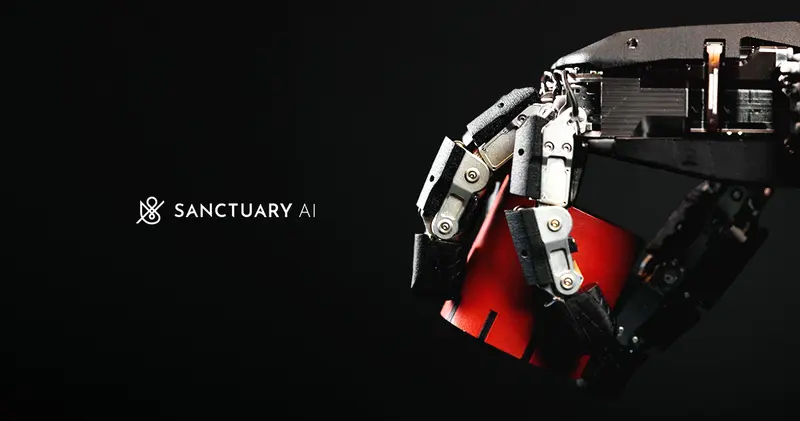
Sanctuary AI has showcased its advanced robotic hand, featuring hydraulically actuated five fingers, successfully executing in-hand object reorientation. This demonstration took place recently, highlighting the company's innovative approach to robotics. The robotic hand utilized a reinforcement learning policy that was initially trained in a simulated environment, achieving a notable sim-to-real transfer even when subjected to an unexpected load of 500 grams. Sanctuary AI credits this accomplishment to its proprietary reinforcement learning techniques and the sophisticated design of its high-degree-of-freedom hand hardware, marking a significant milestone in the development of robotic manipulation capabilities.
phoenix sanctuary-ai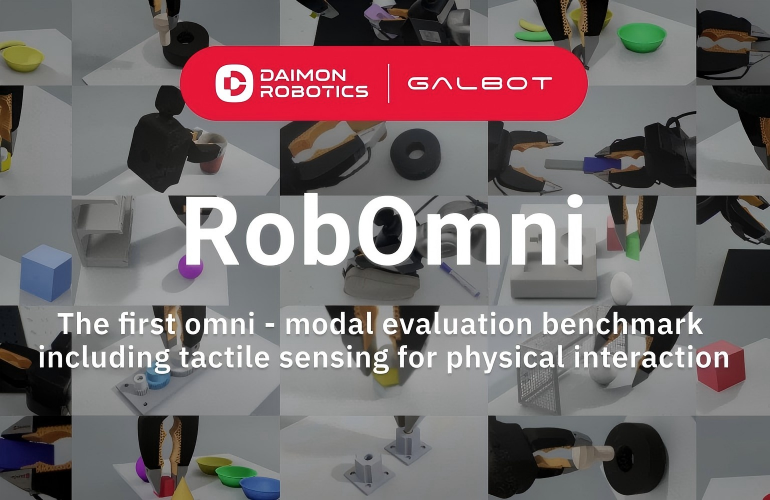
Daimon Robotics and Galbot jointly launches RobOmni for benchmarking tactile perception and dexterous manipulation
Daimon Robotics and Galbot have announced the launch of RobOmni, a new platform designed to benchmark tactile perception and dexterous manipulation in the field of embodied AI. This development marks a significant shift from traditional vision-centric approaches to a more comprehensive understanding of physical interactions. The collaboration aims to enhance the capabilities of robots in performing complex tasks that require fine motor skills and sensitivity to touch. The launch event took place recently, highlighting the growing importance of tactile feedback in robotics and its applications across various industries. By integrating advanced tactile sensing technologies, RobOmni is set to provide researchers and developers with the tools needed to push the boundaries of robotic dexterity and perception.
Sponsored Content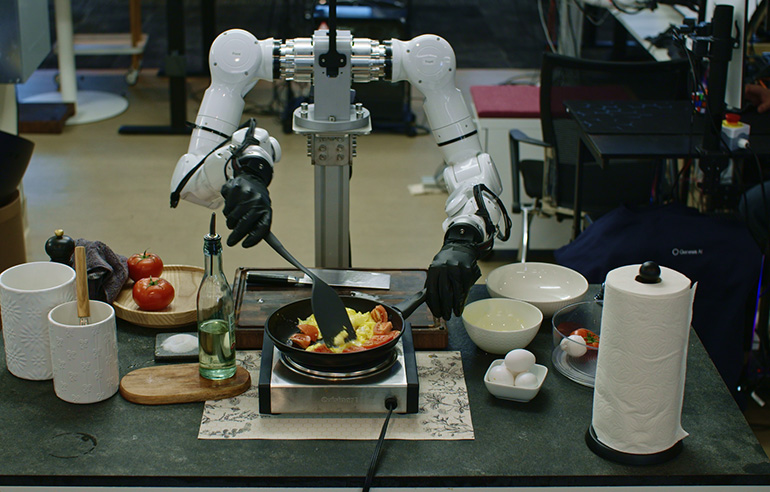
Genesis AI introduces GENE-26.5 model for more dexterous robot manipulation
Genesis AI has unveiled its latest innovation, the GENE-26.5 foundation model, which incorporates an advanced data engine alongside a proprietary robotic hand designed to enhance dexterity in robotic manipulation. This development aims to push the boundaries of robotic capabilities, enabling more precise and versatile movements. The introduction of the GENE-26.5 model marks a significant advancement in the field of robotics, reflecting the company's commitment to leveraging cutting-edge technology to improve robotic functionality. The announcement was made recently, highlighting the potential applications of this model in various industries where enhanced manipulation is crucial.
Arms / Manipulators Artificial Intelligence Artificial Intelligence / Cognition End Effectors / Grippers Grippers Humanoids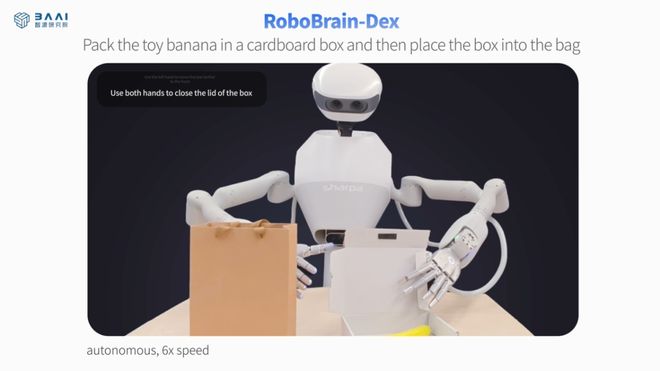
RoboBrain-Dex: Solving the Challenges of Embodied Intelligent Dexterous Manipulation through Human First-Person Perspective Operation Videos
RoboBrain-Dex has unveiled a groundbreaking pre-training paradigm designed to improve robotic dexterity by utilizing extensive collections of human first-person operation videos. This innovative method aims to streamline the learning process for robots, significantly cutting down on both time and costs associated with training. By enabling robots to swiftly grasp complex human operational logic, this approach opens up new possibilities for their application in various high-value industries. The introduction of RoboBrain-Dex marks a significant advancement in the field of robotics, promising to enhance the efficiency and effectiveness of robots in real-world tasks.
Robotic Dexterity AI Training Human-Robot Interaction Embodied Intelligence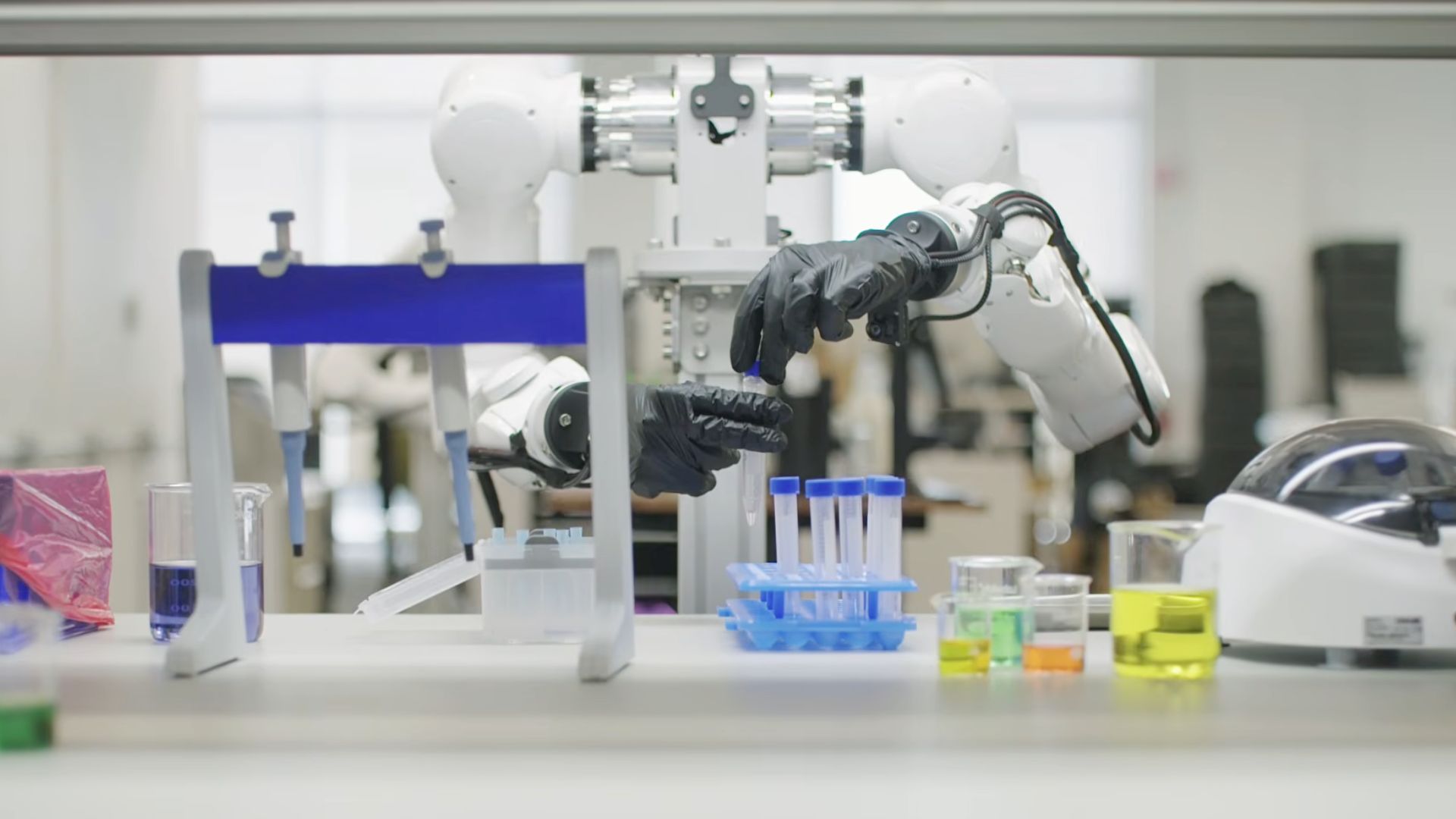
Video: Genesis’ smart robotic brain enables human-level manipulation and scalable training
Genesis AI has introduced GENE-26.5, an advanced robotic brain aimed at enabling robots to achieve human-level physical capabilities. The announcement was made during a technology conference held in San Francisco on October 15, 2023. This innovative development is part of Genesis AI's ongoing efforts to enhance robotic functionality and adaptability in various environments. By integrating sophisticated algorithms and machine learning techniques, GENE-26.5 is designed to improve robots' dexterity and decision-making processes, potentially transforming industries such as manufacturing, healthcare, and logistics. The launch of GENE-26.5 reflects the company's commitment to pushing the boundaries of artificial intelligence and robotics, paving the way for more intuitive and efficient machines that can work alongside humans.
Genesis AI Unveils Foundation Model, Hand & Data Collection System to Develop Human-Level Physical Manipulation for Robotics
Genesis AI has introduced a groundbreaking robotics foundation model named GENE-26.5, accompanied by a proprietary robotic hand and a data collection system aimed at enhancing the ability of robots to learn complex physical tasks by observing human behavior. This innovative system seeks to tackle the challenges associated with gathering substantial amounts of usable training data necessary for teaching robots to perform intricate tasks effectively. The unveiling of GENE-26.5 marks a significant advancement in the field of robotics, as it promises to streamline the learning process for robots, making them more adept at mimicking human actions.
AI AI Use Cases Robotics Eclipse Eric Schmidt Foundation AI Model for Robotics
Genesis AI Unveils GENE-26.5, the First AI Brain to Enable Robots with Human-Level Physical Manipulation Capabilities
Genesis AI has unveiled a groundbreaking robotic foundation model that integrates an advanced data engine with a proprietary dexterous robotic hand, marking a significant advancement in robotics. The company showcased this innovation through a video released today, highlighting unprecedented complexity in robotic tasks. This development aims to enhance the capabilities of robots, positioning them as the most sophisticated machines ever created. By leveraging cutting-edge technology, Genesis AI seeks to revolutionize the field of robotics and expand the potential applications of these advanced systems.
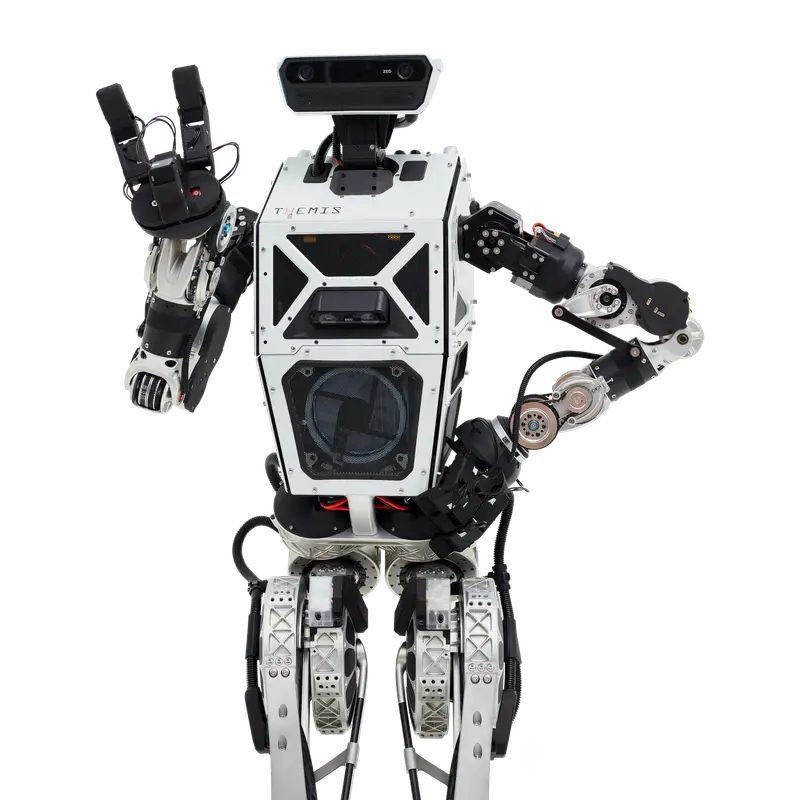
Westwood Robotics Details Agile THEMIS V2 Humanoid with Advanced Manipulation
Westwood Robotics has unveiled its latest humanoid robot, the THEMIS V2, designed to operate in challenging work environments. Standing at 1.6 meters tall, the robot boasts 40 degrees of freedom (DoF) and is equipped with proprietary BEAR actuators that enable agile and compliant movements. The upgraded model features enhanced 6-DoF arms and 7-DoF hands, allowing for greater dexterity and functionality. Incorporating advanced artificial intelligence processing and stereo vision capabilities, THEMIS V2 is engineered to perform complex tasks efficiently. Additionally, the robot is designed with hot-swappable batteries, ensuring minimal downtime during operation. This innovative technology aims to meet the increasing demand for versatile robotic solutions in various industries, highlighting Westwood Robotics' commitment to pushing the boundaries of robotic capabilities.
themis-v2 westwood-robotics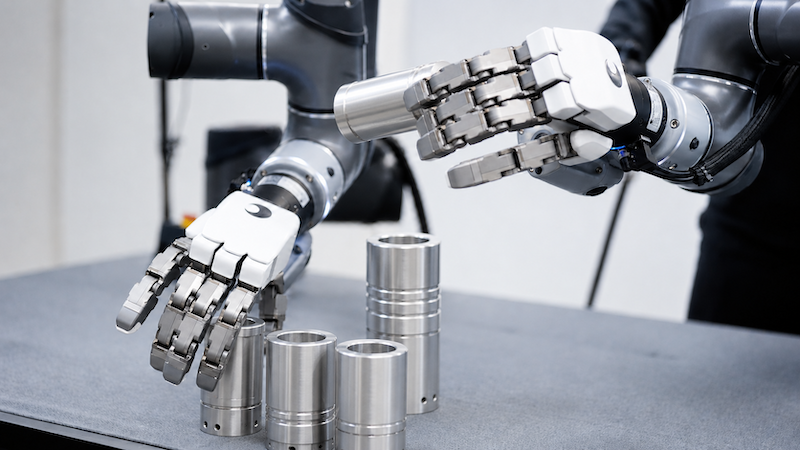
South Korean robotic hand developer Tesollo begins IPO preparations after Series B funding
Tesollo, a South Korean robotic hand specialist, has officially begun preparations for its initial public offering through Korea’s technology-special listing track. Tesollo appointed KB Securities as its lead underwriter in March and is currently preparing for a planned listing after 2027. The company also announced that it has recently completed its Series B funding round. […]
Components News Robotics Daesung Hi-Tech end effectors Enlight Ventures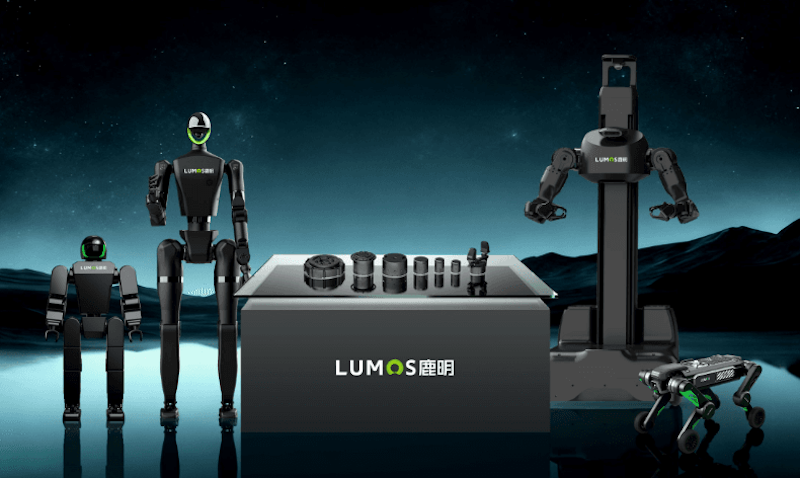
Lumos Robotics tops global benchmark test for zero-shot embodied AI
Lumos Robotics says its Prime R0 industrial embodied AI model has achieved the highest overall score on the latest MolmoSpaces leaderboard, outperforming larger models from competitors including Nvidia and research teams from the United States. The Chinese robotics company said its 2.8-billion-parameter model ranked first across both single-arm fine manipulation and dual-arm collaboration tasks in […]
Artificial Intelligence Computing News Robotics AI models embodied ai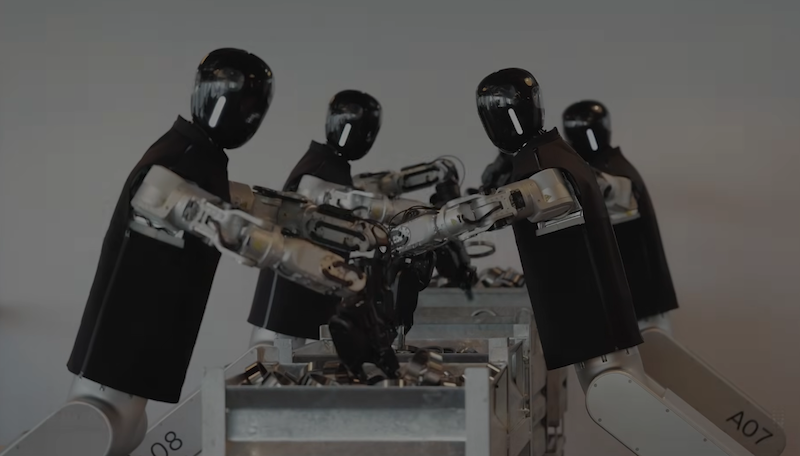
UK startup Humanoid launches reinforcement learning system to improve robot manipulation
UK-based robotics and AI company Humanoid has introduced KinetIQ Ascend, the company’s reinforcement learning approach designed to reach 99.9 percent manipulation reliability at human speed and beyond. KinetIQ Ascend builds on the previously announced KinetIQ platform with trial-and-error learning, helping the company’s robots improve directly on industrial tasks. The new system was tested on several […]
Computing Humanoids News artificial intelligence automation embodied ai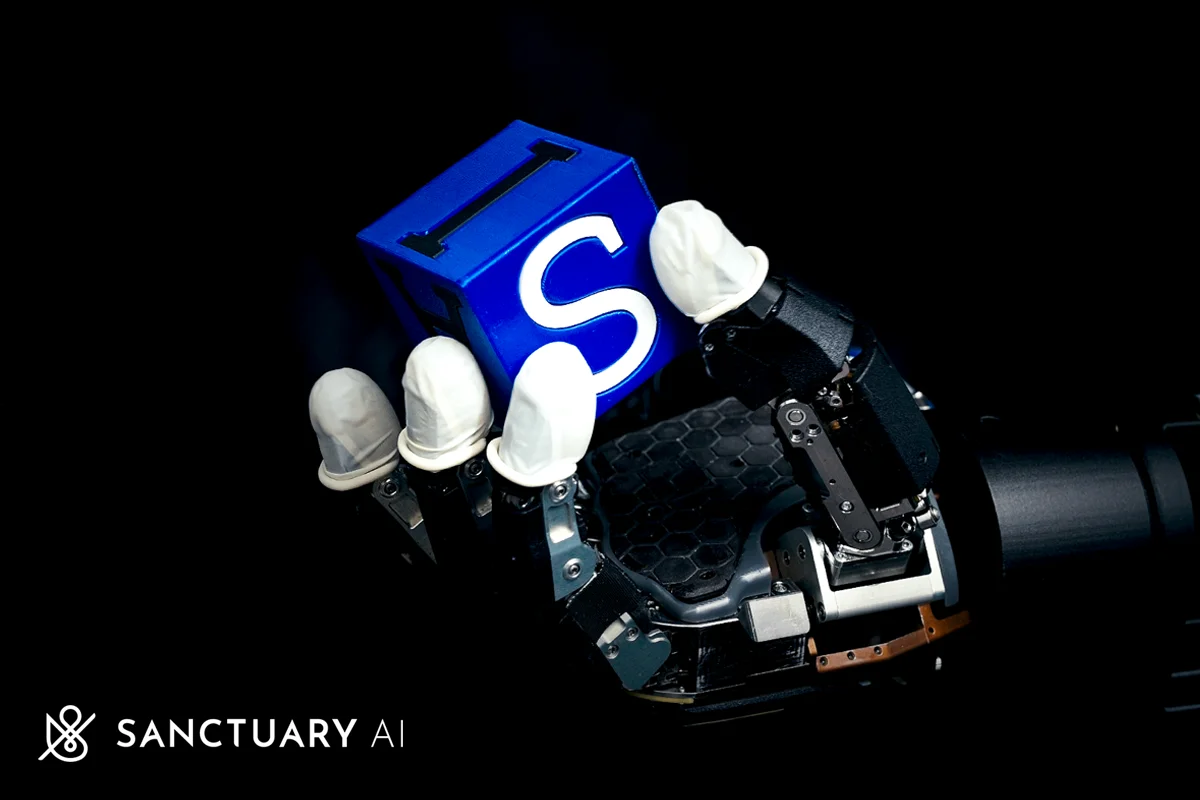
Sanctuary AI Achieves "Zero-Shot" Sim-to-Real Milestone for Hydraulic Dexterous Hands
Sanctuary AI has achieved a significant breakthrough in robotics by successfully demonstrating zero-shot transfer for in-hand manipulation. This innovative technique enables a policy that was entirely trained in a simulated environment to effectively reorient physical objects using actual hardware, without the need for any real-world fine-tuning. The demonstration showcases the potential for advanced robotic systems to operate seamlessly in real-world scenarios, leveraging training data and algorithms developed up to October 2023. This advancement could pave the way for more efficient and adaptable robotic applications across various industries, enhancing automation and precision in tasks that require dexterity and manipulation.
Canada hand sanctuary-ai hands North America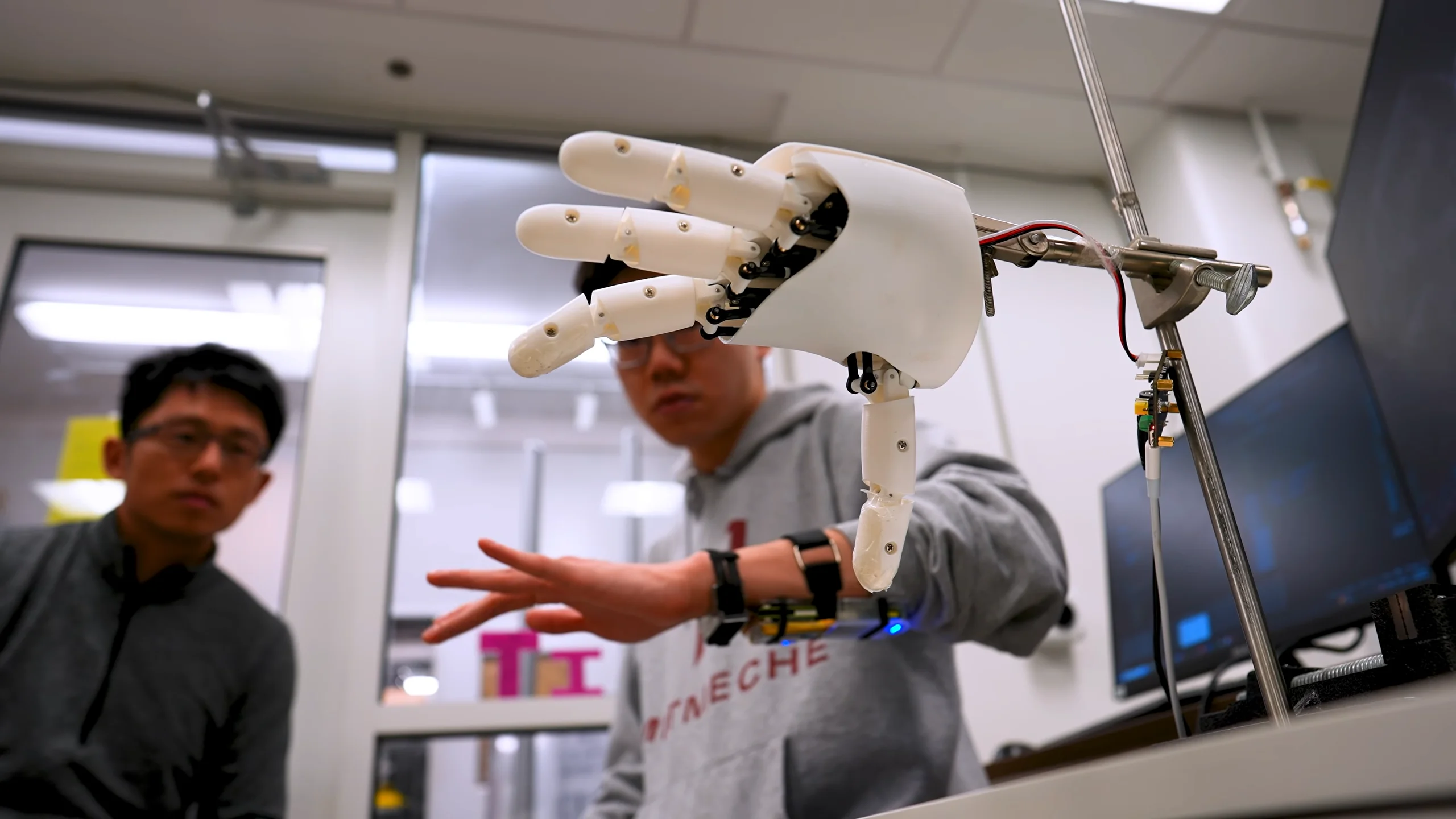
The Puppet Strings of AI: MIT’s Ultrasound Wristband Predicts Hand Dexterity
Engineers at the Massachusetts Institute of Technology (MIT) have unveiled a groundbreaking wearable ultrasound wristband designed to monitor hand movements by capturing images of internal muscle and tendon activity. This innovative technology aims to address the significant data bottlenecks that currently hinder humanoid teleoperation, a field where precise control and feedback are crucial. The wristband's development comes in response to the growing demand for more effective remote manipulation systems, particularly in robotics and telemedicine. By utilizing ultrasound imaging, the device provides real-time insights into muscular and tendinous functions, enhancing the ability to operate humanoid robots with greater accuracy. This advancement could pave the way for improved applications in various sectors, including healthcare and remote work, where effective hand movement tracking is essential.
MIT hand hands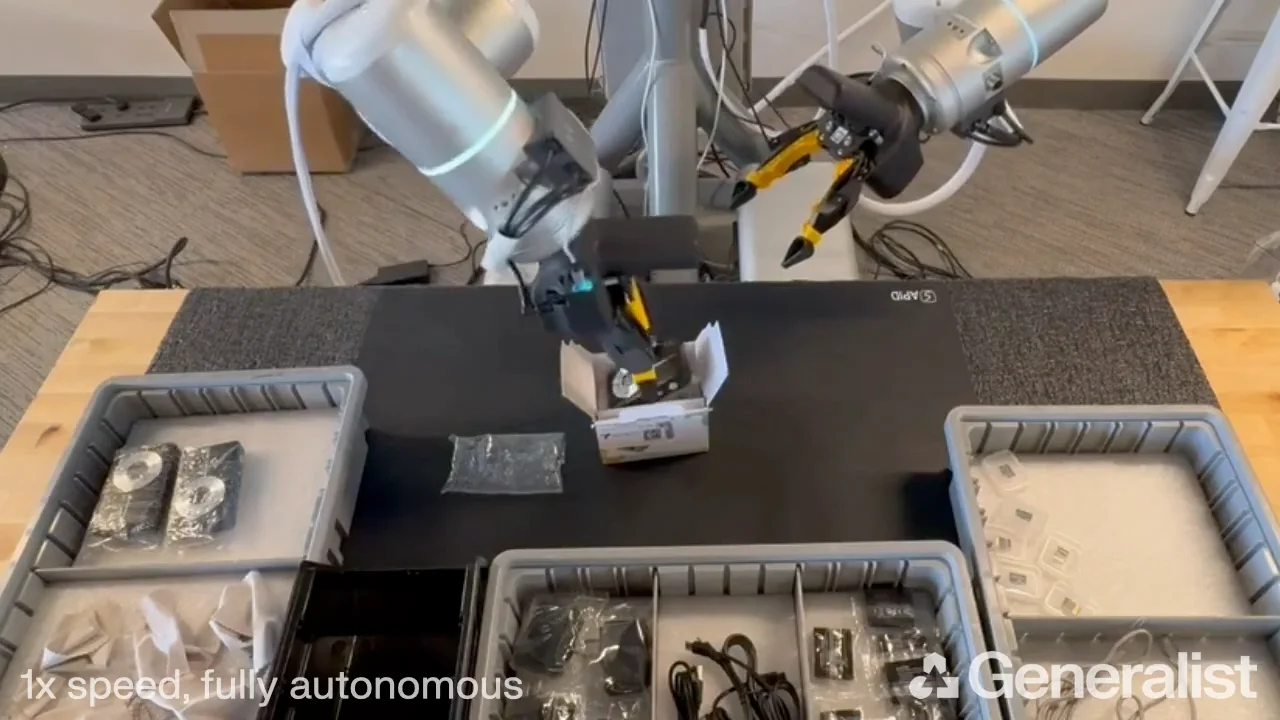
Generalist AI Unveils GEN-0, Claims Scaling Laws for Robotics Backed by 270,000 Hours of Real-World Data
Startup Generalist AI has introduced GEN-0, a groundbreaking embodied foundation model that the company asserts is trained on an extraordinary 270,000 hours of real-world manipulation data. This innovative model features a new architecture known as "Harmonic Reasoning," which, according to Generalist AI, has enabled the discovery of predictable scaling laws for robot intelligence. The announcement marks a significant advancement in the field of robotics and artificial intelligence, showcasing the potential for enhanced capabilities in robotic manipulation and decision-making.
Data Collection Figure Generalist AI embodied-ai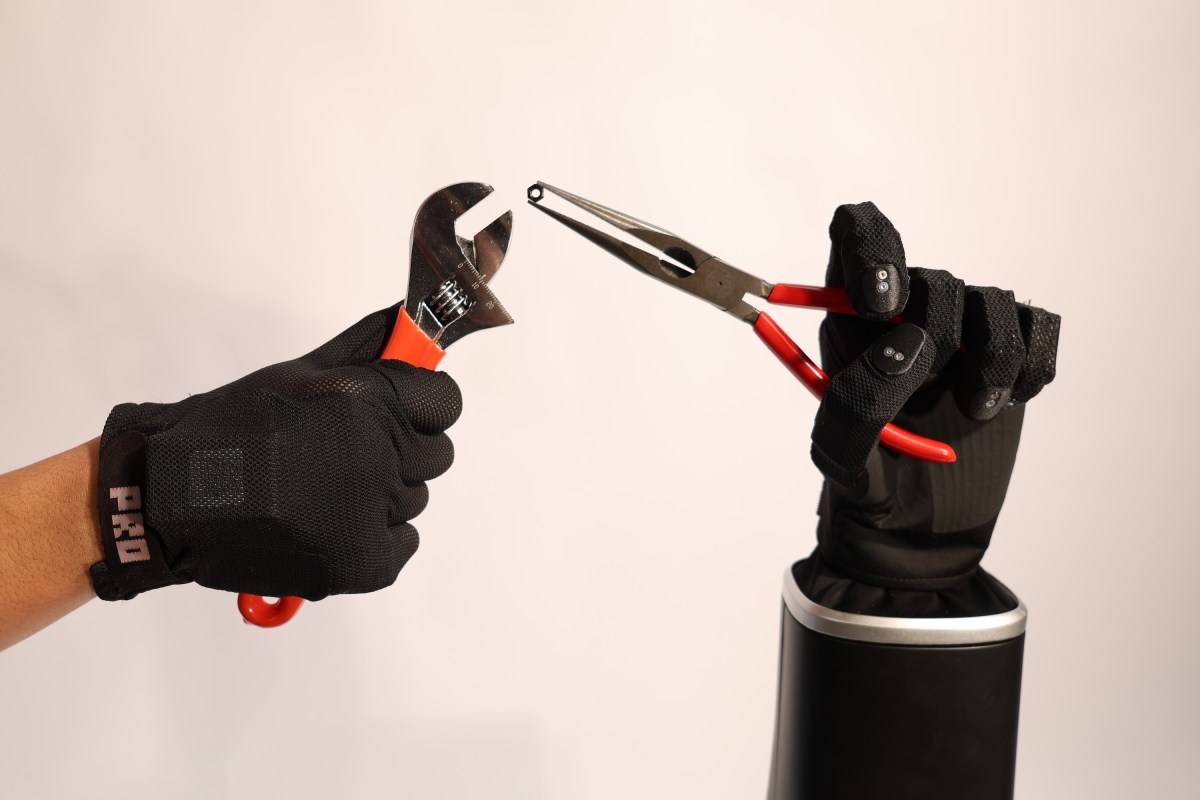
Robot hand company settles Tesla trade secret suit and announces $11M raise
Proception, a startup focused on advancing robotics, is innovating in the field of training data collection to address the complex challenges associated with robotic hand functionality. Established with the aim of enhancing robotic dexterity, the company is developing methods to gather and analyze data that will improve the performance of robotic hands. This initiative comes in response to the growing demand for more sophisticated and capable robotic systems in various industries. By leveraging cutting-edge technology and research, Proception aims to overcome the limitations currently faced in robotic manipulation, ultimately contributing to the evolution of robotics as a whole. The startup's efforts are expected to play a significant role in shaping the future of automation and robotics, particularly in applications requiring intricate hand movements.
AI Robotics Exclusive proception robotics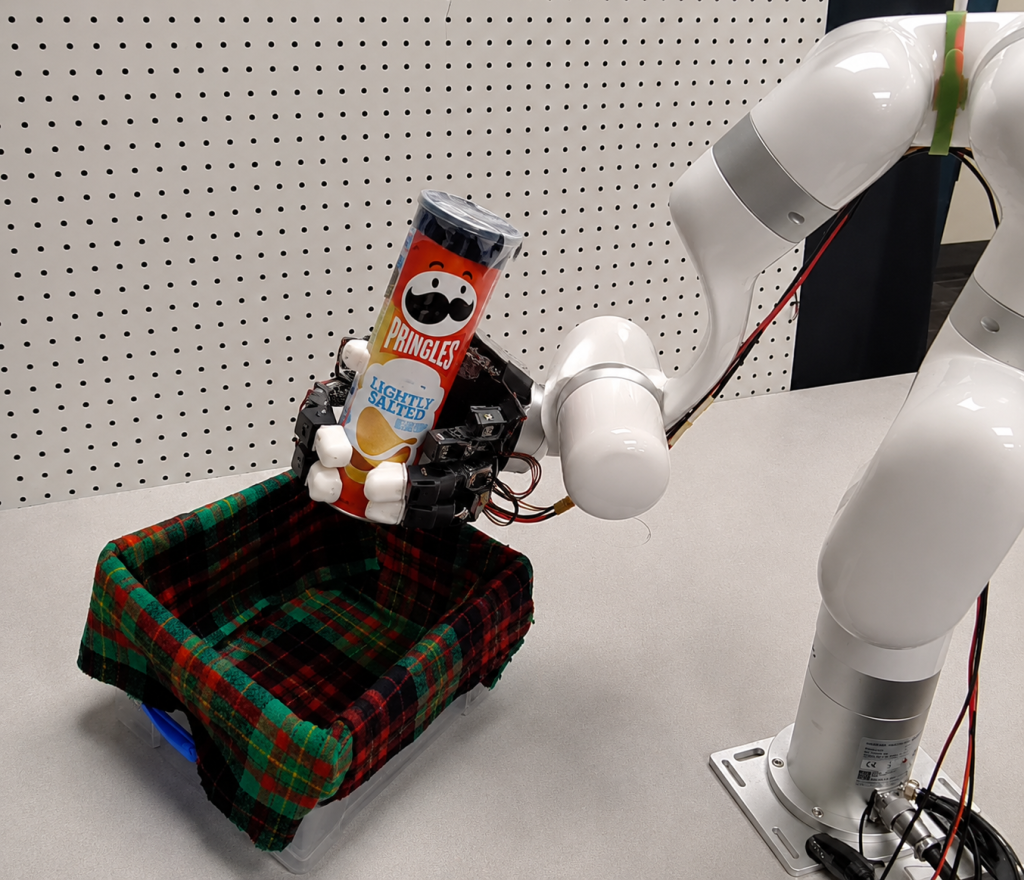
CMU Researchers Train Robots With Internet Videos
Researchers at Carnegie Mellon University's School of Computer Science have developed an innovative system called VideoManip, which enables robots to learn manipulation skills by analyzing videos of human interactions with objects. This groundbreaking approach allows robots to reconstruct movements and understand how humans make contact with various items, significantly reducing the need for lengthy, hands-on demonstrations by humans. By utilizing readily available internet videos, the system streamlines the training process for robots, enhancing their ability to acquire new skills efficiently. This advancement marks a significant step forward in robotics, potentially transforming how machines are trained to perform tasks in diverse environments.
Research
Tsinghua-Harvard Team's Acorn Robot Develops 'Zero-Data' Robot That Learns Through Instinct, Not Training Data
A team of researchers educated at Tsinghua University and Harvard has developed an innovative robot capable of learning physical manipulation without any prior training data. This groundbreaking technology relies solely on tactile sensors and an instinct-driven trial and error approach to tackle complex tasks, such as picking up a flat credit card. The project highlights a significant advancement in robotics, showcasing the potential for machines to adapt and learn in real-time, which could revolutionize various applications in automation and artificial intelligence.
Robotics
Robot Talk Episode 159 – Robot sensing and manipulation, with Maria Koskinopoulou
Claire recently engaged in a conversation with Maria Koskinopoulou, an Assistant Professor in Robotics and Computer Vision at Heriot-Watt University, regarding the advancements in autonomous robotic manipulators. The discussion highlighted the applications of these technologies in various fields, including surgery and industry. Koskinopoulou, who co-leads the ARM²Lab—focused on Autonomous Robotic Manipulation and Multi-Agent Systems—alongside Ignacio Carlucho, shared insights into her research interests and the potential impact of robotics on future innovations. The dialogue underscores the growing significance of robotics in enhancing efficiency and precision across multiple sectors.

Xynova Raises Hundreds of Millions in Series A for Dexterous Robot Hand Flex2
Xynova, a Chinese company specializing in full-stack dexterous manipulation technology, has successfully raised hundreds of millions of RMB in its Series A funding round. This significant investment, which closed recently, aims to bolster the company’s research and development efforts, enhancing its innovative capabilities in robotics and automation. The funding will enable Xynova to accelerate the deployment of its advanced technology solutions across various industries, addressing the growing demand for sophisticated automation tools. Investors are optimistic about Xynova's potential to lead in the rapidly evolving field of dexterous manipulation, driven by increasing automation needs in manufacturing and logistics sectors.
Robotics
Increased Investment in 'Dexterous Manipulation': Shunheng Intelligent Completes Three Rounds of Financing Led by Professor Fang Bin from Beijing University of Posts and Telecommunications
Shunheng Intelligent has announced the successful completion of three rounds of financing aimed at advancing its research in robotics, specifically in the area of 'dexterous manipulation.' This funding will support the development of tactile perception technology and intelligent algorithms, with the goal of enhancing the practical applications of robotics across various industries. The financing comes at a crucial time as the demand for sophisticated robotic solutions continues to grow, highlighting the company's commitment to bridging the gap between advanced robotic capabilities and real-world use.
Dexterous Manipulation Robotics AI Tactile Perception Industrial Automation
SynapX Launches SYNData: Multimodal Data Collection System for Embodied AI Era
SynapX has unveiled SYNData, an innovative multimodal data collection system designed to enhance dexterous manipulation capabilities in robotics. This cutting-edge system integrates ego vision, electromyography (EMG) signals, and data from exoskeleton gloves, facilitating the scalable collection of human manipulation data essential for advancing robot learning. The launch of SYNData aims to bridge the gap between human dexterity and robotic functionality, providing researchers and developers with comprehensive tools to improve robotic performance. This development is particularly significant as it addresses the growing demand for more sophisticated and adaptable robotic systems in various applications.
Robotics
SynapX Launches SYNData: Multimodal Data Collection System for Embodied AI Era
SynapX has introduced SYNData, an innovative multimodal data collection system designed to enhance dexterous manipulation capabilities. Launched recently, this system integrates ego vision, electromyography (EMG) signals, and data from exoskeleton gloves, facilitating the scalable collection of human manipulation data essential for advancing robot learning. The development aims to improve the interaction between humans and robots, ultimately contributing to more sophisticated robotic applications in various fields. By harnessing diverse data sources, SYNData promises to provide valuable insights that can drive the evolution of robotic dexterity and functionality.
Robotics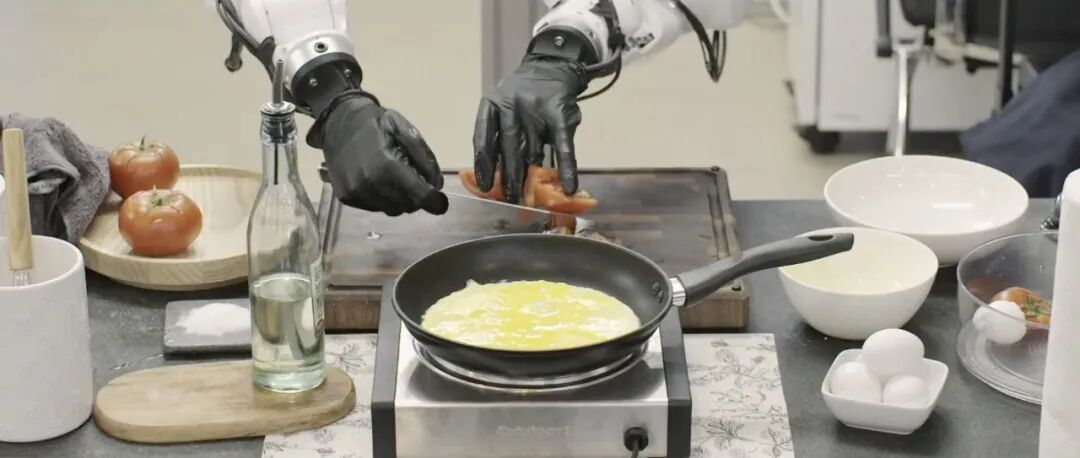
Genesis AI Releases GENE-26.5: Humanoid Robot Finally Takes On Tomato and Egg Stir-Fry
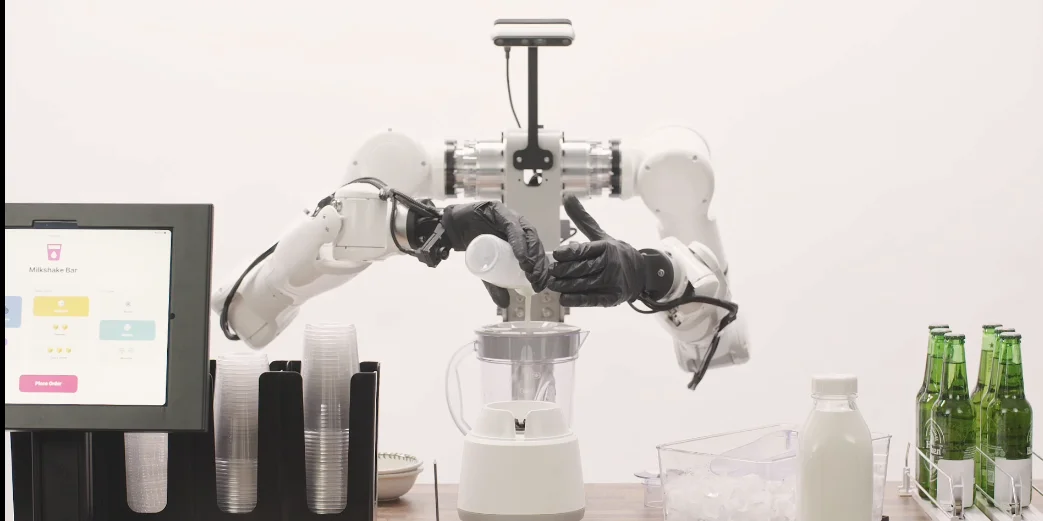
Genesis AI, a French robotics startup, has unveiled its inaugural foundation model, GENE-26.5. This advanced robot is designed to perform a variety of tasks autonomously, including cracking eggs, cutting tomatoes, making smoothies, solving Rubik's cubes, and organizing cables. The launch took place recently as the company aims to revolutionize robotic manipulation through a novel training approach that combines extensive human operation data with simulation-based closed-loop evaluation. This innovative methodology is intended to enhance the capabilities of robots, moving them closer to a comprehensive foundation model training paradigm.
Robotics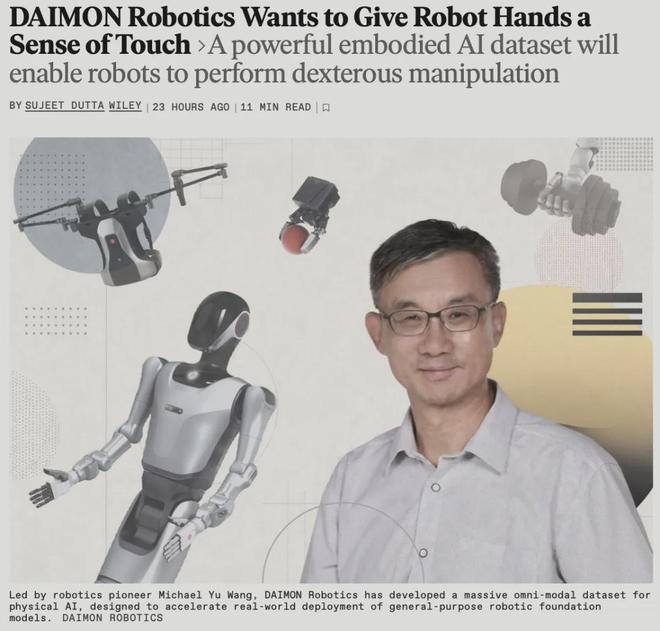
IEEE Interview with Wang Yu: Daimon Aims to Give Robots a Sense of Touch
Wang Yu, co-founder and chief scientist of Daimon Robotics, recently unveiled the Daimon-Infinity dataset during an exclusive interview with IEEE Spectrum. This dataset, recognized as the largest multimodal tactile dataset to date, is designed to significantly improve robotic manipulation capabilities. Wang highlighted the critical role of tactile feedback in enabling robots to perform dexterous tasks, underscoring its potential to advance the field of robotics. The launch of this dataset marks a pivotal step towards more sophisticated and responsive robotic systems, aiming to bridge the gap between human-like dexterity and robotic efficiency.
Tactile Robotics Robotic Manipulation AI Data Sets Embodied Intelligence
Deepfake Detection Dataset Aims to Keep Up With Generative AI
A collaborative effort involving researchers from Microsoft, Northwestern University, and the non-profit organization Witness has led to the development of a new dataset aimed at enhancing the detection of AI-generated media. Announced in a study published on April 10 in IEEE Intelligent Systems, the Microsoft-Northwestern-Witness (MNW) deepfake detection benchmark is designed to address the growing challenge of distinguishing real from fake content in an era where generative AI technology is rapidly advancing. The dataset includes a diverse array of AI-generated images, audio, and videos, reflecting the current landscape of generative AI. Thomas Roca, a principal research scientist at Microsoft, emphasized the increasing sophistication of AI-generated media, which can easily be produced by anyone using accessible applications. This proliferation raises significant concerns, including identity fraud and the creation of harmful content. The MNW benchmark aims to improve the effectiveness of detection systems by providing a wider variety of AI-generated materials, including those that have undergone post-processing manipulations. Researchers acknowledge that while this dataset could potentially be misused to develop new evasion techniques, it is crucial for enhancing the ability to assess the authenticity of media as generative AI continues to evolve. The team plans to update the dataset biannually to incorporate the latest developments in generative AI and detection challenges, with the goal of fostering transparency and raising standards in the fight against deepfake content.
Deepfakes Generative-ai Artificial-intelligence Microsoft Journal-watch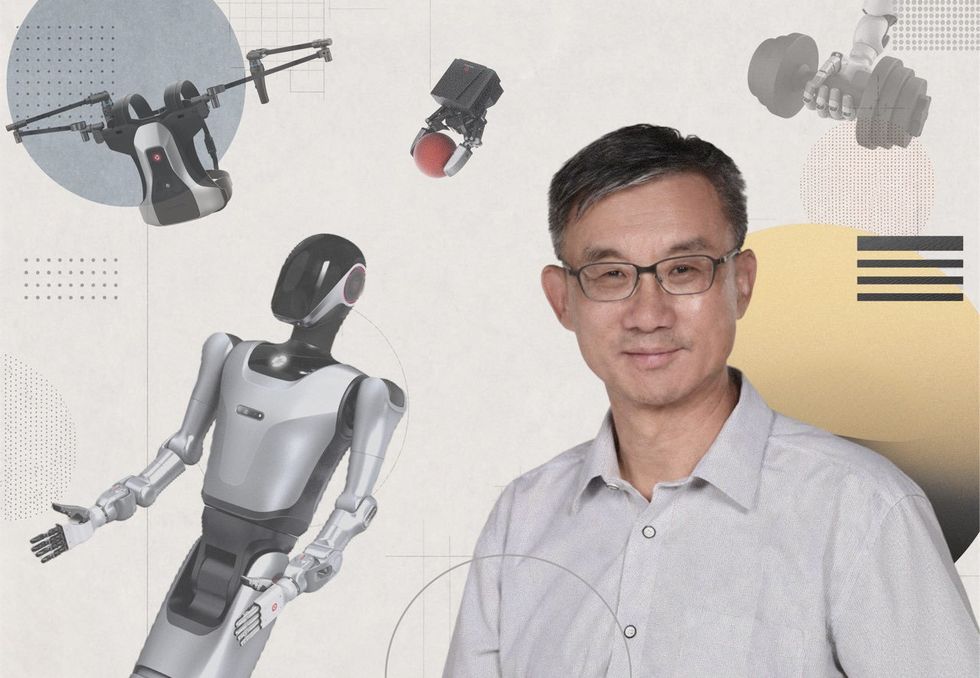
DAIMON Robotics Wants to Give Robot Hands a Sense of Touch
In April 2023, DAIMON Robotics, a Hong Kong-based company, launched Daimon-Infinity, touted as the world's largest omni-modal robotic dataset for physical AI. This extensive dataset, which includes high-resolution tactile sensing data from over 80 real-world scenarios and 2,000 human skills, aims to enhance robot manipulation capabilities across various tasks, from household chores to industrial assembly lines. The initiative is backed by collaborations with prominent partners, including Google DeepMind, Northwestern University, and the National University of Singapore. Prof. Michael Yu Wang, co-founder and chief scientist of DAIMON, emphasized the importance of tactile feedback in improving robotic dexterity, advocating for a shift from the traditional Vision-Language-Action (VLA) model to a more integrated Vision-Tactile-Language-Action (VTLA) framework. This transition is crucial for enabling robots to perform complex manipulation tasks effectively, especially in environments where visual data alone is insufficient. Recognizing a significant data gap in the robotics industry, DAIMON has committed to open-sourcing 10,000 hours of its dataset to support broader research and development efforts. The company aims to accelerate the deployment of embodied AI by providing high-quality tactile data, which is essential for training robots to interact with their surroundings more naturally and effectively. As the robotics landscape evolves, DAIMON's innovative approach positions it as a key player in advancing the capabilities of humanoid robots in real-world applications.
Type-sponsored Factory-robots Tactile-sensing Ai-models Embodied-intelligence
CJ Logistics Doubles Down on “Physical AI,” Backs Startup RLWRLD to Build Robot Brains
South Korean logistics giant has announced its new "Logistics AX" strategy during a national seminar, following a collaboration with Rainbow Robotics and Robotis focused on advanced hardware solutions. The company is making a significant investment in startup RLWRLD, aiming to develop foundational AI models that will enhance autonomous manipulation capabilities within its logistics operations. This initiative reflects the company's commitment to integrating cutting-edge technology to streamline logistics processes and improve efficiency in the rapidly evolving industry.
South Korea CJ Logistics RLWRLD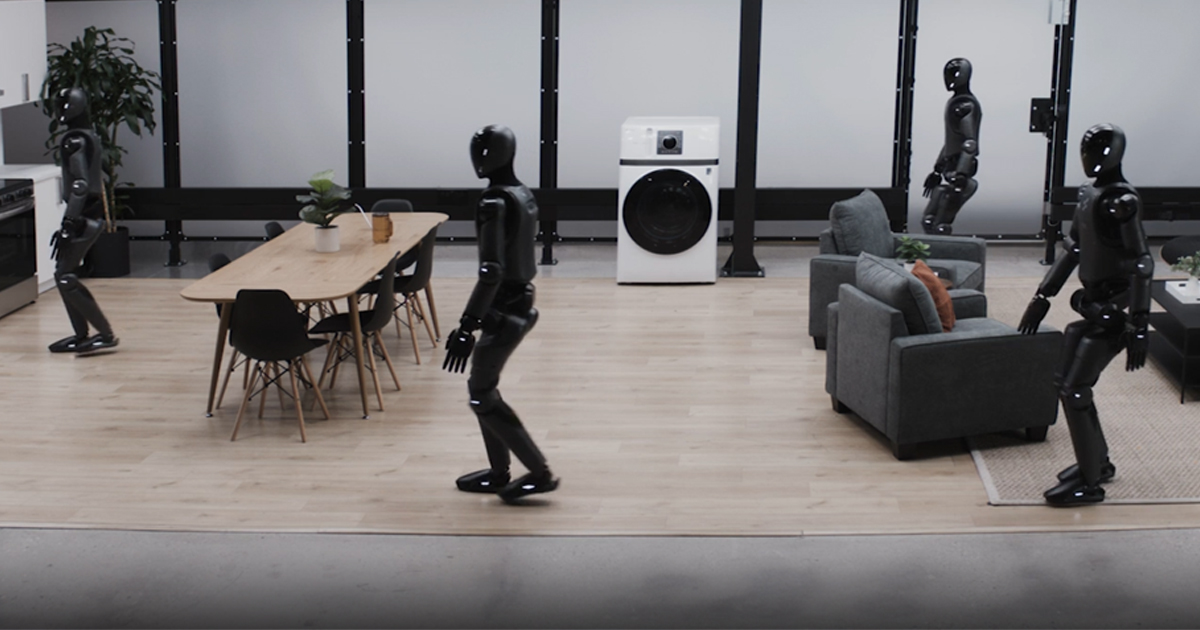
Project Go-Big: Internet-Scale Humanoid Pretraining and Direct Human-to-Robot Transfer
Figure has unveiled Project Go-Big, an innovative initiative aimed at developing the largest humanoid pretraining dataset in collaboration with Brookfield. This ambitious project is designed to enhance the capabilities of robots, allowing them to learn navigation and manipulation tasks directly from human-generated video content. By achieving zero-shot transfer of skills, Project Go-Big is set to significantly advance the field of humanoid robotics. The announcement comes as the demand for more sophisticated robotic systems continues to grow, highlighting the importance of effective training methods in the evolution of robotics technology.
humanoid robotics machine learning artificial intelligence natural language processing data collection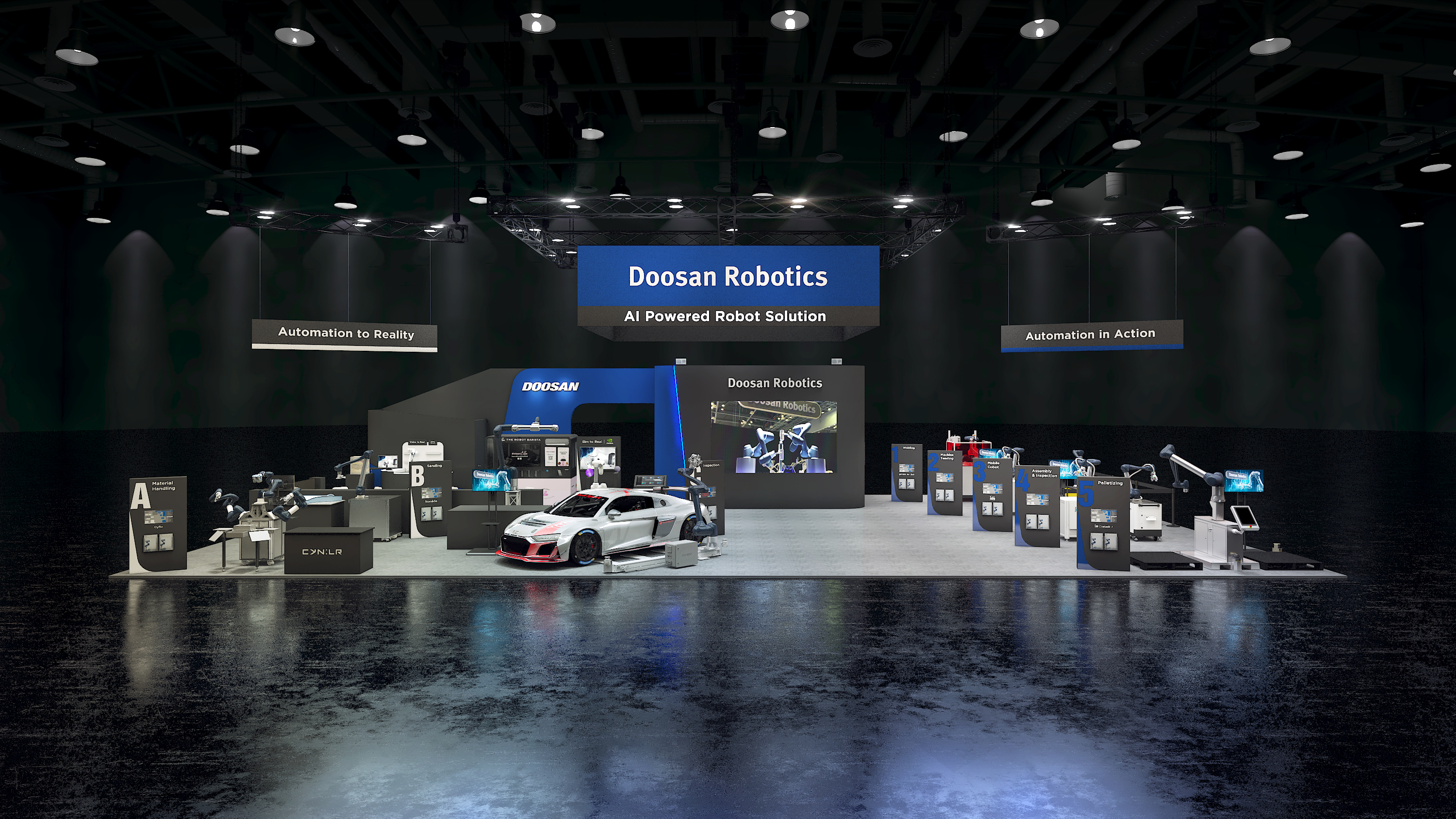
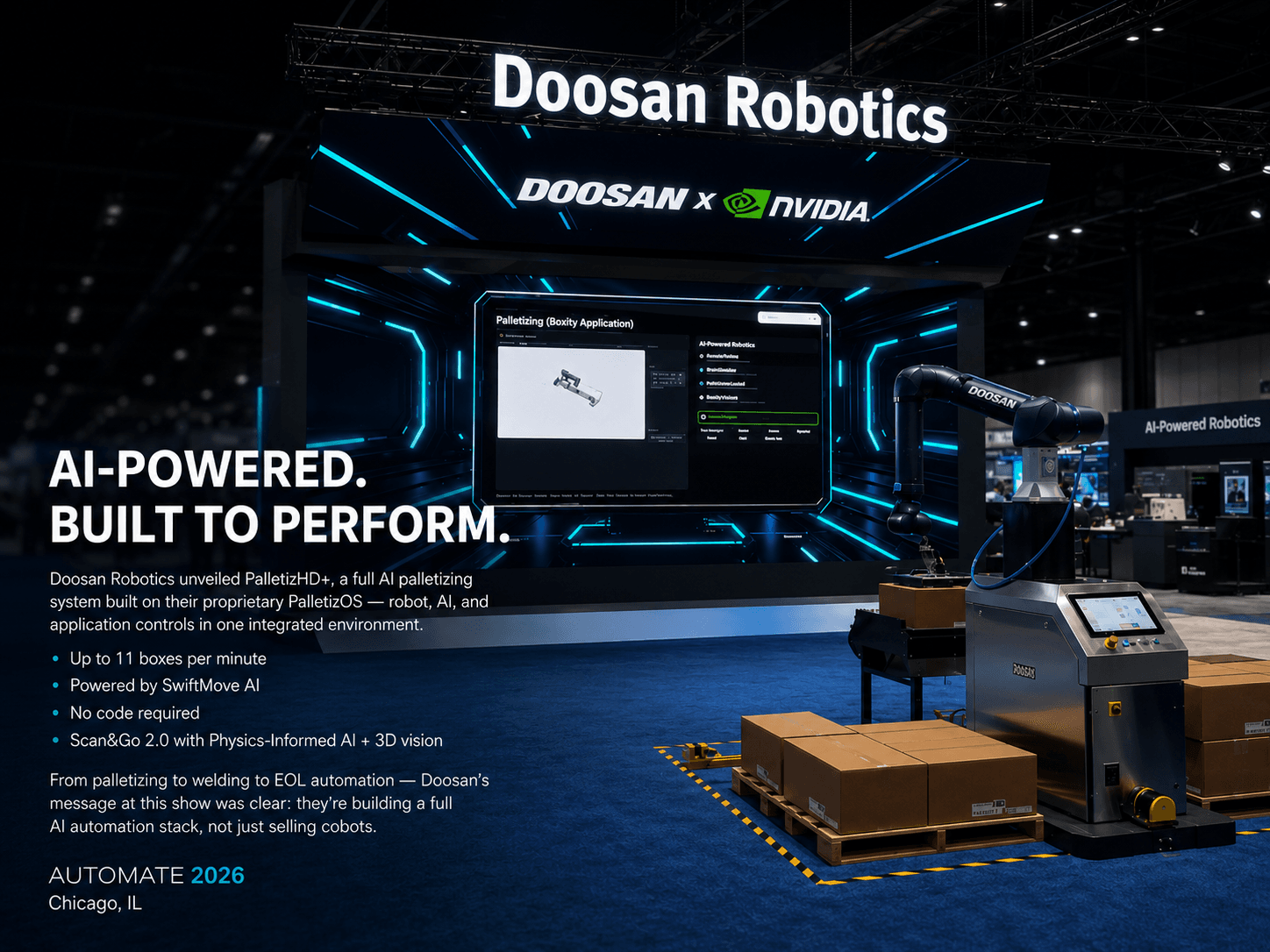
Doosan Robotics to Unveil 'AI Robot Solution' at Automatica 2025
Doosan Robotics has announced its participation in Automatica 2025, Europe’s leading automation exhibition, set to take place in Munich, Germany, starting June 24. The company will showcase its innovative 'AI Robot Solution' across two exhibition zones: 'Automation in Action' and 'Automation to Reality.' In the 'Automation to Reality' area, attendees will have the opportunity to explore a variety of AI-integrated robotic solutions, including technologies developed in collaboration with NVIDIA and AWS. Among the highlights is 'Voice to Real,' a voice-recognition solution co-developed with AWS, and an enhanced version of *Mixmaster Moodie*, which features a 3D vision camera to understand everyday language and execute tasks autonomously. The Material Handling Solution will demonstrate three collaborative robots capable of recognizing and manipulating objects without prior training, utilizing Doosan's Multi-Arm Dynamic Manipulation Engine for complex tasks. Additionally, the Sanding Solution will enable robots to autonomously polish intricate surfaces, while the Inspection Solution will conduct real-time vehicle inspections using a 3D scanning system. Another key feature is "Sim to Real," a motion control solution that leverages NVIDIA Isaac Sim for simulating AI-driven robots, allowing for rapid computation of robot trajectories and seamless transfer to physical robots. The 'Automation in Action' zone will exhibit practical applications of robotics in manufacturing processes such as welding, assembly, and quality inspection. These solutions, co-developed with European partners, are already in use by major companies like General Motors, Danone, Heineken, and Royal Mail, highlighting their commercial viability in the European market.

1X Unveils Redwood AI: A Unified, Onboard Brain for Its NEO Humanoid Robots
Robotics firm 1X has officially unveiled its latest advancement, the Redwood AI model, specifically designed for its NEO humanoid robots. This announcement comes after days of anticipation and speculation within the tech community. The Redwood system operates entirely onboard the robots, allowing for seamless integration of locomotion and manipulation into a unified network. Its innovative design enables the robots to learn from both successful and unsuccessful tasks encountered in real-world home environments. This development aims to enhance the functionality and adaptability of humanoid robots, positioning 1X at the forefront of robotic technology as it seeks to improve everyday interactions in domestic settings.
1X-technologies Redwood humanoid-robots embodied-ai robotics-ai NEO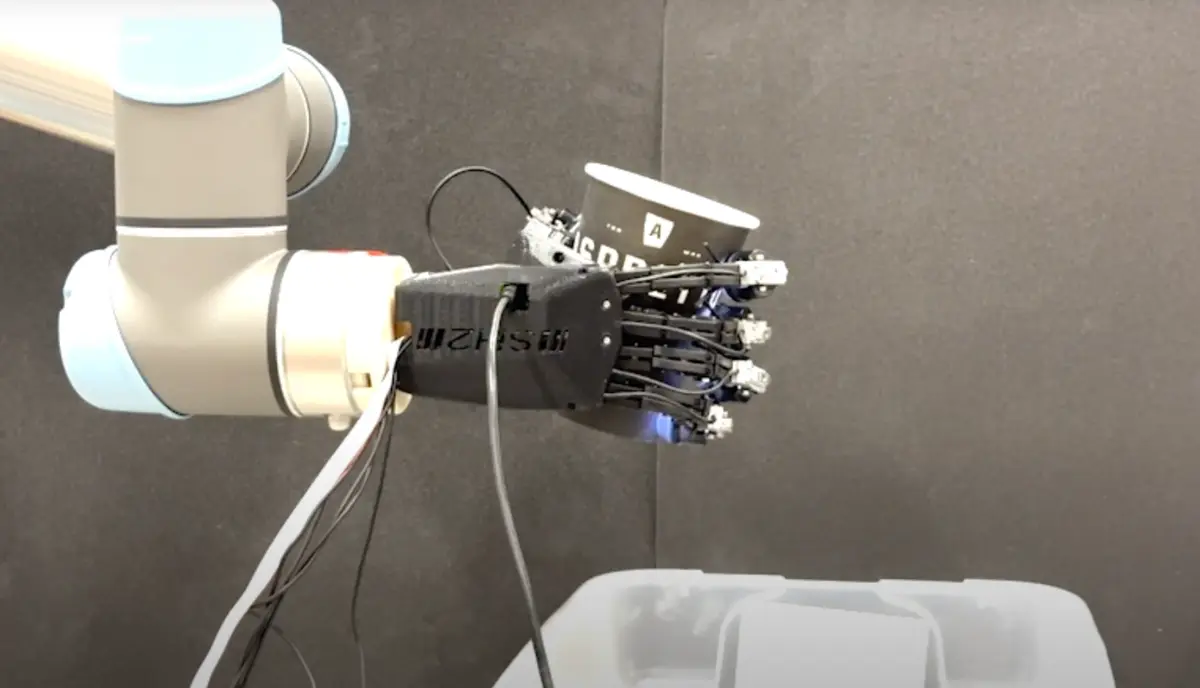
UK Team Secures £5M to Advance Human-Like Robot Dexterity with AI Co-Design
A research team from the University of Bristol and Imperial College London has been awarded a £5 million grant from the Advanced Research and Invention Agency (ARIA) to advance the development of AI-driven techniques for designing highly dexterous robotic hands and their control systems. This initiative, which aims to address existing challenges in robotic manipulation, seeks to democratize the creation of specialized robotic solutions for various tasks. The project underscores the growing importance of artificial intelligence in enhancing robotic capabilities and making advanced technology more accessible.
ARIA
Figure AI Reorganizes to Boost Humanoid Learning with 'Helix' AI Model
Brett Adcock, CEO of Figure AI, has unveiled a significant reorganization within the company, merging three teams into a single entity named Helix. This strategic move, announced recently, is intended to enhance the development of AI technologies for Figure AI's humanoid robots. The newly formed Helix group will focus on advancing the Vision-Language-Action model, also referred to as Helix, which is designed to facilitate generalist control, enable multi-robot collaboration, and improve versatile object manipulation. This initiative reflects Figure AI's commitment to innovation and efficiency in the rapidly evolving field of robotics.
Figure helix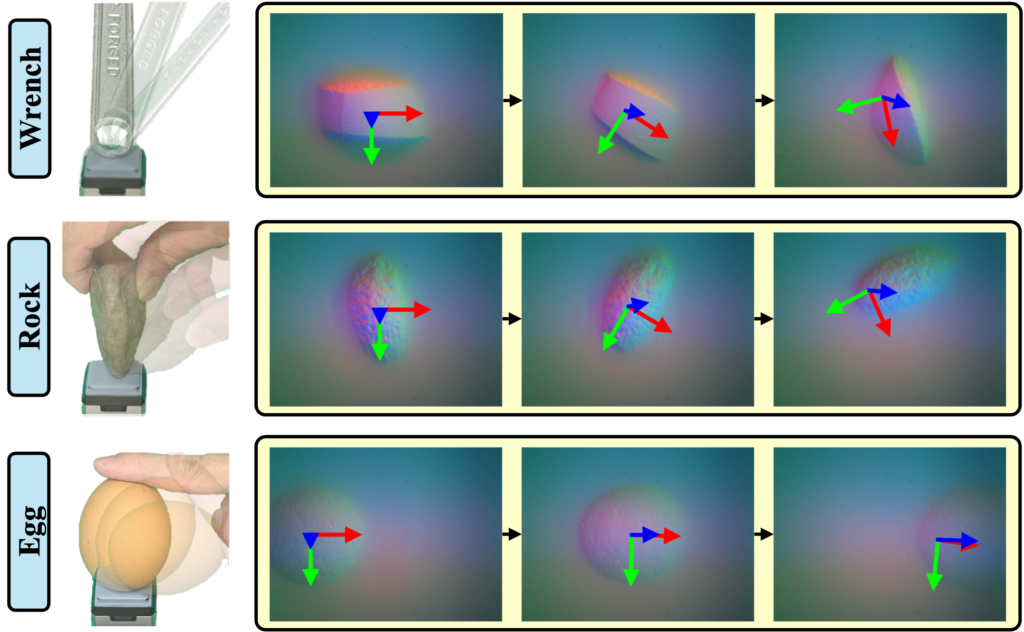
Innovative Algorithm Enhances Robot Tracking for High-Precision Manipulation Tasks
Researchers at Carnegie Mellon University's Robotics Institute are making strides in enhancing robotic capabilities with the development of an innovative algorithm designed to improve tracking for high-precision manipulation tasks. This advancement is particularly significant as it addresses the challenges robots face when handling a diverse range of low-texture objects, which require human-level dexterity for effective manipulation and reconstruction. The work, led by a Ph.D. student, aims to push the boundaries of current robotic tactile sensing technologies. By refining the algorithms that govern how robots perceive and interact with their environment, the team hopes to facilitate more accurate and versatile robotic applications in various fields. This breakthrough could pave the way for robots to perform complex tasks that demand a high degree of precision, ultimately revolutionizing the way robots are utilized in industries that rely on intricate object handling.
Research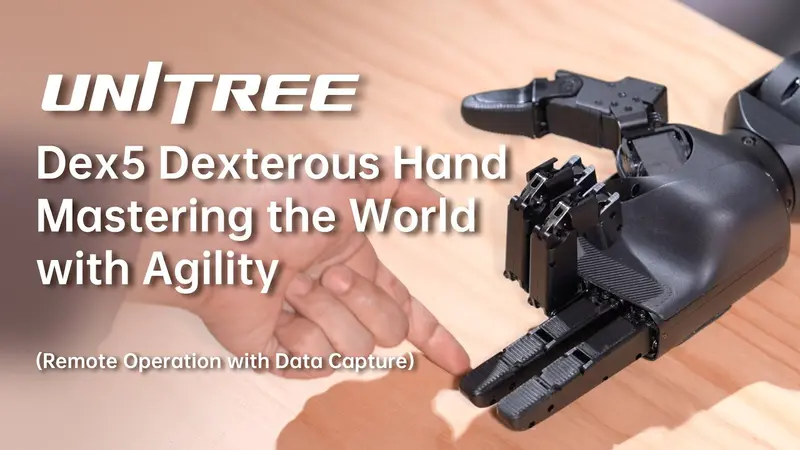
Unitree Unveils Dex5: Aiming for Human-Like Agility in Robotic Hands
Unitree Robotics, a company recognized for its innovative humanoid and quadruped robots, has unveiled its latest creation, the Dex5, a sophisticated five-fingered robotic hand. This new device boasts 20 degrees of freedom and 94 highly sensitive touch points, showcasing its remarkable fine manipulation capabilities in a promotional video. The introduction of the Dex5 marks a significant step for Unitree as it broadens its focus into advanced robotics components, aiming to enhance the functionality and versatility of robotic systems.
video G1 Unitree Robotics dex5
Tactile Data Competition Begins: Qianjue's Gripper Transforms Robot Training
Qianjue Robotics has unveiled the XTac UMI G1, a groundbreaking wearable multi-modal data collection gripper aimed at addressing the challenges of embodied intelligence in robotics. The introduction of this innovative device comes in response to the industry's pressing need for high-quality tactile data, which is essential for training robots to perform complex tasks in real-world environments. By capturing detailed interaction data, the XTac UMI G1 seeks to bridge the existing gap between visual data and physical interaction, thereby enhancing the capabilities of robots. This development marks a significant step forward in improving robotic performance and adaptability in various applications.
Tactile Data Collection Robot Training Embodied Intelligence Robotics Technology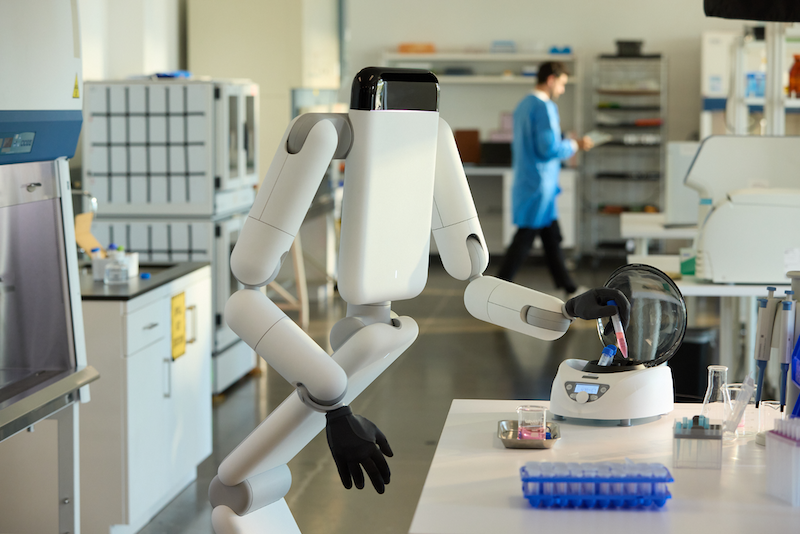
Genesis AI launches first general-purpose humanoid robot
Genesis AI, a global leader in robotics, has introduced Eno, its inaugural general-purpose robot. Launched recently, Eno is characterized by its minimalist design, which sets it apart from conventional robotic forms. Powered by GENE, the company's advanced foundation model, Eno is designed to function as a true physical agent, capable of reasoning and performing tasks autonomously. This innovation aims to redefine the capabilities of robots in various applications, reflecting Genesis AI's commitment to pushing the boundaries of technology in the robotics sector.
Humanoids News agentic ai ai robotics automation news Autonomous robots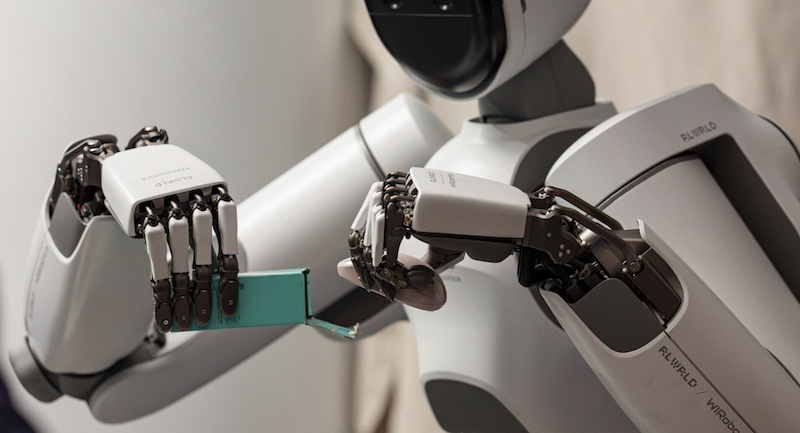
RLWRLD named World Economic Forum Technology Pioneer for advancing physical AI infrastructure
RLWRLD, a company specializing in physical artificial intelligence, has been recognized as a World Economic Forum Technology Pioneer for 2026 due to its development of the Robotics Foundation Model RLDX-1. This prestigious designation is awarded annually to 100 innovative technology firms that are expected to create significant, transformative impacts on industries and society at large. The World Economic Forum's analysis highlights RLWRLD's potential to lead advancements in technology, underscoring the company's role in shaping the future of robotics and AI.
Artificial Intelligence News Technology AI infrastructure artificial intelligence automation news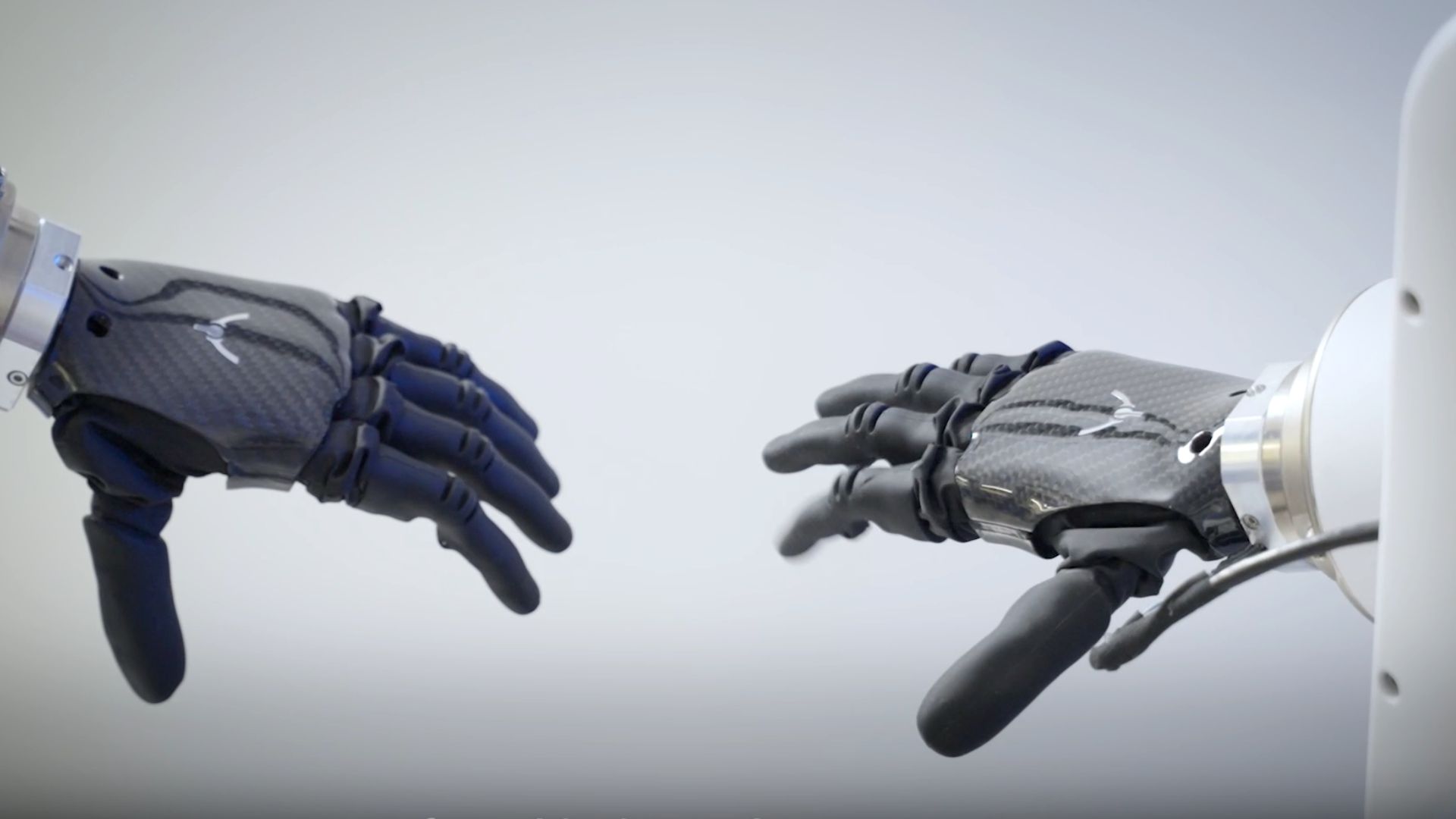
Prosthetic hands’ data helps robots get finer control for precise manipulation
ABB Robotics has announced a collaboration with California-based bionic company PSYONIC to enhance the development of more dexterous robotic systems. This partnership aims to leverage PSYONIC's expertise in bionic technology to create advanced robotic solutions that can perform intricate tasks with greater precision and adaptability. The initiative is part of ABB's ongoing commitment to innovation in robotics, seeking to address the growing demand for versatile robotic applications across various industries. The collaboration was officially unveiled in October 2023, marking a significant step forward in the integration of bionic technology into robotic systems. By combining their strengths, both companies hope to push the boundaries of what is possible in robotic dexterity, ultimately improving efficiency and productivity in sectors such as manufacturing, healthcare, and beyond.
AI and Robotics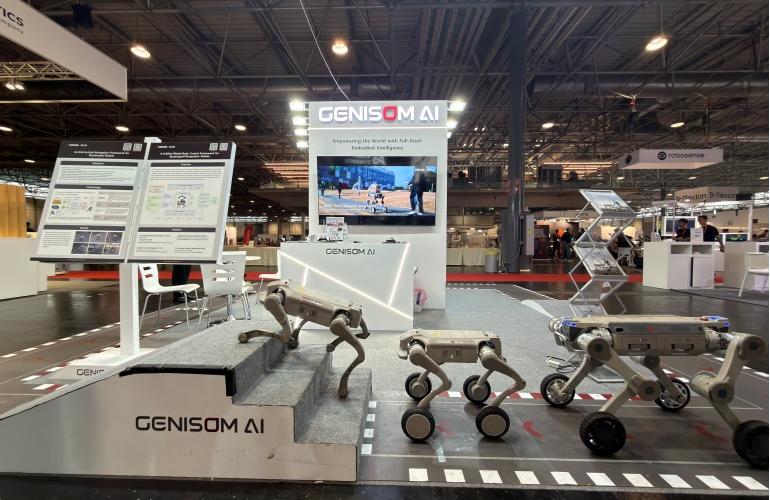
GENISOM AI debuts deployable robotics platforms at ICRA 2026
At the International Conference on Robotics and Automation (ICRA) 2026, GENISOM AI showcased its innovative deployable robotics platforms, marking its presence as a significant player in the robotics industry. Although the company may have been unfamiliar to many attendees, it is not a fledgling startup but rather an established entity with advanced technology ready for practical application. The event, held in May 2026, provided a platform for GENISOM AI to demonstrate its cutting-edge solutions, aimed at enhancing operational efficiency in various sectors. By unveiling these robotics platforms, the company seeks to address the growing demand for automation and intelligent systems in an increasingly competitive market. Through live demonstrations and presentations, GENISOM AI illustrated how its technology can be integrated into existing workflows, showcasing its potential to revolutionize industries reliant on robotics.
Actuators / Motors / Servos Artificial Intelligence Controllers Development Tools / SDKs / Libraries Mobility / Navigation News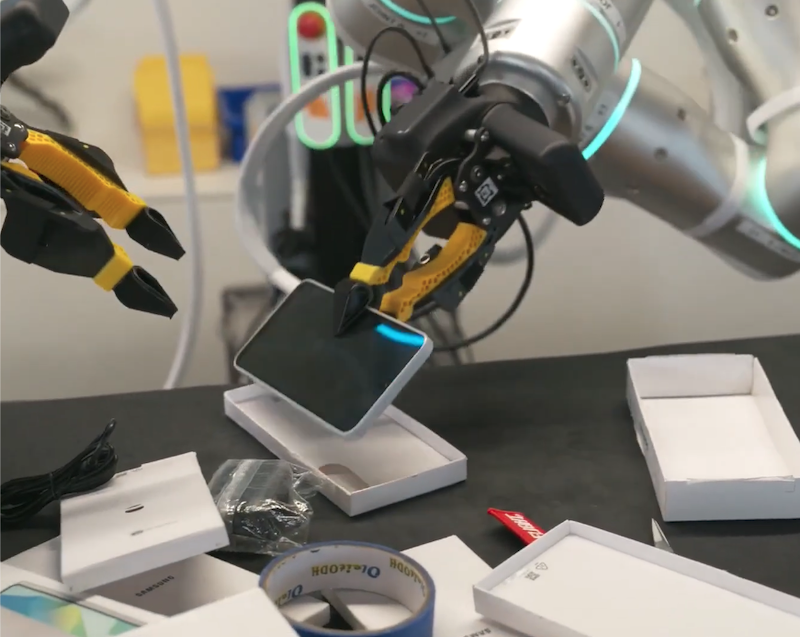
Generalist AI raises $400 million to scale robot intelligence platform
Generalist AI, a startup focused on creating foundation models for robotics, has successfully secured $400 million in a recent funding round. This investment aims to expedite the development of what the company refers to as “physical AGI,” or artificial general intelligence that can function in the physical world through robotic systems. Following this funding, Generalist AI's valuation has reached approximately $2 billion. The influx of capital will enable the company to enhance its research and development efforts, positioning it at the forefront of advancements in robotics and AI technology.
Computing News Software 8VC ai funding AI models
Why robotics can’t advance without physical AI
Recent advancements in robotics are shifting focus from enhancing processors and mechanical designs to improving data quality, particularly through realistic training environments. This emerging field, known as Physical AI, emphasizes the creation of 3D assets and simulation environments that incorporate genuine physical properties. By accurately mimicking real-world behaviors, these simulations aim to enhance the training of robotic systems, enabling them to perform more effectively in various applications. As researchers and developers prioritize realistic data over traditional methods, the potential for breakthroughs in robotic capabilities is becoming increasingly evident. This evolution in robotics is expected to redefine how machines interact with their environments, paving the way for more sophisticated and adaptable technologies.
Artificial Intelligence Robotics ai robotics automation news Autonomous robots digital twins
Interview with CreateMe CEO Campbell Myers: From stitching to bonding – physical AI could transform the way clothes are made
Apparel manufacturing continues to be one of the most labor-intensive sectors globally, despite advancements in automation in other industries such as automotive and electronics. The difficulty in automating textile production arises from the unique properties of fabric, which can stretch, wrinkle, and shift unpredictably. This complexity has hindered the development of effective robotic solutions for handling soft materials, leaving the apparel industry largely reliant on human labor. As manufacturers seek to improve efficiency and reduce costs, the challenge of integrating automation into textile production remains a significant hurdle.
Engineering Features Manufacturing adhesive bonding apparel automation apparel industry
Festo launches lightweight pneumatic gripper and tests GripperAI
Festo has introduced a new compact cobot gripper designed to enhance automation capabilities in various industries. This innovative gripper is notable for its lightweight pneumatic design, making it suitable for collaborative robots (cobots). In conjunction with the gripper, Festo has also unveiled GripperAI, a robot-agnostic technology that allows for the grasping of objects without the need for prior training. This advancement aims to streamline the integration of robotic systems in manufacturing and logistics, addressing the growing demand for flexible automation solutions. The launch of these products reflects Festo's commitment to advancing robotics technology and improving operational efficiency across sectors.
Artificial Intelligence Artificial Intelligence / Cognition Cobot Arms Collaborative Robots Controllers End Effectors / Grippers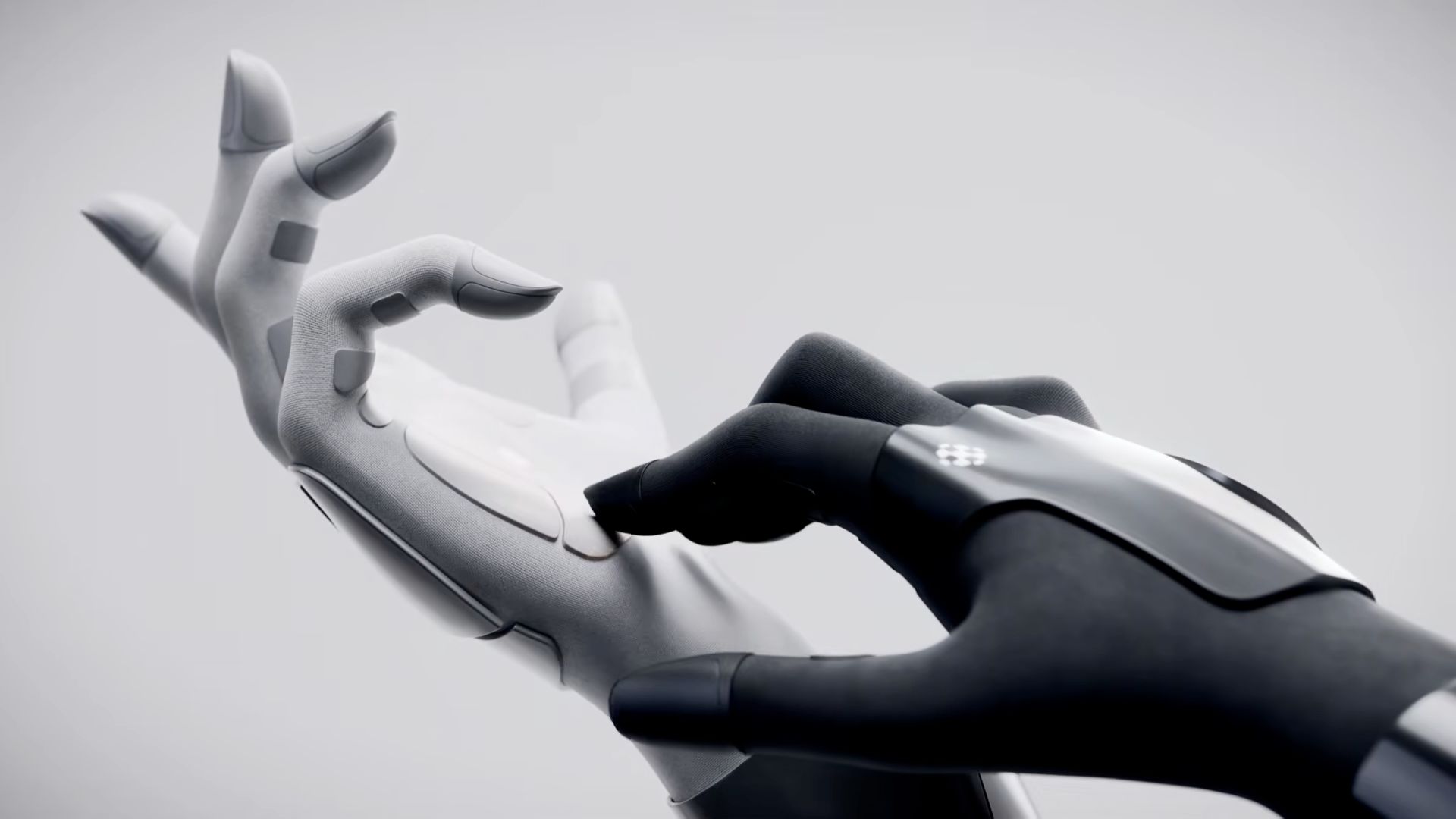
China’s new robotic hand combines hybrid actuation for smarter robot manipulation
Chinese robotics company Xynova has introduced its second-generation dexterous hand, designed to enhance the capabilities of humanoid robots. The unveiling took place recently, showcasing advancements in robotic technology that aim to improve the dexterity and functionality of robots in various applications. This innovation is part of Xynova's ongoing commitment to push the boundaries of robotics, addressing the growing demand for more sophisticated and versatile robots in industries such as manufacturing, healthcare, and service. The new hand features improved grip strength and precision, enabling robots to perform complex tasks with greater ease. By advancing robotic dexterity, Xynova seeks to facilitate the integration of humanoid robots into everyday environments, ultimately enhancing human-robot collaboration.
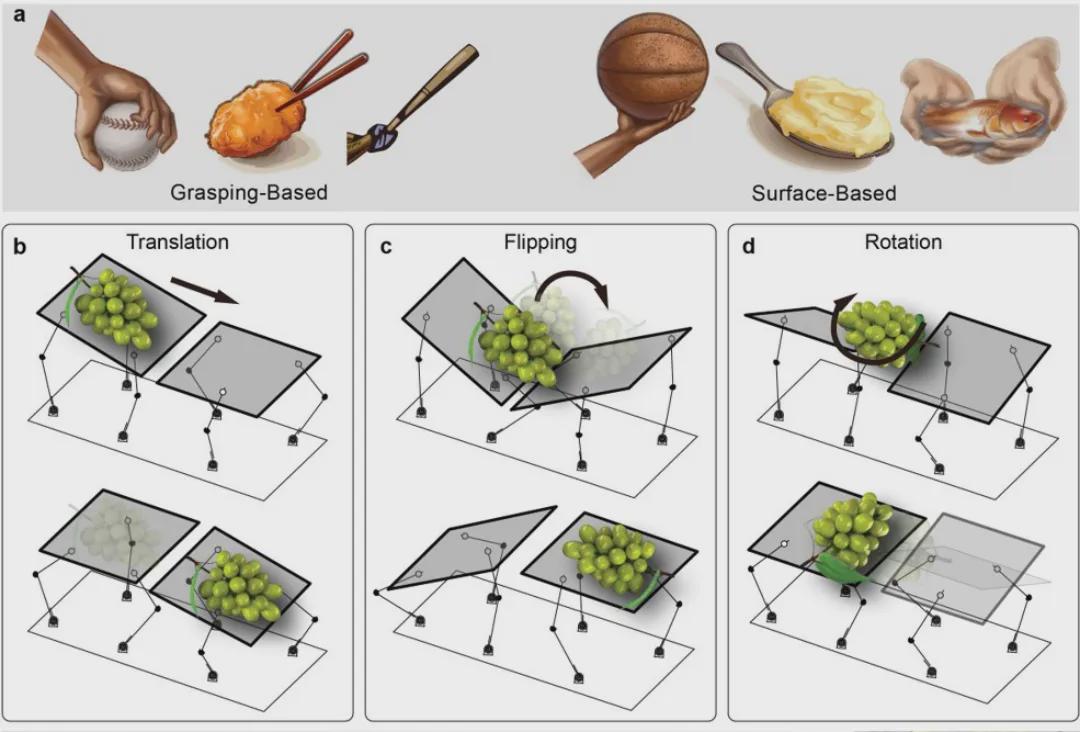
Replacing Grasping with Support: EPFL Team Proposes a New Paradigm for Robot Manipulation
Researchers from the École Polytechnique Fédérale de Lausanne (EPFL) have unveiled a groundbreaking robotic manipulation technique that moves away from conventional grasping methods to a surface-based support system. This new approach enables robots to interact with a wide range of objects without requiring stable grips, significantly improving their dexterity. The development, announced recently, has the potential to transform automation processes across multiple industries, enhancing efficiency and versatility in robotic applications. By allowing robots to manage objects more fluidly and adaptively, this innovation could lead to advancements in fields such as manufacturing, logistics, and service industries.
Robotic Manipulation Automation Technology Surface-Based Handling EPFL Research
Figure AI's robots can make a bed faster than you
Figure AI has unveiled a video showcasing two humanoid robots collaborating to make a bed, a task that challenges their coordination, vision, and dexterity. This demonstration highlights the advancements in robotics technology, particularly in the realm of complex, everyday activities. The video was released recently, emphasizing the capabilities of these robots in performing tasks that require a high level of precision and teamwork. As the field of artificial intelligence continues to evolve, such innovations aim to enhance the functionality of robots in domestic settings, potentially transforming how household chores are approached in the future.
AI Tech Startups robotics figure humanoid-robots
From Demo to Deployment, Where Robotics Actually Fails
Recent advancements in robotic vision have highlighted a significant gap in achieving true autonomy in unstructured environments: the need for tactile intelligence. Experts emphasize that while robots can effectively process visual information, the ability to 'feel' pressure and tension is crucial for reliable object handling. This capability is essential for various applications, including agricultural harvesting and medical device operation. As the field progresses, researchers are focusing on integrating tactile sensors and feedback mechanisms to enhance robots' interaction with their surroundings, ultimately aiming to bridge this critical gap in robotic functionality.
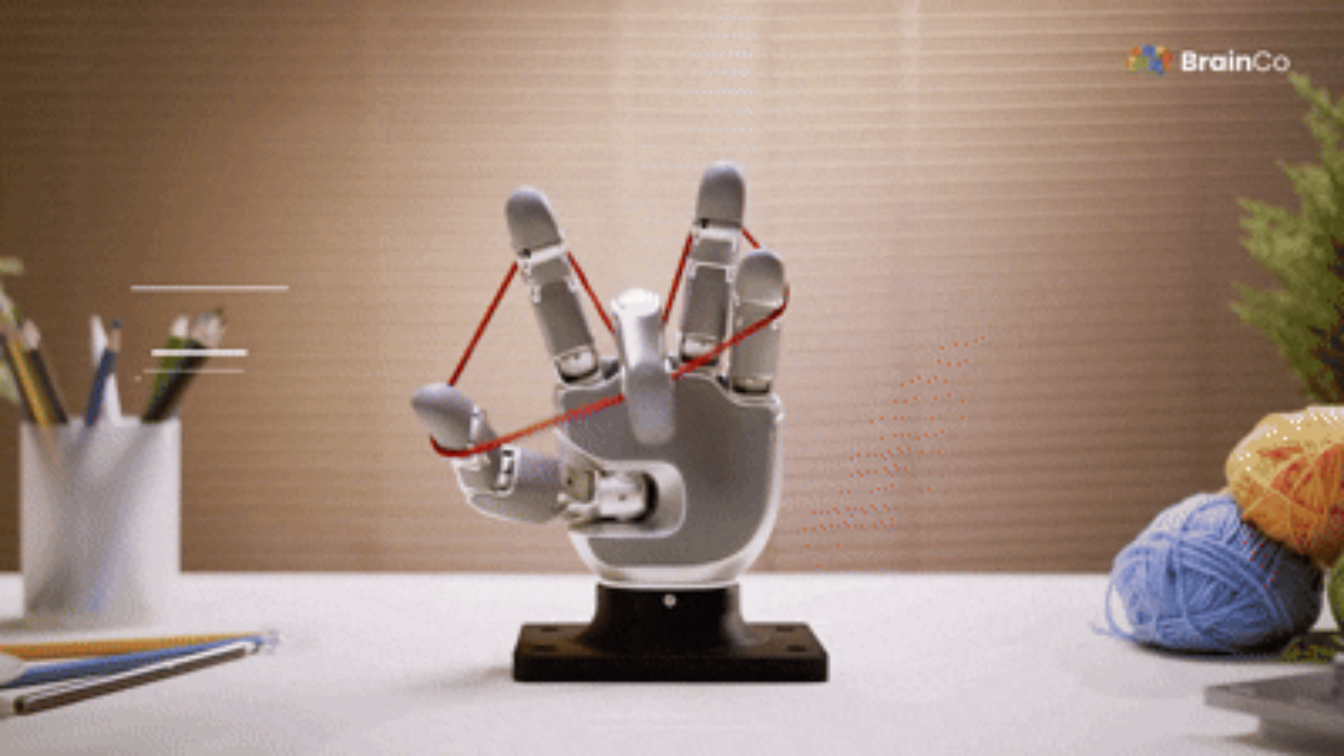
Qiang Brain Technology's Revo 3: A New Generation of Dexterous Hands Understanding Touch
Qiang Brain Technology has unveiled Revo 3, a groundbreaking open-source dexterous hand that boasts more than 20 degrees of freedom and integrated tactile sensing. This innovative device, launched recently, is designed to assist amputees in regaining hand functionality while also improving robotic capabilities through sophisticated neuro-signal interpretation. The development of Revo 3 represents a significant advancement in prosthetic technology, aiming to enhance the quality of life for users by providing them with a more natural and responsive hand experience.
Dexterous Hands Robotics Neurotechnology Tactile Sensing
NVIDIA expands robotics hiring in China, opens roles in Beijing, Shanghai, and Shenzhen
NVIDIA, the prominent US chipmaker, has launched an extensive recruitment campaign aimed at expanding its robotics team. The company is seeking talent in four key areas: embodied AI, simulation, deployment, and solution architecture. Job openings are available in major Chinese cities, including Beijing, Shanghai, and Shenzhen. This initiative reflects NVIDIA's commitment to advancing technologies related to embodied AI, with a focus on applications such as dexterous manipulation and human body modeling. The recruitment drive underscores the company's strategy to enhance its capabilities in robotics and artificial intelligence, responding to the growing demand for innovative solutions in these fields.
News Feed
AGIBOT Showcases Embodied AI Robots at VivaTech 2026 in Paris
AGIBOT, a leader in embodied AI and robotics, showcased its innovative humanoid robots at the 10th-anniversary celebration of VivaTech 2026 in Paris on June 23. The event, held on the iconic Champs-Élysées, allowed visitors to engage with cutting-edge technologies, including live demonstrations of AGIBOT's robotics capabilities in areas such as interaction, locomotion, and manipulation. William Shi, AGIBOT's President for Europe and the Americas, emphasized the shift in the humanoid robotics industry from experimental concepts to practical applications, highlighting the importance of platforms like VivaTech for connecting with the technology and business communities in Europe. During the event, AGIBOT's robots, including the X2 and D1 models, participated in a coordinated performance and a robot parade, captivating an audience of 2,000. Additionally, AGIBOT engaged in a bilingual panel discussion focused on the future of AI and humanoid robotics, exploring the transition from demonstration to real-world deployment. The company aims to advance its robotics technologies to create smarter and safer robotic solutions for various applications. AGIBOT's commitment to innovation is underscored by the recent milestone of producing its 10,000th robot earlier this year.
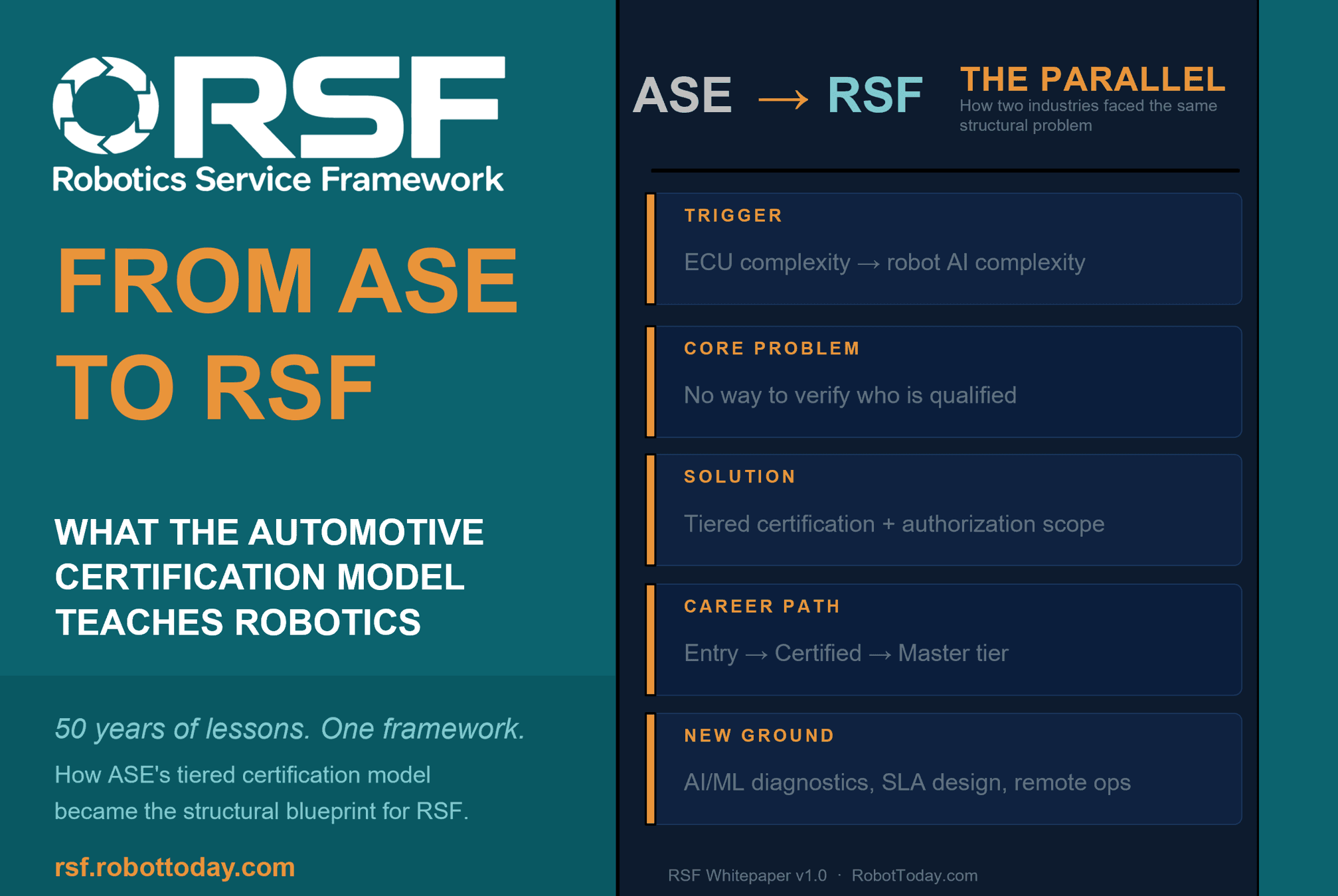
Robotics needs a service framework.
RSF defines a common language for robot service capability, lifecycle operations, certification pathways, and service-provider networks.