Industry Briefing
A single destination for timely, editor-curated robotics news from around the world.

MIT Lincoln Laboratory: A Legacy of National Security Innovation Over 75 Years
On July 26, 1951, the U.S. Air Force, Army, and Navy established Project Lincoln, leading to the creation of MIT Lincoln Laboratory, which has been pivotal in developing the nation's air defense system, SAGE. Seventy-five years later, the laboratory continues to innovate in national security technology, collaborating with government, industry, and academia. The significance of Lincoln Laboratory's contributions is profound, as it has not only protected military personnel and the U.S. homeland but also advanced societal safety. Innovations in radar and optical systems have provided critical space situational awareness, while military satellite communications have evolved from mere concepts to essential tools for global connectivity in military operations. Looking ahead, Lincoln Laboratory is poised to continue its legacy of innovation, with ongoing projects aimed at enhancing missile defense, aviation safety, and the development of technologies for drones and advanced air mobility systems. No further timeline was disclosed at the time of publication.
History of science Technology and society Invention Government Collaboration Radar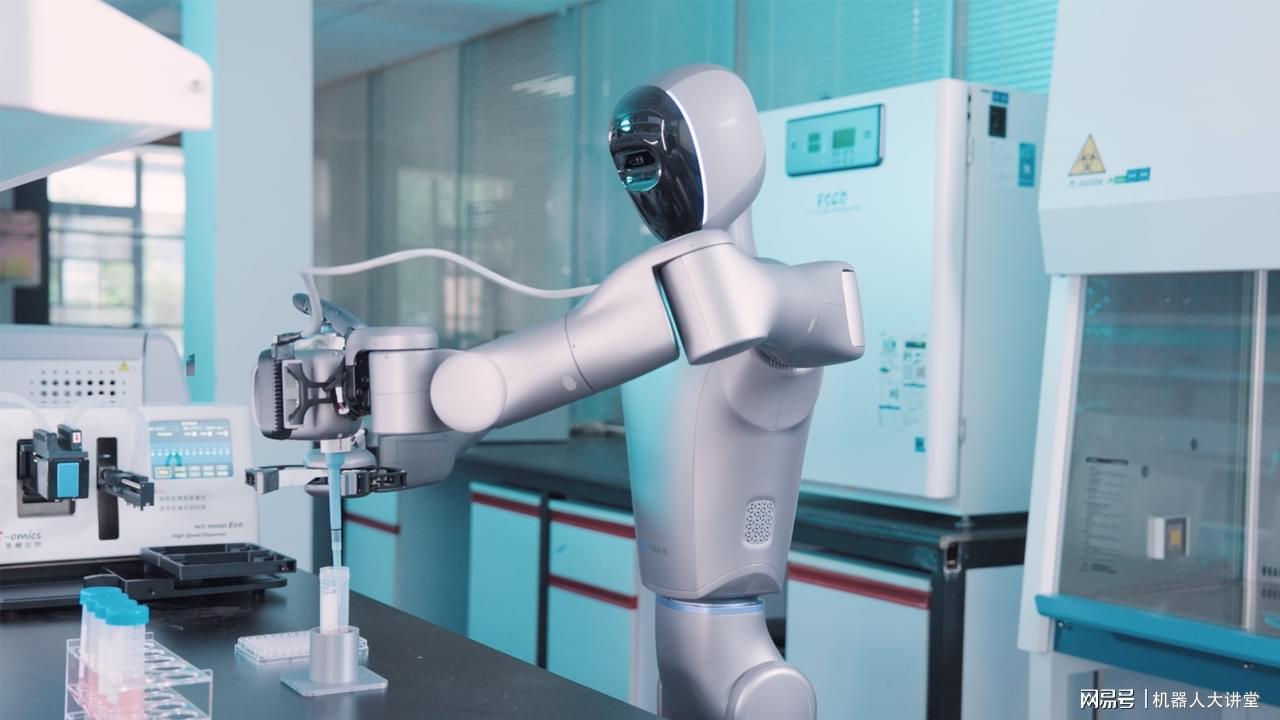
Yuanluo Technology Unveils First Autonomous Laboratory Utilizing Object-Centric Physics Model
Yuanluo Technology has successfully launched the world's first autonomous laboratory on a national research platform, marking a significant advancement in embodied intelligence. The laboratory's robotic system can autonomously perform over 40 operations, including nucleic acid extraction and cytotoxicity testing, with a precision of less than one millimeter. This achievement demonstrates the robot's capability to execute complex, multi-step tasks continuously for over three hours, addressing challenges in throughput and consistency in biochemical research. This development is crucial as it signifies a shift from demonstration to practical application of embodied intelligence in the biochemical and material science sectors. The Object-centric Physics Native Model (OPN), developed by Yuanluo, enables the robot to understand and adapt to the dynamic conditions of a real laboratory environment. By integrating visual, tactile, and force feedback, the robot can make real-time adjustments, ensuring stable execution of intricate experimental workflows across multiple devices. Looking ahead, the successful implementation of this autonomous laboratory sets the stage for further advancements in research and development processes across various industries, including public health and advanced manufacturing. The next milestones will involve expanding the capabilities of the OPN model and integrating it into more complex industrial systems. No further timeline was disclosed at the time of publication.
Autonomous Laboratories Embodied Intelligence Biochemical Research Robotics AI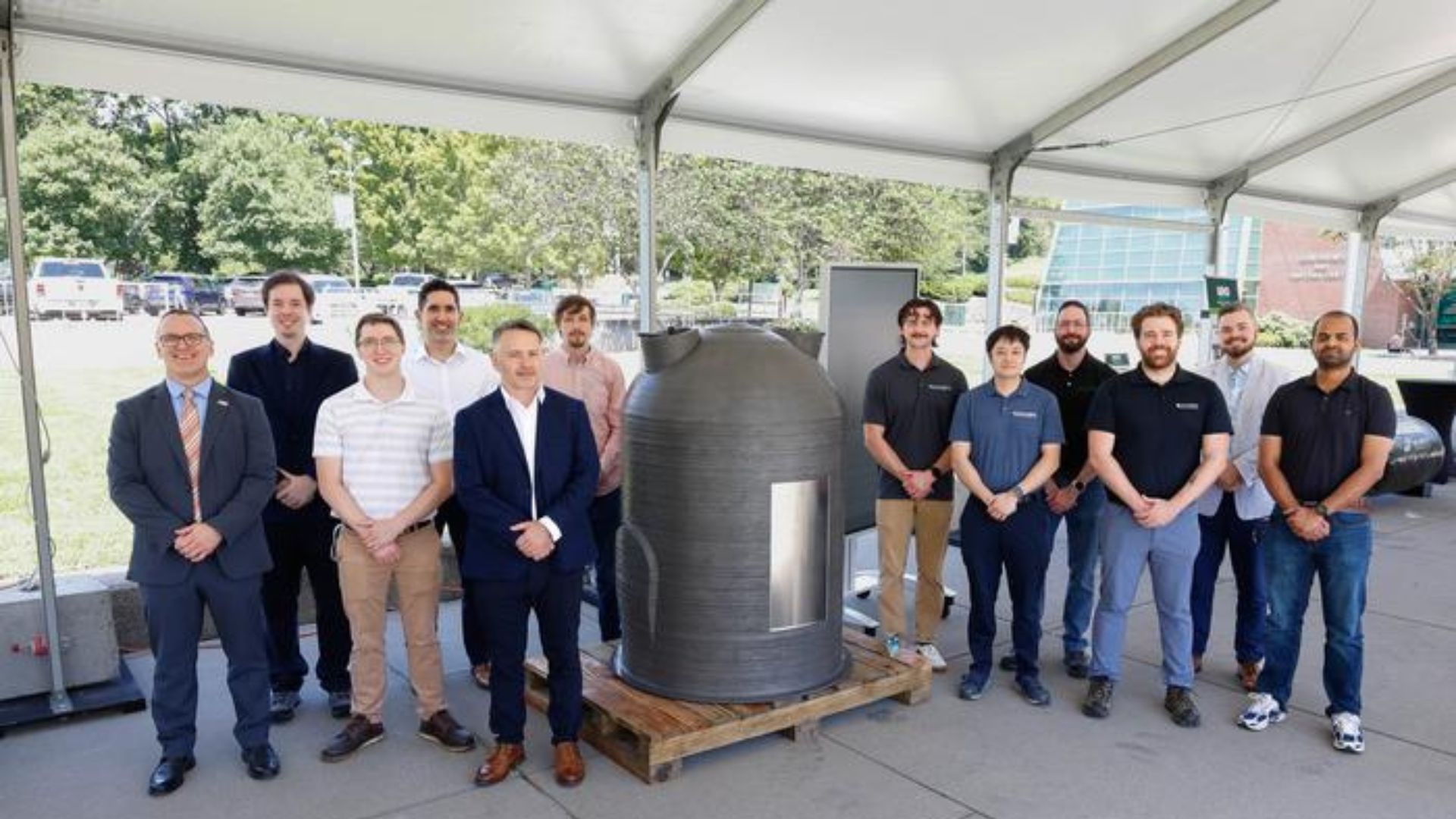
Oak Ridge National Laboratory Utilizes Robotics to 3D Print Steel Pressure Vessel for Nuclear Applications
Oak Ridge National Laboratory (ORNL) and its industry partners are leveraging advanced manufacturing technologies, including heavy 3D printing and AI-driven automation, to address challenges in the U.S. industrial supply chain. A notable achievement includes the creation of a three-by-five-foot nuclear pressure vessel using a three-armed robot named MedUSA, showcasing the potential of additive manufacturing in producing large metal components. This initiative is crucial as the U.S. industrial sector grapples with significant operational challenges, including irregular supply chains and a shortage of skilled labor, which have led to delays in critical infrastructure projects. The Materials and Manufacturing Innovation Days event at ORNL brought together over 350 leaders to discuss accelerating the adoption of advanced manufacturing technologies, aiming to transform laboratory innovations into practical applications for U.S. manufacturers. Looking ahead, the focus will be on overcoming certification hurdles for 3D-printed components, as highlighted by participants at the event. The collaboration between ORNL and various industry stakeholders aims to enhance supply chain resilience and expedite the qualification of alternative materials and manufacturing processes, ensuring that advancements in technology translate effectively to the factory floor.
Energy Innovation
Argonne National Laboratory Launches PoLARIS Project for AI-Driven Remote Experiments
Argonne National Laboratory has initiated the PoLARIS project, which integrates AI and robotics to conduct remote experiments in polymer science. Funded by a $20 million grant from the U.S. National Science Foundation, this collaboration with the University of Chicago aims to enhance domestic supply chains and bolster American competitiveness in a $200 billion industry. The PoLARIS project seeks to create a cloud-based laboratory that combines materials science, AI, and robotics, allowing researchers to perform complex experiments remotely. Jie Xu, a co-principal investigator, describes the robots as the 'hands and eyes' of the operation, while AI functions as the 'brain' to optimize experimental workflows and data analysis. Looking ahead, PoLARIS is expected to revolutionize materials research by making it faster, more reproducible, and accessible. The integration of advanced technologies could significantly impact the future applications of robotics and AI in scientific research. No further timeline was disclosed at the time of publication.
Factory / Robotics
Brookhaven National Laboratory and Stony Brook University Achieve Quantum Link Over 13 Miles
Researchers at Brookhaven National Laboratory and Stony Brook University have successfully demonstrated a quantum link across 13 miles in open air. This achievement marks the first of its kind in the United States and adds a wireless component to the nation’s longest quantum network, which spans 161 miles and connects eight nodes. The significance of this development lies in overcoming the limitations of fiber-optic cables, which can hinder the transmission of fragile quantum information over long distances. By utilizing laser technology to send quantum states of light through the atmosphere, the researchers have addressed the challenges posed by conventional wireless technology, which is unsuitable for preserving delicate quantum signals. Looking ahead, the integration of telescope technology and adaptive optics to counteract atmospheric turbulence is a noteworthy advancement. This innovative approach could pave the way for more robust quantum communication systems. No further timeline was disclosed at the time of publication.
Science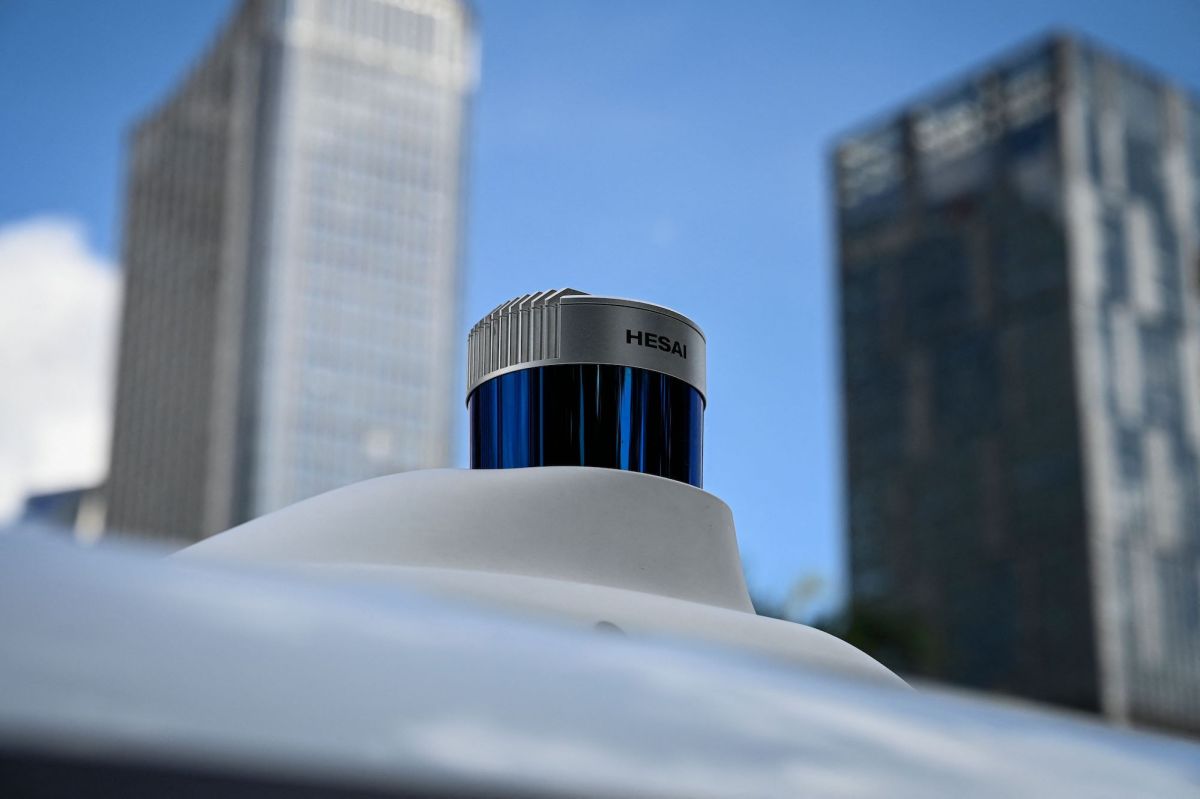
Idaho National Laboratory Investigates Security Risks of Chinese Lidar Sensors
The Idaho National Laboratory is examining potential security risks associated with Chinese lidar sensors that may be used in U.S. vehicles. This investigation is reportedly funded by companies in the electric and autonomous vehicle sectors, although specific contributors remain undisclosed. The review comes amid increasing legislative pressure to restrict the use of Chinese lidar technology due to concerns over espionage and national security. The significance of this investigation lies in the growing apprehension among U.S. lawmakers regarding the implications of Chinese lidar technology on American infrastructure and security. Senator Tammy Baldwin has expressed concerns about the potential for military or industrial espionage, emphasizing the need for protective measures against technologies that could compromise national interests. The scrutiny of Chinese lidar is part of a broader legislative effort to safeguard American communities. Looking ahead, the outcome of the Idaho National Laboratory's review could influence future regulations on lidar technology in the U.S. The investigation is occurring as lawmakers are drafting bills aimed at banning Chinese lidar sensors, reflecting a heightened focus on supply chain risks and the strategic importance of lidar technology as identified by industry experts. No further timeline was disclosed at the time of publication.
Government & Policy Transportation autonomous vehicles avs Exclusive Ford
International Space Station Captured During Total Solar Eclipse on August 12, 2026
On August 12, 2026, a total solar eclipse captivated millions as the moon obscured the sun's light. The International Space Station (ISS) added to this spectacle, becoming visible against the sun's face for those with the right equipment. This unique moment allowed skywatchers to witness the silhouette of the ISS as it orbited Earth during the eclipse. The event not only drew attention from people on the ground but also from the astronauts aboard the ISS. Expedition 75 crew members, including NASA and ESA astronauts, experienced the eclipse from their vantage point in space, highlighting the collaborative nature of such astronomical events. The presence of the ISS in the eclipse imagery emphasizes the interconnectedness of human endeavors in space and on Earth. As solar eclipses foster community engagement and shared experiences, this event serves as a reminder of the wonders of our universe. No further timeline was disclosed at the time of publication.
Solar Eclipses Stargazing Eclipses
RIMPAC Exercise Serves as Key Testing Ground for Advanced Technologies
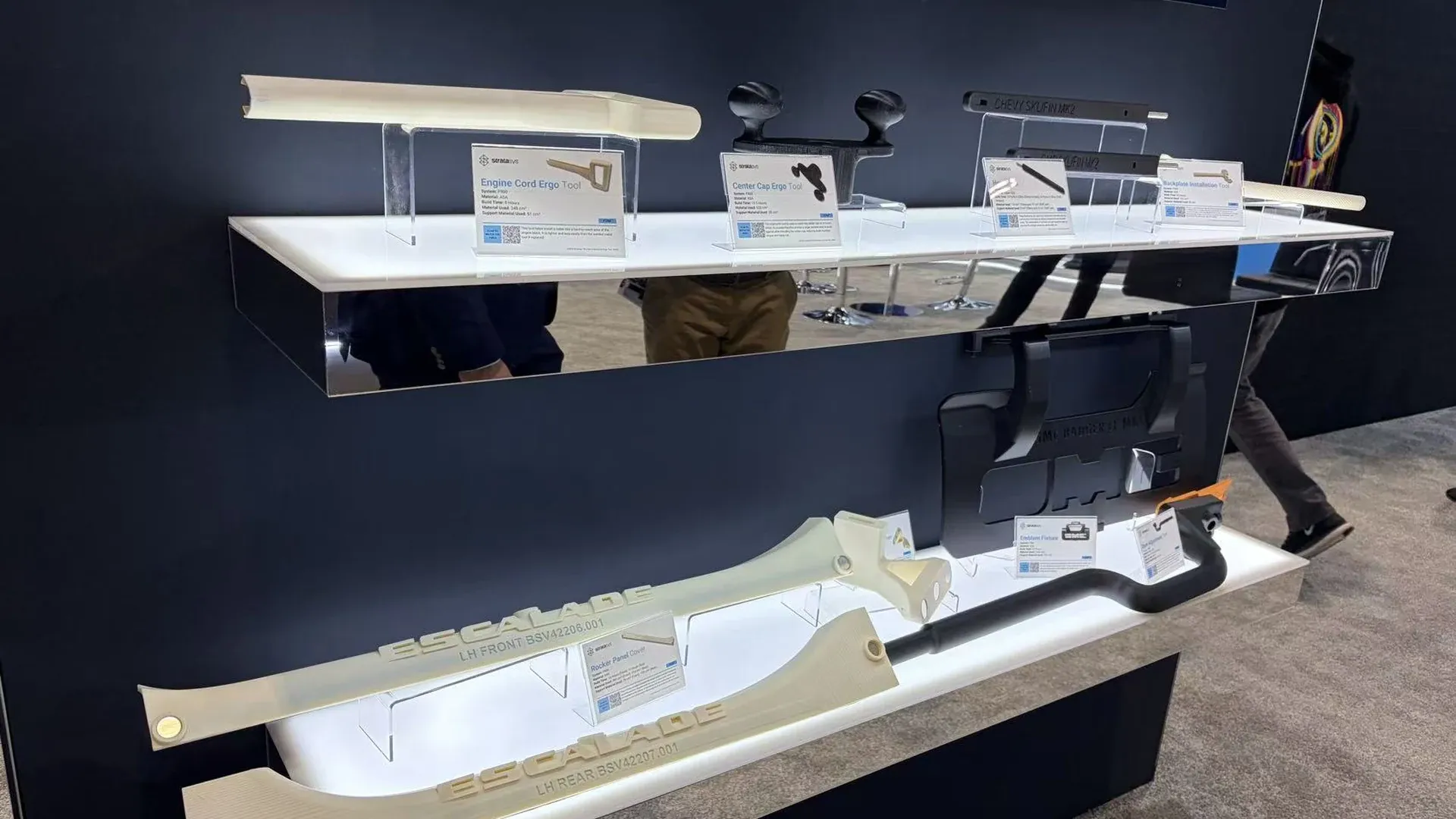
The multinational RIMPAC exercise is set to feature experiments with 3D printing and missile launches from uncrewed vessels. These activities will occur alongside high-end warfighting training, showcasing the integration of cutting-edge technologies in military operations. This exercise is significant as it highlights the military's commitment to exploring innovative solutions for modern warfare. The incorporation of advanced technologies like 3D printing and uncrewed systems reflects a shift towards more efficient and effective combat strategies. Looking ahead, observers should monitor the outcomes of these experiments and their potential implications for future military engagements. No further timeline was disclosed at the time of publication.
All Domain Global 3D printing Asia Drones Indo-Pacific
Kall Morris Inc Tests REACCH System for Space Debris Removal on ISS
Kall Morris Inc (KMI) has successfully tested its robotic system, the Responsive Engaging Arms for Captive Care and Handling (REACCH), aboard the International Space Station (ISS). This innovative technology aims to capture and remove space debris, addressing a critical challenge in the space industry as the amount of non-functional objects in orbit continues to rise. The significance of this development lies in its potential to enhance satellite servicing and debris removal efforts. Space debris, which travels at speeds up to 10 times faster than a bullet, poses a serious threat to operational satellites and future missions. KMI's REACCH system, described as an orbital 'tow truck,' utilizes tentacle-like robotic arms with gecko-inspired adhesive pads to maneuver larger objects without needing to fully grasp them. Looking ahead, KMI is preparing for further testing beyond the ISS, with aspirations to deploy REACCH for operational missions focused on satellite life-extension and debris removal. As the number of satellites in low Earth orbit increases, the demand for effective debris management technologies is expected to grow significantly.
News Space aerospace autonomous robotics commercial space debris removal
International Research Team Embarks on Greenland Expedition to Study Melting Glaciers
An international team of researchers is set to begin a six-week expedition in Greenland on July 16, 2026, to investigate the rapid melting of fjord glaciers and its implications for the Atlantic Ocean. The study aims to assess how this melting contributes to potential climate tipping points, particularly affecting ocean currents. The research is part of a five-year project called GIANT, led by the British Antarctic Survey (BAS) and funded by the Advanced Research + Invention Agency (ARIA). The team will utilize advanced technologies, including drones, marine robots, and sensors, to gather data that will enhance predictions regarding the future of Greenland's glaciers and their environmental impact. As the expedition unfolds, attention will be focused on the effects of Greenland's melting ice on the North Atlantic Subpolar Gyre and the Atlantic Meridional Overturning Circulation (AMOC). Dr. Kelly Hogan from BAS emphasizes the significance of modern tools in exploring glacier-ocean interactions, highlighting the urgency of understanding these changes as they may occur within decades.
rrs sir david attenborough glaciers melting fjord glaciers climate change giant (greenland ice sheet to atlantic tipping points british antarctic survey (bas)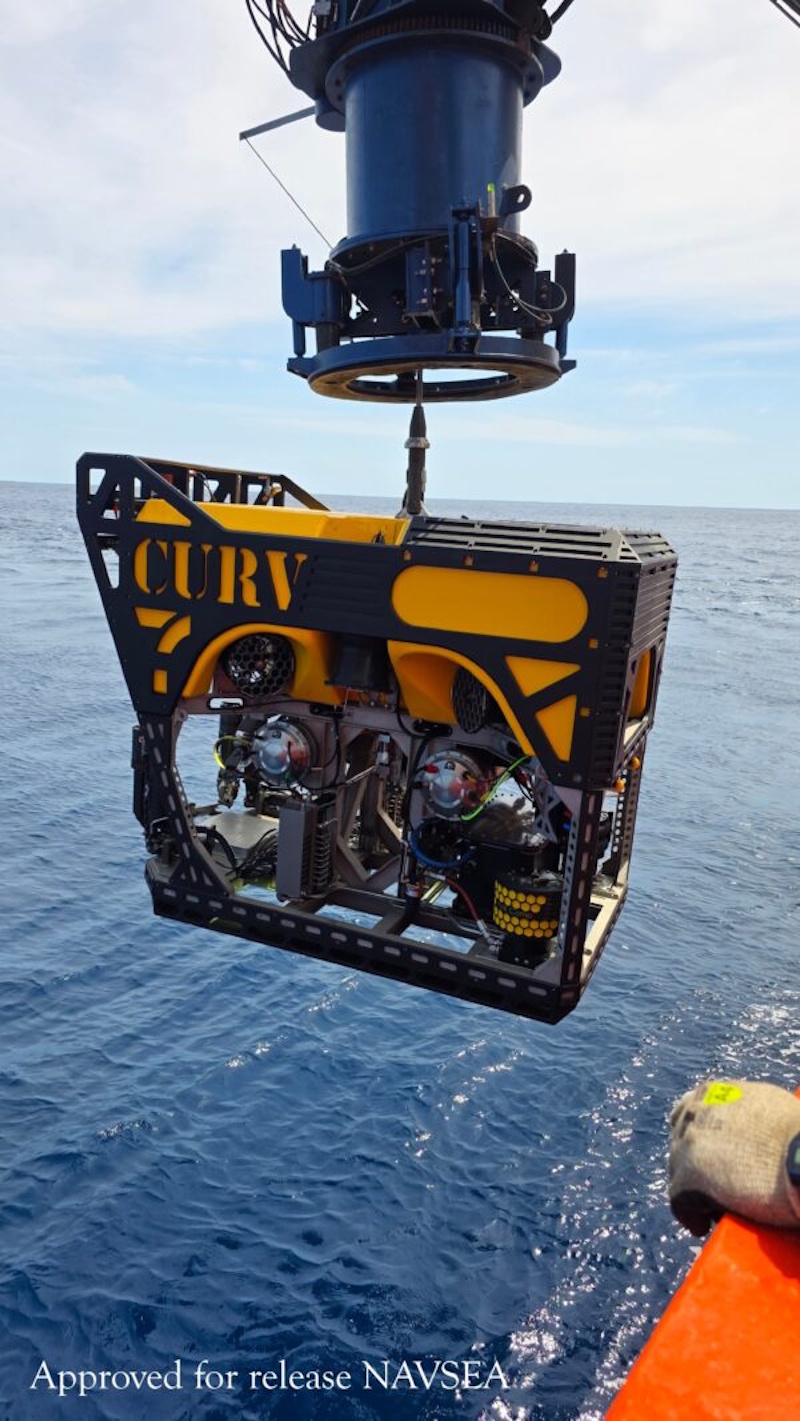
Phoenix International's CURV 7 ROV Successfully Completes Initial Mission for Navy SUPSALV
Phoenix International has announced the successful completion of the inaugural mission for its CURV 7 Remotely Operated Vehicle (ROV), developed for the Naval Sea Systems Command Supervisor of Salvage and Diving (SUPSALV). This mission highlights the advanced capabilities of the CURV 7, which is part of a long-standing family of ROV systems designed for deep-ocean operations. The CURV 7 system includes a range of components such as an electro-optic umbilical cable, a traction winch, and various support vans, providing a comprehensive solution for underwater interventions. Its six electric thrusters allow for precise maneuverability in all directions, making it suitable for complex underwater tasks. The successful mission underscores Phoenix's commitment to delivering reliable systems for the U.S. Navy. Looking ahead, additional testing is scheduled for later this year to further validate the CURV 7's capabilities and enhance its operational readiness. This milestone not only reflects years of engineering and collaboration with SUPSALV but also positions the CURV 7 as a critical asset for the Navy's underwater operations worldwide. No further timeline was disclosed at the time of publication.
phoenix international.curv 7 rov u.s. navy supsalv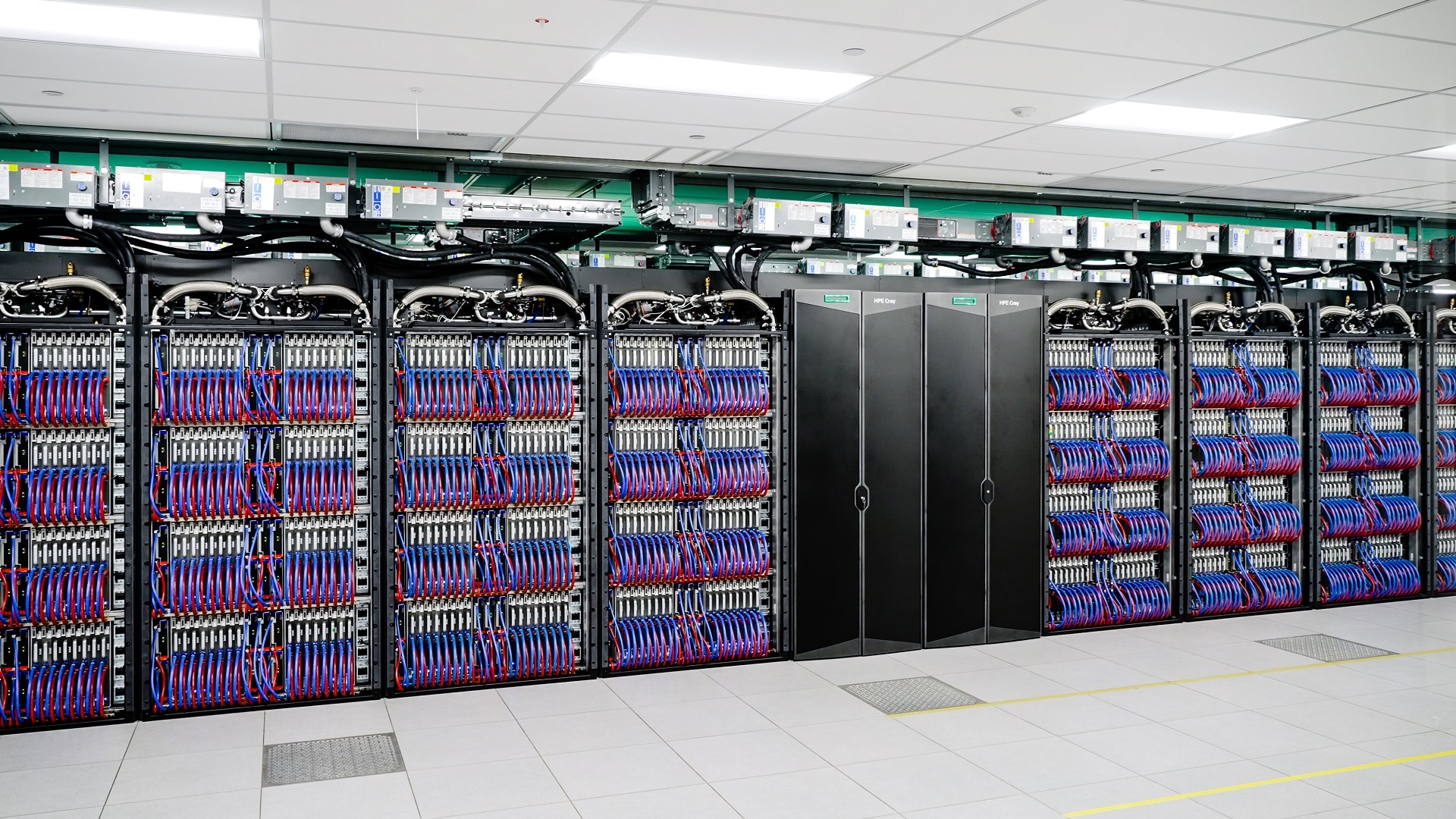
Argonne National Laboratory launches ChemGraph framework for automated chemistry simulations
Researchers at Argonne National Laboratory have introduced ChemGraph, an open-source framework that automates complex computational chemistry simulations using AI agents. Built on the Aurora exascale supercomputer, ChemGraph simplifies the simulation process by allowing users to describe scientific problems in plain language, which the system then translates into computational tasks. This innovation aims to enhance research in materials science, battery design, and combustion systems by streamlining workflows and reducing the need for specialized expertise. The significance of ChemGraph lies in its ability to combine large language models with agent-based automation, enabling researchers to conduct simulations without manually navigating every technical step. By distributing tasks among AI agents, the framework enhances efficiency and reduces costs associated with computational resources. This approach not only improves the accuracy of simulations but also allows for the integration of various scientific software and libraries, ensuring that results are physics-based rather than solely reliant on language model outputs. Looking ahead, ChemGraph's open-source nature has already led to adaptations for other applications, such as X-ray absorption spectroscopy and high-throughput materials screening. The research team envisions further educational applications, providing a platform for professors to teach advanced computational techniques while simplifying the exploration of research questions for students. No further timeline was disclosed at the time of publication.
AI and Robotics
NVIDIA Vera CPU Opens the Way for Agentic Scientific AI at Los Alamos National Laboratory
Los Alamos National Laboratory (LANL) is set to enhance its computational capabilities with the development of new supercomputers, named Mission, Vision, and Veritas, in collaboration with HPE and NVIDIA. This initiative aims to harness NVIDIA Vera CPUs to significantly accelerate scientific discovery and advance the integration of agentic AI in scientific research. The project underscores LANL's commitment to leveraging cutting-edge technology to address complex scientific challenges. The supercomputers are expected to play a crucial role in various research domains, facilitating breakthroughs that could have far-reaching implications for science and technology.

Effort to establish a National Commission on Robotics advances in Congress
As discussions progress in Congress regarding the establishment of a National Commission on Robotics, industry leaders are advocating for a more cohesive national policy on robotics. The push for this commission reflects a growing recognition of the need for a unified approach to address the challenges and opportunities presented by advancements in robotics technology. Stakeholders emphasize that a coordinated policy framework is essential to foster innovation, ensure safety, and maintain competitiveness in the global market. The ongoing deliberations highlight the importance of aligning various interests within the robotics sector to effectively navigate the complexities of this rapidly evolving field.
Business Resources China Defense / Security Industrial Robots Manufacturing News
National Oceanography Centre joins UK–led HydroGNSS ‘New Space’ mission for Global Science
A new low-cost Earth Observation mission, developed with the assistance of the National Oceanography Centre (NOC), has successfully been launched into orbit. This mission aims to enhance the monitoring of environmental changes and provide valuable data for scientific research and policy-making. The launch took place recently, marking a significant advancement in affordable space technology. By utilizing innovative approaches and streamlined processes, the mission is designed to deliver high-quality observational data while minimizing costs. This initiative reflects a growing trend in the space industry towards more accessible and efficient satellite missions, ultimately contributing to better understanding and management of Earth's resources.
national oceanography centre (noc) hydrognss ‘new space’ mission for global scienceRobotics needs a service framework.
RSF defines a common language for robot service capability, lifecycle operations, certification pathways, and service-provider networks.
Join the RobotToday community on LinkedIn
Daily robotics news, in-depth analysis, conference highlights, and discussions with professionals worldwide.