Industry Briefing
A single destination for timely, editor-curated robotics news from around the world.
Digua Robotics and Stardust Intelligence Collaborate on T1 AI Robot Integration
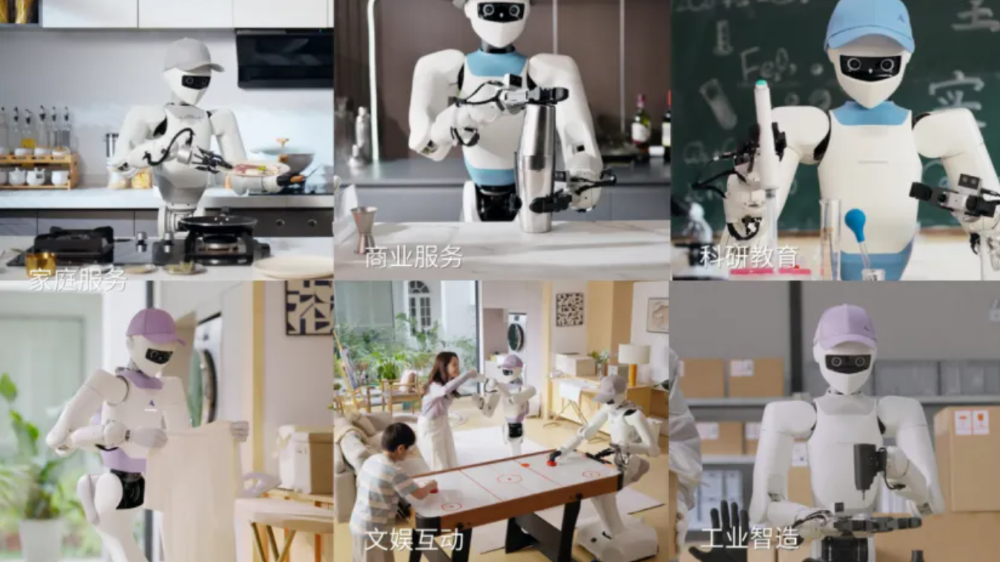
On August 20, Digua Robotics announced a strategic partnership with Stardust Intelligence. The T1 AI robot from Stardust has successfully integrated with Digua's Xuri S100 high-performance computing platform, with plans to further adapt the T1 to the Xuri S600. The collaboration focuses on hardware and software synergy in key areas such as robot perception, decision-making, and motion control. This partnership is significant as it aims to enhance the capabilities of the T1 robot, which has already demonstrated its ability to perform complex tasks such as cooking, laundry, and automotive charging. With a height of 1.55 meters and a weight of approximately 66 kilograms, the T1 features 23 degrees of freedom and a payload capacity of 5 kilograms, making it suitable for various applications in home service, commercial operations, and industrial manufacturing. Looking ahead, the collaboration will continue to optimize the integration of the T1 with the Xuri S100, with a full rollout expected within the year. Additionally, efforts will be made to adapt the T1 to the Xuri S600, expanding its capabilities for more complex models and applications in intelligent manufacturing and education sectors.
AI Robotics Robot Integration High-Performance Computing Automation Technology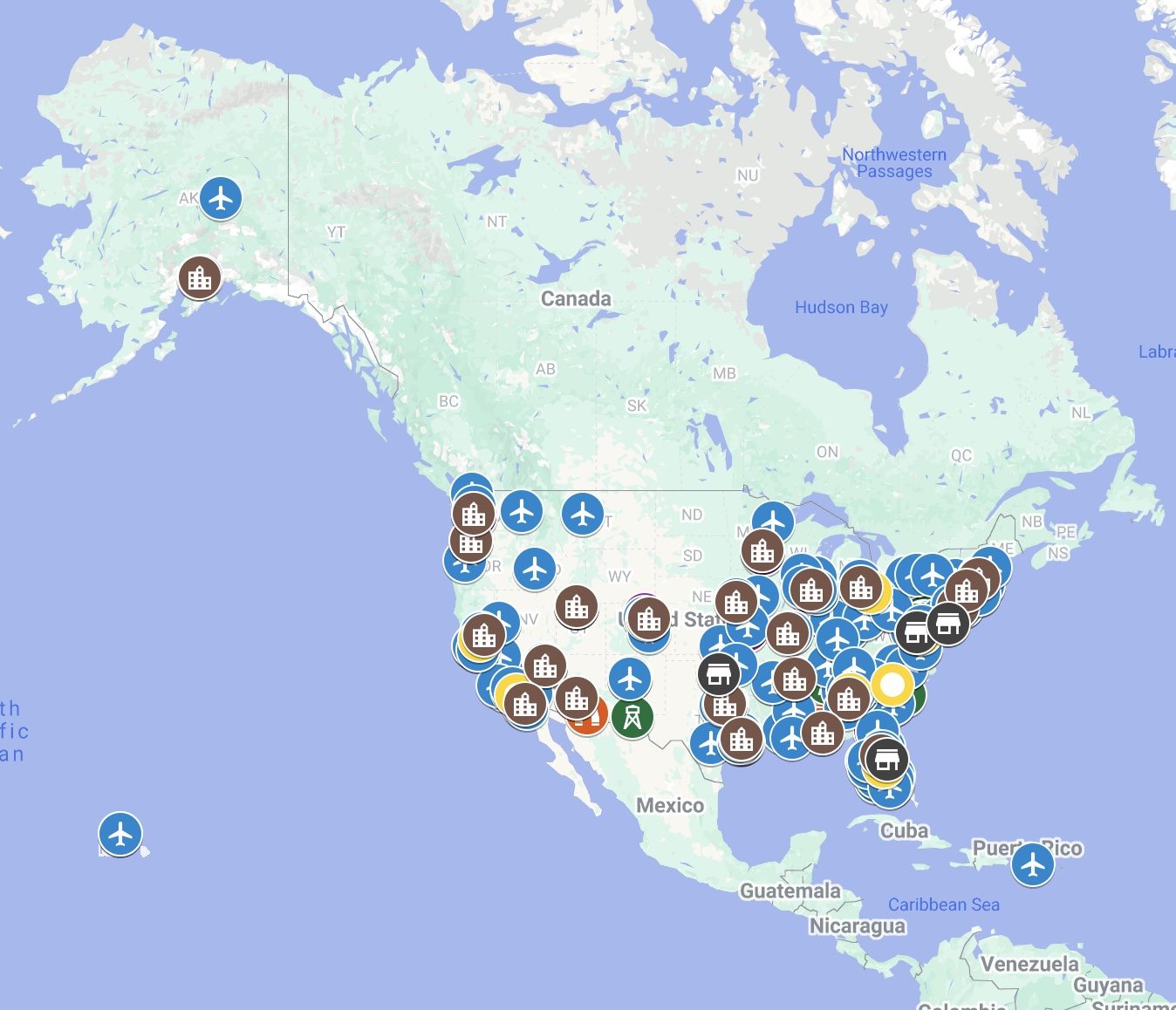
FAA NextGen Fact Sheet Highlights Future Integration of Drones and Aircraft
On August 17, the Federal Aviation Administration (FAA) released a NextGen fact sheet detailing updates to the National Airspace System (NAS) and ongoing modernization efforts. The Next Generation Air Transportation System, or NextGen, has significantly advanced U.S. air traffic management technology, transitioning to digital communications, satellite navigation, and integrated data sharing. The FAA reports that NextGen programs are now operational and have generated $10.9 billion in benefits from 2010 to 2023. The modernization efforts include the implementation of over 20 capabilities across the country, enhancing air traffic management through technologies like Automatic Dependent Surveillance-Broadcast (ADS-B) and Performance Based Navigation. These advancements allow for more precise navigation and real-time data sharing, shifting the focus from traditional air traffic control to a more strategic, integrated management approach. The FAA emphasizes the importance of accommodating non-traditional aviation forms, including uncrewed aircraft systems (UAS). Looking ahead, the FAA is developing traffic management concepts to safely integrate UAS and other emerging aircraft into the NAS. Technologies such as DroneZone and the Low Altitude Authorization and Notification Capability (LAANC) are pivotal in supporting this growth. The agency is also exploring concepts for UAS Traffic Management and Urban Air Mobility, indicating a significant shift in airspace management strategies in the coming years.
Drone News Drone News Feeds Drones in the News FAA News ADS-B
Airwise Solutions Launches Nexus for Enhanced Sensor Integration in Airspace Awareness
Airwise Solutions has introduced Airwise Nexus, a new capability within its airwiseOS Operational Intelligence platform that enhances airspace awareness through sensor fusion. Nexus aggregates data from various airspace sensors, including radar, RF detection, Remote ID, ADS-B, and video, into a unified operating picture, facilitating better decision-making for organizations managing complex low-altitude airspace. This development is significant as it addresses the challenges faced by public safety agencies and infrastructure operators who often rely on multiple systems that operate independently. By correlating sensor data in real-time, Nexus simplifies the monitoring process, allowing users to respond more effectively to airspace activity. Initial applications include public safety, drone-as-first-responder programs, and counter-UAS operations. Looking ahead, Airwise Nexus is positioned as a hardware-independent platform, enabling sensor manufacturers to integrate their systems at no cost. This open integration model allows customers to utilize a variety of hardware, enhancing the value of their airspace awareness systems. No further timeline was disclosed at the time of publication.
Applications Drone News Drone News Feeds Drones in the News News Public Safety
GeoComm and SkyfireAI Enhance Drone Response with New DFR Routing Integration
GeoComm and SkyfireAI have unveiled a new integration aimed at enhancing Drone as First Responder (DFR) programs' efficiency in emergency situations. By merging GeoComm’s DFR Routing technology with SkyfireAI’s autonomous drone platform, public safety agencies can access comprehensive location intelligence immediately upon receiving a 9-1-1 call. This integration addresses a significant challenge faced by DFR programs, as timely drone deployment is only part of the equation. Accurate incident location and access information are crucial for effective response. The new system incorporates operational details like buildings and access routes, enabling drone operators and first responders to gain a clearer understanding of the situation before ground units arrive. Looking ahead, the partnership between GeoComm and SkyfireAI aims to streamline the workflow from emergency call to drone deployment and ground response. As DFR programs grow across the U.S., the focus is shifting towards integrating various data sources to enhance situational awareness and improve emergency response outcomes. No further timeline was disclosed at the time of publication.
AI Applications Drone News Drone News Feeds Fire and Police Law Enforcement
Integration of Digital Intelligence Accelerates Across Various Sectors in Sichuan
During the 2026 APEC Digital Week, attendees visited over ten locations in Sichuan, including Sichuan University West China Hospital and Chengdu Data Group. They observed the rapid integration of digital intelligence into various sectors in Sichuan. The industrial robotics showcased at Chengdu Canopus demonstrated precise operations such as welding and assembly, highlighting the region's capabilities. APEC Business Advisory Council's Digital Innovation Working Group Chair, Xue Zhenna, expressed amazement at the advancements in western China. Additionally, service robots at Chengdu Yuefan Innovation Technology displayed their ability to autonomously navigate and deliver items. With over 63 million users served globally, these robots are increasingly relevant. The event underscored Sichuan's potential as a hub for technological innovation and collaboration, with no further timeline disclosed at the time of publication.
AI Robotics Industrial Automation Smart Technology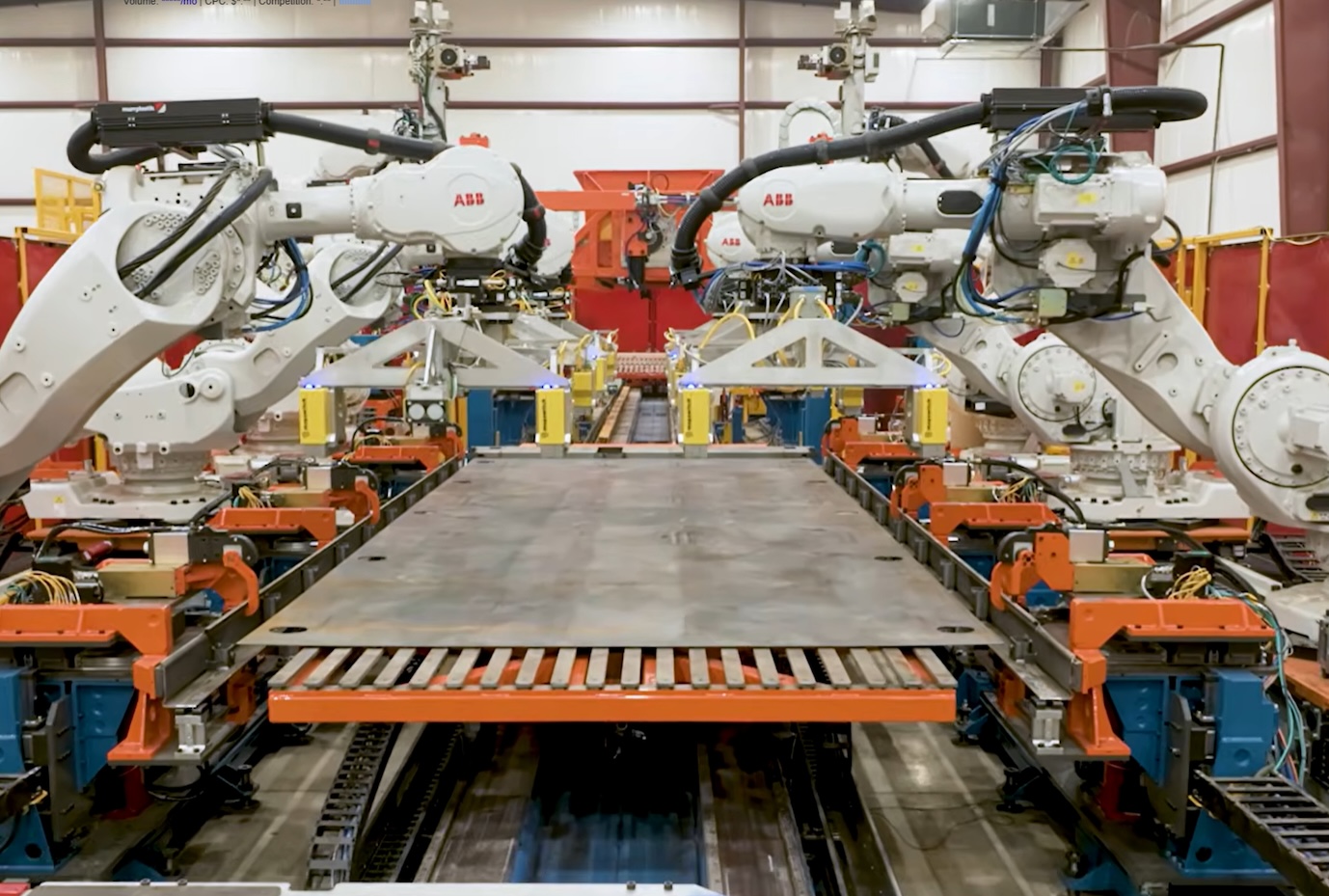
Air Force Plans Next-Generation Engine Integration Activities by 2030
The Air Force anticipates that a next-generation engine will be ready for aircraft integration by the end of the decade, following years of delays. John Sneden, chief of the Air Force’s propulsion directorate, indicated that the Next Generation Adaptive Propulsion (NGAP) program will involve building and testing prototypes from GE Aerospace and Pratt & Whitney, with integration activities expected around 2030. This development is significant as the NGAP program aims to enhance military propulsion capabilities, potentially offering a more fuel-efficient and powerful engine for various aircraft, including the F-47. The program's platform-agnostic design allows for integration into existing aircraft, which could provide the Air Force with advanced propulsion options in the future. Looking ahead, the Air Force is requesting approximately $514 million for the NGAP initiative in fiscal 2027, with funding expected to peak at nearly $906 million in FY28. No specific aircraft has been confirmed for the NGAP engine, but the technology could lead to significant advancements in military aviation capabilities over the next decade.
Air Warfare Air Force Engine Core Upgrade (ECU) F-35 F-35 Block 4 modernization F-47
Marine Corps Chooses Allen Control Systems' Bullfrog M240 for L-MADIS Integration
The Marine Corps has selected Allen Control Systems' Bullfrog M240 autonomous weapon for integration into its Light Marine Air Defense Integrated System (L-MADIS). This system is part of the Ground Based Air Defense program and includes two Polaris MRZR vehicles, one serving as a command unit and the other equipped with electronic warfare capabilities to counter drone threats. The Bullfrog M240 transforms the traditional 7.62mm machine gun into an autonomous weapon, capable of firing 850 rounds per minute and weighing approximately 300 pounds. This integration is facilitated through a prototype Other Transaction Agreement contract valued at around $6.2 million. The Marine Corps is also seeking $1.27 billion in its fiscal 2027 budget for Ground Based Air Defense capabilities, highlighting the importance of advanced defense systems. Looking ahead, the Bullfrog M240 is not only being considered by the Marine Corps; the US Army Applications Lab has awarded a contract to assess its deployment on Army combat vehicles. Additionally, Allen Control Systems is working on integrating Bullfrog onto US Special Operations Forces maritime platforms, indicating a growing interest in this technology across multiple military branches.
Land Warfare Naval Warfare Army Counter UAS cUAS LMADIS MADIS
Microsoft Announces Integration of Copilot App for Personal and Work Accounts
Microsoft has announced the integration and update of its Copilot app, allowing users to switch between personal and work accounts within a single application. This change aims to maintain data separation and security controls for enterprise users. The updated Copilot will connect with email, calendars, and cloud storage, providing necessary context to the AI for user tasks. Users will still have access to chat and image generation features, with the option to upgrade to a paid plan for expanded capabilities. As part of this update, Microsoft has outlined design specifications for data safety, ensuring that personal and work data remain separate. Users should note that some features, such as Group Chat and Podcasts, will be discontinued, and data not saved before the transition may be inaccessible.

AI Integration in Control Rooms: Addressing Knowledge Gaps in Operations
Atlas Prediction Control has conducted polls among engineers and control room staff to assess the integration of AI in plant operations. The findings reveal that while 71% of respondents utilize AI for productivity tasks, its application in critical areas like predictive maintenance remains absent. The majority of knowledge resides with experienced personnel rather than documented systems, highlighting the need for AI solutions tailored to specific plant environments. The significance of these findings lies in the recognition that operational knowledge is often informal and distributed among staff, rather than centralized in written procedures. This indicates a gap in the deployment of AI technologies, which are currently not aligned with the practical realities of plant operations. Users express concerns about data security and the starting point for AI implementation, suggesting that the challenge is more about deployment than skepticism towards AI's value. Looking ahead, the focus should be on developing on-premises AI agents that can operate within existing plant infrastructure, ensuring proprietary data remains secure. These agents should be designed to provide specific, actionable insights based on targeted queries, contrasting with generic cloud-based models. No further timeline was disclosed at the time of publication.
Factory / Analytics
Jungheinrich and Movu Robotics Partner to Enhance Automated Pallet Warehouse Solutions
Jungheinrich and Movu Robotics have formed a strategic partnership to integrate Movu's four-way shuttles with Jungheinrich's expertise in consulting, integration, software, and service. This collaboration aims to provide customers with high-density pallet warehouses and a seamless material flow from a single source. The partnership is significant as it addresses the rising demand for automated pallet warehouses driven by increasing space costs and the need for greater storage density. Movu's four-way shuttle systems, such as the Movu Atlas, are designed to store and retrieve pallets multi-deep, making them ideal for high-density warehouse applications. Looking ahead, the integration of Movu's shuttle systems into Jungheinrich's WMS and software ecosystem will enhance operational efficiency and reliability. No further timeline was disclosed at the time of publication.
AMR and AGV Automation Systems and Shuttles Conveying and Sortation Materials Handling Robotic Picking Storage & Racking
Development and Evaluation of a Push-Based Gangue-Sorting Robotic System
A new push-based gangue-sorting robotic system has been designed and developed, with successful integration and field evaluation reported in the Journal of Field Robotics. This innovative system aims to enhance the efficiency of sorting gangue materials in mining operations. The significance of this development lies in its potential to improve resource recovery and reduce waste in mining processes. By effectively sorting gangue materials, the robotic system can contribute to more sustainable mining practices and optimize operational efficiency. Looking ahead, the industry will be keen to observe further advancements in robotic sorting technologies and their applications in various mining environments. No further timeline was disclosed at the time of publication.
RESEARCH ARTICLE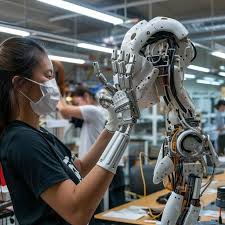
QinetiQ to Collaborate with Australia on AESA Radar Integration and CEAFAR2 Suite
The UK has signed a statement of intent to enhance cooperation with Australia in the field of AESA radar technology. This collaboration focuses on the integration of the CEAFAR2 radar suite, which is crucial for advancing defense capabilities. This partnership is significant as it aims to strengthen defense ties between the UK and Australia, fostering innovation in radar technology. The integration of the CEAFAR2 radar suite is expected to enhance operational effectiveness and interoperability between the two nations' defense systems. Looking ahead, stakeholders will be monitoring the progress of this integration and any subsequent developments in radar technology collaboration. No further timeline was disclosed at the time of publication.
News
QinetiQ to Collaborate with Australia on AESA Radar Integration in the UK
The UK has signed a statement of intent to work closely with Australia on advancing the Active Electronically Scanned Array (AESA) radar technology. This collaboration includes the integration of the CEAFAR2 radar suite, which is expected to enhance the UK's defense capabilities. This partnership is significant as it underscores the importance of international cooperation in defense technology, particularly in the realm of radar systems. By integrating the CEAFAR2 radar suite, the UK aims to modernize its radar capabilities, which are crucial for surveillance and defense operations. Looking ahead, stakeholders will be keen to observe the progress of this integration and any subsequent developments in radar technology that may arise from this collaboration. No further timeline was disclosed at the time of publication.
News
Humanoid Robots Encounter Significant Hurdles Before Factory Integration
By 2026, humanoid robots are set to transition from laboratories to factories, targeting brownfield sites designed for human workers without accommodating robots. This pragmatic approach leverages existing factory dimensions, allowing robots that can walk, bend, and reach to potentially operate without extensive modifications. Siemens is already utilizing digital twin technology to simulate the integration of humanoid robots in virtual environments, identifying potential conflicts in advance. However, several challenges remain. Reliability is a primary concern, as a robot's ability to walk ten steps does not guarantee it can perform consistently in a real factory environment filled with variables like vibrations, dust, and human activity. Additionally, dexterity poses a significant obstacle; while walking capabilities are improving, fine motor tasks such as picking up small screws or handling fragile components remain problematic for most commercial robots. Data availability is another critical issue. Developing a versatile robot that can adapt to various factories and tasks requires vast amounts of real-world interaction data, which is currently insufficient. A review published in Science Robotics highlights that mobility does not equate to production readiness. As humanoid robots have surpassed the basic walking threshold, the focus now shifts to their actual operational capabilities in factories. Decision-makers should begin evaluating processes and preparing infrastructure to support these advancements.
Humanoid Robots Manufacturing Automation Robotics AI Digital Twin Technology
Tesla Reports $28B Revenue Amid Cash Flow Challenges, BYD Focuses on Vertical Integration
Tesla reported $28.24 billion in revenue for Q2 2026, a 25.5% increase year-over-year, but faced challenges with a $1.09 billion negative free cash flow and a decline in operating margin to 1.4%. The company's heavy investment in AI and robotaxi initiatives signals a long-term strategy, despite missing EPS estimates. In contrast, BYD is building resilience through vertical integration and a focus on mass-market pricing, although it does not disclose quarterly financials with the SEC. The company’s Blade Battery integration and DM-i hybrid volume contribute to its cash-flow durability, positioning it as a strong competitor in the automotive market. Looking ahead, Tesla's robotaxi rollout across seven U.S. metros and the production schedule for Cybercab at Gigafactory Texas will be critical indicators of its future success. Meanwhile, BYD's export share in Europe, Latin America, and Southeast Asia will be key metrics to monitor as both companies navigate market challenges.

LTX-2.5 Launches with Fast AI Video Generation and Open Weights Integration
LTX, a company spun out of Lightricks, has launched LTX-2.5, an advanced open-weights video model that can generate a 10-second video from an image in just 6.8 seconds using NVIDIA superchips. This model is now integrated into ComfyUI and available on Hugging Face, supporting organizations with under $10 million in annual revenue for free. The significance of LTX-2.5 lies in its innovative features, including a new diffusion video decoder that enhances video quality and native multishot generation for consistent outputs. LTX claims its model has surpassed 33 million downloads, making it the most popular open world model line, and it aims to provide flexibility and efficiency in video generation compared to closed API competitors. Looking ahead, LTX is focused on expanding its capabilities and refining its technology. The company emphasizes the importance of open weights for diverse use cases in video and world models, contrasting its approach with the trend towards closed models in the industry. No further timeline was disclosed at the time of publication.
Technology
Canadian Police Enhance Data Security with Localized Drone Integration for TAK
Canadian police and defense agencies have gained a new capability to operate their situational-awareness tools without relying on foreign cloud services. ThinkOn, a Canadian sovereign cloud provider, and AVSS, a drone technology firm, have successfully integrated the Team Awareness Kit (TAK) with infrastructure hosted entirely in Canada. This integration ensures that sensitive operational data remains under Canadian jurisdiction. The significance of this development lies in its ability to protect sensitive location information, live video, and operational data for police and defense organizations. By utilizing ThinkOn's Canadian cloud platform, agencies can maintain control over their data while still benefiting from the functionalities of TAK. This integration allows for seamless data flow from MAVLink-compatible drones into TAK’s common operating picture, ensuring that field teams can operate without altering their existing workflows. Looking ahead, agencies currently using TAK on foreign hyperscalers can transition to this Canadian infrastructure without disrupting their operations. Additionally, new agencies can adopt TAK with the assurance of data sovereignty from the outset. This partnership between ThinkOn and AVSS underscores the importance of Canadian control over critical data and infrastructure in public safety and defense applications.
News
Digitalization Enhances Semiconductor Design, Manufacturing, and Operations Integration
Digitalization is transforming semiconductor chip production by extending the digital twin concept beyond design into manufacturing and operations. This shift addresses the increasing complexity of chip designs and the pressures of performance and power consumption, enabling semiconductor manufacturers to manage engineering efforts more efficiently. The integration of artificial intelligence and machine learning is accelerating innovation in the semiconductor industry, but siloed approaches hinder progress. A comprehensive digital twin strategy that encompasses the entire semiconductor value chain can optimize development processes, ensuring that design decisions positively impact manufacturing outcomes and align with software demands. Looking ahead, the implementation of digital twins in semiconductor fab construction can streamline operations and enhance productivity. As cybersecurity remains a critical concern, robust strategies must be integrated into digital transformation efforts. The future will likely see increased collaboration and data sharing among ecosystem partners to meet evolving customer requirements.
Factory / Control
RoboStore Launches Robo Inc. to Enhance U.S. Robotics Manufacturing and Integration
RoboStore has officially launched Robo Inc., a new robotics manufacturing and systems integration company based in New York. This initiative aims to support organizations in deploying practical robotic solutions within the U.S., addressing the growing demand for domestic manufacturing and technology security. The establishment of Robo Inc. is significant as it aligns with national efforts to bolster local manufacturing capabilities and secure critical technologies. The new facility, spanning 66,000 square feet, is set to enhance the localization of robotics in the U.S. market, particularly for humanoid and quadruped robots. Looking ahead, Robo Inc. is expected to be fully operational by the first quarter of 2027. This timeline presents an opportunity for stakeholders to monitor advancements in U.S. robotics manufacturing and integration, as well as the potential impact on the industry landscape.
SpaceX's Supply Chain Structure and Vendor Opportunities Ahead of 2026 IPO
SpaceX operates a hybrid supply chain, with approximately 85% of core components manufactured in-house and over 3,000 external suppliers fulfilling the remainder. The company's IPO in June 2026 marked a significant shift, making its supply chain more transparent and investable. This structure includes three distinct supply chains for rockets, satellites, and AI infrastructure, each with unique supplier profiles and operational cadences. The importance of these developments lies in the substantial capital expenditure (capex) run rate of $73.5 billion, which is the largest procurement pipeline in the private space industry. Notably, $15.8 billion of the capex is allocated to AI infrastructure, highlighting a shift towards data-center hardware over traditional aerospace components. This shift indicates that suppliers must adapt to the evolving landscape of SpaceX's supply chain to remain competitive. Looking ahead, potential vendors should focus on qualifying for Tier 1 or Tier 2 status, as SpaceX's procurement strategy emphasizes the importance of vendor replaceability. The company's innovative supply chain model presents both challenges and opportunities for suppliers, particularly in raw materials and semiconductor categories where substitution is complex. No further timeline was disclosed at the time of publication.

DOBOT LUMO Launches as a Versatile Humanoid Robot for Home Integration
DOBOT has unveiled DOBOT LUMO, the world's first embodied omnipresent humanoid robot, aimed at integrating into everyday family life. Unlike traditional robots that perform limited functions, DOBOT LUMO is designed to understand human emotions and provide companionship, adapting to various roles and environments. This innovation is significant as it represents a shift from robots being mere tools to becoming social companions. The robot's capabilities include spatial awareness, role adaptability, and the ability to grow with users, making it suitable for diverse settings such as homes, schools, and businesses. Its design allows it to engage actively with users, responding to their needs without waiting for commands. Looking ahead, the focus will be on how DOBOT LUMO can redefine human-robot interactions and its potential to fulfill multiple roles within a household. The robot's ability to autonomously seek out users in need of companionship or assistance marks a pivotal advancement in the robotics industry, emphasizing the importance of integrating robots into daily life seamlessly.
Humanoid Robots AI Social Robotics Emotional Intelligence
Productive Robotics Launches OB7 Deburring Package for CNC Machinery Integration
Productive Robotics has introduced the OB7 deburring package, which is compatible with both new and legacy CNC machinery. This innovative solution aims to assist manufacturers in automating various tasks, including deburring, chamfering, and descaling. The OB7 package is designed to handle a wide range of parts, such as gears, cylindrical threaded items, complex profiles, and prepped blanks. The significance of the OB7 deburring package lies in its ability to enhance production efficiency for job shops. By integrating seamlessly with existing CNC systems, manufacturers can scale up their operations instantly without the need for extensive modifications. This capability is particularly valuable for businesses looking to improve their automation processes while minimizing downtime and costs. Looking ahead, the adoption of the OB7 deburring package may influence the competitive landscape in the manufacturing sector. As more companies seek to automate their processes, the demand for versatile and easy-to-integrate solutions like the OB7 is expected to grow. No further timeline was disclosed at the time of publication.

IEEE Launches Course on AI Integration for Modernizing Power Grids
The IEEE has introduced an online course titled 'Artificial Intelligence for Power and Energy Systems' to address the challenges faced by the U.S. electrical grid. With increasing electricity demand and the integration of renewable energy sources, the grid is under significant strain, necessitating smarter, automated solutions. The course aims to equip power engineers and data scientists with the skills needed to implement AI technologies effectively in grid management. As the U.S. electrical grid struggles with unprecedented demand and operational challenges, the integration of AI is becoming essential. The course, developed by experts including Fangxing “Fran” Li, focuses on practical applications of AI to enhance grid reliability and efficiency. By educating professionals on AI fundamentals, predictive analytics, and safe AI practices, the program seeks to bridge the gap between theoretical research and real-world applications in power systems. Looking ahead, the demand for skilled professionals who can navigate both AI and power systems is expected to grow. The IEEE course is a proactive step towards preparing the workforce for the future of energy management. No further timeline was disclosed at the time of publication.
Energy Type-ti Education Artificial-intelligence Ieee-educational-activities Ieee-products-and-services
DOBOT Completes System Integration of Humanoid Robot Atom W in Just 48 Hours
DOBOT and Robotkit successfully integrated the new humanoid robot Atom W at DOBOT's facility in Frankfurt, Germany, completing the task in just 48 hours without any prior preparation. This rapid integration highlights Robotkit's ability to adapt to new hardware and environments instantly, distinguishing it from traditional software that requires specific machine adjustments. The project commenced under unknown conditions with a new robot and environment, showcasing Robotkit's capabilities in real-time object recognition and manipulation. The system demonstrated precise actions such as identifying and retrieving boxes of pharmaceuticals and handing trays to humans, as well as performing delicate tasks like towel folding. These features are essential for transitioning humanoid robots from demonstration phases to real-world production and operation. Robotkit's design allows for immediate execution of diverse skills, including 'Pick & place by prompt' and 'Autonomous explore.' The integration loop enables the robot to process visual information and respond to changes in real-time, enhancing its autonomy. No further timeline was disclosed at the time of publication.

Real IT Solutions Enhances AI Integration for Small and Midsize Businesses
Real IT Solutions is assisting small and midsize businesses in identifying effective AI applications and integrating them into their existing systems. This approach aims to enhance operational efficiency while minimizing risks associated with new technology adoption. The significance of this initiative lies in its focus on practical AI deployment, ensuring that businesses can leverage advanced technologies without compromising their current workflows. By building internal capabilities, Real IT Solutions empowers organizations to utilize AI safely and effectively. Looking ahead, the collaboration between Robotics Tomorrow and Alumni Ventures offers readers insights into high-growth startup opportunities in AI and related fields. No further timeline was disclosed at the time of publication.
TIANZHIHANG Aims to Acquire MicroPort Orthopedics to Reshape Global Supply Chain
TIANZHIHANG is set to acquire MicroPort Orthopedics, a move that consolidates years of overseas regulatory and clinical trust-building into one transaction. This acquisition signifies a strategic shift as Chinese robotics companies expand their reach beyond mere product exports. The importance of this acquisition lies in its potential to streamline the entry of TIANZHIHANG into international markets, particularly in the orthopedic sector. By integrating MicroPort Orthopedics, TIANZHIHANG aims to enhance its distribution network and regulatory compliance, which are critical for success in overseas markets. Looking ahead, industry observers will be keen to see how this acquisition unfolds and its impact on the global supply chain dynamics. No further timeline was disclosed at the time of publication.
Industry
AI's Rapid Integration Highlights Growing Digital Inequality Across Nations
Artificial intelligence is increasingly embedded in various sectors, including education and healthcare, yet it exacerbates existing digital inequalities. Countries like South Africa and Indonesia are exploring ways to engage in AI development without merely replicating the dominant models of the U.S. and China. The disparity in AI access and skills raises concerns about economic opportunities and technological influence for nations that primarily consume AI rather than create it. The concentration of AI compute resources in the U.S., which hosts over 5,000 data centers, creates a dependency that limits other countries' control over AI development. This situation is compounded by the uneven distribution of digital skills, with only about 40% of adults in OECD countries possessing advanced digital problem-solving skills. As governments push for AI integration in education, those with limited access to quality education and training are left behind, experiencing AI as an opaque force rather than a tool for empowerment. Investment and governance in AI remain dominated by a small group of technologically advanced states and industry actors, leaving many countries in a perpetual catch-up mode. Recent events in South Africa, including the withdrawal of a draft national AI policy due to inaccuracies, highlight the challenges of governance and the need for local capacity. As nations like Indonesia strive for public-sector agency in AI implementation, the global landscape continues to evolve, emphasizing the importance of inclusive participation in AI development.
Artificial-intelligence Digital-divide Digital-literacy Education
The Role of Integrated Actuators in Enhancing Humanoid Robot Joint Functionality
Humanoid robots are gaining traction in robotics research, attracting interest from universities and tech companies. Unlike traditional industrial robots, humanoid robots must navigate complex environments, requiring advanced joint coordination for human-like movements. This necessitates the use of robotic actuators, which convert electrical energy into mechanical motion, enabling actions like walking and balancing. The significance of integrated actuators lies in their ability to address the challenges faced in humanoid robot design. These actuators must provide high torque output while being compact to avoid adding excessive weight. Additionally, they require precise control for dynamic movements, as any delay can compromise stability. Integrated actuators streamline system integration by combining multiple components into a single module, reducing complexity and enhancing performance. The CubeMars AK45-10 robotic actuator exemplifies this innovation, offering a compact design with a diameter of 53mm and a weight of 260g, while delivering up to 7Nm of peak torque. As humanoid robots continue to evolve, the development of such integrated solutions will be crucial for optimizing performance and efficiency in robotic joint applications. No further timeline was disclosed at the time of publication.
Sponsored Content Cubemars
NATO's Neptune Strike 26-3 Demonstrates Multinational Command and Integration Capabilities
Neptune Strike 26-3, held from July 17 to 23, 2026, showcased NATO's proficiency in commanding and integrating multinational forces during operations across the High North and North Atlantic. Led by Naval Striking and Support Forces NATO (STRIKFORNATO), the exercise involved various military assets, including carrier and expeditionary strike groups, submarines, and ISR capabilities, all operating under a unified framework. This exercise is part of NATO's enhanced Vigilance Activities (eVAs), aimed at bolstering collective defense and readiness through multinational training. The 26-3 iteration marked a significant expansion into the High North and North Atlantic, demonstrating NATO's operational reach and ability to synchronize efforts across multiple areas of responsibility, enhancing regional security and transatlantic communication. Looking ahead, the successful execution of Neptune Strike 26-3 indicates NATO's commitment to refining its operational procedures and command structures in challenging environments. The exercise provided valuable experience for participating nations, particularly Spain, in enhancing regional expertise and interoperability among Allied forces. No further timeline was disclosed at the time of publication.
neptune strike 26-3 nato allied forces naval striking and support forces nato (strikfornato)
Tencent Miora Creative Agent Generates Comprehensive Brand Visual Assets from Single Brief
Tencent's Miora creative agent was tested with a brand brief for the Puff AI companion robot. The agent successfully produced a complete set of visual assets, including a logo, brand guidelines, visual identity assets, app user interface, poster, video, and sticker pack, all generated from a single 1000-integral run. This development is significant as it showcases the capabilities of Tencent's Miora in streamlining the creative process through multi-agent collaboration. The ability to generate a wide array of brand materials from a single input can enhance efficiency for businesses looking to establish or refresh their brand identity. Looking ahead, it will be important to monitor how Tencent addresses the integration limits of the Miora creative agent. As the technology evolves, further enhancements may improve its functionality and broaden its applications in various branding and marketing scenarios. No further timeline was disclosed at the time of publication.
Technology
Rockwell Automation Survey Reveals Integration Challenges in Low-Code MES Software Adoption
A July 2026 survey by Rockwell Automation of 1,560 manufacturing decision-makers across 17 countries found that 93% of manufacturers utilize MES software. However, only 28% have implemented it on an enterprise-wide scale, and a mere 23% have achieved full integration with ERP, PLM, quality, and operational technology systems. This indicates that while MES adoption is widespread, the challenge lies in achieving comprehensive integration. The survey highlights that 44% of respondents consider integration the most critical requirement for MES purchasing, with 33% identifying it as their primary data integration issue. Anthony Murphy from Rockwell noted, "MES adoption is no longer the hurdle, but enterprise scale is." This sentiment echoes findings from a decade earlier, which indicated that functional integration remains a significant challenge in the deployment of MES solutions. Despite the emergence of low-code MES solutions, the fundamental issues of configuration and integration persist. The original definition of MES by MESA International in 1997 emphasized the need for user-specific configuration, a concept that remains relevant today. As Rockwell's survey indicates, the gap between high adoption rates and low integration levels underscores the ongoing struggle with machine data integration in manufacturing environments. No further timeline was disclosed at the time of publication.
Computing Design Engineering data integration digital manufacturing factory automation
Amazon's Alexa Plus Receives AI Update for Enhanced Smart Home Integration
Amazon has announced an update to its Alexa Plus AI assistant, enhancing its capabilities to connect with a broader range of smart home devices. This update, currently in preview, allows Alexa Plus to integrate with brands like Bosch, Delta, Ecovacs, iRobot, and more, enabling it to automatically route requests to the appropriate device. For instance, users can instruct Alexa to select the correct washing machine cycle based on specific garment care instructions. This development is significant as it expands Alexa Plus's functionality, allowing it to handle more complex multi-step requests and routines. The integration is facilitated by Amazon's new AI developer toolkit, which simplifies the connection process for device manufacturers. Additionally, the adoption of the Model Context Protocol (MCP) will enable more brands to interact with Alexa Plus, enhancing user experience and device compatibility. Looking ahead, Amazon plans to introduce further integrations with companies like Canva, Headspace, and Priceline, allowing users to perform tasks such as booking hotels directly through Alexa Plus. This expansion of capabilities reflects Amazon's commitment to improving its AI assistant's versatility and user engagement. No further timeline was disclosed at the time of publication.
AI Amazon Amazon Alexa News Smart Home Tech
Microsoft Tests Moonshot AI's Kimi K3 for Potential Copilot Integration
Microsoft is currently evaluating Moonshot AI's Kimi K3 for potential integration into its Copilot system, as reported by The Information. The company is assessing whether Kimi K3 could handle some inference requests currently managed by OpenAI and Anthropic models, although no final decision has been made regarding any model replacements. This evaluation is significant as it aligns with Microsoft's strategy to diversify its AI model usage and reduce reliance on a single supplier. The company estimates that transitioning part of Copilot's workload to Kimi K3 could lead to annual cloud infrastructure savings of up to $600 million, highlighting the financial implications of this potential shift. Looking ahead, Microsoft will need to address various challenges related to technical integration, data sovereignty, security, and export control before any deployment can occur. Initial implementations may focus on less sensitive workloads, and no further timeline was disclosed at the time of publication.
News Feed
Recent Report Highlights Advancements in Physical AI and Robotics Integration
Recent developments in robotics have seen a significant integration of artificial intelligence, moving beyond deterministic programming to enable robots to perceive, comprehend, decide, and act autonomously. This evolution, termed physical AI, is poised to revolutionize automation across various sectors, including factories and warehouses. The implications of physical AI are vast, with commercial applications relying heavily on domain-specific data and tailored training approaches. Industry experts suggest that innovations in embodied AI, such as mobile manipulators and humanoids, could pave the way toward artificial general intelligence (AGI) and general-purpose robotics, addressing labor shortages and enhancing precision in diverse markets. Investment in physical AI has surged, with firms securing over $23 billion in venture capital in 2026 alone. Major funding rounds include Waymo’s $16 billion Series D and Skild AI’s $1.4 billion Series C. As expectations rise, particularly in North America, the demand for robots in hyperscale data centers is increasing, necessitating advancements in simulation, fleet orchestration, and reasoning capabilities.
Artificial Intelligence Artificial Intelligence / Cognition eBooks Humanoids Industrial Robots News
BAE Systems Explores Typhoon Integration with CCA Drones and Meteor Missiles
BAE Systems is investigating the integration of uncrewed collaborative combat aircraft (CCA) with the Eurofighter Typhoon, aiming to enhance combat capabilities. This initiative is part of a broader Long-Term Evolution (LTE) program that seeks to improve the jet's operational effectiveness in modern warfare environments. The integration of CCAs with the Typhoon is significant as it aims to expand the combat mass and operational range of air forces, addressing emerging threats. BAE Systems has accelerated this work over the past year, coinciding with the U.K. Royal Air Force's launch of the Storm Fighter CCA program, which will enable these drones to operate alongside the Typhoon, F-35, and future Tempest jets. Looking ahead, BAE Systems plans to incorporate advanced technologies such as the European Common Radar System (ECRS) Mk 2 and a large-area display cockpit into the Typhoon. These enhancements are expected to improve the aircraft's capabilities in collaborative combat scenarios, as demonstrated in recent simulations off the east coast of Scotland, where Typhoons successfully coordinated with CCAs.
Air Air Forces Collaborative Combat Aircraft Fighters Royal Air Force Typhoon
MBDA Unveils Upgraded ASRAAM for Ground and Unmanned Vehicle Integration
MBDA showcased a new weapon at the recent exhibition, featuring a truck-mounted configuration. This upgraded version of the Advanced Short Range Air-to-Air Missile (ASRAAM) is designed for ground-launch capabilities. The significance of this development lies in its versatility, as the upgraded ASRAAM can also be integrated onto unmanned ground vehicles and unmanned surface vessels. This adaptability enhances operational flexibility for military applications. Looking ahead, industry stakeholders should monitor the integration of this weapon system into various platforms, as it may influence future military procurement strategies. No further timeline was disclosed at the time of publication.
Air Warfare Global Land Warfare Air Force Army ASRAAM
Yao Maoqing Discusses the Evolution of Physical AI Through Model and Data Integration
On July 19, during the 2026 World Artificial Intelligence Conference, Yao Maoqing, Senior Vice President and President of the Embodied Business Division at Zhiyuan, shared insights on the technological pathways for scaling physical AI. Zhiyuan has developed a three-phase training architecture of 'pre-training, post-training, and continuous learning' to advance its VLA and WAM technology routes towards the unified World Reasoning Action Model (WRAM). The integration of data is facilitated by Mifeng Technology, which utilizes the MEgo series of collection terminals and the MEgo Engine governance platform to create a comprehensive physical AI data infrastructure. This infrastructure supports data collection, governance, training, and deployment feedback, ensuring that real-world data continuously enhances model evolution. The collaborative model and data iteration system has already been validated in real industrial scenarios. Yao emphasized that 'models determine the starting point, while data defines the outcome.' He expressed the ambition of Zhiyuan and Mifeng to collaborate with the global academic community, industry, and developer ecosystem to accelerate the evolution of physical AI in real-world applications. No further timeline was disclosed at the time of publication.
Physical AI Data Infrastructure Machine Learning AI Development
FAA Announces Successful Interstate eVTOL Organ Transport Test with BETA Technologies and United Therapeutics
The Federal Aviation Administration (FAA) has reported a significant achievement in Advanced Air Mobility (AAM) with BETA Technologies and United Therapeutics Corporation completing an interstate flight test. This test involved the transportation of a donor organ using an electric aircraft as part of the FAA’s eVTOL Integration Pilot Program (eIPP). This milestone is crucial as it demonstrates the potential of electric vertical takeoff and landing (eVTOL) technologies to enhance time-sensitive medical logistics. The flight, which transported an animal organ from Virginia to Maryland, involved multiple aircraft and airports, aiming to assess the reliability of electric aircraft for critical organ delivery missions. Looking ahead, the FAA and its partners plan to conduct further flight tests throughout the year to gather more operational data. This initiative is part of a broader effort to integrate Advanced Air Mobility aircraft into the National Airspace System, ultimately aiming to support new transportation services and establish operational standards for future commercial operations.
Applications Delivery Drone News Drone News Feeds FAA Featured - FAA and Regulations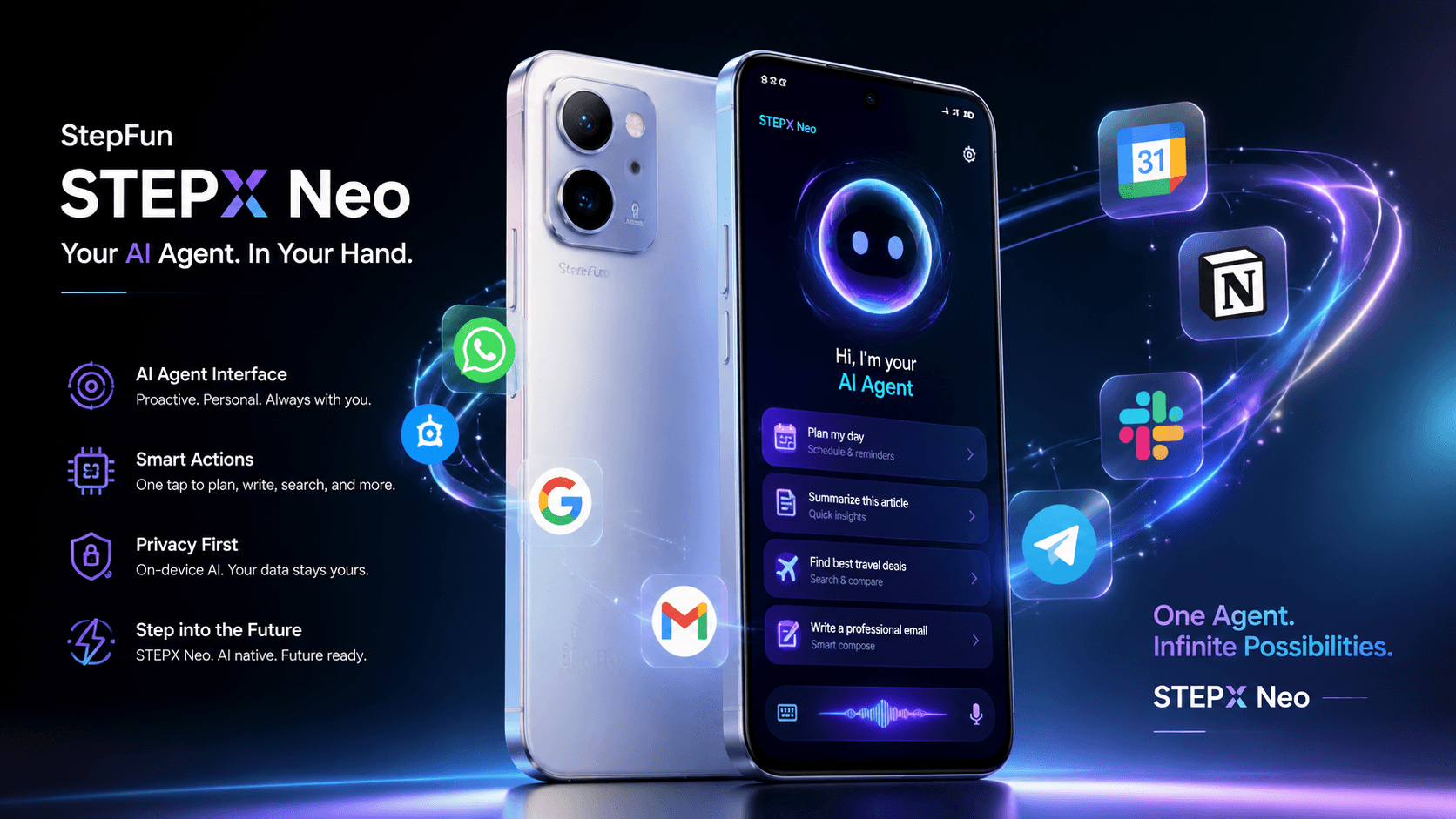
StepFun Launches STEPX Neo: An AI Agent Phone with Cross-App Integration
StepFun, a Shanghai-based AI unicorn, has introduced the STEPX Neo, an innovative phone equipped with the agent-native Step AOS and Amoo agent. This device integrates over 10 major platforms, including Alipay, Meituan, Didi, and Baidu, enabling autonomous task execution across applications. The launch of STEPX Neo is significant as it represents a leap forward in mobile technology, allowing users to perform tasks seamlessly across multiple applications without manual intervention. By leveraging the capabilities of various platforms, the STEPX Neo aims to enhance user experience and efficiency in daily tasks. Looking ahead, the impact of STEPX Neo on the market will be worth monitoring, particularly in how it influences user adoption of AI-driven mobile solutions. No further timeline was disclosed at the time of publication.
Technology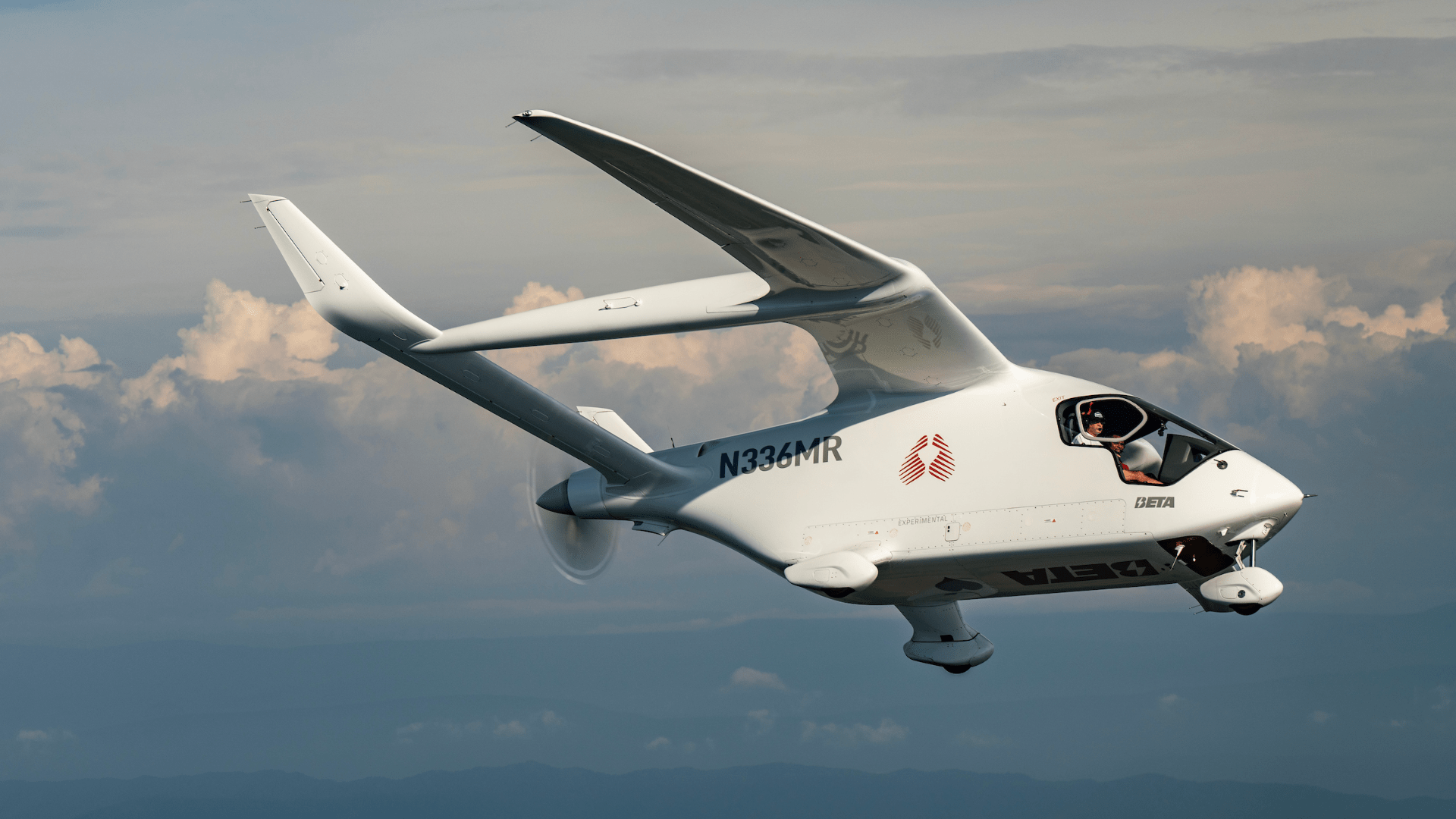
BETA Technologies Completes Multistate Electric Aircraft Flights for Medical Logistics
BETA Technologies has successfully conducted a series of electric aircraft flights spanning Virginia and Maryland, as part of the FAA’s eVTOL Integration Pilot Program. The flights covered approximately 275 nautical miles, connecting airports in Blacksburg and Charlottesville, Virginia, to Frederick and Baltimore County, Maryland. This achievement marks a significant milestone in evaluating advanced air mobility within existing airspace systems. The significance of these flights lies in their potential to enhance medical logistics, particularly in organ delivery operations. BETA Technologies is collaborating with United Therapeutics to develop electric aircraft systems that aim to make organ transportation more affordable and sustainable. The partnership has already led to advancements in aircraft design, autonomous flight technologies, and charging infrastructure, with over 160,000 nautical miles of flight testing completed to date. Looking ahead, the eVTOL Integration Pilot Program will continue to provide valuable data to inform future certification rules and operational standards for advanced air mobility. The Pennsylvania Department of Transportation, leading the Multistate Collaborative eIPP National Integration Complex, is working with multiple states and industry stakeholders to further develop and test these innovative aviation technologies. No further timeline was disclosed at the time of publication.
Transportation
OpenAI Launches GPT 5.6 as Preferred Model for Microsoft 365 Copilot Integration
OpenAI has announced that its latest model, GPT 5.6, will serve as the preferred AI model for Microsoft 365 Copilot, enhancing productivity applications like Word, Excel, and PowerPoint. This announcement came amid reports of Microsoft increasingly utilizing its in-house models, known as MAI, to reduce costs. The launch event took place on Thursday, reinforcing the ongoing collaboration between the two companies despite speculation about a potential rift. The significance of this announcement lies in the continued integration of OpenAI's advanced AI capabilities within Microsoft's suite of productivity tools. OpenAI emphasized its commitment to enhancing user experience across Microsoft applications, which could lead to improved functionality and user engagement. The partnership aims to leverage AI to benefit a broader range of individuals and organizations, maintaining a competitive edge in the productivity software market. Looking ahead, it remains to be seen how the relationship between OpenAI and Microsoft will evolve, especially with Microsoft’s in-house models gaining traction. No further timeline was disclosed at the time of publication regarding future developments or enhancements to the partnership. Observers will be keen to monitor how this dynamic affects both companies' strategies in the AI and productivity sectors.
AI Copilot gpt-5.6 Microsoft OpenAI
World’s largest cargo aircraft moves ahead with advanced flight control integration
Radia has announced the expansion of its engineering team dedicated to the development of the WindRunner cargo aircraft. This initiative, which involves collaboration with several aerospace companies, aims to enhance the aircraft's design and performance capabilities. The decision comes as part of Radia's strategy to strengthen its position in the competitive aerospace market. The expansion is expected to accelerate the project timeline, allowing for more efficient development processes. By leveraging the expertise of established aerospace firms, Radia seeks to innovate and improve the functionality of the WindRunner, which is designed to meet the growing demands of cargo transportation. This strategic move underscores Radia's commitment to advancing aerospace technology and responding to industry needs.
Innovation
SpaceX's Starmind Plans 1 Million AI Satellites Amid Collision Risks
SpaceX has announced its ambitious Starmind project, which aims to deploy 1 million AI satellites in orbits between 500 and 2,000 km. This initiative, confirmed by Elon Musk on June 23, 2026, follows a merger with xAI, valuing the combined entity at $1.25 trillion. The satellites will function as orbital data centers, processing AI workloads powered by solar arrays and linked by optical lasers. The significance of Starmind lies in its potential to add 100 gigawatts of AI compute capacity annually, contingent on the successful operation of the Starship launch system. However, the project raises concerns regarding space debris, as the current orbital environment is already congested, with a 20% increase in collision risk reported since 2024. The European Space Agency has highlighted that the density of debris in low Earth orbit is now comparable to that of active satellites, complicating the operational landscape for new entrants like Starmind. Looking ahead, the first operational orbital AI deployments are targeted for 2028, with test launches expected in early 2027. However, the project faces scrutiny regarding its impact on space debris, as even a 1% failure rate could significantly increase the number of uncontrollable objects in orbit, exacerbating existing risks. No further timeline was disclosed at the time of publication.

Overcoming Automation Anxiety: The Safety-First Approach to Robot Integration
As the integration of robots into the workforce accelerates, manufacturers are increasingly focusing on safety features to protect human workers. To ensure a smooth and secure transition, businesses planning to adopt robotic technology are advised to implement several key preliminary steps. These measures are crucial for prioritizing safety and minimizing risks associated with human-robot interactions. By establishing comprehensive safety protocols and integrating advanced safety features into robotic systems, companies can enhance workplace safety and foster a collaborative environment between humans and machines.
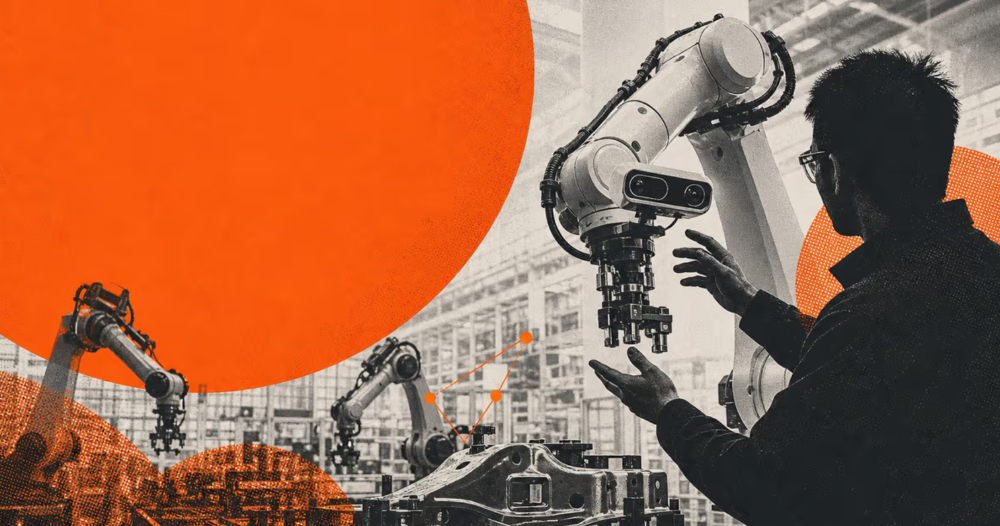
The integration of artificial intelligence and physical robot technology promotes the entry of factory automation into a new era.
The integration of artificial intelligence with physical robotics is ushering in a transformative era for factory automation. This advancement is set to revolutionize manufacturing processes, enhancing efficiency and productivity across various industries. As companies increasingly adopt these technologies, the shift is expected to occur rapidly, with significant developments anticipated in the coming months. The push towards automation is driven by the need for improved operational efficiency, cost reduction, and the ability to meet growing consumer demands. By leveraging AI capabilities, robots can now perform complex tasks with greater precision and adaptability, allowing factories to streamline operations and reduce human error. This evolution in technology not only promises to reshape the manufacturing landscape but also raises questions about the future of the workforce and the skills required in an increasingly automated environment.
Robotics Automation AI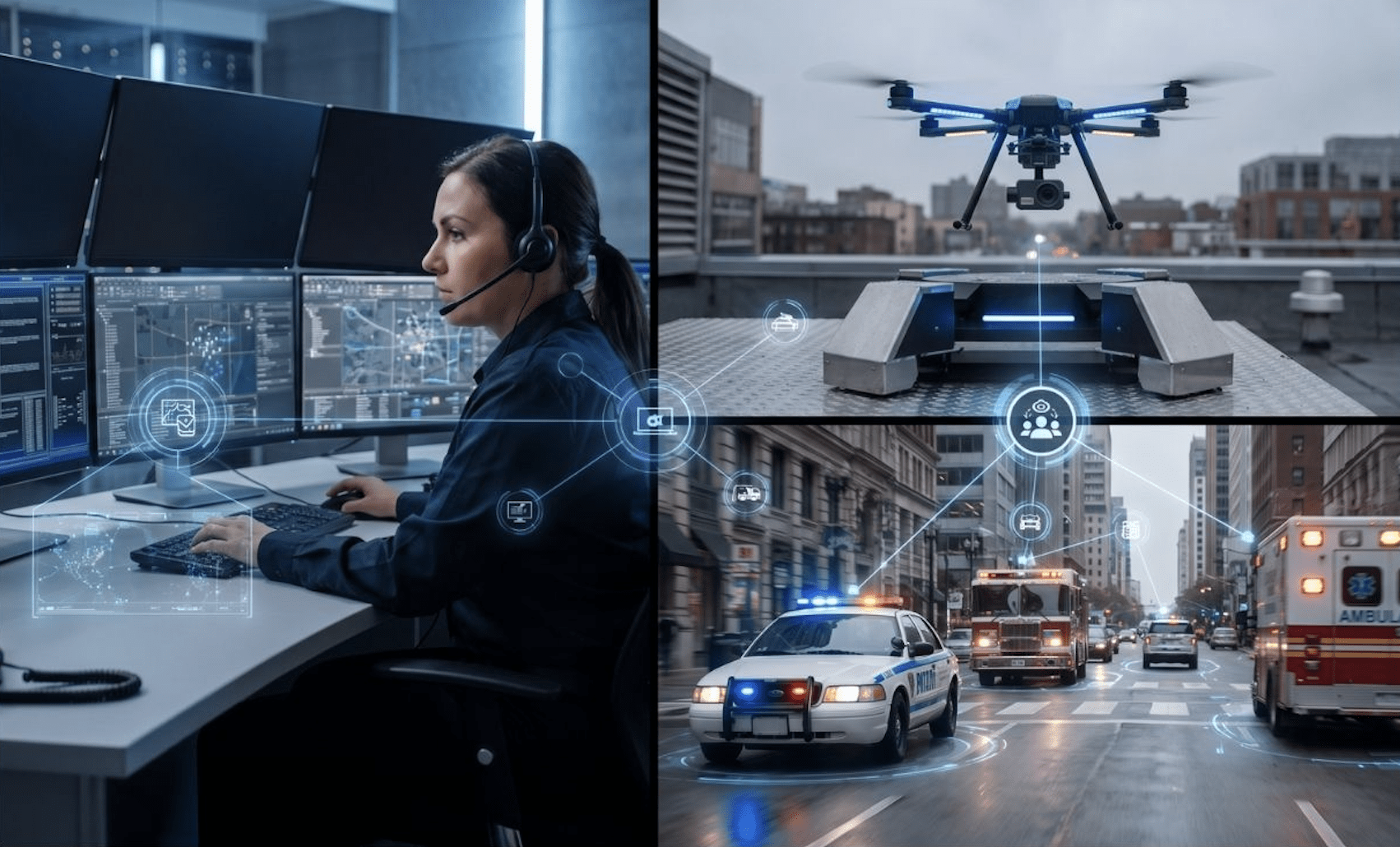
Versaterm on the Drone Radio Show! Next Level Integration of Drones into Public Safety
In a recent episode of the Drone Radio Show, Ryan Bracken from Versaterm discussed the company's acquisition of DroneSense and its implications for public safety agencies. This strategic move aims to enhance the integration of drone technology into computer-aided dispatch (CAD) workflows, moving beyond traditional standalone drone programs. The conversation highlighted the common characteristics of successful drone initiatives and offered insights on how agencies can develop sustainable operations while adhering to budget constraints. This integration is seen as a crucial step in advancing the use of drones in public safety, enabling agencies to leverage aerial technology more effectively in their operations.
Applications Drone News Drone News Feeds emergency response News Podcast
NEW INDRO CORTEX, CONTROLLER SIMPLIFY ROBOTIC INTEGRATION AND OPERATION
InDro Cortex has emerged as a versatile compute and sensor integrator designed for use on various robotic platforms. This innovative device, measuring 11cm x 14cm x 10cm and weighing just 679 grams, enables seamless data transmission over 5G networks with minimal latency. It also allows remote operators to send instructions to the robotic systems it supports. The platform-agnostic nature of Cortex means it can be integrated with nearly any robotic framework, enhancing operational flexibility and efficiency in diverse applications. This advancement in robotics technology is set to revolutionize how remote operations are conducted, offering real-time communication and control capabilities.
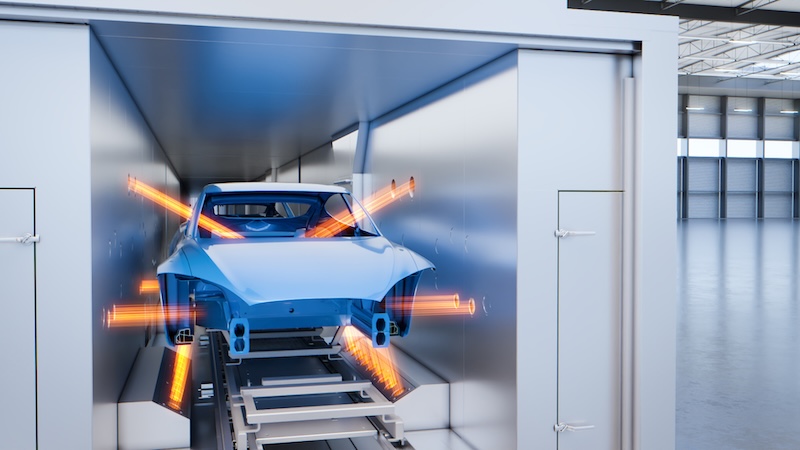
Dürr implementing a CO2-efficient paint shop with cross-plant system integration
Dürr is undertaking a significant project to construct a fully integrated paint shop for Volkswagen Autoeuropa, which includes the deployment of an advanced software solution. This initiative, set to be completed by 2024, aims to enhance efficiency in vehicle production by utilizing cutting-edge application and drying technologies that focus on maximizing CO2 reduction. The project also features an innovative SCADA integration, which will unify three separate paint shops into a single cohesive system. By the end of the project, it is anticipated that the facility will support the production of 236,100 vehicles annually, reflecting a commitment to sustainability and operational excellence in the automotive industry.
Industrial robots News automotive manufacturing automotive production co2 reduction digital manufacturing
Sabanto Inc. and Verdant Robotics Announce Technical Integration of Autonomous Tractor Operation with SharpShooter Plant-Level Precision Application
A new integrated solution has been developed that combines two systems, allowing for fully autonomous field work in agriculture. This innovation enables tasks ranging from navigation to plant-level application to be performed without the need for an operator in the cab. The advancement represents a significant leap in agricultural technology, streamlining operations and enhancing efficiency in the field. The system is designed to operate seamlessly, reflecting the latest advancements in automation and data integration. This development is expected to transform farming practices, reducing labor costs and increasing productivity.
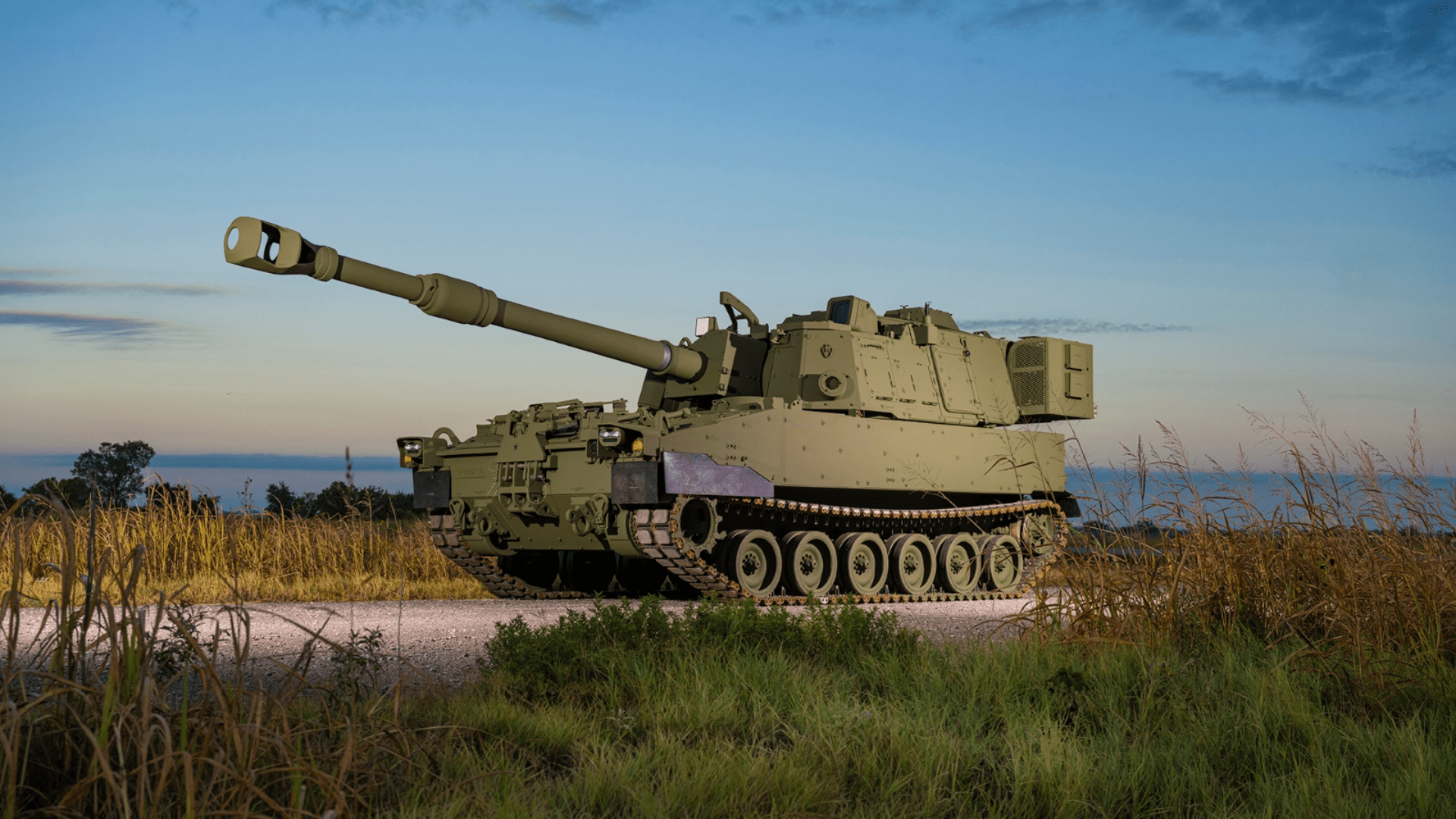
US Army trials LP-CROWS integration on Paladin artillery for drone defense
Engineers at the US Army Yuma Proving Ground are conducting developmental testing of advanced military technologies. This initiative, which began recently, aims to evaluate and enhance the performance of various systems crucial for operational readiness. The testing is part of the Army's ongoing efforts to improve its capabilities and ensure that troops are equipped with the most effective tools for modern warfare. By rigorously assessing these technologies in a controlled environment, the Army seeks to identify potential improvements and address any issues before deployment. The Yuma Proving Ground, known for its vast testing facilities, provides an ideal location for these critical evaluations, allowing engineers to simulate real-world conditions effectively. This testing phase is essential for maintaining the Army's competitive edge and ensuring the safety and effectiveness of its personnel in future missions.
MilitaryRobotics needs a service framework.
RSF defines a common language for robot service capability, lifecycle operations, certification pathways, and service-provider networks.
Join the RobotToday community on LinkedIn
Daily robotics news, in-depth analysis, conference highlights, and discussions with professionals worldwide.