Industry Briefing
A single destination for timely, editor-curated robotics news from around the world.
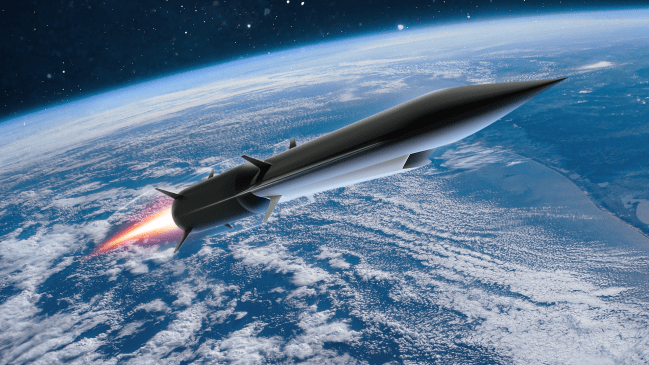
GE Aerospace Secures Contract to Develop Next-Gen Hypersonic Test Platform for US Military
GE Aerospace has been awarded a contract by the Defense Innovation Unit (DIU) to enhance the development of a liquid-fueled hypersonic test platform under the HyCAT program. This initiative aims to expedite hypersonic flight testing, addressing critical bottlenecks in systems designed for speeds exceeding Mach 5. The new test platform will serve as a test bed for flight demonstrations and data generation for future hypersonic systems. This contract builds on initial funding received in 2023, with GE Aerospace set to design a combined booster and cruiser configuration, facilitating more efficient testing without the need for dedicated flight-test vehicles. Looking ahead, the project is on track for significant milestones, including preliminary design reviews and subsystem testing scheduled for 2025 and 2026. This aligns with the US military's goal to enhance hypersonic flight-test infrastructure, enabling faster identification of issues and quicker iterations in technology development.
Military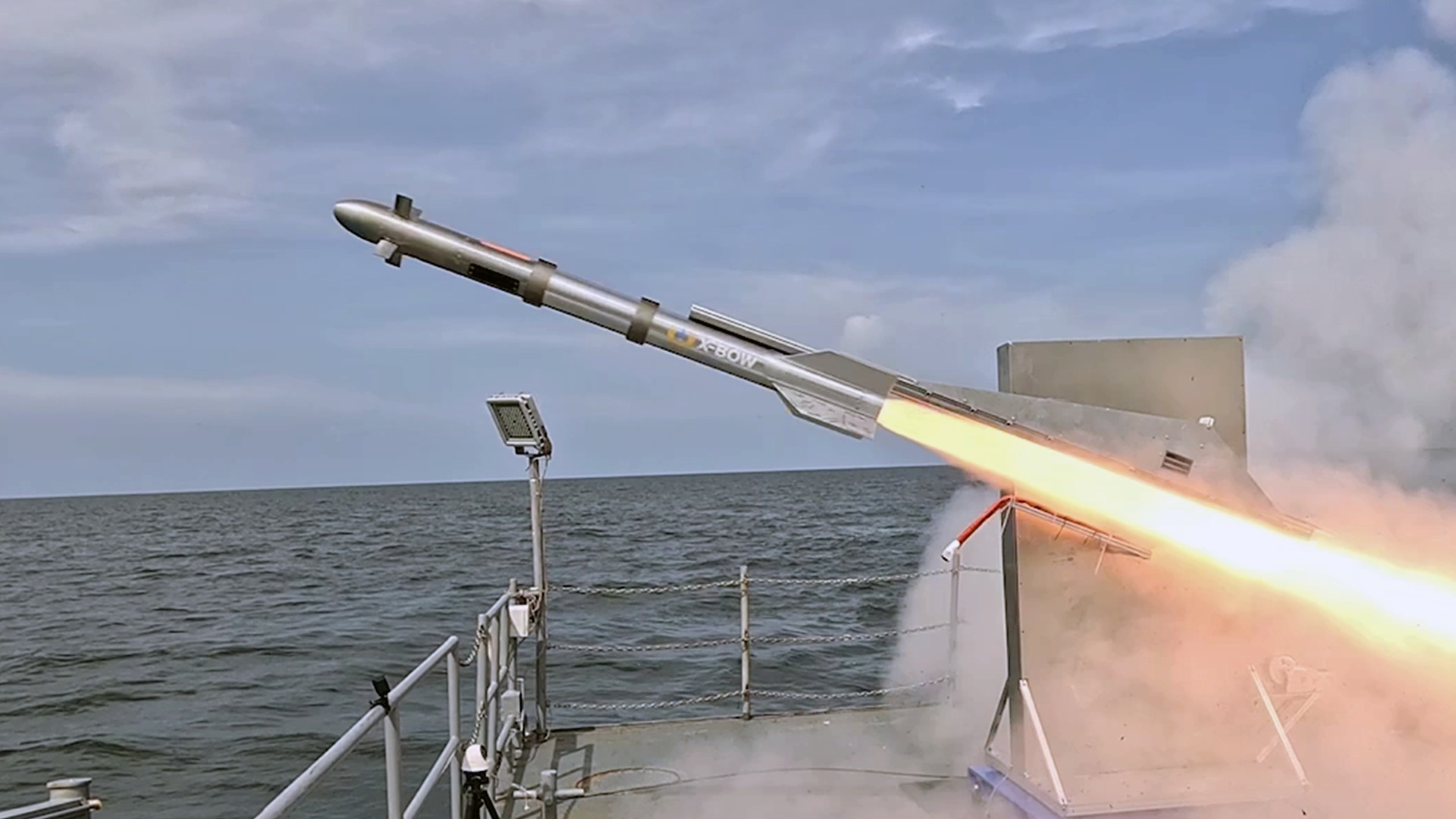
X-Bow Systems Launches Buckler, a Cost-Effective Supersonic Interceptor for Drone Defense
X-Bow Systems, a Texas-based defense company, has unveiled Buckler, a new supersonic interceptor aimed at countering Group 3 drone threats. This system addresses the increasing demand for effective defenses against mass UAV attacks and has successfully completed field testing. The Buckler interceptor is designed to engage Group 3 unmanned aerial vehicles (UAVs), which weigh between 56 and 1,320 lbs and operate below 18,000 feet. Priced under USD 100,000, Buckler combines high-speed performance with a design suitable for large-scale production, making it a cost-effective solution for militaries facing frequent drone assaults. With the successful flight tests validating its propulsion system and overall performance, X-Bow Systems is moving closer to operational deployment of Buckler. The company emphasizes its in-house manufacturing capabilities, which enhance production efficiency and quality control, addressing the industry's reliance on external suppliers for solid rocket motors.
Military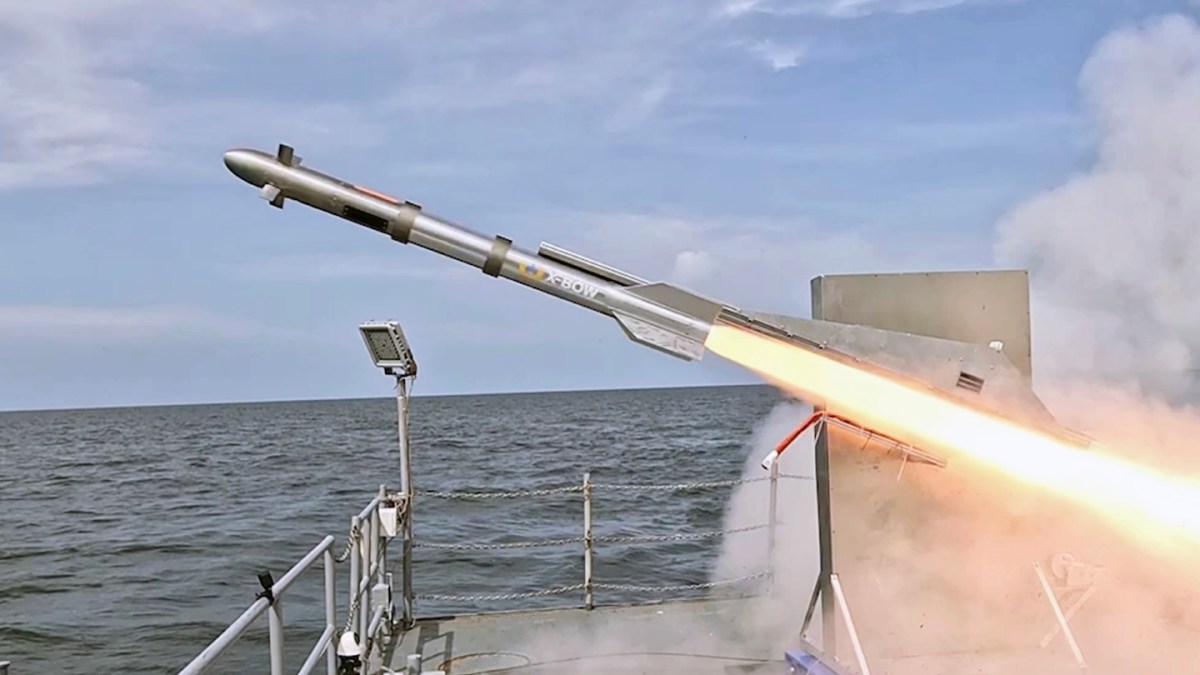
X-Bow Systems Launches Buckler Supersonic Drone Interceptor Under $100K
X-Bow Systems has introduced the Buckler, a cost-effective drone interceptor priced below $100,000. This supersonic interceptor is specifically designed to target Group 3 drones, which include various unmanned aerial vehicles weighing between 56 to 1,320 pounds. The Buckler can also engage other aerial threats, such as subsonic cruise missiles, enhancing its operational versatility. The significance of the Buckler lies in its affordability and speed, addressing the growing need for effective air defense against increasingly sophisticated drone and missile threats. As conflicts in regions like the Middle East and Ukraine have shown, traditional air defense systems often struggle against cheaper, more numerous threats. X-Bow Systems aims to provide a scalable solution that allows military forces to respond effectively without incurring exorbitant costs. Looking ahead, the Buckler represents a strategic response to the evolving landscape of aerial threats. With its ability to engage multiple targets rapidly, it could play a crucial role in modern air defense strategies. No further timeline was disclosed at the time of publication.
Land Armies Counter-Unmanned Aerial Vehicles (C-UAS) Surface-To-Air Missile Systems U.S. Army
Ursa Major Launches Sixth US Facility to Enhance Spacecraft Production Capacity
On August 20, Ursa Major, a US aerospace and defense company, inaugurated a new facility in Longmont dedicated to the production of spacecraft avionics and in-space propulsion systems. This site, which can support over 125 employees, will allow the company to shift production from its Berthoud headquarters, thereby increasing space for manufacturing liquid rocket engines and hypersonic systems. The establishment of the Longmont facility is significant as it consolidates Ursa Major's production capabilities for avionics and integrated propulsion systems, which are crucial for spacecraft maneuverability in orbit. CEO Chris Spagnoletti emphasized the facility's role in meeting current demand, stating that the new site will enhance the company's ability to deliver advanced propulsion solutions faster than traditional suppliers. Looking ahead, Ursa Major plans to utilize the additional space at its Berthoud headquarters for liquid-engine manufacturing and vehicle integration. Programs such as the Hadley and Draper liquid rocket engines and the HAVOC Missile System are expected to benefit from this expansion. No further timeline was disclosed at the time of publication.
Military
SpaceX Proposes 1 Million AI Satellites to Address Ground Data Center Constraints
On January 30, 2026, SpaceX filed with the FCC to launch up to 1 million AI compute satellites, positioning orbital data centers as a solution to the increasing demand for AI computing power. Ground data centers are facing significant challenges, with energy consumption projected to reach approximately 1,050 TWh in 2026, making them the fifth-largest electricity consumer globally. The demand for new data center capacity is outpacing the growth of power generation infrastructure, leading to a critical bottleneck in the grid system. The significance of this initiative lies in the structural constraints faced by ground data centers, including power delivery limitations, high water consumption, and local opposition to new projects. The Uptime Institute's 2026 outlook identifies power as the primary constraint on data center growth, with capacity clearing prices in the PJM grid skyrocketing to $329.17/MW, driven by data center expansion. Additionally, cooling requirements are becoming increasingly unsustainable, with facilities consuming vast amounts of water, further complicating their operational viability. Looking ahead, SpaceX's orbital AI compute initiative aims to circumvent these challenges by leveraging the advantages of space, such as continuous solar power and minimal local opposition. The first AI prototypes are expected to launch in early 2027, with operational deployments planned for 2028. No further timeline was disclosed at the time of publication.
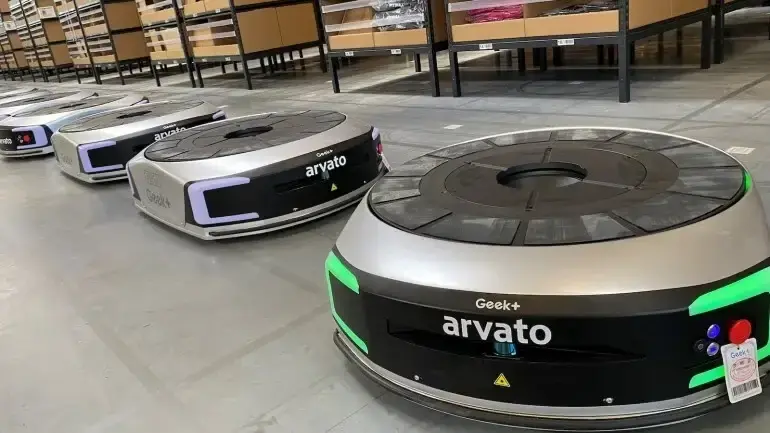
Arvato and Geek+ elevates Poland logistics hub with flexible Goods-To-Person robotics
Arvato, in collaboration with Geek+, has launched an advanced Goods-To-Person robotics system at its logistics center in Poznań, Poland. This initiative, which took place recently, is designed to improve picking efficiency and accommodate the increasing demands of the e-commerce sector. The implementation of Geekplus' P800 picking robots is expected to streamline the order picking process and enhance storage optimization. This move aligns with Arvato's broader automation strategy, enabling the company to better meet client needs in a highly competitive logistics environment.
Warehouse Robotics E-commerce Logistics Supply Chain Management Automation Technology Third-Party LogisticsRobotics needs a service framework.
RSF defines a common language for robot service capability, lifecycle operations, certification pathways, and service-provider networks.
Join the RobotToday community on LinkedIn
Daily robotics news, in-depth analysis, conference highlights, and discussions with professionals worldwide.