Industry Briefing
A single destination for timely, editor-curated robotics news from around the world.

Robot.com Expands Partnership with Sodexo for Sidewalk Delivery Robots Deployment
Robot.com has announced a seven-year commercial agreement with Sodexo Group to enhance the deployment of its sidewalk delivery robot, R-Kiwi, which has completed 2.4 million tasks. This partnership builds on their collaboration that began in 2021 and focuses on select Sodexo-operated college campuses in North America. The significance of this agreement lies in addressing labor shortages faced by Sodexo, which employs around 400,000 individuals globally. Felipe Chavez Cortes, CEO of Robot.com, emphasized that the long-standing relationship between the two companies facilitated this substantial contract, marking Robot.com’s largest single enterprise deployment. Looking ahead, Robot.com aims to leverage its Remi implementation platform to improve the economic viability of its robots. This platform combines classical robotics with advanced software and advertising technology, allowing for increased revenue streams beyond just delivery services. No further timeline was disclosed at the time of publication.
Autonomous Mobile Robots (AMRs) Food / Beverage Humanoids Logistics Markets / Industries Mobility / Navigation
Beijing Robotics Expo Features Robots Sorting Packages and Serving Fast Food
At a robotics expo in Beijing, robots demonstrated their capabilities by sorting parcels and serving fried chicken, captivating attendees. This event showcased the potential of robotics and artificial intelligence in reshaping the labor market, with hundreds of companies presenting their innovations. The significance of this expo lies in its focus on how automation can transform various sectors, particularly in logistics and food service. As artificial intelligence continues to advance, the integration of robots in everyday tasks could lead to increased efficiency and changes in workforce dynamics. Looking ahead, industry observers will monitor the ongoing developments in robotics and AI technologies. The expo serves as a platform for companies to highlight their contributions to a future where automation plays a crucial role in labor markets. No further timeline was disclosed at the time of publication.
Robotics
Serve Robotics CEO Discusses Delivery Robots' Impact on Last-Mile Logistics
Serve Robotics CEO Ali Kashani recently spoke on Bloomberg Open Interest about the company's strategic shift towards partnerships with DoorDash and Grubhub. He highlighted how delivery robots can significantly reduce last-mile delivery costs, making them a valuable asset in the logistics sector. This shift is crucial as it demonstrates the growing importance of automation in the delivery industry. Kashani emphasized that the AI-powered technology behind these robots has the potential to extend beyond food delivery, with applications in hospitals and everyday logistics. Looking ahead, the conversation around delivery robots is expected to evolve, with potential expansions into various sectors. No further timeline was disclosed at the time of publication.

NoTip Initiates Public Beta for Robotic Food Delivery Service in Mason, Ohio
NoTip has commenced public beta testing of its robotic food delivery platform in Mason, Ohio, allowing residents to access an innovative autonomous delivery service. This service integrates electric vehicles with delivery robots, utilizing a patent-pending dual-stage delivery system to enhance food delivery in suburban areas where traditional sidewalk robots face challenges. The significance of this initiative lies in NoTip's aim to make food delivery more affordable and reliable, independent of restaurants and gig workers. Customers can download the NoTip app to place orders, track deliveries in real-time, and enjoy a flat $6 delivery fee without tipping or price mark-ups. John Vo emphasized the importance of this beta testing phase in refining the delivery experience through customer feedback. Looking ahead, NoTip plans to leverage insights gained during the beta program to inform future enhancements and expansion strategies for its robotic delivery platform. The response from customers during this trial will be crucial in shaping the service's commercial viability and operational scope.
Logistics News autonomous delivery platform autonomous food delivery delivery robotics delivery robots
AgriFood Signals: Farmland LP Secures $126 Million for New Fund Amid Industry Developments
AgFunderNews highlights significant developments in agtech and foodtech, including Farmland LP's successful fundraising of $126 million for its third fund. This capital will support investments in sustainable agriculture and food production technologies, reflecting a growing interest in the sector. The importance of this funding is underscored by the increasing demand for innovative solutions in agriculture, particularly as the industry faces challenges related to sustainability and efficiency. Farmland LP's new fund aims to capitalize on these trends, positioning itself as a key player in the evolving agtech landscape. Looking ahead, stakeholders should monitor how Farmland LP deploys its new capital and the impact of other recent funding rounds, such as Sharpa's $670 million for robotics at Dairy Queen. No further timeline was disclosed at the time of publication.
Agtech FoodTech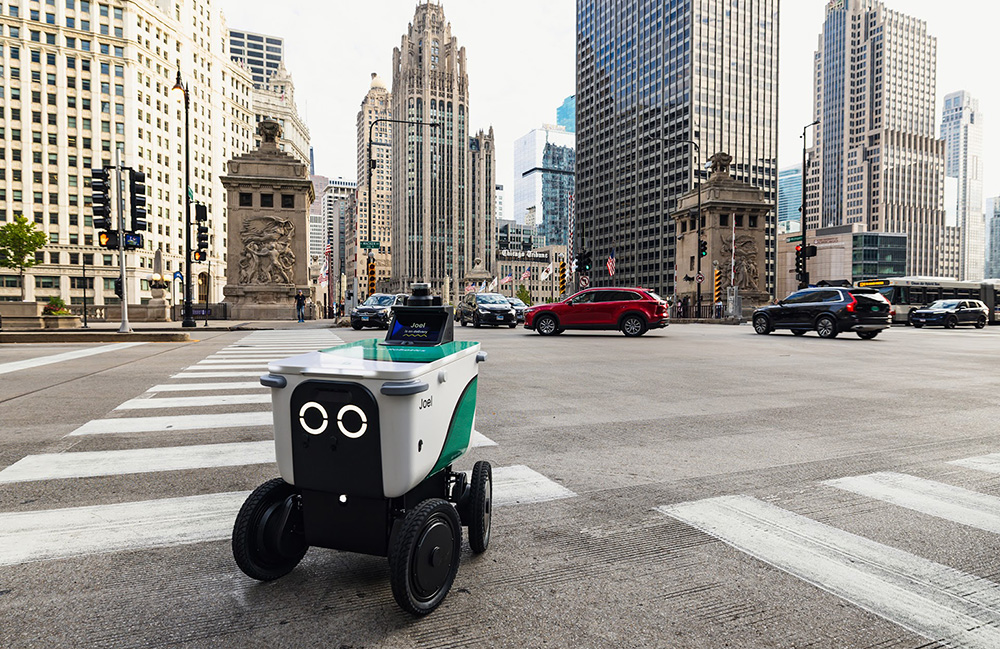
Serve Robotics Partners with Grubhub for Autonomous Delivery in Major Cities
Serve Robotics Inc. has announced a partnership with Grubhub to provide autonomous delivery services in Chicago, Los Angeles, and Alexandria, Virginia. This collaboration will enable Serve to offer robotic deliveries from over 100 Grubhub merchants in Chicago and nearly 200 in Los Angeles, with plans for more restaurants to join the program. This partnership is significant as it marks Serve's expansion into new markets, including Washington, D.C., and San Jose, California, where they have partnered with DoorDash. The introduction of microdepots in Miami will further enhance their operational efficiency, allowing for quicker deployment in high-demand neighborhoods with minimal infrastructure. Looking ahead, Serve Robotics is also launching Beacon, a countertop product designed to streamline the connection between restaurants and delivery robots. Additionally, they have introduced a new advertising product called “Characters,” which allows brands to create interactive experiences with their robots. No further timeline was disclosed at the time of publication.
Autonomous Mobile Robots (AMRs) Food / Beverage Markets / Industries News Robots / Platforms autonomous delivery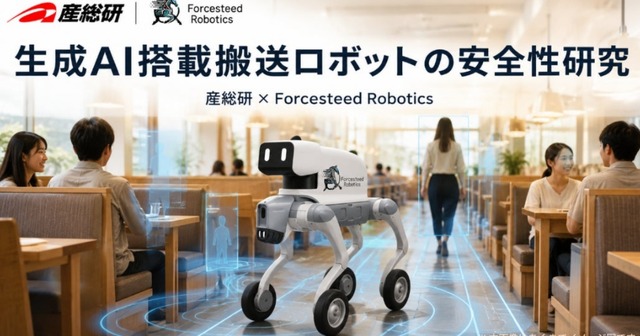
AIST and Forcesteed Robotics Collaborate on Safety of Indoor Delivery Robots with Physical AI
The National Institute of Advanced Industrial Science and Technology (AIST) and Forcesteed Robotics have conducted joint research on the safety of indoor delivery robots equipped with Physical AI, focusing on risk assessment and mitigation strategies. The findings will be presented in a paper titled "Risk Extraction and Mitigation Strategies for Indoor Delivery Robots with Physical AI Using Generative AI" at the Robotics Society of Japan on September 3, 2026. This research is significant as it addresses the increasing reliance on Physical AI in environments where humans and robots coexist, such as restaurants and commercial facilities. The study emphasizes the importance of accurately recognizing surroundings and making timely decisions to ensure safety, particularly in dynamic settings where human movement and object placement are constantly changing. Looking ahead, AIST and Forcesteed Robotics plan to further investigate recovery times during anomalies, human behavior prediction, and the reliability of recognition results based on insights gained from this research. The focus on ensuring the safe operation of robots equipped with Generative AI in real service environments will be a key area of interest in future presentations.

Dogtooth Secures £14M Investment for AI Robotics in Agriculture
Cambridge-based AI robotics company Dogtooth has successfully raised £14 million in funding to enhance its agricultural technology solutions. This investment aims to accelerate the development of advanced robotics designed for precision farming, addressing the growing demand for automation in the agtech sector. The funding round highlights the increasing interest in AI-driven solutions within the agricultural industry, particularly in the UK market. The significance of this funding lies in its potential to transform agricultural practices through the integration of AI and robotics. As the global agricultural sector faces challenges such as labor shortages and the need for sustainable practices, innovations like those from Dogtooth are crucial. The investment reflects a broader trend of increasing capital flow into agtech, with investors recognizing the importance of technology in enhancing productivity and sustainability. Looking ahead, Dogtooth's next steps will likely focus on scaling its technology and expanding its market presence. No further timeline was disclosed at the time of publication, but the company’s advancements in AI robotics could set new benchmarks in the agricultural sector, paving the way for future innovations and partnerships in agtech.
Agtech FoodTech
Japan Unveils National Robot Strategy: 10 Million Robots by 2040 for Care and Food Manufacturing
The Japanese government has unveiled an ambitious national robot strategy, targeting the deployment of around 10 million robots across 18 sectors, such as healthcare and food manufacturing, by the year 2040. This initiative, announced recently, aims to tackle labor shortages and boost productivity through the integration of advanced AI technology. The strategy also emphasizes the importance of international collaborations to facilitate both the development and deployment of these robotic systems.
Robotics Healthcare Automation Food Manufacturing AI Technology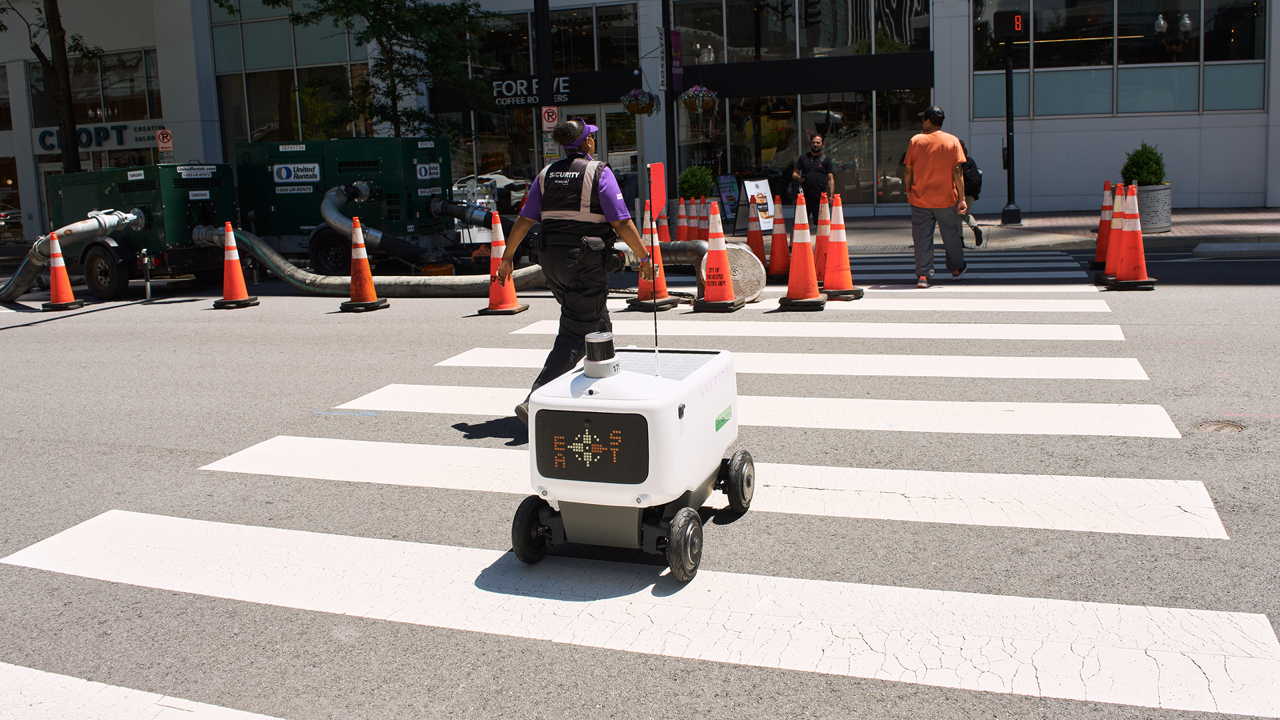
Context is king: How Avride uses cloud VLMs as a safety net for delivery robots
Avride is enhancing the environmental awareness of its delivery robots by utilizing vision-language models (VLMs). This innovative approach aims to improve the safety and efficiency of the robots as they navigate various environments. By integrating cloud-based VLM technology, Avride is able to provide its robots with a better understanding of their surroundings, enabling them to respond more effectively to dynamic conditions. The implementation of these advanced models is part of Avride's ongoing efforts to ensure safer delivery operations and to adapt to the complexities of real-world environments.
Artificial Intelligence Artificial Intelligence / Cognition Autonomous Mobile Robots (AMRs) Logistics Mobility / Navigation News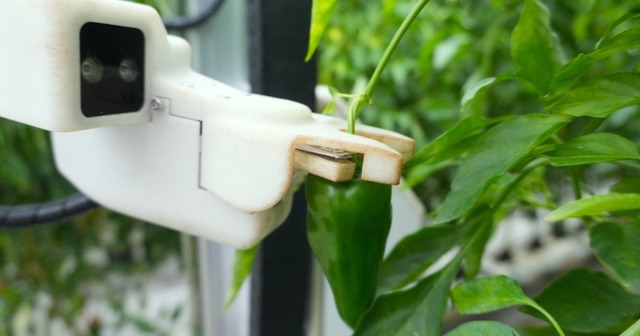
AGRIST partners with Microsoft to tackle global food challenges using AI harvesting robots in advanced agricultural applications.
AGRIST Corporation, based in Shintomi Town, Miyazaki Prefecture, showcased its innovative use of physical AI in smart agriculture at the Microsoft AI Co-Innovation Lab KOBE annual event. The event took place on June 10, 2026, at the Kobe Asahi Hall. AGRIST's presentation highlighted advanced examples of how artificial intelligence can enhance agricultural practices, demonstrating the company's commitment to integrating cutting-edge technology into farming. This initiative aims to improve efficiency and productivity in the agricultural sector, reflecting a broader trend towards modernization in farming techniques.

Insta360 vs DJI: The Drone Imaging War Is More Brutal Than the Food Delivery Battle
In Shenzhen, two leading companies in the drone camera industry, Insta360 and DJI, are engaged in intense competition that is transforming the landscape of imaging hardware in China. This rivalry has escalated into a series of patent lawsuits, aggressive price reductions, and a battle for top talent. As both firms strive to outmaneuver each other, the ongoing conflict is reshaping market dynamics and influencing consumer choices in the rapidly evolving technology sector. The situation reflects broader trends in innovation and competition within the Chinese tech industry, highlighting the lengths to which companies will go to secure their position in a lucrative market.
Industry Gadgets
Serve Robotics expands beyond food delivery with autonomous laundry service
Serve Robotics has entered into a partnership with NoScrubs, an emerging on-demand laundry service, to expand its delivery offerings beyond prepared food. This collaboration, which marks Serve's inaugural venture into urban delivery for laundry, will kick off this week in select neighborhoods across Los Angeles. Utilizing Serve's fleet of autonomous sidewalk robots, the pilot program aims to deliver laundry orders directly to customers' doorsteps, enhancing convenience and efficiency in urban logistics.
Logistics News ai robotics automation news autonomous commerce autonomous delivery
BayCare Expands Autonomous Hospital Delivery with New Relay Robots at Winter Haven Hospitals
In response to the ongoing healthcare labor shortage, a new initiative has been launched to expand the use of robotic technology in hospitals. This expanded fleet of robots is designed to automate non-clinical logistics, allowing healthcare professionals to focus more on direct patient care. By streamlining tasks such as inventory management and supply delivery, the robots aim to enhance efficiency within medical facilities. This initiative is particularly timely as healthcare systems face increasing pressure to optimize resources and improve patient outcomes. The deployment of these robots is expected to significantly reduce the burden on nursing staff, ultimately prioritizing nurse-to-patient interaction and enhancing the overall quality of care.

EngineAI Launches Shenzhen Intelligent Manufacturing Base as First Batch of T800 Humanoid Robots Roll Off the Production Line to Begin Mass Delivery
A leading logistics company has announced a significant advancement in its operational capabilities, achieving a milestone that enables it to scale its delivery services to 10,000 units. This development marks a pivotal moment in the company's growth strategy, allowing it to enhance efficiency and meet increasing customer demand. The announcement was made in October 2023, highlighting the company’s commitment to innovation and expansion in the competitive logistics sector. By implementing advanced technologies and streamlined processes, the firm aims to improve its service delivery and maintain a competitive edge in the market.
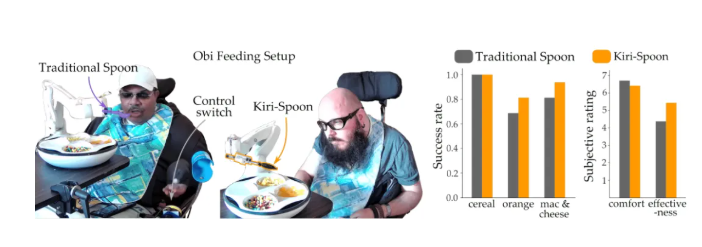
Top Journal IJRR | Scientists Create a Spoon That 'Embraces' Food to Assist Eating Robots
Researchers from Virginia Tech and Cornell University have unveiled the Kiri-Spoon, a groundbreaking eating utensil tailored for assistive robots. This innovative spoon, inspired by the intricate art of Kirigami, features a unique design that allows it to change shape, enabling it to securely grasp various types of food. The development aims to enhance the feeding experience for individuals with mobility challenges, making mealtime more accessible and manageable. The Kiri-Spoon represents a significant advancement in assistive technology, addressing the needs of those who require support during meals.
Assistive Robotics Eating Assistance Robotic Utensils Healthcare Technology
Coco Robotics Deploys Autonomous Delivery Robots with Uber Eats in San Jose
Coco Robotics, recognized as the largest urban robot delivery platform globally and recently honored as one of Fast Company’s World’s Most Innovative Companies in logistics, has launched its autonomous delivery service in San Jose, California. This expansion allows residents, workers, and businesses in the city’s urban core to benefit from the convenience of robotic deliveries. The service is now operational, enhancing accessibility and efficiency in local logistics.
AI AI Use Cases Robotics autonomous delivery robot California Coco Robotics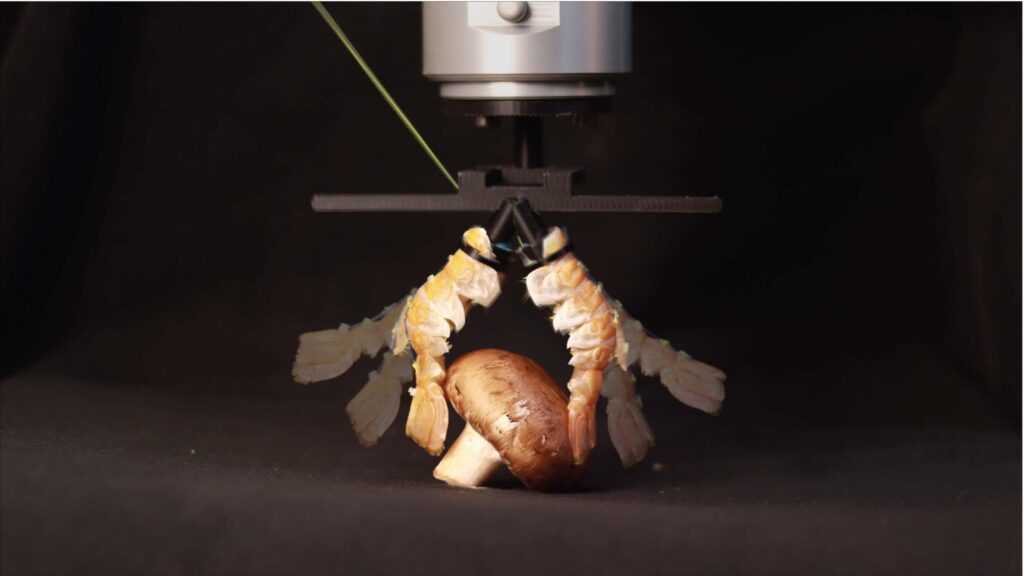
Bio-hybrid robots turn food waste into functional machines
Researchers at the CREATE Lab of the École Polytechnique Fédérale de Lausanne (EPFL) have unveiled a groundbreaking robotic gripper crafted from langoustine tails. This innovative design, showcased in 2025, marks a significant departure from traditional robotic components typically made from metals and plastics. By drawing inspiration from nature, the team aims to enhance the functionality and adaptability of robotic systems. The use of organic materials not only aligns with sustainable practices but also offers unique advantages in terms of flexibility and grip. This development highlights a growing trend in robotics, where natural elements are increasingly influencing technological advancements.
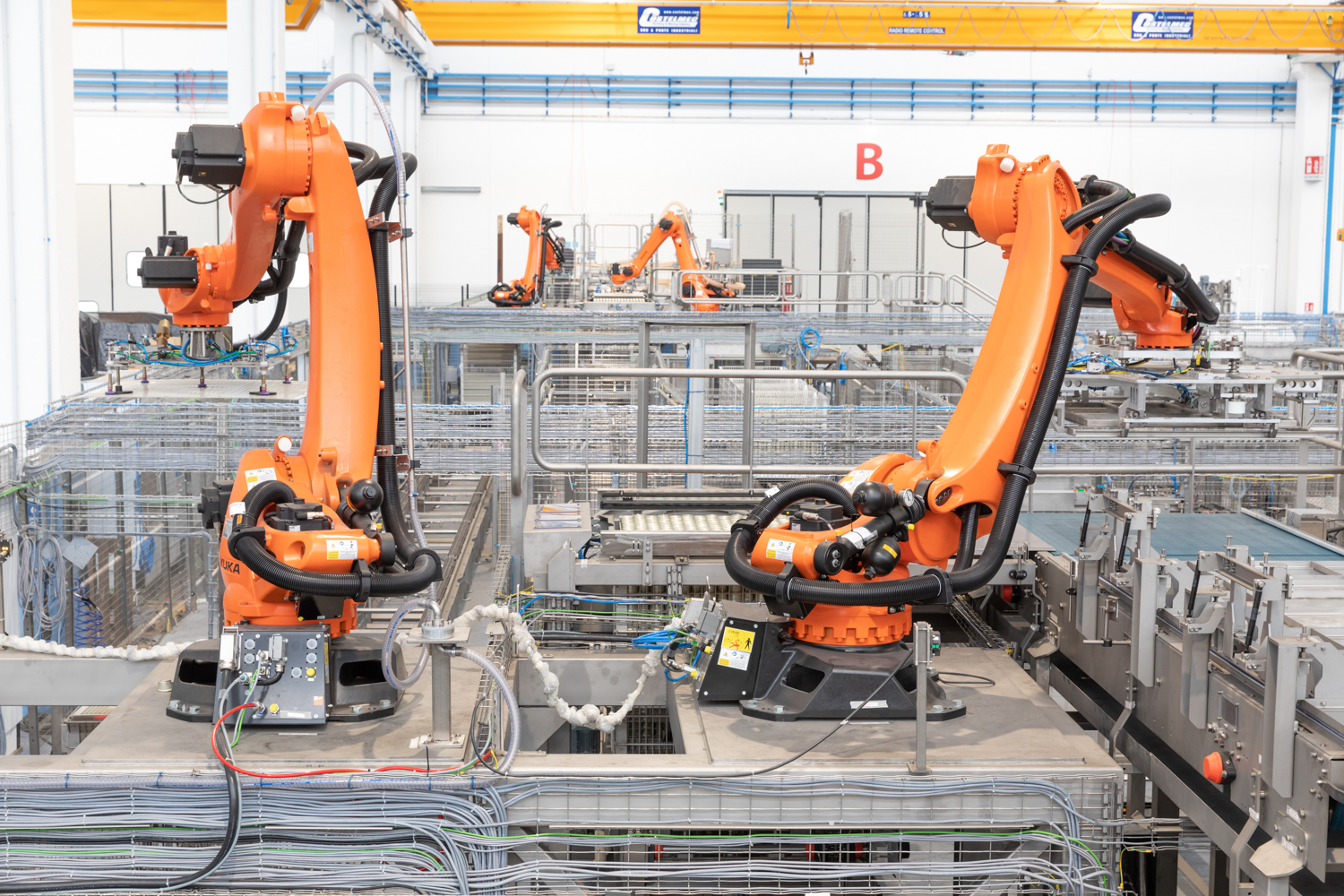
1200 cans per minute: KUKA robots palletize pet food cans in Poland
As the demand for pet food continues to surge, manufacturers are responding by expanding their production capacity and automating processes. A notable example is a Polish pet food manufacturer that has integrated KUKA robots into its operations. These advanced robots efficiently place pet food cans on conveyor belts before and after the sterilization process, significantly enhancing the production line's efficiency. This automation allows the facility to process an impressive 1,200 cans per minute, ensuring that the growing market needs are met swiftly and effectively.

China’s food-delivery price war sees Meituan, Alibaba, JD.com incur $14B in costs across two quarters
In the third quarter of 2025, Meituan reported a staggering operating loss of 19.8 billion yuan ($2.7 billion), marking its largest loss since going public. This significant downturn is attributed to intense competition in China's food delivery sector, which has driven companies to engage in heavy subsidy spending. Meanwhile, Alibaba experienced a sharp decline in its operating profit, plummeting from 35.2 billion yuan to just 5.4 billion yuan ($4.9 billion to $0.75 billion). JD.com also faced challenges, reporting an operating loss of 10.5 billion yuan ($1.4 billion). The ongoing battle for market share among these major players highlights the pressures of maintaining profitability amidst aggressive pricing strategies and consumer incentives.
News Feed
JD.com’s food delivery service faces backlash after system crash amid 618 surge
On May 14, JD.com’s food delivery service faced significant disruptions, leading to widespread user complaints about delayed and unassigned orders. The incident prompted a surge of online discussion, with the hashtag #JD_Food_Delivery_Crashed_Again trending across various social media platforms. In light of the situation, JD.com issued an apology, explaining that the service interruptions were caused by an unexpected increase in order volume linked to its ongoing 618 promotional campaign. The company is currently working to address the issues and restore normal service for its customers.
News Feed
Ele.me deploys Unitree humanoid robots to promote flash delivery
On May 6, Ele.me, a prominent Chinese food delivery service, introduced six Unitree robots in key locations throughout Hangzhou, including the Xixi and Zijin Tianjie malls. This initiative is part of an innovative air-land-sea themed marketing campaign designed to showcase the city's technological advancements. The campaign also incorporated the use of drones and helicopters, emphasizing Hangzhou's appeal as a hub for cutting-edge technology. According to Ele.me, the goal of this bold advertising strategy is to enhance the visibility of their services while celebrating the city's modern image.
News Feed
JD.com food delivery hits 1 million daily orders in 40 days
JD.com has reported that its newly launched food delivery service has achieved over 1 million daily orders just 40 days after its debut. The platform collaborates with more than 450,000 dine-in restaurants across 142 cities in China. This impressive growth is largely credited to JD.com’s policy of zero commission fees, which has enabled some partnered restaurants to surpass 2,000 monthly orders. The company’s innovative approach is attracting new merchants, further enhancing its market presence in the competitive food delivery sector.
News Feed
Drone food delivery orders rise in China during Spring Festival
In Shenzhen, a growing number of food delivery orders are now being fulfilled by drones, as reported by state-owned media CCTV Finance. At Yitian Plaza, operator Luo Xikun and his team have streamlined the process, managing to pack, weigh, and swap batteries for drone deliveries in under two minutes. This innovative approach aims to enhance delivery efficiency and meet the increasing demand for quick service in urban areas. The use of drones represents a significant advancement in logistics, allowing for faster and more reliable food delivery options in the bustling city.
News FeedRobotics needs a service framework.
RSF defines a common language for robot service capability, lifecycle operations, certification pathways, and service-provider networks.
Join the RobotToday community on LinkedIn
Daily robotics news, in-depth analysis, conference highlights, and discussions with professionals worldwide.