Industry Briefing
A single destination for timely, editor-curated robotics news from around the world.
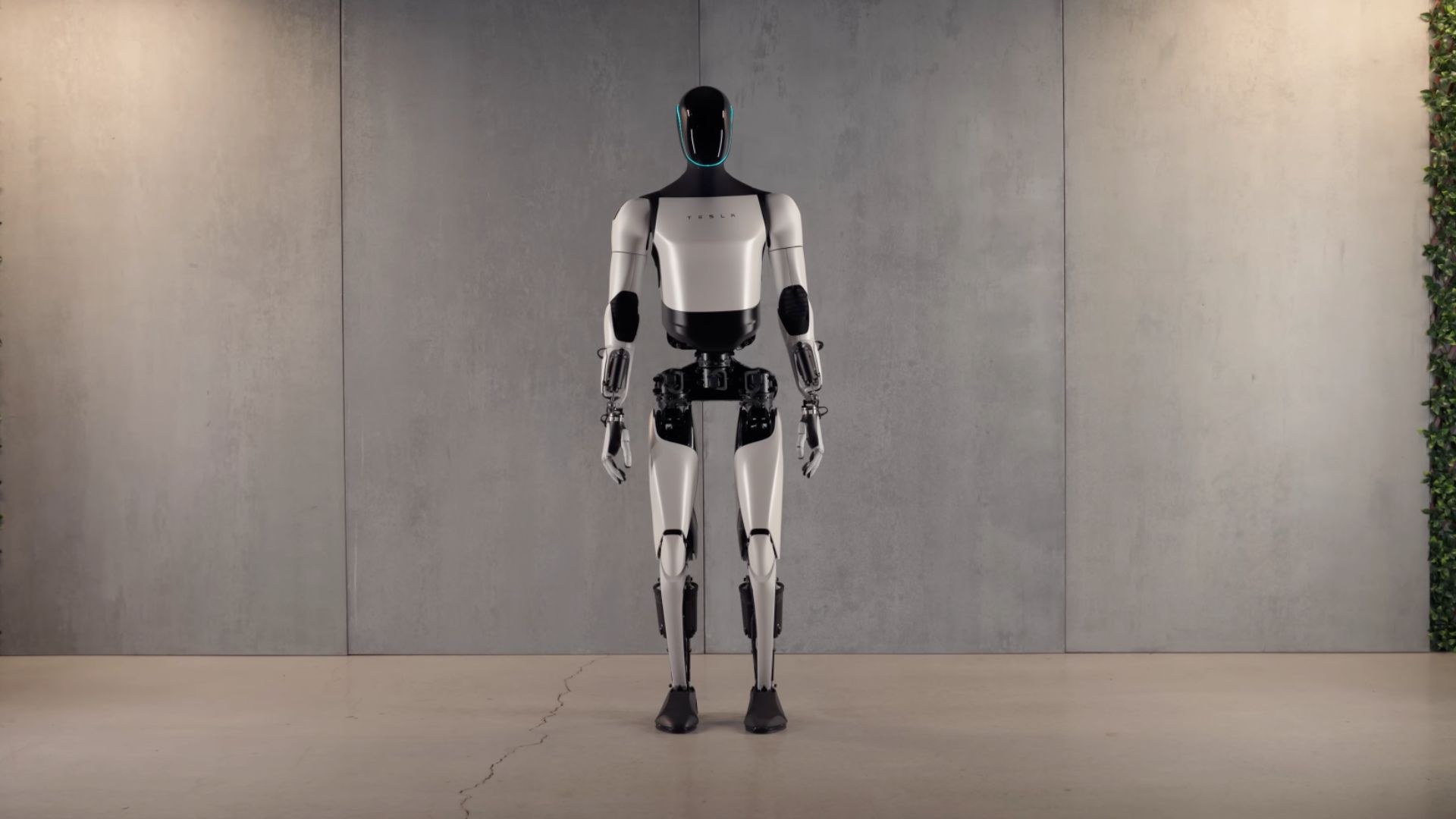
Tesla to Train Optimus Humanoid Robot Using Employee Movements at Gigafactory
Tesla plans to utilize its employees at the Gigafactory in Grünheide, Germany, to train the Optimus humanoid robot by capturing their movements during vehicle assembly. Selected workers will wear backpack-mounted cameras to record their actions, which will help teach Optimus to replicate these tasks autonomously. This initiative is significant as it mirrors Tesla's existing training program in the United States and aims to accelerate the development and production of the humanoid robot. However, the specific role of Optimus at the Grünheide factory and the management of employee participation in data collection remain unclear, especially considering German labor laws regarding monitoring employee behavior. Looking ahead, Tesla is also expanding its robotics operations in Reutlingen, Germany, where it is developing components for Optimus manufacturing. CEO Elon Musk has indicated that scaling production of the humanoid robot will be a major challenge, as it requires building nearly every component from scratch, unlike electric vehicles that benefit from established supply chains. No further timeline was disclosed at the time of publication.
AI and Robotics
Humanizing robots makes factory workers more productive
Recent research from the Alberta School of Business reveals that factory workers who view industrial robots as co-workers and attribute human-like qualities to them experience enhanced productivity and overall well-being. This study highlights the psychological impact of human-robot interaction in industrial settings, suggesting that fostering a collaborative mindset towards automation can lead to significant improvements in workplace efficiency. By encouraging workers to engage with robots as partners rather than mere tools, companies may not only boost output but also enhance employee satisfaction. The findings underscore the importance of integrating technology in a way that promotes a positive work environment, ultimately benefiting both workers and organizations alike.
Business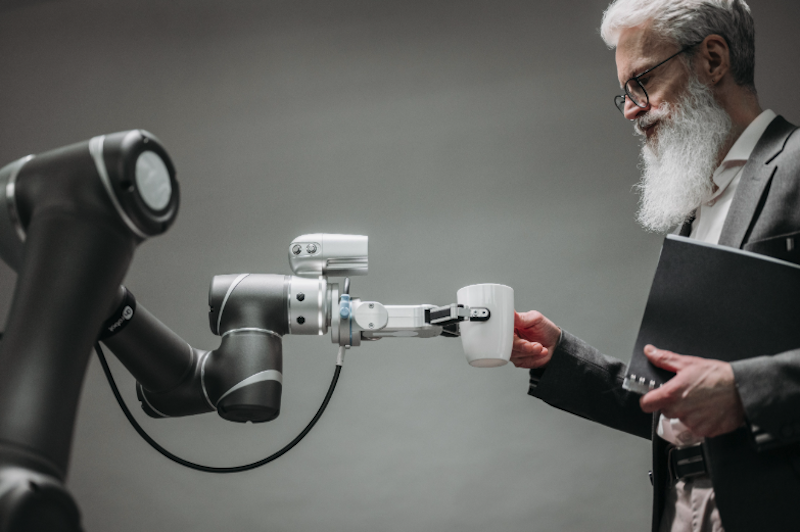
Why Factory Automation Now Depends on Software-Savvy Workers
As automation increasingly integrates into production environments, the demand for workers skilled in managing technology is rising. Traditionally, factory automation was characterized by robotic arms performing repetitive tasks behind safety barriers. However, the evolving landscape now requires employees to navigate complex dashboards, respond to alerts, and make data-driven decisions. This shift reflects a broader trend in which the role of human workers is transforming from manual labor to technological oversight, necessitating a new set of skills to effectively collaborate with advanced machinery. The growing reliance on automation is reshaping the workforce, prompting a need for training and adaptation to ensure that employees can thrive in a more automated future.
Automation Factories Robotics automation news automation workforce cobots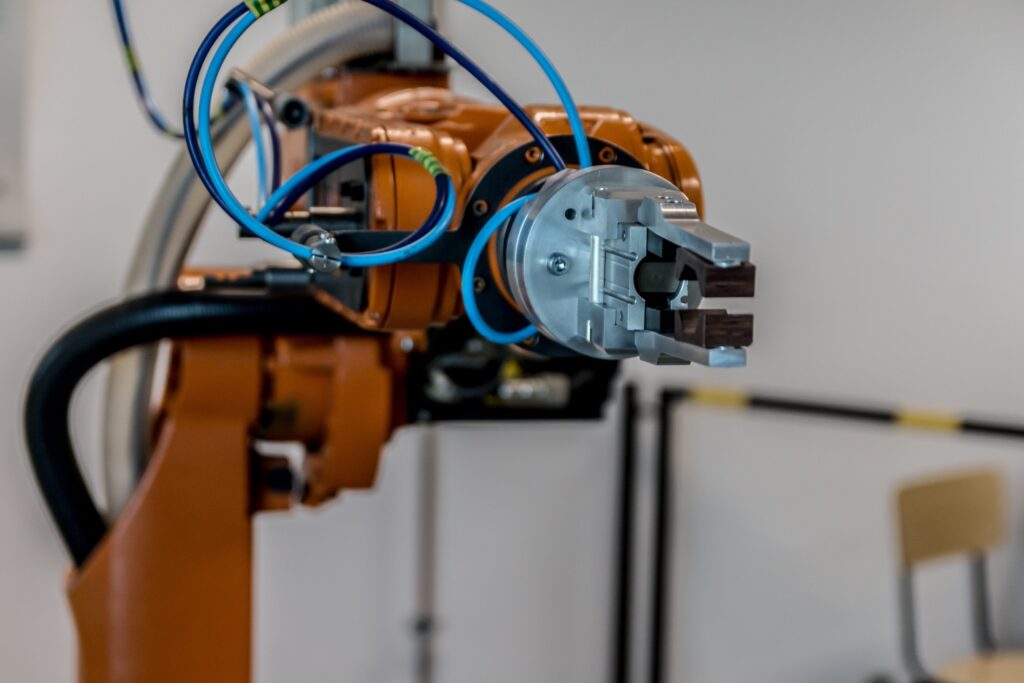
Back to school: robots learn from factory workers
Czech startup RoboTwin is revolutionizing the way robots are trained for factory work by enabling workers to teach them new skills through demonstration rather than complex coding. This innovative approach allows factory employees to perform tasks once, after which RoboTwin's technology captures the movements and translates them into actionable instructions for the robots. By simplifying the training process, RoboTwin aims to enhance efficiency and safety in manufacturing environments, particularly for dirty and dangerous jobs. The initiative reflects a growing trend in automation, where human expertise is leveraged to improve robotic capabilities, ultimately transforming the landscape of industrial labor.
Robotics needs a service framework.
RSF defines a common language for robot service capability, lifecycle operations, certification pathways, and service-provider networks.
Join the RobotToday community on LinkedIn
Daily robotics news, in-depth analysis, conference highlights, and discussions with professionals worldwide.