Industry Briefing
A single destination for timely, editor-curated robotics news from around the world.

New Muscle-Sensing Technology Poised to Transform $1.6 Billion Exoskeleton Market
The exoskeleton market in China is projected to exceed 1.6 billion yuan by 2025, with approximately 26,000 units expected to be shipped annually. The medical rehabilitation sector remains the primary market driver, while consumer applications account for over 70% of shipments. Industries such as logistics, automotive manufacturing, energy, and emergency rescue are also beginning to adopt exoskeleton technology. Despite the growing sales of exoskeletons, a fundamental challenge persists: these devices can enhance human strength but often lack the ability to accurately gauge the user's exertion levels. Recent research from the University of Queensland introduces a solution by employing ultra-wideband radar (UWB) technology to measure muscle force without invasive procedures. This advancement offers a more direct method of assessing muscle exertion compared to traditional electromyography (EMG) techniques. As the field evolves, the integration of UWB technology could significantly improve the functionality of exoskeletons, making them more responsive to the user's actual physical output. Future developments in this area will be crucial to enhancing the effectiveness of rehabilitation and training applications. No further timeline was disclosed at the time of publication.
Exoskeletons Muscle Sensing Technology Healthcare Robotics Wearable Devices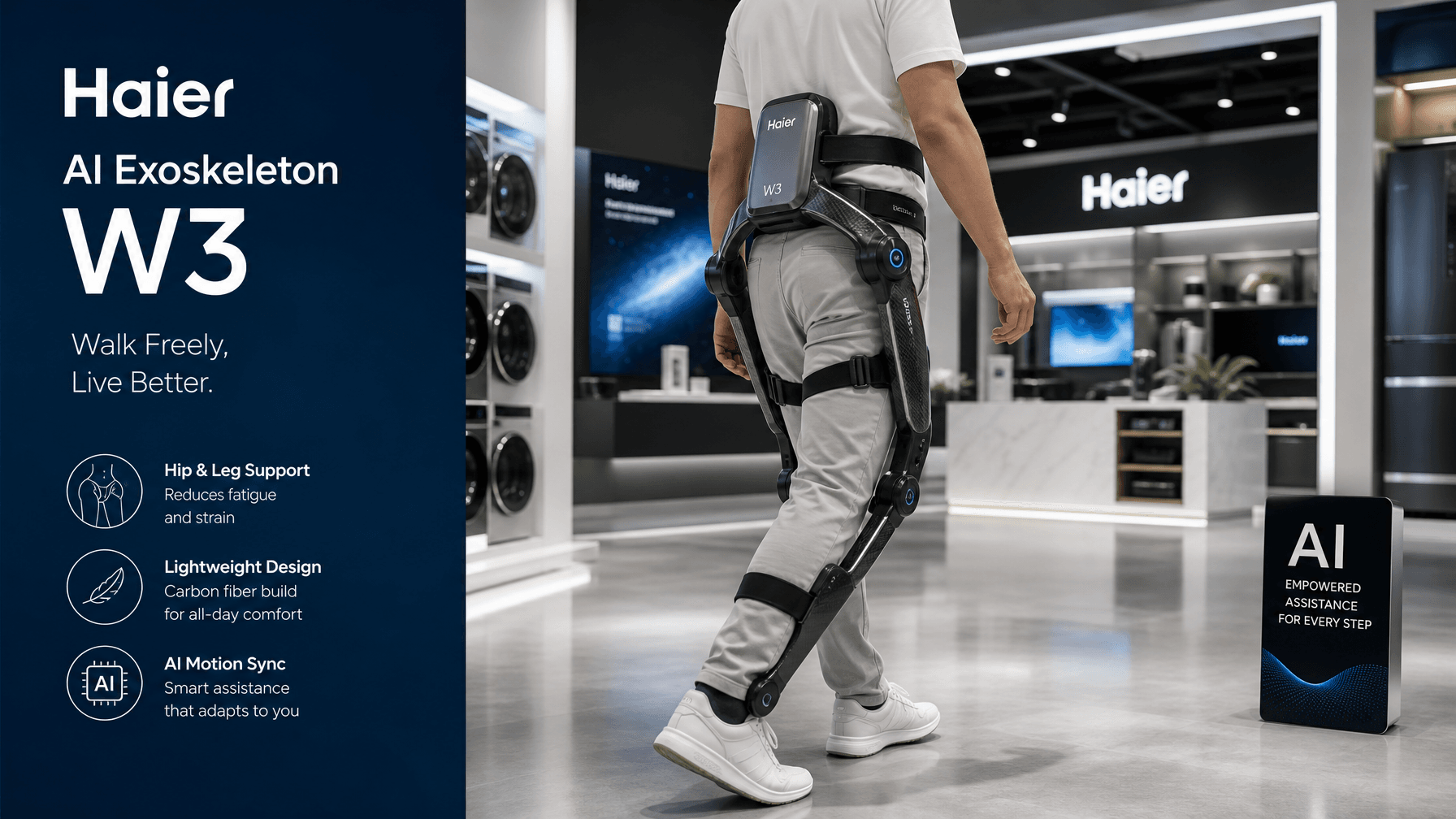
Haier Launches Lightweight AI Exoskeleton W3 for $2200 in Guangzhou Stores
Haier has introduced its third-generation AI exoskeleton, the W3, which weighs only 1.75 kg and is priced at $2200. This wearable robot is now available in physical stores located in Guangzhou, marking a significant step in consumer robotics. The W3 features advanced AI gait learning technology that adapts to the user's walking patterns in real time, enhancing usability and comfort. The introduction of the W3 is significant as it represents Haier's commitment to integrating AI into wearable technology, making it more accessible for everyday use. The lightweight design and real-time adaptation capabilities position the W3 as a practical solution for individuals seeking mobility assistance. This development reflects a growing trend in the market towards more user-friendly and adaptable robotic solutions. Looking ahead, it will be important to monitor consumer feedback and sales performance of the W3 in the coming months. No further timeline was disclosed at the time of publication regarding additional features or expansions beyond the Guangzhou market.
Technology
Hyundai E&C Launches X-ble Shoulder Exoskeleton for Construction Workers
Hyundai Engineering & Construction announced the introduction of the X-ble Shoulder exoskeleton, developed by Hyundai Motor Group Robotics Lab, specifically for the construction industry. This innovative wearable device aims to reduce fatigue associated with repetitive tasks, enhance focus, and minimize the risk of musculoskeletal disorders. The significance of the X-ble Shoulder exoskeleton lies in its potential to improve overall work efficiency in construction, a sector often plagued by physical strain on workers. By addressing these challenges, Hyundai E&C is positioning itself as a leader in integrating advanced robotics into traditional industries, which could set a precedent for future developments. Looking ahead, the impact of the X-ble Shoulder exoskeleton on worker productivity and safety will be closely monitored. No further timeline was disclosed at the time of publication.
All News
A soft exoskeleton could restore hand function in people with motor impairments
Recent technological advances have opened valuable possibilities for supporting people with motor impairments or who are recovering from injuries to the brain, spinal cord or nerves. Millions of people worldwide currently experience difficulty moving their hands or other parts of their body. Some of these motor impairments are associated with progressive neurodegenerative diseases, such as amyotrophic lateral sclerosis (ALS), while others are the result of neurological damage caused by an injury or a stroke.
Robotics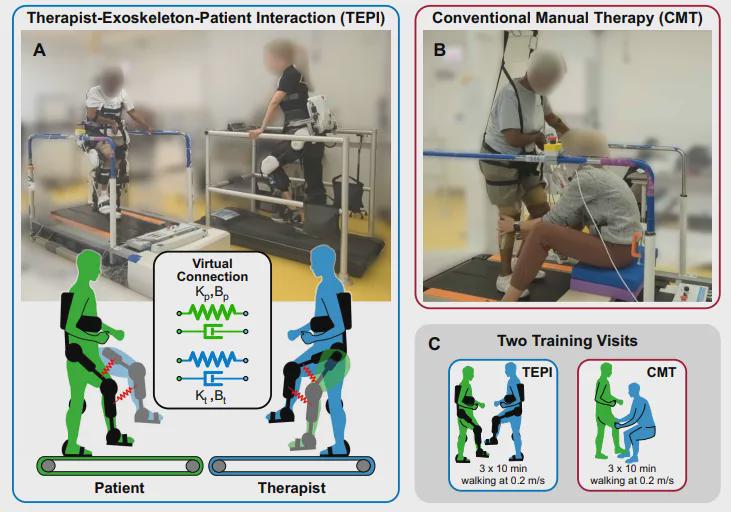
New Paradigm for Stroke Gait Training: Therapist-Exoskeleton-Patient Interaction
A research team from Northwestern University and Shirley Ryan AbilityLab has unveiled an innovative approach to stroke rehabilitation that integrates a therapist-exoskeleton-patient interaction model. This groundbreaking method enables both therapists and patients to don exoskeletons, facilitating real-time interaction during gait training sessions. The new technique aims to improve the effectiveness of rehabilitation and boost patient engagement, offering a significant advancement over conventional manual training methods. The introduction of this technology marks a promising development in the field of stroke recovery, potentially transforming how therapists assist patients in regaining mobility.
Stroke Rehabilitation Exoskeleton Technology Gait Training Physical Therapy
Exoskeleton and robotic arm reduce factory lifting strain by up to 65%
Researchers at the Technical University of Munich (TUM), led by Professor Lorenzo Masia, have developed a groundbreaking solution to enhance collaboration between factory workers and robotic arms. This innovation allows workers equipped with exoskeletons to operate alongside robots more closely and safely, addressing the challenges of human-robot interaction in manufacturing environments. The advancement aims to alleviate physical strain on workers while simultaneously improving production efficiency. As factories increasingly integrate robotic assistance, this development represents a significant step toward achieving seamless human-robot collaboration.
Business
Therapist-exoskeleton-patient interaction for gait therapy
In a groundbreaking study published in the June 2026 issue of Science Robotics, researchers have unveiled a new robotic system designed to enhance surgical precision. This innovative technology, developed by a team of engineers and medical professionals, aims to improve patient outcomes in complex surgical procedures. The study highlights the system's ability to integrate advanced imaging techniques with real-time data analysis, allowing surgeons to navigate intricate anatomical structures with unprecedented accuracy. Conducted at a leading medical research facility, the trials demonstrated a significant reduction in operation time and postoperative complications compared to traditional methods. The motivation behind this development stems from the increasing demand for minimally invasive surgical options, which promise quicker recovery times and less trauma for patients. By leveraging cutting-edge robotics and artificial intelligence, the team has created a tool that not only assists surgeons but also enhances their decision-making capabilities during operations. As the medical community continues to embrace technological advancements, this robotic system represents a significant step forward in the field of surgery, potentially transforming how procedures are performed in the future. The researchers are optimistic that further refinements and clinical trials will lead to widespread adoption in hospitals worldwide, ultimately benefiting countless patients.
Research Article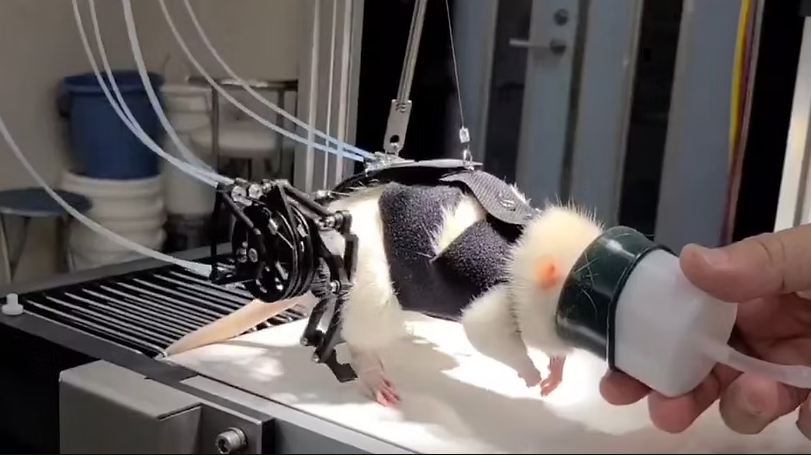
Innovative Rat Exoskeleton Aids Neural Rehabilitation Research
A research team at Tsukuba University has unveiled a groundbreaking lightweight exoskeleton designed for rats, which weighs just 80 grams and effectively mimics natural walking by synchronously activating the hip, knee, and ankle joints. This innovative device represents a significant advancement in rehabilitation robotics, with the potential to help paralyzed patients regain mobility. The development is rooted in insights gained from animal studies, addressing ethical concerns that often arise in human trials. By leveraging these findings, the team aims to pave the way for future applications that could enhance the quality of life for individuals with mobility impairments.
Rehabilitation Robotics Exoskeleton Technology Neural Rehabilitation Biomechanics
Exoskeleton News, May 30 2026 – Week 22 – ITAR Control, over 40,000 Muscle Suits Shipped and more…
In the latest update from the Exoskeleton and Wearable Robotics sector, over 40,000 muscle suits have been successfully shipped as of May 30, 2026. This milestone reflects the growing demand for wearable robotics, which are increasingly utilized in various industries to enhance physical capabilities and support rehabilitation efforts. The surge in shipments highlights advancements in technology and manufacturing processes that have made these devices more accessible. Additionally, discussions surrounding ITAR (International Traffic in Arms Regulations) controls have intensified, as industry leaders seek to navigate the regulatory landscape while promoting innovation and international collaboration. The ongoing dialogue aims to balance national security concerns with the potential benefits of sharing technology across borders. This week's developments underscore the dynamic nature of the exoskeleton market, driven by both technological advancements and regulatory challenges. As the industry continues to evolve, stakeholders remain focused on expanding the applications of wearable robotics to improve quality of life and enhance productivity in various sectors.
Newsletter newsletter
Peking University Team Develops Advanced Knee Exoskeleton for Enhanced Human Movement
A research team at Peking University has unveiled a groundbreaking multi-segment knee exoskeleton designed to enhance natural human movement while offering adjustable support. This innovative device overcomes the limitations of traditional exoskeletons by combining rigidity and flexibility, ensuring that it assists users without restricting their motion. The study, which highlights the potential of this technology, aims to advance rehabilitation and assistive devices for a range of applications, including industrial tasks and mobility support.
Exoskeleton Technology Robotics Biomechanics Assistive Devices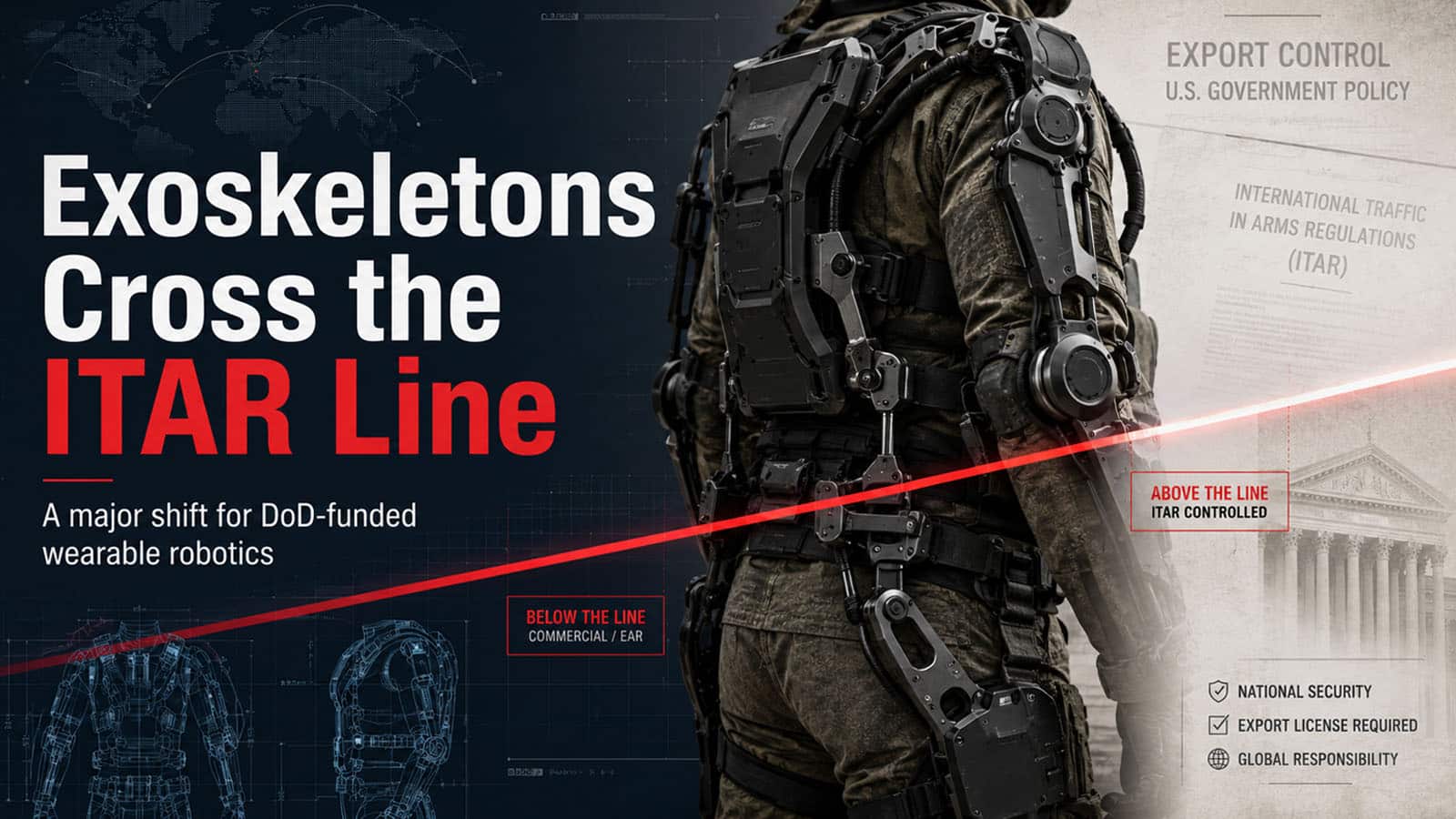
From Back Belt Skepticism to ITAR: Exoskeletons Just Crossed a Regulatory Line
The U.S. government has made a significant regulatory change regarding the exoskeleton industry, which has long sought to demonstrate the practical benefits of wearable robotics beyond mere ergonomic enhancements. This shift comes as certain Department of Defense-funded exoskeleton projects have been recognized for their potential applications. The new regulations aim to facilitate the development and deployment of these technologies, marking a pivotal moment for the industry. By addressing previous skepticism and establishing clearer guidelines, the government is paving the way for advancements in wearable robotics that could enhance performance and safety in various sectors. This development underscores the growing recognition of exoskeletons as valuable tools rather than just theoretical concepts.
Military Standards & Regulations ITAR Military Exoskeleton
Exoskeleton News, May 23 2026 – Week 21 – Newsletter Archive
The exoskeleton and wearable robotics industry experienced a significant week, as detailed in the latest newsletter released on May 23, 2026. This edition highlights key developments and innovations within the sector, showcasing the ongoing advancements and applications of exoskeleton technology. The newsletter serves as a vital resource for industry professionals and enthusiasts, providing insights into trends and breakthroughs that are shaping the future of wearable robotics. To stay informed about these rapid changes and to receive updates directly, readers are encouraged to subscribe to the newsletter.
Lightweight Soft Exoskeleton Provides Extra Support for Seniors' Walking
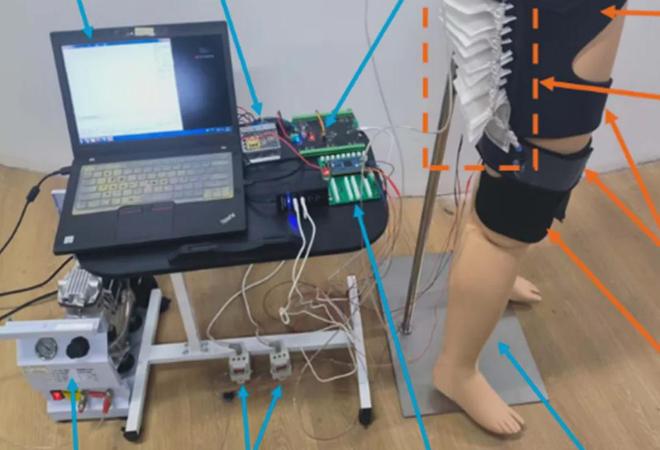
A Chinese research team has developed a groundbreaking soft exoskeleton designed to enhance mobility for seniors, weighing just 1.15 kg. This innovative device provides an additional support of 13.5% to 18.7% while walking, significantly improving the walking experience for elderly individuals. Unlike traditional exoskeletons, which can be rigid and cumbersome, this new model utilizes inflatable TPU fabric, allowing for greater flexibility and comfort. The development aims to address the growing need for assistive technologies as the aging population seeks to maintain independence and mobility.
Soft Robotics Exoskeleton Technology Elderly Assistance Wearable Devices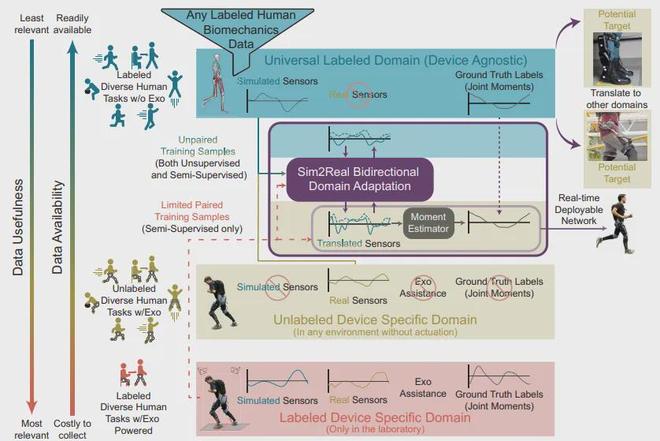
Science Robotics: Deep Domain Adaptation Significantly Reduces Exoskeleton Data Annotation Costs
A research team at Georgia Tech has introduced a groundbreaking deep domain adaptation framework that significantly minimizes the reliance on exoskeleton-specific annotated data, cutting the requirement by 95% while ensuring optimal control performance. This innovative method utilizes open-source biomechanics datasets to convert human motion data into training data for exoskeletons. The development aims to tackle the substantial costs associated with data acquisition in the field, thereby enhancing the efficiency and accessibility of exoskeleton technology.
Exoskeleton Technology Data Annotation Biomechanics Machine Learning Robotics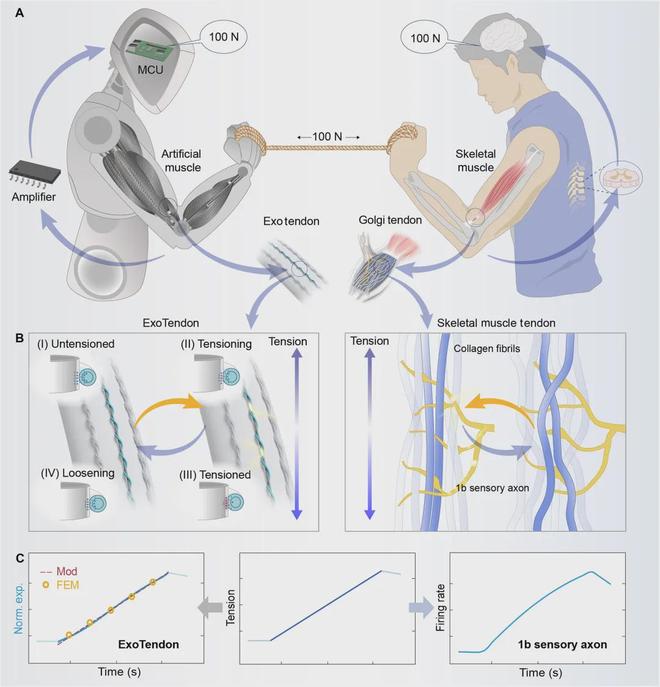
Robots' 'Muscles' Can Now Self-Regulate Force: Bionic Exoskeleton Tendon Featured in Science Advances
Researchers from various Chinese universities have unveiled ExoTendon, an innovative bionic exoskeleton tendon designed to mimic human muscle sensors. This groundbreaking development enables robotic muscles to autonomously adjust their force, which is expected to greatly improve walking balance and speed for stroke patients. The project highlights the potential for advanced rehabilitation technologies to enhance mobility and quality of life for individuals recovering from strokes. The announcement comes as part of ongoing efforts to integrate robotics and healthcare, showcasing how technology can address specific medical challenges.
Bionic Exoskeletons Artificial Muscles Rehabilitation Technology Biomedical Engineering
Betting on human augmentation, will lightweight exoskeletons go mainstream?
Hypershell, a Chinese startup, is pioneering a new category that merges wearables with robotics by developing lightweight exoskeletons designed for both outdoor activities and everyday use. The company’s innovative lower-limb assistance system incorporates motors and onboard sensors that provide additional power during walking or climbing, thereby reducing strain and enhancing efficiency for users. This approach aims to improve mobility and support individuals in various environments, signaling a significant advancement in assistive technology.
On the Cusp Content and entertainment E-commerce and New Retail Highlight News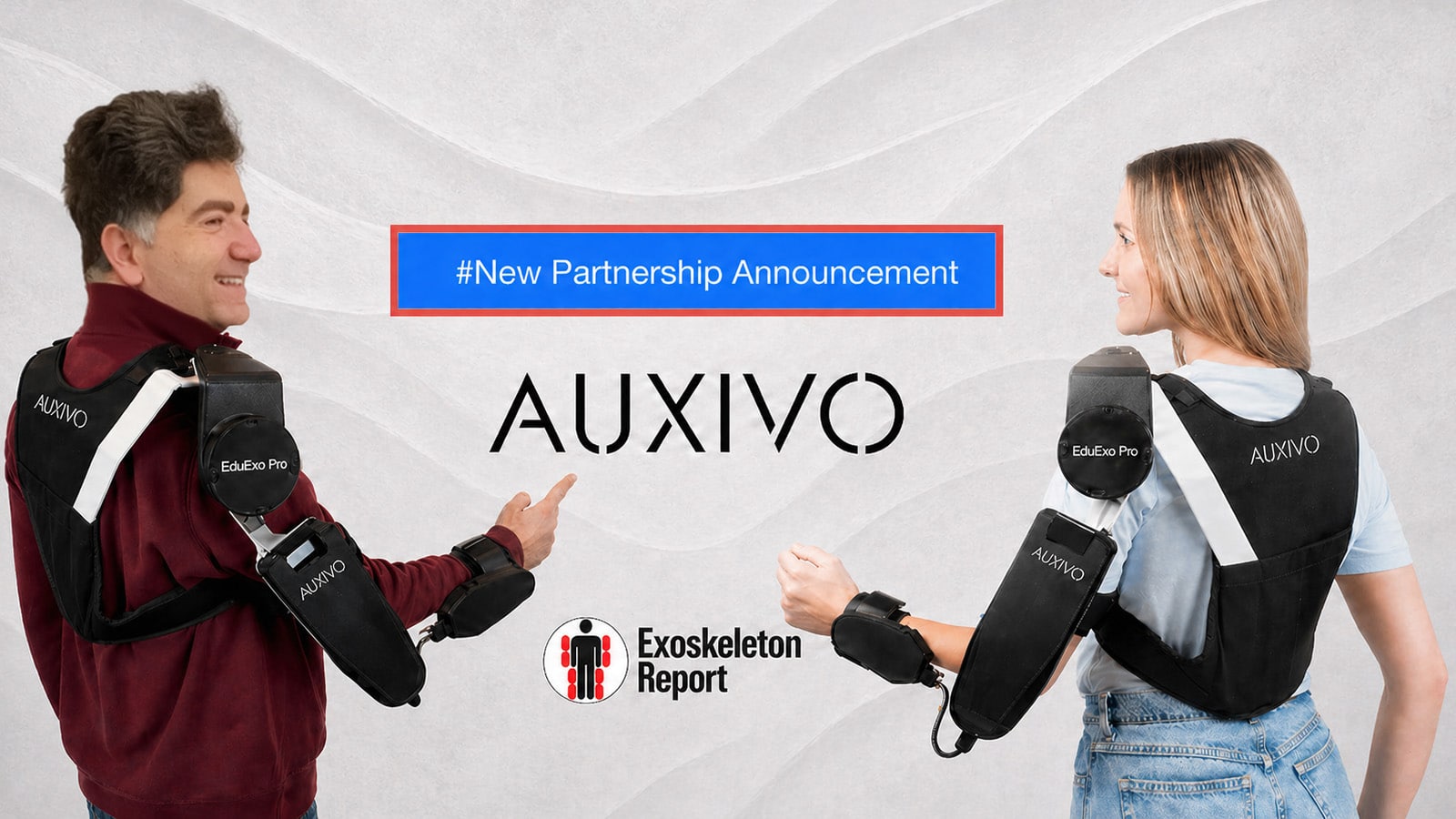
ExR Becomes an Auxivo Educational Exoskeleton Partner for EduExo Pro
Exoskeleton Report has announced a partnership with Auxivo to enhance the distribution, consultation, and customer education for the EduExo Pro educational exoskeleton kit. This collaboration marks a significant advancement in Exoskeleton Report's ongoing commitment to promoting educational exoskeletons. The partnership aims to provide comprehensive support to users and educators interested in integrating this innovative technology into learning environments. The initiative is expected to facilitate greater awareness and understanding of the benefits of educational exoskeletons, thereby fostering their adoption in schools and training programs.
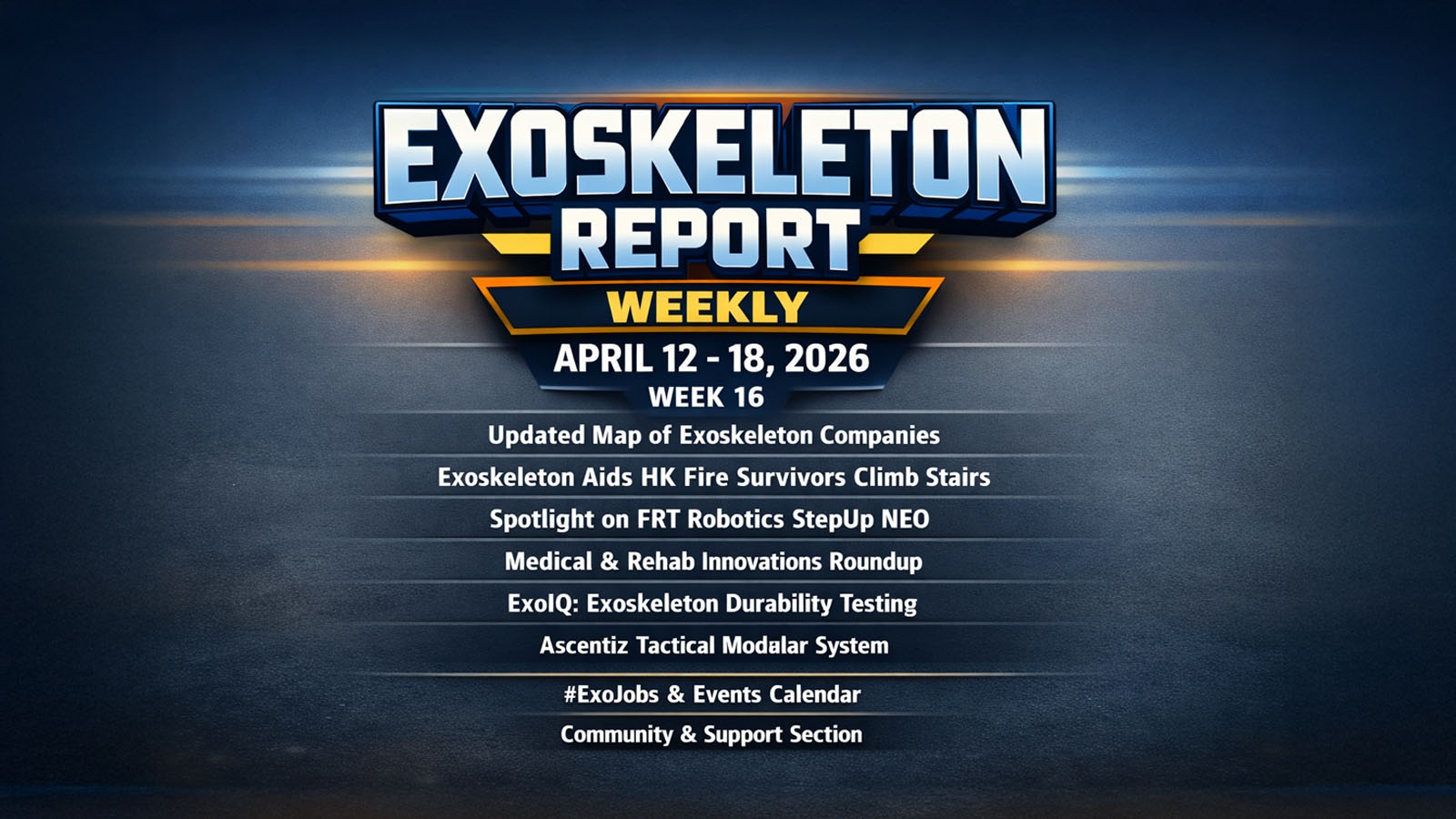
Exoskeleton News, April 18 2026 – Week 16
The latest edition of the Exoskeleton Report, published on April 18, 2026, highlights advancements in wearable robotics and exoskeleton technology. This 79th weekly newsletter showcases the potential of these innovations to enhance human capabilities beyond traditional applications. The report aims to inform readers about the latest developments in the field, emphasizing the growing significance of wearable technology in various sectors. By providing insights and updates, the newsletter serves as a valuable resource for professionals and enthusiasts interested in the future of robotics and its impact on society.

Exoskeleton News, April 4 2026 – Week 14: RoboCT Unvails GoGo-H and Much More!
In a significant development for wearable robotics, RoboCT unveiled its latest innovation, the GoGo-H exoskeleton, during the week of March 29 to April 4, 2026. This announcement was part of a broader showcase of advancements in exoskeleton technology, including the zUFO ski exoskeleton and boot technology, the Skelex ErgoScan AI, and the FRT Robotics StepUp NEO. The event highlighted the increasing collaboration between companies like HoustonBionics and AARP, aimed at enhancing mobility solutions for the aging population. The surge in funding for wearable robotics underscores the growing interest and investment in this sector, particularly in cities like Shanghai, where technological advancements are rapidly evolving. The introduction of these innovative devices aims to improve the quality of life for individuals with mobility challenges, providing them with greater independence and support in their daily activities. As the industry continues to evolve, the integration of artificial intelligence and advanced robotics is expected to play a crucial role in shaping the future of mobility assistance.
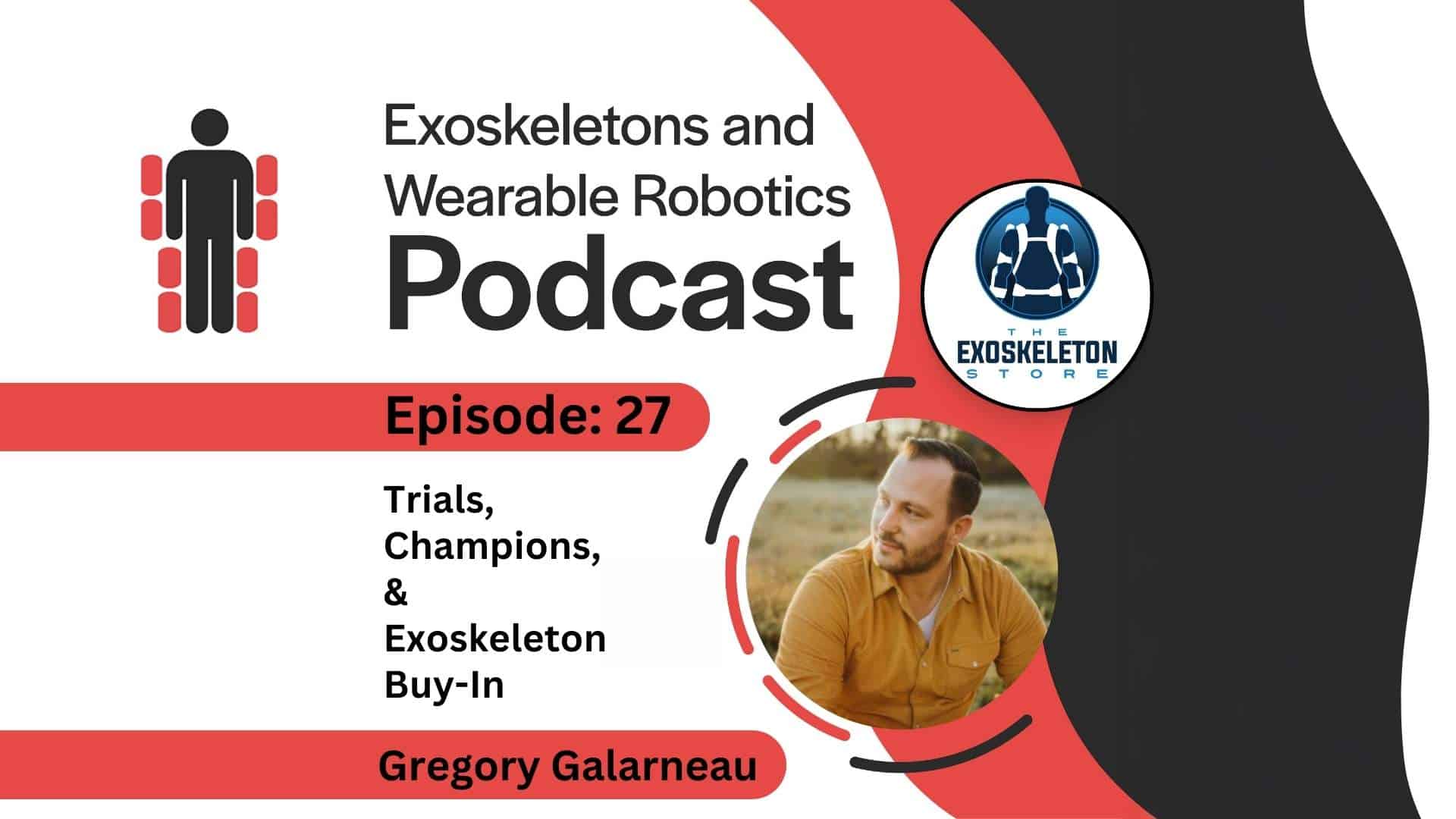
Episode 27: Gregory Galarneau of The Exoskeleton Store on Trials, Champions and Exoskeleton Buy-In
In the latest episode of the Exoskeletons and Wearable Robotics Podcast, host Gregory Galarneau from The Exoskeleton Store engages in an insightful dialogue about the practicalities of adopting occupational exoskeletons. The discussion, which aired recently, delves into the challenges and successes associated with integrating these advanced technologies into various workplaces. Galarneau emphasizes the importance of having champions within organizations to promote buy-in and facilitate smoother implementation processes. The episode aims to provide listeners with a realistic perspective on the trials faced by companies considering the adoption of exoskeletons, highlighting both the potential benefits and the hurdles that need to be overcome.
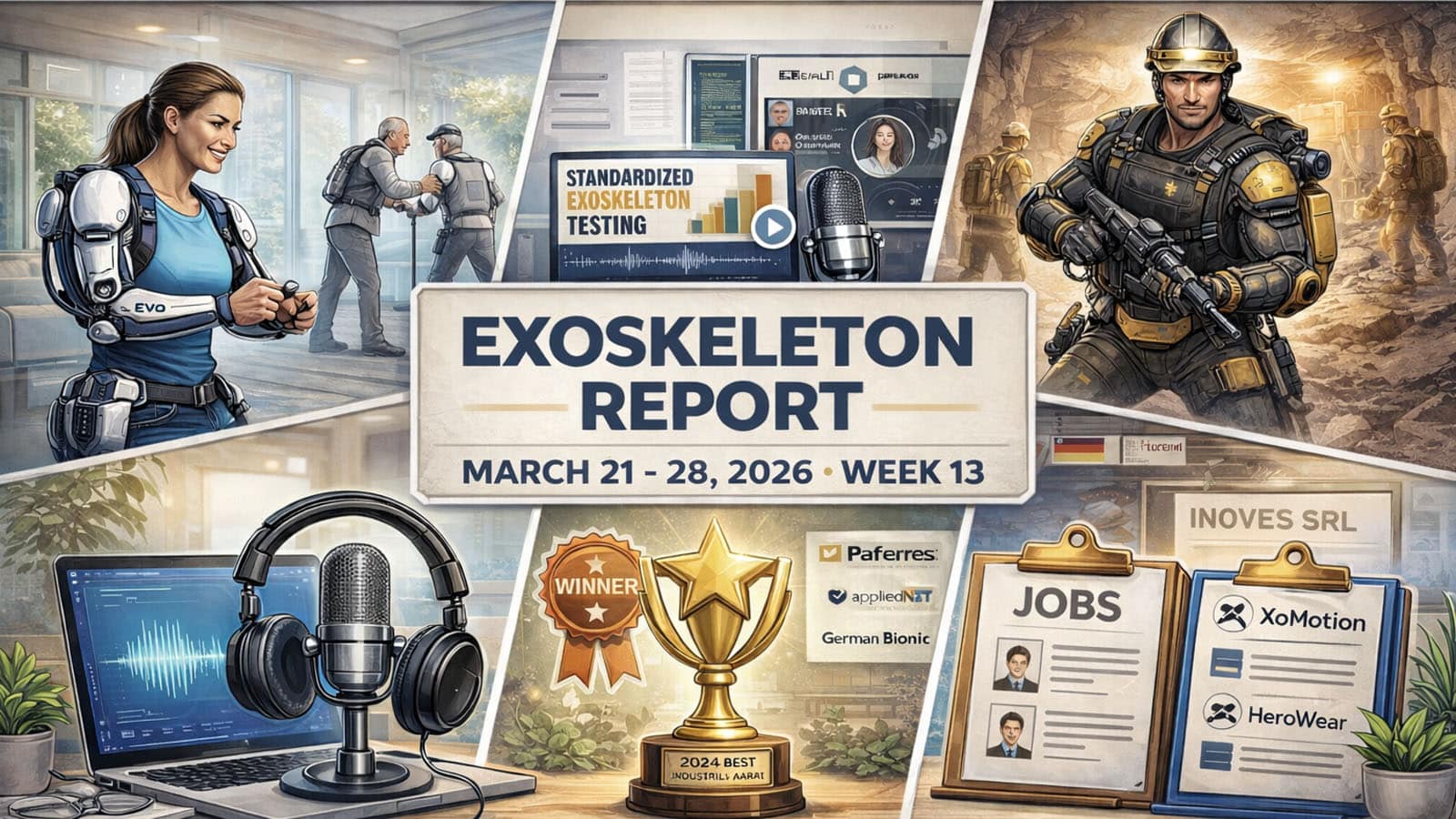
Exoskeleton News, March 28, 2026 – Week 13: First tease for a hip-knee consumer powered exo and much more!
The field of exoskeletons and wearable robotics has made significant strides this week, marking another positive development in the ongoing evolution of physical enhancement technologies. On March 28, 2026, industry leaders unveiled a teaser for a new consumer-powered hip-knee exoskeleton, showcasing the potential for these devices to revolutionize mobility and assist individuals with physical challenges. This advancement is part of a broader trend aimed at integrating wearable robotics into everyday life, similar to the transformative impact of the digital revolution in previous years. As research and innovation continue to progress, the future of exoskeleton technology appears promising, with the potential to enhance physical capabilities and improve quality of life for many users.

Exoskeleton News, March 21, 2026 – More than fourteen major developments in just one week!
In the 12th week of 2026, the Exoskeleton Report highlighted over fourteen significant advancements in the field of exoskeletons and wearable robotics. This surge of innovation reflects the ongoing commitment of researchers and companies to enhance mobility and support for individuals with physical disabilities. The developments, reported on March 21, 2026, showcase a variety of new technologies and applications aimed at improving the functionality and accessibility of wearable robotic devices. These advancements are expected to play a crucial role in rehabilitation and assistive technologies, demonstrating the rapid progress being made in this dynamic sector.
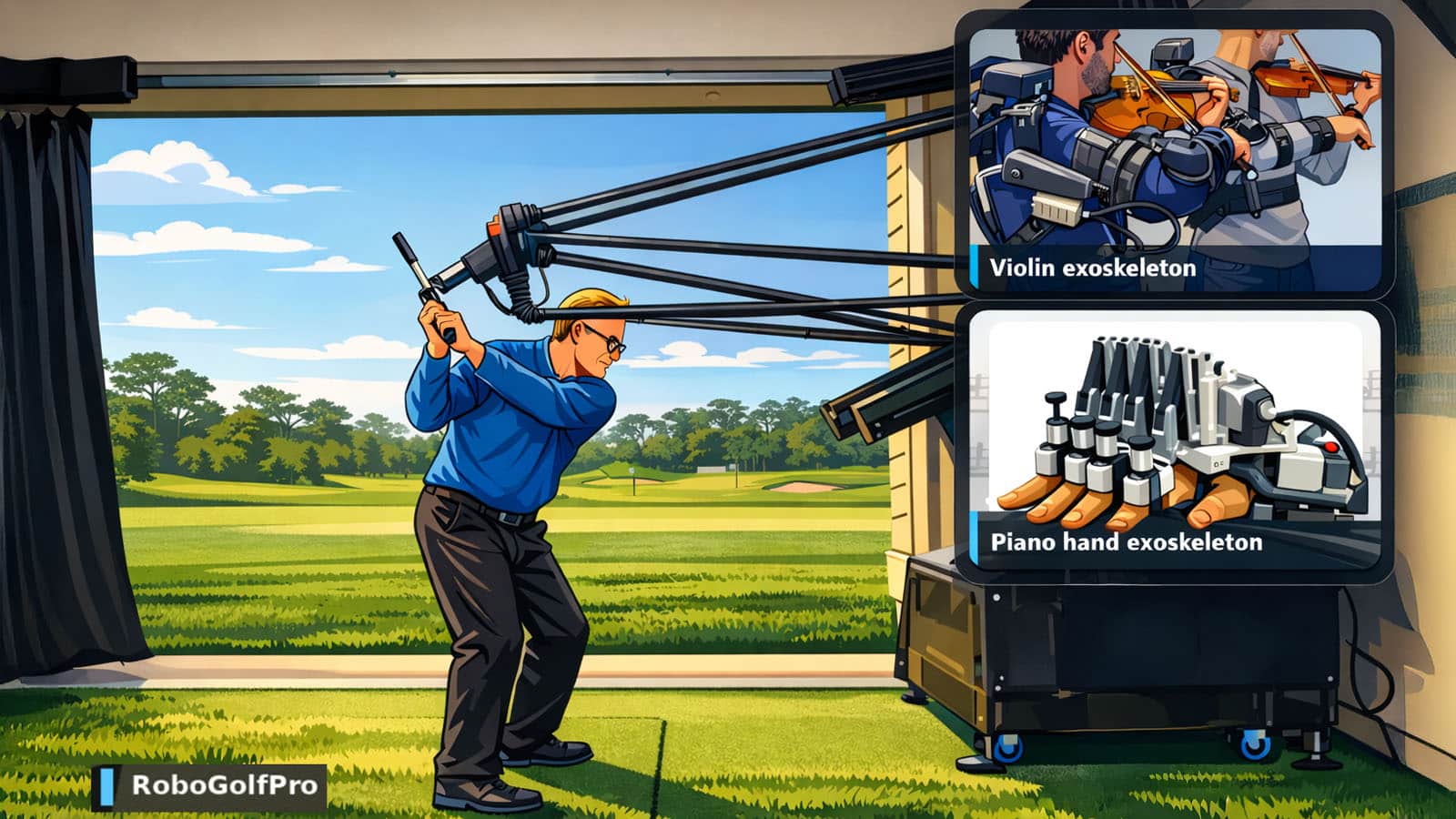
When the Robot Becomes the Teacher: Exoskeletons, Haptic Guidance, and the Future of Learning Movement
Recent discussions surrounding exoskeleton technology have predominantly centered on its applications in rehabilitation, industry, and defense, often overlooking its potential in education. Experts argue that this perspective may underestimate the transformative role exoskeletons could play in training environments. As the demand for innovative learning methods increases, the integration of exoskeletons and haptic guidance systems could revolutionize how movement and physical skills are taught. This shift in focus highlights the need for educational institutions to explore the benefits of these technologies, potentially enhancing the learning experience and improving outcomes for students. The exploration of exoskeletons in education represents a significant opportunity to redefine traditional teaching methods and foster a new generation of learners equipped with advanced skills.
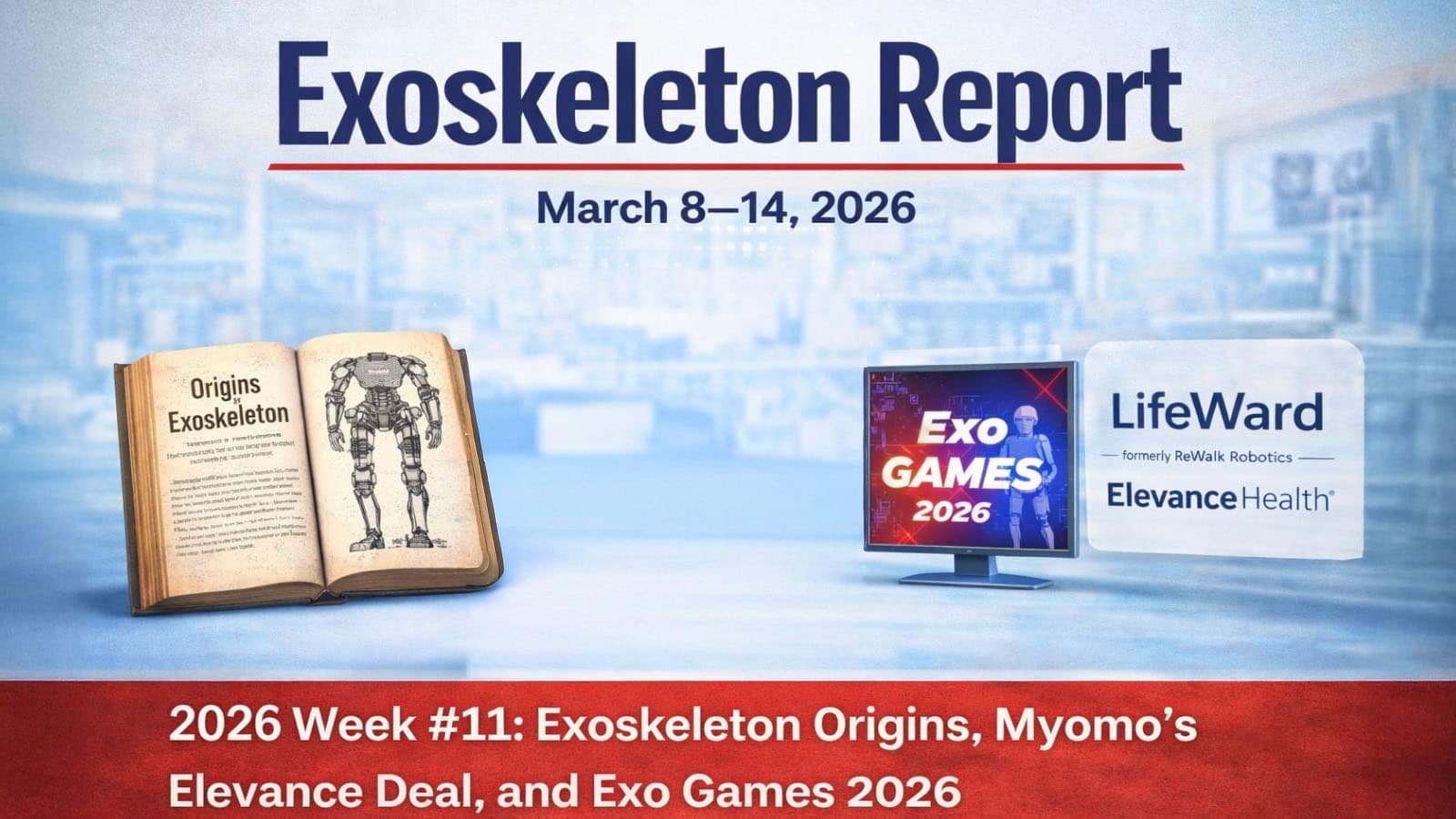
2026 Week #11: Where “Exoskeleton” Came From, Myomo Expands Coverage, Exo Games Return
In March 2026, the Exoskeleton Report highlighted significant developments in the field of wearable robotics. Notably, Myomo, a company specializing in powered exoskeletons, announced an expansion of its coverage, aiming to enhance accessibility for users in need of mobility assistance. This move reflects a growing recognition of the potential benefits of exoskeleton technology in rehabilitation and daily activities. Additionally, the report revisited the origins of the term "exoskeleton," tracing its evolution and significance in the context of modern robotics. The piece also celebrated the return of the Exo Games, an event that showcases innovations in exoskeleton technology and promotes competition among developers. These advancements and events underscore the increasing interest and investment in wearable robotics, driven by the desire to improve quality of life for individuals with mobility challenges. As the industry continues to evolve, stakeholders are encouraged to stay informed through newsletters and updates, ensuring they remain engaged with the latest trends and breakthroughs in exoskeleton technology.
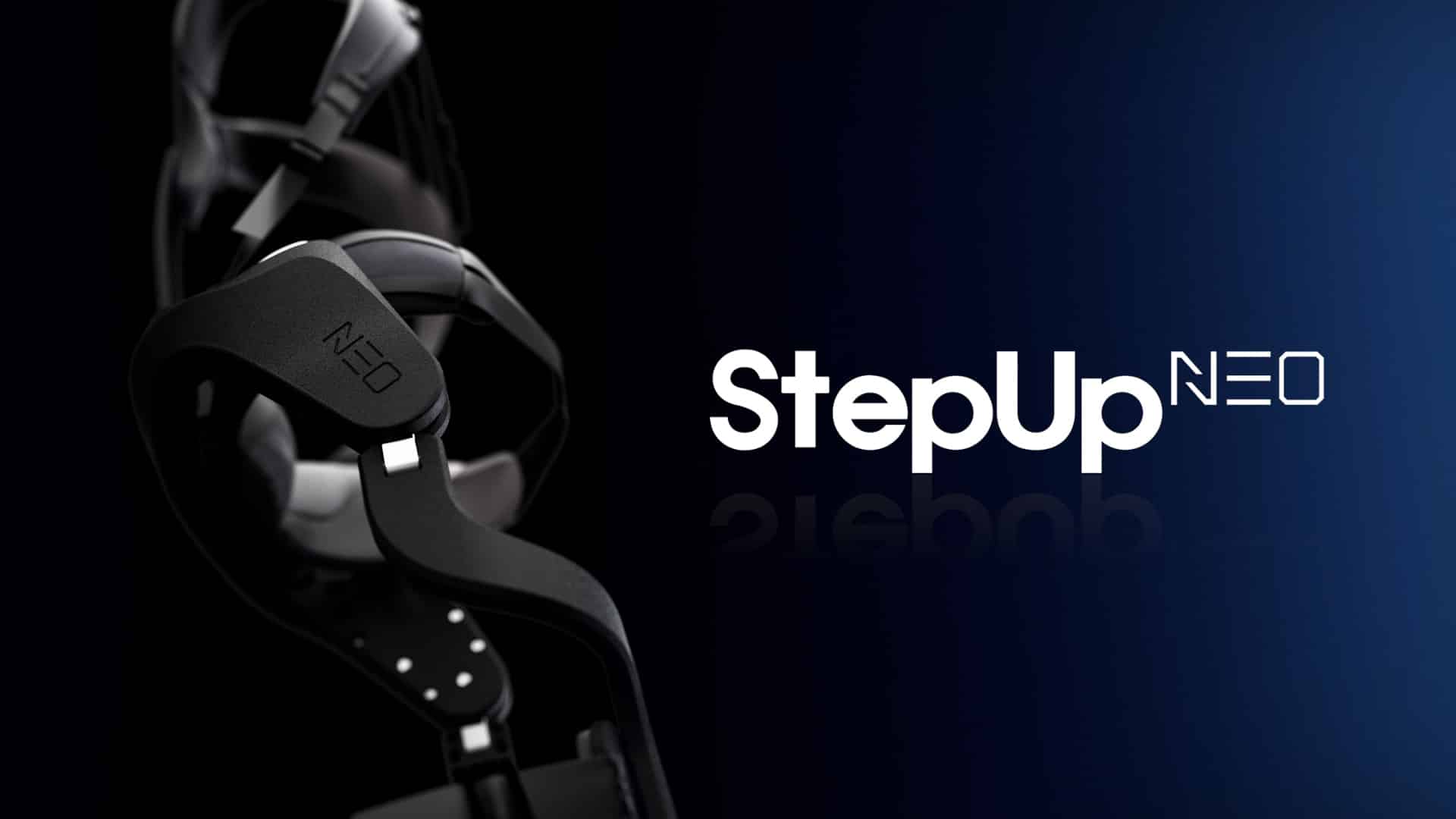
StepUp NEO: Advancing Field-Oriented Passive Exoskeleton Design
Workers in various industries face significant risks to their musculoskeletal health due to repetitive bending, lifting, prolonged standing, and heavy material handling. These activities contribute to injuries, diminished productivity, and increased turnover rates among the workforce. In response to these challenges, advancements in automation and innovative designs are being explored to mitigate these issues. One notable development is the StepUp NEO, a field-oriented passive exoskeleton designed to alleviate the physical strain on workers. This initiative aims to enhance worker safety and efficiency by providing support during demanding tasks. As industries continue to evolve, the integration of such technologies is crucial for promoting a healthier and more sustainable workforce.
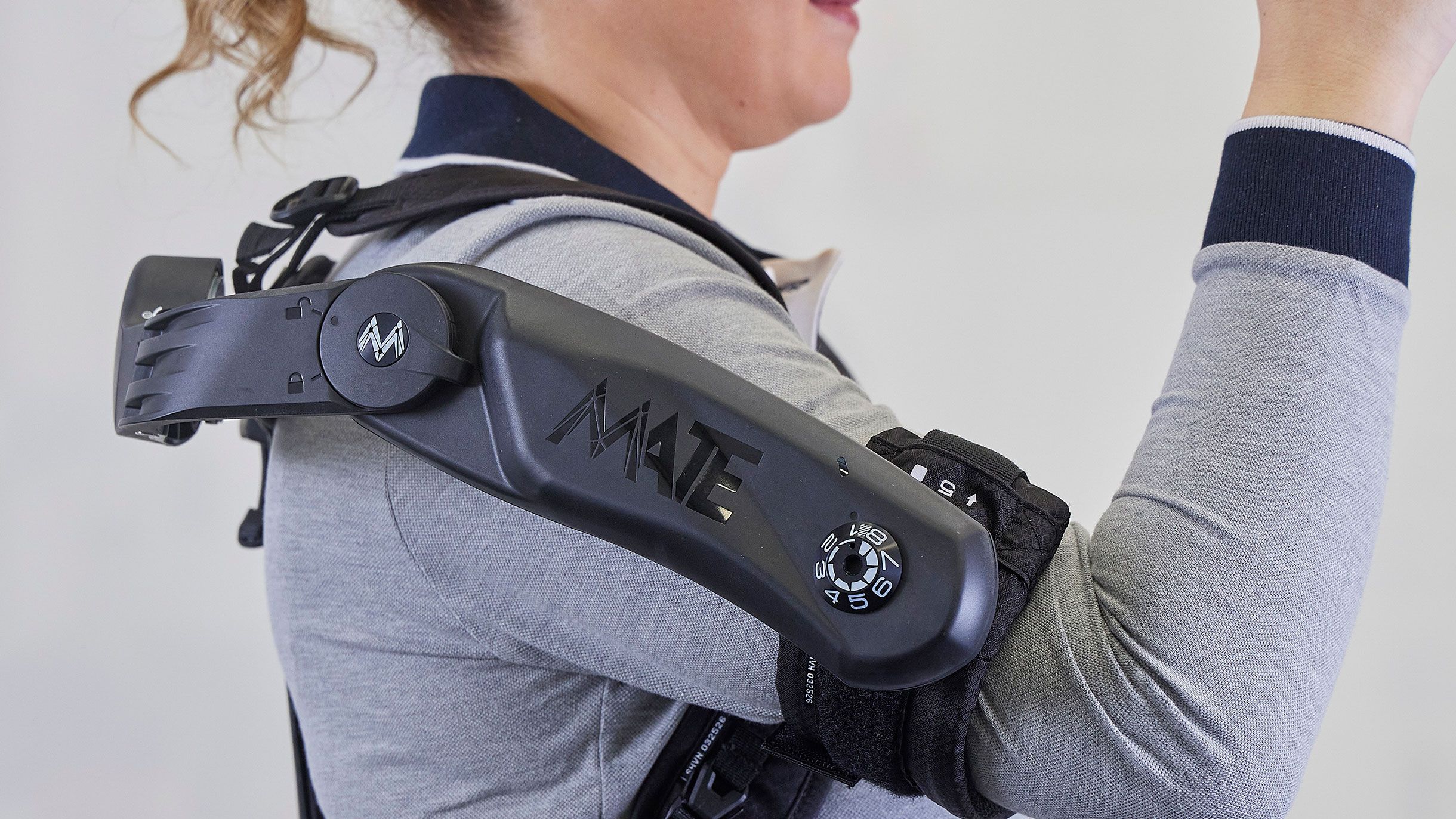
Comau expands wearable robotics with the new MATE-XT GO exoskeleton
Comau has unveiled the MATE-XT GO, a cutting-edge wearable exoskeleton aimed at assisting workers during repetitive or overhead tasks. This innovative device is designed to alleviate strain on the arms and shoulders, enhancing comfort and productivity in various work environments. The introduction of the MATE-XT GO comes at a time when industries are increasingly focused on improving worker safety and ergonomics. By integrating advanced technology into a wearable format, Comau seeks to address the growing need for solutions that support physical laborers in their daily tasks. The exoskeleton is expected to be particularly beneficial in sectors such as manufacturing and construction, where repetitive motions can lead to fatigue and injury. Through the development of the MATE-XT GO, Comau aims to promote a healthier workplace while boosting efficiency and performance among workers.
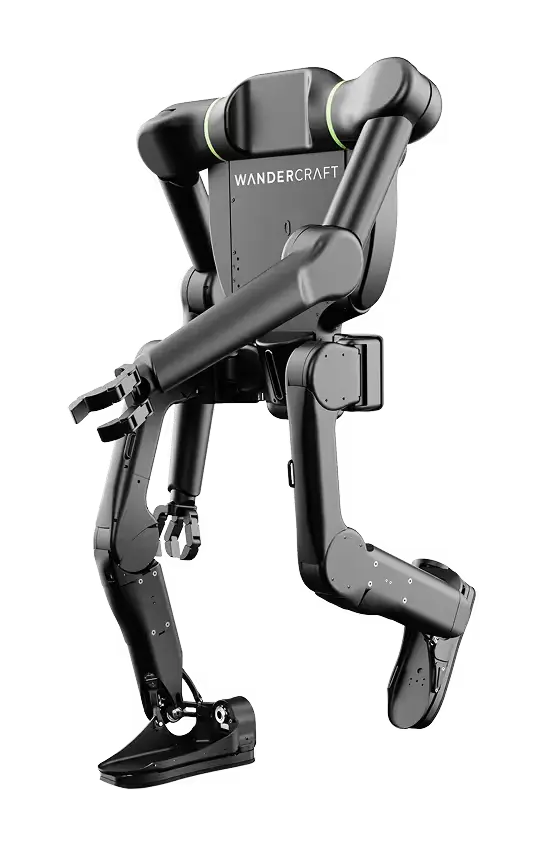
Exoskeleton Pioneer Wandercraft Partners with Renault, Unveils 'Calvin' Industrial Humanoid
Wandercraft, a leader in exoskeleton technology based in France, has announced a strategic partnership with Renault Group. This collaboration includes a minority investment from Renault and a joint initiative to develop a new line of industrial humanoid robots, dubbed 'Calvin.' The partnership aims to integrate Wandercraft's cutting-edge artificial intelligence and self-balancing technology into Renault's manufacturing processes. This move is expected to enhance efficiency and innovation within Renault's production facilities, marking a significant step forward in the automation of industrial operations.
renault exoskeleton wandercraft automationRobotics needs a service framework.
RSF defines a common language for robot service capability, lifecycle operations, certification pathways, and service-provider networks.
Join the RobotToday community on LinkedIn
Daily robotics news, in-depth analysis, conference highlights, and discussions with professionals worldwide.