

Industry Briefing
A single destination for timely, editor-curated robotics news from around the world.
Tech Week Shanghai founding edition to connect global tech players with China’s data ecosystem
Tech Week Shanghai will take place on May 6 and 7 in Shanghai, marking its inaugural event. This conference and exhibition aims to unite leaders from the enterprise technology sector, including exhibitors, policymakers, and industry practitioners. Participants will engage in discussions and showcase innovations across various domains such as cloud computing, cybersecurity, data center infrastructure, data governance, data services, artificial intelligence, and enterprise digital transformation. The event seeks to foster collaboration and knowledge sharing among professionals to drive advancements in these critical areas of technology.
Events
Rime Secures $24 Million Series A to Enhance Enterprise Voice AI Solutions
Rime, a San Francisco-based voice AI startup, has successfully raised $24 million in a Series A funding round led by M13 Ventures. Founded in 2022 by Lily Clifford, Brooke Larson, and Ares Geovanos, Rime aims to improve enterprise customer interactions by utilizing its own conversational data to train voice models, reducing the customization burden for clients. The significance of Rime's approach lies in its focus on enhancing voice AI technology to better compete with traditional IVR systems, which many enterprises still prefer. Rime's phoneme-based architecture allows for accurate pronunciation of brand names and industry-specific terms, making it easier for clients to implement without extensive retraining. Looking ahead, Rime plans to expand its team and shift its focus towards developing advanced speech-to-speech models to improve call interactions. The company has already secured contracts with notable clients such as Mayo Clinic and Dialpad, indicating a strong market presence. No further timeline was disclosed at the time of publication.
AI Fundraising M13 Ventures Rime voice AI
Tech Professionals Leverage Connectivity Tools for Global Collaboration
Tech professionals are increasingly distributed across various countries and time zones, with companies employing cybersecurity experts in one location and software developers in another. This trend is facilitated by the internet, which 74% of the global population utilizes, enabling borderless work and collaboration. The rise of remote work and digital collaboration tools has transformed the tech industry, allowing professionals to work from anywhere. Reliable mobile connectivity is essential for these workers, with solutions like the Holafly eSIM providing seamless coverage before arrival in a new country. The eSIM's Always On feature ensures uninterrupted connectivity, crucial for remote presentations and system check-ins. As the demand for specialized talent grows, companies are increasingly hiring based on skills rather than location. This shift has led to a rise in global mobile engineering roles, presenting new opportunities and unique cybersecurity challenges for tech workers operating across borders. No further timeline was disclosed at the time of publication.
Internet Technology cloud computing cloud infrastructure cybersecurity digital nomads
SpaceX's Starmind Targets AI Labs with $6.3 Billion Compute Contracts
SpaceX's Starmind is designed to provide wholesale AI compute services to businesses, particularly AI labs and cloud customers, rather than individual consumers. The service operates similarly to AWS, where users benefit from applications running on Starmind without direct subscriptions. The compute capacity of a single AI1 satellite is comparable to one NVIDIA GB300 rack, emphasizing its enterprise-grade capabilities. The significance of Starmind lies in its positioning as a potential fourth hyperscaler, joining the ranks of AWS, Microsoft Azure, and Google Cloud. The Reflection AI contract, valued at $150 million per month, exemplifies the enterprise-focused model, with total payments potentially reaching $6.3 billion through 2029. This contract highlights the growing demand for AI compute resources, particularly from AI-native startups and labs. Looking ahead, the focus will remain on securing additional enterprise contracts as Starmind expands its offerings. No consumer-facing products or subscriptions have been announced, and the current strategy is to cater to businesses with substantial AI workloads. No further timeline was disclosed at the time of publication.
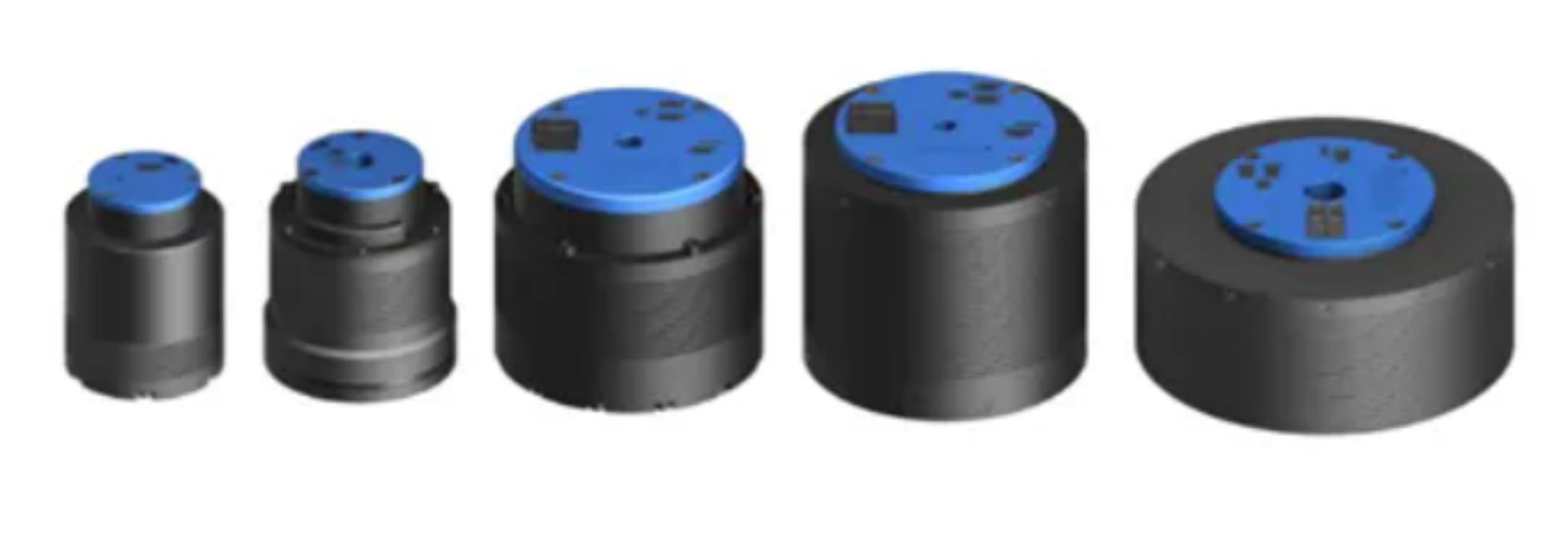
Leading VC Partners with Shanghai State-Owned Enterprises to Invest in Weiyi Technology's Multi-Million Pre-A Funding Round
Weiyi Technology, a prominent company specializing in core motion components for embodied intelligence, has secured a multi-million dollar Pre-A funding round. The investment was led by Xiaomiao Langcheng and Shanghai State-Owned Assets, highlighting the growing confidence in the company's technological innovations and its potential impact on the robotics industry. This funding round, which underscores Weiyi Technology's advancements, positions the company for further growth and development within the competitive landscape of robotics.
Robotics Motion Components Investment Embodied Intelligence
Sonardyne Receives Two Prestigious King’s Awards for Enterprise
Sonardyne International Ltd, a prominent marine technology firm located in Hampshire, has distinguished itself by receiving two prestigious King’s Awards for Enterprise in 2023. This achievement places Sonardyne among a select group of UK companies, as typically only a few organizations earn multiple awards in a single year. The King’s Awards recognize outstanding contributions to innovation, international trade, and sustainable development, highlighting Sonardyne's commitment to excellence in the marine sector. This recognition not only underscores the company's leadership in marine technology but also reflects its significant impact on the industry and its dedication to advancing marine operations globally.
sonardyne king’s awards for enterprise
HKU professor's startup Yisheng Technology secures hundreds of millions in angel funding to develop memory systems for robots.
TranscEngram, a robotics startup focused on developing autonomous intelligence, has successfully secured hundreds of millions in angel funding. The investment round saw participation from a diverse group of industry and state-owned enterprises, including Charoen Pokphand Group’s China National Pharmaceutical, Pudong Venture Capital, and several others. Founded in September 2023 by leading AI experts, including Professor Ma Yi from the University of Hong Kong, TranscEngram aims to create a unified system for robots that mimics human cognitive processes through a "brain + cerebellum" architecture. This innovative approach seeks to advance the field of explainable embodied intelligence by enabling robots to learn through a closed-loop of perception, prediction, and interaction. The newly acquired funds will primarily support the development of advanced models for embodied control and physical world modeling, as well as the establishment of research and industrial bases in Shenzhen and Shanghai. The company’s technology promises to enhance robots' capabilities in self-correction and continuous evolution, moving towards commercial applications. TranscEngram's unique memory system allows robots to learn from vast amounts of data without relying on fixed programming, significantly improving their performance in multi-tasking scenarios. The startup is currently focusing on high-end service sectors, such as hotel operations and flexible manufacturing in aerospace, aiming to automate and optimize these industries. With research and data centers established in major cities, TranscEngram is collaborating with leading robotics firms to integrate its innovative solutions into existing production processes, enhancing efficiency and adaptability in real-world applications.
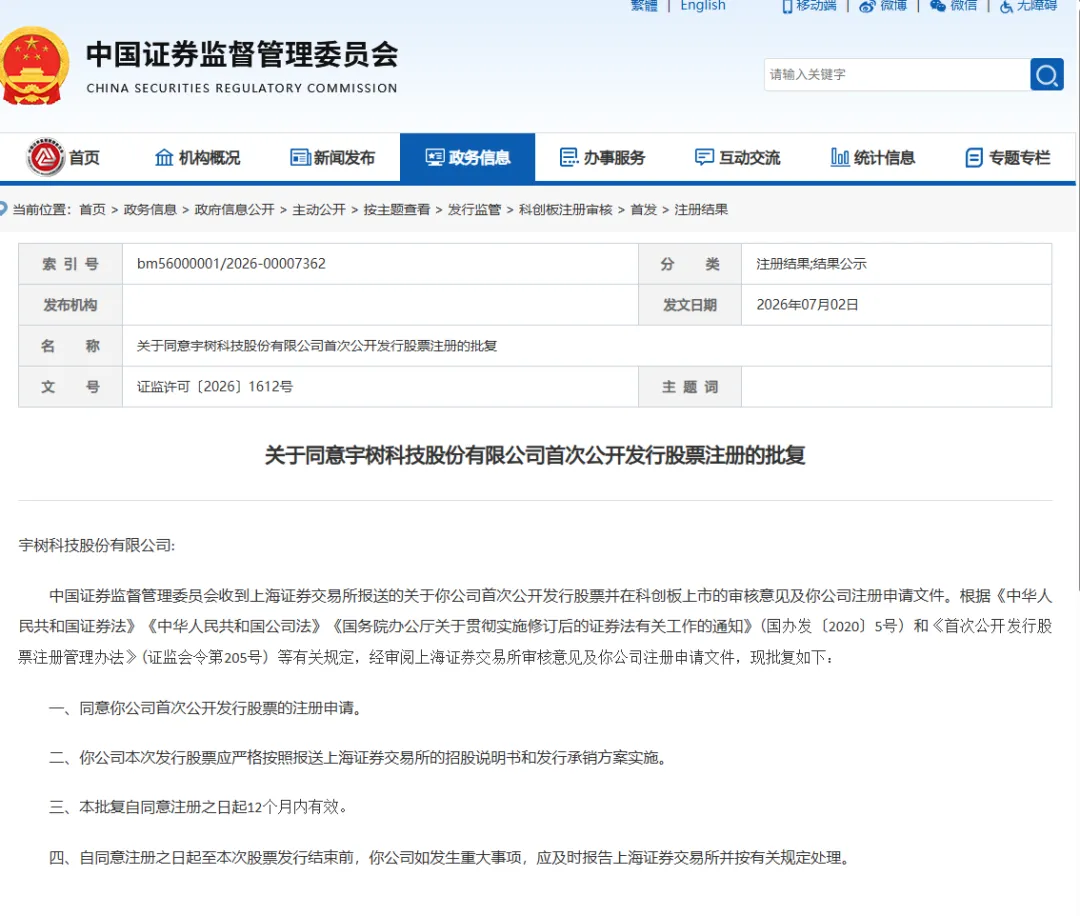
Breaking! Yushu Technology's Sci-Tech Innovation Board IPO Successfully Approved, Raising 4.2 Billion Yuan!
Yushu Technology has received approval for its initial public offering (IPO) on the Sci-Tech Innovation Board, successfully raising 4.2 billion yuan. The announcement was made on [insert date], marking a significant milestone for the company as it seeks to enhance its capital base and expand its operations. The IPO is set to take place in Shanghai, where the Sci-Tech Innovation Board is known for supporting high-tech enterprises. This fundraising effort is aimed at bolstering Yushu Technology's research and development capabilities, allowing the company to innovate and compete more effectively in the technology sector. The approval reflects the growing confidence in the market for tech companies and highlights the increasing interest from investors in supporting innovative firms.
Robotics Automation AI
Epson Robots to Showcase SafeSense Technology, High-Performance, Compact SCARA and 6-Axis Solutions and First Look at Epson Collaborative Robot at Automate 2026
Epson recently showcased its diverse range of flexible and cost-effective automation solutions through interactive demonstrations. The event, held in October 2023, aimed to highlight how these innovations can enhance operational efficiency across various industries. Attendees had the opportunity to engage with the technology firsthand, witnessing the practical applications of Epson's automation tools in real-time scenarios. The demonstrations emphasized Epson's commitment to providing businesses with accessible solutions that streamline processes and reduce costs, ultimately driving productivity. By illustrating the versatility of their offerings, Epson seeks to position itself as a leader in the automation sector, catering to the evolving needs of modern enterprises.

Google Sues AI-Powered Cybercrime Network Outsider Enterprise Over Mass Phishing Operation
Google has initiated legal action against Outsider Enterprise, a suspected Chinese cybercrime organization, for allegedly running a sophisticated phishing operation that has reportedly defrauded victims of approximately $1.9 billion across 95 countries since July 2023. The lawsuit highlights the network's use of artificial intelligence to create and manage over one million fraudulent websites, alongside the distribution of 2.5 million scam text messages. This significant legal move underscores the growing concerns over cybercrime and the challenges posed by advanced technology in facilitating such illicit activities.
AI AI Funding & Investment AI Policy & Regulation AI-driven platform capital markets funding
Willow Announces $7M Seed Funding to Ensure Enterprises Can Fully Oversee and Govern Autonomous Agents
Willow, an innovative agentic access platform, has officially launched after securing $7 million in seed funding aimed at helping enterprises integrate AI agents into their operations while fostering innovation. The funding round was spearheaded by Hetz Ventures, with early support from Wix Co-Founder and CEO Avishai Abrahami and President Nir Zohar. This financial backing underscores the growing interest in solutions that facilitate the safe adoption of artificial intelligence in the workplace, addressing concerns about potential disruptions to productivity and creativity. Willow's platform is designed to empower organizations to leverage AI technology effectively, marking a significant step forward in the intersection of AI and enterprise operations.
Uncategorized
Enterprise Software Leaders Build AI Agents With NVIDIA
NVIDIA has unveiled a series of new software solutions, open-source models, and strategic partnerships with prominent software platform providers aimed at developing autonomous AI agents tailored for various industries, including engineering, healthcare, and software development. This announcement, made today, underscores NVIDIA's commitment to advancing AI technology and its applications across diverse sectors. By collaborating with leading companies, NVIDIA seeks to enhance the capabilities of AI agents, enabling them to perform complex tasks and improve operational efficiency. The initiative reflects a growing trend in the tech industry to leverage AI for transformative solutions that address specific challenges faced by enterprises.
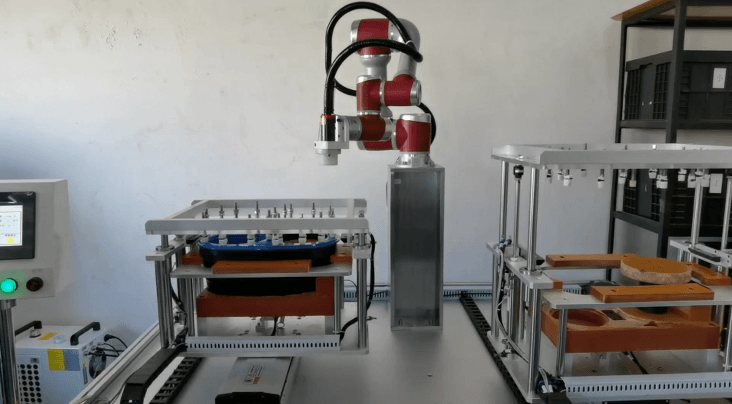
The Long-Term Value of Robotic Arms for Manufacturing in Small to Medium Enterprises (SMEs)
Small and medium enterprises (SMEs) in the manufacturing sector are increasingly turning to collaborative robots to enhance their operational efficiency and product quality, according to JAKA, a leading provider of robotic solutions. This shift comes as SMEs seek to balance cost control with long-term development, particularly in a competitive market. Historically, many SMEs viewed robotic arms as prohibitively expensive and complex. However, advancements in collaborative robot technology have made these tools more accessible. JAKA's A12L intelligent visual perception robot exemplifies this trend, offering simple programming and quick deployment, which eliminates the need for specialized technicians and extensive workshop modifications. This adaptability allows SMEs to significantly reduce labor costs, which are often their largest expense. The JAKA A12L operates continuously without fatigue, minimizing human error and ensuring consistent production quality. Its intelligent vision system enhances machine tending efficiency, enabling SMEs to maintain stable output and lower defect rates. This capability is particularly valuable as SMEs face challenges related to small-batch and diverse production needs, allowing for rapid reconfiguration of production lines. By adopting JAKA's collaborative robots, SMEs can not only achieve immediate cost savings and efficiency gains but also overcome developmental hurdles, positioning themselves for sustainable growth in the evolving manufacturing landscape. JAKA's commitment to providing cost-effective and user-friendly robotic solutions empowers SMEs to optimize their operations and enhance their competitiveness in the market.

IntBot and Certis Group Partner to Scale Enterprise Physical AI Across Singapore
A significant partnership has been established to enhance the integration of enterprise-ready Physical AI into daily operations. This collaboration aims to streamline processes and improve efficiency across various sectors. The announcement was made recently, reflecting a growing trend towards the adoption of advanced technologies in business environments. By leveraging cutting-edge AI capabilities, the partnership seeks to address operational challenges and drive innovation. The initiative is expected to transform how organizations utilize AI, making it more accessible and effective in real-world applications. As businesses increasingly recognize the potential of Physical AI, this partnership marks a pivotal moment in the evolution of operational technology.
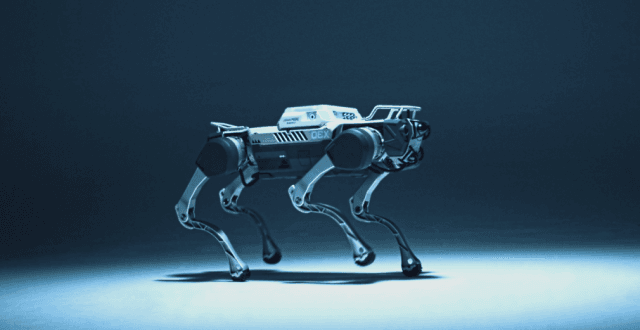
Cloud Depth Technology Files for STAR Market IPO, Seeks ~$3.5B Valuation
Cloud Depth Technology has joined the ranks of Unitree Robotics and Qiangkin Technology by filing for a listing on China's STAR Market. This move, announced recently, aims to secure approximately 2.5 billion yuan, which is equivalent to a valuation of around $3.5 billion. The filing marks a significant step for the company, positioning it among the prominent 'Hangzhou Seven Dragons' in the tech sector. This initiative reflects the growing trend of innovative technology firms in China seeking to capitalize on the opportunities presented by the STAR Market, which is known for supporting high-growth enterprises.
IPO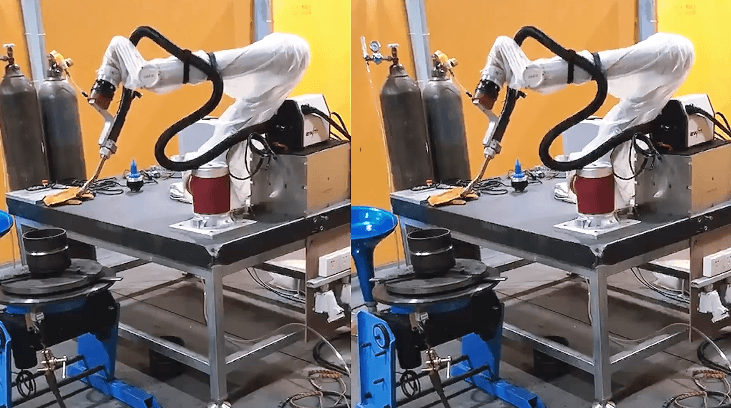
The Future of Welding Cobot Technology: AI Path Planning and Simulation
The welding industry is experiencing a significant digital transformation in response to a global shortage of skilled welders and an increasing demand for high-precision manufacturing. This shift is marked by the introduction of collaborative robots, or welding cobots, which are evolving from traditional automated tools into intelligent partners capable of executing complex welding tasks. These advancements allow small-to-medium enterprises to achieve high-quality welding standards with reduced setup times. Key innovations include AI-driven path planning and vision integration, which address the challenges posed by variability in workpieces. By employing technologies such as "Through-the-Arc" sensing and laser vision systems, these cobots can analyze seams in real-time and adjust their movements to compensate for any misalignments. Additionally, "Lead-through" programming enables human welders to guide the robotic arm, which the AI then refines into a precise trajectory. The use of simulation and digital twin technology further enhances the welding process. Engineers can create virtual models of welding cells to optimize operations without interrupting production. This capability allows for the prediction of thermal effects and minimizes heat distortion, significantly reducing the time required to deploy welding cobots from days to hours. At the forefront of this innovation is JAKA, which is integrating these intelligent features into its collaborative platforms. Their welding cobots, equipped with advanced sensors and motion control, are designed for various welding applications. JAKA also offers a user-friendly software package that simplifies complex path planning, enabling operators to monitor and adjust weld parameters remotely, thereby enhancing craftsmanship while ensuring precision.
NVIDIA and ServiceNow Partner on New Autonomous AI Agents for Enterprises
As enterprise AI technology continues to evolve, companies are increasingly focused on determining how artificial intelligence should operate in various contexts. Following the advancements in AI's ability to generate content and reason through complex problems, early agent systems have demonstrated the potential for AI to tackle more intricate tasks beyond basic prompts. This shift marks a significant progression in the capabilities of AI, prompting businesses to explore the implications of AI decision-making and its application in real-world scenarios. As organizations seek to harness this technology effectively, the conversation is shifting towards establishing guidelines and frameworks that govern AI behavior, ensuring that it aligns with ethical standards and business objectives. The ongoing development in this field suggests a transformative impact on how companies will integrate AI into their operations, with a focus on enhancing efficiency and innovation.

Emerson Accelerates Edge Ecosystem for Real-Time Enterprise Operations Intelligence
Emerson, a prominent player in the global automation sector, has unveiled its latest innovation, DeltaV™ Live Enterprise View, aimed at enhancing real-time control system visualization beyond traditional control room boundaries. This new application, launched recently, is designed to provide secure access to critical operational data, enabling users to monitor and manage industrial processes more effectively from various locations. By leveraging advanced technology, Emerson seeks to empower industries with improved decision-making capabilities and operational efficiency, addressing the growing need for flexible and remote access in today’s fast-paced industrial environment.

Marine Technology Industry Prepares to Unveil the Solutions Shaping the Future of Our Ocean
Oceanology International 2026 (Oi26) is set to take place from March 10 to March 12 at Excel London, providing a unique opportunity for attendees to explore the latest advancements in the ocean enterprise. This event aims to highlight the future of ocean technology and innovation, drawing participants from various sectors to engage with cutting-edge developments. By showcasing the evolution of ocean-related industries, Oi26 seeks to foster collaboration and knowledge sharing among professionals dedicated to advancing marine science and technology. The event will feature exhibitions, presentations, and discussions, emphasizing the importance of sustainable practices and the role of technology in ocean exploration and conservation.
oceanology international 2026
India’s Global Systems Integrators Build Next Wave of Enterprise Agents With NVIDIA AI, Transforming Back Office and Customer Support
India's technology sector is undergoing a significant transformation as Agentic AI emerges as a key player, enhancing service delivery on a global scale. By leveraging NVIDIA AI Enterprise software and NVIDIA Nemotron models, leading tech companies in India are driving substantial improvements in productivity and efficiency across various industries. This shift is not only positioning India as a leader in AI innovation but also responding to the growing demand for advanced technological solutions in a competitive market. The integration of these cutting-edge tools is expected to streamline operations and foster growth, underscoring the country's commitment to embracing artificial intelligence as a cornerstone of its economic development.
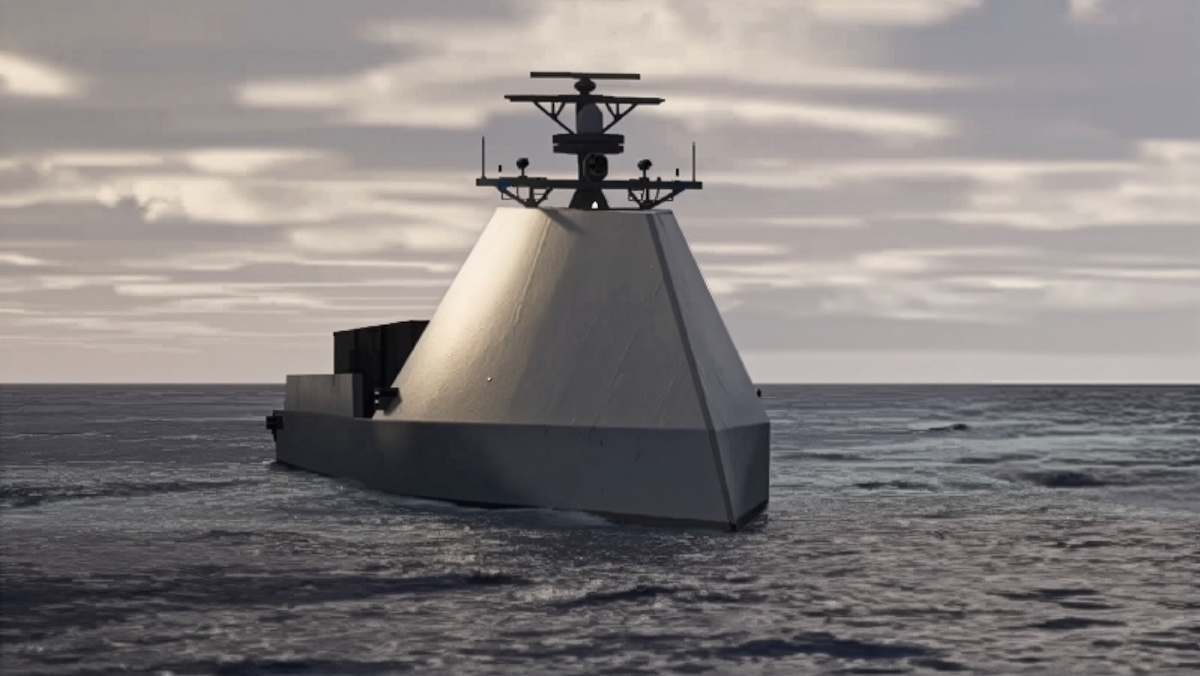
HII Announces Major Milestone for ROMULUS USV Technology
Executives from HII visited Breaux Brothers Enterprises in Loreauville, Louisiana, where they revealed that the construction of a prototype for their new unmanned surface vessel (USV) family, named ROMULUS, has reached 30% completion. This development is part of HII's ongoing efforts to innovate in maritime technology. The prototype is on track for sea trials, which are scheduled to take place in the fourth quarter of 2026, demonstrating the company's commitment to advancing its capabilities in unmanned maritime systems.
hii romulus usv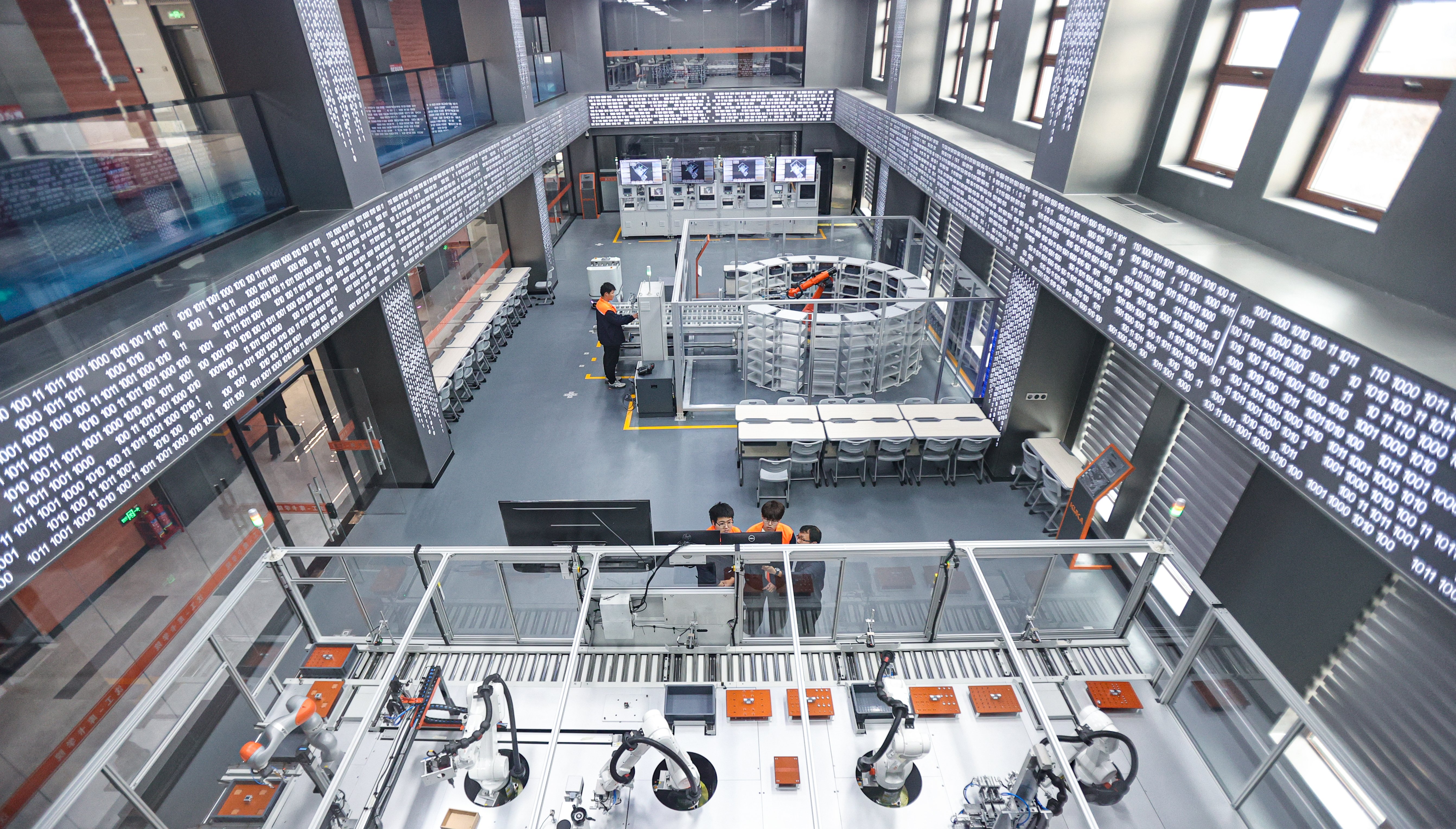
KUKA China cooperates with Shenyang Institute of Technology
The KUKA Institute was inaugurated at the Shenyang Institute of Technology during the 2024 KUKA Robotics School-Enterprise Cooperation Conference. This collaboration between KUKA China and the institute aims to address the evolving technological and industrial demands by educating skilled talent. The initiative marks a significant advancement in fostering cooperation between academia and industry, highlighting the importance of aligning educational programs with the needs of the workforce.

Genesis AI and LG CNS Enter Industry-First Strategic Partnership to Scale General-Purpose Robotics Across Enterprise Operations
Genesis has announced a strategic partnership with LG CNS to create a scalable deployment model for full-stack robotics tailored for industrial environments. This collaboration aims to enhance automation capabilities across various sectors, addressing the growing demand for efficient and flexible robotic solutions. The initiative was unveiled on October 15, 2023, and will focus on integrating advanced robotics technology into manufacturing and logistics operations. By leveraging LG CNS's expertise in IT services and Genesis's innovative robotics solutions, the partnership seeks to streamline processes and improve productivity in industrial settings. This development reflects a broader trend in the industry towards adopting sophisticated automation technologies to meet evolving operational needs.

NVIDIA DGX Station for Windows Puts a Trillion-Parameter AI Supercomputer on Every Enterprise Desk
NVIDIA has unveiled the NVIDIA DGX Station™ for Windows, touted as the most powerful deskside AI supercomputer available. This innovative system is designed to facilitate the development, operation, and integration of always-on AI agents into Windows applications and workflows. The DGX Station™ is capable of running cutting-edge AI models, enhancing productivity and efficiency for users. This announcement was made today, reflecting NVIDIA's commitment to advancing AI technology and its applications in various industries. By providing a robust platform for AI development, NVIDIA aims to empower businesses and developers to harness the full potential of artificial intelligence in their operations.

Aetina Demonstrates Edge AI Platforms for Robotics, Vision AI and Enterprise Automation at COMPUTEX 2026
NVIDIA is set to showcase its cutting-edge edge AI systems, robotic automation, lightweight VLM deployment, and agentic AI workflows through live demonstrations. These events will highlight the capabilities of real-time AI processing at the edge, illustrating the potential applications and advancements in technology. The demonstrations are scheduled to take place in the coming weeks, providing attendees with a firsthand experience of the latest innovations in AI. By presenting these technologies, NVIDIA aims to emphasize the importance of edge computing in enhancing efficiency and performance across various industries. The demonstrations will allow participants to observe how these systems operate in real-time, showcasing their practical applications and benefits.

Otter’s new feature lets users search across their enterprise tools
Otter has announced the launch of a new Windows application designed to capture meeting notes without requiring users to join the meeting. This innovative tool aims to enhance productivity by allowing users to automatically transcribe discussions and key points during meetings, even if they are not present. The app is set to be available starting in October 2023, providing a convenient solution for professionals who may be unable to attend meetings in real-time. By leveraging advanced transcription technology, Otter seeks to streamline note-taking processes and improve information accessibility for users, ultimately supporting better collaboration and communication in the workplace.
AI otter AI meeting AI notetaker
Brain Corp Achieves SOC 2 Compliance, Reinforcing Trusted Enterprise-Grade Deployment of AI Systems at Scale
Brain Corp has achieved a significant security milestone with its autonomous robots, which are increasingly being deployed in commercial spaces. This development comes as businesses seek innovative solutions to enhance operational efficiency and safety. The milestone was reached in October 2023, reflecting the company's commitment to advancing robotic technology in various environments, including retail and logistics. The growing adoption of these robots is driven by the need for improved cleaning and maintenance processes, particularly in high-traffic areas. By utilizing advanced sensors and AI, Brain Corp's robots can navigate complex spaces while ensuring a high level of security and reliability. This progress not only streamlines operations but also addresses the rising demand for contactless services in the wake of the pandemic. As more companies integrate these autonomous solutions, Brain Corp is positioned to lead the market, demonstrating how technology can transform traditional practices in commercial settings. The successful implementation of these robots marks a pivotal moment in the evolution of automated services, paving the way for broader applications in the future.

Robotic Process Automation in 2026: A Buyer’s Guide for Procurement Teams
Over the past decade, the landscape of Robotic Process Automation (RPA) has evolved significantly. Initially characterized by basic screen-scraping bots that mimicked human interactions with legacy desktop applications, the technology has now advanced to include both attended and unattended bots. These modern bots are capable of managing user interface tasks within various enterprise systems such as ERP and CRM platforms, as well as billing tools that organizations are reluctant to phase out. As of October 2023, RPA has shifted towards an API-first approach, enabling more sophisticated orchestration that directly integrates with cloud services at various integration points. This transformation reflects the growing demand for automation solutions that enhance efficiency and streamline operations across industries. The shift not only highlights the technological advancements in RPA but also underscores the necessity for businesses to adapt to changing digital landscapes in order to remain competitive.
Automation Business Digital Automation ai agents automation anywhere automation news
Department of War Creates Central Office to Oversee U.S. Military Unmanned Systems
On July 1, the U.S. Department of War announced a significant reorganization of its unmanned systems enterprise by establishing a new Direct Reporting Portfolio Manager for Unmanned Systems (DRPM-UxS). This central office will be responsible for consolidating the acquisition, standards, budgeting, and industry engagement related to the military's drone and autonomous programs. The move aims to enhance oversight and streamline operations within the Department’s unmanned systems, reflecting a commitment to improving efficiency and effectiveness in military technology.
Applications Defense defense Drone News Drone News Feeds Dual Use
SVT Robotics surpasses four billion transactions on its Softbot automation platform
SVT Robotics, a prominent provider of interoperability software for enterprise and physical AI, has reported a significant milestone with its Softbot Platform surpassing four billion transactions. This achievement highlights the platform's robust infrastructure, which is designed to support high-volume data processing on a global scale. Currently, transaction volumes are rapidly increasing, reaching between 100 million and 130 million transactions per week. This surge reflects the growing demand for efficient and resilient data solutions in various industries, positioning SVT Robotics as a key player in the technology landscape.
Computing News Robotics AI-ready data automation infrastructure automation software
Niantic Spatial and Spexi Turn Drone Imagery Into Physical AI
Niantic Spatial and Spexi Geospatial have formed a strategic partnership to enhance the use of aerial drone imagery for enterprise applications. This collaboration integrates Spexi’s extensive aerial data network with Niantic Spatial’s advanced 3D reconstruction technology, enabling the creation of city-scale 3D Gaussian splats. Announced recently, this initiative aims to provide businesses with on-demand access to drone imagery, facilitating the development of physical AI solutions. The partnership is expected to streamline the process of transforming aerial captures into actionable data for various industries, marking a significant advancement in the utilization of drone technology for commercial purposes.
AI Drone News Drone News Feeds Mapping News 3D reconstruction
5 Best Audio to Video AI Generators for Modern Content Workflows
The audio to video AI generator sector has become an essential component of contemporary content production, facilitating the conversion of spoken audio, voiceovers, and scripts into cohesive visual narratives. This innovative technology streamlines the content creation process by automating scene generation, timing alignment, and visual selection, thereby eliminating the need for traditional editing methods. As a result, users can produce high-quality content at scale, significantly enhancing efficiency and creativity in various media projects. The advancements in this field reflect the growing demand for automated solutions in content creation, driven by the need for faster turnaround times and increased output in an ever-evolving digital landscape.
Business Design Software ai avatars AI content tools AI storytelling
How SMEs can use automation to their advantage
In 2026, small and medium-sized businesses in the U.S. are facing significant challenges as they navigate rising operational costs while meeting customer demands for quicker responses. With over 36 million small businesses in the country, many are still dependent on manual processes, which can lead to increased administrative burdens and reduced focus on revenue-generating activities. As the business landscape evolves, it becomes crucial for these enterprises to adopt more efficient systems to streamline operations and enhance customer service. The pressing need for modernization stems from the competitive market environment, where agility and responsiveness are key to survival and growth.
Automation Business AI for business automated workflows automation news automation software
Shadow IT: Risks, Realities, and How to Manage it
In a growing trend, many employees are increasingly utilizing shadow IT—tools and services that bypass official approval from their organization's IT departments. This practice includes actions such as storing company files in personal cloud accounts or employing external password managers for convenience. While these alternatives may offer ease of use, they pose significant risks to data security and compliance, as they are not vetted by the organization's security protocols. As businesses grapple with the implications of this unauthorized technology usage, experts emphasize the need for clear policies and employee training to mitigate potential vulnerabilities. The rise of shadow IT highlights the ongoing challenge organizations face in balancing employee autonomy with the necessity of maintaining robust cybersecurity measures.
Computing Technology access control automation news browser security cloud security
Shanghai Advances BCI Development: The Race for Commercialization Has Started
Shanghai is emerging as a key player in the global brain-computer interface (BCI) competition. The Shanghai Municipal Commission of Economy and Information Technology recently released the 'Three-Year Action Plan for the Industrialization of Brain-Computer Interfaces (2026-2028)', which aims to establish a leading national industrial chain ecosystem in the non-invasive BCI sector by 2028. The plan includes nurturing at least 50 related enterprises and achieving large-scale applications of core products in medical rehabilitation and cognitive training. This initiative is not just a theoretical blueprint. A team led by Academician Zhou Liangfu from Huashan Hospital's Neurosurgery Department, in collaboration with the Institute of Microsystem Research at the Chinese Academy of Sciences, has developed an implanted BCI product that has completed its first clinical trial with volunteers for motor function rehabilitation in paraplegic patients. Shanghai is adopting a parallel strategy with multiple technological routes, supporting invasive, semi-invasive, and non-invasive teams with dedicated funding, with non-invasive approaches progressing more rapidly. The Pudong New Area has designated a 'Brain Science Industrial Base' where the first batch of companies can benefit from various supports, including R&D expense deductions and expedited clinical trial processes. Shanghai's goal is clear: to become the city with the lowest operational costs and minimal policy friction for BCI enterprises. As the global BCI landscape evolves, Shanghai's focus on industrialization aims to establish a commercial loop in hospitals while ensuring safety and regulatory compliance, leveraging China's vast market potential in stroke rehabilitation, youth attention training, and early Alzheimer's screening.
Brain-Computer Interfaces Healthcare Technology Neurorehabilitation Cognitive Training
End-Side AI Leader Mianbi Intelligence Secures $5 Billion Funding, Reaches $20 Billion Valuation
On July 15, Mianbi Intelligence announced the completion of a new funding round, attracting investments from national funds, state-owned enterprises, and automotive manufacturers. This brings the total funding raised by Mianbi Intelligence in the first half of 2026 to over 5 billion yuan, with a valuation exceeding 20 billion yuan, making it the highest-valued unicorn in the end-side AI sector. The significance of this funding is underscored by Mianbi Intelligence's rapid financing activity, which includes multiple rounds led by prominent investors such as China Telecom and Shenzhen Capital Group. The company, which originated from Tsinghua University's NLP lab, has made substantial strides in the AI field, particularly with its MiniCPM series of models that have seen over 38 million downloads across platforms like GitHub and Hugging Face. Looking ahead, Mianbi Intelligence is set to release its MiniCPM-2.4B model in February 2024, focusing on end-side AI applications. The company has already established a strong presence in the automotive sector, with several models from manufacturers like Changan and SAIC expected to integrate its technology. No further timeline was disclosed at the time of publication.
End-Side AI Funding Automotive Technology Artificial Intelligence Startups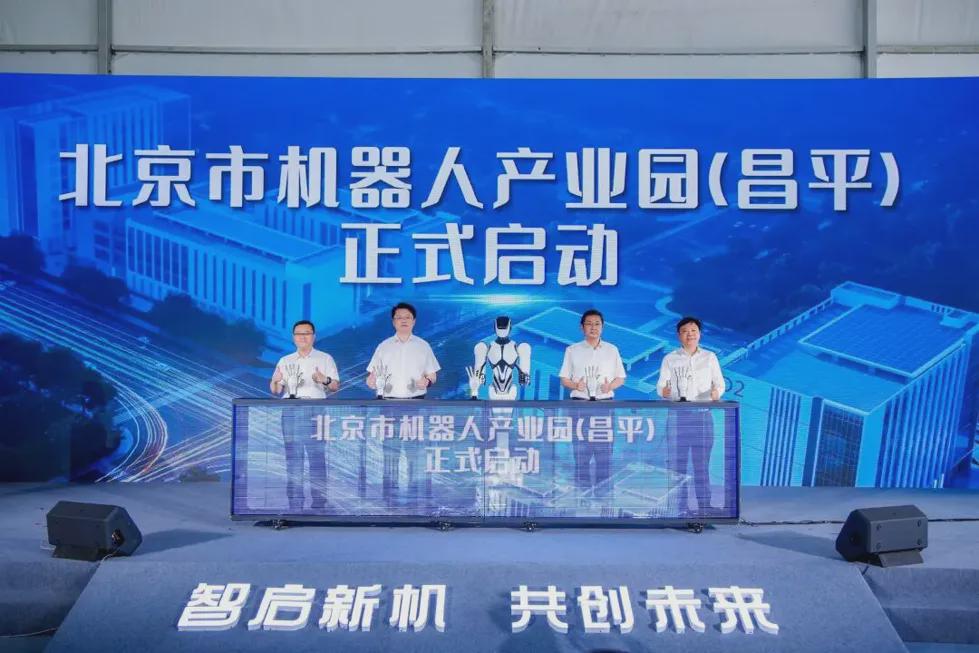
Beijing Launches Specialized Robot Industrial Park in Changping to Boost Innovation
On July 6, Beijing inaugurated its first specialized Robot Industrial Park in Changping, designed to encompass the entire robot industry chain. This initiative aims to enhance innovation and research in robotics, attracting high-quality enterprises and fostering collaboration among government, academia, and industry leaders to bolster the growth of the digital economy in Beijing. The establishment of this park is significant as it represents a strategic move to strengthen Beijing's position in the robotics sector. By focusing on the entire industry chain, the park is expected to facilitate advancements in technology and increase the competitiveness of local firms in the global market. This initiative aligns with China's broader goals of advancing its digital economy and technological capabilities. Looking ahead, stakeholders will be monitoring the park's development closely to assess its impact on the robotics industry in Beijing. No further timeline was disclosed at the time of publication regarding specific projects or partnerships that may emerge from this initiative.
Robot Industry Innovation Hub Industrial Park Research and Development Smart Manufacturing
The Key-Value Cache is the Missing Layer in Overcoming the AI Memory Wall
In a significant shift within the tech industry, enterprises are increasingly transitioning artificial intelligence (AI) from experimental stages to practical applications. This movement, gaining momentum in late 2023, reflects a growing confidence among businesses in the capabilities of AI technologies. Companies across various sectors are now integrating AI solutions into their operations to enhance efficiency, improve decision-making, and drive innovation. The push to operationalize AI is driven by the need for organizations to remain competitive in a rapidly evolving digital landscape. By harnessing AI, businesses aim to streamline processes, reduce costs, and deliver better products and services to their customers. This transition is facilitated by advancements in AI algorithms, increased access to data, and the development of user-friendly tools that allow for easier implementation. As enterprises embrace AI, they are also navigating challenges related to data privacy, ethical considerations, and workforce implications. The successful deployment of AI in production environments requires careful planning and collaboration across departments, ensuring that technology aligns with organizational goals and values. As this trend continues to unfold, it is expected to reshape industries and redefine the future of work.
Factory / Control
One way you probably didn’t know drones were being used
Everyone loves a tool that just makes your job easier. Technology can takeover plenty of little things in life like taking notes, scheduling meetings, and well, you get the point. But what about counting extremely expensive herds of cattle? Don’t worry, DJI’s Mavic 3 Enterprise is here.
News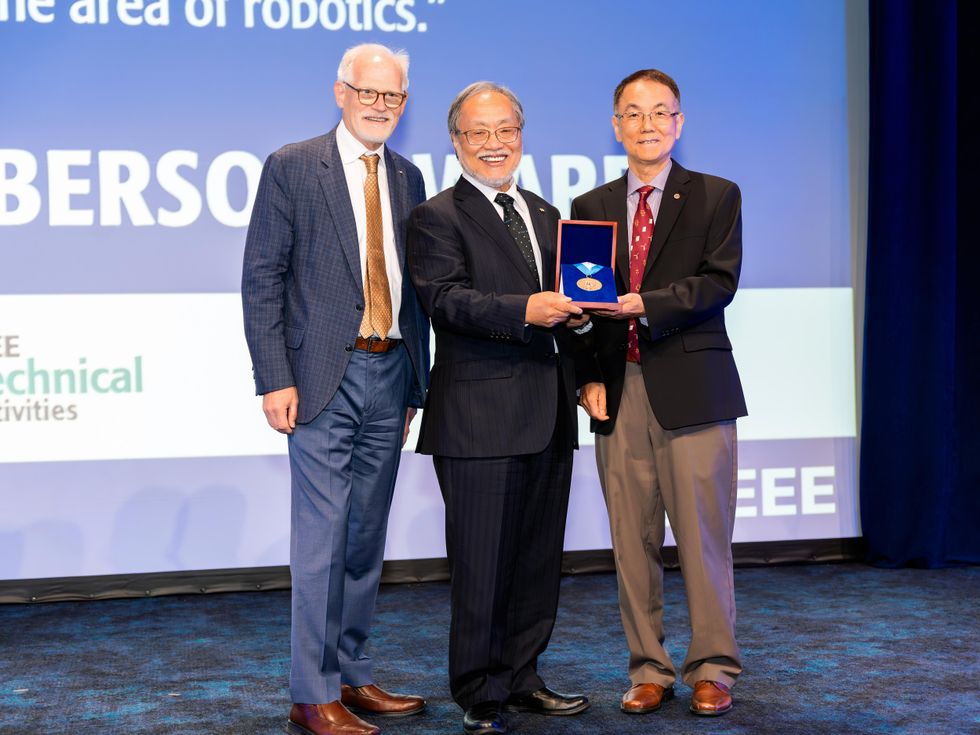
IEEE Honors Robotics Pioneer Toshio Fukuda
Toshio Fukuda has been blazing trails for most of his career. He is considered to be one of the most prolific scholars in robotics, writing more than 2,000 research papers and authoring several books on the field. He’s an influential figure thanks to his pioneering work developing biomedical robotic systems, industrial robots, micro-nano robotics, mechatronics, and AI-driven automation.Fukuda launched one of the first robotics conferences, the IEEE/RSJ International Conference on Intelligent Robots and Systems (IROS). It is still popular almost 40 years later.Toshio FukudaEmployerEgypt-Japan University of Science and Technology, in Alexandria TitleProfessor and vice president of research Member gradeLife Fellow Alma matersWaseda University, in Tokyo; University of Tokyo An IEEE Life Fellow, he is a professor emeritus in the department of micro-nano systems engineering and a visiting professor at Nagoya University, in Japan, where he taught for nearly 25 years. Currently, he is a vice president of research at the Egypt-Japan University of Science and Technology, in Alexandria, Egypt.Within IEEE, Fukuda has held top volunteer positions including the organization’s highest office: He served as IEEE president in 2020, becoming the first person of Asian descent to hold the role.He’s a former program director of Japan’s Moonshot program, which by 2050 intends to develop advanced AI robots.Born in Japan, Fukuda has been recognized by the country for his contributions to science with two of its highest awards: the Medal of Honor with a purple ribbon in 2015 and the Order of the Sacred Treasure in 2022.IEEE honored him with this year’s Richard M. Emberson Award for “distinguished service advancing the technical objectives of IEEE, especially in the area of robotics.” The IEEE Board-level award is sponsored by the IEEE Technical Activities Board. Fukuda received the award on 24 April at a ceremony in New York City.As a former IEEE president who has served as a master of ceremonies at several of the organization’s major award events, Fukuda noted that he is more accustomed to bestowing awards than receiving them.“It’s very interesting to be on the receiving end,” he says.The journey into robotics researchAs a teenager, Fukuda spent his summer breaks teaching himself how to build things including transistor radios and steam engines.“It was very nice to have a hands-on hobby and make these kinds of things myself,” he says. His experimentation led him to study engineering.He earned a bachelor’s degree in engineering in 1971 from Waseda University, in Tokyo. He says one of his professors there—Ichiro Kato, regarded as the father of Japanese robotics research—was a good mentor who made a positive impact.Fukuda’s research interests were robotics and mechatronics, a field that combines robotics, electronics, computer science, and control systems.He went on to earn a master’s degree and a doctorate in science from the University of Tokyo, in 1971 and 1977. During those years, he also attended Yale, where he conducted research on advanced control theory in 1973.He reflects fondly on his time at Yale: “It was a very nice environment and a kind of free-thinking atmosphere. It motivated me to study more.”“IEEE doesn’t care who you are, what you do, what country you are from, or whether you are male or female. IEEE accepts people who have energy and passion.”While at Yale, Fukuda served as an assistant to his advisor—which led him to consider a career in academia, he says, because he enjoyed the freedom that research work afforded him.But he realized that such freedom comes with a price. University researchers are expected to raise the money that funds their work. He compares researchers to small-business owners who have to bring in money to keep their enterprise afloat.That realization led him to select robotics as his field because he intended to develop technologies useful to industry, he says.After earning his doctorate, he returned to Japan in 1977 to work as a research scientist at the government’s Mechanical Engineering Laboratory, later renamed the National Institute of Advanced Industrial Science and Technology, in Tsukuba.“There was a lot of research going on at the lab, including practical robotics and theory,” he says.He left Japan in 1979 to become a visiting research fellow at the University of Stuttgart, in Germany. During his year there, he studied systems, software problems, and related topics.He returned to Japan and was hired as an associate professor of mechanical engineering at the Tokyo University of Science. He conducted research into practical uses for robots by visiting industrial plants. He decided to develop robots that inspect industrial equipment such as those used in assembly plants, oil refineries, and power stations—places that “can be hostile environments for humans,” he says.His work drew interest from chemical, oil, and utility companies.“I got a lot of money from them for this very practical application, which funded my research,” he says, laughing.Developing popular robotic systemsFukuda grew tired of making those robots, he says, so he switched to creating ones for scientific applications. He developed many techniques, but he probably is best known for his modular, cellular robotic systems (CEBOTs), which he introduced in 1985.He has described how CEBOTs work in numerous papers published in the IEEE Xplore Digital Library.The CEBOT system is composed of a number of autonomous robotic cells that stick together like interlocking Lego plastic bricks, he says.Each cell is a fundamental modular unit that has a function. When a simple task is given, the system can analyze it and generate the structure of the cellular manipulator. The cells connect to and detach from each other through connection mechanisms and cooperate mutually, creating complex structures and configurations.“You start developing from the component-wise to the cell-wise to a small functional unit—and then you come up with clusters that make bigger systems. We can make a society of robot beings like that,” he explained in his oral history published on the Engineering and Technology History Wiki. “It’s a distributed robotic system, a self-organized robotic system, and also an evolutionary robotic system.“It’s also a fault-tolerant robot system because if something is wrong, you just remove those things and make a new one. You keep the system working. That’s a great thing.”Today CEBOTs are used for a variety of tasks such as delivering medication in hospitals, assisting with planting crops, and transporting products in distribution centers. Check out IEEE Spectrum’s Robots Guide for news from the world of robotics.In 1989 Fukuda joined Nagoya University as a professor of mechanical engineering and micro-nano systems engineering. During his 24-year career there, he was director of the university’s Center for Micro-Nano Mechatronics. He developed a long list of technologies at the university, including many for medical applications. He also conducted groundbreaking research into intelligent robotic systems and micro- and nano-robotics.Another technology he is known for is brachiation robots, which he helped develop in 1988. He calls them monkey robots because they’re based on the pendulum-like movement of monkeys swinging from tree to tree. The gravity-based locomotion enables continuous movement.Brachiation robots now are inspecting high-voltage transmission towers and bridges, searching damaged buildings for survivors, and performing maintenance on pipelines and cables.Fukuda retired from the university in 2013 and was named professor emeritus.He didn’t stay retired for long, though. He next held a teaching appointment at Meijo University, in Nagoya, until he left in 2022 to join the Egypt-Japan University.A prominent volunteerHe joined IEEE in 1980 at the encouragement of one of his research advisors, Professor Fumio Harashima, now an IEEE Life Fellow. After attending conferences and reading the organization’s publications, Fukuda says, he looked forward to becoming more involved.“I wanted to know how to organize a conference and how to edit a paper for one of its Transactions,” he says. “I wanted to know what was going on from inside the organization, not just the outside.”In 1988 he was the founding chair and organizer of IROS, in Tokyo. The conference had 330 attendees that year, and was supported by Harashima. Today it is one of the largest and most prestigious conferences on the topic, attracting more than 9,000 people annually. Out of 120,000 conferences, it was the only conference in the Nature Index database for this year, Fukuda says.In 1996 he and other members launched IEEE Transactions on Mechatronics.He was the founding president of the IEEE Nanotechnology Council, which was established in 2002. He is considered a pioneer in nanotechnology research, particularly regarding how it relates to robotics.Over the years, he has held numerous volunteer positions on IEEE editorial boards and committees.He was the 1998–1999 president of the IEEE Robotics and Automation Society, becoming the first non-U.S. member to hold the title.He was director of IEEE Division X (2001–2002 and 2017–2018), which covers intelligent systems, biological engineering, robotics, control systems, and photonic technologies. He served as the 2013–2014 director of IEEE Region 10 (Asia-Pacific).As the 2020 IEEE president, Fukuda saw the organization through the early part of the COVID-19 pandemic. Because of travel restrictions, he realized IEEE should change how it offered its in-person services, specifically educational programs. He encouraged IEEE Educational Activities to develop an online learning platform. The IEEE Learning Network started with just three courses and now offers nearly 2,000 courses, webinars, and learning materials.An award-winning memberThe Emberson Award joins a slew of other recognitions Fukuda has received from IEEE. They include several from the IEEE Robotics and Automation Society: a 2004 Pioneer Award, a 2009 Saridis Leadership Award, and the 2011 Harashima Award for Innovative Technologies. He is also a recipient of the Board-level 2010 IEEE Robotics and Automation Technical Field Award.He says he feels strongly that IEEE should be a diverse organization that is welcoming to all. As IEEE president, he led efforts to devise a diversity, equity, and inclusion program. Several policies, procedures, and bylaws were revised to give members a safe, inclusive place for discourse.“It’s important for IEEE to make everyone feel comfortable,” he says. “DEI programs are important. All people should be equal. IEEE doesn’t care who you are, what you do, what country you are from, or whether you are male or female. IEEE accepts people who have energy and passion.“It accepted me, from the Far East. That’s why I like it.”You can learn more about Fukuda and his career from the oral history conducted by the IEEE History Center.
Robotics Robots Ieee-member-news Type-ti Ieee-awards Toshio-fukuda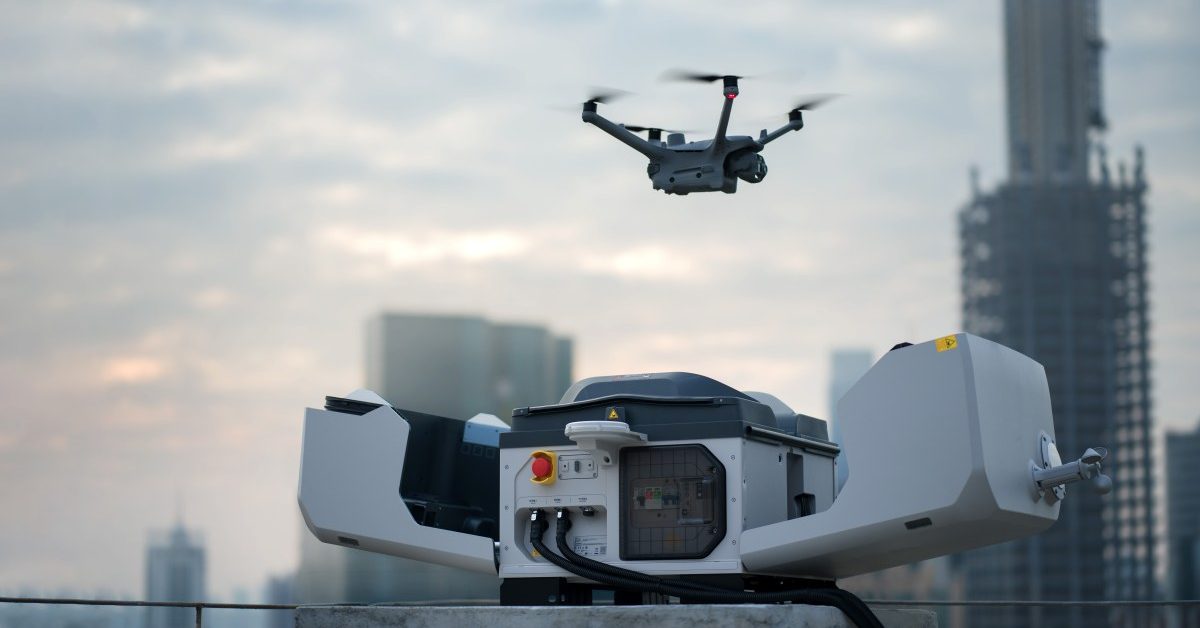
DJI’s latest guide could help agencies deploy drones faster
In response to the limitations of traditional drone deployment during emergencies, DJI Enterprise is introducing solutions aimed at enhancing the efficiency of public safety operations. Historically, the process of launching a drone required a pilot to arrive on-site, unpack equipment, and manually initiate flight, which often delayed critical response times. To address this issue, many agencies are now adopting “drone-in-a-box” systems that allow for automatic launches, significantly improving speed and accessibility during emergencies. DJI Enterprise is stepping in to assist these agencies in scaling their operations effectively, ensuring that they can maximize the benefits of this innovative technology. This shift towards automated drone systems is expected to revolutionize emergency response protocols, providing quicker aerial support when it is needed most.
News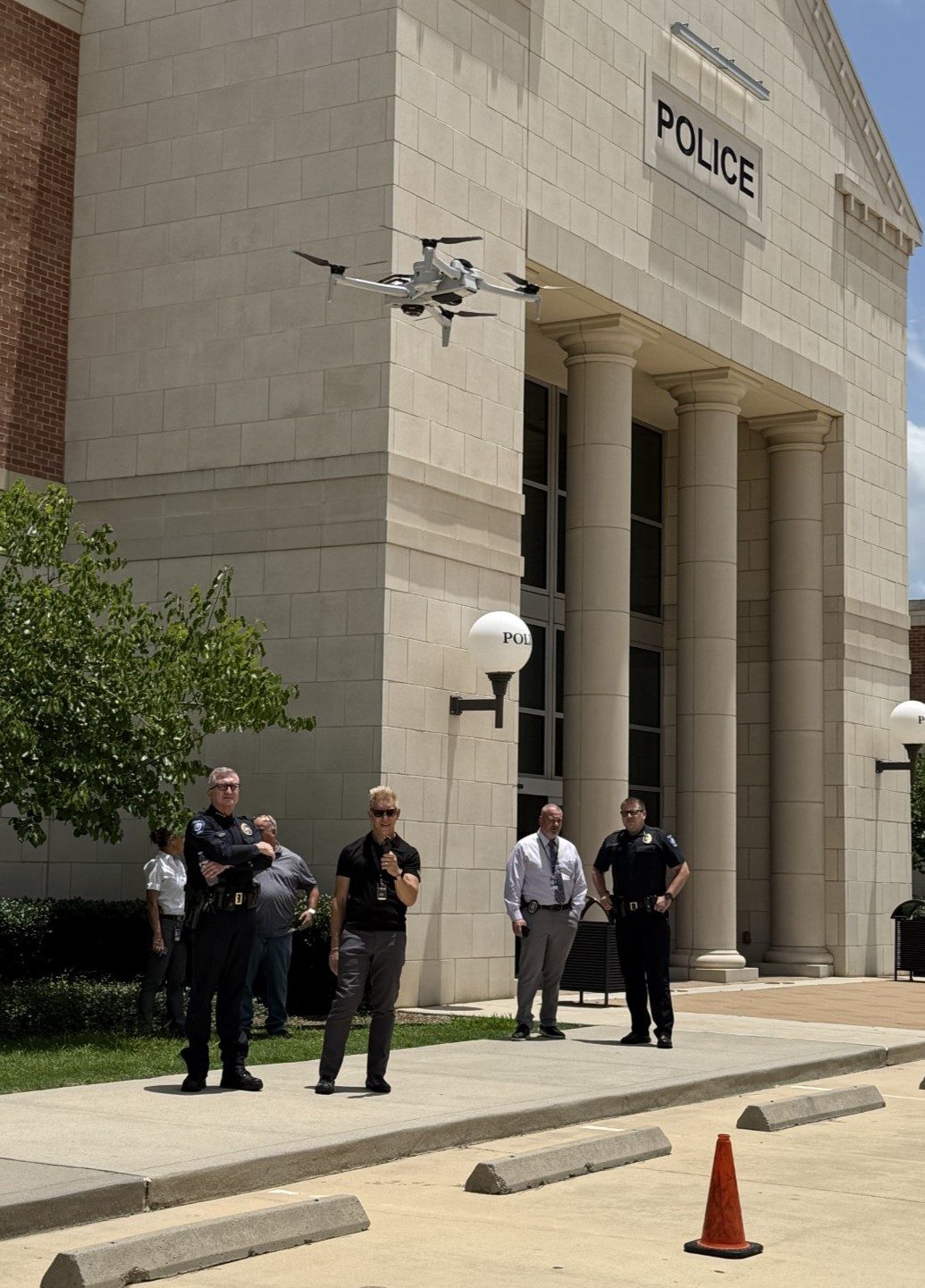
Conroe Police Launch DFR Program Funded by Criminal Asset Seizures
The city of Conroe, Texas, has launched a Drones as First Responders (DFR) program, utilizing funds obtained through asset forfeiture from criminal activities. This innovative initiative was developed as a cost-effective solution to enhance public safety without burdening taxpayers. City leaders recognized the potential of drone technology to assist in emergency response and decided to finance the program through the financial resources seized from criminal enterprises. The DFR program aims to improve the efficiency and effectiveness of local law enforcement and emergency services, marking a significant step forward in the integration of technology in public safety efforts.
Applications Drone News Drone News Feeds Featured – Safety and Security Fire and Police Law Enforcement
"Vision Bot completes over 100 million yuan in B++ round financing."
SpeedBot Robotics has successfully secured a significant B++ round of financing, amounting to over 100 million yuan. This funding round was led by the Hunan Sub-Fund of the National Small and Medium Enterprises Fund, managed by Dacheng Caizhi, along with joint investments from Changsha Urban Development. The investment aims to bolster the company’s growth and innovation in the robotics sector, reflecting a strong interest in advancing technology solutions.

Claude Meets Blackwell Ultra: Anthropic’s Models Now Run on NVIDIA GB300 in Azure
Anthropic has announced the general availability of its Claude models, which are now hosted on Microsoft Azure and powered by NVIDIA's GB300 Blackwell Ultra GPUs. This development provides enterprises utilizing Azure with an advanced tool to create autonomous and specialized AI solutions. The integration of these models aims to enhance the capabilities of businesses in various domains, enabling them to leverage cutting-edge technology for improved operational efficiency and innovation. The launch reflects a growing trend in the AI sector, where companies are increasingly seeking robust platforms to support their AI initiatives.

144 GPUs per rack: Dell launches new server for massive supercomputing tasks
Dell has unveiled a cutting-edge high-density AI and supercomputing server, aimed at enhancing computational capabilities for enterprises and research institutions. This launch took place on October 10, 2023, at the company's annual technology conference in Austin, Texas. The new server is engineered to address the growing demand for advanced processing power in fields such as artificial intelligence, machine learning, and data analytics. The motivation behind this development stems from the increasing need for efficient and powerful computing solutions that can manage complex workloads and large datasets. Dell's latest offering is designed to optimize performance while minimizing energy consumption, aligning with the industry's push towards sustainability. The server incorporates innovative technologies, including advanced cooling systems and modular designs, allowing for scalability and flexibility in various operational environments. By providing organizations with the tools necessary to accelerate their AI initiatives, Dell aims to solidify its position as a leader in the supercomputing market. This strategic move not only responds to current technological trends but also anticipates future demands in high-performance computing.
AI and Robotics
After a Decade of Changxin, Hefei Bets on Embodied Intelligence
Changxin Technology, based in Hefei, has made headlines by becoming the second-largest initial public offering (IPO) in the history of the STAR Market. This significant achievement highlights the company's rapid growth and the city's commitment to fostering leading enterprises. Hefei is now leveraging its successful investment strategies, previously applied in the semiconductor industry, to venture into the burgeoning field of embodied intelligence. This strategic move aims to replicate the success seen in semiconductors, positioning Hefei as a key player in this emerging sector.
Semiconductors Investment Strategy Embodied Intelligence AI
InOrbit.AI Demonstrates the Future of Multi-Vendor Robot Orchestration and Physical AI at Automate 2026
InOrbit.AI is set to showcase a pioneering multi-vendor robotics demonstration at Automate 2026, highlighting the future of the sentient enterprise. This event will take place in 2026, where industry leaders and innovators will gather to explore advancements in automation technology. The demonstration aims to illustrate how seamless interoperability and Physical AI are revolutionizing disparate automation systems, creating a cohesive and resilient operational ecosystem. By integrating various robotic technologies, InOrbit.AI seeks to address the challenges of isolated automation, ultimately enhancing efficiency and productivity across industries. This initiative reflects a growing trend towards unified solutions in the robotics sector, emphasizing the importance of collaboration among vendors to drive innovation and improve operational capabilities.

Tech Mahindra and Viam partner to scale advanced robotics and automation solutions
Tech Mahindra has announced a strategic partnership with Viam, enabling its global enterprise clients to leverage advanced robotics and automation capabilities through Viam's innovative physical AI platform. This collaboration, which aims to enhance operational efficiency and streamline processes for businesses, will provide clients with direct access to cutting-edge technology designed to optimize workflows and improve productivity. The partnership is expected to significantly impact various industries by integrating AI-driven solutions into everyday operations. This initiative reflects Tech Mahindra's commitment to driving digital transformation and innovation within its client base, positioning them at the forefront of technological advancements.

Microsoft Makes Big AI Inroads in China by Selling OpenAI Models
Microsoft Corp. has established a significant presence in the Chinese market by selling artificial intelligence models to local companies, even amid escalating tensions between the United States and China regarding AI technology. This strategic move highlights Microsoft's commitment to expanding its business operations in a region that is increasingly competitive in the tech sector. The company's decision to engage with Chinese enterprises comes at a time when both nations are vying for dominance in AI development, raising questions about the implications of such collaborations. By providing advanced AI solutions, Microsoft aims to capitalize on the growing demand for innovative technologies in China, while navigating the complex geopolitical landscape that influences international business relations.
NMS:MSFT
Watch: Microsoft's AI Journey
Joanna Kostecka and Dhaval Desai from Microsoft Cloud recently shared insights into the company’s advancements in artificial intelligence and its strategic collaboration with SAP. This partnership aims to enhance cloud-based solutions, leveraging AI to improve business processes and drive innovation. The discussion highlighted how integrating AI capabilities can streamline operations for enterprises, ultimately leading to more efficient workflows and better decision-making. This initiative reflects Microsoft’s commitment to harnessing cutting-edge technology to support its clients in navigating the evolving digital landscape. The insights were presented during a recent industry event, emphasizing the growing importance of AI in enterprise solutions.
Robotics needs a service framework.
RSF defines a common language for robot service capability, lifecycle operations, certification pathways, and service-provider networks.







