Industry Briefing
A single destination for timely, editor-curated robotics news from around the world.

New Senate Bill Targets Drone Threats to Critical Infrastructure
A new Senate bill introduced by Arkansas Senator Tom Cotton seeks to enhance the authority of critical infrastructure operators to combat unauthorized drone activity. As concerns over drone threats grow, particularly in anticipation of significant events, the legislation outlines provisions for increased authority, necessary training, and funding to better equip operators. This initiative reflects lawmakers' recognition of the rising risks posed by drones to essential facilities and aims to bolster security measures in response to these emerging challenges.
Anti-drone technology C-UAS Drone News Drone News Feeds drone security News
Israeli military, defense firms race to find solution to FPV drone threats
Israeli technology companies are developing advanced military solutions, including smart rifles and counter-drone systems, to address emerging threats on the battlefield. These innovations come in response to the increasing sophistication of weaponry and tactics used by adversaries. The advancements aim to enhance the effectiveness of Israeli defense forces in various combat scenarios. As these smaller firms showcase their capabilities, they highlight the importance of adapting to modern warfare challenges. The ongoing conflict and the need for superior defense mechanisms drive the urgency behind these technological developments.
Air Warfare Global Land Warfare Air Force Army Counter UAS cUAS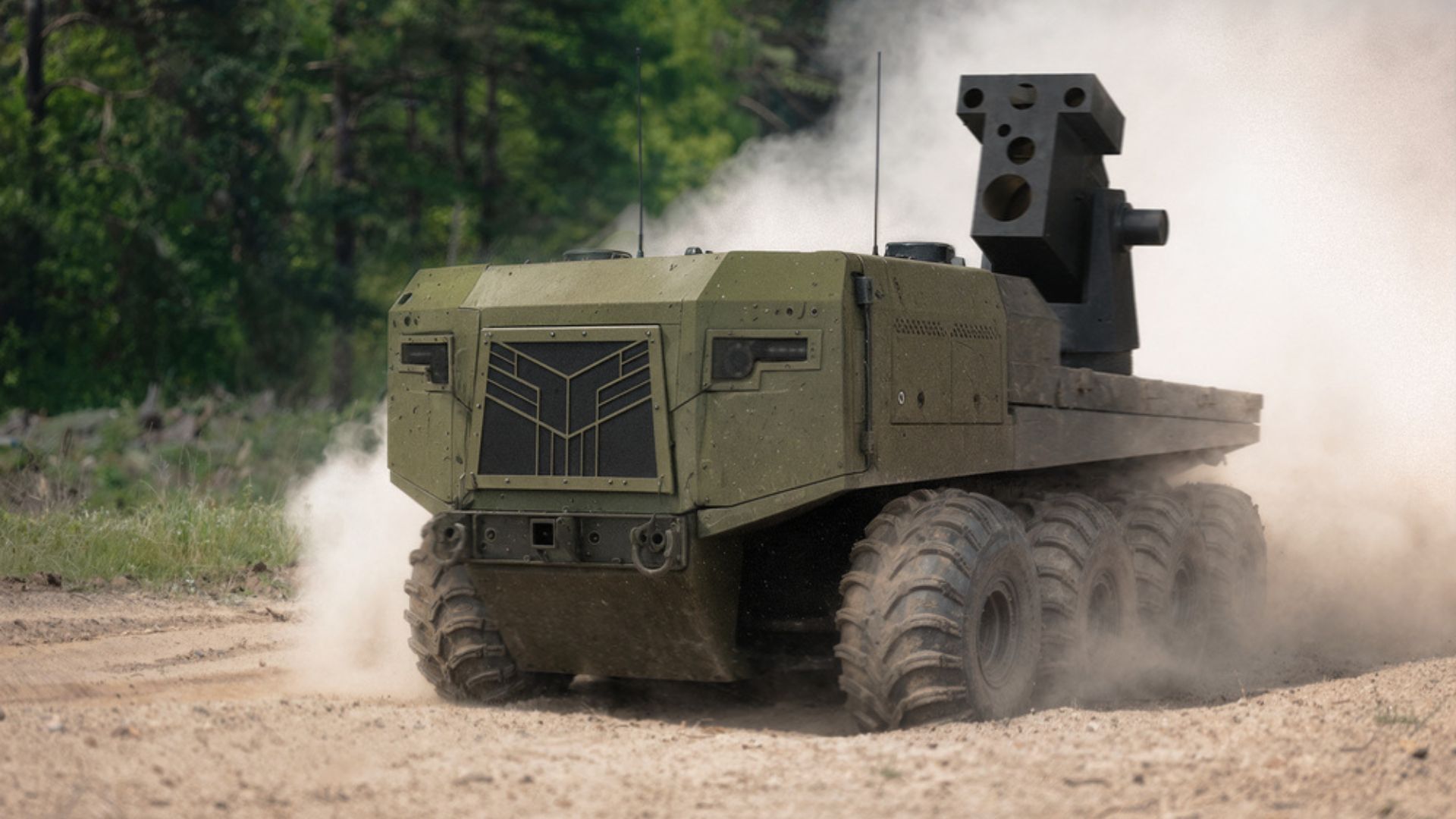
US robotic combat vehicles add directed-energy weapons to defeat multi-drone threats
Aurelius Systems has partnered with American Rheinmetall to integrate a directed-energy counter-drone system onto robotic...
Military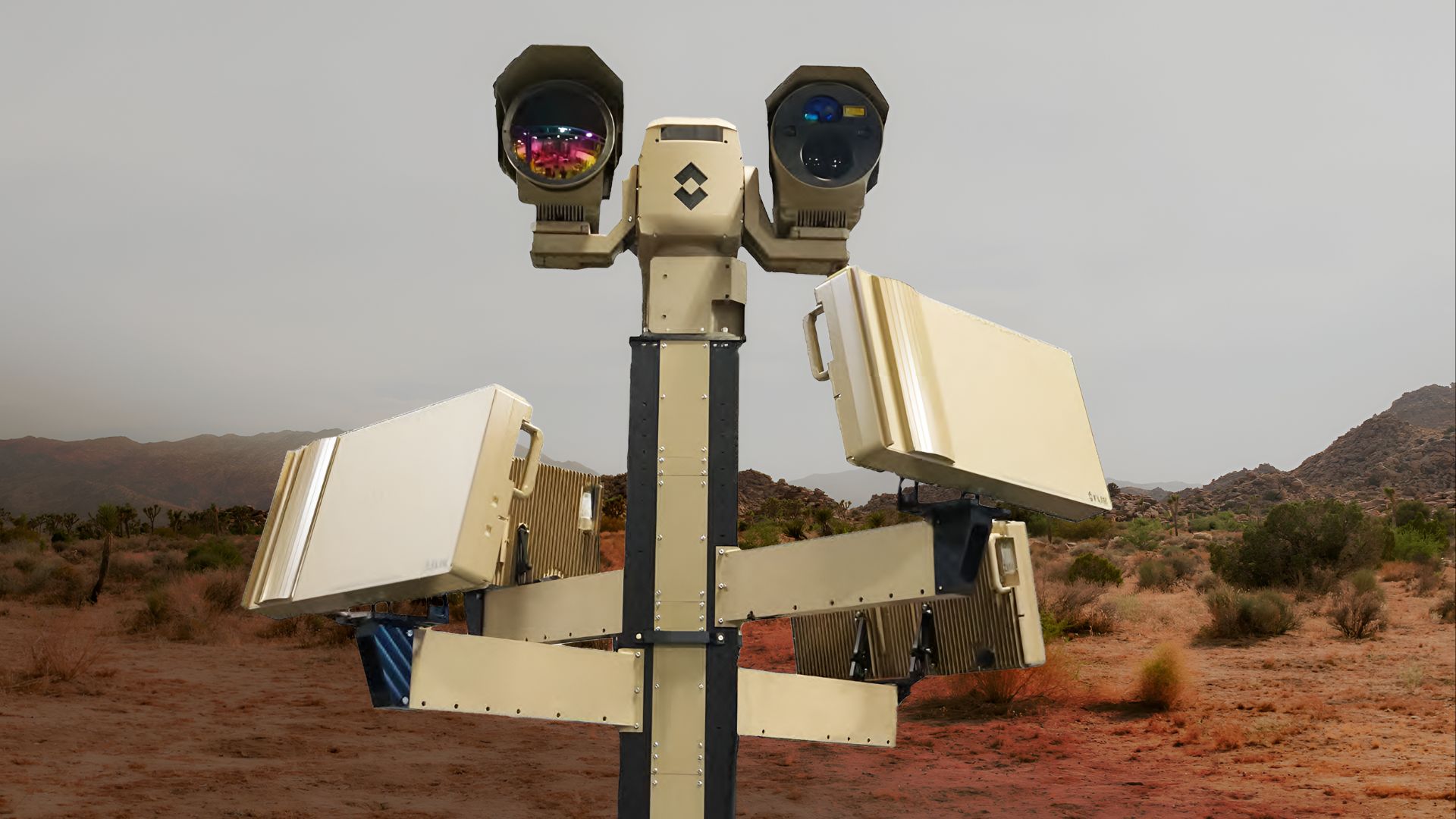
$80.5M US military deal expands Titan-MS system tracking 500+ drone threats at once
The U.S. military has selected the Titan-MS counter-drone system under an $80.5 million award to...
Military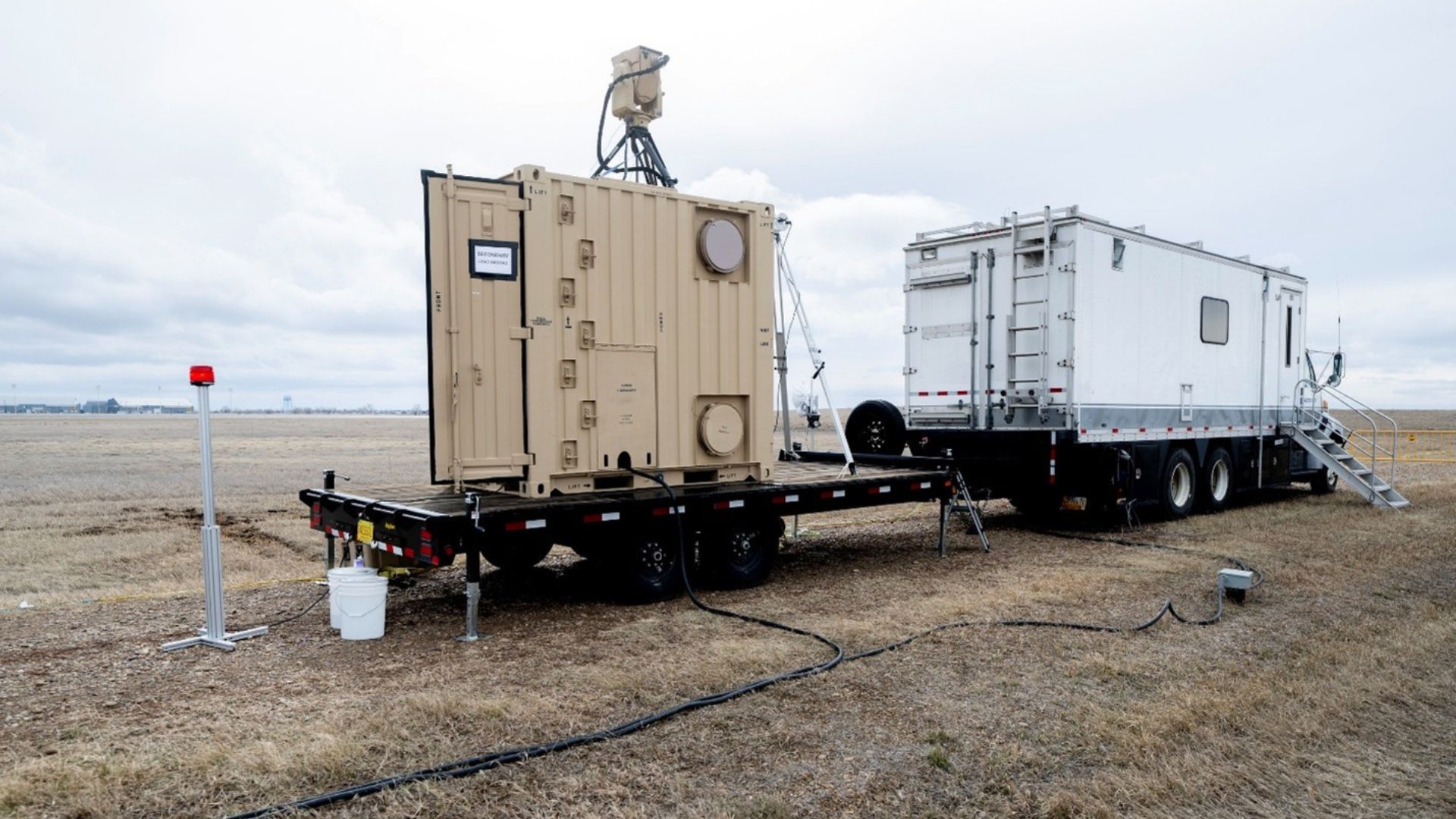
US Navy tests dual-use laser that beams power and counters drone threats in one system
The U.S. Naval Research Laboratory (NRL) has successfully demonstrated a groundbreaking laser system capable of transmitting data at unprecedented speeds. This innovative technology was showcased during a recent test conducted at the laboratory's facilities in Washington, D.C. The demonstration highlights the potential for advanced communication systems that could enhance naval operations and improve data transfer capabilities in various military applications. By utilizing laser technology, the NRL aims to address the growing demand for faster and more secure communication methods in an increasingly digital battlefield. The successful test marks a significant step forward in the development of high-speed data transmission solutions, paving the way for future advancements in military communications.
Military
From “Predictable Surprise” to Policy Priority: The Push for Faster Counter-Drone Deployment
A recent incident involving a thwarted drone attack aimed at a UFC event on the White House grounds has underscored the growing challenges posed by evolving drone threats in the United States. This disruption has reignited discussions among state, local, and tribal security officials regarding the urgency of enhancing counter-drone capabilities. As the frequency and sophistication of drone-related threats increase, there is a pressing need for more effective and rapid response strategies to ensure national security. The incident highlights the critical gap between the pace of technological advancements in drone capabilities and the current response measures in place, prompting calls for policy changes to prioritize faster deployment of counter-drone systems.
C-UAS DL Exclusive Drone News Drone News Feeds Drones in the News Feature 1
UK Ministry of Defence Awards £3.16m Contracts for Low-Cost Drone Interceptors
The UK Ministry of Defence has allocated £3.16 million in contracts to three British SMEs for the development and testing of new low-cost drone interceptors. This initiative aims to enhance the UK's capabilities in countering drone threats effectively and affordably. The significance of this funding lies in its potential to bolster national security by enabling rapid development of innovative solutions to address emerging aerial threats. By engaging SMEs, the MoD is fostering a competitive environment that encourages technological advancements in drone interception. Looking ahead, the success of these trials could lead to further investments in drone defense technologies. No further timeline was disclosed at the time of publication.
News
BAE Systems Finalizes BATS Counter-Drone Technology Testing in Eight Months
BAE Systems has successfully completed the integration and deployment testing of its Anti Threat System (BATS), a counter-drone technology developed by its Digital Intelligence division. This achievement marks a significant milestone in the development of advanced counter-drone solutions. The completion of BATS testing is crucial as it enhances BAE Systems' capabilities in addressing the growing threat posed by drones in various environments. The technology aims to provide effective countermeasures against potential drone-related risks, thereby ensuring safety and security in critical areas. Looking ahead, industry stakeholders will be keen to observe the deployment of BATS in real-world scenarios and its effectiveness in countering drone threats. No further timeline was disclosed at the time of publication.
News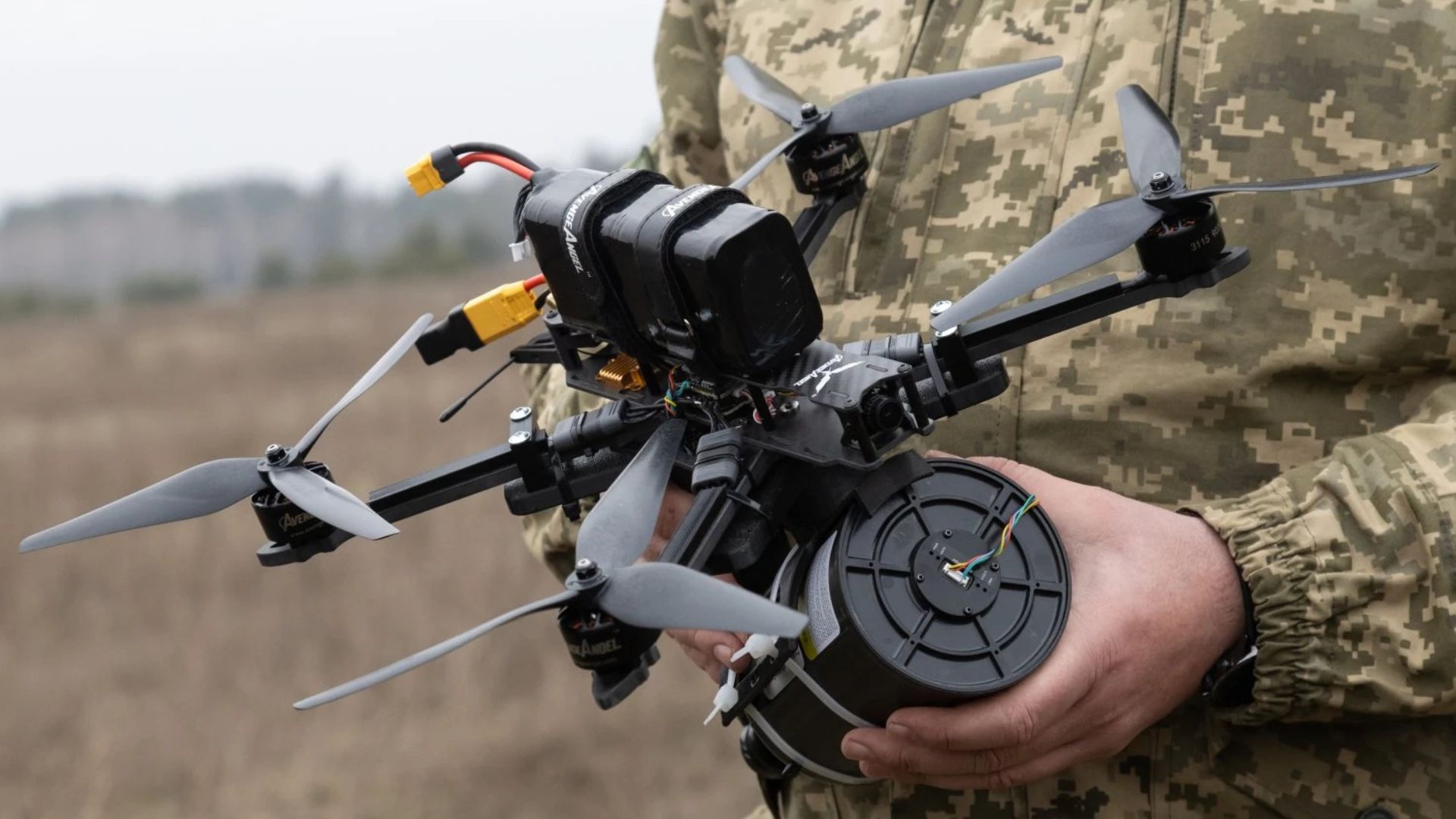
LiDAR expands counter-drone capabilities against fiber-optic-controlled aerial threats
Innoviz Technologies is enhancing its presence in the defense sector by partnering with Regulus, a specialist in counter-drone technology. This collaboration aims to leverage Innoviz's advanced LiDAR solutions to bolster Regulus's capabilities in detecting and neutralizing drone threats. The announcement was made on October 23, 2023, as both companies seek to address the growing concerns surrounding drone-related security challenges. By combining their expertise, Innoviz and Regulus intend to develop innovative solutions that enhance safety and security in various environments, including military and civilian applications. This strategic alliance reflects a broader trend in the defense industry, where companies are increasingly joining forces to tackle emerging threats in an evolving technological landscape.
Military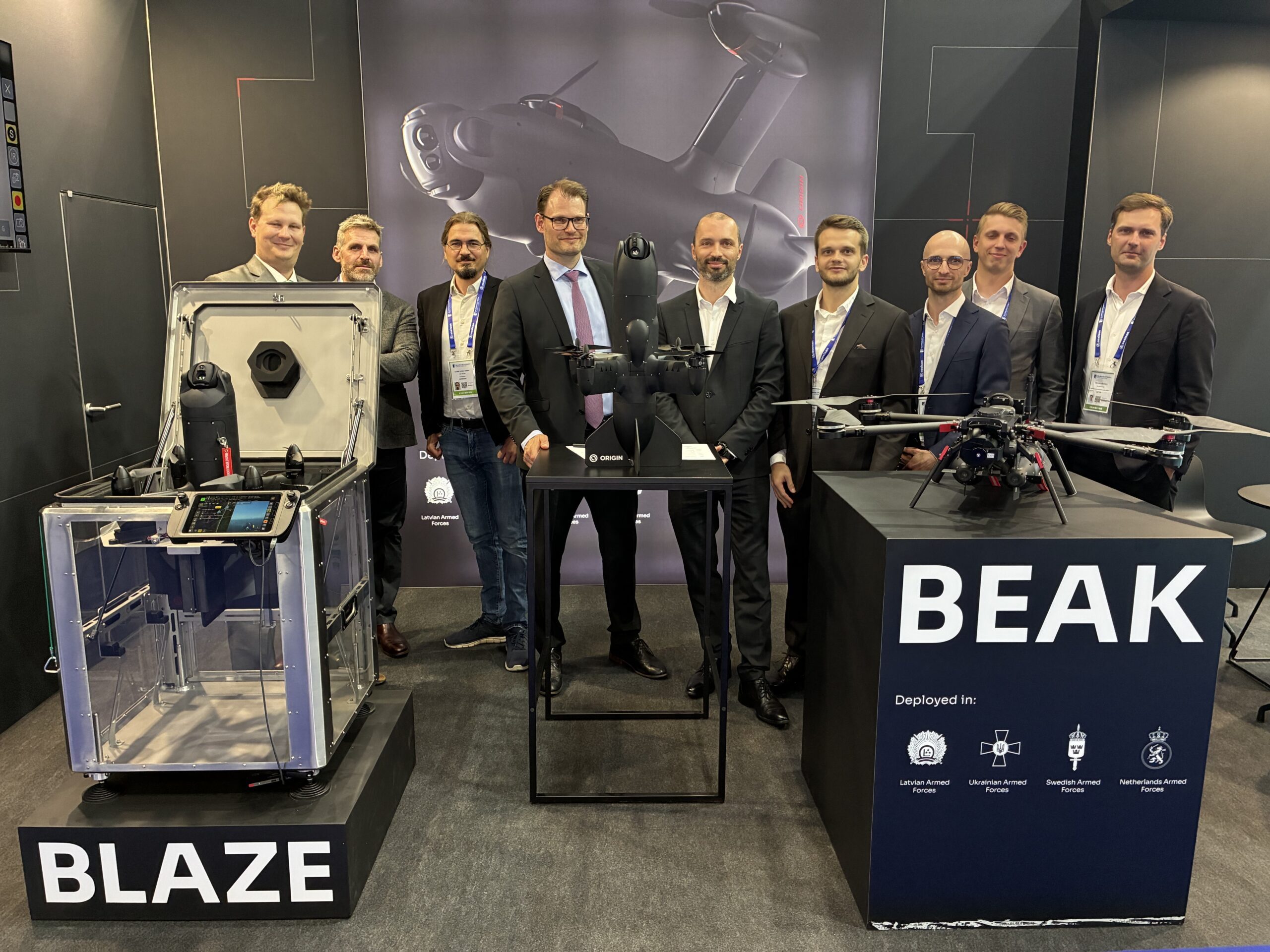
European Defense Firms Partner on Sensor-to-Interceptor Counter-Drone Network
European counter-drone companies Alpine Eagle and Origin Robotics have formed a partnership to develop an integrated counter-drone system. This collaboration, formalized through a memorandum of understanding, aims to combine Origin Robotics’ BLAZE interceptor with Alpine Eagle’s Sentinel architecture. The initiative seeks to enhance air defense capabilities by creating a unified network that incorporates detection, command-and-control, and interception technologies. This strategic alliance reflects the growing need for advanced solutions to counter drone threats in Europe.
Anti-drone technology Applications C-UAS Defense defense Drone News
L3Harris turns handheld radios into counter-drone jammers
L3Harris executives announced that the upcoming Wraith Shield software update will enhance drone defense capabilities by utilizing the existing antenna to detect and disrupt enemy drone control signals. This innovative technology aims to bolster security measures against potential drone threats. The update is expected to be implemented in the near future, although specific timing details have not been disclosed. By integrating advanced signal scanning and jamming functions, Wraith Shield seeks to provide a proactive solution to counteract the growing risks associated with unauthorized drone operations.
Air Warfare Land Warfare Networks & Digital Warfare Air Force Army artificial intelligence AI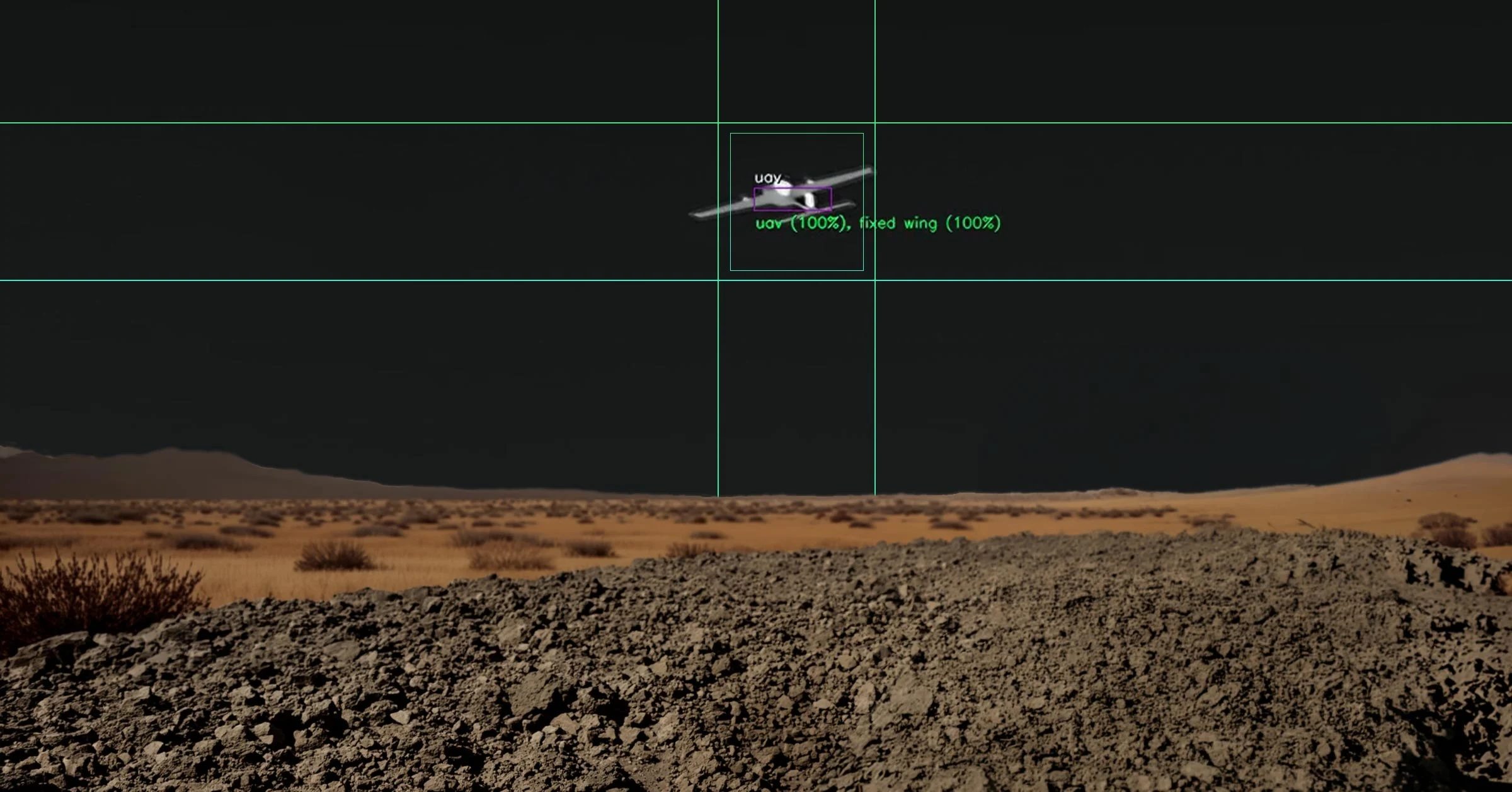
Teledyne FLIR OEM Launches Prism Software to Detect Small Drones at Longer Range
Teledyne FLIR OEM, a division of Teledyne Technologies Incorporated, has introduced a new software solution called Prism C-UAS aimed at enhancing the detection and tracking of small, difficult-to-detect drones. Announced recently, this innovative software is designed to integrate seamlessly with existing systems, allowing for earlier identification of potential drone threats and enabling quicker response times. The launch of Prism reflects the growing need for advanced drone detection capabilities in various sectors, as the prevalence of small drones continues to rise. By improving the range and effectiveness of drone monitoring, Teledyne FLIR aims to bolster security measures and mitigate risks associated with unauthorized drone activity.
Anti-drone technology Applications C-UAS Defense Drone News Drone News Feeds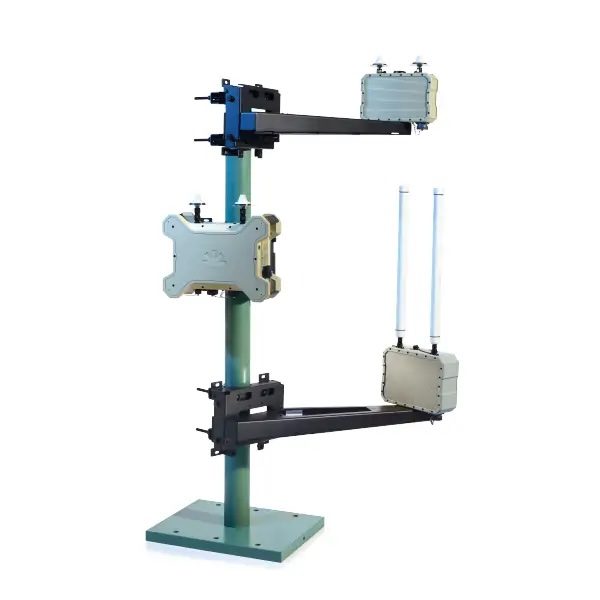
Sentrycs Lands Major Counter-Drone Contracts Across World Cup Cities
Sentrycs has secured significant contracts to implement its counter-drone systems across cities hosting the World Cup in the U.S., Mexico, and Canada. This initiative is part of broader efforts to enhance security protocols against potential drone threats, particularly during high-profile events and near critical infrastructure. The deployment of these systems aims to mitigate risks posed by drones operated either recklessly or with malicious intent. The timing of this rollout aligns with the upcoming World Cup, emphasizing the importance of safeguarding public safety during large gatherings. Sentrycs plans to integrate advanced technology to monitor and neutralize unauthorized drone activity effectively.
C-UAS DL Exclusive Drone News Drone News Feeds News airspace security
Finland launches counter-drone patrol boats and vehicle project
The Finnish Border Guard has initiated a new project aimed at enhancing its capabilities to counter drone threats through the development of specialized patrol vehicles and boats. This initiative reflects the growing concern over the use of drones in various security contexts, prompting the Border Guard to bolster its operational readiness. The project, which commenced recently, is part of a broader strategy to ensure national security and protect Finland's borders from potential aerial intrusions. By integrating advanced technology into their patrol units, the Border Guard aims to effectively monitor and respond to drone activities, thereby safeguarding the integrity of the nation's airspace.
News
Australia tests backpack-sized counter-drone system deployable in under two minutes
Australia is intensifying its initiatives to safeguard frontline troops against the increasing risks posed by small drones. This move comes in response to the rising use of unmanned aerial vehicles in modern warfare, which have become a significant concern for military operations. The Australian Defence Force (ADF) is prioritizing the development and deployment of advanced counter-drone technologies to enhance the safety and effectiveness of its personnel in the field. In recent months, military officials have conducted assessments and trials to identify the most effective strategies for neutralizing drone threats. These efforts are part of a broader strategy to adapt to evolving combat scenarios, ensuring that Australian forces remain well-equipped to handle emerging challenges. The urgency of this initiative is underscored by the increasing frequency of drone-related incidents in conflict zones worldwide, prompting a reevaluation of existing defense protocols. As part of this initiative, the ADF is collaborating with technology firms and defense experts to innovate solutions that can detect, track, and neutralize hostile drones. The aim is to implement these technologies in various operational settings, thereby reinforcing the protection of troops during missions. This proactive approach reflects Australia’s commitment to maintaining a robust defense posture in the face of evolving threats in the global security landscape.
Military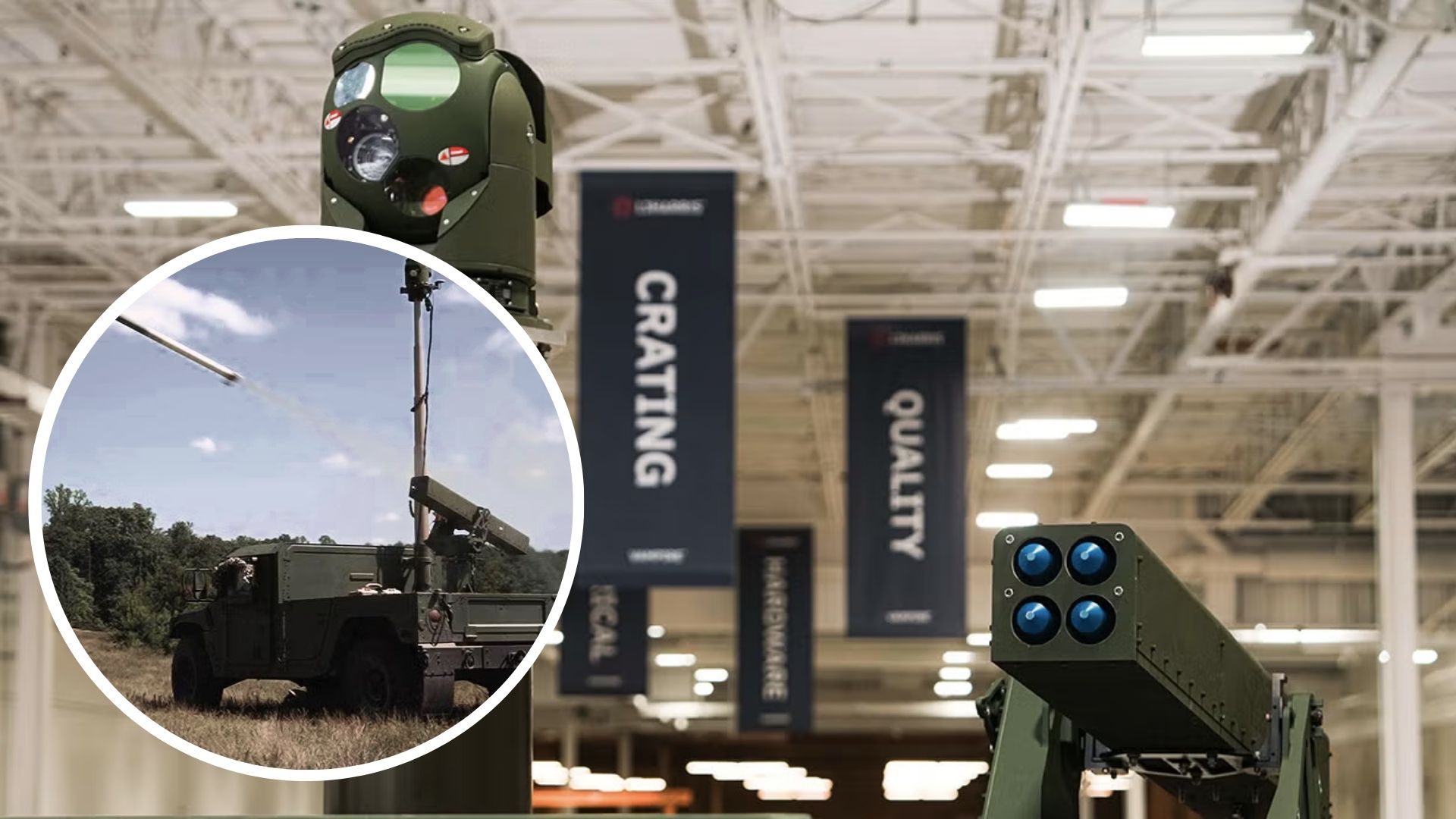
US Army to deploy VAMPIRE drone hunter with proven 350,000 hours of battlefield use
A new counter-drone system is being developed to bolster the defense capabilities of the United States against increasing drone threats. This initiative comes in response to the growing concerns over the use of unmanned aerial vehicles by adversaries, which have been employed in various conflicts and security breaches. The system is expected to be deployed in military bases and critical infrastructure locations across the country, enhancing the protection of both personnel and assets. The U.S. Department of Defense is spearheading this project, collaborating with leading technology firms to integrate advanced detection and neutralization technologies. The system aims to identify and intercept hostile drones before they can cause harm. Testing of the new technology is scheduled to begin in early 2024, with full operational capability anticipated by the end of the year. This proactive measure reflects the U.S. military's commitment to adapting to modern warfare challenges and ensuring national security. As drone technology continues to evolve, the implementation of this counter-drone system is seen as a crucial step in maintaining strategic advantages and safeguarding against potential threats.
Military
ACS Raises $200M in Series B Funding to Expand ‘Bullfrog’ Autonomous Counter-Drone System
Allen Control Systems has successfully secured $200 million in a Series B funding round aimed at enhancing the production of its autonomous counter-drone weapons systems, which are intended for the U.S. military and its allied nations. The funding round was spearheaded by Smash Capital, with contributions from existing investors such as Craft Ventures, Rally Ventures, and Inspired Capital. This financial boost will enable the company to scale its operations and meet the growing demand for advanced defense technologies in response to increasing drone threats.
AI AI Funding & Investment Robotics ACS Allen Control Systems autonomous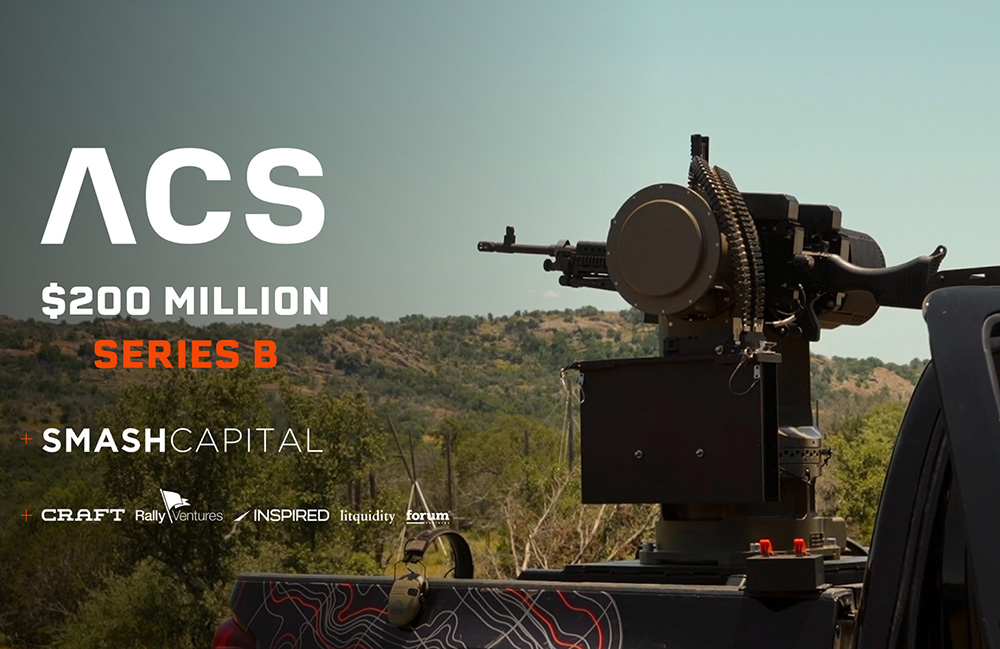
ACS raises $200M to scale autonomous counter-drone system
Allen Control Systems has secured $200 million in funding to enhance the manufacturing capabilities and expedite the deployment of its autonomous weapon station, known as Bullfrog. This significant investment aims to bolster the company's efforts in developing advanced counter-drone technology, responding to the increasing demand for effective security solutions in various sectors. The funding will facilitate the scaling of production processes, allowing for a quicker rollout of the Bullfrog system, which is designed to autonomously detect and neutralize drone threats. This initiative underscores the growing importance of autonomous systems in modern defense strategies.
Artificial Intelligence Defense / Security Financial Investments Markets / Industries News
US approves possible $1.98bn counter-drone systems sale to Kuwait
The US Department of State has given the green light for a potential Foreign Military Sale to Kuwait, focusing on counter-uncrewed aerial systems (C-UAS) platforms. This decision, announced recently, aims to enhance Kuwait's defense capabilities amid growing concerns over aerial threats. The sale underscores the United States' commitment to supporting its allies in the region and addressing emerging security challenges. The approval reflects ongoing efforts to bolster military cooperation between the two nations, ensuring Kuwait is equipped to effectively counter potential drone threats. The specifics of the sale, including the value and number of systems involved, have not been disclosed, but it marks a significant step in strengthening Kuwait's defense infrastructure.
News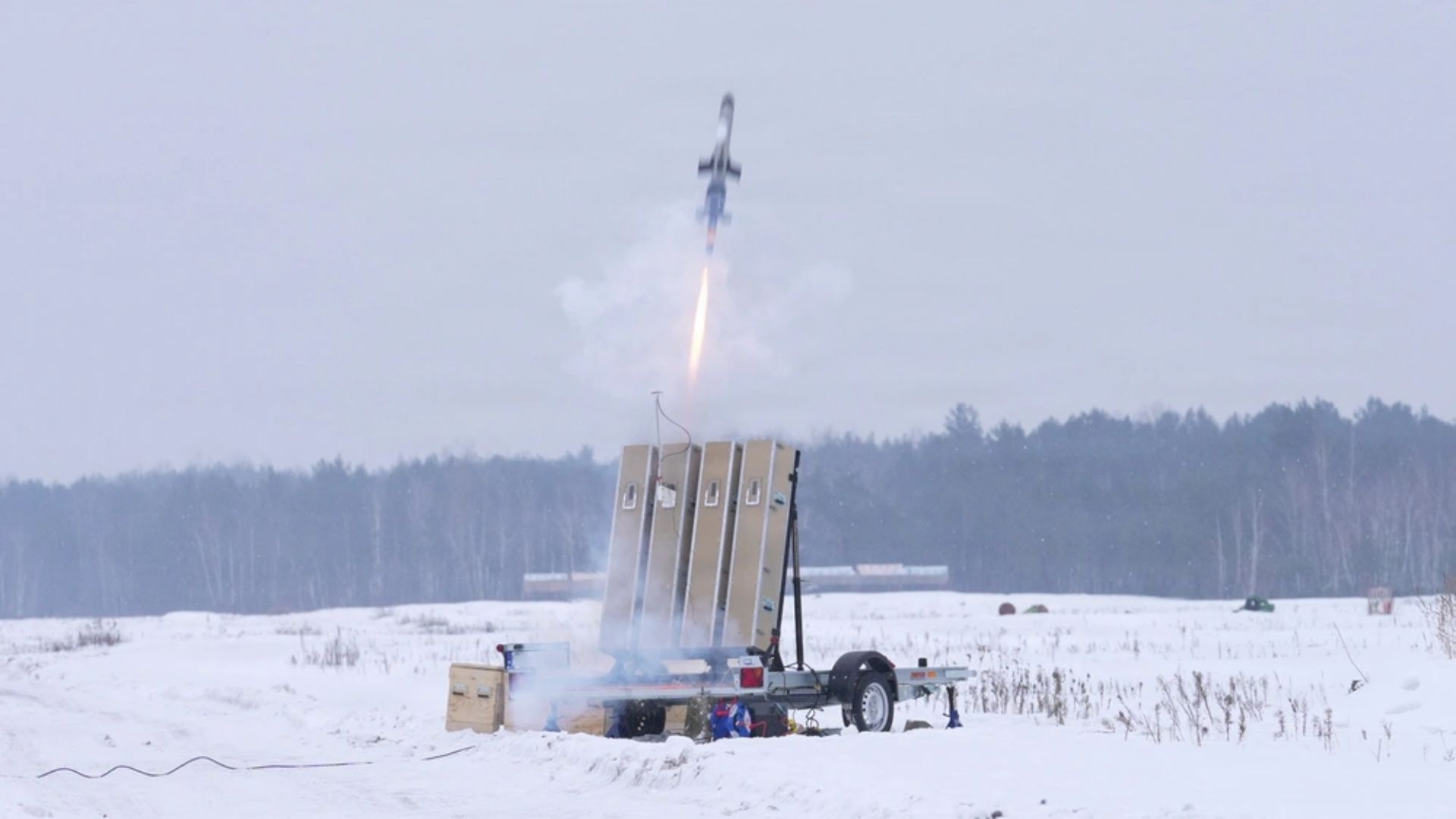
US Army tests low-cost drone-killing interceptor that can be redirected after launch
The U.S. Army's 52nd Air Defense Artillery Brigade has initiated testing of a new interceptor designed to target and eliminate drones. This development comes as military officials seek to enhance air defense capabilities amid increasing concerns over drone threats. The tests are taking place at a designated military facility, where the brigade is evaluating the effectiveness and reliability of the interceptor system. The initiative aims to address the growing prevalence of unmanned aerial vehicles in both civilian and military contexts, highlighting the need for advanced countermeasures. The Army's efforts reflect a strategic response to evolving aerial threats, ensuring that defense systems remain robust and effective in safeguarding airspace.
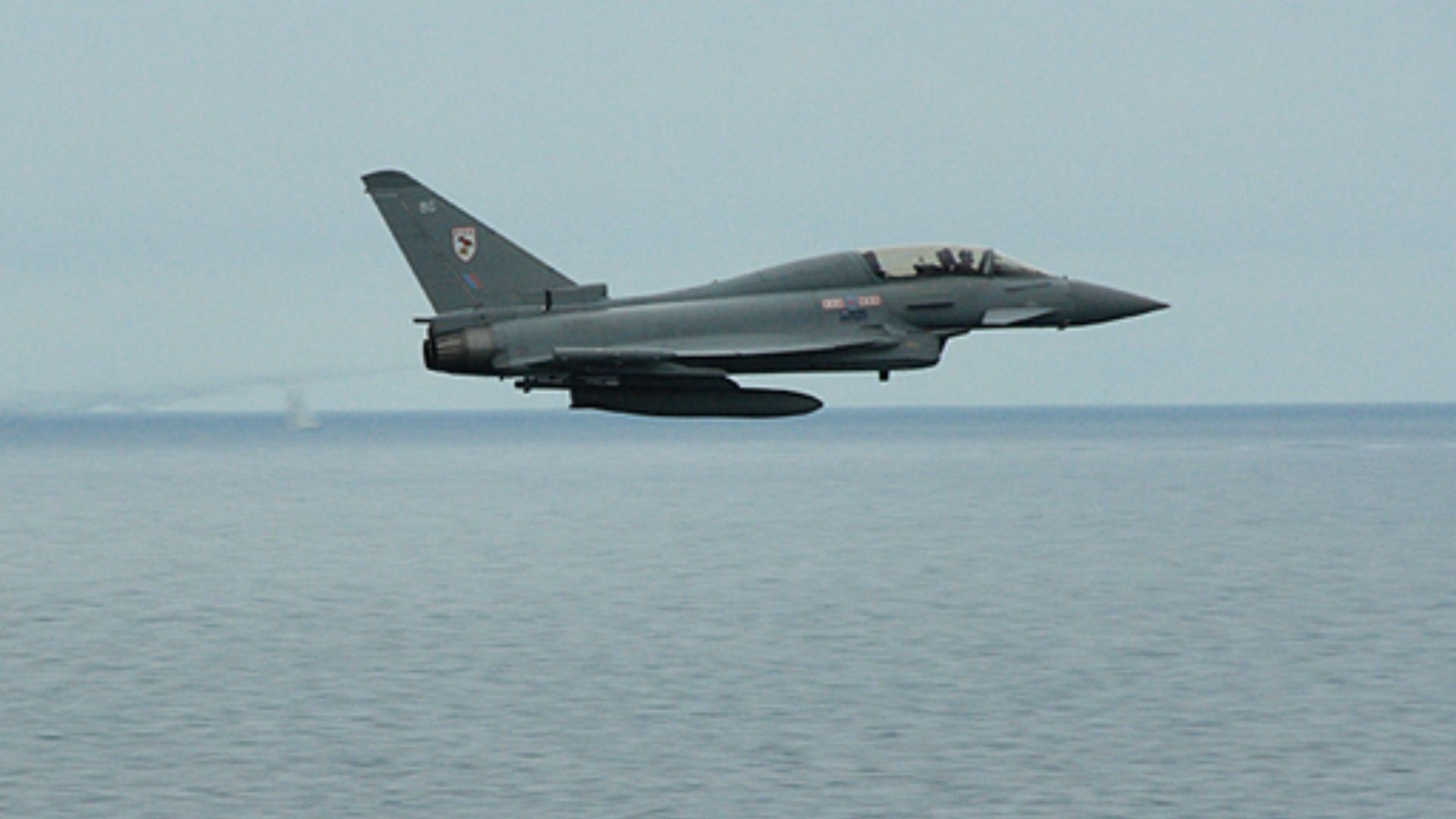
UK military deploys low-cost laser-guided rockets to destroy drones with precision defense
The Royal Air Force (RAF) has initiated the deployment of a cost-effective laser-guided counter-drone weapon system on its Eurofighter Typhoon aircraft. This move comes as part of the RAF's ongoing efforts to enhance its capabilities in addressing the growing threat posed by unmanned aerial vehicles (UAVs). The deployment began in October 2023, as the military seeks to bolster its defense strategies amid increasing concerns over drone-related security risks. By integrating this advanced technology into its fleet, the RAF aims to improve its operational effectiveness in neutralizing potential drone threats, ensuring the safety of airspace and ground operations. The laser-guided system is designed to provide precision targeting, allowing for effective engagement of hostile drones while minimizing collateral damage.

UAE shields energy infrastructure with ‘cope cages’ amid rising drone attacks
In a significant effort to enhance its defense capabilities amid rising drone threats, the United Arab Emirates has announced plans to invest heavily in advanced military technology. This initiative, revealed on October 15, 2023, aims to strengthen national security and protect critical infrastructure from potential aerial attacks. The UAE's defense ministry highlighted the urgency of this move, citing an increase in drone-related incidents in the region as a primary motivator. The investment will focus on developing cutting-edge surveillance systems and counter-drone technologies, which are expected to be integrated into existing military frameworks. By collaborating with international defense contractors and technology firms, the UAE seeks to accelerate the deployment of these advanced systems. This strategic approach not only addresses immediate security concerns but also positions the UAE as a leader in regional defense innovation. As tensions in the Middle East continue to rise, the UAE's proactive stance reflects a broader trend among nations to adapt to evolving threats in modern warfare. The government aims to ensure the safety of its citizens and maintain stability in the region through these enhanced defense measures.
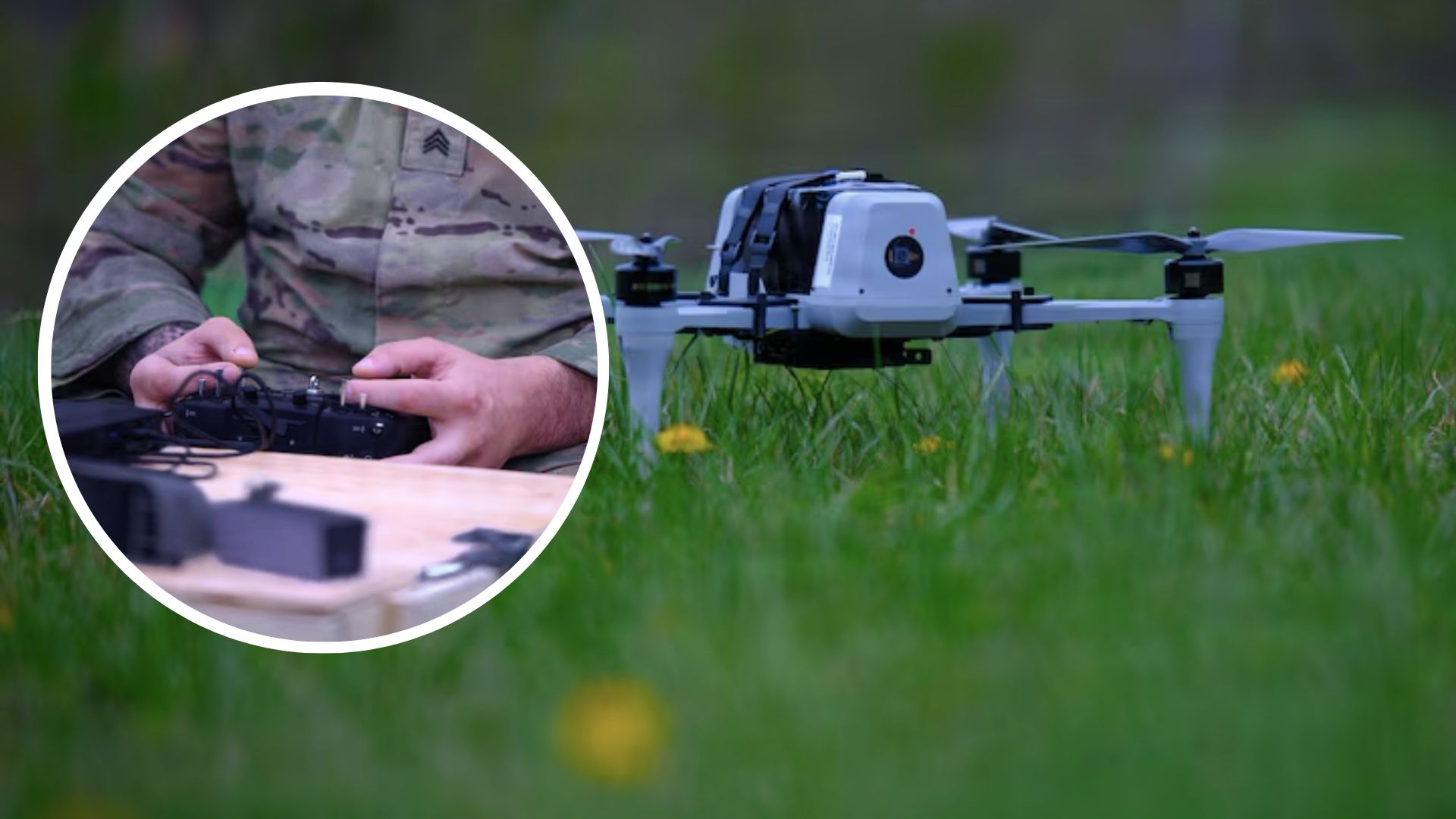
US Army showcases counter-drone system that intercepts hostile UAVs with limited operator input
The U.S. Army is currently engaged in training exercises focused on an advanced counter-drone system, with soldiers from the 10th Mountain Division participating in the initiative. This training, which is taking place at Fort Drum in New York, aims to enhance the Army's capabilities in neutralizing drone threats, a growing concern in modern warfare. The initiative comes in response to the increasing use of drones by adversaries, highlighting the need for effective countermeasures to protect troops and assets. Soldiers are being equipped with new technology and tactics to identify and disable hostile drones, ensuring they are prepared for potential future conflicts where such threats may be prevalent. The training is part of a broader effort to modernize military operations and maintain a strategic advantage in the evolving landscape of warfare.
L3Harris, Turkish firm Skydagger to establish US co-production of FPV interceptors
L3Harris has announced a significant advancement in its counter-unmanned aerial systems (c-UAS) capabilities by integrating a small interceptor drone into its Vampire platform. This development marks the first time the Vampire system will feature this technology, enhancing its operational effectiveness against potential aerial threats. The integration aims to bolster defense measures in various environments, reflecting L3Harris's commitment to innovation in military and security applications. The deal underscores the growing need for advanced solutions in countering drone threats, as the use of unmanned aerial vehicles continues to rise globally.
Air Warfare Global Land Warfare Air Force Army Business & Industry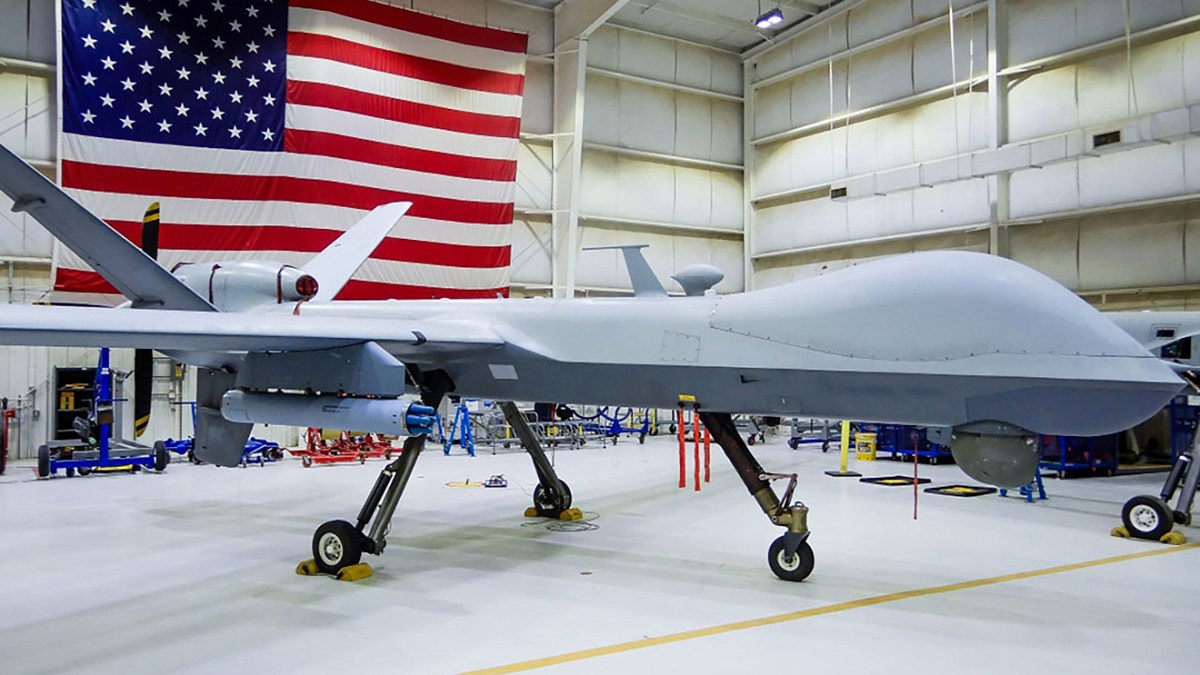
MQ-9 Reaper Fires Laser-Guided Rockets In Tests
The MQ-9 Reaper drone has successfully conducted tests firing Advanced Precision Kill Weapon System (APKWS) rockets at both air and ground targets. This development comes amid a growing demand for cost-effective solutions to counter drone threats. The tests highlight the increasing versatility of the MQ-9 in modern warfare, showcasing its capability to engage various targets with precision. The successful demonstration of these laser-guided rockets marks a significant step in enhancing the drone's operational effectiveness and meeting the evolving needs of military operations.
Air Air Force Munitions Air-To-Ground Drones Laser Guided Rockets News & Features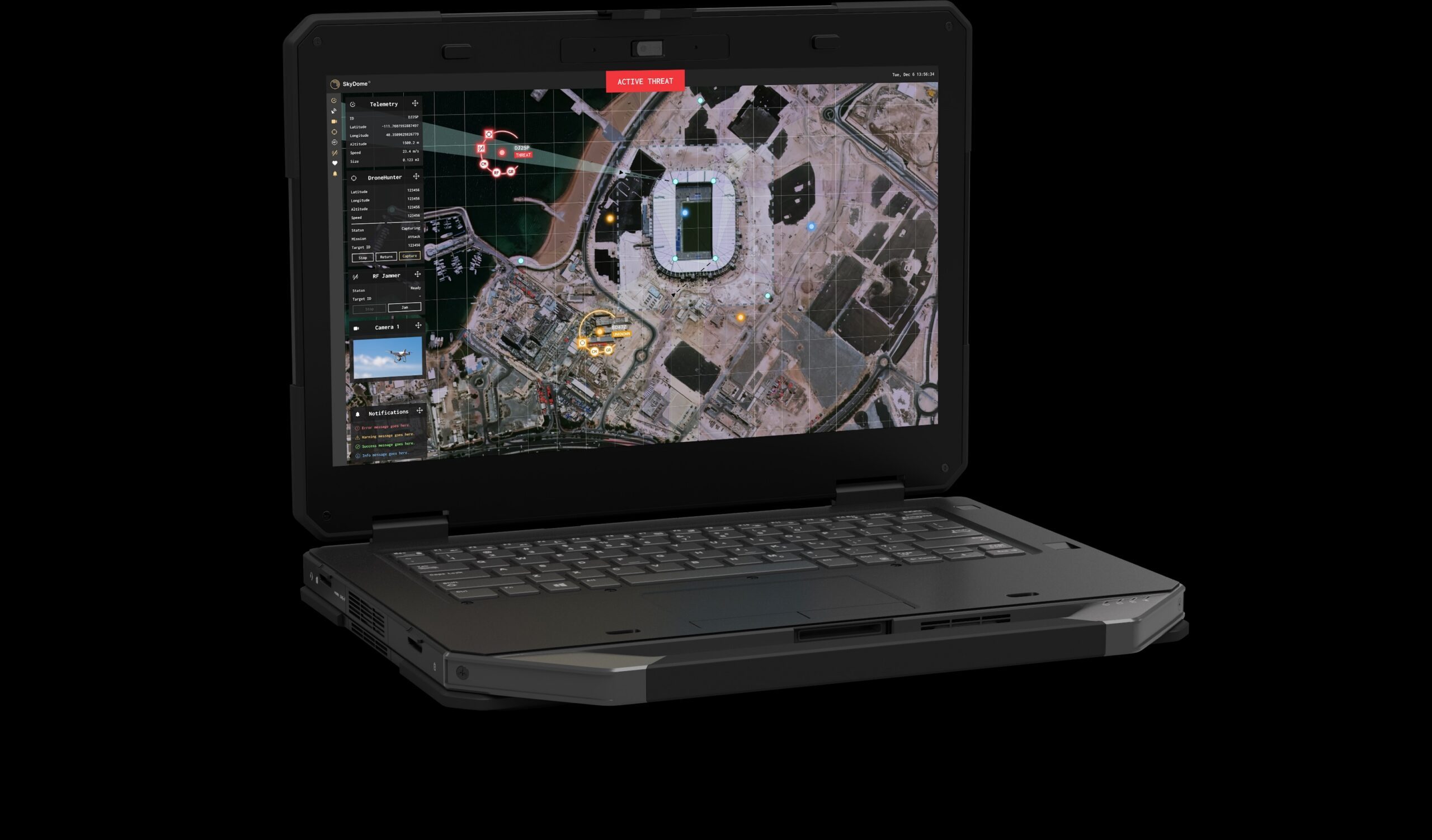
“Much Bigger Than Stadiums”: Fortem CEO Raises Concerns Over U.S. Counter-UAS Gaps
Fortem Technologies CEO has expressed concerns regarding the inadequacy of current counter-unmanned aerial systems (UAS) protections in the United States. Speaking during a series of reports focused on enhancing counter-UAS protocols, the CEO highlighted the need for stronger measures to safeguard high-profile events, such as the FIFA World Cup, as well as critical infrastructure from potential drone threats. The remarks come amid ongoing discussions about improving security measures to address vulnerabilities that extend beyond just sporting venues. The call for action emphasizes the importance of developing comprehensive strategies to mitigate risks associated with drone usage in various contexts across the nation.
Anti-drone technology Applications C-UAS Defense Drone News Drone News Feeds
Lawmakers Urge Expanded National Guard Role for Drone Security at 2026 FIFA World Cup
U.S. lawmakers are advocating for a more robust federal strategy to enhance drone security in preparation for the 2026 FIFA World Cup. In a letter dated April 28, Representatives Michael McCaul and Eli Crane called on federal agencies to bolster the capabilities of the National Guard in counter-unmanned aerial system (UAS) operations. This initiative aims to ensure the safety and security of host cities across the United States as they prepare to welcome international visitors for the prestigious tournament. The lawmakers emphasize the importance of a unified approach to address potential drone-related threats during the event, highlighting the need for coordinated efforts among various federal entities.
Anti-drone technology C-UAS Drone News Drone News Feeds drone security Feature 1
DHS Secretary: U.S. Still Building Counter-Drone Defenses for World Cup
In a recent statement, DHS Secretary Alejandro Mayorkas acknowledged that federal efforts to enhance counter-drone defenses are still lagging behind, particularly in preparation for high-profile events such as the upcoming World Cup. This admission highlights ongoing concerns regarding the potential threats posed by drones, especially in relation to critical infrastructure and large gatherings. The Department of Homeland Security is actively working to establish new protocols aimed at mitigating these risks, but Mayorkas emphasized that more progress is needed to ensure adequate protection. The urgency of these measures reflects the increasing prevalence of drone usage and the need for effective strategies to safeguard public safety during major events.
Anti-drone technology Applications C-UAS Defense DHS Drone News
Military Selects First Bases for Directed-Energy Counter-Drone Program
The U.S. Department of Defense has unveiled the first five military installations chosen to participate in a directed-energy counter-drone program aimed at enhancing defenses against unmanned aircraft systems (UAS). This initiative, announced by the Joint Interagency Task Force 401, seeks to bolster national security by developing advanced drone defense technologies. The selected bases will play a crucial role in testing and implementing these systems, reflecting the growing need to address the evolving threats posed by drones. The program underscores the military's commitment to adapting to modern warfare challenges and ensuring effective countermeasures against potential aerial threats.
Anti-drone technology Applications C-UAS Defense defense Drone News
FAA Grants Approval for Drone Amplified's MONTIS Avalanche Control System
The Federal Aviation Administration (FAA) has approved Drone Amplified's MONTIS drone system for avalanche control, paving the way for its use by transportation agencies and ski resorts. This approval allows operators to deploy explosive charges remotely, enhancing safety by keeping personnel away from hazardous areas while still effectively managing avalanche risks. The significance of this approval lies in its potential to improve avalanche mitigation strategies. The MONTIS system offers an alternative to traditional methods such as helicopters and ground teams, providing flexibility in operations, especially in challenging weather conditions. This innovation aims to protect communities and maintain critical transportation routes during winter. Looking ahead, the integration of the MONTIS system into existing avalanche control programs could lead to safer operations in mountain communities and ski areas. While it will not replace traditional methods, it offers a valuable tool for agencies to enhance their response to avalanche threats. No further timeline was disclosed at the time of publication.
News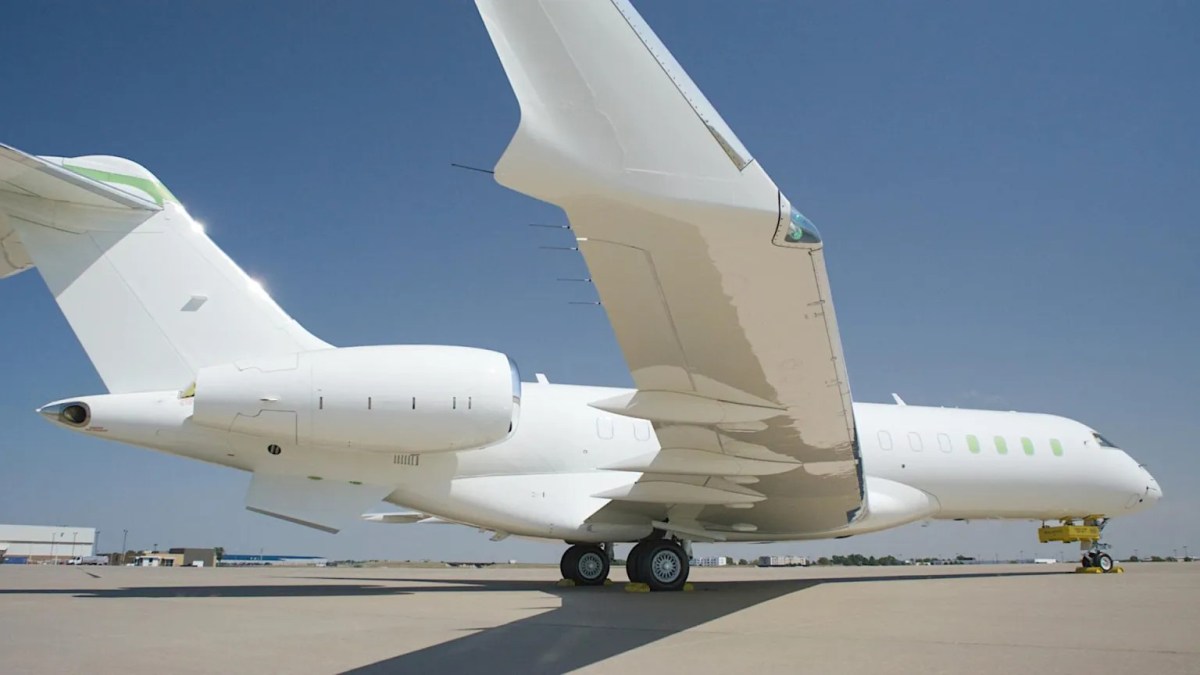
U.S. Army to Establish HADES Aircraft and Drone Battalion at Fort Hood
The U.S. Army has announced that its future fleet of ME-11B High Accuracy Detection and Exploitation System (HADES) aircraft will be stationed at Fort Hood, Texas. This initiative includes the formation of a unique operational drone battalion, aimed at consolidating aerial intelligence, surveillance, and reconnaissance (ISR) assets following the retirement of turboprop ISR planes last year. This development is significant as it marks a pivotal step in modernizing the Army's global aerial ISR capabilities. The relocation of the 116th Military Intelligence Brigade from Fort Gordon to Fort Hood is part of this strategy, enhancing the Army's ability to conduct multi-domain and large-scale combat operations. The ME-11B jets, converted from Bombardier Global 6500 business jets, are expected to improve operational efficiency with higher speed, altitude, and advanced sensor capabilities. Looking ahead, the Army anticipates the delivery of the first ME-11B prototype by the end of the year, with plans to acquire at least six production models. The HADES system is designed to extend the Army's intelligence-gathering reach significantly, utilizing long-range drones to enhance operational effectiveness while minimizing exposure to threats. No further timeline was disclosed at the time of publication.
Air Armies Drones Land Manned ISR News & Features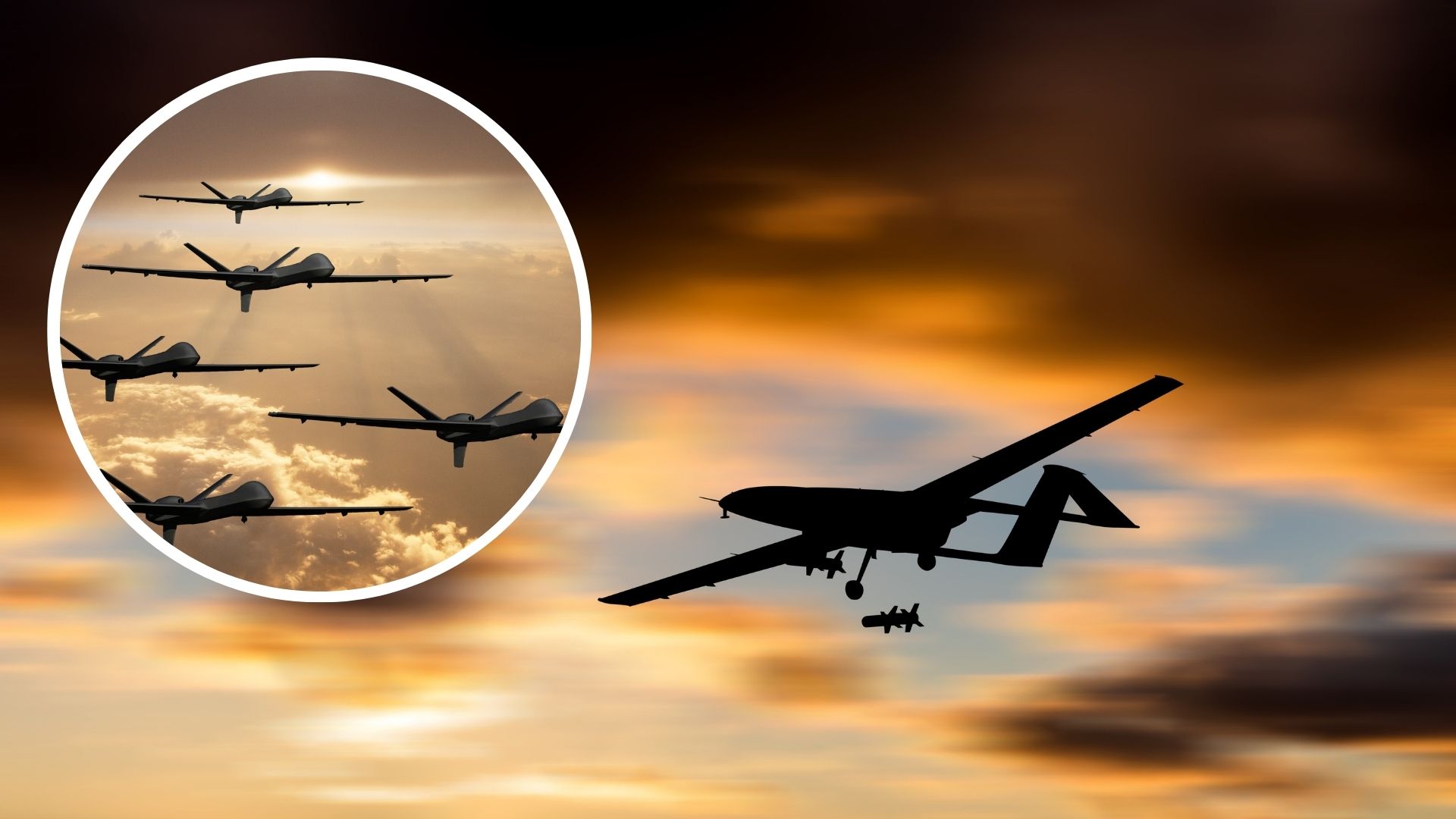
Quantum Systems Group's Apex Recordhunter Drone Achieves 434 mph Speed Milestone
Quantum Systems Group, a German aerospace firm, has announced that its Apex Recordhunter experimental drone reached a remarkable speed of 434 miles per hour. This achievement, pending formal certification, could set a new world record for battery-powered unmanned aerial vehicles. The project emphasizes advancements in electric propulsion and aerodynamics, aiming to enhance military applications for future interceptor drones. The significance of this milestone lies in its potential to reshape aerial defense systems. As military conflicts increasingly utilize high-speed drones, the demand for agile interceptor systems has surged. Traditional surface-to-air missiles are often too expensive for engaging low-cost drones, prompting the development of dedicated UAVs that can effectively counter these threats. The technologies validated through the Apex Recordhunter program are expected to play a crucial role in the next generation of interceptor drones. Looking ahead, Quantum Systems Group plans to conduct further speed trials focused on operational military roles, including FPV platforms and specialized anti-aircraft interceptors. The rapid evolution of drone warfare necessitates breakthroughs in speed and maneuverability, making the Apex Recordhunter a pivotal testbed for future technologies. No further timeline was disclosed at the time of publication.
Military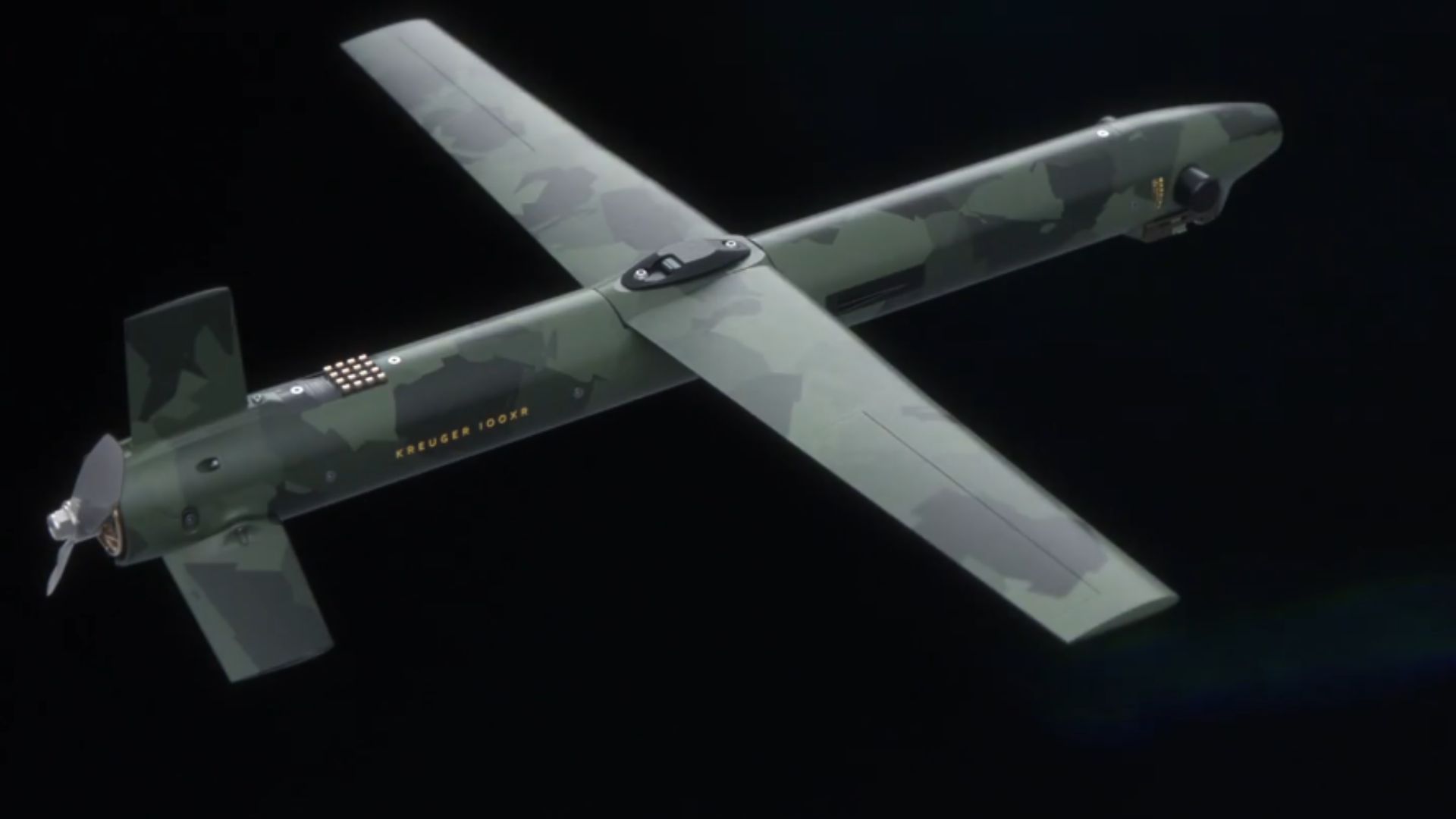
New ‘intelligent’ interceptor drone can chase enemy threats with 219-mph speed
A startup based in Sweden has introduced an innovative interceptor drone designed to enhance defense capabilities. The drone, characterized as 'intelligent,' aims to provide effective solutions for various security challenges. This unveiling took place recently, showcasing the startup's commitment to advancing aerial technology in the defense sector. The development comes in response to increasing global security concerns, highlighting the need for advanced surveillance and interception methods. The drone employs cutting-edge technology to autonomously identify and neutralize potential threats, marking a significant step forward in unmanned aerial systems. This initiative reflects the growing trend of utilizing advanced robotics and artificial intelligence in military applications, positioning the startup as a key player in the evolving landscape of defense technology.
Military
CIA Reports AI Drones Reduce Russian Soldiers' Battlefield Survival to 30 Minutes
CIA Director John Ratcliffe revealed that Russian soldiers face a grim average survival time of just 20 to 30 minutes on the battlefield. This alarming statistic is attributed to the effectiveness of Ukraine's artificial intelligence attack drones. The implications of this development are significant, as it highlights the transformative impact of AI technology in modern warfare. The ability of these drones to swiftly neutralize threats poses a serious challenge to Russian military operations and strategy. Looking ahead, the ongoing advancements in AI drone technology will be crucial to monitor. The evolving capabilities of these systems may continue to shape the dynamics of battlefield engagements and influence military tactics on both sides.

France Validates C-UAS Package for Rafale Fighters to Target Shahed-Type Drones
France has confirmed the validation of a Counter-Unmanned Aerial System (C-UAS) package for its Rafale fighters. This package enables the aircraft to engage Shahed-type attack drones using 68mm rockets, enhancing their operational capabilities in drone warfare. The implementation of this C-UAS package is significant as it addresses the growing threat posed by drones in modern combat scenarios. By equipping Rafale fighters with the ability to target these unmanned aerial vehicles, France aims to bolster its defense strategy and ensure air superiority against emerging aerial threats. Looking ahead, the focus will be on the operational deployment of this C-UAS capability within the French Air Force. No further timeline was disclosed at the time of publication.
News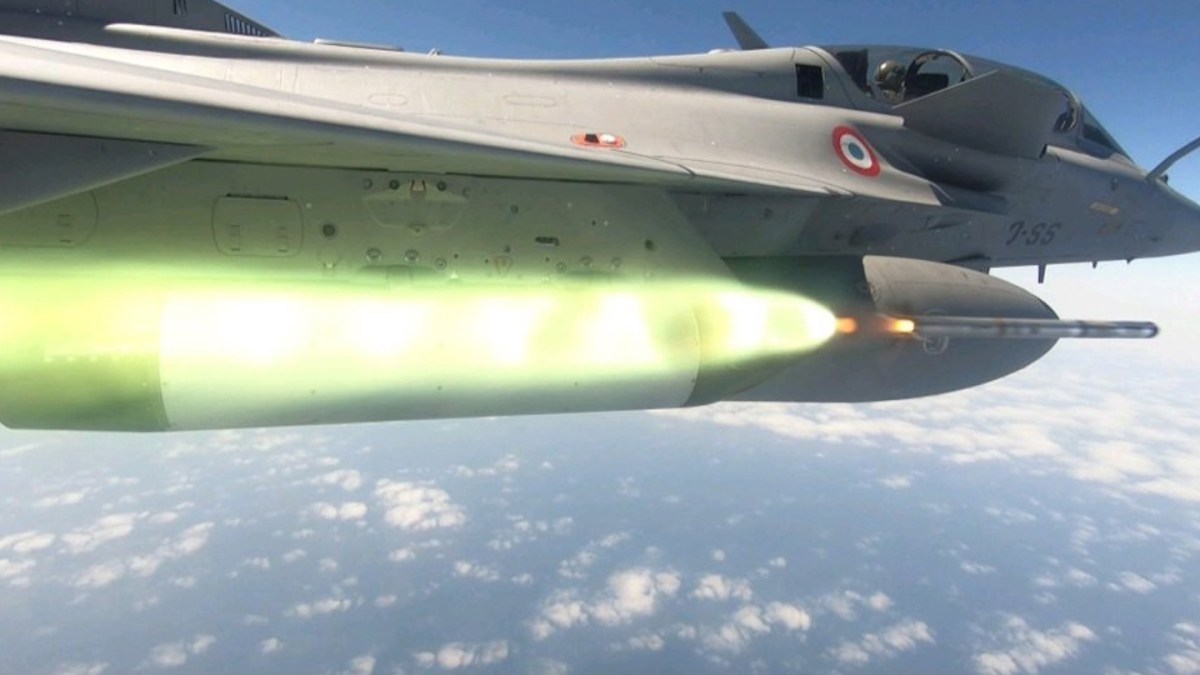
France's Rafale Fighter Integrates Affordable Laser-Guided Rockets for Anti-Drone Operations
France has successfully conducted live-fire tests of 68mm laser-guided rockets from its Rafale fighter, enhancing its anti-drone capabilities. This development follows a trend among air forces to adopt cost-effective solutions for countering drones, rather than relying solely on expensive missiles. The Directorate General of Armaments (DGA) announced the integration of these rockets, which were tested in collaboration with the French Air and Space Force and supported by Dassault Aviation and Thales. The integration program, known as Lutte antidrone sur avion de combat (LADAC), aims to provide French Rafales with a more economical option for countering threats posed by drones like the Iranian Shahed-136. The DGA confirmed that the time from contract award to achieving initial operational capability was under eight months, indicating a swift development process. This capability may also be extended to export customers of the Rafale and potentially other combat aircraft. Looking ahead, the focus will be on the operational deployment of these laser-guided rockets, which are designed to work with the Rafale’s modified RBE2 radar and Talios pod for target tracking. The Aculeus-LG rocket, with a range of 3.7 miles, represents a significant advancement in the cost-effective defense against unmanned aerial systems (UAS). No further timeline was disclosed at the time of publication.
Air Air Forces Drones Fighters French Air Force News & Features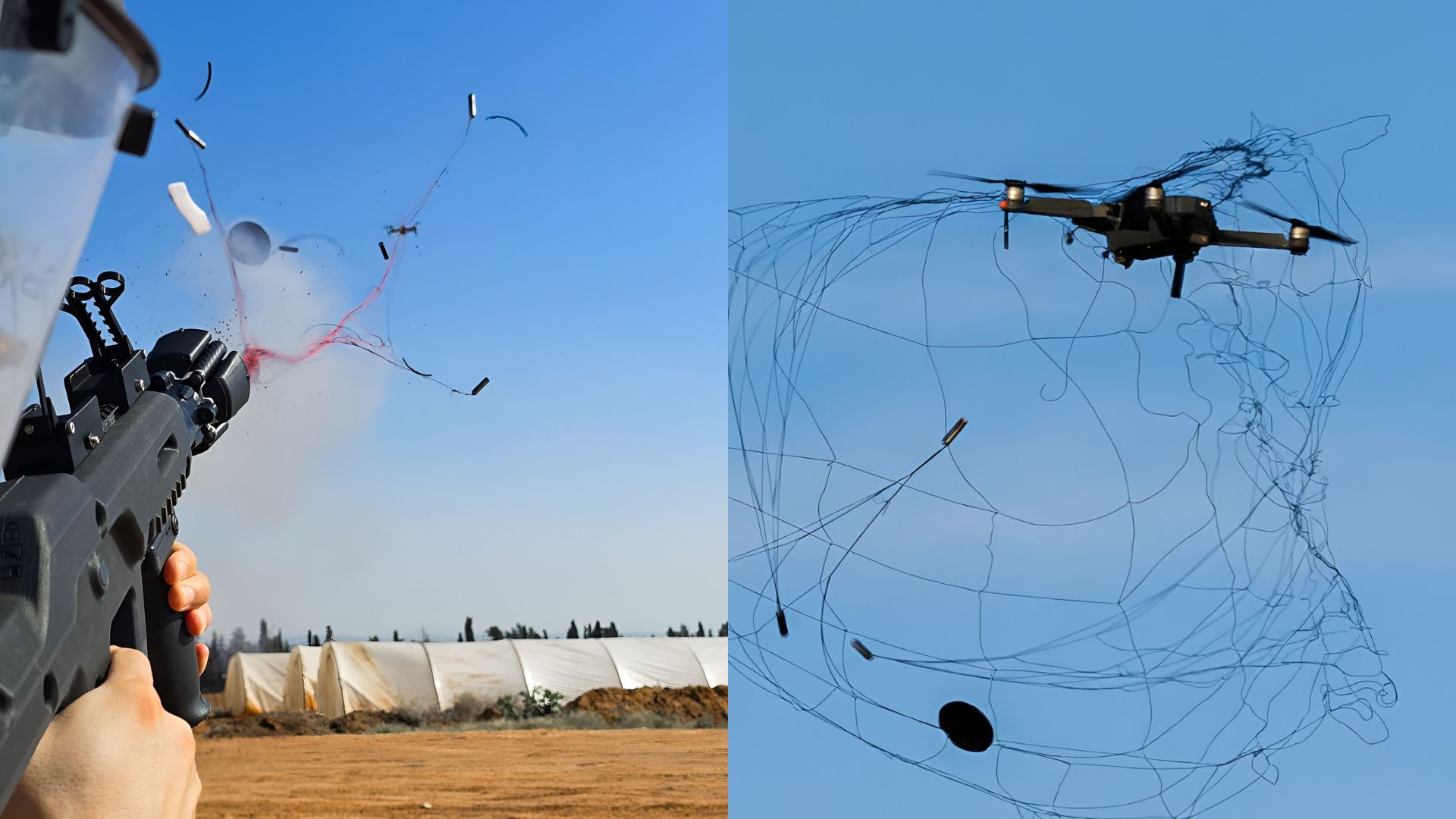
ParaZero Technologies Launches DefendAir for Autonomous Drone Interception in Military Applications
ParaZero Technologies has introduced its DefendAir platform, designed to intercept first-person view (FPV) drones autonomously before they can strike military vehicles. This system utilizes a non-explosive net-based interception method, creating a 360-degree defensive envelope around assets. The platform aims to enhance protection for both moving and stationary high-value military targets without the weight penalties of traditional armor. The rise of low-cost FPV drones has prompted militaries to seek effective countermeasures, as these drones have proven capable of damaging expensive military equipment. ParaZero's DefendAir addresses the limitations of conventional protective measures, such as steel cages, by offering a more agile and responsive solution. The system's ability to detect and neutralize threats rapidly is crucial for modern battlefield scenarios, where speed and precision are paramount. ParaZero is currently collaborating with Tier-1 defense companies to refine the DefendAir technology for operational requirements. While the company has not disclosed specific partners or a timeline for deployment, the focus on active counter-drone systems reflects a broader trend in military strategy, emphasizing the need for innovative solutions to counter evolving aerial threats. No further timeline was disclosed at the time of publication.
Military
Eurosatory 2026: DefSecIntel unveils DroneHive interceptor trailer
DefSecIntel has unveiled DroneHive, an innovative automated multi-cell interceptor trailer designed to enhance aerial defense capabilities. This new system operates in conjunction with the company's advanced EIRSHIELD C2 platform, which is equipped with a variety of sensors for comprehensive situational awareness. The launch took place recently, marking a significant advancement in drone interception technology. The introduction of DroneHive aims to address the growing concerns surrounding unauthorized drone activities and potential threats to security. By automating the interception process, DefSecIntel seeks to improve response times and operational efficiency in protecting sensitive areas. The integration of the EIRSHIELD C2 platform allows for real-time data analysis and decision-making, further bolstering the effectiveness of the interceptor system. This development reflects a broader trend in the defense industry towards leveraging automation and advanced technology to counter evolving aerial threats. As drone usage continues to rise, solutions like DroneHive are becoming increasingly vital for ensuring safety and security in various environments.
News
DJI presents FCC with report finding no drone security threats
DJI has escalated its efforts against the Federal Communications Commission (FCC) by presenting a formal cybersecurity assessment to the agency's leadership. This independent evaluation, conducted by experts, concluded that there is no substantial evidence to support the security concerns that have been frequently raised regarding the company’s drones. The move comes as part of DJI's ongoing campaign to challenge the restrictions imposed by the FCC, which the company argues are unfounded and detrimental to its operations. By directly engaging with the FCC, DJI aims to address and dispel the apprehensions surrounding its technology, advocating for a more favorable regulatory environment for drone usage in the United States.
News
New drone targeting tech counters GPS jamming threats
As GPS jamming and spoofing tactics gain prevalence in modern warfare, drone operators are facing significant challenges with the accuracy of their video feeds. While the visual quality of the footage remains clear, the geographic coordinates associated with it can often be misleading, leading to what defense companies describe as “targeting paralysis.” This phenomenon complicates precision targeting efforts, posing a serious obstacle for military operations. The increasing sophistication of these electronic warfare techniques highlights the urgent need for advancements in drone navigation and targeting systems to ensure operational effectiveness in combat scenarios.
News
US Army orders $11.2-million drone kits to detect battlefield chemical, biological threats
Teledyne Technologies Incorporated has announced that its subsidiary, Teledyne FLIR Defense, has been awarded an $11.2 million contract. This contract, which was secured recently, will enhance the company's capabilities in providing advanced defense and security solutions. The deal underscores Teledyne FLIR Defense's commitment to supporting military and governmental operations with cutting-edge technology. The funding will be utilized to develop and deliver innovative systems that meet the evolving needs of defense agencies. This strategic move reflects the growing demand for sophisticated defense technologies in an increasingly complex global security environment.
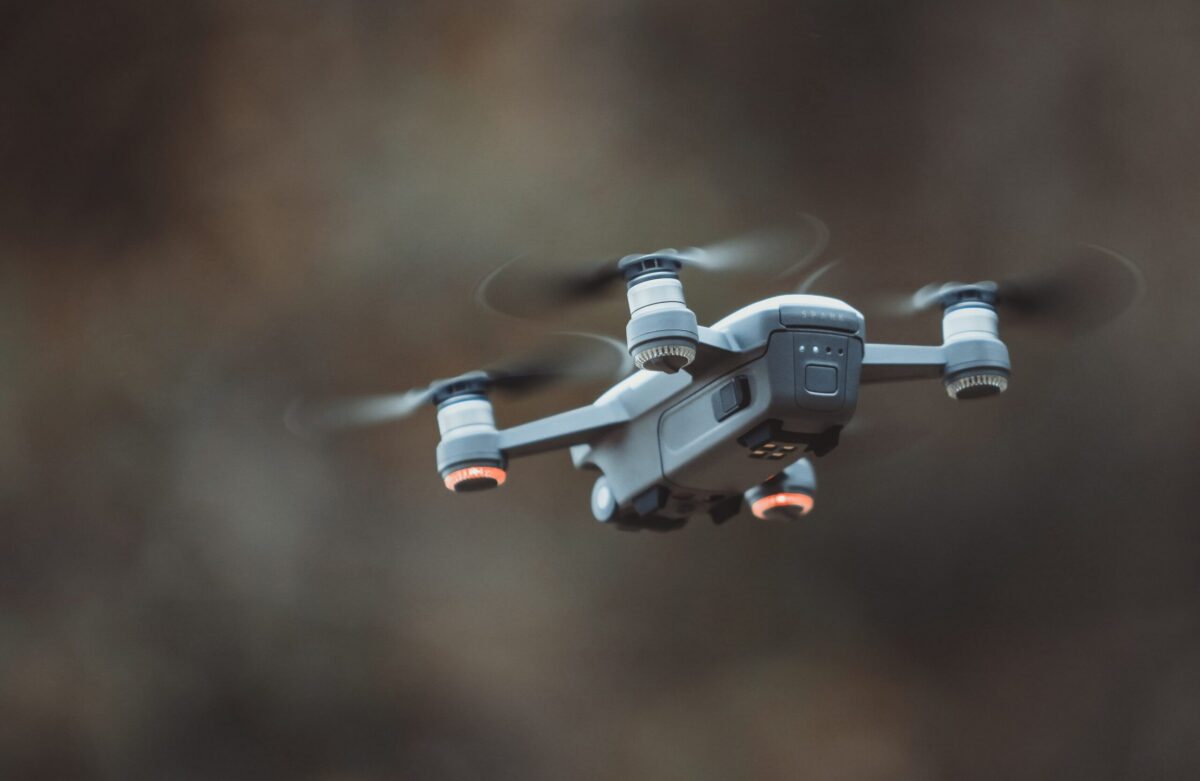
Beyond the Numbers: What 300 World Cup Drone Seizures Really Tell Us
Since the FIFA World Cup commenced on June 11, authorities have confiscated over 300 drones near tournament venues, raising concerns about drone-related security issues. However, experts suggest that this figure may not indicate a surge in security threats but rather reflects improved enforcement and monitoring measures implemented by security agencies. The heightened vigilance has led to a more proactive approach in identifying and seizing unauthorized drone activity around the high-profile event. As the tournament progresses, officials continue to prioritize safety and security, ensuring that regulations are enforced to prevent potential disruptions.
Anti-drone technology C-UAS Drone News Drone News Feeds Drones in the News News
Finding the Person Behind the Drone: Sky Spy Demonstrates Airborne Detection System with French Military
Sky Spy and Evolve Dynamics have formed a partnership to enhance the capabilities of unmanned aircraft systems (UAS) by integrating airborne signals intelligence (SIGINT) technology. This collaboration follows a successful demonstration conducted with the French Armed Forces, showcasing a drone-mounted system designed to detect and locate drone operators, control stations, jammers, and other radio frequency (RF) emitters in contested environments. The integration aims to improve military operations by providing advanced detection and situational awareness, enabling users to identify potential threats more effectively. This initiative reflects a growing emphasis on utilizing drone technology for military applications, particularly in complex and challenging operational settings.
Applications Defense defense Drone News Drone News Feeds Dual Use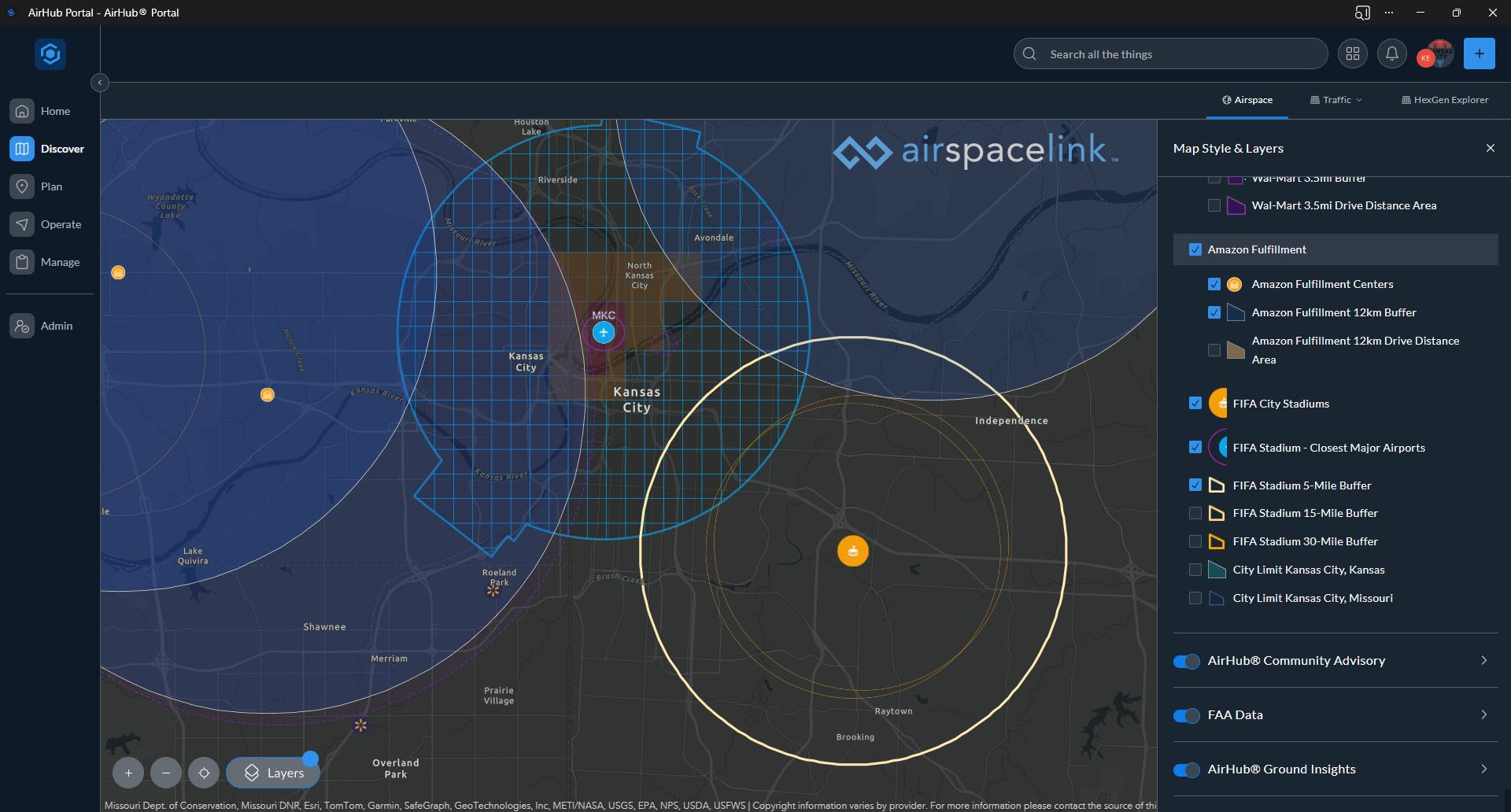
Kansas City Builds a World Cup-Era Drone Defense Network
Kansas City, Missouri, has taken a significant step in enhancing public safety by implementing a shared drone coordination and counter-unmanned aerial systems (UAS) platform. This initiative, spearheaded by Airspace Link in collaboration with regional public safety agencies, aims to bolster security during the FIFA World Cup and improve future urban drone operations. The deployment marks Kansas City as one of the first regions in the United States to adopt such an integrated system, reflecting a proactive approach to managing drone traffic and mitigating potential threats. The platform is designed to facilitate coordinated responses to drone-related incidents, ensuring a safer environment for large-scale events and everyday urban activities.
C-UAS defense Drone News Drone News Feeds News UTM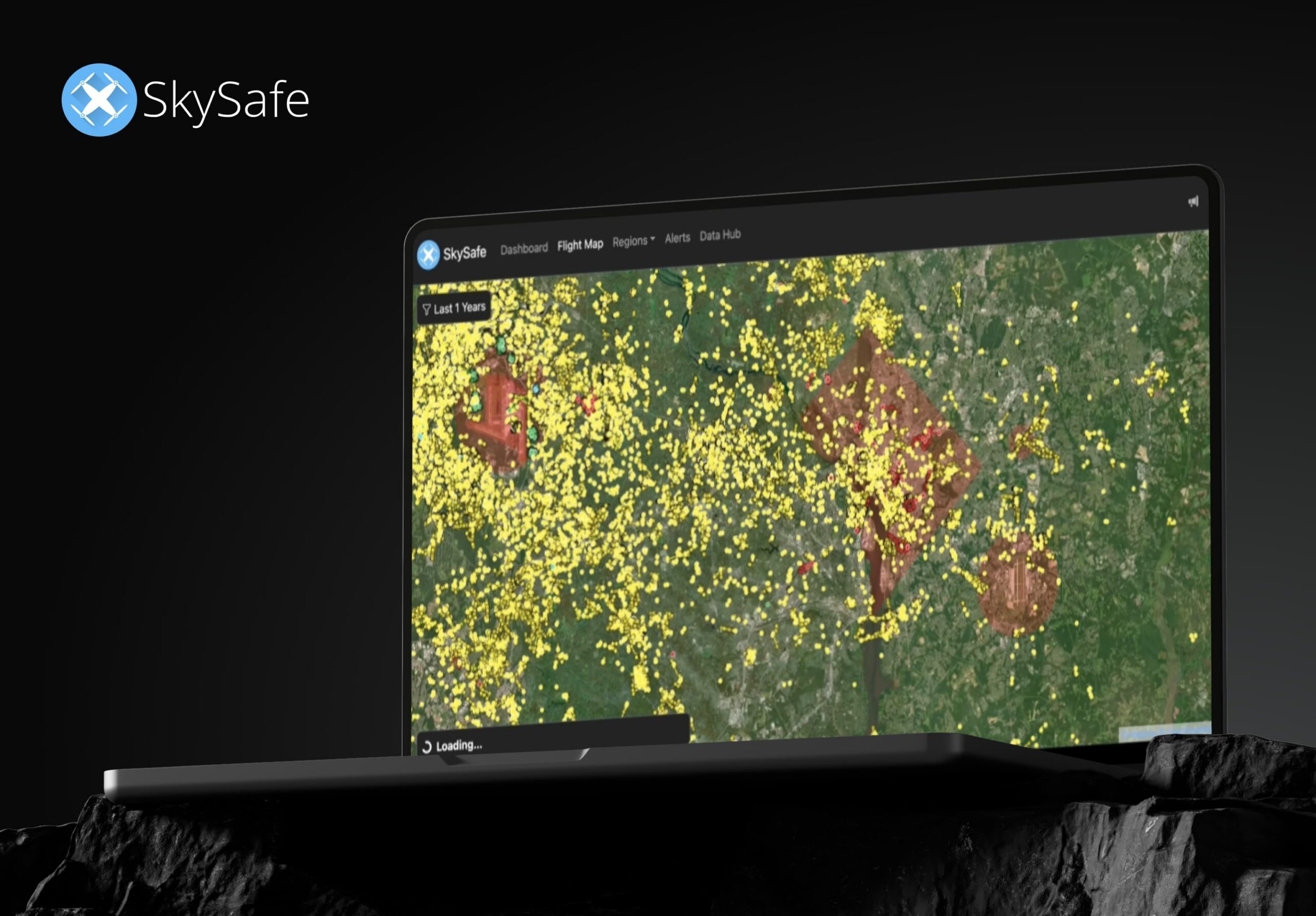
Rogue Drone Detected. Now What?
At the Motorola Solutions Summit 2026, held this week, SkySafe.io's Chief Revenue Officer, Melissa Swisher, addressed the increasing challenges faced by public safety agencies in managing low-altitude airspace. The discussion focused on the integration of SkySafe's technology with Motorola Solutions, aimed at providing effective solutions for mitigating rogue drones. As drone incidents become more frequent, public safety officials are seeking ways to enhance their response capabilities. The collaboration between SkySafe and Motorola Solutions is positioned as a critical step toward equipping agencies with the necessary tools to address these emerging threats.
Anti-drone technology Applications C-UAS DL Exclusive Drone News Drone News Feeds
California Startup Develops Tube-Launched Quadcopter for U.S. Military Defense
A California-based startup, founded by a 22-year-old Ukrainian software engineer, is developing a tube-launched, foldable quadcopter designed to counter unmanned aerial systems (UAS). The company aims to market this innovative defense technology to the U.S. military, targeting the rising threat of drone and missile attacks. Specific metrics regarding the quadcopter's capabilities and launch timeline have not been disclosed. This initiative is significant as it addresses the increasing frequency and sophistication of drone warfare, which poses challenges to military operations. By making drone attacks financially burdensome, the startup hopes to deter potential aggressors and enhance national security. The focus on a compact, easily deployable system aligns with current military needs for versatile and effective countermeasures against aerial threats. Looking ahead, the startup's next steps include securing partnerships with defense agencies and demonstrating the quadcopter's effectiveness in real-world scenarios. No further timeline was disclosed at the time of publication, but the company is poised to make waves in the defense sector if successful in its endeavors.
Anti-drone technology Applications Defense defense Drone News Drone News Feeds
What Was The “Jellyfish-Like” Drone Swarm The Downed F-15E Pilot Reportedly Saw Over Iran?
A pilot of an F-15E Strike Eagle reported encountering a “minefield of drones” in the skies over Iran shortly before their aircraft crashed. The incident has raised questions about the nature of the drone swarm, described as “jellyfish-like,” and its implications for aerial operations in the region. The circumstances surrounding the crash remain under investigation, with experts analyzing the potential threats posed by such drone formations. This event highlights the evolving challenges faced by military pilots in environments increasingly populated by unmanned aerial vehicles.
Air Air Forces Around The Globe Drones F-15 Fighters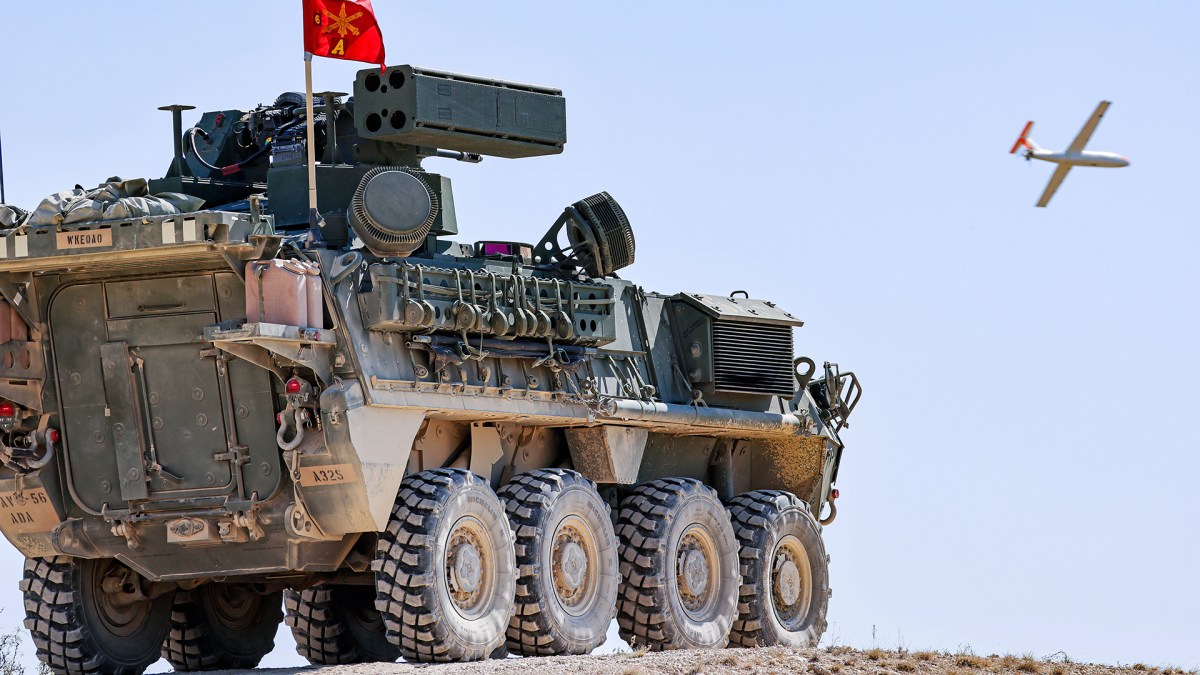
Army’s Newest Unit Aims To “Overwhelm” Adversary With Drones In Pacific Fight
The U.S. Army has established the 7th Infantry Division Multi-Domain Command – Pacific, a new unit designed to integrate drone warfare with the operational strengths of Stryker brigades. This initiative aims to enhance the military's capabilities in the Pacific region, allowing for a more versatile and overwhelming response to potential adversaries. The command will leverage advanced drone technology to support ground operations, providing a strategic advantage in modern warfare. The formation of this unit reflects the Army's commitment to adapting its tactics and resources in response to evolving threats in the region.
Air Armies Around The Globe Drones Indo-Pacific Land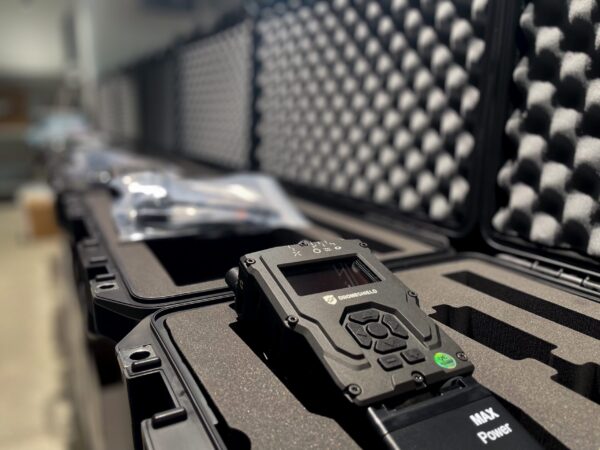
First DroneShield Products Roll Off Production Line in Europe
Western European nations are responding to increasing threats from drones operated by malicious actors by enhancing their domestic production of unmanned aerial vehicles (UAVs) and counter-drone technology. This initiative aims to streamline supply chains and bolster regional manufacturing capabilities. In a significant development, the first products from DroneShield’s production line in Europe have recently been completed, marking a step forward in the region's efforts to address these challenges. The move is part of a broader strategy to ensure that UAS manufacturing is localized, thereby improving security and reducing reliance on external suppliers.
Anti-drone technology Defense Drone News Drone News Feeds Europe Drone Industry European Union
DRONELIFE Exclusive Interview: Andrew Giuliani on the Race to Secure the 2026 World Cup
Andrew Giuliani has praised the significant efforts being made to develop counter-unmanned aerial systems (UAS) aimed at safeguarding high-profile events and critical infrastructure from drone-related threats. In an exclusive interview, Giuliani discussed the ongoing initiatives to enhance security measures ahead of the 2026 World Cup, emphasizing the importance of these advancements in protecting both attendees and venues. The conversation highlighted the urgency of implementing robust protocols to mitigate risks associated with drones, particularly in light of their potential misuse by careless or hostile operators. As preparations for the World Cup continue, the focus remains on ensuring a safe environment for all participants and spectators.
Anti-drone technology C-UAS defense DL Exclusive Drone News Featured – Safety and SecurityRobotics needs a service framework.
RSF defines a common language for robot service capability, lifecycle operations, certification pathways, and service-provider networks.