Industry Briefing
A single destination for timely, editor-curated robotics news from around the world.
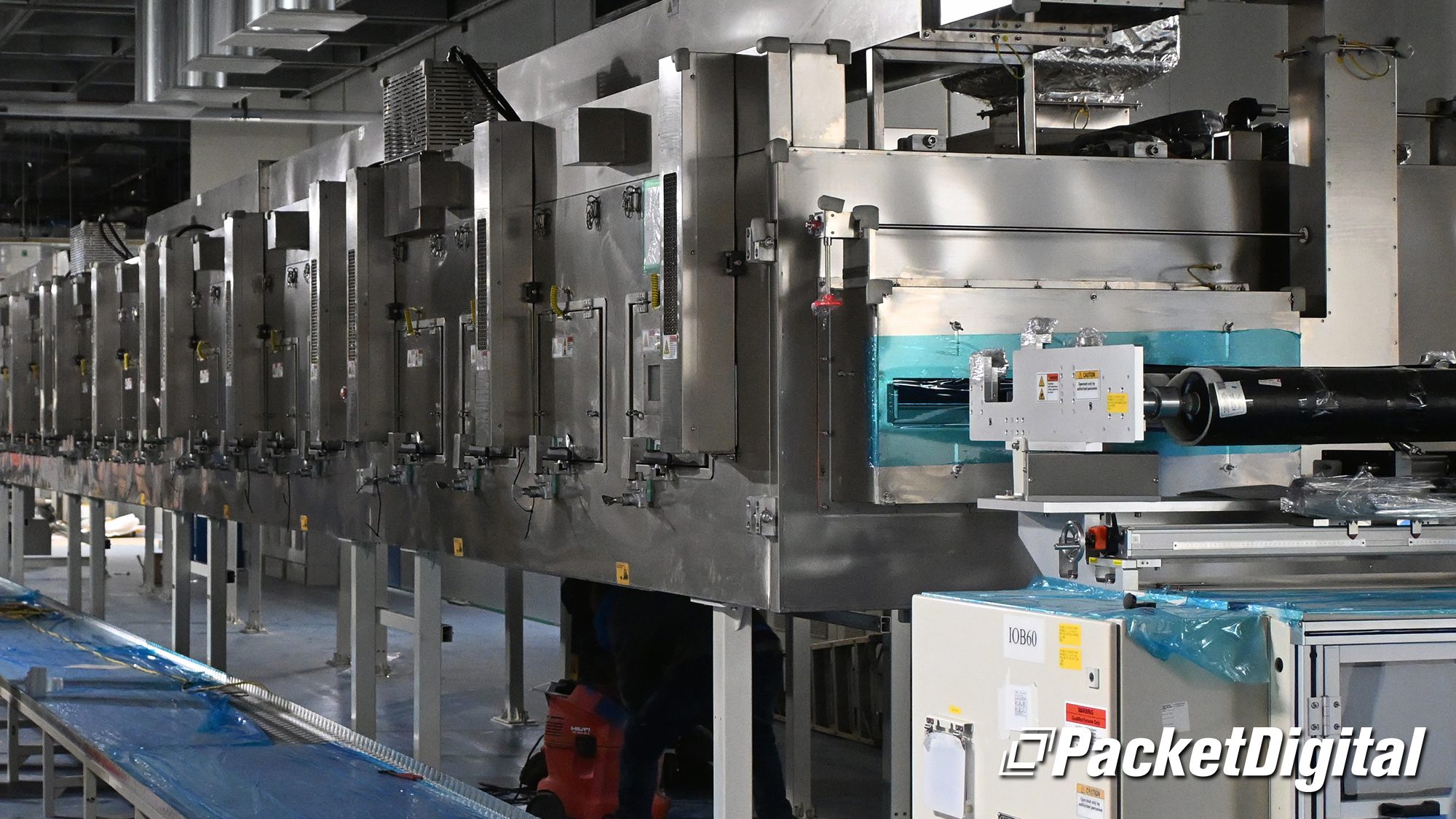
U.S. Navy Awards Packet Digital $9.8 Million to Scale Drone Battery Production in North Dakota
Packet Digital and its subsidiary, Badland Batteries, have secured $9.8 million from the U.S. Navy as part of Phase 3 of a contract aimed at developing advanced battery cells compliant with the National Defense Authorization Act (NDAA). This funding will facilitate the manufacturing of these battery cells in North Dakota, specifically designed for logistics drones and unmanned systems. The initiative reflects the Navy's commitment to enhancing the capabilities of its drone technology and defense systems. The investment is expected to boost production capacity and support the growing demand for reliable energy sources in military applications.
battery technology Drone News Drone News Feeds drone technology Dual Use News
Quantum Cyber Signs LOI for Connecticut Manufacturing Facility as Drone Firms Pursue Domestic Production
Quantum Cyber (NASDAQ: QUCY) has taken a significant step towards enhancing domestic drone production by signing a letter of intent to acquire a 43,000-square-foot manufacturing facility in Bridgeport, Connecticut. This announcement, made on June 8, underscores the company's commitment to establishing a vertically integrated supply chain within the U.S. drone manufacturing sector. The acquisition aligns with a broader industry trend favoring domestic production capabilities, reflecting a growing emphasis on local manufacturing in response to supply chain challenges. Through this move, Quantum Cyber aims to bolster its operational capacity and contribute to the evolving landscape of the drone industry.
Defense defense Drone News Drone News Feeds News autonomous drones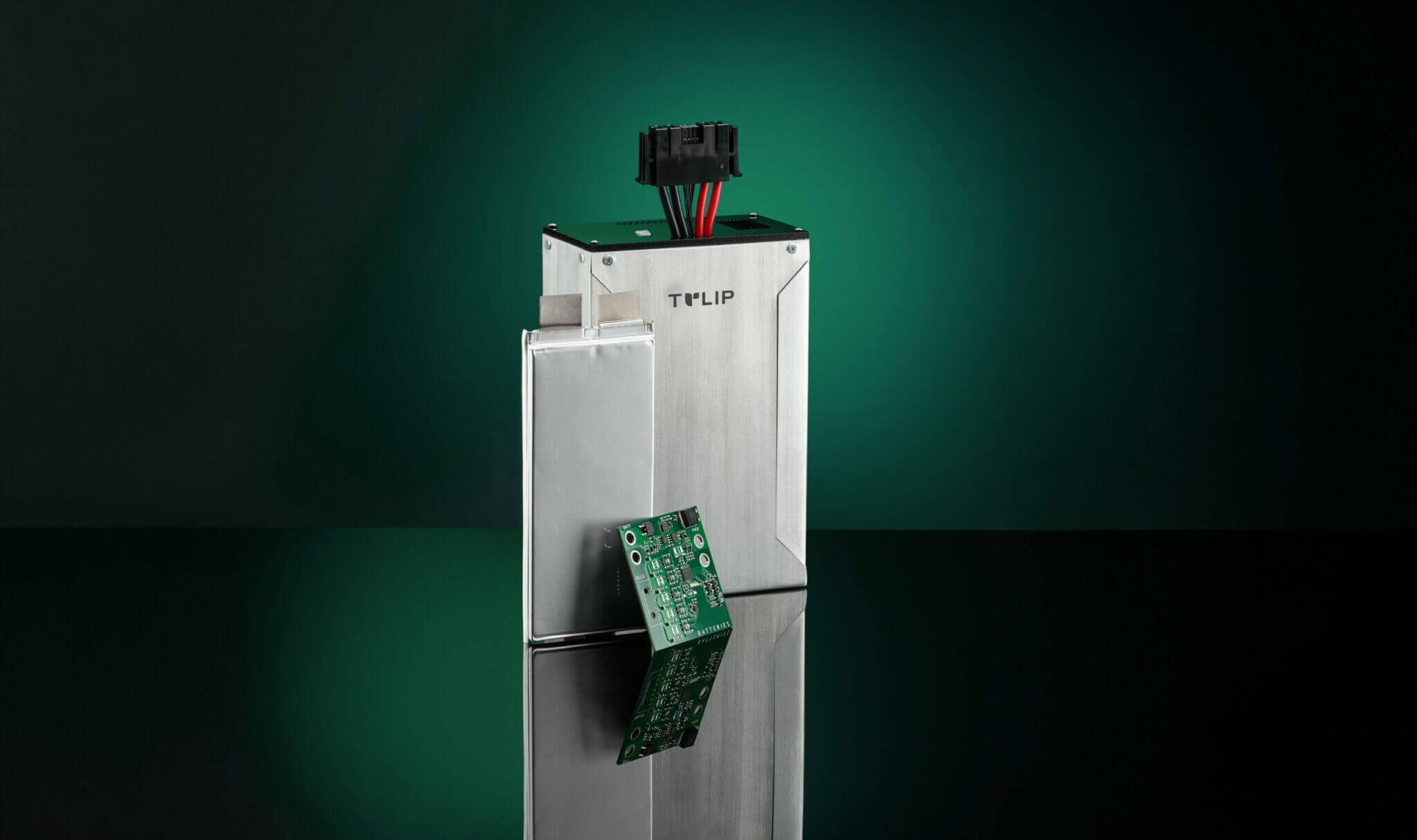
Tulip Tech Expands European UAV Battery Production with New Investment
Tulip Tech, a Dutch battery manufacturer, has announced a strategic investment aimed at enhancing the supply chains for drones and increasing their operational endurance. This announcement comes amid a rising demand for non-Chinese drone components and the need for more robust regional supply chains. The investment is backed by Parcom and Keen Venture Partners, reflecting a growing interest in strengthening European production capabilities for unmanned aerial vehicles (UAVs). Tulip Tech intends to utilize these funds to expand its battery production, positioning itself to meet the increasing market demands effectively.
battery technology Drone Manufacturing Drone News Drone News Feeds News battery manufacturing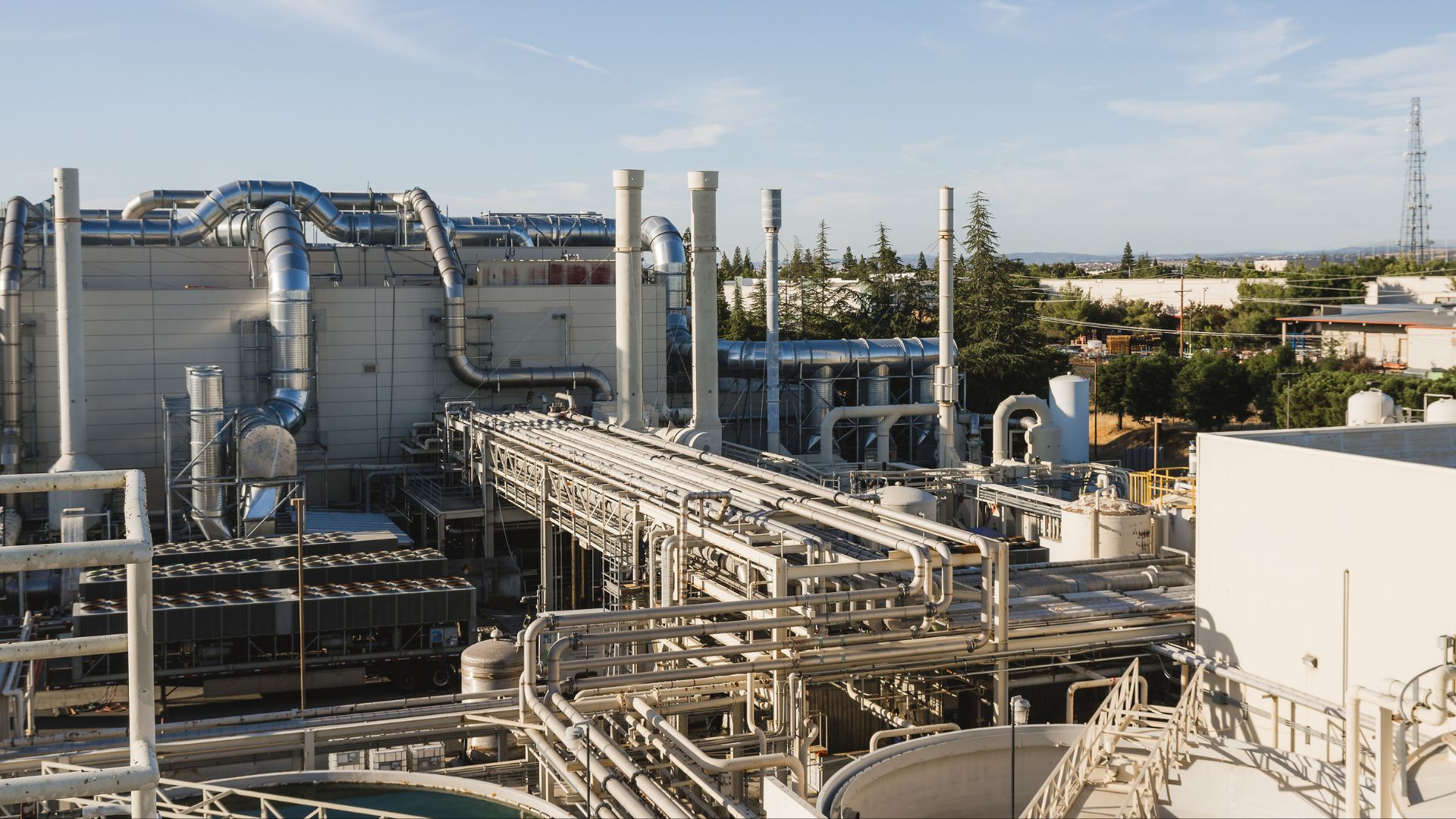
Bosch Initiates 200 mm Silicon Carbide Chip Production at California Semiconductor Plant
Bosch has commenced sample production of silicon carbide (SiC) semiconductor chips at its facility in Roseville, California. This marks a significant advancement in the effort to revitalize power chip manufacturing within the United States. The company has also secured up to $225 million in funding from the U.S. Department of Commerce’s CHIPS Program Office to support its investment of up to $2 billion at the site. The Roseville plant is set to begin commercial production in 2026, making it Bosch's first semiconductor manufacturing site in the U.S. The facility will produce third-generation SiC chips on 200-millimeter wafers, aligning with the U.S. government's initiative to bolster domestic semiconductor manufacturing. Silicon carbide chips are increasingly vital for applications in electric vehicles, industrial equipment, and energy systems. Looking ahead, Bosch plans to invest up to $7.5 billion across its U.S. operations by 2031, enhancing manufacturing capacity and expanding its North American business. The Roseville site currently employs over 300 individuals and is committed to workforce development through local education partnerships, with plans to contribute more than $100,000 annually to community STEM programs starting in 2026.
Innovation
How smart automation is making US battery production more efficient
The U.S. battery production industry is poised for significant transformation as manufacturers seek to enhance efficiency through smart automation and digitalization. With the global battery market projected to grow by approximately 40% annually until 2030, American companies face increasing pressure to innovate and improve their operations to compete with Asian counterparts. This urgency is underscored by a focus on strengthening local value chains, which are essential for maintaining quality standards associated with "Made in the USA." Successful case studies from both practice and research highlight that implementing advanced technologies can streamline all stages of battery production, ensuring that U.S. manufacturers can meet rising demand while upholding their commitment to quality.
First DroneShield Products Roll Off Production Line in Europe
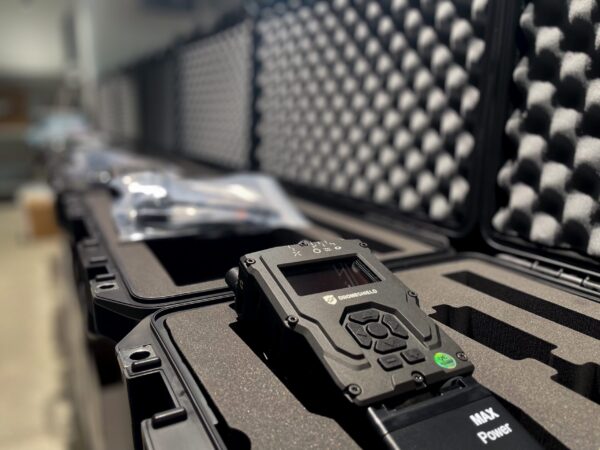
Western European nations are responding to increasing threats from drones operated by malicious actors by enhancing their domestic production of unmanned aerial vehicles (UAVs) and counter-drone technology. This initiative aims to streamline supply chains and bolster regional manufacturing capabilities. In a significant development, the first products from DroneShield’s production line in Europe have recently been completed, marking a step forward in the region's efforts to address these challenges. The move is part of a broader strategy to ensure that UAS manufacturing is localized, thereby improving security and reducing reliance on external suppliers.
Anti-drone technology Defense Drone News Drone News Feeds Europe Drone Industry European Union
Titan Batteries Opens European Drone Battery Plant in Tilburg
Titan Batteries, a drone battery manufacturer based in Pocatello, Idaho, has made a significant move in the industry by launching its first full-scale production facility in Europe. The new plant, located in Tilburg, Netherlands, was officially opened on May 2, 2026, coinciding with International Drone Day. This expansion marks Titan Batteries as the first major drone battery maker to operate production on two continents, reflecting the company’s commitment to meeting the growing demand for UAV power solutions. The Tilburg facility is situated on the Energy Conversion Campus, positioning Titan to leverage advanced technologies and resources in the region.
battery technology Drone News Drone News Feeds European Union News Bosch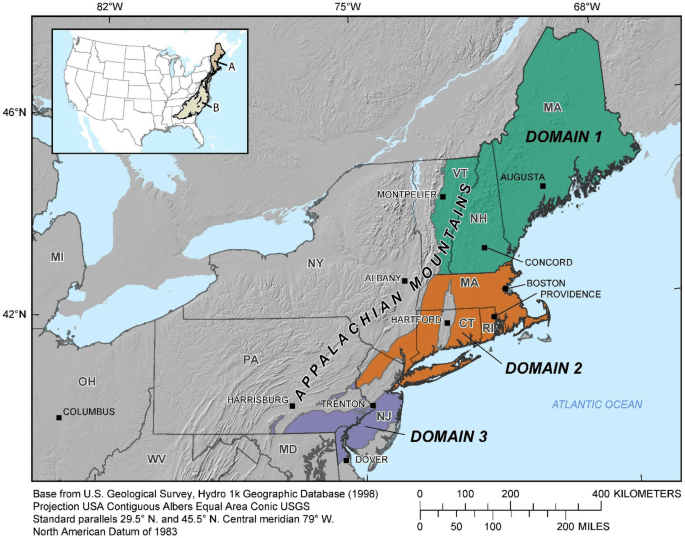
Can America Build a Fully Domestic Drone? Lithium Discovery Moves the Needle
A recent study by the U.S. Geological Survey has revealed that lithium deposits located in the eastern United States have the potential to satisfy domestic demand for generations, particularly in the energy and electric vehicle sectors. This finding underscores the importance of developing a robust domestic lithium supply chain, which is crucial for advancing technologies such as electric vehicles and drones. However, despite this promising discovery, significant gaps remain in the overall battery supply chain, raising concerns about the ability to fully capitalize on these resources. The implications of this study could influence future policies and investments aimed at bolstering the U.S. lithium industry and enhancing energy independence.
Drone Manufacturing Drone News Drone News Feeds News Battery Technology defense drones
Guest Post: America’s Drone Future Depends on Battery Independence
In this guest post, Micantis co-founder and CEO Howard Alt argues that batteries, not aircraft, may be the defining factor in the future of the U.S. drone industry. As demand for drones grows across commercial, public safety, and defense applications, he contends that battery manufacturing and supply chain resilience have become strategic issues for both […] The post Guest Post: America’s Drone Future Depends on Battery Independence appeared first on DRONELIFE.
battery technology Drone Manufacturing Drone News Drone News Feeds Drones in the News News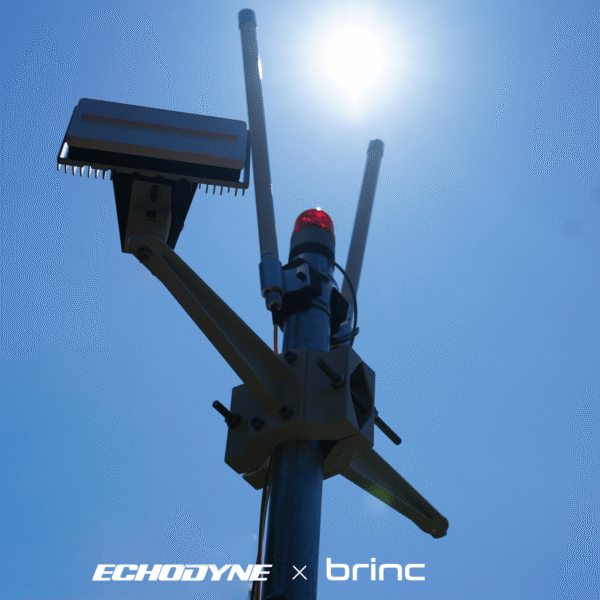
Echodyne Launches 86,350-Square-Foot Radar Facility to Boost MESA Production
Echodyne, a radar manufacturer based in Kirkland, Washington, has inaugurated an 86,350-square-foot facility designed to produce over 30,000 MESA radars annually. This new plant, announced on July 9, 2026, aims to address the growing global demand for counter-unmanned aerial systems (C-UAS) technology, enhancing the company's production capabilities significantly. The expansion is crucial as the market for counter-UAS solutions continues to grow, driven by increasing security concerns and the proliferation of drones. Echodyne's MESA radar technology is known for its advanced capabilities, making it a key player in the C-UAS sector. This facility will allow the company to scale operations and meet the rising needs of both domestic and international clients. Looking ahead, Echodyne's new manufacturing site is expected to play a pivotal role in fulfilling orders and enhancing supply chain efficiency. No further timeline was disclosed at the time of publication regarding additional production milestones or expansion plans for the facility.
Drone News Drone News Feeds NDAA Compliant News US Government $490 million contract
Chinese firm hits one million monthly micro SSD production milestone for edge computing
China’s Longsys has achieved a significant milestone by stabilizing its monthly production capacity at one million micro solid-state drives. This accomplishment comes as the company aims to meet the growing demand for advanced storage solutions in various sectors, including consumer electronics and data centers. The ramp-up in production reflects Longsys' commitment to innovation and efficiency in manufacturing, positioning itself as a key player in the competitive tech landscape. The company has implemented streamlined processes and advanced technologies to enhance its output, ensuring that it can cater to both domestic and international markets effectively. This development marks a crucial step for Longsys as it seeks to expand its footprint in the global semiconductor industry.
AI and Robotics
China's Aerospace-Grade Carbon Fiber Breaks Free from Foreign Dependency with Major Production Expansion
Zhongfu Shenying has launched three advanced carbon fiber production lines in Lianyungang, a significant step towards enhancing China's self-sufficiency in aerospace materials. This initiative, unveiled recently, aims to reduce the country's reliance on foreign suppliers, particularly Japan's Toray and various U.S. manufacturers, which have dominated the market for critical aerospace components. By establishing these production lines, Zhongfu Shenying is positioning itself as a key player in the high-performance materials sector, responding to the growing demand for domestic production capabilities in the aerospace industry. This move not only strengthens China's industrial base but also aligns with national objectives to bolster local manufacturing and innovation in strategic sectors.
Technology
Tesla (TSLA) to Raise Production at Berlin Plant by 20%, Reuters Reports
Tesla, Inc. has announced plans to increase production at its Berlin plant by 20%, raising output to 7,500 vehicles per week starting in October 2026. This decision, reported on June 25, comes as the company aims to meet the growing demand for its Model Y and will involve hiring an additional 1,000 employees. The production boost follows a previous capacity increase announced in April and a commitment to enhance battery cell production at the facility. In a related development, Tesla has also expanded its unsupervised robotaxi service across the Austin Metro area in Texas, which is part of its broader strategy to integrate artificial intelligence and robotics into its operations. This shift reflects Tesla's evolving focus beyond electric vehicles to include advanced technology solutions.

US fuels $50M Texas chips expansion to quadruple indium phosphide wafer production
Coherent Corp. has announced plans to expand its indium phosphide semiconductor manufacturing facility in Texas. This decision follows the signing of a significant agreement aimed at enhancing production capabilities to meet the growing demand for advanced semiconductor technologies. The expansion is expected to bolster the company’s position in the semiconductor market, particularly in sectors such as telecommunications and data centers, where indium phosphide is increasingly utilized for its superior performance. The project is set to commence in the coming months, reflecting Coherent's commitment to investing in domestic manufacturing and innovation. This move not only aims to increase output but also to create job opportunities in the region, contributing to the local economy.
AI and Robotics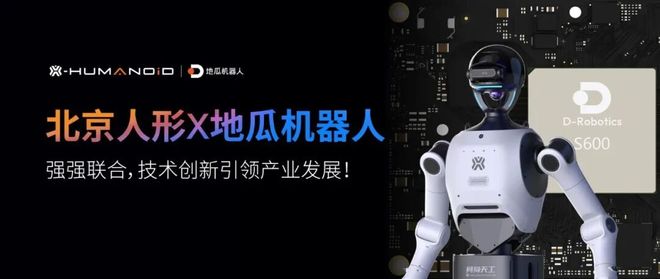
Beijing Humanoid Robots and Digua Robotics Announce Mass Production Partnership
Beijing Humanoid Robot Innovation Center has joined forces with Digua Robotics to embark on a major initiative to mass-produce the Tian Gong 3.0 humanoid robot, with plans to launch by mid-2026. This partnership seeks to harness advanced artificial intelligence technology while optimizing production costs, making sophisticated robotics more accessible across multiple industries. The collaboration aims to expedite the commercialization of domestically developed humanoid robots, reflecting a growing trend towards integrating robotics into various sectors.
Humanoid Robots AI Technology Robotics Collaboration Industrial Automation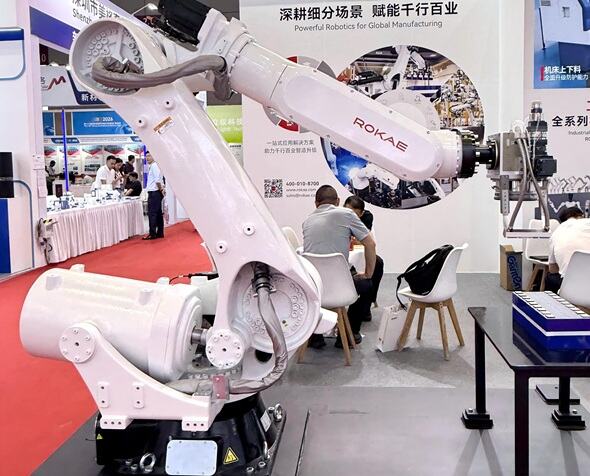
ROKAE Robotics at CIBF 2026: Force-Controlled Welding Solutions for Battery Manufacturing
ROKAE Robotics showcased its advanced automation solutions for lithium battery manufacturing at the 2026 China International Battery Fair (CIBF), held at the Shenzhen World Exhibition & Convention Center. The company highlighted its innovative technologies focused on force-controlled assembly and robot-integrated laser welding, aimed at enhancing efficiency and precision in battery production. This exhibition provided ROKAE Robotics with a platform to demonstrate its commitment to advancing the battery manufacturing industry, responding to the growing demand for high-quality and reliable lithium batteries in various applications.
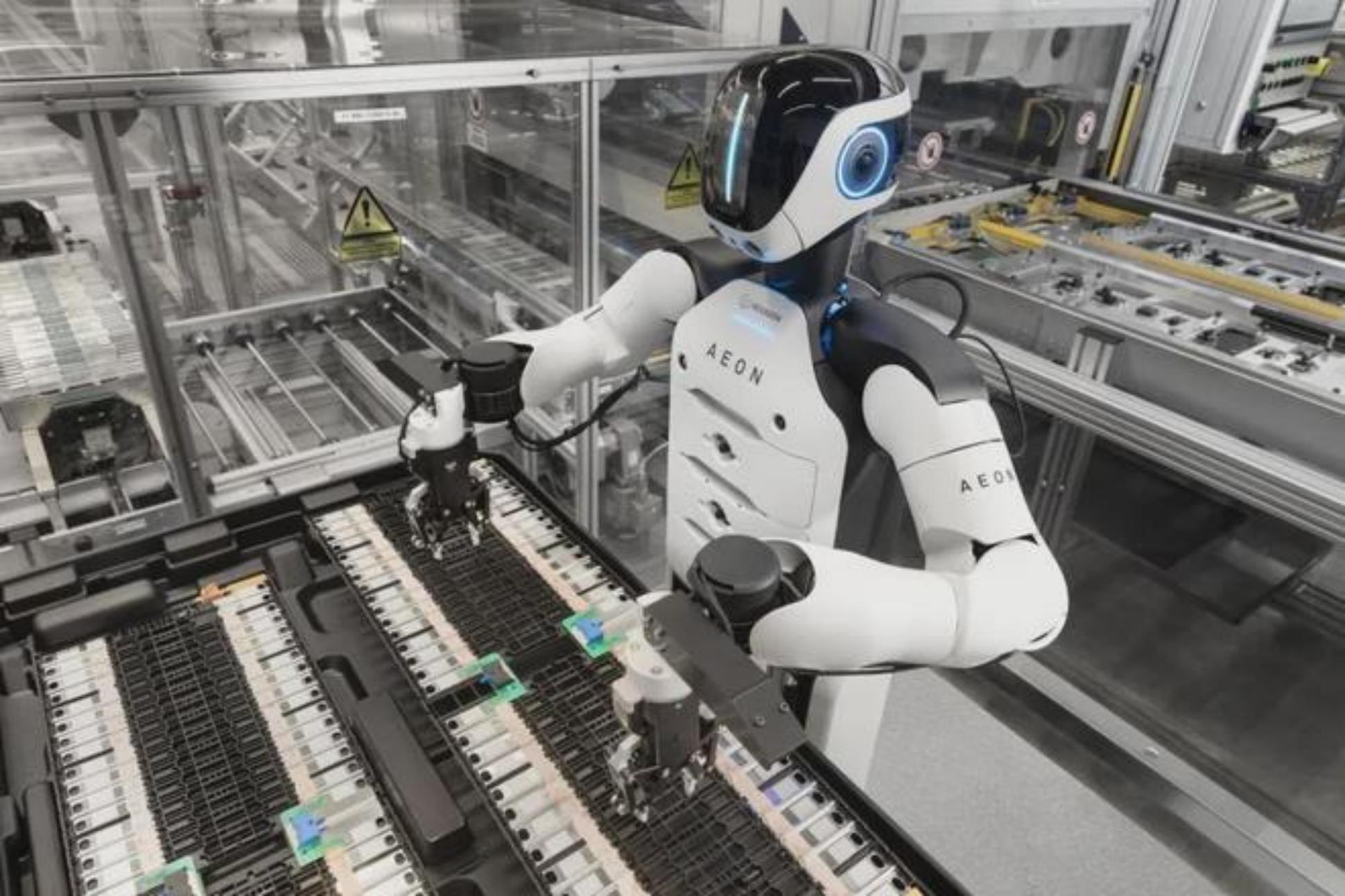
World's First! BMW Introduces Humanoid Robots on Production Line, Powered by Chinese Technology!
BMW has made a significant leap in industrial automation by integrating humanoid robots into its production line at the Leipzig plant, becoming the first German automaker to do so. The AEON robot, developed by Hexagon, will be responsible for high-pressure battery assembly and the production of precision components. This innovative move, which underscores BMW's commitment to enhancing efficiency and precision in manufacturing, was officially announced recently. The implementation of the AEON robot is expected to streamline operations and improve the overall quality of the production process, reflecting the growing trend of automation in the automotive industry.
Humanoid Robots Automotive Manufacturing Industrial Automation AI Technology
39-Year-Old Brett Adcock: How Figure Robotics Approaches Mass Production in Four Years
Brett Adcock, the founder and CEO of Figure AI, has spent the past four years creating a highly adaptable humanoid robot, navigating substantial challenges within the robotics industry. The company’s innovative designs and advanced artificial intelligence are poised to transform both industrial and domestic sectors. By focusing on mass production, Figure AI aims to tackle pressing global labor shortages, positioning itself at the forefront of a technological revolution in robotics.
Humanoid Robots AI Robotics Technology Automation Manufacturing
1X begins production of NEO humanoids in California facility
1X has commenced full-scale production of its NEO humanoid robots at its facility in California, marking a significant advancement in vertically integrated robot manufacturing within the United States. This initiative aims to enhance the domestic production capabilities of humanoid robotics, reflecting the company's commitment to innovation and technological development in the field. The launch of the NEO factory is expected to contribute to the growing demand for humanoid robots across various sectors, as 1X seeks to establish itself as a leader in this emerging market.
Humanoids News 1x 1X Technologies Nvidia
Tesla considers humanoid robot production at Shanghai Gigafactory
Tesla is exploring the possibility of producing humanoid robots at its Shanghai Gigafactory, which has been operational since 2019 for electric vehicle manufacturing and began large-scale energy storage battery production in 2025. This strategic move aims to broaden the company's manufacturing capabilities and sustain its growth momentum in the competitive Chinese market. Wang Hao, President of Tesla's operations in China, emphasized that diversifying into robotics aligns with the company's long-term vision and commitment to innovation. The initiative reflects Tesla's ongoing efforts to adapt to market demands and leverage advancements in technology to enhance its product offerings.
News Feed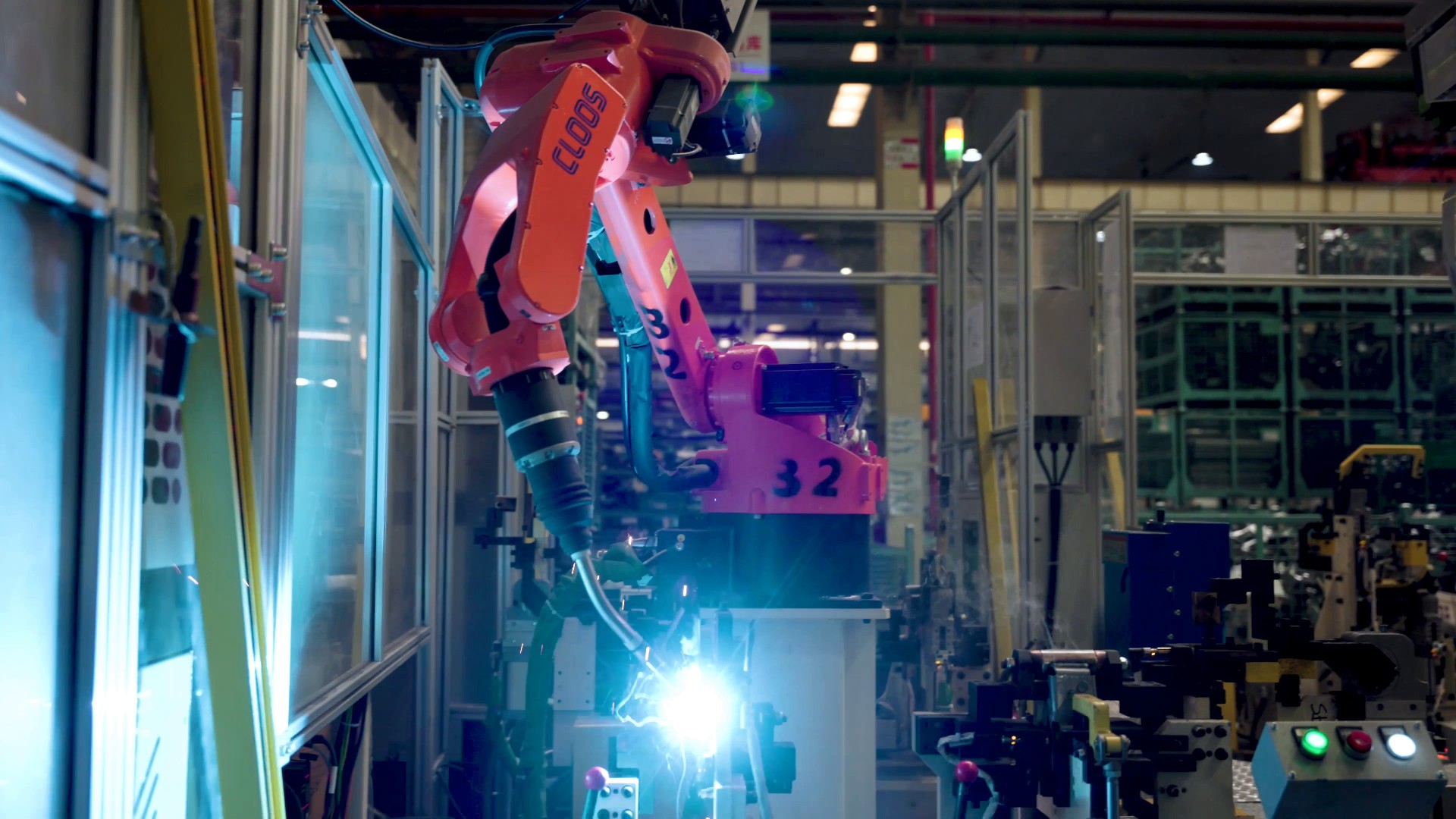
Over 200 Estun Robots Deployed on a Single Production Line: Fully Autonomous Robotic Automotive Parts Welding Line Officially Launched at Scale
In 2025, China solidified its position as a global leader in the new energy vehicle (NEV) industry by producing 16.626 million NEVs, which represented around 74.5% of the world's total NEV output. This remarkable achievement was fueled by advancements in indigenous technologies, exceptional manufacturing efficiency, and a robust automotive equipment sector. The surge in NEV production underscores China's commitment to transitioning towards sustainable transportation solutions and reducing carbon emissions, aligning with global efforts to combat climate change. The country's strategic investments and innovations in the automotive sector have not only bolstered its domestic market but also positioned it as a key player in the international NEV landscape.
ESTUN AUTOMATION ROBOTICS SERVO SYSTEMS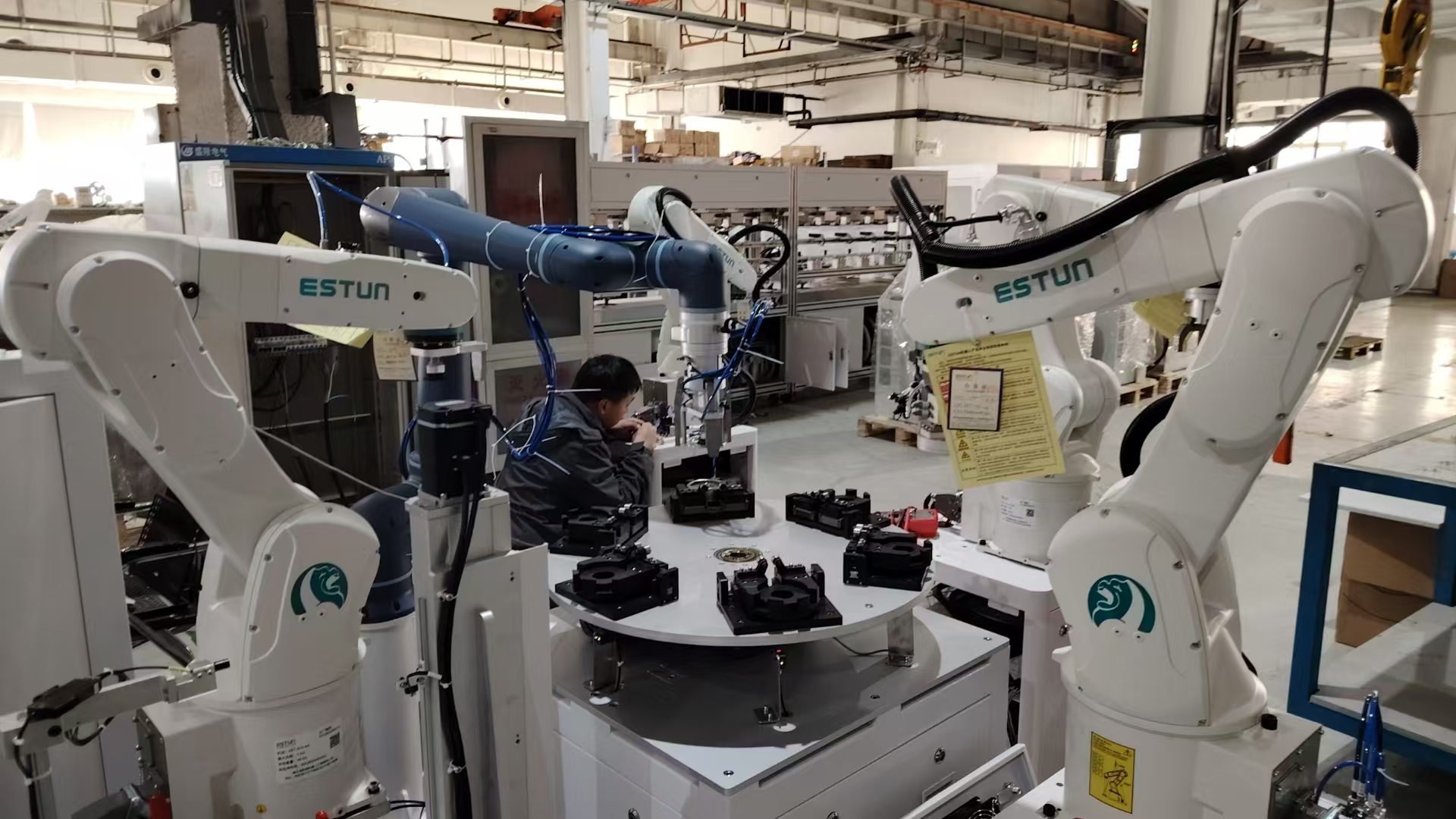
From Testing and Verification to Batch Trust: Estun and Partners Jointly Expand the Application Path of Domestic Robots
A partner company in Tianjin, recognized for its extensive technical expertise and industry experience in instrument and meter automated assembly, is reflecting on its successful collaboration in the field. Initially, when the partnership began, the integration of robots in domestic automated production lines was minimal. However, over the years, advancements in technology and increased awareness of automation's benefits have significantly boosted the adoption rate of robotic systems in manufacturing processes. This shift is attributed to the growing demand for efficiency and precision in production, prompting many industries to embrace automation solutions. The Tianjin partner has played a crucial role in this transformation, providing innovative assembly solutions that enhance productivity and reduce operational costs. As the industry continues to evolve, the company remains committed to leading advancements in automated assembly technology, ensuring that its clients stay competitive in a rapidly changing market.
ESTUN AUTOMATION ROBOTICS SERVO SYSTEMS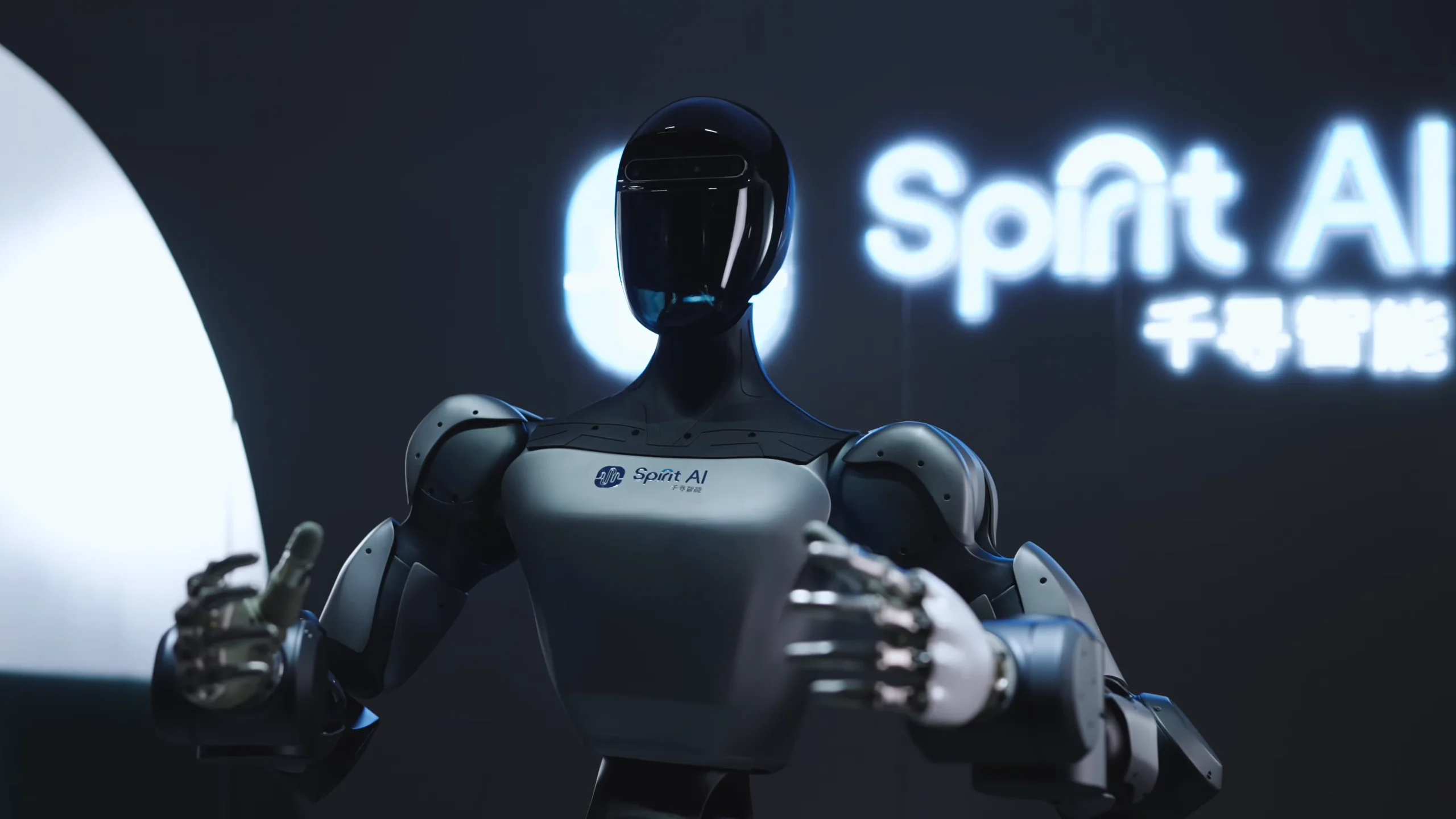
CATL Deploys Humanoid Fleet to High-Voltage Lines, Claims Production Breakthrough
A leading battery manufacturer has successfully integrated Spirit AI's "Moz" robots into its live production lines, marking a significant advancement in workplace safety and efficiency. This integration, which took place recently, focuses on automating a high-risk task that involves managing dangerous voltage alongside the complexities of flexible cables. The move aims to reduce the risk of accidents and enhance operational productivity within the facility. By employing these advanced robotic systems, the company seeks to streamline its production processes while ensuring the safety of its workforce.
Business China CATL Spirit AI
Kongsberg Discovery Starts Production of Autonomous Underwater Vehicles in the U.S.
Kongsberg Discovery has announced the commencement of production for its HUGIN autonomous underwater vehicle in the United States. This strategic move, made in response to the increasing demand for advanced subsea technology in the U.S. market, underscores the company's commitment to enhancing its presence in the region. By establishing local production, Kongsberg aims to better serve its clients and capitalize on the growing opportunities within the subsea sector. The decision reflects a broader trend of companies investing in domestic manufacturing to meet specific market needs and improve operational efficiency.
kongsberg discovery hugin auv
Comau to participate in CWIEME 2025 with advanced solutions for the production of hairpin/minipin stators and innovations for electric drive systems
Comau showcased its innovative cell formation and e-mobility solutions at the Battery Show held in Stuttgart, Germany. The event took place recently, bringing together industry leaders and experts to explore advancements in battery technology. Comau's participation highlights its commitment to enhancing manufacturing processes in the rapidly evolving electric vehicle sector. By presenting their latest technologies, the company aims to address the growing demand for efficient and sustainable energy solutions in the automotive industry. The display included demonstrations of cutting-edge automation and robotics designed to optimize battery production, reflecting Comau's strategic focus on supporting the transition to electric mobility.

EngineAI's Ren Guowen Outlines Ambitious Path to Household Humanoids and Mass Production
EngineAI, co-founded by Ren Guowen, has announced ambitious plans to manufacture 1,000 humanoid robots in 2023, with a target of increasing production to over 10,000 units annually within the next four years. The company aims to deploy these robots in households, marking a significant step in domestic robotics. To support this expansion, EngineAI is seeking $138 million in funding. Despite ongoing tensions between the United States and China, the company emphasizes the importance of collaboration between the two nations in advancing its technological goals.
EngineAI
Comau teams with Intecells to develop a new paradigm in battery electrode manufacturing
Comau and Intecells have announced a collaboration aimed at enhancing the efficiency of battery electrode production through the innovative use of cold plasma technology. This partnership seeks to streamline the manufacturing process by eliminating the need for solvents and binders, which are traditionally used in battery production. The new approach not only promises to handle a diverse range of battery types and sizes but is also expected to significantly improve overall production efficiency. This initiative reflects a growing trend in the industry to adopt more sustainable and effective manufacturing techniques, aligning with the increasing demand for advanced battery solutions.
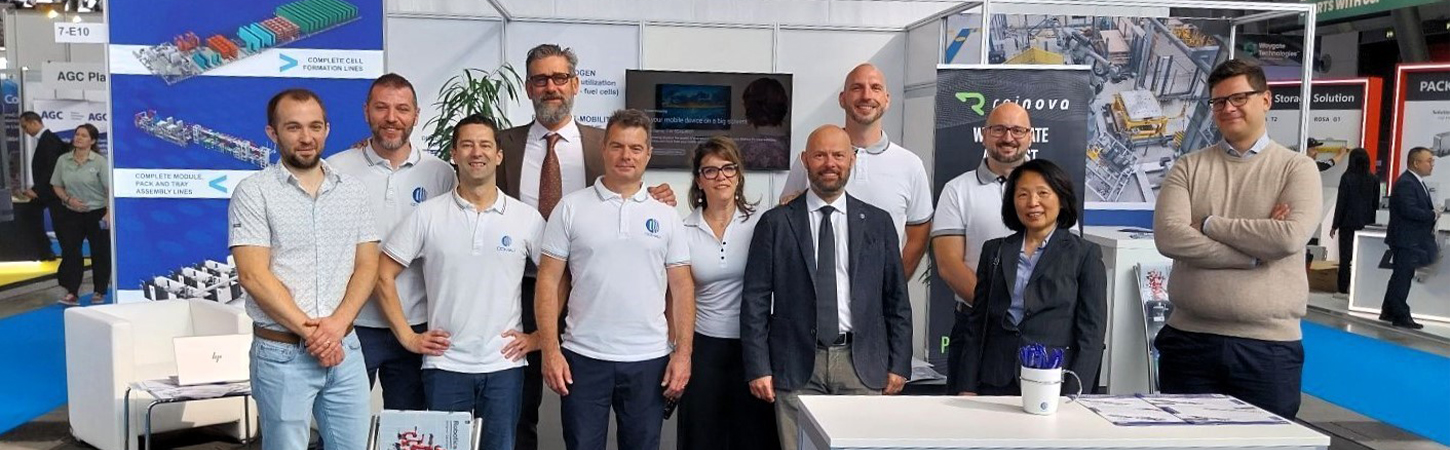
Comau to display its cell formation and new e-mobility solutions at the Battery Show Stuttgart
Comau showcased its innovative cell formation and e-mobility solutions at the Battery Show held in Stuttgart, Germany. The event took place recently, attracting industry leaders and stakeholders interested in advancements in battery technology and electric mobility. Comau's participation highlights the company's commitment to enhancing production processes and supporting the growing demand for sustainable energy solutions. By presenting its latest technologies, Comau aims to demonstrate how its automation and robotics expertise can streamline battery manufacturing, ultimately contributing to the transition towards greener transportation options. The exhibition provided a platform for networking and collaboration among key players in the battery and automotive sectors, emphasizing the importance of innovation in meeting future energy needs.
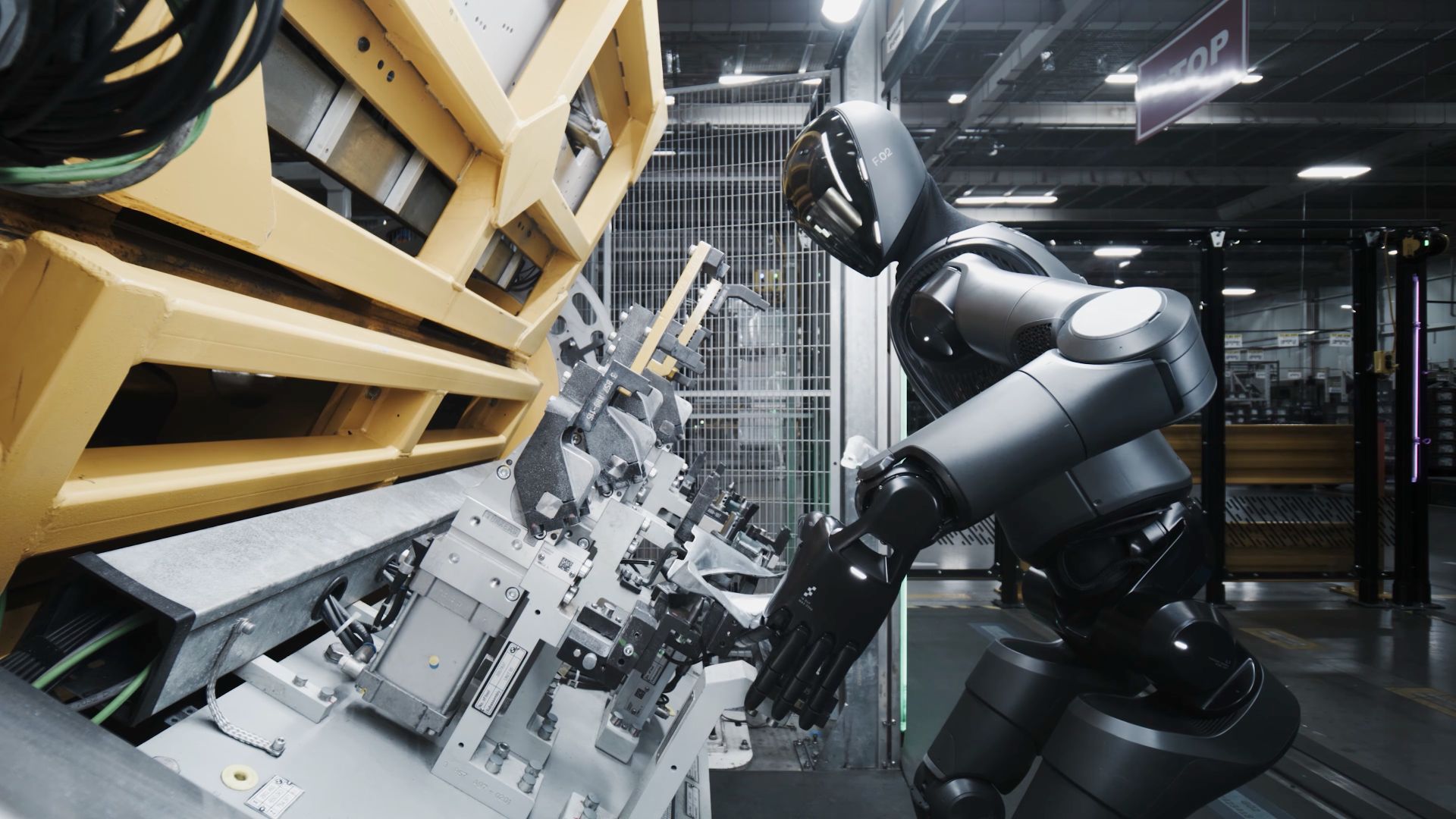
Chinese automaker unveils Xiaosai humanoid robot for inspection and production roles
Chinese automaker Seres has made a significant leap into the robotics sector by unveiling its first humanoid robot, Xiaosai. The announcement took place during a technology showcase event in Beijing, where the company highlighted its commitment to innovation and diversification beyond traditional automotive manufacturing. Xiaosai is designed to assist in various tasks, showcasing advanced artificial intelligence capabilities and a human-like appearance, which aims to enhance user interaction. This move comes as part of Seres' strategy to tap into the growing demand for robotics in both domestic and international markets, reflecting a broader trend among automakers to explore new technological frontiers. The introduction of Xiaosai is expected to position Seres competitively within the rapidly evolving landscape of robotics and automation.
AI and Robotics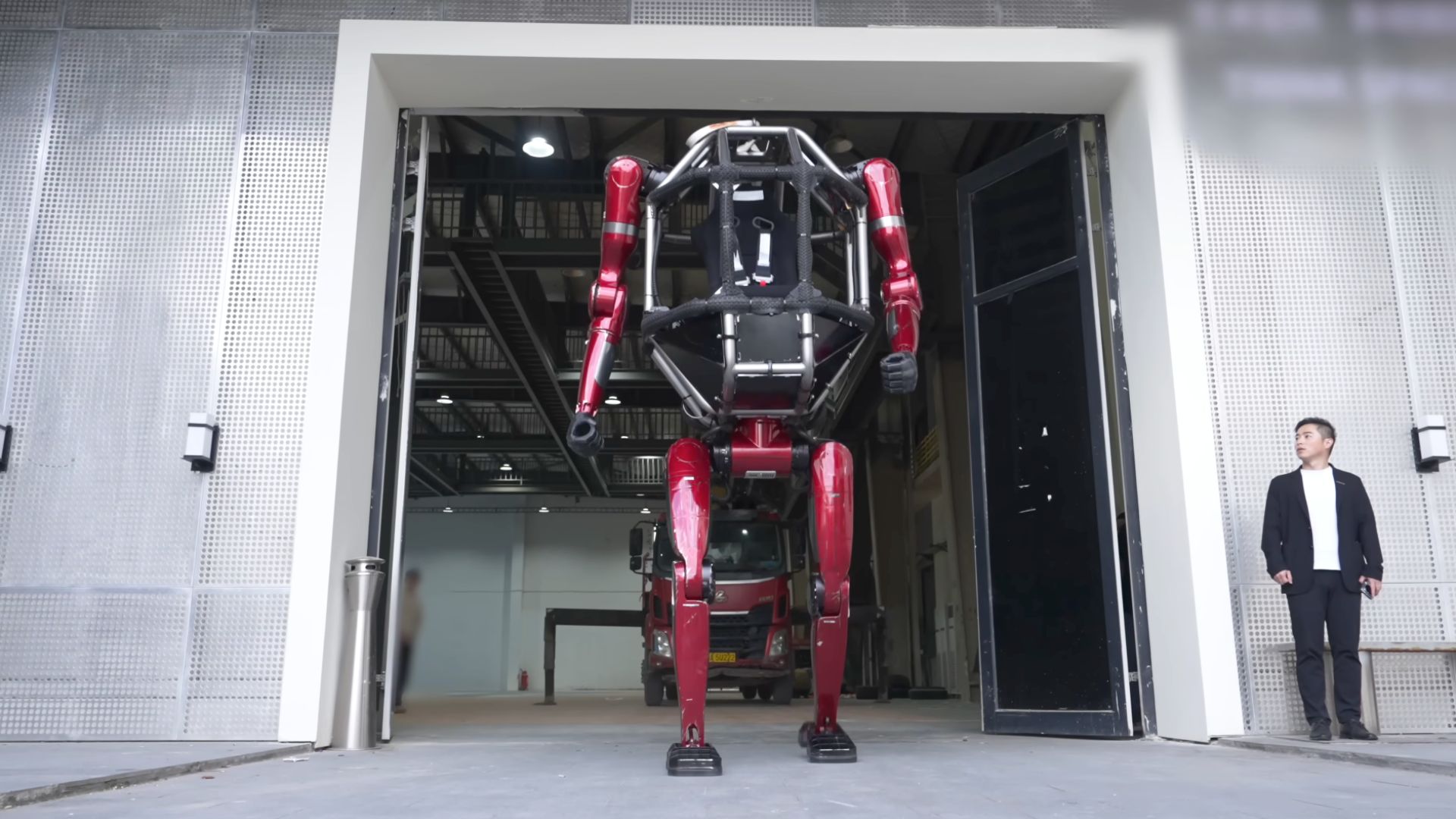
Video: Unitree launches the world’s first production-ready optionally manned robot
China's leading robotics company, Unitree, has introduced the GD01, an innovative mecha-style robot capable of transforming between various modes to perform a range of tasks. The unveiling took place at a technology expo in Shanghai on October 15, 2023. This cutting-edge machine is designed to enhance efficiency in both industrial and domestic settings, reflecting the growing trend of automation in everyday life. The GD01's versatility allows it to adapt to different environments and requirements, showcasing Unitree's commitment to advancing robotic technology. The launch aims to position Unitree at the forefront of the robotics industry, responding to increasing demand for multifunctional robots that can assist in diverse applications.

Comau strengthens its cooperation with Intecells to accelerate development and commercialization of next generation battery electrode manufacturing
Comau has announced the renewal of its collaboration with Intecells to enhance the application of cold plasma technology in industrial cell manufacturing processes. This partnership aims to improve efficiency and innovation within the sector, reflecting a growing interest in advanced manufacturing techniques. The renewed agreement underscores both companies' commitment to leveraging cutting-edge technology to optimize production methods. The collaboration is expected to yield significant advancements in the way cells are produced, contributing to the overall evolution of the industry.
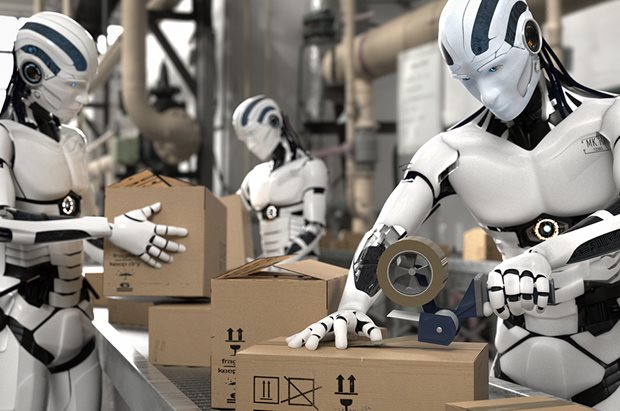
China's First Domestic Heavy-Duty Robotic Automotive Panel Stamping Line by Estun!
In the automotive manufacturing industry, the stamping process is essential for creating body panels like doors, side panels, and engine hoods. However, traditional stamping lines often depend on manual loading and unloading, which leads to inefficiencies and exposes workers to challenging conditions, including excessive noise, high temperatures, and dust. To address these issues, manufacturers are increasingly adopting automated solutions that enhance efficiency and improve workplace safety. By integrating advanced robotics and automation technologies, companies aim to streamline the stamping process, reduce labor costs, and create a more conducive working environment. This shift is not only expected to boost productivity but also to mitigate the health risks associated with manual operations. As the automotive sector continues to evolve, the move towards automation in stamping lines reflects a broader trend of modernization aimed at meeting growing production demands while ensuring worker safety.
ESTUN AUTOMATION ROBOTICS SERVO SYSTEMS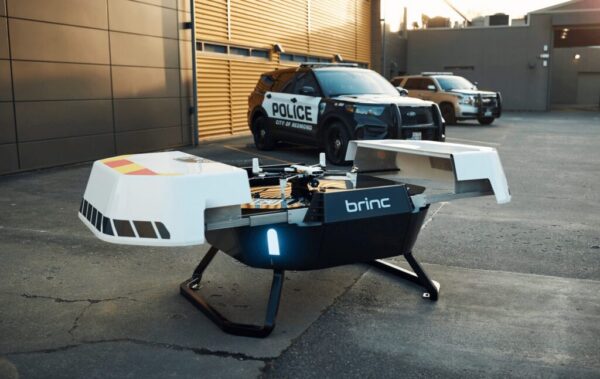
BRINC Secures $125 Million Funding Round Led by Motorola Solutions for Public Safety Drones
BRINC, a Seattle-based public safety drone manufacturer, announced on July 14, 2026, that it has secured a $125 million financing round led by Motorola Solutions. This investment raises BRINC's total capital to over a quarter billion dollars and aims to deploy a BRINC 911 response drone at every police and fire station across the U.S., targeting 80,000 facilities. The funding will enable BRINC to expand its domestic manufacturing, launch new products, and scale its go-to-market operations. The company plans to move into a facility three times the size of its current factory by the end of 2026 to meet the increasing demand from public safety agencies. In 2025, BRINC tripled its revenue and quintupled its monthly production capacity, signing nearly four times as many contracts for 911 response drones in 2026 compared to the previous year. Looking ahead, BRINC's founder Blake Resnick emphasized the importance of situational awareness in emergencies, stating that their drones provide critical information before first responders arrive. The company is also collaborating with the National League of Cities for a nationwide rollout of drone first response (DFR) initiatives. No further timeline was disclosed at the time of publication.
DFR Drone News Drone News Feeds News Public Safety 80000 stations
Latest DPA Action Highlights Manufacturing Challenge Behind U.S. Drone Expansion
A new presidential memorandum has been issued to address defense production bottlenecks, highlighting concerns about the United States' capacity to scale emerging technologies. This initiative, part of the Trump Administration's Drone Dominance program launched in June 2025, has primarily focused on aircraft, regulations, and procurement processes. The memorandum aims to streamline manufacturing challenges that could hinder the expansion of the U.S. drone industry. As discussions continue around regulatory reforms and domestic capabilities, this action underscores the urgent need for improvements in defense production to maintain competitiveness in the evolving technological landscape.
Applications Defense Drone News Drone News Feeds News US Government
Unusual Machines, 6K Energy, CRG Defense, SES AI take steps to be NDAA compliant
Drone and battery cell manufacturers are adjusting their production practices in response to the Department of Defense's recent ban on acquiring batteries for weapons and support systems that contain materials sourced from foreign entities deemed a security risk. This decision, aimed at enhancing national security, reflects growing concerns over reliance on foreign supply chains for critical military components. The alignment of these companies with the new regulations is expected to take place immediately, as they work to ensure compliance and maintain their contracts with the government. By sourcing materials domestically or from trusted allies, these manufacturers aim to mitigate potential vulnerabilities and bolster the integrity of defense operations.

Factorial Energy and Tulip Tech Achieve 30% Flight Range Increase with Solid-State Batteries
Factorial Energy, based in Boston, and Tulip Tech from the Netherlands have transitioned from flight testing to the commercialization of lithium-metal UAV battery packs. Announced on July 13, 2026, their strategic partnership aims to expedite the deployment of solid-state and lithium-metal batteries for advanced drones, with initial tests showing over a 30% increase in flight range without engineering optimizations. This collaboration is significant as it addresses the growing demand for high-endurance UAVs across commercial, industrial, and defense sectors, with the global UAV market projected to exceed $160 billion by 2034. Factorial emphasizes that energy storage is a critical bottleneck affecting mission radius, payload, and fleet economics, making their advancements crucial for future drone capabilities. Looking ahead, the partnership establishes a framework for joint customer engagement and a roadmap for volume production. No further timeline was disclosed at the time of publication, but the companies are moving swiftly from testing to commercialization, indicating a strong potential for future developments in UAV battery technology.
battery technology Drone News Drone News Feeds drone parts News $160 billion UAV market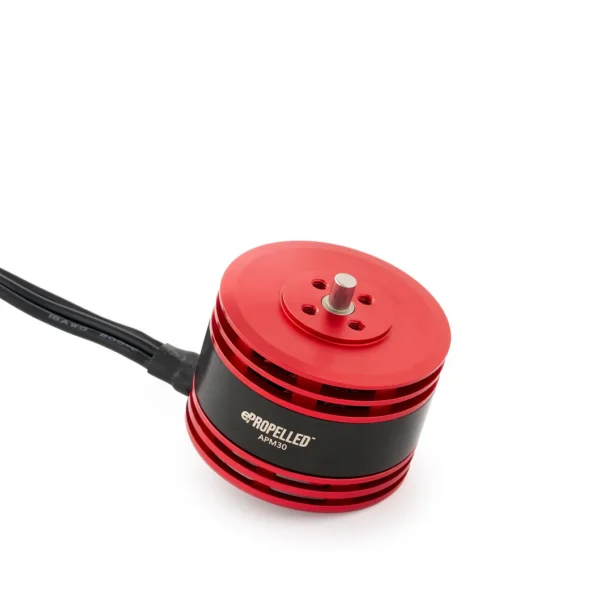
The Next Drone Supply Chain Challenge: Rare Earth Magnets
A new bipartisan bill has been introduced in Congress to bolster the United States' domestic supply chain for rare earth magnets, which are essential components in drone motors. The legislation, spearheaded by Chairman John Moolenaar (R-MI) and Ranking Member Ro Khanna (D-CA), addresses the growing concern over America's reliance on China for these critical materials. The initiative comes amid increasing recognition of the challenges faced by the drone industry, particularly regarding the sourcing of permanent magnets necessary for electric motor functionality. By enhancing domestic production capabilities, the bill aims to ensure a more secure and reliable supply chain for the burgeoning drone sector.
Drone Manufacturing Drone News Drone News Feeds drone parts drone technology Feature 1
Building a Resilient Supply Chain: Regional Security Leaders Focus on Industrial Readiness
The Northeast National Security Conference recently convened to address the pressing need for the United States to bolster its defense industrial base, particularly in the context of the drone industry. As the government seeks to enhance domestic drone manufacturing and minimize dependence on foreign suppliers, the focus has shifted to securing access to critical technologies. This initiative aims to strengthen supply chain security, which has emerged as a significant concern for manufacturers navigating the complexities of sourcing and production. The discussions highlighted the challenges and strategies necessary for building a resilient supply chain that meets national security demands.
Applications Defense defense DL Exclusive Drone News Drone News Feeds
China’s Export Restrictions on Red Cat Highlight a Bigger Challenge for U.S. Drone Manufacturing
China's recent decision to impose export controls on Red Cat Holdings and its subsidiary, Teal Drones, has raised concerns within the U.S. drone manufacturing sector. While the immediate effects on production may be minimal, this action highlights the pressing need for American manufacturers to thoroughly analyze and understand their supply chains. The restrictions serve as a reminder of the complexities and vulnerabilities that U.S. companies face in the global market, particularly in light of increasing geopolitical tensions. As a result, industry leaders are urged to reassess their operational strategies to mitigate potential disruptions and ensure resilience against similar challenges in the future.
Applications Defense Drone Manufacturing Drone News Drone News Feeds drone parts
US Drone Makers Are Building a Different Kind of Factory
At the AUVSI’s XPONENTIAL 2026 conference held in Detroit, industry leaders discussed a transformative shift in U.S. drone manufacturing. Unlike the mass-production model prevalent in China, American manufacturers are exploring new approaches that emphasize flexibility, scalability, and resilience in supply chains. This change is driven by the need to adapt to evolving market demands and technological advancements. Experts highlighted that the future of drone production may involve smaller, more versatile facilities capable of producing customized products rather than large factories focused on uniform output. This innovative strategy aims to enhance the competitiveness of U.S. drone makers in a rapidly changing global landscape.
DL Exclusive Drone Manufacturing Drone News Drone News Feeds drone parts Feature 1
Drone Dominance: The Defense Department’s Push to Build a Scalable U.S. Drone Supply Chain
During the keynote roundtable at XPONENTIAL 2026 this morning, leaders from government and industry convened to discuss a pivotal shift in the U.S. drone sector. The focus of the panel, moderated by Michael Robbins of AUVSI, was on advancing from initial innovation and prototype development to establishing robust industrial production and scrutinizing the supply chain. This transition aims to facilitate rapid military acquisition of drone technology, reflecting the Department of Defense's commitment to enhancing the nation's drone capabilities. The discussions highlighted the urgency of creating a scalable supply chain to support the growing demands of both commercial and military applications in the drone industry.
Defense DL Exclusive Drone Manufacturing Drone News Drone News Feeds Dual Use
SkyDrive Partners with Japan Biz Aviation for 2028 eVTOL Launch Framework
SkyDrive Inc., a Toyota-based eVTOL manufacturer, has partnered with Japan Biz Aviation Co., Ltd. to establish a commercial framework for its eVTOL launch by 2028. This memorandum of understanding, announced on July 9, 2026, will leverage JBZ's expertise in operating HondaJet and Bell 429 helicopters to facilitate eVTOL flights in Japan. SkyDrive currently holds orders for 427 aircraft, including 354 pre-orders and 73 purchase agreements, with a notable 20-unit order from AeroGulf Services in Dubai. The collaboration is significant as it aims to bridge the operational gap for domestic buyers, many of whom lack an air operator’s certificate. SkyDrive plans to engage experienced operators to support commercial flights, enhancing the viability of eVTOL technology in Japan. The agreement follows SkyDrive's earlier partnership with a Japanese helicopter operator and underscores the importance of operational frameworks in promoting advanced air mobility. Looking ahead, SkyDrive is actively pursuing type certification with civil aviation authorities in both Japan and the United States, with a target service entry in 2028. Production of the SKYDRIVE aircraft commenced in March 2024, and the company plans to showcase its eVTOL capabilities during demonstration flights at the 2025 Osaka Expo. No further timeline was disclosed at the time of publication.
Advanced Air Mobility Air Taxi Drone News Drone News Feeds Japan Drone Industry Japan Drone News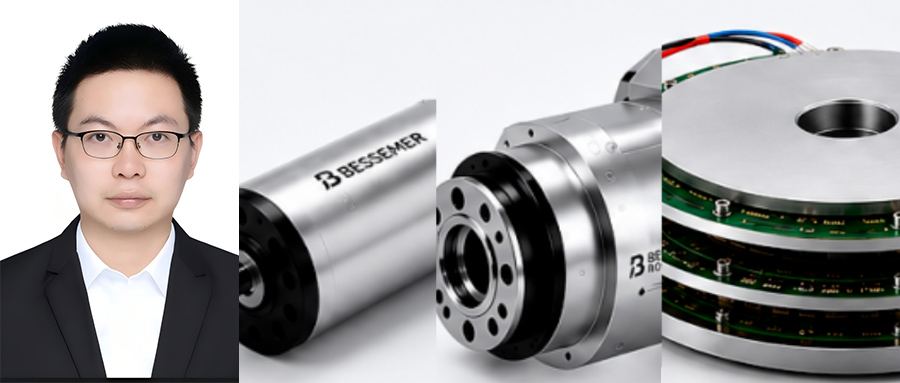
Bessemer Technology Secures Angel Funding for Motor Innovations in Robotics
Bessemer (Shanghai) Technology, founded by Assistant Professor Zhu Wenjun from Xi'an Jiaotong-Liverpool University, has successfully raised millions in angel funding from the Pudong AI Seed Fund. Established in 2025 with a registered capital of 2 million yuan, the company holds two patents and aims to optimize motor technology and establish mass production lines with the new funding. This funding is significant as it marks a shift in investment focus towards core components like joint motors, which have been underdeveloped in China. While many domestic motor technologies remain in the experimental phase, Bessemer is building a complete chain from electromagnetic simulation to standardized hardware, addressing the gap between laboratory innovations and industrial production. Looking ahead, Bessemer's product line includes the E series and S series motors, designed for humanoid robots and medical devices, which could disrupt the market by offering lighter, more efficient alternatives to traditional motors. No further timeline was disclosed at the time of publication for upcoming product launches or additional funding rounds.
Motor Technology Robotics Angel Investment High-Tech Startups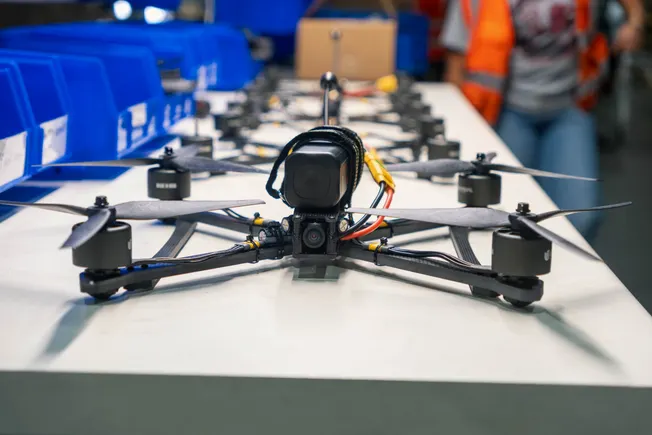
How a drone maker aims to fix the supply chain
Brett Velicovich, co-founder of Powerus and a U.S. Army veteran, has outlined the company's initiative to establish a comprehensive drone manufacturing process within the United States. This effort aims to enhance domestic production capabilities and reduce reliance on foreign suppliers. By leveraging his military experience and expertise in drone technology, Velicovich is spearheading this project to address growing demands in the drone industry. The initiative is part of a broader movement to bolster American manufacturing and innovation, particularly in the defense and technology sectors. Powerus is actively working on developing the necessary infrastructure and partnerships to facilitate this transition, with plans to implement the manufacturing process in the near future.

Pentagon works with U.S. rare earths company to counter China's dominance
The Trump administration is collaborating with a U.S. company to counter China's stronghold on rare earth elements, which are crucial for manufacturing components in various technologies, including smartphones, robotics, fighter jets, and drones. This initiative comes amid growing concerns over supply chain vulnerabilities and national security, as China currently dominates the production of these essential metals. The partnership aims to enhance domestic production capabilities and reduce reliance on foreign sources, thereby ensuring a more secure supply chain for critical technologies. The administration's efforts reflect a broader strategy to strengthen the U.S. position in the global market for rare earth elements and to promote economic independence.

The American rare earths company seeking to topple China's dominance | 60 Minutes
The Trump administration is collaborating with a U.S. company to confront China's significant control over rare earth elements, which are crucial for manufacturing various high-tech products, including smartphones, robotics, fighter jets, and drones. This initiative aims to reduce dependency on Chinese supplies and enhance national security by securing a more stable and independent source of these vital materials. The effort comes amid rising tensions between the U.S. and China, highlighting the strategic importance of rare earth elements in modern technology and defense. The administration's actions reflect a broader strategy to bolster domestic production capabilities and ensure that the U.S. remains competitive in critical industries.
$4.1 Billion Deal Shows Why Ferrari and Tesla Are Ditching Copper for a Substitute
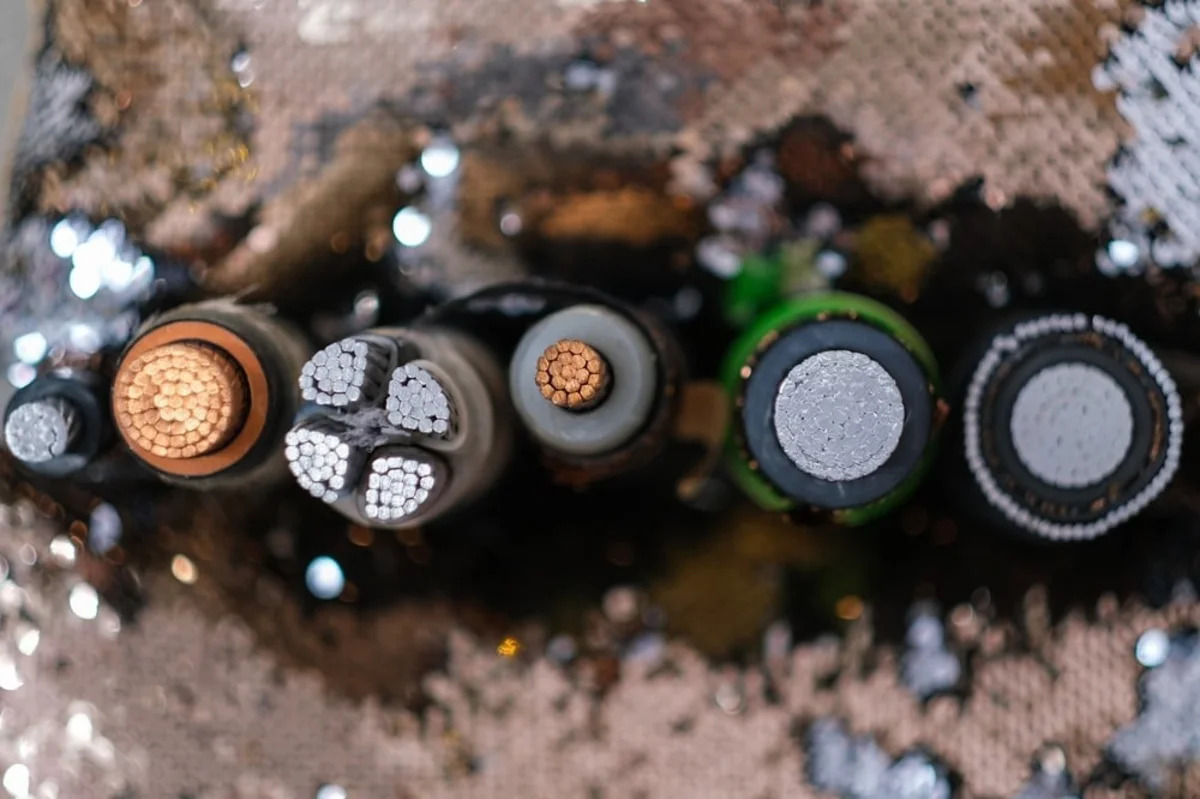
$4.1 Billion Deal Shows Why Ferrari and Tesla Are Ditching Copper for a Substitute $4.1 Billion Deal Shows Why Ferrari and Tesla Are Ditching Copper for a Substitute Stjepan Kalinic Sun, July 5, 2026 at 8:31 AM PDT 6 min read RACE.MI TSLA Benzinga and Yahoo Finance LLC may earn commission or revenue on some items through the links below. Substitution is one of the fundamental economic forces. If a product goes up in price, consumers have a direct incentive to switch to a cheaper substitute. While branding power dictates some price flexibility, such calculations are more straightforward for fungible commodities. When copper costs about $15,000 a metric ton, manufacturers have every right to ask – does every wire really need to be copper? With data centers, grid upgrades and green-energy projects tightening supply, the answer from automakers is increasingly no. Aluminum, trading at $3,100 per ton, is being promoted wherever physics allows. Don't Miss: A single bad hire can set a startup back years. Here are the 5 hires founders most often misjudge — and why Still Learning the Market? These 50 Must-Know Terms Can Help You Catch Up Fast Driving Investment and Corporate Consolidation Aside from being much cheaper, the metal is lighter and good enough for many vehicle applications. The appeal to save on weight is just a bonus for range-anxious electric vehicles. Ferrari has used aluminum in bodies, engines, and chassis for years and has recently begun using aluminum power cables in the 296 hybrid and other models. The payoff can be meaningful: wiring weight savings of up to 20%. "We are not choosing aluminum because it's cheaper; we choose the material that has better performance," the firm's communications executive Dario Esposito said per Reuters. Market interest is driving asset transactions, as Alcoa Corp. has just signed a binding agreement to acquire most of South32 Ltd.'s aluminum value chain for $4.1 billion. These include assets in Australia, South Africa and Brazil, but not the Mozal operation in Mozambique. The largest domestic aluminum producer expects the transaction will generate about $900 million in synergies. JPMorgan estimates the aluminum substitution could affect about 2% of global copper demand this year, and potentially as much as 6% by 2030. Trending: Avoid the #1 Investing Mistake: How Your 'Safe' Holdings Could Be Costing You Big Time A Partial Substitute Still, aluminum is not copper with a discount sticker. It is less electrically conductive, meaning cables often must be thicker to carry the same current. Those properties create problems in tight spaces – shared by both data centers and automobiles. For high-performance systems and specialized applications, copper's efficiency still remains ahead. Story Continues Then, there are environmental and geopolitical complications. The final phase of aluminum production is energy-intensive, often generating a much larger carbon footprint than copper. Energy prices have squeezed domestic producers and closed smelters, while trade frictions, including U.S. tariffs, further complicate sourcing. Cable makers provide some guidance on the issue. Xavier Mathieu, VP of Nexans, the second-largest global cable manufacturer, said buyers typically start switching when copper costs about 3.5 times as much as aluminum. The current ratio exceeds 4.2. The math means aluminum will keep swallowing market share where weight and space permit, but copper's performance edge still means it is the hedge, not the heir. Photo by laowaika via Shutterstock Read Next: Skip the Regrets: The Essential Retirement Tips Experts Wish Everyone Knew Earlier. Think you're saving enough for your kids? You might be dangerously off — see why Building Wealth Across More Than Just the Market Building a resilient portfolio means thinking beyond a single asset or market trend. Economic cycles shift, sectors rise and fall, and no one investment performs well in every environment. That's why many investors look to diversify with platforms that provide access to real estate, fixed-income opportunities, precious metals, and even self-directed retirement accounts. By spreading exposure across multiple asset classes, it becomes easier to manage risk, capture steady returns, and create long-term wealth that isn't tied to the fortunes of just one company or industry. Arrived Backed by Jeff Bezos, Arrived Homes makes real estate investing accessible with a low barrier to entry. Investors can buy fractional shares of single-family rentals and vacation homes starting with as little as $100. This allows everyday investors to diversify into real estate, collect rental income, and build long-term wealth without needing to manage properties directly. FarmTogether Farmland has historically held its value through market volatility and delivered returns uncorrelated to stocks and bonds. For accredited investors, FarmTogether offers direct access to high-quality U.S. farmland starting at $15,000 — fully ma

Japan Pioneered Humanoid Robots—Can It Now Catch China?
“In the future, the relationship between humans and robots will deepen, and the distinction between them will probably disappear.” This prediction, from one of the attendees at the recent Humanoids Summit in Tokyo, might have been unremarkable had it not come directly from an android that was first introduced to the world 20 years ago. Geminoid HI-6 is the sixth-generation of a robot originally designed in 2006. The mechanical twin of Osaka University professor Hiroshi Ishiguro, Geminoid HI-6 is now equipped with a large language model trained on Ishiguro’s own writings and interviews. It has advanced conversational skills and can even have a chat with its creator, an eerie spectacle. But at the Humanoids Summit, Geminoid was one of the few humanoid robots from Japan, the country that pioneered the form factor.While the event in Tokyo only had about 40 robots on display, Chinese systems outnumbered Japanese by roughly three to one. Some Japanese robotics firms were even using Chinese robots in their own technology demonstrations, something that would have been unthinkable in the recent past—one Japanese engineer described the situation as “sad.” The conference was a stark reminder of how Japan has ceded its early lead in humanoid robot development to overseas competitors, and the challenge it now faces to secure a place in an ecosystem increasingly dominated by general-purpose robots powered by AI. Twenty-five years ago, Japan was turning out groundbreaking humanoids that were showstopping in their abilities, but they were not commercialized as practical machines in any meaningful way. Heavily influenced by science fiction and lacking practical applications, they were mostly expensive technology demonstrations that were eventually mothballed. What Japan retains, however, is robotics design and know-how, which it must leverage to be a key player in the rapidly evolving humanoid ecosystem. Learning to Walk—Then Standing StillTo anyone who has seen recent videos of Chinese humanoids doing kung-fu and synchronized acrobatics, as well as half-marathon races, China’s remarkable progress in the field is nothing new. At the Humanoids Summit, Toyota showed a video of its latest basketball-playing robot, and Honda exhibited its latest robot hand, but the full-scale humanoids on the floor were mostly Chinese–the kid-size K1 machines from Booster Robotics of Beijing were dancing to Michael Jackson tunes. The full-scale G1 humanoid from Unitree Robotics of Hangzhou was also doing demos. “You cannot sell these bipedal systems in Japan for safety and compliance reasons,” says Shuichi Nagao, a frequent visitor to China as CTO of Omakase Robotics, a division of Zeals, a Japanese humanoid robot developer. Omakase was exhibiting a G1 modified with an external PC controller, a dextrous hand, a suction-cup manipulator and a sensor “hat” with an extra speaker, mic and camera. “In China, the government is pushing humanoid development. They didn’t have an industry 20 years ago. The people pushing it are young, in their 20s and 30s. It’s a really different mentality out there,” says Nagao. “Big players in Japan are still looking for use cases for humanoids. In China, they’re already doing mass production and reducing the cost, so other countries can’t compete with them anymore.”Another Japanese company showing off G1 bots was summit sponsor GMO AI & Robotics, a subsidiary of Japanese internet company GMO. It’s using the robots in partnership with Japan Airlines to load and unload cargo containers at Tokyo’s Haneda airport. The cargo project is a trial—like many other humanoid experiments—but the fact that Chinese machines have penetrated so far into Japan’s ecosystem upends a long history. In 1973, scientists at Waseda University in Tokyo built WABOT-1, considered the first full-scale humanoid robot and capable of slow bipedal locomotion, grasping objects and simple communication. It inspired Honda’s groundbreaking Asimo humanoid, but it was never commercialized. Asimo was eventually retired in 2022, the year ChatGPT was released. Two years later, Unitree’s G1 went on sale for US $16,000. China’s High Torque Technology Co. showed off its Mini Pi biped, customized with an anime-inspired head, at Humanoids Summit in Tokyo. The regular version is priced at $3,500. Tim HornyakSupply and DemandJapan’s development of humanoids happened before practical applications or widespread demand were in place, but bad timing is only part of the story—Japan also has a history of developing technologies that might appeal to domestic consumers but not necessarily those overseas. For example, decades after they first appeared, its highly engineered, multifunction toilets have only recently found a following abroad. Japan’s humanoid prowess was partly built on the back of its legendary industrial automation, yet even that stronghold has eroded. Ani Kelkar, a partner from McKinsey & Company in Boston who produces analytical reports about the robotics industry, told the summit audience that while Japan occupied the top spot in the world in manufacturing robot density (the number of multipurpose industrial robots in operation per 10,000 employees) from at least 1994 to 2009, it then slipped to second in 2014, third in 2019 and fifth in 2024. In that year, South Korea was at the top of the leaderboard with a robot density of 1,220 compared to Japan’s 446. The International Federation of Robotics estimates China now has the most operational industrial robots in the world, with around 2 million total units, approximately 4.5 times more than Japan. “The annual installation numbers are impressive too: 54 percent of all robots installed worldwide in 2024 were deployed in China,” the IFR said in a release in April 2026. “I think the loss of Japanese leadership is more to do with the rise of China as a manufacturing powerhouse including for sectors that Japan had high export levels,” Kelkar said in an email interview. “The recovery has not yet happened as Japan ‘missed’ the rapid acceleration in AI for robotics and is now playing catchup.”How Japan Can Adapt Kelkar believes Japan has a US $100 billion opportunity in general-purpose robotics, which are machines that can perform a wide variety of tasks, and it cannot rely on the slower-growing industrial robot market, which is centered on factory machines that do one simple and predictable task like welding car parts. He points to a McKinsey white paper suggesting that while Japan has much of the hardware and technology experience needed to support general purpose robot development, it must change its strategy to capture more share in AI, software, data collection and robotics platforms.Tetsuya Ogata is a professor of engineering and director of the Institute for AI and Robotics at Waseda University, the birthplace of humanoids in Japan. He briefed the summit on how a nonprofit he chairs, the AI Robot Association (AIRoA), is working with Toyota and other members to develop foundational technologies for collaborative use. For instance, AIRoA has collected some 80,000 hours of data on remote operation of mobile manipulators, and Ogata believes it’s the largest dataset of its kind. Using the data, it built and verified Vision-Language-Action (VLA) models, and it has also started data collection for dual-arm mobile manipulation. In an interview, Ogata acknowledged Japan’s struggle to find its place in the changing landscape. “The world of AI is inherently a game of scale,” says Ogata. “Therefore, Japan’s absolute prerequisite is to secure a competitive baseline of scale—in data, computing resources, and talent. Beyond that, what I consider most critical is a mindset shift: rather than trying to hoard scale within a single nation or company, we must grow stronger by collaborating with a diverse ecosystem of domestic and international players.” Specifically, this means creating a ‘collaborative domain’ to address data—the single biggest bottleneck—through industry-wide cooperation rather than data-siloing. By collectively nurturing a pre-competitive, shared data infrastructure and foundation model, individual companies can then compete on top of it with their own applications. “By offering this open ‘data ecosystem’ to the world, we can engage global players and establish a ‘third pole’ alongside the US and China,” says Ogata. “I believe this is how Japan can reclaim its global presence.”In 1999, Japan introduced the world’s first mobile internet services platform. But being first didn’t turn Japan into a smartphone manufacturing or design center—it’s now merely a supplier of parts to other countries who are leading the smartphone industry. If Japan can avoid a repeat of that experience and successfully deregulate, diversity, and commercialize its original humanoid dreams, it stands a better chance of influencing the direction of the industry and reaping billions in value. As automobiles and electronics were pillars of Japan’s industrial strategy in the last century, Japan could make humanoid robots one of its key value generators in the 21st century, an approach that would not only deliver economic benefits but give Japan greater clout in how the industry will evolve. Just like Japanese cars, electronics, and even toilets, Japanese humanoids could stand for craftsmanship and reliability. It’s a legacy that Japan can’t afford to give up.
Japan Robotics Humanoids Humanoid-robots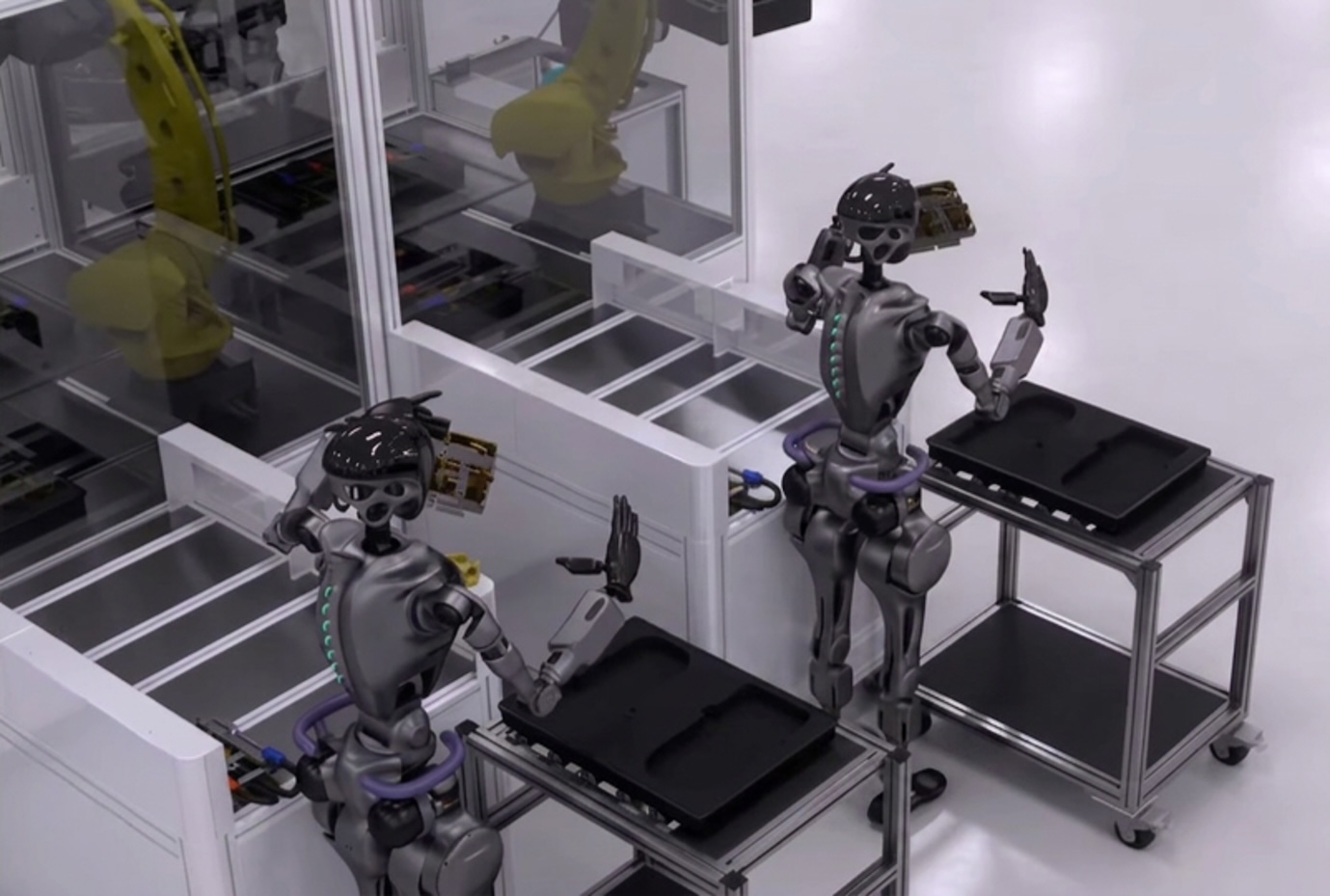
What Does Tesla Optimus Actually Do? Factory Tasks & Real-World Use Cases
Tesla's Optimus robot has been tasked with sorting battery cells and inspecting parts at the company's factory, raising questions about its effectiveness in real-world applications. While demonstrations have showcased the robot's capabilities, critics are calling for a clearer distinction between confirmed factory tasks and staged performances. The scrutiny comes as Tesla aims to integrate automation into its production processes to enhance efficiency and reduce labor costs. Observers are keen to see how well Optimus performs under actual working conditions, as the company continues to push the boundaries of robotics in manufacturing. As of October 2023, the ongoing evaluation of Optimus's functionality will be crucial in determining its role in Tesla's future operations.

Aerospace equipment company, with a team experienced in major aircraft assembly, secures millions in funding.
Dalian Kunda Automation Co., a company specializing in intelligent assembly equipment for large aircraft, has successfully completed a Series A funding round, raising tens of millions of yuan. The investment was led by Taizhou Yongxin Rongyan Venture Capital Partnership, with Dagan Capital serving as the exclusive financial advisor. The funds will primarily be allocated for the development of a new generation of intelligent assembly systems, expansion of core product capacity, and to supplement working capital. Founded in 2016, Dalian Kunda focuses on providing automation solutions for heavy manufacturing sectors, particularly in aerospace. The company offers a range of products, including high-precision mobile docking platforms and composite mobile robots, catering to major manufacturers and research institutions in aviation, aerospace, and engine sectors. Dalian Kunda has developed advanced technologies to meet the stringent demands of aerospace assembly, including high-precision docking and assembly techniques. Its products, capable of handling loads from 2 to 200 tons, integrate laser SLAM, visual navigation, and autonomous scheduling systems for efficient operation in large-scale manufacturing environments. The company has reported a revenue of approximately 80 million yuan for the latest fiscal year, marking a 49% increase. With a strong focus on research and development, Dalian Kunda holds over 60 patents and collaborates with Dalian University of Technology on precision assembly algorithms. Investors are optimistic about Dalian Kunda's potential, citing the rapid growth of the domestic aerospace market and the company’s established expertise in flexible production solutions. The firm aims to expand its presence in the civil aviation sector and explore opportunities in low-altitude economic initiatives, particularly in the development of large unmanned cargo aircraft.
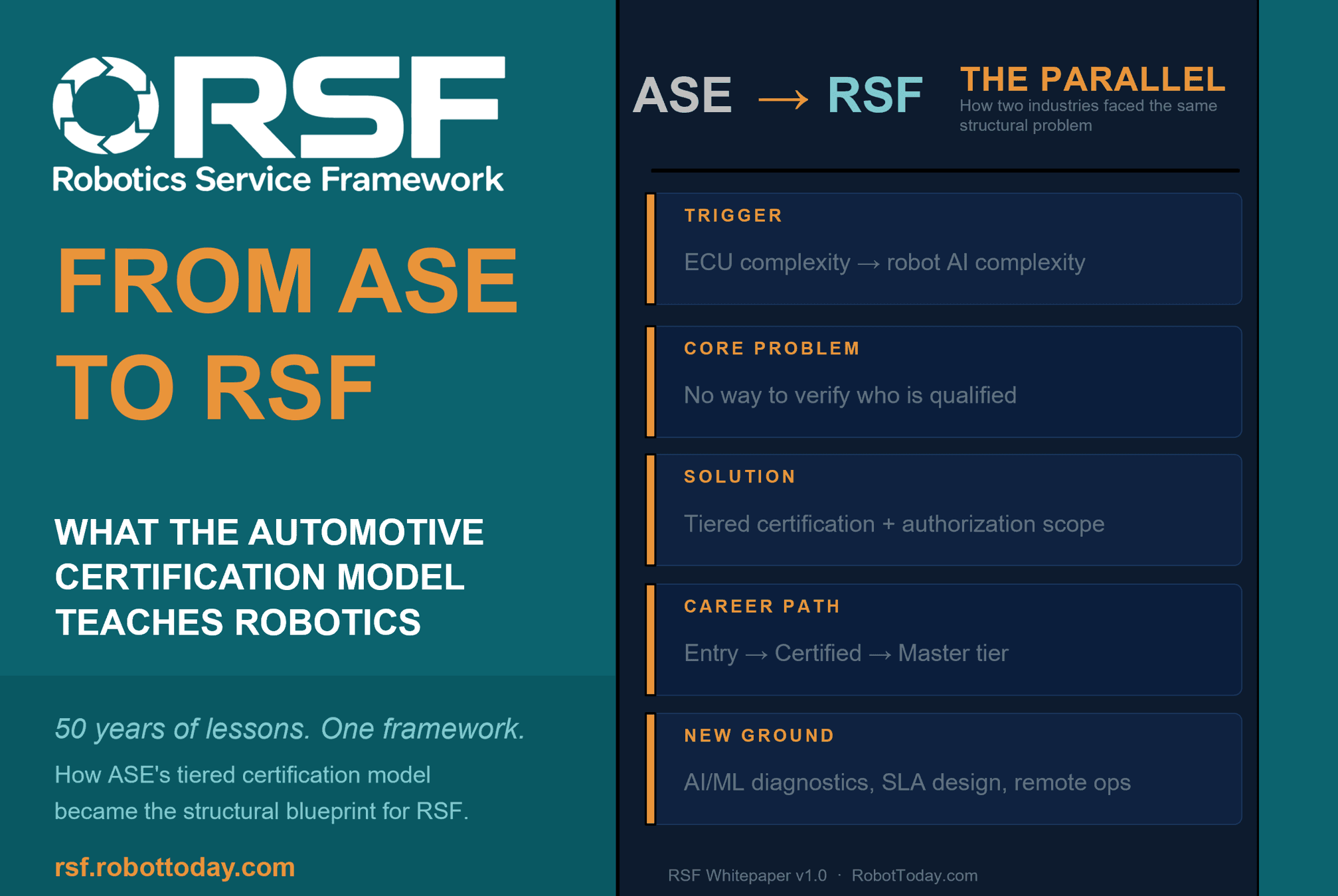
Robotics needs a service framework.
RSF defines a common language for robot service capability, lifecycle operations, certification pathways, and service-provider networks.