Industry Briefing
A single destination for timely, editor-curated robotics news from around the world.

Military Selects First Bases for Directed-Energy Counter-Drone Program
The U.S. Department of Defense has unveiled the first five military installations chosen to participate in a directed-energy counter-drone program aimed at enhancing defenses against unmanned aircraft systems (UAS). This initiative, announced by the Joint Interagency Task Force 401, seeks to bolster national security by developing advanced drone defense technologies. The selected bases will play a crucial role in testing and implementing these systems, reflecting the growing need to address the evolving threats posed by drones. The program underscores the military's commitment to adapting to modern warfare challenges and ensuring effective countermeasures against potential aerial threats.
Anti-drone technology Applications C-UAS Defense defense Drone News
Japan's ATLA Selects Terra Drone Interceptor for 2026 Counter-UAV Trials
Japan's Acquisition, Technology & Logistics Agency (ATLA) has chosen Terra Drone's interceptor drone as a test article for its Interceptor Drone Rapid Acquisition Programme. This selection marks a significant step in Japan's efforts to enhance its counter-UAV capabilities. The decision to utilize Terra Drone's locally developed technology underscores the importance of domestic innovation in addressing emerging threats in aerial security. The trials scheduled for 2026 will evaluate the effectiveness of the interceptor drone in real-world scenarios, contributing to Japan's defense strategy. As the trials approach, stakeholders will be keen to observe the performance of the Terra Drone interceptor and its potential integration into Japan's defense systems. No further timeline was disclosed at the time of publication.
News
Auriga Space and U.S. Army Explore Electromagnetic Launchers for Countering Drone Swarms
Auriga Space has entered a three-year Cooperative Research and Development Agreement (CRADA) with the U.S. Army Combat Capabilities Development Command Armaments Center (DEVCOM AC) to investigate the potential of electromagnetic launch technology in countering drone swarms. This initiative aims to find a cost-effective alternative to traditional missile interceptors, which have proven expensive in engagements against low-cost drones. The significance of this research lies in the increasing need for modern militaries to address the economic challenges posed by drone warfare. Current missile interceptors can cost hundreds of thousands to millions of dollars, creating a cost imbalance when defending against inexpensive drones. The CRADA represents a broader commitment by the Department of War to explore innovative counter-drone technologies that can maintain high engagement rates while reducing operational costs. Looking ahead, Auriga plans to conduct the first outdoor flight test of its transportable electromagnetic launch platform, Hermes, later this summer. This platform is designed for rapid reloads and repeated engagements against multiple targets, potentially offering a new solution to the growing threat of drone swarms. No further timeline was disclosed at the time of publication.
Anti-drone technology Applications C-UAS Defense Drone News Drone News Feeds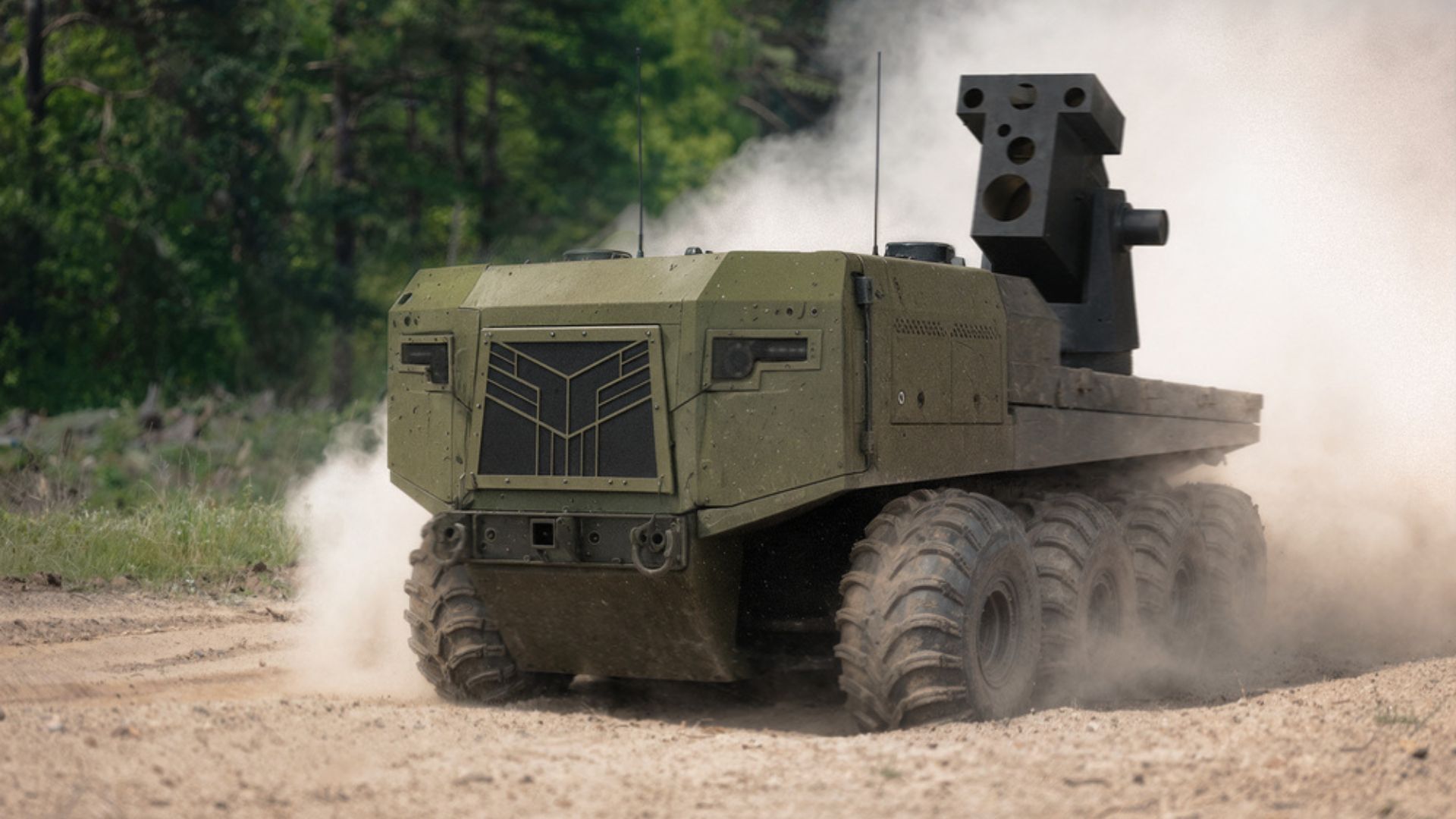
US robotic combat vehicles add directed-energy weapons to defeat multi-drone threats
Aurelius Systems has partnered with American Rheinmetall to integrate a directed-energy counter-drone system onto robotic...
Military
Commercial UAV Expo Launches DRONERESPONDERS Training for Public Safety Applications
The Commercial UAV Expo has introduced a new two-day program management training course as part of its Public Safety Summit. This initiative focuses on various applications of drones in public safety, including their use as first responders, in fire services, crash-scene management, and shared-airspace operations. The course will also feature a two-part session discussing counter-UAS strategies learned from the 2026 FIFA World Cup. This new training program is significant as it addresses the growing integration of drones in emergency response and public safety sectors. By equipping program managers with specialized knowledge, the initiative aims to enhance operational efficiency and safety in critical situations. The inclusion of counter-UAS lessons from a major international event like the FIFA World Cup underscores the importance of preparedness in managing drone-related challenges. Looking ahead, the next milestone for the Public Safety Summit will be the execution of this training course, scheduled to take place soon. No further timeline was disclosed at the time of publication, but the program's launch indicates a proactive approach to improving drone operations in public safety contexts.

Commercial UAV Expo Launches DRONERESPONDERS Course with FIFA Airspace Security Insights
The Commercial UAV Expo has introduced a two-day DRONERESPONDERS Program Management Course, coinciding with the 2026 DRONERESPONDERS Public Safety Summit. Scheduled for September 1-3, 2026, at Caesars Forum in Las Vegas, the course aims to provide insights from the FIFA World Cup airspace security operations, where over 600 drones were seized across 11 U.S. host cities since the tournament began on June 11. This initiative is significant as it highlights the challenges and lessons learned from managing airspace security during high-profile events like the World Cup. Federal agencies reported detecting more than 1,000 drones near venues, emphasizing the need for effective public safety airspace management. The insights gained will also inform preparations for the upcoming 2028 Summer Olympics in Los Angeles, supported by a $250 million FEMA grant for counter-UAS measures. Looking ahead, the program will feature panels on various topics relevant to public safety agencies, including UAS operations and interagency collaboration. No further timeline was disclosed at the time of publication regarding additional sessions or future developments in the program's curriculum.
Drone News Drone News Feeds Expos and Drone Shows News 2028 LA Olympics AAM
MBDA showcases hybrid high-energy laser, interceptor counter-drone system
The European missile manufacturer has announced plans for a new hybrid defense platform aimed at countering the increasing threat posed by small, fast, and low-cost unmanned aerial vehicles (UAVs). This innovative system is expected to be operational in Germany by the end of the decade. The initiative reflects a strategic response to evolving aerial threats, highlighting the need for advanced defense solutions in modern warfare. The development of this platform underscores the commitment to enhancing national security and adapting to the changing landscape of military challenges in Europe.
Air Warfare Global Air Force Drones Europe ILA Berlin 2026
Here’s how the Army plans to spend nearly $1 billion in procuring small counter drone tech
The U.S. government has proposed a budget allocation of $994 million for small counter-unmanned aerial systems (c-UAS) in its fiscal year 2027 budget request. This funding, entirely sourced from discretionary funds, aims to enhance the nation's capabilities in addressing the growing threat posed by small drones. The decision reflects an increasing recognition of the need for advanced technologies to safeguard airspace and protect critical infrastructure. The budget request underscores the government's commitment to investing in innovative solutions to counter aerial threats effectively.
Air Warfare Land Warfare Air Force Army Counter UAS cUAS Defense Budget 2027
ThinKom Develops Self-Funded Mobile HPM Weapon to Counter Drone Swarms
ThinKom Solutions, a company based in Hawthorne, California, has introduced Alecto, a self-funded mobile high-power microwave (HPM) directed energy weapon aimed at neutralizing swarms of unmanned aircraft systems (UAS). Announced on May 4, 2026, the development of Alecto leverages ThinKom's proprietary Variable Inclination Continuous Transverse Stub (VICTS) antenna technology. This innovation is specifically designed to meet the Counter-UAS (C-UAS) needs of the Department of Defense, addressing growing concerns over the increasing use of drone swarms in military and security operations. The introduction of Alecto represents a significant advancement in directed energy capabilities, providing a new tool for defense against aerial threats.
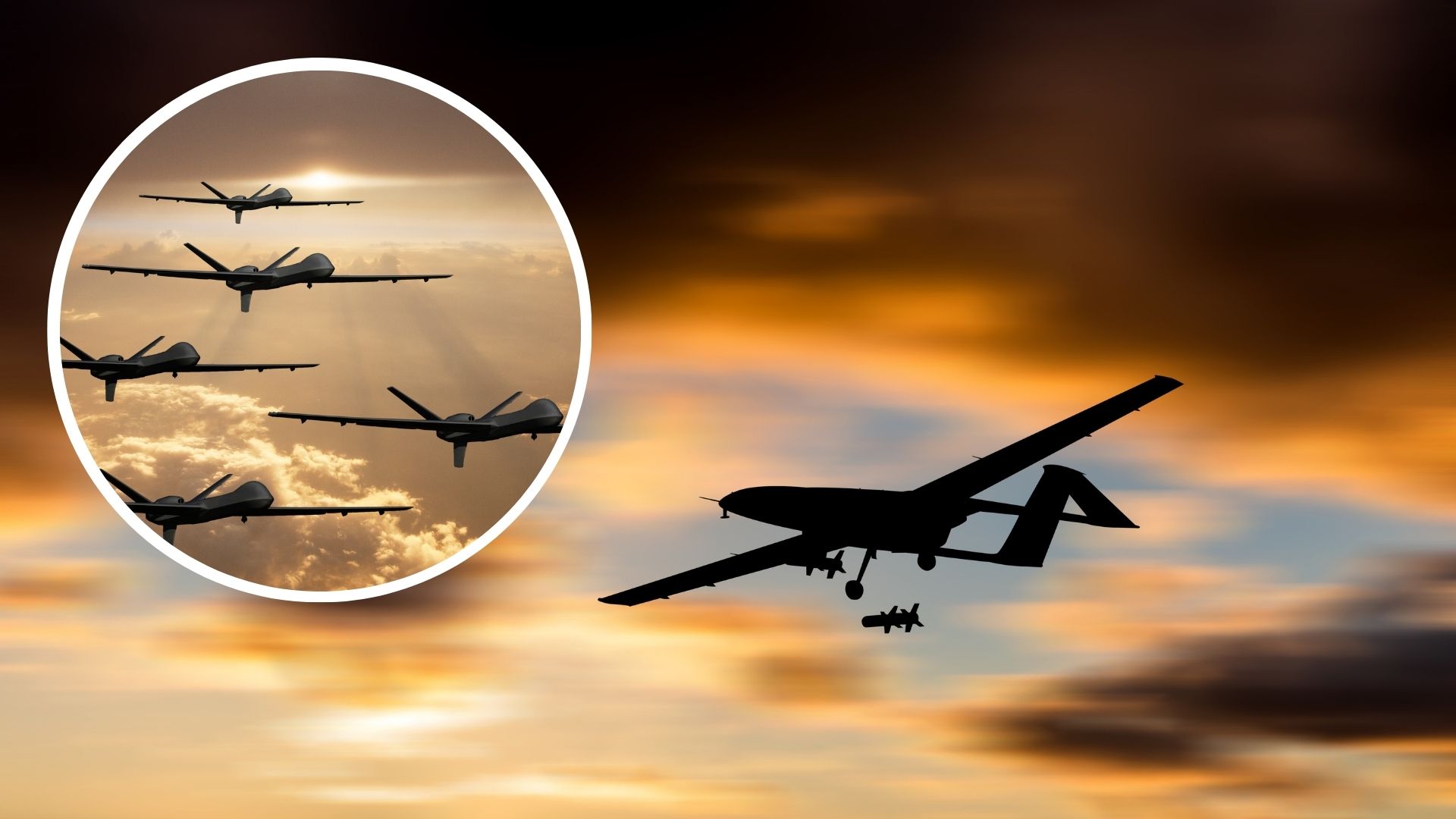
Quantum Systems Group's Apex Recordhunter Drone Achieves 434 mph Speed Milestone
Quantum Systems Group, a German aerospace firm, has announced that its Apex Recordhunter experimental drone reached a remarkable speed of 434 miles per hour. This achievement, pending formal certification, could set a new world record for battery-powered unmanned aerial vehicles. The project emphasizes advancements in electric propulsion and aerodynamics, aiming to enhance military applications for future interceptor drones. The significance of this milestone lies in its potential to reshape aerial defense systems. As military conflicts increasingly utilize high-speed drones, the demand for agile interceptor systems has surged. Traditional surface-to-air missiles are often too expensive for engaging low-cost drones, prompting the development of dedicated UAVs that can effectively counter these threats. The technologies validated through the Apex Recordhunter program are expected to play a crucial role in the next generation of interceptor drones. Looking ahead, Quantum Systems Group plans to conduct further speed trials focused on operational military roles, including FPV platforms and specialized anti-aircraft interceptors. The rapid evolution of drone warfare necessitates breakthroughs in speed and maneuverability, making the Apex Recordhunter a pivotal testbed for future technologies. No further timeline was disclosed at the time of publication.
Military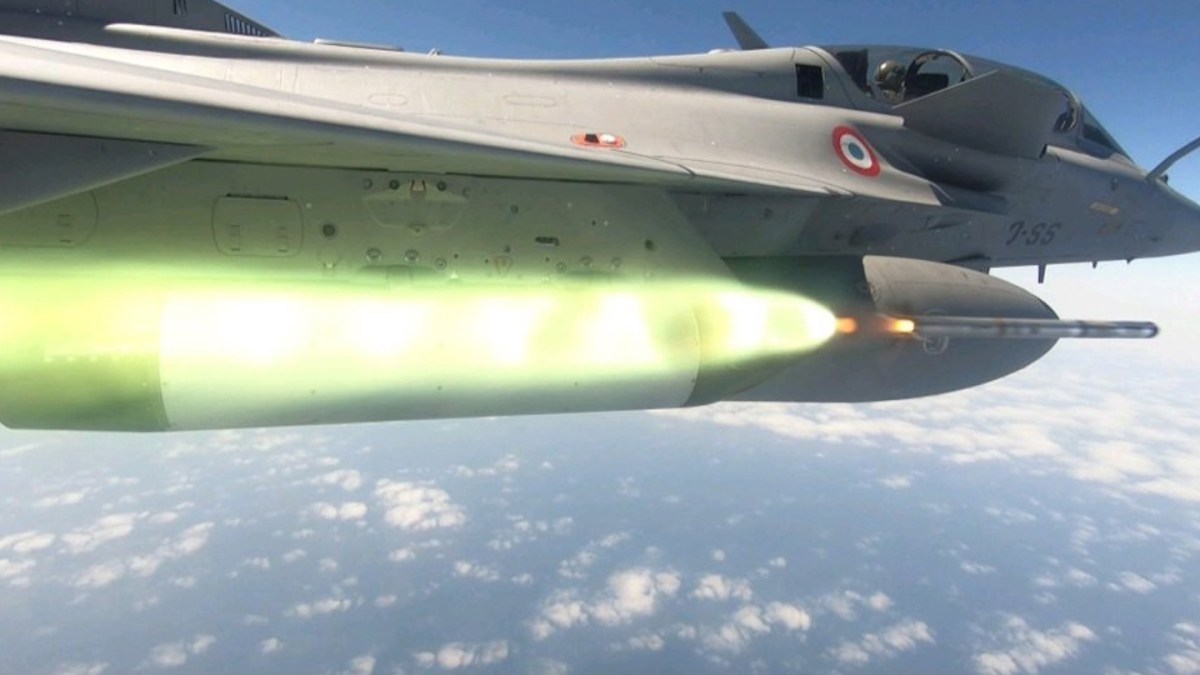
France's Rafale Fighter Integrates Affordable Laser-Guided Rockets for Anti-Drone Operations
France has successfully conducted live-fire tests of 68mm laser-guided rockets from its Rafale fighter, enhancing its anti-drone capabilities. This development follows a trend among air forces to adopt cost-effective solutions for countering drones, rather than relying solely on expensive missiles. The Directorate General of Armaments (DGA) announced the integration of these rockets, which were tested in collaboration with the French Air and Space Force and supported by Dassault Aviation and Thales. The integration program, known as Lutte antidrone sur avion de combat (LADAC), aims to provide French Rafales with a more economical option for countering threats posed by drones like the Iranian Shahed-136. The DGA confirmed that the time from contract award to achieving initial operational capability was under eight months, indicating a swift development process. This capability may also be extended to export customers of the Rafale and potentially other combat aircraft. Looking ahead, the focus will be on the operational deployment of these laser-guided rockets, which are designed to work with the Rafale’s modified RBE2 radar and Talios pod for target tracking. The Aculeus-LG rocket, with a range of 3.7 miles, represents a significant advancement in the cost-effective defense against unmanned aerial systems (UAS). No further timeline was disclosed at the time of publication.
Air Air Forces Drones Fighters French Air Force News & Features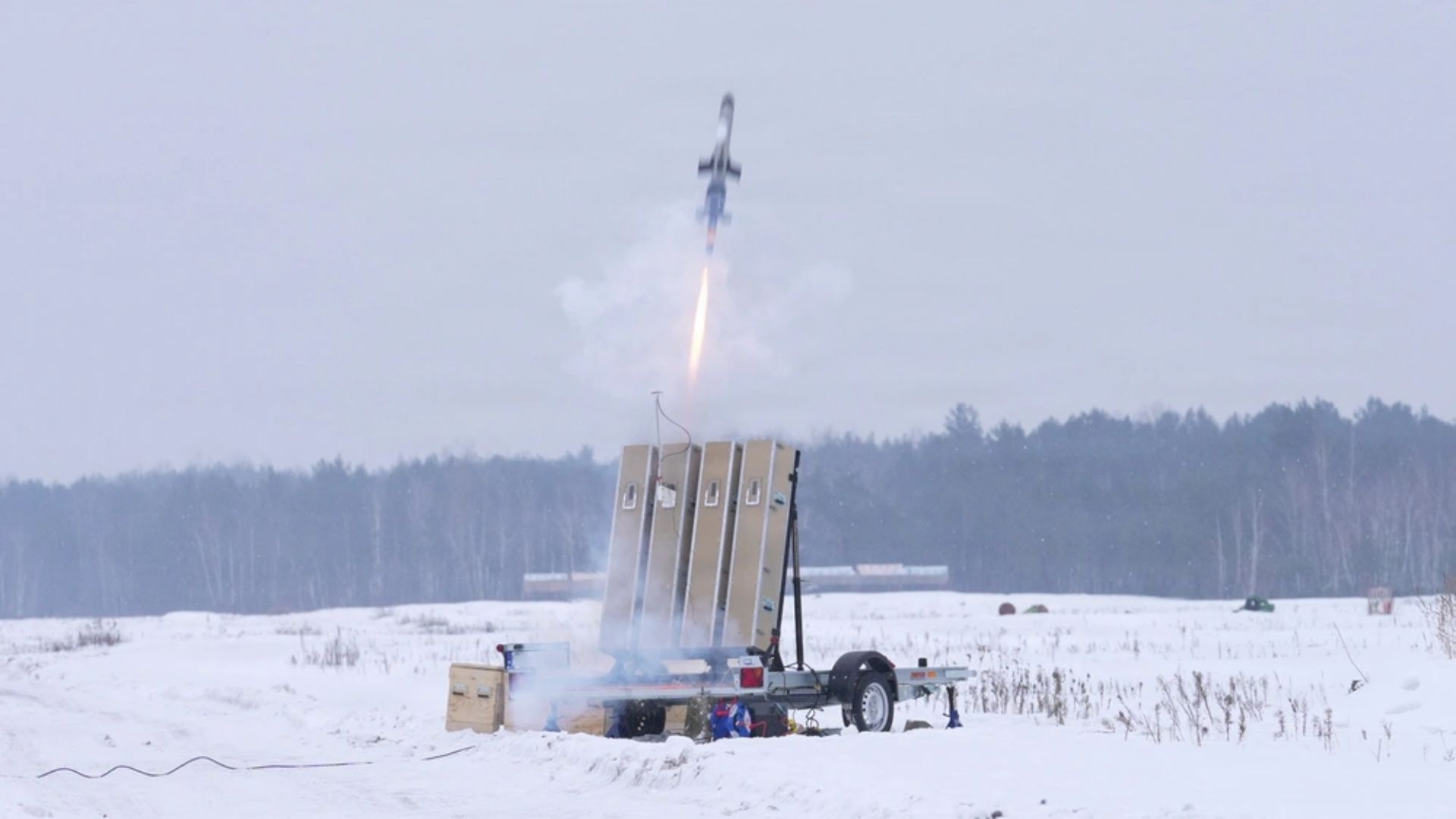
US Army tests low-cost drone-killing interceptor that can be redirected after launch
The U.S. Army's 52nd Air Defense Artillery Brigade has initiated testing of a new interceptor designed to target and eliminate drones. This development comes as military officials seek to enhance air defense capabilities amid increasing concerns over drone threats. The tests are taking place at a designated military facility, where the brigade is evaluating the effectiveness and reliability of the interceptor system. The initiative aims to address the growing prevalence of unmanned aerial vehicles in both civilian and military contexts, highlighting the need for advanced countermeasures. The Army's efforts reflect a strategic response to evolving aerial threats, ensuring that defense systems remain robust and effective in safeguarding airspace.

UAE shields energy infrastructure with ‘cope cages’ amid rising drone attacks
In a significant effort to enhance its defense capabilities amid rising drone threats, the United Arab Emirates has announced plans to invest heavily in advanced military technology. This initiative, revealed on October 15, 2023, aims to strengthen national security and protect critical infrastructure from potential aerial attacks. The UAE's defense ministry highlighted the urgency of this move, citing an increase in drone-related incidents in the region as a primary motivator. The investment will focus on developing cutting-edge surveillance systems and counter-drone technologies, which are expected to be integrated into existing military frameworks. By collaborating with international defense contractors and technology firms, the UAE seeks to accelerate the deployment of these advanced systems. This strategic approach not only addresses immediate security concerns but also positions the UAE as a leader in regional defense innovation. As tensions in the Middle East continue to rise, the UAE's proactive stance reflects a broader trend among nations to adapt to evolving threats in modern warfare. The government aims to ensure the safety of its citizens and maintain stability in the region through these enhanced defense measures.

Laminar-Flow Drone From Otto Aerospace Clears Flight-Test Campaign for DARPA
Otto Aerospace, a Fort Worth-based aeronautics company, has successfully completed a flight-test campaign for its unmanned laminar-flow drone, validating its low-drag airframe. This significant milestone was announced on May 6, 2026, from the White Sands Missile Range, following tests conducted at Spaceport America in New Mexico. The campaign is part of the Defense Advanced Research Projects Agency's (DARPA) Energy Web Aircraft program, aimed at enhancing the efficiency and performance of aerial vehicles. The successful validation of the drone's design marks a crucial step in advancing innovative aeronautics technology.
Defense defense Drone News Drone News Feeds News safety and security
Marine requirement for lightweight counter-drone tech to be released in coming months
The U.S. Marine Corps has begun deploying advanced systems to its units in response to an urgent operational requirement, despite the absence of a formal program or mandate for such technology. This initiative aims to enhance the Marines' capabilities in the field, addressing immediate needs identified by military leaders. The deployment reflects a proactive approach to equip forces with necessary tools to improve effectiveness and readiness in various operational scenarios. The decision underscores the Marines' commitment to adapting to evolving challenges and ensuring that personnel are adequately supported in their missions.
Land Warfare Networks & Digital Warfare Army Counter UAS cUAS cyber security Drones
Terra Drone Deploys Terra A2 Interceptor Drone to Ukraine Frontlines
Terra Drone Corporation, a Japanese drone manufacturer, has officially deployed its Terra A2 interceptor drone to the frontlines in Ukraine. This strategic move, announced on May 19, 2026, is part of a collaborative program with Ukrainian defense technology firm WinnyLab LLC. The introduction of the long-range, wide-area air defense platform aims to enhance Ukraine's defense capabilities amid ongoing conflicts. The operational deployment of the Terra A2 is expected to bolster Ukraine's aerial defense efforts significantly, reflecting the growing international support for the country’s military initiatives.
Anti-drone technology C-UAS Defense Japan Drone Industry Japan Drone News Ukraine Drones
130-year-old Japan firm flies under the radar to develop antidrone tech
Aerospace & Defense Industries130-year-old Japan firm flies under the radar to develop antidrone techTokyo Keiki sees share price spike in last 3 yearsTokyo Keiki's precision equipment requires advanced technical expertise to assemble. (Tokyo Keiki)FUMIHITO ISHIZUKAJuly 7, 2026 07:15 JSTTOKYO -- A 130-year-old midsize navigation instrument company appears to hold the key to innovating in counterdrone technology.Read NextAerospace & Defense IndustriesUkraine pushes civil drone drive with Japan and TaiwanInterviewDrone industry leader urges Japan and Taiwan to get on same regulatory pageStartupsJapan startup SolaNika to test tech for charging drones with lasersChina techBeijing plane crash sharpens scrutiny of nascent 'low-altitude economy'Aerospace & Defense IndustriesKawasaki Heavy and Airbus to team up on anti-submarine drone for JapanPolicy AsiaUS defense spending demand leaves Asian allies in limboAerospace & Defense IndustriesEuropean startup to make defense drones in Japan, export across AsiaAerospace & Defense IndustriesA European nation wants to buy Japan's defense equipment, Koizumi saysBusiness dealsJapan's Terra Drone buys 2 Ukrainian drone makers in global pushAerospace & Defense IndustriesUS attack drone maker taps into Taiwan controller demandLatest on Aerospace & Defense IndustriesAerospace & Defense IndustriesUkraine pushes civil drone drive with Japan and TaiwanAerospace & Defense IndustriesJapan, UK and Italy award $6bn contract to advance next-gen fighter jetAerospace & Defense IndustriesJapan, UK, Italy to consider Canada as observer in fighter jet programSponsored ContentAbout Sponsored ContentThis content was commissioned by Nikkei's Global Business Bureau.
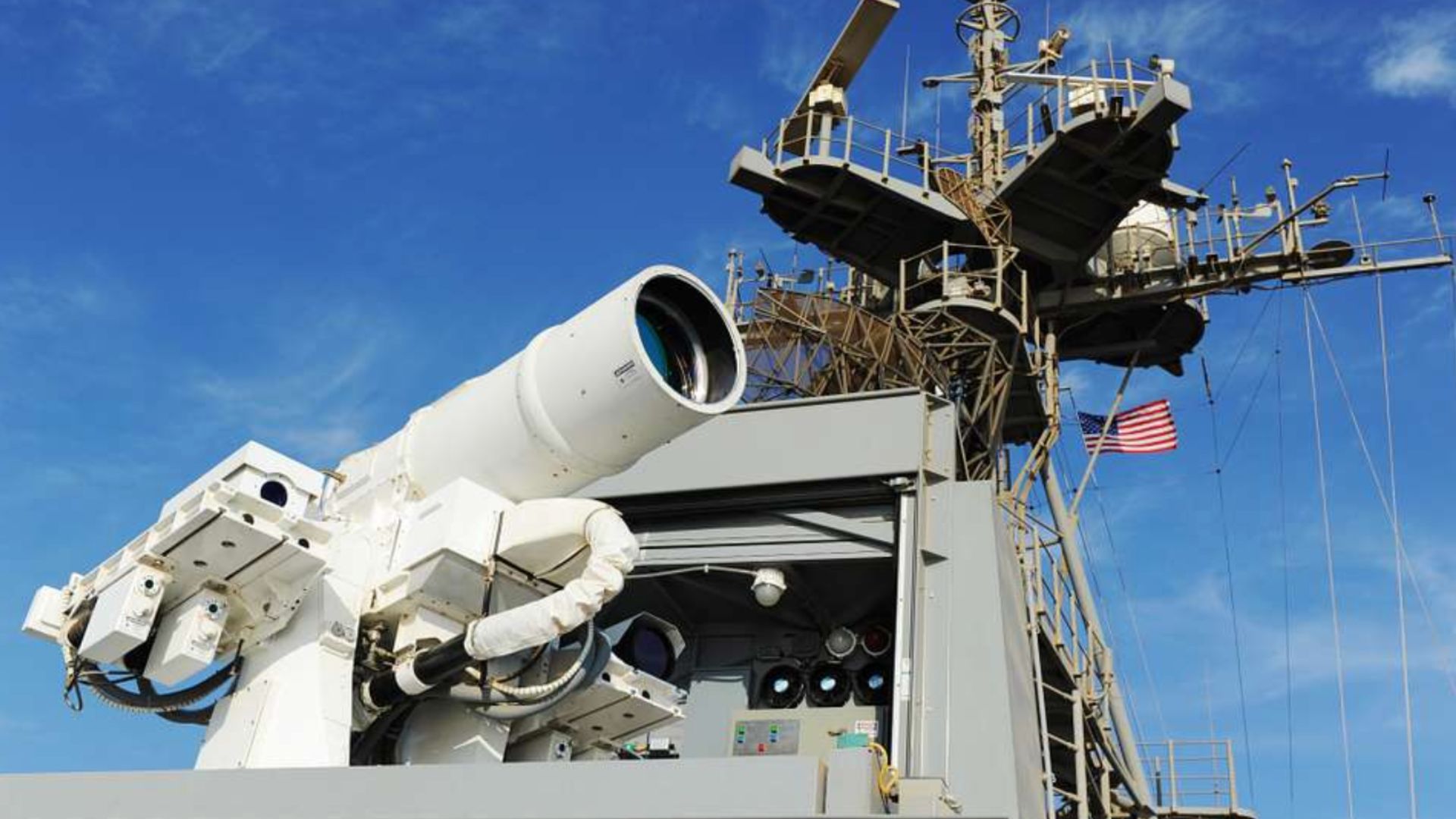
Nine US Navy destroyers that carry laser weapons for drone defense
The U.S. Navy has officially deployed laser weapons aboard its destroyers, marking a significant advancement from previous experimental demonstrations. This deployment, which occurred in October 2023, aims to enhance the Navy's defensive capabilities against various threats, including drones and small boats. The integration of laser technology is part of a broader strategy to modernize military assets and improve operational efficiency. By utilizing directed energy systems, the Navy seeks to provide a cost-effective and precise alternative to traditional munitions, thereby reducing logistical burdens and increasing response times in combat situations. The successful implementation of these systems aboard destroyers underscores the Navy's commitment to innovation and maintaining a technological edge in maritime operations.
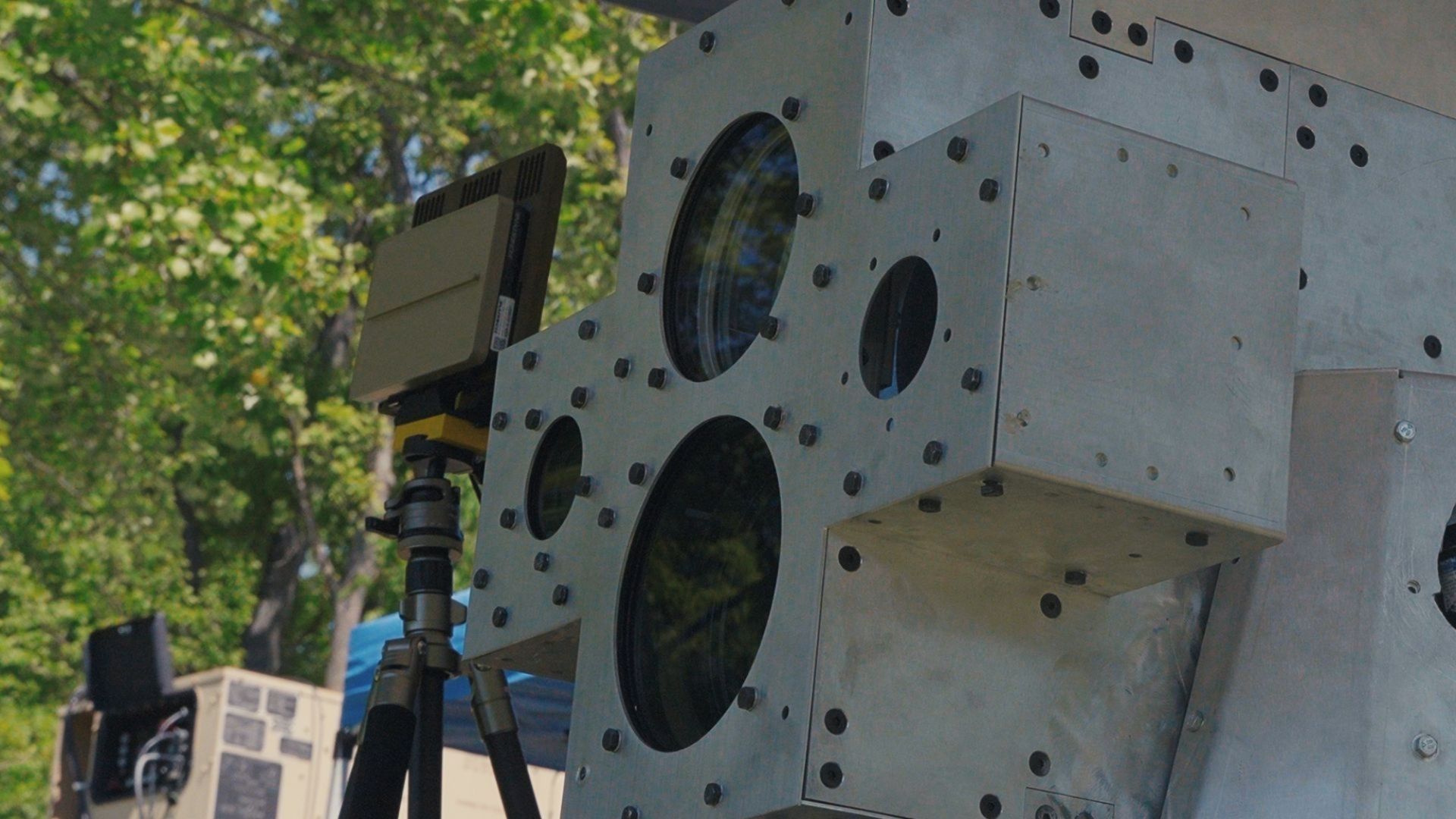
New Archimedes laser weapon system for low-cost drone kill trialed for Pentagon
Aurelius Systems, a US-based technology firm, has successfully completed live testing of its Archimedes autonomous directed-energy system. This significant milestone was achieved recently, showcasing the system's capabilities in real-world scenarios. The testing took place at a designated facility, where the system demonstrated its potential applications in defense and security. The motivation behind developing the Archimedes system is to enhance military operations by providing advanced directed-energy solutions that can effectively neutralize threats. The testing process involved rigorous evaluations to ensure the system's reliability and effectiveness in various conditions, marking a crucial step towards its deployment in operational settings.
Military
Army launches new low-cost interceptor program, targets fall for first live fire demo
Army Secretary Dan Driscoll announced that the newly developed Landing Craft, Infantry (LCIs) are designed to enhance existing air defense systems rather than replace them. This statement underscores the military's commitment to bolstering its defense capabilities while maintaining current advanced systems. The introduction of these LCIs is part of a broader strategy to ensure that the armed forces remain equipped to address evolving threats. The announcement comes amid ongoing discussions about the need for improved military readiness and adaptability in response to global security challenges.
Land Warfare Uncategorized Army counter drone Counter UAS cUAS Daniel Driscoll
Small-AI Models Gain Traction Around the World
One morning in 2019, Adebayo Alonge was in a Cape Town hotel room, preparing to demonstrate his startup’s AI answer to a serious problem in African health care: counterfeit medication, which kills thousands of people across the continent every year.The RxScanner is a handheld spectrometer that scans a pill with infrared light, then sends the item’s molecular profile to an AI model equipped with a pharmaceutical database. In seconds, the AI identifies the medication from its molecular profile—or reports that it’s phony.Pharmacies were using the system in more than a dozen countries, including Ghana, Kenya, Myanmar, and Alonge’s native Nigeria. But that morning in South Africa, it didn’t work. “I was shocked,” Alonge says.The spectrometer connected to the AI model—but the data center was 14,000 kilometers away and bandwidth was limited. “Our server was in the United States, and just to get the result of a single scan was taking me over 5 minutes.”So Alonge immediately asked his engineers to shrink the AI model down to a smaller, low-power, unconnected version that could run entirely on his Android phone. They produced it 2 hours later, and that saved the demo.More importantly, the work birthed a new version of his device, which can authenticate a pill in places without broadband, computers, or even reliable electricity. It also turned Alonge into an advocate for this kind of “small AI.”Small AI for Global Health Care AccessSmall AI is a far cry from wealthy nations’ colossal large language models (LLMs), hyperscale data centers, multibillion-dollar investments, and debates about AI consciousness. But for millions of people around the world, the only AI that matters, and often the only kind available, is small. (According to a World Bank Report issued in November, only 0.7 percent of internet users in the world’s poorest countries have used ChatGPT, compared to a quarter of all internet users in the most developed nations.)“Most people are discussing AI from the LLM/generative side. But that needs a lot of computing power, electricity, massive data, and skilled people to manage it,” Ajay Banga, president of the World Bank, said last January at the World Economic Forum, in Davos. “Outside the developed world, other than maybe India and China, very few countries have that combination.”By contrast, small AI can deliver useful, even life-saving services to people in areas that have none of those things, Banga said. In India, where the government’s AI plans call for more development of small AI, many such systems are working for farmers.For example, a drone-based system developed by Bala Murugan and colleagues at the Vellore Institute of Technology, in India, takes photos of cashew plants and quickly identifies those with splotches that indicate disease. All the processing takes place on the drone itself, so there’s no need for a computer on-site, nor for a connection to a central server.Using small language models trained for a specific problem, and sometimes running on cheap, low-power devices, other small-AI implementations have been developed to identify ant infestations in a Uruguayan vineyard, detect the presence of malaria-carrying mosquitoes in a number of nations, and run electrocardiograms from an Arduino device in parts of Brazil that lack access to more complex equipment.“This is the most important area in AI nowadays,” says Marcelo José Rovai, a professor at the Institute of Engineering and Information Systems at the Federal University of Itajubá, in Brazil, who was involved in all three projects. “It’s growing very fast.”Low-Power, Small-AI Models on Devices Small AI models can run on a variety of low-power devices, including [from left to right] an Arduino Nano 33 BLE Sense, a Seeed Wio Terminal, and an Arduino Portenta.Moez AltayebFor Alonge, Rovai, and other advocates, small AI is not just “a promising trend,” as that November World Bank report calls it. It may be, in the long term, the form of AI that will touch the most lives and remain sustainable after some of the giant models become too costly for most users.“I think the future of AI is not like one giant model, at a center. I think it’s millions of small, precise models deployed at the edge, each one solving like a specific problem, a specific context,” Alonge says. This is partly because much of humanity—including people in parts of rich countries as well as the developing world—lives without access to cutting-edge frontier models. But, he says, it’s also because those models are not sustainable.“If someone is not subsidizing it, most people will not be able to afford those models. So those of us who are said to be small-AI developers are the ones who will have to build for the majority of the world,” Alonge says.There is no strict definition of “small AI,” but people often use the term for language models with at most a few billion parameters. (Compare that to cutting-edge models, which can include more than a trillion.) That’s small enough to run directly on a phone or a Raspberry Pi. That’s what allows these applications to run on devices without a connection to a data center and use only a few watts of power, often supplied by a battery or a solar panel.Despite their small footprint, these models aren’t fundamentally different technology from that of gigantic AI models, Rovai says. Many instances of small language models were created the same way the phone-based version of Alonge’s pharmaceuticals scanner was—by “pruning” large models, or removing the parameters that weren’t involved in the task. The result is a system that’s less capable generally but still very good at the specific job it was pruned for, Rovai says. A lighter version of RxAll’s RxScanner spectrometer sends its results to an AI model run locally on a phone to check that a drug’s molecular signature is genuine.RxAllOther small models are created by “distillation.” They are trained to mimic a large model, until their performance approaches that of their “teacher,” Rovai says. In other cases, a larger model’s precision is reduced, for example, so that a model run on 32-bit architecture can run on 8-bit designs. In situations where the machine learning application is being used to classify data or predict patterns (like an ant infestation), it’s trained from the beginning on a small device, not derived from a larger model at all. Running all these small, specialized systems is becoming easier, Rovai says, for two reasons.The first reason is that hardware is getting better and more capable while using less power, he says. This means more and more phones can run small AI—especially those equipped with neural processing units, which are specialized chips that handle AI tasks like facial recognition and changing the brightness, shadows, or contrast in a photo.In 2025, slightly more than a third of all smartphones shipped worldwide were capable of running generative AI, and that figure will reach 45 percent by the end of this year, according to the technology research firm Counterpoint. By the end of next year, slightly more than half of all smartphones will be able to run a small AI model.The second reason Rovai cites is the shrinking footprint of language models. Both Google DeepMind’s Gemma 4 (released in April) and Alibaba’s Qwen 3.5 are “fantastic” for small AI, Rovai says. Both models are “open weight,” meaning users can adjust the connections between parameters to suit their needs. This makes it easy, for example, “to take a lot of data from, say, the milk industry and retrain the model specifically on that,” Rovai says.Rovai illustrated these reasons on a Zoom call, using one of his most recent experiments. Holding up a device, he says, “This is the new Arduino UNO Q—a US $50 device with a Qualcomm chipset. I’m running a language model here, which collects data from sensors and analyzes that data to detect tiny pools of water where mosquitoes might be breeding. It takes 3 watts to run it.”Support for Small-AI DevelopmentConvinced that millions of people are already benefiting from these kinds of applications, the World Bank now actively promotes small AI with grants, mentorship programs, financing, technical advice, and models of government policies that are friendly for small-AI development. For example, in Rwanda, the World Bank is backing a government program to help low-income households get devices that can run AI.All that said, no one claims that large language models are going away entirely. To create a generative AI that can run on a phone or other small device requires the architectural insights, data processing, and results of a larger model, Rovai says. “We need the big models to create these smaller models.” And for all that small AI can benefit people without access to big AI, the technology can’t solve the larger problems of development and digital inequality, Alonge says. Implementing small AI won’t allow nations to escape the challenge of creating an ecosystem to support AI: reliable power, a supply chain that works, and an educational system that develops the talents needed to create AI tools.Though his drug-scanning system can run for days on a phone with no connection, “you still want to be able to enable periodic syncing for updates with new signatures for the medications and analytics,” Alonge says. “And even when you are using batteries, reliable power is important. That phone battery is not going to last forever.”In many parts of the world, the future of small AI isn’t assured, he says. “It works, and many places will eventually need to use it. The question is whether or not the political actors are wise enough to invest in infrastructure to support it long term.”
Small-language-models Artificial-intelligence LlmsRobotics needs a service framework.
RSF defines a common language for robot service capability, lifecycle operations, certification pathways, and service-provider networks.