Top News

Industry Briefing

A single destination for timely, editor-curated robotics news from around the world.

MISUMI Group invests $1B in Americas, global AI and digital manufacturing

MISUMI Group invests $1B in Americas, global AI and digital manufacturing

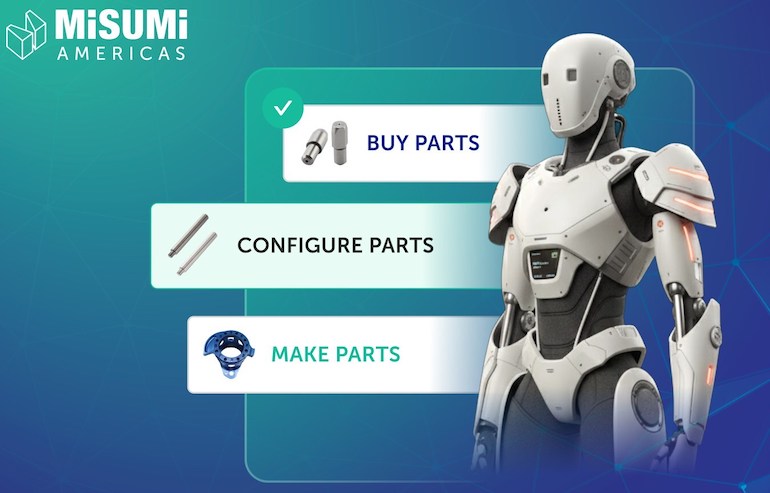
MISUMI Americas has announced a strategic collaboration with Fictiv, integrating MISUMI's precision components with Fictiv's digital manufacturing platform to streamline the production process for customers. This partnership aims to provide a comprehensive solution for managing entire bills of materials, enhancing efficiency and accessibility in manufacturing. The initiative is part of a broader investment strategy by the MISUMI Group, which has committed $1 billion to bolster its operations in the Americas and advance global efforts in artificial intelligence and digital manufacturing. This investment is expected to significantly enhance the capabilities of manufacturers by leveraging cutting-edge technology and innovative practices. The collaboration marks a significant step towards modernizing the manufacturing landscape, making it more responsive to the needs of businesses in a rapidly evolving market.

Actuators / Motors / Servos Aerospace Agriculture Automation Automotive Design / Development
All-in-one Engineering Suite for next-level digital manufacturing

All-in-one Engineering Suite for next-level digital manufacturing

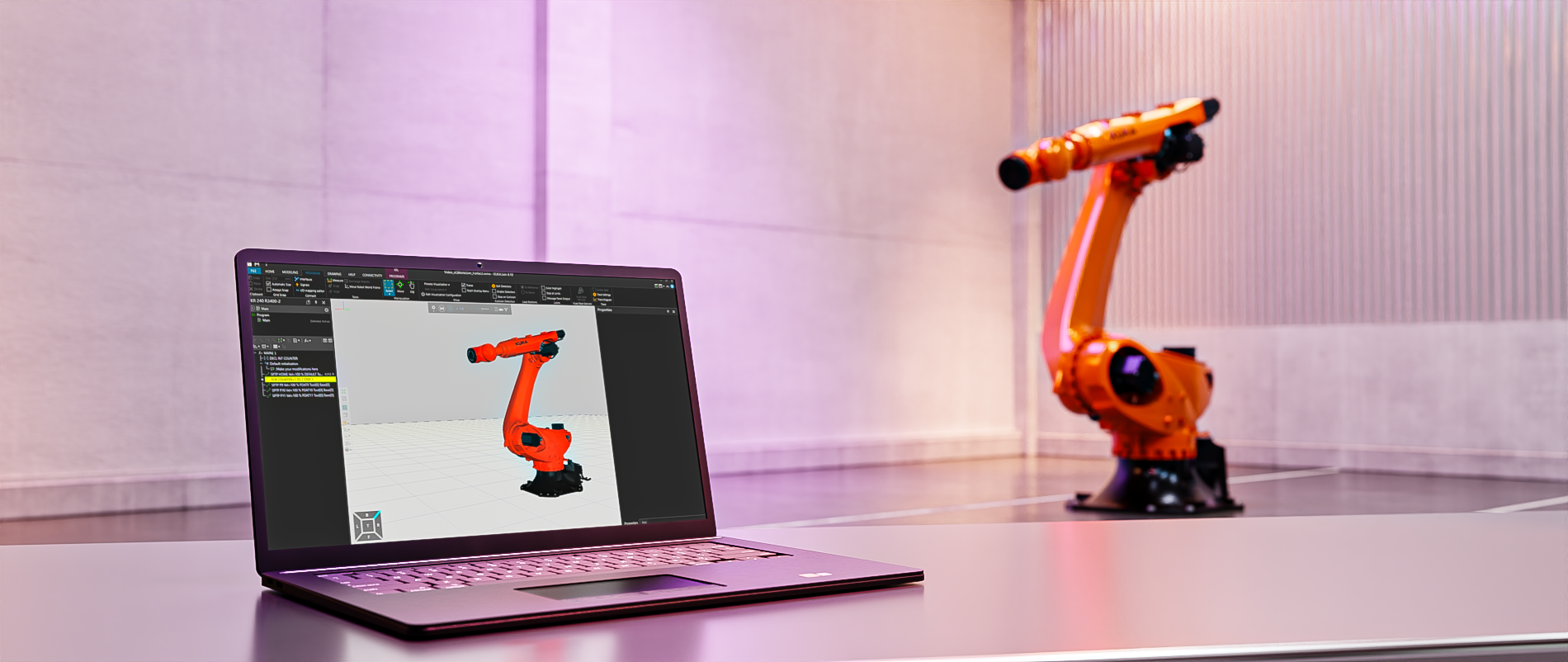
The iiQWorks software platform has emerged as a pivotal tool in the automation sector, facilitating comprehensive support for the entire automation process and ensuring efficient data exchange throughout all phases of planning and production. By leveraging digital twin technology, the platform enhances the ease and speed of robot operations. This innovative approach includes features such as offline programming and virtual commissioning, which are designed to align with the principles of Industry 4.0. As industries increasingly adopt these advanced automation solutions, iiQWorks is positioned to play a crucial role in transforming manufacturing processes and improving operational efficiency.

As Drone Demand Grows, Protolabs Scales On-Demand Manufacturing

As Drone Demand Grows, Protolabs Scales On-Demand Manufacturing

Protolabs, a digital manufacturing company listed on the NYSE, is enhancing its rapid manufacturing capabilities to support drone manufacturers in accelerating their transition from prototype to production. This initiative comes in response to the increasing demand for commercial and defense drones, which has put pressure on manufacturers to shorten development cycles while ensuring high quality. By expanding its CNC machining and 3D printing services, Protolabs aims to meet the evolving needs of the drone industry, facilitating faster production processes and helping companies keep pace with market growth.

Applications Drone Manufacturing Drone News Drone News Feeds News 3D Printing
Misumi launches Misumi Americas as part of $1 billion global manufacturing investment

Misumi launches Misumi Americas as part of $1 billion global manufacturing investment

Japanese industrial components supplier Misumi Group has officially launched Misumi Americas, marking a significant step in its expansion strategy. The company has unveiled a $1 billion (¥150 billion) global investment program designed to enhance its digital manufacturing and supply chain capabilities. This initiative integrates Misumi’s existing industrial components business with an AI-powered manufacturing platform acquired from Fictiv, thereby broadening the company's operational scope. The investment aims to strengthen Misumi's position in the competitive manufacturing landscape by leveraging advanced technology to streamline processes and improve efficiency.

Components News additive manufacturing aerospace manufacturing ai manufacturing automation news
Why Visual Components 5.0 could redefine Digital Factory Planning

Why Visual Components 5.0 could redefine Digital Factory Planning

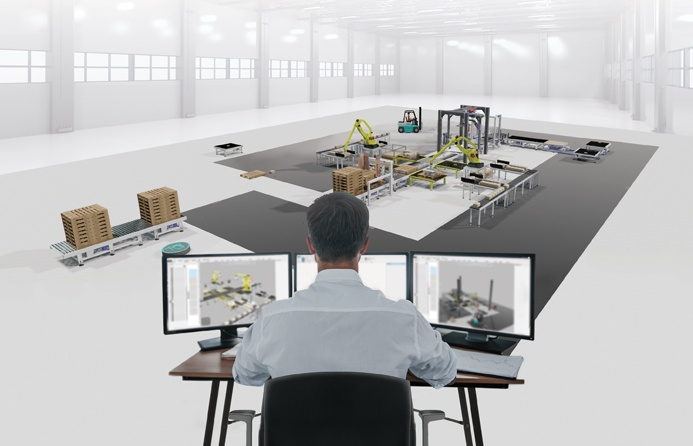
Visual Components has announced the launch of its latest software version, Visual Components 5.0, which features enhanced simulation speed, improved connectivity options, and advanced offline programming capabilities for robots. This update aims to support digital factory planning, allowing manufacturers to optimize their production processes more efficiently. The release is part of the company's ongoing commitment to provide cutting-edge tools that facilitate the integration of digital technologies in manufacturing environments. By streamlining the planning and simulation processes, Visual Components 5.0 is expected to significantly enhance productivity and flexibility for users in various industries. The software is now available for use, marking a significant step forward in digital manufacturing solutions.

Robot Product Matrix Goes Global! SIASUN Joins Forces with Customers to Revolutionize Smart Manufacturing in Thailand

Robot Product Matrix Goes Global! SIASUN Joins Forces with Customers to Revolutionize Smart Manufacturing in Thailand

In Thailand's Eastern Economic Corridor, the region's first 5G smart factory has made significant advancements, attracting global delegations from various enterprises. This facility, recognized for its pioneering role in digital manufacturing, showcases cutting-edge technology that enhances production efficiency and connectivity. The recent developments highlight the factory's commitment to innovation and its impact on the manufacturing landscape in Southeast Asia. The visits from international delegations underscore the growing interest in smart manufacturing solutions and the potential for collaboration in this rapidly evolving sector.

UBTECH Partners with Siemens for Large-Scale Production of Humanoid Robots

UBTECH Partners with Siemens for Large-Scale Production of Humanoid Robots

UBTECH and Siemens have entered into a strategic cooperation agreement to boost the mass production of humanoid robots, with a goal of producing 10,000 units by 2026. This collaboration combines UBTECH's advanced robotics technology with Siemens' proficiency in digital manufacturing, aiming to improve both production efficiency and product quality. The partnership reflects a growing commitment to innovation in robotics, driven by increasing demand for humanoid robots in various sectors.

Humanoid Robots Digital Manufacturing Industrial Automation AI Robotics
iiQKA.OS2 operating system: Virtual robot controller for production of the future

iiQKA.OS2 operating system: Virtual robot controller for production of the future

KUKA has unveiled its innovative iiQKA.OS2 operating system, designed to enhance digital manufacturing capabilities. This scalable and customizable platform features a comprehensive virtual robot controller (VRC) and is equipped with AI capabilities, ensuring compliance with the upcoming ISO 10218:2025 standards and bolstering cyber resilience. The new operating system, which was introduced recently, aims to future-proof manufacturing processes by providing a user-friendly web-based interface. Users can now operate the system with their own teach pendants or the KUKA smartPAD, significantly improving accessibility and ease of use for operators. This advancement reflects KUKA's commitment to advancing automation technology and meeting the evolving needs of the manufacturing industry.

Top 7 AI Agent Platforms for Industrial Manufacturing in 2026

Top 7 AI Agent Platforms for Industrial Manufacturing in 2026

The manufacturing sector is undergoing a significant digital transformation, marked by substantial investments in Internet of Things (IoT) sensors, Manufacturing Execution Systems (MES), industrial analytics, and predictive maintenance solutions over the past decade. This shift has provided manufacturers with unparalleled operational visibility, enabling real-time monitoring of equipment, production lines, quality metrics, and material flows. Despite these advancements, production managers continue to face challenges in optimizing processes and improving efficiency. The integration of these technologies aims to enhance productivity and streamline operations, ultimately driving the industry towards a more data-driven future.

AI agents Manufacturing ai agents autonomous manufacturing digital manufacturing ERP integration
Limitless Labs raises $20 million to expand AI platform for CNC programming and precision manufacturing

Limitless Labs raises $20 million to expand AI platform for CNC programming and precision manufacturing

Limitless Labs, a company specializing in AI software for CNC programming and precision manufacturing, has successfully secured $20 million in a Series A funding round. This investment, co-led by Dell Technologies Capital and Square Peg, aims to enhance the company's physical AI platform and expedite its implementation within the manufacturing industry. Additional contributions came from Grove Ventures and Meron Capital, among others. The funding will enable Limitless Labs to further develop its innovative solutions, addressing the growing demand for advanced manufacturing technologies.

Engineering Manufacturing agentic ai ai manufacturing automation news Blue Origin
RoboDK Enhances Manufacturing with Digital Twin and OLP Software Features

RoboDK Enhances Manufacturing with Digital Twin and OLP Software Features

RoboDK has introduced advanced features in its digital twin and offline programming (OLP) software, enabling manufacturers to simulate robotic cells virtually. This software allows users to model robots, tooling, and surrounding equipment, facilitating pre-installation testing of automation systems. Key functionalities include accurate robot simulation, calibration, and the ability to generate executable robot code seamlessly, thus reducing deployment time and costs. The significance of these features lies in their ability to streamline the programming and commissioning processes, which are often time-consuming in traditional setups. By utilizing digital twins, manufacturers can assess critical factors such as reachability, collision risks, and cycle times before physical implementation. This proactive approach minimizes uncertainties and enhances operational efficiency, making it a vital tool for modern manufacturing environments. Looking ahead, manufacturers should monitor the integration of CAD/CAM workflows with digital twin software, as this will further enhance the flexibility and usability of robotic programming. The ability to compare various robot models and specifications without vendor lock-in is crucial for optimizing production lines. No further timeline was disclosed at the time of publication.

Opinion: Why robot dogs are leading the pack in factory floor efficiency

Opinion: Why robot dogs are leading the pack in factory floor efficiency

By Andrew Hamilton, head of the Digital Process Manufacturing Centre (DPMC) at the National Manufacturing Institute Scotland (NMIS) Manufacturing facilities today are sprawling, interconnected environments where equipment operates continuously and processes stretch across large physical footprints. From factory floors and plant rooms to service corridors and external assets, engineering teams need clear visibility across areas […]

Features Industry Autonomous robots boston dynamics spot digital manufacturing factory inspections
AWR standardizes CNC machine tending with OnRobot electric grippers to speed changeovers

AWR standardizes CNC machine tending with OnRobot electric grippers to speed changeovers

In the evolving landscape of high-mix, low-volume manufacturing, companies are increasingly recognizing the need for flexibility in production to maintain profitability. Automation Within Reach (AWR), previously known as Gosiger Automation, is addressing this challenge by introducing advanced automation solutions that enhance the adaptability of machine shops. Traditionally reliant on pneumatic systems, many manufacturers have struggled with the limitations of these older technologies, which lack the intelligence necessary for modern operations. AWR's innovative approach aims to equip manufacturers with the tools needed to seamlessly transition between various part sizes, thereby improving efficiency and competitiveness in a rapidly changing market. This shift towards smarter automation is crucial for manufacturers seeking to thrive in an environment where agility is key to success.

Components Engineering Features Industrial robots 3FG25 gripper automated machining
Méca-Précis utilizes robotic measurement cell to eliminate inspection bottlenecks

Méca-Précis utilizes robotic measurement cell to eliminate inspection bottlenecks

French precision engineering firm Méca-Précis has implemented an automated part inspection system to enhance efficiency in its operations. The new robotic measurement cell integrates a coordinate measuring machine (CMM) from Mitutoyo with automation technology developed by Engineering Data. This advancement comes in response to growing production volumes, which had turned traditional inspection processes into a bottleneck, particularly for clients in the aerospace and space sectors that demand high precision and reliability. The automation aims to streamline the inspection workflow, ensuring that quality control keeps pace with increased manufacturing demands.

Engineering Robotics advanced manufacturing aerospace components aerospace manufacturing automated inspection
Interview with GFT Technologies’ Brandon Speweik: Moving AI from detection to action on the factory floor

Interview with GFT Technologies’ Brandon Speweik: Moving AI from detection to action on the factory floor

Manufacturers are increasingly shifting their focus from the theoretical applications of artificial intelligence to practical solutions that address real-world challenges. While discussions around AI have primarily centered on software tools such as dashboards, analytics, and predictive models, industry leaders are now seeking ways for AI to not only identify problems but also actively contribute to solving them. This evolution in perspective reflects a growing recognition of AI's potential to enhance operational efficiency and drive innovation within the manufacturing sector. As companies explore these advancements, the emphasis is on integrating AI technologies that can deliver tangible results and improve decision-making processes on the shop floor.

Components Features Manufacturing ai robotics artificial intelligence automation news
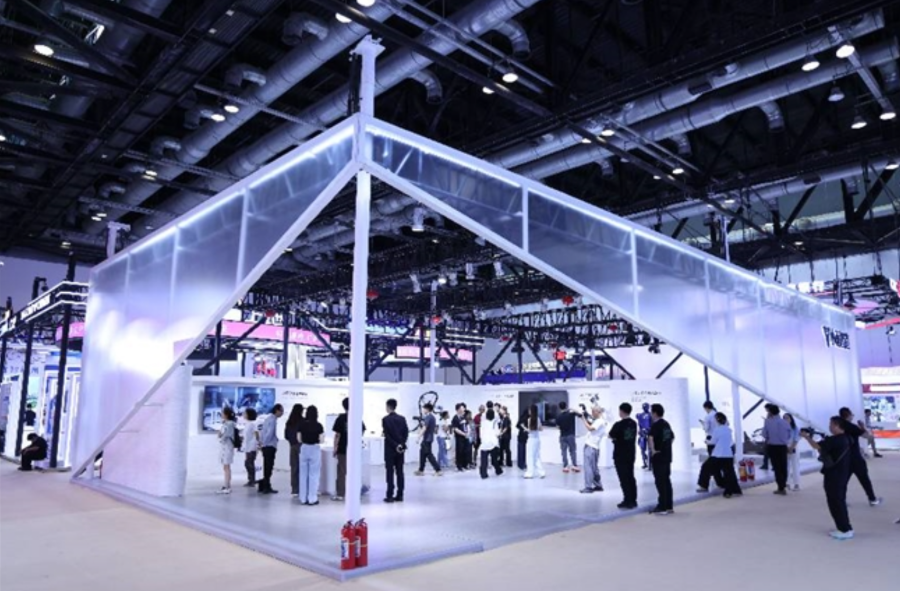
The Global Digital Economy Conference opens in Beijing, and Xiaoyu Intelligent Manufacturing launches the industry's first industrial embodied intelligent welding robot, with a standard version starting at a price of 1 ...

The Global Digital Economy Conference opens in Beijing, and Xiaoyu Intelligent Manufacturing launches the industry's first industrial embodied intelligent welding robot, with a standard version starting at a price of 1 ...

The Global Digital Economy Conference commenced in Beijing, showcasing significant advancements in technology and innovation. During the event, Xiaoyu Intelligent Manufacturing unveiled the industry's first industrial embodied intelligent welding robot, marking a notable milestone in automation and manufacturing capabilities. The standard version of this cutting-edge robot is priced starting at 1 million yuan. This launch reflects the growing trend towards integrating intelligent systems in industrial processes, aimed at enhancing efficiency and productivity in the sector. The conference serves as a platform for industry leaders and innovators to discuss the future of the digital economy and the role of advanced technologies in shaping it.

Robotics Automation AI
Simulation vs. digital twin: A strategic lens on virtual manufacturing

Simulation vs. digital twin: A strategic lens on virtual manufacturing

Visual Components has highlighted the advantages of digital twins and simulation technologies for manufacturers involved in system design and integration, particularly in automation. The discussion, featured in a recent post titled "Simulation vs. Digital Twin: A Strategic Lens on Virtual Manufacturing," emphasizes how these tools can enhance efficiency and accuracy in manufacturing processes. By leveraging virtual models, companies can optimize their operations, reduce costs, and improve overall productivity. The insights shared aim to guide manufacturers in making informed decisions about adopting these technologies to stay competitive in the evolving landscape of virtual manufacturing.

Manufacturing News Opinion Software / Simulation Visual Components
Accelerating Digital Transformation in Automotive Parts Manufacturing with Autonomous Forklifts

Accelerating Digital Transformation in Automotive Parts Manufacturing with Autonomous Forklifts

Automotive parts manufacturers are facing an urgent need for intelligent and digital transformation in their manufacturing and intralogistics operations. This shift is driven by the critical importance of maintaining a reliable and high-quality supply of components, which is essential for ensuring vehicle safety and performance. As the industry evolves, manufacturers are recognizing that adopting advanced technologies and data-driven processes is key to meeting the growing demands for efficiency and quality in the production of automotive parts. This transformation is not only vital for maintaining competitiveness but also for addressing the challenges posed by an increasingly complex supply chain.

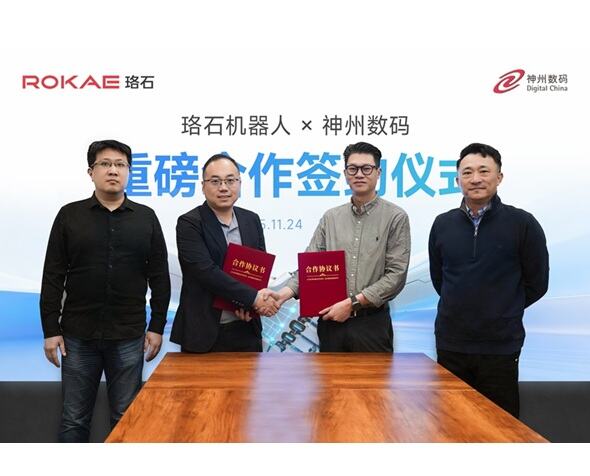
ROKAE Robotics Partners with Digital China to Drive the Future of AI-Enhanced Robotics in Smart Manufacturing

ROKAE Robotics Partners with Digital China to Drive the Future of AI-Enhanced Robotics in Smart Manufacturing

ROKAE Robotics and Digital China have entered into a strategic partnership to enhance the integration of robotics and artificial intelligence (AI) across critical sectors such as smart manufacturing and logistics. Announced recently, this collaboration aims to drive technological innovation, broaden industry-specific applications, and promote ecosystem development. By focusing on these areas, the partnership seeks to expedite the practical implementation of AI-driven solutions in intelligent manufacturing, positioning both companies at the forefront of advancements in these rapidly evolving industries.

How Blockchain and Emerging Technologies Are Revolutionizing the Jewelry Industry

How Blockchain and Emerging Technologies Are Revolutionizing the Jewelry Industry

The jewelry industry, recognized as one of the oldest luxury markets globally, has long struggled with transparency regarding production methods and the origins of materials. Traditionally, consumers relied heavily on the trustworthiness of artisans and brands, often lacking access to crucial information about their purchases. However, recent advancements are beginning to change this landscape. As of October 2023, new technologies and initiatives are emerging that aim to enhance transparency within the sector. These developments are designed to provide buyers with clearer insights into the sourcing and manufacturing processes of jewelry, thereby fostering greater trust and accountability. This shift not only benefits consumers but also encourages ethical practices among producers, ultimately transforming the way jewelry is marketed and sold.

Artificial Intelligence Software 3d printing additive manufacturing AI gem grading artificial intelligence
Dürr implementing a CO2-efficient paint shop with cross-plant system integration

Dürr implementing a CO2-efficient paint shop with cross-plant system integration

Dürr is undertaking a significant project to construct a fully integrated paint shop for Volkswagen Autoeuropa, which includes the deployment of an advanced software solution. This initiative, set to be completed by 2024, aims to enhance efficiency in vehicle production by utilizing cutting-edge application and drying technologies that focus on maximizing CO2 reduction. The project also features an innovative SCADA integration, which will unify three separate paint shops into a single cohesive system. By the end of the project, it is anticipated that the facility will support the production of 236,100 vehicles annually, reflecting a commitment to sustainability and operational excellence in the automotive industry.

Industrial robots News automotive manufacturing automotive production co2 reduction digital manufacturing
Into the Omniverse: How Industrial AI and Digital Twins Accelerate Design, Engineering and Manufacturing Across Industries

Into the Omniverse: How Industrial AI and Digital Twins Accelerate Design, Engineering and Manufacturing Across Industries

Companies across various industries are increasingly leveraging industrial AI, digital twins, AI physics, and accelerated AI infrastructure to enhance their design, simulation, and optimization processes. This technological shift allows organizations to refine products, processes, and facilities in a virtual environment before actual construction begins. By adopting these advanced tools, businesses aim to improve efficiency, reduce costs, and accelerate time-to-market for new innovations. The integration of these technologies is seen as a crucial step in staying competitive in a rapidly evolving market, enabling firms to make data-driven decisions and optimize their operations effectively.

JTEKT to showcase automation and digital integration solutions for manufacturing at "ROBOT TECHNOLOGY JAPAN 2026."

JTEKT to showcase automation and digital integration solutions for manufacturing at "ROBOT TECHNOLOGY JAPAN 2026."

JTEKT Corporation will participate in the upcoming "ROBOT TECHNOLOGY JAPAN 2026," scheduled to take place from June 11 to June 13, 2026, at the Aichi Sky Expo. The event is organized by News Digest Co., Ltd. This exhibition aims to showcase advancements in robotics technology and foster collaboration within the industry. JTEKT's involvement highlights its commitment to innovation and leadership in the robotics sector.

Digital Twins: Transforming the Factories of the Future

Digital Twins: Transforming the Factories of the Future

As media attention focuses on humanoid robots and generative artificial intelligence, a less flashy yet equally transformative technology is quietly reshaping the global industry: digital twins. This innovative approach is emerging as a crucial element in the ongoing industrial transformation, offering strategic advantages that may rival those of more visible technologies. The concept of digital twins involves creating virtual replicas of physical systems, enabling companies to optimize operations and improve efficiency. This shift is expected to significantly impact the future of manufacturing, positioning digital twins as a foundational component in the evolution of factories worldwide.

À la une IA Industrie Robotique analyse de données industrielles automatisation industrielle.
U.S. Navy Awards Packet Digital $9.8 Million to Scale Drone Battery Production in North Dakota

U.S. Navy Awards Packet Digital $9.8 Million to Scale Drone Battery Production in North Dakota

Packet Digital and its subsidiary, Badland Batteries, have secured $9.8 million from the U.S. Navy as part of Phase 3 of a contract aimed at developing advanced battery cells compliant with the National Defense Authorization Act (NDAA). This funding will facilitate the manufacturing of these battery cells in North Dakota, specifically designed for logistics drones and unmanned systems. The initiative reflects the Navy's commitment to enhancing the capabilities of its drone technology and defense systems. The investment is expected to boost production capacity and support the growing demand for reliable energy sources in military applications.

battery technology Drone News Drone News Feeds drone technology Dual Use News
MIT and Samsung Enhance Quantum Dot LED Lifespan for Energy-Efficient Displays

MIT and Samsung Enhance Quantum Dot LED Lifespan for Energy-Efficient Displays

MIT researchers, in collaboration with Samsung, have developed a method to improve the lifespan and efficiency of quantum dot LEDs (QD-LEDs) used in digital displays. By encapsulating QD-LEDs in an acrylate-based resin, the team achieved a remarkable 5,000-fold increase in lifespan, addressing previous limitations that hindered commercial applications. This advancement could significantly impact various devices, including TVs, smartphones, and medical imaging equipment. The significance of this research lies in its potential to transform digital display technology. Quantum dots, known for emitting pure colors, are already utilized in high-quality displays. The new encapsulation technique not only enhances the stability of QD-LEDs but also simplifies their manufacturing process, paving the way for broader adoption in consumer electronics. This could lead to displays that are not only brighter and more energy-efficient but also capable of producing a wider range of colors. Looking ahead, the insights gained from this study may facilitate further innovations in display technology. The researchers aim to address the challenges that have limited the commercialization of QD-LEDs, potentially revolutionizing how displays and ambient lighting are produced. No further timeline was disclosed at the time of publication.

Research Electronics Chemistry Materials science and engineering Nanoscience and nanotechnology Light
AI Adoption in Mid-Market Manufacturing Faces Significant Challenges

AI Adoption in Mid-Market Manufacturing Faces Significant Challenges

A recent report by Kaufman Rossin highlights the struggles of mid-market manufacturers in adopting AI technologies. While these companies are experimenting with AI, widespread deployment remains uncommon due to inadequate data infrastructure and legacy systems. Only 27% of manufacturing firms have a data warehouse, and 45% still rely on siloed data, making it difficult to leverage AI effectively. The urgency for digital transformation is increasing as manufacturers face pressure from customers to digitize and automate operations. However, many industrial companies lack the foundational data capabilities necessary for successful AI integration. The report reveals that 73% of manufacturing firms are still in the testing phase of AI implementation, with none operating AI as a core business function. Looking ahead, the challenge for mid-market manufacturers will be to overcome these barriers and build the necessary data infrastructure to support AI initiatives. As the demand for digital solutions continues to grow, companies must prioritize data governance and integration to fully realize the potential of AI technologies. No further timeline was disclosed at the time of publication.

Factory / Digital Transformation
Powering the next era of AI in manufacturing: Why it’s time to upgrade to the NVIDIA RTX PRO 4500 Blackwell Workstation Edition

Powering the next era of AI in manufacturing: Why it’s time to upgrade to the NVIDIA RTX PRO 4500 Blackwell Workstation Edition

NVIDIA has unveiled its latest advancements in manufacturing technology, showcasing how artificial intelligence and digital twins can significantly accelerate innovation in the industry. This announcement was made during a recent event held in October 2023, where industry leaders gathered to explore cutting-edge solutions. The integration of AI and digital twin technology aims to enhance efficiency and streamline processes within manufacturing operations. By leveraging NVIDIA's Blackwell architecture, companies can expect improved data processing capabilities that facilitate real-time decision-making and predictive analytics. This transformation is poised to not only boost productivity but also drive competitive advantage in an increasingly fast-paced market.

Digital Transformation is Considered Essential by Most Manufacturers, Report Finds

Digital Transformation is Considered Essential by Most Manufacturers, Report Finds

A recent study conducted by Rockwell Automation has found that manufacturers are increasingly focusing on smart technologies to enhance their operations across various sectors. This shift towards advanced technological solutions is driven by the need for improved efficiency and productivity in manufacturing processes. The findings highlight a growing trend among companies to integrate innovative tools and systems that leverage data and automation. As industries strive to remain competitive in a rapidly evolving market, the adoption of these smart technologies is seen as a crucial step in optimizing performance and meeting consumer demands. The study underscores the importance of embracing digital transformation to navigate the challenges faced by manufacturers today.

Business Intelligence
EIB: €50 million to Comau for research and development in robotics, advanced automation and digital technologies for various industrial sectors

EIB: €50 million to Comau for research and development in robotics, advanced automation and digital technologies for various industrial sectors

The European Investment Bank (EIB) has announced a significant financial commitment of €50 million to Comau, a leading company in the field of robotics and advanced automation. This funding, aimed at bolstering research and development efforts, will focus on innovative technologies in robotics and digital automation. The investment is part of the EIB's broader strategy to support technological advancement and enhance competitiveness within the European Union. The funding agreement was finalized in October 2023, with the intention of fostering growth and innovation in the manufacturing sector, particularly as industries increasingly rely on automation to improve efficiency and productivity. Through this partnership, Comau aims to leverage the financial support to accelerate its R&D initiatives, ultimately contributing to the evolution of smart manufacturing solutions across Europe.

Automatic Visual Inspection: The Secret to Flawless Manufacturing Quality

Automatic Visual Inspection: The Secret to Flawless Manufacturing Quality

Manufacturers are enhancing their quality control processes by adopting a digital inspection framework, which allows engineers to shift their focus from merely identifying defects to addressing the underlying causes of these issues. This transition, which emphasizes the importance of human expertise in the manufacturing process, aims to improve overall product quality and efficiency. By integrating advanced technology into their inspection protocols, companies are not eliminating the human element but rather elevating it, enabling skilled professionals to apply their knowledge and problem-solving abilities more effectively. This strategic move reflects a growing trend in the industry, as organizations seek to leverage digital tools to optimize operations and enhance the role of human oversight in quality assurance.

Industrial Digitalization: Noux Node and KUKA Digital enter Strategic Partnership

Industrial Digitalization: Noux Node and KUKA Digital enter Strategic Partnership

KUKA Digital, a newly formed division of the renowned automation group KUKA, has announced a strategic partnership with Finnish software provider Noux Node. This collaboration aims to enhance KUKA's digital offerings and leverage Noux Node's innovative software solutions to improve automation processes. The partnership is expected to drive advancements in the automation industry, reflecting KUKA's commitment to integrating cutting-edge technology into its operations. The announcement comes as KUKA seeks to strengthen its position in the global market and respond to the growing demand for digital transformation in manufacturing.

Estun Robotics: “Invisible Craftsmen” for Cell Phone Glass Cover Manufacturing

Estun Robotics: “Invisible Craftsmen” for Cell Phone Glass Cover Manufacturing

As smartphone users engage with dramas, short videos, and AI virtual idols, many may not realize the intricate manufacturing processes that contribute to the devices they rely on. A recent report highlights the precision engineering involved in creating a curved glass screen, which measures less than one millimeter in thickness. This delicate component undergoes more than 20 meticulous production steps to ensure its quality and functionality. The advancements in manufacturing technology not only enhance user experience but also reflect the growing demand for high-performance mobile devices in today's digital landscape. As the industry continues to evolve, the importance of such precision manufacturing processes becomes increasingly evident, underscoring the complexity behind seemingly simple smartphone features.

ESTUN AUTOMATION ROBOTICS SERVO SYSTEMS
Dobot Thailand Opens to Advance Smart Manufacturing across Southeast Asia

Dobot Thailand Opens to Advance Smart Manufacturing across Southeast Asia

Dobot Thailand has officially launched its operations, aiming to enhance smart manufacturing capabilities throughout Southeast Asia. The opening event took place recently in Bangkok, where industry leaders and stakeholders gathered to witness the unveiling of the company's innovative automation solutions. This initiative is driven by the growing demand for advanced manufacturing technologies in the region, as businesses seek to improve efficiency and productivity in response to competitive pressures. Dobot Thailand plans to provide cutting-edge robotic solutions and support services to local manufacturers, facilitating their transition to smart manufacturing practices. The company’s entry into the market is expected to significantly contribute to the digital transformation of the manufacturing sector in Southeast Asia, positioning the region as a hub for technological advancement.

Dobot Thailand Southeast Asia Automation,Dobot Localized Services
Toyota and Nvidia Enhance Collaboration to Advance AI in Vehicles, Manufacturing, and Urban Infrastructure

Toyota and Nvidia Enhance Collaboration to Advance AI in Vehicles, Manufacturing, and Urban Infrastructure

Toyota and Nvidia have broadened their partnership to develop physical AI technologies that encompass next-generation vehicles, manufacturing, robotics, and urban infrastructure. This collaboration builds on a previous agreement, focusing on advanced driver-assistance systems using Nvidia's DRIVE AGX platform and DriveOS operating system. The significance of this partnership lies in its potential to revolutionize mobility and manufacturing. Rishi Dhall, Nvidia's vice president of automotive, emphasized that physical AI will enhance the intelligence of various machines, making vehicles more autonomous and urban environments safer and more responsive. Toyota aims to implement Level 2++ functionality in its future vehicles while leveraging Nvidia AI models for efficient software engineering. Additionally, Toyota is integrating AI into its manufacturing processes through factory simulations using Nvidia's Omniverse and Isaac Sim frameworks. The partnership also extends to urban mobility technologies via Woven by Toyota, which is developing models to analyze traffic conditions. No further timeline was disclosed at the time of publication.

Computing News advanced driver assistance systems ai automotive AI digital twins
Dassault Systèmes vs Siemens vs PTC : qui gagne la bataille du digital twin ?

Dassault Systèmes vs Siemens vs PTC : qui gagne la bataille du digital twin ?

The digital twin technology is emerging as a cornerstone of the future industry, aiming to create accurate virtual representations of products, processes, or entire systems. This innovation enables real-time simulation, optimization, and prediction of behaviors. In this competitive landscape, three major players—Dassault Systèmes, Siemens, and PTC—are leading the charge in the battle for dominance in the digital twin market. The ongoing rivalry among these companies highlights the strategic importance of digital twins in enhancing operational efficiency and driving technological advancement. The article originally appeared in Robot Magazine, exploring the competitive dynamics shaping this transformative field.

À la une Actualités IA Industriel Robotique automatisation industrielle.
Nvidia launches AI factory manager blueprint for autonomous manufacturing

Nvidia launches AI factory manager blueprint for autonomous manufacturing

Nvidia has introduced a groundbreaking software blueprint aimed at revolutionizing factory operations through a centralized AI system. The Nvidia Factory Operations Blueprint (FOX), announced at GTC Taipei during Computex, serves as a reference design for manufacturers seeking to develop an autonomous factory manager agent. This innovative system is designed to monitor, coordinate, and optimize factory processes in real time, enhancing efficiency and productivity. By leveraging advanced AI capabilities, Nvidia aims to empower manufacturers to streamline their operations and adapt to the rapidly evolving industrial landscape.

Artificial Intelligence Factories News Technology AI factory manager automation news
China to assign digital ID numbers to humanoid robots for lifecycle tracking

China to assign digital ID numbers to humanoid robots for lifecycle tracking

China is set to implement a national digital identification system for humanoid robots, aiming to enhance safety monitoring and standardize management within the burgeoning sector. As reported by state broadcaster CCTV, this initiative will involve assigning unique digital identity numbers to humanoid robots, tracking them throughout their entire lifecycle—from manufacturing and deployment to recycling and disposal. The move is part of broader efforts by authorities to address safety risks associated with the increasing use of humanoid robots in various applications. By establishing a comprehensive identification system, China seeks to ensure better oversight and regulation in a field that is rapidly evolving.

Humanoids News agibot AI regulation automation news Autonomous robots
Hershey Company Leverages AI to Enhance Workforce Efficiency in Candy Manufacturing

Hershey Company Leverages AI to Enhance Workforce Efficiency in Candy Manufacturing

The Hershey Company is implementing AI-driven digital transformation in its candy factories through a connected-worker platform developed by Augmentir. This initiative aims to enhance workforce efficiency by providing intelligent guidance and support to workers, addressing challenges such as labor shortages and skills gaps. The integration of Augmentir’s AI-powered platform, known as 'Augie,' allows Hershey to tailor technology to its specific needs, capturing valuable data on worker performance. This data-driven approach helps identify areas for improvement, such as machine maintenance and worker training, ultimately leading to better operational outcomes. As manufacturers increasingly adopt AI technologies, the focus will be on how effectively they can integrate these solutions into their workforce processes. No further timeline was disclosed at the time of publication.

Factory / Digital Transformation
Virtual roads and wire cars: Hyundai’s digital proving ground

Virtual roads and wire cars: Hyundai’s digital proving ground

In Hwaseong, Gyeonggi Province, Hyundai Motor Group is at the forefront of transforming vehicle quality inspection to meet the demands of software-defined vehicles (SDVs). The company's Namyang research center has introduced innovative inspection technologies that leverage digital twin technology, robotics, and artificial intelligence. This initiative aims to enhance the efficiency and effectiveness of vehicle testing as automobiles increasingly rely on complex software systems. By pioneering these advancements, Hyundai is addressing the challenges posed by the evolving automotive landscape, ensuring that their vehicles meet the highest standards of quality and performance.

All News
Digital twins, software maturity and other automation trends

Digital twins, software maturity and other automation trends

Manufacturers are increasingly adopting AI-powered simulation technology and advanced robotics software, which are becoming more powerful and cost-effective. This shift is occurring as companies seek to enhance efficiency and productivity in their operations. The trend has gained momentum in recent months, reflecting a broader industry move towards automation and smart manufacturing solutions. By integrating these technologies, manufacturers aim to streamline processes, reduce costs, and improve overall performance. As a result, the landscape of manufacturing is evolving, with businesses leveraging innovative tools to remain competitive in a rapidly changing market.

Vention and Teradyne Robotics Collaborate on Digital Twin Creation Platform Optimized for UR Robotic Cells

Vention and Teradyne Robotics Collaborate on Digital Twin Creation Platform Optimized for UR Robotic Cells

At Automate 2026, live demonstrations highlighted the innovative integration of Vention's Rapid Operator AI with NVIDIA's Isaac open robotics platform. The event showcased advanced welding applications facilitated by Universal Robots' UR12e and UR20 collaborative robot models. These demonstrations, taking place in a cutting-edge robotics environment, aimed to illustrate the potential of AI-driven automation in enhancing manufacturing processes. By combining these technologies, the event underscored the growing importance of robotics in streamlining operations and improving efficiency in various industrial applications.

The need for speed and the struggle to implement digital threads

The need for speed and the struggle to implement digital threads

A recent survey conducted by EY in collaboration with the Aerospace Industries Association has revealed that aerospace and defense companies face significant challenges in leveraging technology to enhance manufacturing scalability. The findings, based on responses from industry leaders, underscore the urgent need for these companies to adapt and innovate in a rapidly evolving technological landscape. As the survey highlights, the ability to effectively integrate advanced technologies is crucial for maintaining competitiveness and meeting the growing demands of the market. The report emphasizes that without strategic investments and a commitment to modernization, these companies risk falling behind in an industry that is increasingly reliant on technological advancements.

Mitsubishi Electric opens Serendie Street Boston digital transformation hub

Mitsubishi Electric opens Serendie Street Boston digital transformation hub

Mitsubishi Electric has launched Serendie Street Boston, marking its inaugural digital transformation hub in the western region, aimed at fostering collaboration and innovation. This new facility is designed to enhance the company's capabilities in digital transformation, reflecting its commitment to advancing technology solutions. The opening of the hub underscores Mitsubishi Electric's strategic focus on expanding its presence in the digital landscape, providing a space for creative problem-solving and partnership development. The initiative is part of the company's broader efforts to adapt to the evolving technological environment and meet the growing demands of its clients.

Academia / Research Arms / Manipulators Artificial Intelligence Artificial Intelligence / Cognition Automation Batteries / Power Supplies
 Drones Gain Altitude in Manufacturing Facilities (and Challenges Emerge)

Drones Gain Altitude in Manufacturing Facilities (and Challenges Emerge)

As technology continues to advance, the landscape of cybersecurity is becoming increasingly complex, prompting a surge in concerns over data protection. Experts emphasize that the rapid evolution of digital tools and platforms is leading to heightened vulnerabilities, making it essential for organizations to adopt more sophisticated data integration strategies. This shift is particularly critical as businesses strive to safeguard sensitive information against a backdrop of rising cyber threats. The urgency for improved cybersecurity measures has never been more pronounced, with stakeholders across various sectors recognizing the need to enhance their defenses. As a result, companies are investing in advanced technologies and training to bolster their cybersecurity frameworks, ensuring they can effectively respond to emerging risks and protect their data assets.

Technology and IIoT / Emerging Technologies
IDS: Digital precision transforms aircraft construction with Ensenso 3D vision

IDS: Digital precision transforms aircraft construction with Ensenso 3D vision

In a significant advancement for aircraft manufacturing, an Ensenso 3D camera has been integrated into an automated process chain to enhance the precision of drilling position detection and alignment during cabin assembly. This innovative technology aims to streamline operations and improve accuracy in the assembly line, ultimately contributing to higher quality standards in aircraft production. The implementation of the 3D camera system is expected to reduce errors and increase efficiency, addressing the industry's ongoing need for precision in complex assembly tasks. This development marks a crucial step forward in the integration of advanced imaging technology within the aerospace sector, reflecting the industry's commitment to leveraging automation for improved manufacturing processes.

Comau’s intelligent in.Grid robot monitoring platform accelerates digital transformation at Iveco

Comau’s intelligent in.Grid robot monitoring platform accelerates digital transformation at Iveco

Comau has announced the renewal of its collaboration with Intecells to enhance the application of cold plasma technology in industrial cell manufacturing processes. This partnership aims to improve efficiency and performance in the production of cells, which are crucial components in various industries, particularly in energy storage and electric vehicles. The renewed agreement reflects both companies' commitment to innovation and sustainability in manufacturing. By leveraging cold plasma technology, they seek to optimize production methods, reduce waste, and increase the overall quality of the cells produced. This collaboration is expected to play a significant role in advancing the capabilities of industrial manufacturing, aligning with the growing demand for more efficient and environmentally friendly production techniques.

Soccer.com and Geekplus Win Supply Chain Excellence Award for Digital Transformation

Soccer.com and Geekplus Win Supply Chain Excellence Award for Digital Transformation

Soccer.com and Geekplus have been honored with the Supply Chain Excellence Award for their groundbreaking advancements in supply chain operations through digital transformation. This recognition highlights their effective use of robotics and digital technologies, which have significantly improved efficiency and performance in their processes. Their collaboration has established a new standard within the industry, demonstrating how automation can effectively address the growing demands of e-commerce. This achievement underscores the importance of innovation in supply chain management, particularly in an era where digital solutions are increasingly vital for success.

Digital Transformation Supply Chain Management Robotics E-commerce Warehouse Automation
KION Teams with NVIDIA and Accenture to Optimize Supply Chains with AI-Powered Robots and Digital Twins

KION Teams with NVIDIA and Accenture to Optimize Supply Chains with AI-Powered Robots and Digital Twins

KION Group has joined forces with NVIDIA and Accenture to transform supply chains by integrating AI-powered robots and digital twins. This partnership was highlighted during CES 2025, where the companies presented their cutting-edge warehouse solutions. The collaboration seeks to boost warehouse efficiency and adaptability, utilizing advanced artificial intelligence to streamline operations and enhance productivity.

intralogistics supply chain solutions industrial trucks forklift trucks warehouse trucks automation technology
Supplier Impersonation Fraud is Now an Operational Risk for Industrial Manufacturers

Supplier Impersonation Fraud is Now an Operational Risk for Industrial Manufacturers

As industrial manufacturing environments increasingly embrace digitization through robotics, automation systems, and connected supply chains, they are experiencing enhanced efficiency in production and logistics. However, this shift towards digital interdependence has also exposed companies to new cybersecurity threats that surpass conventional IT vulnerabilities. Among these emerging risks, supplier impersonation fraud has become a significant concern. Attackers are now exploiting established vendor relationships to deceive organizations, potentially leading to severe financial and operational repercussions. This evolving landscape underscores the urgent need for manufacturers to bolster their cybersecurity measures and remain vigilant against sophisticated fraud tactics.

Automation Computing Supply chain automation news cyber fraud digital supply chains
RobotToday Initiative

Robotics needs a service framework.

RSF defines a common language for robot service capability, lifecycle operations, certification pathways, and service-provider networks.