Top News

Industry Briefing

A single destination for timely, editor-curated robotics news from around the world.
How SMEs can use automation to their advantage

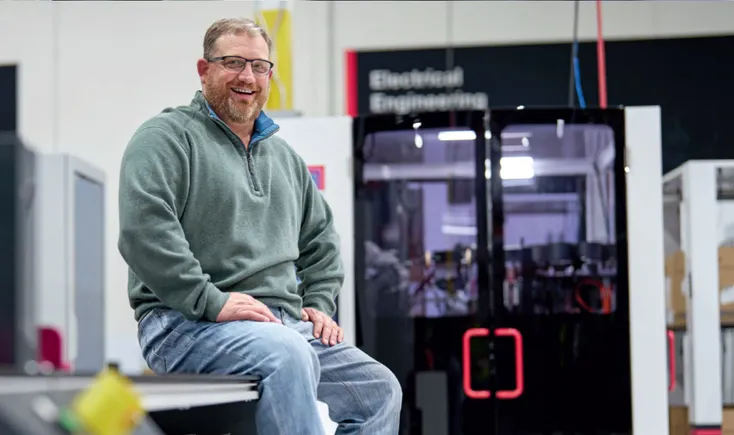
How SMEs can use automation to their advantage

In 2026, small and medium-sized businesses in the U.S. are facing significant challenges as they navigate rising operational costs while meeting customer demands for quicker responses. With over 36 million small businesses in the country, many are still dependent on manual processes, which can lead to increased administrative burdens and reduced focus on revenue-generating activities. As the business landscape evolves, it becomes crucial for these enterprises to adopt more efficient systems to streamline operations and enhance customer service. The pressing need for modernization stems from the competitive market environment, where agility and responsiveness are key to survival and growth.

Automation Business AI for business automated workflows automation news automation software
Indonesia Enhances Fishery Enforcement with Advanced Digital Surveillance Systems

Indonesia Enhances Fishery Enforcement with Advanced Digital Surveillance Systems

In the eastern Indian Ocean, Indonesia is leveraging advanced digital surveillance to enhance fishery enforcement. Utilizing satellite monitoring and Vessel Monitoring Systems (VMS), the country can detect potential violations in real-time, marking a significant shift in maritime governance. This transition allows for proactive enforcement rather than reactive measures, addressing the challenges of monitoring vast maritime areas. The integration of digital tools is crucial for Indonesia, which manages over six million square kilometers of maritime space. With 9,394 fishing vessels actively transmitting data through the VMS by early 2026, the country is able to identify unauthorized fishing activities and prioritize inspections based on data-driven assessments. This capability is transforming how fisheries are monitored and regulated. Looking ahead, the implications of this digital transformation are profound. In the first quarter of 2026 alone, Indonesia's monitoring system tracked over 14,000 vessels and identified nearly 500 suspected violations. As digital surveillance continues to evolve, it will be essential to watch how these technologies reshape enforcement strategies and compliance in the fishing industry.

Fishing Environmental-monitoring Indonesia Poaching Surveillance
SpaceX's Starmind Targets AI Labs with $6.3 Billion Compute Contracts

SpaceX's Starmind Targets AI Labs with $6.3 Billion Compute Contracts

SpaceX's Starmind is designed to provide wholesale AI compute services to businesses, particularly AI labs and cloud customers, rather than individual consumers. The service operates similarly to AWS, where users benefit from applications running on Starmind without direct subscriptions. The compute capacity of a single AI1 satellite is comparable to one NVIDIA GB300 rack, emphasizing its enterprise-grade capabilities. The significance of Starmind lies in its positioning as a potential fourth hyperscaler, joining the ranks of AWS, Microsoft Azure, and Google Cloud. The Reflection AI contract, valued at $150 million per month, exemplifies the enterprise-focused model, with total payments potentially reaching $6.3 billion through 2029. This contract highlights the growing demand for AI compute resources, particularly from AI-native startups and labs. Looking ahead, the focus will remain on securing additional enterprise contracts as Starmind expands its offerings. No consumer-facing products or subscriptions have been announced, and the current strategy is to cater to businesses with substantial AI workloads. No further timeline was disclosed at the time of publication.

Starmind's Orbital Compute vs. Terrestrial Data Centers: Analyzing Resource Advantages

Starmind's Orbital Compute vs. Terrestrial Data Centers: Analyzing Resource Advantages

Starmind's orbital compute technology presents a significant advantage over traditional ground-based data centers by eliminating constraints related to land, water, and grid permitting. While terrestrial data centers are currently cheaper and faster to construct, with U.S. data center spending reaching $85.3 billion in 2026, Starmind's approach focuses on addressing the growing resource limitations faced by hyperscale facilities. The significance of Starmind's technology lies in its ability to sidestep the increasing challenges of land and water usage. For instance, a 100 MW data center can consume approximately 530,000 gallons of water daily for cooling, while Starmind's AI1 utilizes deployable liquid radiators that require no water. This structural advantage could resonate with investors as the demand for AI computing continues to escalate, potentially leading to annual water withdrawals of up to 1.7 trillion gallons by 2027. Looking ahead, Starmind's next milestones include the launch of AI1 prototypes scheduled for early 2027. However, the technology's claims regarding cooling efficiency and operational reliability remain unverified until real flight data is available. As the industry evolves, the competition between orbital and terrestrial solutions will become increasingly relevant, particularly in the context of resource management and sustainability.

Can a Digital Checking Account Help You Track Spending Better?

Can a Digital Checking Account Help You Track Spending Better?

In today's fast-paced financial landscape, digital checking accounts are becoming essential tools for effective money management. These accounts serve as the primary hub for daily financial activities, including receiving paychecks, paying bills, and making everyday purchases. As spending accelerates, many individuals find it challenging to track their finances accurately. Digital checking accounts address this issue by providing users with immediate access to their balances and transaction histories, allowing for better oversight of their financial activities. This innovation not only enhances convenience but also empowers users to manage their money more effectively in an increasingly digital world.

Business Digital Automation Financials & Investments automation news banking apps banking innovation
Will Digital Optimus Replace Your Job? Full Profession Risk List (2026)

Will Digital Optimus Replace Your Job? Full Profession Risk List (2026)

Digital Optimus, a new initiative, aims to address the challenges posed by procedural, screen-based white-collar work. Recently, a comprehensive risk assessment was conducted, evaluating 23 different professional roles, with research data sourced from Anthropic and the Washington Post. This assessment highlights the limitations of automation, detailing specific tasks that cannot be replaced by technology. In response to the evolving landscape of work, Digital Optimus has developed a four-step adaptation framework designed to help organizations and employees navigate the integration of digital tools into their workflows. This framework is intended to facilitate a smoother transition and ensure that workers are equipped to adapt to the changing demands of their roles. As the initiative gains traction, it aims to provide valuable insights and strategies for businesses looking to leverage technology while maintaining a skilled workforce. The findings and recommendations from this research will be crucial for understanding the future of work in an increasingly automated environment.

Into the Omniverse: How Industrial AI and Digital Twins Accelerate Design, Engineering and Manufacturing Across Industries

Into the Omniverse: How Industrial AI and Digital Twins Accelerate Design, Engineering and Manufacturing Across Industries

Companies across various industries are increasingly leveraging industrial AI, digital twins, AI physics, and accelerated AI infrastructure to enhance their design, simulation, and optimization processes. This technological shift allows organizations to refine products, processes, and facilities in a virtual environment before actual construction begins. By adopting these advanced tools, businesses aim to improve efficiency, reduce costs, and accelerate time-to-market for new innovations. The integration of these technologies is seen as a crucial step in staying competitive in a rapidly evolving market, enabling firms to make data-driven decisions and optimize their operations effectively.

Tech Professionals Leverage Connectivity Tools for Global Collaboration

Tech Professionals Leverage Connectivity Tools for Global Collaboration

Tech professionals are increasingly distributed across various countries and time zones, with companies employing cybersecurity experts in one location and software developers in another. This trend is facilitated by the internet, which 74% of the global population utilizes, enabling borderless work and collaboration. The rise of remote work and digital collaboration tools has transformed the tech industry, allowing professionals to work from anywhere. Reliable mobile connectivity is essential for these workers, with solutions like the Holafly eSIM providing seamless coverage before arrival in a new country. The eSIM's Always On feature ensures uninterrupted connectivity, crucial for remote presentations and system check-ins. As the demand for specialized talent grows, companies are increasingly hiring based on skills rather than location. This shift has led to a rise in global mobile engineering roles, presenting new opportunities and unique cybersecurity challenges for tech workers operating across borders. No further timeline was disclosed at the time of publication.

Internet Technology cloud computing cloud infrastructure cybersecurity digital nomads
The Growing Importance of Media Asset Management in Modern Digital Workflows

The Growing Importance of Media Asset Management in Modern Digital Workflows

In an era where the digital landscape is rapidly evolving, companies across various industries are increasingly relying on extensive collections of digital assets, including videos, images, audio files, graphics, and documents, to enhance their marketing, communication, training, and customer engagement efforts. As these content libraries expand, organizations face the growing challenge of managing these assets efficiently. The need for effective content management solutions has become paramount, prompting businesses to seek innovative strategies and technologies to streamline the organization and distribution of their digital resources. This shift underscores the importance of adapting to the complexities of content management in a digital-first world, ensuring that companies can leverage their assets to meet the demands of modern consumers and maintain a competitive edge.

Business Internet ai automation AI tagging automation news cloud computing
What is a US Residential Proxy and Why Businesses Need One in 2026

What is a US Residential Proxy and Why Businesses Need One in 2026

By 2026, the internet landscape has become increasingly fragmented, leading to significant disparities in user experience based on geographic location. Users in different regions, such as New York or Chicago, encounter varying versions of the same website, with changes in pricing, search results, and even accessibility to certain content. This uneven digital environment raises concerns for individuals and businesses relying on automated research or data analysis, as the information they access may differ dramatically based on their IP address. The evolving nature of the internet reflects broader issues of digital inequality and raises questions about the implications for users and content providers alike.

Computing Internet ad verification automation news cybersecurity data collection
Kongsberg Discovery Takes Innovative Approach to Ocean Business 2025

Kongsberg Discovery Takes Innovative Approach to Ocean Business 2025

Kongsberg Discovery is set to showcase its latest advancements at Ocean Business 2025, scheduled for April 2025. The event will feature high-profile product demonstrations and the launch of a new digital innovation aimed at enhancing maritime operations. Industry experts will be present to assist stakeholders in exploring emerging opportunities within the ocean sector. This initiative reflects Kongsberg's commitment to driving innovation and supporting the sustainable development of ocean resources. Through interactive displays and expert guidance, the company aims to facilitate discussions on the future of ocean exploration and technology.

kongsberg discovery ocean business 2025
Epson Unveils Digital Solutions at 2026 China B2B E-commerce Expo

Epson Unveils Digital Solutions at 2026 China B2B E-commerce Expo

From July 4 to 5, 2026, the China B2B E-commerce Expo took place in Hangzhou, showcasing various enterprise service providers and e-commerce platforms. Epson (China) Co., Ltd. presented multiple collaborative solutions alongside ecosystem partners, engaging directly with clients to better understand B2B user needs and foster ecosystem cooperation. The significance of Epson's participation lies in its strategic focus on addressing industry pain points, such as the competitive pricing of B2B hardware and shrinking profits for service providers. The company introduced its Nebula Plan ecosystem, which emphasizes a four-tier development logic: product solutionization, solution productization, product service integration, and business ecosystem development. This approach aims to connect supply and demand effectively through an online platform that links quality partners across the nation. Epson showcased standardized digital solutions tailored to government and enterprise client needs, including intelligent receipt robots and RFID asset coding solutions. The interactive nature of the event attracted significant client interest, indicating a strong market demand for comprehensive solutions. No further timeline was disclosed at the time of publication.

B2B E-commerce Digital Solutions Ecosystem Collaboration Business Growth
Digital twins, software maturity and other automation trends

Digital twins, software maturity and other automation trends

Manufacturers are increasingly adopting AI-powered simulation technology and advanced robotics software, which are becoming more powerful and cost-effective. This shift is occurring as companies seek to enhance efficiency and productivity in their operations. The trend has gained momentum in recent months, reflecting a broader industry move towards automation and smart manufacturing solutions. By integrating these technologies, manufacturers aim to streamline processes, reduce costs, and improve overall performance. As a result, the landscape of manufacturing is evolving, with businesses leveraging innovative tools to remain competitive in a rapidly changing market.

Zhu Jun and Gao Yang, two major disciples of the embodied path, join forces to start a business, raising hundreds of millions in four rounds of financing in six months to create a "physical world model."

Zhu Jun and Gao Yang, two major disciples of the embodied path, join forces to start a business, raising hundreds of millions in four rounds of financing in six months to create a "physical world model."

Zhu Jun and Gao Yang, prominent figures in the embodied path movement, have partnered to launch a new business aimed at developing a "physical world model." In a remarkable feat, the duo secured hundreds of millions in funding over four financing rounds within just six months. This rapid financial backing underscores the growing interest and investment in innovative approaches to physical and experiential environments. Their venture is expected to leverage cutting-edge technology and insights from their backgrounds to redefine how individuals interact with the physical world. The initiative reflects a broader trend of seeking immersive experiences that blend physical and digital realms, catering to an increasingly tech-savvy audience.

Robotics Automation AI
Digital self-defense: Cate Blanchett unveils ‘Human Consent Registry’ for AI controls

Digital self-defense: Cate Blanchett unveils ‘Human Consent Registry’ for AI controls

In a significant move to empower individuals regarding their personal data, a new initiative has been launched that seeks to provide users with direct control over their information amidst growing concerns about data privacy in an unregulated digital landscape. This initiative, introduced by a coalition of tech companies and privacy advocates, was unveiled at a conference held in San Francisco on October 15, 2023. The motivation behind this initiative stems from increasing public demand for transparency and security in data handling, as recent surveys indicate that consumers are increasingly wary of how their information is collected and used by corporations. By implementing a user-friendly platform, the initiative aims to allow individuals to easily manage their data preferences and consent, thereby fostering a culture of accountability among businesses. The process involves the development of a centralized digital tool that will enable users to access, modify, and delete their personal data across various online services. This tool is designed to integrate seamlessly with existing platforms, ensuring that users can maintain control without facing technical barriers. As this initiative gains momentum, it is expected to set a precedent for future data privacy regulations and encourage other organizations to adopt similar practices, ultimately leading to a more secure and user-centric digital environment.

AI and Robotics
NVIDIA Releases Major Collection of Open Source Agent Tools and Skills for Physical AI

NVIDIA Releases Major Collection of Open Source Agent Tools and Skills for Physical AI

NVIDIA has unveiled a significant suite of open-source physical AI skills and tools aimed at empowering developers to transform intricate robotics, autonomous vehicle (AV), vision AI, and industrial digital twin workflows into tasks that can be executed by agents. This announcement was made today and is part of NVIDIA's ongoing commitment to enhance the capabilities of AI in various sectors. By streamlining these complex processes, the company seeks to facilitate innovation and efficiency in the development of advanced technologies. The initiative is expected to drive progress in fields that rely heavily on automation and intelligent systems, thereby contributing to the broader adoption of AI solutions across industries.

MISUMI Group invests $1B in Americas, global AI and digital manufacturing

MISUMI Group invests $1B in Americas, global AI and digital manufacturing

MISUMI Americas has announced a strategic collaboration with Fictiv, integrating MISUMI's precision components with Fictiv's digital manufacturing platform to streamline the production process for customers. This partnership aims to provide a comprehensive solution for managing entire bills of materials, enhancing efficiency and accessibility in manufacturing. The initiative is part of a broader investment strategy by the MISUMI Group, which has committed $1 billion to bolster its operations in the Americas and advance global efforts in artificial intelligence and digital manufacturing. This investment is expected to significantly enhance the capabilities of manufacturers by leveraging cutting-edge technology and innovative practices. The collaboration marks a significant step towards modernizing the manufacturing landscape, making it more responsive to the needs of businesses in a rapidly evolving market.

Actuators / Motors / Servos Aerospace Agriculture Automation Automotive Design / Development
Digital Transformation is Considered Essential by Most Manufacturers, Report Finds

Digital Transformation is Considered Essential by Most Manufacturers, Report Finds

A recent study conducted by Rockwell Automation has found that manufacturers are increasingly focusing on smart technologies to enhance their operations across various sectors. This shift towards advanced technological solutions is driven by the need for improved efficiency and productivity in manufacturing processes. The findings highlight a growing trend among companies to integrate innovative tools and systems that leverage data and automation. As industries strive to remain competitive in a rapidly evolving market, the adoption of these smart technologies is seen as a crucial step in optimizing performance and meeting consumer demands. The study underscores the importance of embracing digital transformation to navigate the challenges faced by manufacturers today.

Business Intelligence
Simulation vs. digital twin: A strategic lens on virtual manufacturing

Simulation vs. digital twin: A strategic lens on virtual manufacturing

Visual Components has highlighted the advantages of digital twins and simulation technologies for manufacturers involved in system design and integration, particularly in automation. The discussion, featured in a recent post titled "Simulation vs. Digital Twin: A Strategic Lens on Virtual Manufacturing," emphasizes how these tools can enhance efficiency and accuracy in manufacturing processes. By leveraging virtual models, companies can optimize their operations, reduce costs, and improve overall productivity. The insights shared aim to guide manufacturers in making informed decisions about adopting these technologies to stay competitive in the evolving landscape of virtual manufacturing.

Manufacturing News Opinion Software / Simulation Visual Components
Agentic AI Could Make Robots Affordable for Small Businesses

Agentic AI Could Make Robots Affordable for Small Businesses

At the Hannover Messe, Siemens unveiled innovative software designed to enhance automation and integration processes within industrial settings. This new technology aims to accelerate the return on investment (ROI) for businesses by streamlining operations and improving efficiency. The announcement, made during the prominent trade fair, underscores Siemens' commitment to advancing digital solutions in manufacturing. By leveraging this software, companies can expect to optimize their workflows and reduce operational costs, ultimately driving growth and competitiveness in the market.

Technology and IIoT / Digital Tools
Macrohard + xAI + Tesla Digital Optimus: What This Announcement Actually Means

Macrohard + xAI + Tesla Digital Optimus: What This Announcement Actually Means

Elon Musk has unveiled a new joint venture called "Macrohard," a collaboration between xAI and Tesla, which aims to revolutionize artificial intelligence and robotics. This initiative, backed by a substantial $2 billion investment, is designed to develop advanced AI technologies that will compete directly with Microsoft's Copilot and Google's Gemini. The announcement was made in October 2023, highlighting the growing competition in the AI sector as tech giants race to enhance their offerings. Macrohard intends to leverage Tesla's expertise in robotics, particularly through its Digital Optimus project, which focuses on creating sophisticated AI systems capable of performing complex tasks. The motivation behind this venture stems from Musk's vision to push the boundaries of AI capabilities and establish a strong foothold in a rapidly evolving market. By integrating xAI's innovative approaches with Tesla's cutting-edge technology, the joint venture aims to deliver superior AI solutions that can streamline operations and enhance productivity across various industries. As the tech landscape continues to shift, Macrohard's emergence signals a significant development in the competitive dynamics of AI, with potential implications for how businesses and consumers interact with technology in the future.

What Is Digital Optimus? The Tesla & xAI Macrohard Project Fully Explained (2026)

What Is Digital Optimus? The Tesla & xAI Macrohard Project Fully Explained (2026)

On March 11, 2026, Tesla and xAI unveiled Digital Optimus, an advanced AI agent designed to enhance workplace productivity by monitoring screens and controlling keyboard and mouse functions. This innovative technology aims to emulate entire company workflows, streamlining operations and improving efficiency. The announcement highlights the collaborative effort between the two companies to push the boundaries of artificial intelligence in professional settings. With training data extending up to October 2023, Digital Optimus is positioned to leverage extensive information to optimize business processes. The deployment strategy and architectural framework for this AI agent have also been detailed, indicating a comprehensive approach to integrating this technology into various organizational environments.

Why Visual Components 5.0 could redefine Digital Factory Planning

Why Visual Components 5.0 could redefine Digital Factory Planning

Visual Components has announced the launch of its latest software version, Visual Components 5.0, which features enhanced simulation speed, improved connectivity options, and advanced offline programming capabilities for robots. This update aims to support digital factory planning, allowing manufacturers to optimize their production processes more efficiently. The release is part of the company's ongoing commitment to provide cutting-edge tools that facilitate the integration of digital technologies in manufacturing environments. By streamlining the planning and simulation processes, Visual Components 5.0 is expected to significantly enhance productivity and flexibility for users in various industries. The software is now available for use, marking a significant step forward in digital manufacturing solutions.

Nemotron Labs: How AI Agents Are Turning Documents Into Real-Time Business Intelligence

Nemotron Labs: How AI Agents Are Turning Documents Into Real-Time Business Intelligence

In today's fast-paced business environment, companies are grappling with the challenge of extracting valuable insights from a diverse array of documents, such as reports, presentations, PDFs, web pages, and spreadsheets. As organizations strive to remain competitive, the ability to analyze and interpret this vast amount of information has become increasingly crucial. The need for effective data management and analysis tools has intensified, prompting businesses to seek innovative solutions that can streamline the process of uncovering actionable insights. This trend highlights the growing importance of data literacy and the integration of advanced technologies in decision-making processes. As companies navigate this complex landscape, the demand for skilled professionals who can harness these insights is also on the rise, shaping the future of business intelligence and analytics.

NVIDIA Unveils New Open Models, Data and Tools to Advance AI Across Every Industry

NVIDIA Unveils New Open Models, Data and Tools to Advance AI Across Every Industry

NVIDIA has announced the launch of new open models, data, and tools aimed at enhancing artificial intelligence across various industries. This release, which includes offerings from the NVIDIA Nemotron family designed for agentic AI and the NVIDIA Cosmos platform focused on physical AI, marks a significant expansion of the company's open model universe. The initiative is part of NVIDIA's ongoing commitment to democratize AI technology, making it more accessible for developers and businesses. By providing these resources, NVIDIA aims to foster innovation and collaboration within the AI community, enabling advancements that can be applied in diverse sectors. The announcement was made today, reflecting NVIDIA's strategic efforts to lead in the rapidly evolving AI landscape.

NEURA Robotics, SAP, and NVIDIA Partner to Bring Business AI to Physical Robots

NEURA Robotics, SAP, and NVIDIA Partner to Bring Business AI to Physical Robots

NEURA Robotics, SAP, and NVIDIA have formed a strategic partnership to enhance robotic capabilities through the integration of advanced technologies. This collaboration, announced recently, aims to combine SAP's business AI with NVIDIA's digital twin technology and NEURA's cognitive robots. The initiative seeks to develop what is termed 'physical Business AI,' allowing robots to autonomously execute complex tasks by leveraging real-time enterprise data. This innovative approach will be facilitated through NEURA's Neuraverse platform, marking a significant step forward in the automation and efficiency of business operations.

NVIDIA 4NE-1 Neura Robotics Neuraverse
Alibaba chairman points to AI as core growth engine for e-commerce and cloud businesses

Alibaba chairman points to AI as core growth engine for e-commerce and cloud businesses

During an internal event on May 10, Alibaba Group Chairman Joe Tsai presented the company's strategic roadmap for the next three to five years, focusing on e-commerce and the integration of "Cloud + AI" as the key drivers of future growth. Tsai underscored his belief that artificial intelligence will play a pivotal role across all business segments, positioning it as a core component of Alibaba's strategy moving forward. This initiative aims to enhance the company's competitive edge and adapt to the evolving digital landscape.

News Feed
ANRA Technologies Surpasses 55,000 Commercial Drone Operations Per Month, Demonstrating Growing Demand for Digital Airspace Infrastructure

ANRA Technologies Surpasses 55,000 Commercial Drone Operations Per Month, Demonstrating Growing Demand for Digital Airspace Infrastructure

A leading drone platform has announced that it now facilitates over 1,800 commercial drone operations beyond visual line of sight each day. This significant milestone encompasses a variety of applications, including delivery services, critical infrastructure monitoring, utility management, and public sector missions. The increase in operational capacity reflects the growing demand for advanced drone technology in various industries, driven by the need for efficient and effective solutions. The platform's capabilities enable businesses and government agencies to leverage drones for tasks that require extended range and precision, ultimately enhancing operational efficiency and safety. The announcement comes as the drone industry continues to evolve, with advancements in technology and regulatory frameworks supporting the expansion of drone usage in everyday operations.

Robotic Process Automation in 2026: A Buyer’s Guide for Procurement Teams

Robotic Process Automation in 2026: A Buyer’s Guide for Procurement Teams

Over the past decade, the landscape of Robotic Process Automation (RPA) has evolved significantly. Initially characterized by basic screen-scraping bots that mimicked human interactions with legacy desktop applications, the technology has now advanced to include both attended and unattended bots. These modern bots are capable of managing user interface tasks within various enterprise systems such as ERP and CRM platforms, as well as billing tools that organizations are reluctant to phase out. As of October 2023, RPA has shifted towards an API-first approach, enabling more sophisticated orchestration that directly integrates with cloud services at various integration points. This transformation reflects the growing demand for automation solutions that enhance efficiency and streamline operations across industries. The shift not only highlights the technological advancements in RPA but also underscores the necessity for businesses to adapt to changing digital landscapes in order to remain competitive.

Automation Business Digital Automation ai agents automation anywhere automation news
Mobileye To Establish Robotaxi Business

Mobileye To Establish Robotaxi Business

Mobileye, a prominent player in autonomous driving technology, is set to launch its own robotaxi service in the United States by 2027. This move marks a significant shift for the company, which has primarily operated as a supplier of self-driving technology. The new venture will integrate Mobileye's proprietary Drive self-driving system with advanced mobility software and fleet management tools, allowing the company to directly manage autonomous ride-hailing fleets. This expansion into the ride-hailing market reflects Mobileye's ambition to enhance urban mobility and capitalize on the growing demand for autonomous transportation solutions.

AI Robotics autonomous driving Mobileye Moovit Robotaxi
The Birth of iOS/Android for Robotics: Pudu Develops the 'Strongest Brain' in Embodied Intelligence through Global Business Practice

The Birth of iOS/Android for Robotics: Pudu Develops the 'Strongest Brain' in Embodied Intelligence through Global Business Practice

Pudu Robotics has announced the launch of its innovative core technologies, PuduFM 1.0 and PuduAgent, which represent a major leap forward in the field of embodied intelligence. This development comes as the company has successfully deployed over 130,000 robots worldwide, underscoring its commitment to revolutionizing the service robotics industry. The new technologies are designed to enhance the capabilities of service robots, enabling them to evolve from simple, single-task tools into sophisticated, intelligent agents that can effectively navigate and operate in complex environments. This advancement is expected to significantly broaden the applications of service robots, making them more versatile and efficient in various settings.

Embodied Intelligence Service Robots Robotics Technology AI Automation
Simulation tools in the ROS ecosystem: Testing and validating robots virtually

Simulation tools in the ROS ecosystem: Testing and validating robots virtually

In a significant advancement for robotics, researchers are increasingly relying on virtual environments to develop and refine robots before they are deployed in the real world. This trend allows robots, such as those used in warehouses, autonomous vehicles, and humanoid designs, to undergo extensive training and testing in simulated settings. By utilizing these virtual platforms, developers can enhance the robots' navigation and operational skills without the risks and costs associated with real-world trials. This approach not only accelerates the development process but also improves the overall safety and efficiency of robotic systems. As the technology evolves, the reliance on virtual training is expected to grow, paving the way for more sophisticated and capable robots in various industries.

Computing Features Robot simulation Software automation news Autonomous robots
The Key-Value Cache is the Missing Layer in Overcoming the AI Memory Wall

The Key-Value Cache is the Missing Layer in Overcoming the AI Memory Wall

In a significant shift within the tech industry, enterprises are increasingly transitioning artificial intelligence (AI) from experimental stages to practical applications. This movement, gaining momentum in late 2023, reflects a growing confidence among businesses in the capabilities of AI technologies. Companies across various sectors are now integrating AI solutions into their operations to enhance efficiency, improve decision-making, and drive innovation. The push to operationalize AI is driven by the need for organizations to remain competitive in a rapidly evolving digital landscape. By harnessing AI, businesses aim to streamline processes, reduce costs, and deliver better products and services to their customers. This transition is facilitated by advancements in AI algorithms, increased access to data, and the development of user-friendly tools that allow for easier implementation. As enterprises embrace AI, they are also navigating challenges related to data privacy, ethical considerations, and workforce implications. The successful deployment of AI in production environments requires careful planning and collaboration across departments, ensuring that technology aligns with organizational goals and values. As this trend continues to unfold, it is expected to reshape industries and redefine the future of work.

Factory / Control
What Makes AI Art Worth Collecting?

What Makes AI Art Worth Collecting?

In May, an anonymous artist who goes by SHL0MS on X posted that he had used AI to generate an image inspired by Claude Monet and asked people to weigh in on how it missed the mark. More than 600 responses called out issues, saying the colors were off, the depth was all wrong, and that AI didn’t understand how light worked.SHL0MS then revealed that the image was of a real Monet, one of around 250 variations of water lilies the artist had painted in his lifetime. He had simply downloaded a high-resolution image from Wikimedia and cropped out the signature. He minted the exchange as an NFT (a unique digital collectible recording ownership of the work), titled it “Inferior Image,” and sold it for just over US $40,000 after 28 bids.The stunt exposed how charged the conversation around AI art has become, and how quick people are to dismiss anything AI-generated as slop—even when it’s not. Yet even as those arguments continue, a market for AI-generated art has begun to form anyway. It’s fragmented and contested, but bigger than most people realize.Jediwolf, an anonymous collector who says he has spent more than 20 years acquiring digital and AI art, was watching the experiment unfold in real time on X. He had never interacted with SHL0MS before, but when the NFT went up for auction he made a bid and won. “I was buying a unique moment in time,” he says, “captured by an artist and preserved as a token.”The Monet was not AI art, but most of what Jediwolf buys is. One of Jediwolf’s digital collections, which he calls UnderTheGAN—a play on GANs, or generative adversarial networks, the AI technology that preceded today’s diffusion models—comprises roughly 100 works valued at around $72,000, focused on early AI art from 2015 to 2020, before the medium went mainstream. He describes his role as part collector, part researcher, part curator, trying to document a fast-moving field.“A decade ago, digital art was often treated as peripheral to the ‘serious’ art world,” he says. “Today, it is increasingly difficult to separate contemporary culture from the internet.”AI Art Moves Into MuseumsThe market for AI art extends beyond NFTs: AI-generated pieces are also finding their way into physical installations. Last month saw the opening of Dataland, the world’s first generative AI museum, in downtown Los Angeles. It was spearheaded by Refik Anadol, a digital artist who has built a career out of transforming data into large-scale immersive experiences. The opening exhibition has pieces that use data that Anadol collected from rainforests around the world, with real-time weather information from 16 rainforests feeding into all five galleries. In three of the rooms, the imagery also shifts in response to visitors’ own biometric data, tracked by bracelets they wear. Like any museum it sells tickets, ranging from $49 to $79, and has a gift shop. This shop, however, uses visitors’ biometric data collected during their visit to generate a unique design printed on a T-shirt. For $15,000, a robotic painting system called Qualia creates a one-of-a-kind canvas from that same data, painted once a day, with a waiting list already forming. A founding collection of 1,000 AI data sculptures that evolve based on environmental data from global rainforests sold out in 34 minutes at $5,000 each.The system running it all, which Anadol calls the Large Nature Model, was trained on more than 500 million nature images representing 2.2 million species, gathered through field expeditions to 16 rainforests and partnerships with institutions including the Smithsonian and the Cornell Lab of Ornithology.For Anadol, AI art requires a different kind of transparency than any medium that came before it. Because commercial AI tools have shaped how most people understand the technology, artists working with it seriously have to be more open about their process than painters or photographers ever did.“For AI art, we have to know where the data comes from, we have to know which model is trained and how it’s trained,” he says. “We can’t just think about authenticity and uniqueness if a service and product is the fundamental layer of the artwork.”The reviews for Dataland have mostly been positive, with one critic calling it the Citizen Kane of immersive experiences. But Anadol is used to a more divided reception. His 2022 installation at MoMA—a 7-by-7-meter screen of AI-generated fluid forms with shifting colors and sounds—drew 3 million visitors and entered the permanent collection, even as New York Magazine called it “a massive techno lava lamp.” Anadol sees the skepticism as nothing new, just the latest version of a resistance that has greeted all new media. “Every art form has gone through similar cycles of denial,” he says. “We are living in a renaissance that started 10 years ago, and I just don’t think everyone is aware of it yet.”Who Is Buying AI Art?The broader market data points in multiple directions at once. According to the Art Basel and UBS Art Market Report 2026, digital art’s share of sales nearly tripled between 2024 and 2025, and just over half of all fine art collectors surveyed had purchased a digital artwork in 2025, making it the third most popular category after painting and sculpture (the report does not break out AI art specifically).Meanwhile, Christie’s shuttered its pioneering digital art department in September, folding digital works back into its broader contemporary sales after none of its dedicated auctions broke $400,000.The most data-rich window into buyer behavior comes from a less glamorous corner of the market. After one major stock image platform allowed AI-generated images, monthly sales jumped 80 percent, according to Samuel Goldberg, an economist at Stanford Graduate School of Business who published a research paper about the shift. Traditional contributors began leaving the platform as generative images flooded in, and creators using AI tools rushed to fill the gap. “It looks like consumers like generative AI,” Goldberg says, “and it seems like nongenerative artists could be getting crowded out of the market.” Stock images are essentially a commodity version of art, according to Goldberg, and because image-generating models are already very good at producing them, what’s happening there may be a preview of what’s coming for other creative goods markets—including fine arts—as the technology improves.Artists are typically among the first to test the limits of a new technology; early adopters have created AI art since the 1970s. What’s new now is the ability for anyone to generate an image in seconds with a text prompt. That, according to Christiane Paul, curator of digital art at the Whitney Museum of American Art, is not the same thing at all. What fills those stock-image platforms, and what most people encounter when they think of AI art, does not qualify as art.True AI art, Paul says, is a subcategory of digital art that uses artificial intelligence as both a tool and a medium, engaging with it practically and conceptually, doing things like training custom models, building extensions, and layering control systems. “A visual created by a prompt is not art,” she says. What serious AI artists are actually doing is much more than typing a few words into DALL-E.Far from the shortcut most people assume, working seriously with AI as an artistic medium is, by her account, brutally hard. Every artist she talks to says the same thing. “It is much, much harder than a paintbrush to handle,” she says. “You are literally communicating with a system with a completely different logic.”Thanks to bubblemaps.io for its research assistance on the NFT market.

Ai-art Generative-ai Digital-art Blockchain
10 Best Workforce Management Software Platforms in 2026

10 Best Workforce Management Software Platforms in 2026

As businesses navigate the complexities of modern workforce management, the need for effective solutions has become increasingly apparent. Organizations are facing challenges such as dispersed teams, fluctuating workloads, and heightened demands for efficiency. In response to these issues, many companies are turning to workforce management software to streamline operations and enhance oversight. By centralizing workforce planning and performance tracking, these tools aim to provide better visibility and consistency in managing employee productivity. The shift towards digital solutions reflects a broader trend of adapting to the evolving landscape of work, where traditional manual planning methods are proving inadequate. As of October 2023, this transition is seen as essential for businesses seeking to maintain competitive advantages in a rapidly changing environment.

Business Software ADP Workforce Now automation news BambooHR Calabrio
Equal AI raises $30M to screen calls so Indians don’t have to

Equal AI raises $30M to screen calls so Indians don’t have to

Equal AI has announced that its AI-powered call assistant has surpassed one million monthly active users. This milestone reflects the growing adoption of AI technology in communication tools, highlighting the increasing reliance on automated solutions for enhancing efficiency in customer interactions. The announcement comes as the company continues to innovate and improve its offerings, aiming to meet the demands of a rapidly evolving digital landscape. With data training completed up to October 2023, Equal AI is poised to further expand its user base and enhance the capabilities of its call assistant, catering to businesses seeking to streamline their communication processes.

Apps Fundraising AI assistant call screen India Prosus Ventures
Pentagon awards Dell $9.7 billion contract to consolidate software licenses

Pentagon awards Dell $9.7 billion contract to consolidate software licenses

In a significant move to streamline its software procurement, a new five-year blanket purchase agreement has been established, consolidating Microsoft 365 licenses into a single contract. This initiative aims to enhance efficiency and reduce administrative burdens associated with managing multiple licenses. The agreement, which is set to take effect immediately, will simplify the purchasing process for organizations looking to utilize Microsoft 365 services. By centralizing the licensing under one contract, stakeholders anticipate improved oversight and cost management, ultimately benefiting users across various sectors. The decision reflects a growing trend among businesses to optimize software expenditures while ensuring access to essential digital tools.

Networks & Digital Warfare cloud cyber security Dell Microsoft networks
Simple edge analytics for machines and systems

Simple edge analytics for machines and systems

Coligo, a platform dedicated to aiding companies in their transition to digitalization within operational technology (OT) environments, has introduced a new solution for simplifying edge analytics for machines and equipment. This initiative aims to enhance the efficiency and effectiveness of industrial operations by providing businesses with accessible tools for data analysis. The announcement highlights Coligo's commitment to supporting organizations in navigating the complexities of digital transformation, particularly in the manufacturing sector. The development is part of a broader trend towards integrating advanced analytics into industrial processes to drive innovation and improve productivity.

Allgemein Automation
 Drones Gain Altitude in Manufacturing Facilities (and Challenges Emerge)

Drones Gain Altitude in Manufacturing Facilities (and Challenges Emerge)

As technology continues to advance, the landscape of cybersecurity is becoming increasingly complex, prompting a surge in concerns over data protection. Experts emphasize that the rapid evolution of digital tools and platforms is leading to heightened vulnerabilities, making it essential for organizations to adopt more sophisticated data integration strategies. This shift is particularly critical as businesses strive to safeguard sensitive information against a backdrop of rising cyber threats. The urgency for improved cybersecurity measures has never been more pronounced, with stakeholders across various sectors recognizing the need to enhance their defenses. As a result, companies are investing in advanced technologies and training to bolster their cybersecurity frameworks, ensuring they can effectively respond to emerging risks and protect their data assets.

Technology and IIoT / Emerging Technologies
NVIDIA and Google Cloud Collaborate to Advance Agentic and Physical AI

NVIDIA and Google Cloud Collaborate to Advance Agentic and Physical AI

NVIDIA and Google Cloud have announced a significant milestone in their long-standing partnership, which has lasted over ten years. Together, they have developed a comprehensive AI platform that integrates various technology layers, including performance-optimized libraries, frameworks, and robust cloud services tailored for enterprise needs. This collaboration aims to enhance the capabilities of artificial intelligence applications, providing businesses with advanced tools and resources to leverage AI effectively. The initiative reflects both companies' commitment to driving innovation in the AI space and supporting organizations in their digital transformation journeys.

How Autonomous AI Agents Become Secure by Design With NVIDIA OpenShell

How Autonomous AI Agents Become Secure by Design With NVIDIA OpenShell

Recent advancements in artificial intelligence have led to the emergence of autonomous agents, signaling a significant shift in the capabilities of AI systems. Unlike traditional models that primarily generate responses or reason through tasks, these new agents possess the ability to take independent action. They can read files, utilize various tools, write and execute code, and manage workflows across different platforms. This evolution in AI technology, which has been developing up until October 2023, highlights the increasing sophistication of machine learning and its potential applications in various industries. The motivation behind this advancement is to enhance efficiency and automate complex processes, ultimately transforming how tasks are performed in both business and everyday life. As these autonomous agents become more integrated into workflows, they promise to redefine productivity and innovation in the digital landscape.

71% of Consumers Say Viral Trends Drive Purchases, Putting New Pressure on Retail Fulfillment, Finds Locus Robotics

71% of Consumers Say Viral Trends Drive Purchases, Putting New Pressure on Retail Fulfillment, Finds Locus Robotics

A recent consumer survey reveals that viral trends on social media are significantly influencing purchasing decisions among consumers. Conducted in October 2023, the survey highlights how platforms like TikTok and Instagram are becoming powerful tools for brands to reach potential buyers. As users increasingly turn to these platforms for product recommendations and reviews, businesses are adapting their marketing strategies to capitalize on this trend. The findings indicate that the rapid spread of viral content not only boosts brand visibility but also accelerates sales, prompting companies to invest more in social media marketing. This shift underscores the growing importance of digital engagement in the retail landscape, as consumers seek authenticity and relatability in their shopping experiences.

Misumi launches Misumi Americas as part of $1 billion global manufacturing investment

Misumi launches Misumi Americas as part of $1 billion global manufacturing investment

Japanese industrial components supplier Misumi Group has officially launched Misumi Americas, marking a significant step in its expansion strategy. The company has unveiled a $1 billion (¥150 billion) global investment program designed to enhance its digital manufacturing and supply chain capabilities. This initiative integrates Misumi’s existing industrial components business with an AI-powered manufacturing platform acquired from Fictiv, thereby broadening the company's operational scope. The investment aims to strengthen Misumi's position in the competitive manufacturing landscape by leveraging advanced technology to streamline processes and improve efficiency.

Components News additive manufacturing aerospace manufacturing ai manufacturing automation news
Shadow IT: Risks, Realities, and How to Manage it

Shadow IT: Risks, Realities, and How to Manage it

In a growing trend, many employees are increasingly utilizing shadow IT—tools and services that bypass official approval from their organization's IT departments. This practice includes actions such as storing company files in personal cloud accounts or employing external password managers for convenience. While these alternatives may offer ease of use, they pose significant risks to data security and compliance, as they are not vetted by the organization's security protocols. As businesses grapple with the implications of this unauthorized technology usage, experts emphasize the need for clear policies and employee training to mitigate potential vulnerabilities. The rise of shadow IT highlights the ongoing challenge organizations face in balancing employee autonomy with the necessity of maintaining robust cybersecurity measures.

Computing Technology access control automation news browser security cloud security
Employee Handbook Translation Services Are No Longer Optional for Modern Workplaces

Employee Handbook Translation Services Are No Longer Optional for Modern Workplaces

In an effort to enhance workplace communication and ensure compliance with safety standards, a mid-sized manufacturing company has updated its employee handbook to include translated versions for its multilingual workforce. The initiative, spearheaded by the HR manager, aims to clarify workplace expectations and policies, thereby fostering a more inclusive environment for all employees. Recognizing that automated translation tools often produce inaccuracies, the company prioritized the use of professional translation services to ensure that the wording in the handbooks is precise and accessible. This strategic move not only supports better understanding among employees but also reinforces the company's commitment to safety and compliance. The updated handbooks are expected to improve employee engagement by making essential information readily available in multiple languages. By maintaining consistency across teams, the company hopes to create a cohesive workplace culture that values clear communication and inclusivity. This proactive approach reflects a growing trend among businesses to address the needs of diverse workforces and enhance overall operational efficiency.

Business Technology automation news business communication compliance training construction workforce
Custom Application Development Services Enhance Customer Portal Solutions

Custom Application Development Services Enhance Customer Portal Solutions

The evolution of software development for customer portals has transitioned from basic ticket dashboards to sophisticated omnichannel hubs. These modern portals utilize API-first backends to deliver seamless content across various platforms, including web and mobile applications, addressing the specific needs of regulated industries. As off-the-shelf portal solutions often fall short for sectors like healthcare and finance, the demand for custom application development services is rising. Companies are increasingly seeking tailored solutions to overcome limitations such as rigid data models and licensing constraints, which hinder their ability to support complex workflows and customer journeys. Looking ahead, organizations must focus on defining their portal vision and selecting the right development partner to ensure a successful implementation. The article emphasizes the importance of planning for cross-platform development and long-term support to align with business goals, particularly in industries that require secure and user-friendly experiences.

Computing Software API integration business software cloud computing cloud engineering
The Importance of Nearshore Call Centers in Supporting Robotics and Automation

The Importance of Nearshore Call Centers in Supporting Robotics and Automation

Robotics and automation are transforming various sectors, including manufacturing, healthcare, and logistics. While these technologies enhance efficiency and reduce costs, they still require human intervention for troubleshooting. Nearshore call centers have emerged as essential support systems, providing real-time assistance for complex technical issues that automated systems cannot resolve. As businesses increasingly adopt automation, the need for effective customer support becomes critical. Nearshore call centers offer a cost-effective solution, delivering high-quality support that enhances customer experience. These centers facilitate smoother communication and faster response times due to their proximity and cultural familiarity, ensuring that customers receive the personalized assistance they need when unexpected issues arise. Looking ahead, companies must balance operational efficiency with customer satisfaction. The role of nearshore call centers will continue to be vital in maintaining service standards, offering multilingual support, and ensuring that customers can easily access help. No further timeline was disclosed at the time of publication.

Business Communications artificial intelligence automation business automation contact centers
Automation is Leaving the Factory Floor and Moving into the Back Office

Automation is Leaving the Factory Floor and Moving into the Back Office

For decades, automation has primarily been associated with industrial settings, such as factories and warehouses, where robots and programmable systems efficiently managed repetitive physical tasks. However, recent developments indicate a significant shift in the application of automation beyond traditional environments. As of late 2023, various sectors are increasingly integrating automation into diverse areas, including service industries and everyday consumer interactions. This expansion is driven by the need for enhanced efficiency and precision, as organizations seek to reduce labor costs and improve productivity. The transition is facilitated by advancements in technology, which allow for more sophisticated automation solutions that can adapt to a wider range of tasks. As businesses recognize the potential benefits, the conversation around automation is evolving, highlighting its growing presence in non-industrial contexts.

Automation Business Industry ai agents artificial intelligence automation news
The Shift from One-Size-Fits-All to Bespoke Systems

The Shift from One-Size-Fits-All to Bespoke Systems

In a recent discussion among business leaders, the effectiveness of standard solutions in operational strategies was called into question. Many entrepreneurs, who have relied on widely recommended software and uniform processes for years, are now reconsidering whether these approaches truly serve their unique needs. This shift in perspective comes as businesses face increasingly complex challenges that require tailored solutions rather than one-size-fits-all methods. The conversation, which took place in late October 2023, highlighted the importance of adaptability and innovation in a rapidly changing market. Participants emphasized that relying solely on conventional wisdom may hinder growth and limit competitive advantage. As a result, there is a growing movement towards customized strategies that align more closely with individual business goals and customer demands.

Automation Business Robotics Software automation news automation software
5 Best Audio to Video AI Generators for Modern Content Workflows

5 Best Audio to Video AI Generators for Modern Content Workflows

The audio to video AI generator sector has become an essential component of contemporary content production, facilitating the conversion of spoken audio, voiceovers, and scripts into cohesive visual narratives. This innovative technology streamlines the content creation process by automating scene generation, timing alignment, and visual selection, thereby eliminating the need for traditional editing methods. As a result, users can produce high-quality content at scale, significantly enhancing efficiency and creativity in various media projects. The advancements in this field reflect the growing demand for automated solutions in content creation, driven by the need for faster turnaround times and increased output in an ever-evolving digital landscape.

Business Design Software ai avatars AI content tools AI storytelling
RobotToday Initiative

Robotics needs a service framework.

RSF defines a common language for robot service capability, lifecycle operations, certification pathways, and service-provider networks.