

Industry Briefing
A single destination for timely, editor-curated robotics news from around the world.
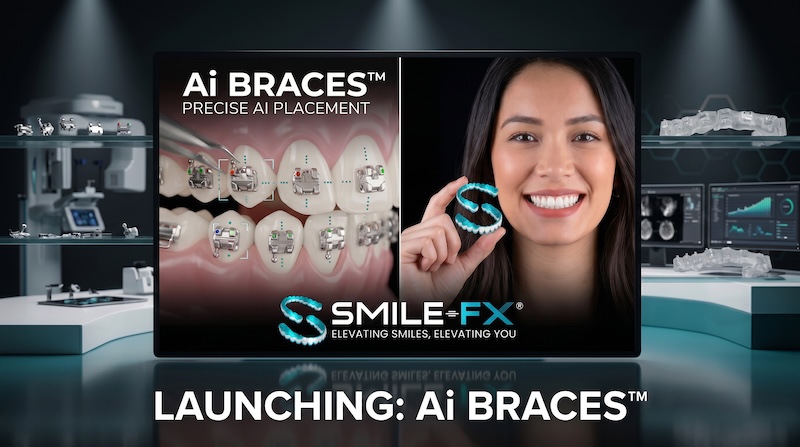
SMILE-FX Launches AI Braces System, Bringing Predictive Treatment Planning to South Florida
Dr. Tracy M. Liang, a board-certified orthodontist, has unveiled a groundbreaking orthodontic treatment at SMILE-FX Orthodontic Studio in Miramar, Florida. On April 3, 2026, the clinic launched its AI Braces system, which uniquely combines artificial intelligence with advanced 3D CBCT (Cone Beam Computed Tomography) imaging. This innovative approach aims to enhance the precision and effectiveness of orthodontic treatments by providing detailed, data-informed mapping for each patient's needs. The integration of cutting-edge technology is designed to improve patient outcomes and streamline the orthodontic process, reflecting a significant advancement in the field.
Design Health 3D CBCT imaging 3d printing AI braces AI diagnostics
Dental City Wins Supply Chain Excellence Award for Best Use of Robotics with Locus Robotics
Dental City, a prominent distributor of dental supplies in the United States, has been awarded the title of Best Use of Robotics at a recent industry event. This recognition highlights the company's innovative approach to integrating robotic technology into its operations, aimed at enhancing efficiency and improving service delivery. The announcement was made today, underscoring Dental City's commitment to leveraging advanced technology in the dental supply sector. The award reflects the growing trend of automation in the industry, as companies seek to streamline processes and better meet customer needs.

Infios Triples Dental City’s Productivity with New Robotics Solution
Infios has successfully integrated Locus Robotics' autonomous mobile robots (AMRs) at the Dental City distribution center, significantly enhancing operational efficiency. This implementation, which took place recently, aims to improve pick rates and overall fulfillment performance at the facility. The collaboration between Infios and Locus Robotics is driven by the need to streamline processes and increase capacity in response to growing demand in the dental supply sector. By utilizing advanced robotics technology, the distribution center is expected to achieve faster order processing and better inventory management, ultimately benefiting customers with improved service delivery.
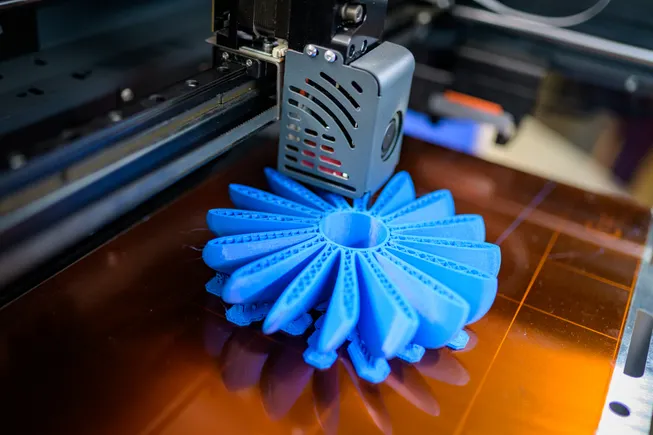
Artemis II, dental aligners and more: The case for additive manufacturing
Aerospace and defense industries are increasingly adopting advanced manufacturing technologies to enhance their production capabilities, according to Brett Conner, the chief manufacturing officer of the Society of Manufacturing Engineers. This shift is aimed at enabling faster processing and scaling of parts, which is crucial for meeting the growing demands of these sectors. By leveraging innovative techniques, companies are able to streamline their operations and improve efficiency, ultimately leading to more competitive offerings in the market. The trend reflects a broader movement within manufacturing to embrace technology as a means of driving growth and innovation.

Medieval skeleton analysis suggests mercury was used as leprosy treatment
Researchers have made significant strides in understanding late-medieval mercury treatments through the analysis of mercury concentrations found in dental calculus. This groundbreaking study, conducted by a team of scientists, sheds light on the historical medical practices of the period, revealing how mercury was utilized in dental care and possibly other health treatments. The research was published recently, highlighting the importance of dental calculus as a valuable source of information about past medical practices. By examining samples from various archaeological sites, the team was able to determine the levels of mercury exposure individuals experienced, providing insights into the potential health risks associated with these treatments. This investigation not only enhances our knowledge of medieval medicine but also raises questions about the long-term effects of such treatments on patients. The findings underscore the need for further exploration into historical medical practices and their implications for contemporary health discussions.
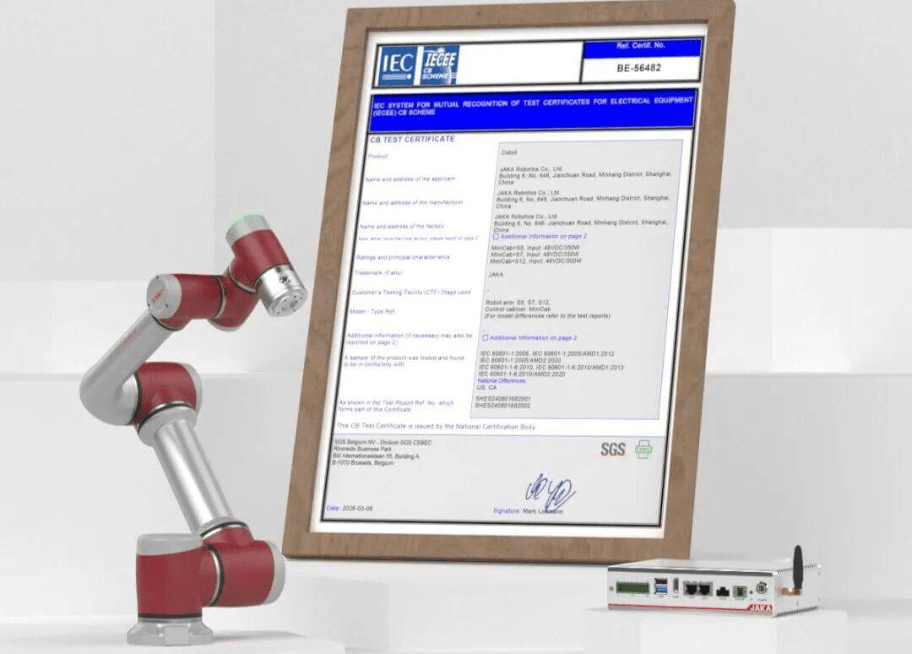
权威认证加持!节卡机器人拿下 IEC 60601医疗安规认证,加速医疗领域智能变革
JAKA Robotics has recently achieved IEC 60601 medical safety certification for its S-series robots (S5/S7/S12) and MiniCab control cabinet. This certification, awarded by SGS, confirms that JAKA's products meet the stringent safety standards for medical electrical equipment set by the International Electrotechnical Commission. This milestone not only enhances the safety and reliability of JAKA's robots but also positions them as compliant, safe collaborative solutions for medical environments, paving the way for the company to expand its presence in the global healthcare market and support the high-quality development of medical automation. The IEC 60601-1 standard is recognized as a core guideline in medical device safety, imposing stricter requirements compared to the standards typically followed by industrial robots. The certification process involved rigorous testing for electrical safety, ensuring that even in the event of a single component failure, patient and operator safety would be maintained. For instance, the certified robots do not interfere with sensitive medical equipment in operating rooms and can function safely in complex electromagnetic environments. JAKA's robots have already been successfully integrated into various medical applications, demonstrating their reliability. In one instance, at Mindray's production facility, JAKA robots have automated key processes, increasing production efficiency significantly. Furthermore, in clinical settings, the robots assist in non-invasive treatments and dental surgeries, enhancing precision and reducing the workload on medical staff. The IEC 60601 certification opens up broader opportunities for JAKA Robotics in medical applications, with plans to expand into surgical navigation, radiation therapy, and rehabilitation, ultimately contributing to a more intelligent and efficient healthcare future.

HomeEmergency - Using audio to find and respond to emergencies in the home
Accidental home deaths in the United States surpass 128,000 annually, prompting researchers to develop home robots capable of responding to emergencies to mitigate injuries and fatalities. A new dataset has been introduced, focusing on household emergencies simulated within the ThreeDWorld environment. Each scenario in this dataset is initiated by a sudden or recurring sound, which may indicate an emergency situation. The goal is to train robotic agents to effectively discern and respond to these critical incidents, ultimately enhancing safety within homes.
Robotics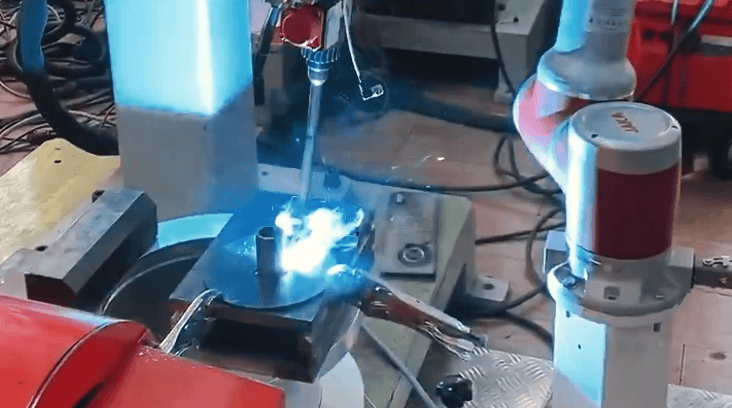
Essential Safety Tips for Operating Collaborative Welding Robots (Arc Flash & Collision)
In modern manufacturing, ensuring the safety of collaborative welding robots is paramount. A company specializing in this field emphasizes the importance of understanding potential hazards, such as arc flash and collision risks, to protect both operators and management. By implementing structured safety protocols, they aim to maintain high productivity while safeguarding their workforce. To mitigate arc flash incidents, which can lead to severe injuries, the company stresses the use of proper personal protective equipment (PPE) like flame-resistant clothing and face shields. Safety zones around the JAKA Zu30 robot are clearly marked to prevent accidental exposure to high-voltage arcs, and regular inspections of electrical systems and welding cables are conducted to ensure reliable operation. Collisions in dynamic production environments present another significant risk. The company designs workspace layouts to minimize interference between robots and human operators. The JAKA Zu30 system facilitates quick loading and unloading, reducing congestion on the production line. Additionally, the robot’s programming capabilities allow for precise movement paths, enhancing safety while optimizing workflow. Collision detection features and predefined safe zones further ensure efficient operation without unintended contact. Best practices for operational safety include training all operators on proper startup and shutdown procedures, emphasizing emergency stops and maintenance schedules. Monitoring environmental factors like ventilation and lighting also helps reduce welding arc hazards. The flexible design of the JAKA Zu30 enables quick adaptations to production lines, ensuring high-quality machine tending while upholding safety standards. By integrating safety measures, thoughtful workspace design, and comprehensive training, the company demonstrates that safety and productivity can coexist in modern industrial environments, enhancing both efficiency and workforce well-being.
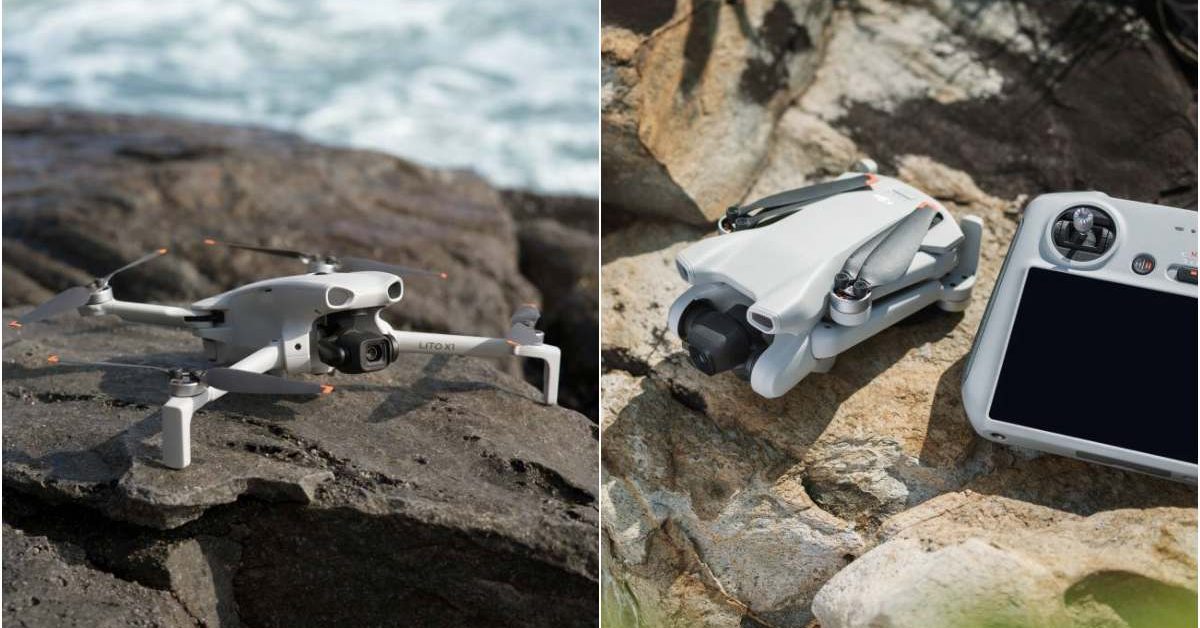
DJI Lito X1 vs Mini 3: Which DJI drone is right for you?
DJI has introduced the Lito X1 drone as a new alternative to the Mini 3; however, it will not be available for purchase in the United States. Instead, American consumers are offered a significant discount on the Mini 3 (DJI RC), which is now priced at $379, down from its original $549. This promotion coincidentally aligns with the expected price of the Lito X1 had it been released in the U.S. market. The decision to discount the Mini 3 may reflect DJI's strategy to maintain consumer interest and sales momentum in the face of the new model's launch, making the older drone an appealing option for buyers seeking value.
NewsRobotics needs a service framework.
RSF defines a common language for robot service capability, lifecycle operations, certification pathways, and service-provider networks.







