Industry Briefing
A single destination for timely, editor-curated robotics news from around the world.
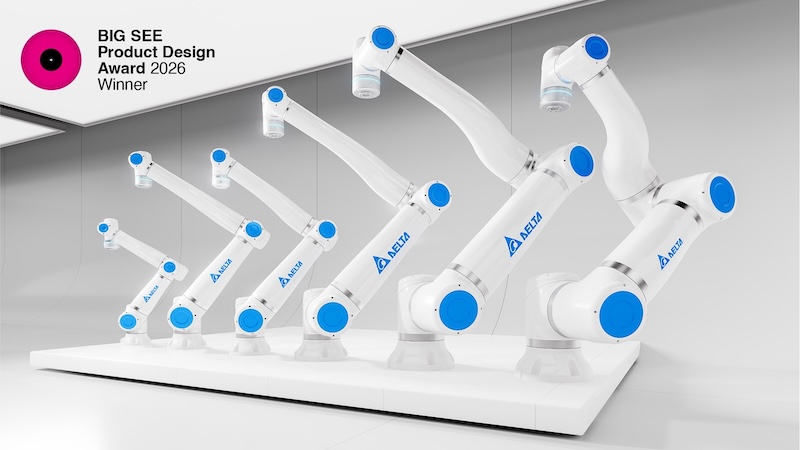
Delta Electronics' D-Bot Collaborative Robots Win BIG SEE Product Design Award 2026
Delta Electronics has received the prestigious BIG SEE Product Design Award 2026 for its Delta D-Bot series of collaborative robots. This award highlights exceptional achievements in product design and industrial innovation, showcasing Delta's commitment to sustainability and creativity in technology. The recognition is significant as it underscores Delta's strategy of investing over eight percent of its annual revenue in research and development, particularly in design and innovation. Michael Mayer-Rosa, senior director at Delta, emphasized that the award reflects the high standards of their team in merging industrial robotics with practical and efficient design, catering to diverse customer needs. Looking ahead, Delta's D-Bot series, launched in spring 2024, features six flexible models with advanced safety technologies and compatibility with various industrial protocols. No further timeline was disclosed at the time of publication.
Design Industrial robots autonomous mobile robots BIG SEE Product Design Award cobots collaborative robots
Foreign Leaders Explore Advanced Factories in China's Yangtze River Delta Region
In early 2023, South Korean President Lee Jae-myung engaged with a humanoid robot during a forum in Shanghai, highlighting the increasing presence of technology in diplomatic visits. German Chancellor Merz and Serbian President Vucic also toured advanced factories, showcasing innovations in robotics and automation. The significance of these visits lies in the shift from traditional cultural sites to modern technological achievements as focal points for foreign leaders. Factories like the SAIC-GM Ultium Super Factory in Shanghai and the future factory of Minth Group in Jiaxing demonstrate high levels of automation and efficiency, with robots performing critical tasks. Looking ahead, the trend of 'industrial tourism' is expected to grow, with a notable increase in inbound orders for factory tours by mid-2026. This reflects a broader understanding of China's innovative capabilities and the establishment of a collaborative industrial network in the Yangtze River Delta, which is becoming a key player in global manufacturing and technology.
Robotics Industrial Automation Smart Manufacturing AI Technology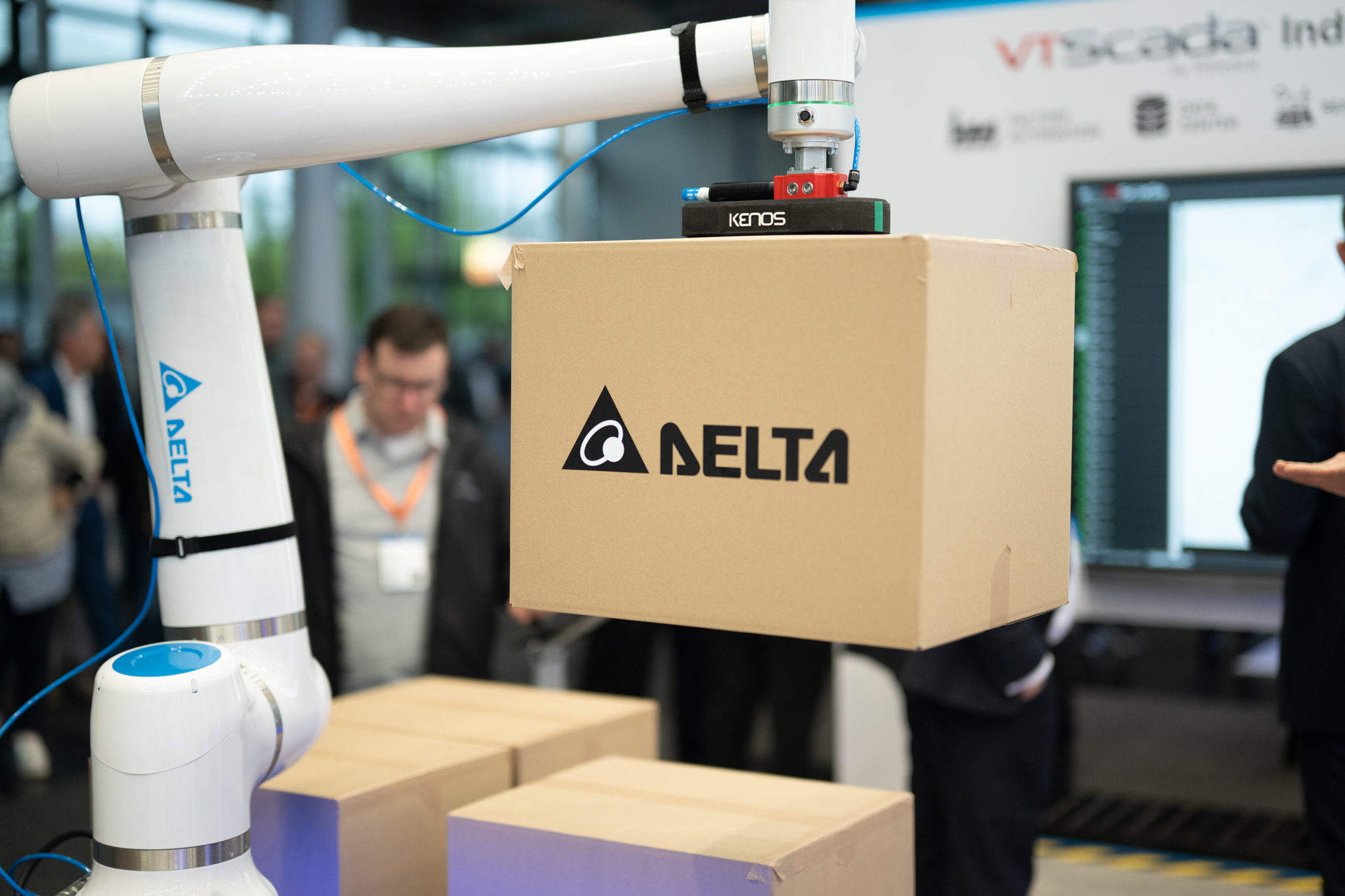
Delta expands ecosystem for collaborative robotics.
In a move to enhance its collaborative robotics ecosystem, Delta has announced three new partners just weeks after the Hannover Messe. This strategic expansion aims to foster continuous growth and innovation within the D-Bots framework. The partnerships are expected to leverage each company's strengths, contributing to the development of advanced robotic solutions and enhancing Delta's position in the market. The announcement underscores Delta's commitment to collaboration and technological advancement in the robotics sector.
Allgemein Cobots & MRK Newsarchiv
Delta Intelligent Secures Strategic Investment from Leading Humanoid Robot Manufacturers
Delta Intelligent, a newly established startup specializing in foundational models for humanoid robots, has raised over 100 million yuan through three rounds of financing in a span of just three months. The rapid financial backing from prominent investors, including Leju Robotics and Zhiyuan Robotics, underscores a robust confidence in the company's innovative technological advancements. This significant investment reflects the growing interest and potential in the field of humanoid robotics, positioning Delta Intelligent as a key player in the industry.
Humanoid Robots AI Robotics Technology Investment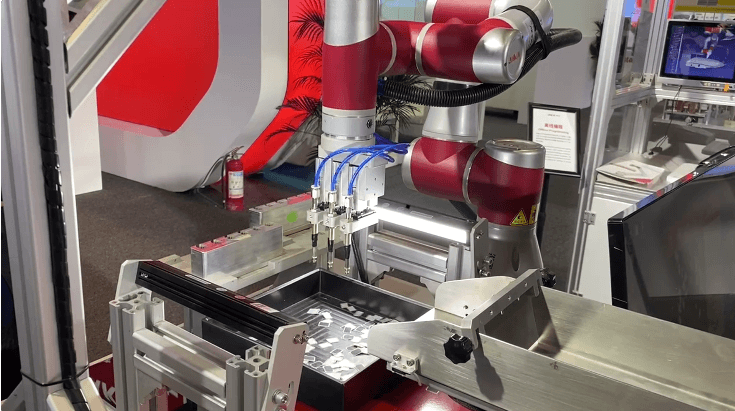
Understanding the Different Robot Arm Types (6-Axis, SCARA, Delta): A Comparison Guide
In the evolving field of automation, selecting the right type of robotic arm is crucial for optimizing production strategies. Different robotic configurations, including 6-axis, SCARA, and Delta robots, offer unique mechanical strengths and capabilities tailored to specific manufacturing tasks. The 6-axis articulated robot, commonly found in factories, mimics human arm movements and excels in complex processes like welding and assembly due to its six degrees of freedom and flexible work envelope. In contrast, SCARA robots, known for their rigidity in the vertical axis and compliance in horizontal movements, are ideal for high-speed tasks such as pick-and-place and electronics assembly, achieving remarkable precision and faster cycle times. Delta robots, characterized by their lightweight, spider-like design, are engineered for high-speed sorting and packaging in industries like food and pharmaceuticals, making them suitable for handling lightweight items quickly. JAKA Robotics has focused on enhancing 6-axis collaborative industrial robots, offering models like the JAKA Zu and Pro series that combine power and agility for various applications, from precision assembly to heavy-duty palletizing. JAKA emphasizes "Embodied Intelligence," ensuring their robots provide precise repeatability and user-friendly operation through wireless control and intuitive programming, catering to the needs of modern smart factories.
Tencent’s Delta Force: Hawk Ops hits PS5 and Xbox this August
TiMi Studio, a subsidiary of Tencent, has revealed that its free-to-play first-person shooter game, Delta Force: Hawk Ops, is set to launch on Xbox and PlayStation 5 in August. Originally released on PC and mobile platforms in September 2024, the game has quickly gained popularity, amassing over 12 million daily active users as of April 2025. The cross-platform nature of Delta Force aims to enhance accessibility and engagement among players, contributing to its rapid growth in the competitive gaming market.
News Feed
Design and Performance Analysis of a Delta Robot for High‐Speed Seed Cutting
In a recent study published in the Journal of Field Robotics, researchers explored advancements in robotic technology aimed at enhancing agricultural efficiency. The findings, released in May 2026, highlight innovative methods for integrating autonomous systems into farming practices. Conducted by a team of experts in robotics and agriculture, the research took place in various agricultural settings to assess the practical applications of these technologies. The motivation behind this study stems from the growing need for sustainable farming solutions that can address labor shortages and increase productivity in the face of climate change. By employing advanced robotics, the team demonstrated how these systems can optimize crop management and reduce resource waste. The research involved extensive field trials, where robotic systems were tested for their ability to perform tasks such as planting, monitoring crop health, and harvesting. The results indicated significant improvements in efficiency and yield, suggesting that the integration of robotics could revolutionize traditional farming methods. This study not only contributes to the body of knowledge in agricultural robotics but also underscores the potential for these technologies to transform the agricultural landscape, making it more resilient and sustainable for future generations.
RESEARCH NOTE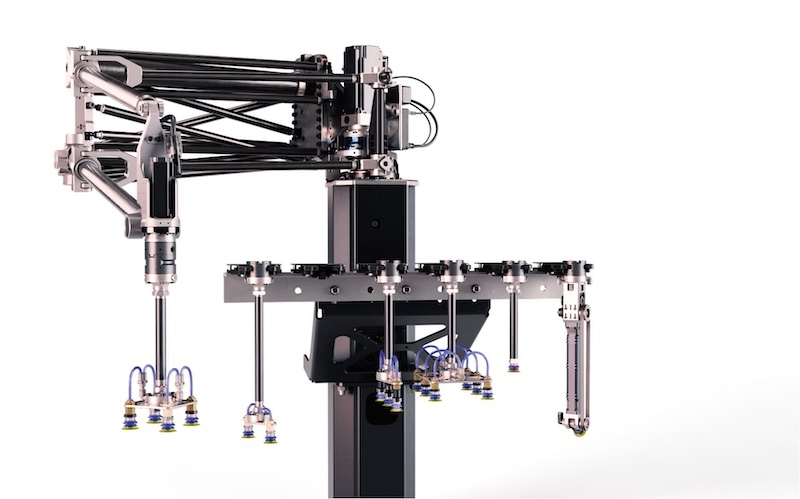
Cognibotics Secures €6.5 Million EU Funding for HKM1800 Robot Development
Cognibotics, a Swedish robotics firm, has received €6.5 million in funding from the European Innovation Council Accelerator under the Horizon Europe program. This funding comprises a €2.5 million grant and €4 million in equity financing, aimed at advancing the development and industrialization of the HKM1800 robot platform for logistics and manufacturing. The HKM1800 features a hybrid kinematic design that allows for delta-class speed and a workspace ten times larger than traditional robots, while consuming one-third less energy. The significance of this funding lies in its potential to enhance automation in Europe, addressing labor shortages and increasing throughput demands. The HKM1800 is designed to facilitate quick installation and achieve over 2,000 picks per hour within a 10 square meter workspace, effectively breaking the conventional speed/reach trade-off. CEO Fredrik Malmgren emphasized that this funding validates their technology and strategic direction, which focuses on both the robot and the software that supports it. Looking ahead, Cognibotics aims to leverage this funding to bring the HKM1800 to market and further develop its software and automation strategies. The project aligns with the growing need for scalable automation solutions in Europe. No further timeline was disclosed at the time of publication.
Business Financials & Investments News cognibotics EIC Accelerator European Innovation Council
Pharos Offshore Group Completes Major Trenching Project in the Mediterranean
Pharos has successfully completed the subsea postlay trenching of a 14-inch Raw Gas Sealine and a 10-inch Export Gas Sealine using its advanced Q1000 jet trencher. The project, which also included the trenching of an associated fibre optic cable, was carried out in collaboration with strategic partners Next Geosolutions and Rana Subsea. The operation took place aboard the support vessel Olympic Delta, showcasing the effective mobilization of equipment and expertise. This achievement highlights Pharos's commitment to delivering high-performance solutions in subsea trenching.
pharos offshore group trenching project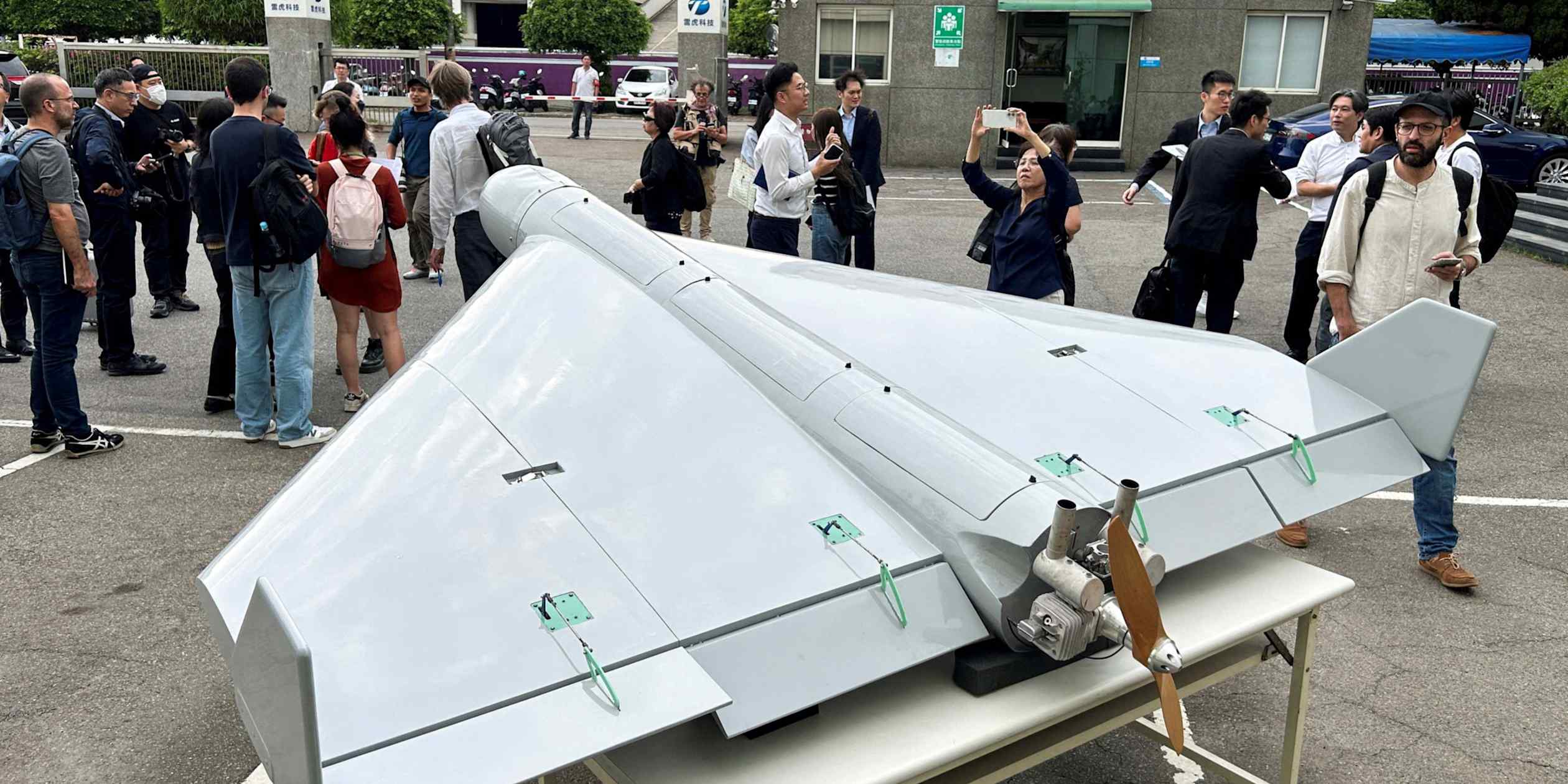
Drones hover at center of Taiwan's defense debate
In Taiwan, the ongoing debate over the role of drones in national defense has intensified, highlighting significant divisions between the ruling Democratic Progressive Party (DPP) and the opposition Kuomintang (KMT). This discord threatens to impede the development of the country's drone industry, which is critical for enhancing military capabilities amid rising tensions with China. The discussion gained momentum during a media tour on April 21, 2026, in Taichung, where the Thunder Tiger Group showcased its Papa Delta drone. As Taiwan grapples with budget cuts affecting defense spending, concerns about the future of its drone program have emerged, prompting scrutiny of the KMT's stance on defense cuts. The political landscape remains fraught, with the KMT's leadership planning a trip to the United States, further complicating the dialogue surrounding Taiwan's defense strategy. The situation underscores the urgency for Taiwan to bolster its military technology in response to external pressures, particularly from China, while navigating internal political challenges.
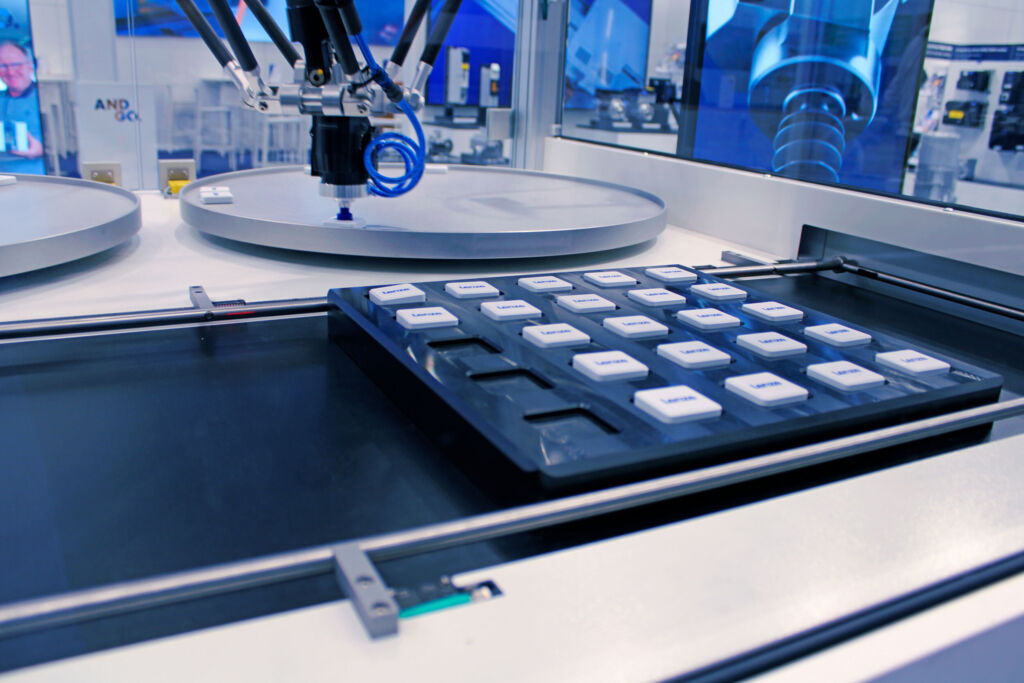
Pick and place processes on rotating tables without downtime
At this year's Interpack, Lenze showcased its innovative inline robotics featuring rotary tracking through a Delta robot. This demonstration highlighted the company's advancements in pick-and-place processes on rotating tables, emphasizing the capability to operate without any downtime. The event, which serves as a significant platform for the packaging and processing industry, allowed Lenze to illustrate how their technology can enhance efficiency and productivity in automated systems.
Allgemein Lebensmittel & Verpackung Lösungen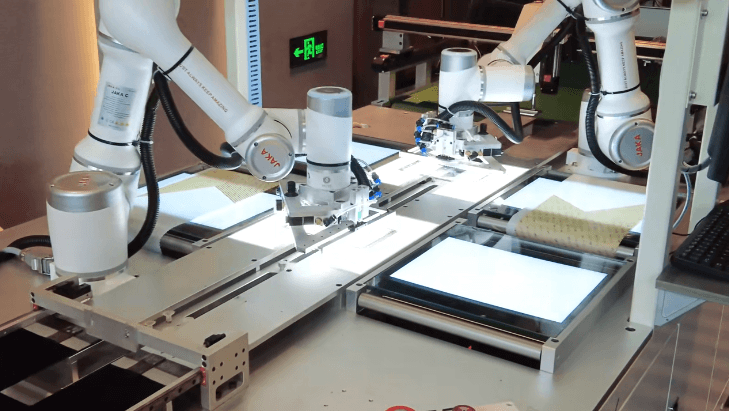
Are 6 Axis Cobot Arms Better Than Dedicated Pick & Place Machines?
In a strategic shift towards enhanced manufacturing efficiency, companies are increasingly weighing the benefits of specialized hardware against flexible automation. Traditionally, high-speed assembly lines have relied on dedicated pick and place machines, which excel in repetitive tasks but lack adaptability. However, as product lifecycles shorten and customization becomes essential, the 6-axis robotic arm has emerged as a viable alternative, offering the flexibility needed for modern high-mix production environments. Dedicated machines, such as SCARA or Delta robots, are optimized for high-speed linear movements in fixed production runs. Their rigidity poses a challenge when product designs change, often necessitating costly retooling. In contrast, 6-axis robotic arms provide a spherical work envelope and six degrees of freedom, enabling them to perform complex tasks like inspection and screwdriving without relocating parts. This adaptability ensures that as businesses evolve, their hardware remains relevant with simple software updates. Additionally, the physical footprint of automation plays a crucial role in decision-making. Traditional machines require extensive safety guarding and rigid frames, consuming valuable space. In contrast, collaborative 6-axis systems can be integrated into existing workstations without barriers, fostering a hybrid workflow where robots handle repetitive tasks and humans focus on quality control. JAKA, a leader in this field, offers the JAKA Zu series, which combines the precision of dedicated machines with the flexibility of collaborative platforms. The JAKA Zu30, capable of managing heavy-duty material transfers, exemplifies this innovation. With a user-friendly wireless ecosystem and built-in safety features, JAKA aims to provide manufacturers with the agility and scalability needed to meet evolving market demands.

Emerson Accelerates Edge Ecosystem for Real-Time Enterprise Operations Intelligence
Emerson, a prominent player in the global automation sector, has unveiled its latest innovation, DeltaV™ Live Enterprise View, aimed at enhancing real-time control system visualization beyond traditional control room boundaries. This new application, launched recently, is designed to provide secure access to critical operational data, enabling users to monitor and manage industrial processes more effectively from various locations. By leveraging advanced technology, Emerson seeks to empower industries with improved decision-making capabilities and operational efficiency, addressing the growing need for flexible and remote access in today’s fast-paced industrial environment.
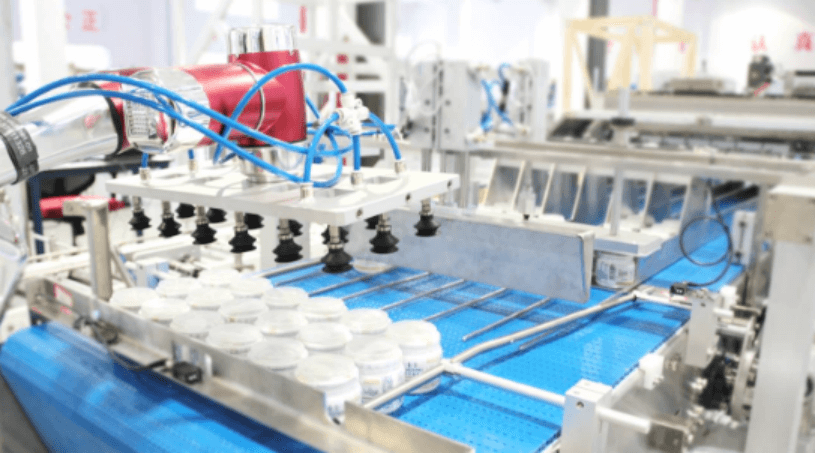
What Are the 5 Types of Industrial Robots?
JAKA, an industrial robot company, is at the forefront of automation technology, focusing on five primary types of robots that cater to various production needs. These include articulated robots, known for their flexibility and complex movements, which are essential for tasks like welding and assembly. The compact design of JAKA's Zu series exemplifies this versatility, allowing operation in confined spaces. Additionally, the SCARA robot specializes in high-speed, precise motions within a horizontal plane, making it ideal for electronics manufacturing. JAKA emphasizes engineering principles that ensure repeatability and stability in all its robotic models. The delta robot, characterized by its parallel-linked arms, excels in ultra-high-speed picking and packaging, particularly in the food and pharmaceutical industries. JAKA is committed to delivering reliable automation solutions that meet rigorous production standards. The Cartesian robot, or gantry robot, operates on three linear axes, making it suitable for applications such as 3D printing and precise dispensing. Its intuitive programming aligns with JAKA's mission to make automation accessible. Lastly, collaborative robots, or cobots, represent a significant shift towards human-centric automation, designed to work safely alongside human workers. JAKA focuses on developing accessible cobots equipped with user-friendly programming and safety features. Overall, JAKA aims to provide a diverse range of robotic solutions that enhance flexibility, efficiency, and collaboration in modern manufacturing environments.
Robotics needs a service framework.
RSF defines a common language for robot service capability, lifecycle operations, certification pathways, and service-provider networks.