Industry Briefing
A single destination for timely, editor-curated robotics news from around the world.

Robo.ai Acquires Data Processing and Compression Tech Company Neurovia for $100M
Robo.ai Inc. (NASDAQ: AIIO) has entered into an agreement to acquire Neurovia AI Limited, a company focused on data processing and compression, for $100 million. This acquisition aims to enhance Robo.ai's technological capabilities and expand its market presence. The transaction is expected to close pending the fulfillment of certain conditions.
AI AI Funding & Investment Robotics acquisition data compression Edge AI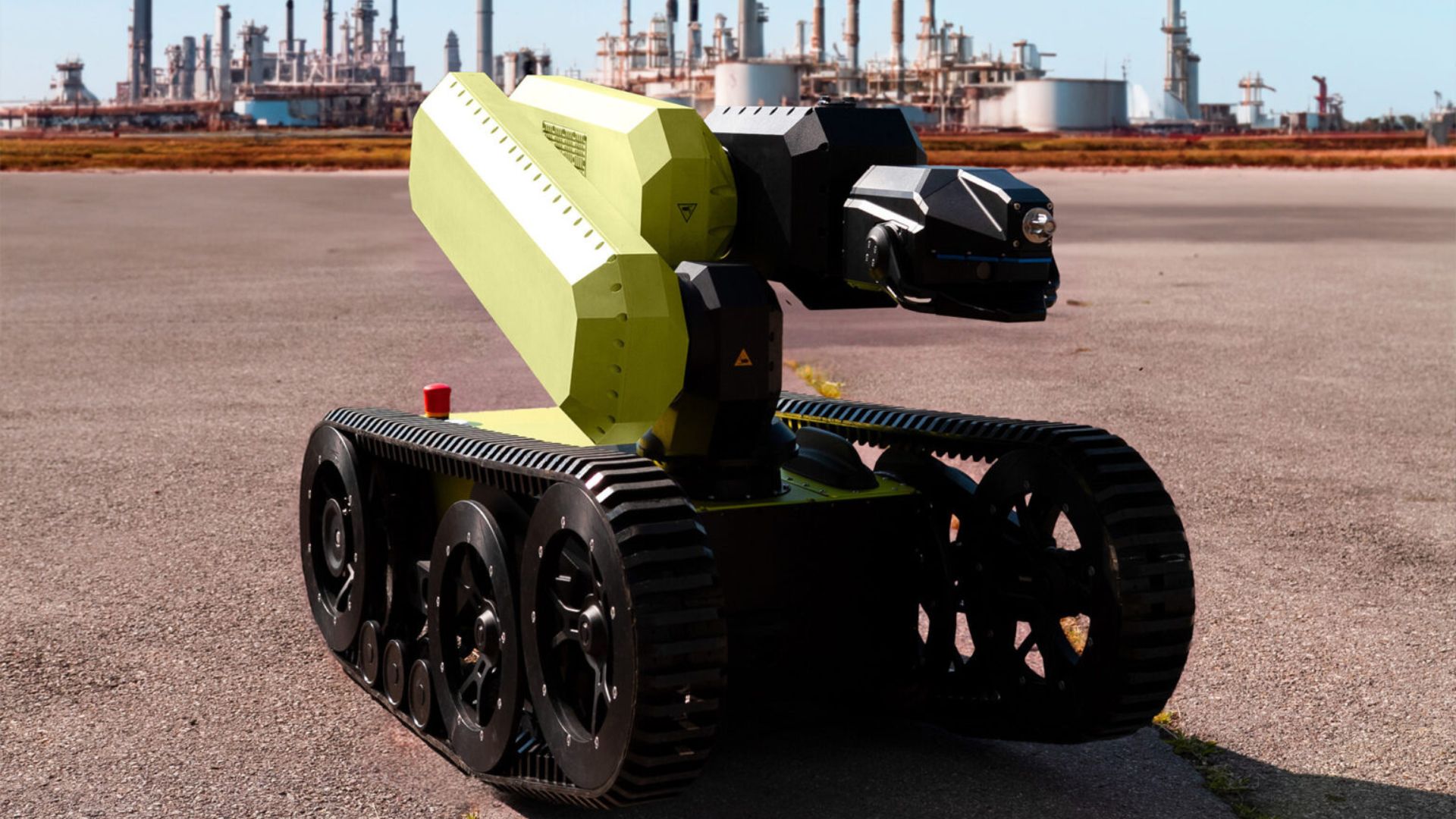
Heavy-duty robot takes over hazardous inspections at UAE gas plant
A heavy-duty inspection robot from Austria has been introduced at a gas compression facility to enhance safety and efficiency in monitoring operations. This deployment, which took place recently, aims to streamline inspections and reduce the need for human intervention in potentially hazardous environments. The robot is equipped with advanced sensors and imaging technology, allowing it to detect leaks, assess structural integrity, and gather data in real-time. By utilizing this innovative technology, the facility seeks to minimize risks associated with gas compression processes and improve overall operational reliability. The initiative reflects a growing trend in the energy sector to incorporate automation and robotics to address safety challenges and optimize maintenance procedures.

Better Hardware Could Turn Zeros into AI Heroes
Researchers at Stanford University have developed a groundbreaking hardware accelerator named Onyx, designed to enhance the efficiency of artificial intelligence (AI) computations by leveraging the concept of sparsity. This innovation comes in response to the growing energy demands and carbon footprint associated with increasingly large language models (LLMs), such as Meta's recent Llama release, which boasts 2 trillion parameters. Onyx aims to address the limitations of current hardware, which often fails to fully utilize the sparse nature of AI models, where many parameters are effectively zero. By re-engineering the architecture to support both sparse and dense computations, Onyx achieves significant energy savings—consuming up to one-seventieth the energy of traditional CPUs and performing computations eight times faster on average. The development of Onyx reflects a broader trend in AI research, where experts are exploring new algorithms and hardware solutions to mitigate the environmental impact of AI technologies. The team at Stanford plans to expand Onyx's capabilities to support a wider range of AI operations, potentially revolutionizing the field and paving the way for more sustainable AI practices. As the demand for efficient AI solutions grows, Onyx represents a promising step toward balancing performance and energy consumption in machine learning.
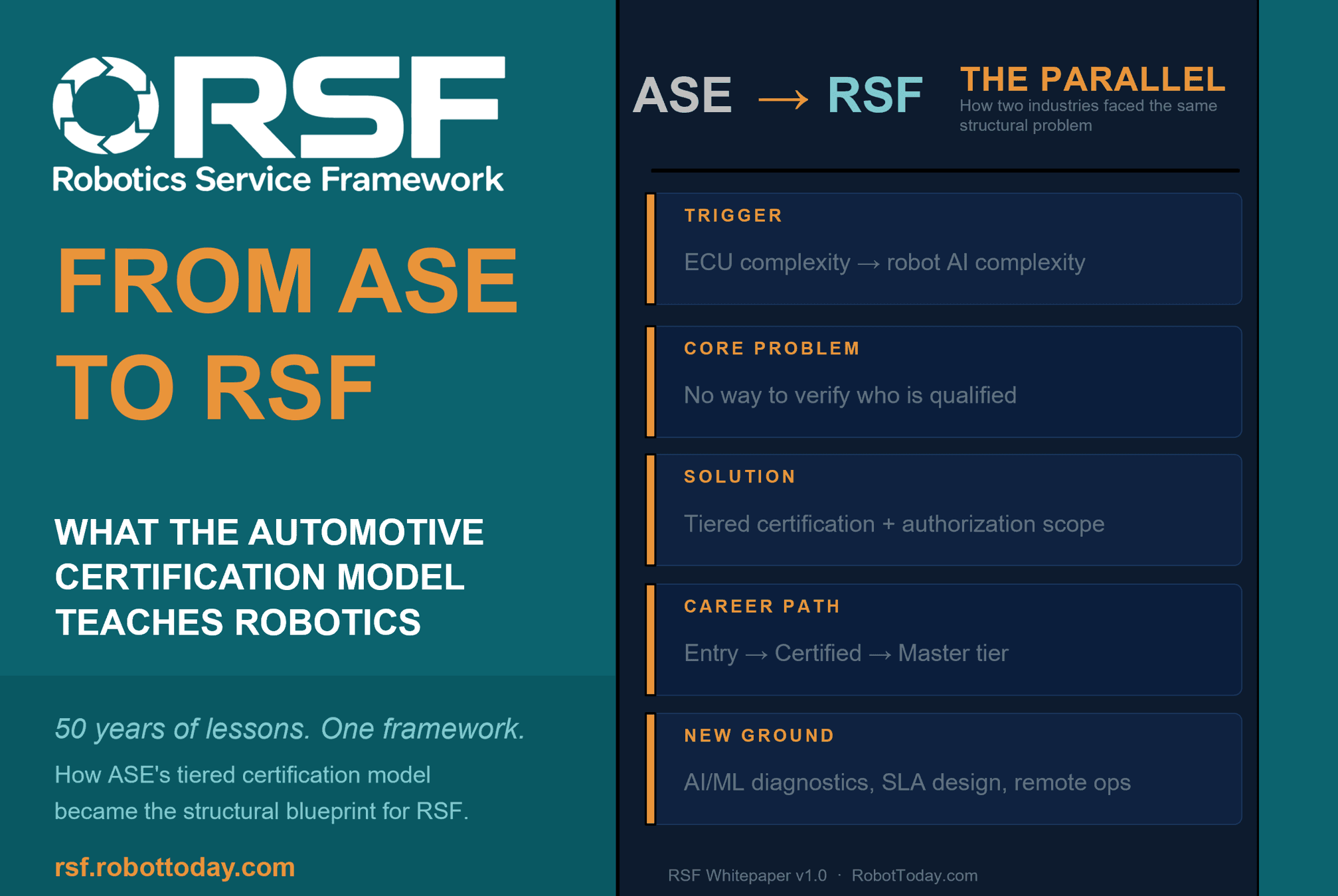
Ai-models Gpus Energy-efficiency Data-compressionRobotics needs a service framework.
RSF defines a common language for robot service capability, lifecycle operations, certification pathways, and service-provider networks.