Industry Briefing
A single destination for timely, editor-curated robotics news from around the world.

Microsoft warns about new cyber threats and response strategies.
The rise of sophisticated phishing attacks utilizing multi-factor authentication (MFA) has been observed, with cybercriminals increasingly employing tactics that exploit popular AI services such as ChatGPT, Claude, and DeepSeek. This alarming trend highlights the evolving nature of phishing strategies in the AI era, where attackers use these well-known platforms as bait to deceive users into revealing sensitive information. Experts are now emphasizing the importance of understanding these advanced threats and implementing effective defense mechanisms to protect against such vulnerabilities. As the digital landscape continues to evolve, awareness and proactive measures are crucial in safeguarding personal and organizational data from these emerging cyber threats.
AI-Generated Phishing Emails: A New Trend in Cyber Attacks
Microsoft has reported a rise in phishing attacks, fraudulent advertisements, and exploitation of search results that misuse the popularity of AI services. These attacks are being carried out under the guise of well-known platforms such as ChatGPT, Claude, and DeepSeek. Cybercriminals are employing these tactics to steal authentication and payment information, as well as to distribute malware. The increase in such malicious activities highlights the vulnerabilities associated with the growing reliance on AI technologies.
Claude Mythos Preview Requires New Ways to Keep Code Secure
Malicious actors are increasingly leveraging generative AI to conduct cyberattacks, employing AI-generated deepfakes for scams, AI-assisted malware, and chatbots for phishing campaigns. In early April, Anthropic’s Frontier Red Team revealed that its Claude Mythos Preview model identified thousands of critical vulnerabilities across major operating systems and web browsers, despite not being specifically trained for this purpose. This prompted the launch of Project Glasswing, a collaborative initiative with tech giants like Amazon Web Services, Apple, Google, Microsoft, and Nvidia, aimed at using Mythos Preview to enhance software security. While generative AI demonstrates remarkable capabilities in identifying code vulnerabilities, experts warn that these same abilities can be exploited by cybercriminals. Jeremy Katz, vice president of code security at Sonar, noted that AI can effectively pinpoint security flaws within extensive codebases. However, the technology is not without its challenges, including the potential for false positives, which complicates the process for open-source maintainers. To mitigate these issues, cybersecurity professionals advocate for a balanced approach that incorporates human oversight in the verification of AI findings. Techniques such as adversarial self-review and dynamic threat modeling are suggested to enhance the reliability of AI tools. Experts emphasize the importance of integrating security measures earlier in the software development lifecycle and providing ongoing training for developers to preemptively address vulnerabilities. As AI continues to evolve in its ability to detect and classify security weaknesses, the focus will shift towards effectively remediating these vulnerabilities at scale.
Anthropic Coding Artificial-intelligence
Important Security Notice
KUKA has issued a warning regarding fraudulent email activities that have been targeting its stakeholders. The company has reported that the identities of its executives are being misused in these scams, which are designed to deceive recipients into providing sensitive information or financial resources. This alert comes in response to a growing number of incidents that have raised concerns among KUKA’s partners and clients. The fraudulent emails often appear legitimate, making it crucial for stakeholders to verify communications before taking any action. KUKA emphasizes the importance of vigilance and encourages recipients to report any suspicious messages to the company directly. The situation highlights the increasing sophistication of cybercriminals and the need for heightened security measures in corporate communications.

DOJ says ransomware gang tapped into Russian government databases
U.S. prosecutors have accused a ransomware gang of contributing to corruption within the Russian government, claiming that the group's activities enabled its leaders to evade taxes and escape military conscription. This assertion highlights the intersection of cybercrime and state corruption, suggesting that the gang's operations not only undermine financial systems but also have broader implications for governance in Russia. The allegations come amid ongoing scrutiny of cybercriminal organizations and their links to state actors, raising concerns about the effectiveness of law enforcement in addressing such complex criminal networks.
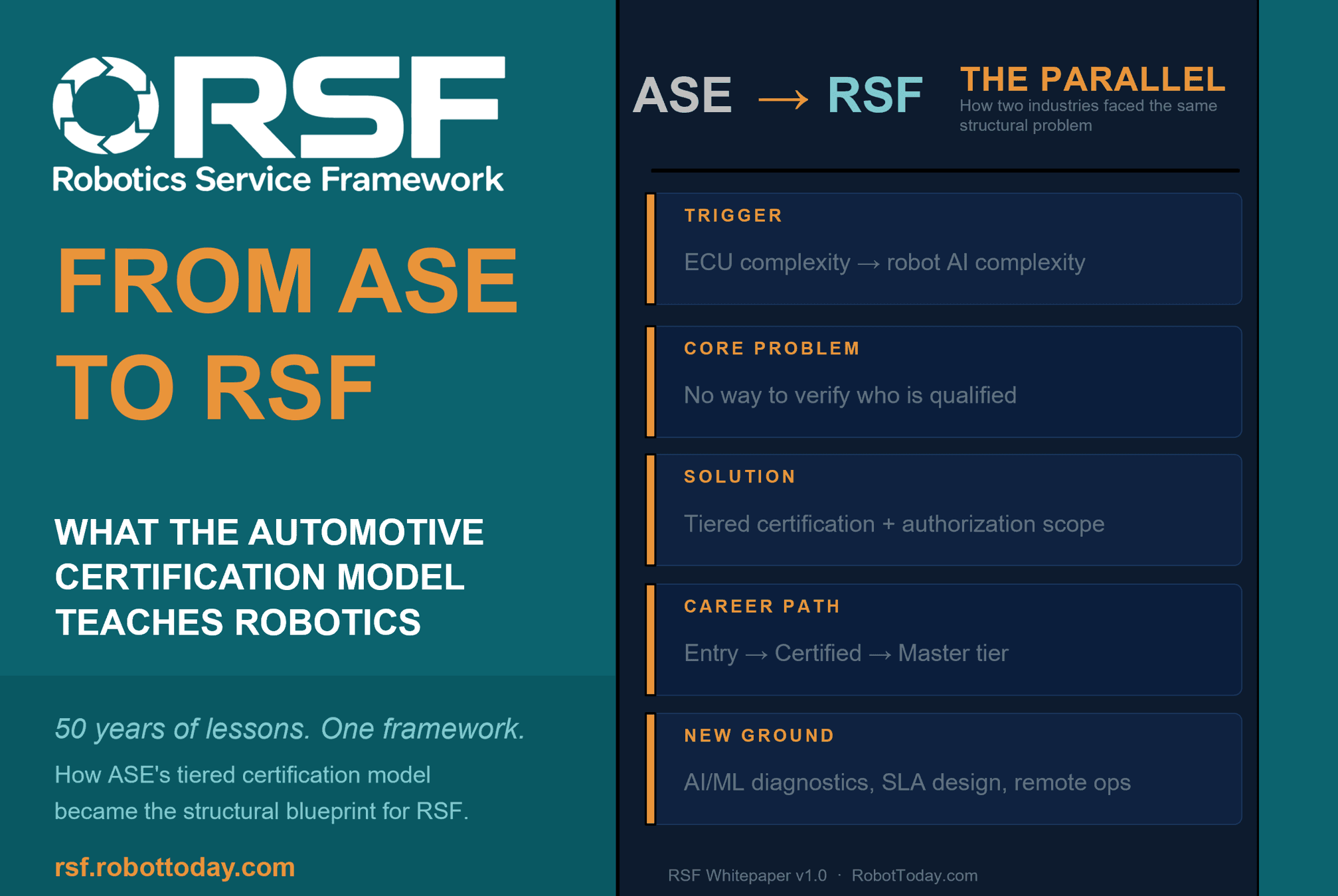
Security cyberattacks cybercriminals cybersecurity justice department KremlinRobotics needs a service framework.
RSF defines a common language for robot service capability, lifecycle operations, certification pathways, and service-provider networks.