Industry Briefing
A single destination for timely, editor-curated robotics news from around the world.
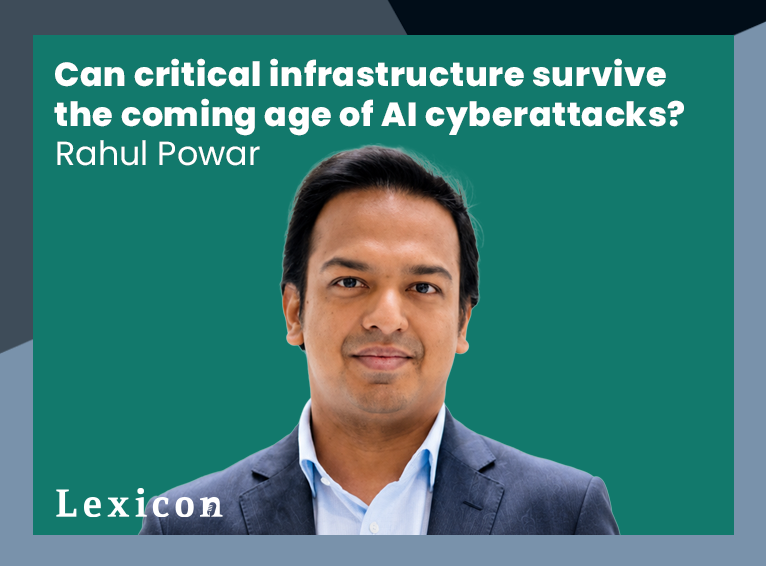
Red Sift CEO Discusses AI's Role in Evolving Cyber Threats and Defense Strategies
In a recent episode of Lexicon, Rahul Powar, CEO of Red Sift, highlighted the transformative impact of artificial intelligence (AI) on cyberattacks. He referenced a recent AI-assisted cyber campaign targeting a Mexican water utility, emphasizing that AI is lowering the barrier for launching sophisticated attacks. This trend is expected to escalate over the next 18 months, posing significant challenges for organizations globally. Powar explained that AI democratizes advanced cyber capabilities, allowing less experienced attackers to leverage tools like large language models for reconnaissance and exploit development. This shift is making it easier for attackers to find vulnerabilities in systems, as they can automate processes that previously required extensive expertise. The imbalance in cybersecurity is growing, as defenders must protect numerous devices and applications while attackers only need to exploit one weakness. Despite the challenges, Powar noted that AI can also empower defenders by helping them identify vulnerabilities before they are exploited. The conversation underscored the dual-edged nature of AI in cybersecurity, with both attackers and defenders adapting to the evolving landscape. No further timeline was disclosed at the time of publication.
AI and Robotics Innovation
Import AI 450: China's electronic warfare model; traumatized LLMs; and a scaling law for cyberattacks
In a thought-provoking discussion, experts in psychology and philosophy gathered to explore the concept of time and its valuation by individuals across different ages. This event took place on October 15, 2023, at the University of Philosophy and Psychology in New York City. The panel aimed to address how perceptions of time evolve as people age and the implications this has for decision-making and life satisfaction. The motivation behind the discussion stemmed from a growing interest in understanding how various life experiences shape our relationship with time. As individuals transition through different life stages, their priorities and the significance they place on time can shift dramatically. The panelists emphasized that younger individuals often view time as an abundant resource, while older adults may perceive it as limited, leading to differing approaches to life choices. Through a series of presentations and interactive discussions, the experts shared insights on how cultural, social, and personal factors influence the way time is valued. Attendees were encouraged to reflect on their own experiences and consider how their understanding of time might change as they age. The event concluded with a call for further research into the psychological aspects of time perception, aiming to foster a deeper understanding of how individuals can make more meaningful choices throughout their lives.

Anthropic scales Claude Mythos to critical infrastructure in 15+ countries
Anthropic is broadening its Project Glasswing initiative, a program designed to address security vulnerabilities, by extending access to its Mythos platform to 150 organizations across 15 countries. This expansion focuses on critical infrastructure sectors, including power, water, healthcare, and communications, where potential cyberattacks could impact up to 100 million individuals. The move aims to bolster cybersecurity measures in these vital areas, reflecting the growing concern over the risks posed by cyber threats to essential services and public safety.
AI Security Anthropic Claude Mythos
DJI Releases Findings of the Most Comprehensive Independent Security Assessment of Its Drone Systems to Date
A recent five-month adversarial testing conducted by the U.S. cybersecurity firm OnDefend has revealed no critical, high, or medium-risk vulnerabilities in the DJI Air 3S and Matrice 4E drones. The testing, aimed at assessing the cybersecurity resilience of these popular drone models, took place in various controlled environments to simulate potential cyber threats. The results, released in October 2023, underscore the effectiveness of DJI's security measures in protecting against cyberattacks. This thorough evaluation is part of ongoing efforts to ensure the safety and reliability of drone technology amid increasing concerns over cybersecurity in the aviation sector.

US firm’s NOS Security combines drones, robots, cyber defense for nuclear plant safety
Nuclear energy infrastructure is increasingly recognized as a vital asset for nations worldwide, prompting heightened concerns regarding its security. In recent discussions among global leaders, the importance of safeguarding nuclear facilities has been underscored, particularly in light of rising geopolitical tensions and the potential for sabotage or terrorist attacks. As countries strive to enhance their energy independence and reduce carbon emissions, the reliance on nuclear power is expected to grow. This shift necessitates robust security measures to protect against both physical threats and cyberattacks. Experts emphasize the need for international cooperation and the sharing of best practices to ensure the resilience of nuclear infrastructure. Recent incidents in various regions have highlighted vulnerabilities in existing security protocols, prompting calls for immediate action. National governments are urged to invest in advanced security technologies and to conduct regular assessments of their nuclear facilities. The discussions took place during a summit held in Geneva, where representatives from over 30 countries convened to address these pressing issues. The summit aimed to foster collaboration and develop a unified approach to nuclear security, recognizing that the safety of nuclear energy is paramount for global stability and environmental sustainability. As nations navigate the complexities of energy production and security, the commitment to protecting nuclear assets will be crucial in maintaining public trust and ensuring a safe energy future.

Quiz: Experts Weigh in on Legacy SCADA Security
Industry experts are raising concerns about the vulnerabilities of aging SCADA (Supervisory Control and Data Acquisition) systems, which are critical for managing infrastructure in sectors such as energy, water, and transportation. As these systems age, they become increasingly susceptible to cyber threats, potentially jeopardizing public safety and operational efficiency. Recent discussions among professionals in the field highlight the urgent need for organizations to assess the security of their SCADA systems, particularly as cyberattacks become more sophisticated. Experts recommend a proactive approach, including regular updates and patches, to mitigate risks associated with outdated technology. The conversation gained momentum in October 2023, coinciding with a series of high-profile cyber incidents that targeted critical infrastructure, underscoring the importance of robust cybersecurity measures. Experts emphasize that organizations must prioritize the modernization of their SCADA systems to safeguard against potential breaches and ensure the resilience of essential services. By implementing advanced security protocols and investing in new technologies, organizations can enhance the protection of their SCADA systems and maintain operational integrity. The call to action is clear: as the digital landscape evolves, so too must the strategies to protect vital infrastructure from emerging threats.
Factory / Cybersecurity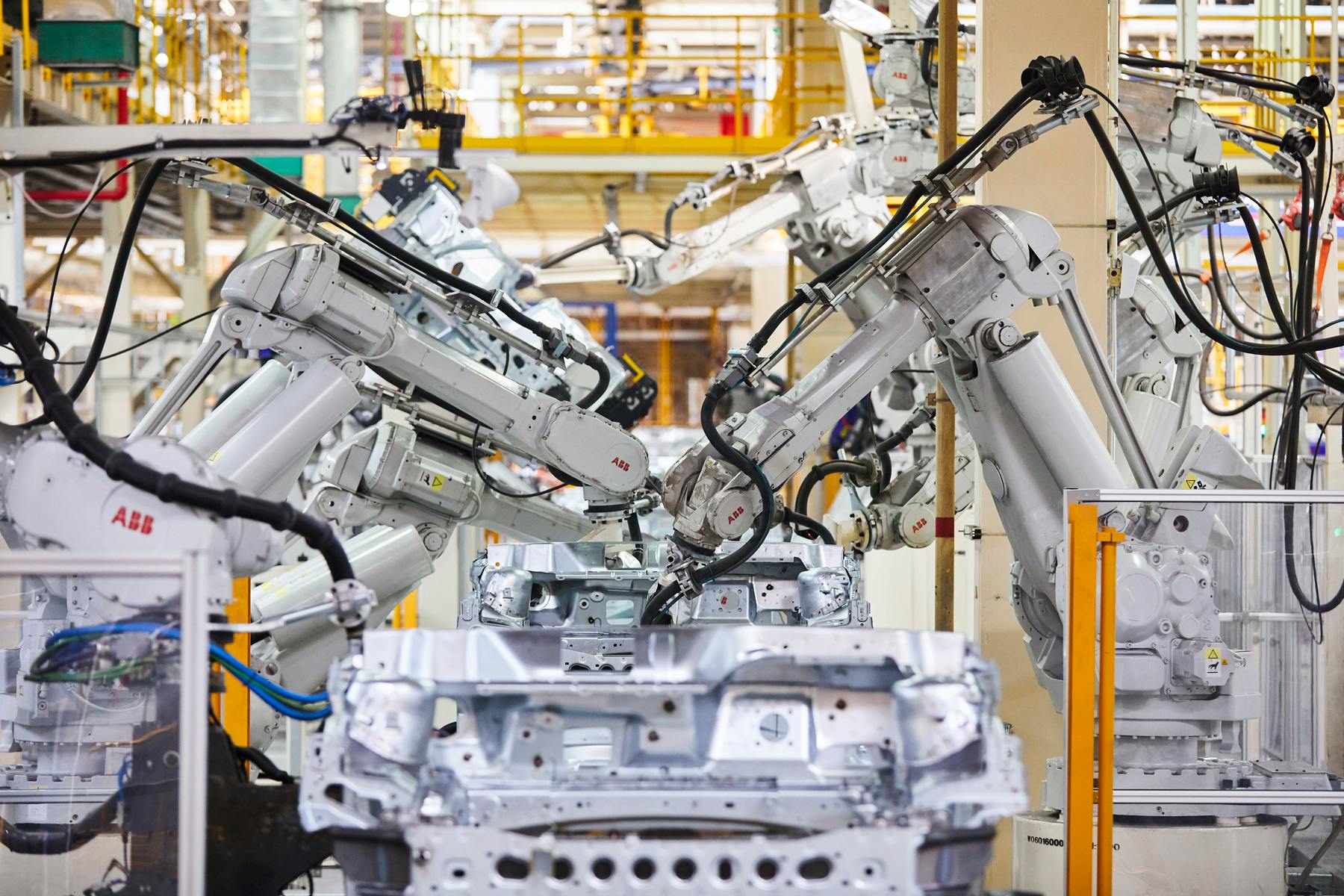
Cybersecurity Is ‘Top Priority’ for Auto Manufacturers, ABB Survey Reports
Automotive manufacturers are increasingly prioritizing cybersecurity, viewing it as a critical concern that surpasses the importance of cost reduction among all supplier tiers. This shift in focus reflects the industry's recognition of the growing threats posed by cyberattacks, which can compromise vehicle safety and consumer trust. As manufacturers navigate the complexities of modern vehicle technology, including connectivity and automation, they are investing more resources into enhancing their cybersecurity measures. This trend has emerged in recent months, highlighting the urgent need for robust security protocols in an era where vehicles are becoming more integrated with digital systems. The commitment to cybersecurity is reshaping industry standards and practices, ensuring that safety remains paramount as the automotive landscape evolves.
Business Intelligence
Claude Mythos Preview Requires New Ways to Keep Code Secure
Malicious actors are increasingly leveraging generative AI to conduct cyberattacks, employing AI-generated deepfakes for scams, AI-assisted malware, and chatbots for phishing campaigns. In early April, Anthropic’s Frontier Red Team revealed that its Claude Mythos Preview model identified thousands of critical vulnerabilities across major operating systems and web browsers, despite not being specifically trained for this purpose. This prompted the launch of Project Glasswing, a collaborative initiative with tech giants like Amazon Web Services, Apple, Google, Microsoft, and Nvidia, aimed at using Mythos Preview to enhance software security. While generative AI demonstrates remarkable capabilities in identifying code vulnerabilities, experts warn that these same abilities can be exploited by cybercriminals. Jeremy Katz, vice president of code security at Sonar, noted that AI can effectively pinpoint security flaws within extensive codebases. However, the technology is not without its challenges, including the potential for false positives, which complicates the process for open-source maintainers. To mitigate these issues, cybersecurity professionals advocate for a balanced approach that incorporates human oversight in the verification of AI findings. Techniques such as adversarial self-review and dynamic threat modeling are suggested to enhance the reliability of AI tools. Experts emphasize the importance of integrating security measures earlier in the software development lifecycle and providing ongoing training for developers to preemptively address vulnerabilities. As AI continues to evolve in its ability to detect and classify security weaknesses, the focus will shift towards effectively remediating these vulnerabilities at scale.
Anthropic Coding Artificial-intelligence
Scammers are abusing an internal Microsoft account to send spam links
A recent discovery has revealed a significant security loophole within Microsoft’s email system, enabling spammers and scammers to exploit legitimate email addresses associated with genuine account alerts. This vulnerability raises concerns about the potential for increased phishing attacks and fraudulent communications, as malicious actors can impersonate trusted sources to deceive users. The issue was identified in October 2023, prompting urgent calls for Microsoft to enhance its security measures and protect users from such threats. Experts emphasize the need for improved authentication protocols to prevent unauthorized use of legitimate email addresses, thereby safeguarding users from falling victim to scams. As the situation develops, Microsoft is expected to respond with updates and solutions to address this critical flaw in their email system.
Security cyberattacks cybersecurity Microsoft phishing scam
DOJ says ransomware gang tapped into Russian government databases
U.S. prosecutors have accused a ransomware gang of contributing to corruption within the Russian government, claiming that the group's activities enabled its leaders to evade taxes and escape military conscription. This assertion highlights the intersection of cybercrime and state corruption, suggesting that the gang's operations not only undermine financial systems but also have broader implications for governance in Russia. The allegations come amid ongoing scrutiny of cybercriminal organizations and their links to state actors, raising concerns about the effectiveness of law enforcement in addressing such complex criminal networks.
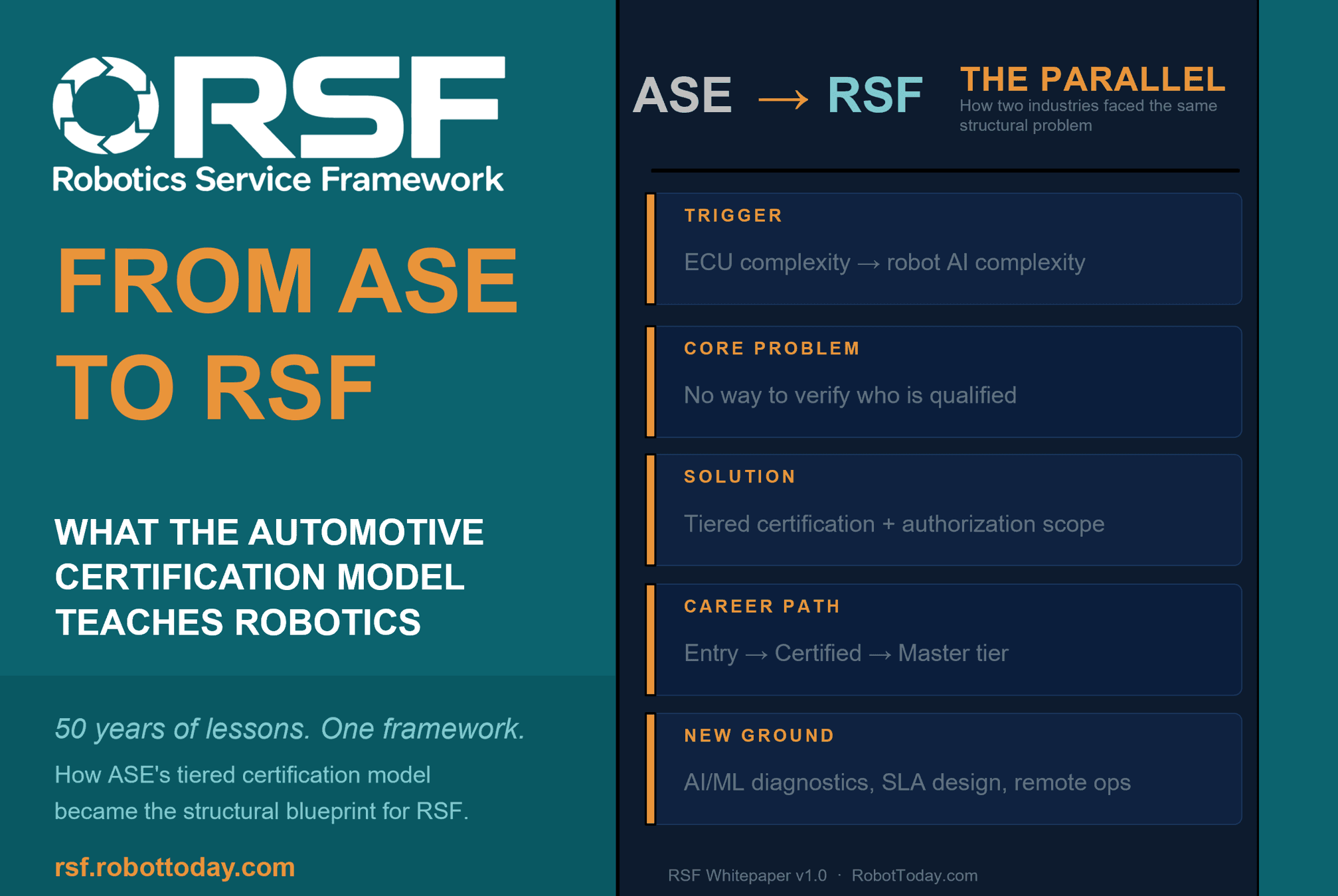
Security cyberattacks cybercriminals cybersecurity justice department KremlinRobotics needs a service framework.
RSF defines a common language for robot service capability, lifecycle operations, certification pathways, and service-provider networks.