Industry Briefing
A single destination for timely, editor-curated robotics news from around the world.

Traffic Congestion in Europe Costs Fleets Over €2.6 Million Annually
Traffic congestion in Europe is increasingly impacting urban freight operators, leading to higher fuel costs, reduced productivity, and increased emissions. A recent study by Geotab revealed that over 1.58 million litres of fuel were wasted due to vehicles idling in traffic during 2025, resulting in an estimated €2.6 million in wasted fuel. This figure reflects the average European fuel prices for that year. The findings highlight the financial and environmental implications of prolonged idling in urban areas, particularly in cities like London, which faces unique challenges due to its stop-start traffic patterns. London recorded the highest fuel consumption among the cities analyzed, with a significant percentage of fuel burned while stationary. In contrast, cities like Berlin and Amsterdam demonstrated better fuel efficiency despite congestion. As fuel prices continue to rise, with diesel exceeding €2 per litre in early 2026, the cost of idling could escalate to approximately €3.6 million. Fleet operators must adopt more efficient vehicle and route management strategies to mitigate these costs and reduce emissions. No further timeline was disclosed at the time of publication.
Couriers and Express Road Transport and Haulage Transport and Distribution congestion costs efficiency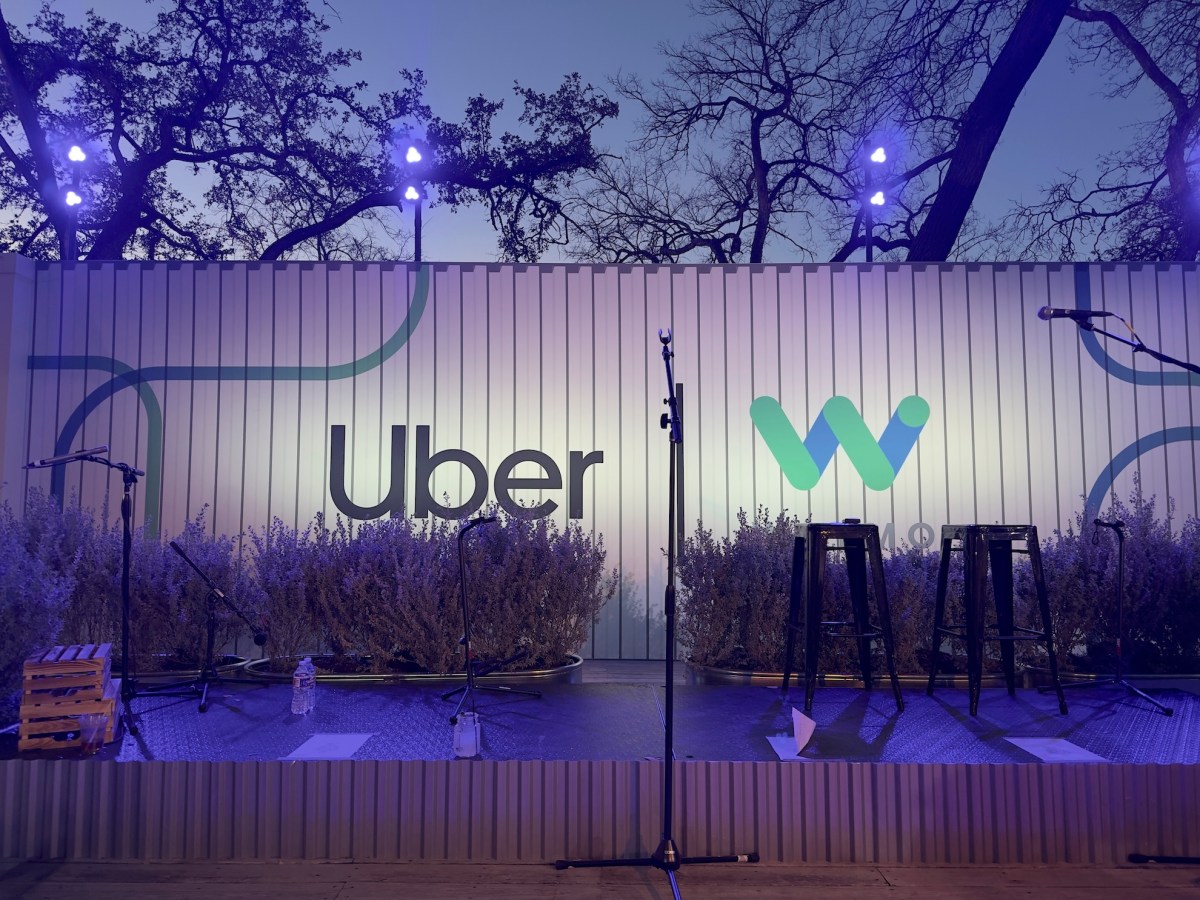
Uber's Opposition to D.C. Robotaxi Bill Pits It Against Waymo's Support
A proposed bill in Washington, D.C. aims to permit autonomous vehicles, becoming a focal point for Uber's robotaxi strategy. Uber opposes the bill, claiming it would favor Waymo and threaten human drivers' jobs. The company advocates for a hybrid model that integrates human drivers with robotaxis, emphasizing consumer choice. This legislative effort is significant as it reflects broader tensions in the autonomous vehicle sector. Uber's stance highlights concerns about congestion and the need for human assistance in transportation, while Waymo argues that the bill promotes safe autonomous vehicle deployment and equitable access to transit. The bill, introduced by Councilmember Charles Allen, seeks to amend the Autonomous Vehicle Act of 2012, allowing for commercial driverless operations. The outcome of this legislation could shape the future of robotaxi operations in D.C. and influence similar discussions nationwide. No further timeline was disclosed at the time of publication.
Government & Policy Transportation Exclusive robotaxis Uber Waymo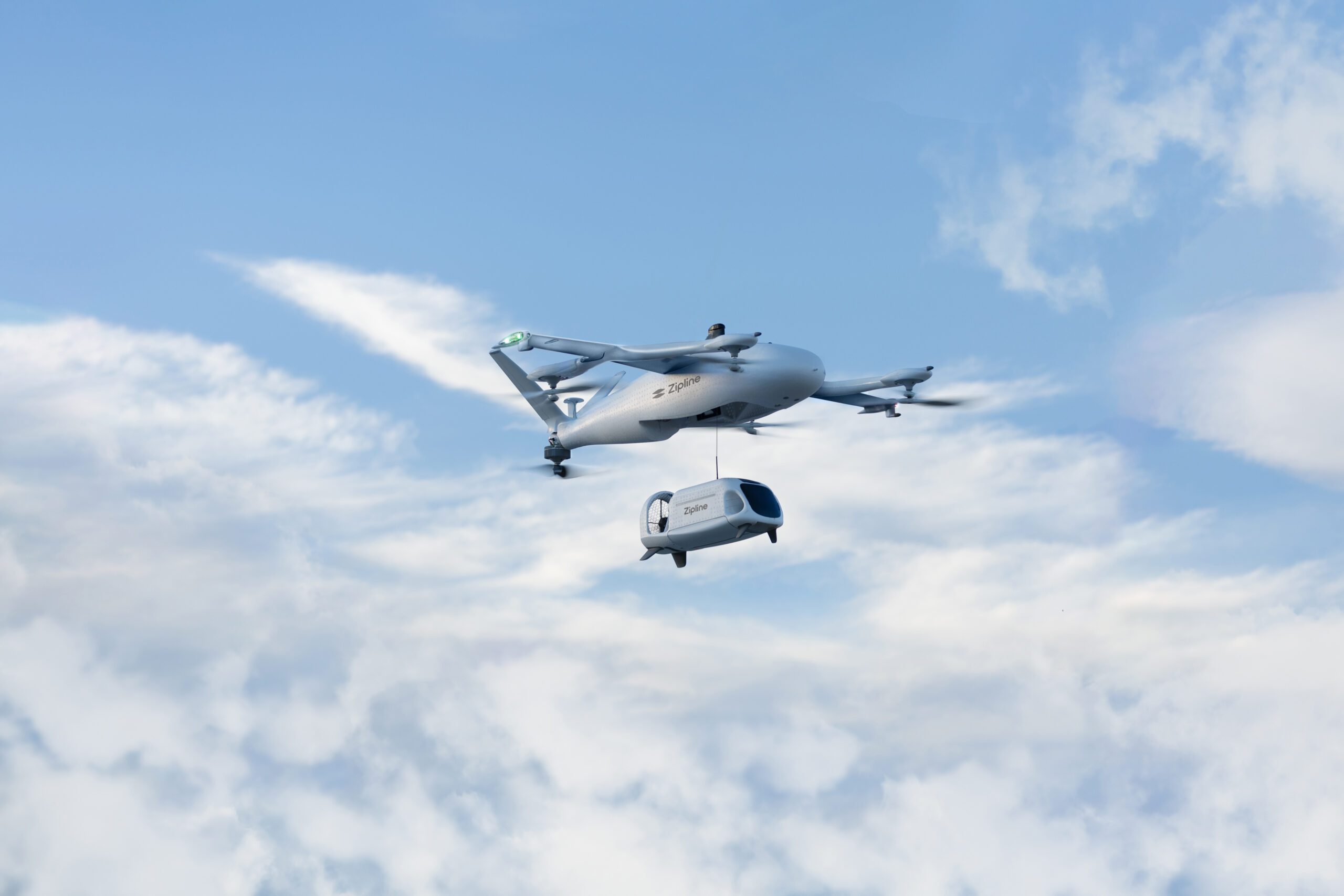
BayCare Partners with Zipline for Drone Delivery Network in Tampa Bay by 2027
BayCare, the largest not-for-profit academic health-care system in West-Central Florida, has announced a partnership with Zipline to establish a drone delivery network. This system is expected to be operational by late 2027, initially focusing on high-volume hospital and laboratory locations in the St. Petersburg/Clearwater area. The network will facilitate the delivery of medical supplies and equipment between BayCare facilities, with plans to expand to patient homes in the future. The collaboration aims to enhance the speed and efficiency of transporting critical health-care items, addressing the needs of BayCare's extensive network of 16 hospitals and numerous other facilities. Zipline's drones are designed to operate autonomously, making precise deliveries even in adverse weather conditions. This initiative is expected to reduce delivery-related emissions and traffic congestion while providing a reliable service for time-sensitive items. Looking ahead, the project will begin with select BayCare facilities in Pinellas County, where the concentration of patient activity is highest. Future expansions across the entire Tampa Bay area are planned, although no further timeline was disclosed at the time of publication. The partnership leverages Zipline's FAA Part 135 air carrier certification, enabling BVLOS flights for commercial deliveries.
Applications Delivery Drone News Drone News Feeds News autonomous delivery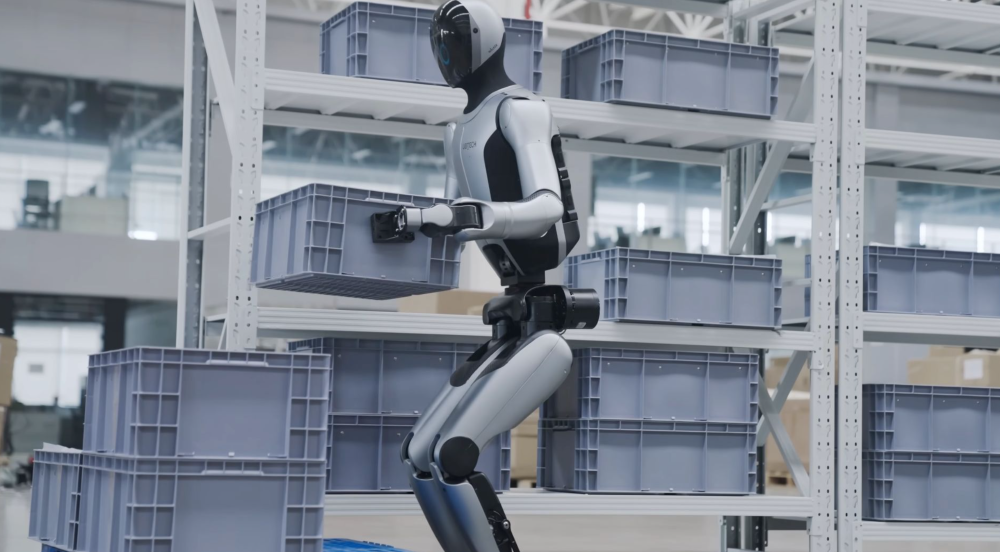
UBTECH Deploys Humanoid Robots at China-Vietnam Border to Enhance Smart Port Operations
UBTECH has introduced humanoid robots at the Dongxing port, located on the China-Vietnam border, to enhance customs operations for passenger management and cargo inspection. This initiative, backed by a $40 million contract, aims to reduce congestion in this heavily trafficked international passage. The Walker S2 robots are designed to offer multilingual assistance and monitor crowd density, thereby streamlining customs procedures. This technological advancement has sparked discussions regarding the limits of law enforcement authority as automation becomes more prevalent in public safety efforts.
Humanoid Robots Smart Ports Customs Automation AI Technology
World’s first Mach 2.5 test platform to blast hypersonic materials through storms
A U.S. aerospace company has introduced what it claims to be the world's first commercial platform designed for urban air mobility. The announcement was made during a press conference held on October 15, 2023, at the company's headquarters in California. This innovative platform aims to revolutionize transportation in densely populated areas, addressing the growing need for efficient and sustainable urban transit solutions. The company’s executives highlighted that the development is motivated by increasing urban congestion and the demand for faster travel options. The platform is expected to utilize advanced electric vertical takeoff and landing (eVTOL) technology, enabling it to operate in urban environments while minimizing noise and emissions. The unveiling marks a significant milestone in the aerospace industry, as the company plans to collaborate with city planners and regulatory bodies to ensure the safe integration of this new mode of transportation into existing urban infrastructures.
Military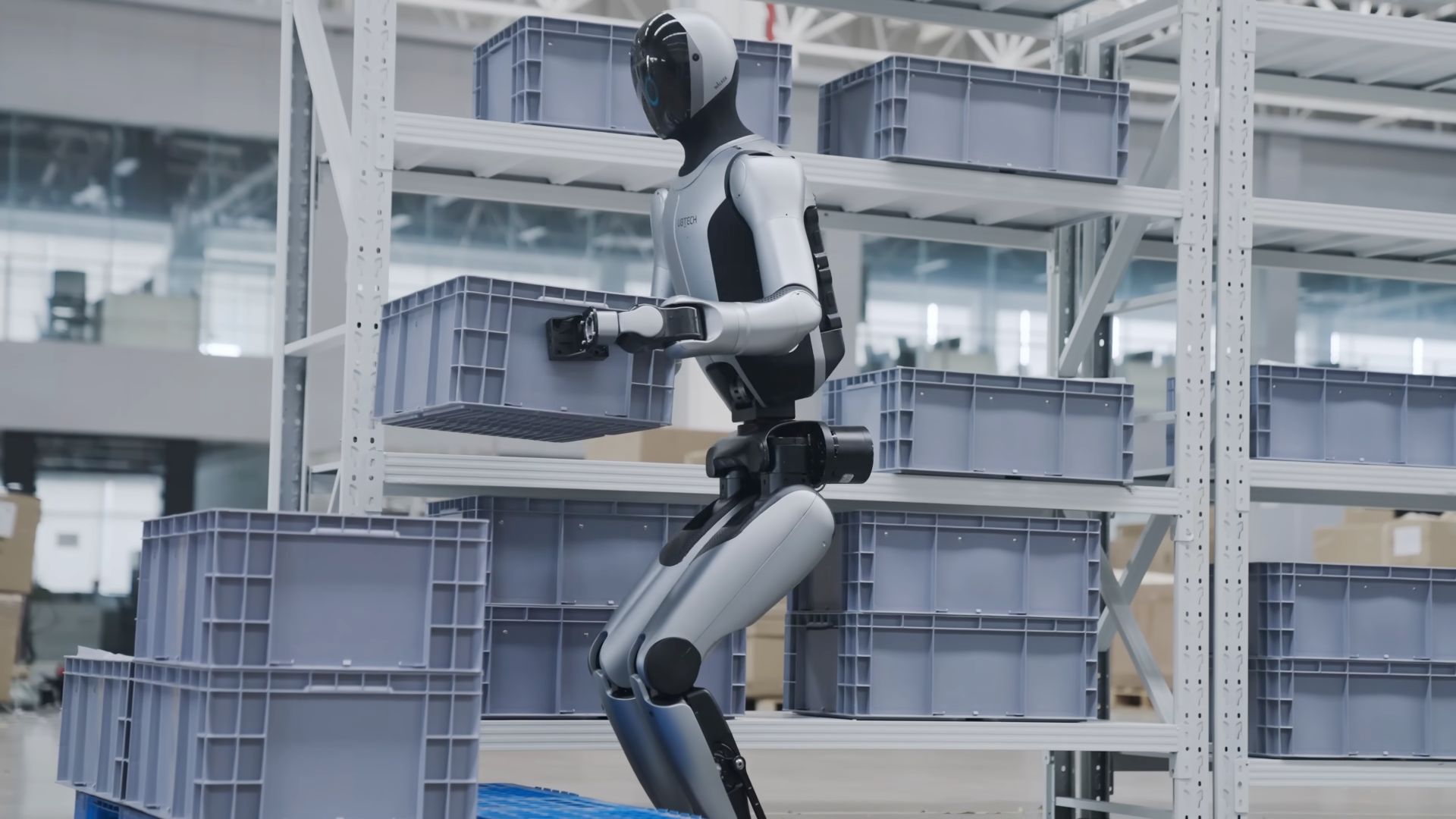
UBTech’s humanoid robots deployed to control crowds at China’s busy international border
China has introduced humanoid robots at its border with Vietnam in an effort to alleviate congestion during peak travel times. This initiative comes as authorities seek to enhance efficiency and streamline the processing of travelers crossing the border. The deployment of these advanced robots is part of a broader strategy to modernize border control operations and improve the overall experience for both tourists and local residents. By utilizing technology, officials aim to reduce wait times and facilitate smoother passage, particularly during busy holiday seasons. The robots are designed to assist with various tasks, including providing information and guiding individuals through the border crossing process. This innovative approach reflects China's commitment to leveraging technology in public services and addressing logistical challenges at one of its busiest borders.
AI and Robotics
No driver, no operator: Inside redundant sensor infrastructure of a commercial robot bus
A significant initiative to expand the use of driverless shuttles beyond corporate campuses and testing sites is gaining momentum. This effort, which has been in progress for several years, aims to integrate autonomous vehicles into public transportation systems, thereby enhancing mobility options for urban residents. The push is particularly relevant as cities seek innovative solutions to address traffic congestion and reduce carbon emissions. Recent developments indicate that several municipalities are collaborating with technology companies to pilot driverless shuttle programs in urban environments. These trials are designed to assess the feasibility and safety of autonomous vehicles in real-world settings, with the goal of eventually implementing them as a regular mode of transport for the public. The motivation behind this initiative stems from the increasing demand for efficient and sustainable transportation solutions. By leveraging advancements in artificial intelligence and vehicle technology, proponents believe that driverless shuttles can provide a reliable alternative to traditional public transit, particularly in underserved areas. As cities prepare for these trials, stakeholders are focused on ensuring regulatory compliance and addressing public concerns regarding safety and privacy. The successful deployment of driverless shuttles could mark a transformative shift in urban mobility, paving the way for smarter, more sustainable cities.
Innovation
Self-driving tech supplier Mobileye targets U.S. robotaxi launch in 2027
Mobileye Global, a leading supplier of self-driving technology, announced on Tuesday its plans to launch a robotaxi service. This initiative marks a significant step in the company's efforts to expand its presence in the autonomous vehicle market. The service is expected to operate in urban areas, providing a new transportation option for city dwellers. Mobileye aims to enhance mobility and reduce traffic congestion through this innovative service, leveraging its advanced technology to ensure safety and efficiency. The launch of the robotaxi service reflects the growing demand for autonomous transportation solutions and the company's commitment to leading the industry in self-driving capabilities.

Europe unifies autonomous vehicle laws, speeds up robotaxi expansion
Autonomous taxi services have experienced significant growth in major metropolitan areas across the United States, revolutionizing urban transportation. As of October 2023, companies specializing in self-driving technology have expanded their fleets and operational zones, responding to increasing demand for efficient and cost-effective travel options. The rise of these services is driven by advancements in artificial intelligence and robotics, enabling safer and more reliable rides without human drivers. Cities such as San Francisco, Los Angeles, and New York have become key testing grounds, where regulatory frameworks are evolving to accommodate this innovative mode of transport. The integration of autonomous taxis into public transit systems aims to alleviate traffic congestion and reduce carbon emissions, aligning with broader environmental goals. As these services continue to develop, stakeholders are closely monitoring their impact on urban mobility and the potential challenges they may pose to existing transportation infrastructures.
Kazakhstan is designing a city around drone deliveries and air taxis
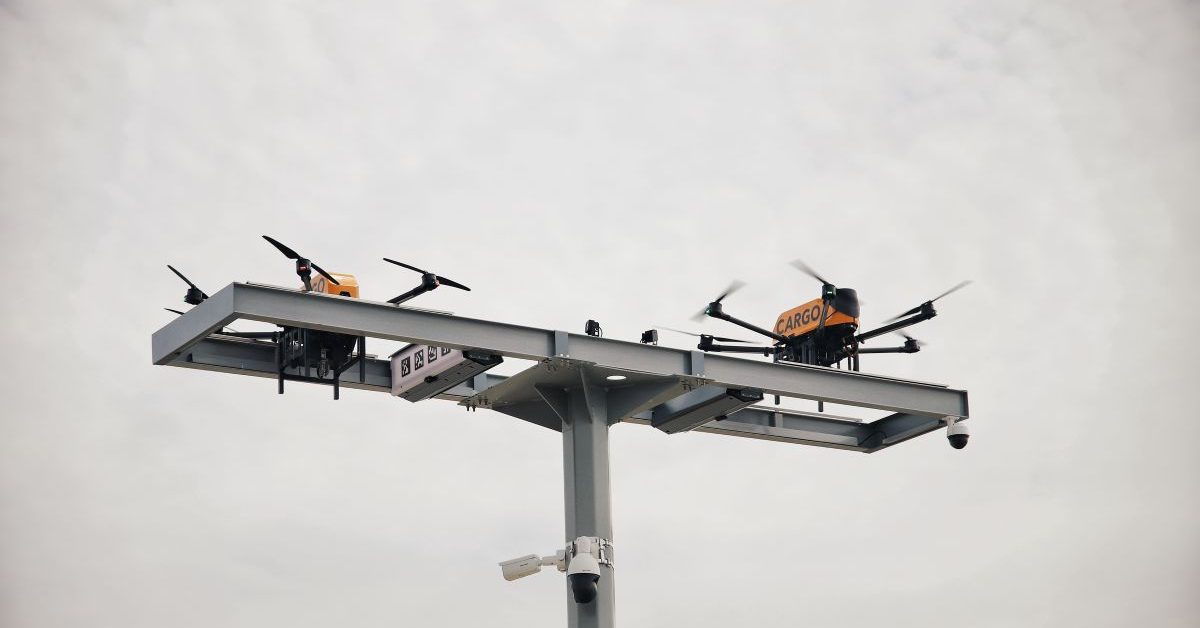
Kazakhstan is embarking on an ambitious project to construct a new smart city that will integrate drones and flying transportation systems from its inception. This initiative aims to position the country as a leader in innovative urban development within Central Asia. The project reflects Kazakhstan's commitment to modernizing its infrastructure and embracing advanced technologies to enhance urban living. By focusing on aerial transportation, the city is expected to alleviate ground traffic congestion and improve overall mobility for residents. The development is part of a broader strategy to diversify the economy and attract investment in cutting-edge technologies. As construction progresses, the city is set to become a model for future urban planning, showcasing how advanced transport solutions can be seamlessly integrated into everyday life.
News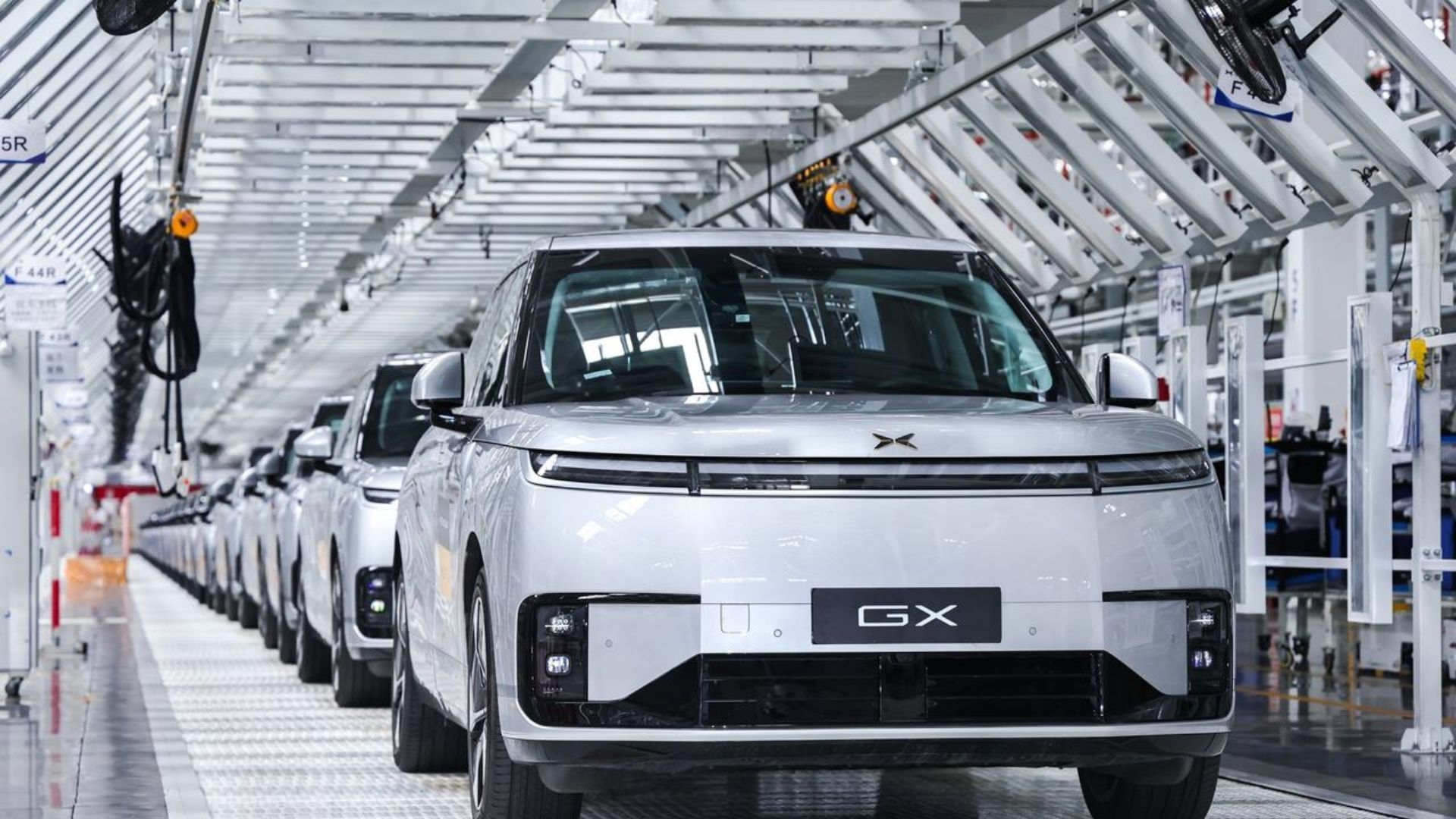
XPENG launches China’s first mass-produced robotaxi to challenge Tesla’s FSD
XPENG has launched China's first production-ready, pre-assembled robotaxi, marking a significant milestone in the country's autonomous vehicle industry. The vehicle, developed entirely in-house, showcases XPENG's commitment to innovation and technological advancement in the rapidly evolving transportation sector. This groundbreaking rollout occurred in October 2023, positioning XPENG at the forefront of the robotaxi market in China. The initiative aims to enhance urban mobility and reduce traffic congestion, responding to the growing demand for efficient and sustainable transportation solutions. By leveraging advanced artificial intelligence and cutting-edge engineering, XPENG's robotaxi is designed to operate safely and autonomously in various urban environments, paving the way for a new era of smart transportation.
London's cabbies memorize 25,000 streets. But will robotaxis overtake them?
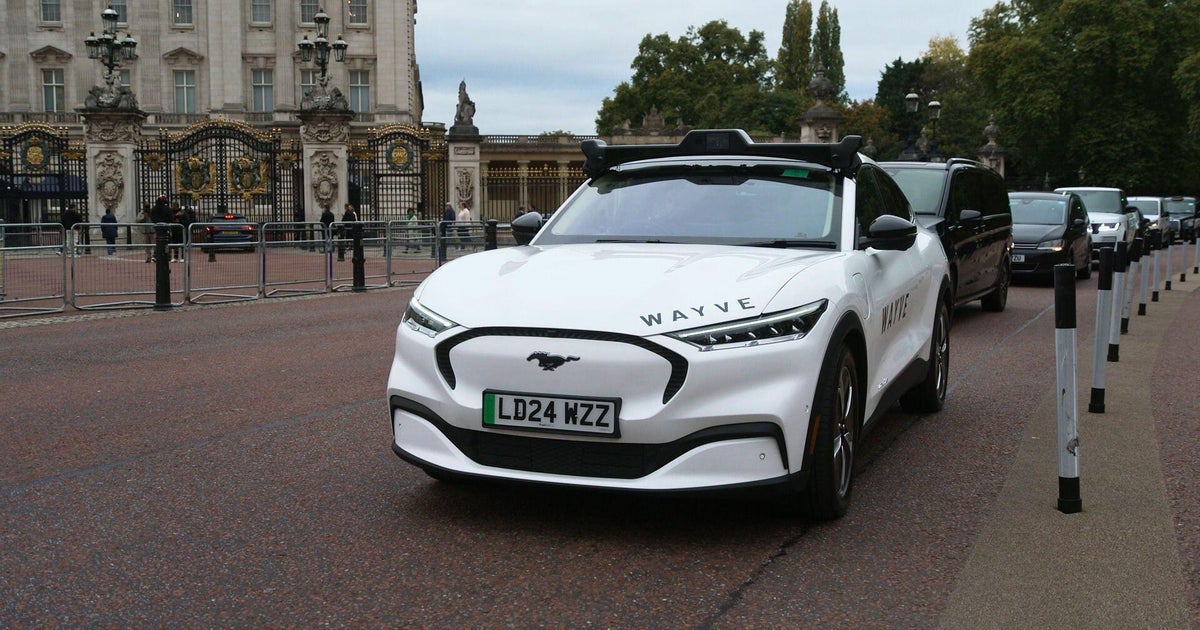
London's iconic black cab drivers, known for their extensive knowledge of the city's streets, are facing a new challenge as several companies work to introduce robotaxis to the capital. This technological shift comes as part of an ongoing effort to modernize urban transportation and improve efficiency. The testing of these autonomous vehicles is currently underway, with the aim of integrating them into London’s busy streets by late 2023. The push for robotaxis is driven by advancements in artificial intelligence and the growing demand for innovative transport solutions that can alleviate congestion and reduce emissions. As these companies navigate regulatory hurdles and public acceptance, the future of traditional taxi services hangs in the balance, prompting drivers to adapt to the evolving landscape of urban mobility.
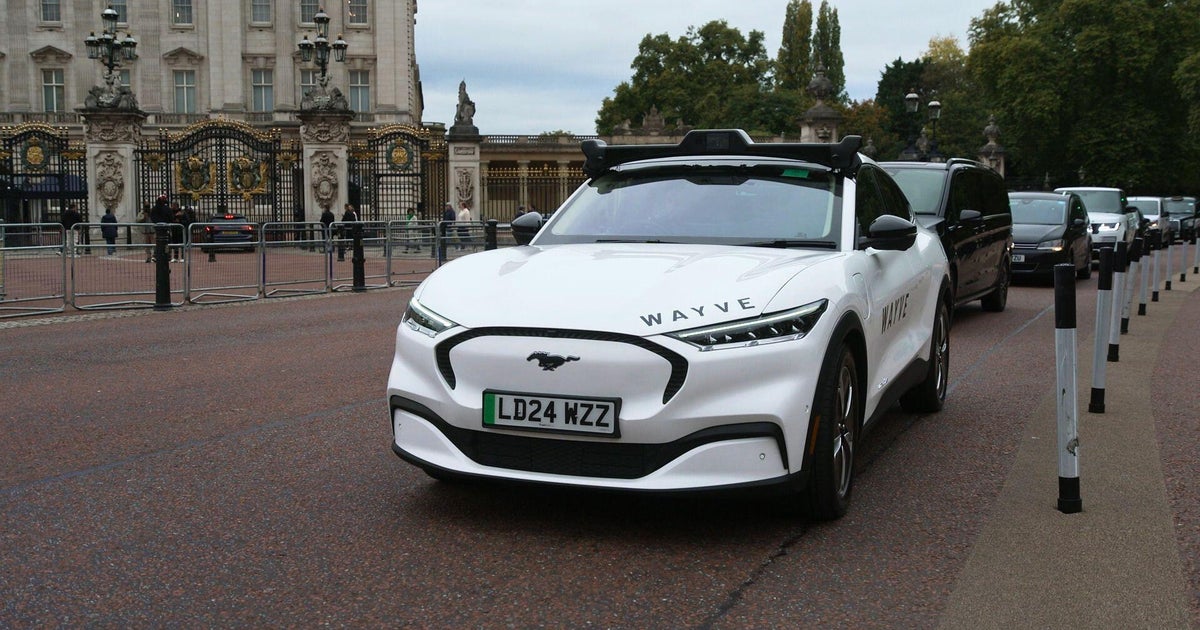
London cabbies not ready to hand over their keys to AI-powered, autonomous taxis
London's iconic black cab drivers, known for their extensive knowledge of the city's streets, are facing new competition as several companies introduce robotaxis to the urban landscape. This shift in transportation technology is occurring amid ongoing advancements in autonomous vehicle capabilities. As these companies work to integrate robotaxis into London’s busy streets, traditional cab drivers are being tested not only on their navigation skills but also on how they adapt to the evolving transportation environment. The push for robotaxis is driven by a desire to enhance urban mobility and reduce congestion, prompting a significant transformation in the way residents and visitors may choose to travel around the city. The introduction of these autonomous vehicles marks a pivotal moment in London's transportation history, raising questions about the future role of human drivers in a rapidly changing industry.

Is Cathie Wood Still Hopeful About Tesla (TSLA)?
In a recent incident, a major power outage affected thousands of residents in downtown Chicago on Tuesday evening. The outage, which began around 6 PM, was caused by a malfunction in the local electrical grid. Utility companies reported that the disruption impacted traffic signals and public transportation systems, leading to significant delays and congestion in the area. Emergency services were deployed to assist with traffic management and ensure public safety. Crews worked throughout the night to restore power, successfully bringing electricity back to most affected areas by early Wednesday morning. The incident has raised concerns about the reliability of the city's infrastructure, prompting city officials to investigate the underlying issues and consider necessary upgrades to prevent future occurrences.

With Tesla and SpaceX Using Intel’s 14A, Is INTC Stock a Buy Now as Part of an Early Bet on Its Foundry Plans?
A significant event unfolded recently as local authorities in Springfield announced a new initiative aimed at reducing traffic congestion in the downtown area. This initiative, set to launch next month, will introduce dedicated bike lanes and improved public transportation options. The decision comes in response to growing concerns from residents about increasing traffic and air pollution, which have been exacerbated by the rise in vehicle usage over the past few years. City officials, including the mayor and transportation department representatives, held a press conference to outline the details of the plan. They emphasized the importance of creating a more sustainable urban environment and enhancing the quality of life for residents. The initiative is expected to encourage more people to use alternative modes of transportation, thereby reducing the number of cars on the road. The implementation process will involve collaboration with local community groups and stakeholders to ensure that the changes meet the needs of residents. Public feedback will be solicited through town hall meetings and online surveys, allowing citizens to voice their opinions and suggestions. The city aims to create a comprehensive transportation strategy that not only addresses current issues but also anticipates future growth. As Springfield prepares for this transition, officials are optimistic that the new measures will lead to a safer, more efficient, and environmentally friendly urban landscape.

Intel CEO Lip-Bu Tan Is Excited About Partnering With Tesla On 14A Chips: 'Can Think Of No Better Partner' Than Elon Musk
A significant event unfolded recently as local authorities in Springfield announced a new initiative aimed at reducing traffic congestion in the downtown area. This initiative, set to launch next month, will implement a series of measures including the introduction of dedicated bike lanes and expanded public transportation options. The decision comes in response to increasing complaints from residents about heavy traffic and long commute times, which have been exacerbated by recent population growth in the region. City officials are hopeful that these changes will not only ease congestion but also promote a more sustainable urban environment. The initiative is part of a broader urban development plan that seeks to enhance the quality of life for Springfield's residents while addressing environmental concerns. Community meetings will be held over the next few weeks to gather public feedback and ensure that the new measures align with the needs of the community.

Electric air taxis move closer to reality as VX4 completes critical transition test
Vertical Aerospace has successfully completed the first piloted flight of its VX4 electric vertical take-off and landing (eVTOL) aircraft. This significant milestone occurred recently, marking a crucial step in the development of sustainable urban air mobility solutions. The flight took place at the company’s testing facility, showcasing the aircraft’s capabilities and potential for revolutionizing transportation in urban environments. The successful test is part of Vertical Aerospace's broader mission to provide eco-friendly air travel options, aiming to reduce carbon emissions and alleviate congestion in cities. The company plans to continue testing and refining the VX4, with the goal of bringing it to market in the near future.
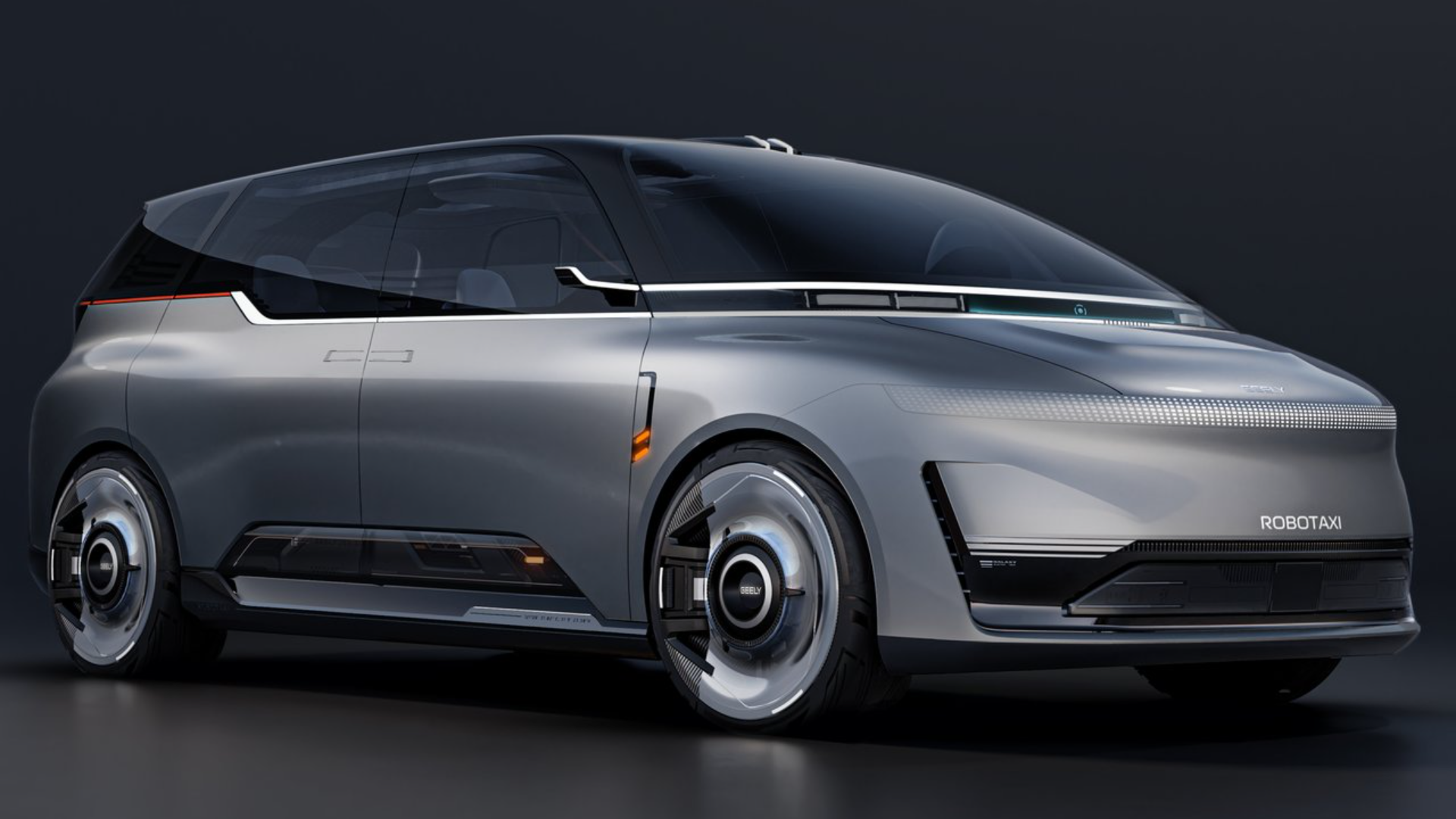
China’s auto giant unveils 1,400 TOPS robotaxi built on human-like reasoning
Chinese automotive giant Geely has unveiled its first purpose-built robotaxi prototype, named the Eva Cab. This innovative vehicle is designed to operate autonomously, marking a significant step forward in the company's efforts to revolutionize urban transportation. The announcement was made during a recent event in Shanghai, where Geely showcased its advancements in autonomous driving technology. The Eva Cab is equipped with advanced sensors and artificial intelligence systems that enable it to navigate complex urban environments safely and efficiently. Geely aims to address the growing demand for sustainable and convenient transportation solutions in densely populated cities, where traditional taxi services often struggle with congestion and accessibility. By introducing the Eva Cab, Geely seeks to position itself as a leader in the rapidly evolving autonomous vehicle market. The company plans to conduct extensive testing of the prototype in various urban settings to refine its capabilities and ensure passenger safety. With this initiative, Geely not only aims to enhance mobility options for city dwellers but also to contribute to reducing traffic-related emissions through the use of electric vehicle technology. As the global automotive industry increasingly shifts towards automation and sustainability, Geely's Eva Cab represents a bold step into the future of transportation, potentially transforming the way people commute in urban areas.
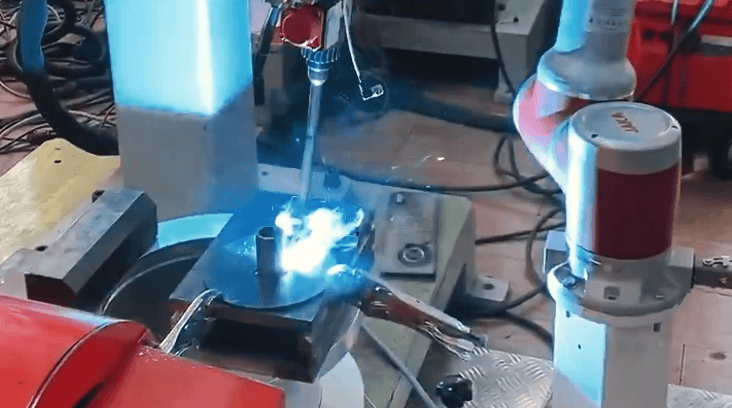
Essential Safety Tips for Operating Collaborative Welding Robots (Arc Flash & Collision)
In modern manufacturing, ensuring the safety of collaborative welding robots is paramount. A company specializing in this field emphasizes the importance of understanding potential hazards, such as arc flash and collision risks, to protect both operators and management. By implementing structured safety protocols, they aim to maintain high productivity while safeguarding their workforce. To mitigate arc flash incidents, which can lead to severe injuries, the company stresses the use of proper personal protective equipment (PPE) like flame-resistant clothing and face shields. Safety zones around the JAKA Zu30 robot are clearly marked to prevent accidental exposure to high-voltage arcs, and regular inspections of electrical systems and welding cables are conducted to ensure reliable operation. Collisions in dynamic production environments present another significant risk. The company designs workspace layouts to minimize interference between robots and human operators. The JAKA Zu30 system facilitates quick loading and unloading, reducing congestion on the production line. Additionally, the robot’s programming capabilities allow for precise movement paths, enhancing safety while optimizing workflow. Collision detection features and predefined safe zones further ensure efficient operation without unintended contact. Best practices for operational safety include training all operators on proper startup and shutdown procedures, emphasizing emergency stops and maintenance schedules. Monitoring environmental factors like ventilation and lighting also helps reduce welding arc hazards. The flexible design of the JAKA Zu30 enables quick adaptations to production lines, ensuring high-quality machine tending while upholding safety standards. By integrating safety measures, thoughtful workspace design, and comprehensive training, the company demonstrates that safety and productivity can coexist in modern industrial environments, enhancing both efficiency and workforce well-being.
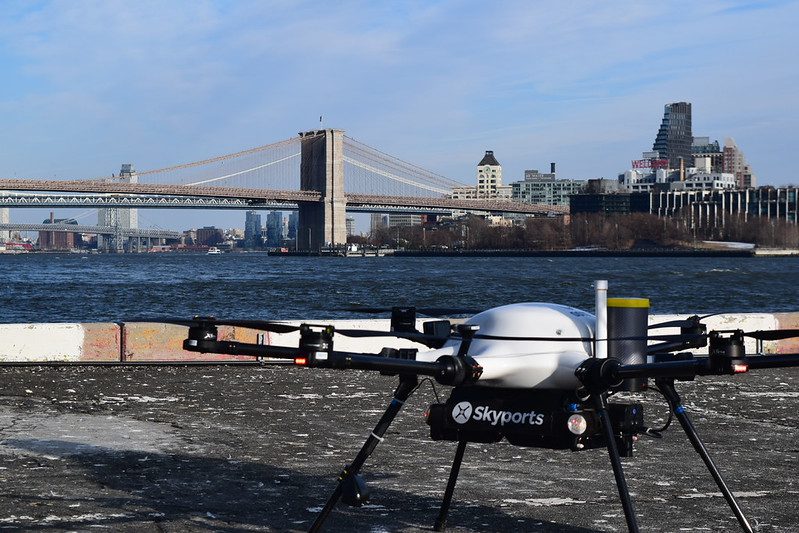
NYC Tests Cargo Drones to Cut Traffic and Speed Medical Deliveries
The Port Authority of New York and New Jersey is set to initiate a yearlong cargo drone trial starting April 27. This innovative project, in partnership with Skyports, aims to test scheduled drone flights for middle-mile delivery services between lower Manhattan and Brooklyn. The initiative seeks to alleviate traffic congestion in New York City while enhancing the efficiency of medical logistics. By exploring the capabilities of cargo drones, the Port Authority hopes to improve delivery times and support critical supply chains in the urban environment.
Applications Delivery Drone News Drone News Feeds Healthcare Medical
AI system learns to keep warehouse robot traffic running smoothly
A recent advancement in robotics technology introduces a novel method for determining which robots should have the right of way in various environments. This innovative approach aims to minimize congestion and enhance overall efficiency in robotic operations. By utilizing real-time data and sophisticated algorithms, the system can dynamically assess traffic conditions among robots, ensuring smoother interactions and increased throughput. This development is particularly significant in settings where multiple autonomous machines operate simultaneously, such as warehouses or manufacturing facilities. The implementation of this technology is expected to streamline processes and improve productivity, marking a substantial step forward in the integration of robotics into everyday tasks.

From Forklifts to Laser Guided Vehicles — The Operational Shift in High-Volume Manufacturing
In response to the growing demands of manufacturing systems, which require increased efficiency and precision, the use of Automated Guided Vehicles (LGVs) is becoming more prevalent. Unlike traditional forklifts, which rely heavily on operator skill and can be affected by factors such as fatigue and congestion, LGVs offer a consistent and repeatable solution for material handling. This shift is particularly crucial as production volumes rise and tolerances become tighter, necessitating a more reliable flow of materials within facilities. As industries seek to enhance their operational capabilities, the integration of LGVs is seen as a strategic move to improve productivity and reduce the risks associated with human error.
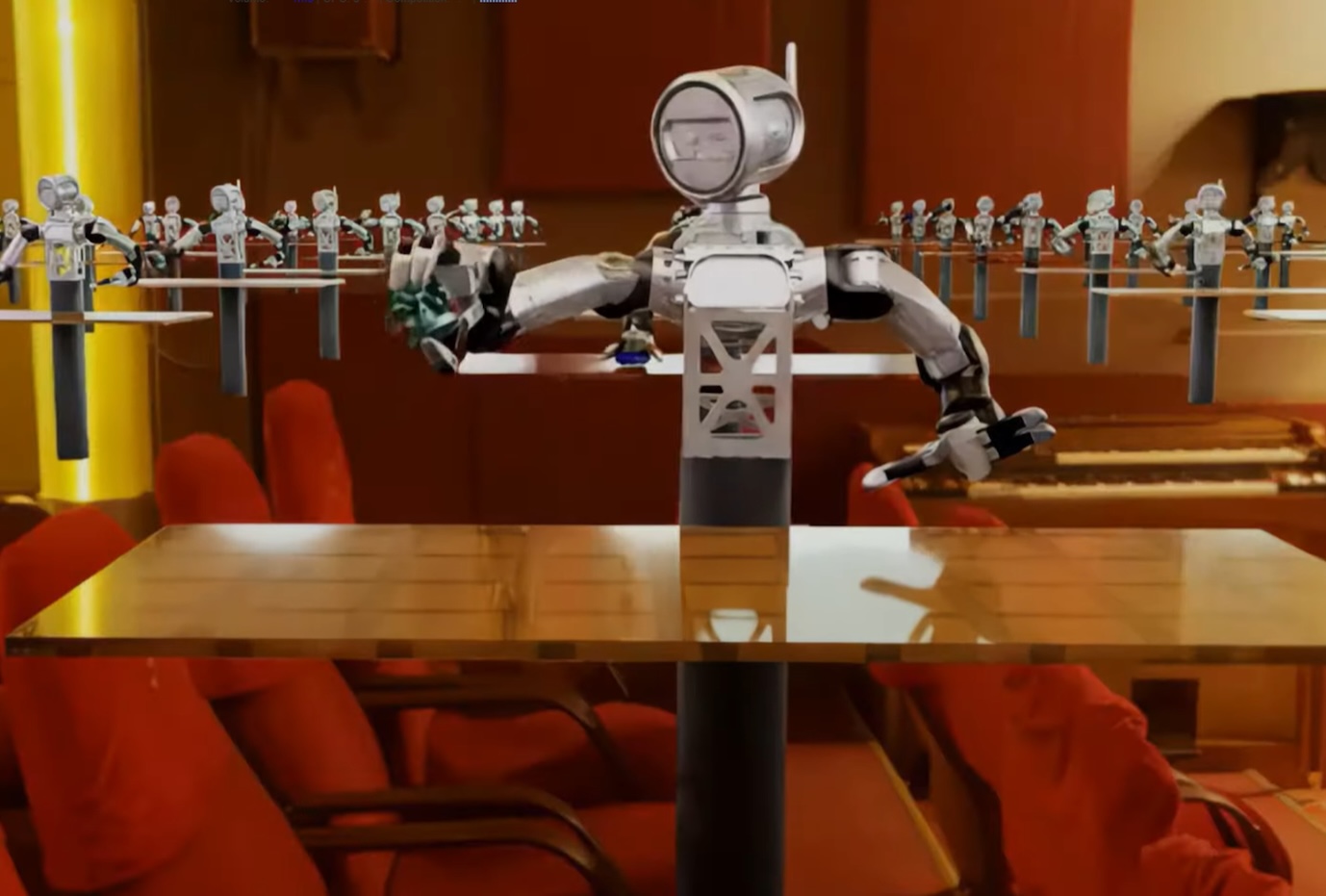
Apollo Go Robotaxi glitch in China’s Wuhan triggers major traffic delays, raises safety concerns
On March 31 at 8:57 PM, multiple Apollo Go autonomous taxis experienced sudden stoppages on major roads and elevated expressways in Wuhan, leading to significant traffic congestion throughout the city. The Wuhan Municipal Public Security Bureau’s Traffic Management Bureau reported the incident, which fortunately resulted in no injuries or fatalities. A preliminary investigation is currently underway to determine the cause of the unexpected halts, as authorities work to address the disruption and ensure the safety of road users.
Heavy Hitters Automotive Highlight Mobility News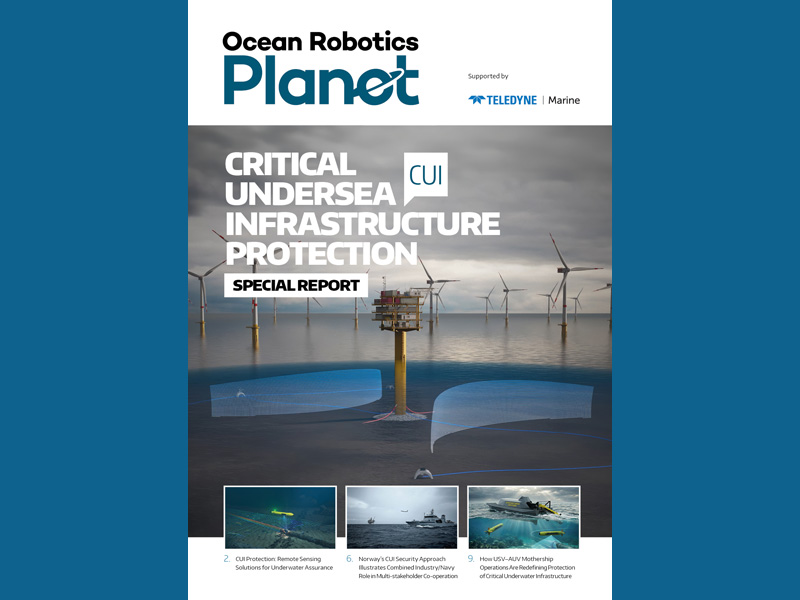
Ocean Robotics Planet - Critical Undersea Infrastructure (CUI) Protection Special Report 03/2026
A recent announcement from the local government revealed plans to enhance public transportation services in the city. This initiative, set to roll out in early 2024, aims to address growing concerns about traffic congestion and accessibility. City officials emphasized the need for improved transit options to support the increasing population and promote sustainable commuting practices. The project will include the introduction of new bus routes, upgraded facilities, and the integration of digital technology for real-time tracking. Community meetings will be held throughout November to gather public input and ensure the new services meet the needs of residents.
ocean robotics planet magazine rov planet magazine cui protection special report 2026/03Robotics needs a service framework.
RSF defines a common language for robot service capability, lifecycle operations, certification pathways, and service-provider networks.