Industry Briefing
A single destination for timely, editor-curated robotics news from around the world.

AI Call Centers Transforming with Compliance Challenges Ahead
The AI outbound call industry is undergoing structural differentiation, with its market size surpassing 12 billion yuan and an annual growth rate of 38% as of 2026. Driven by large model technology, the proportion of outbound solutions utilizing these models has increased from under 15% in 2024 to over 40% in 2025, addressing key pain points by evolving from simple keyword repetition to dynamic conversational agents. However, compliance remains a significant challenge as the industry faces new bottlenecks. An industry analysis highlights that while large models serve as the 'brain' of AI call systems, the effectiveness of these systems also relies heavily on the stability of the communication infrastructure, compliance with number regulations, and coverage of voice lines. For instance, Gaositong employs Huawei's IMS telecom-grade system, ensuring minimal downtime and high system availability. As AI call centers become more intelligent, the risk of spam calls increases, complicating compliance efforts. Reports indicate that a single AI robot can make between 800 to 1,500 calls daily at a low cost, with capabilities to disguise caller IDs and remove spam labels. The core issue lies in the technology architecture, which must be fortified against misuse to ensure compliance. The industry is at a crossroads, where the focus will shift from the capabilities of large models to the integrity of communication infrastructures.
AI Call Centers Compliance Technology Communication Infrastructure Large Language Models
Understanding the Failures of Process Safety Management Programs Despite OSHA Compliance
In 2005, an explosion at BP’s Texas City refinery resulted in 15 fatalities and over 170 injuries, highlighting critical failures in Process Safety Management (PSM) systems. Despite many organizations implementing PSM programs, incidents continue to occur, such as a refinery explosion in Port Arthur, Texas in March 2026. The effectiveness of PSM relies on the integration and maintenance of its 14 elements, which often become disconnected over time due to prioritization of short-term operational demands. The disconnect between documented practices and actual operations can lead to significant risks, as procedures may not reflect current conditions. Additionally, incident investigations often focus on outcomes rather than underlying causes, which can perpetuate the same risks. Contractor management further complicates PSM effectiveness, as misalignments between contractor safety programs and facility requirements can introduce additional hazards. To maintain an effective PSM program, organizations must ensure ongoing alignment with current operations and proactively address gaps. Regular compliance audits and structured reviews are essential for identifying issues and prioritizing corrective actions. Without this level of oversight, even comprehensive PSM programs can drift out of alignment, leading to increased risk of major incidents.
Factory / Safety
Avalara Highlights New Compliance Challenges in Cross-Border Trade Amid EU Reforms
Avalara emphasizes the growing complexities of cross-border compliance as international trade expands. With the EU's removal of the €150 customs duty exemption for low-value imports starting July 2026, businesses face increased operational challenges. Accurate customs classifications and transparent pricing are now critical for maintaining customer trust and competitive advantage. The changes in customs regulations, particularly in Europe, underscore the need for businesses to adapt quickly to evolving compliance requirements. As consumers demand transparency in pricing, unexpected customs duties can lead to shipment refusals and damage to brand reputation. Avalara's research indicates that a significant portion of consumers would reconsider purchasing from retailers that surprise them with additional charges. Looking ahead, Avalara predicts that compliance will become a key differentiator in the market. With many businesses already reviewing their supply chains and investing in technology to automate compliance processes, the ability to provide accurate landed costs and navigate customs requirements will be essential for logistics providers and retailers aiming to enhance customer experience and operational efficiency. No further timeline was disclosed at the time of publication.
Air Cargo Cold Chain Logistics Magazine Features Ports & Maritime Road Transport and Haulage Transport and Distribution
Corporations Adopt Entity Management Tools to Enhance Compliance and Governance
As businesses expand through subsidiaries and new ownership structures, corporate compliance becomes increasingly complex. Legal teams often struggle to maintain accurate records across various locations, relying on outdated methods like spreadsheets and email threads. This can lead to significant issues, including penalties and legal fees, prompting many corporations to seek corporate entity management software for better organization and accountability. The shift to structured entity management tools is crucial for improving governance and deadline management. In a recent onboarding review, 44 percent of clients had unknown entities, and 66 percent were out of compliance, highlighting the need for visibility in corporate records. A centralized system allows teams to access accurate information, reducing the risk of errors that can lead to compliance issues and delays in approvals. Looking ahead, companies will need to prioritize accurate entity data to avoid the pitfalls of manual entry mistakes. By implementing standardized workflows and centralized records, organizations can enhance their compliance efforts and ensure that legal, finance, and executive teams operate with the same reliable information. No further timeline was disclosed at the time of publication.
Business Internet annual reports board governance business compliance business governance
Blueprint for Securing Cross-Border Trade Between the U.S. and Mexico
A new white paper outlines strategies for supply chain executives to enhance security in cross-border trade between the U.S. and Mexico. It provides a detailed framework aimed at mitigating risks and ensuring customs compliance, which are critical for maintaining smooth operations in international trade. This guidance is significant as it addresses the complexities of U.S.-Mexico trade, where regulatory challenges and security concerns can disrupt supply chains. By implementing the strategies outlined in the paper, companies can better navigate these challenges, ultimately leading to more resilient and efficient cross-border operations. Looking ahead, supply chain executives should monitor the adoption of these strategies and their impact on trade efficiency. The paper serves as a vital resource for organizations seeking to strengthen their cross-border operations and ensure compliance with evolving regulations. No further timeline was disclosed at the time of publication.

Navigating Complexities in International Trade and Customs Compliance
International trade has evolved, allowing businesses of all sizes to engage in cross-border commerce. However, the complexities of customs regulations and compliance have increased significantly, making it challenging for companies to navigate the changing landscape. The rise of digital marketplaces and logistics networks has democratized access to global markets, yet the intricacies of tariffs, VAT rules, and customs procedures can lead to costly delays and complications. Businesses must now focus on compliance as a strategic capability, relying on specialized partners to manage these challenges effectively. Looking ahead, companies should prioritize building relationships with customs brokers, freight forwarders, and technology providers to enhance their compliance strategies. As regulations continue to evolve, staying informed and adaptable will be crucial for success in international trade.
Road Transport and Haulage Transport and Distribution border International logistics supply chain
FCC Updates Drone Policy with New Exemptions and Compliance Framework
The Federal Communications Commission (FCC) has added Exedy Globalparts Corporation’s Ayre CX and Parallel Flight Technologies’ Firefly UAS to its list of exempt uncrewed aircraft systems (UAS). This update, released on July 24, introduces new policy language that indicates a shift in how the U.S. government will manage trusted drone manufacturers moving forward. This change is significant as it removes fixed expiration dates for Conditional Approvals, allowing exemptions to remain valid as long as companies comply with their approved onshoring plans. Previously, approvals were set to expire on December 31, 2026, but the new policy emphasizes ongoing compliance with U.S. national security requirements, reflecting a more permanent approach to drone approvals. Looking ahead, the FCC's evolving Conditional Approval program suggests a transition towards a framework that prioritizes trusted supply chains and domestic manufacturing commitments. No further timeline was disclosed at the time of publication.
communications Drone News Drone News Feeds Drones in the News News US Government
Tickets, geofences, and 1M miles: The new reality of California AV compliance
Guident CEO Harald Braun recently discussed the implications of California's new autonomous vehicle (AV) regulations on the driverless industry. The updated mandates, which include stringent compliance measures such as ticketing, geofencing, and a requirement for AVs to log one million miles, aim to enhance safety and accountability in the rapidly evolving sector. These regulations, set to take effect soon, reflect California's commitment to ensuring that autonomous vehicles operate safely within its borders. Braun emphasized that these changes will significantly impact how companies develop and deploy driverless technology, necessitating adjustments in operational strategies to meet the new standards. The conversation highlights the challenges and opportunities presented by the regulatory environment as the industry moves towards greater integration of autonomous vehicles on public roads.
Automotive News Regulatory & Compliance Safety & Security Self-Driving Vehicles Transportation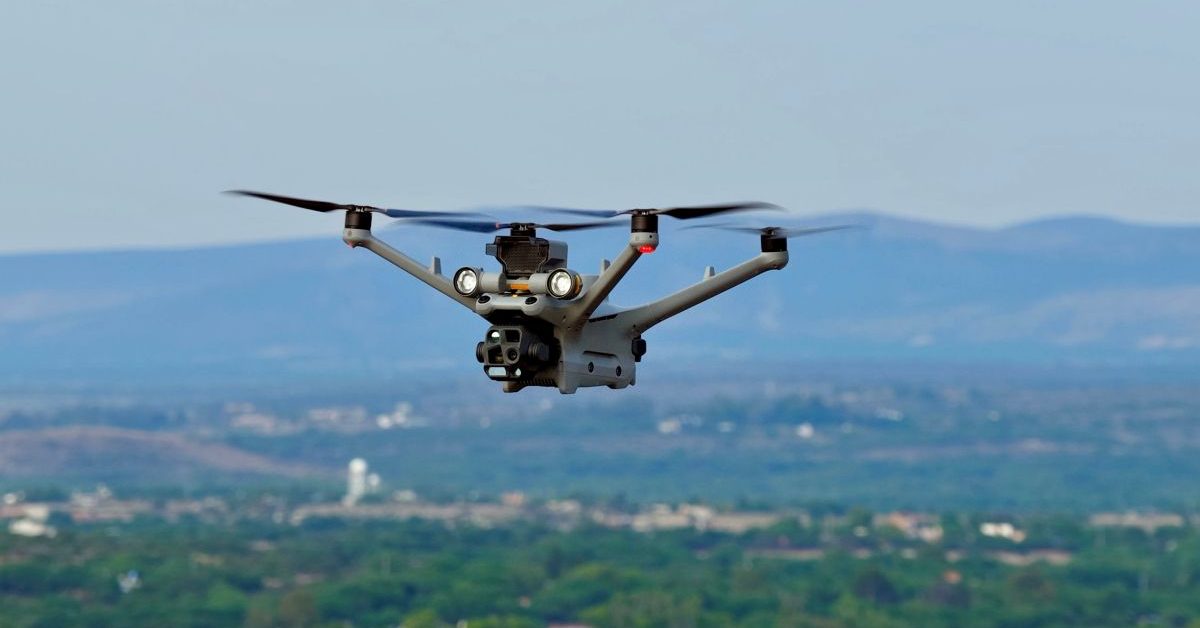
DJI Matrice 4D drone gains standalone C6 compliance across Europe
DJI has unveiled a significant certification update for its Matrice 4D drone series, now recognized under C6 certification in Europe. This enhancement allows operators to use the DJI RC Plus 2 Enterprise controller for direct operation, expanding the functionality of the drones beyond the previous requirement of using the DJI Dock 3. The update aims to improve accessibility and operational flexibility for enterprise users, reflecting DJI's commitment to meeting regulatory standards while enhancing user experience.
News
First in the Industry: Dual Model Compliance for Huisi Kaiwu's Intelligent Robotics Platform
On June 26, 2026, the Huisi Kaiwu platform, part of the Beijing Humanoid Robot Innovation Center, marked a significant achievement by successfully completing compliance registration for two foundational models, Pelican-VL and WoW. This milestone represents the first instance of dual model registration in China's humanoid robotics sector. The accomplishment underscores the platform's preparedness for commercial deployment and signals a broader shift towards practical applications and technological advancements within the industry.
Humanoid Robots AI Robotics Compliance Simulation Models
FBI, Atlanta PD Stress Need for ‘No-Drone Zone’ Compliance
Federal, state, and local officials, including the FBI and the Atlanta Police Department, are emphasizing the importance of adhering to 'No-Drone Zone' regulations to safeguard high-profile sporting events and critical infrastructure from potential threats posed by drones. This initiative comes as part of ongoing efforts to establish new counter-unmanned aerial systems (UAS) protocols across the United States. The push for compliance is particularly relevant as the nation prepares for major events where the risk of drone interference could compromise safety and security. Authorities are actively working to educate the public on these regulations and the potential dangers of unauthorized drone flights, highlighting the need for vigilance and cooperation to ensure the protection of both attendees and facilities.
Drone News Drone News Feeds News Policy Public Safety safety and security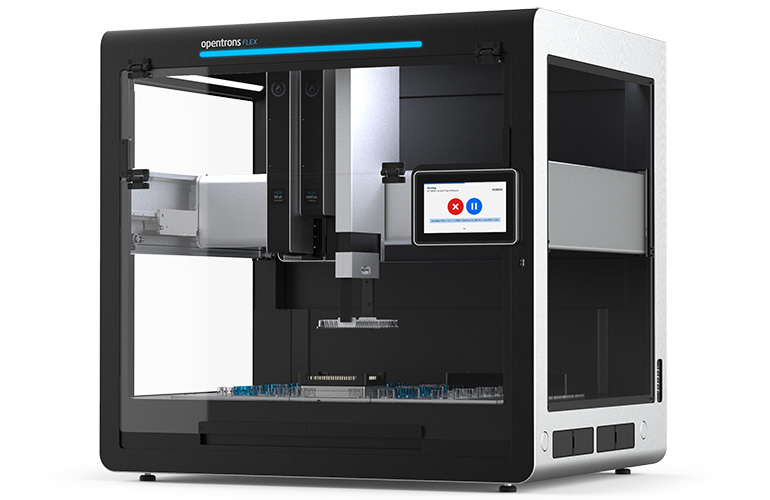
Opentrons launches Compliance Ready Software for Flex lab robots
Opentrons has announced the launch of its Compliance Ready Software, designed specifically for its Flex laboratory robots, which are now deployed in over 10,000 facilities globally. This new software enables these robots to adhere to stringent FDA regulations, enhancing their usability in regulated environments. The introduction of this software is a significant advancement for Opentrons, as it aims to streamline laboratory processes and ensure compliance with industry standards. By integrating this technology, the company seeks to expand the capabilities of its robotic systems, making them more accessible for laboratories that require adherence to strict regulatory frameworks.
Academia / Research Healthcare Robotics Laboratory / Cleanroom News Regulatory & Compliance Laboratory Automation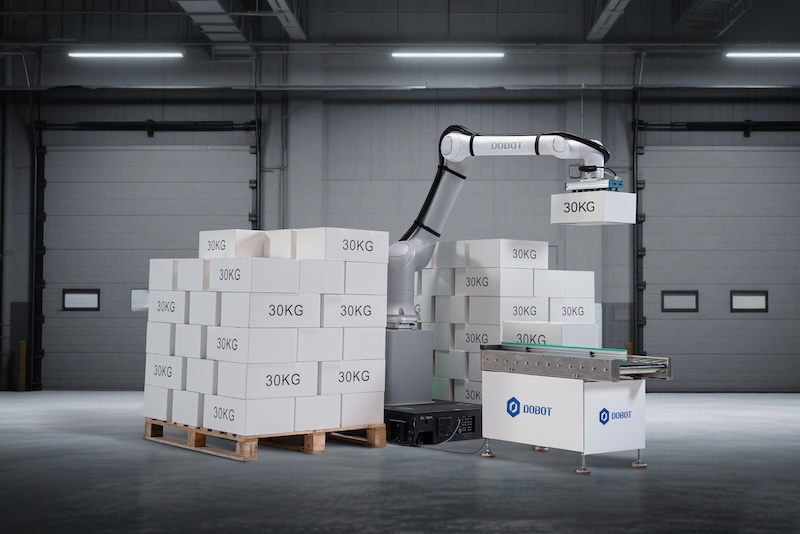
DOBOT CR 30H Series Achieves SGS-Verified Compliance with ISO 10218-1:2025 Cybersecurity Requirements
In February 2026, DOBOT, a prominent robotics manufacturer based in Shenzhen, China, announced that its CR 30H Series collaborative robots have met the cybersecurity compliance standards outlined in ISO 10218-1:2025. This achievement follows an independent verification process conducted by SGS, a leading inspection and certification company. The compliance with this latest international safety standard for industrial robots underscores DOBOT's commitment to ensuring the security and reliability of its technology in an increasingly digital landscape.
DOBOT CR 30H Series SGS ISO 10218-1:2025 cybersecurity
Brain Corp Achieves SOC 2 Compliance, Reinforcing Trusted Enterprise-Grade Deployment of AI Systems at Scale
Brain Corp has achieved a significant security milestone with its autonomous robots, which are increasingly being deployed in commercial spaces. This development comes as businesses seek innovative solutions to enhance operational efficiency and safety. The milestone was reached in October 2023, reflecting the company's commitment to advancing robotic technology in various environments, including retail and logistics. The growing adoption of these robots is driven by the need for improved cleaning and maintenance processes, particularly in high-traffic areas. By utilizing advanced sensors and AI, Brain Corp's robots can navigate complex spaces while ensuring a high level of security and reliability. This progress not only streamlines operations but also addresses the rising demand for contactless services in the wake of the pandemic. As more companies integrate these autonomous solutions, Brain Corp is positioned to lead the market, demonstrating how technology can transform traditional practices in commercial settings. The successful implementation of these robots marks a pivotal moment in the evolution of automated services, paving the way for broader applications in the future.

Hai Robotics Secures Radio Equipment Directive (RED) Articles 3.3(d) Compliance, Strengthening Cybersecurity for Automated Warehouses
Hai Robotics has successfully complied with the EU Radio Equipment Directive (RED) Articles 3.3(d), a significant milestone that enhances the cybersecurity of its automated warehouse systems. This certification underscores the company's dedication to adhering to regulatory standards while bolstering the reliability and integrity of its HaiPick Systems. As a result, the systems will ensure secure wireless communications and operational resilience within connected logistics environments, reflecting the growing importance of cybersecurity in the automation sector.
Cybersecurity Warehouse Automation Logistics Industrial Equipment Regulatory Compliance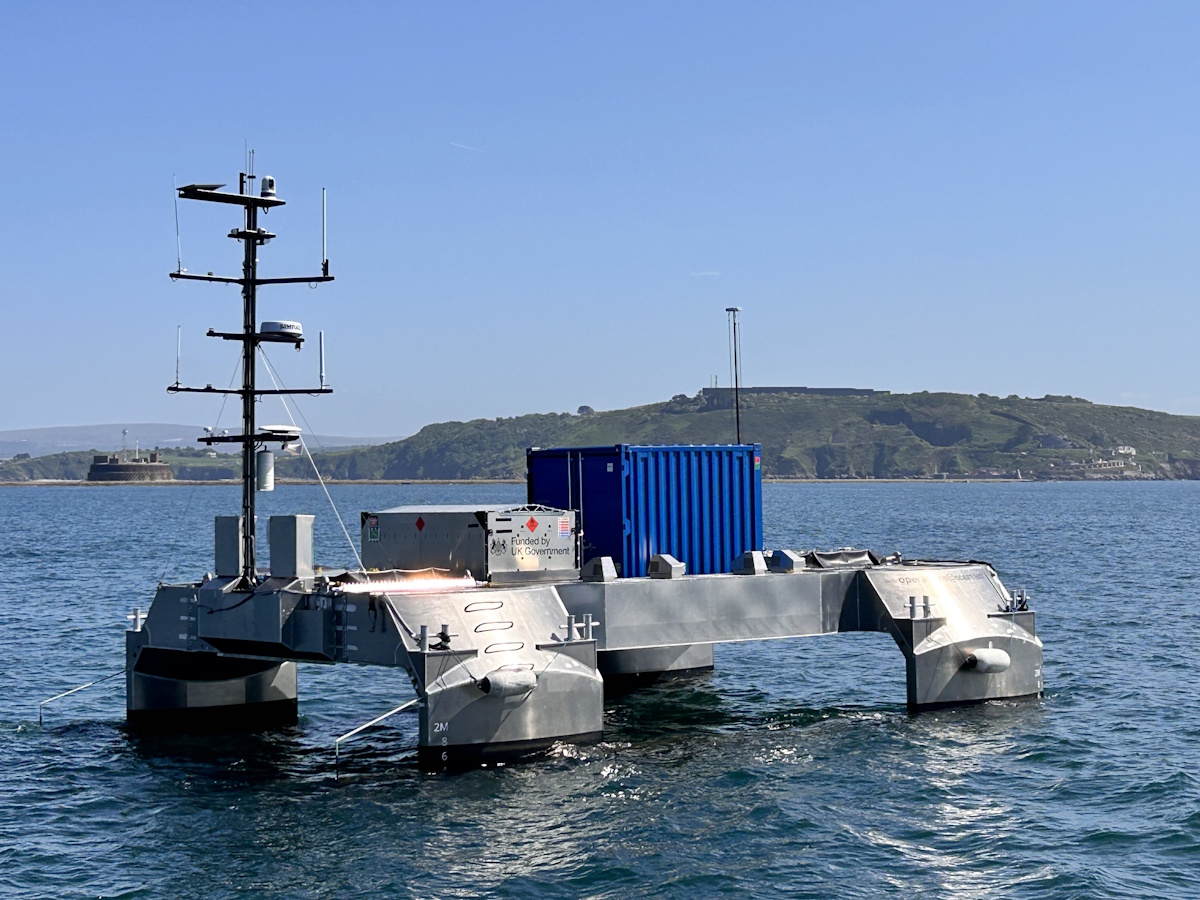
UK’s first ROUV certified under Workboat Code 3 as Lloyd’s Register awards compliance to ACUA Ocean’s PIONEER
Lloyd’s Register has granted the UK’s inaugural certification for a remotely operated and unmanned vessel (ROUV), marking a significant milestone in maritime innovation. The certification was awarded to the hydrogen-powered vessel PIONEER, developed by ACUA Ocean, under the Maritime and Coastguard Agency’s Workboat Code Edition 3 (WBC3) Annex 2. This achievement not only highlights advancements in autonomous maritime technology but also underscores the growing emphasis on sustainable energy solutions within the industry. The certification process involved rigorous assessments to ensure compliance with safety and operational standards, paving the way for the integration of unmanned vessels into commercial maritime operations.
acua ocean usv pioneer vesselRobotics needs a service framework.
RSF defines a common language for robot service capability, lifecycle operations, certification pathways, and service-provider networks.
Join the RobotToday community on LinkedIn
Daily robotics news, in-depth analysis, conference highlights, and discussions with professionals worldwide.