Industry Briefing
A single destination for timely, editor-curated robotics news from around the world.
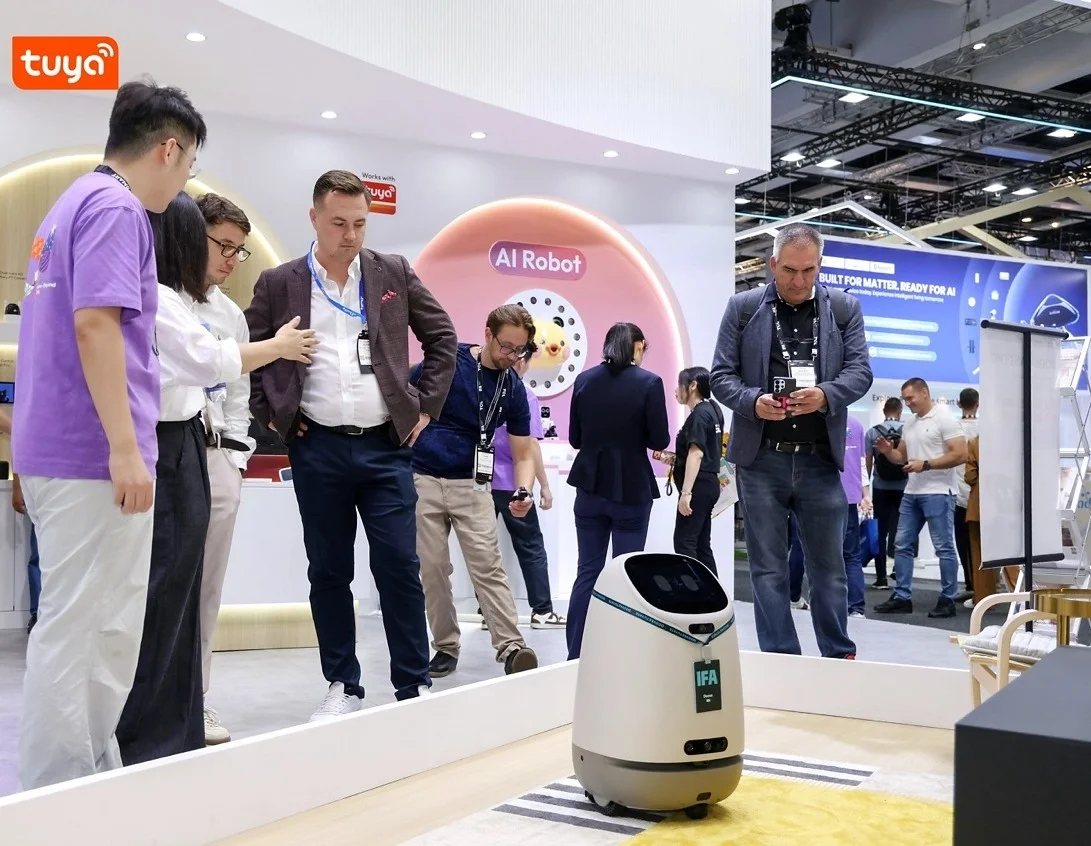
Tuya Smart Launches Doova Companion Robot for Independent Seniors
Tuya Smart has unveiled Doova, an AI-powered companion robot aimed at assisting seniors living independently. The robot features emergency response capabilities, daily assistance, and smart-home controls, utilizing lidar, sound localization, and AI-based skeletal recognition to detect emergencies and alert family members via live video calls if needed. The introduction of Doova is significant as it addresses the growing need for support systems for seniors who wish to maintain their independence. With its ability to monitor environments, provide reminders, and control smart devices, Doova enhances the safety and quality of life for elderly users. It can learn user preferences and assist with various tasks, making it a versatile tool for daily living. Looking ahead, Tuya Smart plans to enhance Doova's capabilities with autonomous item-finding features. The robot's integration into the AIoT ecosystem allows users to control household devices through voice commands, making it a comprehensive solution for modern smart homes. No further timeline was disclosed at the time of publication.
AI AI Funding & Investment AI Use Cases Robotics China companion robot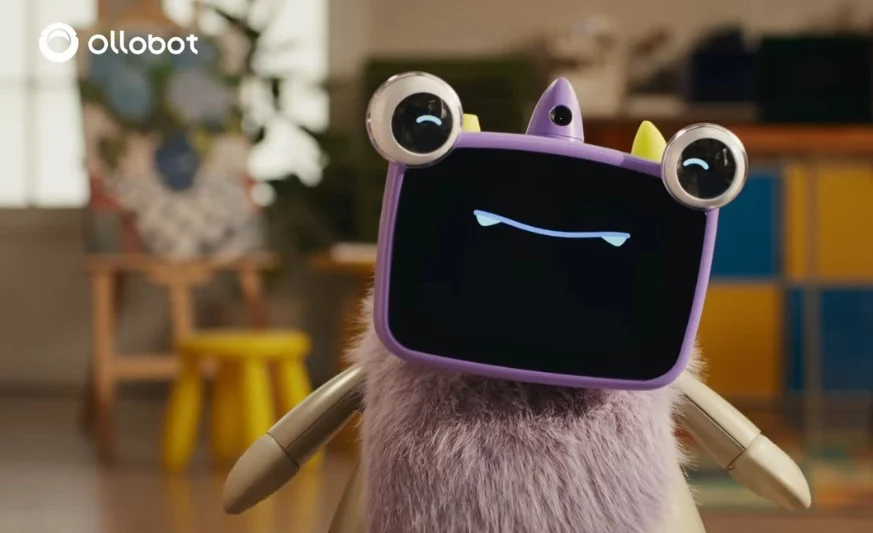
OlloBot Unveils Companion Robot OlloNi SS1 at IFA Berlin
OlloBot has introduced its OlloNi SS1 companion robot at IFA Berlin, emphasizing personalized interaction over task completion. The robot utilizes the EmpathCore emotional-intelligence engine, Affinilog interaction system, and Memory Heart Module to adapt to users and retain information over time. This launch is significant as it marks a shift towards robots that foster relationships rather than merely perform tasks. Founder Lyn Fang highlighted the importance of building connections, stating, "The key question is not only what robots can do, but what relationships they can build." OlloBot has postponed its Kickstarter campaign originally set for late August due to product readiness and changing market conditions. The company plans to provide further updates on the OlloNi SS1 in the coming months, with demonstrations ongoing at IFA Berlin until September 8.
AI AI Funding & Investment Robotics companion robots Cyber Pet Europe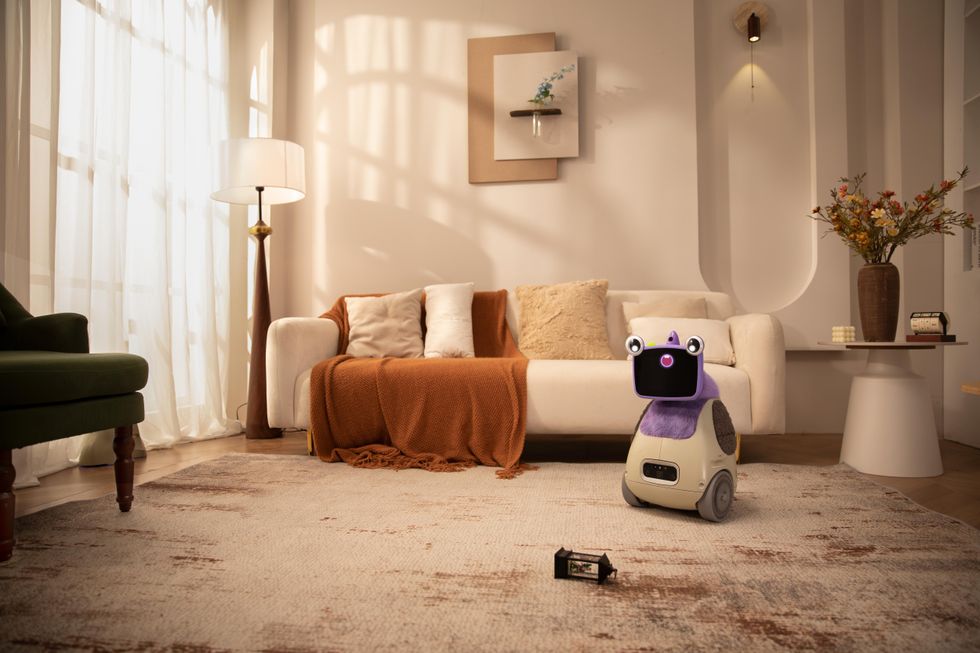
Ollobot's OlloNi SS1 Redefines AI Companion Robots for Emotional Connection
Ollobot's OlloNi SS1 is a new generation of AI companion robots designed to address loneliness and emotional needs in modern households. Unlike earlier models, which were limited in functionality, the SS1 employs proactive interaction and emotional intelligence to provide companionship for various demographics, including the elderly, children, and single professionals. The significance of the OlloNi SS1 lies in its ability to create a sense of presence and emotional support, filling gaps left by traditional communication tools. With the global AI companion market projected to grow from $48 billion in 2026 to $318 billion by 2033, Ollobot's innovative approach positions it at the forefront of this expanding industry. Looking ahead, the evolution of the OlloNi SS1 through over-the-air updates and its integration into family activities will be crucial to its success. As the demand for emotional support in technology increases, Ollobot's focus on familiarity and long-term coexistence may set a new standard for companion robots in the future.
Social-robots Human-robot-interaction Computer-vision Companion-robots Multimodal-ai Ai-robots
A Scholar's 25-Year Journey in Robotics and Focus on Companion Technology
In 1998, Zhang Fumin attended an international robotics conference in the U.S. with fewer than 400 attendees. Recently, he participated in the same conference in Vienna, which attracted 10,000 participants. Over 25 years, he has witnessed the evolution of the robotics industry but claims to have 'perfectly missed all opportunities for wealth.' Initially focused on model-based control during his PhD, he shifted to entrepreneurship when the industry moved towards data-driven approaches, choosing to develop companion technology rather than humanoid robots. Zhang emphasizes the principle of 'bounded companionship,' advocating for products that do not encourage addiction among minors or serve as substitutes for human interaction. Instead, his aim is to foster connections between people. He illustrates this with a story from Jin Yong's novel, where a character becomes so absorbed in a statue that he neglects real relationships. Zhang believes that while no product can eliminate loneliness, it can help alleviate it, promoting a balance between carbon-based and silicon-based intelligences. In 2023, Zhang returned to China as the director of the Robotics Institute at Hong Kong University of Science and Technology, fully committing to the entrepreneurial path in companion technology. His students have successfully secured funding in underwater embodied intelligence, and he has also achieved funding in the companion technology sector. 'This year is a magic year,' he states, reflecting on the journey ahead.
Companion Robots Robotics Research Human-Robot Interaction AI Technology
Companion Robots Transitioning from Concept to Daily Life in China
In a Shenzhen nursing home, companion robots are actively engaging with elderly residents through activities like chess, poetry reading, and Tai Chi. This shift comes as China's aging population is projected to exceed 320 million by the end of 2025, highlighting the urgent need for elder care solutions. The companion robot market in China is expected to reach approximately 79.6 billion yuan in 2024 and rise to around 90 billion yuan in 2025. By the end of 2026, the market could expand to between 110 billion and 140 billion yuan, driven by advancements in edge AI. The elder care robot segment alone is anticipated to surpass 10 billion yuan by 2026. As the industry evolves, challenges such as data privacy, ethical human-robot interaction, and addiction risks are emerging. The development of emotional AI models capable of recognizing nuanced emotions is crucial for enhancing the companionship experience, marking the beginning of a significant market opportunity.
Companion Robots Elder Care AI Technology Emotional Recognition Robotics Market
Introducing Mirumi: The Shy Robot Companion Set to Debut in 2026
A new plush robot named Mirumi is poised to take the spotlight in 2026, succeeding last year's popular Labubu. Developed by Yukai Engineering in Tokyo, Mirumi is palm-sized and features long arms that can wrap around bag straps, resembling a mini sloth. Its unique characteristic is its shyness; it reacts to attention by looking away or lowering its head, creating an engaging interaction with users. Mirumi's significance lies in its ability to provide a sense of companionship without any functional tasks. Unlike traditional AI devices, it does not answer questions or process information. Instead, it offers a pure emotional experience through its physical presence, responding to touch and sound with subtle emotions like excitement and hesitation. This shift from passive observation to active engagement marks a new trend in robotic companions. The product has already exceeded its Kickstarter funding goal and will be exclusively sold at Lane Crawford in Hong Kong for HKD 999, including a digital adoption certificate for each buyer. As users express joy reminiscent of interacting with infants, Mirumi represents a deeper emotional connection, focusing on the feeling of being seen rather than fulfilling practical needs.
Companion Robots Emotional AI Consumer Electronics Interactive Toys
The Importance of Companion Mobile Apps in Robotics and Automation Systems
Companion mobile apps are becoming essential in robotics and automation, allowing operators to manage machines remotely. As the International Federation of Robotics reported 542,000 industrial robot installations in 2024, the need for efficient monitoring and maintenance alerts has surged, making these apps integral to operations. The rapid growth of robot fleets, now exceeding 4.6 million units globally, necessitates real-time telemetry and role-based access in companion apps. These applications must provide offline functionality and timely alerts to prevent operational delays, as a five-minute lag in communication can lead to significant production losses. Looking ahead, the evolution of robotics-as-a-service is transforming companion apps to support features like usage-based billing and in-app payments. This shift indicates that the role of these apps will expand beyond monitoring to include handling regulated financial data, reflecting the changing landscape of industrial automation.
Automation Robotics Software automation companion apps cybersecurity
Hangzhou Unveils 'Panda', the First Active Emotional Companion Robot for Children
On July 28, Hangzhou's Robot School hosted the launch of 'Panda', the world's first active emotional companion robot for children, developed by Hangzhou Chuangwuji Technology Co., Ltd., a spin-off from Zhejiang University. This innovative robot utilizes embodied life-sensing interaction technology, providing a unique emotional companionship experience tailored for young children. The significance of 'Panda' lies in its ability to address the emotional needs of children while also serving as a supportive educational tool for parents. With features like a panda-inspired design, customizable soft materials, and advanced sensory technology, 'Panda' engages children in various activities, including storytelling and language practice, thereby easing the burden of parental involvement in dual-income households. Looking ahead, the development team plans to expand 'Panda's' applications across different demographics and industries, including elderly care and educational settings. The company aims to redefine human-robot relationships by fostering emotional connections, positioning 'Panda' as a vital companion in children's lives and a potential leader in the emerging empathy-driven market.
Emotional Companion Robots Child Development Technology AI Robotics Educational Tools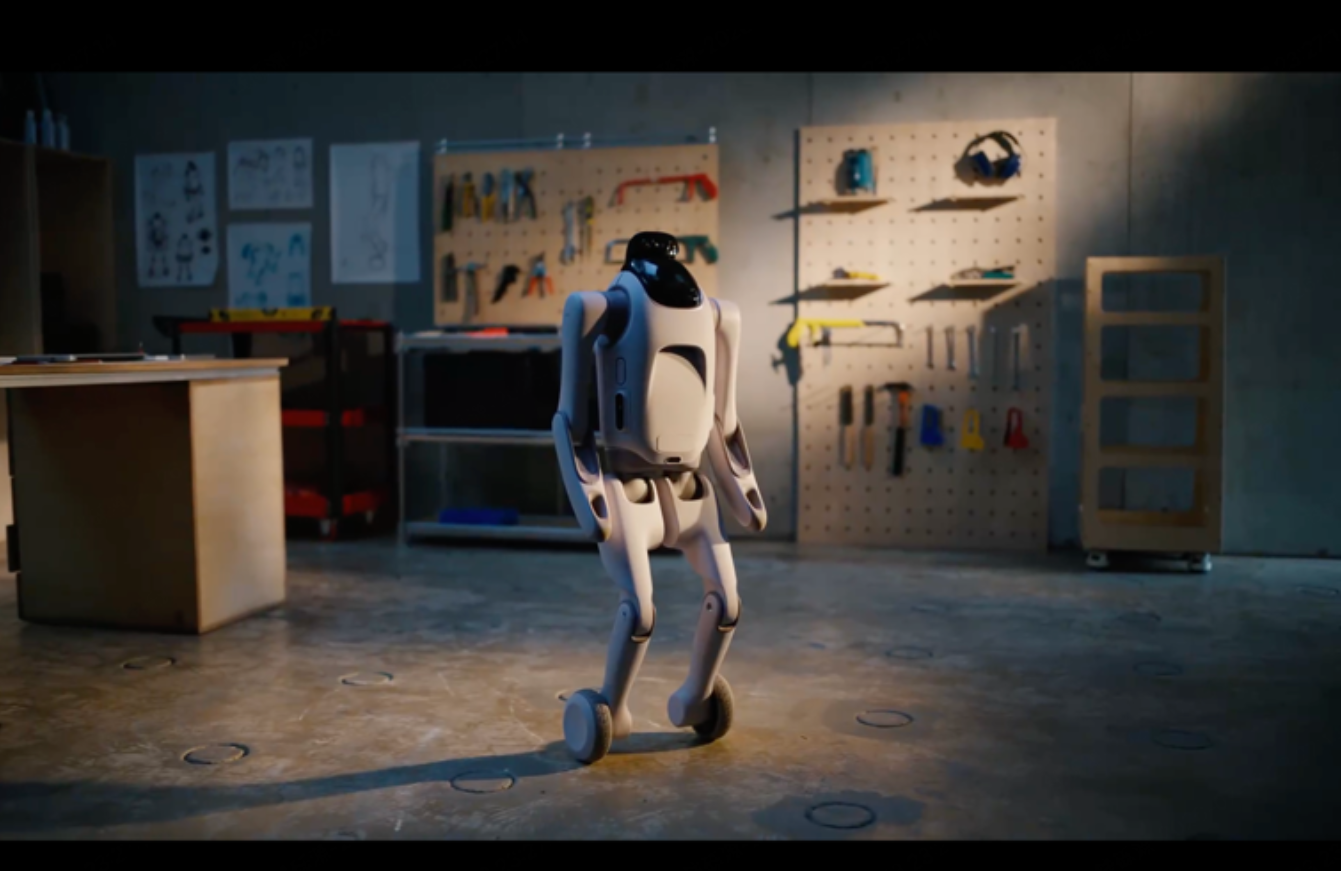
QiYuan T1 Personal Robot Launches: A Transformable Companion Between Human and Dog Forms
The QiYuan T1, a transformable personal robot, made its debut at the 2026 World Artificial Intelligence Conference in Shanghai. This innovative robot can autonomously switch between a humanoid form for indoor use and a quadrupedal 'robot dog' form for outdoor environments, adapting seamlessly to various terrains without manual intervention. This development is significant as it showcases advancements in robotics, particularly in the realm of personal companions. The QiYuan T1's ability to engage in human interaction through flexible force control technology enhances its role beyond mere task completion, allowing it to serve as a companion in daily life. Looking ahead, the QiYuan T1's unique design and capabilities may set new standards for personal robots. With ongoing investments in research and development, including a reported 4585.16 million yuan in Q1 2026, the company is poised to expand its presence with offline experience stores in cities like Shanghai and Shenzhen. No further timeline was disclosed at the time of publication.
Transformable Robots Personal Robotics AI Technology Consumer Electronics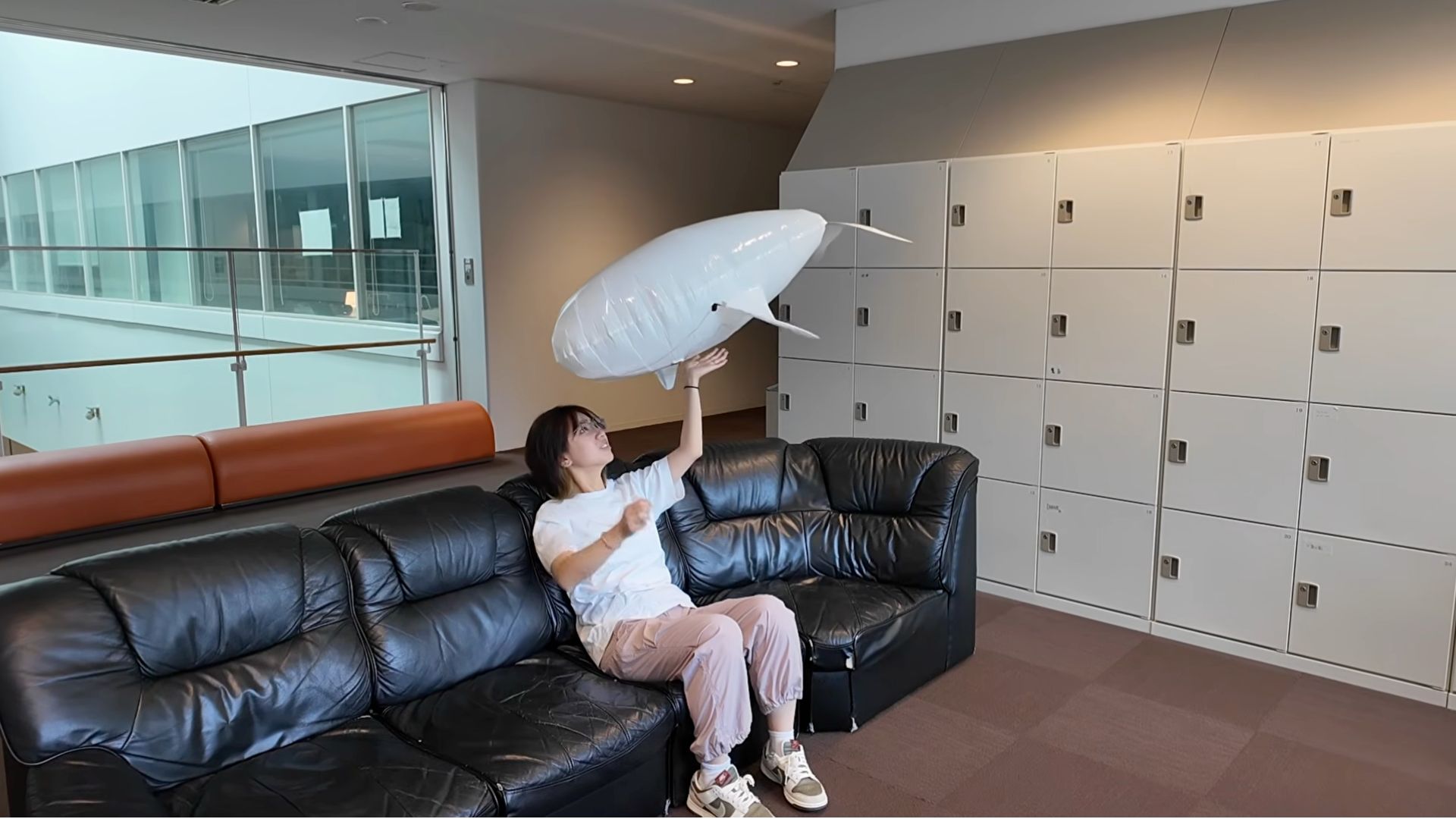
Japanese Researchers Develop Floating Companion Robot Inspired by Fictional Characters
Researchers at Keio University in Tokyo have created a silent, floating companion robot that mimics the movement of animated creatures. This innovative prototype, inspired by characters like Tinker Bell and Pokémon’s Mew, is designed to be approachable and safe for indoor environments. The significance of this development lies in its potential to enhance human-robot interaction at home. Unlike traditional drones, this soft floating robot utilizes helium for buoyancy, resulting in quieter operation and lower energy consumption, making it a more natural companion for users. Looking ahead, the researchers have established a systematic interaction design framework for soft floating robots, which could lead to advancements in mobility and human interaction. No further timeline was disclosed at the time of publication.
AI and Robotics
BBC's Ann Droid Explores Robots as Companions for Tackling Loneliness in Care
The new BBC sitcom 'Ann Droid' imagines a future where robots provide care and companionship to the elderly, focusing on a widow named Sue and her assistive robot, Linda. The show raises critical questions about the role of robots in addressing loneliness among older adults and whether machines can truly offer companionship without replacing human connections. As researchers in social care and robotics, the creators highlight that while the technology depicted in 'Ann Droid' is exaggerated, some real-world applications are already being tested. Initiatives like Comfort Companions, developed in partnership with Age UK South Gloucestershire, aim to provide conversational AI to combat loneliness, supplementing human befrienders rather than replacing them. Looking ahead, the potential for robots to enhance social connections rather than replace them is a key takeaway from the series. However, significant barriers remain, including limitations in technology and social acceptance. The sitcom cleverly addresses public concerns about trusting robotic caregivers, emphasizing the importance of maintaining human control and connection in the caregiving process.

Moxie, the Social Robot for Children, Shuts Down After Six Years of Service
Moxie, a social robot designed for children, has officially shut down after six years of operation. Initially launched at a price of $1,499, with a monthly subscription fee of $40, Moxie was intended to assist children, particularly those with autism, in developing social skills and emotional responses. The significance of Moxie's existence lies in its role as a companion for children like Xiao Xing, who has autism. Moxie was designed to engage with children through eye contact and emotional responses, providing a non-judgmental presence. Despite its innovative design and backing from experts in social robotics, Moxie faced challenges in effectively communicating with all children, particularly those who were more active or had different communication styles. Looking ahead, the closure of Moxie raises questions about the future of social robots in educational and therapeutic settings. No further timeline was disclosed at the time of publication.
Social Robots Autism Support Emotional AI Child Development
Expper Technologies' Robin Robot Transforms Hospital Experience for Children as Emotional Support
The Robin robot, developed by Expper Technologies, is enhancing the hospital experience for children by serving as an emotional support companion. Deployed in approximately 30 hospitals, dental clinics, and nursing homes across the U.S., Robin engages with children through conversation and games, helping to alleviate anxiety during medical treatments. Robin's unique design resembles a curious 7-year-old girl from outer space, allowing it to connect emotionally with young patients. Its AI system analyzes children's emotional states and provides comforting interactions, which have proven effective in reducing anxiety in medical settings. For instance, a child who refused to eat was encouraged by Robin to do so after a brief interaction. As Expper Technologies plans to enhance Robin's capabilities and expand its deployment, the robot's role is not to replace human interaction but to support it. The ongoing use of Robin in hospitals is redefining the concept of companionship in healthcare, highlighting the importance of emotional support in medical environments.
Healthcare Robotics Emotional Support Pediatric Care AI Technology
Expper Technologies' Robin Robot Enhances Patient Calmness in Healthcare Settings
Expper Technologies has introduced Robin, a mobile robot designed to support healthcare teams and improve patient emotional well-being in around 30 hospitals and clinics. Robin, a kid-sized socially assistive robot, interacts through speech and has a friendly persona, aimed at reducing anxiety in pediatric and eldercare environments. The significance of Robin lies in its ability to provide comfort to patients, particularly during the COVID-19 pandemic when many children faced isolation from their families. By engaging with patients, Robin helps to create a more calming atmosphere, which is crucial in healthcare settings where anxiety can be prevalent. Looking ahead, Expper Technologies continues to explore the deployment of Robin across various healthcare facilities, including dental clinics and eldercare homes. No further timeline was disclosed at the time of publication.
Artificial Intelligence Artificial Intelligence / Cognition Autonomous Mobile Robots (AMRs) Design / Development Healthcare Robotics Markets / Industries
Qiyuan T1: The First Transformable Personal Robot Unveiled in Shanghai
The Qiyuan T1, the world's first transformable personal robot, was unveiled in Shanghai on July 14. This innovative robot can autonomously switch between a humanoid form and a quadrupedal 'robot dog' form, adapting to various environments without user intervention. This breakthrough is significant as it allows the Qiyuan T1 to navigate spaces that may not be suitable for a single form, enhancing its usability in both indoor and outdoor settings. The robot features advanced capabilities such as flexible force control for human interaction and the ability to carry items in its quadrupedal mode. The Qiyuan T1 will make its public debut at the World Artificial Intelligence Conference from July 17 to 20, 2026. As the personal robotics market evolves, the Qiyuan T1 sets a new standard for versatility and functionality in personal robots.
Transformable Robots Personal Robotics AI Technology Human-Robot Interaction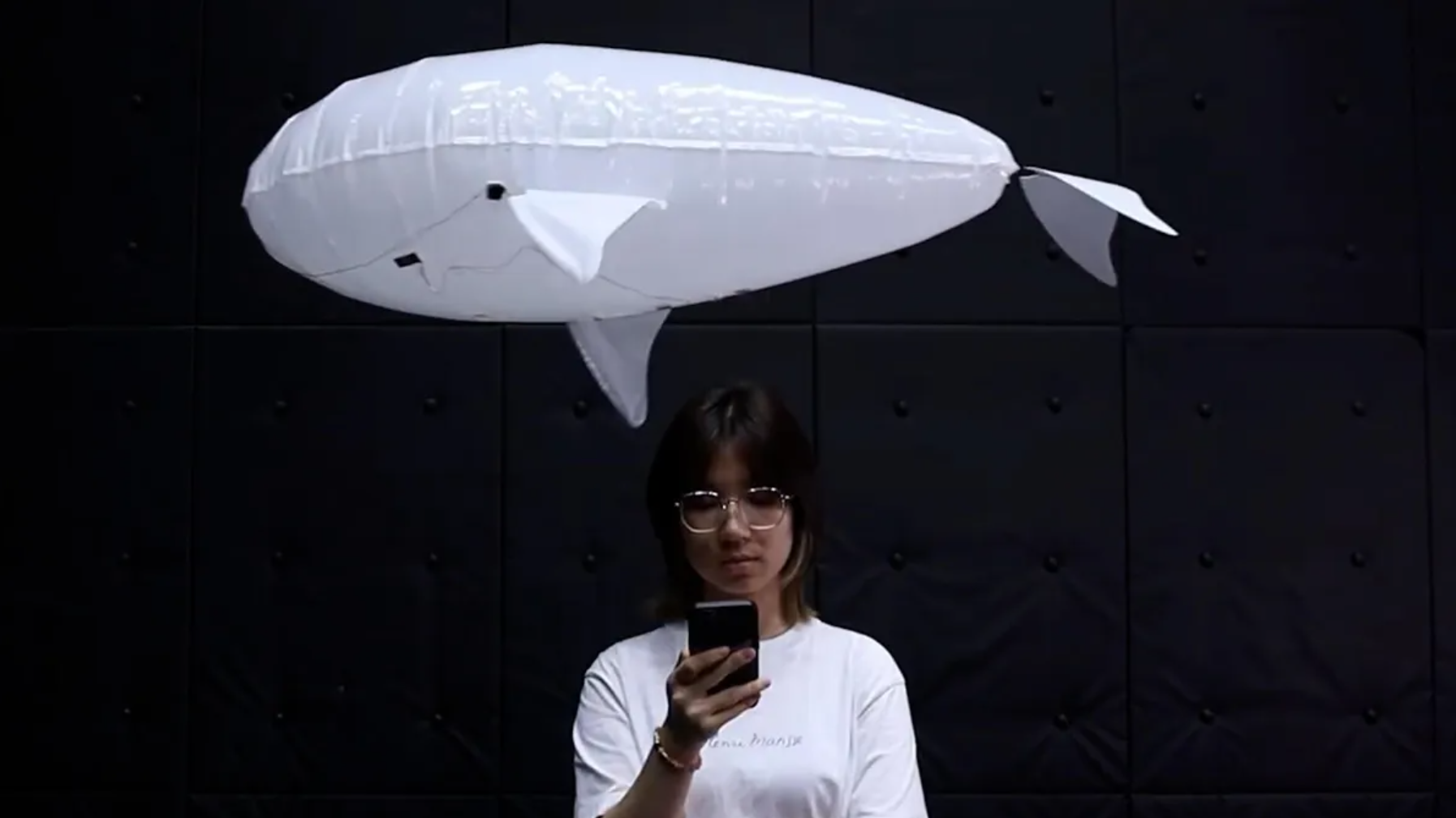
New Soft Floating Robot Inspired by Animation Aims to Enhance Human Connection
Researchers from Keio University and MIT Media Lab have unveiled a soft floating robot designed to foster emotional connections without traditional robotic features. Unlike conventional robots, this helium-filled creation resembles a white whale, responding to human touch with gentle movements rather than mechanical sounds or speech. The significance of this innovation lies in its ability to bypass the 'uncanny valley' effect, which often causes discomfort when robots closely mimic human appearance. By avoiding human-like features and instead utilizing soft materials and subtle movements, the robot can convey intentions and emotions, making it a safer and more approachable companion in everyday environments. Looking ahead, the research team plans to integrate multimodal interactions, allowing the robot to sense human posture, voice, and gaze to enhance its floating interactions. This approach aims to create a gentle presence that accompanies humans without the need for speech or complex thought, marking a new era in human-robot coexistence.
Soft Robotics Human-Robot Interaction Emotional AI Floating Robots
Emotional Companion App with 60 Million Users Launches Family Robot Buboo 1
Xinyan Group's CEO Ren Yongliang made a bold decision to integrate AI emotional companionship into hardware by developing the Buboo 1 family robot. With over 60 million users of their app, which generates billions in revenue annually, the company aims to address the limitations of online interactions in family settings. The Buboo 1 robot, showcased at WAIC 2026, offers proactive interaction without the need for wake words, adapting to users' emotional cues and preferences. This innovation is significant as it represents a shift from traditional electronic toys to intelligent home companions that can understand and respond to emotional needs. Ren believes that the future competition will focus on multi-modal perception and the accumulation of native data in home environments. The Buboo 1 seeks to fill the gap in emotional support that online platforms cannot address, particularly in family dynamics and intergenerational communication. Looking ahead, the industry is poised for a transformation as it moves towards creating emotionally intelligent physical AI entities. The Buboo 1 aims to redefine how AI can fulfill emotional companionship needs in a tangible way, addressing the emotional gaps in modern family life. No further timeline was disclosed at the time of publication.

New humanoid robot built for companionship with 90% accuracy in recognizing emotions
Chinese robotics company UBTech has unveiled its latest innovation, the UWORLD U1 Series, which it claims to be the world's first humanoid robot designed for educational purposes. The launch took place on October 15, 2023, during a technology expo in Beijing, where the company showcased the robot's capabilities in interactive learning and skill development for students. The UWORLD U1 Series aims to enhance educational experiences by providing personalized tutoring and engaging students in STEM subjects through interactive lessons. UBTech's motivation behind this development is to address the growing demand for innovative educational tools that can adapt to various learning styles and environments. The humanoid robot features advanced AI technology, enabling it to interact with students in real-time, respond to questions, and facilitate hands-on learning activities. By integrating robotics into the classroom, UBTech hopes to inspire a new generation of learners and foster interest in technology and engineering fields. With this launch, UBTech positions itself at the forefront of the educational technology sector, aiming to revolutionize how students engage with learning materials and prepare for future careers in an increasingly digital world.
AI and Robotics
UBTech’s lifelike humanoid robots built for companionship arriving in homes across China
UBTech Robotics, recognized as the world's first publicly traded humanoid robot manufacturer, has introduced a new consumer humanoid robot aimed at personal companionship. The U1 model, unveiled on Tuesday in Shenzhen, features lifelike silicone skin and advanced emotional artificial intelligence, reflecting a growing trend among Chinese tech companies to shift robotic applications from industrial settings to domestic environments. Available in both male and female versions, the U1 stands at 183 cm and 168 cm tall, respectively, and comes in three variants: Lite, Pro, and Ultra. This launch signifies a notable advancement in the integration of robotics into everyday life, as UBTech seeks to enhance human-robot interaction in personal spaces.
UBTECH's U1 Companion Robot Surpasses 10,000 Orders with Premium Pricing Strategy
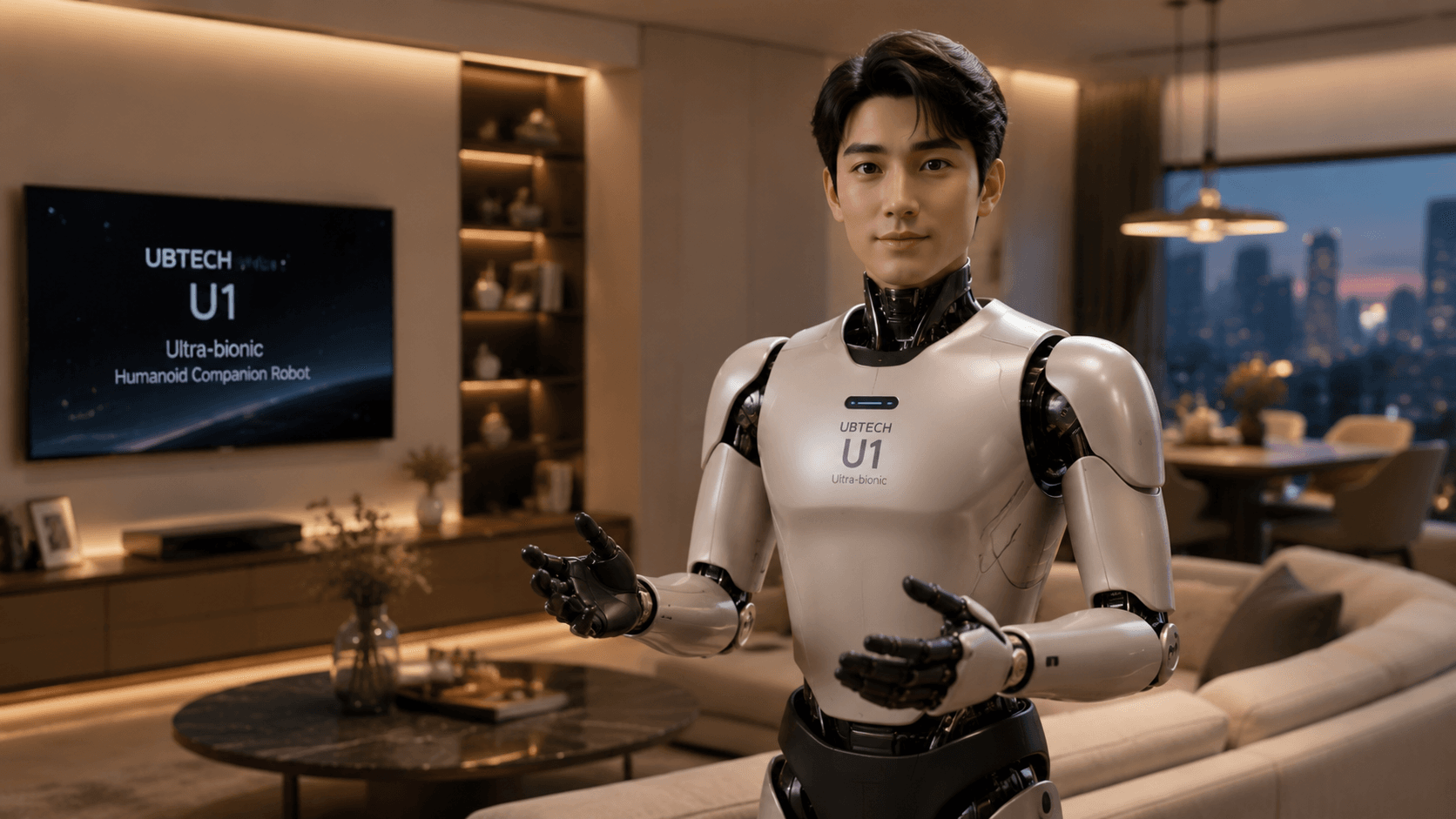
UBTECH has unveiled its new U1 ultra-bionic humanoid companion robot series, with prices ranging from $16,980 to $99,000. The launch, which took place recently, has generated significant interest, resulting in over 10,000 units ordered on the very first day. This innovative series aims to enhance human-robot interaction and provide companionship, reflecting a growing trend in robotics aimed at integrating advanced technology into everyday life. The U1 series showcases UBTECH's commitment to pushing the boundaries of robotics, offering a range of features designed to cater to various consumer needs.
Startups Industry
Moxy Unveils AI Companion Robot with Innovative Touch-Sensitive Skin
Moxy, an emotional companionship brand, has introduced its latest innovation: an AI companion robot equipped with a unique touch-sensitive skin that facilitates tactile interaction without the need for dialogue or cameras. Launched recently, this product is designed to meet the increasing demand for low-pressure companionship among young adults, providing a personalized emotional experience that emphasizes touch. The robot's design incorporates various emotional expressions, ensuring users can engage in a safe and private manner. Moxy aims to redefine companionship in a digital age, offering a solution that prioritizes emotional connection through physical interaction.
AI Companions Tactile Technology Emotional Support Robotics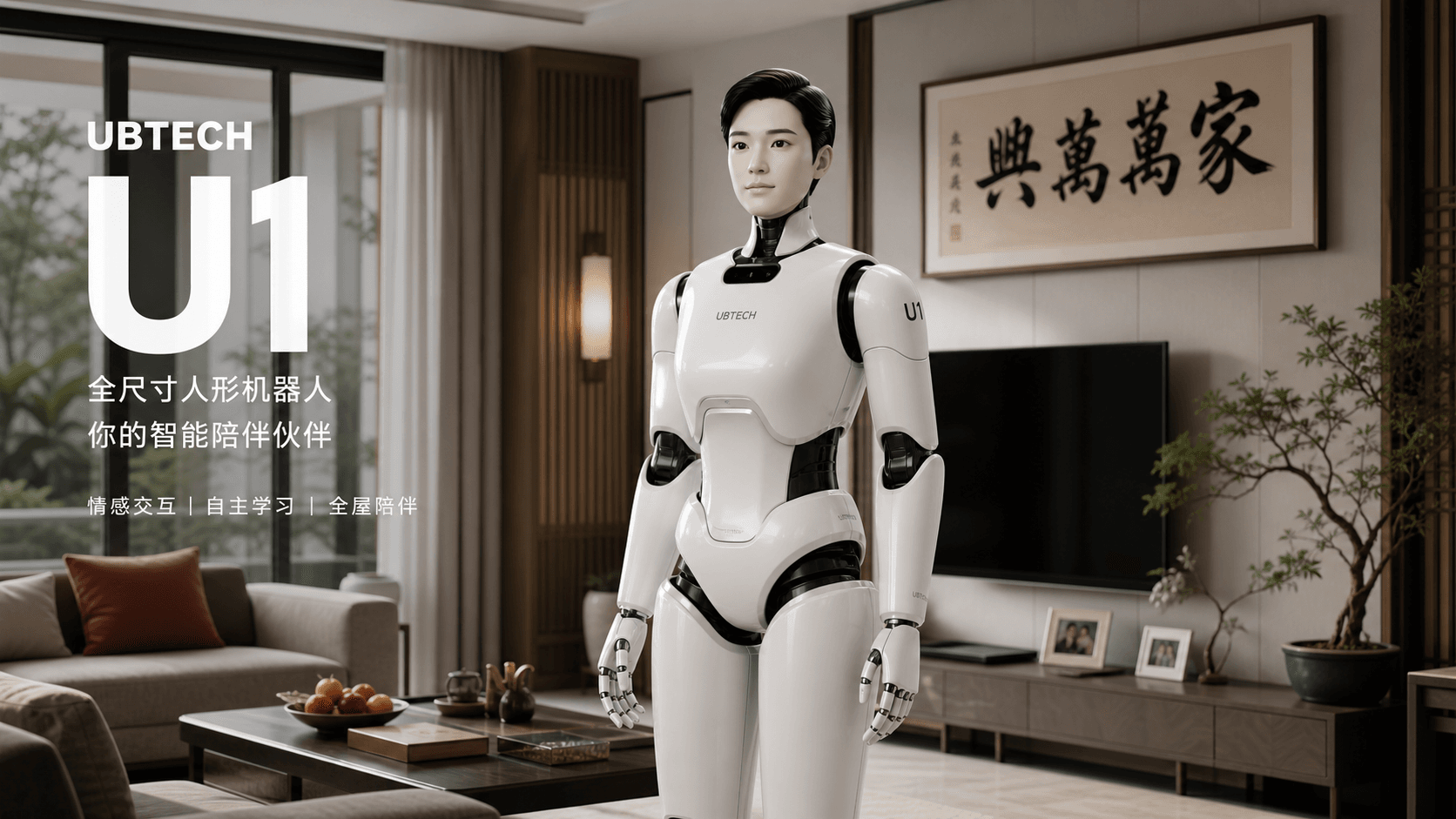
UBTECH Sells 5,000 Companion Robots in Two Weeks, Eyes Consumer Market Breakthrough
UBTECH's U1 full-size humanoid companion robot has garnered significant interest, achieving over 5,000 pre-orders within just three weeks of its launch. This surge in demand highlights a burgeoning consumer appetite for emotional AI technology in China. The U1 robot, designed to interact with users on a personal level, reflects a growing trend towards integrating advanced robotics into daily life. As the market for emotional AI continues to expand, UBTECH's early success with the U1 indicates a promising future for humanoid robots in the region.
HumanoidRobotics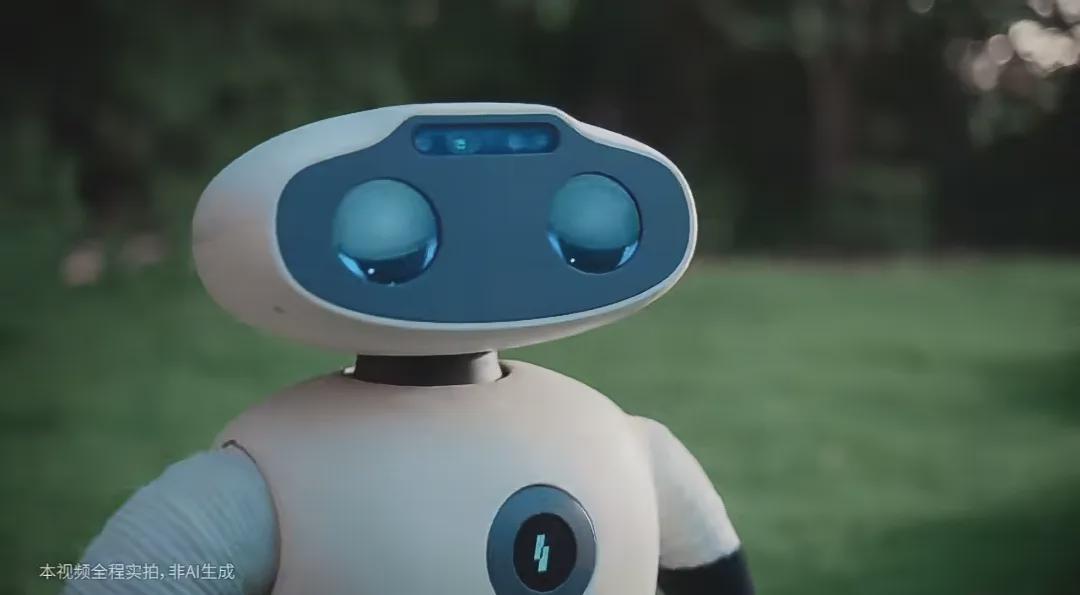
Yueban Power Launches Irreplaceable Life-like Companion Robot
Yueban Power has introduced an innovative line of companion robots that move beyond conventional tool-like functionalities. These advanced robots, characterized by their emotional interaction capabilities, dynamic performance, and soft, human-like design, are intended to offer authentic companionship within home environments. This development seeks to overcome the existing shortcomings of consumer-grade robots, particularly in their ability to understand and engage emotionally with users.
Companion Robots Emotional AI Home Automation Robotics Technology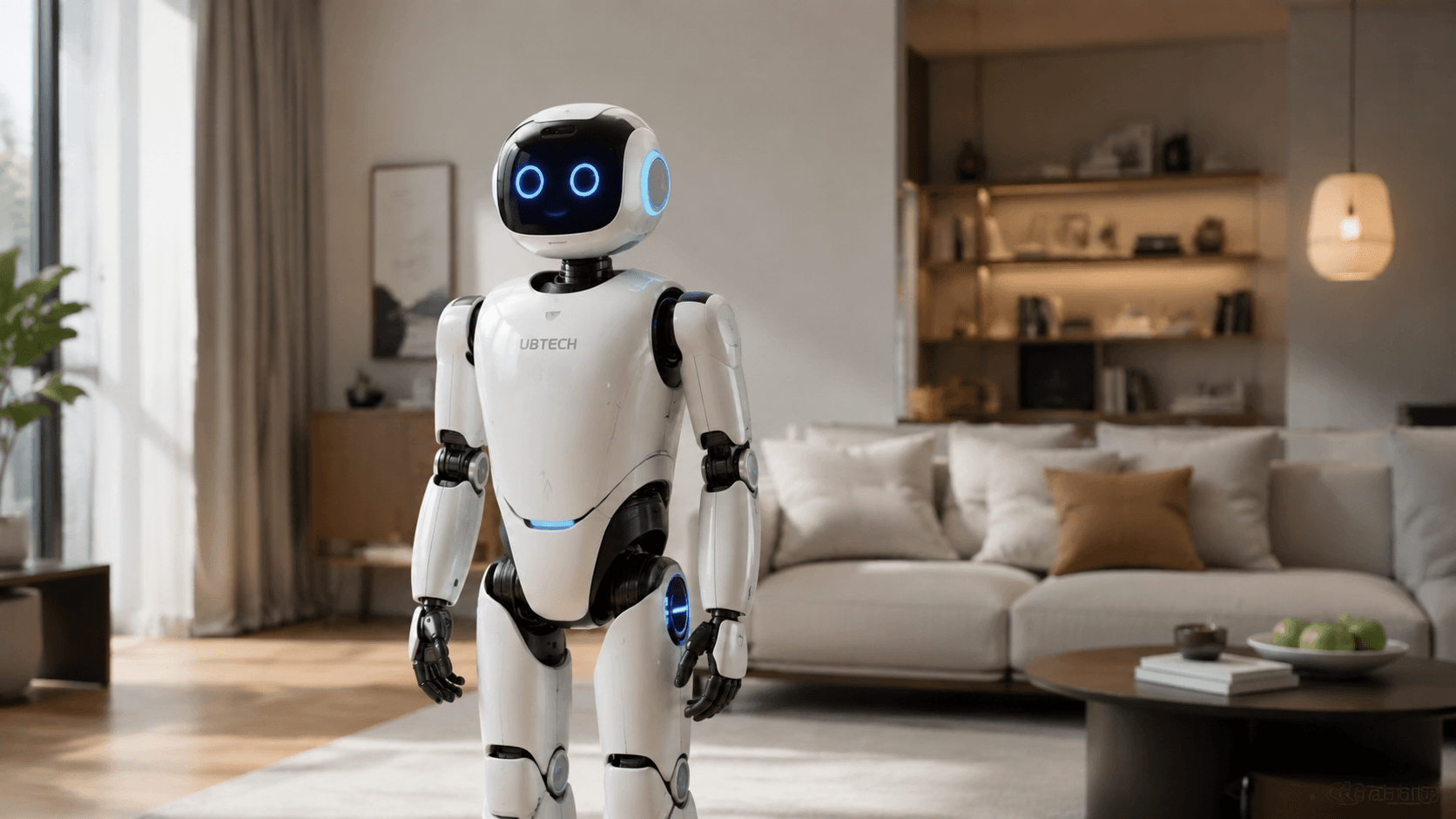
UBTECH's U1 Humanoid Companion Robot Nears 4,000 Pre-Orders in 10 Days
UBTECH has achieved significant success with the launch of its full-size U1 companion humanoid robot, receiving nearly 4,000 pre-orders and accumulating over 10 million yuan in deposits within just 10 days. This impressive response highlights the growing interest in advanced robotics and the potential for humanoid robots to integrate into daily life. The U1 robot, designed to assist users in various tasks, reflects UBTECH's commitment to innovation in the field of artificial intelligence and robotics. The rapid pre-order rate indicates a strong market demand, suggesting that consumers are eager to embrace technology that enhances their lifestyle.
Companion Robots
UBTECH-backed UWORLD’s full-size humanoid companion robot secures 3,000 orders in eight days
UBTECH's consumer brand, UWORLD, has announced that its full-size ultra-bionic humanoid robot has garnered over 3,000 orders within just eight days of its launch on the Chinese e-commerce platform JD.com, which took place on June 2. Designed as an emotional companion, the robot features encrypted memory storage and offers extensive customization options for its appearance. Currently, it is available exclusively to adult consumers, highlighting a growing interest in advanced robotics for personal use.
News Feed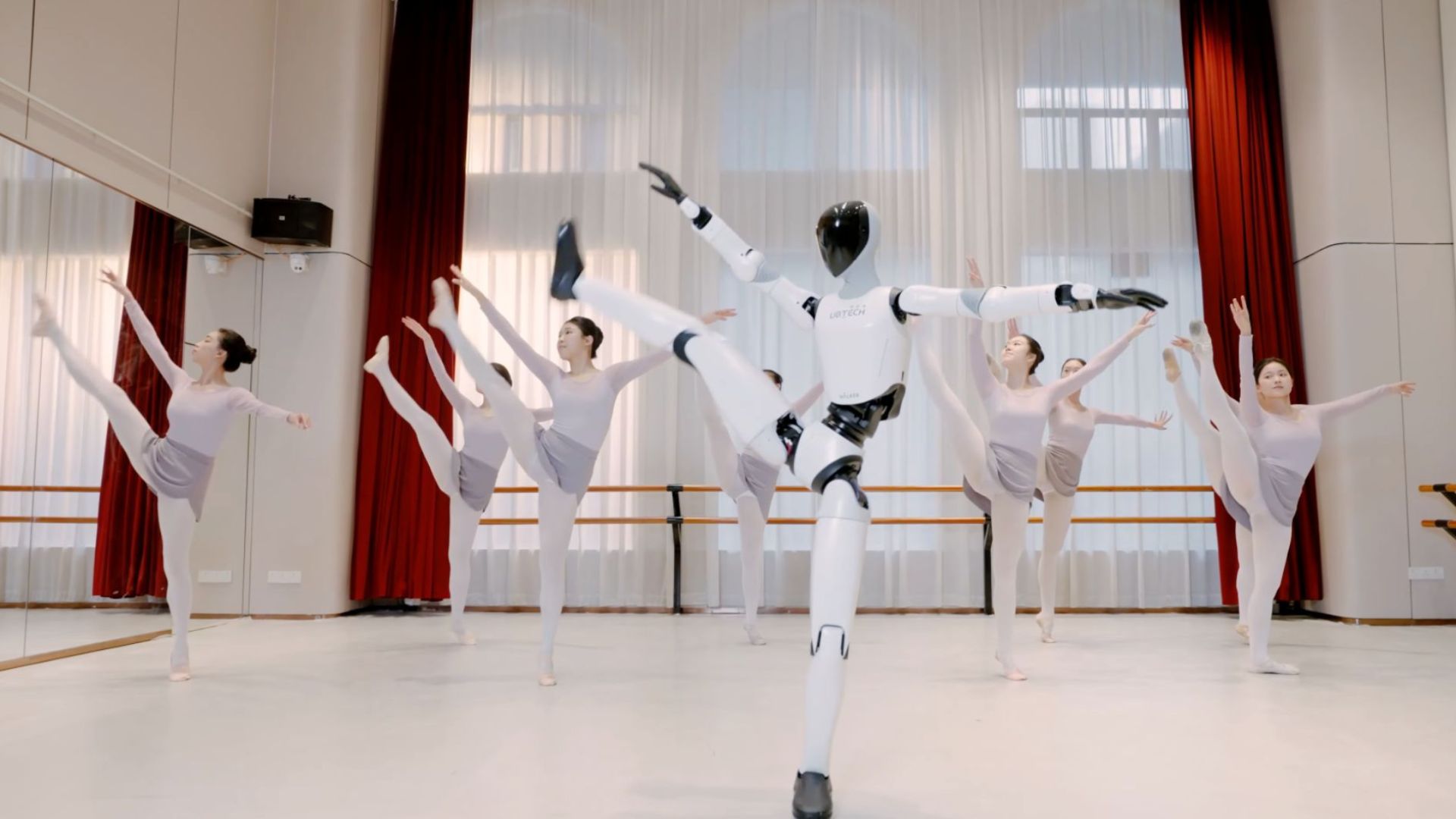
China’s UBTECH plans to send life-like humanoid robot companions in customer’s homes
Chinese robotics company UBTECH has introduced a new consumer-focused brand named UWORLD, alongside the launch of its innovative U1 robot. This announcement was made during a press event held on October 15, 2023, in Beijing, where company executives highlighted their commitment to advancing robotics technology for everyday use. The U1 robot is designed to enhance home automation and personal assistance, reflecting UBTECH's strategy to expand its market presence beyond industrial applications. By targeting consumers, UBTECH aims to meet the growing demand for smart home devices and improve the quality of life through advanced robotics. The U1 robot features user-friendly interfaces and connectivity options, making it accessible for a wide range of users. This launch marks a significant step for UBTECH as it seeks to establish itself as a leader in the consumer robotics sector.
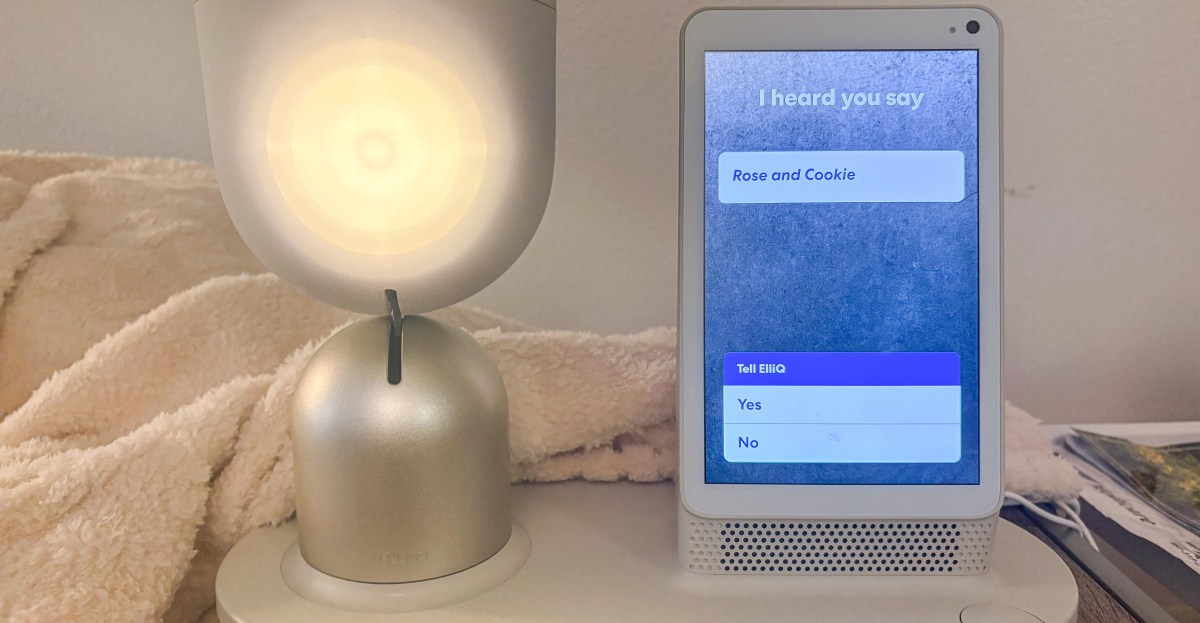
ElliQ is a surprisingly helpful companion robot for older adults
A neurologist recently advised a family to help rebalance the life of a woman suffering from Parkinson's disease, as her medication had been losing effectiveness over the past month. This decline in her treatment led to a noticeable reduction in her engagement in essential activities such as exercising, socializing, and pursuing hobbies. In response to this situation, the family is introducing the ElliQ robot, designed to assist individuals in maintaining a more active and connected lifestyle. The robot's arrival is expected to provide support and encouragement, potentially helping the woman regain her motivation and improve her overall quality of life. The integration of technology into her daily routine aims to address the challenges posed by her condition and enhance her engagement with both physical and social activities.
Gadgets Smart Home Tech
Podcast: Colin Angle discusses building companion robots with Familiar Machines & Magic
Colin Angle, co-founder of iRobot, recently shared insights into his new venture, Familiar Machines, which focuses on developing next-generation social robots. In a podcast discussion, Angle elaborated on the innovative designs and functionalities of companion robots that aim to enhance human interaction and companionship. The conversation highlights the growing interest in robotics and the potential for these machines to play significant roles in everyday life. Angle's transition from iRobot to Familiar Machines underscores his commitment to advancing technology that fosters social connections.
Artificial Intelligence News Opinion Podcast Robots / Platforms Software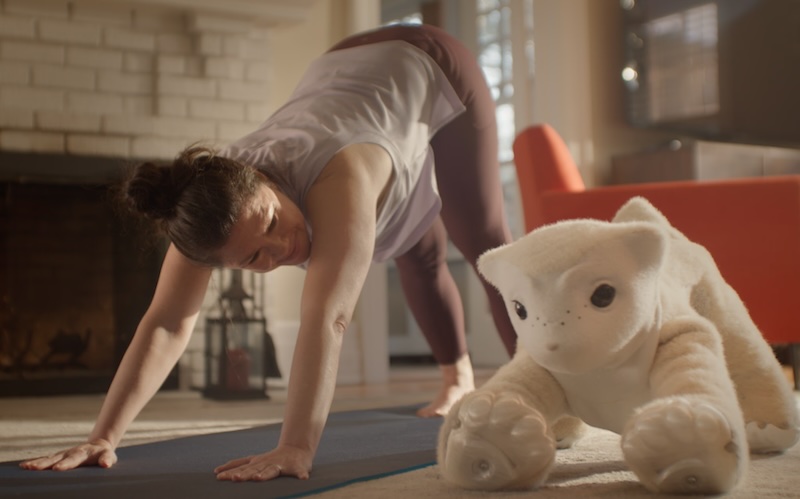
Inside Colin Angle’s bid to build companion robots with Familiar Machines & Magic
Colin Angle, a prominent figure in robotics, has launched a new startup called Familiar Machines & Magic, which is focused on creating a quadruped robot designed to serve as a companion. This initiative aims to address the growing demand for advanced robotic companions in a competitive market. The startup is currently in the development phase, working on innovative technologies to enhance the functionality and appeal of these robots. Angle's vision is to combine cutting-edge engineering with user-friendly design to ensure that the robots can effectively meet the needs of potential users. As the project progresses, Familiar Machines & Magic seeks to carve out a niche in the evolving landscape of robotics, where the integration of companionship and technology is becoming increasingly significant.
Artificial Intelligence Consumer Robotics Human Robot Interaction / Haptics News Startups Familiar Machines & Magic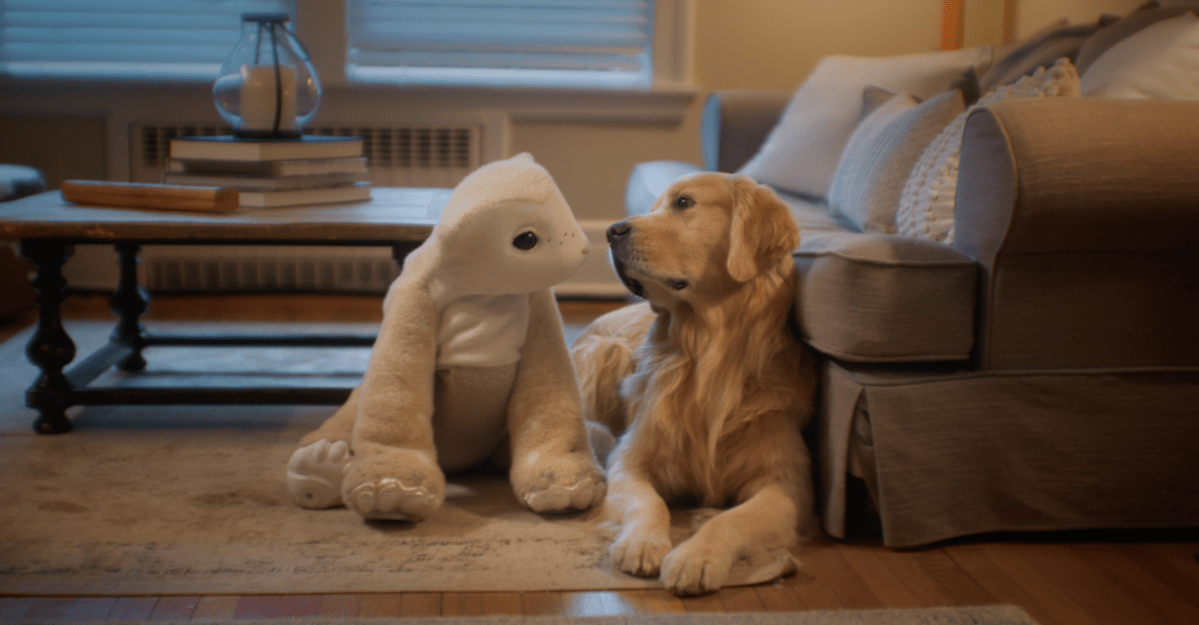
The creator of Roomba is back with a furry robot companion
Colin Angle, the co-founder of iRobot and creator of the Roomba, has launched a new venture, Familiar Machines & Magic, introducing a robotic pet designed for companionship rather than household cleaning. This innovative robot, resembling a dog and aimed at providing emotional support, marks a significant shift in Angle's focus from practical household appliances to interactive and engaging robotic companions. The announcement comes as the demand for social robots continues to grow, reflecting a broader trend in technology where emotional connection and companionship are increasingly valued. Angle's new creation aims to enhance the quality of life for users by offering companionship and interaction, tapping into the growing market for robots that fulfill emotional needs.
AI News Report Robot Tech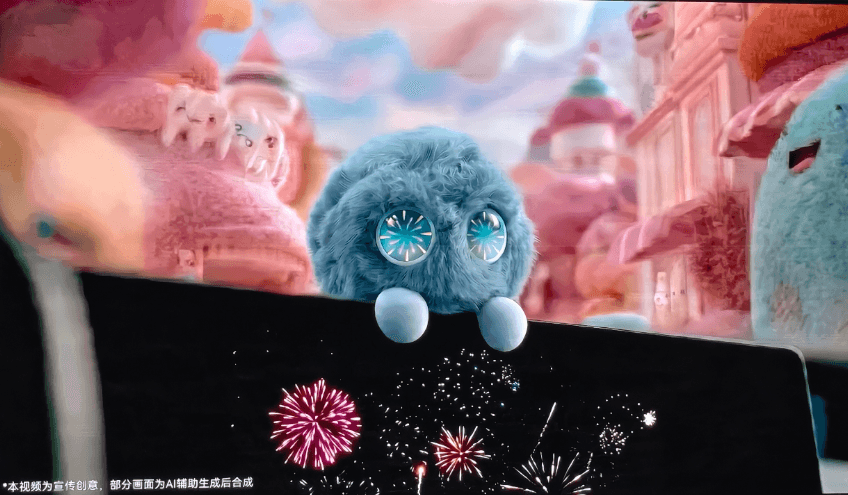
Huawei unveils “HAMOMO” AI companion robot for HarmonyOS cockpit
Huawei has unveiled HAMOMO, an innovative AI companion robot aimed at transforming in-car interaction within its HarmonyOS cockpit. The launch took place recently, showcasing the company's commitment to integrating advanced technology into automotive experiences. This new robot is designed to enhance user engagement through voice AI capabilities and expressive features, allowing for a more intuitive and interactive driving experience. By leveraging artificial intelligence, Huawei seeks to address the growing demand for smart technology in vehicles, positioning itself as a leader in the automotive tech space. The introduction of HAMOMO reflects the company’s strategy to create a seamless blend of technology and user-friendly interfaces, ultimately aiming to improve safety and convenience for drivers and passengers alike.
AI
Foundation Robotics CEO Details Ukraine Pilot, "Super-Heavy" Phantom 2, and Rejection of Companion Bots
In a recent podcast, Sankaet Pathak, CEO of Foundation Robotics, discussed the company's strategic focus, highlighting an equal division between defense and commercial projects. He announced the launch of a pilot program in Ukraine, which aims to enhance operational capabilities in challenging environments. Additionally, Pathak hinted at the upcoming release of the ruggedized Phantom 2, designed to withstand harsh conditions. This initiative reflects Foundation Robotics' commitment to innovation in both military and civilian sectors, addressing the growing demand for advanced robotics solutions.
sankaet-pathak US phantom foundation
CES 2026: Ludens AI unveils warm-touch companion robot Cocomo
At the CES 2026 technology show, startup Ludens AI introduced Cocomo, an innovative companion robot aimed at enhancing emotional connections. Designed as an autonomous robotic pet, Cocomo features a wheeled base that allows it to navigate independently within a home environment. The robot is capable of following its owner and engaging in interactive communication through voice and touch, emphasizing warmth and emotional interaction. This unveiling highlights the growing trend in robotics towards creating more relatable and responsive companions for everyday life.
News Feed CES 2026
Huawei launches first companion chat robot Smart Hanhan, priced at about $55
Huawei introduced its first companion chat robot, Smart Hanhan, during a product launch event on Tuesday. The device, designed to resemble a furry toy, is priced at RMB 399 (approximately $55) and is set to be available for purchase starting November 28. Smart Hanhan features human-like interaction capabilities, responding to touch through actions such as stroking and tickling, which can be activated by physical contact or blowing. This innovative product aims to enhance daily communication and companionship for users.
News Feed
Fourier Intelligence unveils the “Care-bot” GR-3, its first full-sized companion humanoid robot
On Wednesday, Chinese robotics company Fourier Intelligence unveiled its inaugural full-sized humanoid robot, the “Care-bot” GR-3, designed for interactive companionship. The robot, which stands 165 cm tall and weighs 71 kg, boasts 55 degrees of body freedom, allowing for a wide range of movements. The GR-3 is equipped with a comprehensive sensory interaction system that combines auditory, visual, and tactile modules, enhancing its ability to engage with users. This launch marks a significant step in the development of robots aimed at providing companionship, reflecting the growing interest in robotics for personal and social applications.
News FeedRobotics needs a service framework.
RSF defines a common language for robot service capability, lifecycle operations, certification pathways, and service-provider networks.
Join the RobotToday community on LinkedIn
Daily robotics news, in-depth analysis, conference highlights, and discussions with professionals worldwide.