Industry Briefing
A single destination for timely, editor-curated robotics news from around the world.

DJI Introduces EV50 VTOL Cargo Drone with Everest Altitude Record Achievement
DJI has launched the EV50, its inaugural vertical takeoff and landing (VTOL) fixed-wing cargo drone, designed for long-range transport. The drone achieved a remarkable operating altitude of 8,861 meters during a scientific expedition on Mount Everest, surpassing the mountain's peak by 12 meters. Over a 12-day period, the EV50 completed 32 flights, including 12 missions focused on atmospheric monitoring, taking off from Everest Base Camp at 5,200 meters. The significance of the EV50 lies in its ability to facilitate continuous atmospheric observation above 8,000 meters, a feat previously hindered by the limitations of manned expeditions and other aircraft. The drone's all-electric propulsion system allows researchers to gather crucial data on glacier winds and atmospheric conditions, contributing to climate change studies. With a maximum payload of 50 kilograms and a range of 150 kilometers, the EV50 is equipped with advanced features such as dual thermal management systems and an emergency parachute. Looking ahead, the EV50 is expected to be utilized in various applications, including emergency response and logistics in remote areas. No further timeline was disclosed at the time of publication regarding its commercial deployment. This launch marks a significant expansion of DJI's industrial drone offerings, particularly for challenging environments like high-altitude regions.
On the Cusp Content and entertainment E-commerce and New Retail Highlight News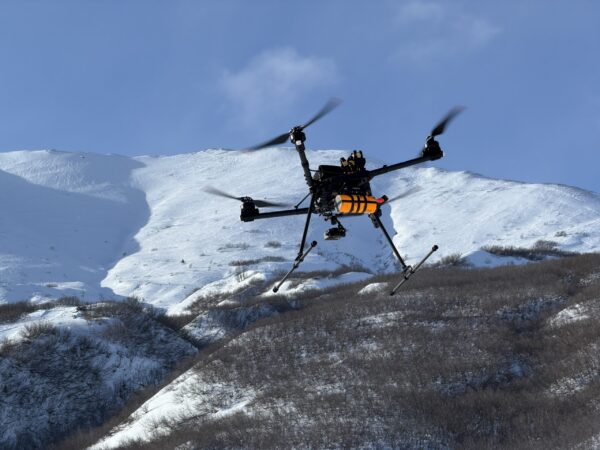
Drone Amplified Receives FAA Approval for MONTIS Avalanche Control Drone Operations
Drone Amplified, a Nebraska-based company, announced on July 8, 2026, that it has received regulatory approval from the Federal Aviation Administration (FAA) for its MONTIS drone, designed for avalanche control operations. This approval establishes a legal framework for the commercial deployment of the remote avalanche mitigation system across the United States, enhancing safety measures in avalanche-prone areas. The FAA's endorsement is significant as it allows Drone Amplified to offer its innovative technology to U.S. customers, potentially transforming avalanche management practices. The MONTIS drone is expected to improve response times and operational efficiency in avalanche control, addressing a critical need in mountainous regions where avalanches pose serious risks to safety and infrastructure. Looking ahead, the company aims to expand its market presence and operational capabilities following this regulatory milestone. No further timeline was disclosed at the time of publication, but stakeholders will be keen to see how quickly Drone Amplified can roll out its services and establish partnerships in the avalanche control sector.
Disaster Response dispatch Drone News Drone News Feeds Drones in the News Environmental Research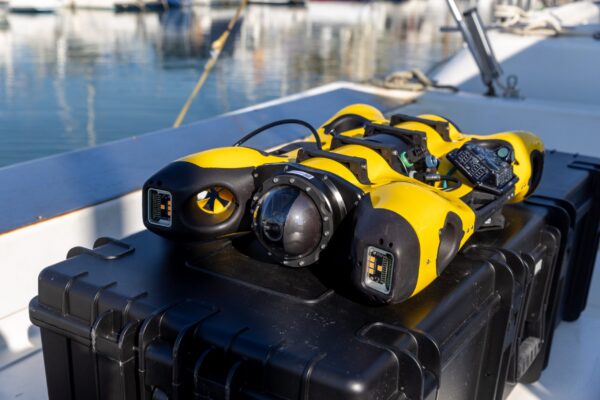
MFE Offshore Partners with Hydromea to Distribute EXRAY Underwater Inspection ROV
MFE Offshore, based in Houston, has announced its partnership with Swiss robotics developer Hydromea to distribute the Hydromea EXRAY underwater inspection ROV. This agreement, made public on July 9, 2026, enhances MFE Offshore's subsea portfolio, which was launched earlier this year. The EXRAY offers a tetherless alternative for underwater inspections, reducing costs and risks associated with traditional methods. The significance of this partnership lies in the EXRAY's ability to provide efficient and safe data collection in challenging underwater environments. As stated by Wendy Post, general manager of MFE Offshore, the demand for advanced inspection technologies is increasing as operators face more complex underwater challenges. The EXRAY's capabilities, including real-time control and live HD video transmission, position it as a valuable tool for energy operators. Looking ahead, MFE Offshore will showcase the EXRAY during a Demo Day on July 16 at its Houston facility, allowing potential customers to see the ROV in action. This event highlights MFE Offshore's commitment to bringing innovative inspection solutions to the energy sector, with no further timeline disclosed at the time of publication.
Drone News Drone News Feeds Inspection News seadrones underwater drones
Video: US firm showcases laminar-flow in drone flight, advances 90-year-old science
NASA has identified the mastery of laminar flow technology as a pivotal advancement in aviation, often referred to as the "holy grail" of the industry. This breakthrough aims to significantly enhance aircraft efficiency by reducing drag, thereby improving fuel economy and overall performance. Ongoing research and development efforts are focused on harnessing this technology to create smoother airflow over aircraft surfaces, which could revolutionize the design and operation of future planes. The implications of successful implementation could lead to substantial reductions in operational costs and environmental impact, making air travel more sustainable. As the aerospace community continues to explore this innovative approach, the potential benefits could reshape the future of aviation, with significant advancements expected in the coming years.

Ocean innovators unite to support marine science research
AquaTitans, a subsea engineering company known for its innovations in ocean technology, has joined the Scottish Association for Marine Science’s (SAMS) Ocean Changemakers initiative. This partnership aims to foster collaboration and drive advancements in marine science and sustainability. By participating in this program, AquaTitans seeks to leverage its expertise to contribute to the development of sustainable ocean solutions. The announcement of this collaboration highlights AquaTitans' commitment to addressing pressing environmental challenges and underscores the growing importance of marine science in combating climate change. The partnership is expected to enhance research and innovation efforts within the marine sector, benefiting both the company and the broader scientific community.
sams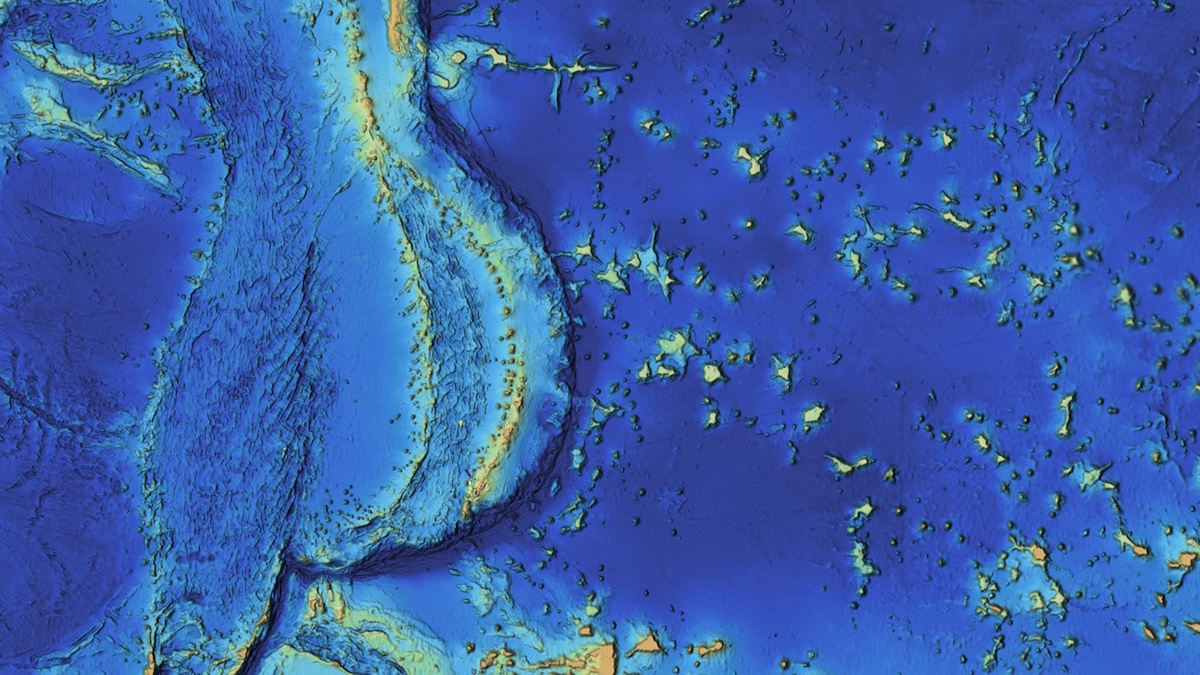
Mapping the Mariana Islands: Saildrone Partners with Woolpert to Survey Critical Maritime Region for NOAA
The Mariana Trench, home to Challenger Deep, the deepest point in the world's oceans at 10,935 meters (35,876 feet), remains one of the least explored and most geologically significant areas on Earth. This underwater marvel, located in the western Pacific Ocean, continues to intrigue scientists and researchers due to its profound depths and unique geological features. Efforts to map and study this region are crucial for understanding oceanic processes and biodiversity, as well as the effects of climate change on deep-sea ecosystems. As exploration technologies advance, researchers aim to uncover the mysteries of the trench and its surrounding islands, shedding light on the fundamental workings of our planet’s oceans.
mapping mariana islands saildrone woolpert survey noaa
Cranfield Aerospace Solutions (CAeS) unveils ST-5 ‘Stingray’ Multi-Role Long-Endurance Drone and signs MoU with National Oceanography Centre to enter into a strategic collaboration
Cranfield Aerospace Solutions (CAeS), a pioneering aerospace company based in the UK, has entered into a Memorandum of Understanding with the National Oceanography Centre (NOC), a prominent institution in oceanographic research with over 60 years of history. This collaboration aims to leverage CAeS's innovative aerospace technologies alongside NOC's extensive expertise in oceanography to advance research and development in marine environments. The agreement was finalized recently, marking a significant step in fostering partnerships that bridge aerospace and marine science. By combining their strengths, both organizations seek to address pressing challenges related to ocean health and sustainability, demonstrating a commitment to addressing environmental issues through technological innovation.
cranfield aerospace solutions (caes) st-5 ‘stingray’ multi-role long-endurance drone mou national oceanography centre (noc)
New drone imaging system finds hidden underwater bombs with remarkable accuracy
Researchers at the University of Miami Rosenstiel School have developed an innovative airborne imaging technique that enhances the ability to monitor and study marine ecosystems. This groundbreaking method, unveiled recently, utilizes advanced aerial technology to capture high-resolution images of oceanic environments, enabling scientists to assess the health of coral reefs and other vital habitats more effectively. The technique aims to address the growing concerns over climate change and its impact on marine biodiversity. By providing detailed visual data from the sky, researchers can identify changes in ecosystems and track the effects of environmental stressors over time. This advancement is expected to play a crucial role in conservation efforts and inform policy decisions aimed at protecting marine life.
Science
New drone technology uses nature-inspired signals to predict failures before crashes
Researchers from Delft University of Technology and Wageningen University & Research have unveiled a groundbreaking method aimed at enhancing sustainable agriculture. This innovative approach, introduced on October 15, 2023, focuses on optimizing crop yields while minimizing environmental impact. The study, conducted in the Netherlands, seeks to address the pressing challenges of food security and climate change. By integrating advanced data analytics and machine learning techniques, the researchers have created a system that analyzes soil health, weather patterns, and crop performance. This method allows farmers to make informed decisions regarding planting schedules, irrigation, and fertilization, ultimately leading to more efficient resource use and reduced waste. The motivation behind this research stems from the urgent need to adapt agricultural practices to meet the demands of a growing global population while preserving natural ecosystems. The team believes that their findings could significantly contribute to the development of resilient farming systems that can withstand the effects of climate variability. As the agricultural sector faces increasing scrutiny over its environmental footprint, this innovative method represents a promising step toward achieving a balance between productivity and sustainability. The researchers are hopeful that their work will inspire further advancements in agricultural technology and practices, paving the way for a more sustainable future in food production.
Innovation
UCF-led virtual experience research accelerator achieves initial milestones for XR science
An international research consortium, spearheaded by the University of Central Florida (UCF), has unveiled two groundbreaking advancements in renewable energy technology. This announcement was made during a press conference held on October 15, 2023, at the UCF campus in Orlando. The consortium, which includes experts from various institutions across the globe, aims to address the urgent need for sustainable energy solutions in response to climate change and rising global energy demands. The first innovation involves a new type of solar panel that significantly increases energy conversion efficiency, making solar power more viable for widespread use. The second breakthrough focuses on an advanced energy storage system that allows for more efficient and reliable storage of renewable energy, addressing one of the key challenges in the transition to sustainable energy sources. These developments are expected to play a crucial role in reducing carbon emissions and promoting the use of clean energy. By leveraging cutting-edge research and collaboration among leading scientists and engineers, the consortium hopes to accelerate the adoption of renewable energy technologies worldwide. The project exemplifies a commitment to innovation and sustainability, aiming to contribute to a greener future for generations to come.
AI and Robotics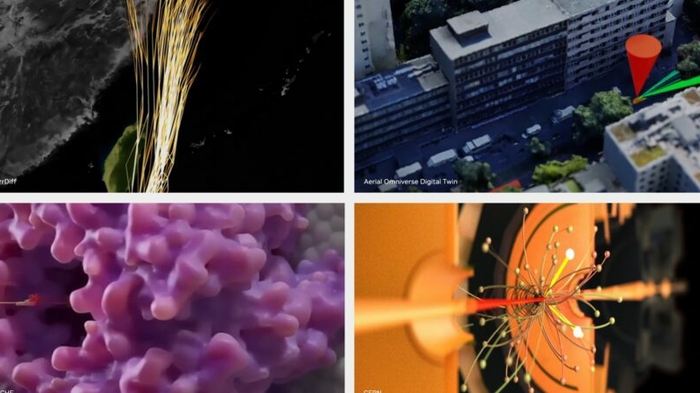
At ISC, JUPITER Shows What Exascale Science Looks Like
Europe's first exascale supercomputer, JUPITER, located at Germany's Forschungszentrum Jülich, has made significant strides over the past year. Powered by NVIDIA Grace Hopper Superchips and utilizing NVIDIA Quantum-X800 InfiniBand networking, JUPITER is positioned at the forefront of high-performance computing. This advanced system is designed to tackle complex scientific challenges and enhance research capabilities across various fields. The supercomputer's development reflects a growing commitment within the international supercomputing community to push the boundaries of technology and innovation. As it continues to operate and evolve, JUPITER aims to facilitate breakthroughs in areas such as climate modeling, artificial intelligence, and medical research, underscoring the vital role of supercomputing in addressing pressing global issues.
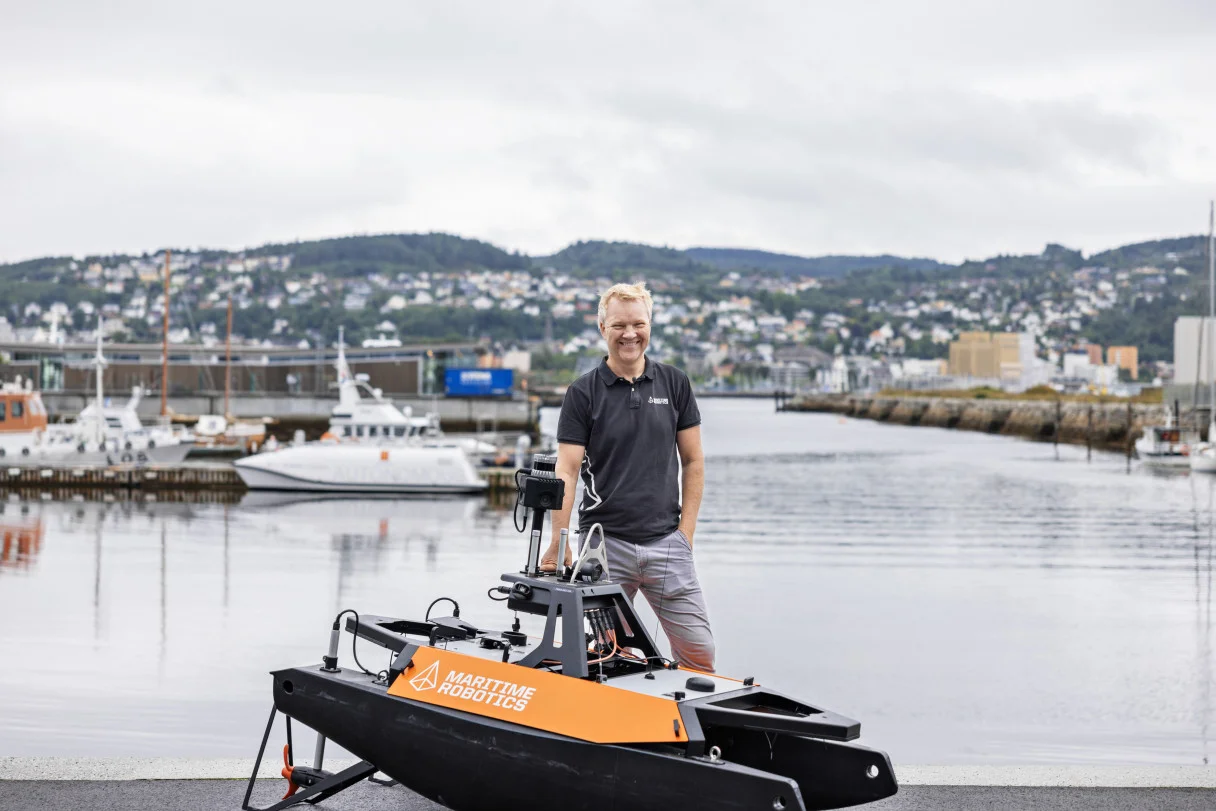
Maritime Robotics Raises €28M in Funding to Expand its Autonomous Sea Drone Systems
Norwegian company Maritime Robotics has secured €28 million in growth funding to enhance its autonomous maritime systems. The funding round, which was led by Mustard Seed + Partners, also saw contributions from existing investors including EnvisionTech, Nysnø Climate Investment, and Umoe, along with participation from the company's founders, employees, and early backers. This financial boost aims to support the company's expansion efforts in the rapidly evolving maritime technology sector.
AI AI Funding & Investment Robotics autonomous maritime systems funding maritime robotics
UCF engineers tackle water-to-air flight instability for amphibious drones
Researchers at the University of Central Florida (UCF) are developing an innovative approach to enhance the efficiency of solar energy conversion. This groundbreaking work, which began in early 2023, aims to address the growing demand for sustainable energy solutions amid rising global energy consumption and climate change concerns. The team is focusing on improving the performance of solar cells by utilizing advanced materials and techniques that could significantly increase their energy output. By integrating nanotechnology and novel chemical processes, the researchers hope to create more effective solar panels that can capture and convert sunlight into electricity with greater efficiency than current models. This initiative is part of a broader effort to make renewable energy more accessible and affordable, ultimately contributing to a reduction in reliance on fossil fuels. The findings from this research could have far-reaching implications for the renewable energy sector, potentially leading to more widespread adoption of solar technology in both residential and commercial applications. As the project progresses, the researchers plan to collaborate with industry partners to bring their innovations to market, aiming for practical applications within the next few years. This work not only highlights UCF's commitment to advancing sustainable technologies but also positions the university as a leader in the quest for cleaner energy solutions.
Innovation Science
Material Demand Shapes Robot and Drone Manufacturing
Recent research has highlighted the supply risks associated with critical materials necessary for the development of autonomous machines. Conducted by a team of experts in materials science, the study emphasizes the urgent need for sustainable solutions to ensure the continued growth of this emerging technology sector. The findings, released in October 2023, reveal that reliance on certain materials poses significant challenges, potentially hindering innovation and production. To address these concerns, the researchers propose a multifaceted approach that includes innovative techniques for material sourcing and enhanced recycling processes. By focusing on sustainability, the study aims to mitigate supply chain vulnerabilities and promote responsible consumption of resources. The implications of this research are particularly relevant for manufacturers and policymakers in the autonomous technology industry, as they seek to balance the demand for advanced materials with environmental considerations. As the industry evolves, the integration of these strategies could play a crucial role in fostering resilience and ensuring the long-term viability of autonomous machines. The research serves as a call to action for stakeholders to prioritize sustainable practices in material management, ultimately paving the way for a more secure and environmentally friendly future in technology development.
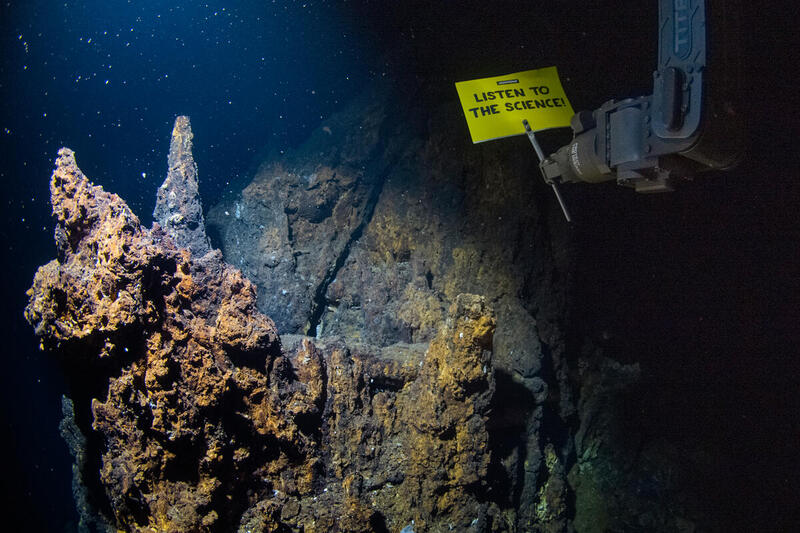
Greenpeace robot stages deepest-ever seabed protest
In a groundbreaking initiative, Greenpeace has launched an underwater robot to conduct a scientific survey of vulnerable deep-sea ecosystems along the Arctic Mid-Ocean Ridge. This event marks the deepest banner protest ever executed from the seabed, occurring at a depth of 2,300 meters. The robot displayed a powerful message urging global leaders to heed scientific advice, stating, “LISTEN TO THE SCIENCE!” The campaign aims to raise awareness about the urgent need for action to protect these unexplored marine environments. Dr. Sandra Schöttner, a key figure in the initiative, emphasized the importance of scientific research in informing policy decisions regarding environmental conservation. This innovative protest not only highlights the threats facing deep-sea ecosystems but also seeks to galvanize international attention and action on climate change and marine protection.
Environment News Arctic Ocean automation news autonomous underwater vehicles climate change
DARPA X-Plane Designed To Maneuver With Just Bursts Of Air Finally Gets Its Wings
Aurora Flight Sciences, in collaboration with the Defense Advanced Research Projects Agency (DARPA), is aiming to launch the X-65 drone in the upcoming year following previous delays and budget increases. This innovative drone is designed to maneuver using only bursts of air, showcasing advanced aerodynamics and control technology. The project reflects DARPA's commitment to pushing the boundaries of aviation technology and enhancing military capabilities. The successful flight of the X-65 could mark a significant milestone in drone development, potentially leading to new applications in both defense and civilian sectors.
Air Drones News & Features Unmanned
World’s Largest Animal Migration and Ocean Gyres Play Critical Roles in Global Carbon Cycle
Scientists have successfully concluded two significant research expeditions in the Southwest Atlantic Ocean aimed at enhancing the understanding of the biological pump, a crucial process for carbon transfer from the ocean's surface to its depths, which plays a key role in climate regulation. These cruises, conducted between January and April, were supported by the Schmidt Ocean Institute and the Schmidt Sciences’ Ocean Biogeochemistry Virtual Institute (OBVI), utilizing the research vessel Falkor (too). The expeditions sought to address critical knowledge gaps regarding how this natural mechanism functions, thereby contributing to broader efforts in climate science and oceanography.
animal migration ocean gyres global carbon cycle schmidt ocean institute schmidt sciences ocean biogeochemistry virtual institute (obvi)
Chinese startup releases solid-state lithium-metal batteries for flying cars
Chinese battery startup Inx has unveiled a groundbreaking solid-state lithium-metal battery that boasts an impressive energy density of 480 watt-hours per kilogram (Wh/kg). This innovative battery technology is being positioned for potential use in electric aircraft. Inx has also secured a supply agreement with EHang, a prominent Chinese drone manufacturer, to integrate this advanced battery into their products. The collaboration aims to enhance the performance and efficiency of electric flying vehicles, signaling a significant advancement in the aviation and drone sectors. This development comes at a time when the demand for sustainable and efficient energy solutions in transportation is rapidly increasing, driven by the need for greener alternatives in the face of climate change.
News Feed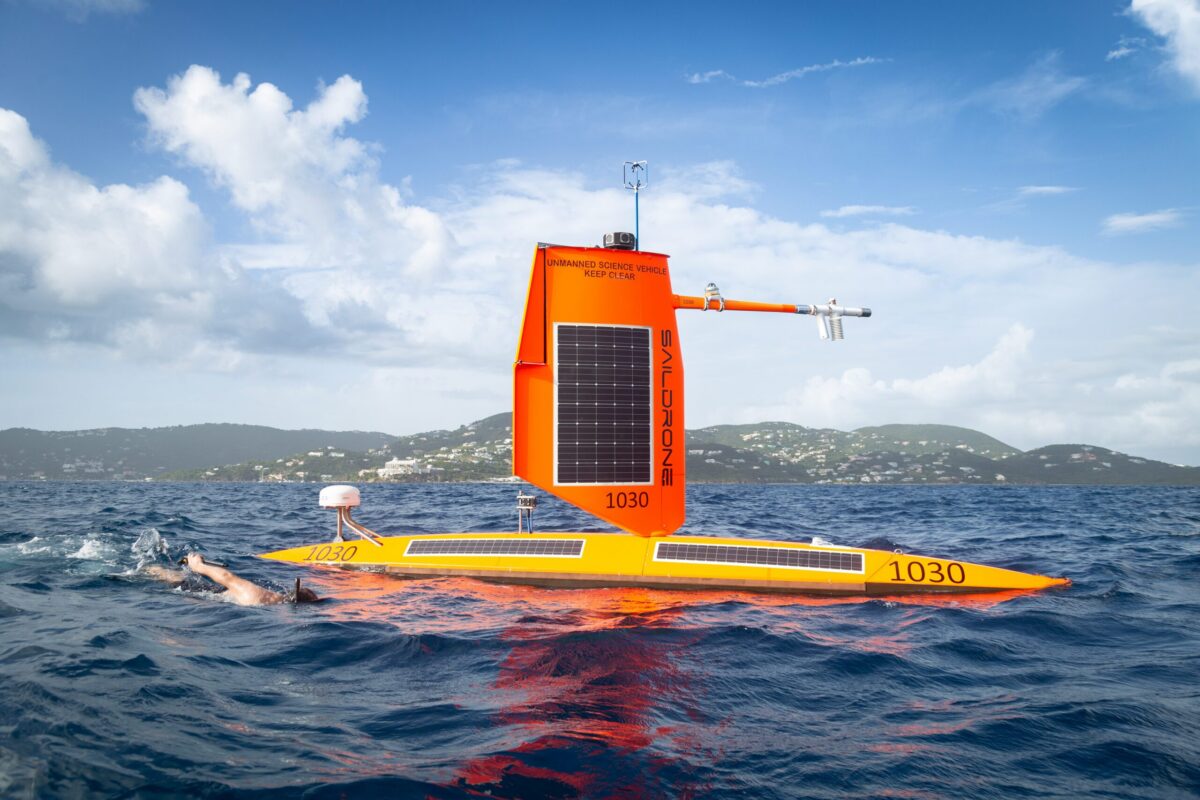
NOAA Sends Autonomous Surface Vehicles Into Hurricanes to Study Rapid Intensification
Saildrone, in collaboration with the National Oceanic and Atmospheric Administration (NOAA), has announced the deployment of 10 unmanned surface vehicles (USVs) during the 2026 hurricane season. This initiative aims to enhance hurricane forecasting and improve models for rapid intensification across the Atlantic basin. The partnership reflects a commitment to advancing storm research and understanding the dynamics of hurricanes, which is crucial for better preparedness and response strategies. By utilizing autonomous technology, the mission seeks to gather critical data that can lead to more accurate predictions and ultimately save lives during severe weather events.
Drone News Drone News Feeds News Research Weather Atlantic hurricane season
Fusion to quantum: 9 projects lined up for US’ new Discovery supercomputer
America's next major exascale supercomputer, named Discovery, is set to tackle its inaugural scientific challenges. This advanced computing system, which represents a significant leap in processing power, is designed to handle complex simulations and data analysis that were previously unattainable. Scheduled to begin operations in the coming months, Discovery will be located at Oak Ridge National Laboratory in Tennessee. The motivation behind developing such a powerful supercomputer stems from the need for enhanced computational capabilities to address pressing scientific questions and accelerate research across various fields, including climate modeling, drug discovery, and materials science. By leveraging its unprecedented speed and efficiency, researchers aim to gain deeper insights and make breakthroughs that could have far-reaching implications for both science and society. The operationalization of Discovery involves collaboration among leading scientists and engineers who will utilize its capabilities to run extensive simulations and analyze large datasets. This initiative not only underscores America's commitment to maintaining leadership in high-performance computing but also highlights the growing importance of advanced technology in solving some of the world's most complex challenges.
AI and Robotics
Doosan, LG CNS link up for data centers, robotics and AI
Doosan Corp. has announced a strategic partnership with LG CNS aimed at enhancing global competitiveness in key technology sectors, including data centers, hydrogen drone logistics, and artificial intelligence. The memorandum of understanding was signed by Doosan Corp. President Yoo Seung-woo and LG CNS President Hyun Shin-gyoon during a ceremony at LG Science Park in western Seoul on Thursday. This collaboration will focus on developing data center and cloud services, positioning both companies to leverage their strengths in these rapidly evolving industries. The partnership reflects a commitment to innovation and technological advancement in response to the growing demand for efficient and sustainable solutions in the digital landscape.
All News
New membranes strip 99.8% of heavy hydrocarbons from crude oil to save refining energy
Researchers have developed a groundbreaking class of ultrathin polymer membranes known as Polymers of Locked Intrinsic Microporosity (PLIMs). This innovative material, which emerged from a collaborative effort among scientists, aims to enhance gas separation processes. The announcement was made during a recent conference held in October 2023, where experts gathered to discuss advancements in materials science. The motivation behind creating PLIMs stems from the increasing demand for efficient and sustainable methods in gas separation, which is crucial for various industries, including energy and environmental sectors. The unique structure of these membranes allows for superior performance compared to traditional materials, potentially leading to significant reductions in energy consumption and operational costs. The development process involved extensive research and experimentation to optimize the polymer's properties, resulting in membranes that are not only ultrathin but also exhibit remarkable selectivity for specific gases. This advancement could revolutionize applications such as carbon capture and hydrogen purification, addressing pressing global challenges related to climate change and resource management. As the scientific community continues to explore the potential of PLIMs, the implications for industrial applications and environmental sustainability are becoming increasingly clear, paving the way for a new era in membrane technology.
Innovation
MFE Offshore Partners with Hydromea to Bring Advanced Underwater ROV Technology to Offshore Operators
MFE Offshore has entered into a partnership with Hydromea, establishing itself as the official distributor of the latter's underwater robotics solutions tailored for offshore and maritime applications. This collaboration will enable MFE Offshore to provide Hydromea's cutting-edge underwater inspection technologies to a diverse range of sectors, including offshore oil and gas, offshore wind, marine infrastructure, climate science, and various subsea industries. The partnership aims to enhance operational efficiency and safety in these critical areas, leveraging advanced robotics to meet the growing demands of underwater inspections.
mfe offshore hydromea rov offshore operators exray rov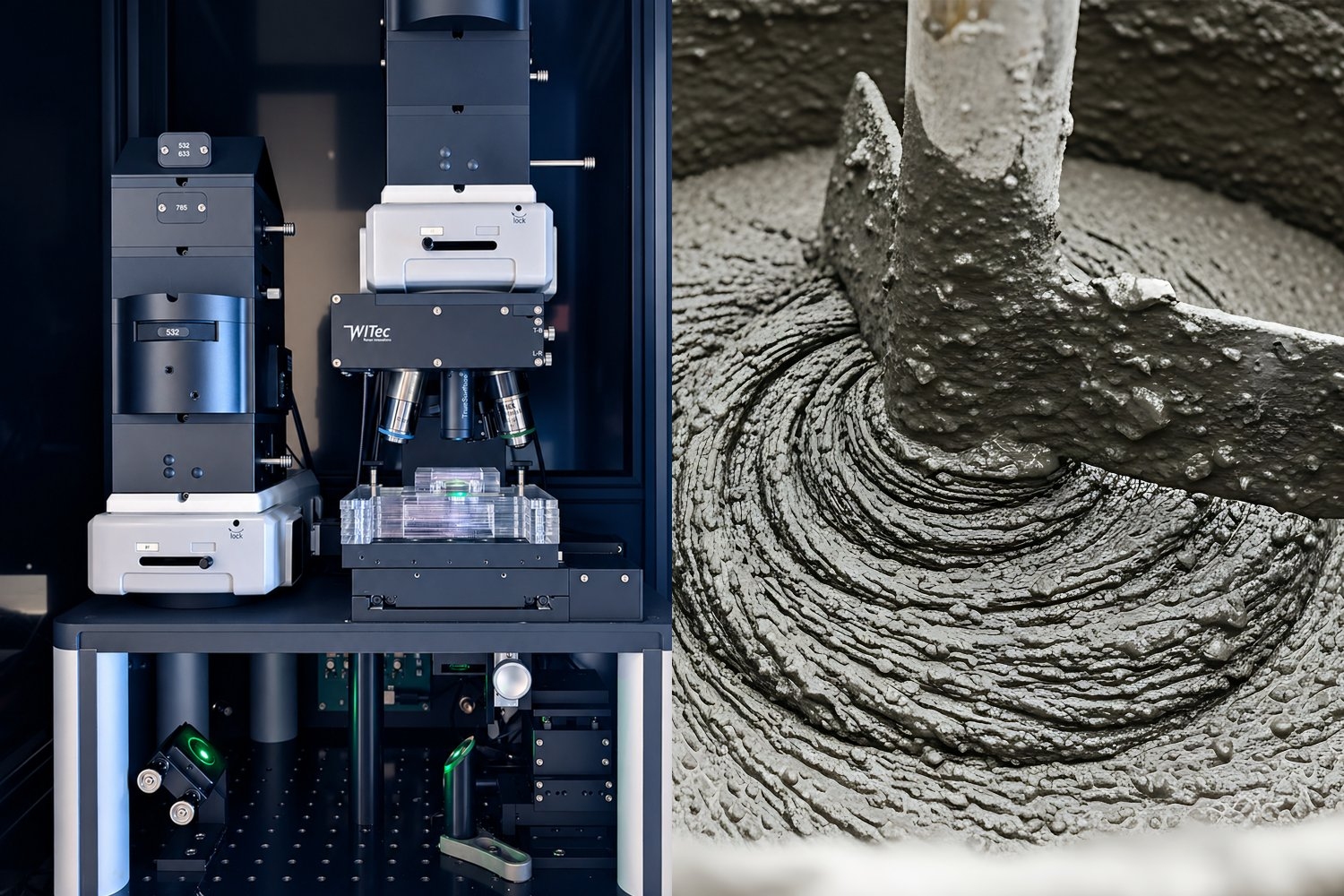
A shot of carbon dioxide rewires how cement sets
Recent research has unveiled the chemical sequence initiated by the injection of carbon dioxide (CO₂) into cement paste, marking a significant advancement in materials science. Conducted by a team of scientists, this study successfully captured a transient intermediate reaction for the first time through the application of real-time Raman spectroscopy. The findings, published in a leading scientific journal, aim to enhance the understanding of cement chemistry and its potential for carbon capture, which is increasingly important in the context of climate change and sustainable construction practices. By elucidating the mechanisms at play during CO₂ injection, the researchers hope to pave the way for more effective strategies in reducing greenhouse gas emissions associated with cement production.
Research Concrete Carbon dioxide Civil and environmental engineering Concrete Sustainability Hub School of Engineering
Translational bottlenecks for biohybrid microrobots
In a groundbreaking study published in the June 2026 issue of Science Robotics, researchers from leading universities have unveiled a new robotic system designed to assist in disaster relief efforts. This innovative technology aims to enhance the efficiency and effectiveness of rescue operations in the aftermath of natural disasters. The research team, comprised of experts in robotics and emergency management, conducted extensive field tests to evaluate the robot's capabilities in various simulated disaster scenarios. These tests demonstrated the robot's ability to navigate challenging terrains, locate survivors, and deliver essential supplies, significantly improving response times compared to traditional methods. The motivation behind this development stems from the increasing frequency and severity of natural disasters worldwide, which necessitates advanced solutions to aid first responders. By integrating artificial intelligence and machine learning, the robotic system can adapt to dynamic environments and make real-time decisions, thereby optimizing rescue strategies. The study's findings highlight the potential for robotics to transform disaster response, offering a promising tool for humanitarian efforts. As the world faces escalating climate-related challenges, this innovative approach could play a crucial role in saving lives and mitigating the impact of future disasters.
Focus
A Depth Control Method for Full Ocean Depth AUV
A recent study published in the Journal of Field Robotics highlights advancements in autonomous robotic systems designed for agricultural applications. Researchers from various institutions conducted the study to address the growing need for efficient farming solutions amid increasing global food demands. The findings, released in early October 2023, showcase innovative technologies that enhance crop monitoring and management through the use of drones and ground-based robots. The research, conducted in diverse agricultural settings, demonstrates how these autonomous systems can optimize resource usage, reduce labor costs, and improve yield quality. By integrating artificial intelligence and machine learning, the robots are capable of analyzing vast amounts of data in real-time, allowing farmers to make informed decisions quickly. This initiative is particularly significant as it responds to the challenges posed by climate change and labor shortages in the agricultural sector. The study emphasizes the potential of robotics to transform traditional farming practices, making them more sustainable and efficient. As the global population continues to rise, the implementation of such technologies could play a crucial role in ensuring food security for the future.
RESEARCH ARTICLE
Shape-morphing metamaterials with continuous relearning
In a groundbreaking study published in the May 2026 issue of Science Robotics, researchers from a leading robotics institute have unveiled a new autonomous robotic system designed to assist in disaster response efforts. The innovative technology aims to enhance the efficiency and effectiveness of rescue operations in the aftermath of natural disasters, such as earthquakes and floods. The research team, comprised of experts in robotics and emergency management, conducted extensive field tests in various simulated disaster scenarios to evaluate the robot's capabilities. These tests demonstrated the system's ability to navigate challenging terrains, locate survivors, and deliver essential supplies, significantly reducing response times. The motivation behind this development stems from the increasing frequency and severity of natural disasters worldwide, which necessitate improved response strategies. By integrating advanced artificial intelligence and machine learning algorithms, the robotic system can adapt to dynamic environments and make real-time decisions, ultimately saving lives. The study highlights the potential for collaboration between technology and emergency services, showcasing how robotics can play a crucial role in humanitarian efforts. As the world grapples with the impacts of climate change, this innovation represents a significant step forward in preparing for and responding to future crises.
Editors' Choice
Cornell’s insect-inspired 3D model could allow flapping-wing robots to fly stably
Researchers at Cornell University have unveiled a groundbreaking 3D computational model designed to decode complex physical phenomena. This innovative model, which was developed over the past year, aims to enhance our understanding of various scientific processes by simulating intricate interactions within physical systems. The research team, led by a group of physicists and engineers, conducted extensive experiments and simulations to refine the model's accuracy and applicability. The development of this model is particularly significant as it addresses longstanding challenges in the field of physics, providing a tool that can potentially revolutionize how scientists approach problem-solving in areas such as material science, fluid dynamics, and even climate modeling. By leveraging advanced algorithms and high-performance computing, the researchers were able to create a more precise representation of physical interactions, which could lead to new discoveries and innovations. This work not only showcases the capabilities of modern computational techniques but also underscores the importance of interdisciplinary collaboration in advancing scientific knowledge. The findings of this research are expected to be published in a leading scientific journal, contributing to ongoing discussions and developments in the field.

Quantum AI just got shockingly good at predicting chaos
A team of researchers has demonstrated that integrating quantum computing with artificial intelligence significantly enhances the prediction capabilities of complex and chaotic systems. By utilizing quantum computers to uncover hidden patterns within data, the AI systems exhibit improved accuracy and stability over time. This innovative approach not only surpasses traditional models but also operates with considerably reduced memory requirements. The findings, which could revolutionize various sectors including climate science, energy, and medicine, highlight the potential of this technology to address intricate challenges in these critical fields.
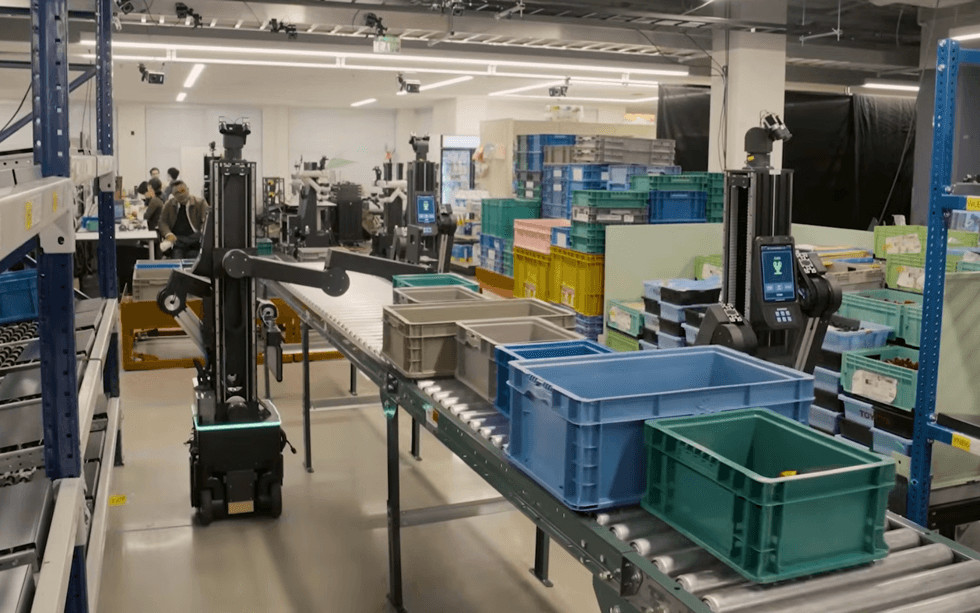
Video Friday: Autonomous Robots Learn By Doing in This Factory
In a recent edition of Video Friday, IEEE Spectrum robotics showcased a variety of innovative robotics projects and developments. Notably, scientists at the Toyota Research Institute are collaborating with Toyota Manufacturing to implement autonomous robots on factory floors, enhancing production efficiency. Zipline shared insights into their drone delivery system, detailing the challenges faced and lessons learned in its development. Humanoid introduced KinetIQ, an AI framework designed for the orchestration of humanoid robot fleets, which integrates task allocation and execution through advanced cognitive layers. Meanwhile, researchers at VISTEC unveiled a decentralized adaptive resilient neural control system (DARCON) that enables legged robots to autonomously adapt to limb loss, ensuring mission success despite mechanical failures. NASA's Jet Propulsion Lab presented an animation of the Perseverance rover's drive along the Jezero Crater, captured on December 10, 2025, showcasing the rover's navigation capabilities. Additionally, Unitree's humanoid robot G1 made its mark on the snowfields of Altay, demonstrating its adaptability in extreme conditions. The Norwegian University of Science & Technology introduced a hierarchical 3D scene graph to enhance autonomous agents' understanding of their environments. Other highlights included the HoLoArm quadrotor, which features compliant arms for improved stability, and SkyDreamer, a pioneering vision-based autonomous-drone racing policy. The event also featured demonstrations of dexterous object manipulation by the AI Worker robot and advancements in swarm robotics for architectural applications.
Video-friday Autonomous-robots Humanoid-robots Industrial-robots Robot-ai Perseverance-rover
NVIDIA Launches Earth-2 Family of Open Models — the World’s First Fully Open, Accelerated Set of Models and Tools for AI Weather
At the American Meteorological Society’s Annual Meeting, NVIDIA introduced its groundbreaking Earth-2 family, a suite of open models, libraries, and frameworks designed for weather and climate artificial intelligence. This initiative marks a significant advancement in the field, as it presents the world’s first fully open, production-ready weather AI solutions. The unveiling took place during the annual event, which gathers experts and stakeholders in meteorology to discuss advancements and innovations. NVIDIA aims to enhance the accuracy and accessibility of weather forecasting and climate modeling through this initiative, responding to the growing demand for reliable climate data amid increasing environmental challenges. By providing these resources openly, NVIDIA seeks to foster collaboration and innovation within the scientific community, enabling researchers and developers to build upon their work and improve predictive capabilities in weather and climate science.

This AI finds simple rules where humans see only chaos
Researchers at Duke University have developed a groundbreaking artificial intelligence system capable of distilling complex systems into simple, readable rules. This innovative AI analyzes the evolution of various systems over time, effectively condensing thousands of variables into concise equations that accurately reflect real-world behavior. The technology has broad applications across multiple fields, including physics, engineering, climate science, and biology. By providing a clearer understanding of systems where traditional equations are either absent or overly complicated, this new method aims to enhance scientific comprehension and facilitate advancements in these disciplines.
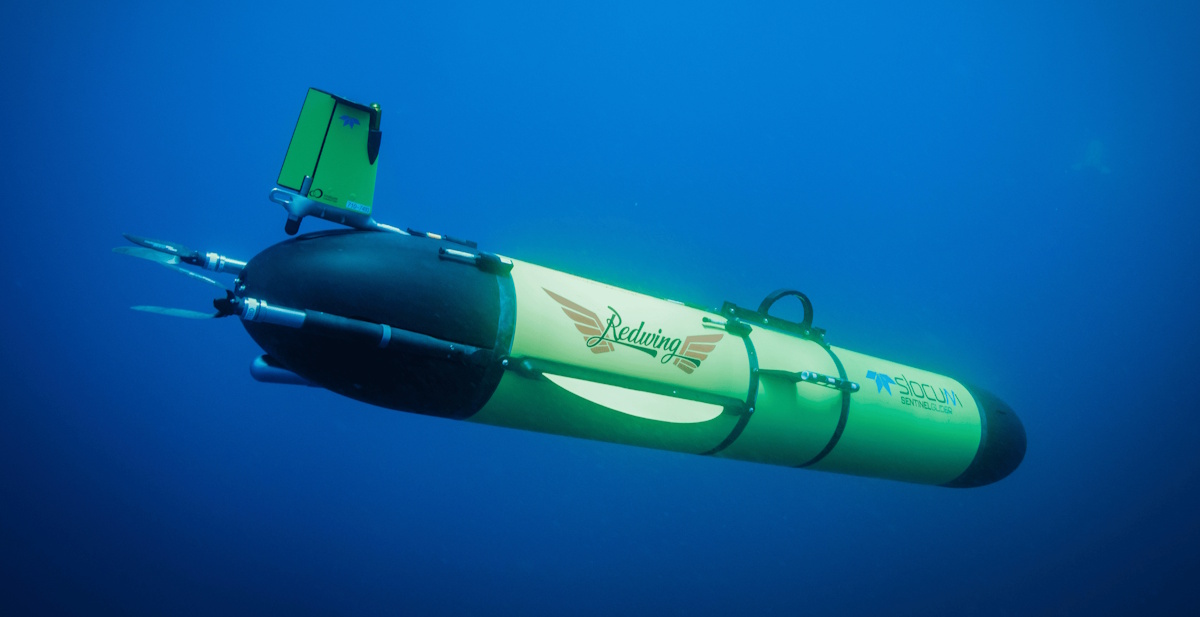
World-first: Underwater Autonomous Glider to Circumnavigate the Globe
Teledyne Marine, in partnership with Rutgers University-New Brunswick, is set to embark on a groundbreaking mission to circumnavigate the globe using an autonomous underwater glider. This innovative project marks a significant milestone in marine science and technology, showcasing the capabilities of autonomous systems in ocean exploration. The mission is scheduled to commence in the coming months, with the glider expected to gather valuable data on oceanic conditions and marine ecosystems throughout its journey. The collaboration aims to enhance our understanding of the world's oceans and address critical environmental challenges. By leveraging advanced technology, the team hopes to provide insights that can inform conservation efforts and improve our response to climate change.
underwater autonomous glider teledyne marine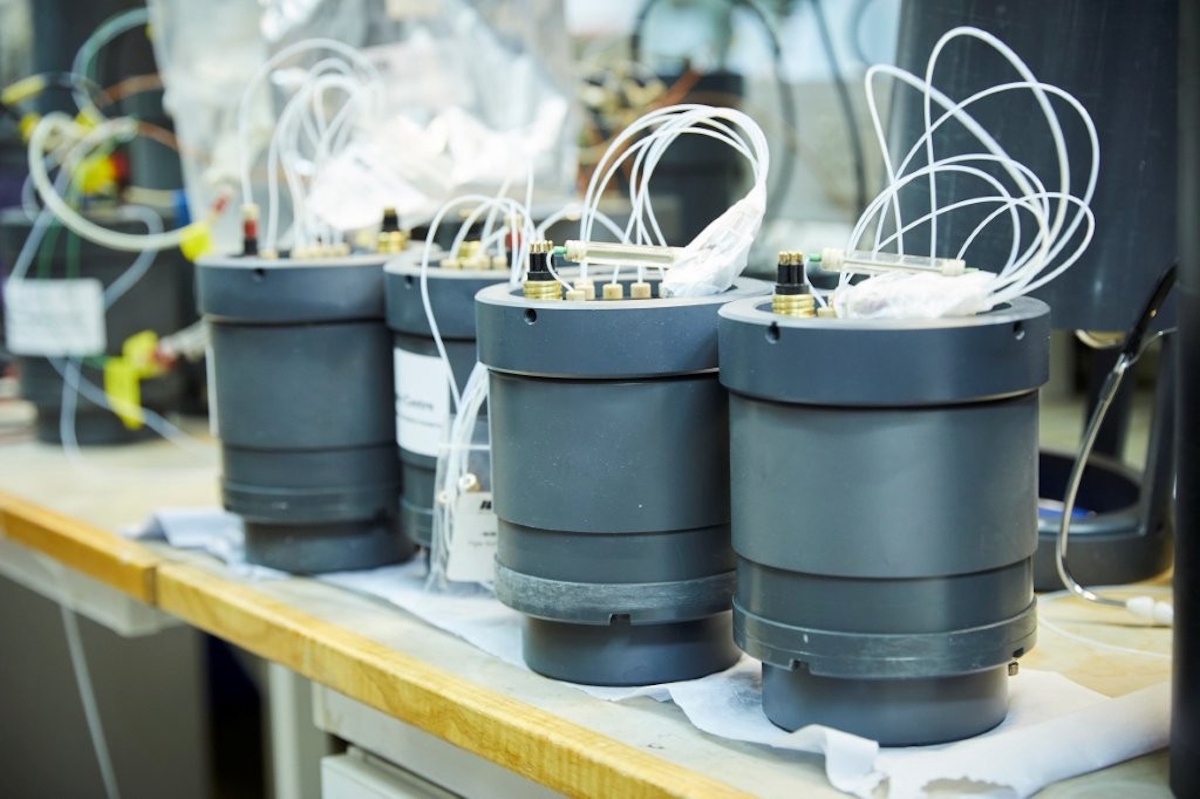
£4 m to Boost Marine Robotics Research Capabilities
The UK’s National Oceanography Centre (NOC) has secured a funding boost of £4 million aimed at enhancing its fleet of marine autonomous systems with next-generation sensing technologies. This investment, announced recently, is designed to support the advancement of sustainable ocean science, enabling researchers to gather more accurate and comprehensive data about marine environments. By integrating these advanced sensing capabilities, the NOC aims to improve its understanding of ocean dynamics and contribute to the global efforts in addressing climate change and preserving marine ecosystems. The initiative reflects a growing commitment to innovative research methods in the field of oceanography, positioning the NOC at the forefront of marine science advancements.
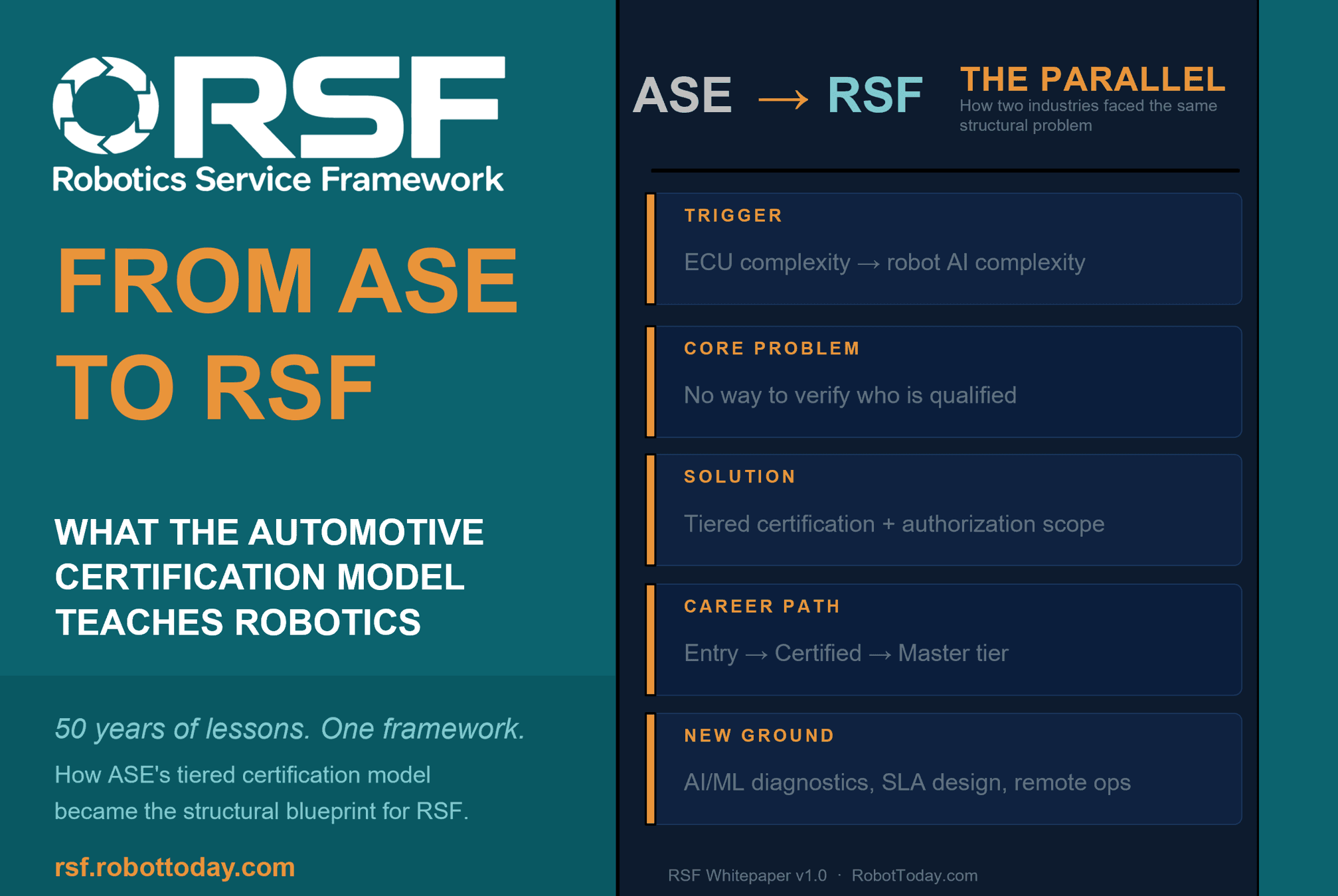
marine robotics researchRobotics needs a service framework.
RSF defines a common language for robot service capability, lifecycle operations, certification pathways, and service-provider networks.