Industry Briefing
A single destination for timely, editor-curated robotics news from around the world.
Evolving Industrial Networks to Support Modern Automation Demands
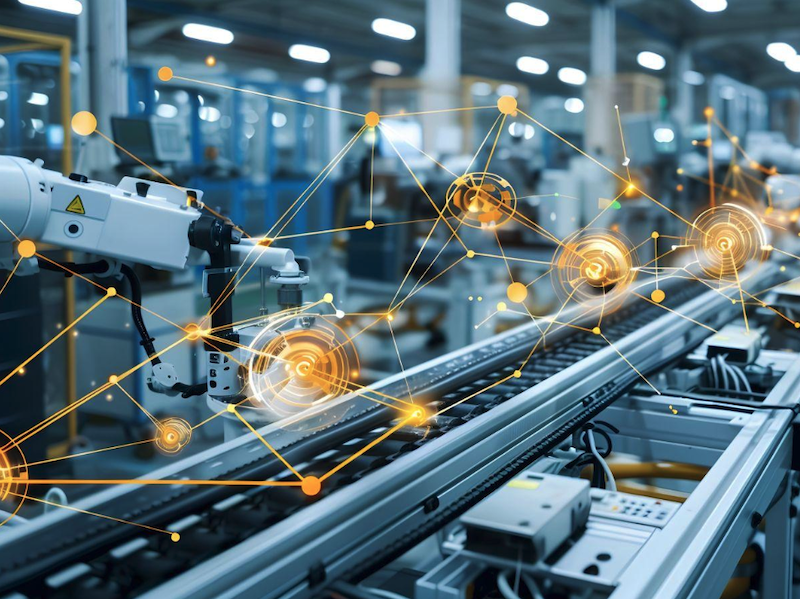
Industrial networks are undergoing significant changes as production floors integrate various technologies such as collaborative robots, machine-vision cameras, and automated guided vehicles. This shift transforms network planning into a critical operational task, as interruptions can disrupt production and hinder decision-making for robotics and automation teams. The importance of this evolution lies in the need for networks that can adapt to increasing data volumes and changing production requirements. It is essential to understand the distinct demands of different devices, such as machine-vision cameras versus temperature sensors, to ensure that latency-sensitive applications are prioritized and that the network can accommodate future growth without frequent redesigns. Looking ahead, organizations must focus on the access layer of their networks, ensuring adequate port density, fiber capacity, and redundancy. By planning with technologies like Juniper EX4400 access switching, companies can create robust networks that align with their evolving production systems and avoid bottlenecks as they expand their operations.
Automation Computing Internet access switching automation ethernet
HII Enters $900M Agreements with Path Robotics and GrayMatter Robotics for Shipbuilding Automation
Huntington Ingalls Industries (HII) has announced long-term performance-based production agreements with Path Robotics and GrayMatter Robotics, potentially worth up to $900 million over seven years. These agreements aim to enhance shipbuilding capabilities through advanced robotic technologies, including welding and sanding systems. The significance of these agreements lies in HII's commitment to invest in automation that can adapt to complex manufacturing environments. Eric Chewning, HII's executive vice president, emphasized the importance of these partnerships in redefining robotics in shipbuilding, particularly under the High-Yield Production Robotics (HYPR) program launched in April. Looking ahead, HII plans to accelerate the development and deployment of physical AI technologies across various U.S. Navy shipbuilding programs. The agreements include a two-stage approach focusing on Navy-grade development and delivery, with the goal of integrating high-precision production techniques into autonomous production lines. No further timeline was disclosed at the time of publication.
Artificial Intelligence Artificial Intelligence / Cognition Construction Defense / Security Design / Development Earnings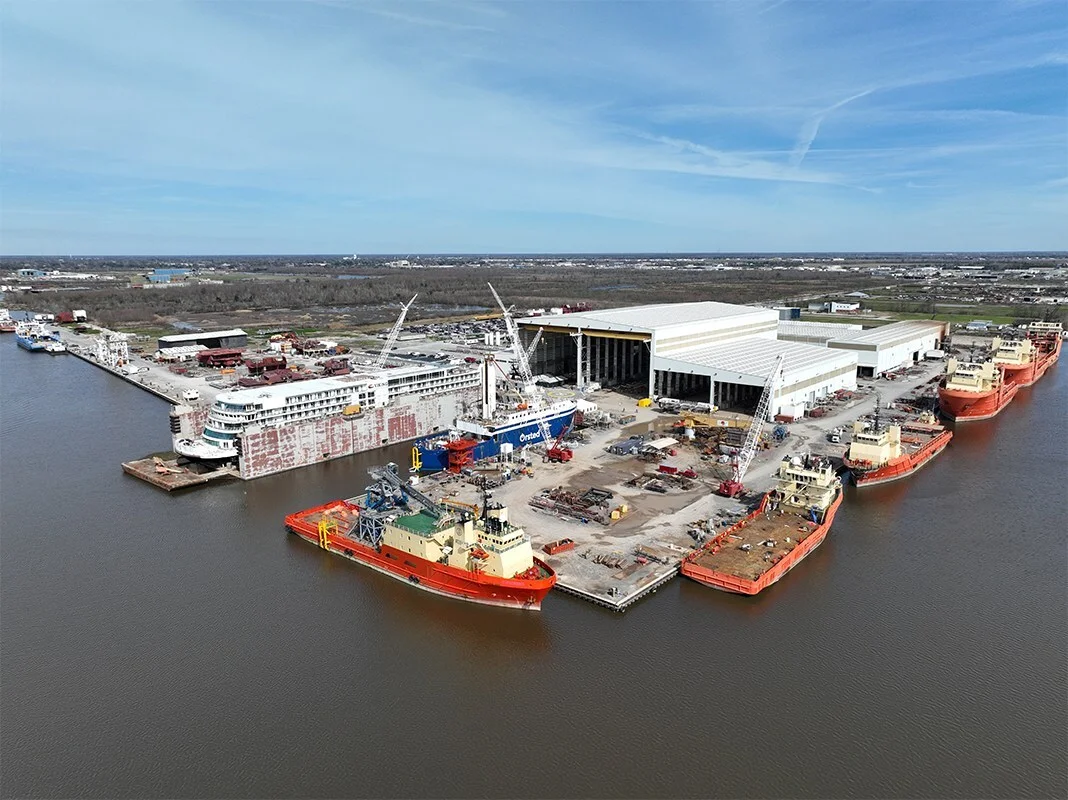
HD Hyundai Robotics Secures Order for Robotic Welding Solutions, Enters US Shipbuilding Automation Market
HD Hyundai Robotics, a subsidiary of HD Hyundai specializing in robot manufacturing and solutions, has officially entered the U.S. shipyard automation market. This strategic move is part of the company's commitment to advancing productivity within the shipbuilding industry, as outlined by the MASGA initiative. By establishing a presence in the U.S., HD Hyundai Robotics aims to expand its influence and capabilities in shipyard automation, responding to the growing demand for innovative solutions in this sector. The initiative reflects the company's broader goal of enhancing efficiency and productivity in shipbuilding through advanced robotics technology.
AI Capital Markets Robotics Chouset Group robotic welding robots
7 Key Engineering Hurdles in Building High Precision Gantry Systems for Automation
Multi-axis gantry platforms play a crucial role in enhancing automation across various industries, including semiconductor inspection, laser processing, and advanced metrology. Despite their significance, the challenges associated with achieving precision, reliability, and readiness for production are frequently overlooked. As industries increasingly rely on these platforms to improve efficiency and throughput, addressing these technical hurdles has become essential for advancing automation technologies. The ongoing development and refinement of these systems are vital for meeting the growing demands of high-tech manufacturing processes.
Robotics needs a service framework.
RSF defines a common language for robot service capability, lifecycle operations, certification pathways, and service-provider networks.
Join the RobotToday community on LinkedIn
Daily robotics news, in-depth analysis, conference highlights, and discussions with professionals worldwide.