Industry Briefing
A single destination for timely, editor-curated robotics news from around the world.

From overlap to precision: How a retrofit autosteer system changed life on the farm
Frans van den Borne, an operator at the Dutch agricultural company Van den Borne Voerman based in Hooge Mierde, made a significant investment in agricultural technology three years ago by purchasing a CHCNAV NX510 retrofit autosteer system. Van den Borne had been considering the adoption of such technology for some time but was deterred by the high costs associated with other brands, specifically Trimble. The discovery of the more affordable CHCNAV system ultimately led to his decision to enhance the efficiency of his farming operations.
Autonomous/semi-autosteering systems automated steering systems autosteer farm management fuel retrofit kits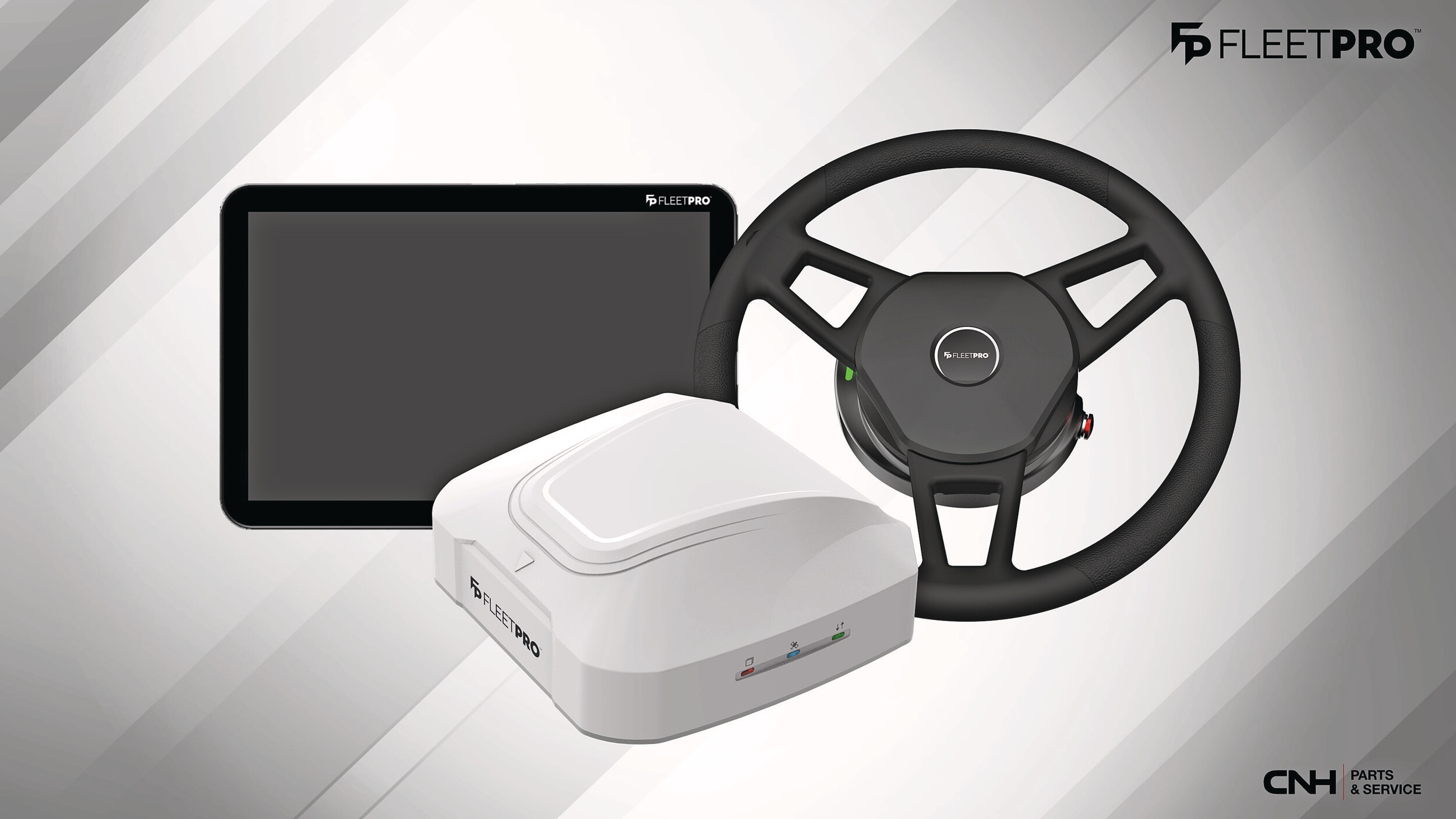
From budget to premium: New wave of low-cost autosteer expands across segments
Chinese manufacturers are making significant strides in the global retrofit autosteer systems market, with companies like ComNav, CHCNAV, and FJDynamics leading the charge. These firms are not only offering cost-effective solutions that feature high-accuracy GNSS positioning but are also enhancing their product lines with advanced, premium-level technologies. This shift is occurring as the demand for innovative agricultural solutions grows, driven by the need for increased efficiency and precision in farming practices. As these manufacturers continue to innovate and expand their offerings, they are positioning themselves as key players in a rapidly evolving industry, poised to meet the needs of modern agriculture.
Smart farming auto-steer autonomous technology guidance systems precision farming retrofit kits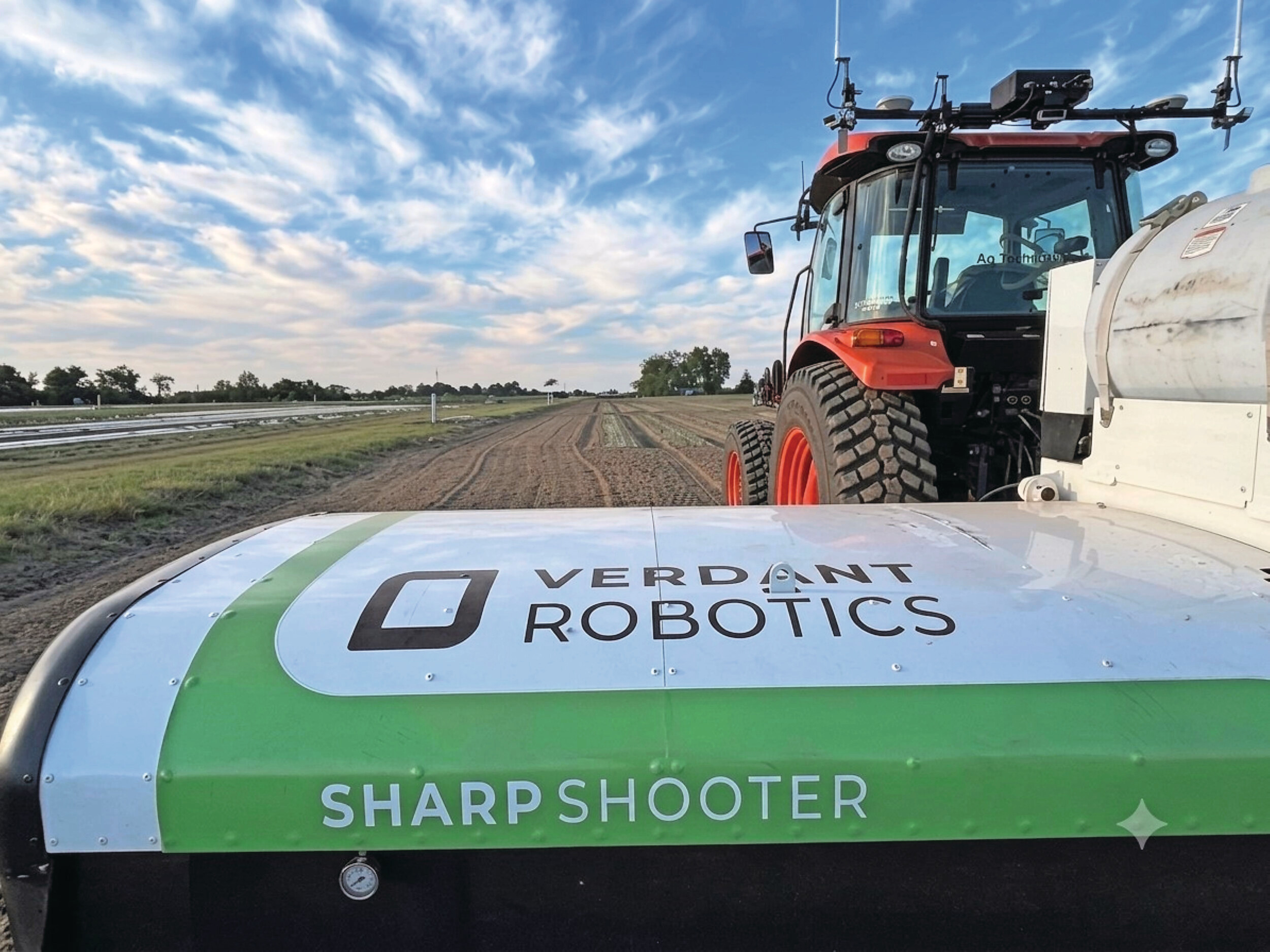
Sabanto and Verdant Robotics integrate autonomy and precision application systems
U.S. companies Sabanto Inc. and Verdant Robotics have announced a groundbreaking integration of their systems, marking a significant advancement in agricultural automation. This collaboration allows producers to automate various fieldwork tasks, including navigation and plant-level input application, without the need for an operator present in the cab. The integration aims to enhance efficiency and productivity in farming operations, responding to the growing demand for innovative agricultural solutions. By leveraging advanced technology, both companies are paving the way for a new era of autonomous farming, which could transform traditional practices and address labor shortages in the industry.
Autonomous/semi-autosteering systems autonomous farm equipment autonomous tractors crop management systems retrofit kits
Agreenculture acquires Chouette to add agronomic intelligence to autonomous machines
French autonomous-machinery specialist Agreenculture has announced its acquisition of Chouette, a company known for its AI-driven agronomic analysis tailored for viticulture. This strategic move, revealed recently, aims to integrate Agreenculture’s advanced autonomy technology with Chouette’s sophisticated crop-monitoring algorithms. The collaboration is set to enhance the development of machines capable of operating independently while also interpreting field observations. This initiative reflects a growing trend in the agricultural sector to leverage artificial intelligence for improved efficiency and precision in farming practices.
Autonomous/semi-autosteering systems agricultural robots agronomists autonomous technology crop monitoring vineyard robots
Yamaha Agriculture adds herbicide spraying to Prospr robot
Yamaha Agriculture has unveiled a new herbicide spraying attachment designed for its Prospr autonomous hybrid vehicle platform, enhancing the machine's functionality to facilitate automated weed control in orchards and vineyards. This innovation aims to improve agricultural efficiency and reduce labor costs, addressing the growing need for effective weed management in the farming sector. By integrating this attachment, farmers can leverage advanced technology to streamline their operations and promote sustainable practices in crop production. The introduction of this feature marks a significant step forward in the application of automation within agriculture, reflecting Yamaha's commitment to supporting modern farming techniques.
Autonomous/semi-autosteering systems autonomous technology herbicides hybrid drivetrains robotic harvesting weed control
Elbit Systems acquires Bluewhite: a new chapter for autonomous farming
Israeli defense and technology firm Elbit Systems has finalized its acquisition of Blue White Robotics, commonly referred to as Bluewhite, through its subsidiary FUSE. This strategic move, completed recently, positions Elbit to enhance its capabilities in the rapidly growing field of autonomous vehicle technology, particularly for agricultural applications. Founded in 2017 and based in Tel Aviv, Bluewhite has garnered recognition as a leading innovator in this sector, making the acquisition a significant step for Elbit in expanding its technological portfolio and market reach.
Autonomous/semi-autosteering systems autonomous technology autonomous tractors digitalization iot precision agriculture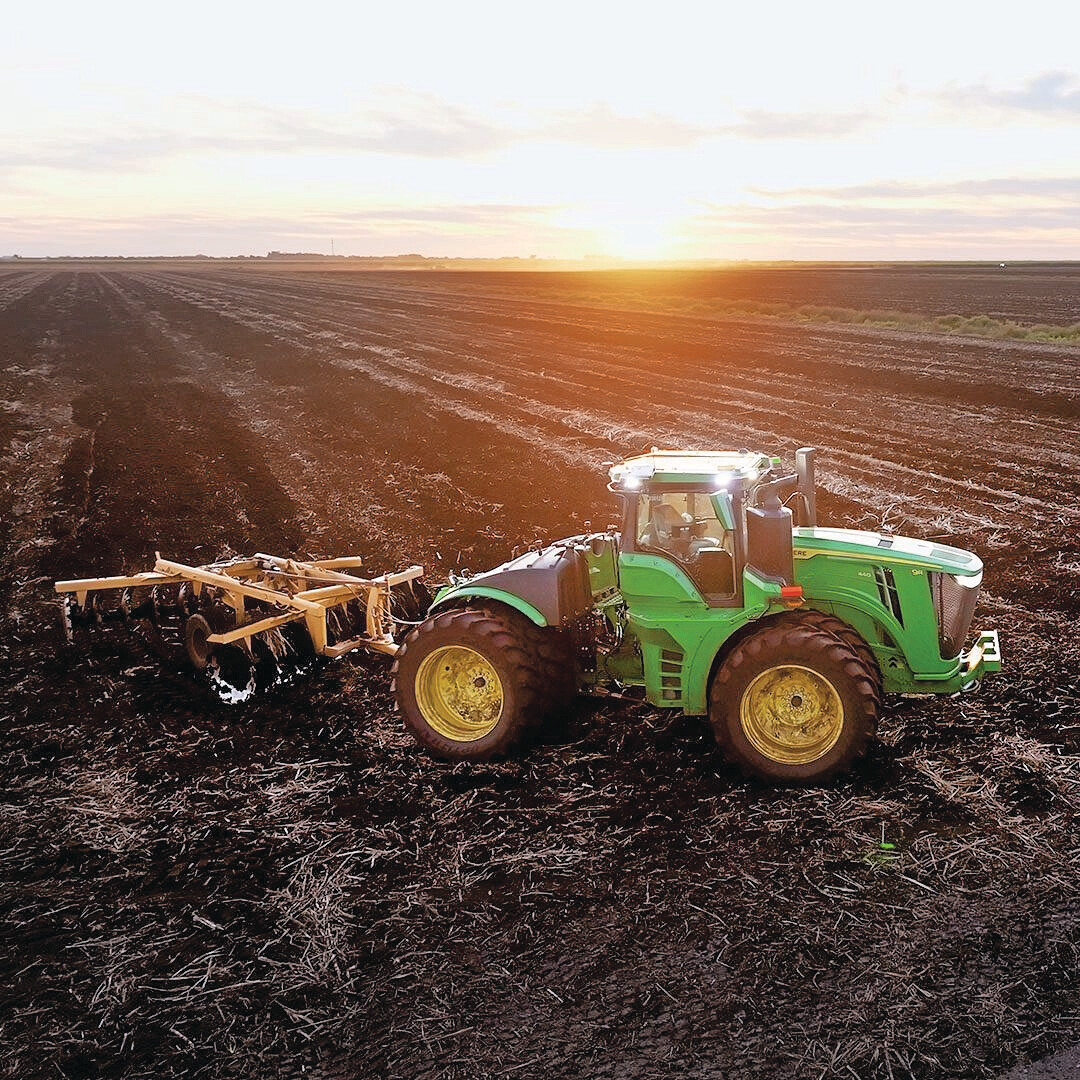
U.S. Sugar deploys autonomous John Deere tractor fleet across 255,000 acres
U.S. Sugar has initiated the largest commercial deployment of autonomous tractors in the American sugar industry, marking a significant advancement in agricultural technology. This initiative involves the use of unmanned John Deere tractors that operate continuously in the sugarcane fields of Florida. The deployment aims to enhance efficiency and productivity in sugarcane farming, reflecting the company's commitment to innovation in agriculture. By utilizing these autonomous machines, U.S. Sugar seeks to streamline operations and reduce labor costs, ultimately improving the overall sustainability of its farming practices. The move comes as the industry increasingly embraces automation to meet growing demands while addressing labor shortages.
Autonomous/semi-autosteering systems autonomous farm equipment autonomous tractors fleet management precision agriculture sugarcane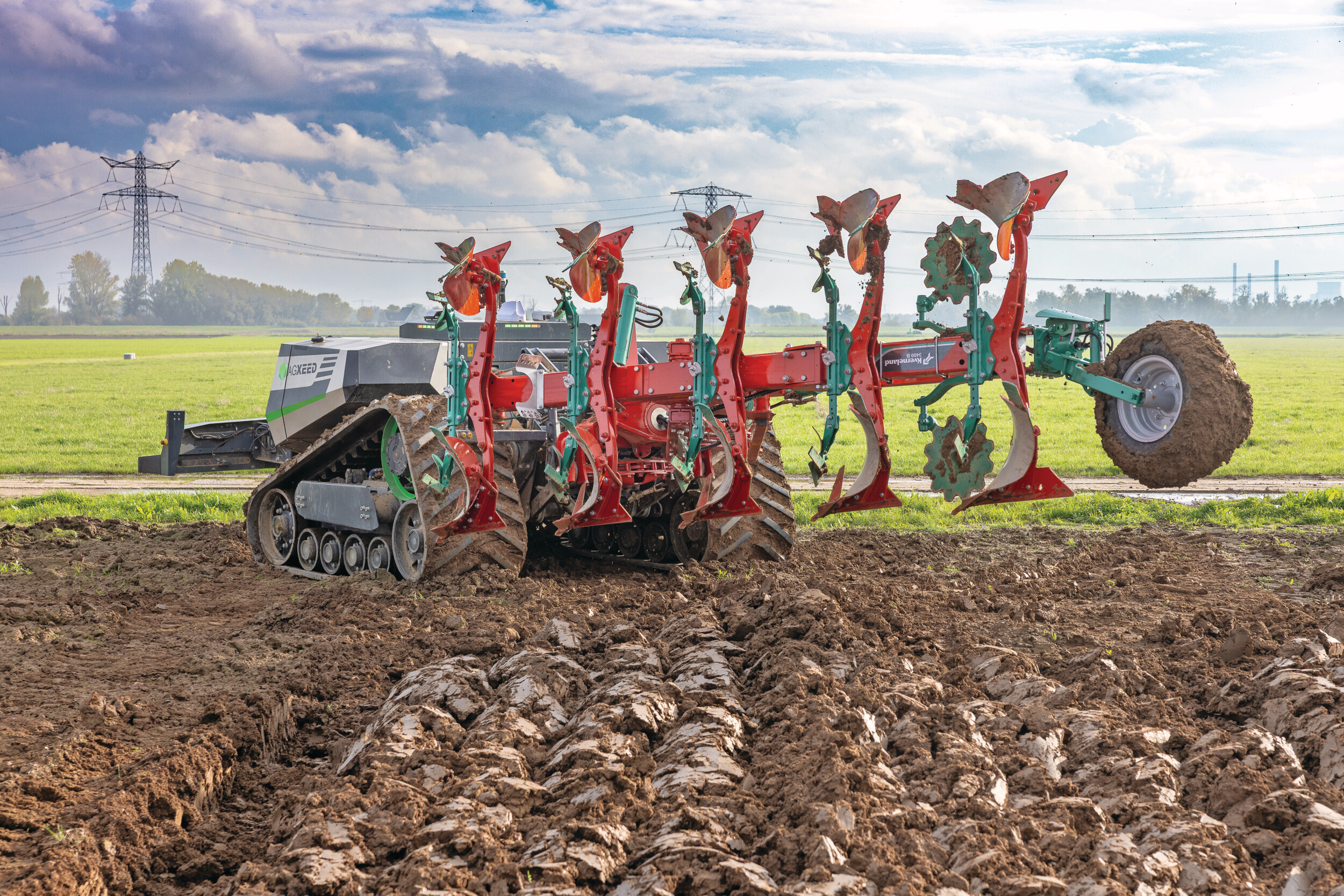
Will robots replace contractors?
As the construction industry evolves, a significant debate has emerged regarding the role of robots in the sector. Experts are exploring whether robots will ultimately replace human contractors or if contractors will begin to integrate robotic technology into their operations. This discussion is gaining traction as advancements in robotics and automation continue to reshape the landscape of construction work. With the potential for increased efficiency and reduced labor costs, many contractors are considering how to adapt to these technological changes. The conversation is particularly relevant as companies seek to enhance productivity and address labor shortages exacerbated by the ongoing challenges in the workforce. As of October 2023, the industry is at a crossroads, with various stakeholders weighing the benefits and drawbacks of robotic integration. The outcome of this debate could significantly impact the future of construction, influencing job roles and operational strategies across the sector. Whether robots will serve as replacements or partners in construction remains to be seen, but the dialogue is crucial as the industry navigates this transformative period.
Autonomous/semi-autosteering systems automation autonomous tractors farm management robotic harvestingRobotics needs a service framework.
RSF defines a common language for robot service capability, lifecycle operations, certification pathways, and service-provider networks.