Industry Briefing
A single destination for timely, editor-curated robotics news from around the world.
Oak Ridge National Lab reveals ‘hidden workforce’ behind AI-powered research facilities
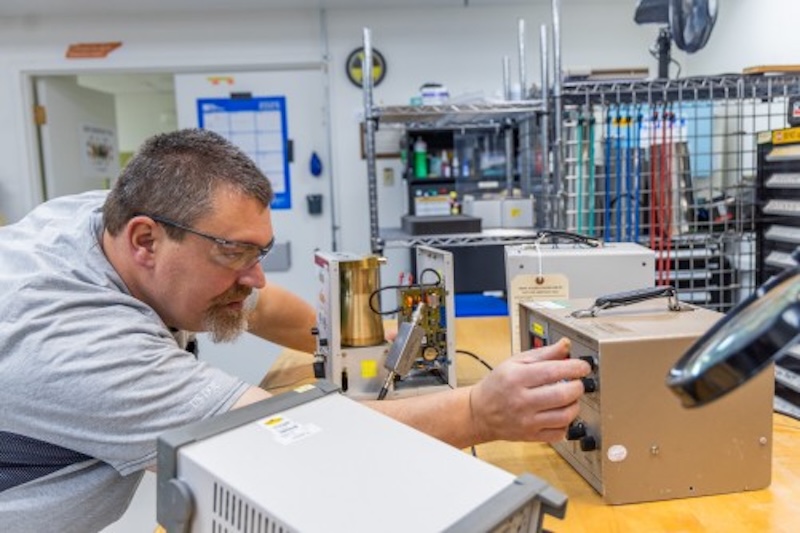
By Clint Keaton Behind every self-driving laboratory at the US Department of Energy’s Oak Ridge National Laboratory is a team most people never see. Facilities and Operations (F&O) workers are building and maintaining the infrastructure that makes autonomous science possible. Autonomous labs run with little human intervention. Instead, they rely on robotics, sensors and automation […]
Autonomous Vehicles Features Science artificial intelligence autonomous laboratories autonomous science
"Featured in Science, a New Biomimetic Approach! Soft Actuators for Minimally Invasive Autonomous Tumor Removal"
Researchers have introduced a groundbreaking biomimetic approach for minimally invasive tumor removal, as detailed in a recent publication in the journal Science. This innovative method utilizes soft actuators designed to autonomously navigate and eliminate tumors with precision. The study, conducted by a team of scientists, aims to enhance surgical techniques and reduce recovery times for patients undergoing cancer treatment. By mimicking natural movements found in certain organisms, the soft actuators can adapt to various tissue types, ensuring minimal damage to surrounding healthy cells. This advancement represents a significant step forward in the field of medical robotics and could revolutionize how tumors are treated in clinical settings. The research highlights the potential for these soft actuators to transform surgical practices, making them safer and more efficient for patients in need of tumor removal.
Robotics Automation AI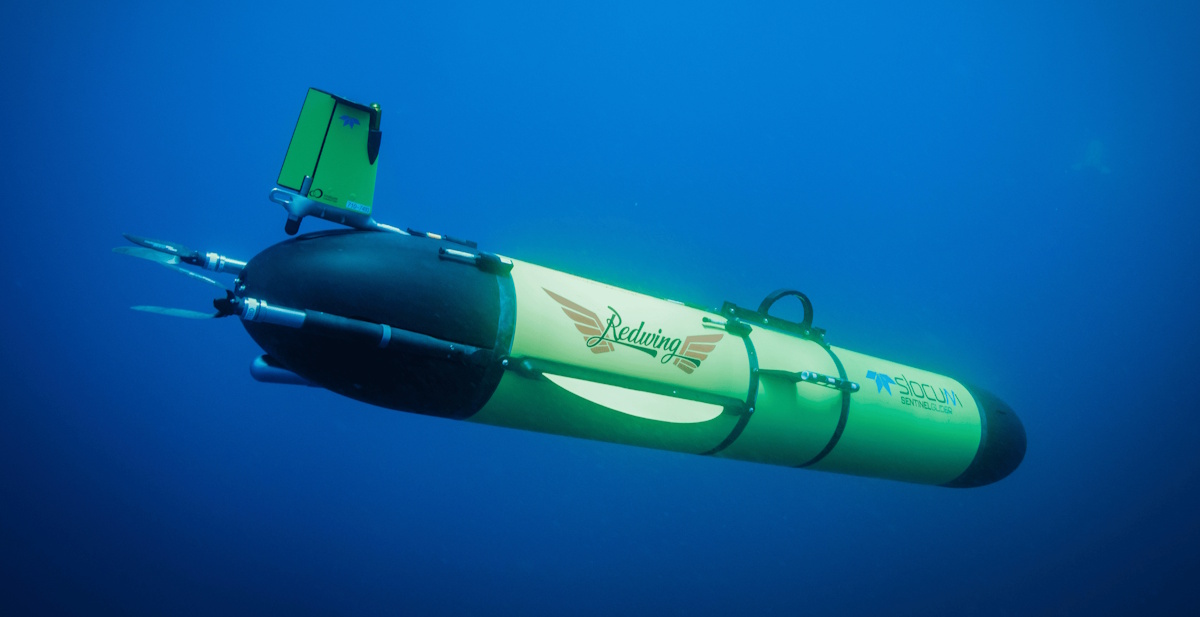
World-first: Underwater Autonomous Glider to Circumnavigate the Globe
Teledyne Marine, in partnership with Rutgers University-New Brunswick, is set to embark on a groundbreaking mission to circumnavigate the globe using an autonomous underwater glider. This innovative project marks a significant milestone in marine science and technology, showcasing the capabilities of autonomous systems in ocean exploration. The mission is scheduled to commence in the coming months, with the glider expected to gather valuable data on oceanic conditions and marine ecosystems throughout its journey. The collaboration aims to enhance our understanding of the world's oceans and address critical environmental challenges. By leveraging advanced technology, the team hopes to provide insights that can inform conservation efforts and improve our response to climate change.
underwater autonomous glider teledyne marine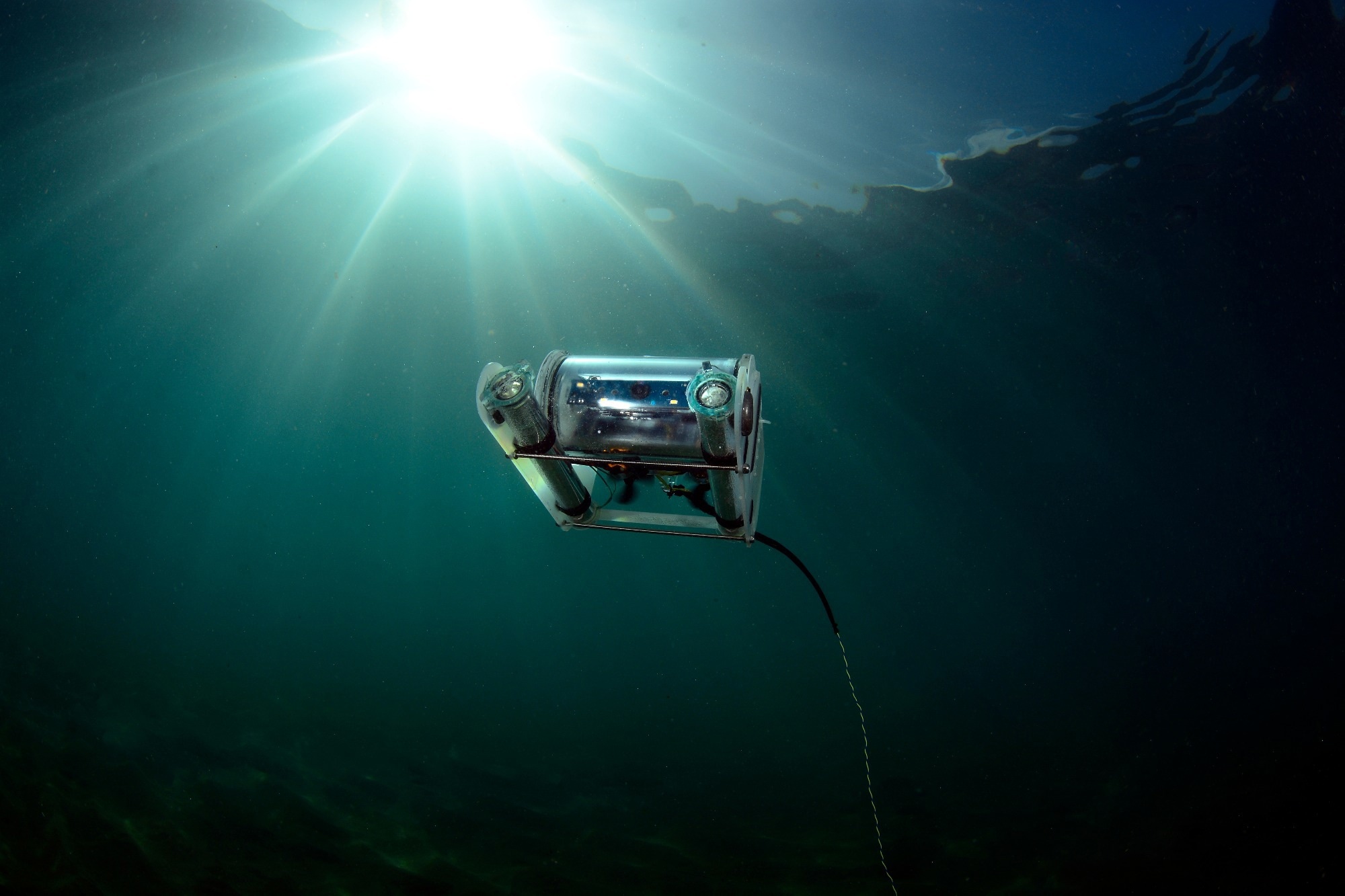
Autonomous eDNA Robot Enables Real-Time Aquatic Monitoring
A groundbreaking development in environmental monitoring has emerged with the introduction of an AI-enabled eDNA-bot, designed to autonomously collect and analyze environmental DNA. This innovative technology enhances the detection of various species and facilitates ongoing ecological surveillance. By utilizing advanced algorithms and automated processes, the eDNA-bot operates efficiently in diverse ecosystems, allowing researchers and conservationists to gather critical data without the need for constant human intervention. This advancement is particularly significant as it addresses the growing need for effective and continuous monitoring of biodiversity, which is essential for conservation efforts and understanding ecological changes. The deployment of the eDNA-bot marks a pivotal step in leveraging artificial intelligence to support environmental science, with the potential to transform how species are monitored and protected.
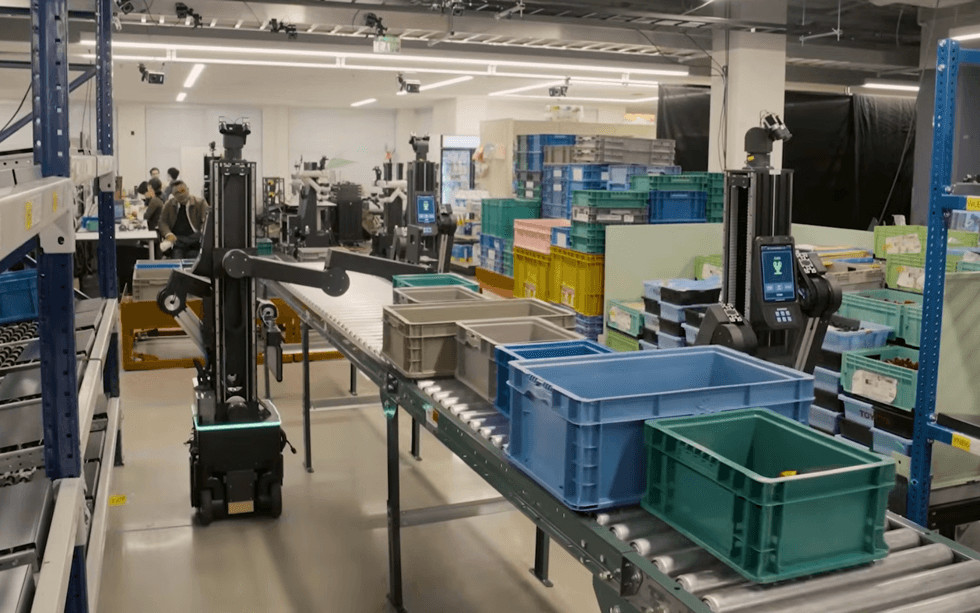
Video Friday: Autonomous Robots Learn By Doing in This Factory
In a recent edition of Video Friday, IEEE Spectrum robotics showcased a variety of innovative robotics projects and developments. Notably, scientists at the Toyota Research Institute are collaborating with Toyota Manufacturing to implement autonomous robots on factory floors, enhancing production efficiency. Zipline shared insights into their drone delivery system, detailing the challenges faced and lessons learned in its development. Humanoid introduced KinetIQ, an AI framework designed for the orchestration of humanoid robot fleets, which integrates task allocation and execution through advanced cognitive layers. Meanwhile, researchers at VISTEC unveiled a decentralized adaptive resilient neural control system (DARCON) that enables legged robots to autonomously adapt to limb loss, ensuring mission success despite mechanical failures. NASA's Jet Propulsion Lab presented an animation of the Perseverance rover's drive along the Jezero Crater, captured on December 10, 2025, showcasing the rover's navigation capabilities. Additionally, Unitree's humanoid robot G1 made its mark on the snowfields of Altay, demonstrating its adaptability in extreme conditions. The Norwegian University of Science & Technology introduced a hierarchical 3D scene graph to enhance autonomous agents' understanding of their environments. Other highlights included the HoLoArm quadrotor, which features compliant arms for improved stability, and SkyDreamer, a pioneering vision-based autonomous-drone racing policy. The event also featured demonstrations of dexterous object manipulation by the AI Worker robot and advancements in swarm robotics for architectural applications.
Video-friday Autonomous-robots Humanoid-robots Industrial-robots Robot-ai Perseverance-rover
"Connecting Cognition and Execution through Object Trajectories, RoboScience Machine Science Releases Embodied Large Model Visics"
RoboScience Machine Science has announced the release of its latest innovation, Embodied Large Model Visics, aimed at bridging the gap between cognitive processes and physical execution through the analysis of object trajectories. This development, unveiled in October 2023, seeks to enhance the understanding of how cognitive functions can inform and improve robotic movements and interactions with the environment. By integrating advanced modeling techniques with real-time data on object trajectories, the new system promises to refine robotic capabilities in various applications, from manufacturing to autonomous navigation. The initiative reflects a growing interest in the intersection of cognitive science and robotics, highlighting the potential for more intuitive and responsive robotic systems.
Robotics Automation AI
"BioGeometry" secures hundreds of millions in strategic funding to create a "microscopic world model" in life sciences.
AI-native biotechnology company BaiAo Geometry has successfully secured several hundred million yuan in strategic financing, with investments led by the Shanghai Biomedical Innovation Transformation Fund, Guoke Investment, Dacheng Wisdom, and Xinglian Capital, alongside follow-on investments from GaoRong Capital and the Index AI Industry Innovation Fund. The funds will primarily support the ongoing development of their life sciences micro-world model, GeoFlow, and the advancement of their proprietary drug pipeline. Artificial intelligence is rapidly evolving along two main trajectories: digital AI, represented by large language and multimodal models, and physical AI, exemplified by autonomous vehicles and humanoid robots. Life AI is emerging as a promising frontier, a sentiment echoed by leading global investors and scientists. BaiAo Geometry's GeoFlow model, launched in 2024, aims to understand and design molecular interactions at an atomic level, enabling the creation of novel molecules that have never existed in nature. The company has iterated GeoFlow multiple times, achieving significant advancements in protein structure prediction and de novo design capabilities. By applying Test-Time Scaling technology, BaiAo Geometry enhances the success rate of protein designs without the need for extensive retraining. This innovation allows for the rapid generation and optimization of high-affinity binding molecules, significantly reducing the time and cost associated with traditional drug discovery processes. BaiAo Geometry has established over 20 business development collaborations with domestic and international pharmaceutical companies, focusing on high-specificity antibody design and vaccine development. The company is currently working on the next iteration of GeoFlow, which aims to expand modeling from individual molecules to entire molecular systems, further revolutionizing drug development in the biotechnology sector.

RoboChem Flex: democratisation of the autonomous synthesis robot
Researchers from the University of Amsterdam’s Van ’t Hoff Institute for Molecular Sciences, led by Professor Timothy Noël, have made significant advancements in autonomous laboratory systems aimed at optimizing synthesis processes. Their findings, published in the journal Nature Synthesis, introduce RoboChem Flex, a versatile and modular system that incorporates “human-in-the-loop” analytics. This innovative design allows for enhanced flexibility and efficiency in chemical synthesis, potentially transforming how laboratories conduct research and development. The study highlights the growing importance of automation in scientific research, driven by the need for more efficient and accurate synthesis methods.
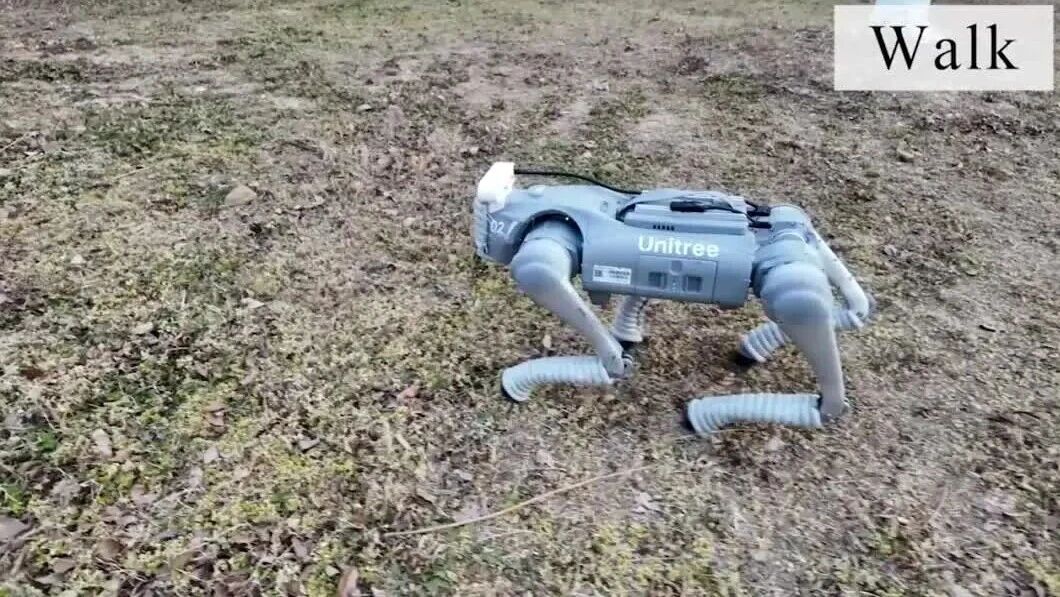
Autonomous Robot Dog Learns Agility Through Observation and Imitation
A research team at Nanjing University has unveiled an innovative robot dog capable of autonomously navigating obstacle courses by mimicking the movement patterns of real dogs. This groundbreaking development, which was announced recently, leverages a unique control system inspired by neuroscience, allowing the robot to demonstrate remarkable agility and speed without the need for human guidance. The team's work represents a significant advancement in robotics, showcasing how insights from biological movement can enhance machine performance in complex environments.
Robotics Machine Learning Autonomous Systems AI Agility Training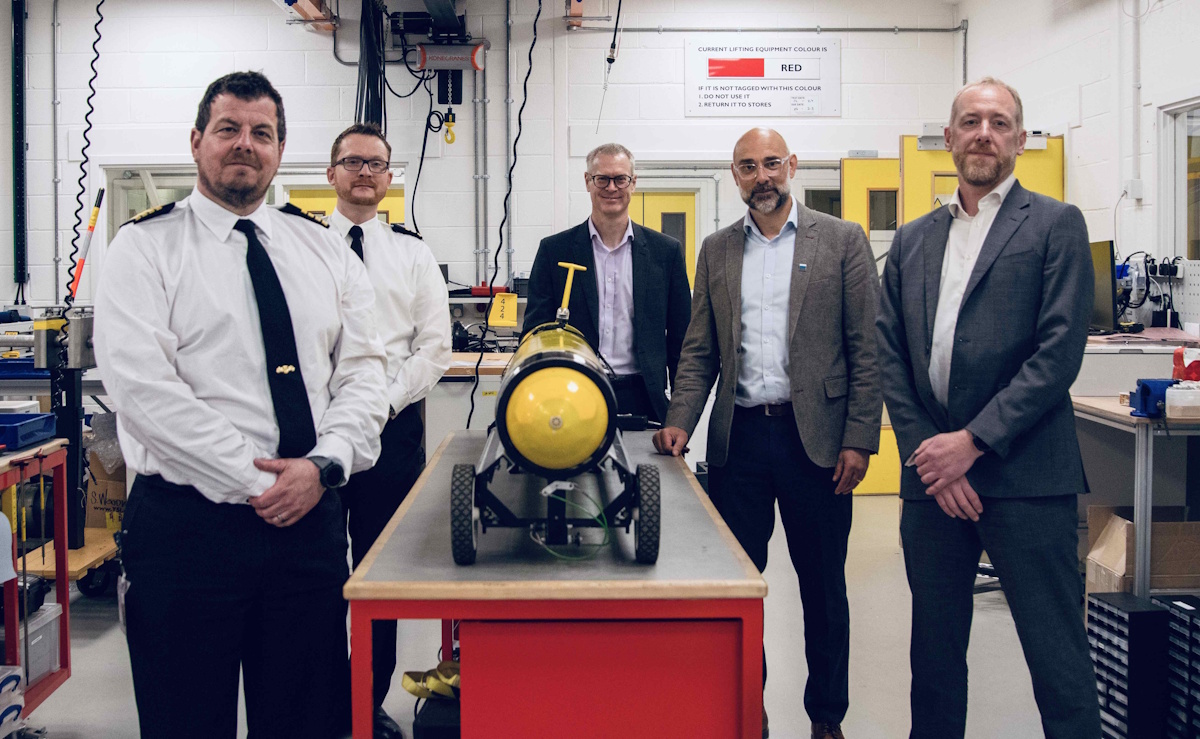
NOC and Royal Navy Renew MOU on Autonomous Maritime Capabilities
The National Oceanography Centre (NOC) in the UK has reaffirmed its commitment to marine science and technology by renewing a memorandum of understanding with the Royal Navy. This renewed agreement, which underscores a collaborative relationship that has spanned several years, aims to enhance research and innovation in oceanographic studies. The partnership is expected to facilitate the sharing of expertise and resources, ultimately contributing to advancements in understanding marine environments. The renewal of the MOU was announced recently, highlighting the ongoing dedication of both organizations to address challenges related to the oceans and maritime operations.
national oceanography centre (noc) royal navy mou autonomous maritime capabilities
From ball to rover: Transformable palm-sized rover SORA-Q for autonomous lunar exploration
In June 2026, a groundbreaking study published in Science Robotics highlights advancements in robotic technology, showcasing innovative designs and applications that could revolutionize various industries. Researchers from leading institutions collaborated to develop these robots, which are engineered to enhance efficiency and safety in sectors such as manufacturing, healthcare, and logistics. The study emphasizes the integration of artificial intelligence and machine learning, enabling robots to adapt to complex environments and perform tasks with greater precision. This research is particularly timely as industries seek to recover and innovate following disruptions caused by global events in previous years. The findings were presented at an international robotics conference held in Tokyo, where experts gathered to discuss the future of automation and its implications for the workforce. The motivation behind this research stems from the increasing demand for automation solutions that can address labor shortages and improve productivity. By employing advanced algorithms and sensor technologies, the robots demonstrated their ability to collaborate with human workers, paving the way for safer and more efficient workplace environments. This study not only marks a significant milestone in robotic development but also sets the stage for further exploration into the ethical and economic impacts of widespread robotic integration in society.
Research Article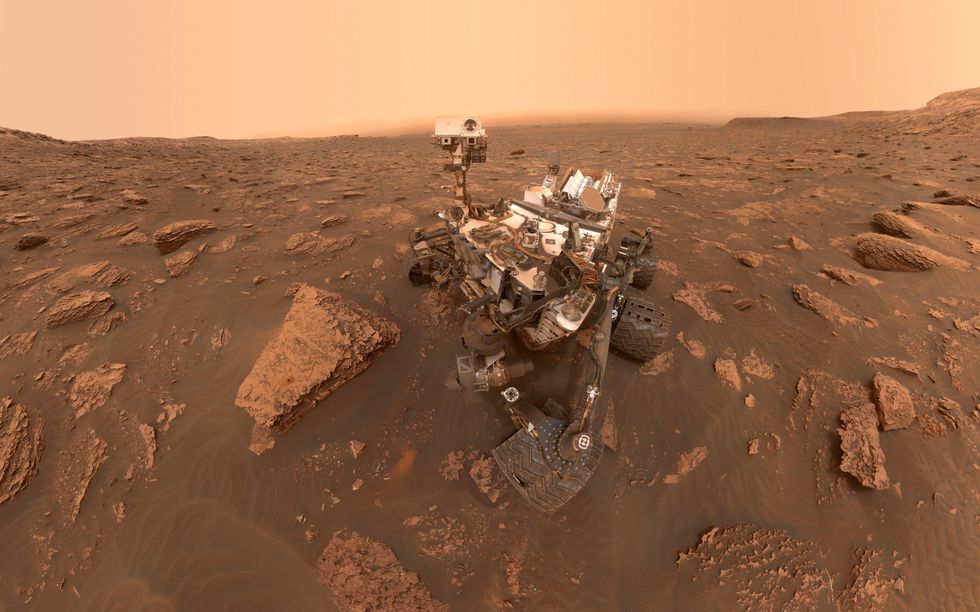
How JPL Keeps the 13-Year-Old Curiosity Rover Doing Science
The Curiosity rover, which has been exploring Mars for 13 years, continues to operate effectively despite the challenges of its hostile environment. Since its successful landing in August 2012 at the Jet Propulsion Laboratory (JPL) in Pasadena, California, Curiosity has traveled nearly 37 kilometers, drilled into 42 rocks, and captured approximately 763,000 images. JPL engineers, including assistant team chief Alexandra Holloway, have implemented ongoing software updates and innovative solutions to keep the rover functional, even as it faces wear and diminishing power. Holloway highlighted the rover's longevity, attributing it to robust engineering and continuous maintenance efforts. While Curiosity and the younger Perseverance rover share similar hardware, Perseverance features additional capabilities for autonomous navigation, reflecting their distinct mission objectives. Curiosity's operational challenges include wheel wear from sharp rocks and power consumption from its nuclear source, which decreases over time. Engineers have developed strategies to optimize power usage, such as reducing computer activation time and parallel processing tasks. Looking ahead, Holloway noted that while Curiosity's arm may eventually fail, the rover still possesses valuable remote sensing instruments that will contribute to future Mars exploration. With its power source expected to remain viable through at least 2035, Curiosity's mission continues to yield significant scientific insights, paving the way for future missions.
Curiosity-rover Mars Jpl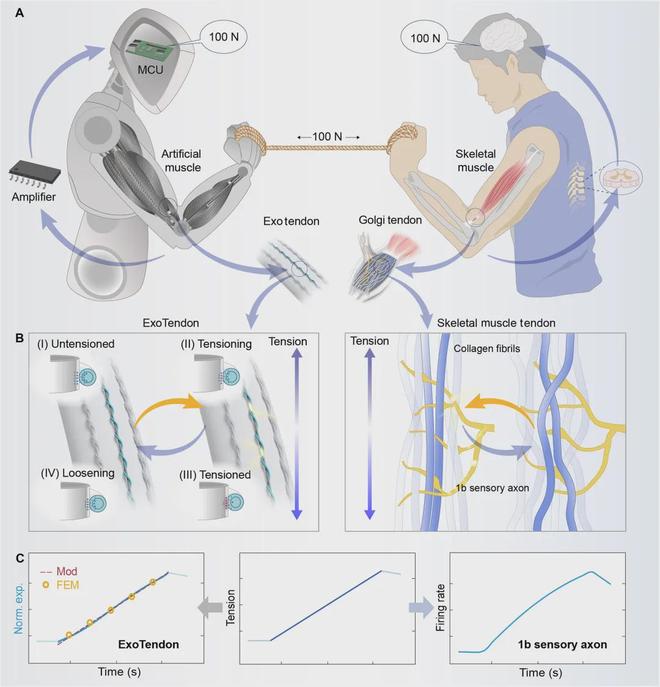
Robots' 'Muscles' Can Now Self-Regulate Force: Bionic Exoskeleton Tendon Featured in Science Advances
Researchers from various Chinese universities have unveiled ExoTendon, an innovative bionic exoskeleton tendon designed to mimic human muscle sensors. This groundbreaking development enables robotic muscles to autonomously adjust their force, which is expected to greatly improve walking balance and speed for stroke patients. The project highlights the potential for advanced rehabilitation technologies to enhance mobility and quality of life for individuals recovering from strokes. The announcement comes as part of ongoing efforts to integrate robotics and healthcare, showcasing how technology can address specific medical challenges.
Bionic Exoskeletons Artificial Muscles Rehabilitation Technology Biomedical Engineering
Autonomous seeking and mapping coral reef biodiversity hotspots with a multimodal AUV
In a groundbreaking study published in the May 2026 issue of Science Robotics, researchers have unveiled a new robotic system designed to assist in complex surgical procedures. This innovative technology, developed by a team of engineers and medical professionals, aims to enhance precision and reduce recovery times for patients undergoing surgery. The research was conducted at a leading medical institution, where the team tested the robotic system in a series of simulated surgeries. The results demonstrated significant improvements in accuracy compared to traditional surgical methods, showcasing the potential for robots to play a crucial role in the operating room. The motivation behind this development stems from the increasing demand for minimally invasive surgical techniques that can lead to quicker patient recovery and lower risk of complications. By integrating advanced robotics with surgical practices, the team hopes to address these challenges and improve overall patient outcomes. The robotic system operates through a combination of artificial intelligence and real-time data analysis, allowing it to adapt to the unique requirements of each surgical procedure. This adaptability is expected to empower surgeons, providing them with enhanced tools to perform intricate tasks with greater confidence. As the medical community continues to explore the integration of robotics in healthcare, this study represents a significant step forward in the evolution of surgical practices, potentially transforming the landscape of modern medicine.
Research Article
Can Heterogeneous Robots Share Skills? Collaborative Breakthrough by Peking University, Tsinghua University, and Others in IAIL Framework Published in Science Robotics
A collaborative research team from leading universities has introduced the IAIL framework, a groundbreaking system that allows diverse robots to autonomously comprehend and perform tasks without the need for prior programming or human input. This innovative framework emphasizes intention alignment over mere action replication, which markedly improves coordination among multiple robots. The development, announced in October 2023, aims to revolutionize the way robots interact and collaborate in various environments, paving the way for more efficient and effective robotic applications across multiple sectors.
Heterogeneous Robots Robot Collaboration AI Frameworks Robotics Research
Video: US firm showcases laminar-flow in drone flight, advances 90-year-old science
NASA has identified the mastery of laminar flow technology as a pivotal advancement in aviation, often referred to as the "holy grail" of the industry. This breakthrough aims to significantly enhance aircraft efficiency by reducing drag, thereby improving fuel economy and overall performance. Ongoing research and development efforts are focused on harnessing this technology to create smoother airflow over aircraft surfaces, which could revolutionize the design and operation of future planes. The implications of successful implementation could lead to substantial reductions in operational costs and environmental impact, making air travel more sustainable. As the aerospace community continues to explore this innovative approach, the potential benefits could reshape the future of aviation, with significant advancements expected in the coming years.
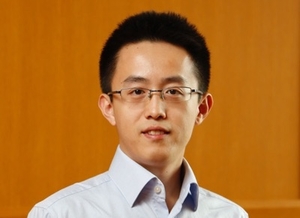
'Dark factory' pioneer Xiangrui Zeng to speak at FAMS 2026
Xiangrui Zeng, a prominent Chinese authority in AI-driven autonomous manufacturing and robotics, is set to deliver a keynote address at the Future AI Mobility Summit 2026, scheduled for later this month in Seoul. The organizing committee announced his participation on Monday. As a professor at the School of Mechanical Science and Engineering at Huazhong University of Science and Technology, Zeng has earned recognition for his pioneering contributions to smart manufacturing and autonomous systems. During the summit, he will present his insights on the future of embodied AI and the development of fully autonomous factories, highlighting the potential advancements in the industry.
All News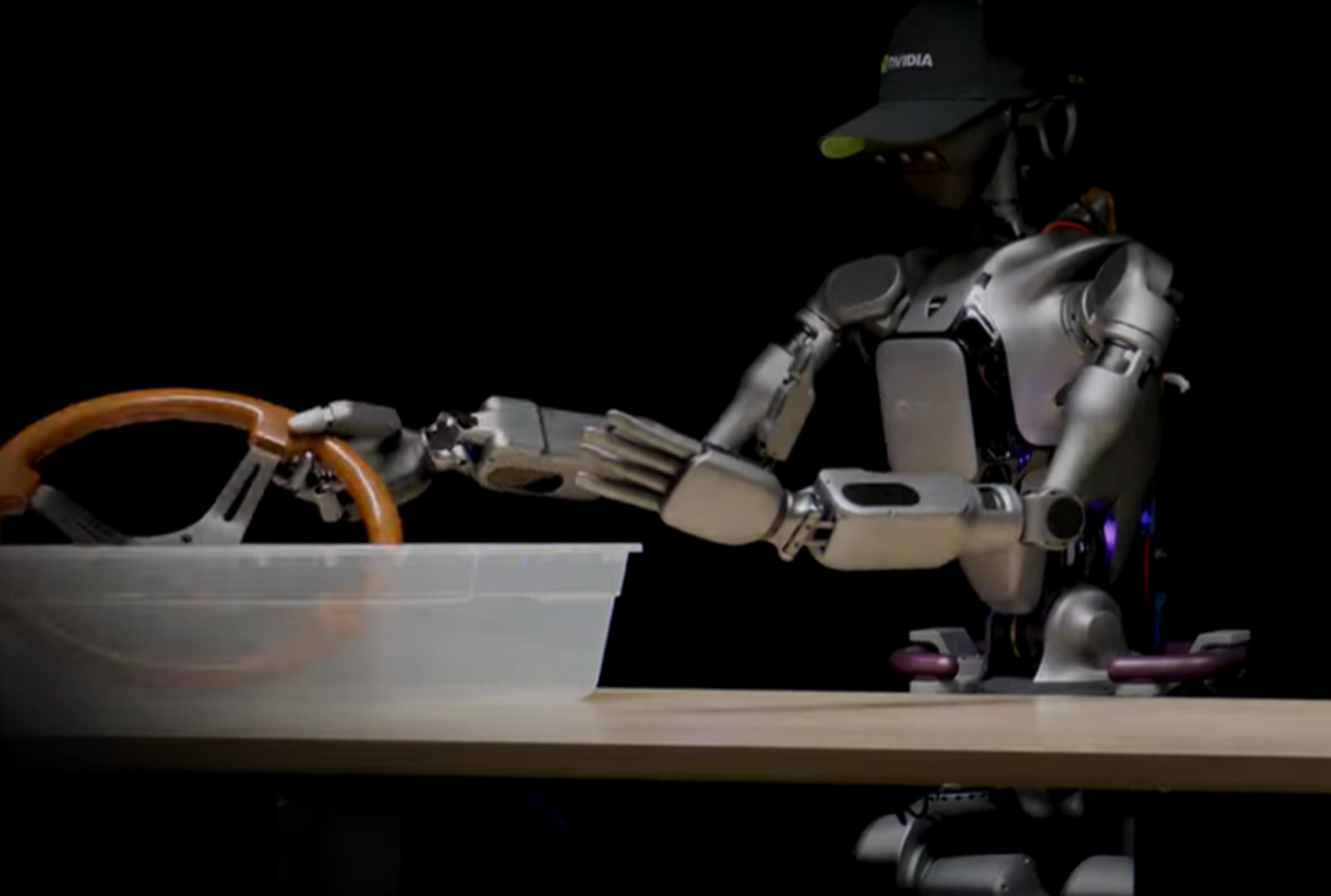
Shape-morphing metamaterials with continuous relearning
In a groundbreaking study published in the May 2026 issue of Science Robotics, researchers from a leading robotics institute have unveiled a new autonomous robotic system designed to assist in disaster response efforts. The innovative technology aims to enhance the efficiency and effectiveness of rescue operations in the aftermath of natural disasters, such as earthquakes and floods. The research team, comprised of experts in robotics and emergency management, conducted extensive field tests in various simulated disaster scenarios to evaluate the robot's capabilities. These tests demonstrated the system's ability to navigate challenging terrains, locate survivors, and deliver essential supplies, significantly reducing response times. The motivation behind this development stems from the increasing frequency and severity of natural disasters worldwide, which necessitate improved response strategies. By integrating advanced artificial intelligence and machine learning algorithms, the robotic system can adapt to dynamic environments and make real-time decisions, ultimately saving lives. The study highlights the potential for collaboration between technology and emergency services, showcasing how robotics can play a crucial role in humanitarian efforts. As the world grapples with the impacts of climate change, this innovation represents a significant step forward in preparing for and responding to future crises.
Editors' Choice
Robot Talk Episode 136 – Making driverless vehicles smarter, with Shimon Whiteson
Claire engaged in a discussion with Shimon Whiteson, a prominent figure in the field of machine learning and autonomous vehicles. Whiteson, who serves as a Professor of Computer Science at the University of Oxford and a Senior Staff Research Scientist at Waymo UK, shared insights on his research, which emphasizes deep reinforcement learning and imitation learning. These areas of study are pivotal for advancements in robotics and video game technology. The conversation highlighted the significance of machine learning in enhancing the capabilities of autonomous vehicles, reflecting the growing intersection of academia and industry in this rapidly evolving field.

Podcast: Building Smarter Robots: AI, Explainability & Real-World Impact
Oscar Mendez, the Head of AI and Data Science at Locus, recently discussed the transformative potential of a holistic approach to artificial intelligence in the realm of autonomous systems. In his analysis, Mendez emphasized that integrating various AI methodologies and data sources can lead to significant advancements in innovation. This perspective was shared during a recent industry conference focused on the future of technology, held in October 2023. Mendez's insights highlight the importance of collaboration across different AI disciplines to enhance the capabilities of autonomous systems, ultimately aiming to improve efficiency and effectiveness in various applications. By advocating for a comprehensive strategy, he aims to inspire industry leaders to rethink their approaches to AI development and implementation.

New chip could help tiny robots traverse complex environments
A team of researchers has developed an innovative method for creating 3D maps to enhance navigation systems, utilizing a combination of an efficient algorithm and specialized hardware. This advancement, which was announced in October 2023, aims to significantly reduce the memory and power requirements typically associated with 3D mapping technologies. By streamlining the mapping process, the researchers hope to improve the efficiency and accessibility of navigation tools, making them more practical for a variety of applications, including autonomous vehicles and mobile devices. The integration of dedicated hardware with the algorithm allows for rapid map generation, which could lead to faster and more reliable navigation solutions in real-world scenarios.
Research Computer science and technology Algorithms Artificial intelligence Machine learning Robotics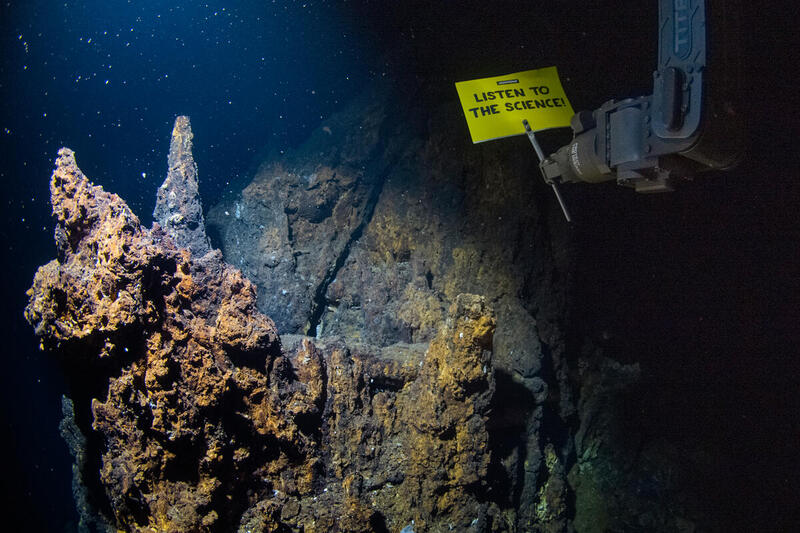
Greenpeace robot stages deepest-ever seabed protest
In a groundbreaking initiative, Greenpeace has launched an underwater robot to conduct a scientific survey of vulnerable deep-sea ecosystems along the Arctic Mid-Ocean Ridge. This event marks the deepest banner protest ever executed from the seabed, occurring at a depth of 2,300 meters. The robot displayed a powerful message urging global leaders to heed scientific advice, stating, “LISTEN TO THE SCIENCE!” The campaign aims to raise awareness about the urgent need for action to protect these unexplored marine environments. Dr. Sandra Schöttner, a key figure in the initiative, emphasized the importance of scientific research in informing policy decisions regarding environmental conservation. This innovative protest not only highlights the threats facing deep-sea ecosystems but also seeks to galvanize international attention and action on climate change and marine protection.
Environment News Arctic Ocean automation news autonomous underwater vehicles climate change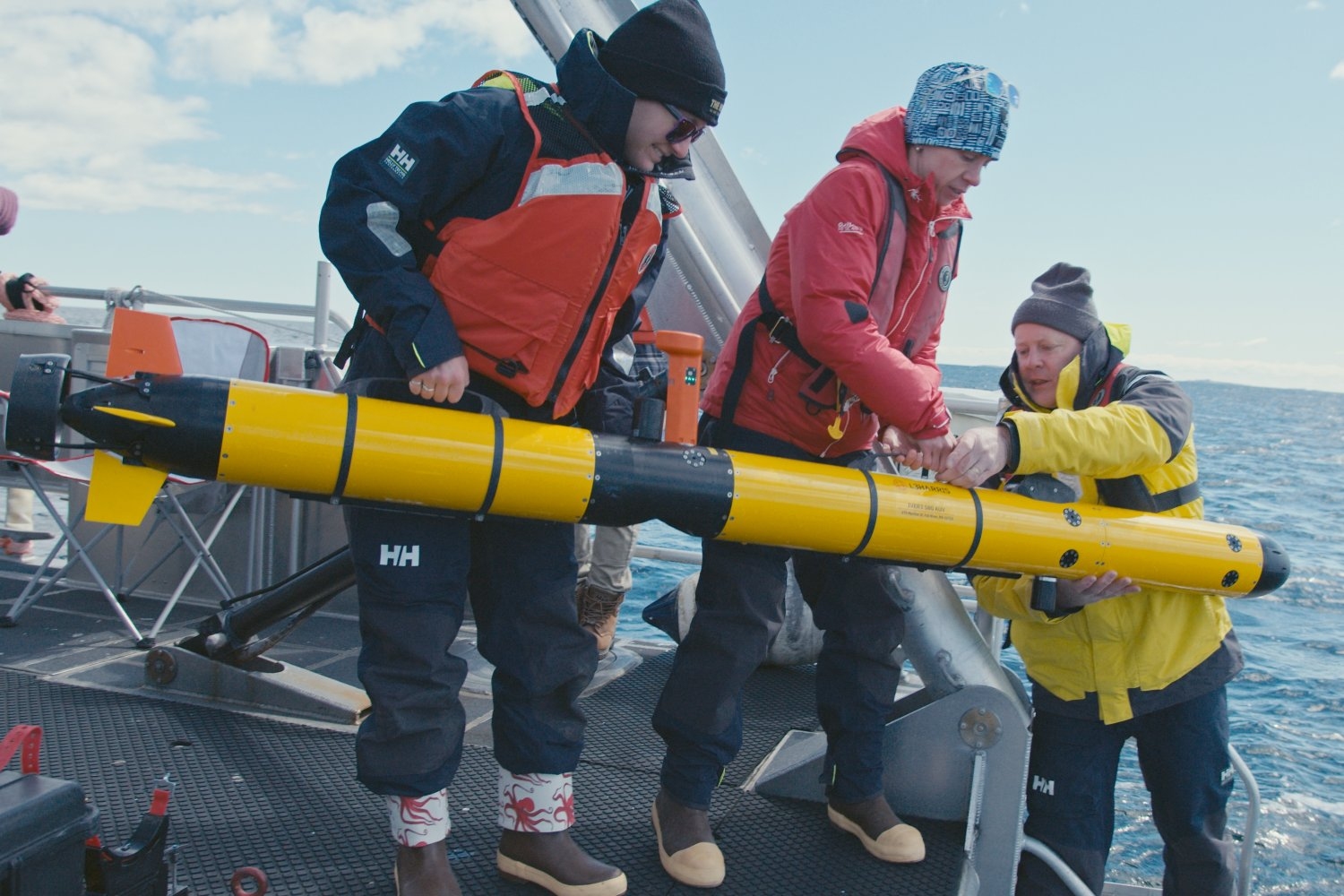
Human-machine teaming dives underwater
A team of researchers is advancing the capabilities of collaboration between divers and autonomous underwater vehicles (AUVs) for maritime missions. This initiative, which began in late 2023, aims to enhance operational efficiency and safety in underwater exploration and tasks. The research is taking place at a leading marine technology institute, where experts are focused on creating innovative hardware and sophisticated algorithms that facilitate seamless communication and coordination between human divers and AUVs. The motivation behind this development stems from the increasing complexity of underwater missions, which require precise teamwork to navigate challenging environments and accomplish objectives effectively. By integrating advanced technology, the researchers hope to improve the overall effectiveness of maritime operations, making them safer and more efficient for both divers and AUVs alike.
Research Sensors Lincoln Laboratory Oceanography and ocean engineering Robotics Computer science and technology
ABB Robotics and PSYONIC Use Human-Generated Data to Advance Robotic Dexterity
ABB Robotics has partnered with California-based bionics company PSYONIC to enhance robotic dexterity and grasping capabilities by utilizing human-generated data from prosthetic use. Announced on June 16, 2026, this collaboration aims to address the significant challenge of replicating human-like dexterity in industrial robotics, which is essential for the development of Autonomous Versatile Robotics (AVR™). By integrating the PSYONIC Ability Hand with ABB's GoFa™ collaborative robot, the two companies will explore how real-world manipulation data can train robots to perform delicate tasks that are typically difficult to automate. This initiative is expected to reduce engineering time by up to 30% and improve productivity, flexibility, and workplace safety across various industries, including automotive, aerospace, packaging, logistics, and life sciences. Marc Segura, President of ABB Robotics, emphasized the importance of bridging the gap between human and robotic dexterity to enable robots to learn and interact with their environments more intuitively. Dr. Aadeel Akhtar, Founder and CEO of PSYONIC, highlighted that the collaboration will leverage high-fidelity data on movement and grip force to enhance robotic performance in complex tasks. The GoFa™ robot will provide the precision necessary for industrial applications, ensuring consistent execution of intricate movements, which is crucial for handling fragile or irregular objects. This partnership represents a significant step towards advancing physical AI in robotics, allowing for more effective collaboration between humans and machines.
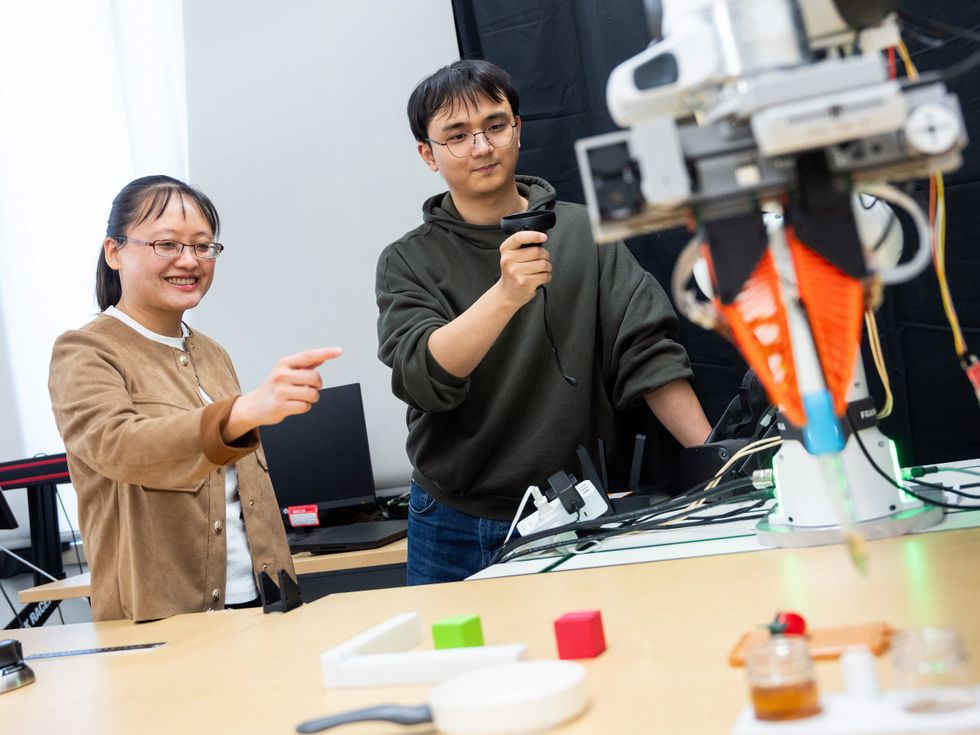
Award-Winning Researcher Trains Robots to Make Educated Guesses
Yen-Ling Kuo, an assistant professor of computer science at the University of Virginia, has been recognized for her significant contributions to robotics and automation. Last year, she received the IEEE Robotics and Automation Society’s inaugural Outstanding Women in Robotics and Automation Early Career Contribution Award for her paper, “Diff-DAgger: Uncertainty Estimation with Diffusion Policy for Robotic Manipulation.” This innovative research introduces a method that enhances robots' ability to identify and manage uncertainty during unfamiliar tasks, thereby reducing the need for human supervision and increasing task completion rates. Kuo’s journey began in Taiwan, where her fascination with science and technology was sparked by early exposure to programming and computer logic. After earning her degrees from National Taiwan University and MIT, she gained practical experience at Google, where she contributed to AI-driven shopping technologies. This experience motivated her to pursue a Ph.D. to deepen her understanding of neural networks. Her current research focuses on developing computational models that enable robots to interpret both explicit data and subtle social cues, aiming to replicate human-like reasoning in machines. Kuo's work has garnered attention from the National Science Foundation, which awarded her a five-year Career Award to support her research on human-robot interactions. As robotics and autonomous vehicles become more prevalent, Kuo envisions creating robots that can seamlessly integrate into social environments, enhancing human-robot collaboration.
Ieee-member-news Robots Artificial-intelligence Ieee-robotics-and-automation-soc Careers Type-ti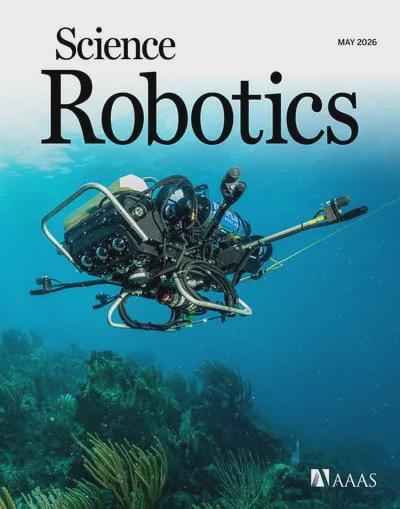
CUREE: An Underwater Robot That Locates Marine Life Using Sound and Vision
A groundbreaking development in marine ecology has emerged with the introduction of the CUREE underwater robot, which autonomously identifies marine life hotspots in the Caribbean. Utilizing advanced auditory and visual sensors, this innovative technology significantly enhances ecological monitoring and contributes to a deeper understanding of coral reef ecosystems. The findings and capabilities of the CUREE robot were detailed in the latest issue of Science Robotics, showcasing its potential to revolutionize the way researchers study and protect marine environments. By providing precise data on marine biodiversity, the CUREE robot aims to support conservation efforts and promote sustainable practices in the region.
Underwater Robotics Marine Biology Ecological Monitoring AI Technology
“Humanoids will soon replace most human workers”: A debate
In May 2026, a groundbreaking study published in Science Robotics highlights significant advancements in autonomous robotic systems. Researchers from leading technology institutes have developed a new generation of robots capable of performing complex tasks in unpredictable environments. This innovation aims to enhance efficiency in various sectors, including manufacturing, healthcare, and disaster response. The study reveals that these robots utilize advanced artificial intelligence algorithms, allowing them to adapt to changing conditions and make real-time decisions. This capability is particularly crucial for applications in emergency situations, where human intervention may be limited or dangerous. The research team conducted extensive field tests in diverse settings, demonstrating the robots' ability to navigate obstacles and collaborate with human operators effectively. The findings suggest that the integration of such robotic systems could revolutionize industries by improving productivity and safety. The motivation behind this development stems from the increasing demand for automation and the need for reliable solutions in challenging environments. As industries continue to seek ways to optimize operations and reduce human risk, these autonomous robots represent a significant step forward in robotics technology. Overall, the study underscores the potential of robotics to transform various fields, paving the way for future innovations that could further enhance human-robot collaboration.
Viewpoint
Living robot swarms built from algae can split, merge, and target wounds with light
A team of scientists has successfully created living microrobot swarms using algae and nanoparticles, marking a significant advancement in the field of robotics and bioengineering. This innovative development was announced in a study published recently, showcasing the potential of these microrobots to self-assemble and perform tasks autonomously. Conducted at a research facility, the project aims to explore new applications in environmental monitoring and medical treatments. The motivation behind this research stems from the desire to harness the natural properties of algae, which can photosynthesize and move in response to environmental stimuli, combined with the versatility of nanoparticles. By integrating these elements, the scientists have designed microrobots that can adapt to their surroundings and execute complex operations without human intervention. The process involves programming the algae and nanoparticles to work together, allowing the microrobots to respond to specific signals and assemble into desired structures. This breakthrough could pave the way for future innovations in various fields, including drug delivery systems and pollution cleanup efforts. As the research progresses, the team is optimistic about the potential applications of these living microrobots, which could revolutionize how we approach complex challenges in both healthcare and environmental science.
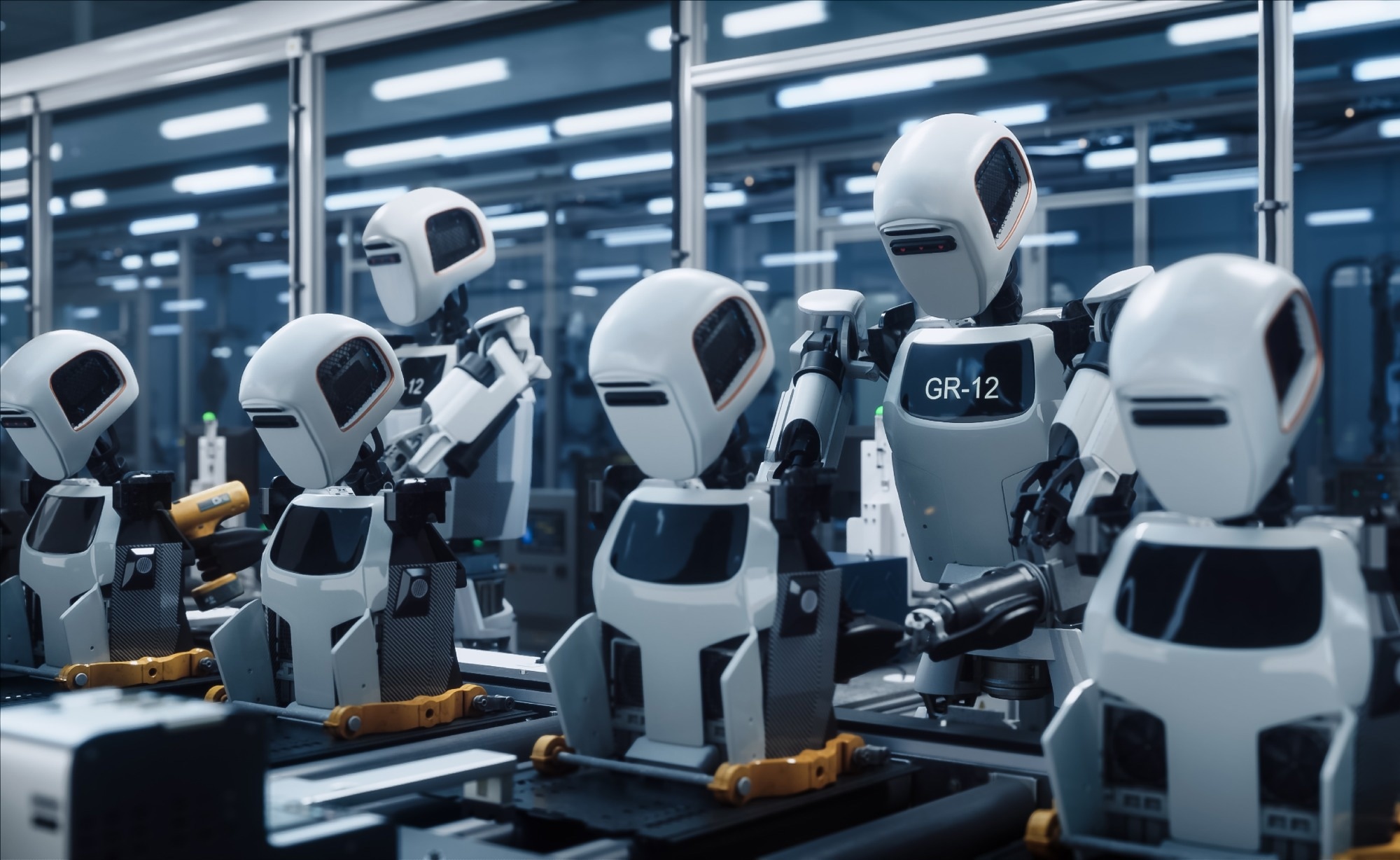
Material Demand Shapes Robot and Drone Manufacturing
Recent research has highlighted the supply risks associated with critical materials necessary for the development of autonomous machines. Conducted by a team of experts in materials science, the study emphasizes the urgent need for sustainable solutions to ensure the continued growth of this emerging technology sector. The findings, released in October 2023, reveal that reliance on certain materials poses significant challenges, potentially hindering innovation and production. To address these concerns, the researchers propose a multifaceted approach that includes innovative techniques for material sourcing and enhanced recycling processes. By focusing on sustainability, the study aims to mitigate supply chain vulnerabilities and promote responsible consumption of resources. The implications of this research are particularly relevant for manufacturers and policymakers in the autonomous technology industry, as they seek to balance the demand for advanced materials with environmental considerations. As the industry evolves, the integration of these strategies could play a crucial role in fostering resilience and ensuring the long-term viability of autonomous machines. The research serves as a call to action for stakeholders to prioritize sustainable practices in material management, ultimately paving the way for a more secure and environmentally friendly future in technology development.

AI Is Starting to Build Better AI
Recent advancements in artificial intelligence (AI) have reignited discussions about recursive self-improvement (RSI), a concept first proposed by mathematician I. J. Good in 1966. As AI systems like large language models (LLMs) and machine-learning algorithms evolve, researchers are exploring how these technologies can autonomously enhance their own capabilities. Notable developments include OpenAI's GPT-5.3-Codex, which reportedly assisted in its own creation, and Google DeepMind's AlphaEvolve, designed to optimize complex problems in scientific discovery. While some researchers view these advancements as steps toward fully autonomous AI, they acknowledge that current systems still depend on human oversight for goal-setting and evaluation. Experts like Jeff Clune from the University of British Columbia believe that the field is on the brink of achieving RSI, which could revolutionize science and technology. However, challenges remain, including the complexity of AI systems and the necessity of human involvement in the development process. Concerns about the potential risks of RSI have also emerged, with some experts advocating for a pause in AI development to prevent unintended consequences. The debate continues over whether AI could lead to an intelligence explosion, with many researchers emphasizing the importance of maintaining human oversight to ensure safe progress. As AI technologies evolve, the future landscape may see a collaborative relationship between humans and machines, reshaping roles in research and innovation.
Ai-safety Singularity Llms Evolutionary-algorithm
Video Friday: This Floor Lamp Will Do Your Chores
IEEE Spectrum robotics has released its weekly roundup of notable robotics videos, along with a calendar of upcoming events in the field. Key events include the International Conference on Robotics and Automation (ICRA) scheduled for June 1-5, 2026, in Vienna, and the Robotics Science and Systems (RSS) conference from July 13-17, 2026, in Sydney. Among the highlights is Lume, a sculptural floor lamp that reportedly can perform household chores such as making beds and folding laundry, though skepticism surrounds its capabilities due to the presentation of its functionality in promotional materials. Additionally, researchers from MIT Media Lab and Politecnico di Bari have introduced Electrofluidic Fiber Muscles, a new type of artificial muscle that is soft and flexible, utilizing electric fields to operate silently without external pumps. Another innovation is GEN-1, a general-purpose AI model that significantly improves success rates in physical tasks and enhances speed, marking a step towards achieving generalist intelligence in robotics. The report also discusses advancements in legged manipulators, which face challenges in interacting with diverse articulated objects, and highlights the development of Tether, a system for autonomous interactive play that enhances policy learning through efficient data generation. As the robotics community continues to innovate, these developments signal exciting possibilities for the future of robotics applications.
Home-robots Video-friday Artificial-muscle Agricultural-robots Robot-ai Quadruped-robots
Import AI 446: Nuclear LLMs; China's big AI benchmark; measurement and AI policy
As artificial intelligence continues to evolve, questions arise about the potential for AIs to experience emotions such as jealousy. Researchers in the field of AI and cognitive science are exploring the implications of advanced machine learning systems, particularly those trained on vast datasets, to understand whether these systems could develop complex emotional responses similar to humans. This inquiry has gained traction in recent months, with discussions intensifying around the ethical and philosophical ramifications of AI emotions. The investigation into AI jealousy is particularly relevant as developers strive to create more sophisticated and autonomous systems. Experts argue that while current AI lacks the capacity for genuine emotions, the rapid advancements in technology could lead to scenarios where AIs exhibit behaviors that mimic jealousy, particularly in competitive environments or when they perceive threats to their operational efficiency. This exploration is taking place in various research institutions and tech companies worldwide, with findings expected to influence future AI design and implementation. The motivation behind this research stems from a desire to ensure that as AI systems become more integrated into daily life, they do not inadvertently develop harmful behaviors or biases. By understanding the potential for emotional responses in AIs, researchers aim to create guidelines that promote ethical AI development and usage. As the conversation around AI emotions evolves, it raises critical questions about the nature of intelligence and the ethical considerations of creating machines that could potentially experience feelings akin to jealousy.
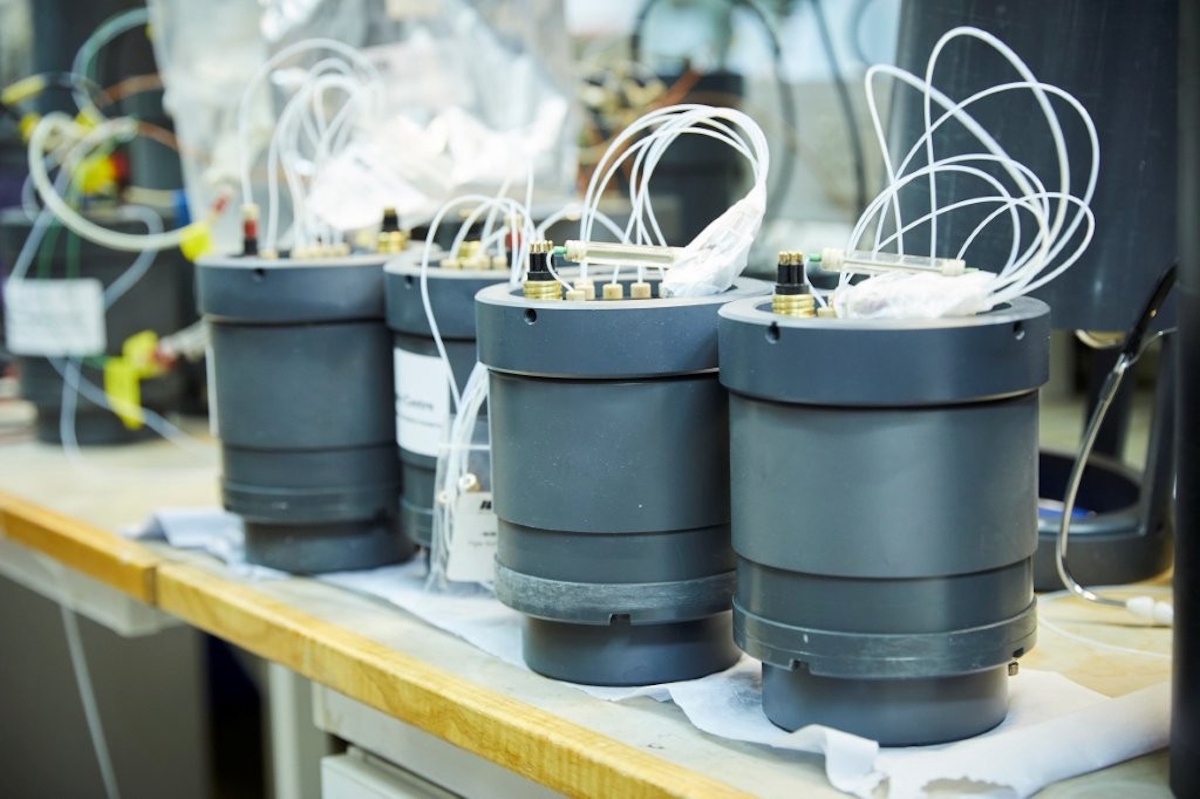
£4 m to Boost Marine Robotics Research Capabilities
The UK’s National Oceanography Centre (NOC) has secured a funding boost of £4 million aimed at enhancing its fleet of marine autonomous systems with next-generation sensing technologies. This investment, announced recently, is designed to support the advancement of sustainable ocean science, enabling researchers to gather more accurate and comprehensive data about marine environments. By integrating these advanced sensing capabilities, the NOC aims to improve its understanding of ocean dynamics and contribute to the global efforts in addressing climate change and preserving marine ecosystems. The initiative reflects a growing commitment to innovative research methods in the field of oceanography, positioning the NOC at the forefront of marine science advancements.
marine robotics research
DARPA X-Plane Designed To Maneuver With Just Bursts Of Air Finally Gets Its Wings
Aurora Flight Sciences, in collaboration with the Defense Advanced Research Projects Agency (DARPA), is aiming to launch the X-65 drone in the upcoming year following previous delays and budget increases. This innovative drone is designed to maneuver using only bursts of air, showcasing advanced aerodynamics and control technology. The project reflects DARPA's commitment to pushing the boundaries of aviation technology and enhancing military capabilities. The successful flight of the X-65 could mark a significant milestone in drone development, potentially leading to new applications in both defense and civilian sectors.
Air Drones News & Features Unmanned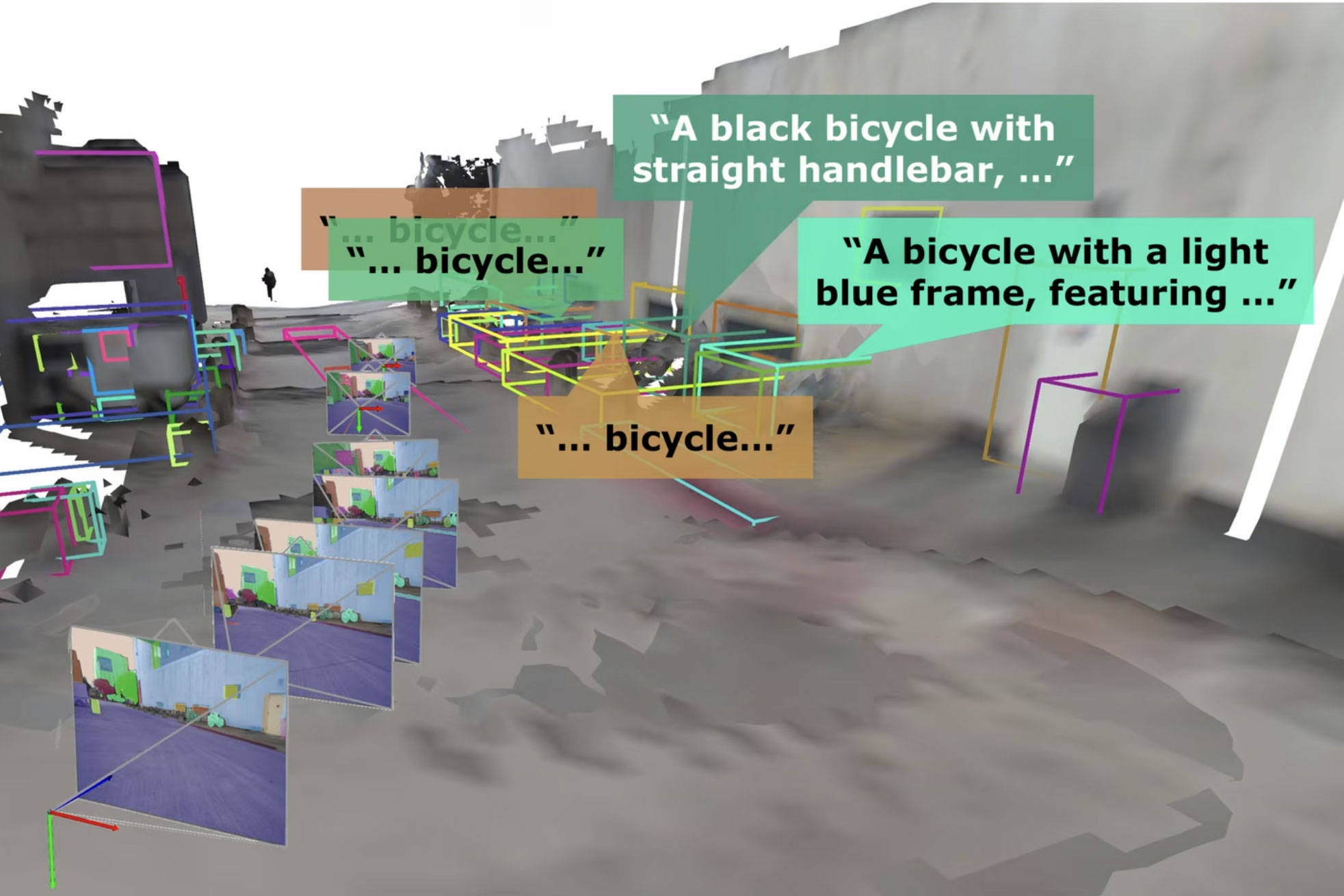
Could AI tell you where you left your keys?
Researchers have developed an innovative spatial memory system designed for robots, enabling them to effectively capture and retain detailed information about objects encountered during environmental exploration. This advancement, which leverages cutting-edge technology, aims to enhance the robots' ability to navigate and interact with their surroundings more intelligently. The system was introduced in a study published in October 2023, showcasing its potential to improve robotic perception and memory capabilities. By integrating sophisticated algorithms, the robots can now better recognize and remember various objects, ultimately leading to more autonomous and efficient operations in diverse settings. This breakthrough is expected to have significant implications for fields such as robotics, artificial intelligence, and automation, as it allows for more nuanced interactions between machines and their environments.
Research Computer science and technology Algorithms Artificial intelligence Machine learning Robotics
Subsea Europe Services Enters USV Market with Sustainable, High-performance C-RECON 13-ES
Subsea Europe Services (SES) GmbH, a prominent player in marine technology solutions for the offshore energy and ocean science industries, has launched its inaugural Uncrewed Surface Vessel (USV), named the C-RECON 13-ES. This significant development marks SES's entry into the USV market, showcasing the company's commitment to innovation and advancement in marine technology. The C-RECON 13-ES is designed to enhance operational efficiency and data collection capabilities in various marine applications. The launch reflects SES's strategic initiative to diversify its offerings and meet the growing demand for uncrewed maritime solutions.
subsea europe services usv c-recon 13-esRobotics needs a service framework.
RSF defines a common language for robot service capability, lifecycle operations, certification pathways, and service-provider networks.