Industry Briefing
A single destination for timely, editor-curated robotics news from around the world.
Cellula Robotics and FERRI Establish Nautical Reach Systems for Autonomous Marine Handling
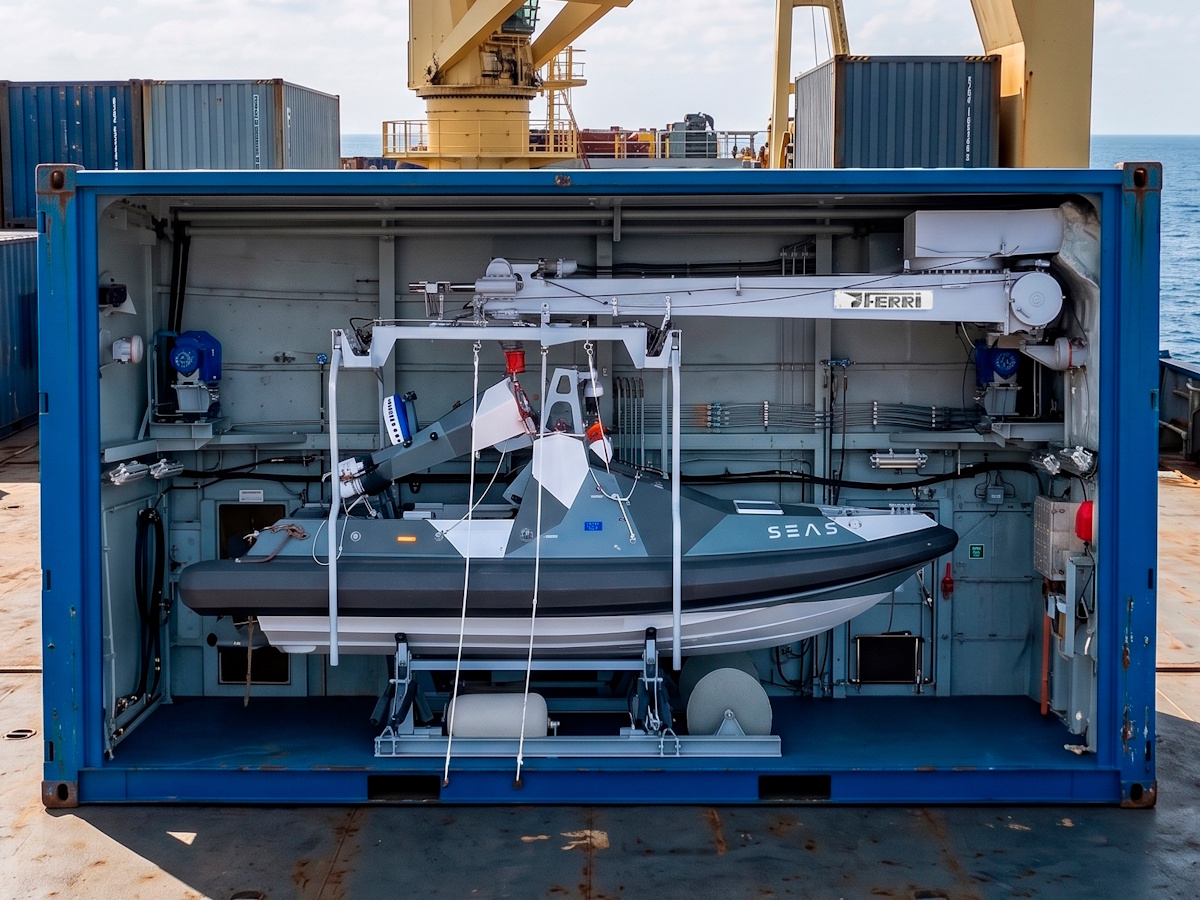
Cellula Robotics Ltd. and Industrias FERRI S.A. have launched Nautical Reach Systems Ltd., a joint venture based in East Coast Canada. This new entity will focus on designing and manufacturing marine motion, lift, and handling systems tailored for autonomous maritime operations, including smart launch and recovery solutions for uncrewed vehicles. The collaboration aims to enhance the safety and reliability of autonomous platforms operating in challenging maritime environments, such as remote and Arctic conditions. Neil Manning, CEO of Cellula Robotics, emphasized the importance of integrating vehicle design with handling equipment to optimize performance at sea, highlighting the joint venture's potential to revolutionize marine operations. Looking ahead, Nautical Reach Systems plans to leverage the combined expertise of both companies to create innovative solutions for naval and coast guard operators. FERRI's significant investment in the venture will foster job creation and intellectual property development in Canada, while Cellula contributes its autonomous handling technology. No further timeline was disclosed at the time of publication.
cellula robotics ferri nautical reach systems autonomous marine handling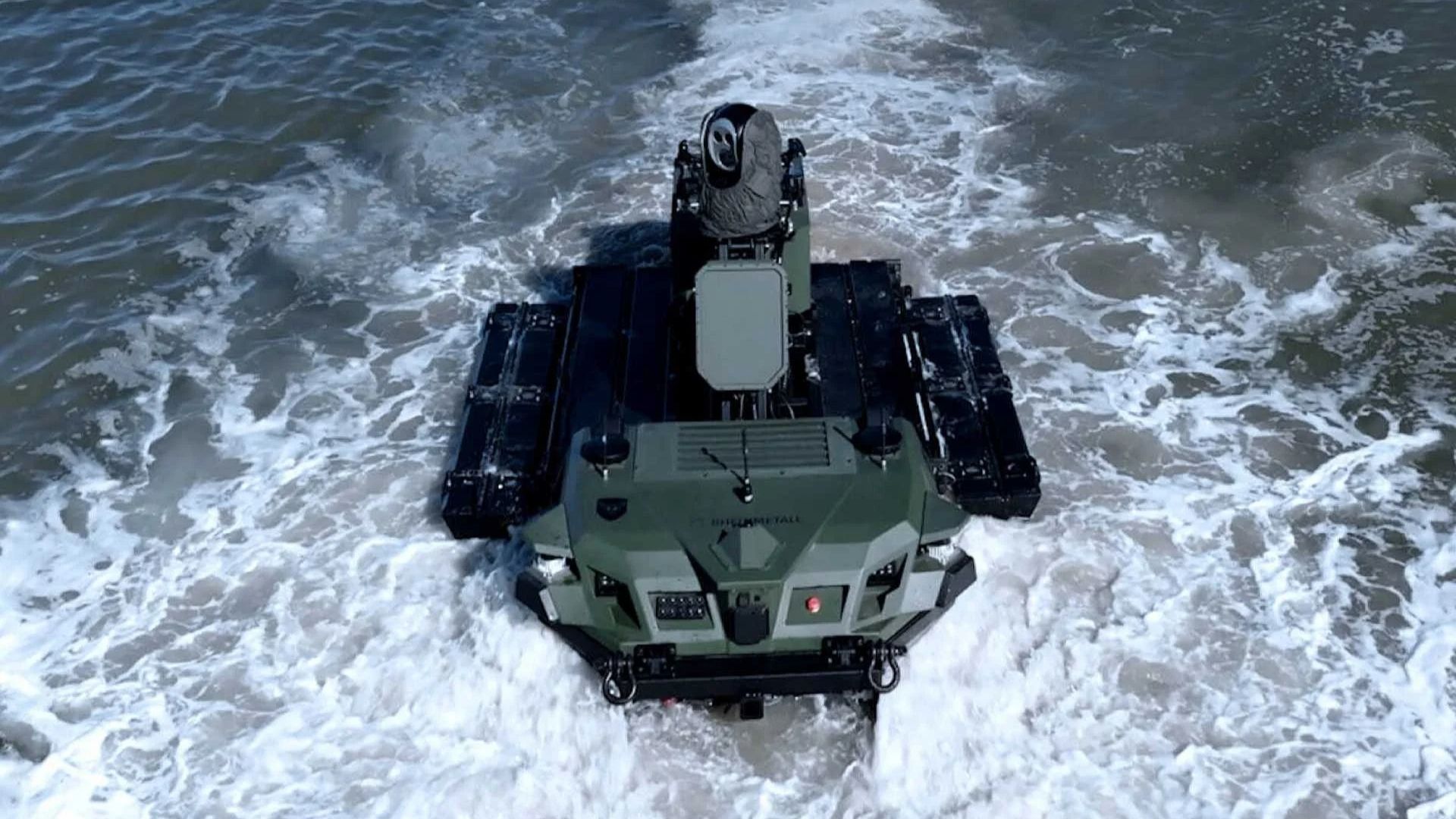
US Marine Corps Secures 12 Rheinmetall Amphibious Robots for Autonomous Logistics
American Rheinmetall has been awarded a $7.28 million contract to supply 12 Mission Master SP Autonomous Unmanned Ground Vehicles (A-UGVs) to the US Marine Corps. This procurement includes five amphibious kits and supporting equipment aimed at enhancing autonomous logistics and expeditionary mobility technologies. The significance of this contract lies in its potential to advance the operational capabilities of the US Marine Corps. The Mission Master SP vehicles are designed to support the Marine Corps Warfighting Laboratory's evaluations and capability development efforts, reflecting over four years of collaboration between Rheinmetall and the Marines. Looking ahead, the deployment of these advanced A-UGVs will be closely monitored as they are integrated into military operations. The amphibious capability is particularly noteworthy, as it addresses the evolving demands of littoral and expeditionary operations, marking a key milestone in Rheinmetall's partnership with the US Marine Corps.
Military
HII and MetalCraft Marine's Autonomous ROMULUS USV Passes Critical DoW Test for U.S. Navy
HII announced that its autonomous Watcher small Unmanned Surface Vessel (sUSV), based on the ROMULUS-25, has successfully passed a critical test recognized by the U.S. Defense Innovation Unit (DIU). This achievement marks the completion of the Production-Ready, Inexpensive, Maritime Expeditionary (PRIME) prototype project, which aims to develop smaller autonomous vessels for the U.S. Marine Corps. The successful testing of the Watcher sUSV is significant as it meets the operational needs of the Department of the Navy for interceptors capable of autonomous operations in contested waters. HII's Odyssey Autonomous Control System (ACS) enhances the vessel's capabilities, allowing for intelligent navigation and mission planning, which are crucial for modern naval operations. Looking ahead, HII is positioned for a potential transition to production under Other Transaction Authority (OTA) agreements. The company aims to continue delivering innovative autonomous solutions that enhance naval readiness and operational flexibility, as stated by HII's leadership and MetalCraft Marine's General Manager.
hii metalcraft romulus usv autonomy critical dow test
Ranger Autonomous Vessel Successfully Completes Sea Trials from Submarine Torpedo Tube
An innovative autonomous surface vessel, the Ranger, has successfully completed its Sea Acceptance Test (SAT) in Germany, demonstrating its ability to be launched from a submarine's torpedo tube. Developed by Gabler and Flanq, the Ranger is designed for intelligence, surveillance, and reconnaissance missions with minimal human intervention. The successful completion of the SAT marks a significant milestone for the program, confirming the vessel's seaworthiness and the integration of its core technologies. The Ranger, measuring approximately 15 feet long, features a folding keel and collapsible sensor mast, allowing it to fit within a standard 21-inch torpedo tube. Looking ahead, Gabler will manage the commercialization and integration of the Ranger with submarines, while Flanq will provide advanced maritime technologies and mission software. The companies are also developing a one-way attack variant called Strike, expanding the platform's capabilities for future naval operations.
Military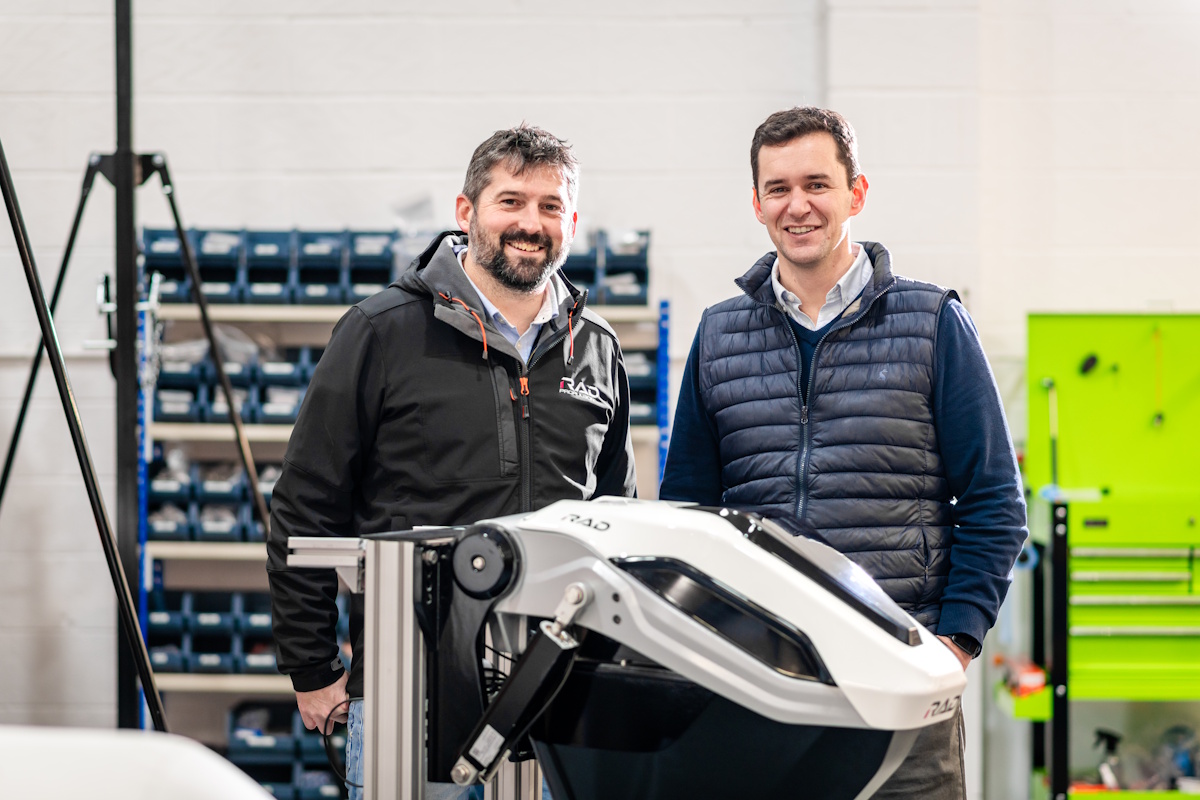
RAD Secures £4.4 Million Funding to Enhance Autonomous Marine Technology and Electric Propulsion Systems
RAD, a marine technology firm, has successfully raised £4.4 million in funding to accelerate the commercialization of its autonomous vessel technologies and expand its electric propulsion systems. This funding round, led by Mercia Ventures, comes after a year of significant product development and customer engagement, including the launch of the Axon open systems architecture for uncrewed vessels at the Combined Naval Event in May 2026. The funding is crucial as RAD aims to capitalize on the growing demand for flexible and scalable marine solutions in both defense and commercial sectors. The Axon architecture allows for rapid development and integration of uncrewed vessel capabilities, which is expected to enhance operational efficiency and reduce vendor lock-in for operators. With this investment, RAD is positioned to lead the electrification shift in marine technology, similar to trends seen in road transport. Looking ahead, RAD plans to utilize the funds for international expansion, including establishing a presence in the U.S. market, and further developing its electric propulsion systems and energy management technologies. The company is also focused on enhancing its engineering capabilities to meet the increasing demand from its diverse customer base. No further timeline was disclosed at the time of publication.
rad raise investment commercialisation autonomous marine technology propulsion systems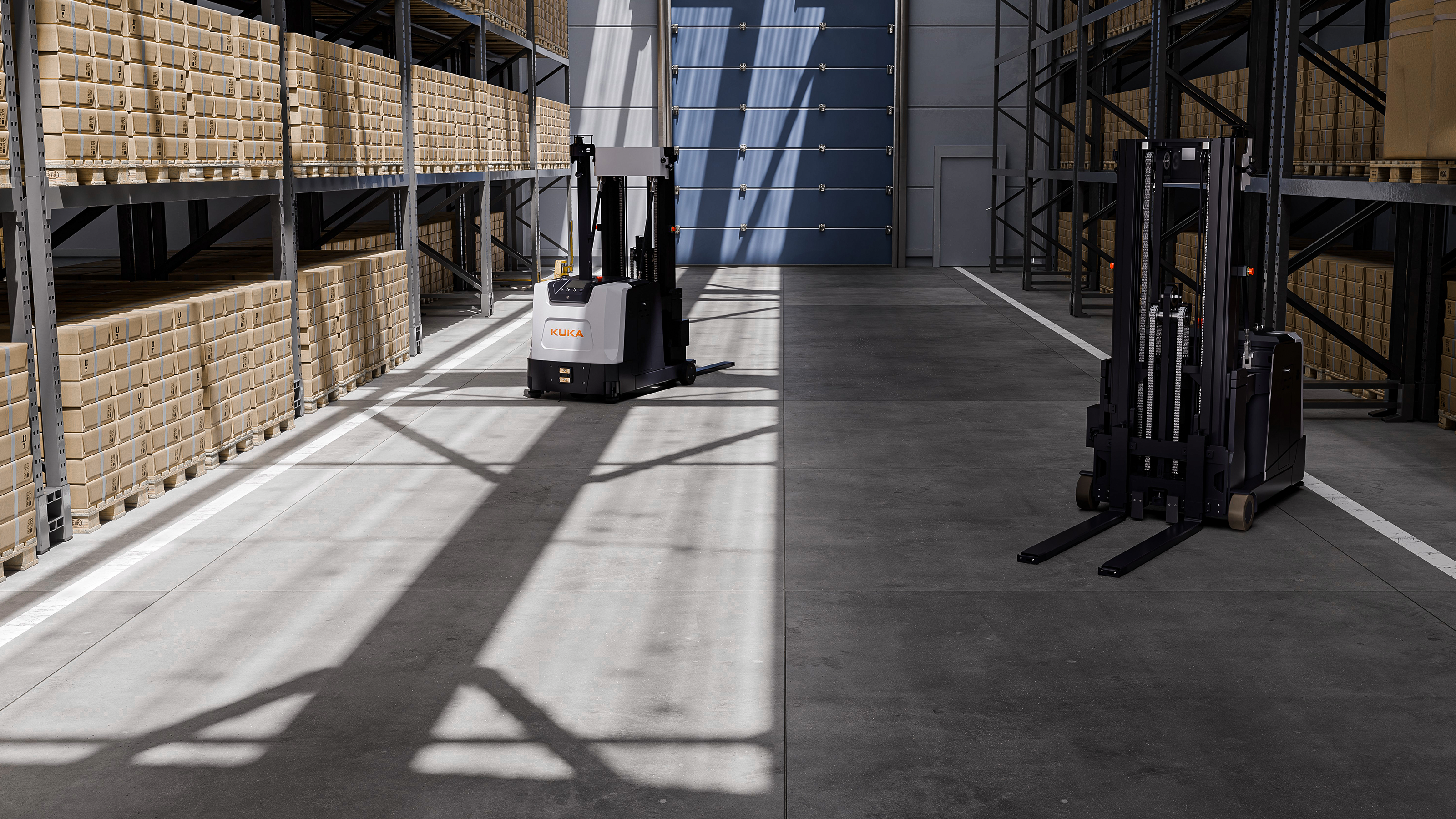
KUKA Introduces KMF 1500P Series of Autonomous Forklifts for Enhanced Productivity
KUKA has launched the KMF 1500P series, a new family of autonomous forklifts designed to improve efficiency in manufacturing and logistics. This series aims to automate transport processes, optimize resource usage, and enhance safety in intralogistics operations. The introduction of the KMF 1500P series addresses the growing demand for automated material handling solutions in the industry. The first model, KMF 1500P-CB, is specifically engineered for the flexible transport of both open and closed pallets and containers over extended distances, making it a versatile addition to KUKA's product lineup. As companies increasingly seek to enhance their operational efficiency, the KMF 1500P series is poised to play a significant role in transforming intralogistics. No further timeline was disclosed at the time of publication.

First Marine Solutions and Bedrock Form Strategic Partnership to Enhance Subsea Surveying in Europe
First Marine Solutions has entered into a multi-year strategic partnership with Bedrock Ocean Exploration to enhance autonomous subsea survey capabilities across the UK and Europe. This collaboration will establish a UK and European operational hub for Bedrock’s autonomous ocean intelligence technology at FMS’ Aberdeen headquarters, integrating Bedrock’s technology with FMS’ offshore expertise. The partnership is significant as it allows for the deployment of Bedrock’s autonomous underwater vehicles at FMS’ facility, enabling local operations and maintenance without the need for equipment transport to the United States. This arrangement aims to provide clients in offshore energy and subsea infrastructure with a comprehensive solution that combines data acquisition, operational support, and industry-leading survey capabilities. Looking ahead, both companies plan to work together to promote their new capabilities and their impact on maritime industries. No further timeline was disclosed at the time of publication.
first marine solutions bedrock ocean exploration autonomous subsea survey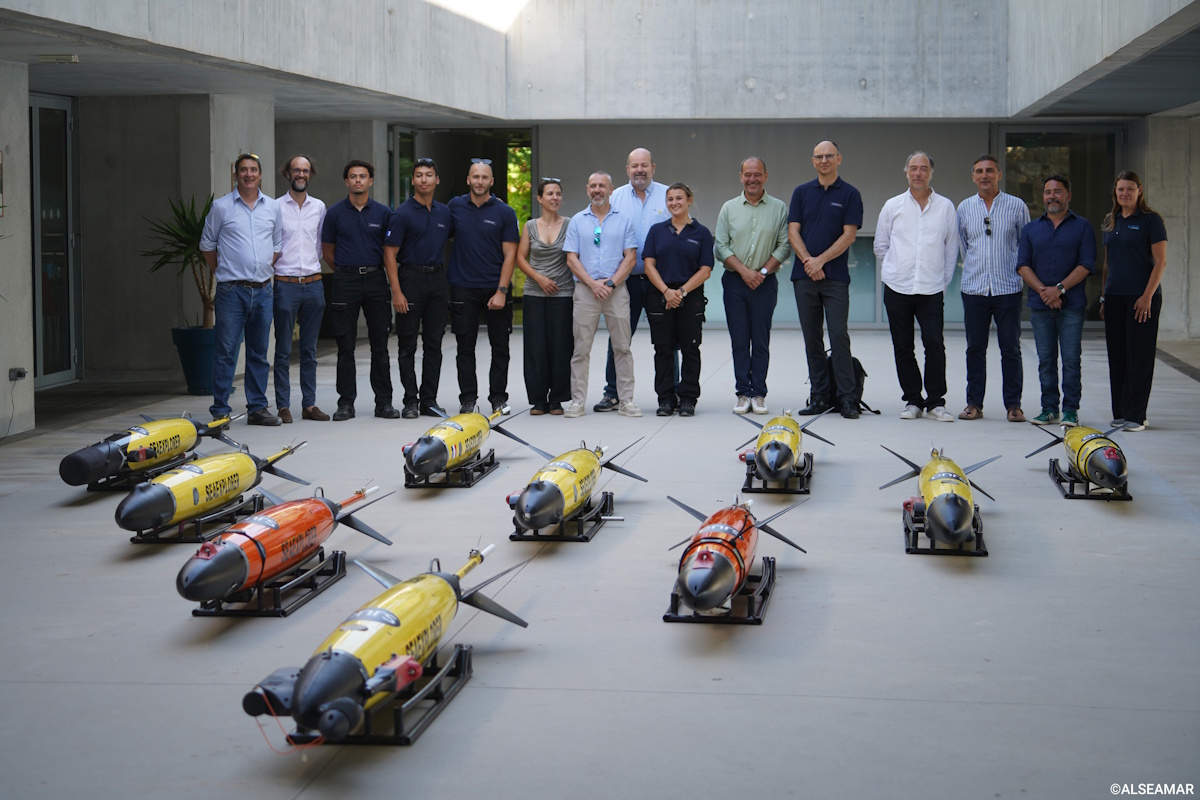
CNRS Deploys Ten SEAEXPLORER Autonomous Gliders for Mediterranean Ecosystem Research
In mid-June 2026, the CNRS deployed ten SEAEXPLORER autonomous underwater gliders in the Ligurian Sea as part of Mission 6 under France's 2030 funding plan. This initiative aims to create a comprehensive environmental data atlas for the northwestern Mediterranean, focusing on the impacts of human activities on marine ecosystems. The gliders will operate for one month, diving to depths of 1,000 meters and equipped with sensors to monitor underwater noise and ocean currents. The deployment is significant as it represents a strategic effort by the French government to enhance industrial competitiveness and develop next-generation technologies for deep-sea exploration. By utilizing coordinated fleets of autonomous gliders and advanced sensing technologies, researchers aim to better understand the dynamics of marine ecosystems and the effects of climate change, maritime traffic, and ocean acidification. This innovative approach will facilitate the study of plankton distribution and biodiversity through methods such as environmental DNA monitoring. Looking ahead, the next phases of Mission 6 will involve additional deployments in the Gulf of Lion in 2028 to test new sensors, followed by operations in French Polynesia between 2028 and 2029. These efforts will further expand the capabilities of autonomous underwater vehicles in marine research, with no further timeline disclosed at the time of publication.
autonomous gliders cnrs exploration mediterranean marine ecosystems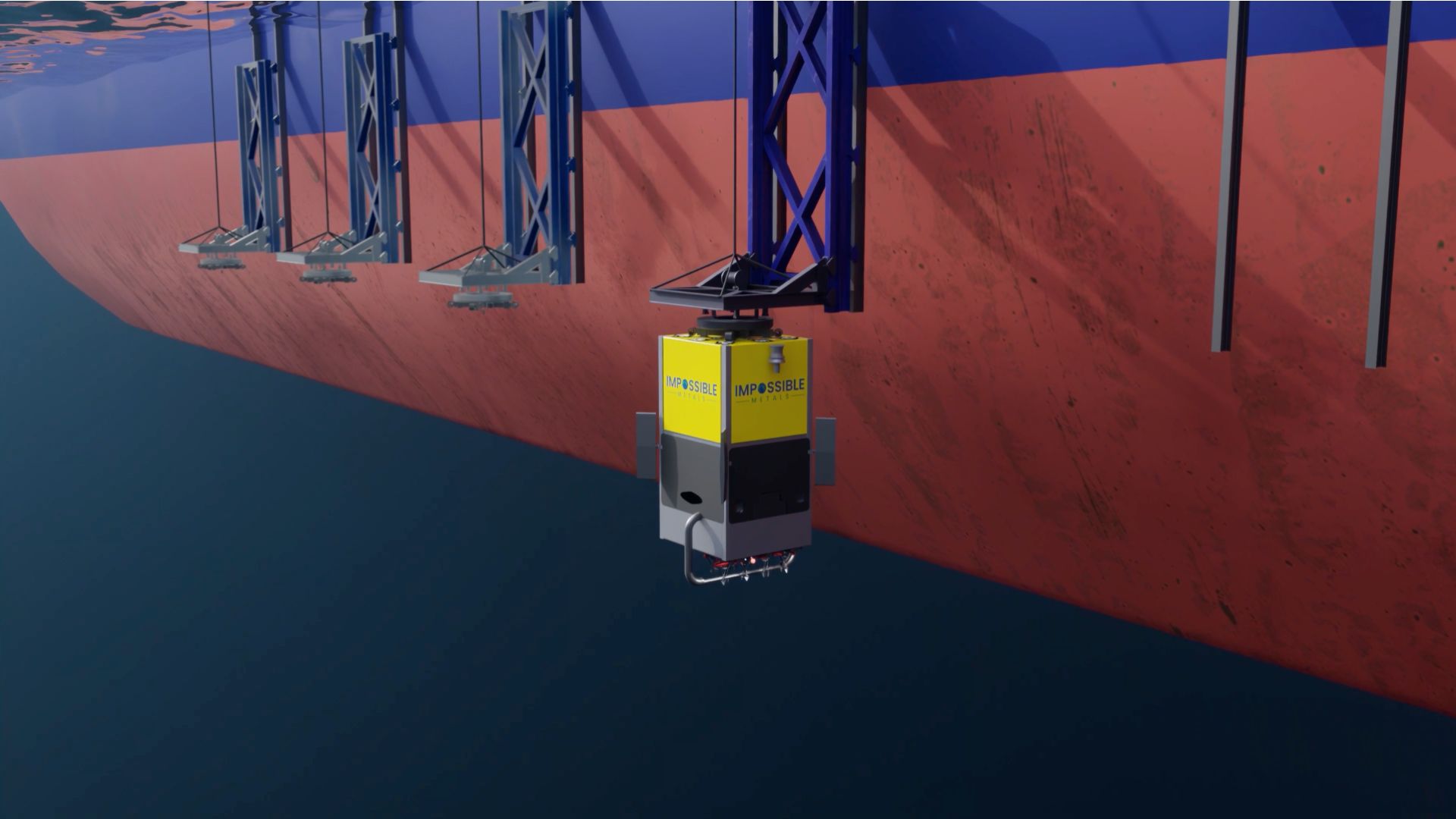
Impossible Metals to Launch Advanced Marine Robotics Hub for Deep-Sea Mineral Harvesting
Impossible Metals, a US mining technology company, has announced plans to establish an Advanced Marine Robotics Hub in Pittsburgh, Pennsylvania. This facility will focus on developing autonomous marine systems for the deep-sea collection of critical minerals, creating over a dozen high-paying engineering and science jobs. The hub aims to enhance US capabilities in marine robotics and critical mineral technologies through collaboration with local universities and researchers. The significance of this initiative lies in its potential to redefine deep-sea mining practices. According to Mike Regan, Chief Growth Officer at Impossible Metals, the hub will enable swarms of autonomous robots to harvest critical minerals like nickel, cobalt, copper, and manganese with minimal environmental impact. This approach not only promises to produce the lowest-cost critical metals on Earth but also aims to strengthen the US supply chain and reduce reliance on foreign sources of essential materials. Looking ahead, the Advanced Marine Robotics Hub will serve as the primary research center for advancing the Eureka autonomous underwater platform and Smart Launch and Recovery Systems. The company plans to continue developing dual-use technologies that cater to both commercial and naval applications. No further timeline was disclosed at the time of publication.
AI and Robotics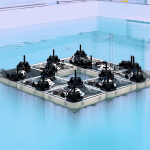
MIT Develops FloatForm Swarm of Autonomous Boats for Adaptive Marine Infrastructure
MIT researchers have unveiled FloatForm, a swarm of 21-centimeter-square autonomous robotic boats capable of self-assembling into floating structures. Each boat is equipped with thrusters, sensors, and a magnetic latching mechanism, allowing them to connect and reconfigure with minimal human intervention. This modular system can adapt to various environments, supporting applications such as emergency response, temporary bridges, and floating markets in waterways across diverse geographies. The significance of FloatForm lies in its decentralized swarm robotics approach, which enables the boats to make local decisions rather than relying on a central controller. This design enhances scalability and efficiency, allowing the robots to navigate and coordinate independently while maintaining robust structural integrity. The innovative magnetic latching system, inspired by origami, allows for reliable connections between boats, facilitating the creation of larger, adaptive structures on water. Future developments will focus on expanding the capabilities of FloatForm for use in canals, rivers, and coastal areas. The researchers aim to deploy larger versions of the robots for various applications, including temporary infrastructure and environmental monitoring. No further timeline was disclosed at the time of publication, but the potential for this technology to transform marine operations is significant, as noted by experts in the field.
AI and Robotics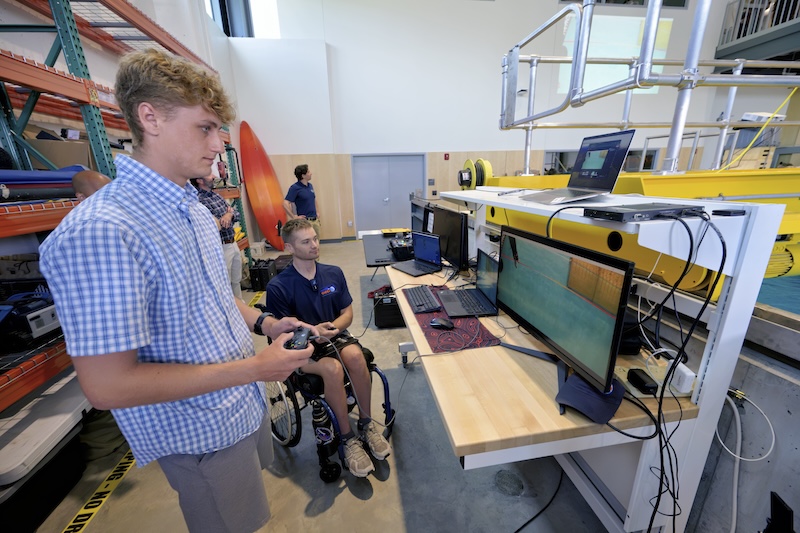
University of Rhode Island opens advanced Ocean Robotics Laboratory for autonomous marine research
Event marked milestone for Narragansett Bay Campus The University of Rhode Island celebrated a major milestone in the $300 million, multi-phase revitalization of the Narragansett Bay Campus with an underwater ribbon cutting ceremony for the new Ocean Robotics Laboratory on June 25. Students Elliot Roman and Jake Bonney piloted URI’s remotely operated vehicle Rhody to […]
Features Robotics Science autonomous systems autonomous underwater vehicles blue economy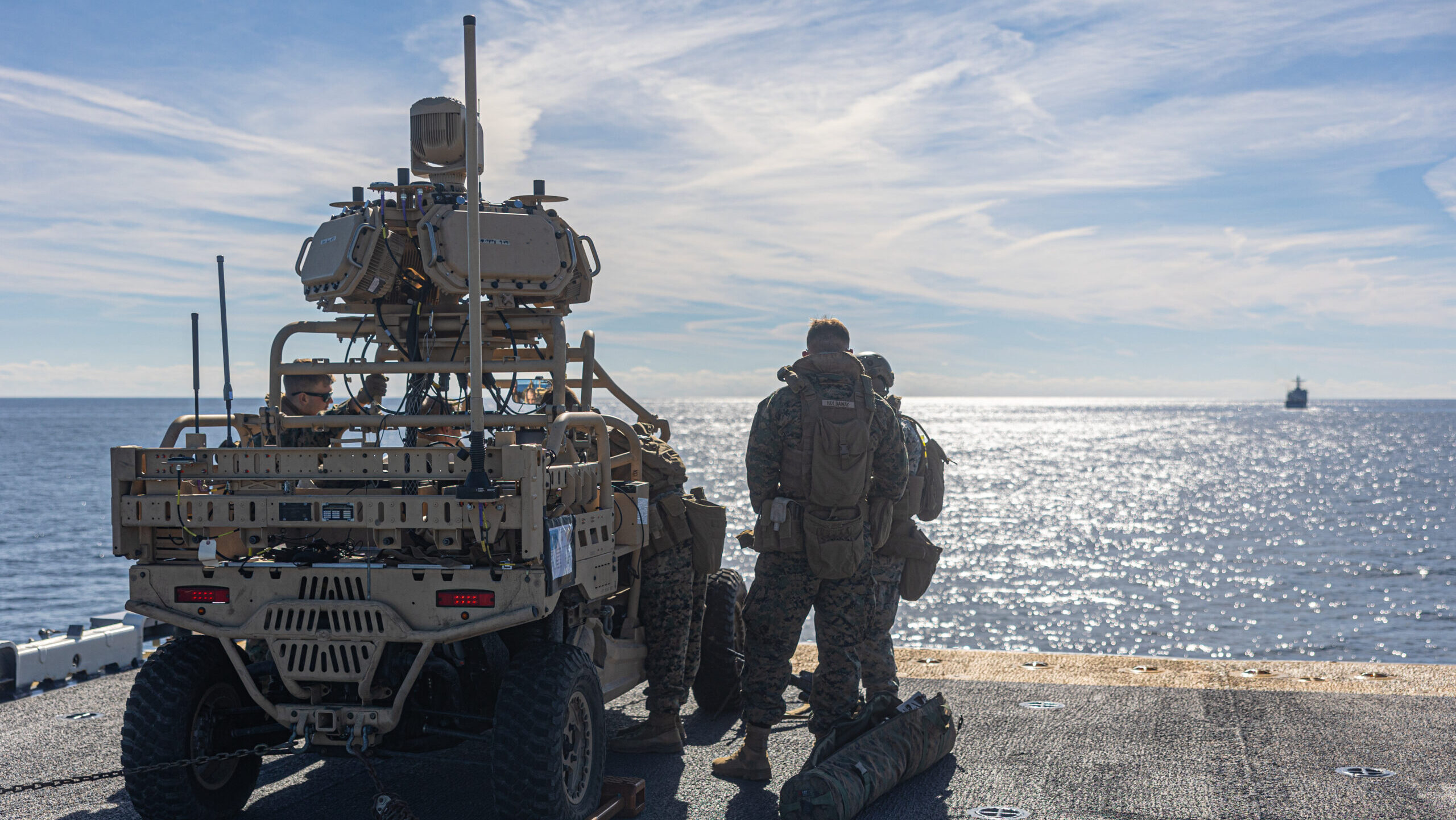
Overland AI nets Marine Corps autonomous ground vehicle contract
Overland AI has announced the development of an autonomous ground vehicle, clarifying that it is not designed to replace the Joint Light Tactical Vehicle (JLTV). CEO Byron Boots emphasized that the new vehicle will complement existing military assets rather than serve as a direct substitute. This initiative aims to enhance operational efficiency and adaptability in various mission scenarios. The announcement comes as part of Overland AI's ongoing commitment to innovate within the defense sector, leveraging advanced technology to meet the evolving needs of military operations.
Land Warfare Naval Warfare AI & Autonomy Army Drones MADIS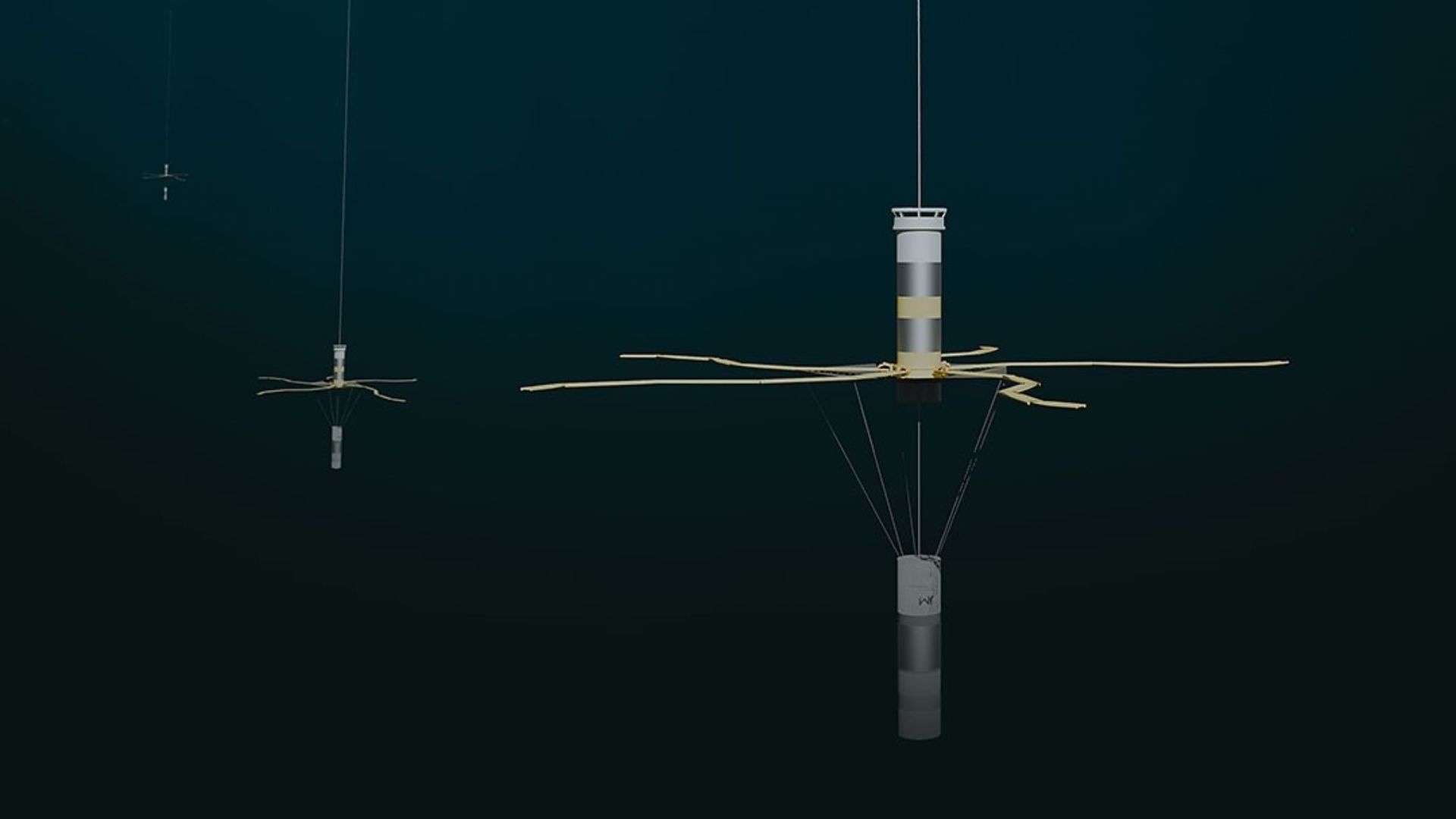
UK trials compact G-size sonobuoy built for autonomous drones hunting submarines
Ultra Maritime has successfully conducted the inaugural in-water deployment trial of its advanced Multistatic Active Receive system. This significant milestone took place recently, marking a key step in the development of the technology designed to enhance maritime surveillance and detection capabilities. The trial was held in a controlled marine environment, allowing the team to assess the system's performance and reliability in real-world conditions. The motivation behind this initiative is to improve the effectiveness of maritime operations, particularly in detecting underwater threats and monitoring marine activities. By utilizing innovative technology and methodologies, Ultra Maritime aims to set a new standard in maritime security solutions. The successful trial demonstrates the potential of the Multistatic Active Receive system to revolutionize the industry and address growing concerns over maritime safety and security.
Military
At Automate, VisionNav Robotics to Showcase Autonomous Material Handling Solutions and Intelligent Vision Technologies
A leading logistics technology company is set to showcase its latest innovations in warehouse automation at an upcoming industry trade show. The event, scheduled for next month in Chicago, will feature the company's autonomous precision stacking solution, designed to enhance efficiency in material handling. Additionally, attendees will have the opportunity to explore the capabilities of a new counterbalance truck, which aims to improve safety and productivity in warehouse operations. The company will also present its advanced warehouse visibility platform, which provides real-time data analytics to optimize inventory management and streamline operations. This initiative reflects the company's commitment to addressing the growing demand for automation and efficiency in the logistics sector, driven by the need for businesses to adapt to rapidly changing market conditions and consumer expectations. By integrating cutting-edge technology into their offerings, the company aims to empower warehouses to operate more effectively and reduce operational costs.
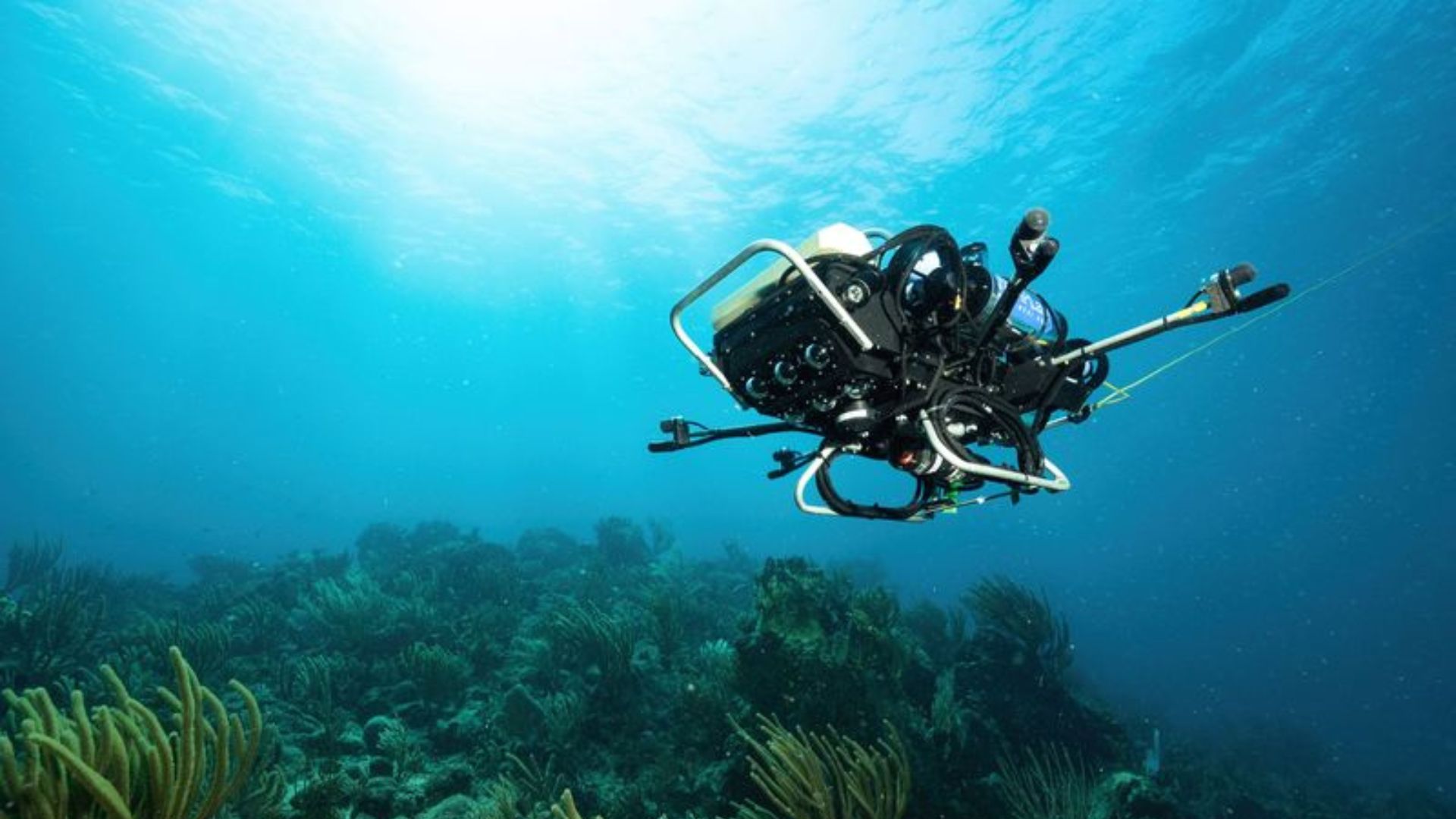
New autonomous reef robot follows shrimp snaps and fish calls to map marine life zones
A team of scientists has unveiled an innovative autonomous underwater robot designed to identify and map biodiversity hotspots in marine environments. This groundbreaking technology was introduced during a recent conference held in San Diego, California, where researchers gathered to discuss advancements in ocean exploration. The motivation behind this development stems from the urgent need to monitor and protect fragile ecosystems threatened by climate change and human activity. The robot utilizes advanced sensors and artificial intelligence to navigate underwater terrains, collect data on various species, and create detailed maps of biodiversity-rich areas. By automating the process of exploration, the scientists aim to enhance the efficiency and accuracy of marine research, allowing for more effective conservation efforts. This initiative represents a significant step forward in understanding and preserving the ocean's diverse ecosystems, which are vital for global health and sustainability.

Klein Marine Systems Introduces MANTIS UUV with SmartArray Technology™ for Autonomous Underwater Missions
Klein Marine Systems, recognized as a global leader in advanced side scan sonar and underwater imaging technology, has unveiled its latest innovation, the MANTIS UUV. This integrated multi-channel side scan sonar system is specifically designed to enhance unmanned underwater vehicles by providing high-quality imaging and onboard processing capabilities. The announcement was made today, highlighting the company’s commitment to improving underwater exploration and data collection. The MANTIS UUV aims to streamline integration processes, making it a valuable tool for various applications in marine research and industry.
klein marine systems mantis uuv smartarray technology™ uuv auv
Milvus Robotics Introduces the SEIT F1500S Forklift-Type Autonomous Mobile Robot for Advanced Material Handling
The F1500S, a new logistics solution, has been introduced to enhance operational efficiency in fast-paced manufacturing settings. This innovative system is designed to provide manufacturers with the flexibility needed for high-mix production environments, ensuring precise and reliable material transport. By streamlining intralogistics processes, the F1500S allows companies to maintain agility in their production lines. This development is particularly significant for manufacturers seeking to optimize their operations and adapt to varying production demands.

L3Harris to Provide Autonomous Underwater Capability for US Navy Submarines
L3Harris Technologies has secured a contract from the Department of Defense's Defense Innovation Unit to develop the Torpedo Tube Launch and Recovery (TTLR) system. This innovative system is designed to deploy and retrieve the company's Iver4 900 autonomous underwater vehicles (AUVs) via submarine torpedo tubes. The contract, awarded under the Other Transaction Authority, underscores the military's commitment to enhancing underwater capabilities. The collaboration aims to improve operational efficiency and expand the tactical applications of AUVs in various defense scenarios.
l3harris autonomous underwater capability us navy submarines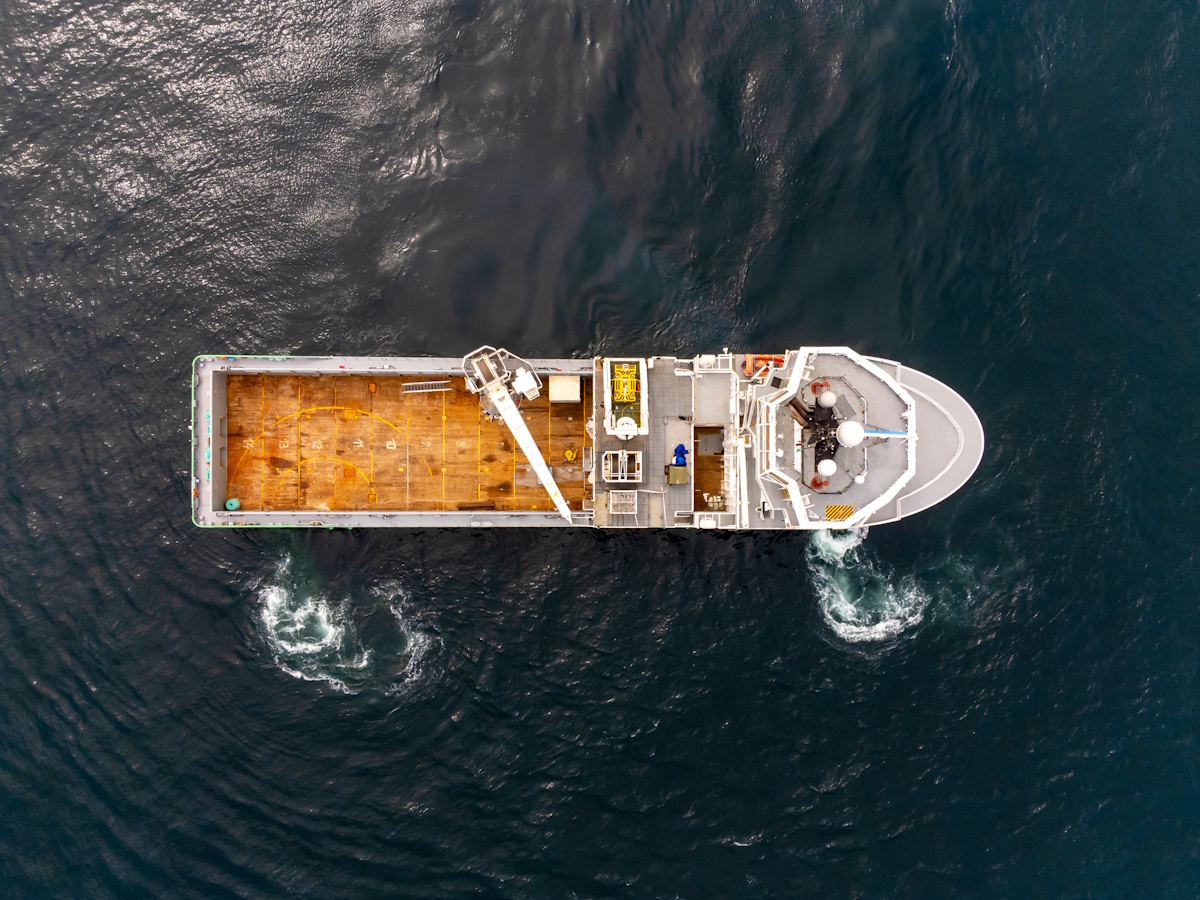
Robosys Expands its Range of OEM Propulsion Control for Remote and Autonomous Marine Applications with New Sleipner Thruster Integration
Robosys Automation, a prominent player in maritime autonomy and intelligent vessel control, has unveiled an enhancement to its VOYAGER AI software suite. This update, announced recently, integrates Sleipner (Side-Power) Thruster Systems, thereby expanding the company's multi-OEM propulsion control capabilities. The integration aims to improve the efficiency and performance of remote vessel operations, reflecting Robosys's commitment to advancing maritime technology. This development is expected to benefit a wide range of maritime applications, further solidifying Robosys Automation's position as a leader in the industry.
robosys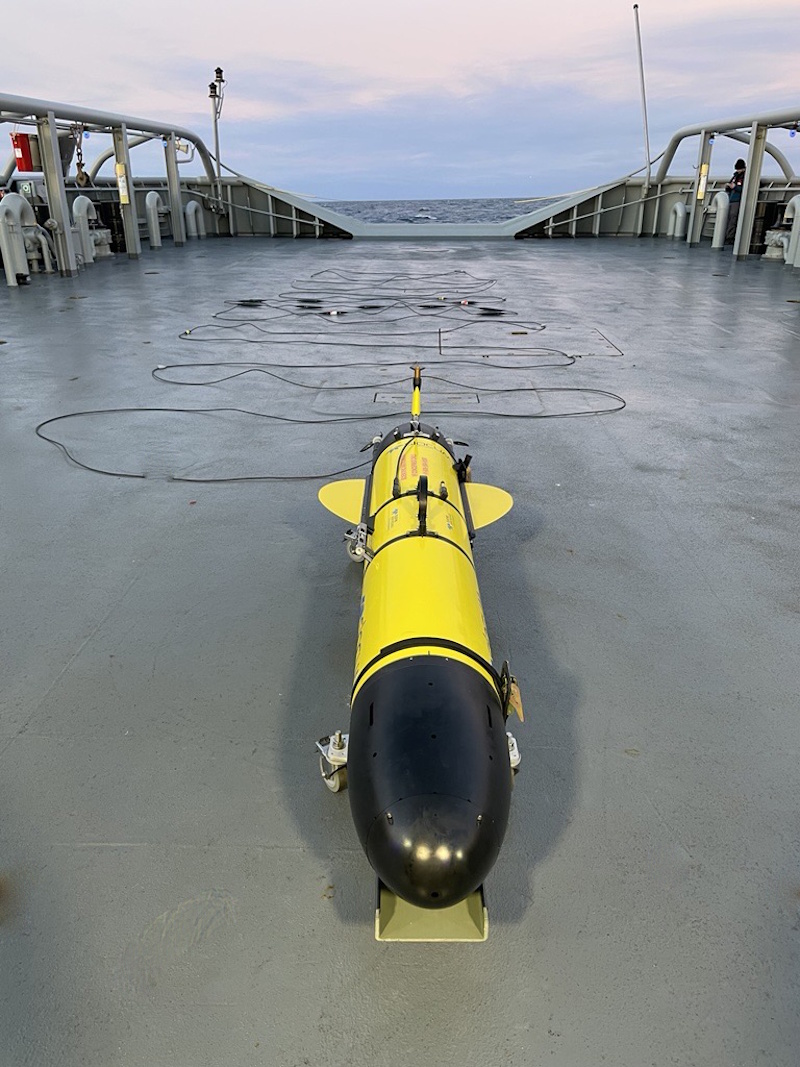
Teledyne Demonstrates Autonomous System for Anti-Submarine Warfare to NATO Members in the North Atlantic
Teledyne Technologies Incorporated recently showcased its advanced capabilities in Anti-Submarine Warfare (ASW) through a demonstration conducted in Icelandic waters from January 17 to January 22. The event featured the deployment of several state-of-the-art autonomous underwater vehicles, including the Slocum Sentinel Glider, equipped with a 60-meter-long passive acoustic towed array, and the Slocum G3 Glider, which integrates Teledyne Benthos acoustic communications technology. Additionally, two Advanced Profiling Explorer (APEX) floats were utilized, each fitted with ambient noise Passive Acoustic Monitoring systems. This demonstration highlights Teledyne's commitment to enhancing maritime security and underwater surveillance capabilities in response to evolving defense needs.
teledyne demo autonomous system anti-submarine warfare (asw) nato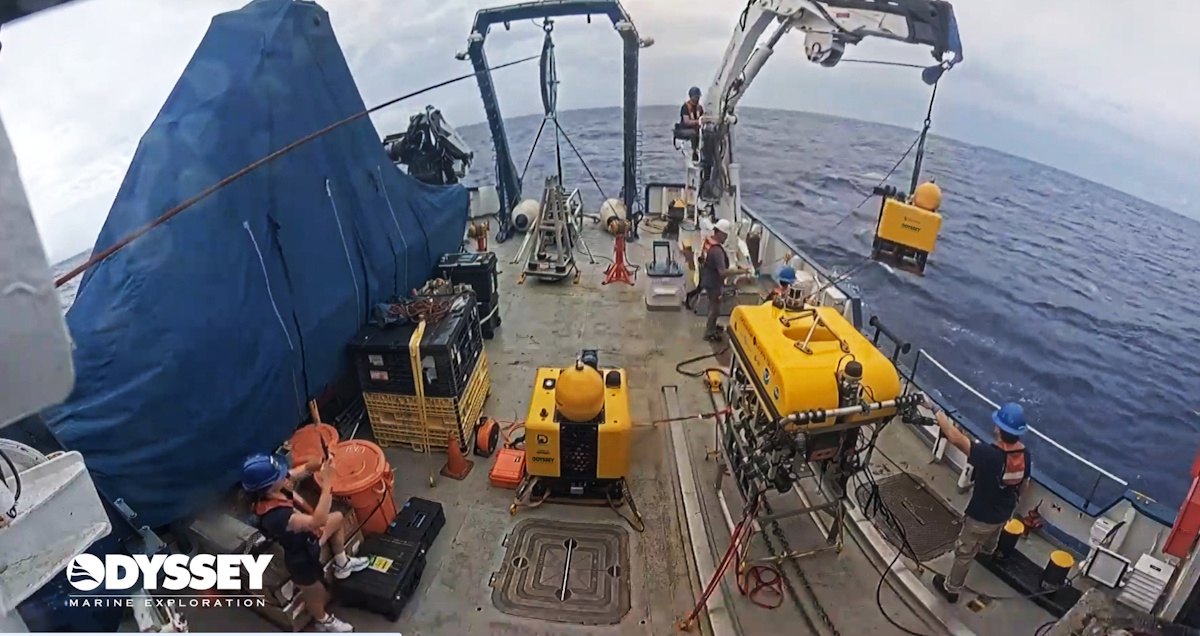
Two Odyssey Marine Exploration Autonomous Benthic Mini Landers Successfully Deployed in the Cook Islands’ EEZ
Odyssey Marine Exploration, Inc., a leader in ocean exploration and critical mineral resource development, has successfully deployed two Autonomous Benthic Mini Landers (ABML) in the exclusive economic zone of the Cook Islands. This significant achievement, announced today, represents the inaugural deep-sea deployment of specialized systems designed by Develogic GmbH for Odyssey. The deployment aims to enhance the company's capabilities in exploring and developing underwater mineral resources.
odyssey marine exploration autonomous benthic mini landers subsea mining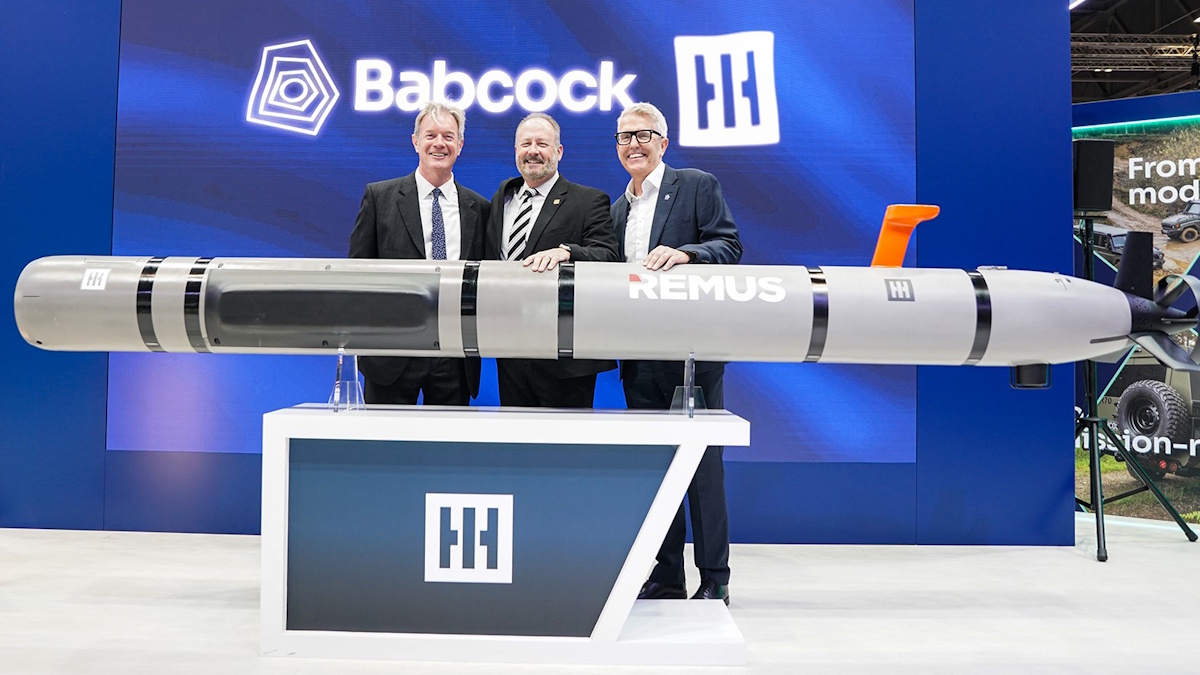
HII and Babcock Join Forces to Integrate Unmanned Underwater Vehicles with Submarine Weapon Handling and Launch Systems
Babcock International Group and HII have entered into a memorandum of understanding to integrate HII’s REMUS unmanned underwater vehicles with Babcock’s advanced submarine Weapon Handling and Launch Systems. This collaboration aims to enhance the autonomous launch and recovery capabilities of UUVs through submarine torpedo tubes, thereby bolstering the undersea operational advantages of allied navies. This initiative marks the inaugural program of its kind within Babcock's Mission Systems division, reflecting a significant step forward in military maritime technology.
hii babcock unmanned underwater vehicles submarine weapon handling and launch systems dsei 2025
Royal Navy Launches Autonomous Vehicles from Submarine in Pioneering Trial
The Royal Navy is currently conducting innovative trials to showcase the launch and recovery of uncrewed underwater vehicles from submarines. These vehicles, which are launched via torpedo tubes, aim to enhance the operational capabilities of the UK’s nuclear-powered attack submarines. The trials are designed to support a range of missions, including underwater reconnaissance, communications, and seabed warfare. By integrating these advanced technologies, the Royal Navy seeks to bolster its strategic advantages in maritime operations.
royal navy trials demo launch and recovery uncrewed underwater vehicles (uuv) submarines
Teledyne Marine Reveals the Compact Navigator: The World's Smallest and Highest-Performing, Fully Integrated Autonomous Navigation Solution
Teledyne Marine has introduced the Teledyne Compact Navigator, an innovative and ultra-compact autonomous integrated navigation solution, during the Ocean Business 2025 event. This cutting-edge technology aims to enhance navigation performance while maintaining a small form factor, catering to the growing demand for efficient and effective navigation systems in marine applications. The unveiling of this advanced solution underscores Teledyne Marine's commitment to pushing the boundaries of marine technology and addressing the evolving needs of the industry.
teledyne marine compact navigator fully integrated autonomous navigation solution
Saildrone and Thales Australia Demonstrate Game-changing Capability for Autonomous Anti-Submarine Warfare
Saildrone, a leader in maritime autonomy, has partnered with Thales Australia to successfully integrate the BlueSentry thin-line towed array with the Saildrone Surveyor, resulting in a pioneering system designed for autonomous long-endurance undersea maritime domain awareness (MDA). This innovative project, backed by funding from the Office of Naval Research (ONR), represents a significant advancement in the field of persistent, real-time undersea surveillance. The collaboration aims to enhance the capabilities of maritime operations by providing continuous monitoring of underwater environments, thereby improving security and situational awareness in naval operations. The demonstration highlights the potential for autonomous systems to revolutionize maritime surveillance and response strategies.
saildrone thales australia autonomous anti-submarine warfare (asw)Robotics needs a service framework.
RSF defines a common language for robot service capability, lifecycle operations, certification pathways, and service-provider networks.
Join the RobotToday community on LinkedIn
Daily robotics news, in-depth analysis, conference highlights, and discussions with professionals worldwide.