Industry Briefing
A single destination for timely, editor-curated robotics news from around the world.
An Adaptive Double Closed‐Loop Path Tracking Control Method for High‐Precision Autonomous Navigation of Agricultural Machinery
In a recent study published in the Journal of Field Robotics, researchers have unveiled significant advancements in robotic navigation systems, particularly focusing on autonomous vehicles. This groundbreaking research, conducted by a team of engineers and computer scientists, was released in May 2026 and highlights the integration of artificial intelligence with real-time data processing to enhance navigation accuracy. The study took place in various urban environments, where the team tested their innovative algorithms designed to improve obstacle detection and route optimization. The motivation behind this research stems from the increasing demand for safer and more efficient autonomous transportation solutions in densely populated areas. Through a series of simulations and field tests, the researchers demonstrated how their approach allows vehicles to adapt to dynamic conditions, such as changing traffic patterns and unexpected obstacles. This capability not only promises to reduce the likelihood of accidents but also aims to improve overall traffic flow. The findings are expected to have a profound impact on the future of urban mobility, potentially leading to widespread adoption of autonomous vehicles that can navigate complex environments with greater reliability. As cities continue to evolve, the integration of such advanced robotic systems could play a crucial role in shaping the future of transportation.
RESEARCH ARTICLE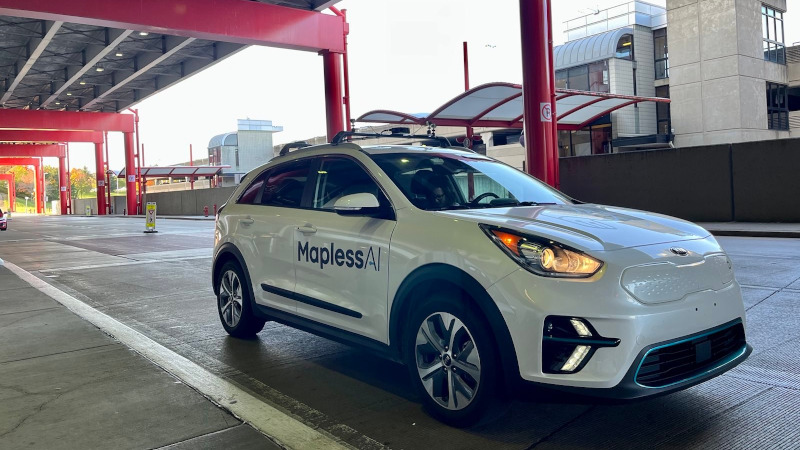
Fort Robotics acquires Mapless AI to expand supervised autonomy and physical AI safety platform
Fort Robotics, a company specializing in trust solutions for physical AI, has acquired Mapless AI, a prominent firm based in Boston and Pittsburgh known for its expertise in vehicle teleoperation and autonomy supervision. This acquisition marks a strategic move for Fort, enhancing its Trust Platform with two essential capabilities: remote human-in-the-loop teleoperation and onboard active safety. By integrating Mapless AI's technologies, Fort aims to broaden its commercial offerings and improve the safety and efficiency of autonomous systems. The deal underscores Fort's commitment to advancing the development of reliable and secure AI-driven solutions in the robotics sector.
Artificial Intelligence Financials & Investments Logistics active safety systems ai robotics automation news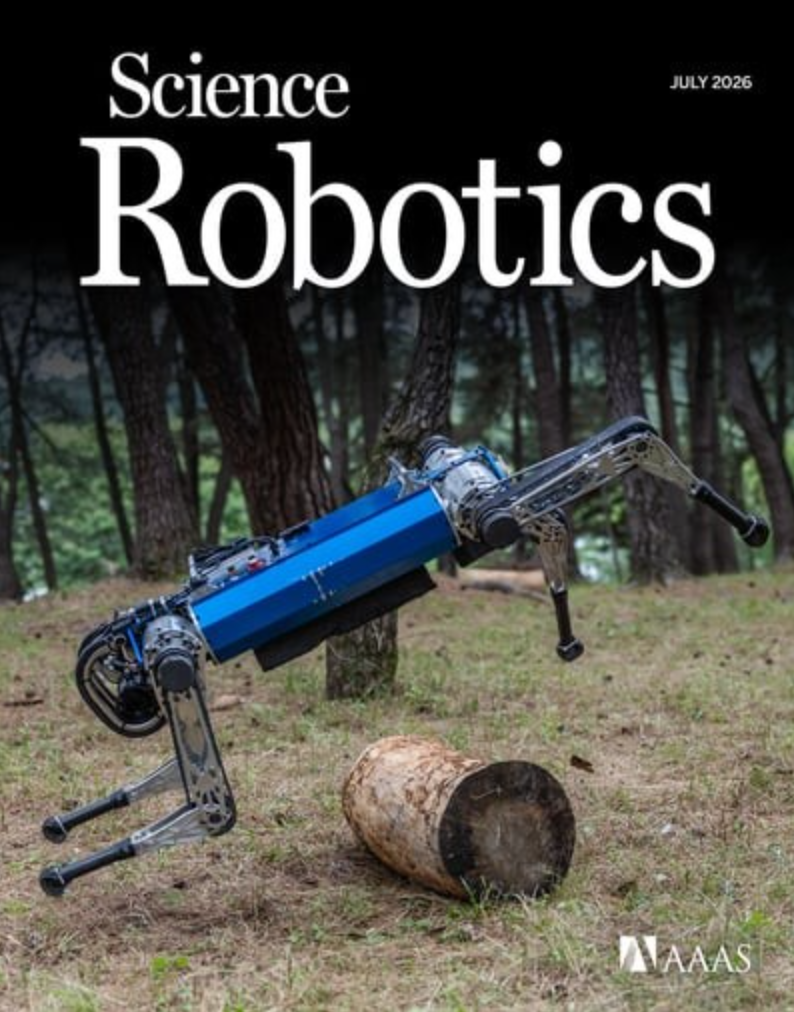
KAIST Unveils Advanced Four-Legged Robot with Autonomous Navigation Technology
KAIST's mechanical engineering team, led by Professor Park Hai-won, announced a breakthrough in robotic technology on July 16. They developed a four-legged robot capable of autonomously selecting and switching between various gaits in real-time, enabling it to navigate complex outdoor environments with speed and stability. This innovation is significant as it integrates a new control architecture called APT-RL (Action Pre-training Reinforcement Learning based on Transformers), which allows the robot to learn movement through computer simulations rather than traditional motion capture. The robot, named KAIST HOUND, demonstrated its capabilities by traversing diverse terrains, achieving peak speeds of 6 meters per second, faster than an average cyclist. Future developments to watch include the potential applications of this technology in disaster response, defense tasks, and industrial inspections. The research was published in the July issue of the journal Science Robotics, highlighting its importance in advancing the field of robotic control and physical AI.
Four-Legged Robots Robotics Technology AI Autonomous Navigation
Agreenculture acquires Chouette to add agronomic intelligence to autonomous machines
French autonomous-machinery specialist Agreenculture has announced its acquisition of Chouette, a company known for its AI-driven agronomic analysis tailored for viticulture. This strategic move, revealed recently, aims to integrate Agreenculture’s advanced autonomy technology with Chouette’s sophisticated crop-monitoring algorithms. The collaboration is set to enhance the development of machines capable of operating independently while also interpreting field observations. This initiative reflects a growing trend in the agricultural sector to leverage artificial intelligence for improved efficiency and precision in farming practices.
Autonomous/semi-autosteering systems agricultural robots agronomists autonomous technology crop monitoring vineyard robots
Yamaha expands autonomous farming platform with new weed-control system for orchards and vineyards
Yamaha Agriculture is enhancing its Prospr autonomous farming platform by introducing a new herbicide attachment aimed at automating weed control in orchards and vineyards. This innovative system, developed in collaboration with Croplands Equipment, expands the platform's capabilities to include precision herbicide application. The addition is designed to assist specialty crop growers in minimizing labor demands while improving the consistency of spraying operations. This advancement reflects a growing trend in agricultural technology, focusing on efficiency and sustainability in crop management.
Agriculture News agricultural automation agricultural robots agricultural technology ai agriculture
Designing Trust: Interfaces for Autonomous Machines
As autonomous technologies transition from research environments to everyday applications, the focus of design is evolving significantly. Experts in the field emphasize that the design process now prioritizes not only usability but also the critical elements of trust, safety, and effective collaboration between humans and machines. This shift reflects a growing recognition of the importance of user confidence in autonomous systems, which is essential for their successful integration into daily life. By addressing these factors, designers aim to create solutions that enhance user experience while ensuring safety and reliability in interactions with autonomous technologies.

Autonomous Transportation Robots for Finished Vehicle Docking in RORO Logistics Terminal: Design, Control, and Implementation
In a recent study published in the Journal of Field Robotics, researchers explored advancements in robotic technologies aimed at enhancing agricultural efficiency. The research, conducted by a team of scientists from various institutions, was released in May 2026 and highlights the integration of autonomous systems in farming practices. The study emphasizes the growing need for innovative solutions in agriculture due to increasing global food demands and labor shortages. By implementing advanced robotics, the team aims to address these challenges, demonstrating how autonomous machines can improve crop monitoring, pest control, and harvesting processes. The researchers employed a combination of field tests and simulations to assess the performance of these robotic systems in real-world agricultural settings. Their findings indicate significant improvements in productivity and resource management, suggesting that the adoption of such technologies could lead to more sustainable farming practices. This research not only contributes to the field of robotics but also offers practical solutions for the agricultural sector, potentially transforming how food is produced and managed in the future.
RESEARCH ARTICLE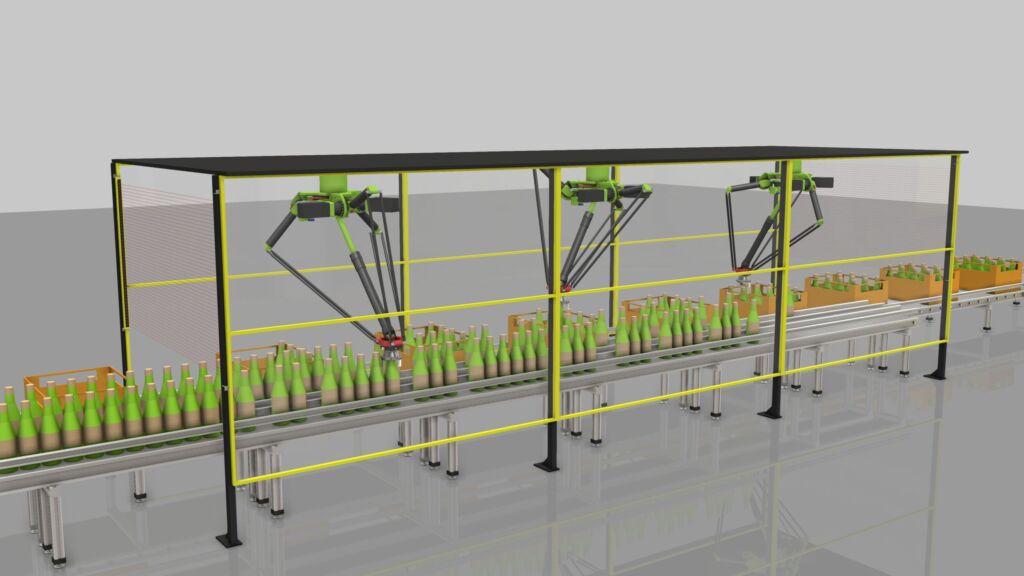
Robotics as Part of Machine Control
As the demands for modern packaging lines continue to rise, with increased throughput, greater variety, and heightened flexibility becoming essential, the use of robotics is gaining traction in the end-of-line sector. To efficiently meet these evolving requirements, new automation approaches are integrating robotics directly into machine control systems. One such solution is KeMotion from Keba Industrial Automation, which combines robotics and machine automation on the Kemro X platform. This advancement reflects the industry's shift towards more sophisticated and adaptable manufacturing processes, aimed at enhancing productivity and operational efficiency.
Allgemein Lebensmittel & Verpackung Lösungen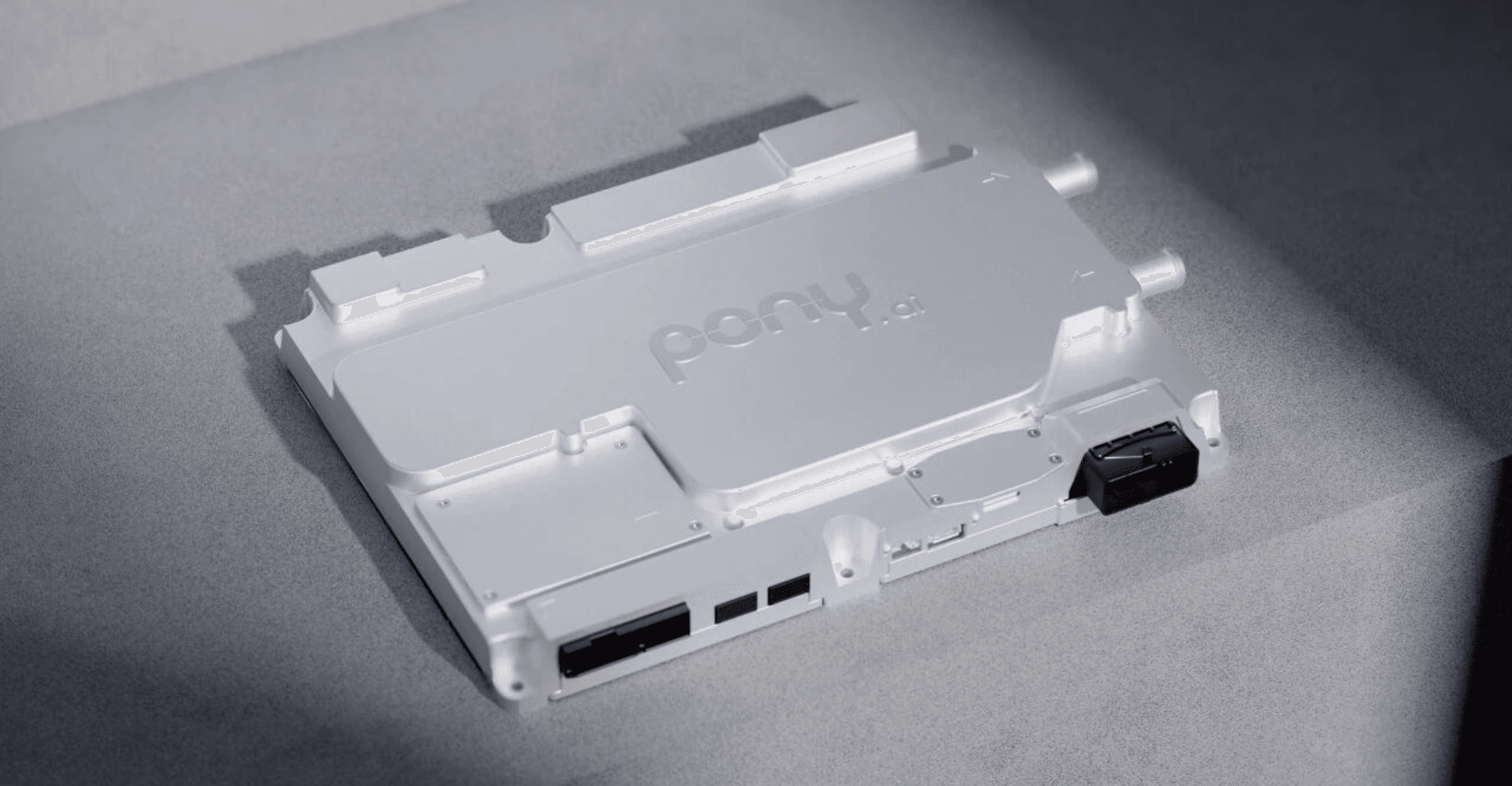
Pony.ai Unveils Next-Gen Autonomous Driving Domain Controller Built on NVIDIA DRIVE Hyperion
Pony.ai has unveiled a next-generation domain controller powered by NVIDIA technology, aimed at enhancing the scalability of Level 4 autonomous driving and advancing the commercialization of Robotaxi services. This significant development was announced recently, marking a pivotal step in the company's efforts to revolutionize urban mobility. By integrating advanced computing capabilities, the new domain controller is designed to improve the efficiency and safety of autonomous vehicles, facilitating smoother operations in complex driving environments. The initiative reflects Pony.ai's commitment to leading the autonomous driving industry and addressing the growing demand for innovative transportation solutions.
News
Dynamic State Feedback Control of Autonomous Underwater Vehicles Based on Switching Between Multiple Heading Movement Models
In May 2026, researchers published a significant study in the Journal of Field Robotics, detailing advancements in robotic technology. The study, appearing in Volume 43, Issue 3, pages 1679-1692, highlights innovative methodologies for enhancing robotic navigation and autonomy in complex environments. Conducted by a team of experts in robotics and artificial intelligence, the research aims to address the growing demand for efficient and reliable robotic systems in various industries, including agriculture, manufacturing, and disaster response. The motivation behind this research stems from the increasing reliance on robotics in everyday applications and the need for these systems to operate effectively in unpredictable settings. By employing advanced algorithms and machine learning techniques, the researchers demonstrated how robots can improve their decision-making processes and adapt to changing conditions in real-time. The findings are expected to have a profound impact on the future development of autonomous robots, paving the way for more sophisticated applications that can enhance productivity and safety across multiple sectors. As the field of robotics continues to evolve, this study represents a crucial step toward achieving greater autonomy and efficiency in robotic systems.
RESEARCH ARTICLE
Control Method Developed for Heavy-Duty Hexapod Robot Navigating Border Terrains Using Simplified Model
A new control method has been developed for a heavy-duty hexapod robot designed to walk on border terrains, as reported in the Journal of Field Robotics. This method utilizes a simplified model to enhance the robot's navigation capabilities in challenging environments. The significance of this development lies in its potential applications in various sectors, including military and disaster response, where navigating difficult terrains is crucial. The heavy-duty hexapod robot's ability to traverse border terrains effectively could improve operational efficiency and safety in these scenarios. Looking ahead, the implications of this control method could lead to further advancements in robotic mobility and control systems. No further timeline was disclosed at the time of publication.
RESEARCH ARTICLE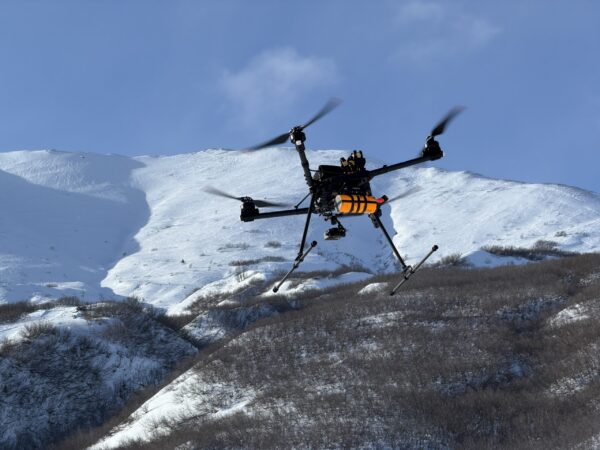
Drone Amplified Receives FAA Approval for MONTIS Avalanche Control Drone Operations
Drone Amplified, a Nebraska-based company, announced on July 8, 2026, that it has received regulatory approval from the Federal Aviation Administration (FAA) for its MONTIS drone, designed for avalanche control operations. This approval establishes a legal framework for the commercial deployment of the remote avalanche mitigation system across the United States, enhancing safety measures in avalanche-prone areas. The FAA's endorsement is significant as it allows Drone Amplified to offer its innovative technology to U.S. customers, potentially transforming avalanche management practices. The MONTIS drone is expected to improve response times and operational efficiency in avalanche control, addressing a critical need in mountainous regions where avalanches pose serious risks to safety and infrastructure. Looking ahead, the company aims to expand its market presence and operational capabilities following this regulatory milestone. No further timeline was disclosed at the time of publication, but stakeholders will be keen to see how quickly Drone Amplified can roll out its services and establish partnerships in the avalanche control sector.
Disaster Response dispatch Drone News Drone News Feeds Drones in the News Environmental Research
Enabling Autonomous Machines: Advancing 3D Sensor Fusion With Au-Zone
A new technological advancement in autonomous systems has been announced, emphasizing the integration of radar and vision with edge AI processing into a single unit. This innovative approach aims to enhance the speed, reliability, and robustness of next-generation autonomous solutions. The development is crucial for meeting the increasing demands for advanced autonomy in various applications. The system is designed to operate efficiently, leveraging cutting-edge technology to ensure optimal performance in real-time scenarios. This breakthrough is expected to significantly impact industries reliant on autonomous technologies, paving the way for more sophisticated and dependable systems in the near future.

Nyobolt Closes $60 M Series C Funding Round at $1B Valuation, to Power Autonomous Machines, Physical AI Applications and AI Data Centers
Nyobolt, a company specializing in ultra-fast charging and high-power battery systems, has successfully secured $60 million in Series C funding, pushing its valuation beyond $1 billion. The funding round, which took place recently, was led by Symbotic and included contributions from notable investors such as IQ Capital, Latitude, Scania Invest, and CBMM. This financial boost aims to facilitate the expansion of Nyobolt's technology, particularly for applications in autonomous robots and AI infrastructure. The company has reported a remarkable fivefold increase in revenue over the past year, highlighting its growth potential in the rapidly evolving battery market.
AI AI Funding & Investment Robotics autonomous batteries CBMM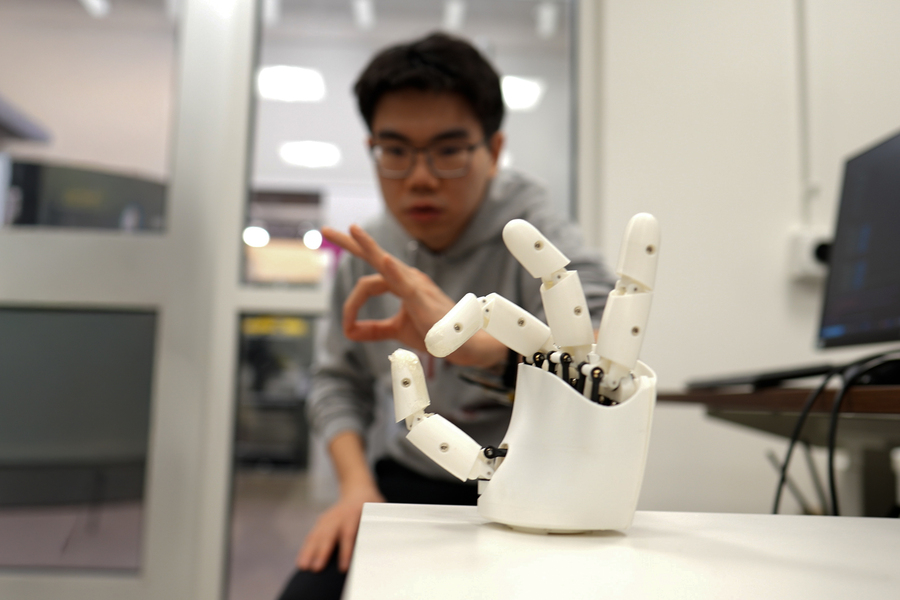
MIT Engineers Develop Ultrasound Wristband for Real-Time Robotic Hand Control
MIT engineers have created an innovative ultrasound wristband that allows wearers to control a robotic hand through their own movements. This wristband captures real-time images of the wrist's muscles and tendons, translating them into the positions of the fingers and palm using an AI algorithm. Demonstrations have shown that users can wirelessly manipulate a robotic hand to perform tasks like playing the piano or shooting a basketball. This technology is significant as it offers a new method for hand tracking in robotics and virtual reality, potentially replacing traditional techniques that rely on cameras or sensor-laden gloves. The wristband's ability to gather diverse hand motion data could lead to advancements in training humanoid robots for dexterous tasks, including surgical procedures. Xuanhe Zhao, a professor at MIT, emphasizes the immediate impact this work could have on both virtual environments and robotic dexterity. Looking ahead, the research team aims to expand their dataset of hand motions by collecting data from users with varying hand sizes and gestures. This could enhance the capabilities of humanoid robots and improve interactions in virtual settings. No further timeline was disclosed at the time of publication.
Bearing‐Based Moving Target Fencing Control for Multiple Underactuated Autonomous Surface Vehicles With Fixed‐Time Differentiators
In May 2026, the Journal of Field Robotics published a comprehensive study examining advancements in robotic technology and its applications in various fields. Researchers from leading institutions collaborated to investigate the integration of artificial intelligence and machine learning in field robotics, aiming to enhance efficiency and adaptability in challenging environments. The study highlights significant breakthroughs in navigation systems and sensor technologies, which are crucial for deploying robots in agriculture, disaster response, and environmental monitoring. The findings underscore the importance of interdisciplinary approaches in advancing robotic capabilities and address the growing demand for automation in sectors facing labor shortages. By showcasing successful case studies and experimental results, the research provides a roadmap for future innovations in the field, emphasizing the potential of robotics to transform industries and improve operational outcomes.
RESEARCH ARTICLE
Robosys Expands its Range of OEM Propulsion Control for Remote and Autonomous Marine Applications with New Sleipner Thruster Integration
Robosys Automation, a prominent player in maritime autonomy and intelligent vessel control, has unveiled an enhancement to its VOYAGER AI software suite. This update, announced recently, integrates Sleipner (Side-Power) Thruster Systems, thereby expanding the company's multi-OEM propulsion control capabilities. The integration aims to improve the efficiency and performance of remote vessel operations, reflecting Robosys's commitment to advancing maritime technology. This development is expected to benefit a wide range of maritime applications, further solidifying Robosys Automation's position as a leader in the industry.
robosys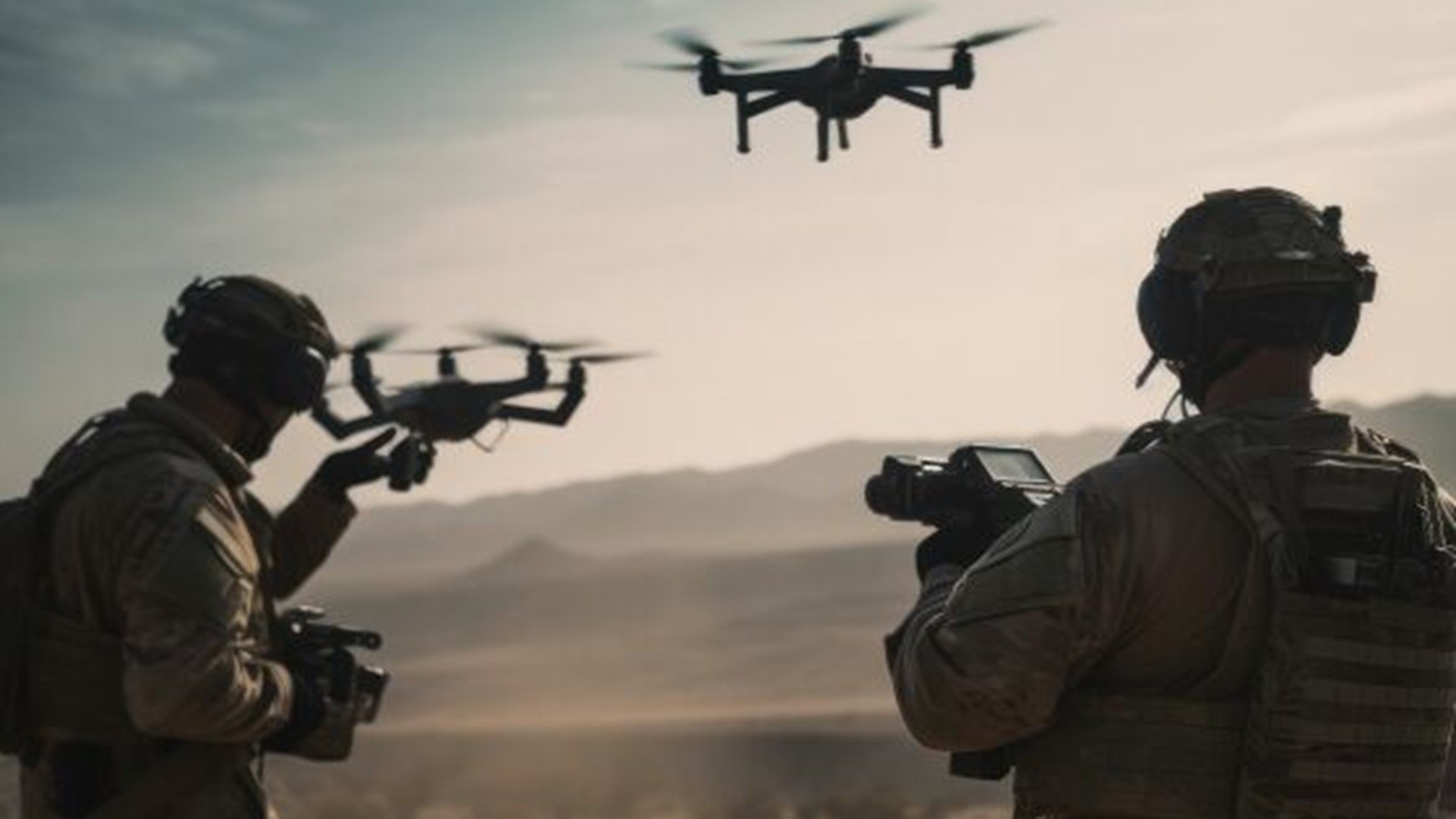
One soldier, many drones: US Army tests autonomous drone-control software
The U.S. Army has awarded two contracts to Palladyne AI, a defense and technology company, to conduct testing of its advanced artificial intelligence systems. This initiative, announced recently, aims to enhance military capabilities through innovative technology solutions. The contracts will facilitate the evaluation of Palladyne AI's systems in various operational scenarios, focusing on improving decision-making processes and operational efficiency. The collaboration underscores the Army's commitment to integrating cutting-edge technology into its operations to maintain strategic advantages. The testing is expected to take place at designated military facilities, with results potentially influencing future defense strategies and procurement decisions.
Military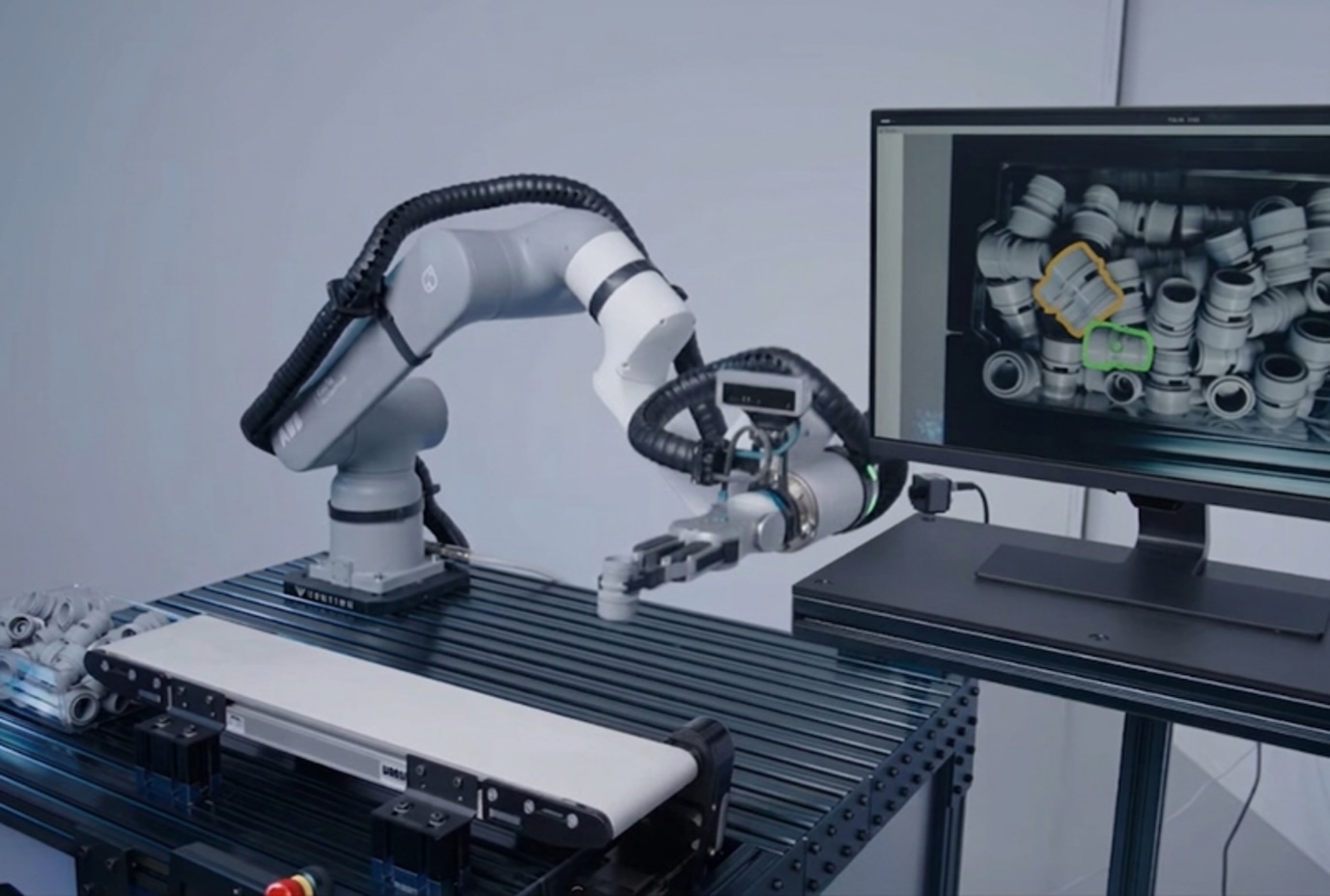
Efficient and Adaptive Autonomous Guidance and Control of Planetary Rover With Improved Traction Controller and Dynamic Cost Map
In June 2026, the Journal of Field Robotics published a significant study highlighting advancements in robotic technology aimed at enhancing agricultural efficiency. Researchers from various institutions collaborated to develop innovative robotic systems capable of performing tasks such as planting, monitoring crop health, and harvesting. This initiative responds to the growing demand for sustainable farming practices and the need to address labor shortages in the agricultural sector. The study, which spans pages 2848 to 2866 in the journal’s fourth issue, showcases how these robots utilize artificial intelligence and machine learning to adapt to diverse farming environments. By integrating advanced sensors and data analytics, the robotic systems can make real-time decisions, optimizing resource use and minimizing environmental impact. The research team conducted extensive field trials across multiple agricultural settings, demonstrating the robots' effectiveness in improving yield and reducing operational costs. The findings are expected to influence future agricultural policies and practices, promoting the adoption of technology in farming to ensure food security in an increasingly challenging climate. This groundbreaking work not only illustrates the potential of robotics in agriculture but also underscores the importance of interdisciplinary collaboration in addressing global challenges.
FIELD REPORT
Navy tests MUSV autonomous control and payload architecture across seven prototypes
The US Navy has approved seven submissions for medium unmanned surface vessels (MUSVs) as part of its ongoing efforts to enhance maritime capabilities. This decision, announced recently, marks a significant step in the Navy's initiative to integrate advanced unmanned technologies into its fleet. The approvals come in response to the increasing demand for innovative solutions to address modern naval challenges, including surveillance and reconnaissance missions. By incorporating these unmanned vessels, the Navy aims to improve operational efficiency and reduce risks to personnel. The selected submissions will now move forward in the development process, with the Navy collaborating closely with the respective contractors to ensure successful implementation. This initiative underscores the Navy's commitment to leveraging cutting-edge technology to maintain its strategic advantage in maritime operations.
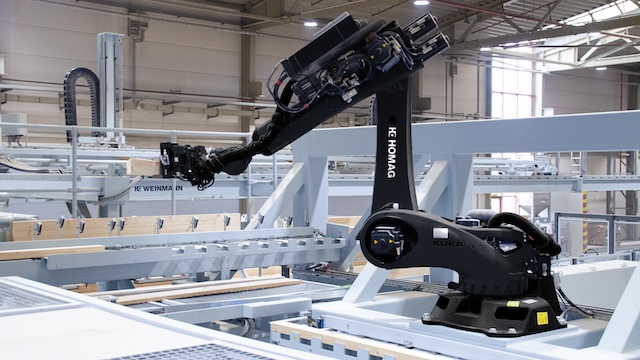
Pony.ai Announces New Autonomous Driving Compute Platform
Pony.ai Inc., a leading player in autonomous driving technology, has unveiled its latest generation autonomous driving domain controller, a cutting-edge computing system tailored for its Level 4 (L4) autonomous driving platform. This announcement was made public in a press release, highlighting the collaboration with NVIDIA, a key partner in the development process. The new controller not only enhances Pony.ai's own autonomous mobility solutions but is also designed to serve a wider range of customer applications in the autonomous driving sector. The launch signifies Pony.ai's commitment to advancing technology in the rapidly evolving field of autonomous vehicles, aiming to improve safety and efficiency in transportation.
AI AI Use Cases Robotics autonomous driving system China NVIDIA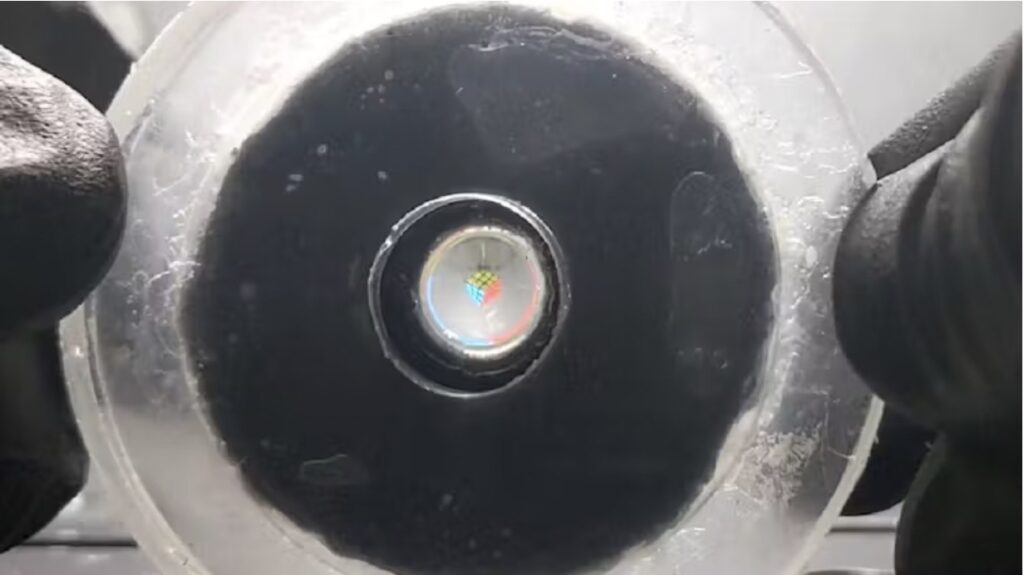
A flexible lens controlled by light-activated artificial muscles promises to let soft machines see
Researchers at the Georgia Institute of Technology have developed an innovative artificial eye designed to enhance the vision capabilities of soft robots. This adaptive lens, inspired by the human eye, is made from a soft, light-responsive material that allows for improved visual perception. The project, led by biomedical engineering experts Corey Zheng and Shu Jia, aims to bridge the gap between robotics and biological systems, enabling robots to interact more effectively with their environments. The development of this technology could significantly advance the field of robotics, particularly in applications requiring nuanced visual processing.
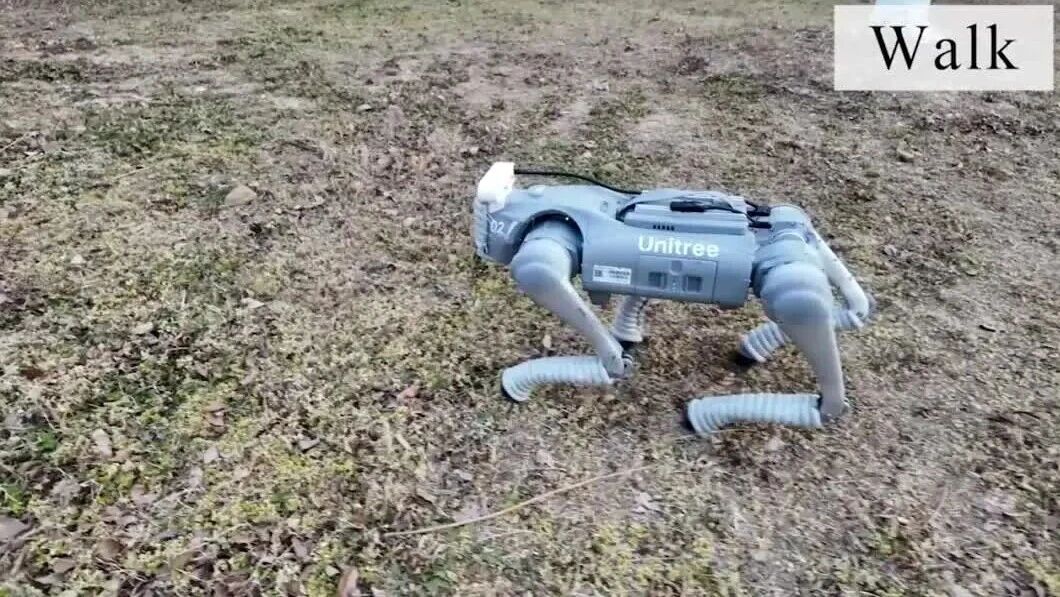
Autonomous Robot Dog Learns Agility Through Observation and Imitation
A research team at Nanjing University has unveiled an innovative robot dog capable of autonomously navigating obstacle courses by mimicking the movement patterns of real dogs. This groundbreaking development, which was announced recently, leverages a unique control system inspired by neuroscience, allowing the robot to demonstrate remarkable agility and speed without the need for human guidance. The team's work represents a significant advancement in robotics, showcasing how insights from biological movement can enhance machine performance in complex environments.
Robotics Machine Learning Autonomous Systems AI Agility Training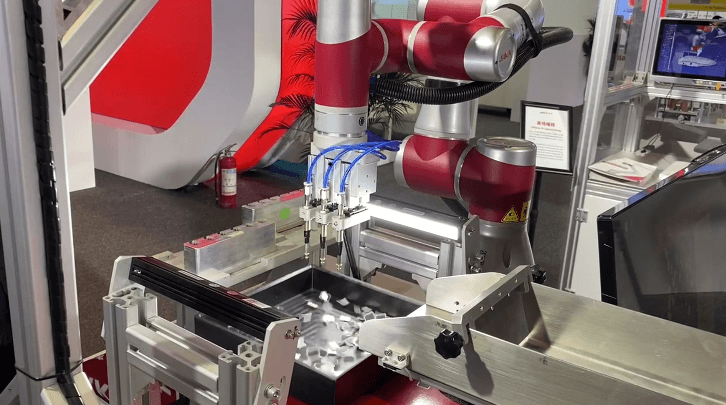
Understanding Robotics and Autonomous Systems in Next-Gen Smart Factories
Factories are experiencing a significant transformation as they shift from traditional linear automation to interconnected, intelligent production ecosystems. This change is driven by the integration of robotics and autonomous systems, with JAKA positioning its industrial cobots as essential components within this advanced network. The industrial cobot serves as a flexible link between manual workstations and fully automated lines, enabling manufacturers to adapt quickly to varying tasks such as assembly and inspection. This adaptability is crucial for high-mix production environments, allowing workflows to respond in near real-time to digital directives from a central Manufacturing Execution System (MES). The evolution of true autonomy is facilitated by the connectivity of individual machines within a coordinated network. JAKA's robotic arms can communicate seamlessly with autonomous mobile robots and vision systems, creating a responsive operational loop. For example, an autonomous robot can deliver components to a JAKA cobot, which then executes tasks based on cloud-based analytics. JAKA emphasizes the importance of reliable, connected hardware to support these systems, focusing on high-precision control technology that ensures accurate task execution. This reliability is essential for advancing towards lights-out production in certain processes. As the next-generation smart factory emerges, the industrial cobot is positioned as a versatile agent within a complex architecture of robotics and autonomous systems. JAKA aims to provide manufacturers with the necessary hardware to build increasingly responsive and autonomous production environments, enhancing efficiency and complexity management in the manufacturing landscape.

ATEC2025·Real-World Extreme Challenge Concludes with Zhejiang University Team Claiming $150,000 Prize for Breakthrough in Fully Autonomous Robotics
Thirteen international teams are advancing the field of robotics by developing systems that operate without remote control, marking a significant shift from traditional teleoperated tools to fully autonomous agents. This initiative, which aims to enhance the capabilities and applications of robotics, is taking place as part of a collaborative effort among researchers and engineers from various countries. The teams are focused on creating robots that can perform tasks independently, thereby increasing efficiency and reducing the need for human intervention. This evolution in robotics is driven by the growing demand for automation in various sectors, including manufacturing, healthcare, and exploration. By leveraging cutting-edge technologies and innovative approaches, these teams are exploring new frontiers in autonomous robotics, with the potential to revolutionize how machines interact with their environments and carry out complex operations.
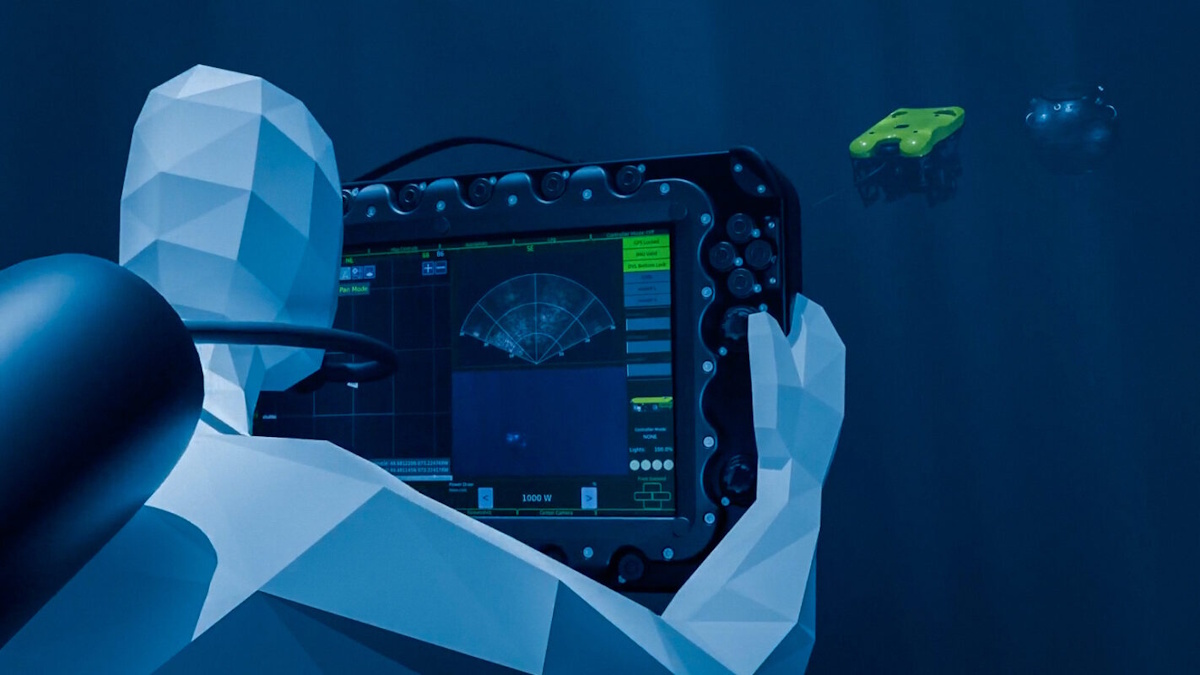
Greensea IQ is Awarded $18 Million Contract by the US Navy for the Bayonet Underwater Controller (BUC) Development and Sustainment
Greensea Systems, Inc., operating as Greensea IQ, has secured an $18.15 million Indefinite-Delivery/Indefinite-Quantity (IDIQ) contract to deliver hardware, software, and engineering technical services. This contract, awarded for an undisclosed duration, focuses on the development of underwater controllers essential for the operation of autonomous and remotely operated systems in maritime settings. The contract aims to enhance capabilities in underwater technology, reflecting the growing demand for advanced solutions in marine environments.
greensea iq u.s. navy new contract bayonet underwater controller (buc) development and sustainment
Former Baidu autonomous driving lab head raises millions in angel funding for global robot model startup.
Nuwa Robotics, a company specializing in embodied intelligence, has successfully secured 50 million yuan in angel funding, led by Blue Lake Capital with participation from various investors including Qiongcheng Puyi Investment. This funding follows a seed round completed two months prior, led by Plug and Play China. Founded in February 2026 by Dr. Yang Ruigang, a former director at Baidu’s autonomous driving and robotics lab, Nuwa aims to advance robotic capabilities in navigating complex human environments. As the field of embodied intelligence gains momentum, industry consensus is forming around the need for a "layered decoupling" approach. Nuwa is focusing on developing a "World Traversal Model" (WTM) that enables robots to autonomously navigate, interact, and complete tasks in human settings, addressing a critical gap in the industry. This model is designed to be compatible with various robotic platforms, including humanoid robots and delivery vehicles. Nuwa's technology integrates high-fidelity physical simulation with advanced data generation techniques to create a robust training environment for its WTM. The company has made significant strides in motion control and navigation capabilities, allowing robots to navigate complex terrains without relying on high-precision maps. Additionally, Nuwa is prioritizing social behavior compliance, essential for robots operating in public spaces. With plans to deploy the WTM in real-world applications by 2026, Nuwa aims to validate its core capabilities and expand its operational scale. Blue Lake Capital expressed confidence in Nuwa’s vision, highlighting the potential for the company to overcome key industry challenges and pioneer advancements in intelligent navigation.

ACS Raises $200M in Series B Funding to Expand ‘Bullfrog’ Autonomous Counter-Drone System
Allen Control Systems has successfully secured $200 million in a Series B funding round aimed at enhancing the production of its autonomous counter-drone weapons systems, which are intended for the U.S. military and its allied nations. The funding round was spearheaded by Smash Capital, with contributions from existing investors such as Craft Ventures, Rally Ventures, and Inspired Capital. This financial boost will enable the company to scale its operations and meet the growing demand for advanced defense technologies in response to increasing drone threats.
AI AI Funding & Investment Robotics ACS Allen Control Systems autonomous
NVIDIA Research Unlocks Advanced Grasping, Smarter Autonomous Driving and Agent Training at Scale
Researchers are exploring advancements in robotics, focusing on the versatility of robot grippers and the safety of autonomous vehicle systems. The study highlights that the true utility of a robot gripper lies not only in its ability to grasp a single object but also in its capacity to adapt and handle various unfamiliar items consecutively. Similarly, the effectiveness of autonomous vehicles is assessed not just on their reasoning capabilities but on their overall safety in diverse driving conditions. This research, conducted by a team of engineers and computer scientists, aims to enhance the functionality of robotic systems and improve public trust in autonomous technology. The findings, which are expected to influence future designs and applications, were presented at a technology conference in early October 2023. By integrating advanced algorithms and machine learning techniques, the team is developing systems that can learn from experience, thereby increasing their efficiency and reliability in real-world scenarios.
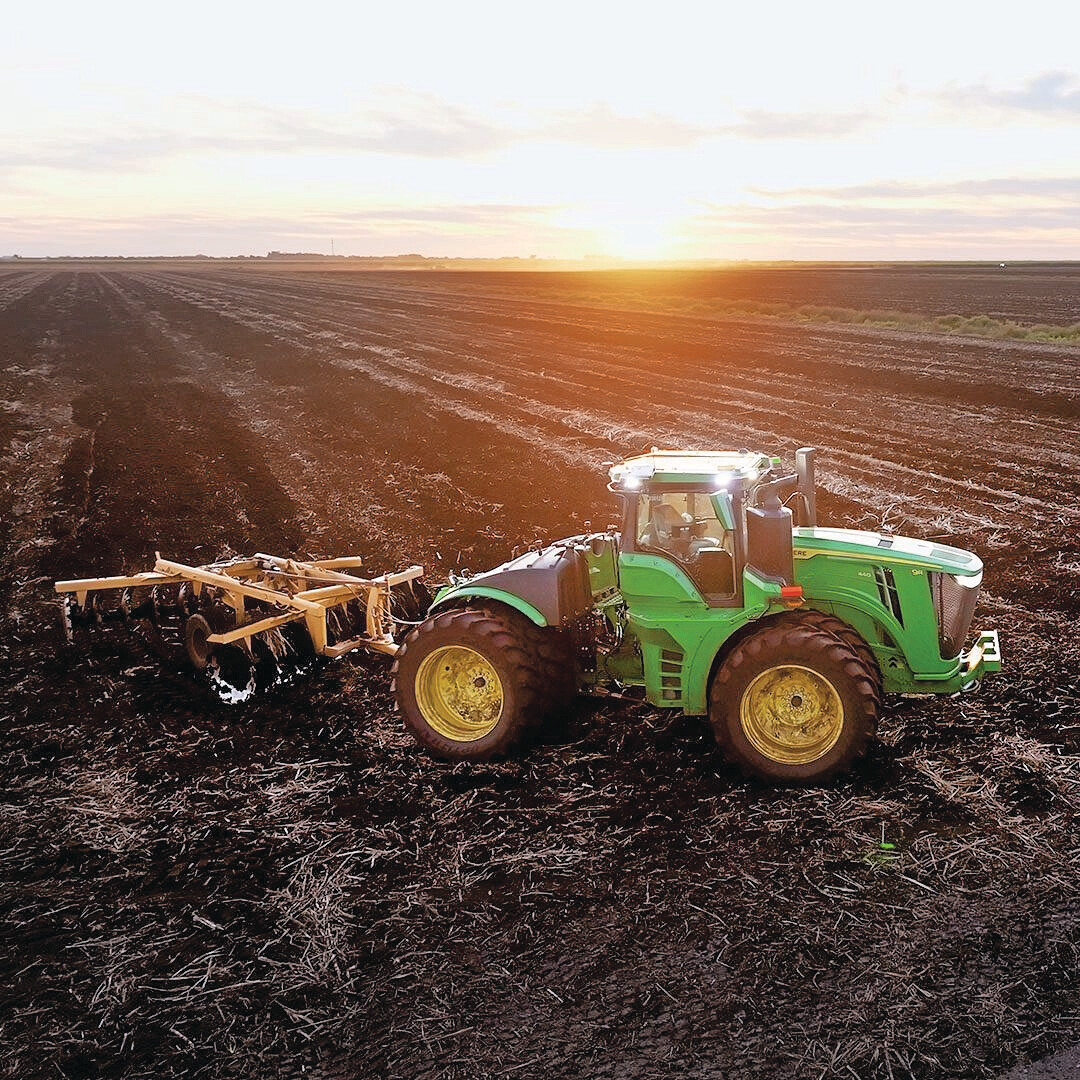
U.S. Sugar deploys autonomous John Deere tractor fleet across 255,000 acres
U.S. Sugar has initiated the largest commercial deployment of autonomous tractors in the American sugar industry, marking a significant advancement in agricultural technology. This initiative involves the use of unmanned John Deere tractors that operate continuously in the sugarcane fields of Florida. The deployment aims to enhance efficiency and productivity in sugarcane farming, reflecting the company's commitment to innovation in agriculture. By utilizing these autonomous machines, U.S. Sugar seeks to streamline operations and reduce labor costs, ultimately improving the overall sustainability of its farming practices. The move comes as the industry increasingly embraces automation to meet growing demands while addressing labor shortages.
Autonomous/semi-autosteering systems autonomous farm equipment autonomous tractors fleet management precision agriculture sugarcane
Virginia Tech researchers control soft robotics with ‘AI’s cousin’: ‘Reservoir computing’
Researchers at Virginia Tech are advancing the field of soft robotics, which utilizes flexible, muscle-like materials to create machines capable of bending and stretching in ways that surpass traditional rigid robots. This innovative technology enables applications such as harvesting ripe tomatoes and navigating complex search-and-rescue environments. However, the inherent flexibility of these robots presents significant challenges in control and precision. The team at Virginia Tech is focused on addressing these control difficulties to enhance the functionality and reliability of soft robotics, aiming to unlock their full potential in various practical applications.
Computing Features Robotics Science agricultural robotics ai robotics
Autonomous Robotics and Physical AI in Next-Generation Manufacturing
A recent advancement in robotics has highlighted the capabilities of autonomous robots, which can execute tasks with minimal human oversight. This development is complemented by the emergence of Physical AI, a technology that enhances machines' ability to comprehend their surroundings, make informed decisions, and engage with the physical world more efficiently. As industries increasingly seek automation solutions, these innovations are poised to transform various sectors by improving operational efficiency and reducing reliance on human labor. The integration of Physical AI into autonomous systems is expected to facilitate more sophisticated interactions and decision-making processes, paving the way for smarter and more adaptable robotic applications in everyday environments. This evolution in technology underscores the ongoing trend toward automation and intelligent systems, reflecting a growing demand for advanced solutions in an ever-changing landscape.
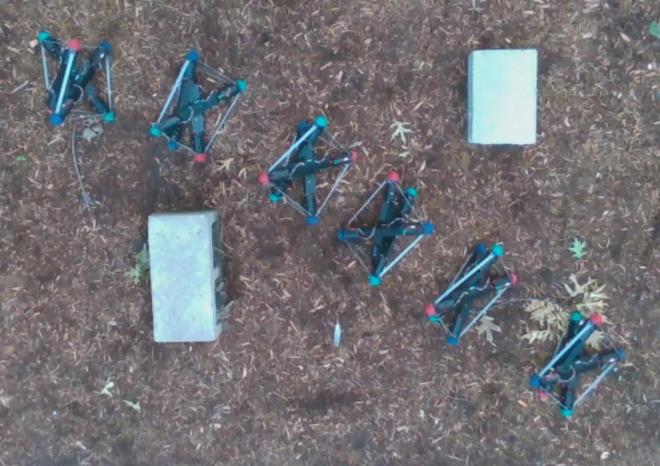
Yale University Unveils Fully Open-Source Tensegrity Robot: Durable, Impact-Resistant, and Autonomous!
Yale University and Rutgers University have collaborated to create a groundbreaking open-source tensegrity robot, which is both lightweight and impact-resistant. This innovative robot is designed to autonomously navigate diverse terrains, showcasing its versatility and resilience. The project, which emphasizes modular components and advanced control systems, aims to enhance the robot's adaptability in various environments. This development represents a significant advancement in robotics, potentially paving the way for future applications in fields such as search and rescue, exploration, and environmental monitoring.
Tensegrity Robots Robotics Research Autonomous Navigation Modular Robotics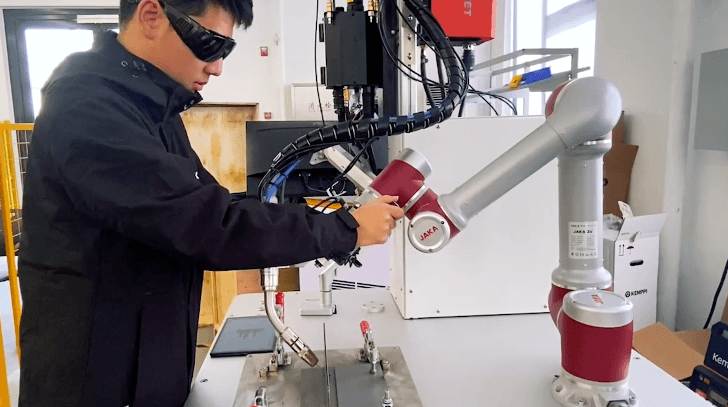
How Does Someone Control a Robot Arm?
JAKA Robotics is revolutionizing the interaction between humans and industrial machinery by simplifying the control of robotic arms. Traditionally, operating these systems required extensive knowledge of complex coding and strict safety protocols. However, JAKA's innovative approach now enables operators with diverse technical skills to manage high-precision movements through user-friendly interfaces. The company has introduced several methods for controlling collaborative robots, including handheld teach pendants and tablet-based graphical user interfaces (GUIs) that allow users to create action sequences by dragging and dropping command blocks. One of the standout features is direct teaching, where operators can manually guide the robot arm to desired positions, which the system records in real-time, streamlining tasks like gluing and polishing. Additionally, advancements in IoT and wireless technology have made it possible for operators to control robotic arms remotely via smartphones or laptops, facilitating efficient management in smart factory settings. JAKA's Zu30 and AL series arms can be programmed using standard tablets, supporting a "Drag-and-Graphic Programming" feature that simplifies the control process. By prioritizing accessibility and flexibility, JAKA Robotics aims to eliminate the barriers of traditional automation, catering to everyone from small workshop owners to large manufacturers. The company also supports various programming languages and ROS integration for advanced users, combining safety features with intuitive control methods to foster a collaborative environment between humans and machines.
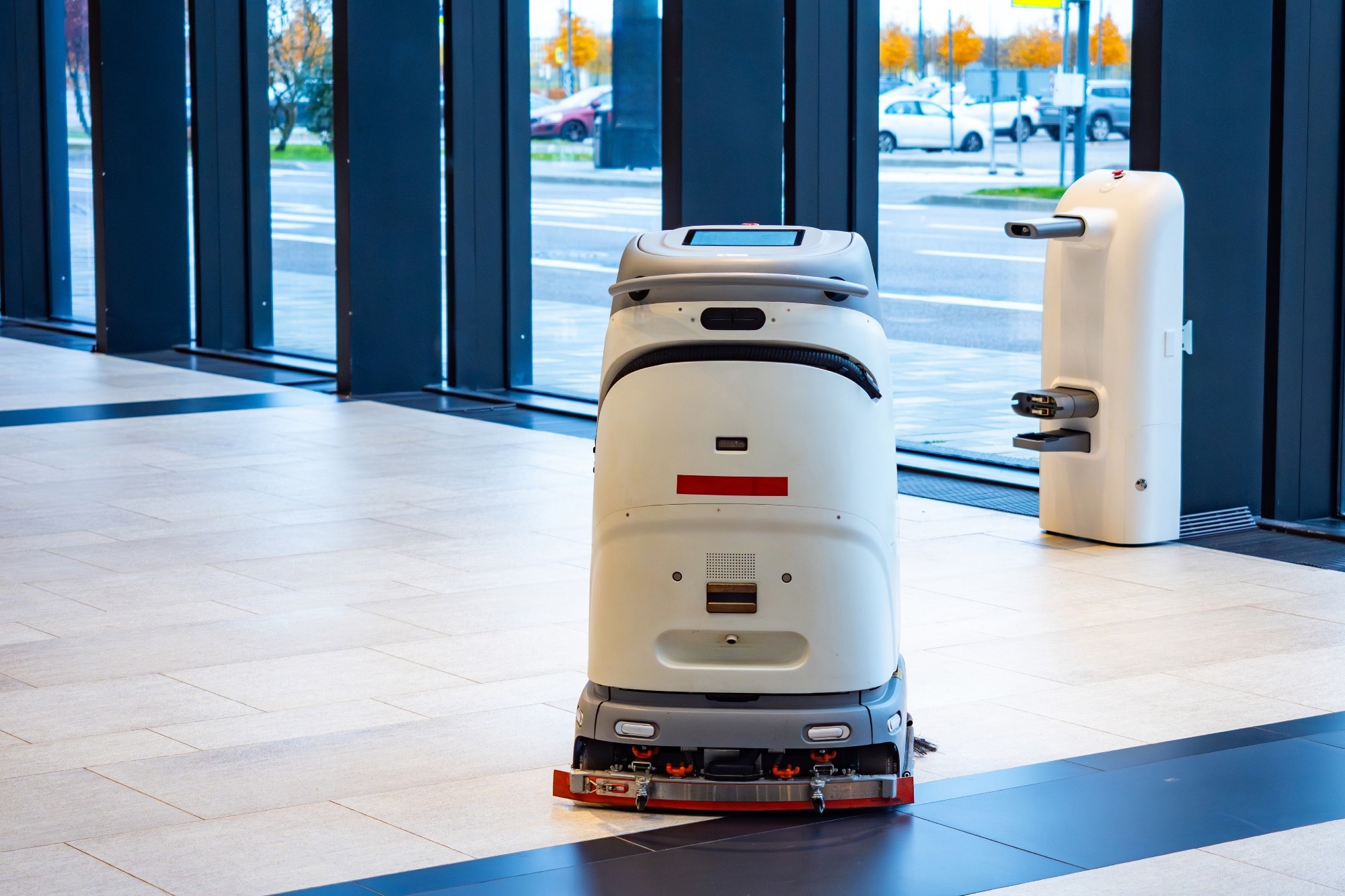
Multi-Resolution Mapping Improves Autonomous Robot Exploration Efficiency
A team of researchers has developed a groundbreaking multi-resolution exploration method aimed at improving robotic navigation in complex and unfamiliar environments. This innovative approach enhances the efficiency and adaptability of robots, enabling them to better navigate obstacles and varying terrain. The research, which was conducted in late 2023, addresses the growing need for advanced robotic systems capable of operating in unpredictable settings, such as disaster zones or remote exploration areas. By employing this new method, robots can dynamically adjust their navigation strategies based on real-time data, ultimately increasing their effectiveness in completing tasks. The findings promise to significantly advance the field of robotics, paving the way for more autonomous and resilient machines in the future.

GoZTASP: A Zero-Trust Platform for Governing Autonomous Systems at Mission Scale
ZTASP, a cutting-edge assurance and governance platform for autonomous systems, has made significant advancements in ensuring the safety and integrity of operations in real-world environments. This platform integrates various technologies, including drones, robots, sensors, and human operators, into a cohesive zero-trust architecture. Utilizing Secure Runtime Assurance (SRTA) and Secure Spatio-Temporal Reasoning (SSTR), ZTASP continuously monitors system integrity and enforces safety protocols, allowing for resilient operations even in challenging conditions. Recently, ZTASP has achieved operational validation at Technology Readiness Level (TRL) 7, demonstrating its effectiveness in mission-critical scenarios. Key components, such as the Saluki secure flight controllers, have reached TRL 8 and are now actively deployed in customer systems. Originally designed for high-stakes missions, the platform's assurance capabilities are increasingly applicable across various sectors, including healthcare, transportation, and critical infrastructure. This evolution reflects a growing recognition of the need for robust safety measures in diverse operational domains.
Autonomous-systems Drones Sensors Transportation Type-whitepaper
The Autonomous Equipment Billing Problem Nobody’s Solving
A new wave of automation is transforming the economic landscape as companies deploy machines capable of operating around the clock without human oversight. This technological advancement allows for seamless economic output management through spreadsheets, phone calls, and quarterly reconciliation meetings. The shift towards such autonomous systems is driven by the need for increased efficiency and cost-effectiveness in business operations. As organizations embrace this innovation, they are redefining traditional workflows and enhancing productivity. The implementation of these machines marks a significant step in the evolution of business practices, reflecting a broader trend towards automation in various industries.

Autonomous vehicle hype is back, and Humble Robotics is bringing it to freight
The autonomous vehicle industry is experiencing a resurgence reminiscent of the 2016 hype cycle, with renewed interest and investment. Travis Kalanick, the co-founder of Uber, is re-entering the scene by establishing a robotics company, signaling a shift in focus within the sector. As competition intensifies, companies are engaged in fierce talent wars, vying for skilled professionals to drive innovation. Investment is pouring back into the market, echoing the financial enthusiasm seen in previous years. This revitalization is attracting individuals who have previously navigated the industry's ups and downs, suggesting a blend of experience and fresh ideas may shape the future of autonomous technology.
Startups Transportation autonomous vehicles Equity podcast Eyal Cohen Humble Robotics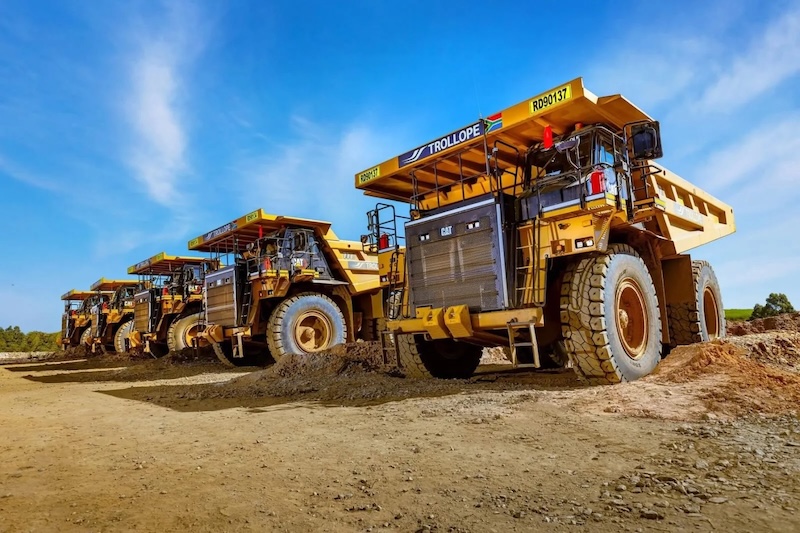
AI, Robotics and Automated Mining: The Future of Excavators and Mining Machinery Parts
The global mining industry is undergoing a significant transformation as it increasingly integrates artificial intelligence, robotics, and full automation into its operations. This shift has led to the widespread adoption of intelligent excavators and driverless mining trucks, which are now considered standard equipment in modern mining practices. These advancements are not only improving operational safety but also significantly boosting production efficiency. As mining machinery evolves, there is a corresponding rise in the standards and demands for high-quality professional mining machinery parts, reflecting the industry's commitment to enhancing performance and reliability in the face of technological change.
Engineering Mining ai in mining automation news autonomous haul trucks autonomous mining equipment
Enhancing Industrial Automation: Why Compact Mini PCs Are Quietly Becoming the Default Choice for Robotic Controllers
In recent years, the evolution of control cabinets in modern factories has significantly transformed, with a notable increase in the complexity of components housed within them. Engineers are now tasked with integrating advanced technologies such as vision systems, sensors, controllers, and networking equipment into increasingly confined spaces. This shift has prompted the adoption of compact industrial computers, which are designed to efficiently manage the growing demands of industrial automation. As manufacturers seek to optimize their operations and streamline processes, these compact solutions are becoming essential for maintaining productivity and enhancing system capabilities. The trend reflects a broader movement towards more sophisticated and space-efficient technologies in the manufacturing sector, driven by the need for innovation and efficiency in an ever-competitive landscape.
Automation Computing Factories Industry automation hardware automation news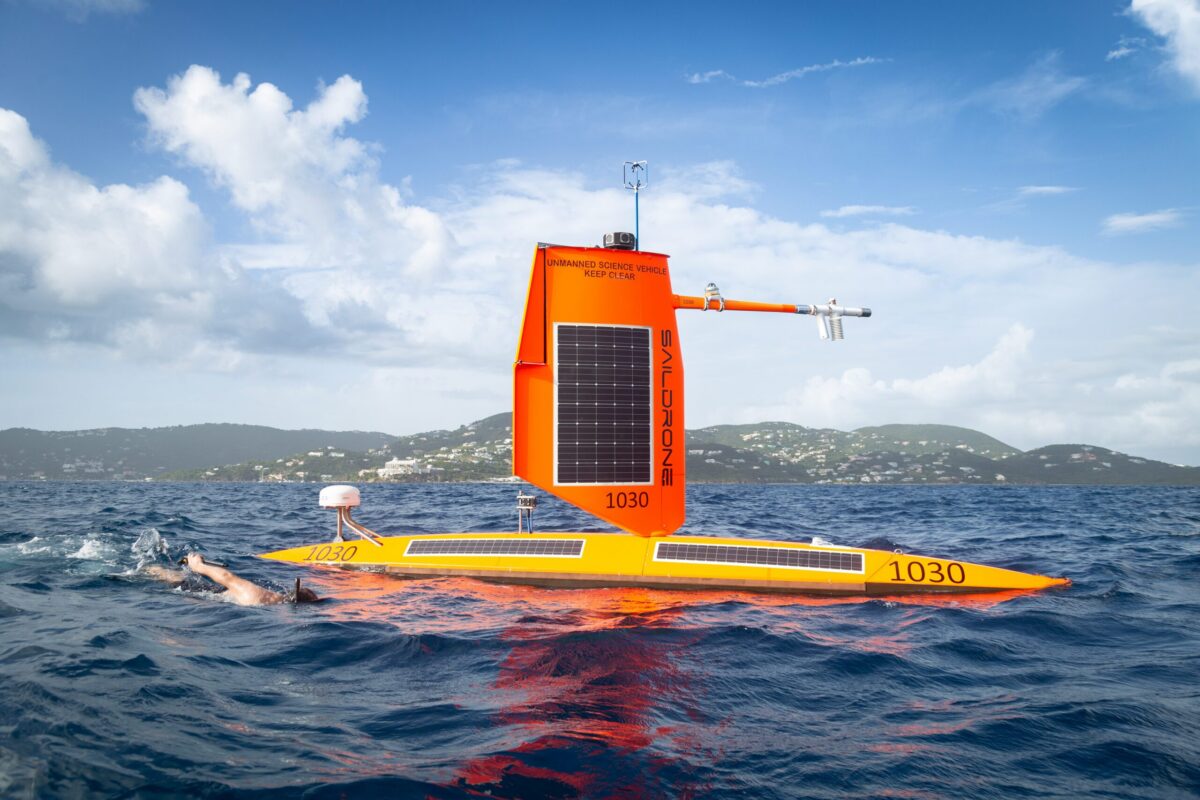
NOAA Sends Autonomous Surface Vehicles Into Hurricanes to Study Rapid Intensification
Saildrone, in collaboration with the National Oceanic and Atmospheric Administration (NOAA), has announced the deployment of 10 unmanned surface vehicles (USVs) during the 2026 hurricane season. This initiative aims to enhance hurricane forecasting and improve models for rapid intensification across the Atlantic basin. The partnership reflects a commitment to advancing storm research and understanding the dynamics of hurricanes, which is crucial for better preparedness and response strategies. By utilizing autonomous technology, the mission seeks to gather critical data that can lead to more accurate predictions and ultimately save lives during severe weather events.
Drone News Drone News Feeds News Research Weather Atlantic hurricane season
RAD launches Autonomy Core: Unlocking Simple, Scalable, Remote Vessel Control
At the Combined Naval Event in Farnborough, RAD unveiled its latest innovation, the RAD Autonomy Core, a product designed to enhance the remote control capabilities of vessels. This new addition to the RAD Autonomy System aims to simplify and improve the reliability and flexibility of marine operations. The Autonomy Core is engineered to integrate effortlessly with existing propulsion and onboard systems, providing a practical solution for advancing marine autonomy while ensuring safety and control remain uncompromised.
rad autonomy core remote vessel control usv unmanned
Researchers Say Autonomous Robots Can Make Safer Decisions With ‘Rulebooks’ System
Researchers at Iowa State University, in collaboration with ETH Zürich, have introduced a novel framework designed to enhance the decision-making capabilities of autonomous robots in situations where rules may conflict. The findings, published in the IEEE Transactions on Robotics, outline a system referred to as "rulebooks," which prioritizes rules rather than merging them. This innovative approach aims to improve the safety and transparency of robotic operations in real-world environments, addressing a critical challenge in the field of robotics. The study underscores the importance of establishing clear guidelines for robots to navigate complex scenarios effectively, ultimately contributing to the advancement of autonomous technology.
AI AI Research & Advances Robotics autonomous systems autonomous vehicles ETH Zürich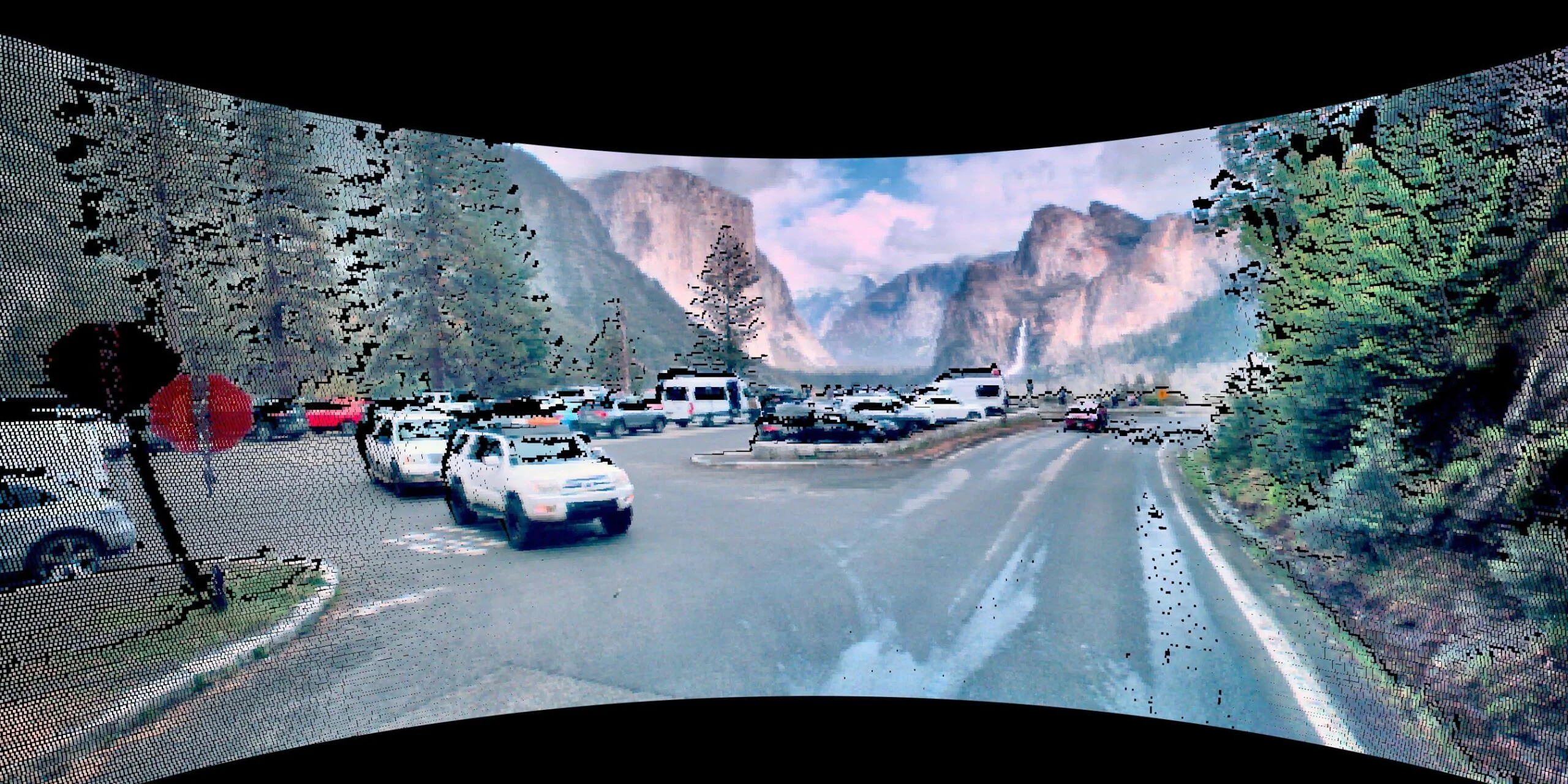
Ouster Releases Family of ‘Native Color Lidar’ Sensors for Robotics, Autonomous Vehicles
Ouster has launched a groundbreaking series of digital lidar sensors, the Rev8 family, which the company claims to be the world's first native color lidar platform. This innovative technology is designed for applications in robotics, autonomous vehicles, and industrial AI systems. The announcement was made recently, showcasing the sensors' capabilities powered by Ouster's advanced L4 Silicon architecture, which enhances their range and performance. This development marks a significant advancement in lidar technology, aiming to meet the growing demand for high-quality sensing solutions in various industries.
AI AI Use Cases Robotics autonomous driving industrial AI LiDAR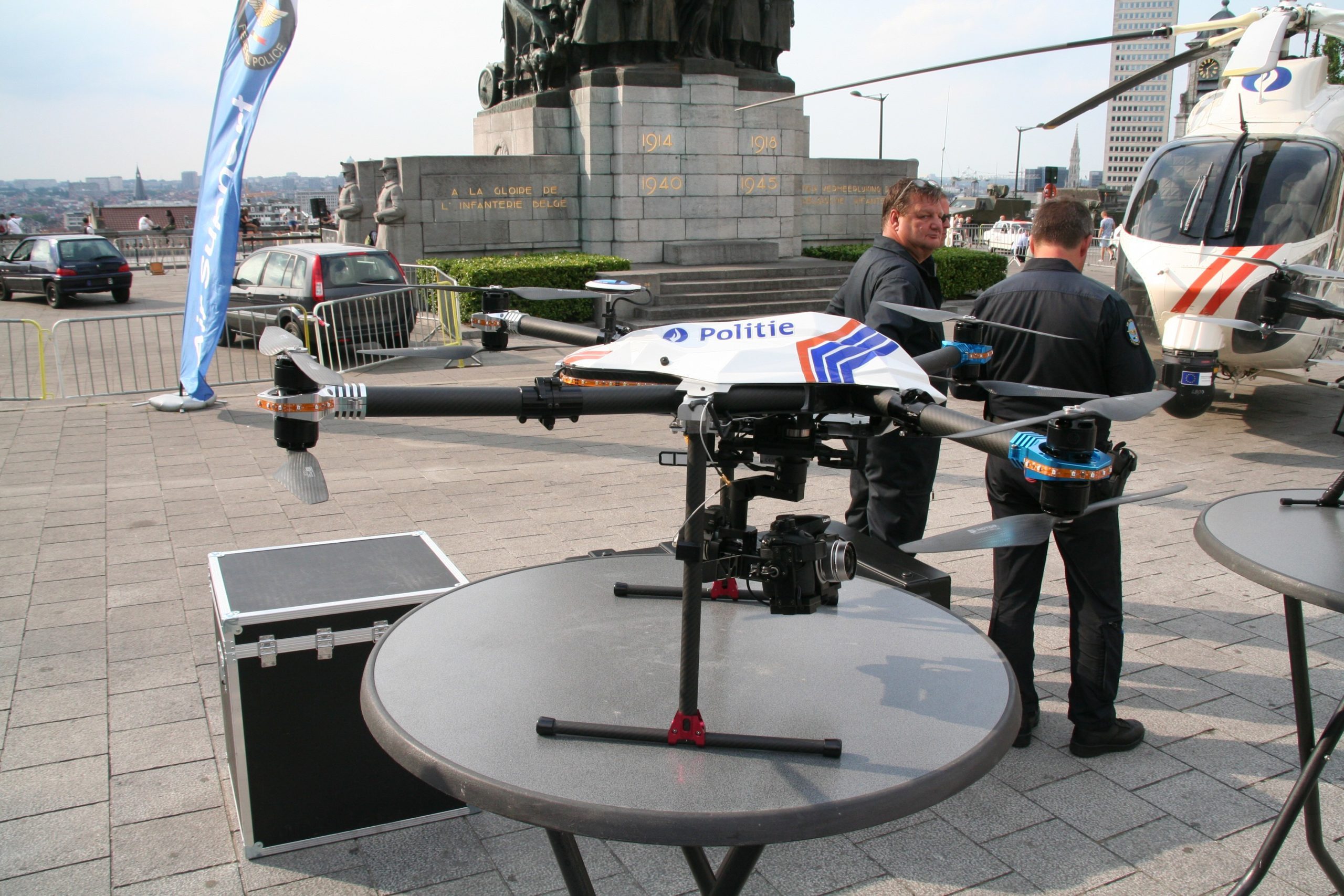
SkyfireAI Raises $11M to Advance Autonomous Multi-Drone Operations for Public Safety
SkyfireAI, a company based in Huntsville, Alabama, has successfully secured $11 million in seed funding to enhance its AI-driven platform designed for autonomous multi-drone operations. The funding round, led by Mucker Capital and supported by investors including AI Fund and SaaS Ventures, aims to reduce the workload for operators while facilitating large-scale coordinated drone responses, particularly in the realm of public safety. This financial boost will accelerate the development of the platform, which is expected to improve efficiency and effectiveness in emergency situations.
Applications Drone News Drone News Feeds Featured – Safety and Security Fire and Police Law Enforcement
Helsing Unveils Lura and SG-1 Fathom for Autonomous Mass Surveillance
Helsing, a prominent European defense technology firm, has introduced two innovative systems, Lura and SG-1 Fathom, aimed at enhancing maritime security and digitalizing ocean monitoring. Announced today, these advancements draw on the company's extensive expertise in air and land defense to transform maritime surveillance. Lura, a sophisticated software platform powered by advanced artificial intelligence, is designed to rethink traditional approaches to maritime threat detection. It employs autonomous technologies that are both scalable and cost-effective, enabling the identification of potential threats beneath the ocean's surface. This initiative reflects Helsing's commitment to leveraging cutting-edge technology to safeguard maritime environments.
helsing lura sg-1 fathom autonomous mass surveillance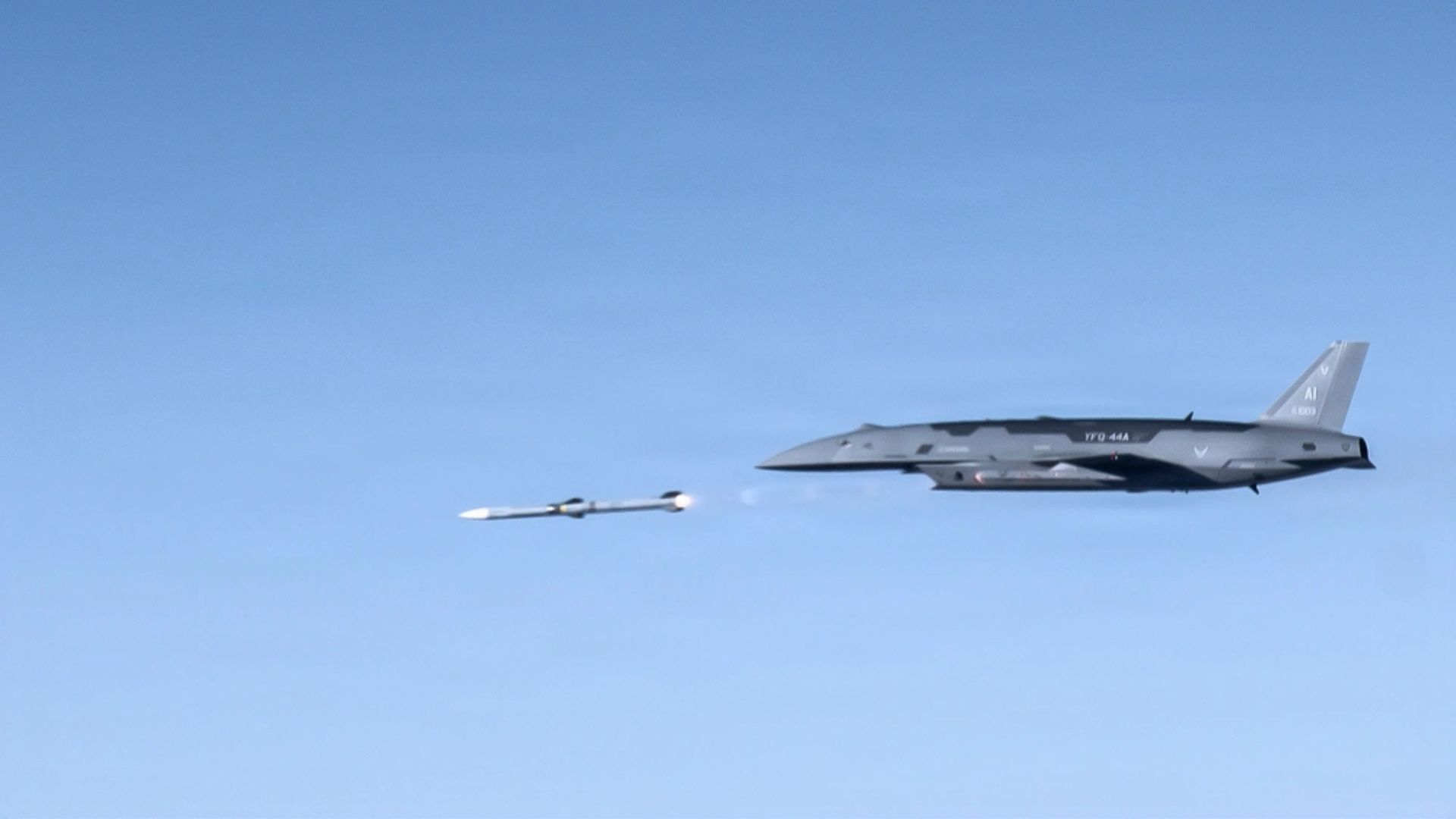
U.S. Air Force Conducts First Missile Launch from Anduril's YFQ-44A Drone
The U.S. Air Force successfully executed its inaugural missile launch from a Collaborative Combat Aircraft (CCA) on June 15, 2026. The Anduril-developed YFQ-44A drone fired an AIM-120 medium-range air-to-air missile at a digital target in California’s Mojave Desert, marking a significant advancement in the development of semi-autonomous drones capable of operating alongside piloted fighter jets. This milestone is crucial as it demonstrates the Air Force's commitment to enhancing its combat capabilities through the use of Collaborative Combat Aircraft. The YFQ-44A autonomously managed most mission steps, with a human operator providing the final launch approval, adhering to U.S. policy on lethal weapon control. This test signifies a shift from previous trials, where operators controlled the drone's flight, showcasing the aircraft's ability to execute complex tasks independently. Looking ahead, the Air Force aims to further develop and test these semi-autonomous aircraft, ultimately enhancing U.S. airpower. The CCA program seeks to deliver combat-ready drones that can operate effectively in challenging environments, with the potential for real mission deployment on the horizon. No further timeline was disclosed at the time of publication.
Military
Tesseract Ventures Selected for Pentagon's Autonomous Drone Delivery System Prototype Program
Tesseract Ventures, a Kansas City-based robotics and drone company, has been chosen by the Defense Innovation Unit (DIU) to participate in a prototype program aimed at enhancing the U.S. military's use of autonomous drones. This initiative, known as the Containerized Autonomous Drone Delivery System (CADDS), focuses on deploying unmanned aerial systems in challenging environments with limited infrastructure. The CADDS project represents a significant advancement for Tesseract Ventures, as it seeks to transition from single-operator drone control to a system where one individual can manage multiple drones simultaneously. This approach aims to improve operational efficiency and reduce the personnel required for drone missions, aligning with the Pentagon's goal of utilizing unmanned systems more extensively in military operations. Looking ahead, Tesseract Ventures will demonstrate its NOMAD modular autonomous platform as part of the prototype project. This platform is designed to facilitate the deployment, launch, recovery, and management of multiple drones from transportable containers. No further timeline was disclosed at the time of publication.
Military
MIT Develops FloatForm Swarm of Autonomous Boats for Adaptive Marine Infrastructure
MIT researchers have unveiled FloatForm, a swarm of 21-centimeter-square autonomous robotic boats capable of self-assembling into floating structures. Each boat is equipped with thrusters, sensors, and a magnetic latching mechanism, allowing them to connect and reconfigure with minimal human intervention. This modular system can adapt to various environments, supporting applications such as emergency response, temporary bridges, and floating markets in waterways across diverse geographies. The significance of FloatForm lies in its decentralized swarm robotics approach, which enables the boats to make local decisions rather than relying on a central controller. This design enhances scalability and efficiency, allowing the robots to navigate and coordinate independently while maintaining robust structural integrity. The innovative magnetic latching system, inspired by origami, allows for reliable connections between boats, facilitating the creation of larger, adaptive structures on water. Future developments will focus on expanding the capabilities of FloatForm for use in canals, rivers, and coastal areas. The researchers aim to deploy larger versions of the robots for various applications, including temporary infrastructure and environmental monitoring. No further timeline was disclosed at the time of publication, but the potential for this technology to transform marine operations is significant, as noted by experts in the field.
AI and Robotics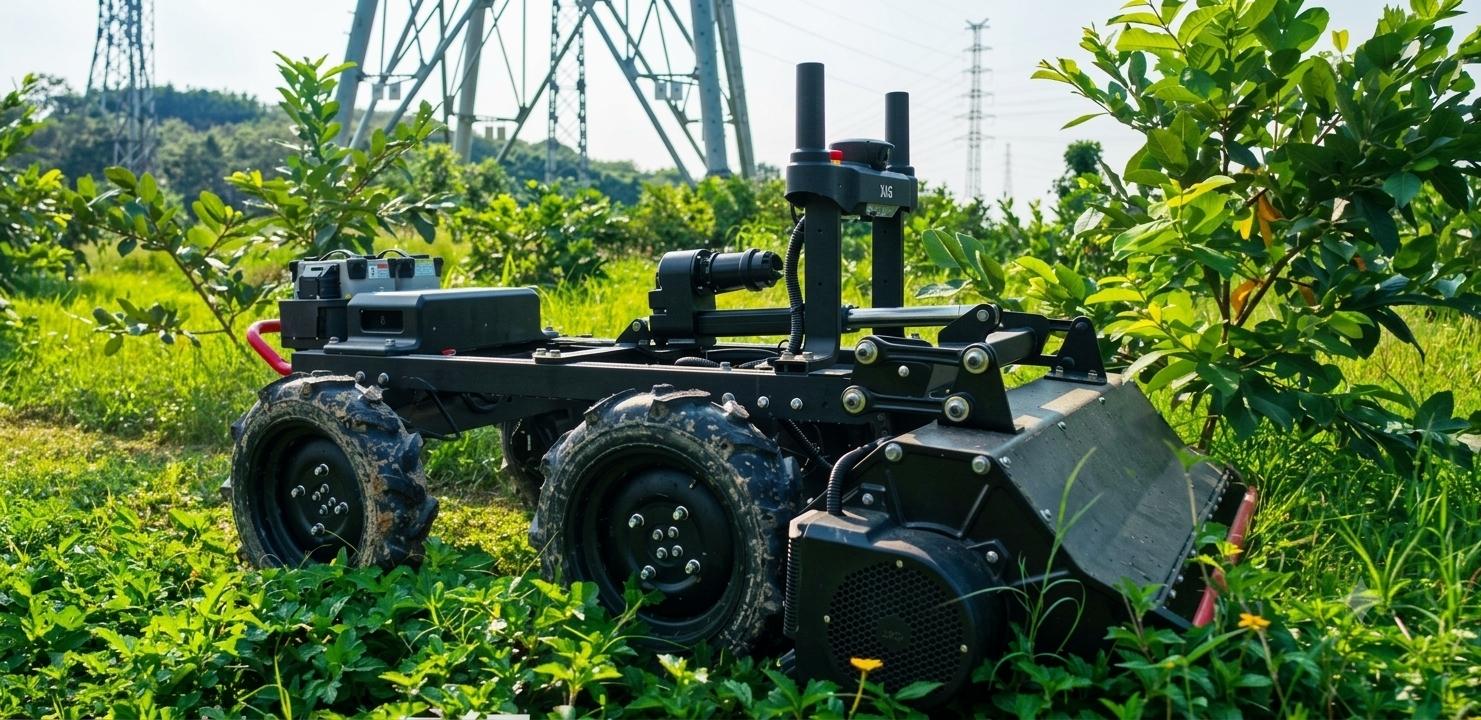
XAG Introduces RM80 Electric Mower and X Series Drone System for Autonomous Farming
XAG has launched the RM80, a 143 kg all-electric unmanned mower, at the Agricultural Robot Conference in Guangzhou, China. Designed for orchard management and land reclamation, the RM80 operates for up to 40 minutes per charge and can autonomously cover 0.33 to 0.53 hectares per hour. It features advanced navigation through the SuperX 5 Ultra control system and can also perform stubble removal for effective weed control. The introduction of the RM80 coincides with the unveiling of XAG's new X Series drone system, aimed at creating a fully autonomous farming workflow. This system includes the X Series drone, XA1 docking station, and LM1 chemical mixing unit, enhancing automation in tasks like charging and chemical refilling. The drone boasts improved computing power and perception capabilities, allowing it to survey up to 300 hectares in a single mission, while the docking station ensures precise automatic charging and refilling. XAG has not disclosed pricing details for the RM80 or the X Series system, with market packages expected to vary based on local dealer offerings. The company's strategy emphasizes integrating various robotic functions into a coordinated workflow, positioning its equipment as essential components of modern smart farming rather than standalone tools. No further timeline was disclosed at the time of publication.
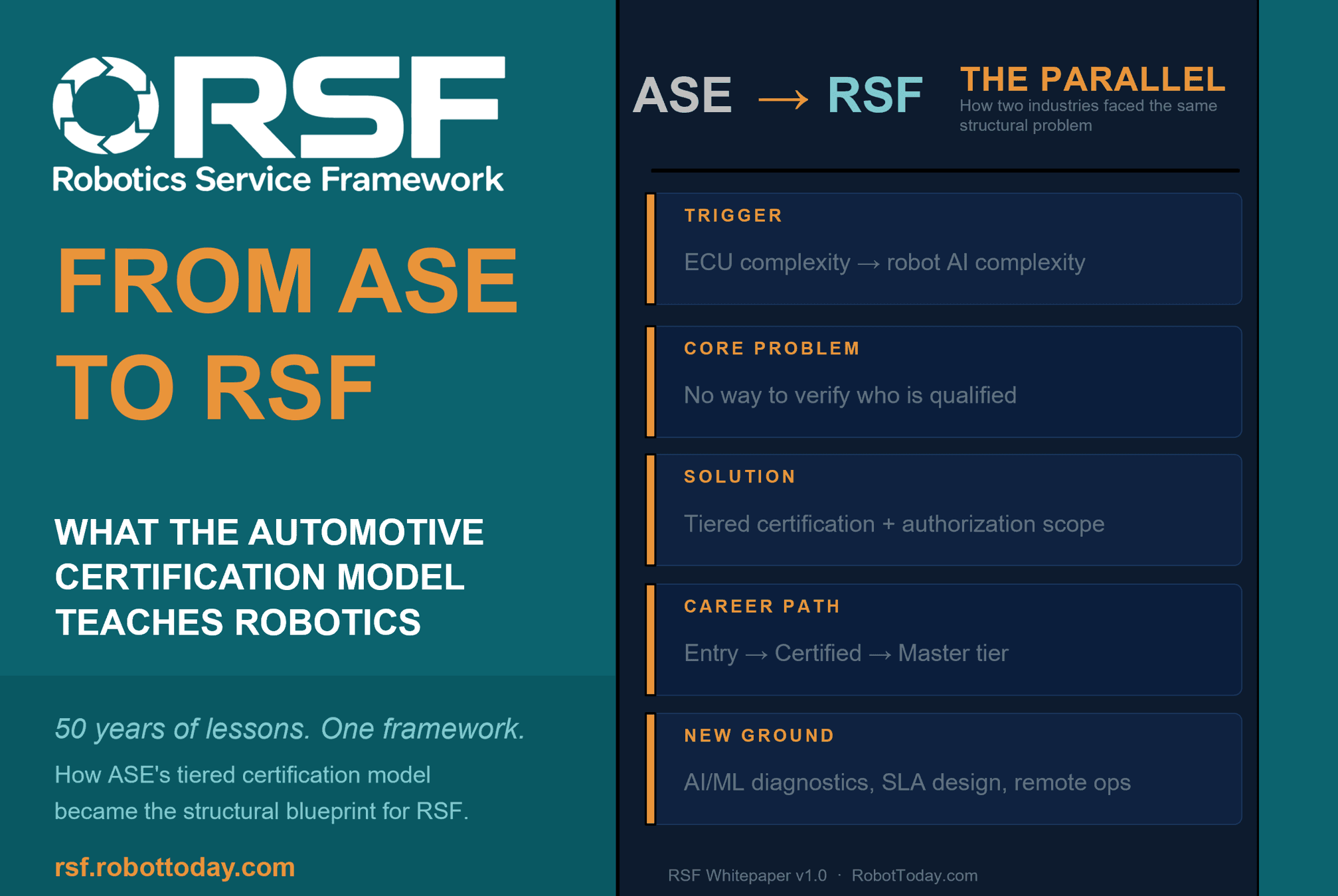
Smart farming agricultural robots autonomous technology drone technology electric tractors robotic harvestingRobotics needs a service framework.
RSF defines a common language for robot service capability, lifecycle operations, certification pathways, and service-provider networks.